Today's been sad. Tomorrow won't get any better. Let's un-do it all over again
Social & External
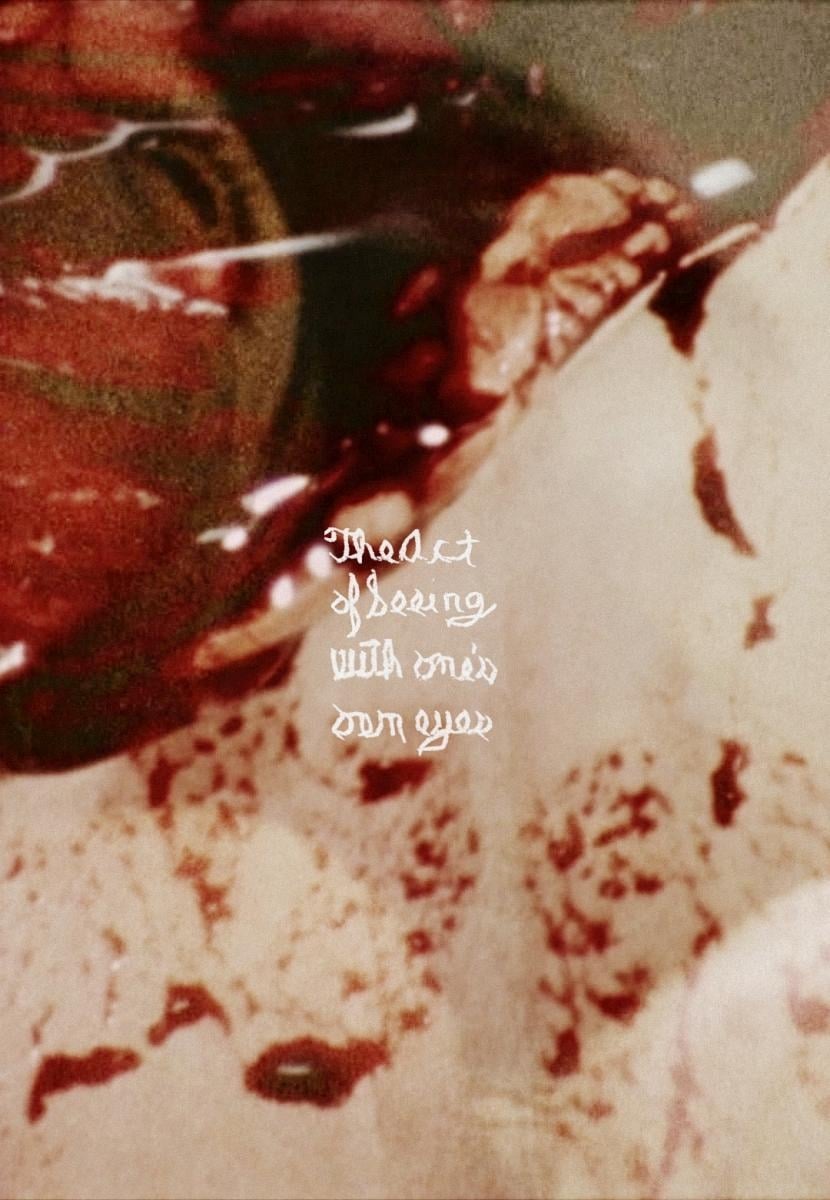
At a morgue, forensic pathologists conduct autopsies of the corpses assigned. "S. Brakhage, entering, WITH HIS CAMERA, one of the forbidden, terrific locations of our culture, the autopsy room. It is a place wherein, inversely, life is cherished, for it exists to affirm that no one of us may die without our knowing exactly why. All of us, in the person of the coroner, must see that, for ourselves, with our own eyes. It is a room full of appalling particular intimacies, the last ditch of individuation. Here our vague nightmare of mortality acquires the names and faces of OTHERS. This last is a process that requires a WITNESS; and what 'idea' may finally have inserted itself into the sensible world we can still scarcely guess, for the CAMERA would seem the perfect Eidetic Witness, staring with perfect compassion where we can scarcely bear to glance." – Hollis Frampton
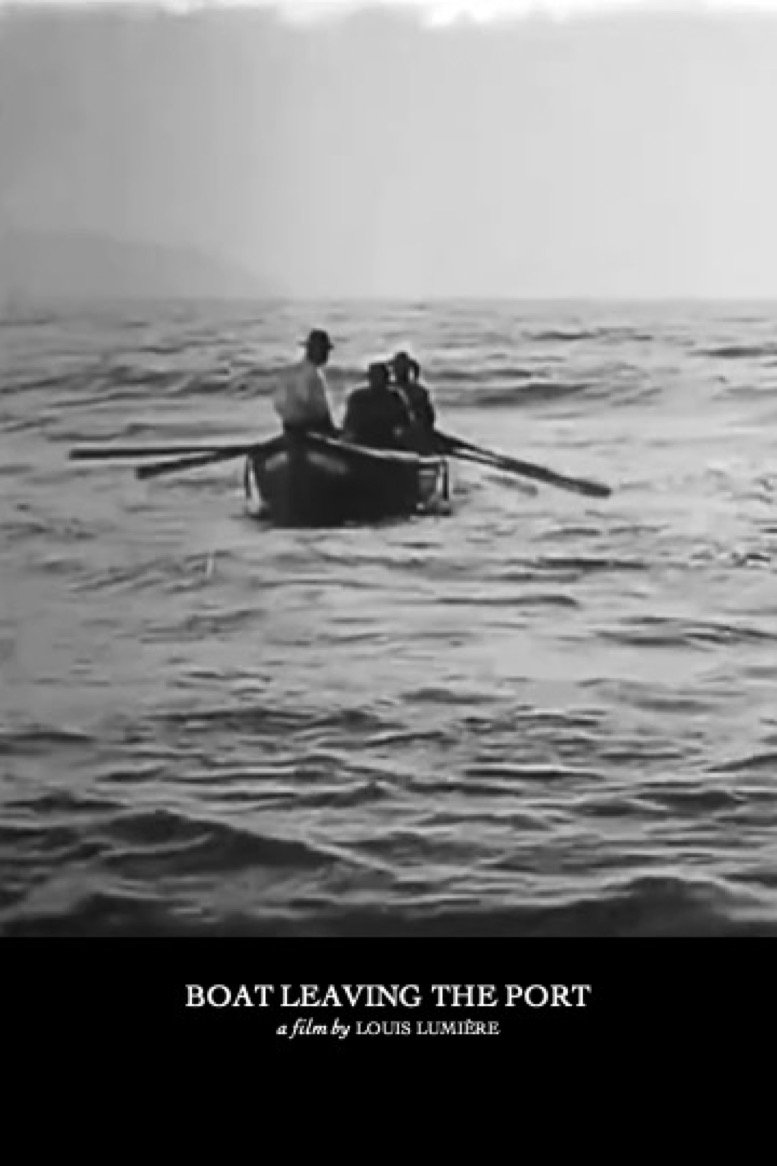
In very bad weather and a stormy sea, a small boat manned by two men is trying to leave the harbor of La Ciotat, while several people are watching them from the nearby pier.
Kathryn Osterman, the well-known vaudeville comedienne, in a complete exposition of the methods of "making-up" the face for the stage. She shows the penciling of the eye-brows, blackening the eye lashes, rouging the lips, applying the grease paint and so forth. The work is done in a very dainty and interesting way. Only the head and shoulders of the subject are shown; the figure thus being very large. (AMB Picture Catalogue, 1902)
Kathryn Osterman was a legitimate actress who worked occasionally in the movies during the first decade and a half of the 20th century. This looks like a Mutoscope cut-down of an actuality released in 1900, "The Art of "Making Up"". In it, we see her from the rear, sitting in front of a dressing mirror, putting up her hair and powdering her face.
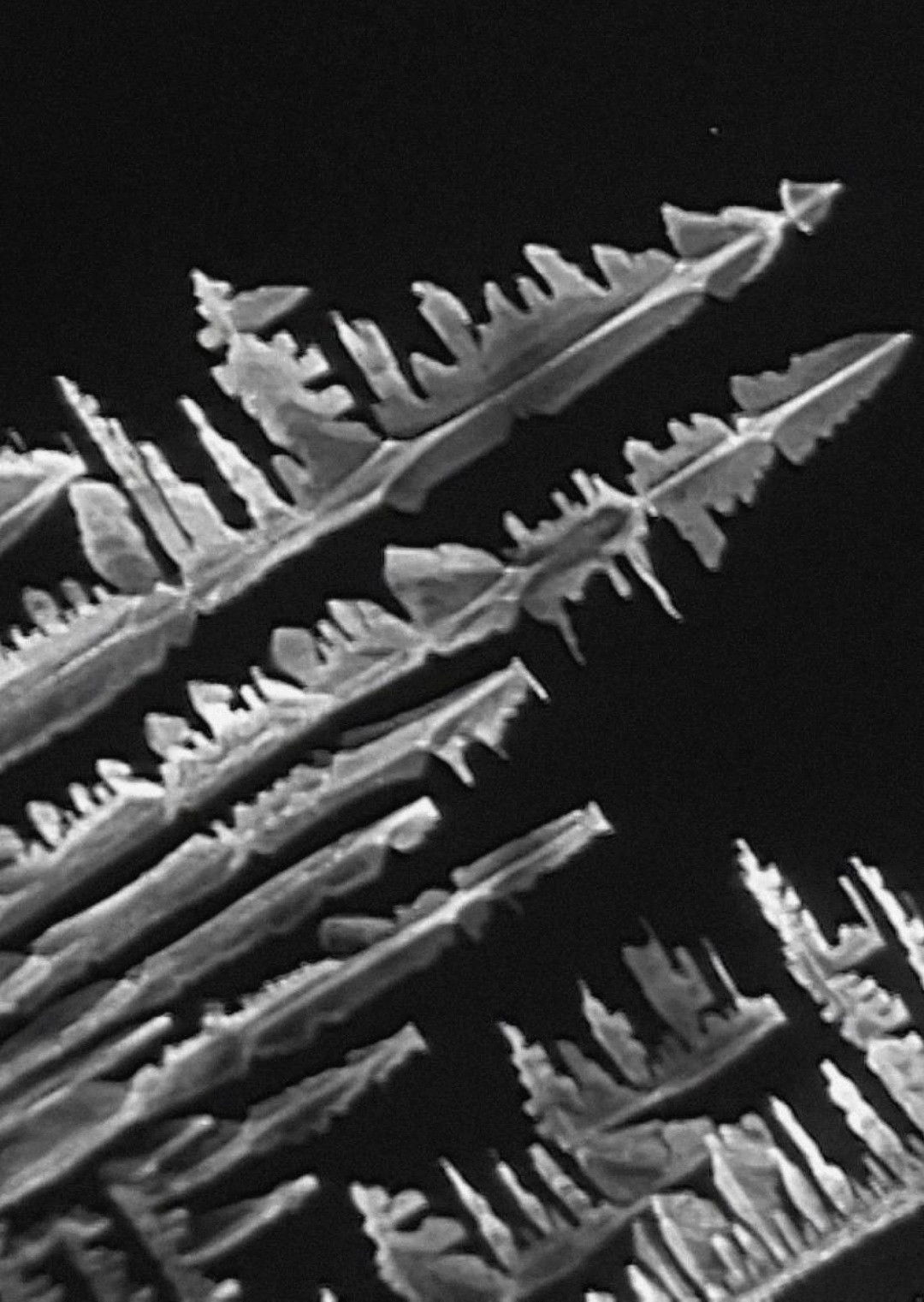
'Uit het rijk der kristallen' is one of several scientific films made by J.C. Mol. In the film, the crystallization processes of various chemicals are shown. There are different versions of Uit het rijk der kristallen: the original silent film was given a soundtrack in the 1930s, and there is a colour version of the film which was made using Dufay colour. A clip from the film, or other shots of identical crystallization processes, can be seen in Mol’s other films. The film was not only screened at educational and scientific presentations, but also resonated within avant-garde circles. The film was screened at the first show presented by the Harlem branch of the Filmliga. This was followed by a screening at Amsterdam’s Filmliga, and at ‘Studio 28’ in Paris. There, the film was screened as a ‘triptyque’, with three projectors side by side.
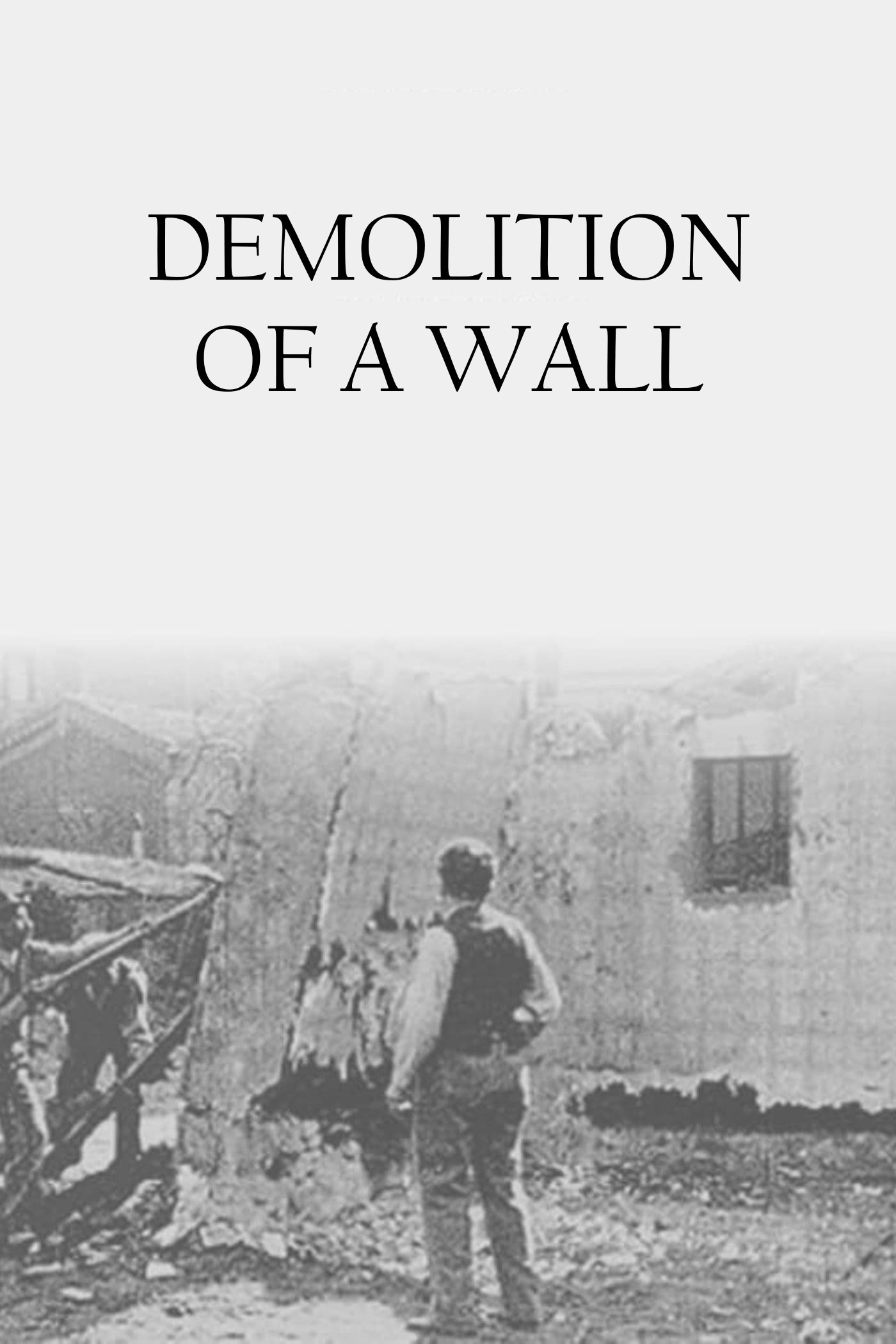
Auguste Lumière directs four workers in the demolition of an old wall at the Lumière factory. One worker is pressing the wall inwards with a jackscrew, while another is pushing it with a pick. When the wall hits the ground, a cloud of white dust whirls up. Three workers continue the demolition of the wall with picks.
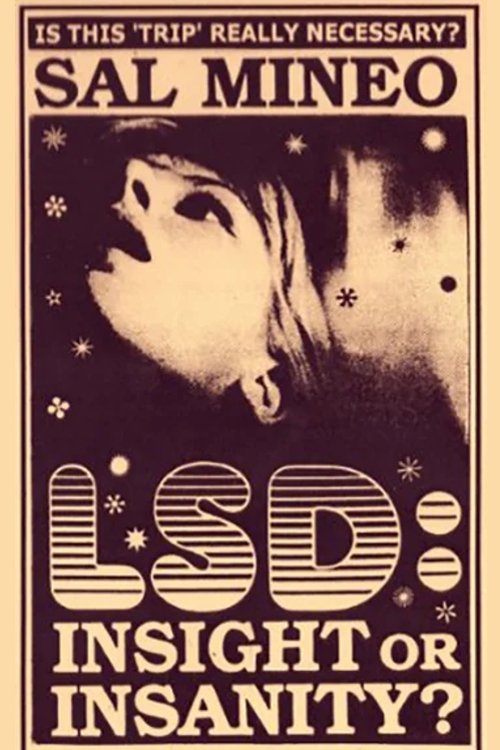
Documentary about the potentially dangerous and unpredictable drug LSD. Various experts discuss how LSD is made and the hazards involved in using it while avid users explain why they enjoy taking it.
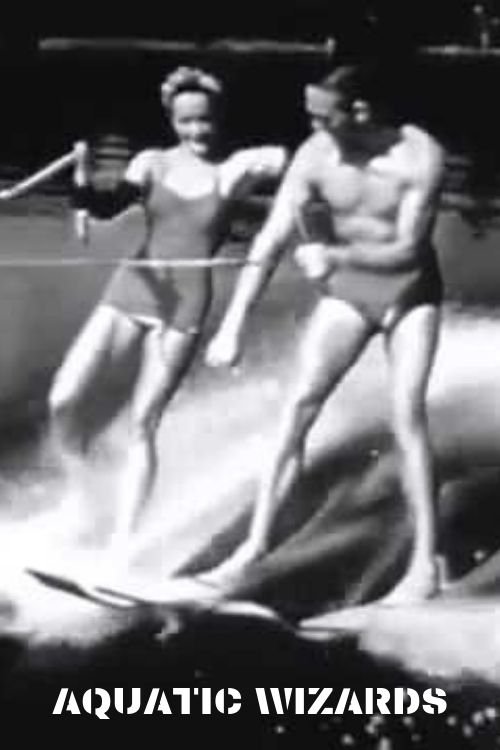
See the variety of water-skiing in beautiful Cypress Gardens, Florida!
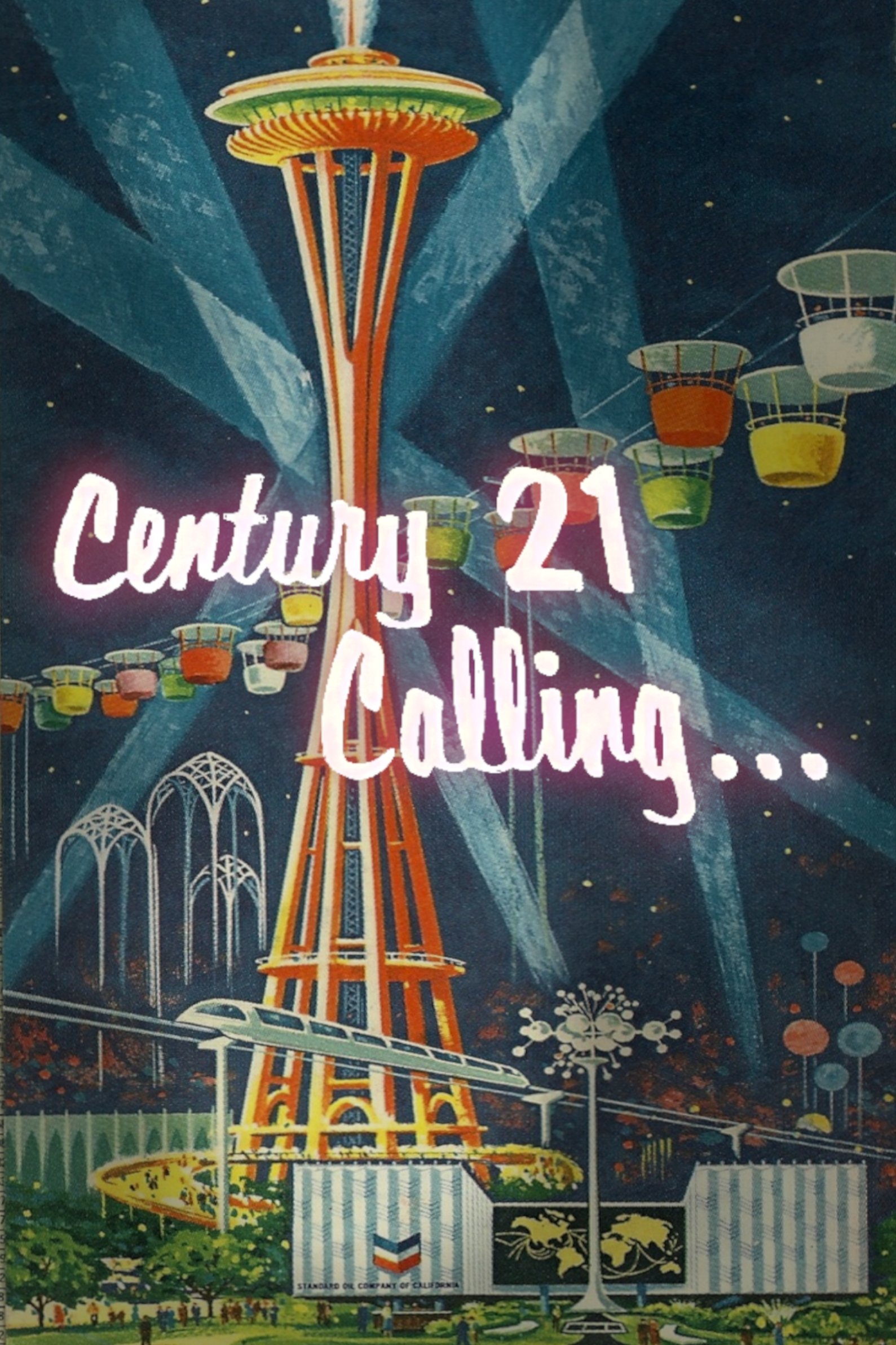
Two perky teens explore every inch of the telephone exhibit at Seattle's fair.
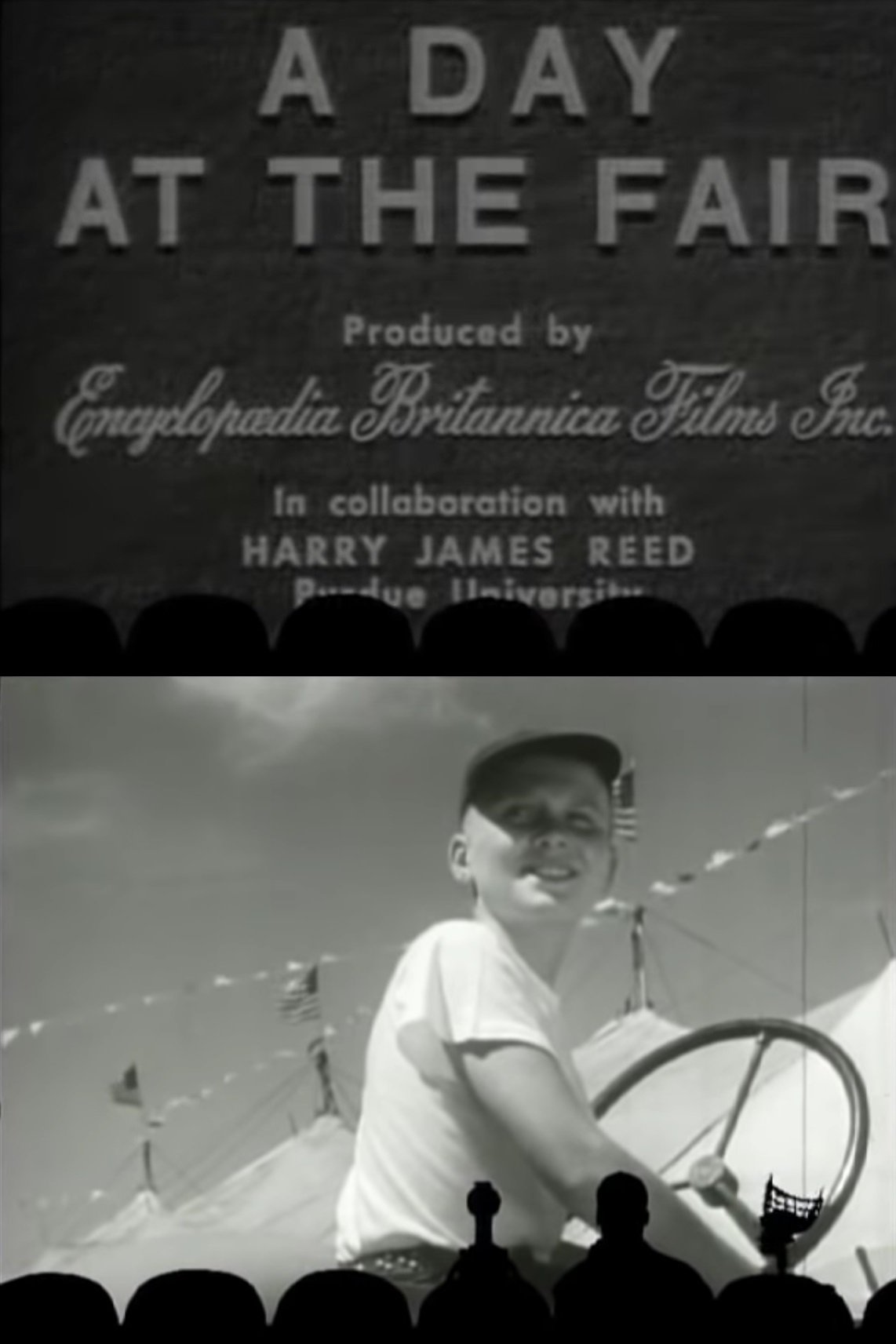
On the day young Alan receives his driver's license, Officer Hal Jackson visits the Dixon farm to sternly lecture the family on the dangers of carelessness at railroad crossings.
A family goes to the local fair to compete with their livestock & produce.
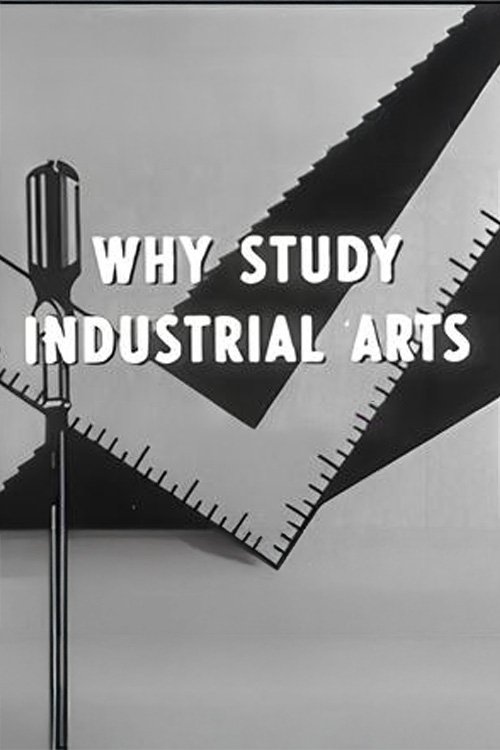
A high school student really likes his shop class...perhaps a bit too much!
Experimental film fragment made with the Edison-Dickson-Heise experimental horizontal-feed kinetograph camera and viewer, using 3/4-inch wide film.
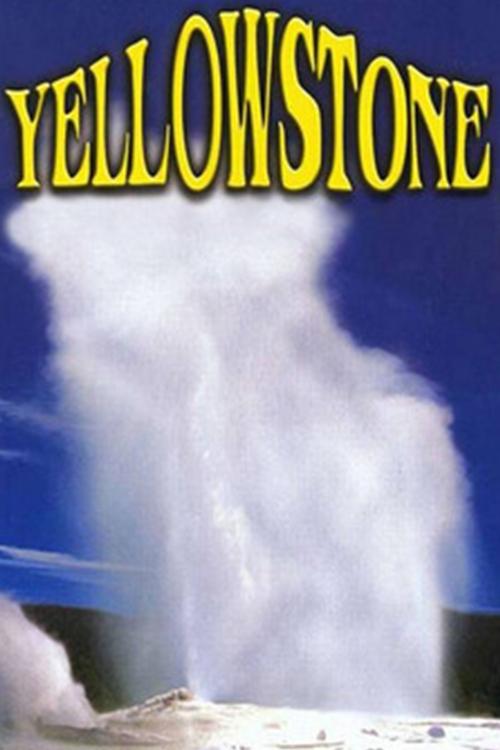
See Yellowstone National Park: Grizzlies, geysers, rivers, canyons and, of course, moose. The history of Yellowstone National Park is vividly portrayed in this memorable film, from the Tukudika Tribe, the earliest known inhabitants, to the early explorers including John Colter, a member of the Lewis & Clark party. Also portrayed are Wilson Hunt, who deemed the west unfit for habitation, Father Francis Kuppens, a Jesuit priest in pursuit of native souls, and the Washburn Expedition, instrumental in establishing Yellowstone as America’s first national park.
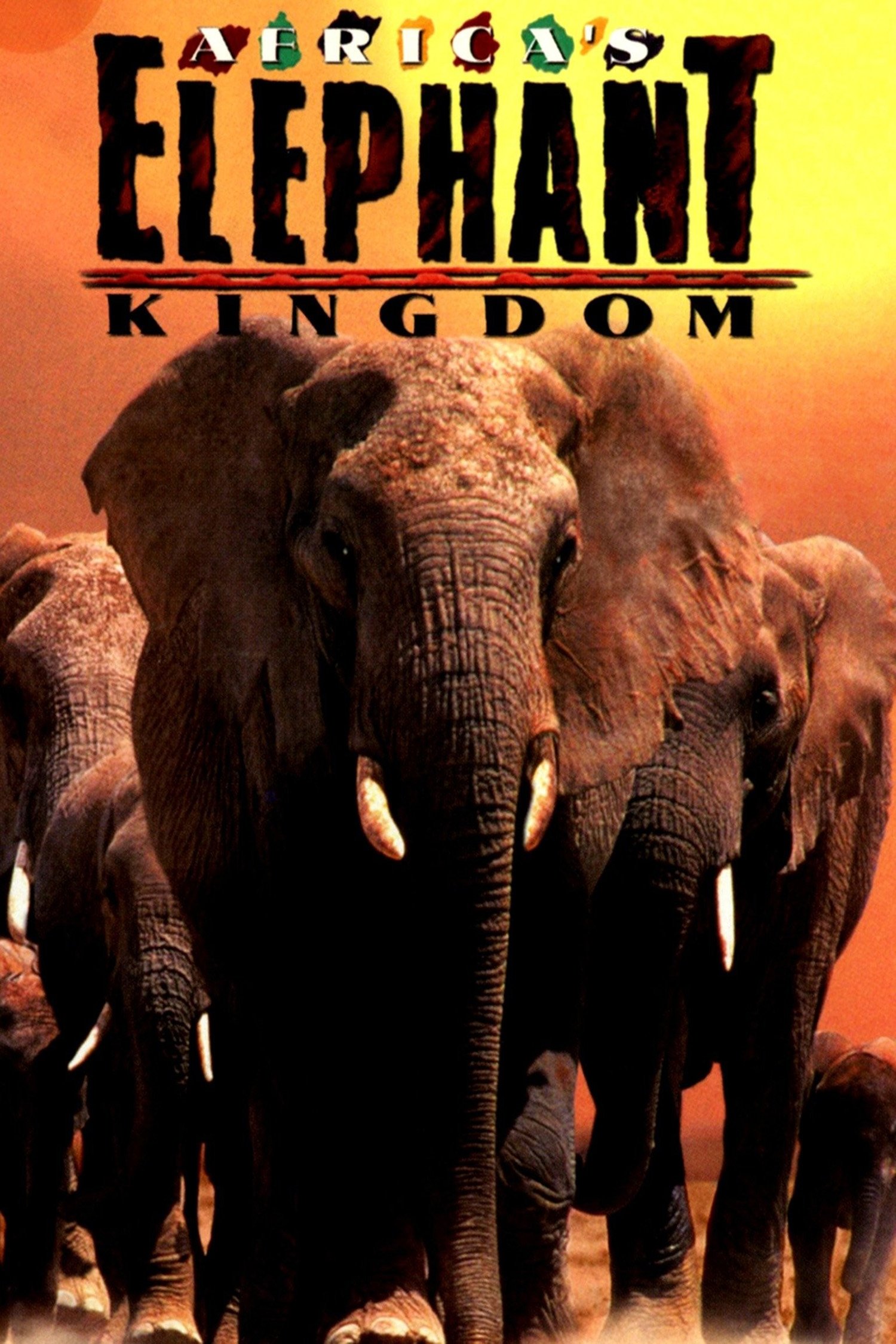
This film explores an elephant clan's search for food and water as seen through the eyes of one old bull.
With the cameraman atop a moving train car the viewer is given a one minute glimpse of a French urban area.
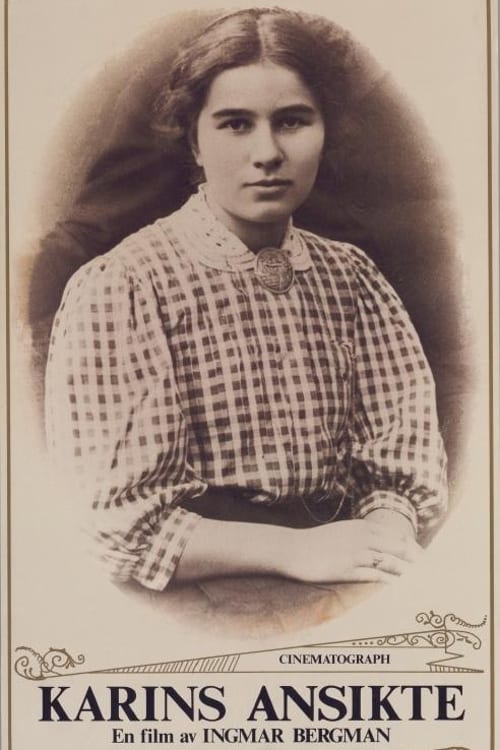
This short film assembles still photographs from Ingmar Bergman’s personal family albums, concentrating on portraits of his mother, Karin, from childhood through adulthood. The images are arranged in chronological order and set to a piano score by Käbi Laretei, with no spoken narration.
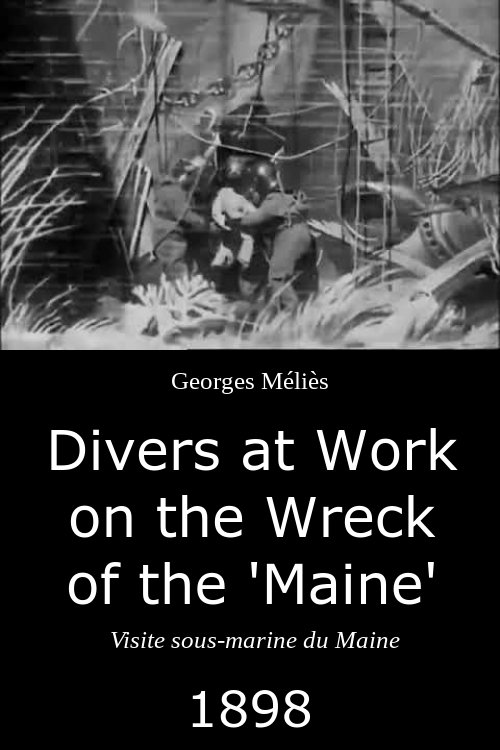
Divers go to work on a wrecked ship (the battleship Maine that was blown up in Havana harbour during the Spanish-American War), surrounded by curiously disproportionate fish.
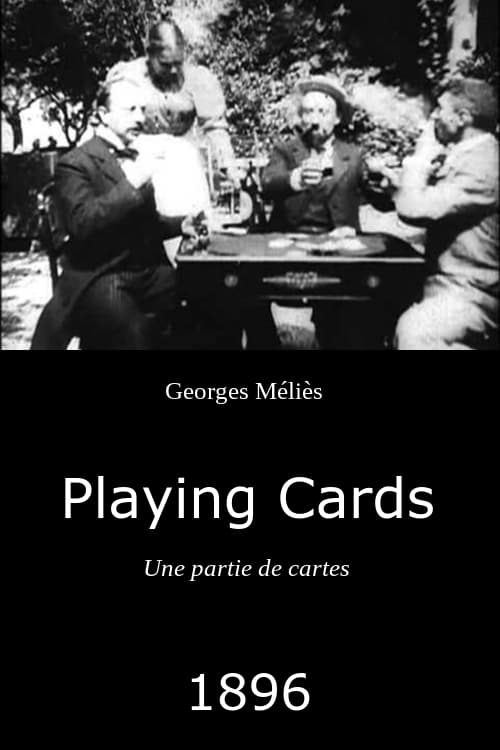
Three friends are playing cards in a beer garden. One of them orders drinks. The waitress comes back with a bottle of wine and three glasses on a tray. The man serves his friends. They clink glasses and drink. Then the man asks for a newspaper. He reads a funny story in it and the three friends burst out laughing while the waitress merely smiles.
This short film is Godard’s message to the people of Lausanne, specifically journalist and critic Freddy Buache, addressing his reasons why he will not make a film about their town’s 500th anniversary. Rather than cynical or defensive, Godard's bemused narration of the footage of Lausanne is imaginative and even playful, a rumination on cinema's possibilities.
Ross McElwee sets out to make a documentary about the lingering effects of General Sherman's march of destruction through the South during the Civil War, but is continually sidetracked by women who come and go in his life, his recurring dreams of nuclear holocaust, and Burt Reynolds.
A detailing of the rise to prominence and global sporting superstardom of six supremely talented young Manchester United football players (David Beckham, Nicky Butt, Ryan Giggs, Paul Scholes, Phil and Gary Neville). The film covers the period 1992-1999, culminating in Manchester United's European Cup triumph.
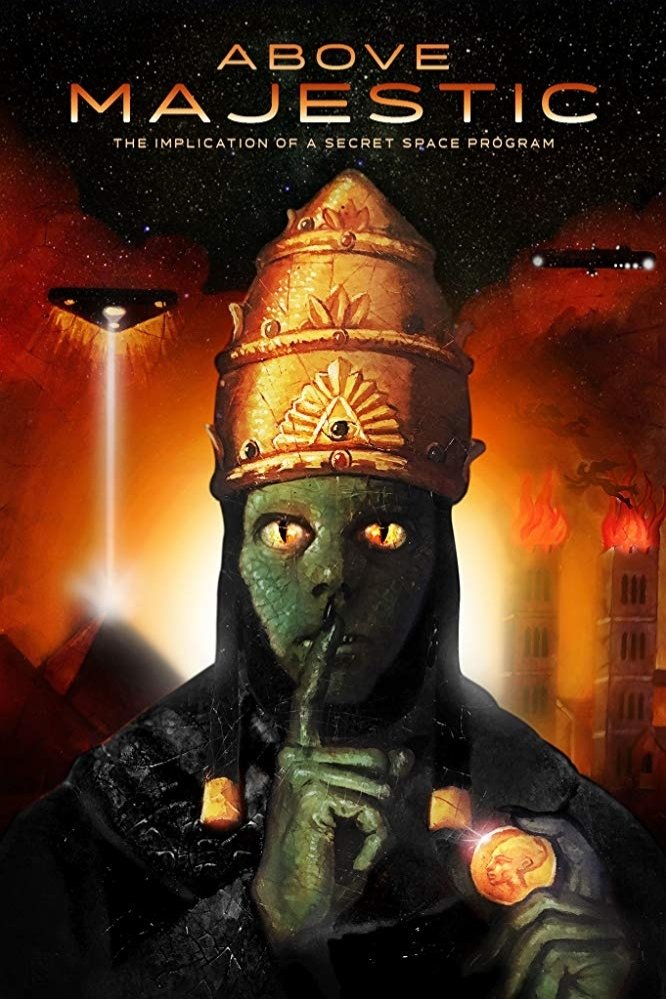
A look at the origins, history and conspiracies behind the "Majestic 12", a clandestine group of military and corporate figureheads charged with reverse-engineering extraterrestrial technology.
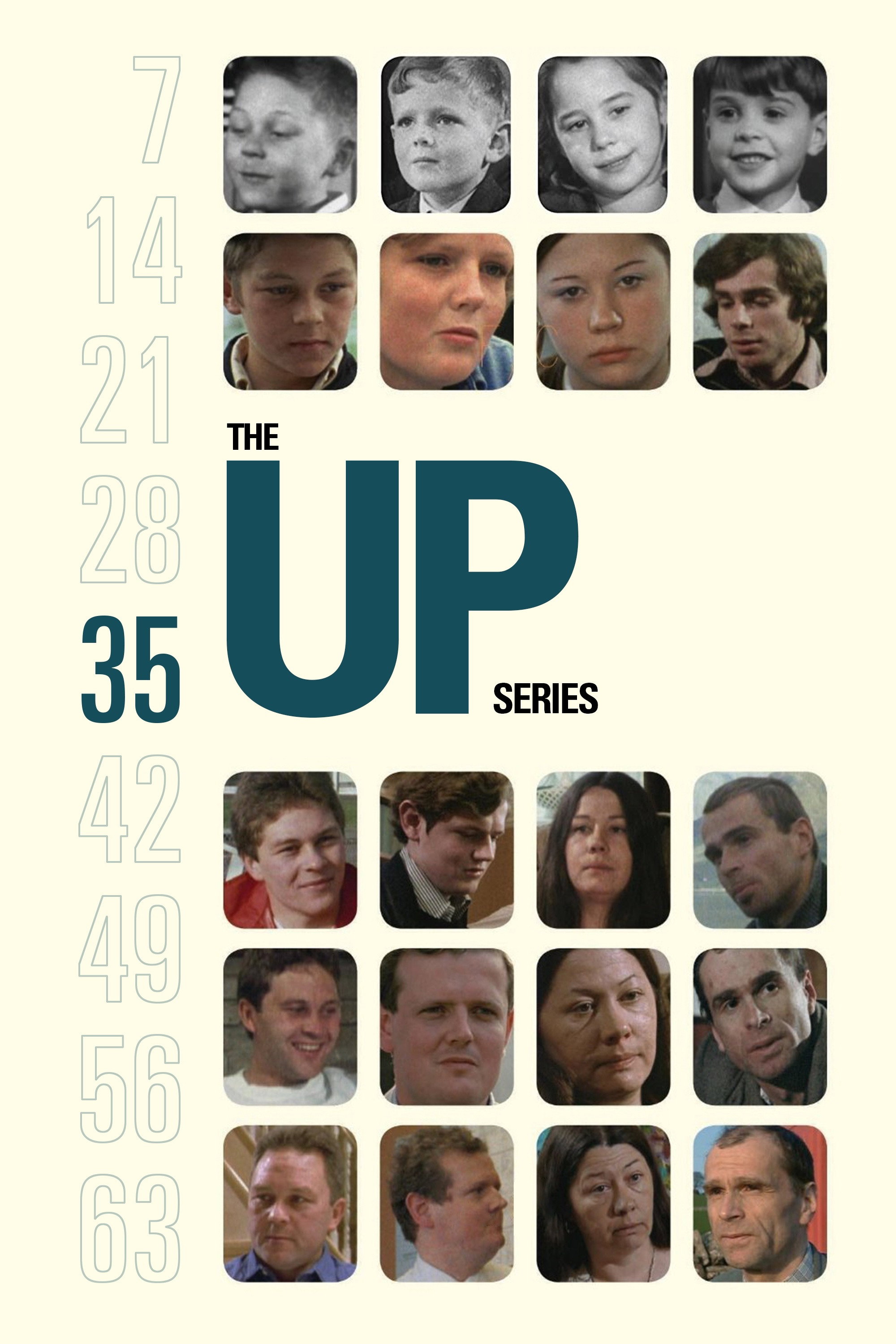
After another 7 year wait, director Michael Apted revisits the same group of British-born children from Seven Up! and 7 Plus Seven. The subjects are interviewed as to the changes that have occurred in their lives during the last seven years.
A visual montage portrait of our contemporary world dominated by globalized technology and violence.
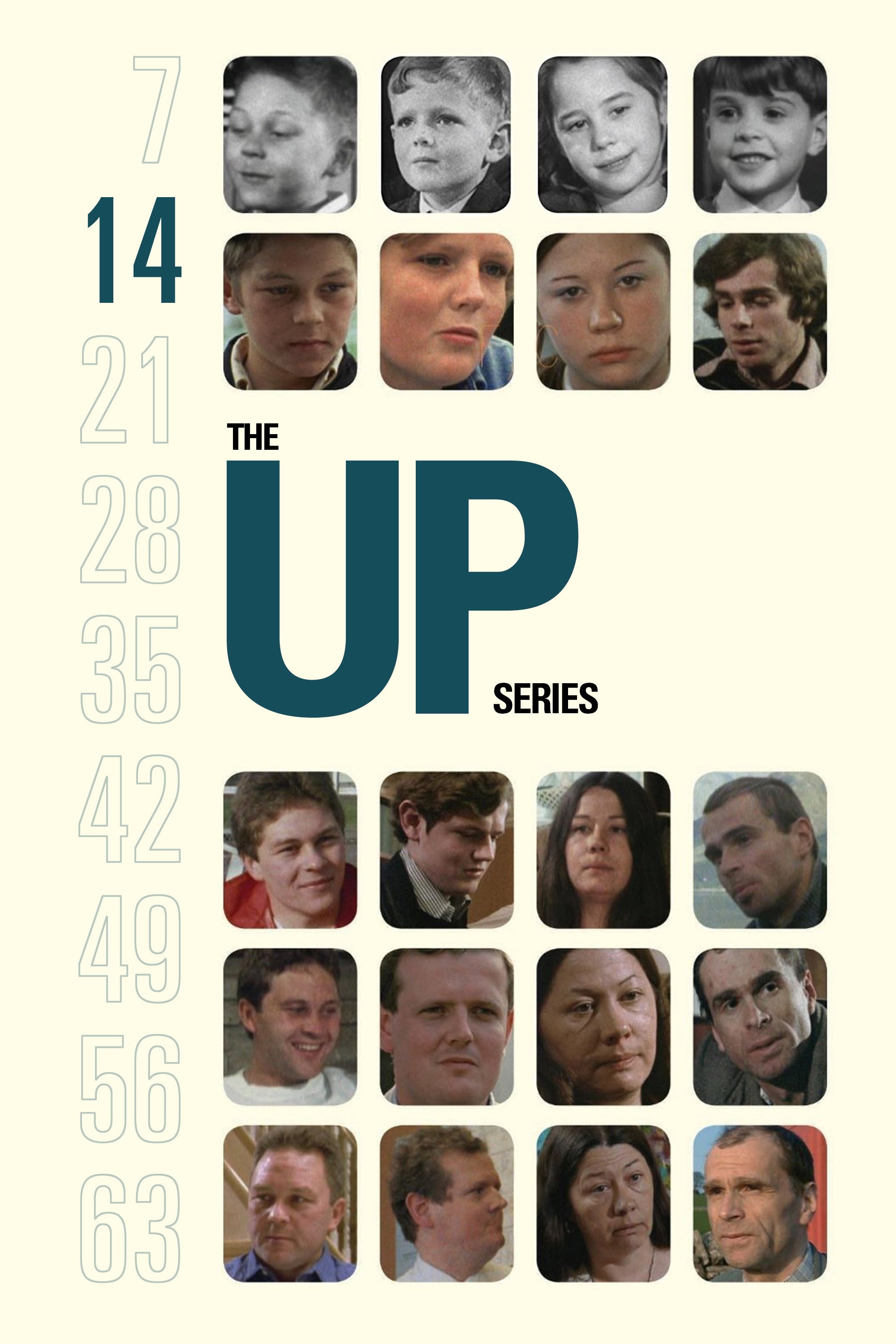
After a 7 year wait, director Michael Apted revisits the same group of British-born children from Seven Up! The subjects are interviewed as to the changes that have occurred in their lives during the last seven years.
This character-driven film considers the evolving sex trafficking landscape as seen by the main players: the exploited, the pimps, the johns that fuel the business, and the cops who fight to stop it.
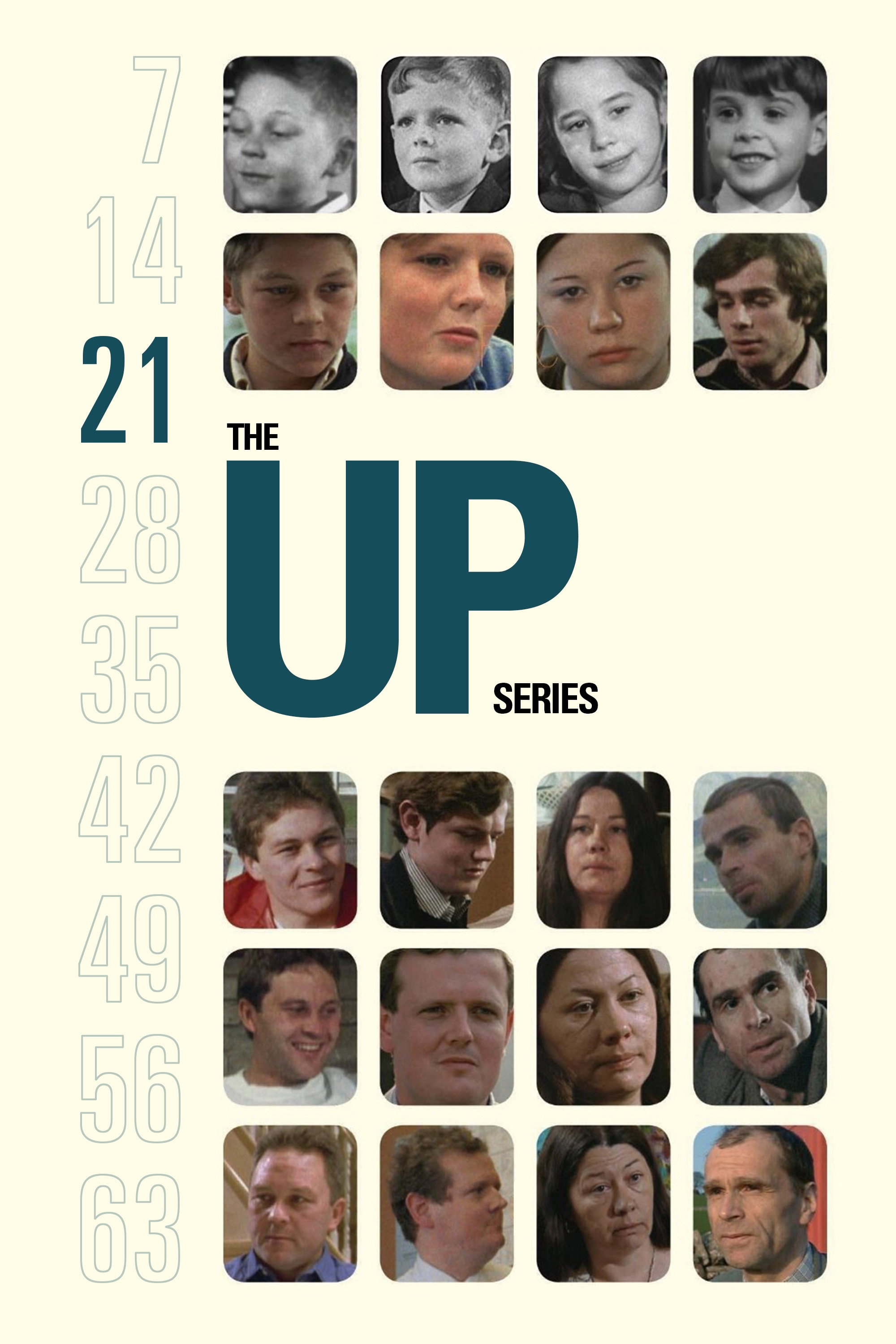
Director Michael Apted revisits the same group of British-born adults after a 7 year wait. The subjects are interviewed as to the changes that have occurred in their lives during the last seven years.
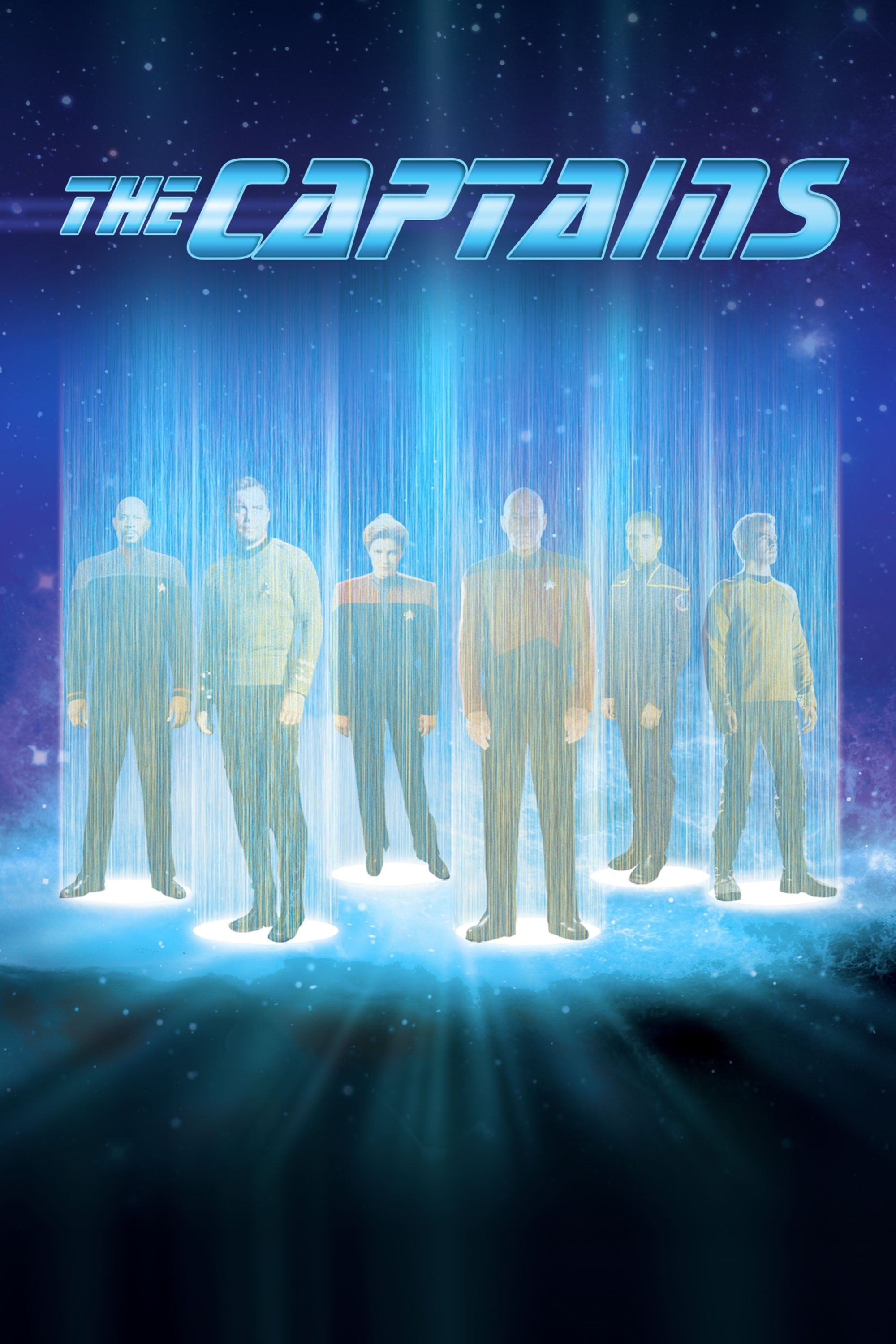
The Captains is a feature-length documentary film written and directed by William Shatner. The film follows Shatner as he interviews the other actors who have portrayed starship captains in the Star Trek franchise.
An inside look at one of the most anticipated movie sequels ever with James Cameron and cast.
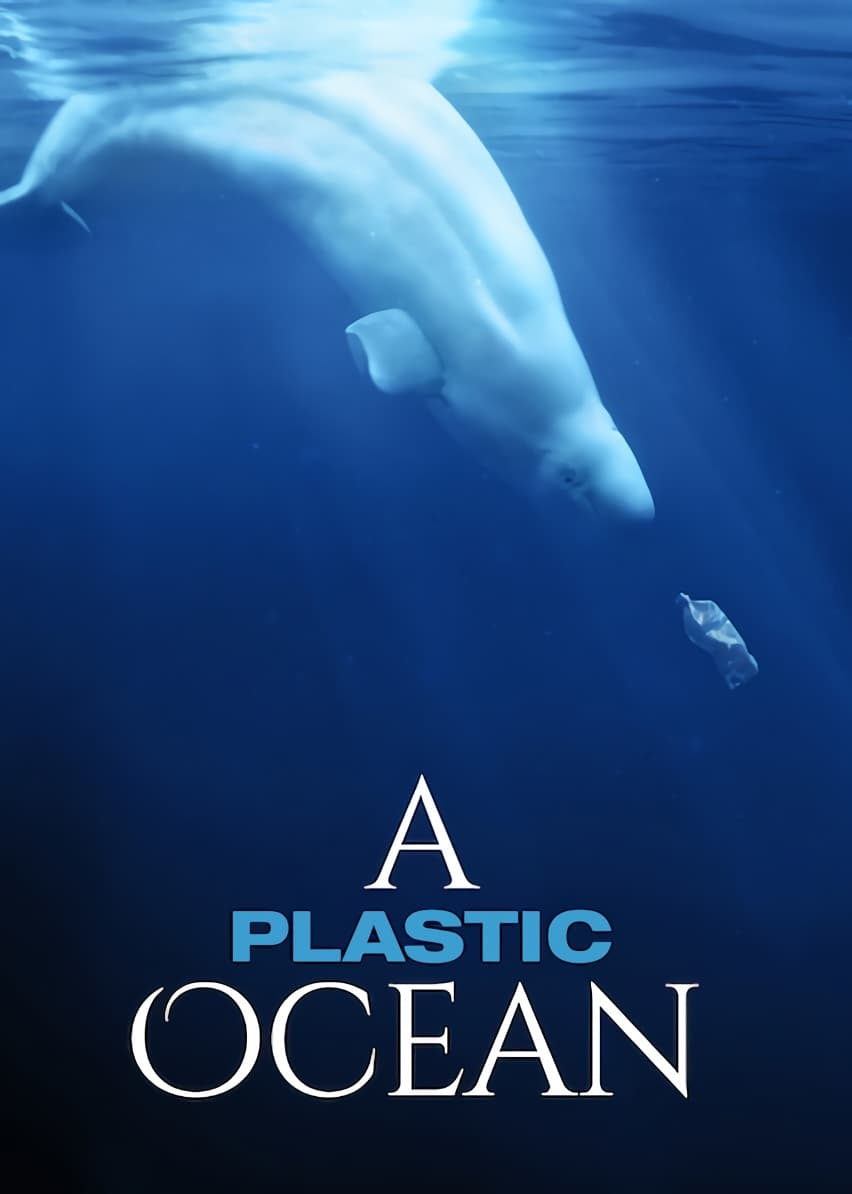
A documentary focused on plastic pollution in the world's oceans.
Lyrical and powerfully personal essay film that reflects on the deaths of her husband Lou Reed, her mother, her beloved dog, and such diverse subjects as family memories, surveillance, and Buddhist teachings.
A documentary about the life and films of director John Ford.
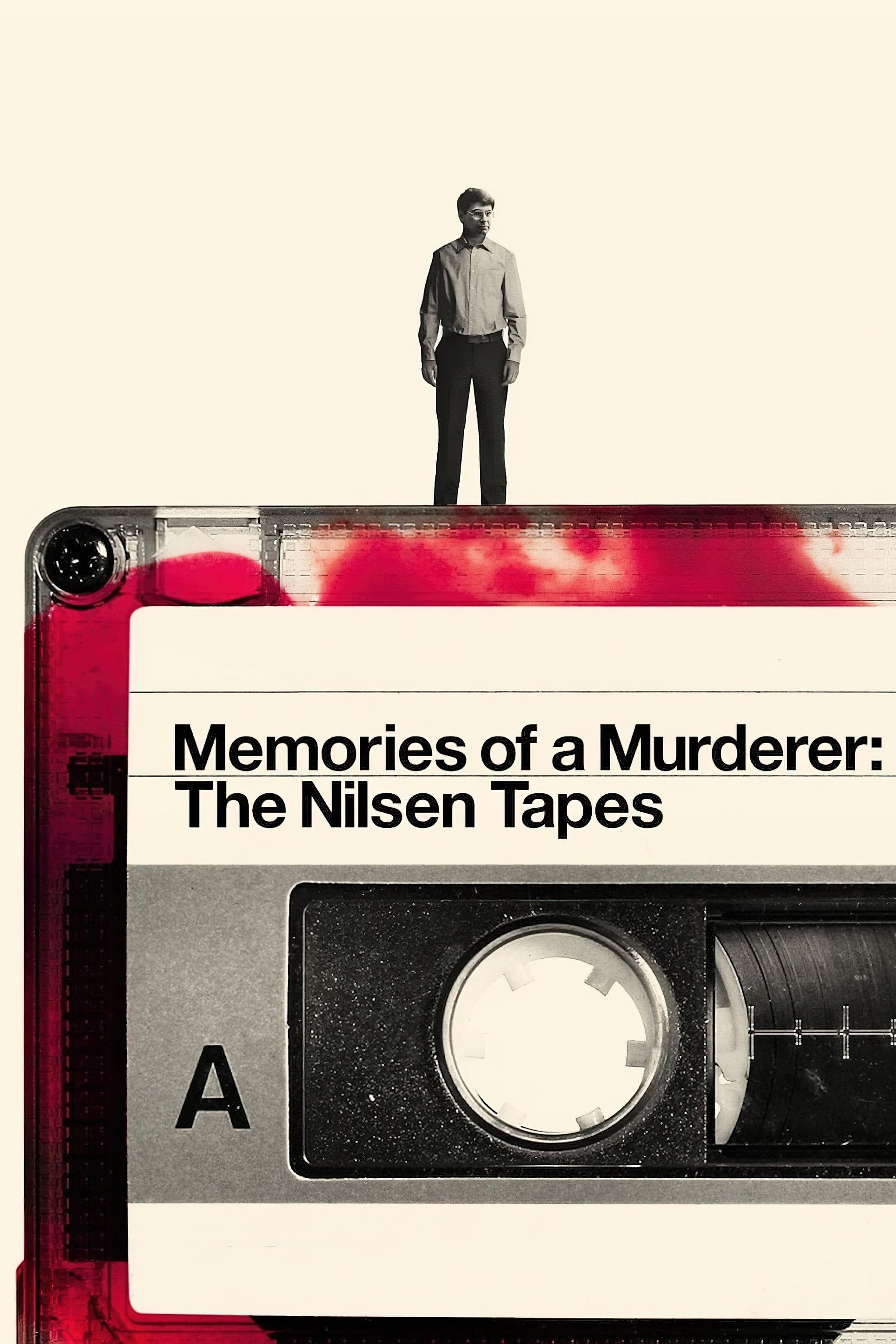
Serial killer Dennis Nilsen narrates his life and horrific crimes via a series of chilling audiotapes recorded from his jail cell.
A documentary on the expletive's origin, why it offends some people so deeply, and what can be gained from its use.
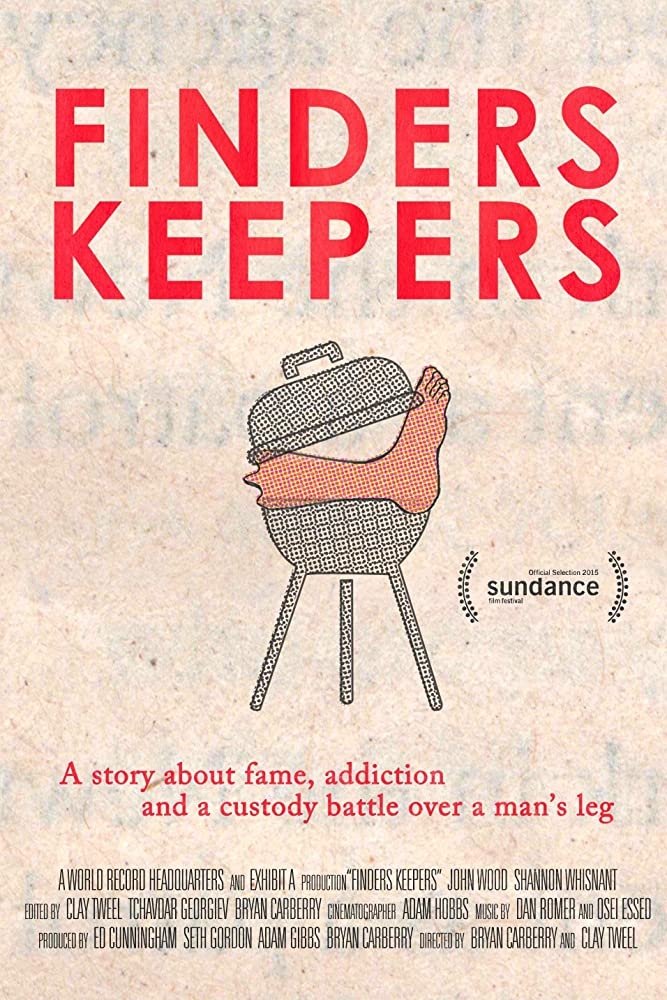
In this documentary, recovering addict and amputee John Wood finds himself in a stranger-than-fiction battle to reclaim his mummified leg from Southern entrepreneur Shannon Whisnant, who found it in a grill he bought at an auction and believes it therefore to be his rightful property.
This documentary focuses on the actors and their journey over two summers to create the remake to the original IT, by Stephen King. The documentary originally released as bonus material, bundled with IT: Chapter Two.
Martin Scorsese’s portrait of writer and social commentator Fran Lebowitz, celebrated for her sharp wit and observations on modern life. Filmed at New York’s Waverly Inn and intercut with archival footage and interviews, the documentary captures Lebowitz’s distinctive worldview through her spontaneous monologues and public appearances.
JB Smoove and Martin Starr host a celebration of 20 years of "Spider-Man" movies, from the Sam Raimi trilogy to Marc Webb's movies and the trio from Jon Watts.
A compilation of over 30 years of private home movie footage shot by Lithuanian-American avant-garde director Jonas Mekas, assembled by Mekas "purely by chance", without concern for chronological order.