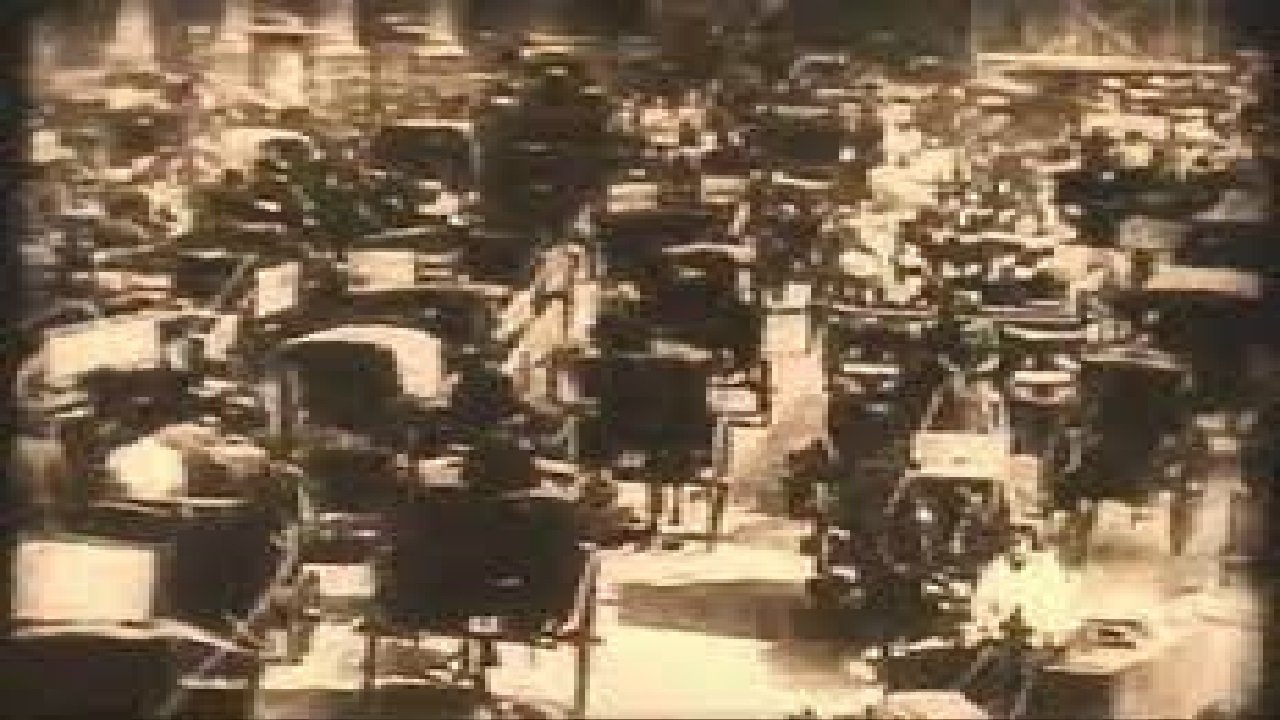
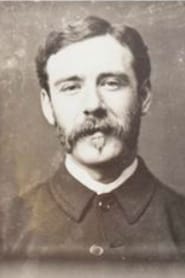
Lost film from 1888, directed by William Friese-Greene.
Social & External
The people behind it
Film historians, and survivors from the nearly 30-year struggle to bring sound to motion pictures take the audience from the early failed attempts by scientists and inventors, to the triumph of the talkies.
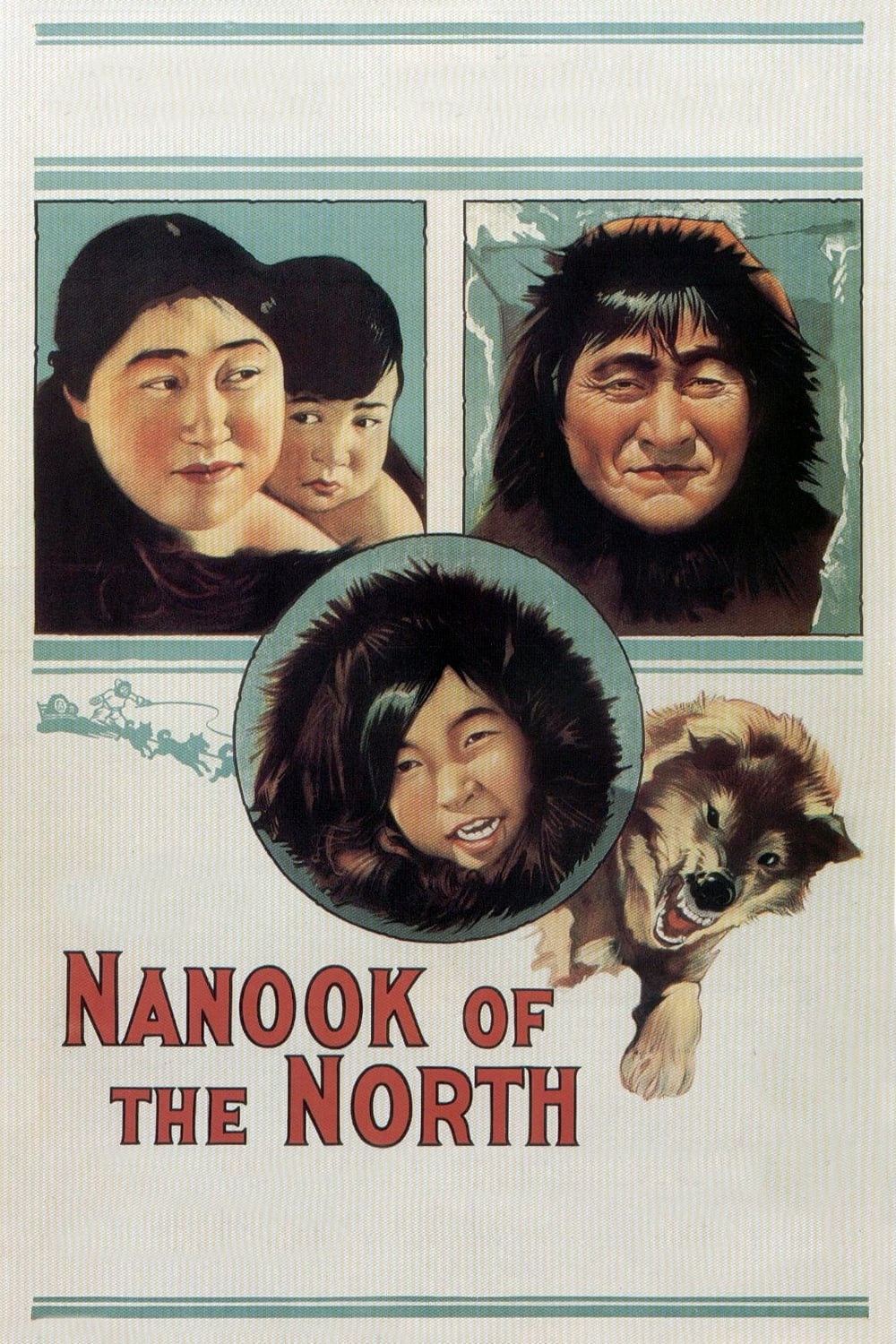
This pioneering documentary film depicts the lives of the indigenous Inuit people of Canada's northern Quebec region. Although the production contains some fictional elements, it vividly shows how its resourceful subjects survive in such a harsh climate, revealing how they construct their igloo homes and find food by hunting and fishing. The film also captures the beautiful, if unforgiving, frozen landscape of the Great White North, far removed from conventional civilization.
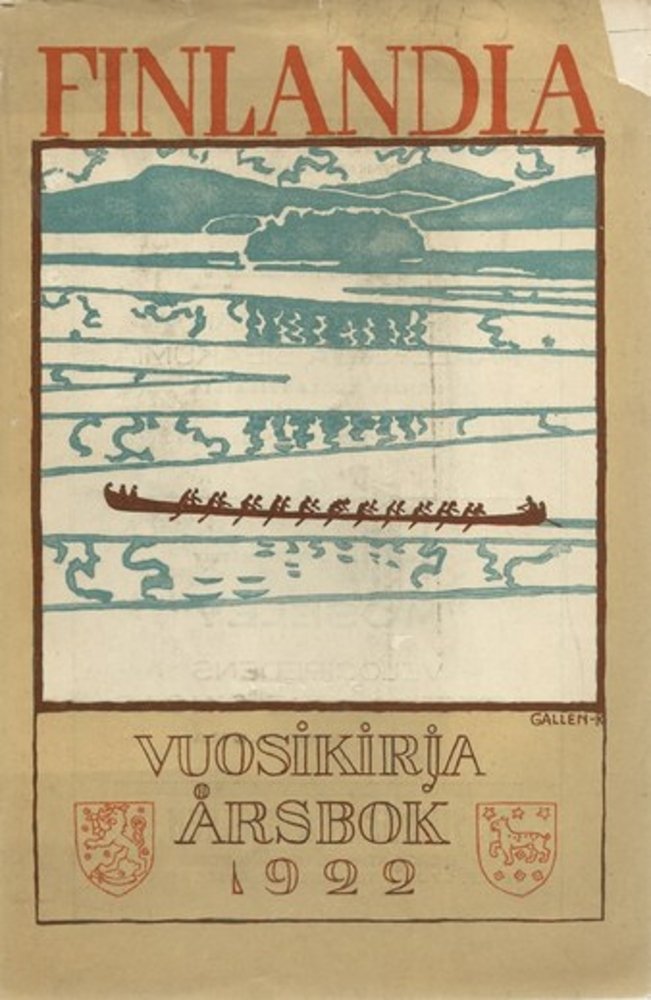
A documentary from Erkki Karu, one of the earliest pioneers of Finnish cinema: This government-produced propaganda film introduces the nature, sports, military, agriculture and capital of Finland.
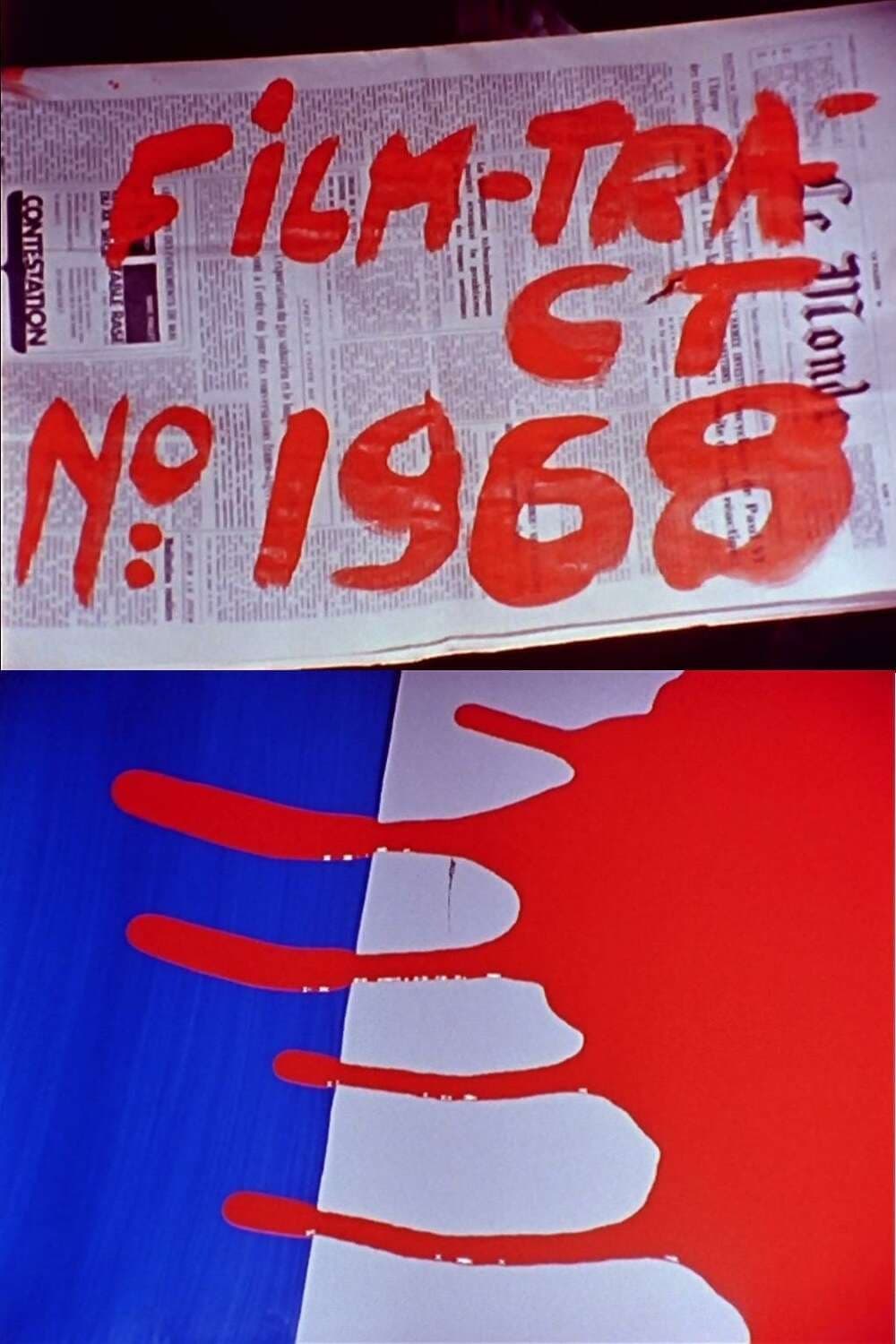
In the 1968 movement in Paris, Jean-Luc Godard made a 16mm, 3-minute long film, Film-tract No.1968, Le Rouge, in collaboration with French artist Gérard Fromanger. Starting with the shot identifying its title written in red paint on the Le Monde for 31 July 1968, the film shows the process of making Fromanger’s poster image, which is thick red paint flows over a tri-color French flag. —Hye Young Min
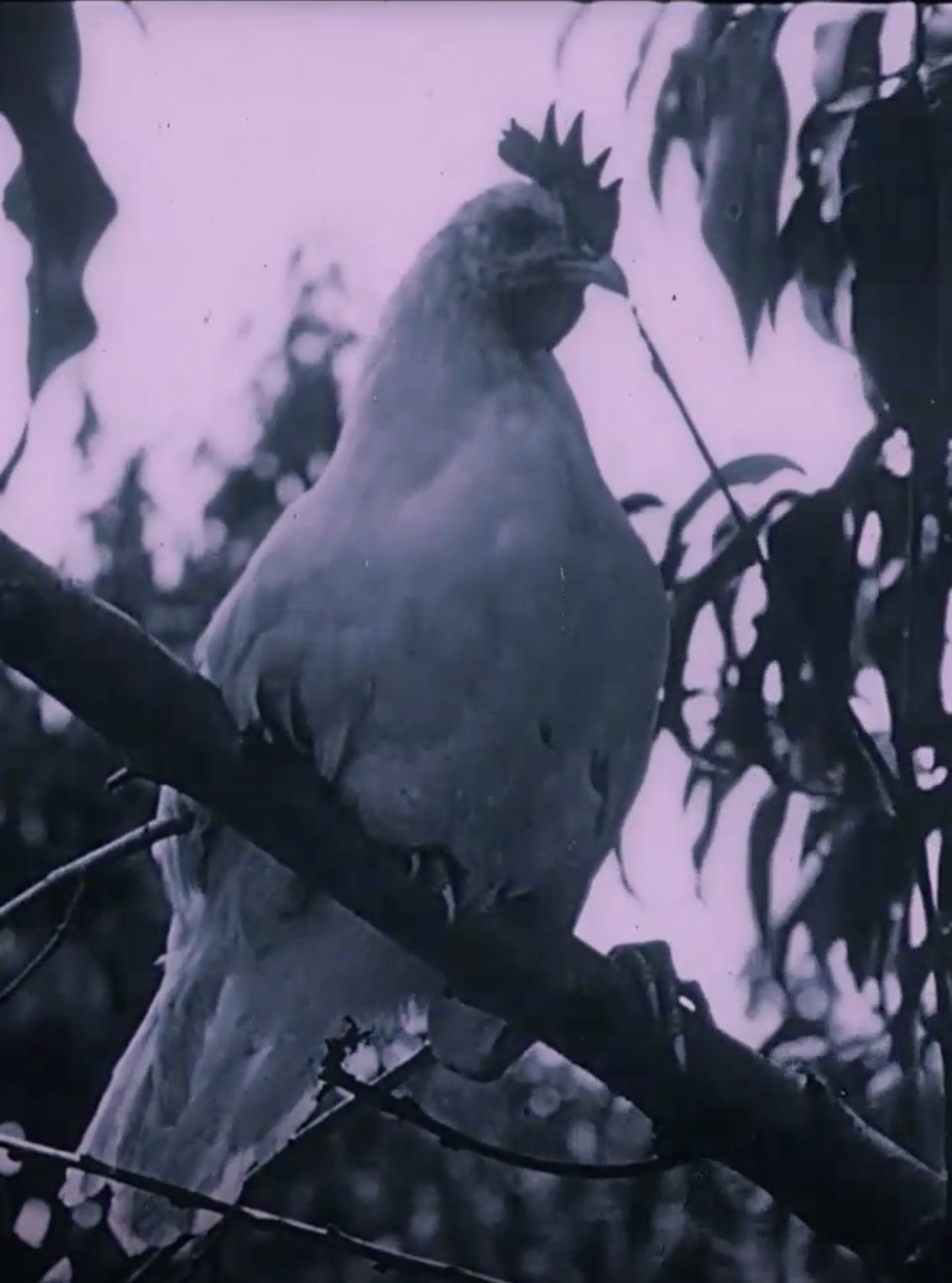
This 10-minute short documentary exploring the shifting state of the American poultry industry was preserved in 2015 from an original nitrate print. More information is available on the film's page in the National Film Preservation Foundation's website, where this version can be found featuring original music by Michael D. Mortilla.
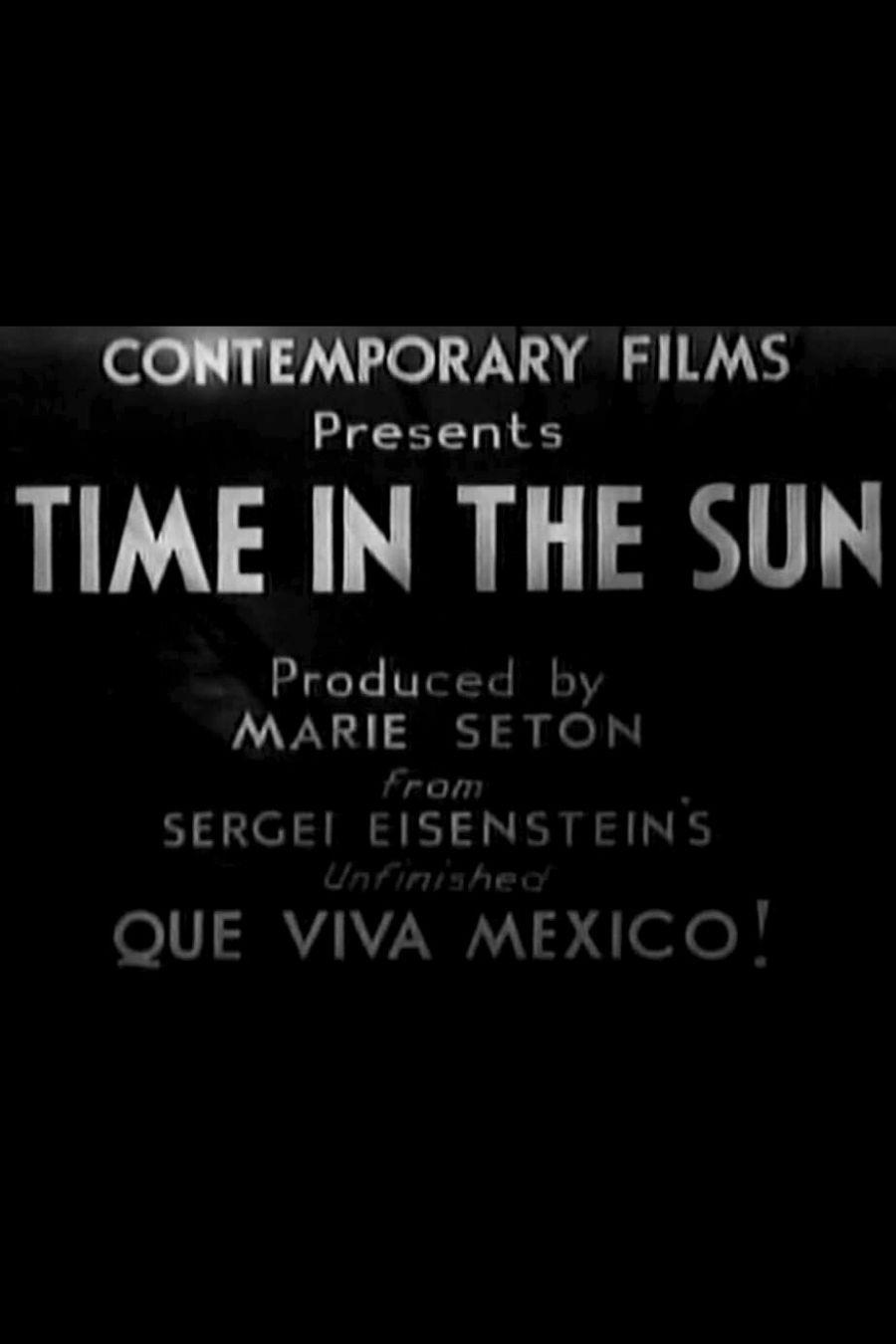
Second attempt to create a feature film out of the 200,000-plus feet of film which Soviet film-maker Sergei Eisenstein shot during 1931-32 in Mexico for American socialist author Upton Sinclair, his wife and a small company of investors. The projected film, to be called "Que Viva Mexico", was never completed due to exhaustion of funds and Stalin's demand that Eisenstein return to the USSR (he had been absent since 1929). The first attempt at editing the footage, in the USA, resulted in "Thunder Over Mexico", released in 1934. In 1940, Marie Seton, from the UK, acquired some of the footage from the Sinclairs in an attempt to make a better cutting according to Eisenstein's skeletal outline for the proposed film. This film has apparently been lost.
German silent film
This film records the vast public response to the early death of Vera Kholodnaya, the first star of Russian cinema.
Swimming. The Russian swimmer Romantschenko visits Copenhagen. He jumps into the water and swims around in the harbor, and he is later seen together with journalist Anker Kirkeby.
A documentary short film showing the flying of an airplane by the famous French pilot Chevillard.
View over the castle island of Holmen's Church and the Stock Exchange from the top of Christiansborg, where architect Thorvald Jørgensen is seen at Christiansborg slotting scaffolding, and with builders in the courtyard. The architect is also seen with stonemasons in the yard.
A short, early documentary work showing insects exhibiting extreme strength and agility.
From Elsinore shipyard launched the steamer AP Bemstorff sliding slowly out into the harbor.
Farmers' wives from Amager selling flowers.
Street Trading. Fishermen's wives from Skovshoved sell their fish from the stalls at Gammel Strand. Anker Kirkeby is in the picture.
The horse-drawn tram "Hønen" comes running along Nørregade and into the Old Square. "Hønen"'s last trip was on June 14, 1915.
Horse carriages seen at the Copenhagen Town Square.
From inside a tower, a man admires an artistic rendition of another tower.
The remains of the Baltic Violence have been eroded away by the large steam excavator. There is a man standing at the railway cutting as trains pass. He throws something into the railway cutting. This person is seen in several of the recordings from 1913. It may be journalist Anker Kirkeby.
Street Trading in Copenhagen in about 1913. The old butcher stalls by Nicholas Church, called the "stomach" before demolition.
Daniel Craig candidly reflects on his 15 year adventure as James Bond. Including never-before-seen archival footage from Casino Royale to the upcoming 25th film No Time To Die, Craig shares his personal memories in conversation with 007 producers, Michael G Wilson and Barbara Broccoli.
Unravel the case of Utah therapist Jodi Hildebrandt, whose child abuse arrest with parenting YouTuber Ruby Franke exposed a twisted tale of manipulation.
In an intimate and joyful story of love in the face of loss, celebrated poets Andrea Gibson and Megan Falley find strength—and unexpected hilarity—in what might be their final year together.
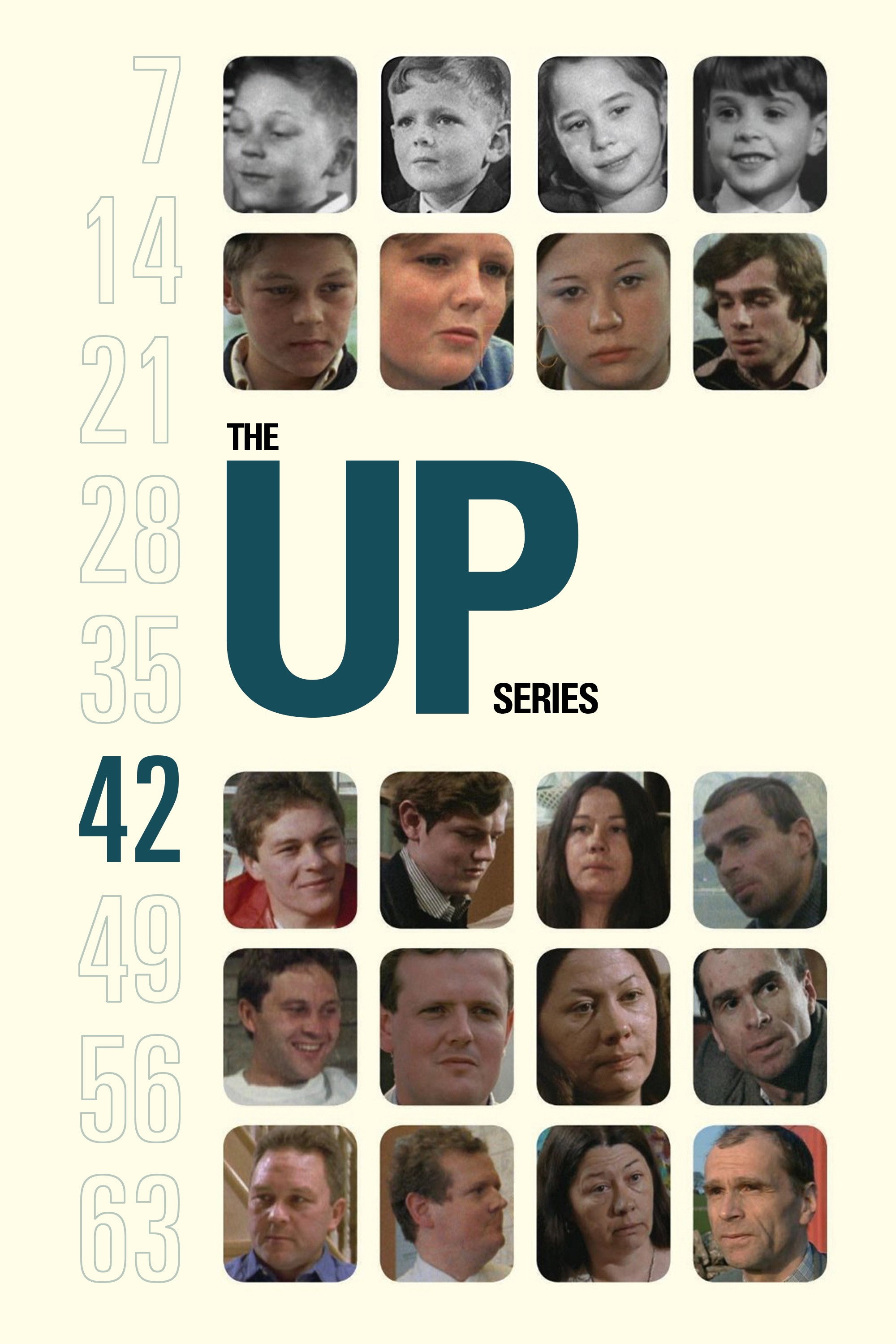
Director Michael Apted revisits the same group of British-born adults after a 7 year wait. The subjects are interviewed as to the changes that have occurred in their lives during the last seven years.
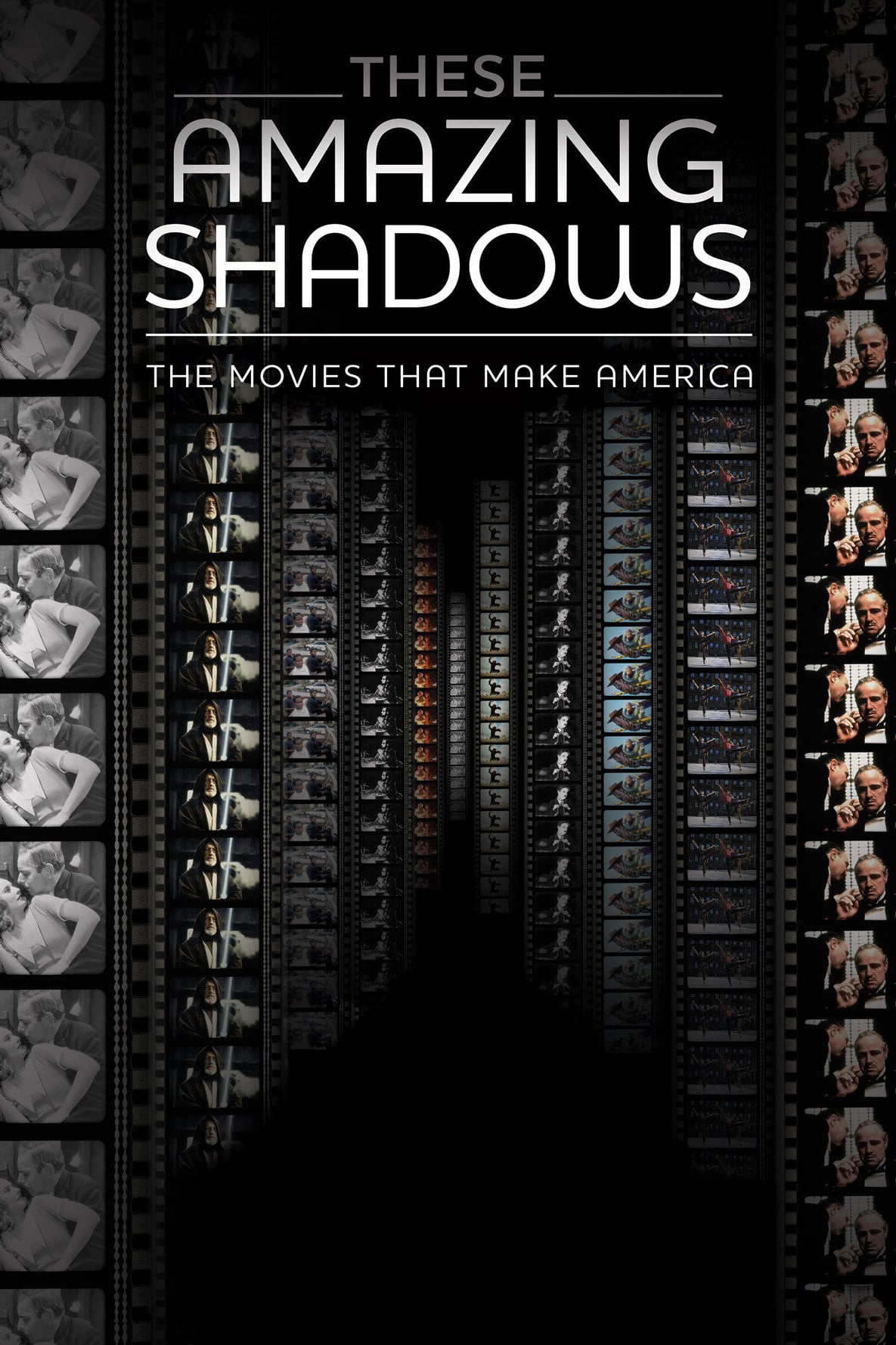
Tells the history and importance of The National Film Registry, a roll call of American cinema treasures that reflects the diversity of film, and indeed the American experience itself.
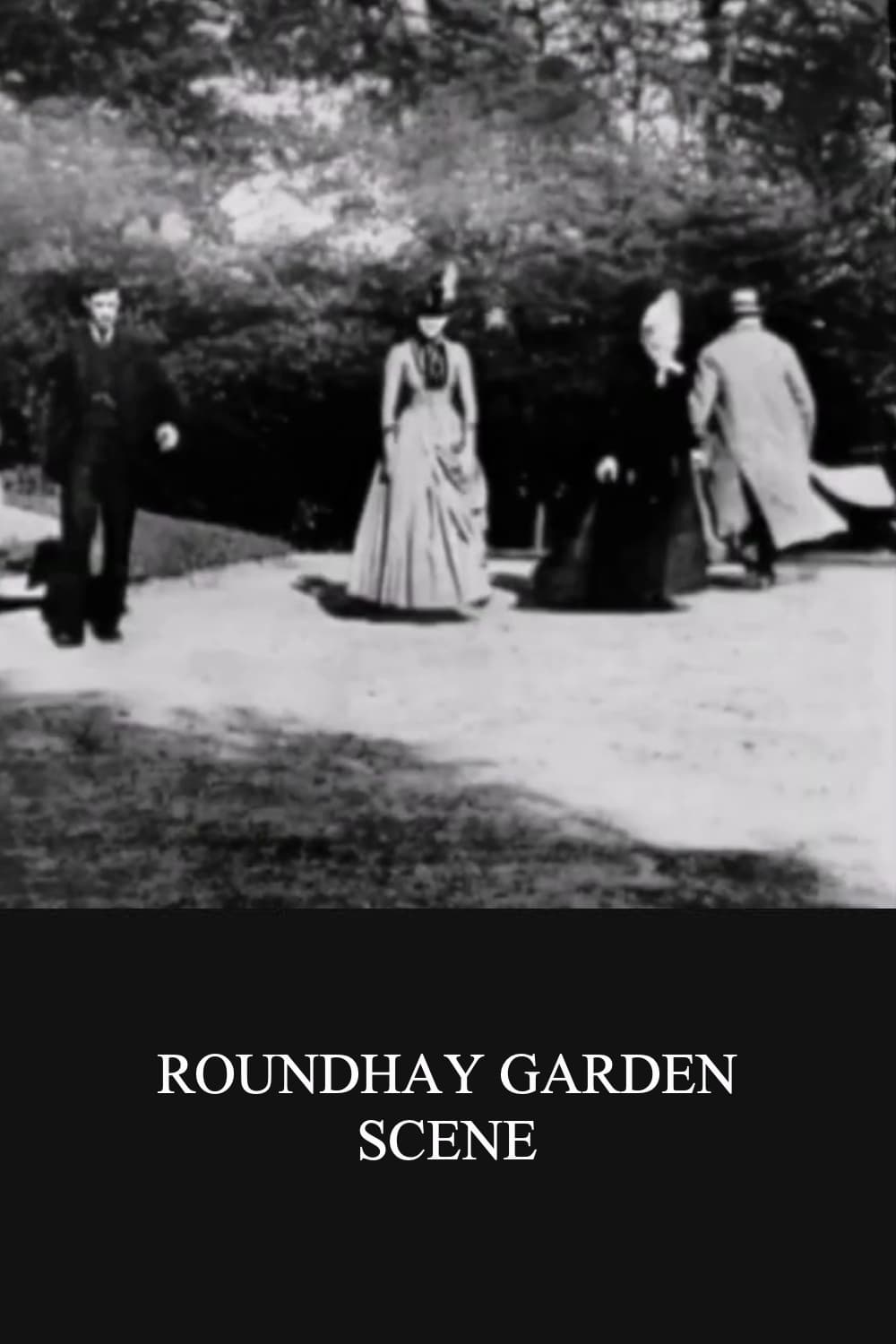
The earliest surviving motion-picture film, and believed to be one of the very first moving images ever created, was shot by Louis Aimé Augustin Le Prince using the LPCCP Type-1 MkII single-lens camera. It was taken on paper-based photographic film in the garden of Oakwood Grange, the Whitley family house in Roundhay, Leeds, West Riding of Yorkshire (UK), on 14 October 1888. The film shows Adolphe Le Prince (Le Prince’s son), Mrs. Sarah Whitley (Le Prince’s mother-in-law), Joseph Whitley, and Miss Harriet Hartley walking around in circles, laughing to themselves, and staying within the area framed by the camera. Roundhay Garden Scene is often associated with a recording speed of around 12 frames per second and runs for about 2 to 3 seconds.
This revealing documentary honors the legendary Sidney Poitier—iconic actor, filmmaker, and civil rights activist. Featuring interviews with Denzel Washington, Spike Lee, Halle Berry, and more.
Over 35 years after Bob Lazar's revelations, this documentary exposes secrets of a facility the government still denies. Featuring Lazar's testimony, recreations, and new evidence, it reopens a case that continues to spark global curiosity
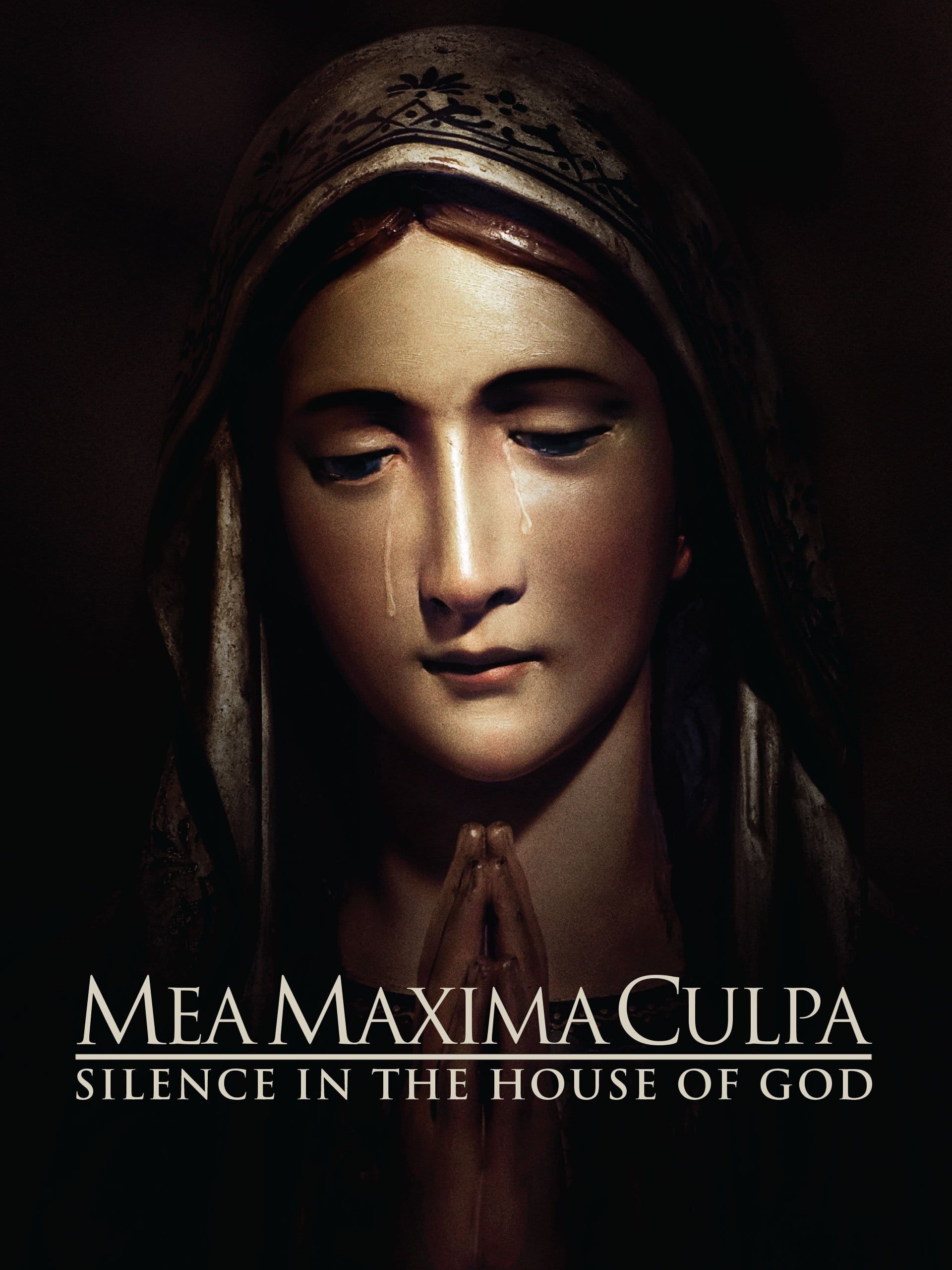
Alex Gibney explores the charged issue of pedophilia in the Catholic Church, following a trail from the first known protest against clerical sexual abuse in the United States and all way to the Vatican.
Filmmaker Lawrence Shapiro discusses voice-over acting with the talented people behind the characters.
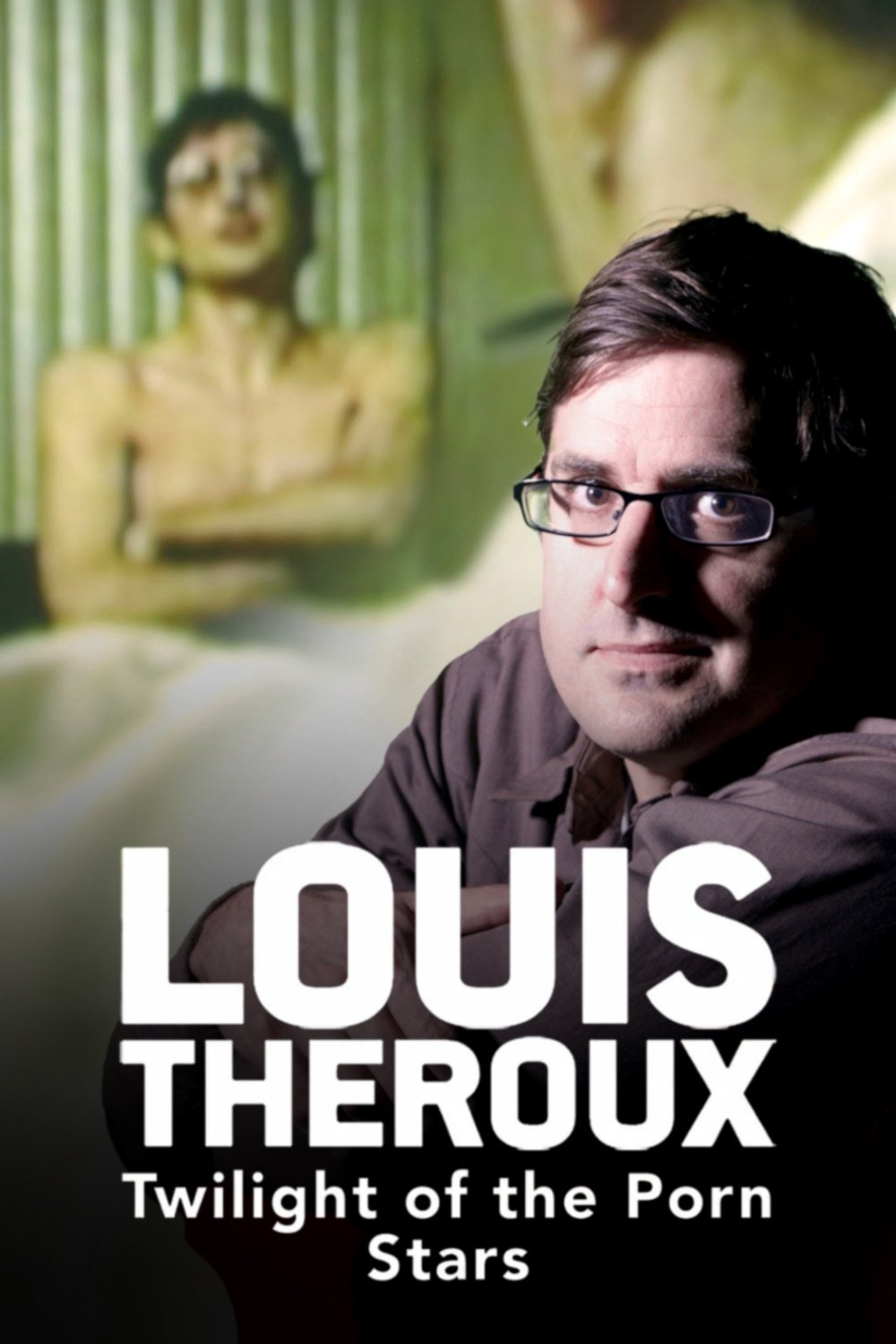
In 1997, Louis Theroux made a documentary about the world of male porn performers in Los Angeles. 15 years later, he returns to find a business struggling with the deluge of free porn on the internet. Louis revisits some of the original programme's contributors as well as meeting the latest crop of porn performers dreaming of porn stardom.
An inside look at one of the most anticipated movie sequels ever with James Cameron and cast.
Told through performances, TV interviews, home movies, family photographs, private letters and unpublished memoirs, the film reveals the essence of an extraordinary woman who rose from humble beginnings in New York City to become a glamorous international superstar and one of the greatest artists of all time.
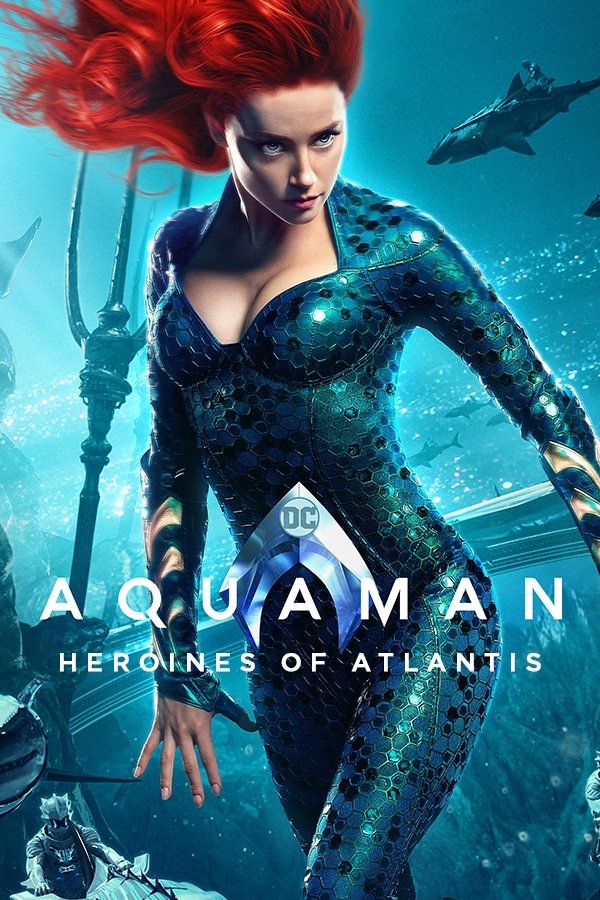
Amber Heard and Nicole Kidman discuss their characters Mera and Atlanna.
SEDUCED AND ABANDONED combines acting legend Alec Baldwin with director James Toback as they lead us on a troublesome and often hilarious journey of raising financing for their next feature film. Moving from director to financier to star actor, the two players provide us with a unique look behind the curtain at the world's biggest and most glamourous film festival, shining a light on the bitter-sweet relationship filmmakers have with Cannes and the film business. Featuring insights from directors Martin Scorsese, 'Bernando Bertolucci' and Roman Polanski; actors Ryan Gosling and Jessica Chastain and a host of film distribution luminaries.
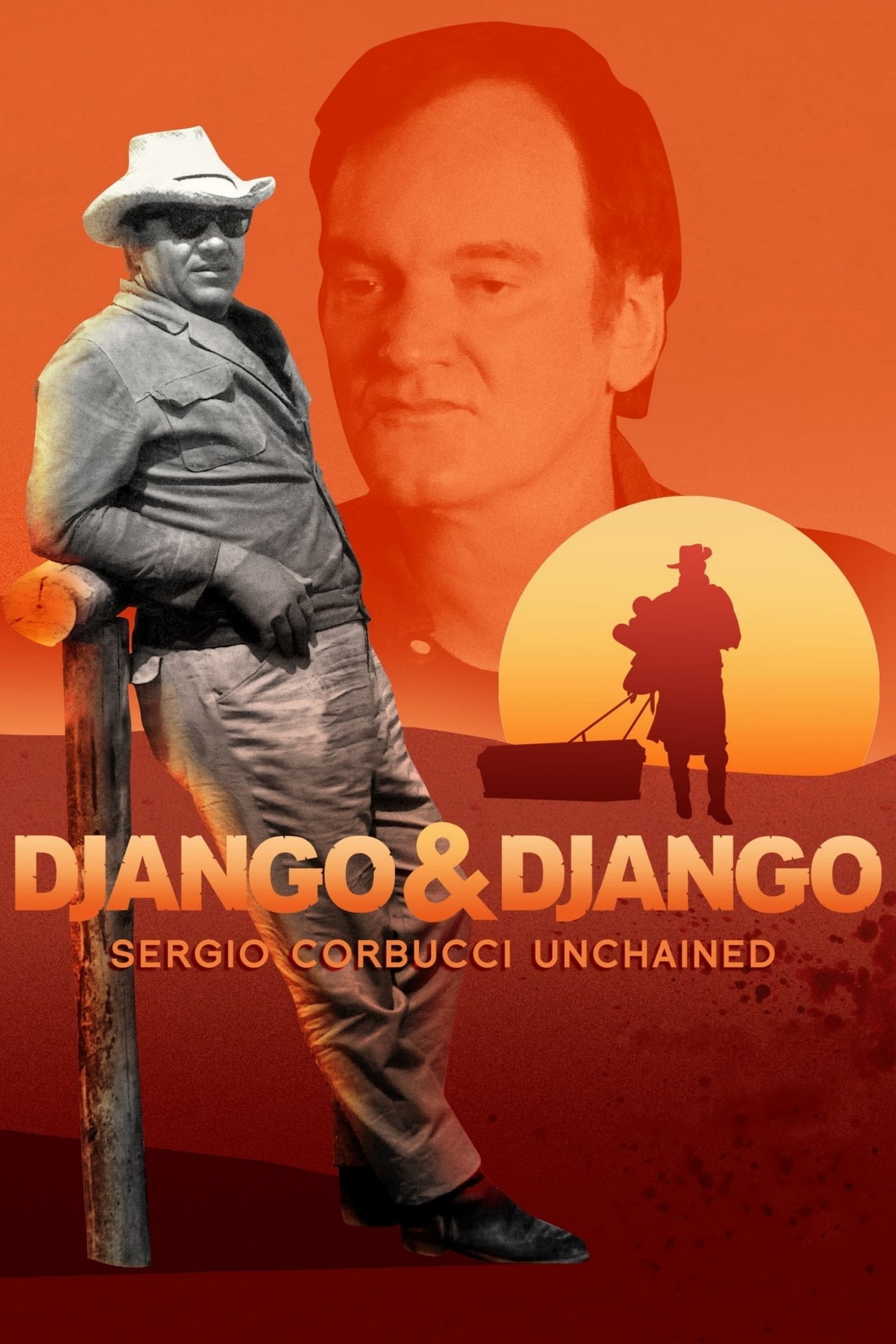
A tribute to Italian filmmaker Sergio Corbucci (1926-90), presented by American filmmaker Quentin Tarantino.
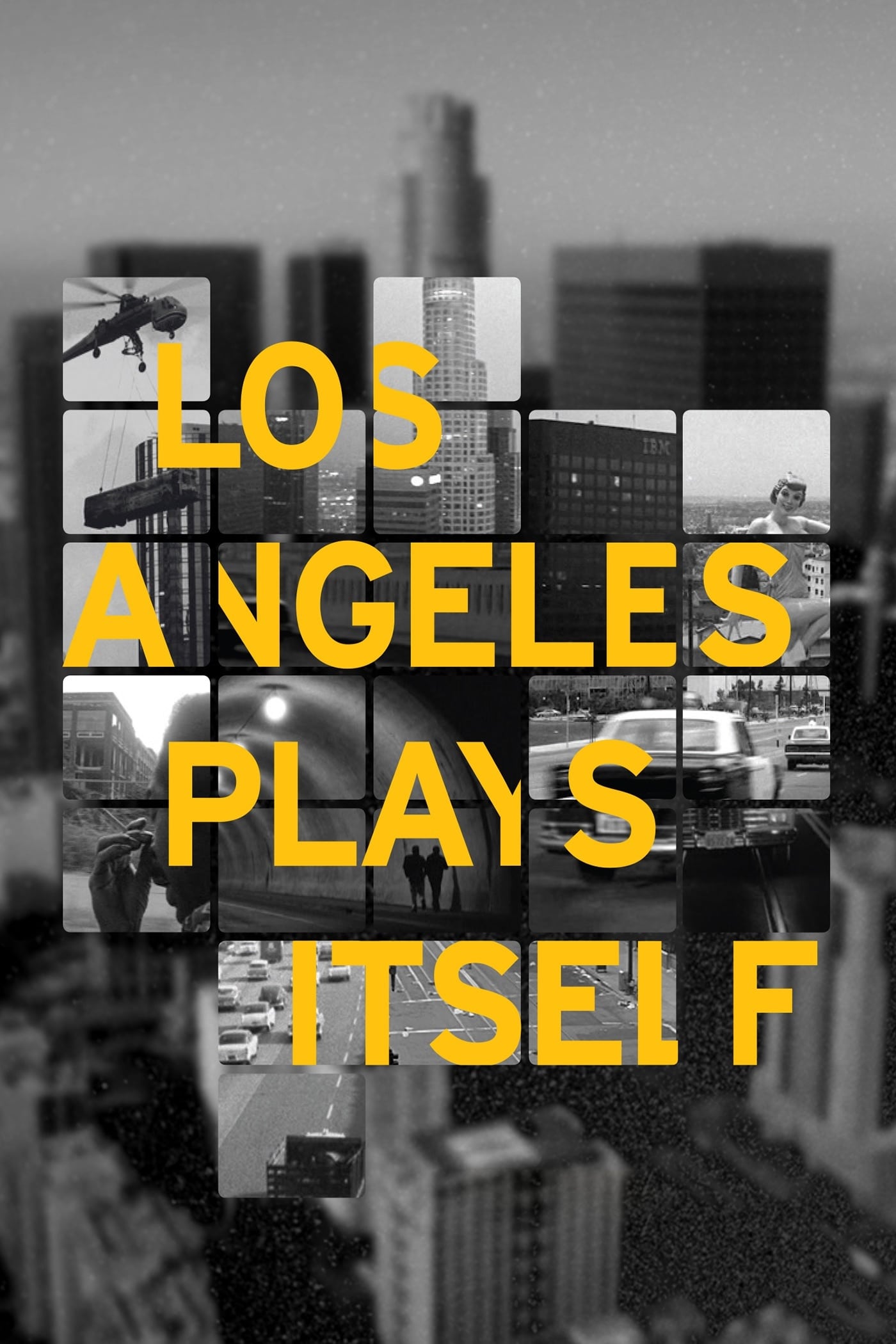
From its distinctive neighborhoods to its architectural homes, Los Angeles has been the backdrop to countless movies. In this dazzling work, Andersen takes viewers on a whirlwind tour through the metropolis' real and cinematic history, investigating the myriad stories and legends that have come to define it, and meticulously, judiciously revealing the real city that lives beneath.
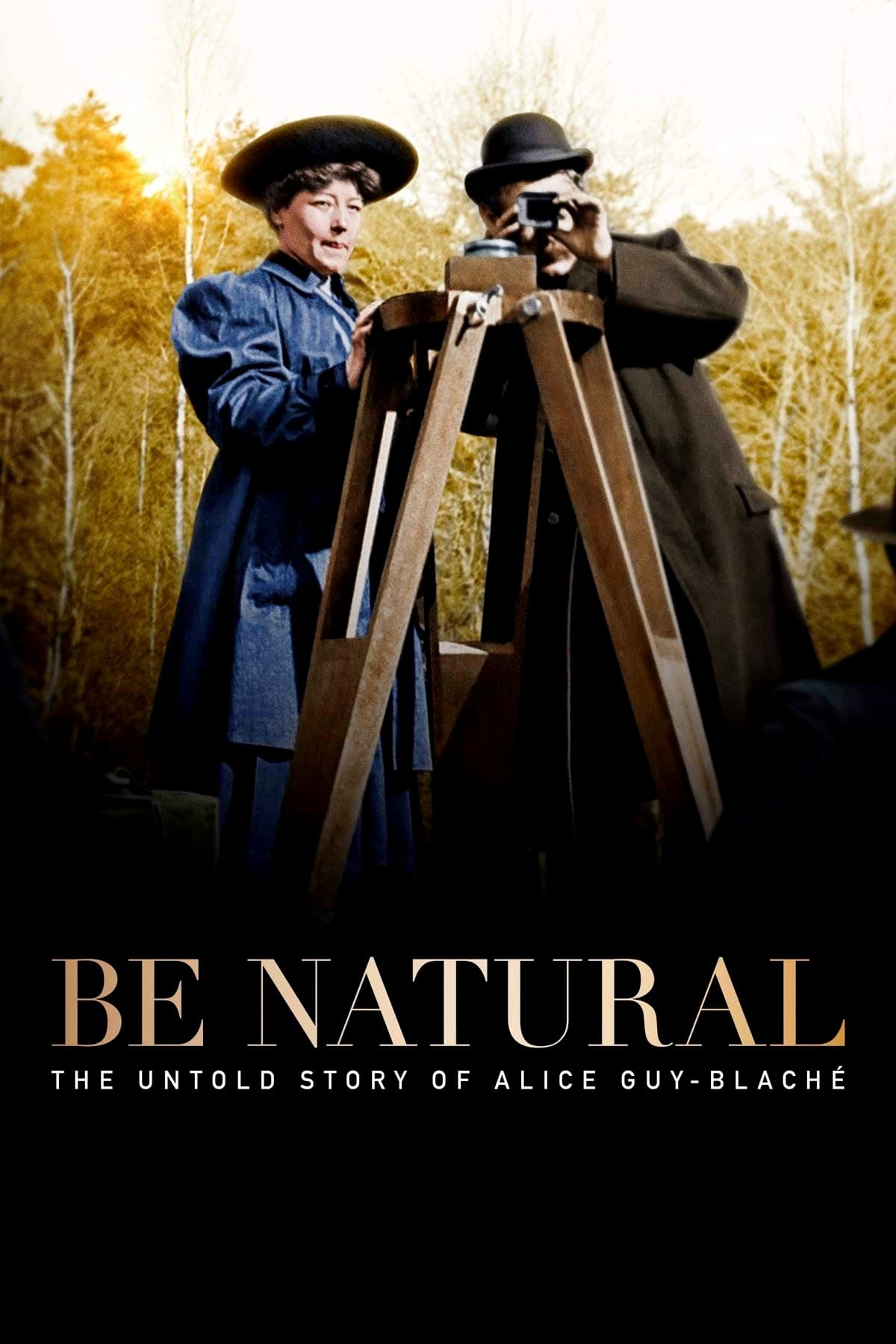
The epic life story of Alice Guy-Blaché (1873–1968), a French screenwriter, director and producer, true pioneer of cinema, the first person who made a narrative fiction film; author of hundreds of movies, but banished from history books. Ignored and forgotten. At last remembered.
A string of threatening emails escalates into a revenge plot involving a newly married US marshal and his ex-girlfriend.
The film follows adventurer Jeff Johnson as he retraces the epic 1968 journey of his heroes Yvon Chouinard and Doug Tompkins to Patagonia.