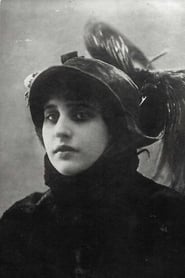
This film records the vast public response to the early death of Vera Kholodnaya, the first star of Russian cinema.
Social & External
The people behind it
Vera Kholodnaya
Self (archive footage)
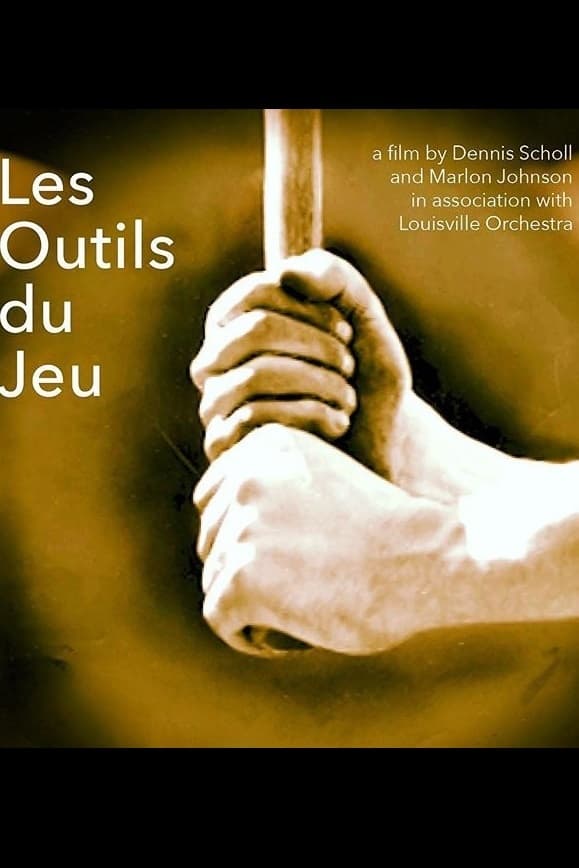
This non-narrative short film examines one of the great American icons: the Louisville Slugger baseball bat. The film was conceived by its co-directors, Marlon Johnson and Dennis Scholl, along with the Louisville Orchestra's conductor, Teddy Abrams, to be screened set to a live performance by the orchestra of Claude Debussy's "Jeux".
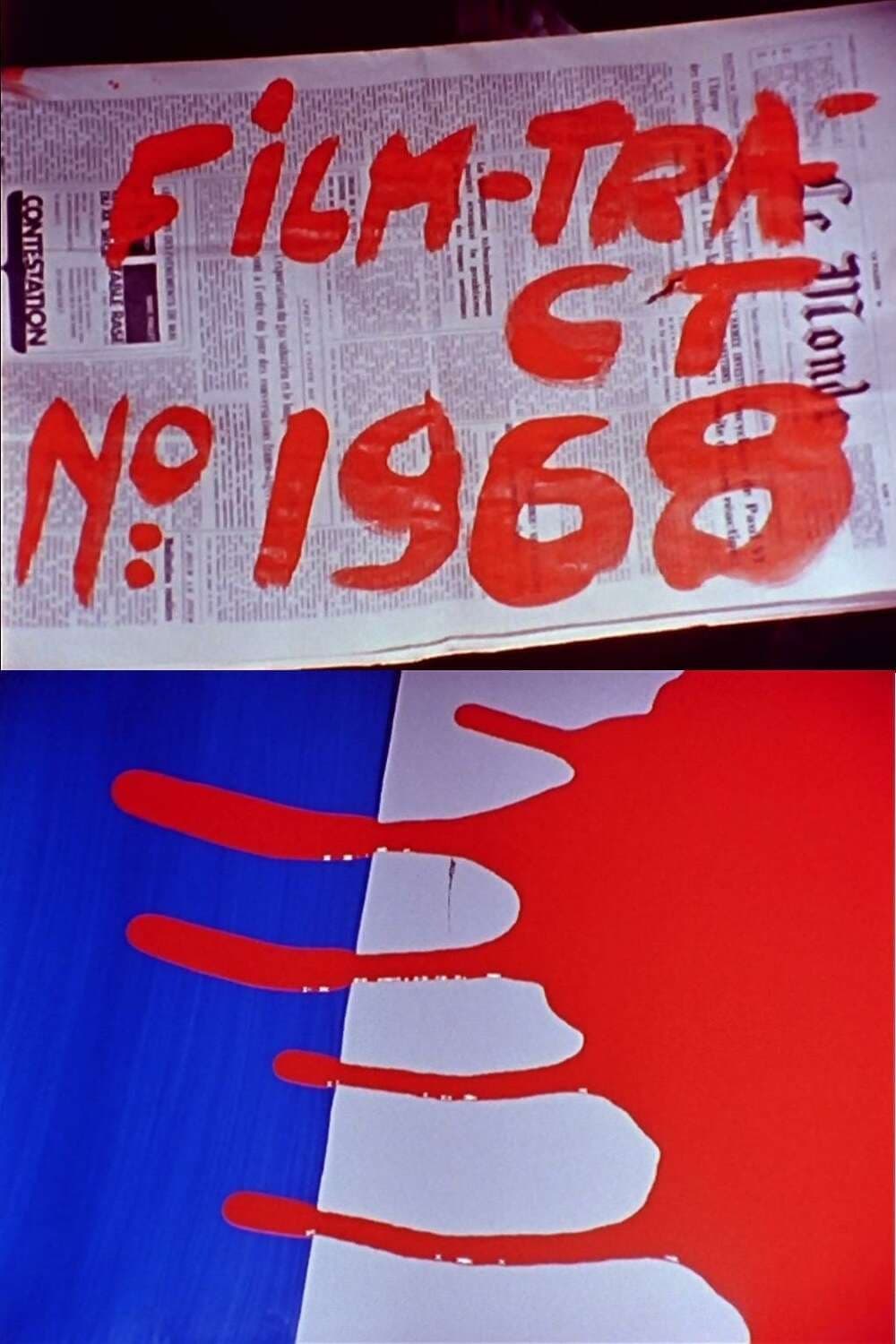
In the 1968 movement in Paris, Jean-Luc Godard made a 16mm, 3-minute long film, Film-tract No.1968, Le Rouge, in collaboration with French artist Gérard Fromanger. Starting with the shot identifying its title written in red paint on the Le Monde for 31 July 1968, the film shows the process of making Fromanger’s poster image, which is thick red paint flows over a tri-color French flag. —Hye Young Min
A jungle travelogue looking for monkeys.
"All sounds travel in waves much the same as ripples in water." Educational film produced by Bray Studios New York, which was the dominant animation studio based in the United States in the years surrounding World War I.
The Antwerp Zoo covers a fair extent of ground, and was already in 1910 generally considered as an important one. A large number of views of birds and animals were taken and hand coloured. In those days, the monkey house was in for much attention. People found that the various comic incidents added a touch of whimsicality.
Staged boxing match between Sergeant-Instructor Barrett and Sergeant Pope, with a round, interval, and knockout.
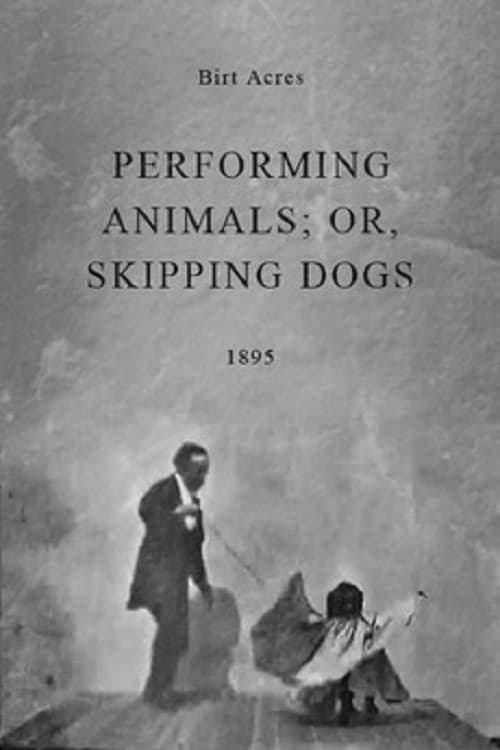
A short black-and-white silent documentary film featuring one dog jumping through hoops and another dancing in a costume, which was considered lost until footage from an 1896 Fairground Programme was identified as being from this film.
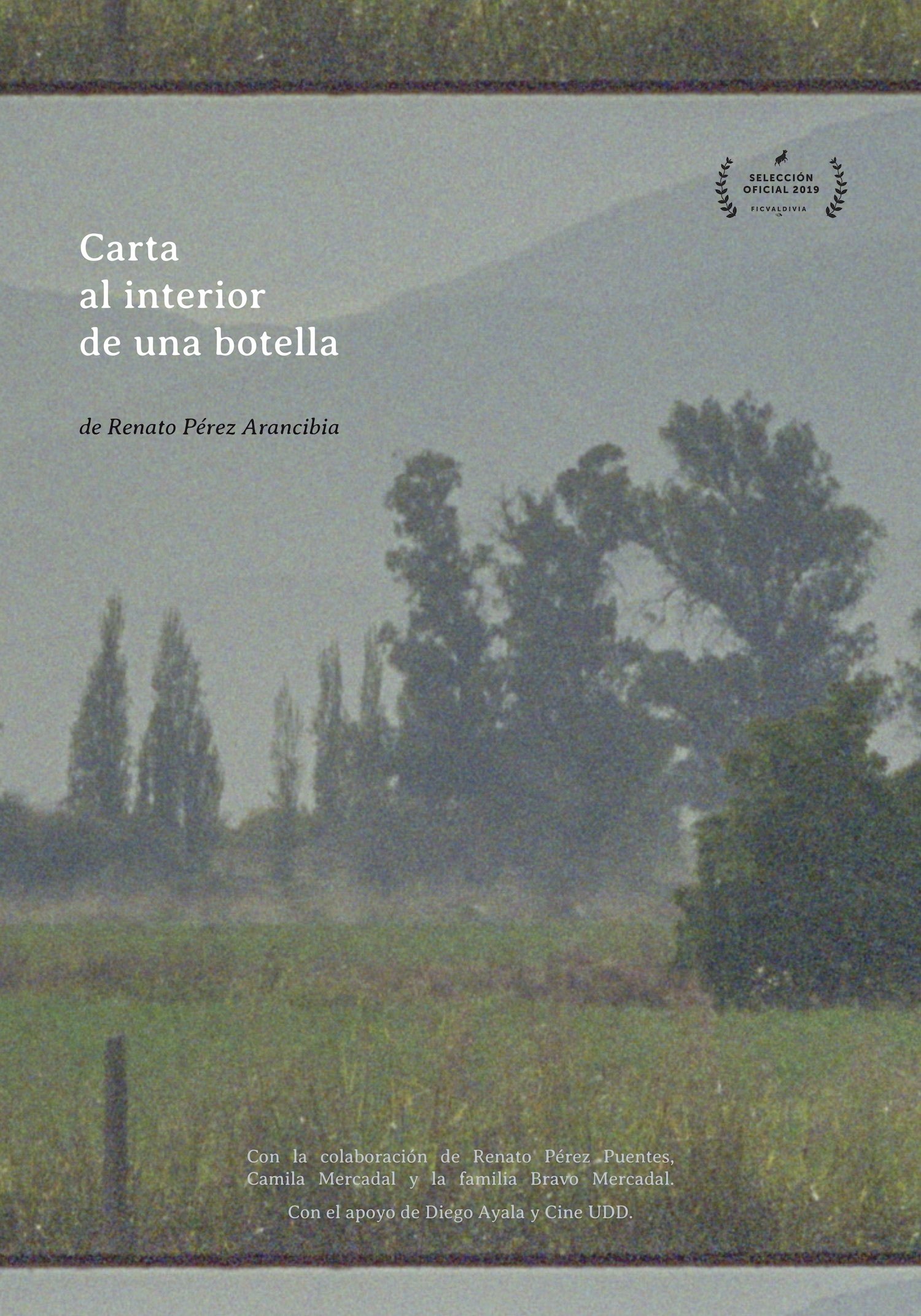
The meeting point between two comunication media: A letter written in 1929 -hidden inside the adobe walls of an old country house - and the shooting of the coutryside along the highway that connects two Chilean cities un 2018.
German silent film
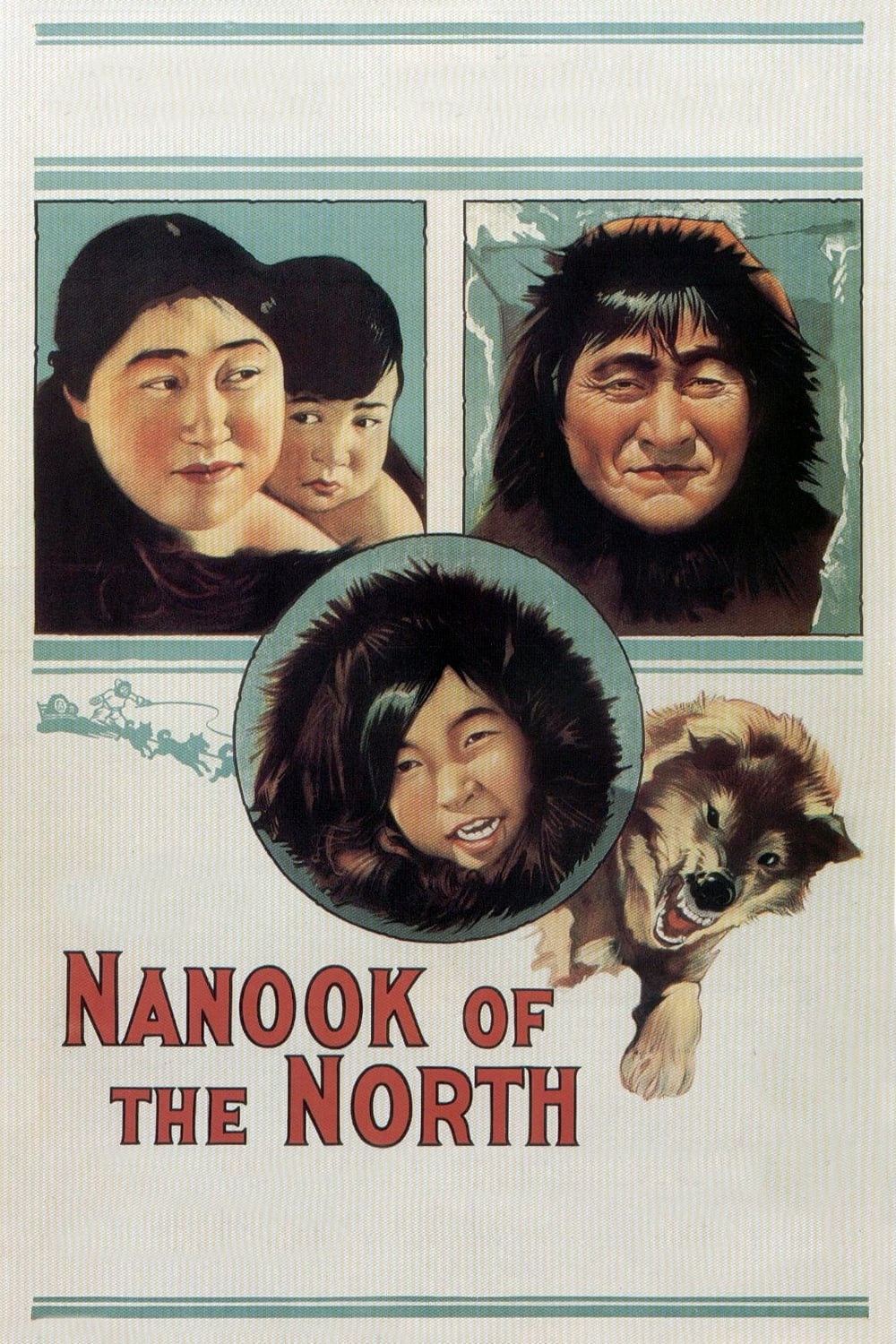
This pioneering documentary film depicts the lives of the indigenous Inuit people of Canada's northern Quebec region. Although the production contains some fictional elements, it vividly shows how its resourceful subjects survive in such a harsh climate, revealing how they construct their igloo homes and find food by hunting and fishing. The film also captures the beautiful, if unforgiving, frozen landscape of the Great White North, far removed from conventional civilization.
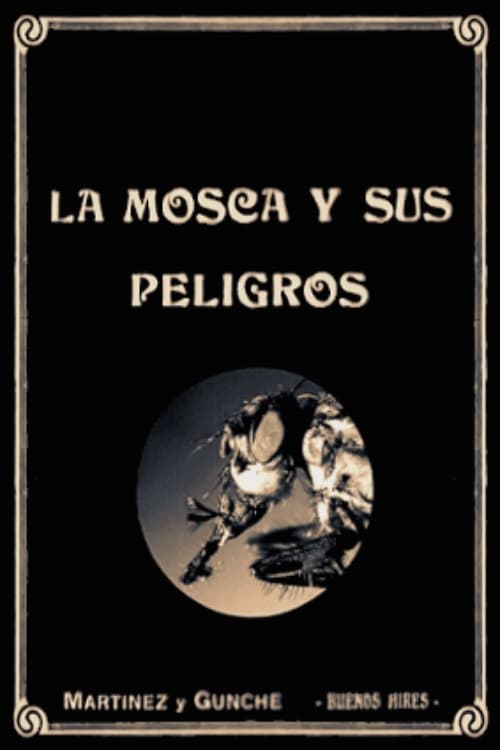
The Dangers of the Fly is an educational film made by Ernesto Gunche and Eduardo Martínez de la Pera, also responsible for Gaucho Nobility (1915), the biggest blockbuster of Argentinean silent cinema. De la Pera was a talented photographer, always willing to try new gadgets and techniques. This film experiments with microphotography in the style of Jean Comandon's films for Pathé and it is part of a series which included a film about mosquitoes and paludism and another one about cancer, which are considered lost. Flies were a popular subject of silent films and there are more than a dozen titles featuring them in the teens and early twenties.
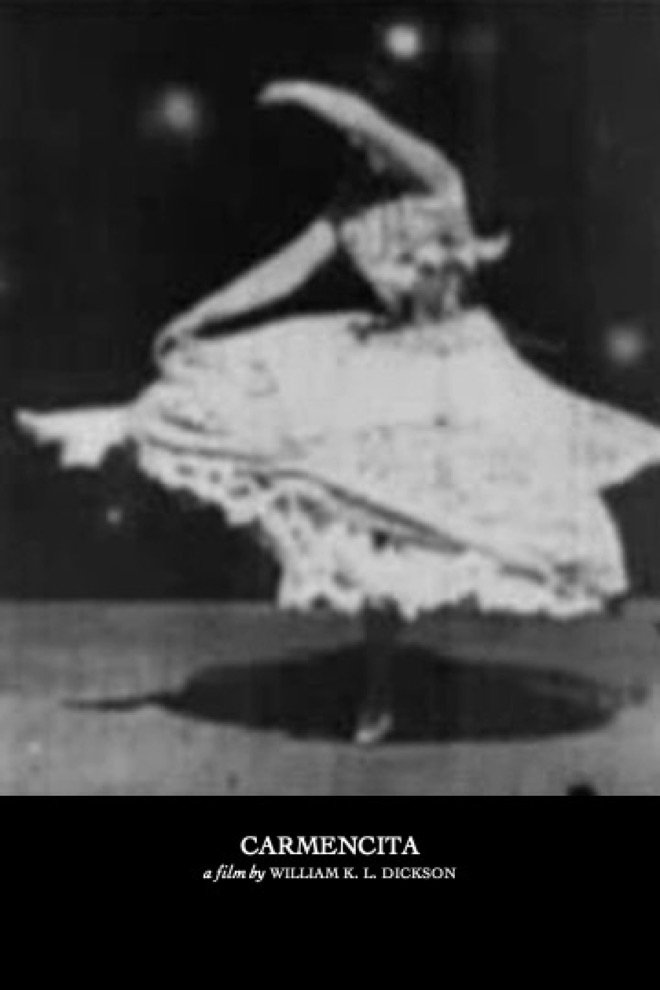
The first woman to appear in front of an Edison motion picture camera and possibly the first woman to appear in a motion picture within the United States. In the film, Carmencita is recorded going through a routine she had been performing at Koster & Bial's in New York since February 1890.
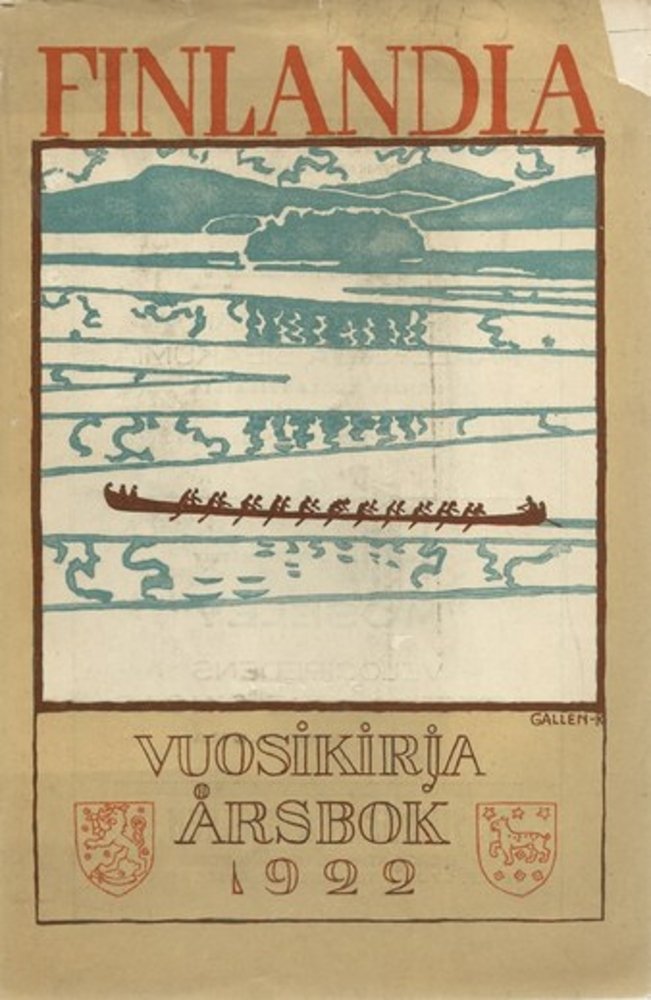
A documentary from Erkki Karu, one of the earliest pioneers of Finnish cinema: This government-produced propaganda film introduces the nature, sports, military, agriculture and capital of Finland.
George Albert Smith and Charles Urban snaffled the plum job of travelling to Italy to take a series of views of Italy for the Warwick Trading Company, including this one. The long panning shots of Pompeii linger respectfully, as a tourist would, before the camera finally raises its eye to the mighty volcano looming in the distance beyond.
A day in the city of Berlin, which experienced an industrial boom in the 1920s, and still provides an insight into the living and working conditions at that time. Germany had just recovered a little from the worst consequences of the First World War, the great economic crisis was still a few years away and Hitler was not yet an issue at the time.
A method soldier boys have for amusing themselves in their leisure moments. New comrades are frequently initiated by the old-fashioned sport of tossing in a blanket. The newly arrived recruit, who is the victim of their sport, enjoys himself, perhaps, less than the other participants.
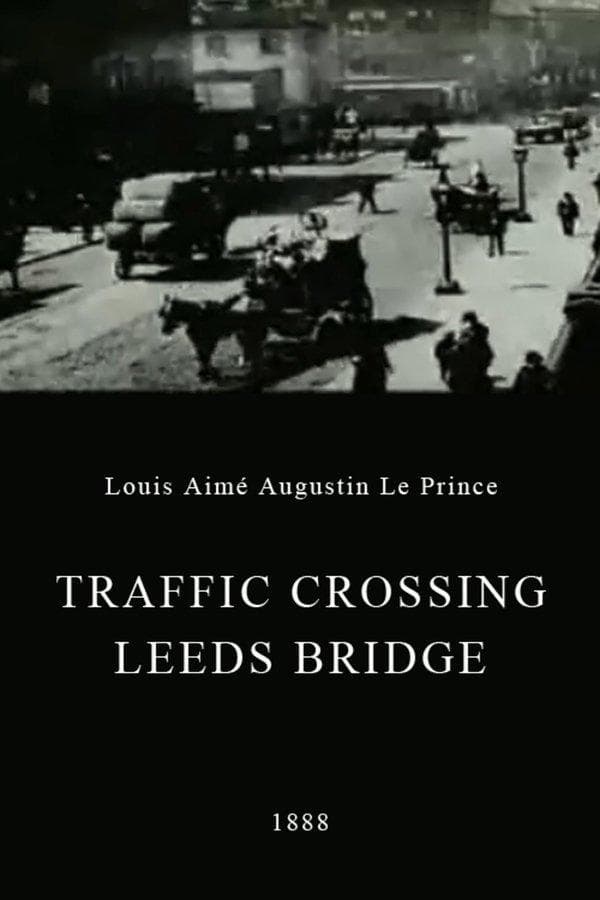
A film by Louis Aimé Augustin Le Prince, shot in late October 1888, showing pedestrians and carriages crossing Leeds Bridge.
Rhythmic composition of moving photographs of cyclists in Amsterdam, ‘set’ to Vivaldi’s The Four Seasons.
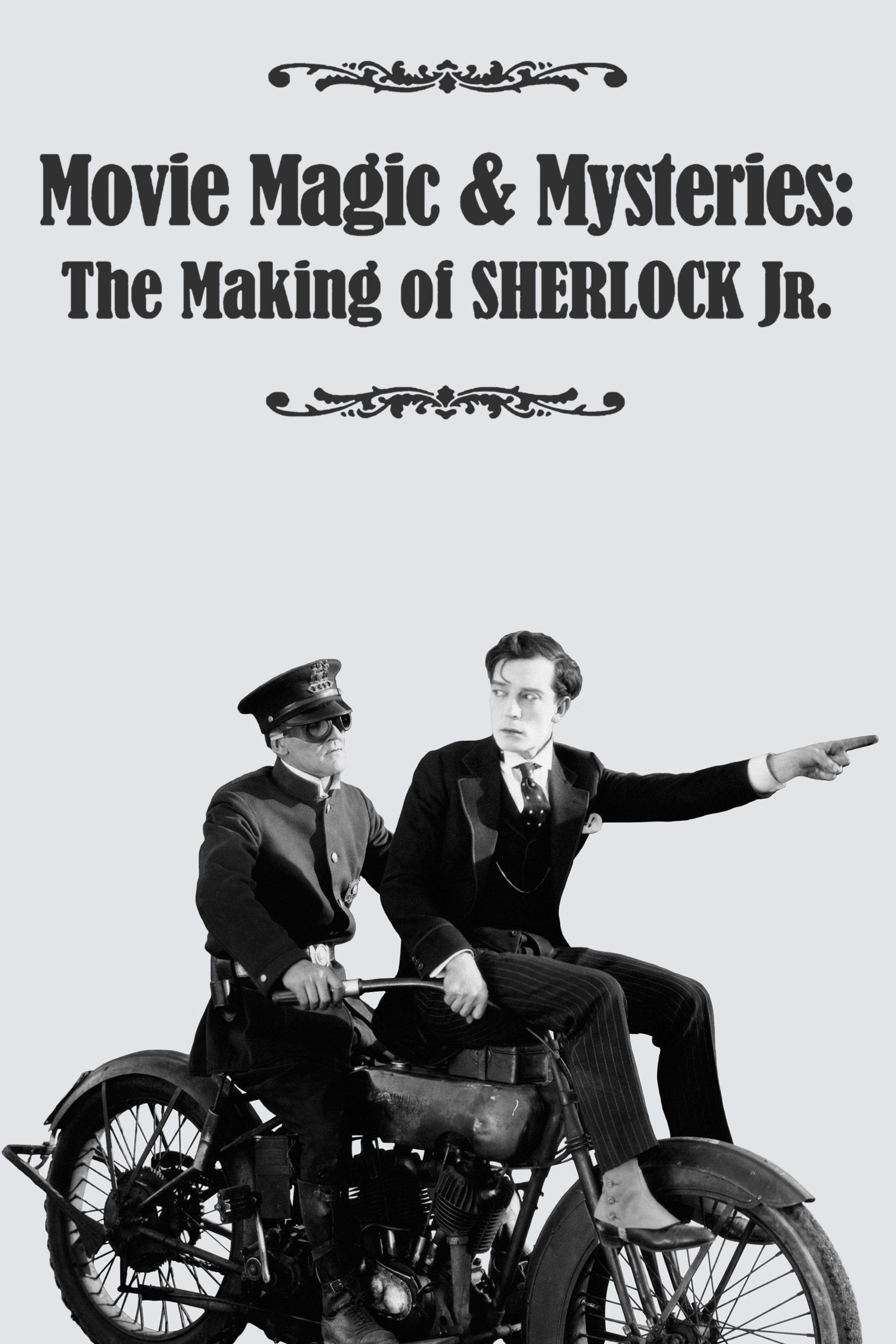
Documentary about the making of Buster Keaton's silent comedy classic, Sherlock Jr. (1924).
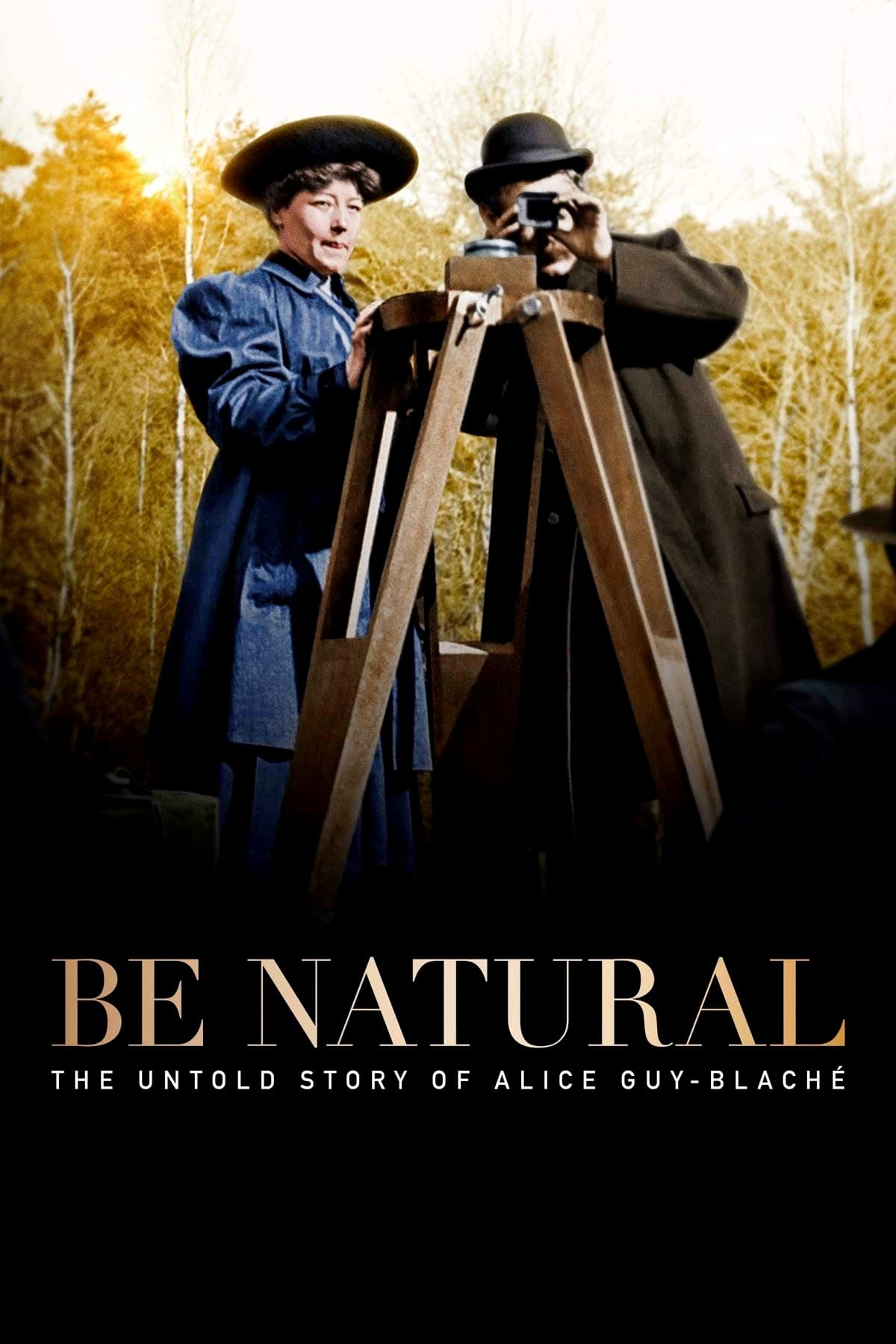
The epic life story of Alice Guy-Blaché (1873–1968), a French screenwriter, director and producer, true pioneer of cinema, the first person who made a narrative fiction film; author of hundreds of movies, but banished from history books. Ignored and forgotten. At last remembered.
A compilation of over 30 years of private home movie footage shot by Lithuanian-American avant-garde director Jonas Mekas, assembled by Mekas "purely by chance", without concern for chronological order.
This revealing documentary honors the legendary Sidney Poitier—iconic actor, filmmaker, and civil rights activist. Featuring interviews with Denzel Washington, Spike Lee, Halle Berry, and more.
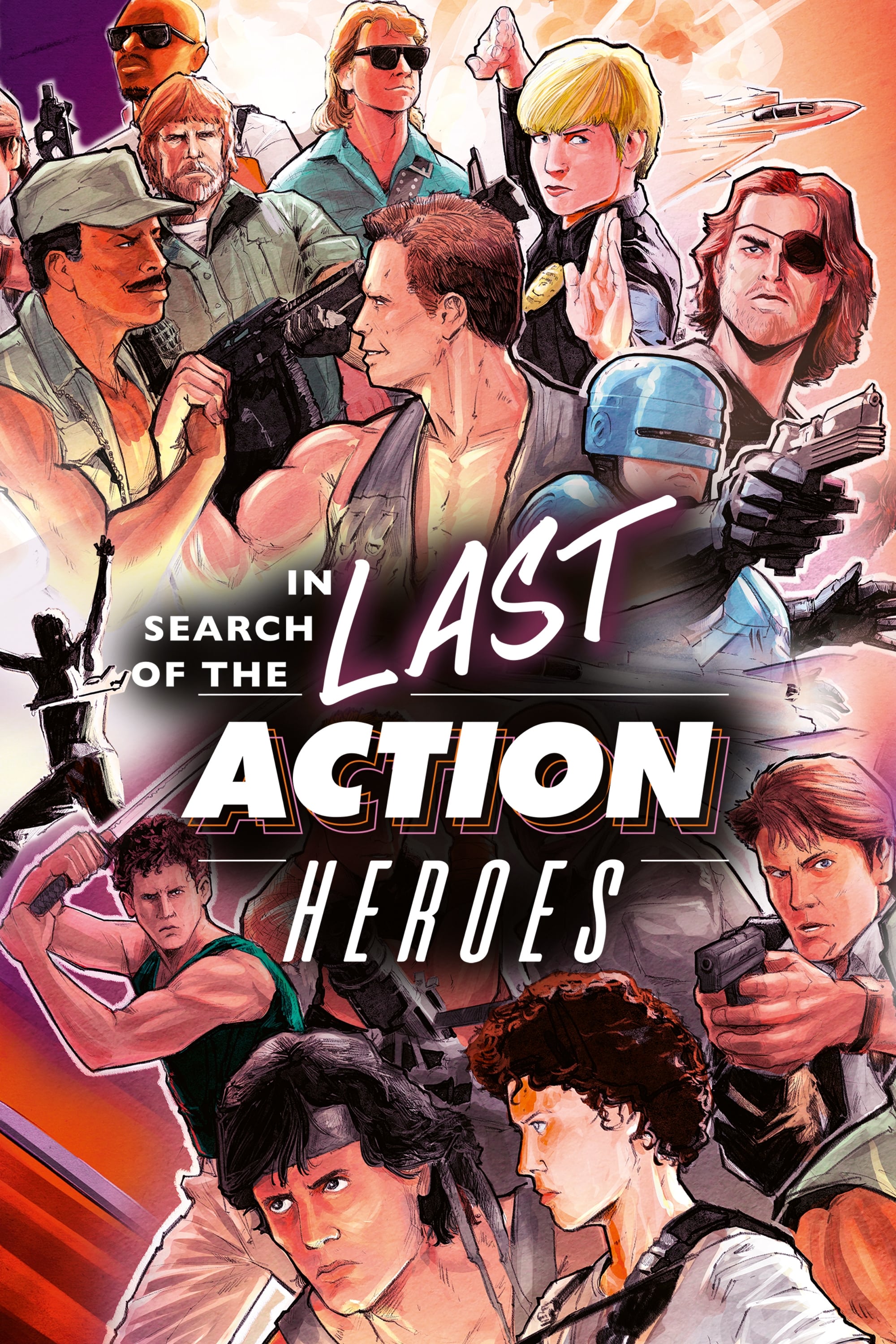
The most comprehensive retrospective of the '80s action film genre ever made.
The history of cinematic sound, told by legendary sound designers and visionary filmmakers.
SEDUCED AND ABANDONED combines acting legend Alec Baldwin with director James Toback as they lead us on a troublesome and often hilarious journey of raising financing for their next feature film. Moving from director to financier to star actor, the two players provide us with a unique look behind the curtain at the world's biggest and most glamourous film festival, shining a light on the bitter-sweet relationship filmmakers have with Cannes and the film business. Featuring insights from directors Martin Scorsese, 'Bernando Bertolucci' and Roman Polanski; actors Ryan Gosling and Jessica Chastain and a host of film distribution luminaries.
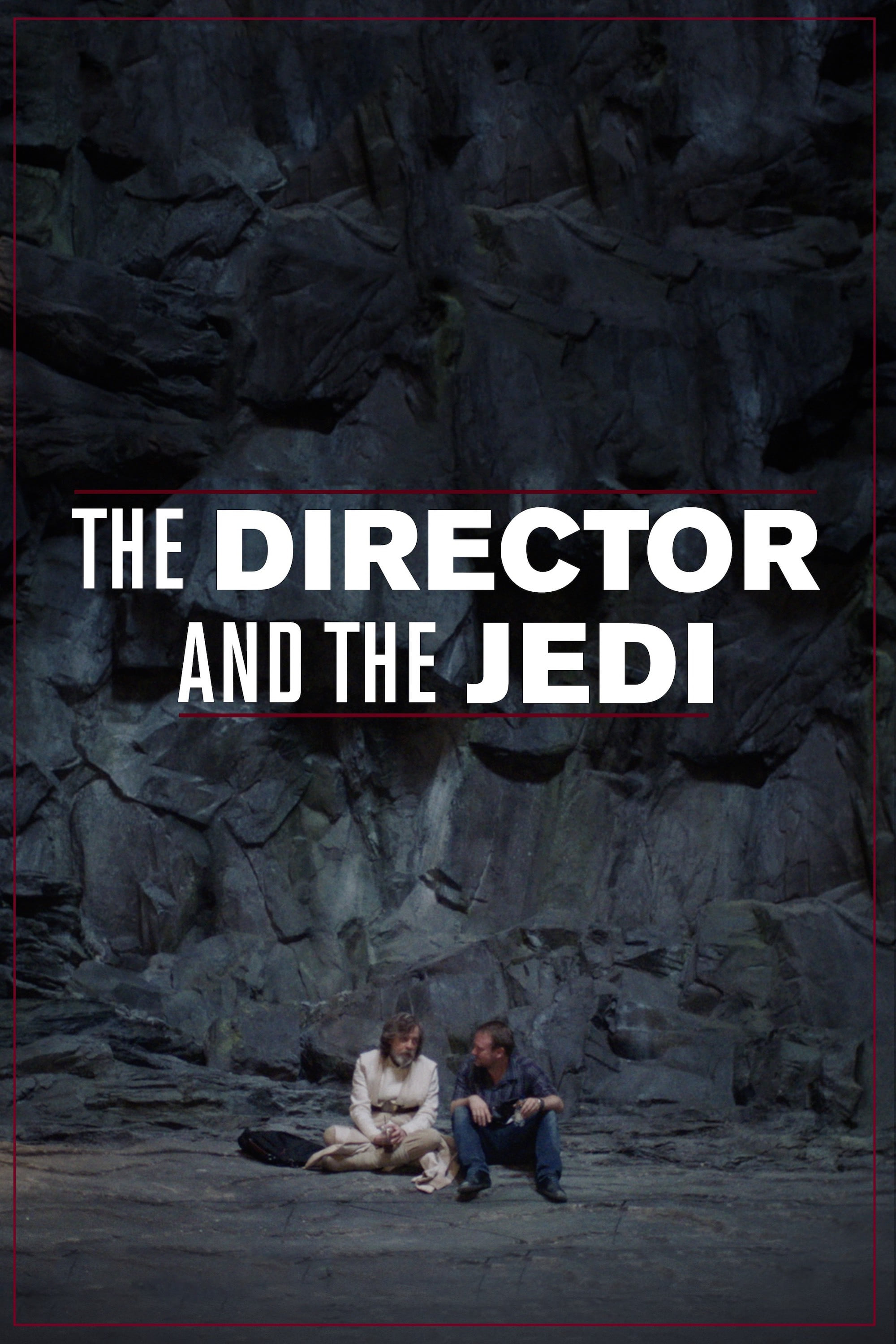
An intimate documentary delving into Rian Johnson's process as he comes in as a director new to the Star Wars universe.
Daniel Craig candidly reflects on his 15 year adventure as James Bond. Including never-before-seen archival footage from Casino Royale to the upcoming 25th film No Time To Die, Craig shares his personal memories in conversation with 007 producers, Michael G Wilson and Barbara Broccoli.
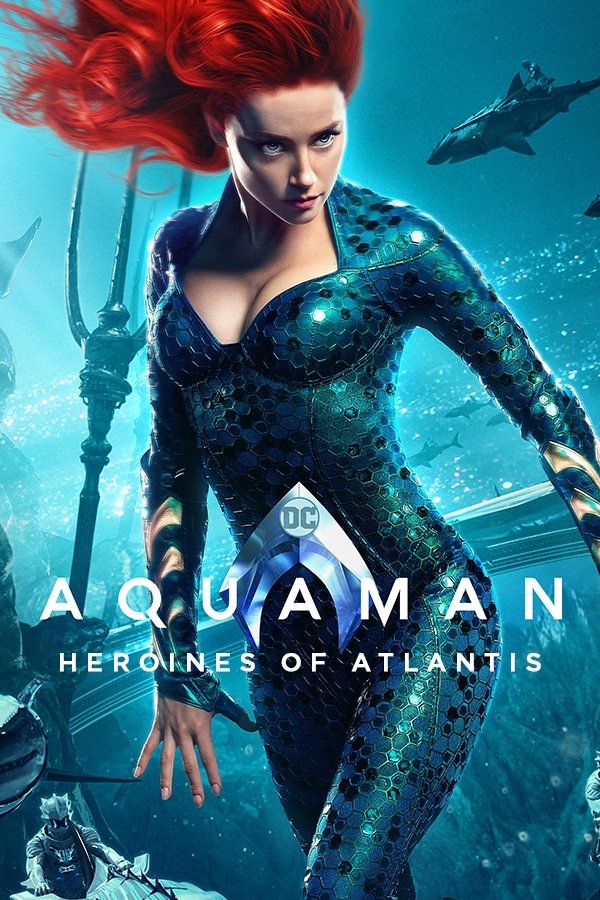
Amber Heard and Nicole Kidman discuss their characters Mera and Atlanna.
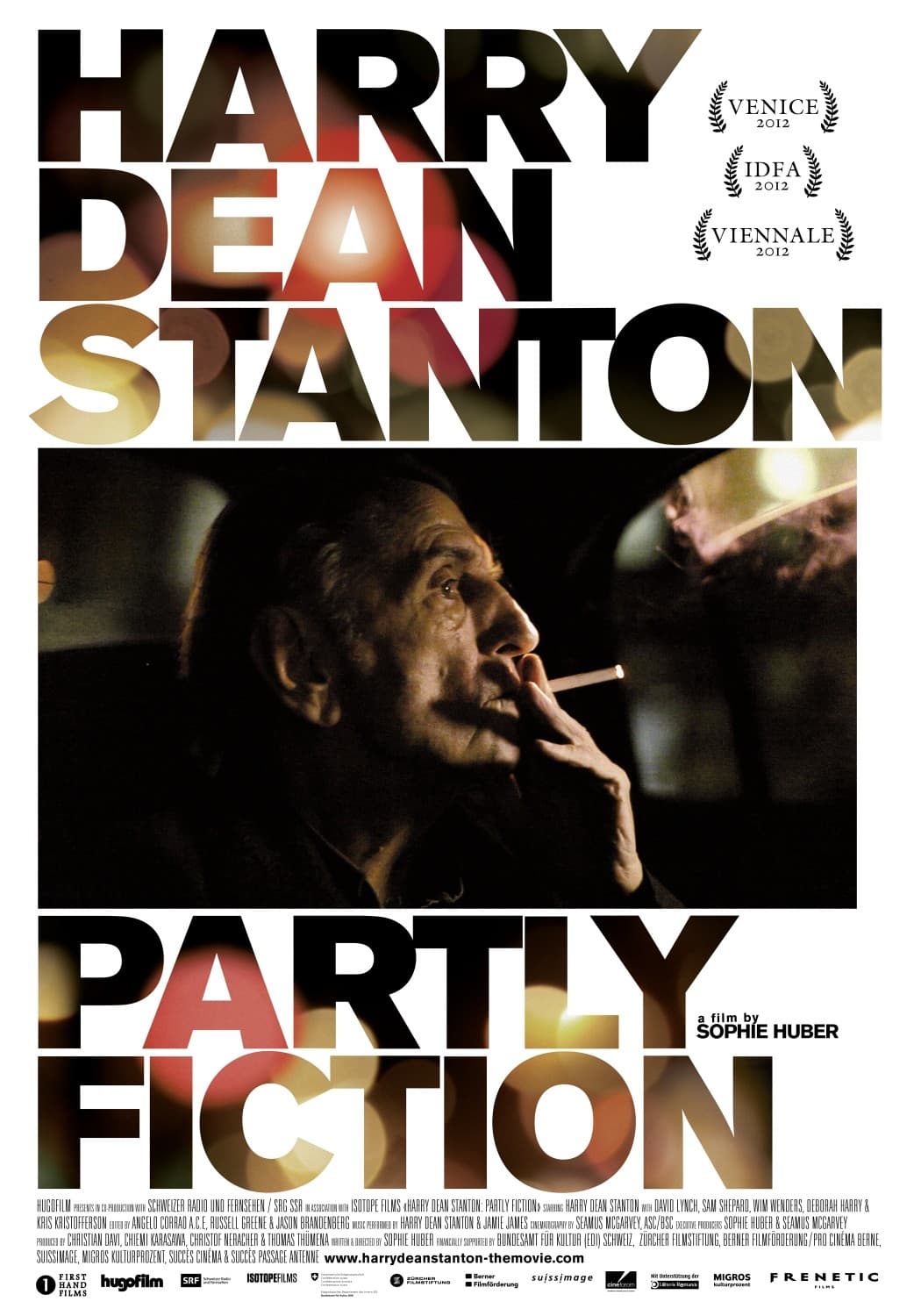
An impressionistic portrait of the iconic actor Harry Dean Stanton comprised of intimate moments, film clips from some of his 250 films and his renditions of American folk songs.
In an intimate and joyful story of love in the face of loss, celebrated poets Andrea Gibson and Megan Falley find strength—and unexpected hilarity—in what might be their final year together.
A documentary about the life and films of director John Ford.
Filmmaker Lawrence Shapiro discusses voice-over acting with the talented people behind the characters.
Through deeply personal interviews with her siblings and an examination of the photographs, letters, and belongings left behind, Mariska assembles a new portrait of her mother Jayne Mansfield, an extraordinary and complex woman.
An inside look at one of the most anticipated movie sequels ever with James Cameron and cast.
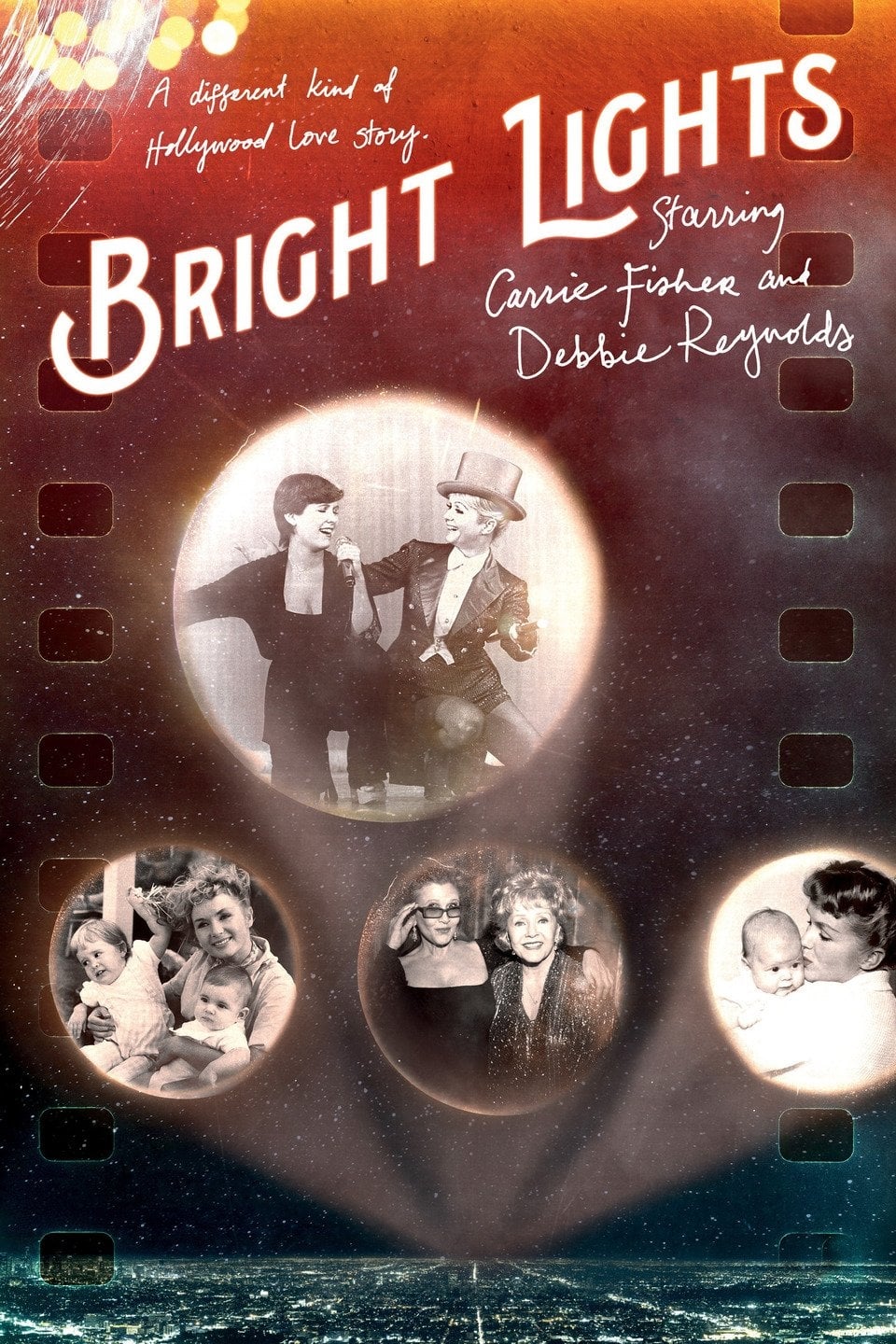
An intimate portrait of Hollywood royalty featuring Debbie Reynolds, Todd Fisher, and Carrie Fisher.
Director Michael Apted revisits the same group of British-born adults after a 7 year wait. The subjects are interviewed as to the changes that have occurred in their lives during the last seven years.
Musician and performance artist Laurie Anderson reflects on the deaths of her husband Lou Reed, her mother and her beloved dog.
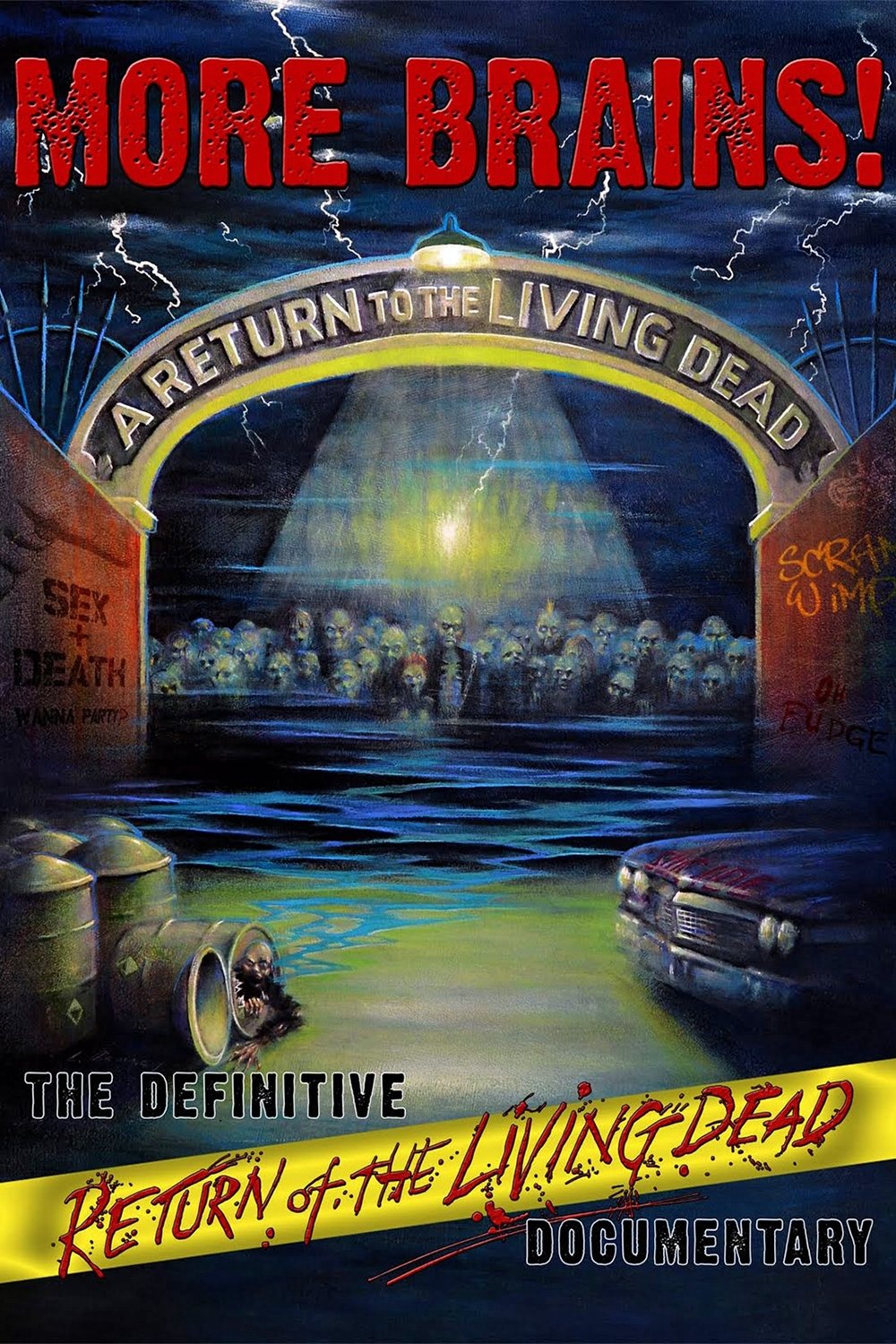
Retrospective documentary about the making of the horror cult classic "The Return of the Living Dead."
The story lives forever in this feature-length documentary that charts the making of Star Wars: The Rise of Skywalker.