Scene from a Trilby-themed stage play. Lost.
Social & External
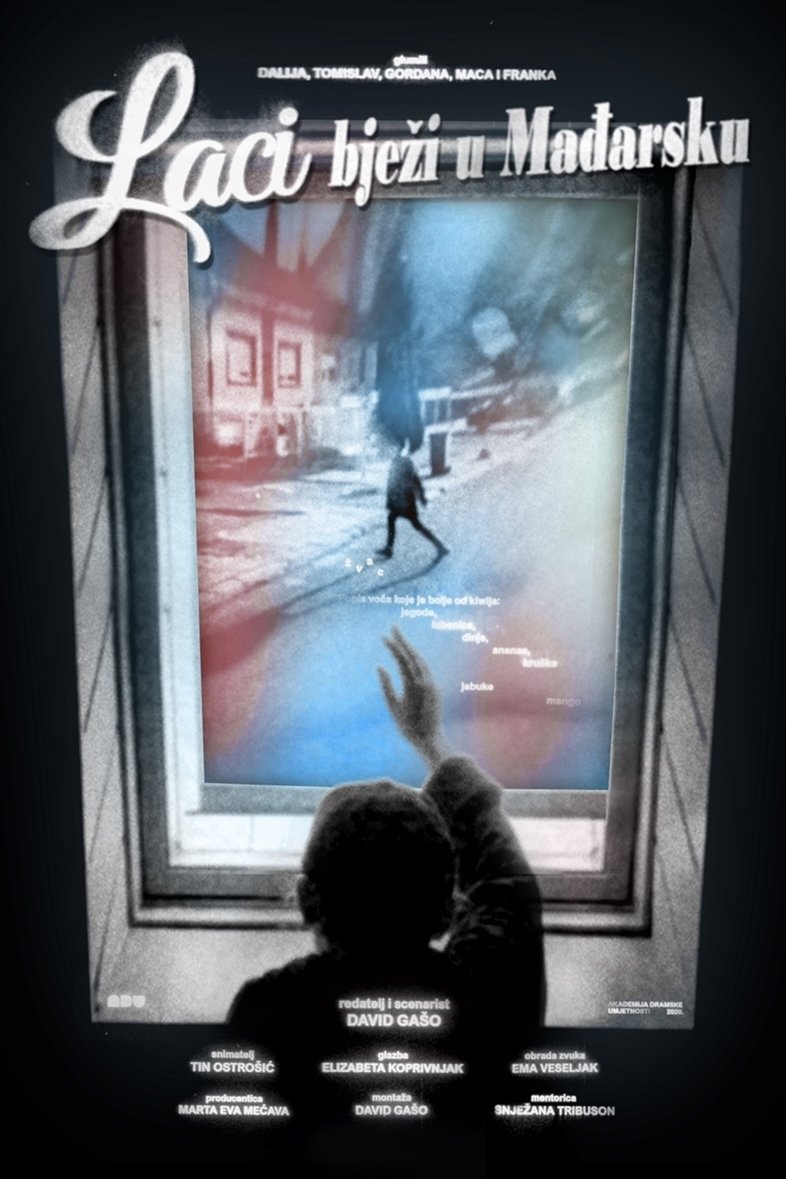
Laci is almost ready for his great escape - standing in his way are his watchful parents, a depressed grandmother, and a cat who still has a lot to forgive.
Demonstration of the rapid poisoning of a cat hung up in a cloth, strychnine as a trigger of the tonic form of convulsions.
The movie shows the consequences of total and partial removal of the epithelial bodies in a cat
Two cats housed in a glass box, one of which had received a small amount of atropine in the preliminary experiment, are exposed to ether vapors with the result that only the animal which had not been pretreated began to salivate (profusely).
Parasympathetic irritation is generated in the test animal by subcutaneous injection of muscarine. Salivary secretion, miosis, convulsive evacuation of thin feces and severe shortness of breath as signs of intoxication with a parasympathomimetic. The symptoms of intoxication are reversed by subcutaneous injection of atropine.
Compulsory locomotion and continuous circular movement to the operated side without orientation in case of a onesided removal of the cerebrum and corpus striatum. In case of a doublesided removal there are no spontaneous movements with a normal posture and movement coordination. The dogs' reaction towards external stimuli only.
This 10-minute short documentary exploring the shifting state of the American poultry industry was preserved in 2015 from an original nitrate print. More information is available on the film's page in the National Film Preservation Foundation's website, where this version can be found featuring original music by Michael D. Mortilla.
Hallstätter Ballade refers to a celebrated 1961 Austrian documentary short film directed by István Szőts. The film is best known for poetically capturing the unique, centuries-old Alpine tradition of skull painting (Totenkult) in the village of Hallstatt.
The film gives a survey on innate behaviour patterns of the grey-lag goose. The first part shows reproductive behaviour. In the second part some behaviour patterns of gosling being imprinted on their human foster parent are shown: following reaction, separation of two flocks according to their imprinting, response to the alarm call and landing "by order" of the flying young.
Wilhelm Emter demonstrates individual muscles and muscle groups of the shoulder region, chest region, torso and abdominal region and the arm in practice on his extremely trained body.
Swimming movements of a common seal under water, propulsion through hind extremities.
A portrait of the German city of Ulm and it's social activities, fassades, court building. Also about the role of the district court during National Socialism.
George Albert Smith and Charles Urban snaffled the plum job of travelling to Italy to take a series of views of Italy for the Warwick Trading Company, including this one. The long panning shots of Pompeii linger respectfully, as a tourist would, before the camera finally raises its eye to the mighty volcano looming in the distance beyond.
An early silent film, made before intertites became common (which is why very early silent films are narrated, at best). This was filmed in 1907 but released in 1908. It was made at the request of Teddy Roosevelt, who saw coyotes being caught in Oklahoma *by hand*, and folks back east didn't believe him. While this movie is called "The Wolf Hunt", it was actually coyotes being caught, not wolves.
The subject is a group of women bathing in a public swimming pool. The camera was placed on the edge of the pool and the full extent of the film shows the women in the pool. Only the heads and shoulders of most of the women are visible but it is possible to see they are wearing rented bathing attire.
Rhythmic composition of moving photographs of cyclists in Amsterdam, ‘set’ to Vivaldi’s The Four Seasons.
A report on the work of a reservist collective from a factory of the Guben chemical fiber combine.
Staged boxing match between Sergeant-Instructor Barrett and Sergeant Pope, with a round, interval, and knockout.
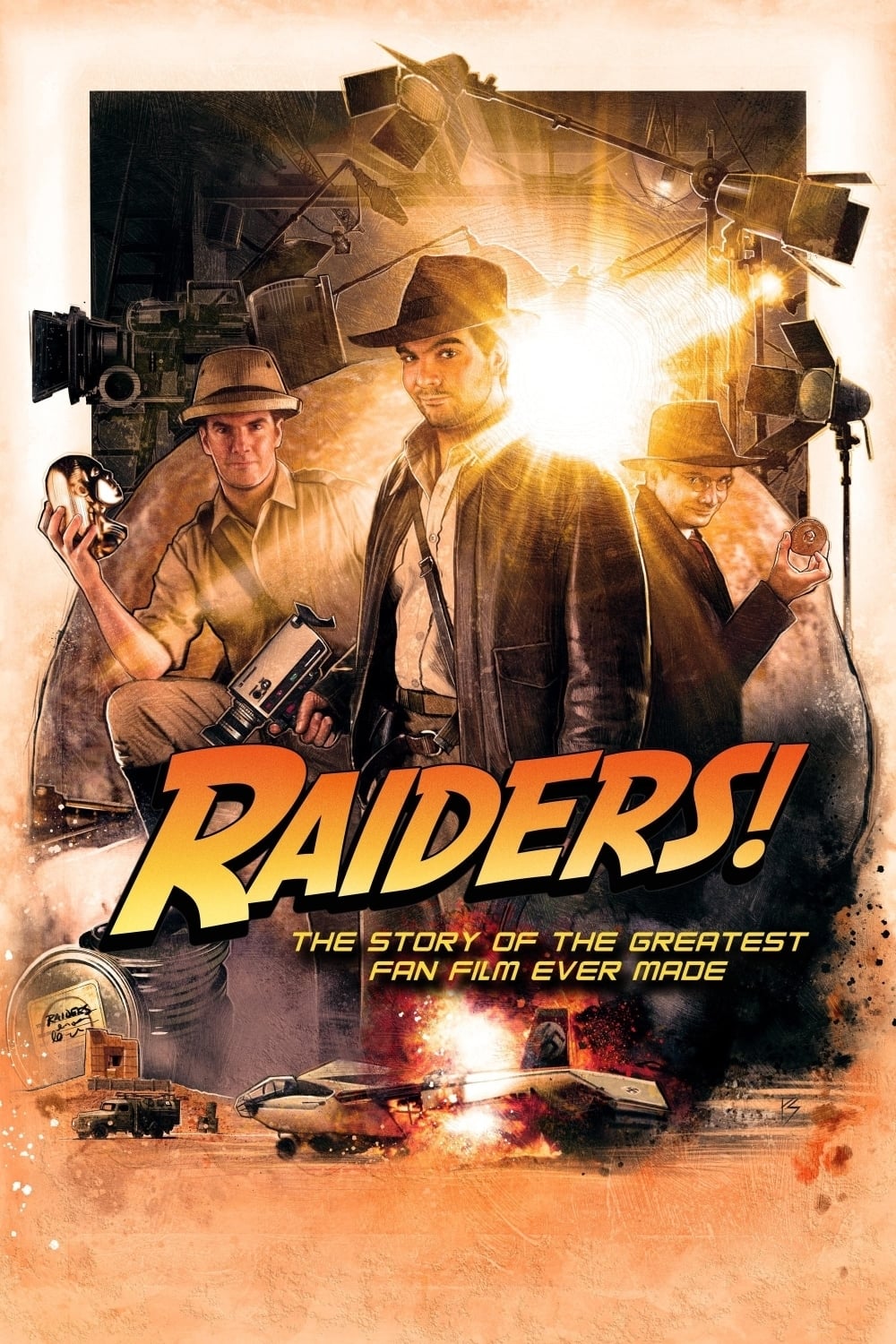
In 1982, three 11 year-olds in Mississippi set out to remake their favorite film: Raiders of the Lost Ark. It took seven turbulent years that tested the limits of their friendship and nearly burned down their mother's house. By the end, they had completed every scene except one... the explosive airplane scene. 30 years later, they attempt to finally realize their childhood dream by building a replica of the 75 foot "Flying Wing" plane from Raiders in a mud pit in the backwoods of Mississippi... and then blow it up! This is the story behind the making of what is known as "the greatest fan film ever made."
Daniel Craig candidly reflects on his 15 year adventure as James Bond. Including never-before-seen archival footage from Casino Royale to the upcoming 25th film No Time To Die, Craig shares his personal memories in conversation with 007 producers, Michael G Wilson and Barbara Broccoli.
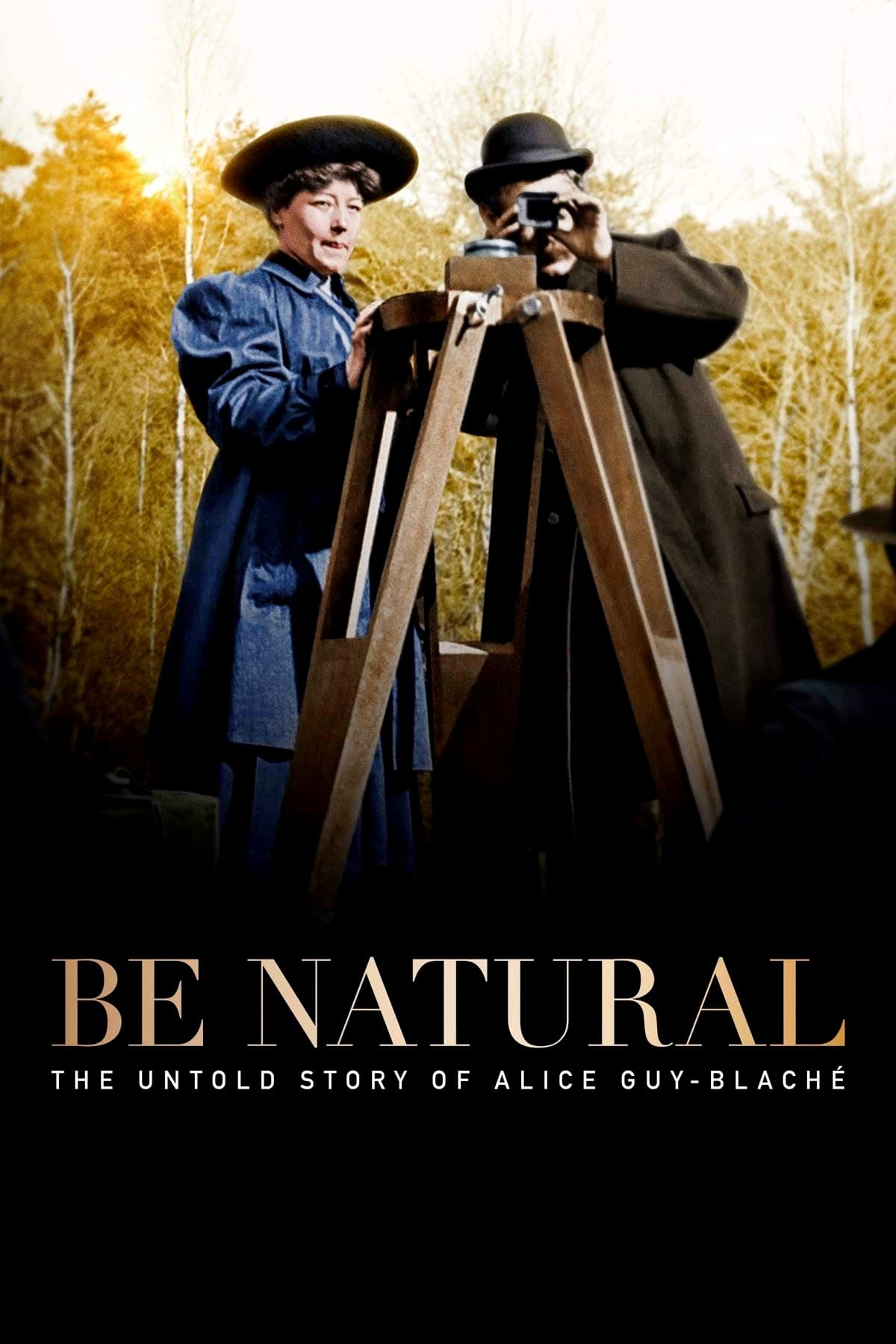
The epic life story of Alice Guy-Blaché (1873–1968), a French screenwriter, director and producer, true pioneer of cinema, the first person who made a narrative fiction film; author of hundreds of movies, but banished from history books. Ignored and forgotten. At last remembered.
An atmospheric essay, which is an alternative version of Count Dracula, a film directed by Jess Franco in 1970; a ghostly narration between fiction and reality.
An inside look at one of the most anticipated movie sequels ever with James Cameron and cast.
SEDUCED AND ABANDONED combines acting legend Alec Baldwin with director James Toback as they lead us on a troublesome and often hilarious journey of raising financing for their next feature film. Moving from director to financier to star actor, the two players provide us with a unique look behind the curtain at the world's biggest and most glamourous film festival, shining a light on the bitter-sweet relationship filmmakers have with Cannes and the film business. Featuring insights from directors Martin Scorsese, 'Bernando Bertolucci' and Roman Polanski; actors Ryan Gosling and Jessica Chastain and a host of film distribution luminaries.
This revealing documentary honors the legendary Sidney Poitier—iconic actor, filmmaker, and civil rights activist. Featuring interviews with Denzel Washington, Spike Lee, Halle Berry, and more.
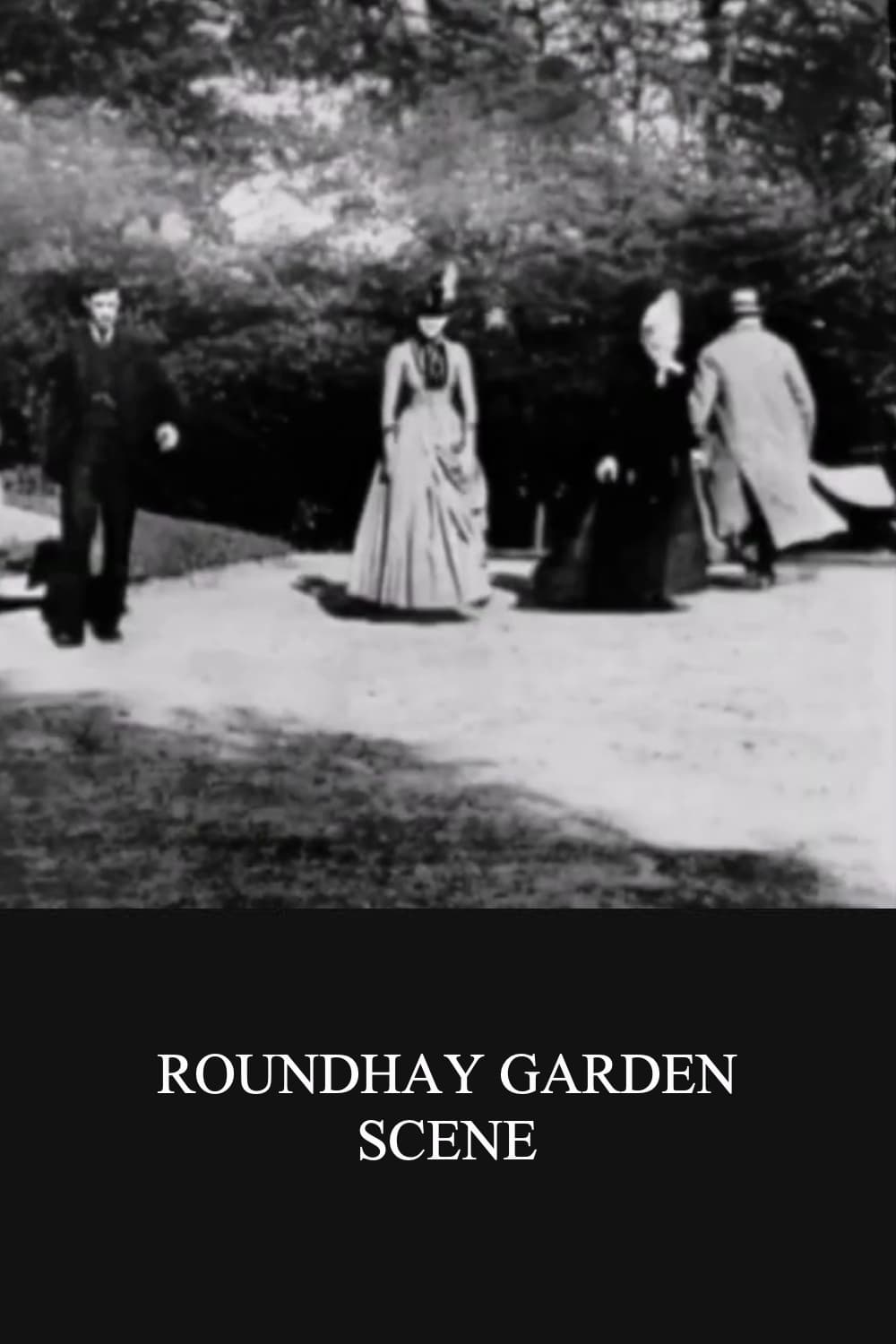
The earliest surviving motion-picture film, and believed to be one of the very first moving images ever created, was shot by Louis Aimé Augustin Le Prince using the LPCCP Type-1 MkII single-lens camera. It was taken on paper-based photographic film in the garden of Oakwood Grange, the Whitley family house in Roundhay, Leeds, West Riding of Yorkshire (UK), on 14 October 1888. The film shows Adolphe Le Prince (Le Prince’s son), Mrs. Sarah Whitley (Le Prince’s mother-in-law), Joseph Whitley, and Miss Harriet Hartley walking around in circles, laughing to themselves, and staying within the area framed by the camera. Roundhay Garden Scene is often associated with a recording speed of around 12 frames per second and runs for about 2 to 3 seconds.
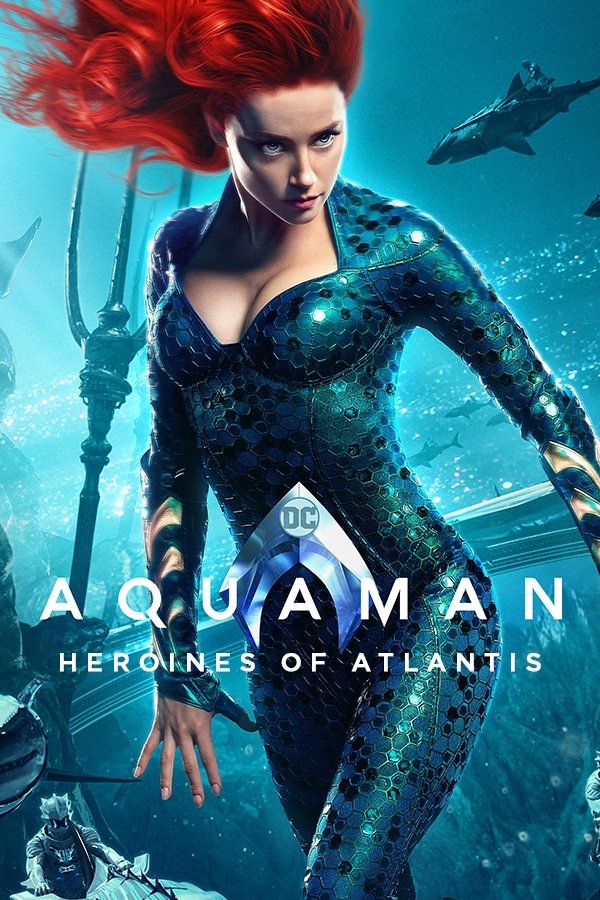
Amber Heard and Nicole Kidman discuss their characters Mera and Atlanna.
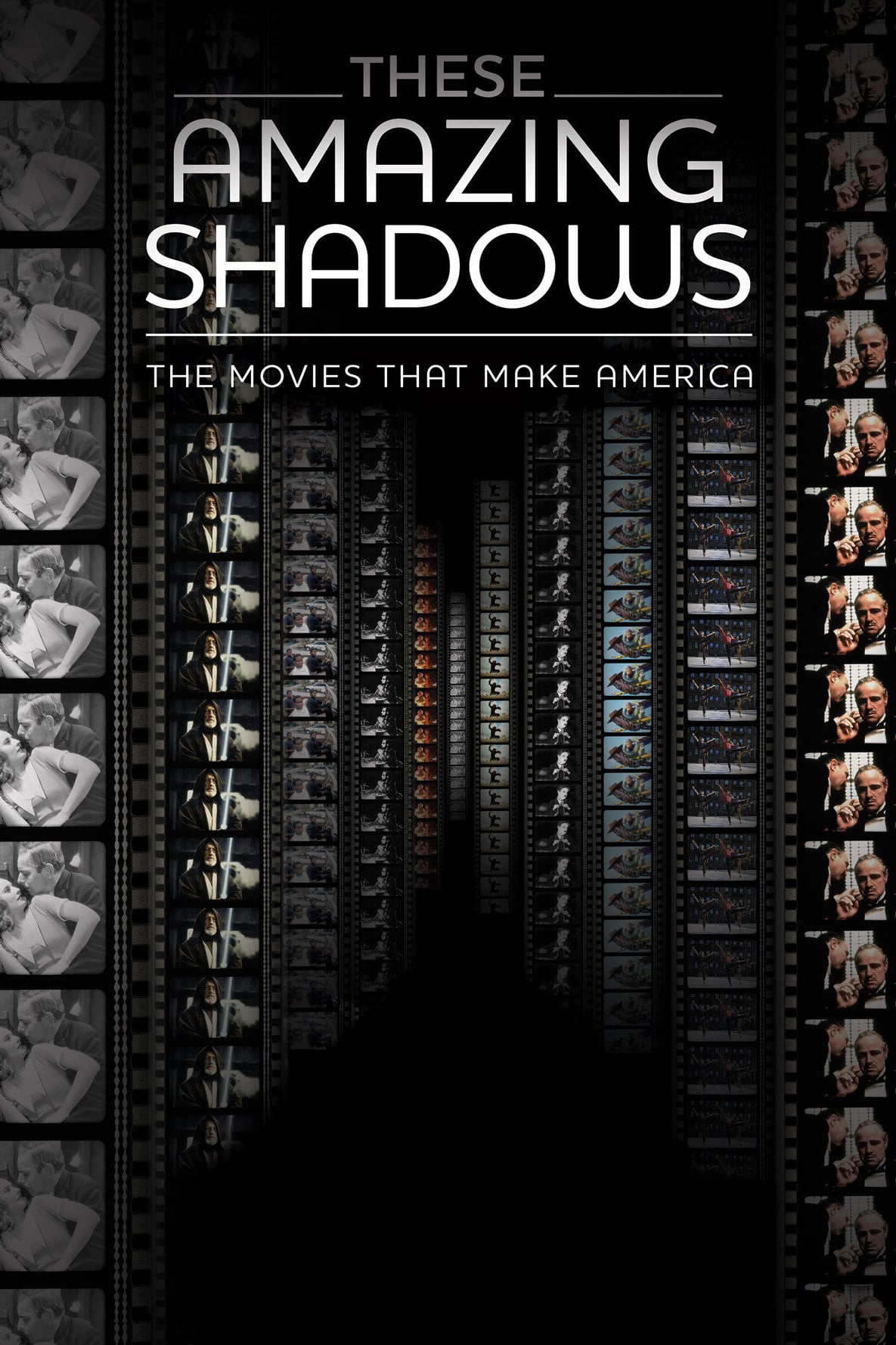
Tells the history and importance of The National Film Registry, a roll call of American cinema treasures that reflects the diversity of film, and indeed the American experience itself.
The history of cinematic sound, told by legendary sound designers and visionary filmmakers.
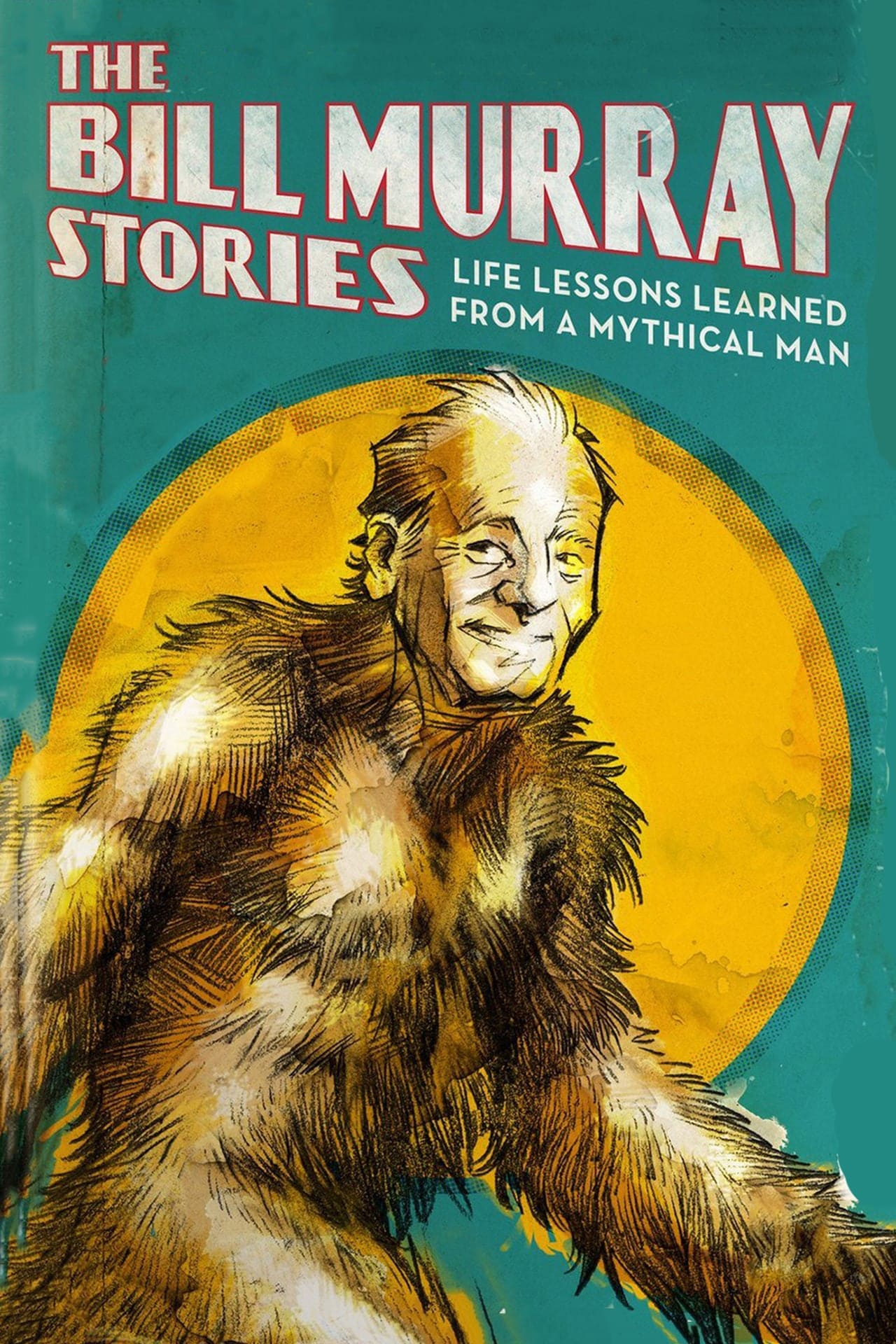
One man’s journey to find meaning in Bill Murray’s many unexpected adventures with everyday people, rare and never-before seen footage of the comedic icon participating in stories previously presumed to be urban legend.
In an intimate and joyful story of love in the face of loss, celebrated poets Andrea Gibson and Megan Falley find strength—and unexpected hilarity—in what might be their final year together.
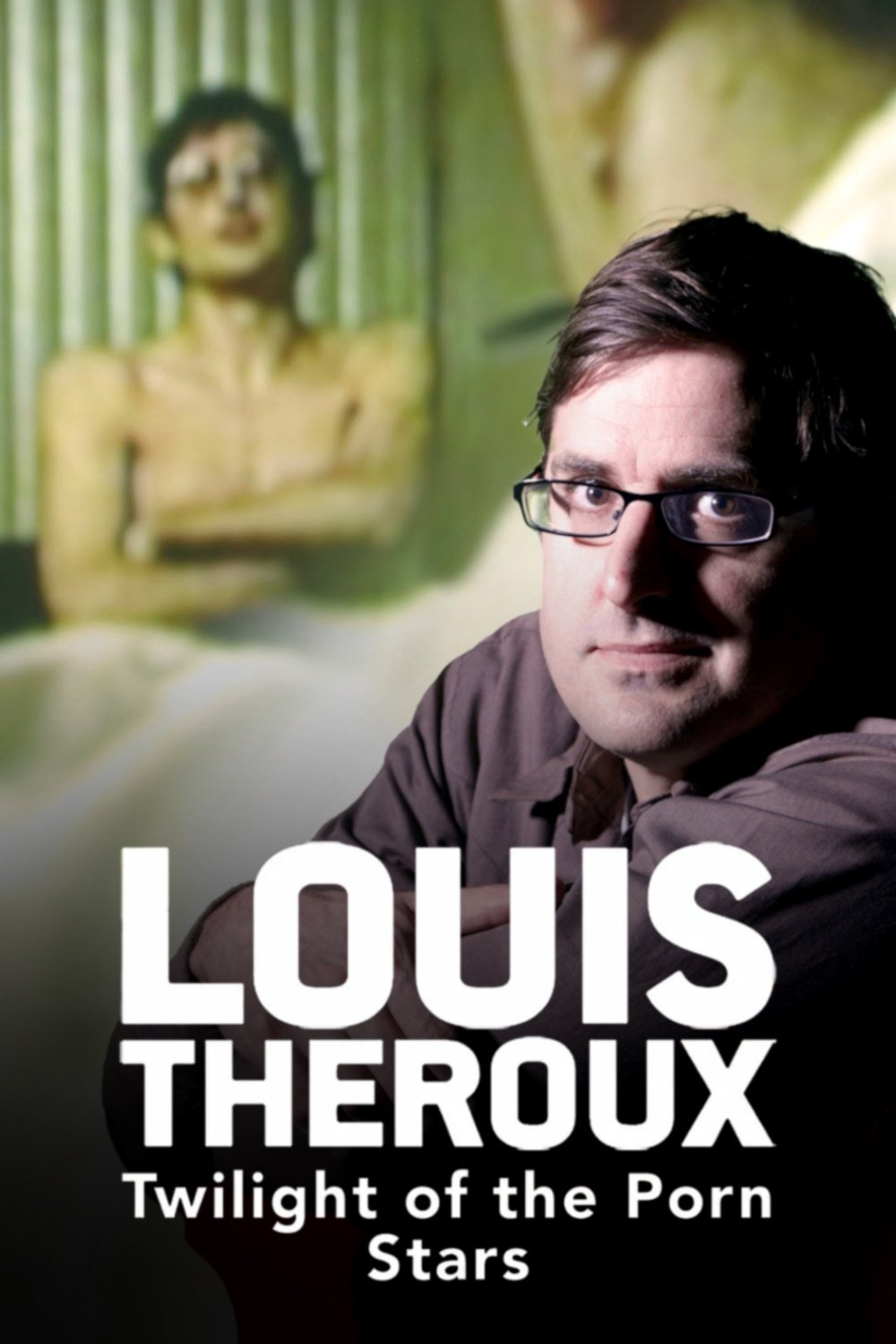
In 1997, Louis Theroux made a documentary about the world of male porn performers in Los Angeles. 15 years later, he returns to find a business struggling with the deluge of free porn on the internet. Louis revisits some of the original programme's contributors as well as meeting the latest crop of porn performers dreaming of porn stardom.
Director Michael Apted revisits the same group of British-born adults after a 7 year wait. The subjects are interviewed as to the changes that have occurred in their lives during the last seven years.
After the high-profile killing of Damilola Taylor, Cornelius' family move out of London. But when they discover their new town is run by racists, Cornelius takes a drastic step to survive.
This special explores the return of Obi-Wan Kenobi and Anakin Skywalker to the screen, as well as Ewan McGregor and Hayden Christensen to their classic roles. Director Deborah Chow leads the cast and crew as they create new heroes and villains that live alongside new incarnations of beloved Star Wars characters, and an epic story that dramatically bridges the saga films.
Over 35 years after Bob Lazar's revelations, this documentary exposes secrets of a facility the government still denies. Featuring Lazar's testimony, recreations, and new evidence, it reopens a case that continues to spark global curiosity
The film follows adventurer Jeff Johnson as he retraces the epic 1968 journey of his heroes Yvon Chouinard and Doug Tompkins to Patagonia.
Cast, crew and fans explore the "Back to the Future" time-travel trilogy's resonance throughout our culture, thirty years after Marty McFly went back in time.