FREEWAY CITY is a provocative case study on how the collision of race, politics and casino economics shaped the destiny of Gardena, California.
Social & External
In 2012 Dalya and her mother Rudayna fled Aleppo for Los Angeles as war took over. Months before, Rudayna learns a secret that destroys her marriage, leaving her single at midlife. Arriving in LA, Dalya enrolls as the only Muslim at Holy Family Catholic High School. Can mother and daughter remake themselves while holding on to their Islamic traditions?
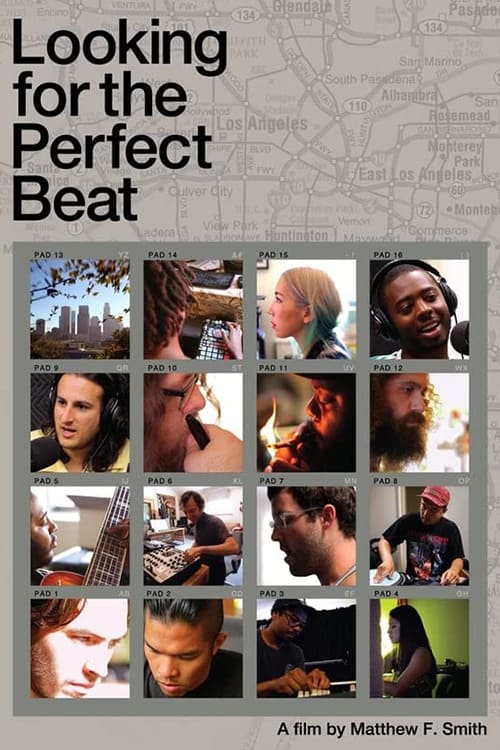
'Looking for the Perfect Beat' is a cinema verite immersion inside the unique Los Angeles 'beat-scene' music community centered around the world famous Low End Theory club night. Filmed over the Summer of 2013, a climatic point in this particular music scene's trajectory, we are given the opportunity to elegantly lift the veil on the personal creative processes of the internationally-acclaimed pillars of the scene. Indie music luminaries such as Flying Lotus, Thundercat, Gaslamp Killer, Daedelus, Nosaj Thing, Ras G, Teebs, D-Styles, TOKiMONSTA and Matthewdavid are all featured in vivid detail. The soundtrack for the film creates itself live on camera as the film elapses. This avant-garde visual angle on each subject in their respective creative spaces provides for an introspective glimpse into what would otherwise be unseen.
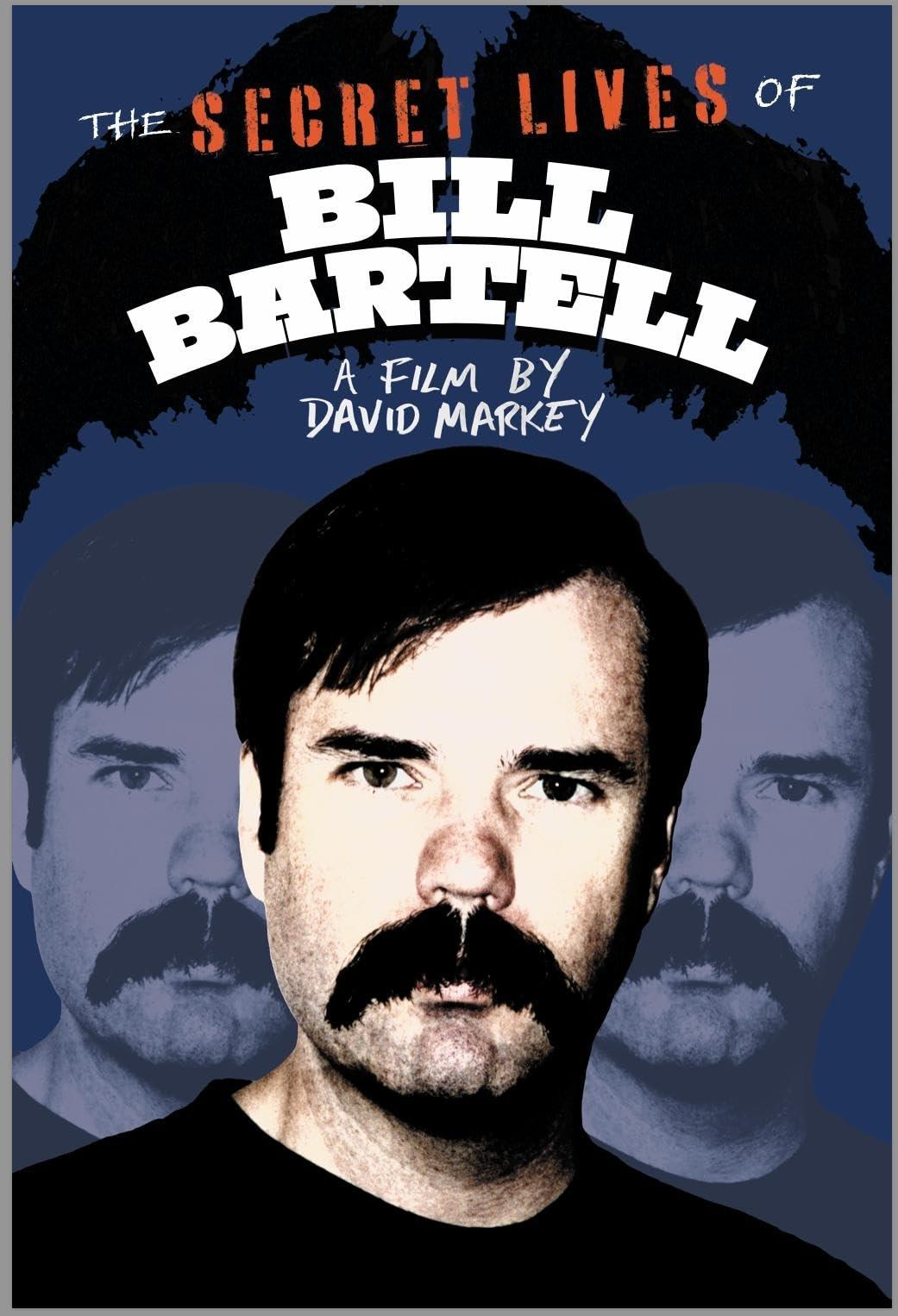
Bill Bartell was a multifaceted individual who traversed the punk rock scene, law enforcement, rodeo riding, and country music. Known for his unique contribution to punk rock through his label Gasatanka Records and band White Flag, Bartell's life defies conventional boundaries, blending hyper-masculinity with subcultural rebellion. His story, filled with mysterious and seemingly contradictory roles, offers a compelling narrative about identity, transformation, and the unexpected paths life can take.
56-year-old artist Mindy Alper has suffered severe depression and anxiety for most of her life. For a time she even lost the power of speech, and it was during this period that her drawings became extraordinarily articulate.
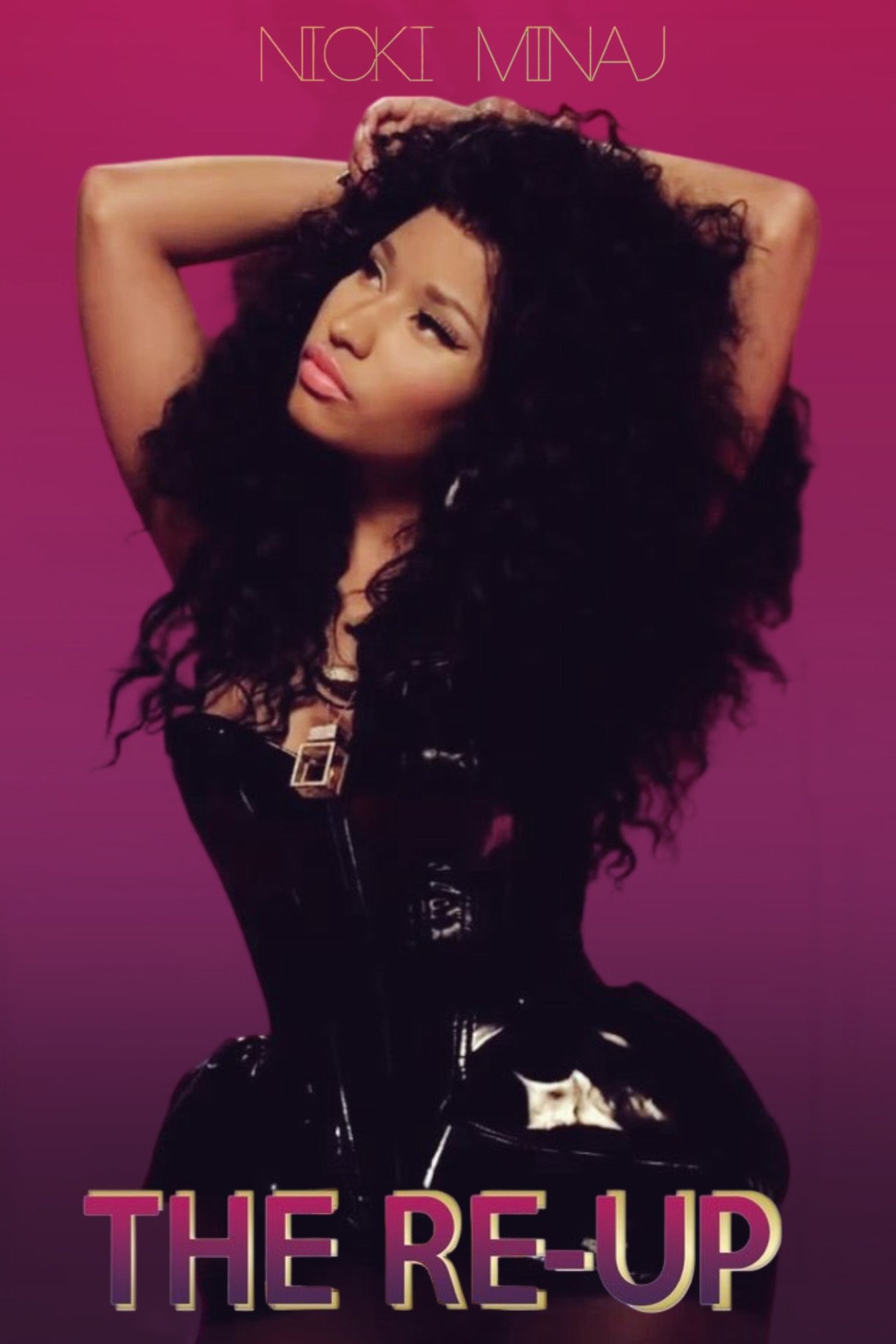
A backstage and on-stage look at Nicki Minaj's career during the Pink Friday Tour, festivals, and more.
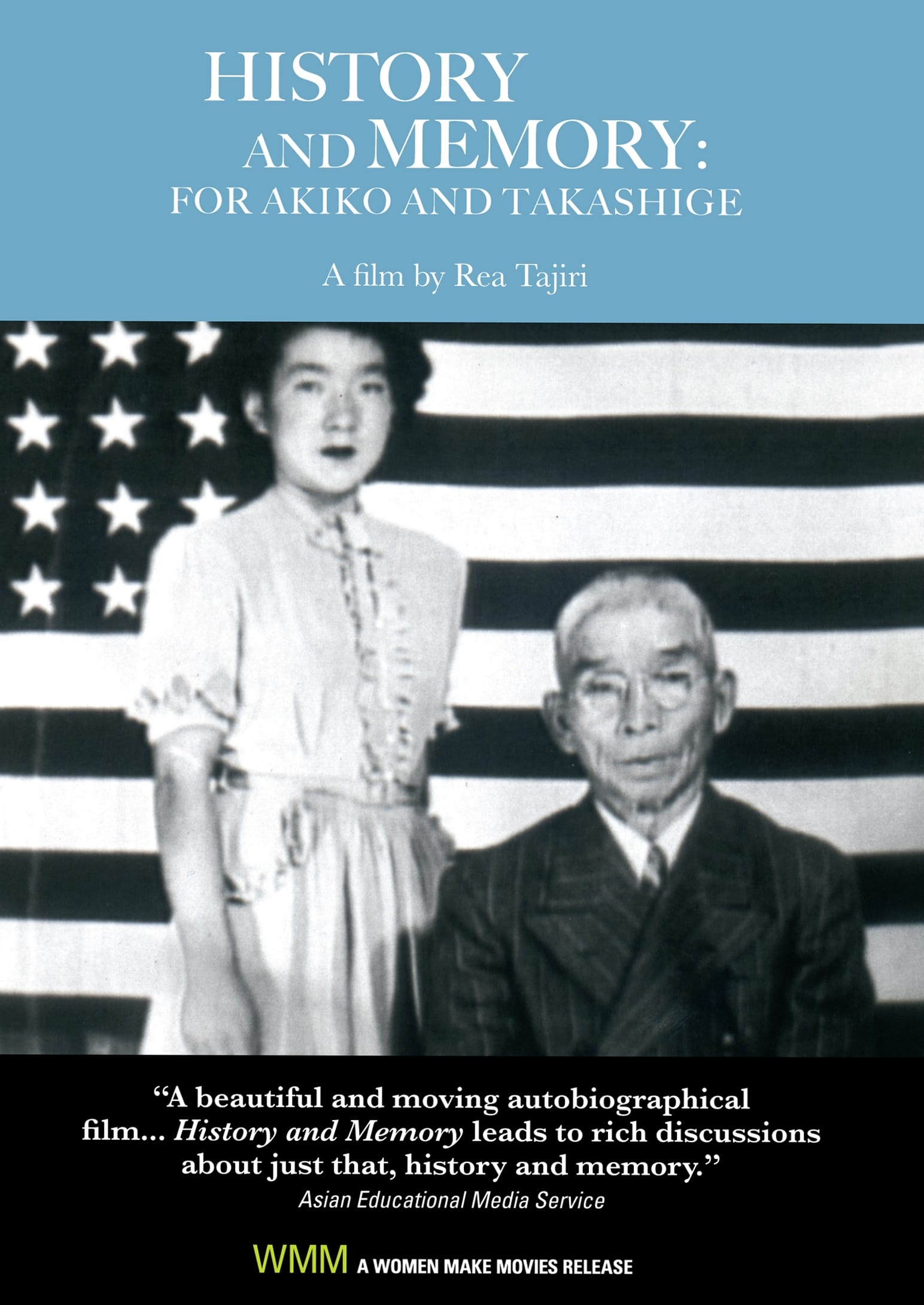
This film is a poetic composition of recorded history and non-recorded memory. Filmmaker Rea Tajiri’s family was among the 120,000 Japanese and Japanese Americans who were imprisoned in internment camps after the attack on Pearl Harbor. And like so many who were in the camps, Tajiri’s family wrapped their memories of that experience in a shroud of silence and forgetting. This film raises questions about collective history – questions that prompt Tajiri to daringly re-imagine and re-create what has been stolen and what has been lost.
For Los Angeles natives living in the early 1900s, bicycles and streetcars shared the road as our primary modes of transportation. But the arrival of the freeway effectively wiped them out. Today, a collective of cycling communities fight for protected bike lanes and road safety, determined to bring a new era of mobility justice to the city.
This short travelogue depicts snippets of locations in Hollywood, California, most of them as seen from the streets. Considerable time is taken showing the kinds of architecture of private homes. There are images of various important buildings, and a depiction of the Hollywood Bowl. Finally, there is a sequence revolving around the premiere of the film “Dirigible” (1931) at the famed Chinese Theatre.
As the first all-female band to play their instruments, write their songs and have a No. 1 album, The Go-Go’s made history. Underpinned by candid testimonies, this film chronicles the meteoric rise to fame of a band born in the LA punk scene who became a pop phenomenon.
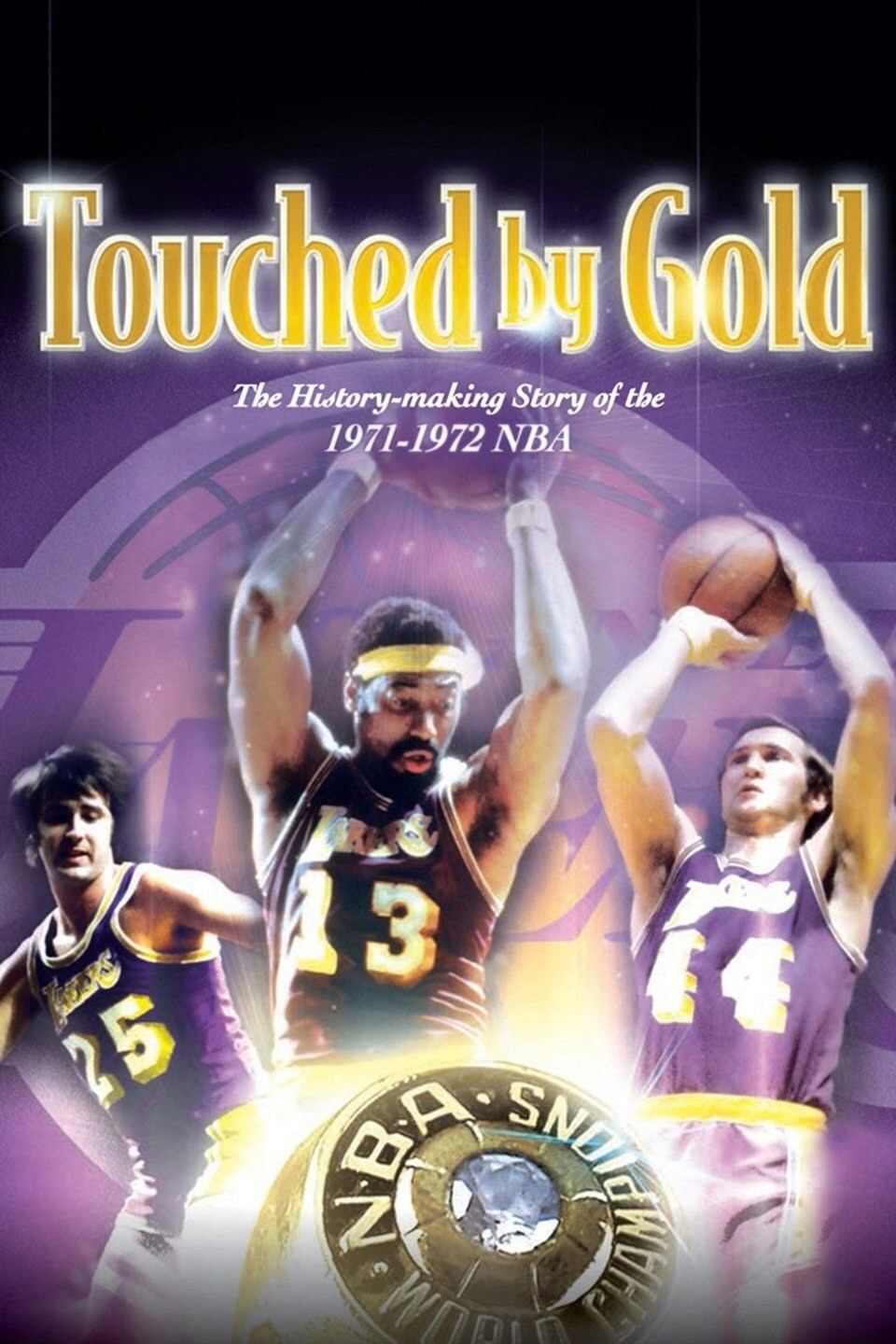
Many consider the 1971-72 World Champion Los Angeles Lakers one of the greatest teams in the history of the NBA. But despite a remarkable run to the title that included a record 33-game winning streak, this group was the unlikeliest of champions.
Centers around the second half of the Rams' 2023 season, when they come back from Bye Week with a 3-6 record, requiring them to win almost every remaining game.
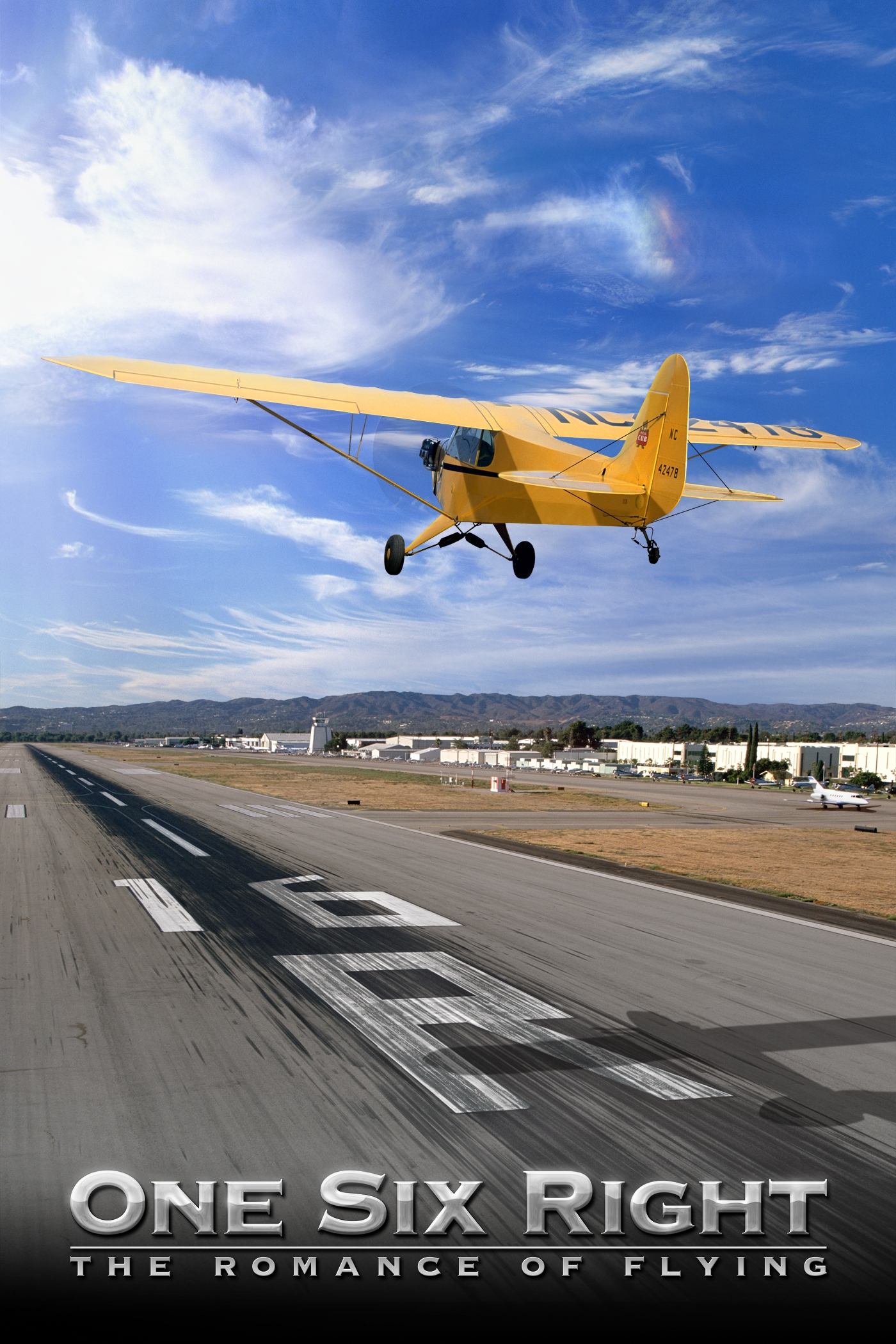
An exhilarating documentary film that celebrates the unsung hero of aviation - the local airport - by tracing the life, history, and struggles of an airport icon: Southern California's Van Nuys Airport. Featuring thrilling aerial photography and a sweeping original score, the film dispels common misconceptions and opposes criticism of General Aviation airports.
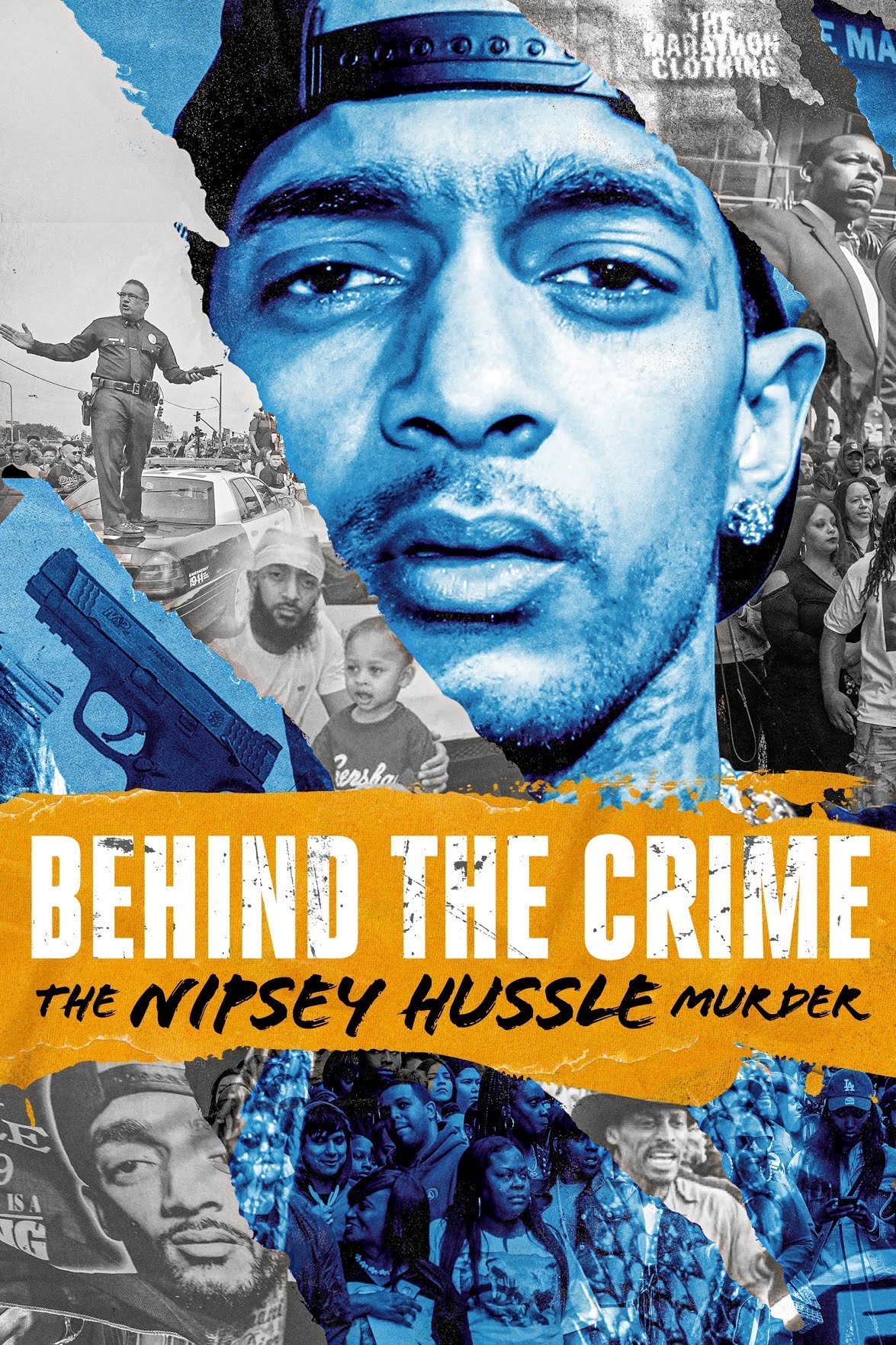
As told by the people involved, and using real footage from the tragic event, we take a deep dive into the murder trial, story, and case of rap icon and street legend Nipsey Hussle.
To popularize the idea of automobile travel, Ford Motor Company produced Ford Educational Weekly, a film magazine distributed free to theaters. One 1916 series featured "Visits to American Cities." In this episode, Los Angeles is featured at the very beginning of the boom created by oil, movies and aircraft. On the occasion of its centennial in 1953, Ford donated its film to the National Archives and Records Service; this copy derives from a fine grain master printed from the Archive's preservation negative. Music by Frederick Hodges.
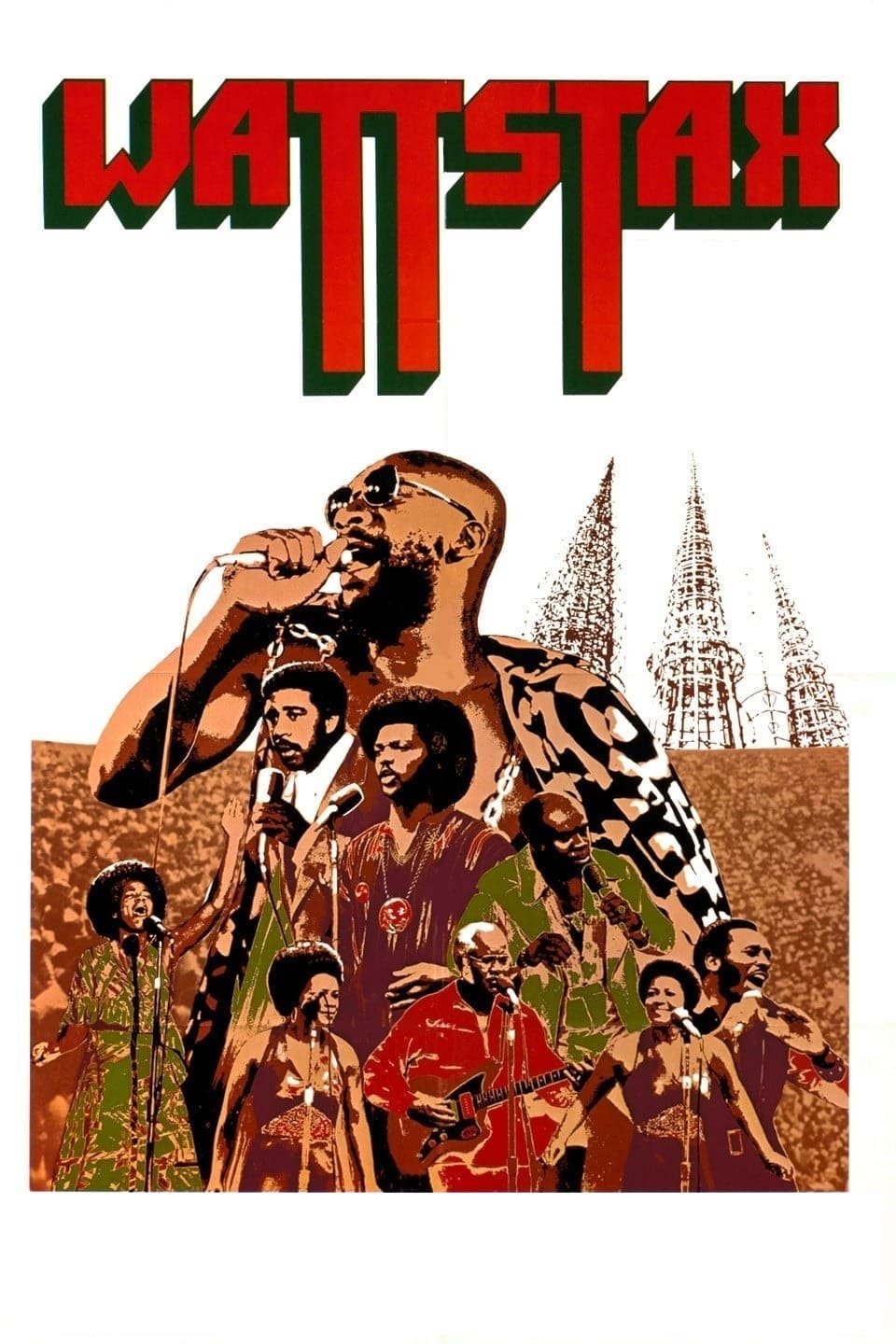
A documentary film about the Afro-American Woodstock concert held in Los Angeles seven years after the Watts riots. Director Mel Stuart mixes footage from the concert with footage of the living conditions in the current-day Watts neighborhood.
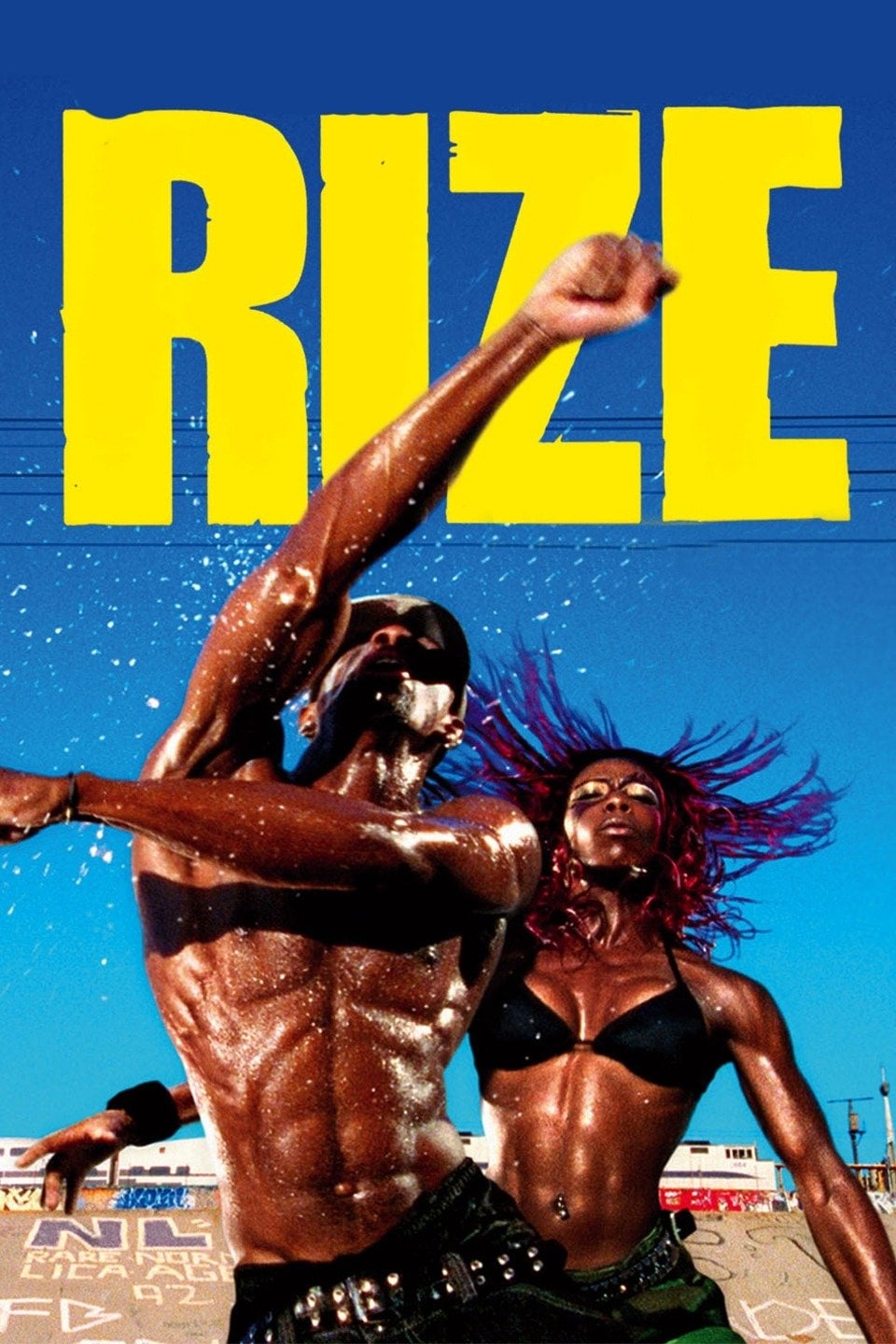
A documentary film that highlights two street derived dance styles, Clowning and Krumping, that came out of the low income neighborhoods of L.A.. Director David LaChapelle interviews each dance crew about how their unique dances evolved. A new and positive activity away from the drugs, guns, and gangs that ruled their neighborhood. A raw film about a growing sub-culture movements in America.
The history and enduring legacy of one of the world's biggest and most influential radio stations.
First hand footage from the LA uprising following the acquittals of the 4 officers in the Rodney King beating.
A film by Lee Rhoads uses unique archival photographs and footage of Los Angeles's love affair with automobiles. In the opening scene, a classic glimpse of Los Angeles and its car owners circa the 1970s is offered, and it deftly relates the transit history of the Los Angeles basin, beginning in the late 1800s.
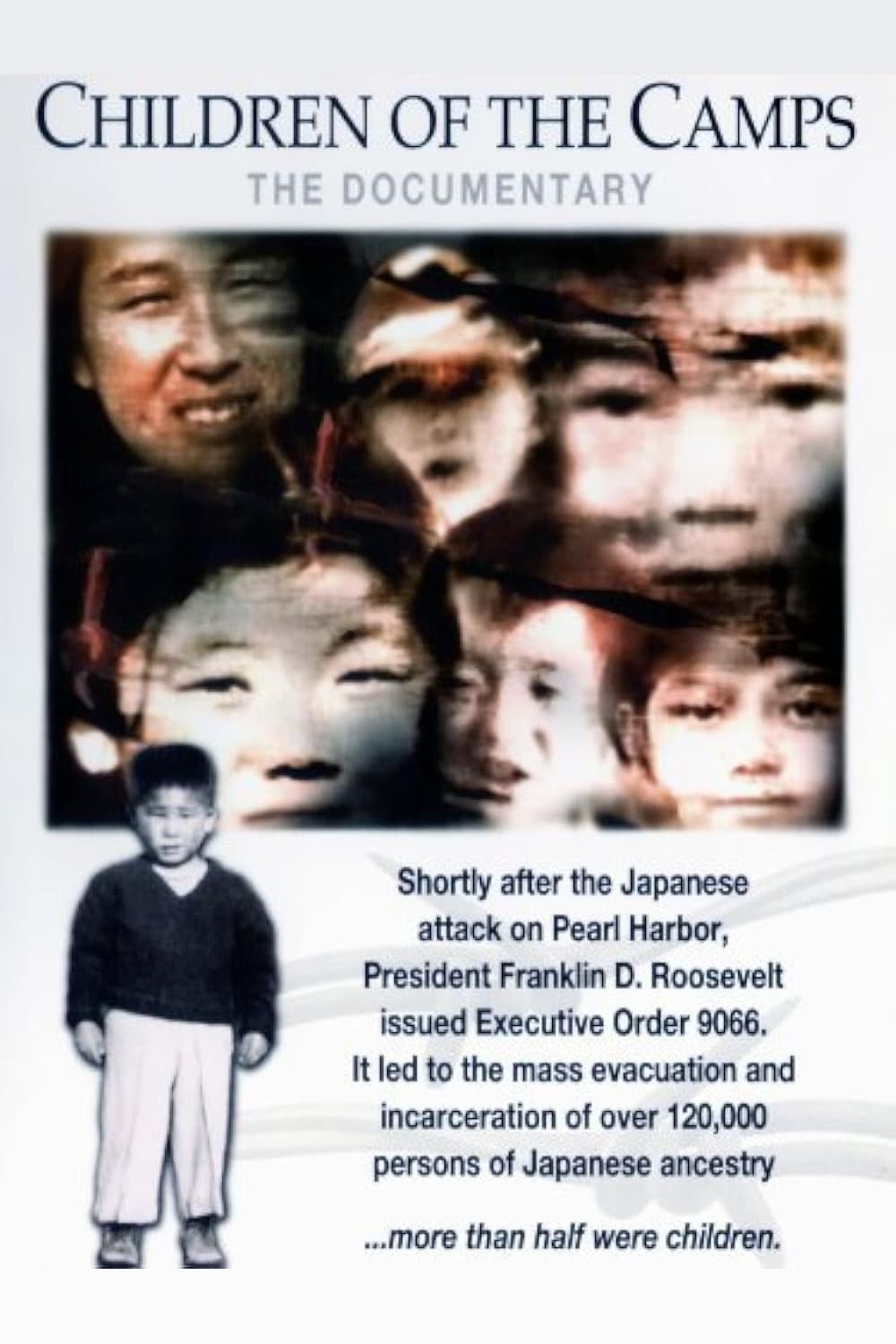
Documentary following six Americans of Japanese ancestry who were held in U.S. internment camps during World War II.