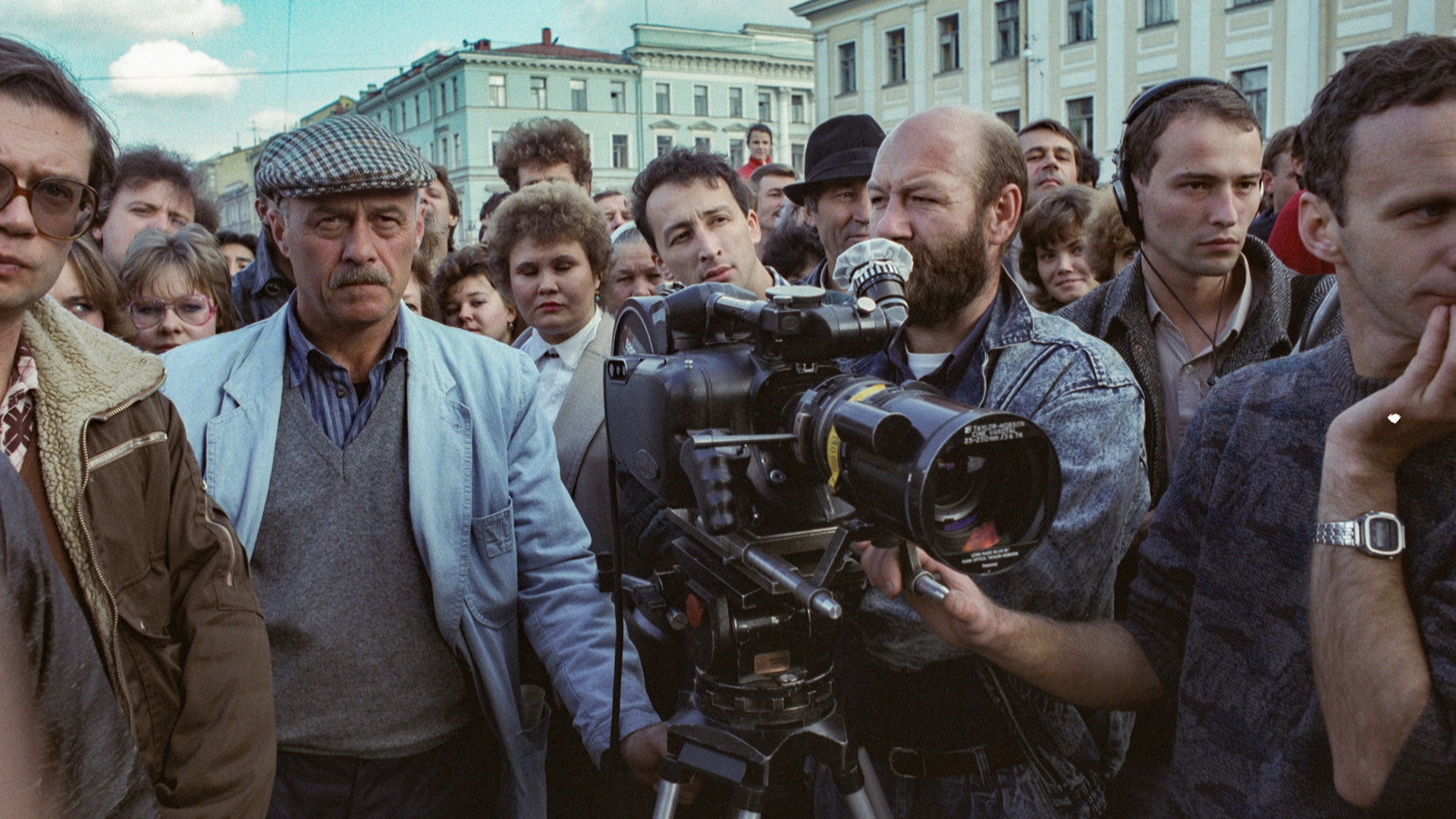
A film about the sociopolitical condition of the Soviet society at the end of the eighties.
Social & External
The people behind it
Stanislav Govorukhin
Commentator
Aleksandr Nevzorov
Himself
Maximilian Schell
German Commentator
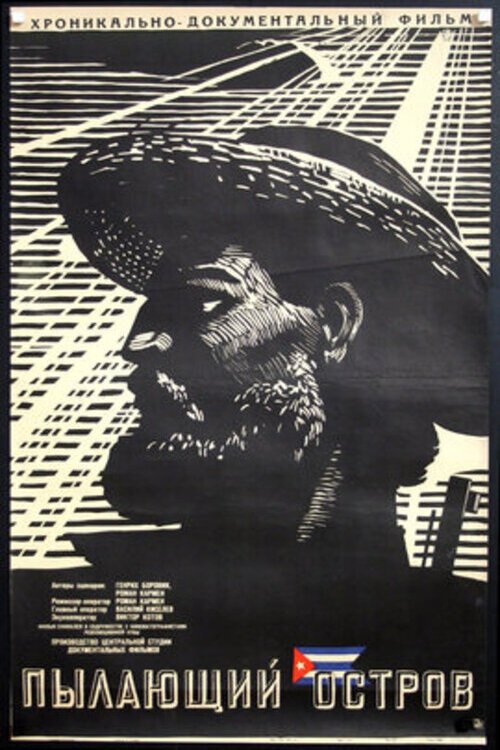
Documentary recounting the story of the Cuban Revolution and its impact on the young people of Cuba.
Film cameras cruise the Soviet Union's mighty Volga River, providing a view of the Russian people along its 2300-mile length, including looks at the fishing industry, a rural village, a manufacturing town and the wedding of two factory workers.
In 1976 with the Cold War raging, the Philadelphia Flyers took to the ice to play the unbeaten Russian Red Army team. What happened that day went down in sports history.
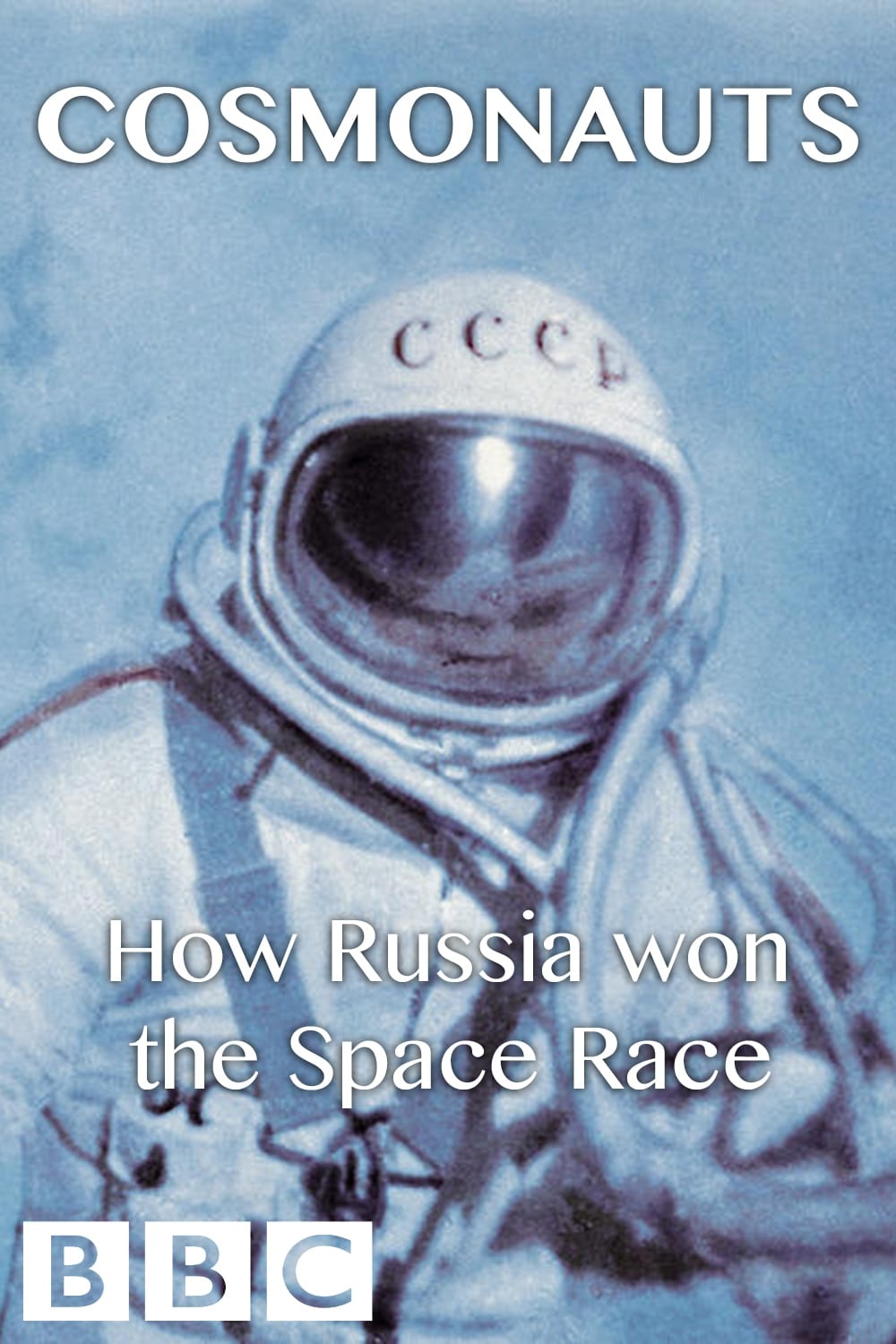
When Neil Armstrong stepped onto the moon in 1969, America went down in popular history as the winner of the space race. But that history is bunk. The real pioneers of space exploration were the Soviet cosmonauts. This remarkable feature-length documentary combines rare and unseen archive footage with interviews with the surviving cosmonauts to tell the fascinating and at times terrifying story of how the Russians led us into the space age. A particular highlight is Alexei Leonov, the man who performed the first spacewalk, explaining how he found himself trapped outside his spacecraft 500 miles above the Earth. Scary stuff.
The epic story of the Russian Civil War (1918-21): the White Terror, the counterrevolutionary uprisings, the guerrilla war, the Kolchak front, the Wrangel front and the Kronstadt rebellion. Chaos and violence, devastation and death.
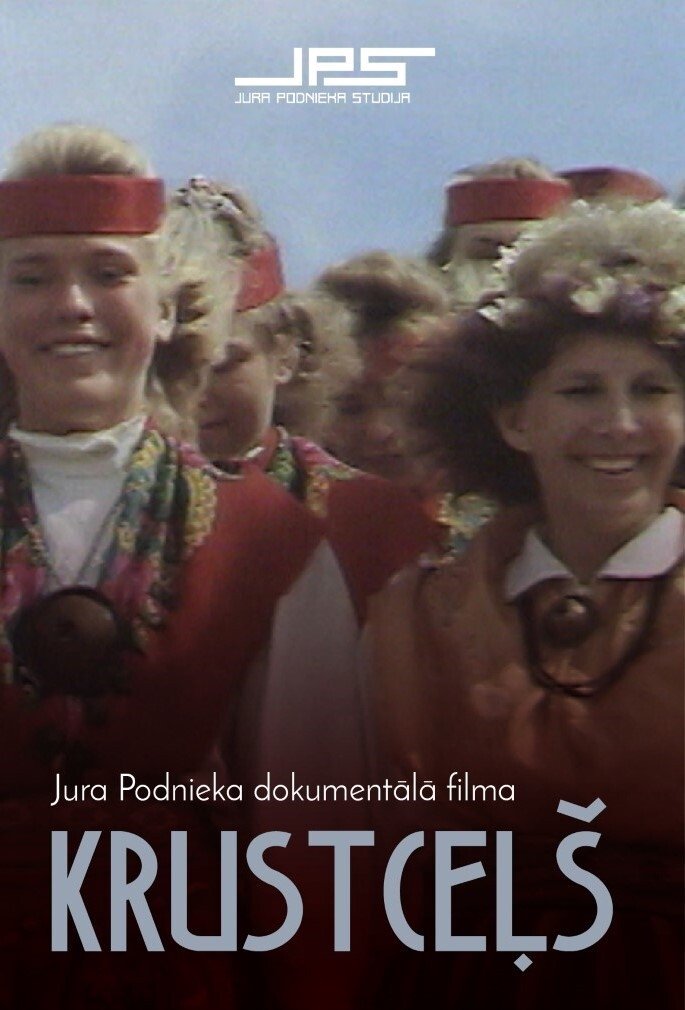
The film is an emotional story about fateful historical events in the 20th century, which took place in three Baltic countries- Latvia, Lithuania and Estonia. The story is also about their efforts to regain independence.
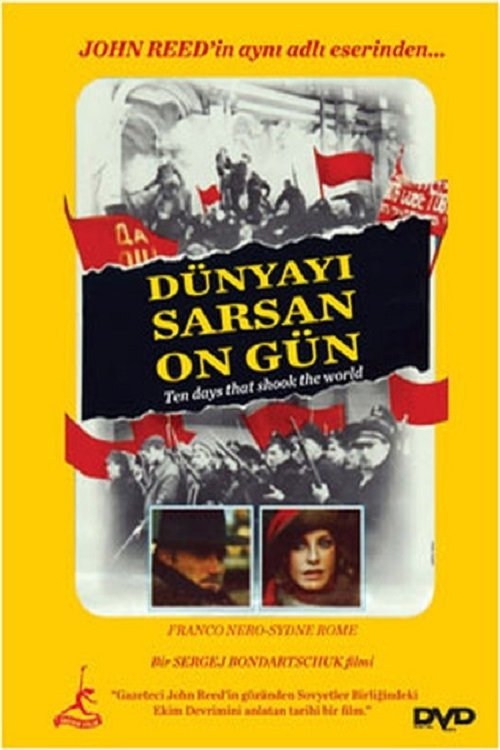
An epic presentation of the turbulent days leading to the Russian Revolution. Based on the classic work by John Reed, this important documentary makes use of rare footage and little-known information, stirringly narrated by Orson Welles.
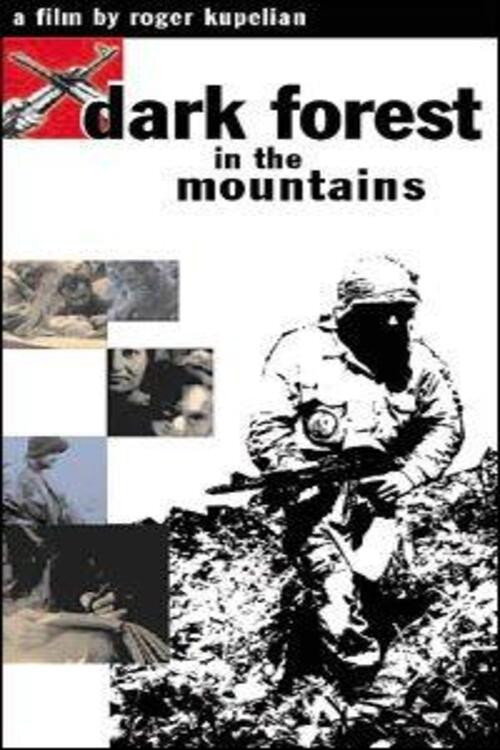
In the early 1990's, as the Soviet Empire disintegrated, two former Soviet Republics, Armenia and Azerbaijan, squared off against each other over the fate of the 170,000 Armenians living in the small mountainous region of Nagorno-Karabakh. The war eventually claimed tens of thousands of lives and displaced close to a million people. By the time of the tenuous cease-fire, most of the enclave was in the hands of its longtime Armenian inhabitants. Dark Forest in the Mountains was shot on location in Nagorno-Karabakh and uses a mix of digital animation, live footage and expert interviews to tell the story of that region of the world, and the events that led up to the conflict. It also focuses on N.K.'s northernmost territory, Shahumian, and the partisans who manned its treacherous Gulistan Front.
The story of what daily life was like in Poland under communism: private conversations, cruel interrogations, recruitment attempts, recorded and filmed with hidden devices; of how the secret services spied on every activity of ordinary citizens: nothing escaped the brutal system of control developed by the Soviets in the name of freedom.
A documentary about forbidden Estonian rock bands in the Soviet Union.
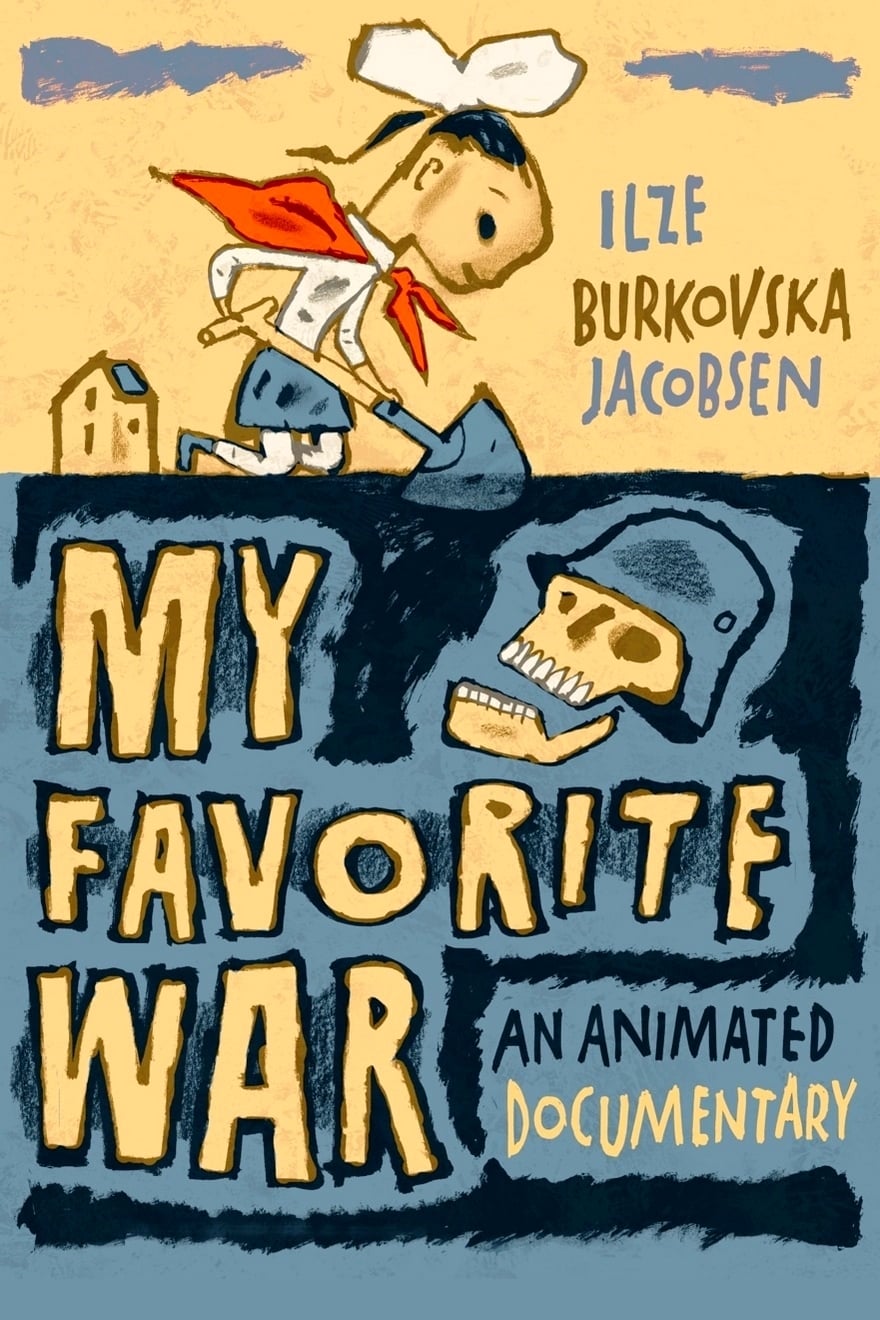
Ilze Burkovska, a little girl who is obsessed with stories of World War II and will be a filmmaker in a distant future, lives in Latvia under the totalitarian boot of the Soviets and the ominous shadow of the many menaces and horrors of the Cold War.
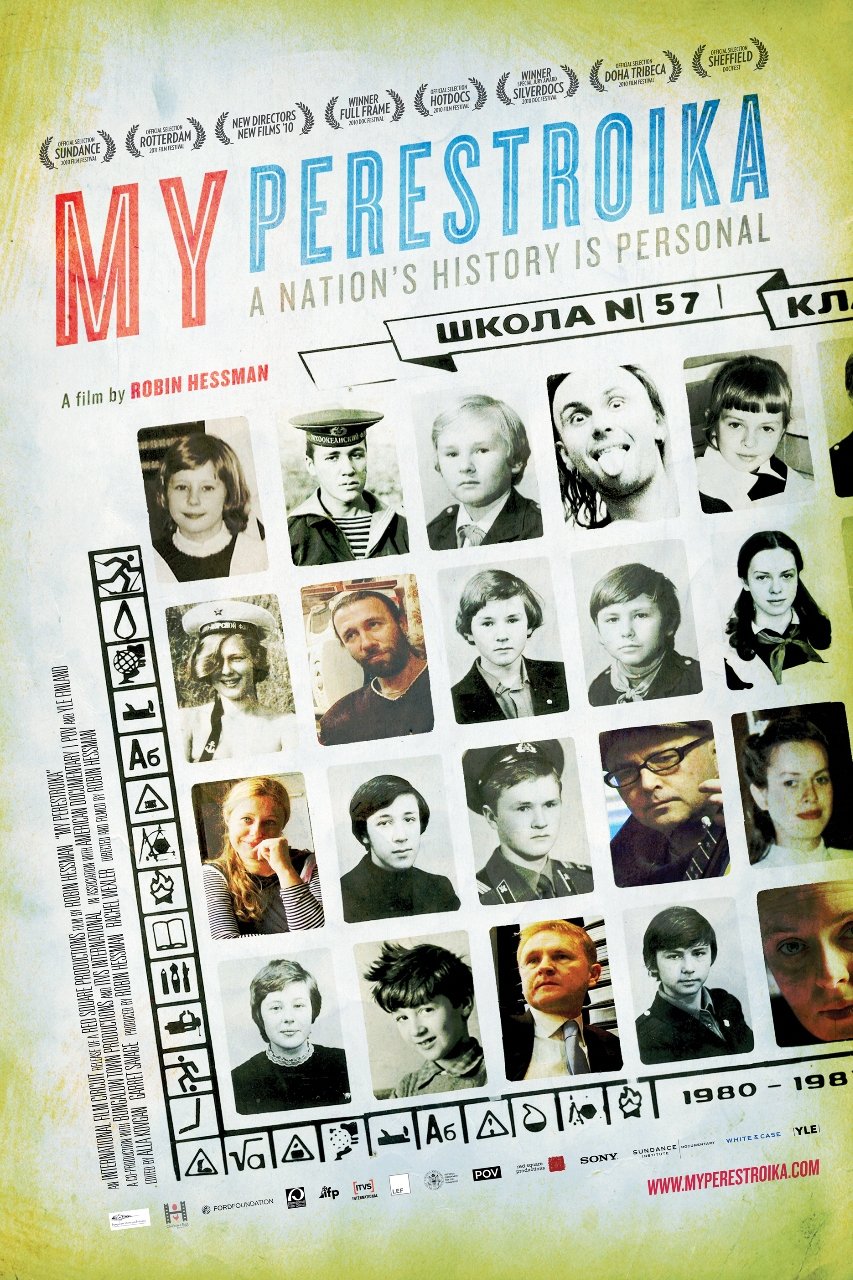
Tells the story of five people from the last generation of Soviet children who were brought up behind the Iron Curtain. Just coming of age when the USSR collapsed, they witnessed the world of their childhood crumble and change beyond recognition. Through the lives of these former schoolmates, this intimate film reveals how they have adjusted to their post-Soviet reality in today's Moscow.
The eccentric Per Emil Brusewitz influenced both world history and his entire family with his dramatic motorcycle journeys through Revolutionary Russia. When artist Leo Brusewitz follows in the footsteps of his adventurous grandfather, it becomes an animated exploration, lined with spy-stories, comics and contact with spirit worlds, mixed with images from the young Soviet state and thoughts of justice and society.
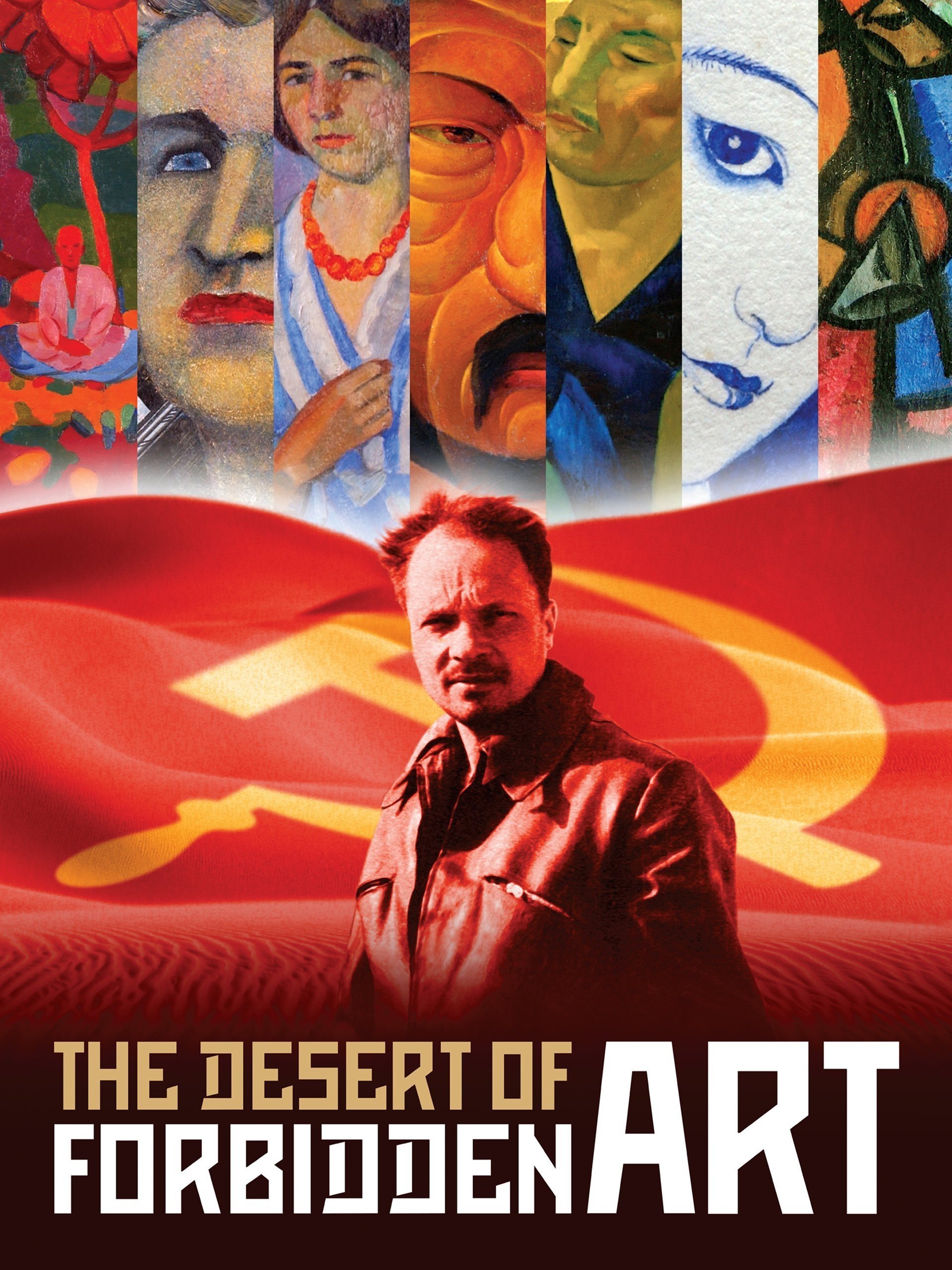
How does art survive in a time of oppression? During the Soviet rule artists who stay true to their vision are executed, sent to mental hospitals or Gulags. Their plight inspires young Igor Savitsky. He pretends to buy state-approved art but instead daringly rescues 40,000 forbidden fellow artist's works and creates a museum in the desert of Uzbekistan, far from the watchful eyes of the KGB. Though a penniless artist himself, he cajoles the cash to pay for the art from the same authorities who are banning it. Savitsky amasses an eclectic mix of Russian Avant-Garde art. But his greatest discovery is an unknown school of artists who settle in Uzbekistan after the Russian revolution of 1917, encountering a unique Islamic culture, as exotic to them as Tahiti was for Gauguin. They develop a startlingly original style, fusing European modernism with centuries-old Eastern traditions.
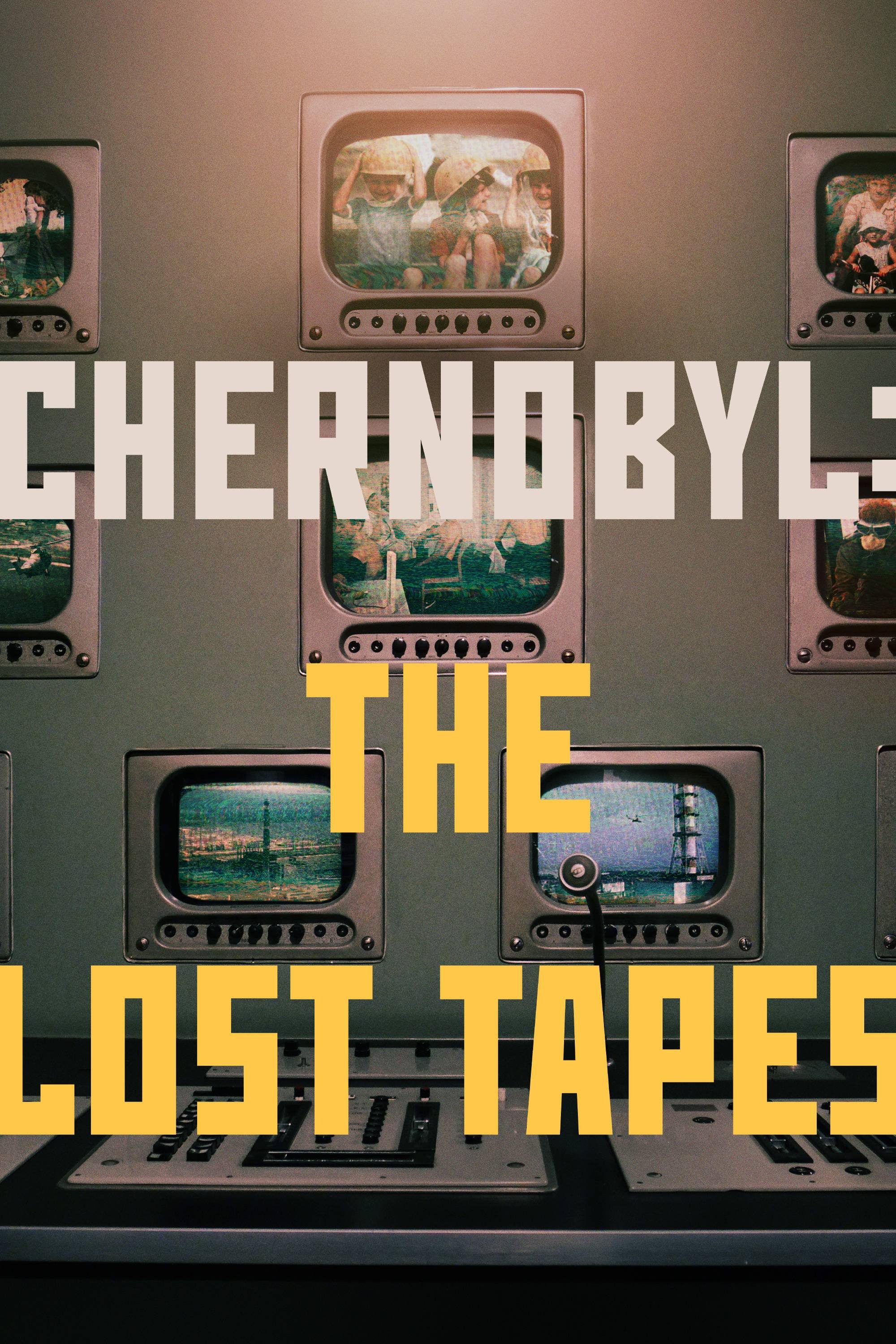
Thirty-six years after the Chernobyl nuclear reactor exploded in Soviet Ukraine, newly uncovered archival footage and recorded interviews with those who were present paint an emotional and gripping portrait of the extent and gravity of the disaster and the lengths to which the Soviet government went to cover up the incident, including the soldiers sent in to “liquidate” the damage. Chernobyl: The Lost Tapes is the full, unvarnished true story of what happened in one of the least understood tragedies of the twentieth century.
A chronicle of the Russian Revolution of 1917, from the bourgeois democratic February Revolution to the great socialist October Revolution and the final triumph.
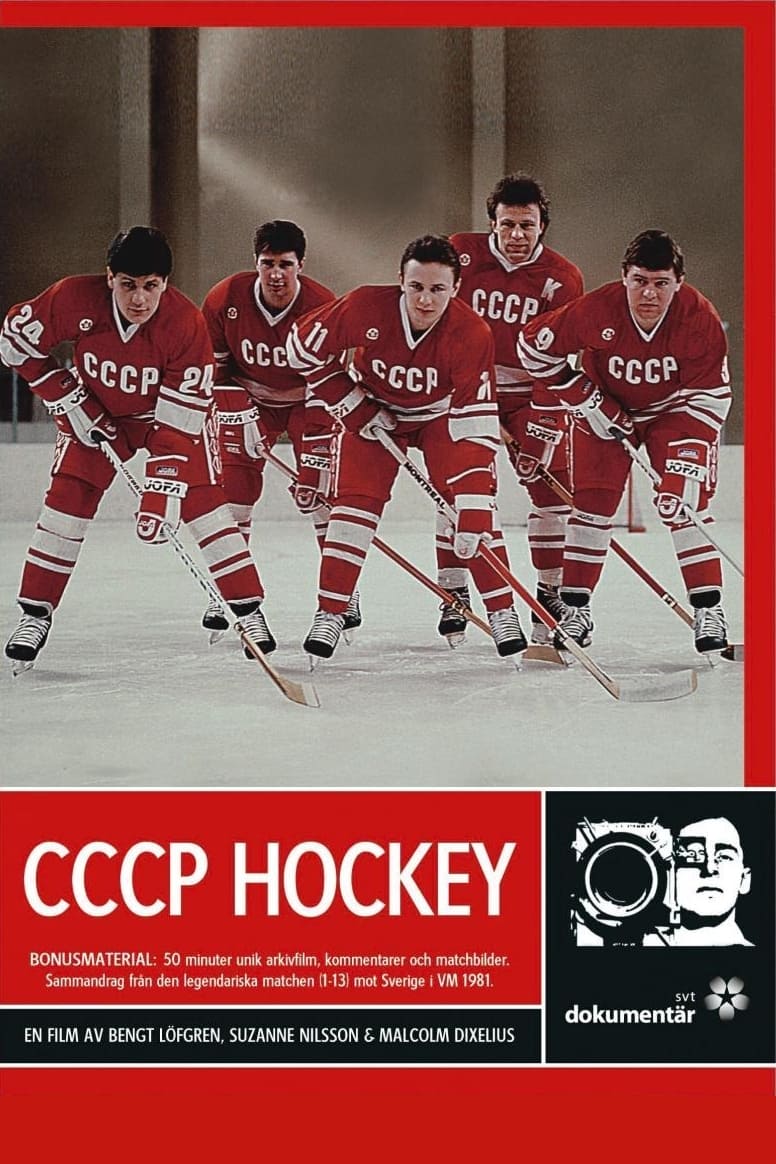
The Soviet hockey players Fetisov, Kasatonov, Krutov, Larionov and Makarov were "The Super Five". It is a tale of sacrifice and ruthless demands, and of the revolt against the system that was set in motion by Larionov and Fetisov, and aimed primarily at Viktor Tichonov.
Lithuanian photographer, the legend of Soviet Sixties' generation Vitas Luckus tragically passed away in 1987. Yet the life and times of the talented rebel still impassion and lead us to a journey questioning why, at all times, we are wary of those who are really free.
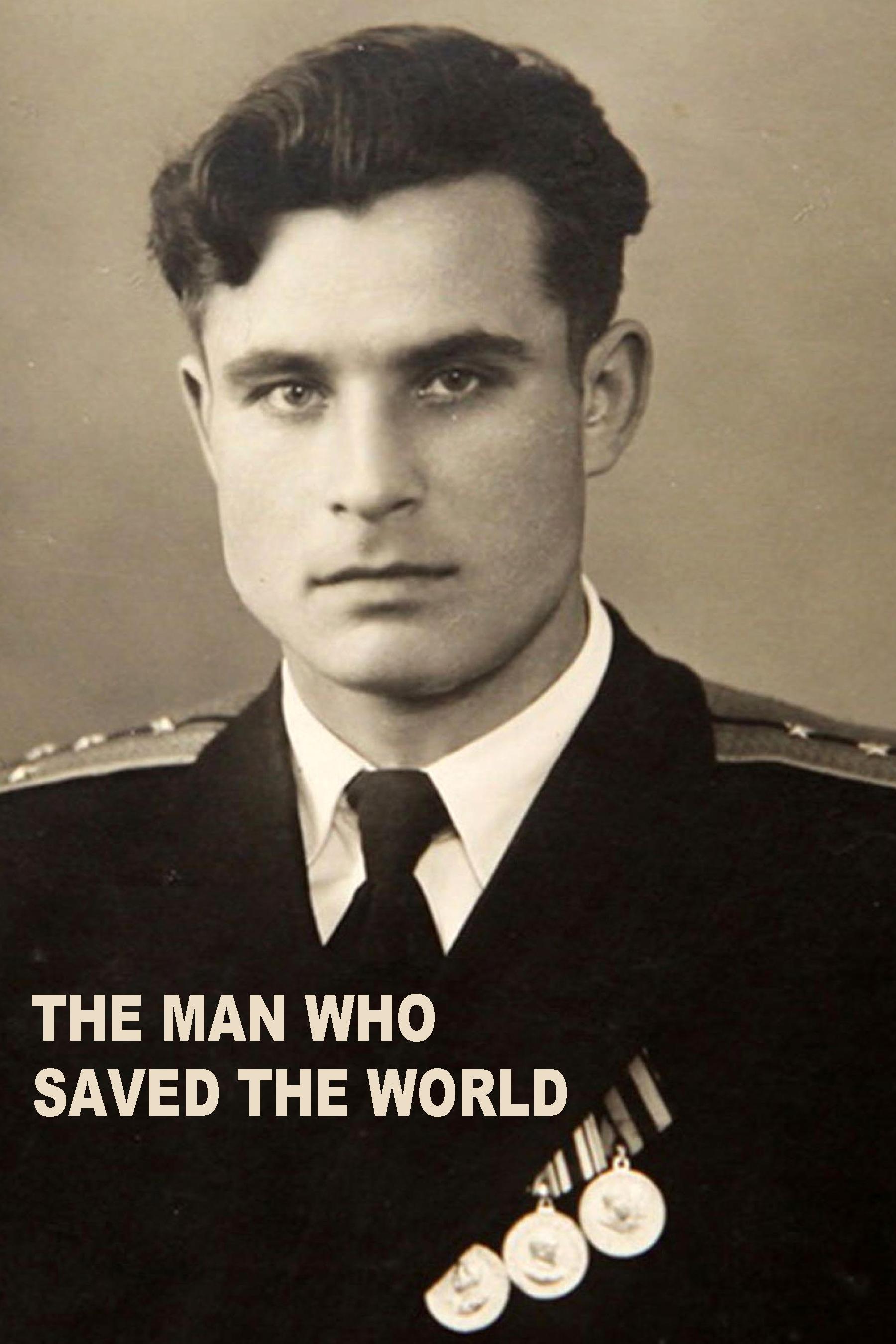
During the Cuban Missile Crisis of 1962, Soviet Navy officer Vasily Arkhipov refused to launch a nuclear strike and saved the world from nuclear war and total destruction.
Ilya Kabakov is considered one of the most important contemporary artists worldwide. Born and raised in the Ukraine in the period between Stalin and Gorbatschow he left the country in the 80s. In his Installations and his numerous paintings Kabakov creates a world of its own, which leaves the heaviness of socialist and post-socialist life far behind. The film links Ilya Kabakovs artistic spaces with insights into Russian everyday life, which itself sometimes appears like an installation by the artist.
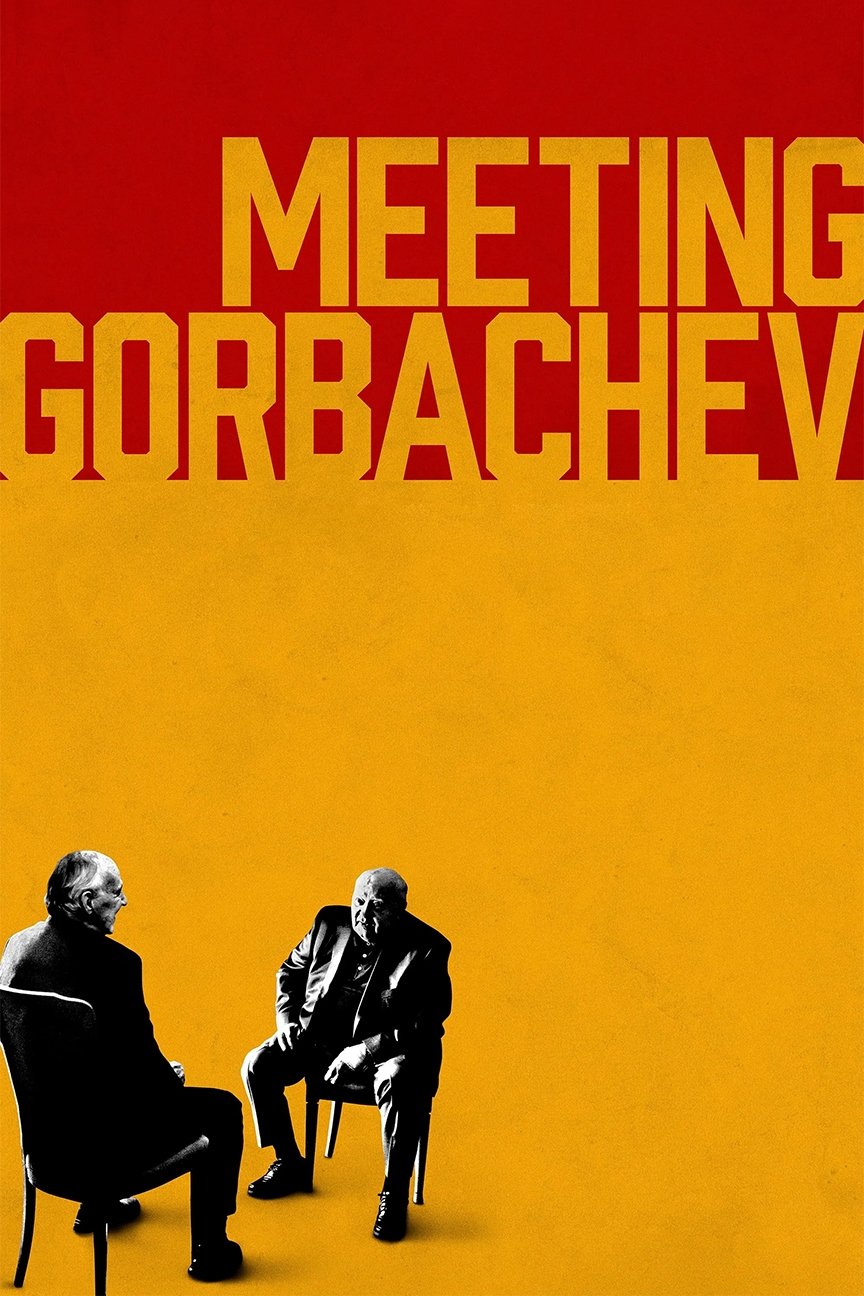
Mikhail Gorbachev, former president of the Soviet Union, sits down with filmmaker Werner Herzog to discuss his many achievements. Topics include the talks to reduce nuclear weapons, the reunification of Germany and the dissolution of his country.
In an intimate and joyful story of love in the face of loss, celebrated poets Andrea Gibson and Megan Falley find strength—and unexpected hilarity—in what might be their final year together.
Through deeply personal interviews with her siblings and an examination of the photographs, letters, and belongings left behind, Mariska assembles a new portrait of her mother Jayne Mansfield, an extraordinary and complex woman.
Al Pacino's deeply-felt rumination on Shakespeare's significance and relevance to the modern world through interviews and an in-depth analysis of "Richard III."
A documentary about the life and films of director John Ford.
A documentary on the expletive's origin, why it offends some people so deeply, and what can be gained from its use.
A compilation of over 30 years of private home movie footage shot by Lithuanian-American avant-garde director Jonas Mekas, assembled by Mekas "purely by chance", without concern for chronological order.
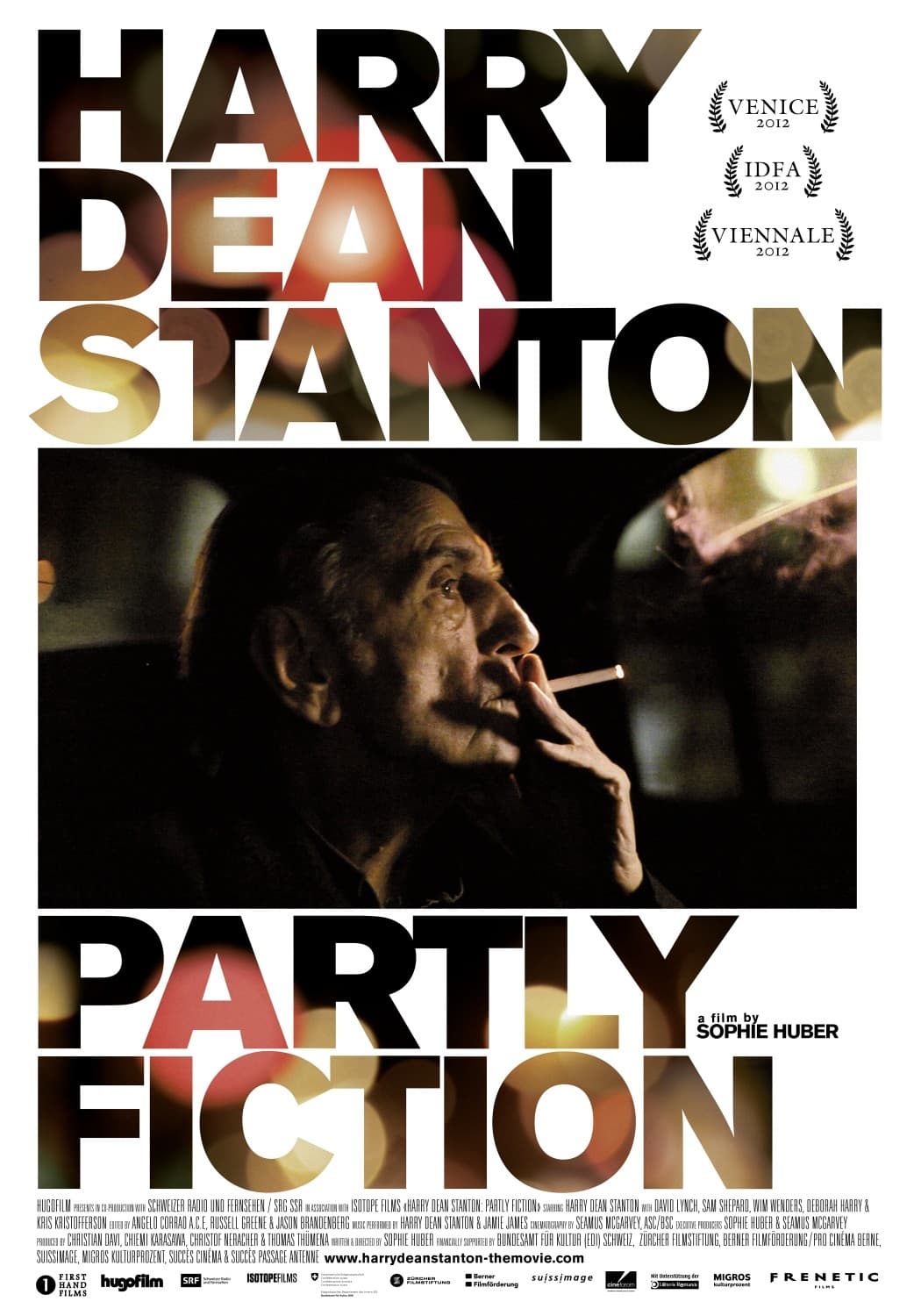
An impressionistic portrait of the iconic actor Harry Dean Stanton comprised of intimate moments, film clips from some of his 250 films and his renditions of American folk songs.
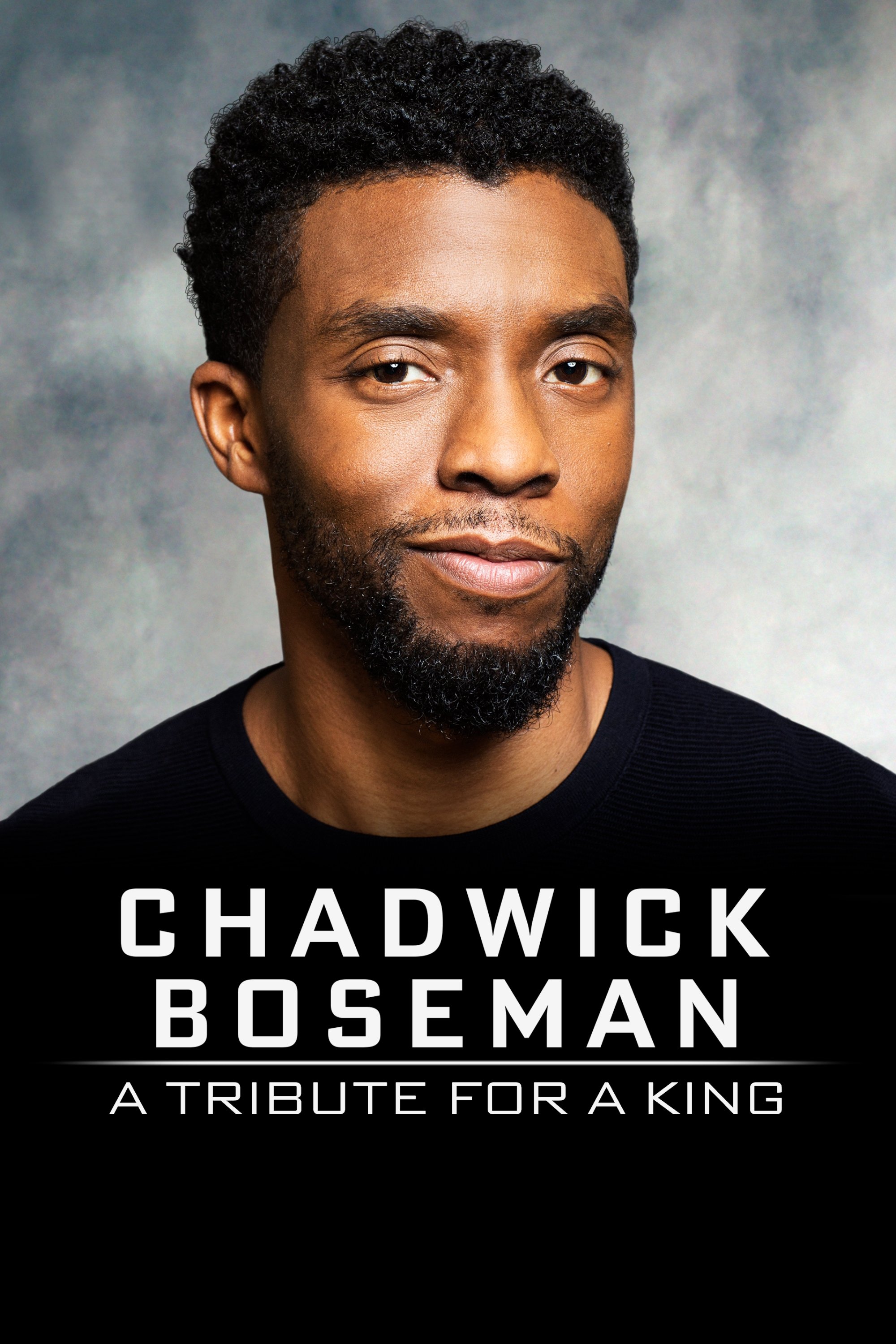
A tribute to Chadwick Boseman, celebrating his life and legacy.
Over 35 years after Bob Lazar's revelations, this documentary exposes secrets of a facility the government still denies. Featuring Lazar's testimony, recreations, and new evidence, it reopens a case that continues to spark global curiosity
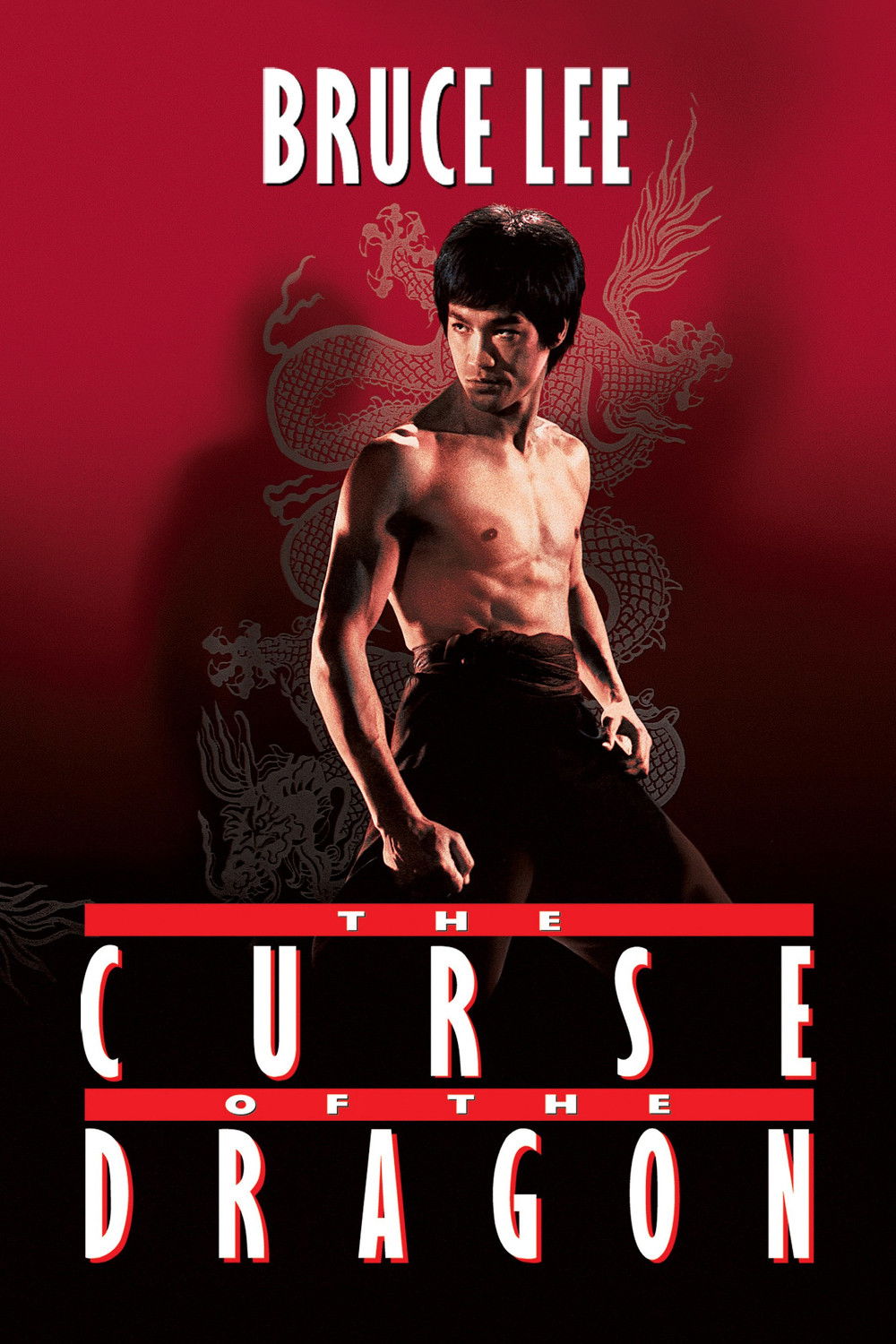
A 1993 documentary film about Bruce Lee. The film includes interviews from some of his fellow students and opponents who worked alongside him in his movies.
A string of threatening emails escalates into a revenge plot involving a newly married US marshal and his ex-girlfriend.
An inside look at one of the most anticipated movie sequels ever with James Cameron and cast.
From the heights of her modeling fame to her tragic death, this documentary reveals Anna Nicole Smith through the eyes of the people closest to her.
A documentary about how a dominant cultural and demographic institution both sustains their traditional activities and adapts to the digital revolution.
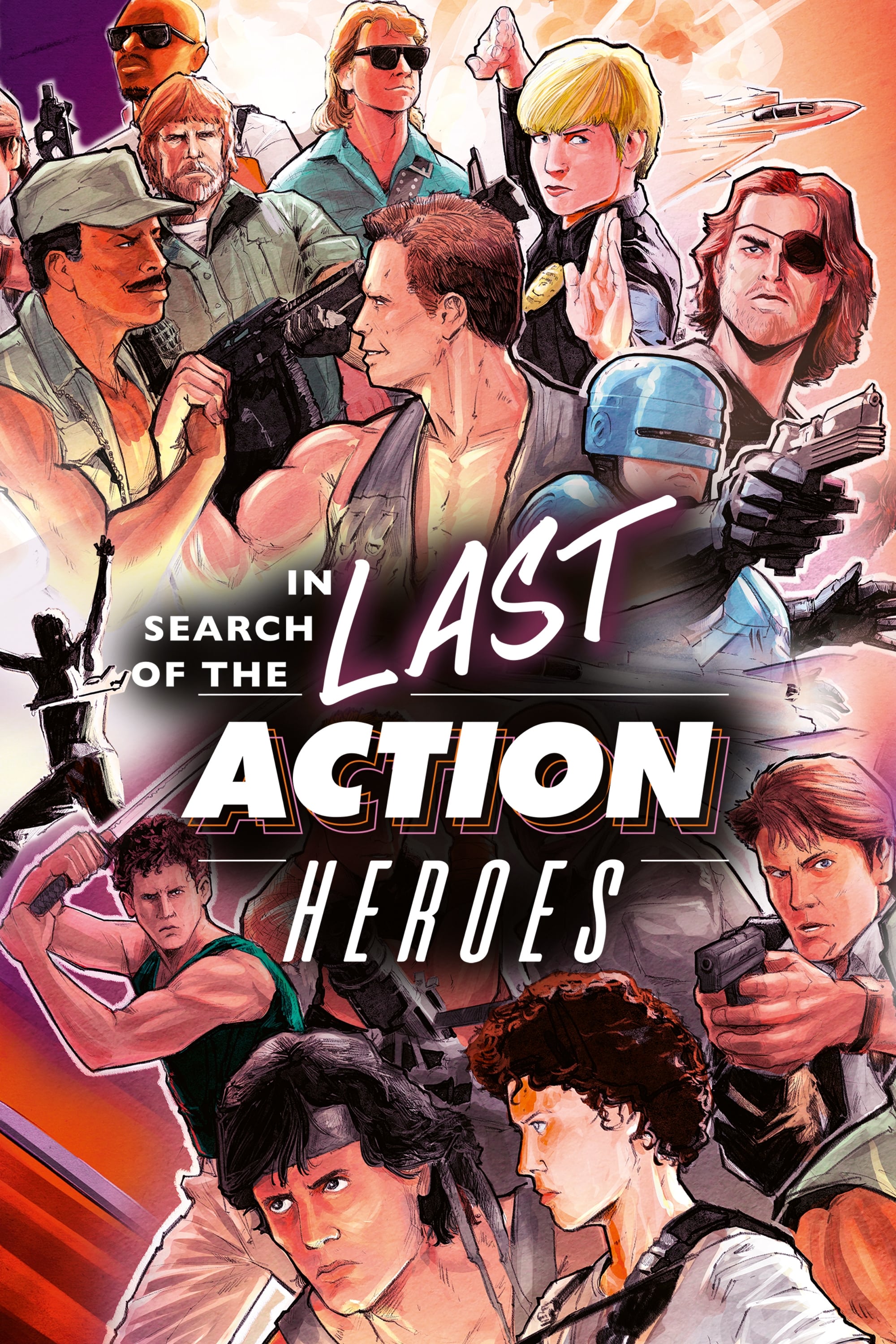
The most comprehensive retrospective of the '80s action film genre ever made.
The life and career of an actor, artist, and icon. His own journey through his own camera.
Director Michael Apted revisits the same group of British-born adults after a 7 year wait. The subjects are interviewed as to the changes that have occurred in their lives during the last seven years.
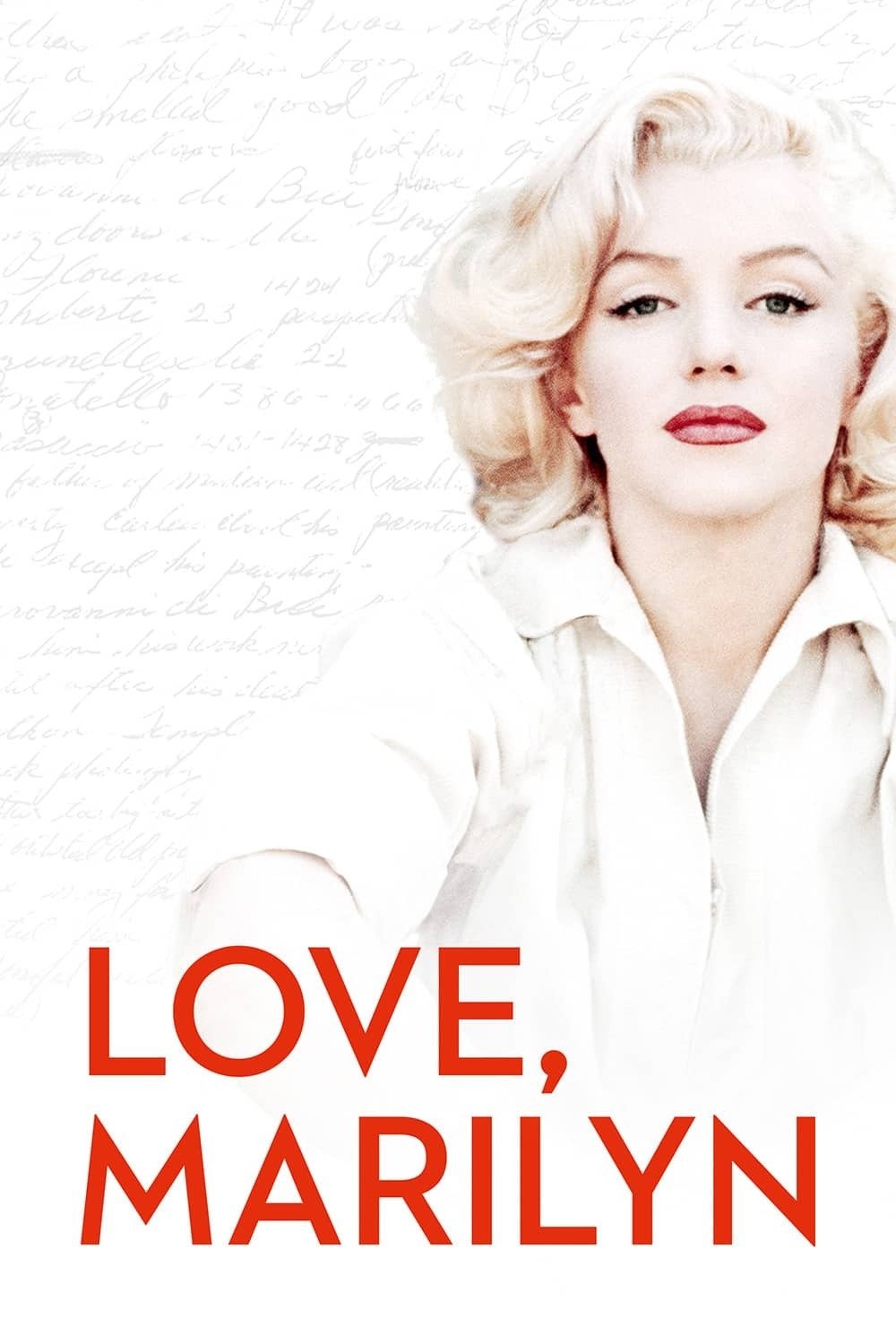
Using the book 'Fragments', which collects Marilyn Monroe's poems, notes and letters, and with participation from the Arthur Miller and Truman Capote estates who have contributed more material, each of the actresses will embody the legend at various stages in her life.
A detailing of the rise to prominence and global sporting superstardom of six supremely talented young Manchester United football players (David Beckham, Nicky Butt, Ryan Giggs, Paul Scholes, Phil and Gary Neville). The film covers the period 1992-1999, culminating in Manchester United's European Cup triumph.