Social & External
In the interior of Sergipe, a musical rhythm fills the parties and moves people. Music lovers and singers of the genre share their stories and how arrocha affects them.
The documentary narrates the trajectory of Waldick Soriano, from the time he was a gold miner to his consecration as one of the icons of Brazilian music.
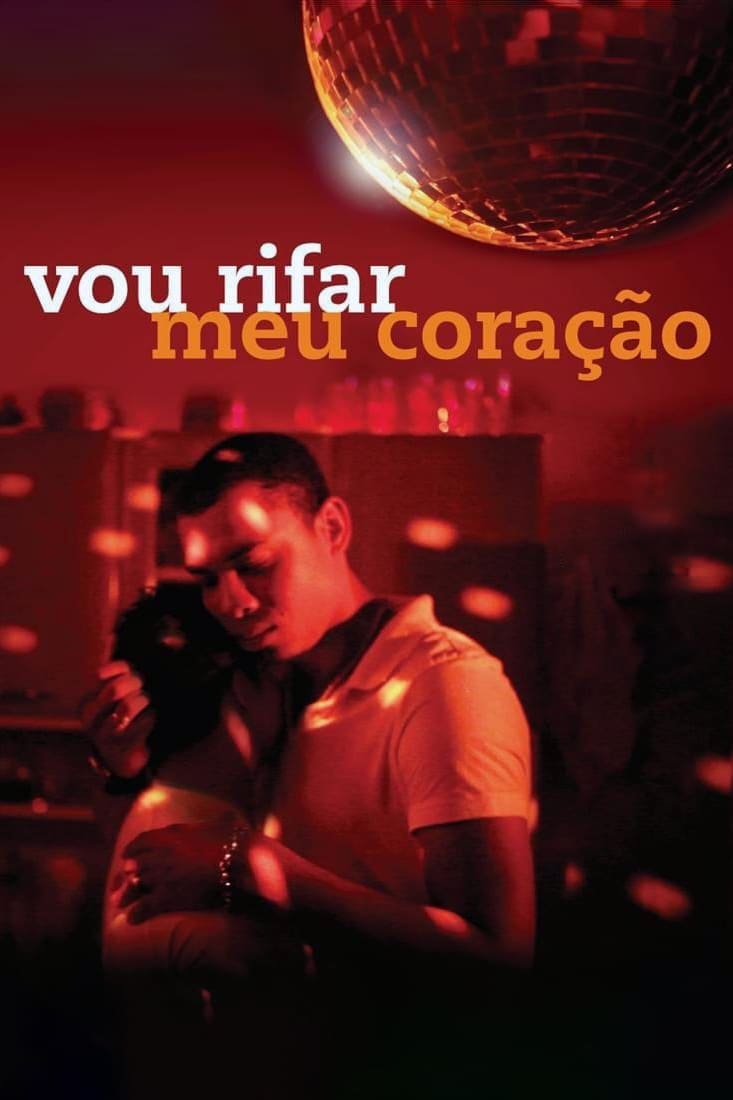
Vou Rifar Meu Coração is a documentary about the performers and the followers of Brazilian romantic music – also known as brega (kitsch), often called "cheesy" by critics and the wealthy elite. Frequently associated with bad taste and poor quality, the style is admired by the lower working class, or unemployed population, originally from rural origins, banished to the cities in search of work and a better life. Using the music as a catalyst, this documentary shows the sentiments, love, suffering and sexuality of the fans and their idols, creating a scenario that reveals their practices and desires.
A young man walks the city streets, brooding over the end of a relationship. Memories and poems of his beloved accompany him on this journey.
A street performer in Recife (Brazil), decides to host a live broadcast with his followers to raise money for a new bluetooth speaker.
A supper club in Harlem presents a variety show.
Leith Stevens leads his orchestra in a nice assortment of standards in a variety of musical styles, including Dixieland and swing. Mr. Stevens was a popular orchestra leader of the era who later became a musical director for an assortment of television shows and his facility with more than one style of music, so important for his later career, is much in evidence here.
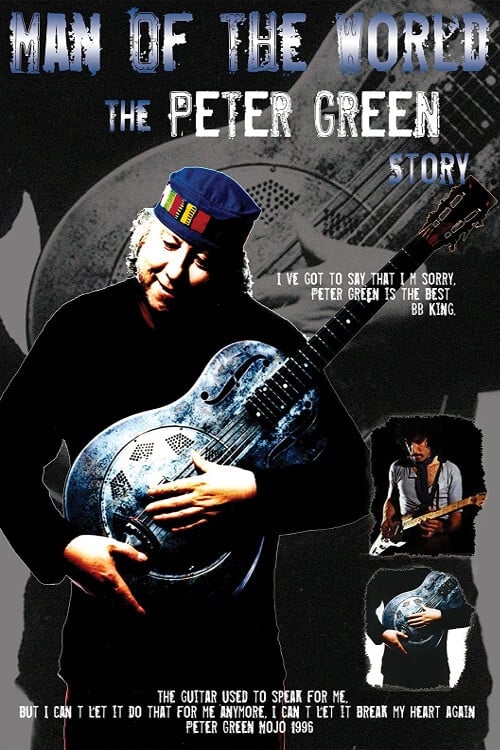
Legendary blues guitarist BB King named Peter Green as one of the greatest exponents of the blues, and the 'only guitar player to make me sweat'. If Green had only written Black Magic Woman, his name would still have a place in blues rock history forever. His three short years leading Peter Green's Fleetwood Mac saw the band established as one of the biggest-selling groups of the 1960s. Yet at the height of their fame Green left the group, with his life spiralling into turmoil as drug-induced mental health issues took control. Rumours of his demise began to spread, and sightings of him became notorious. After years battling his mental illness, Green wrote and recorded again. Featuring archive performances and interviews with Carlos Santana, Noel Gallagher, founding members of Fleetwood Mac and Green himself, this film tells the story of one of blues rock's living legends.
At Last, Walk On By, Stay, Until You Come Back To Me, Don’t Let Me Be Misunderstood, Sunny Side Of The Street, True Colors, Money Changes Everything, Shine, Girls Just Wanna Have Fun, Time After Time
A cycle of songs performed by the singer Florence Brady.
TWICE 'Ready To Be' Special in Nissan Stadium, Yokohama, Japan.
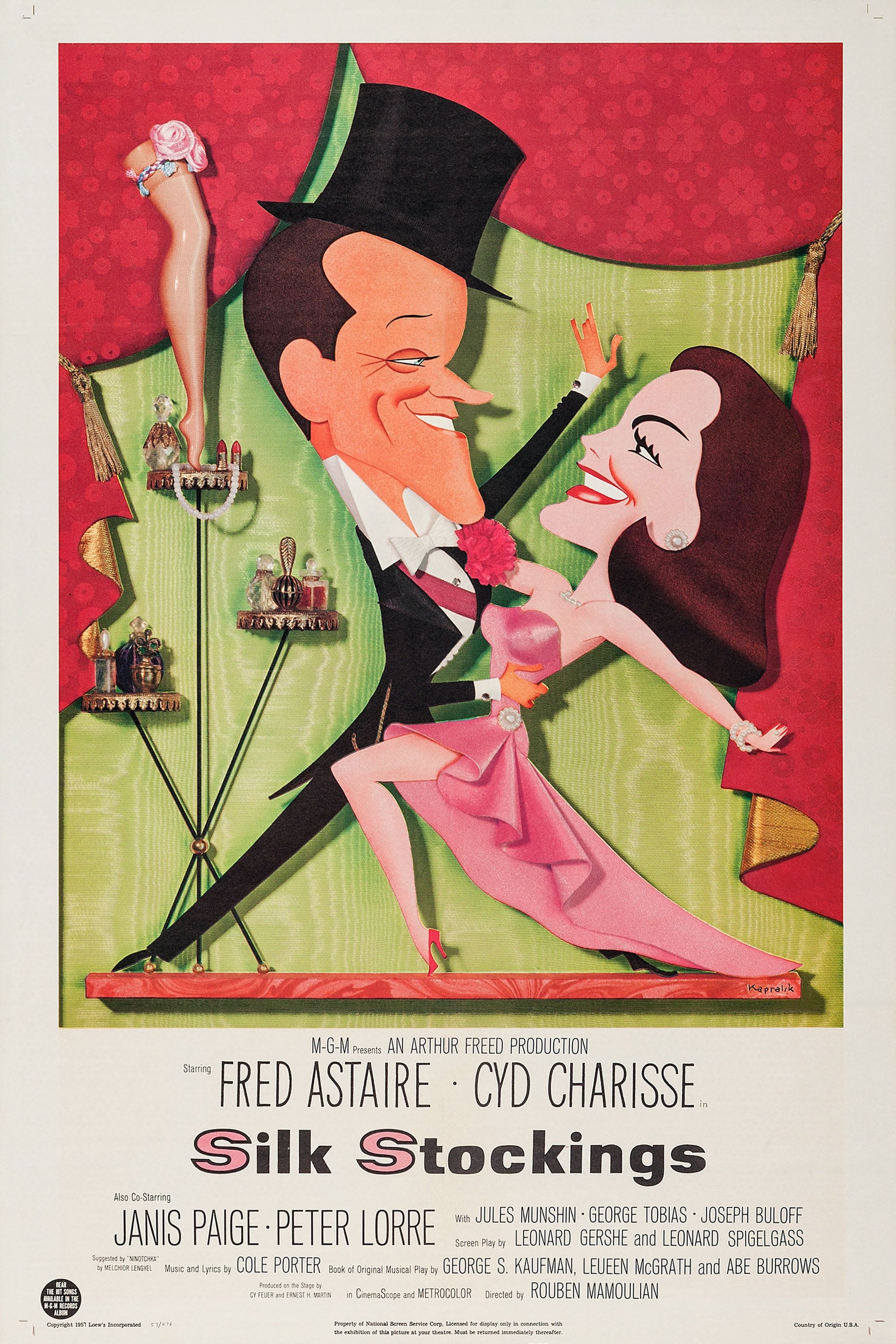
After three bumbling Soviet agents fail in their mission to retrieve a straying Soviet composer from Paris, the beautiful, ultra-serious Ninotchka is sent to complete their mission and to retrieve them. She starts out condemning the decadent West, but gradually falls under its spell—with the help of an American movie producer. A remake of Ninotchka (1939).
In a short musical film directed by Paul Thomas Anderson, Thom Yorke of Radiohead stars in a mind-bending visual piece. Best played loud.
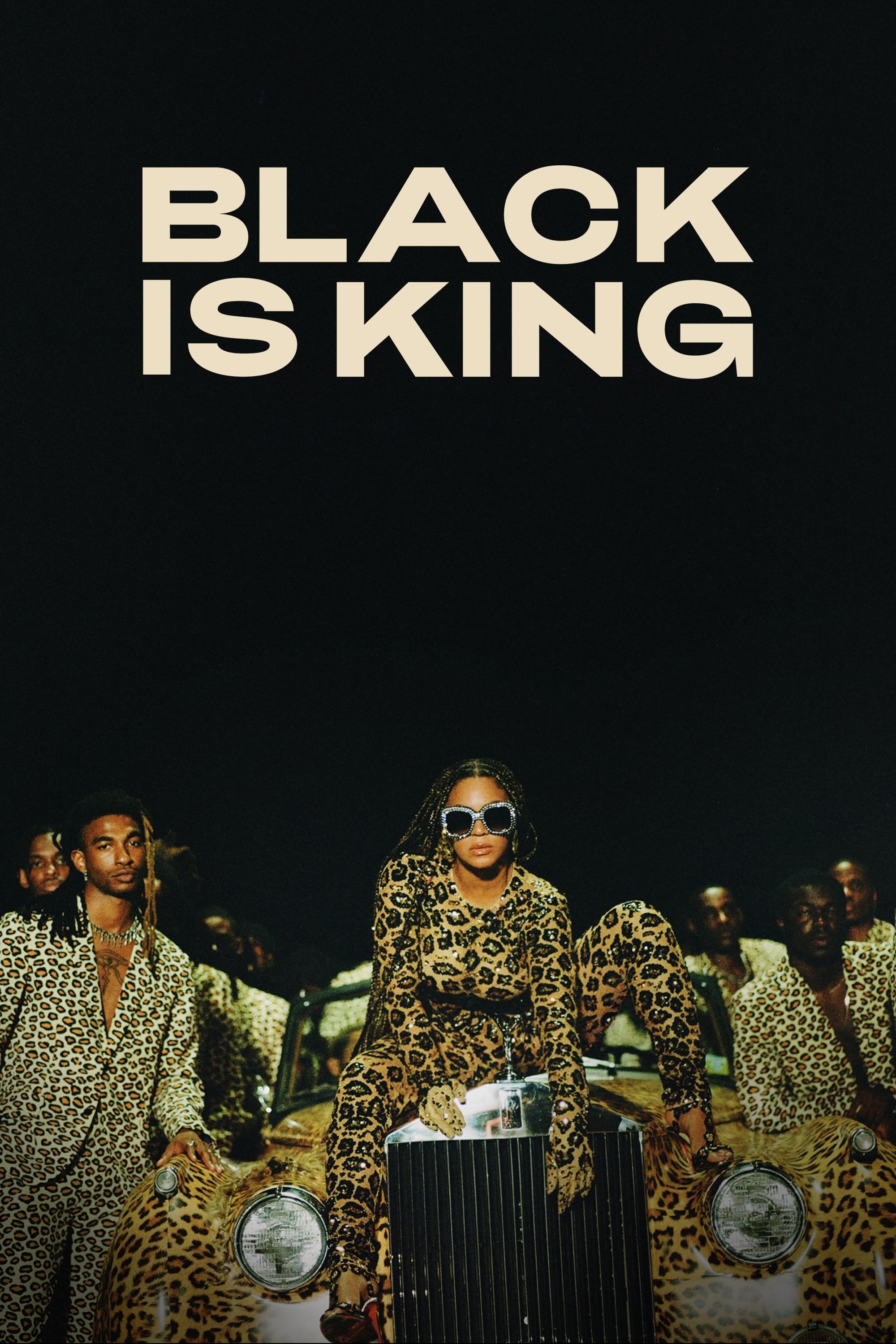
This visual album from Beyoncé reimagines the lessons of "The Lion King" (2019) for today's young kings and queens in search of their own crowns.
Ghost is an ideological musician and leader of a jazz band who would rather play his blues in the park to the birds than compromise himself. His peripatetic performances lead him to cross paths with a singer, while his masculinity is thrown into question following a violent brawl.
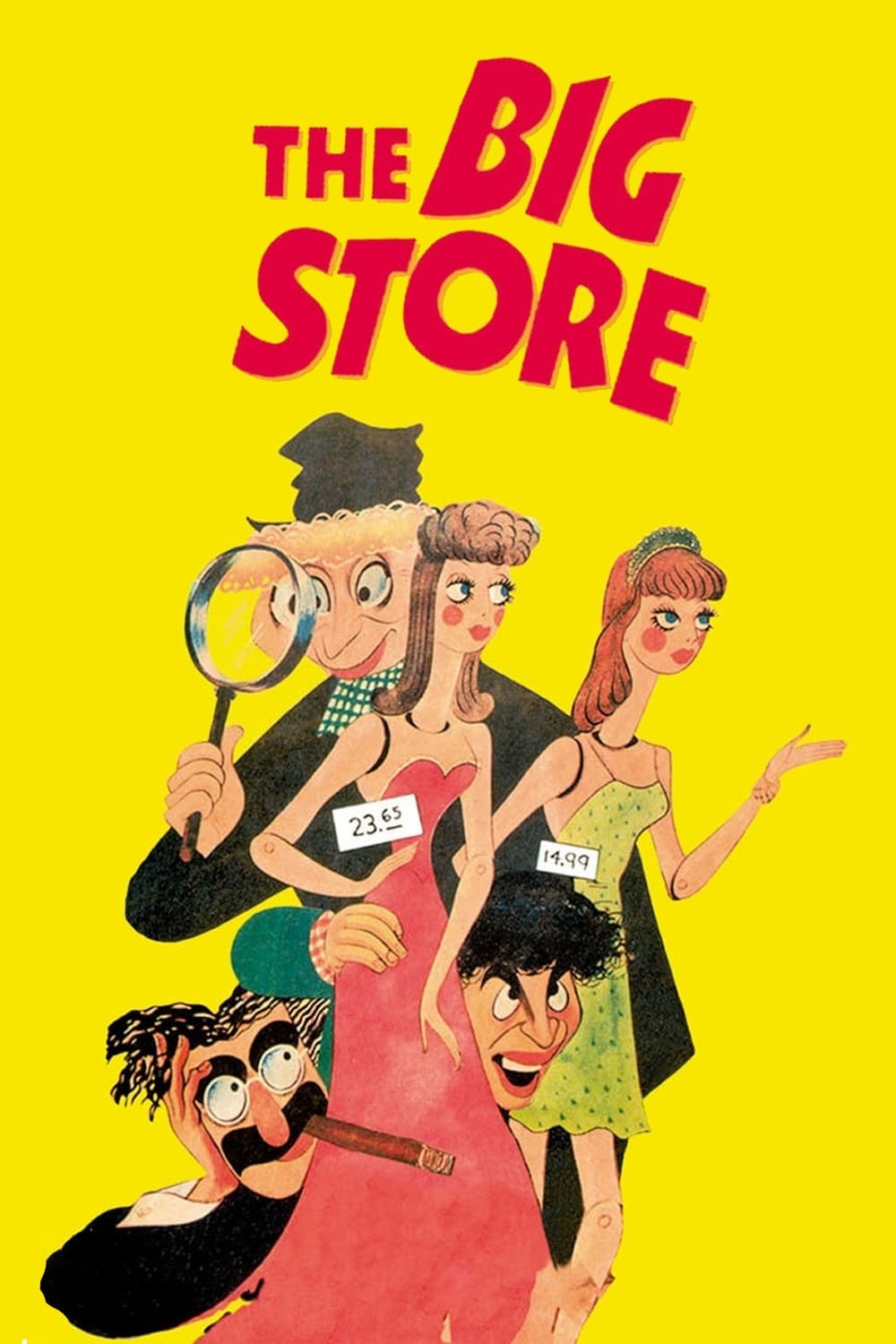
A detective is hired to protect the life of a singer, who has recently inherited a department store, from the store's crooked manager.
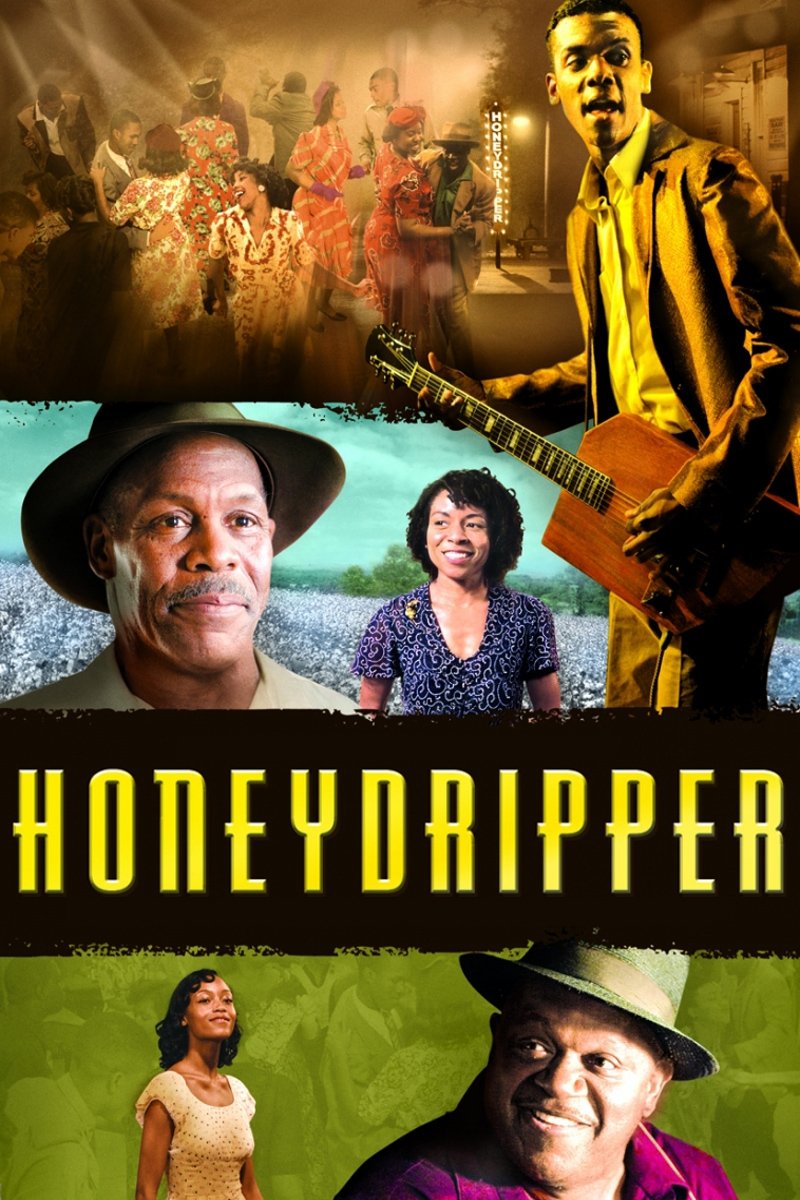
In 1950s Alabama, the owner of the Honeydripper juke joint finds his business dropping off and against his better judgment, hires a young electric guitarist in a last ditch effort to draw crowds during harvest time.
Rhea lives with her tight-knit multigenerational family. After her mother’s death, she has been her father’s emotional rock, and her life revolves around her family’s restaurant, her eclectic group of friends, and her after-school coding club. Everything changes when she falls for aspiring DJ Max and a long lost passion for music is reignited. Rhea discovers that she has a natural gift for creating beats and producing music that blends her Indian heritage, but must find the courage to follow her true inner talent.
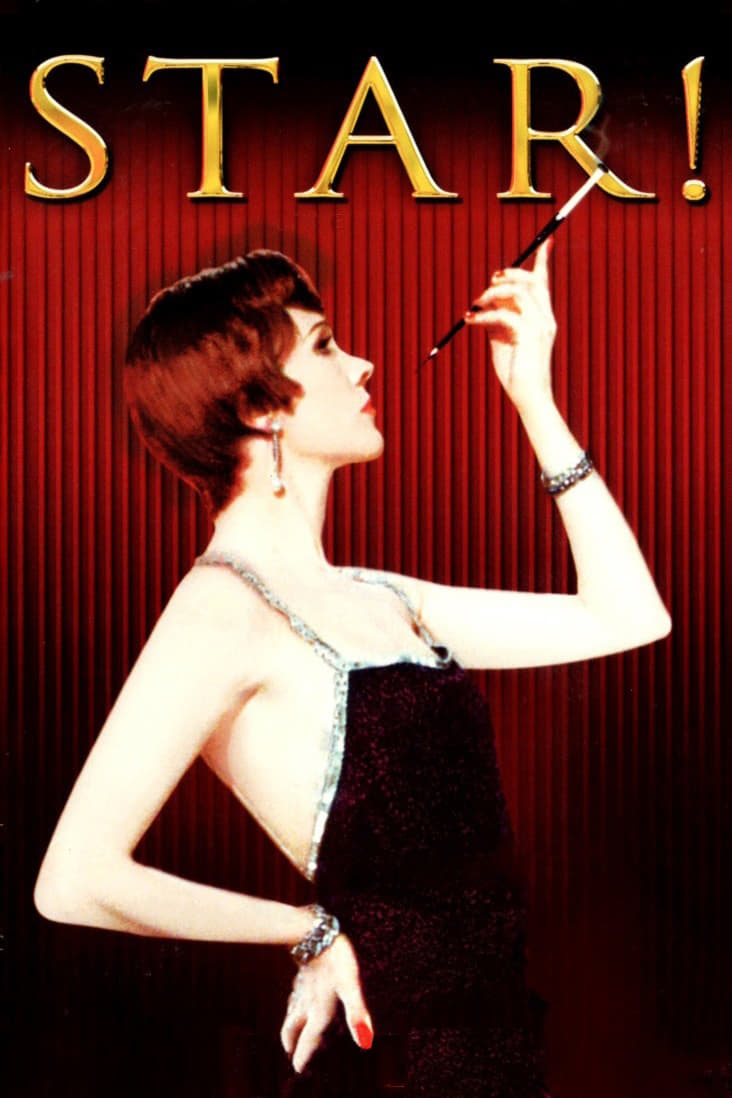
Gertrude Lawrence rises to stage stardom at the cost of happiness.
In the town of Normal Valley, an eccentric magician named Maestro entertains the local children every day in his spooky mansion. One stormy night, the town's mayor leads a group of angry citizens to the mansion in an attempt to run Maestro out of town.
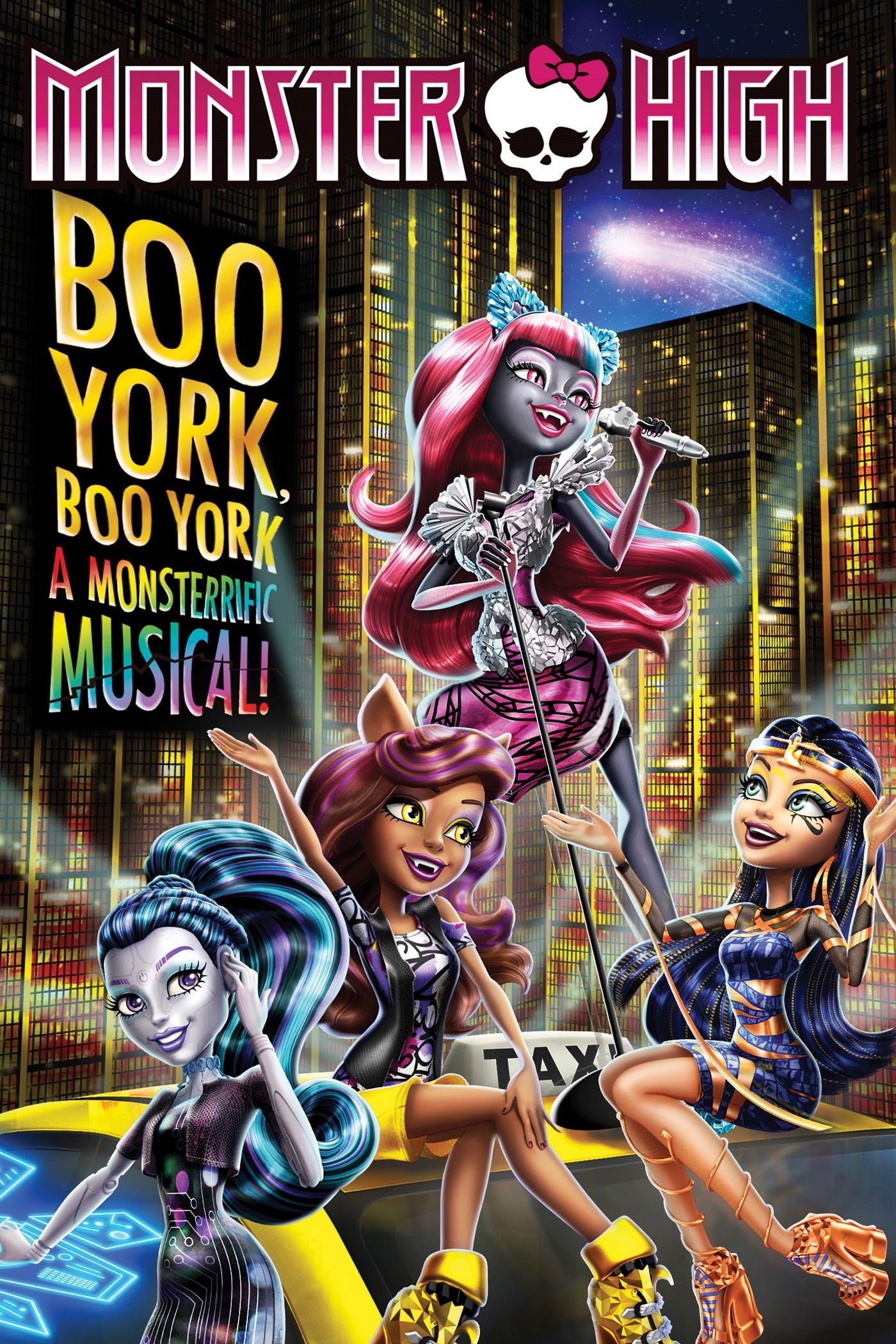
It's fright lights, big city when the Monster High ghouls head to Boo York! Cleo de Nile is invited to attend a gancy gala celebrating the return of the magical comet and, of course, she brings along her beast friends. But their trip isn't all fun and frightseeing because Nefera, Cleo's sister, uses the comet's power for her own spooktacularly sneaky plans. Can the monsters unwrap the mystery of the comet in time to stop Nefera? Find out in Booy York, Boo York, the first-ever Monster High musical, featuring eight original songs.
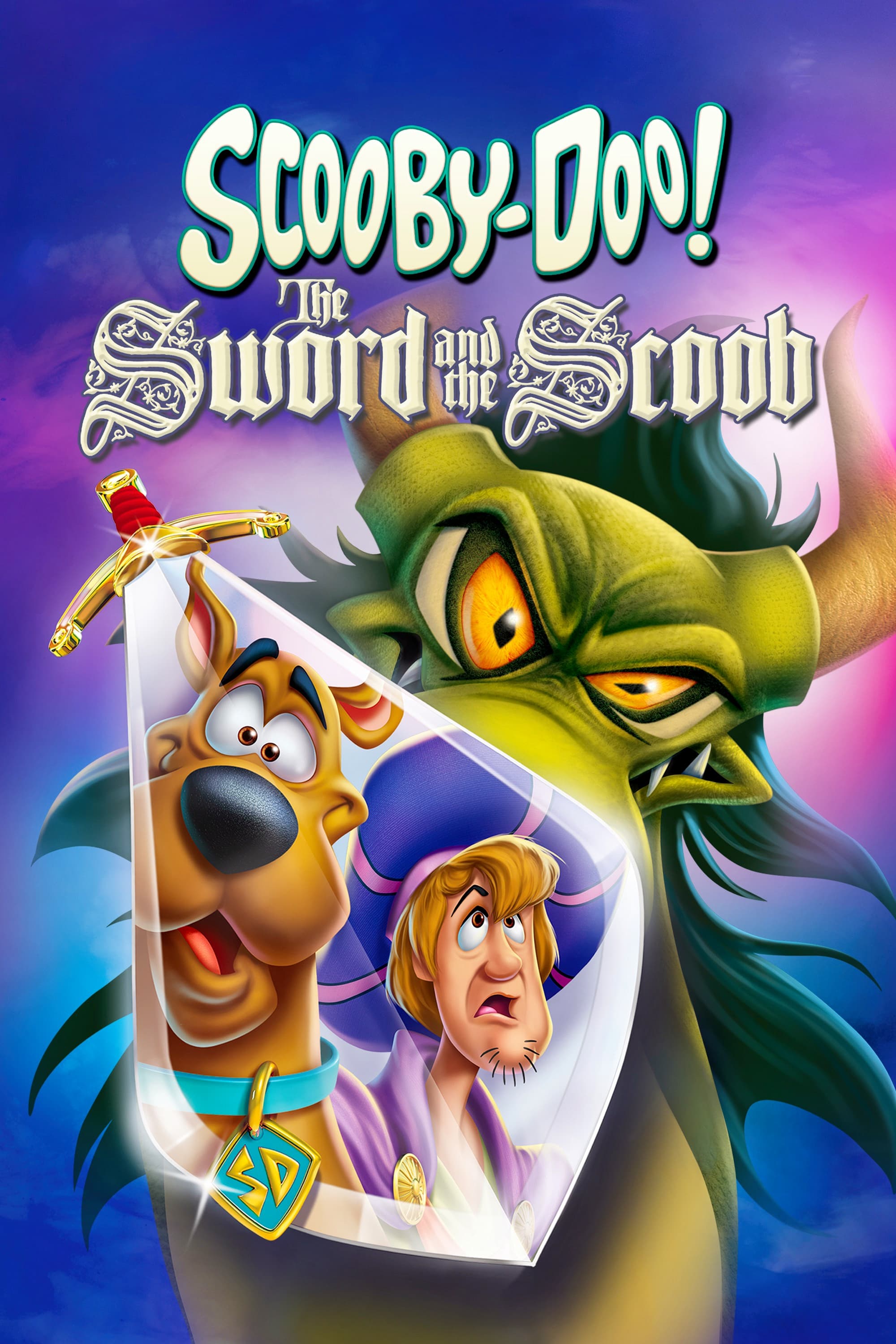
An evil sorceress transports the gang back to the age of chivalrous knights, spell-casting wizards, and fire-breathing dragons.
A young teenage rapper must use his musical talent to help his friend out and win the girl of his dreams by going through several events of betrayal, trust and agreement while his religious parents have strictly dislike his interests.
After starting up their own teen magazine, Bratz girls Yasmin, Cloe, Jade, and Sasha fly to London to cover a rock concert.
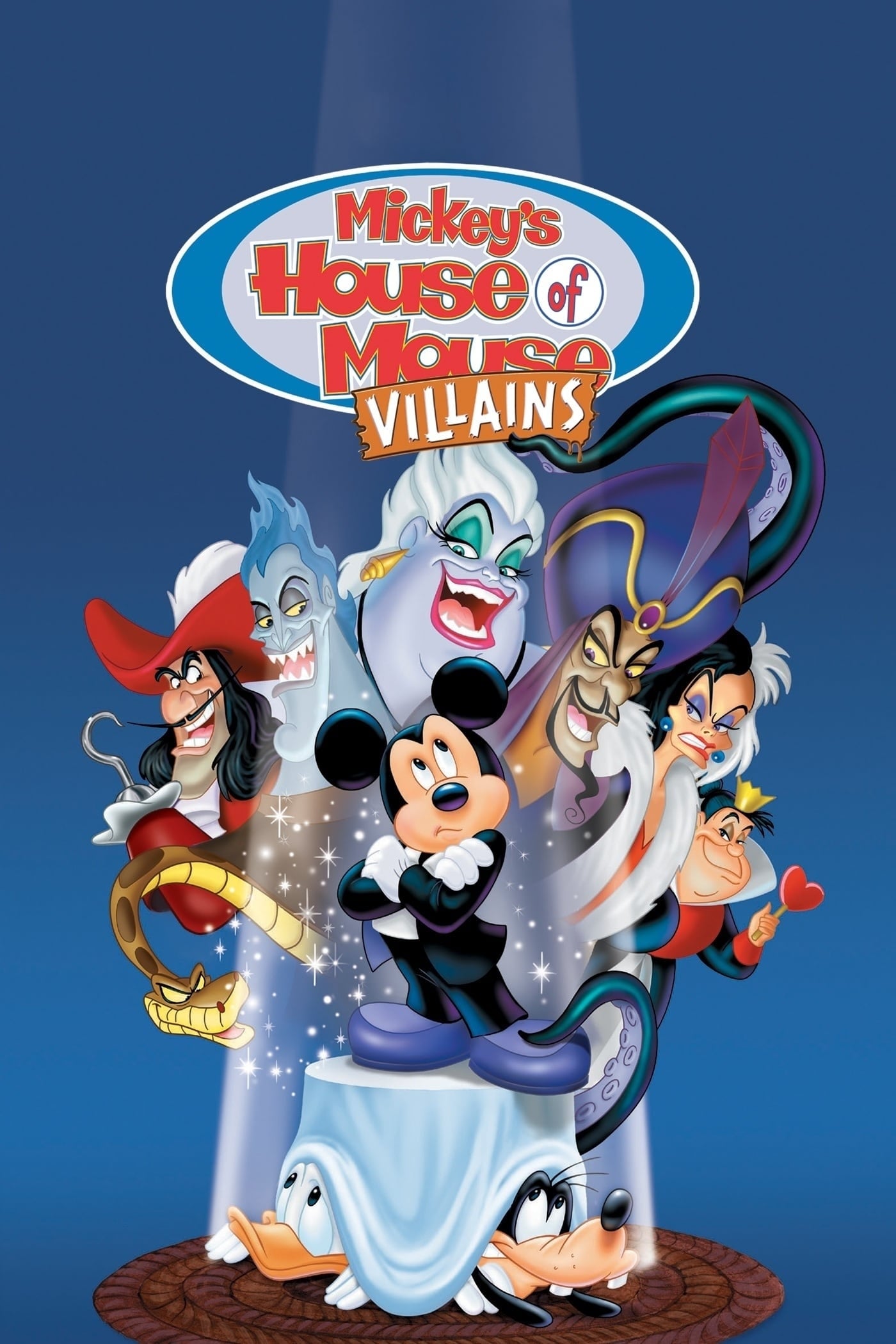
The villains from the popular animated Disney films are gathered at the House of Mouse with plans to take over. Soon, the villains take over the house and kick out Mickey, Donald and Goofy. It's all up to Mickey and his friends to overthrow evil and return the House of Mouse to normal--or as close to normal as it gets.
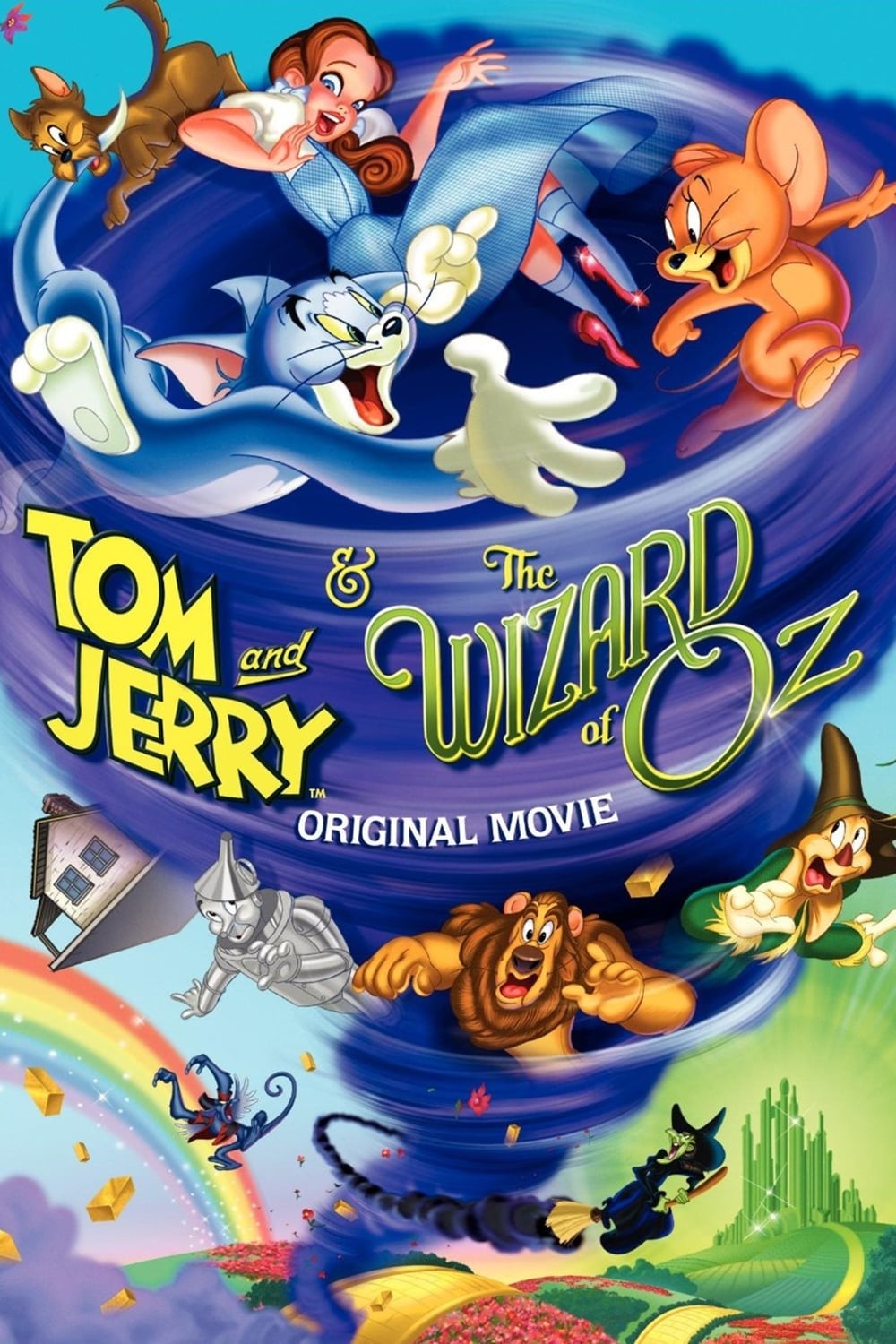
After a deadly storm, Tom and Jerry find themselves stranded on an unknown island ruled by the evil Wizard of Oz. As they try to find their way back home, they worry for their master Dorothy's safety.
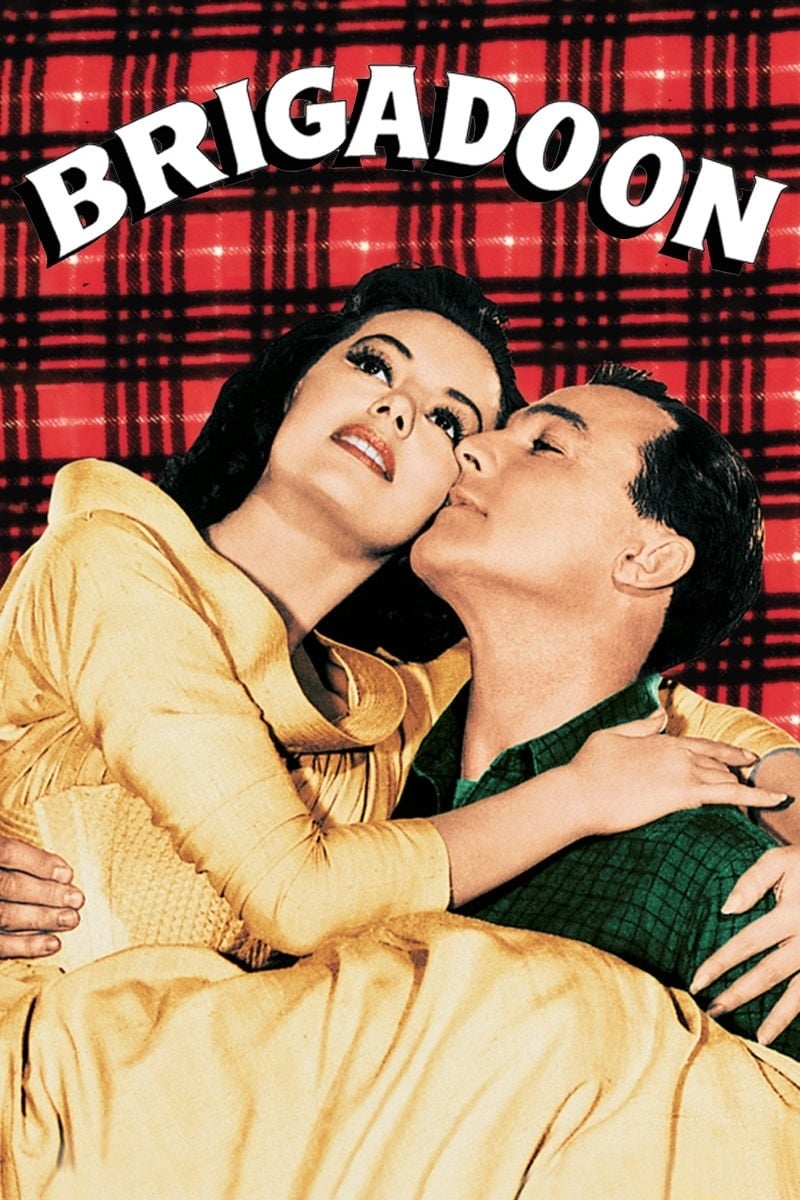
Americans Jeff and Tommy, hunting in Scotland, stumble upon a village - Brigadoon. They soon learn that the town appears once every 100 years in order to preserve its peace and special beauty. The citizens go to bed at night and when they wake up, it's 100 years later. Tommy falls in love with a beautiful young woman, Fiona, and is torn between staying or going back to his hectic life in New York.
An engaged, spoiled hotel heiress finds herself in the care of a handsome, blue-collar lodge owner and his precocious daughter after getting amnesia in a skiing accident.
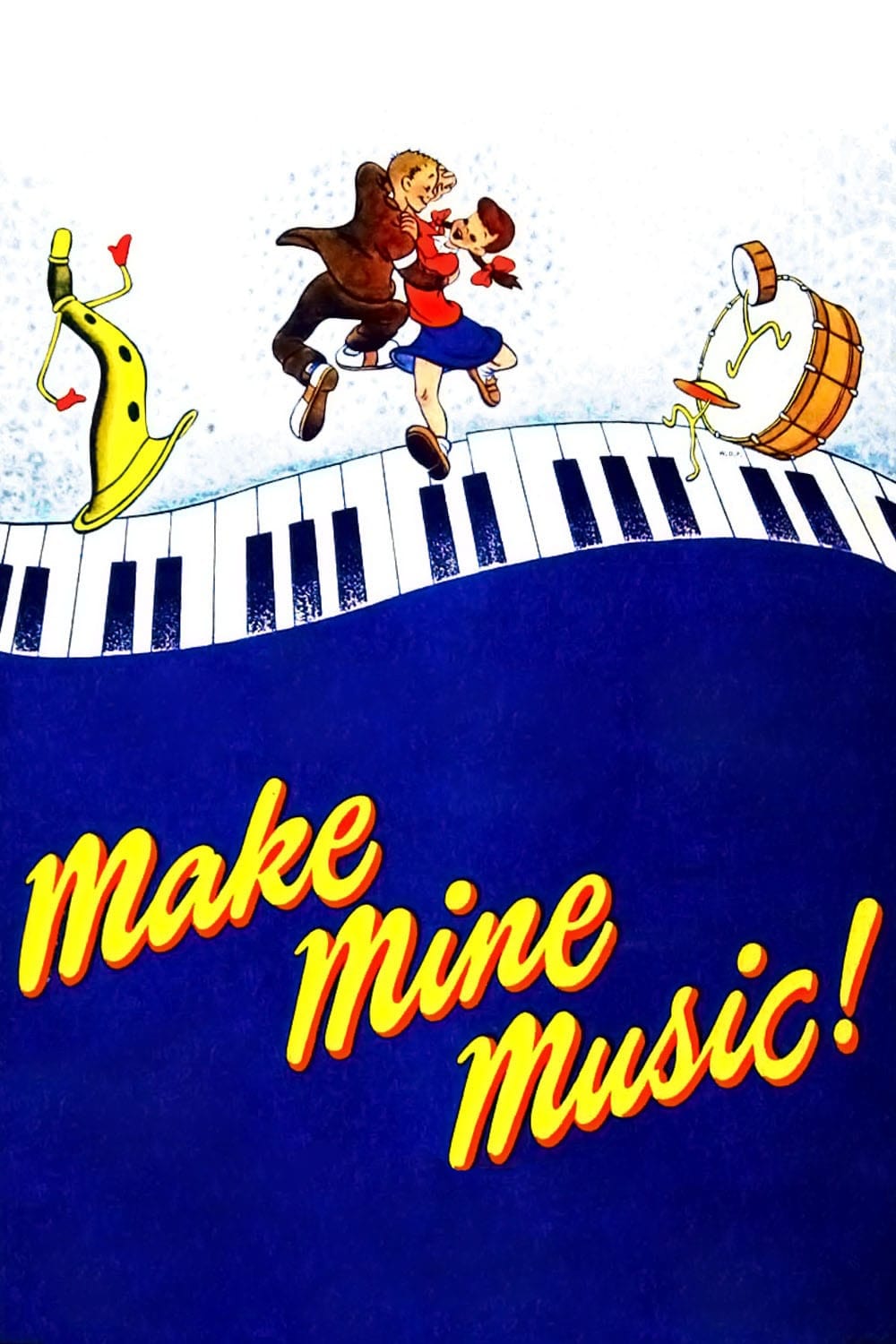
In the tradition of Fantasia, Make Mine Music is a glorious collection of musically charged animated shorts featuring such fun-filled favorites as "Peter and the Wolf", narrated by the beloved voice behind Winnie the Pooh. In addition you'll enjoy such classic cartoon hits as "Casey at the Bat," "The Whale Who Wanted to Sing at the Met" and "Johnnie Fedora and Alice Bluebonnet."
Interim school superintendent Eve Morgan finds herself in a tough spot when she is assigned to shut down a school's failing music program and must come to terms with her musical past.
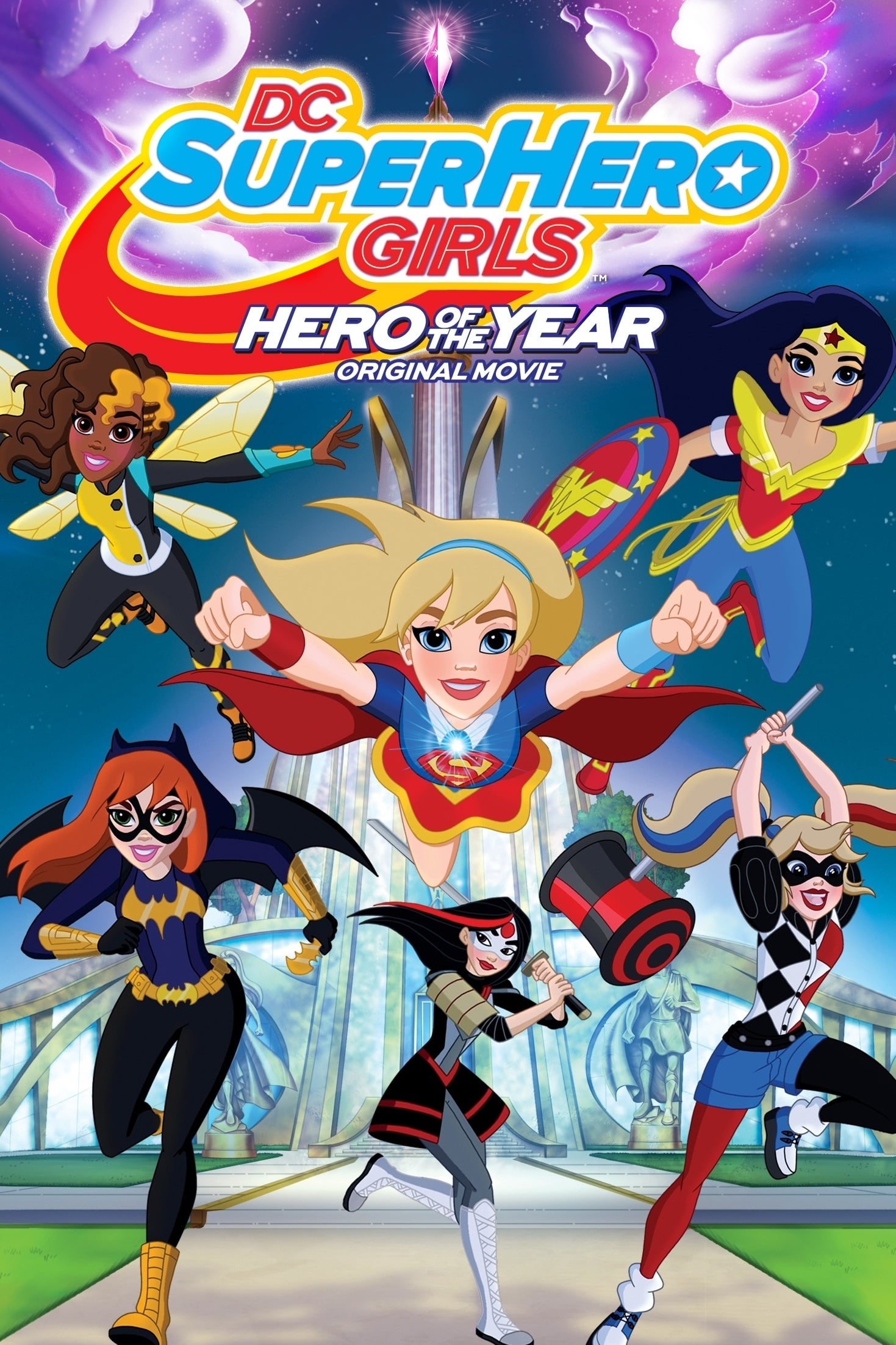
Wonder Woman, Supergirl, Batgirl, Harley Quinn, Bumblebee, Poison Ivy and Katana band together to navigate the twists and turns of high school in DC Super Hero Girls: Hero of the Year.