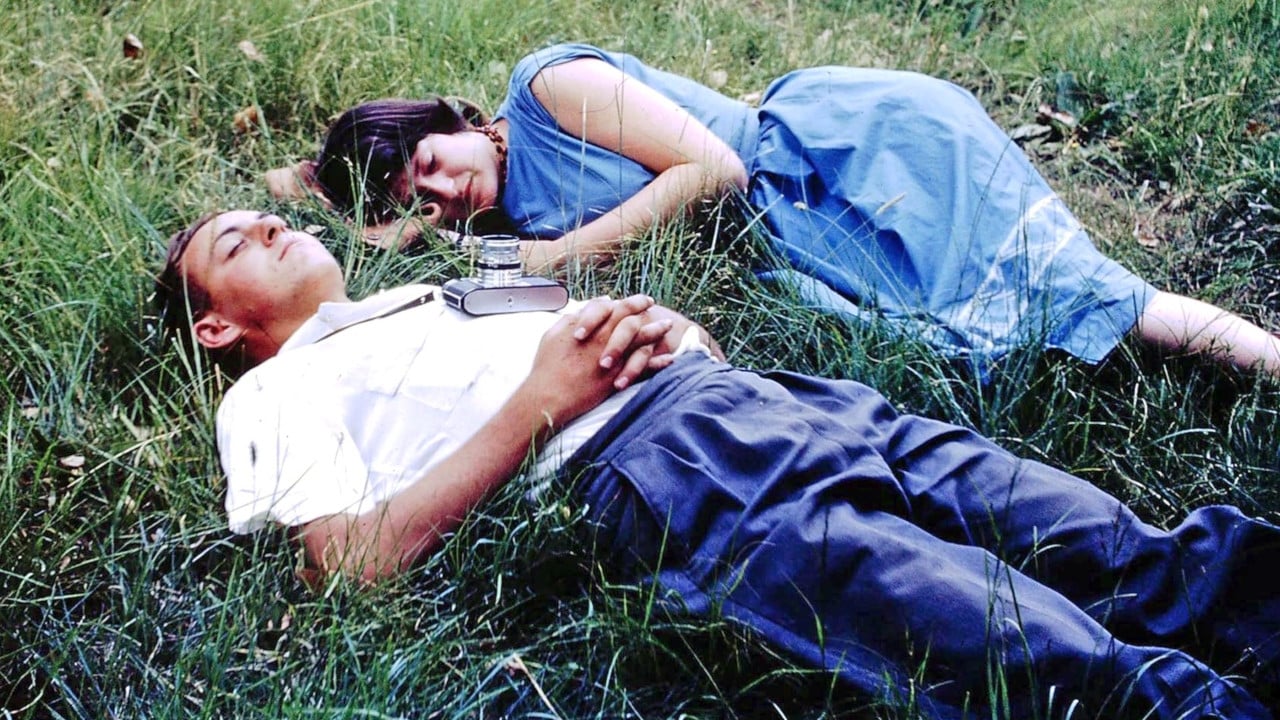
The story of anti-apartheid activist John Harris - who was hanged after a fatal bombing in Johannesburg in 1964 - told by those who knew him best and through newly discovered home movies.
Social & External
The people behind it
Sophie Okonedo
Narrator (voice)
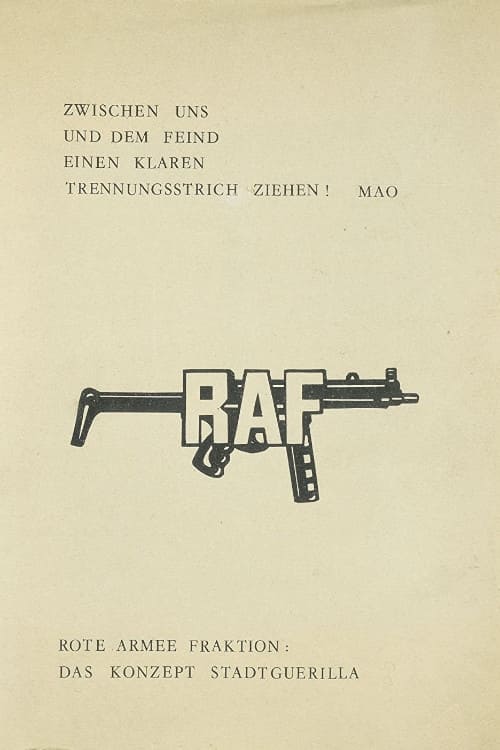
From the inner workings of the RAF. Former RAF-member Peter-Jürgen Boock reveal the many secrets and myths about the Baader-Meinhof gang a.k.a. RAF - Rote Armee Fraktion.
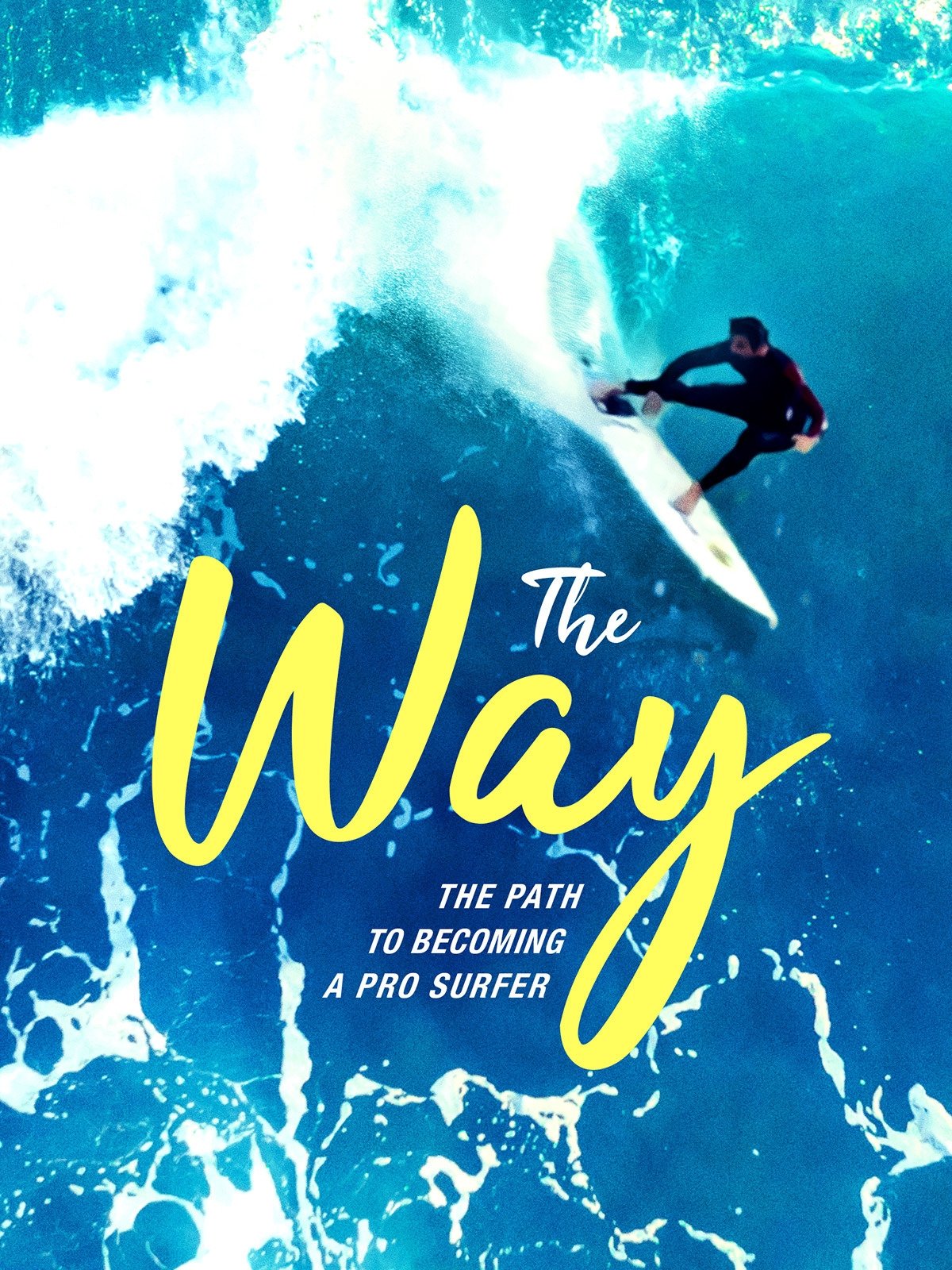
The Way is an inspirational story of the adversity and challenge professional surfers go through while trying to make it. The film starts with the discovery of an old surfboard washed ashore in Nelson, New Zealand. The board is refurbished and it turns out it was shaped by legendary charger Peter Way, New Zealand’s first ever national champion in 1963. Peter was known for his antics in and out of the water, but it was his mark on surfboard shaping, competitive surfing and surf lifestyle that has influenced the lives of generations of surfers who have come after him. Current pros Paige Hareb, Billy Stairmand and Ricardo Christie weigh in on what has driven them to success and also hard times. Maz Quinn takes us through becoming the first ever Kiwi to make the world tour of surfing and we’re taken on a journey through the north island of New Zealand to return the old board to the man who made it, Peter Way.
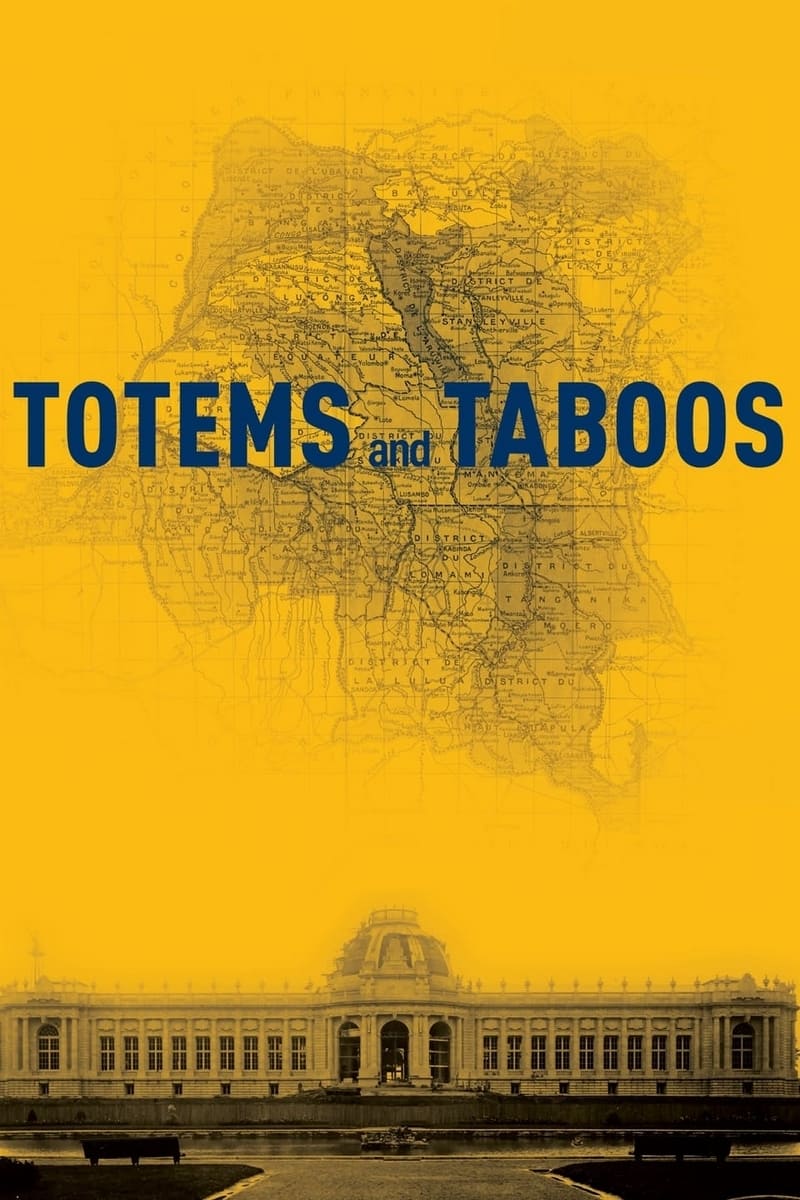
In Brussels, Belgium, the Royal Museum of Central Africa is undertaking a radical renovation, both physical and ethical, to show with sincerity, crudeness and open-mindedness the reality of the atrocities perpetrated against the inhabitants of the Belgian colonies in Africa, still haunted and traumatized by the ghost of King Leopold II of Belgium, a racist and genocidal tyrant.
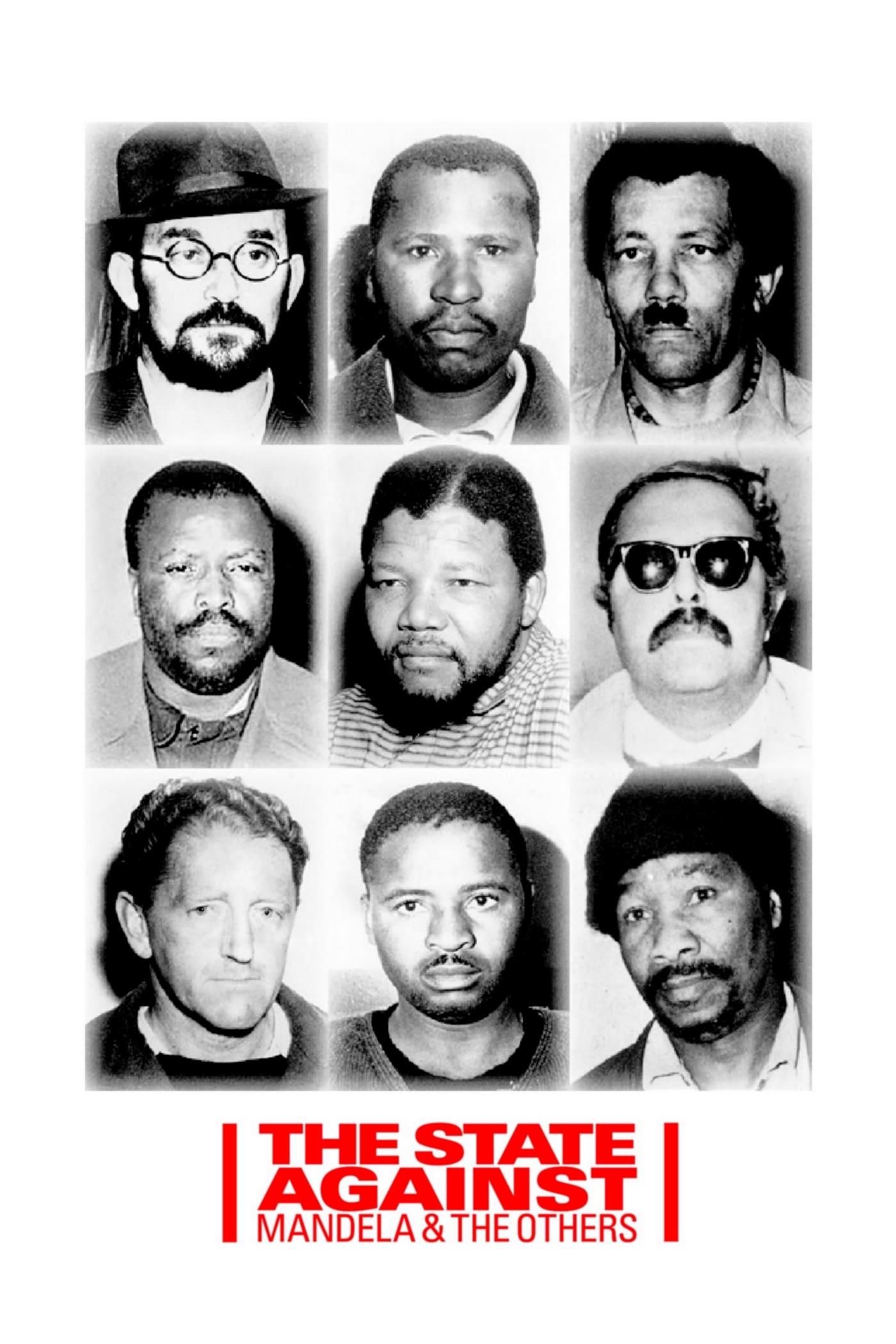
South Africa, July 11th, 1963. Several members of the African National Congress, an organization declared illegal, are arrested in Rivonia, a country house near Johannesburg. The detainees, along with Nelson Mandela, imprisoned since 1962, are charged with serious crimes for their radical activism against the apartheid regime.
In Neon, Bednarski recounts the history of Warsaw's neon signs from the pre-War period to modern times. He creates an overview of the neon signs which illuminated streets of Warsaw before the Second World War, depicts the use and role of neon signs in the times of social realism in the context of history and politics, and describes what has happened to them since 1989.
The second of two coproductions by the British Broadcasting Corporation and the National Film Board of Canada, People of the Seal, Part 2: Eskimo Winter is compiled from some of the most vivid footage ever filmed of the life of the Netsilik Inuit in the Pelly Bay region of the Canadian Arctic. Together, the two films provide insight and understanding of a culture now almost vanished, as they show the incredible resourcefulness of the Netsilik (People of the Seal) who have adapted to one of the world's harshest environments. Part 2: Eskimo Winter shows how Inuit families gather in communities on the sea ice to harpoon seal as they come up through breating holes in the ice. Also seen is the mid-winter season, a time of intense socializing in the communal igloo, with games, contests and ceremonial activities.
Folk-jazz composer/arranger Arthur Verocai was born in Rio de Janeiro. He has created challenging arragements and compositions for Brazilian artists Jorge Ben, Ivan Lins, Leny Andrade and Gal Costa. In 1972 Verocai recorded a self-titled solo LP. It is a stunningly innovative effort. It puts Verocai into a rarified field with the heavy string oriented music of Charles Stepney, David Axelrod and Frank Zappa. Released in a period marked by the Brazilian military government, the album fared poorly. Following its re-issue in 2003, the album has become a highly influential oft sampled classic (see Ludacris, MF Doom and Little Brother). The performance of this seminal 1972 record in its entirety brought the capacity Luckmann crowd to a stand still. According to Verocai, 'he had never played the record, alive or dead!' His delight can be seen on the DVD. The music has been mixed by Verocai himself in Rio. History turned on its head and musical justice served.
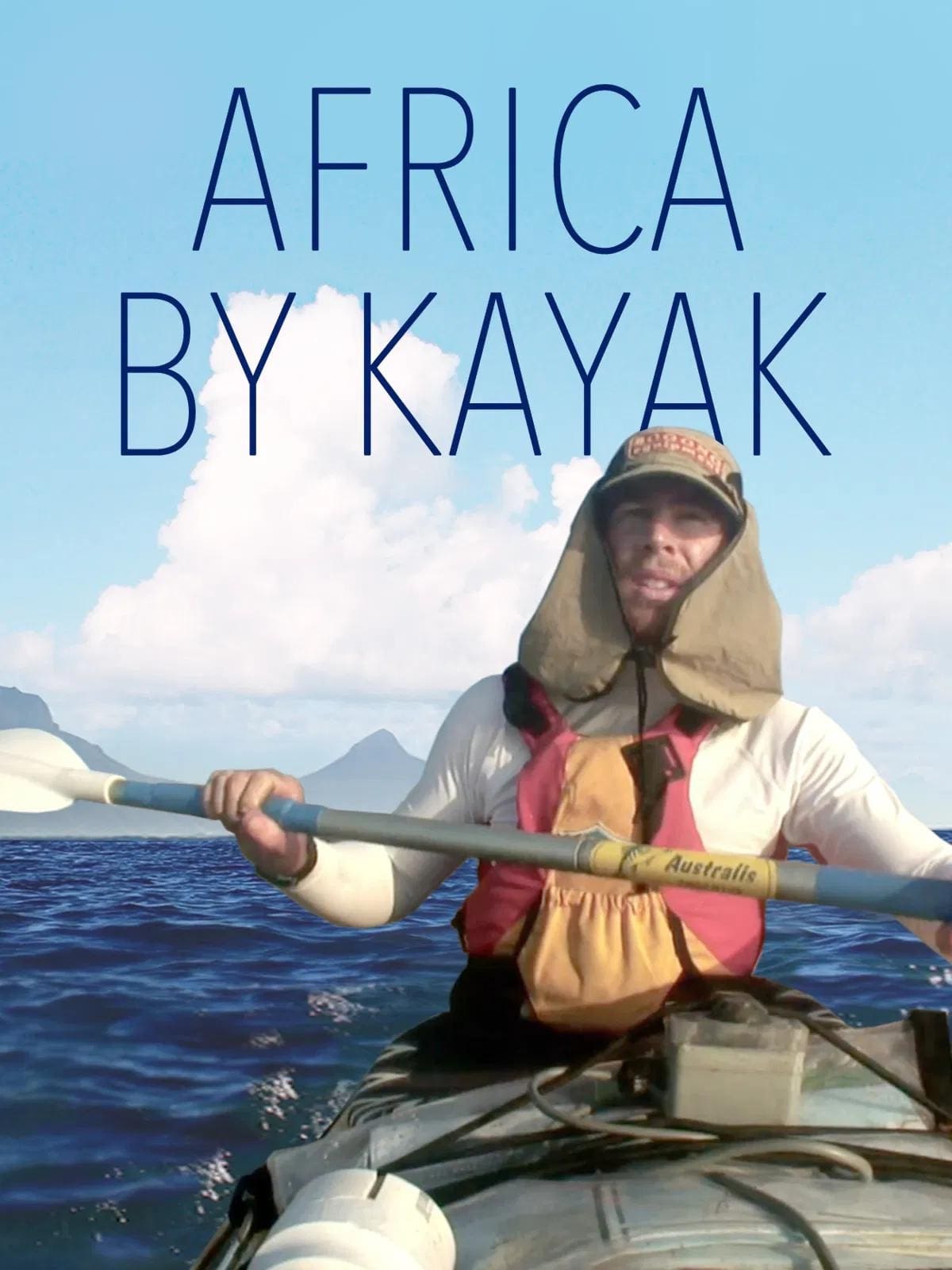
In 2007, Beau attempted to paddle 4000kms from one side of Africa to the other. Starting in Mozambique, he continued along the Southern African coast, allowing five months to complete the voyage. Battling surf, deep sea swell, and too many days waiting for the wind, Beau only completed 2000kms of the original plan.
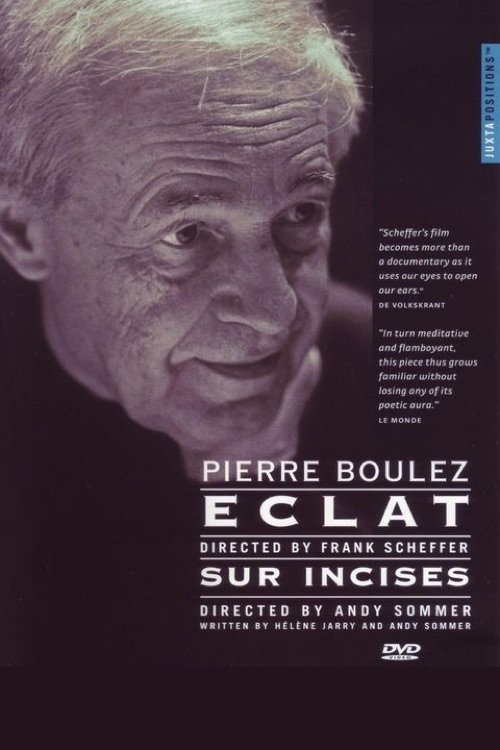
Eclat is a fascinating documentary about the work. We witness rehearsals by the Netherlands' Nieuw Ensemble, hear comments about the piece from the composer, conductor Ed Spanjaard and some of the musicians, and we see a full performance of the work. Eclat ("To burst out") is a beautiful example of the strangely lyrical pointillist style that Boulez had inherited from Anton von Webern. Aural pinwheels and shifting musical kaleidoscopes with stunning instrumental color is the only way to verbally describe what must be heard to be understood. This is definitely not for those who hate "modern" music. For those who respond to contemporary music, this piece is masterful and this film is a must-see!
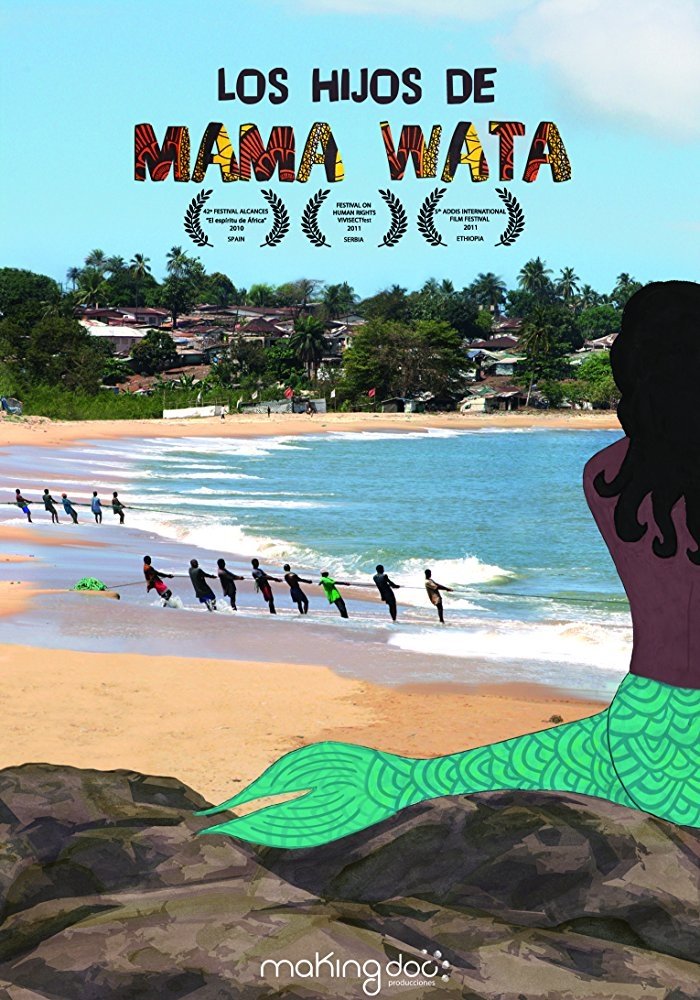
Mama Wata is a goddess that provides Sierra Leone with riches. The waters of Goderich Bay, in Freetown, have been blessed with an abundance of fish. Idrissa, a local fisherman, and his neighbors know that the goddess looks over them; however, they must still battle against international commercial fishing boats, illegal fishing and drug traffickers. Sierra Leone, ranked as one of the world's poorest countries by the UN, lacks an education system, health facilities and suffers from staggering unemployment. The Children of Mama Wata portrays the dignity and faith and the day-to-day lives of the inhabitants of Goderich.
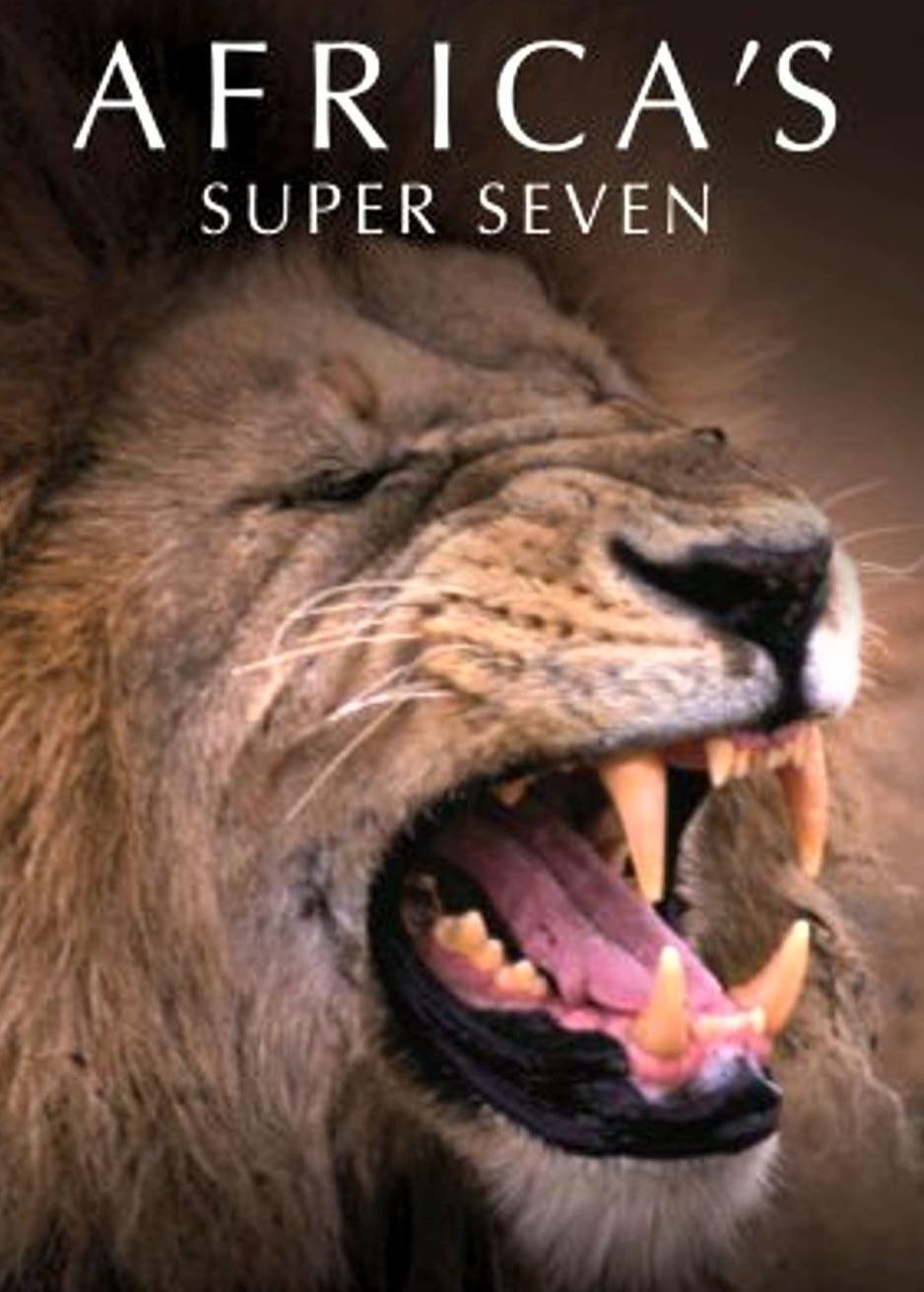
On the northern bank of the Sand River in the Mala-Mala Game Reserve in South Africa, seven magnificent creatures reside in an area the size of Manhattan Island. Tracking them for 24 hours reveals a never-ending daily drama.
Go behind the walls of The Walt Disney Studio as Walt invites you inside the world's most famous magic factory. It's not every day you'll learn tricks of the trade and satisfy your curiosity about what happens behind the scenes at the most creative bastion of family entertainment.
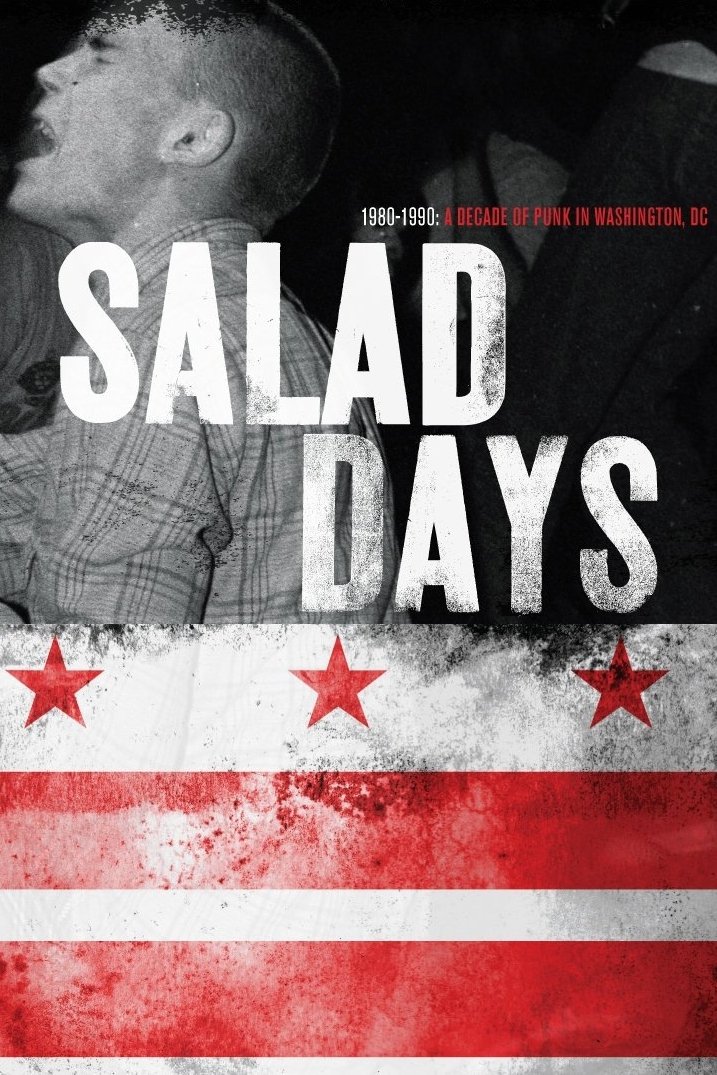
"Salad Days: A Decade of Punk in Washington, DC (1980-90)" examines the early DIY punk scene in the Nation's Capital. It was a decade when seminal bands like Bad Brains, Minor Threat, Government Issue, Scream, Void, Faith, Rites of Spring, Marginal Man, Fugazi, and others released their own records and booked their own shows-without major record label constraints or mainstream media scrutiny. Contextually, it was a cultural watershed that predated the alternative music explosion of the 1990s (and the industry's subsequent implosion). Thirty years later, DC's original DIY punk spirit serves as a reminder of the hopefulness of youth, the power of community and the strength of conviction.
We’re extremely proud to bring you our full 45-minute ‘Loud Legacy’ documentary focusing on the life of HIM frontman Ville Valo. Hosted by Loudwire’s Graham ‘Gruhamed’ Hartmann, ‘Loud Legacy’ begins with the formation of HIM in 1991 and spans all the way into late 2014. HIM existed for six years before the band’s debut full-length, Greatest Love Songs: Vol. 666, was released. During that period, HIM struggled to find their own sound while going through a number of lineup changes. Ville famously worked at his father’s sex shop to pay the rent, while bassist Mikko ‘Mige’ Paananen left HIM for a short time to complete military service.
What threads of history bind Manhattan's Ground Zero to those of Nagasaki and Hiroshima? Or connect sight to truth, games to war, or the silkworm to the drone? What does the United States hold to be the role of science in warfare? How has war historically been waged in Buddhist traditions? These are some of the topics addressed in Eyewar: 80 minutes of found footage which traces the development of the digital image from the maps of the second century to the screens of the twenty-first, and the uses of the field of cybernetics from Japan in the 1940s to Chile in the 1970s and Iraq in the 1990s.
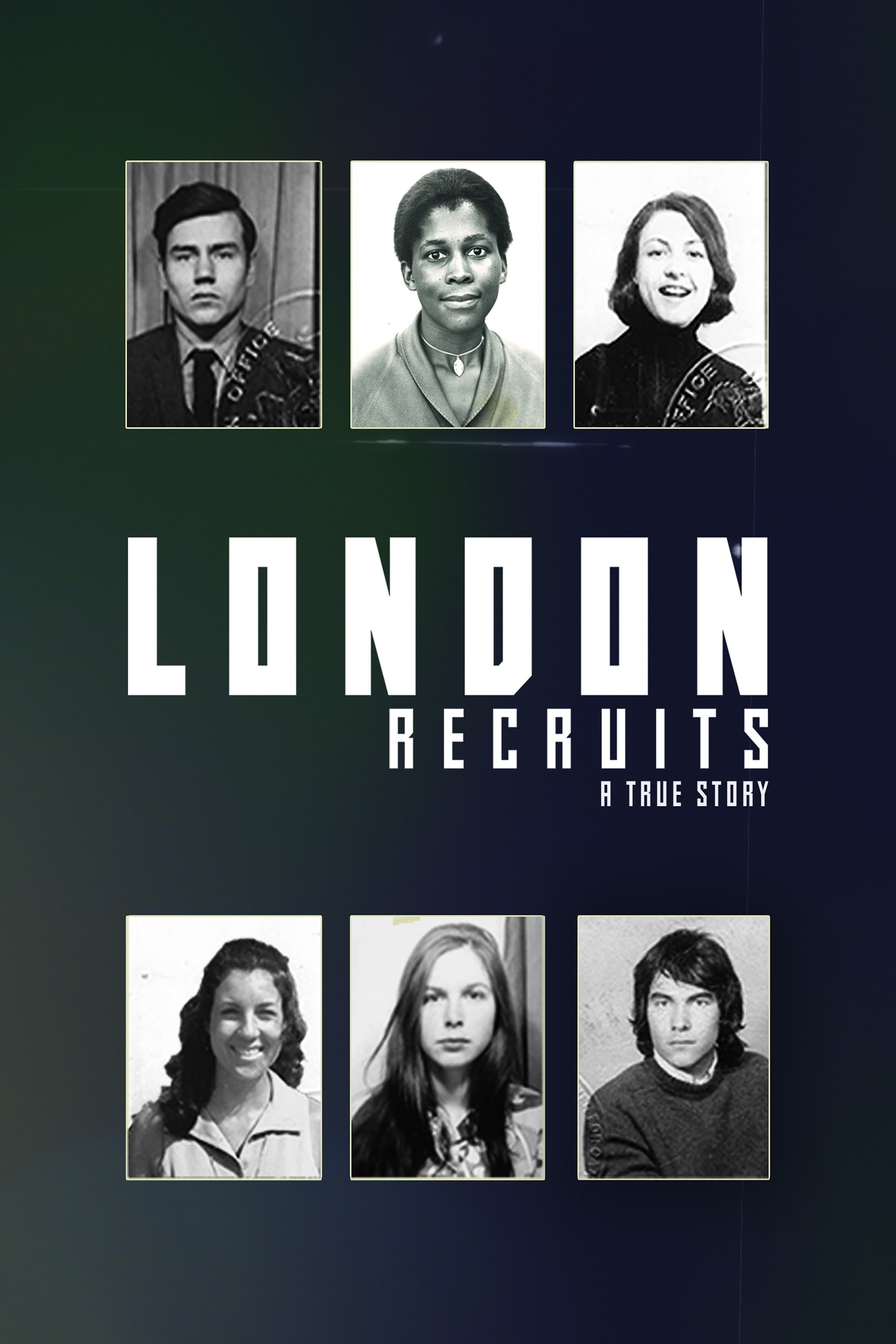
The story of the Londoners recruited to be freedom fighters during the South African apartheid during the 1960s.
In 1946, Isaac Woodard, a Black army sergeant on his way home to South Carolina after serving in WWII, was pulled from a bus for arguing with the driver. The local chief of police savagely beat him, leaving him unconscious and permanently blind. The shocking incident made national headlines and, when the police chief was acquitted by an all-white jury, the blatant injustice would change the course of American history. Based on Richard Gergel’s book Unexampled Courage, the film details how the crime led to the racial awakening of President Harry Truman, who desegregated federal offices and the military two years later. The event also ultimately set the stage for the Supreme Court’s landmark 1954 Brown v. Board of Education decision, which finally outlawed segregation in public schools and jumpstarted the modern civil rights movement.
In 1977, a book of photographs captured an awakening - women shedding the cultural restrictions of their childhoods and embracing their full humanity. This documentary revisits those photos, those women and those times and takes aim at our culture today that alarmingly shows the need for continued change.
A retrospective of the Paris bombings through the eyes of a victim
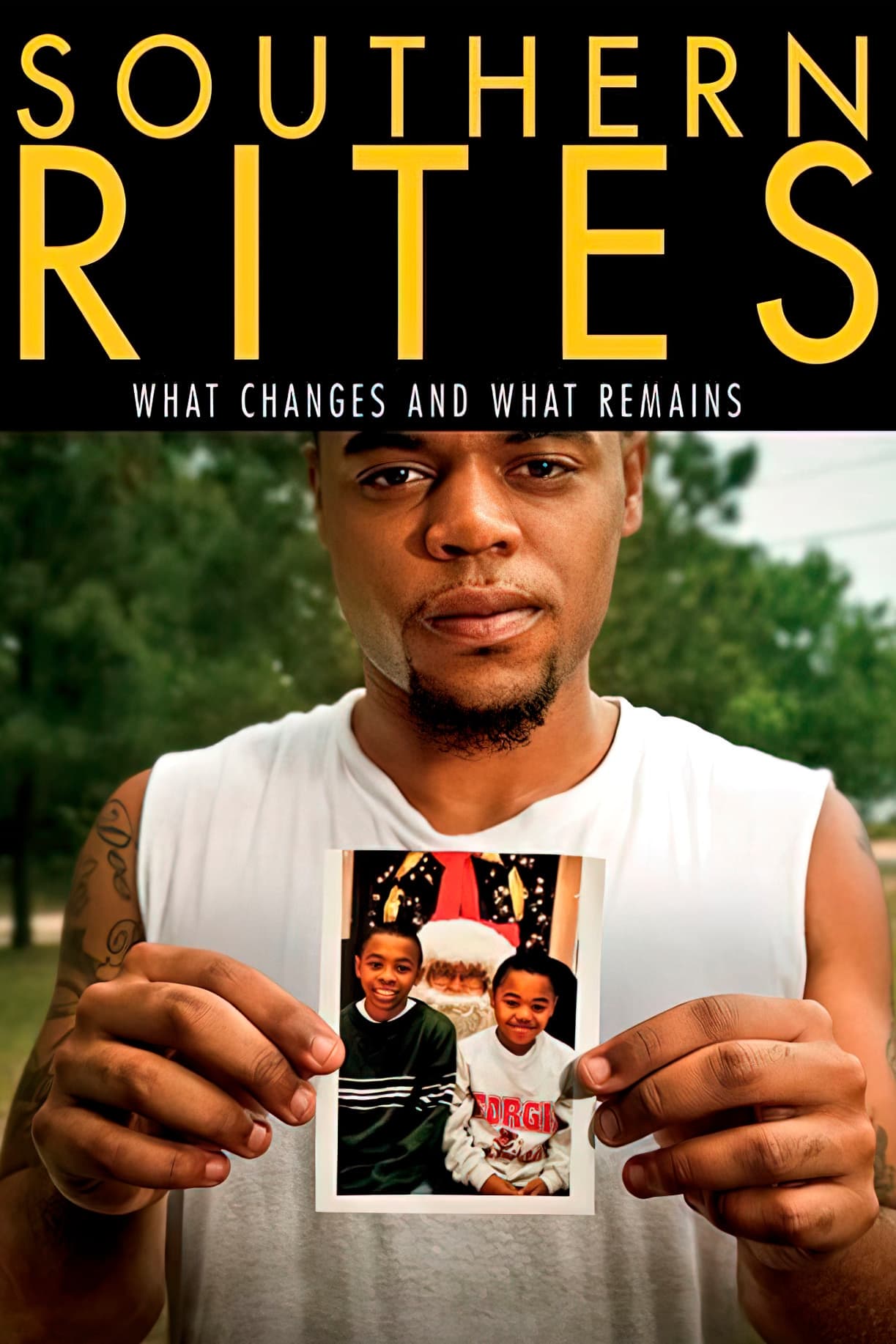
Southern Rites visits Montgomery County, Ga., one year after the town merged its racially segregated proms, and during a historic election campaign that may lead to its first African-American sheriff. Acclaimed photographer Gillian Laub, whose photos first brought the area unwanted notoriety, documents the repercussions when a white town resident is charged with the murder of a young black man. The case divides locals along well-worn racial lines, and the ensuing plea bargain and sentencing uncover complex truths and produce emotional revelations.
This revealing documentary honors the legendary Sidney Poitier—iconic actor, filmmaker, and civil rights activist. Featuring interviews with Denzel Washington, Spike Lee, Halle Berry, and more.
A documentary on the expletive's origin, why it offends some people so deeply, and what can be gained from its use.
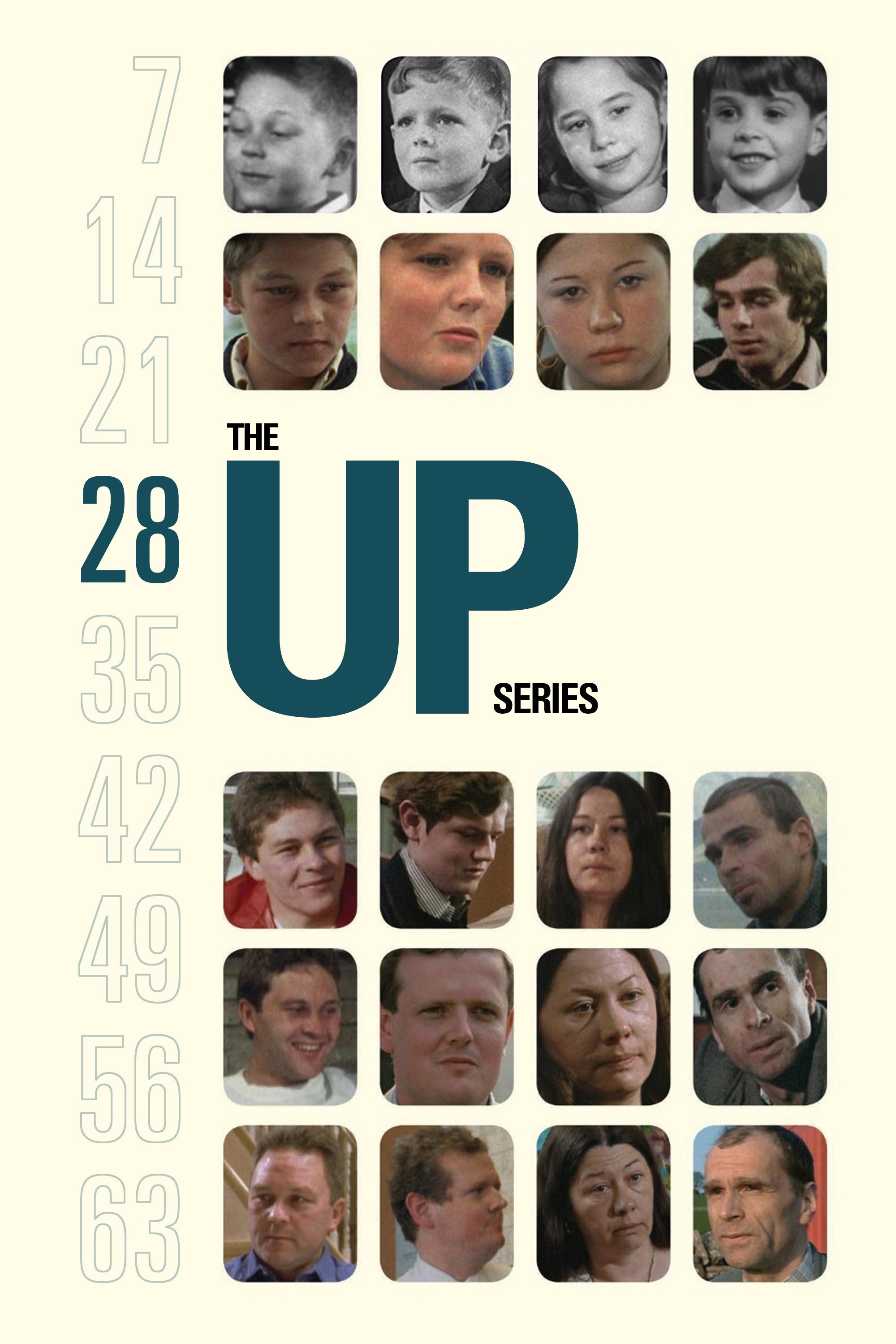
Director Michael Apted revisits the same group of British-born adults after a 7 year wait. The subjects are interviewed as to the changes that have occurred in their lives during the last seven years.
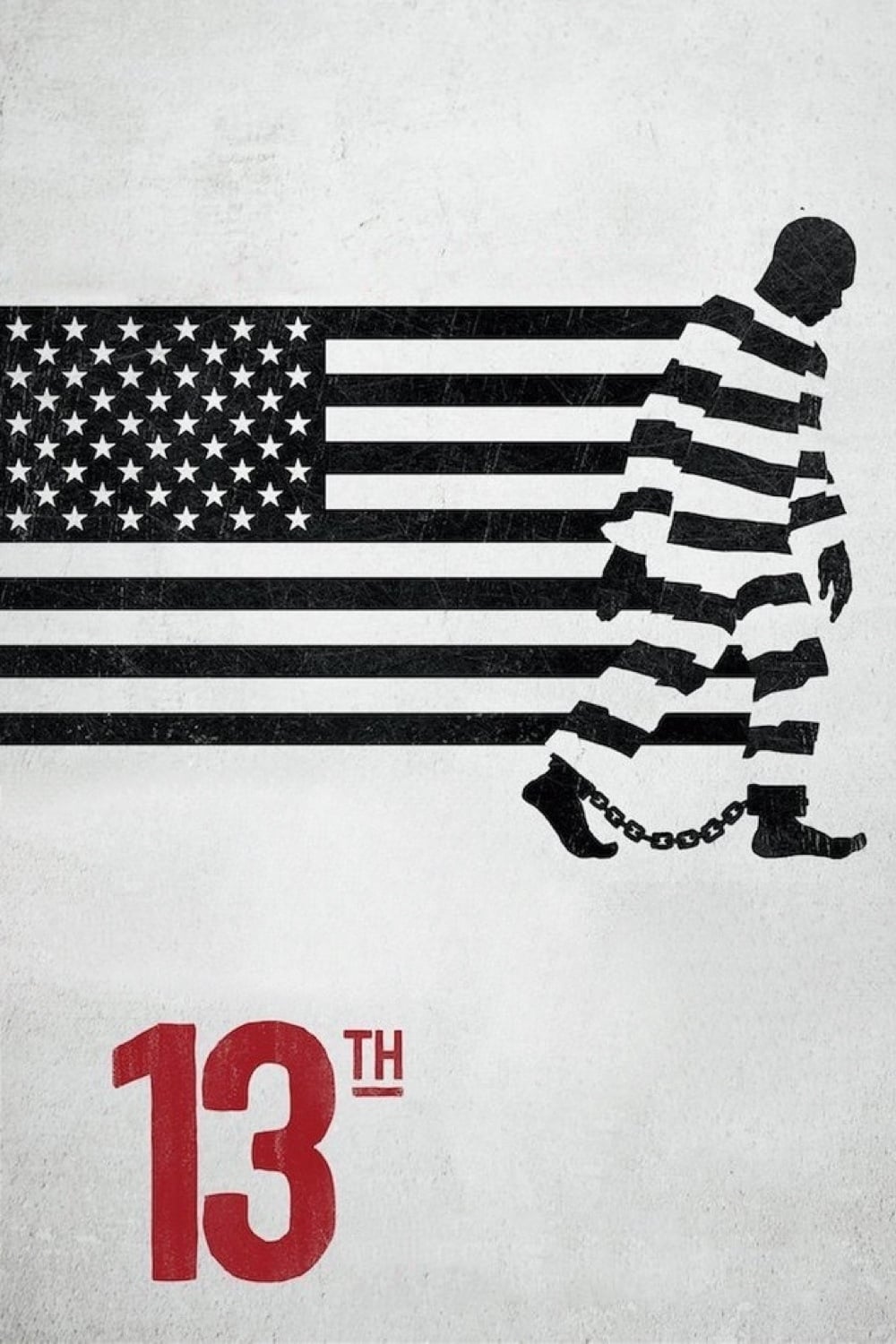
An in-depth look at the prison system in the United States and how it reveals the nation's history of racial inequality.
A subjective documentary that explores various theories about hidden meanings in Stanley Kubrick's classic film The Shining. Five very different points of view are illuminated through voice over, film clips, animation and dramatic reenactments.
In an intimate and joyful story of love in the face of loss, celebrated poets Andrea Gibson and Megan Falley find strength—and unexpected hilarity—in what might be their final year together.
A documentary about the life and films of director John Ford.
Those who knew iconic funnyman John Candy best share his story, in their own words, through never-before-seen archival footage, imagery, and interviews.
Al Pacino's deeply-felt rumination on Shakespeare's significance and relevance to the modern world through interviews and an in-depth analysis of "Richard III."
Unravel the case of Utah therapist Jodi Hildebrandt, whose child abuse arrest with parenting YouTuber Ruby Franke exposed a twisted tale of manipulation.
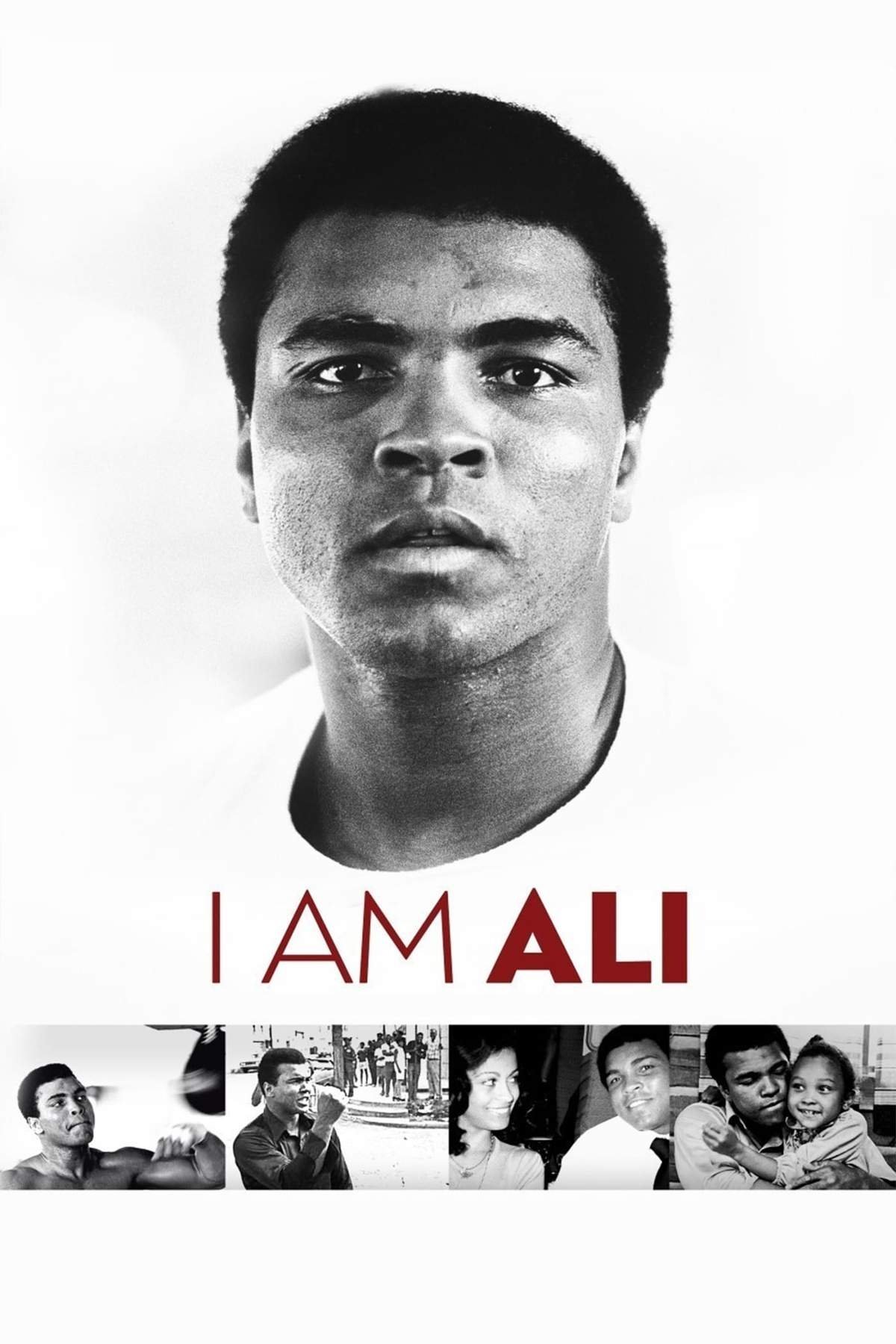
Unprecedented access to Muhammad Ali's personal archive of "audio journals" as well as interviews and testimonials from his inner circle of family and friends are used to tell the legend's life story.
A visual montage portrait of our contemporary world dominated by globalized technology and violence.
Just two years away from turning 30, participants in Michael Apted's documentary series are facing serious questions of identity and purpose, wondering whether they've found their place in the world.
Through deeply personal interviews with her siblings and an examination of the photographs, letters, and belongings left behind, Mariska assembles a new portrait of her mother Jayne Mansfield, an extraordinary and complex woman.
The Captains is a feature-length documentary film written and directed by William Shatner. The film follows Shatner as he interviews the other actors who have portrayed starship captains in the Star Trek franchise.
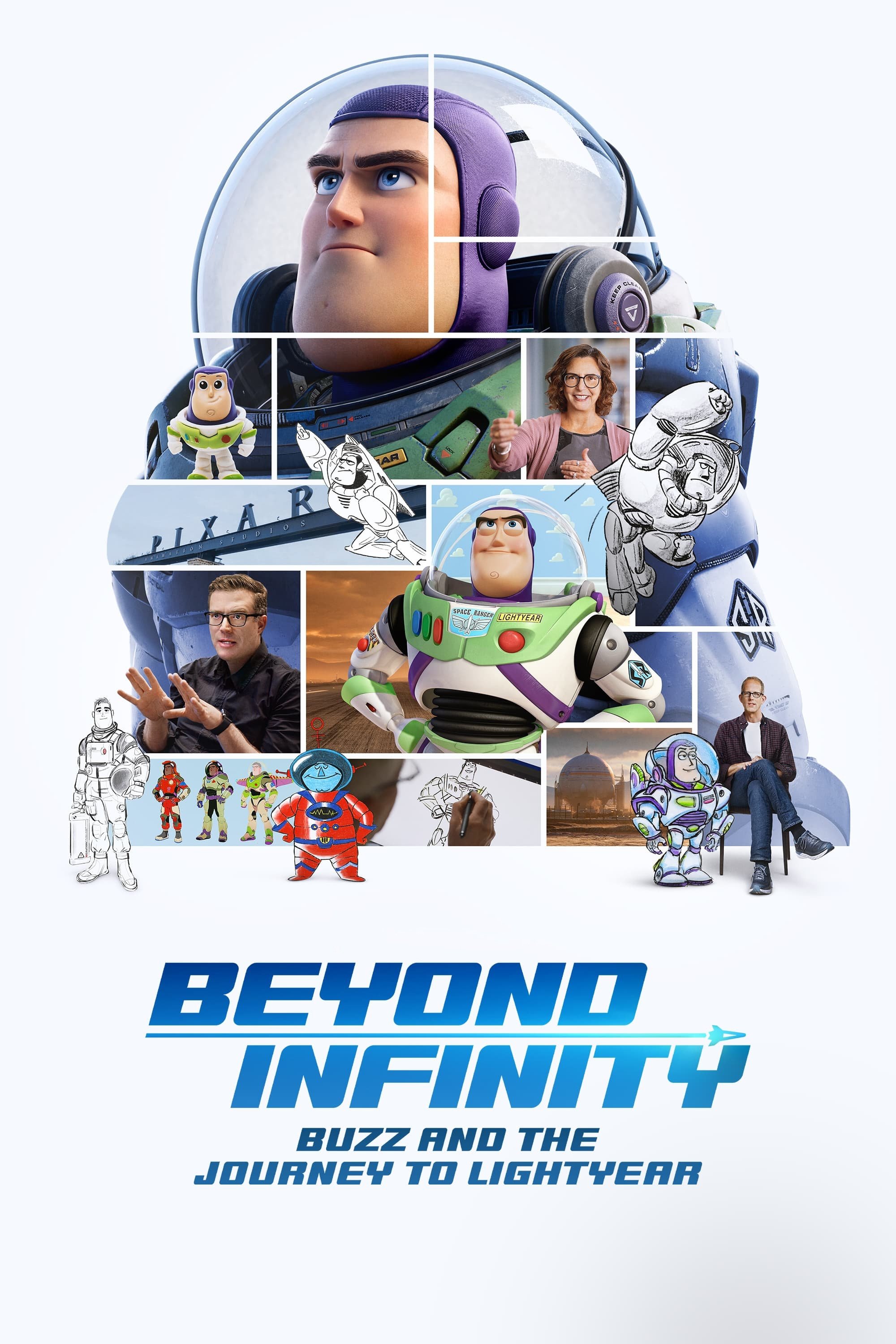
Explore the evolution of Buzz Lightyear from toy to human in the making of Pixar’s Lightyear. Dive into the origin and cultural impact of everyone’s favorite Space Ranger, the art of designing a new “human Buzz,” and the challenges faced by the Lightyear crew along the way.
Using the book 'Fragments', which collects Marilyn Monroe's poems, notes and letters, and with participation from the Arthur Miller and Truman Capote estates who have contributed more material, each of the actresses will embody the legend at various stages in her life.
Marlon Riggs, with assistance from other gay Black men, especially poet Essex Hemphill, celebrates Black men loving Black men as a revolutionary act. The film intercuts footage of Hemphill reciting his poetry, Riggs telling the story of his growing up, scenes of men in social intercourse and dance, and various comic riffs, including a visit to the "Institute of Snap!thology," where men take lessons in how to snap their fingers: the sling snap, the point snap, the diva snap.
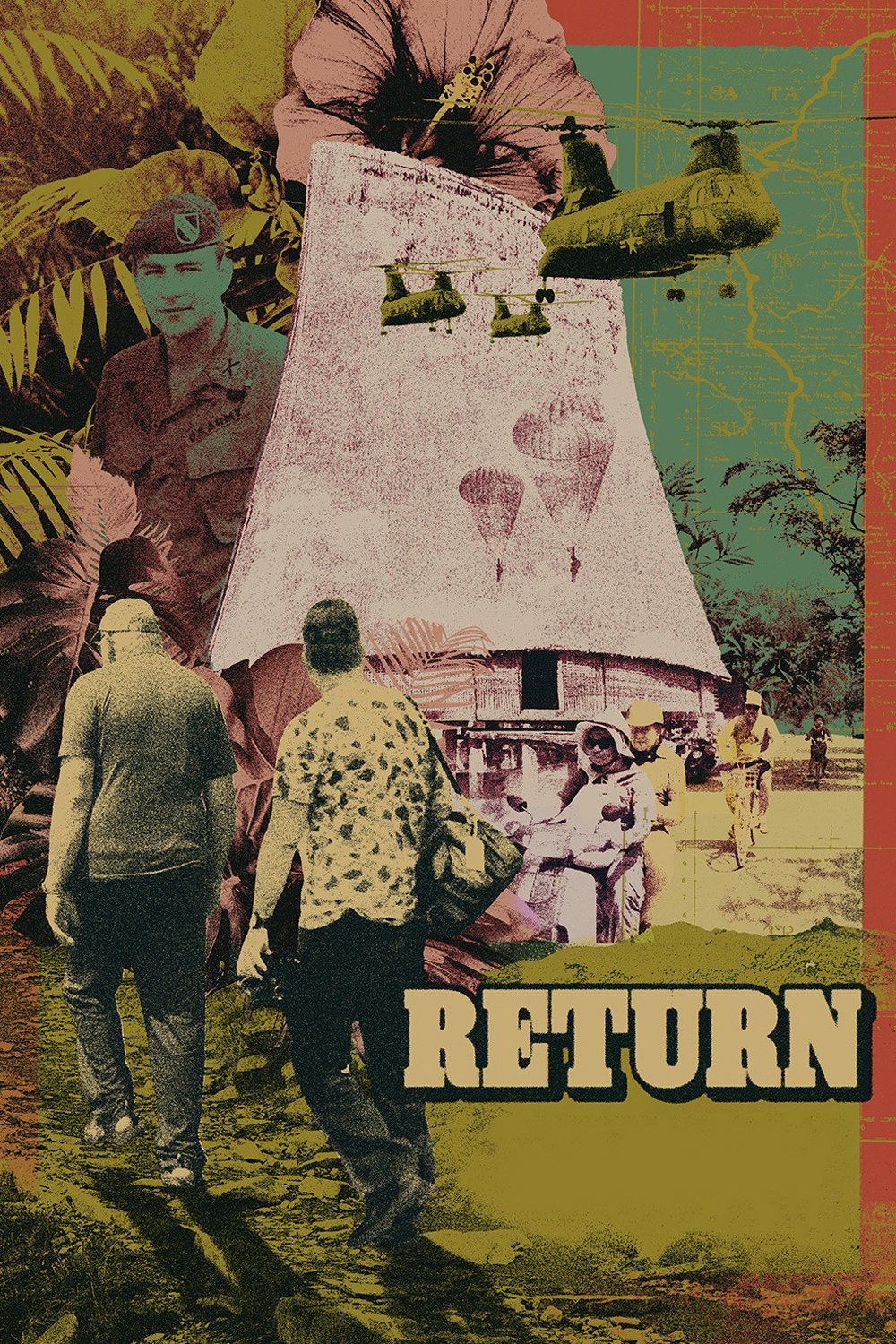
RETURN tells the story of a retired Green Beret who embarks on a healing journey from Montana to Vietnam. There he retraces his steps, shares his wartime experiences with his son, treats his Post-Traumatic Stress Disorder, and seeks out the mountain tribespeople he once lived with and fought alongside as a Special Forces officer.
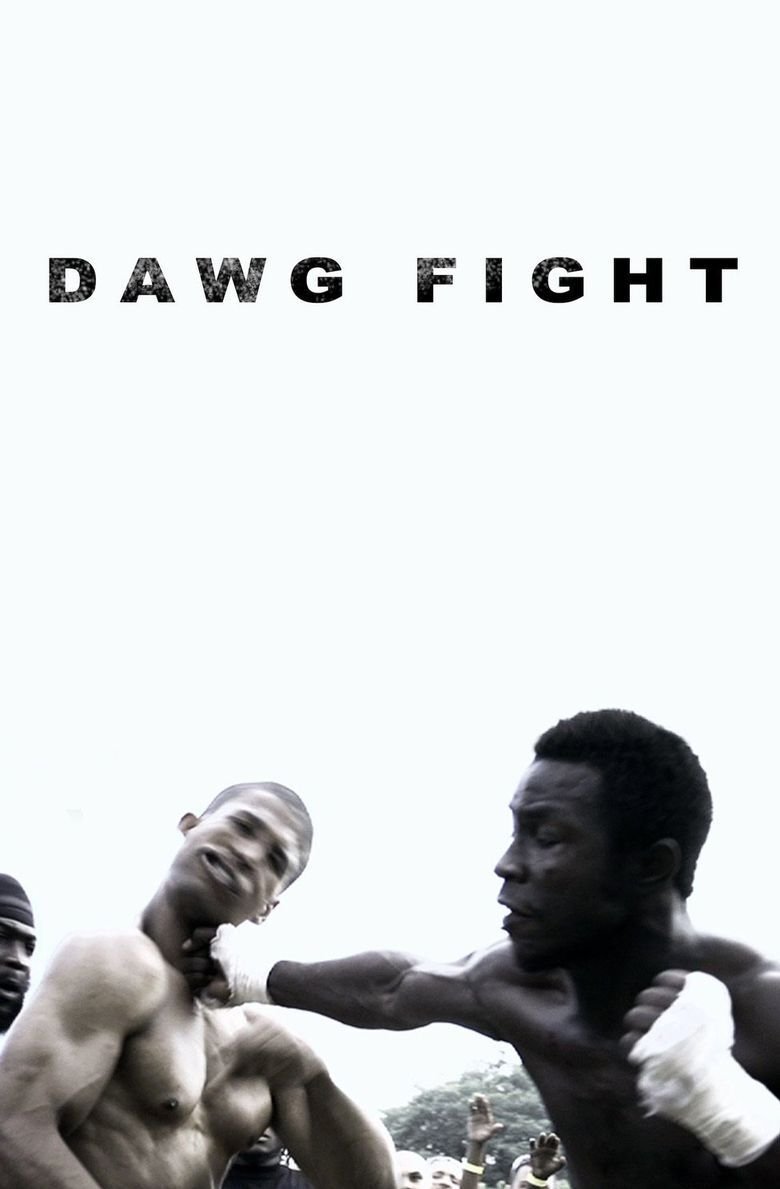
In a crime-plagued neighborhood near Miami, brutal, bare-knuckled backyard fights give young men a chance to earn money -- and self-respect.