Scenes from a production of The Diary of Anne Frank are combined with footage of young Palestinians talking candidly about war, first love and topics that Frank wrote about as a teenager.
Social & External
Going behind the usual images of war-torn Gaza, Swiss documentarian Nicolas Wadimoff offers this look at how people survive despite constant threat of danger. Children still play, rappers still create music and families still love one another. In addition to visiting the United Nations Food Distribution Center, Wadimoff films at a derelict amusement park and profiles the DARG TeaM rappers, whose politically charged music proclaims their defiance.
The Israeli filmmaker Shai Corneli Polak records the building of the 'security wall' through Palestinian territory at the village of Bil'in. The villagers protest mostly peacefully, while the Israeli army doesn't react peacefully. By now the Israeli High Court has ruled that the building of the wall was illegal.
Short film made from photographs taken by anthropologist and photojournalist Rogério Ferrari in Palestinian territories in 2002.
A portrait of two Palestinian women whose individual struggles both define and transcend the politics that have torn apart their homes and their lives. Farah Hatoum, a widow living with her children and grandchildren, and Sahar Khalifeh, a novelist from the West Bank.
A verité legal drama about Judge Kholoud Al-Faqih, the first woman appointed to a Shari'a court in the Middle East, whose career provides rare insights into both Islamic law and gendered justice.
We are taken behind the scenes of a play in-the-making: The play is Samuel Beckett’s WAITING FOR GODOT—starring a group of young 48-Palestinians. One by one, we are introduced to a variety of characters: the play’s director, actors, and other ordinary people. As we delve further into each of their lives, the film reveals the startling parallels between the themes of the play and their own. Everyone is waiting for something: a permit to build a house, better work conditions, a starring role in a film. Much like Waiting for Godot, our heroes are awaiting Faraj Allah… something that may or may not come.
An Israeli film director interviews fellow veterans of the 1982 invasion of Lebanon to reconstruct his own memories of his term of service in that conflict.
The story that was silenced for 91 years was revealed for the first time: in August 1933 the leaders of the Zionist Organization signed "transfer agreements" with Nazi Germany. As part of the agreement, about 60 thousand Jews with a lot of property will arrive in the Land of Israel. Is it permissible to make a "contract with the devil" to save people?
Explore an overlooked moment in pre-WWI Palestine when people's identities overlapped, and Jewish, Muslim, and Christian communities intermingled freely. Few could contemplate the conflict that would engulf their region for the next century.
The pro-Palestinian, anti-capitalist, BDSM-provocative, techno-punk performance art ensemble Hatari unsurprisingly drew attention to themselves with their performance at the Icelandic qualifiers for the Eurovision Song Contest. So much so that they won and therefore were allowed to perform at the main event in Tel Aviv. But what now? Should they boycott the event, swallow their idealism, or use their airtime to criticise the host country for their illegal occupation of Palestine? The Icelandic director Anna Hildur joins the boys in the band all the way to the fateful final.
As part of the organization of sporting, cultural and solidarity meetings between a team of amputee footballers from Gaza and the French amputee football team, the project coordinator, filmmaker-director followed with his camera the Palestinian footballers in Gaza before their departure, and during their stay in France.
A forensic investigation into the impact of Israeli military operations on Gaza’s healthcare system. This urgent documentary examines evidence of widespread destruction across the territory’s medical infrastructure, where all 36 main hospitals have reportedly been damaged or destroyed. Hundreds of healthcare workers — including doctors and surgeons — are known to have been killed, injured or detained, with some alleging imprisonment and mistreatment
A poignant, sometimes sad, sometimes painful, sometimes humorous, often absurd story of a multiple journey: the journey of loss as the director’s mother Aida struggled with losing herself to Alzheimer’s disease, but finding solace in her repeated “returning” to the Yafa and Palestine of her youth; the journey of the loss of a parent; and the ultimate return journey back to Yafa where Aida would finally find rest and be herself once more.
Exploring police brutality and institutional hostility towards Arab and Muslim students, this documentary reveals how the University of Michigan's broad trends of surveillance transform a sanctuary into a symbol of systemic oppression.
Raised in a refugee camp in the West Bank while her mother was in prison, Walaa dreams of being a policewoman, wearing a uniform, avoiding marriage, and earning a salary. Despite discouragement from her family, Walaa applies - and gets in. But her own rebellious behavior and a complicated relationship with her mother are a challenge, as are the circumstances under which she lives. Following Walaa from 15 to 21, this first-ever look inside the Palestinian police academy brings us the story of a young woman navigating formidable obstacles, learning which rules to break and follow, and disproving the negative predictions from her surroundings and the world at large.
Israeli director Natalie Assouline chronicles the lives of women, mostly young mothers, in prison for involvement in failed suicide attacks/terrorists attacks in Israel. Filmed over two years, this portrait strives to unearth the motivations behind their crimes. With the women's heads and feelings firmly covered, the film reveals no answers, just the heart-breaking tension between humanity and ideology.
While millions of birds migrate freely in the skies above, Fadia, a Palestinian refugee stranded in Lebanon, yearns for the ancestral homeland she is denied. When a chance meeting introduces her to the director, Sarah, she challenges her to find an ancient mulberry tree that once grew next to her grandfather’s house in historic Palestine, a tree that stands witness to her family’s existence.
Jawaher was a farmer with her father when she was young, and a beekeeper in old age. Beekeeping to her is a way to overcome life's difficulties. Despite the difficulties she's facing; the economic situation, climate change, and wars, she's still sticking to her source of livelihood to save a living.
An Iranian filmmaker participates in a series of video calls with a young Palestinian photojournalist who describes her life confined in Gaza during the current regional conflict.
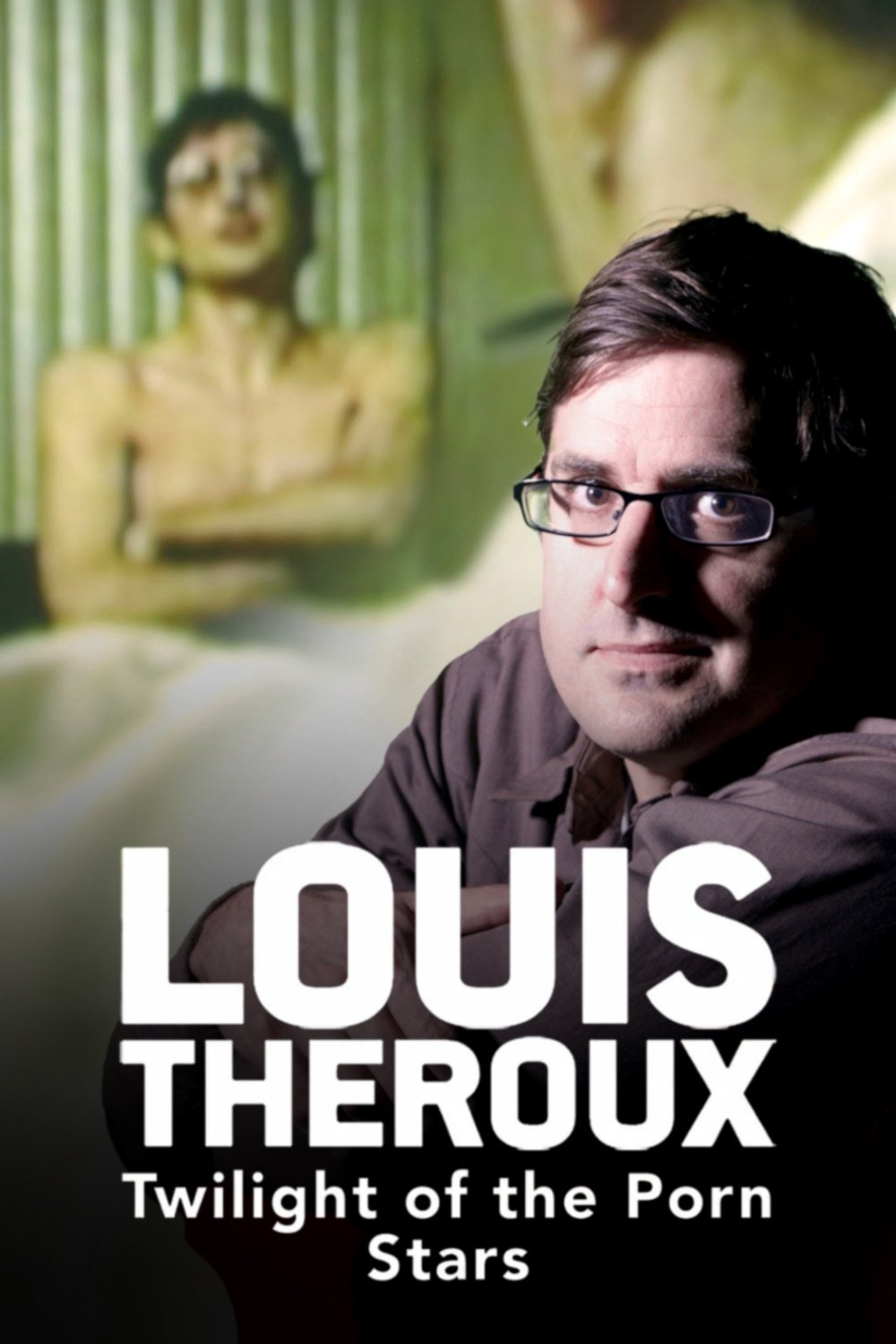
14 years after his first visit, Louis Theroux meets some of the growing community of religious-nationalist Israelis who have settled in the occupied West Bank.