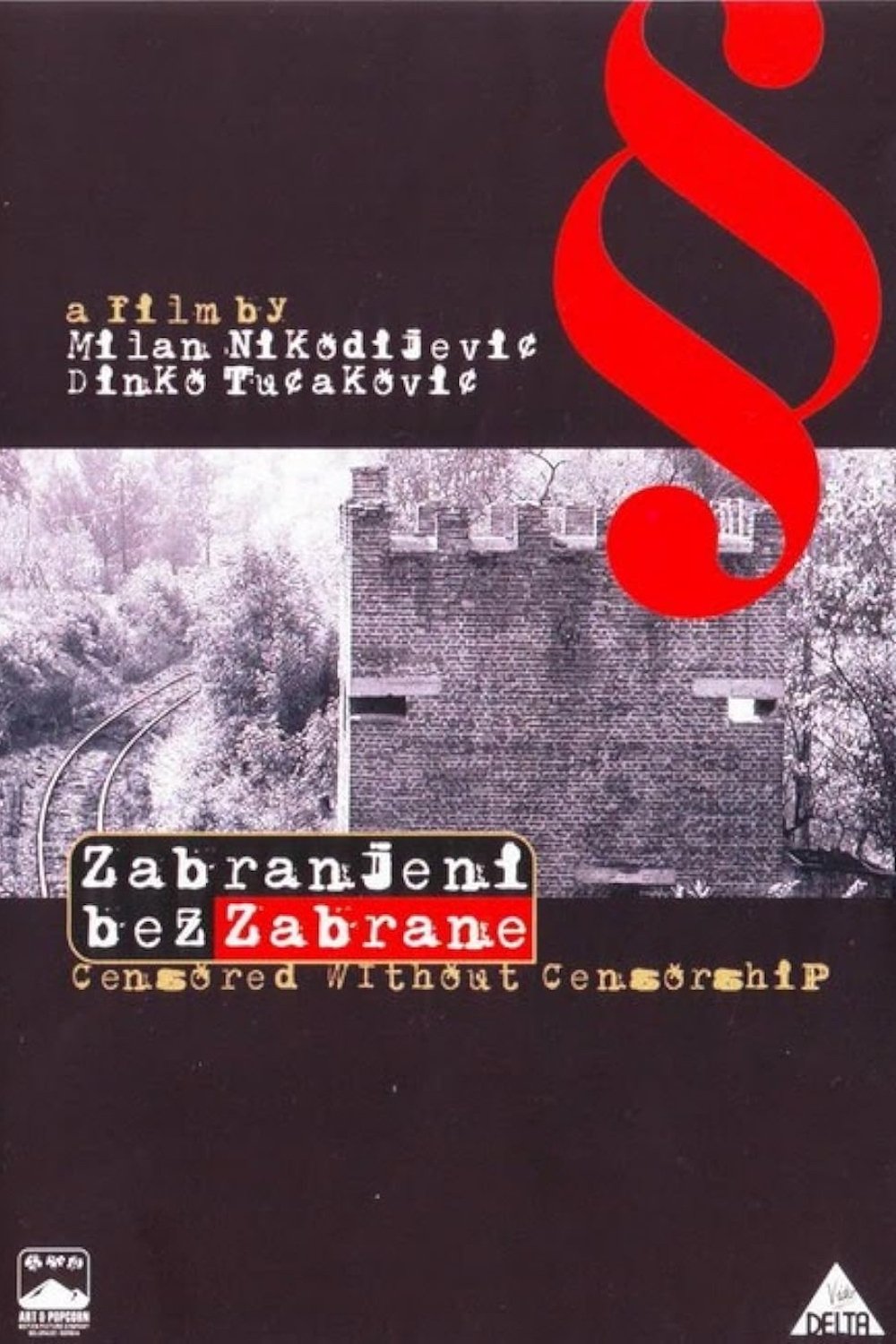
Short documentary depicting the preparations for a Communist congress in Sarajevo, including the use of large billboards to obscure the view of run-down neighborhoods.
Social & External
A movie follows a regular working day of a woman who works in a factory. She wakes up at 3am and goes to sleep at 10pm.
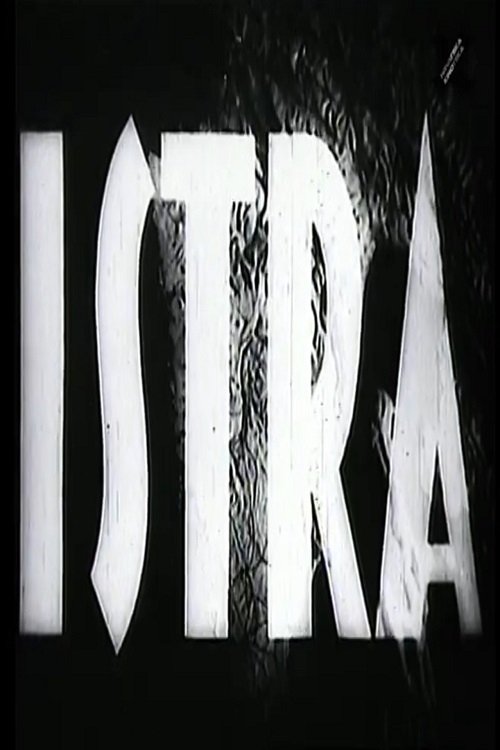
Yugoslav Partisan propaganda film about the liberation of Istria at the end of the World War II.
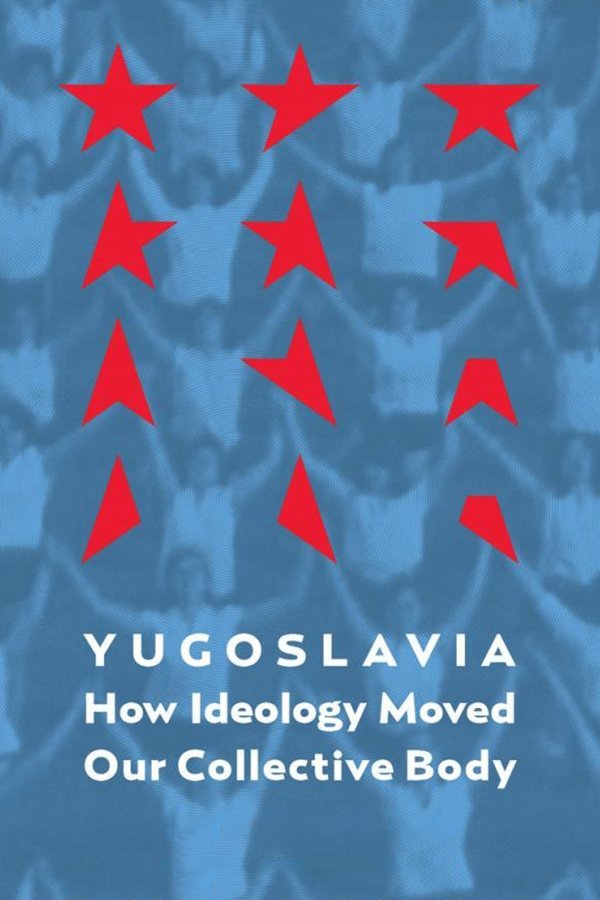
A research-based essay film, but also a very personal perspective on the history of socialist Yugoslavia, its dramatic end, and its recent transformation into a few democratic nation states.
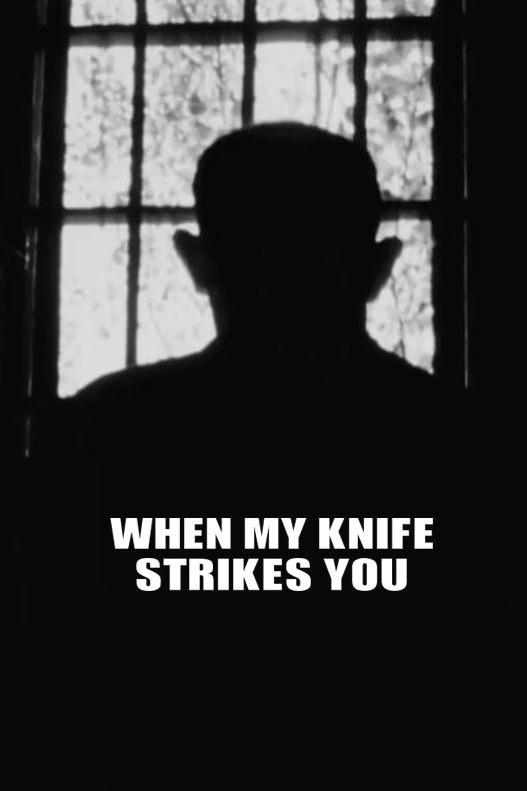
Shot in various villages throughout Yugoslavia, this is a disturbing document of a time when people were stabbing each other with knives without any real reason. Murderers, people who witness these murders and the families of victims all talk about the senseless violence and the human condition.
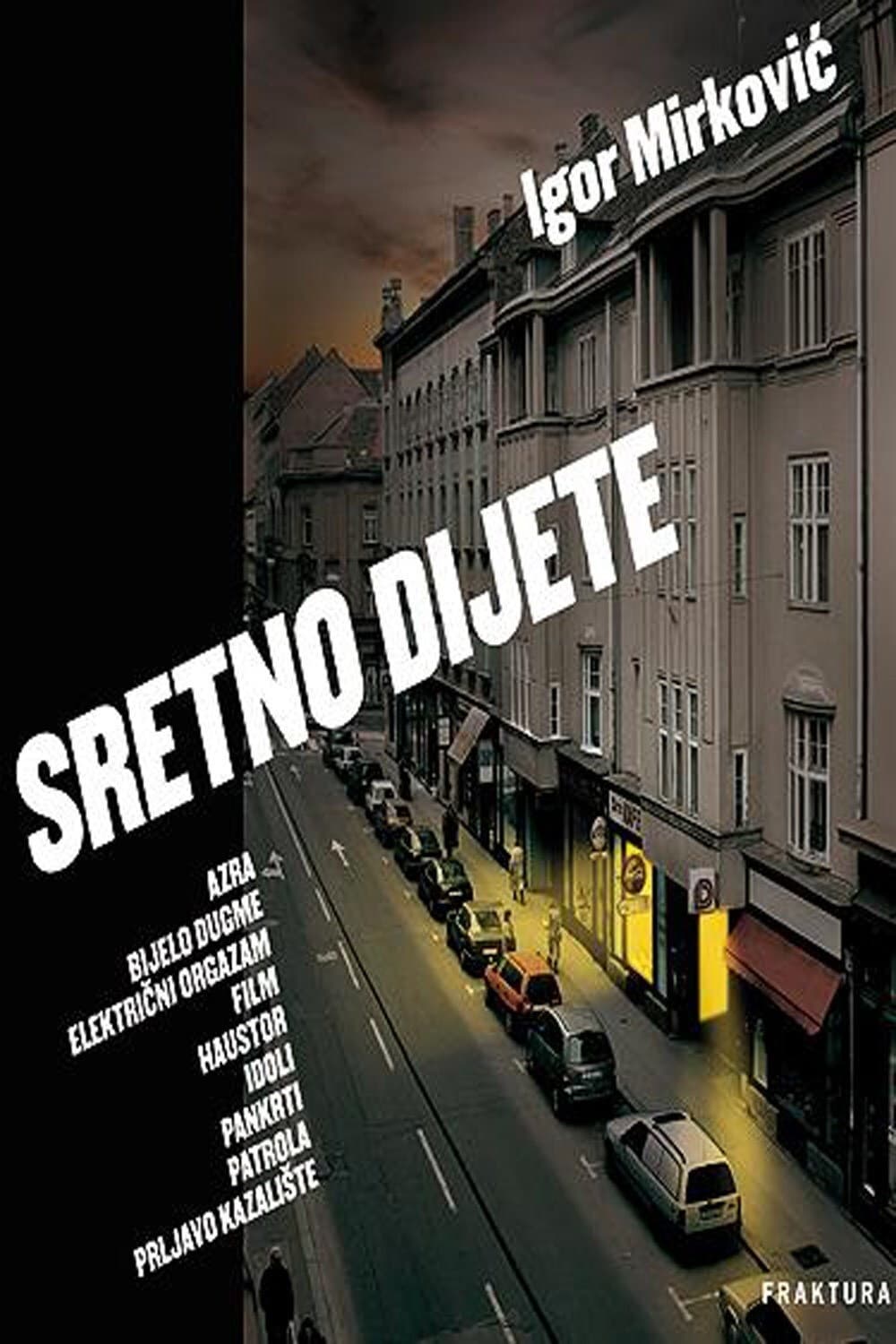
The Happy Child is a story of "New Wave" rock genre predominant in the ex-Yugoslavia during the socialist 70's and 80's.
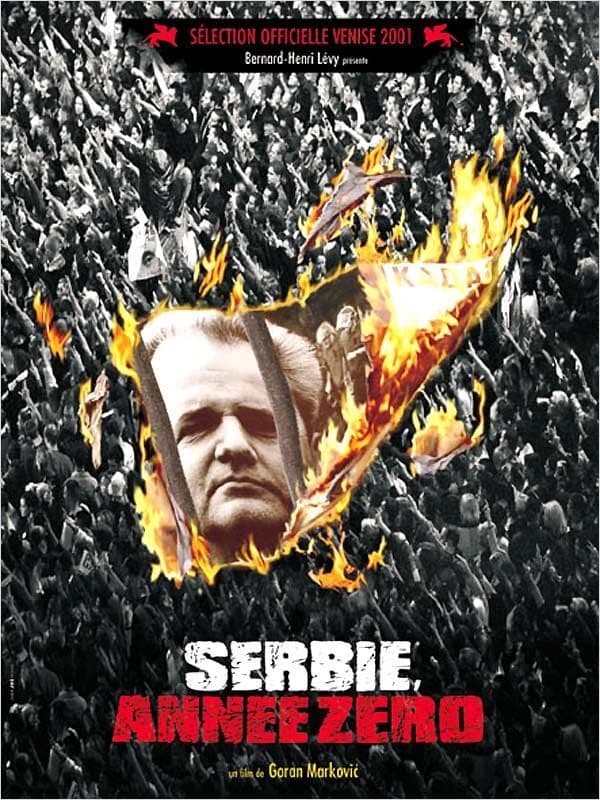
Documentary that follows events after the fall of Slobodan Milosevic, while looking back on the previous fifteen years, tracing his rise to power. Personal testimony alternates with analysis of a disintegrating society.
Film inspired by the beauty of medieval tombstones, stećaks, scattered around the mountains of Bosnia-Herzegovina and Mak Dizdar’s poem about them. Film explores the distant past immortalized in inscriptions on these ancient tombstones.
While new, monster housings are being erected, people grow a small farm in their vicinity. Soon the bulldozers come and ransack it.
Godina was ordered to make a short film glorifying the army, but instead made a film about making love, not war. The censors hacked it up, but he managed to save one complete copy.
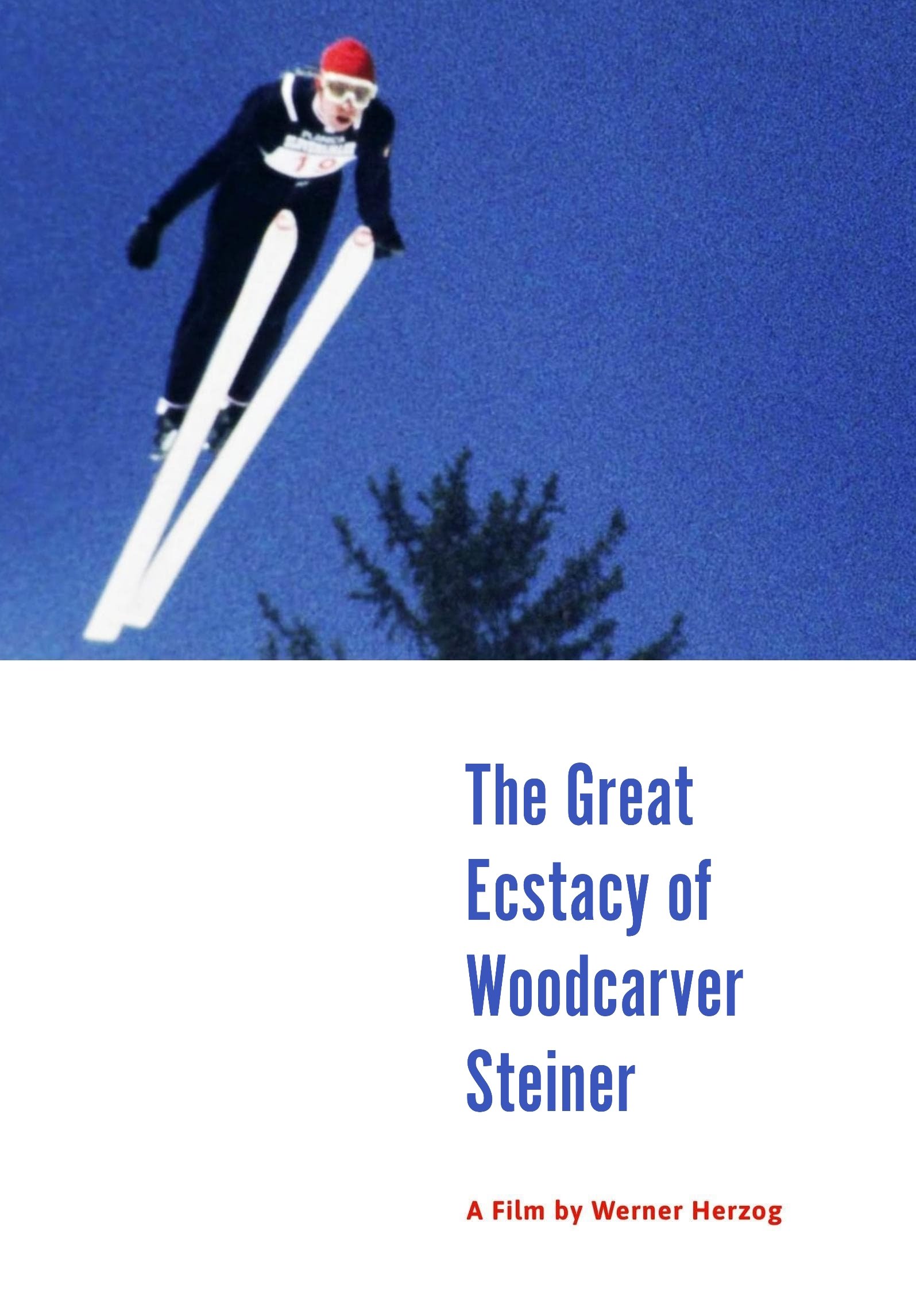
A study of the psychology of a champion ski-flyer, whose full-time occupation is carpentry.
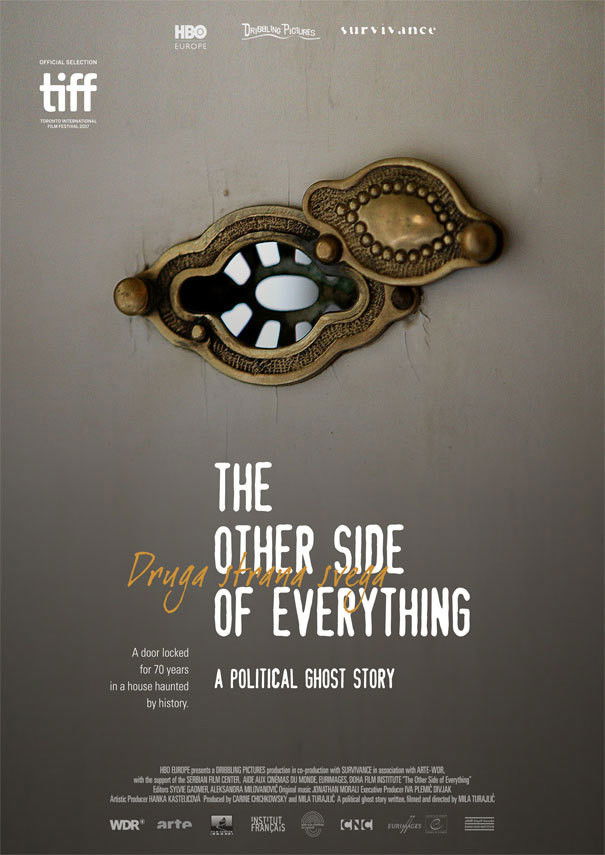
For Serbian filmmaker Mila Turajlic, a locked door in her mother's apartment in Belgrade provides the gateway to both her remarkable family history and her country's tumultuous political inheritance.
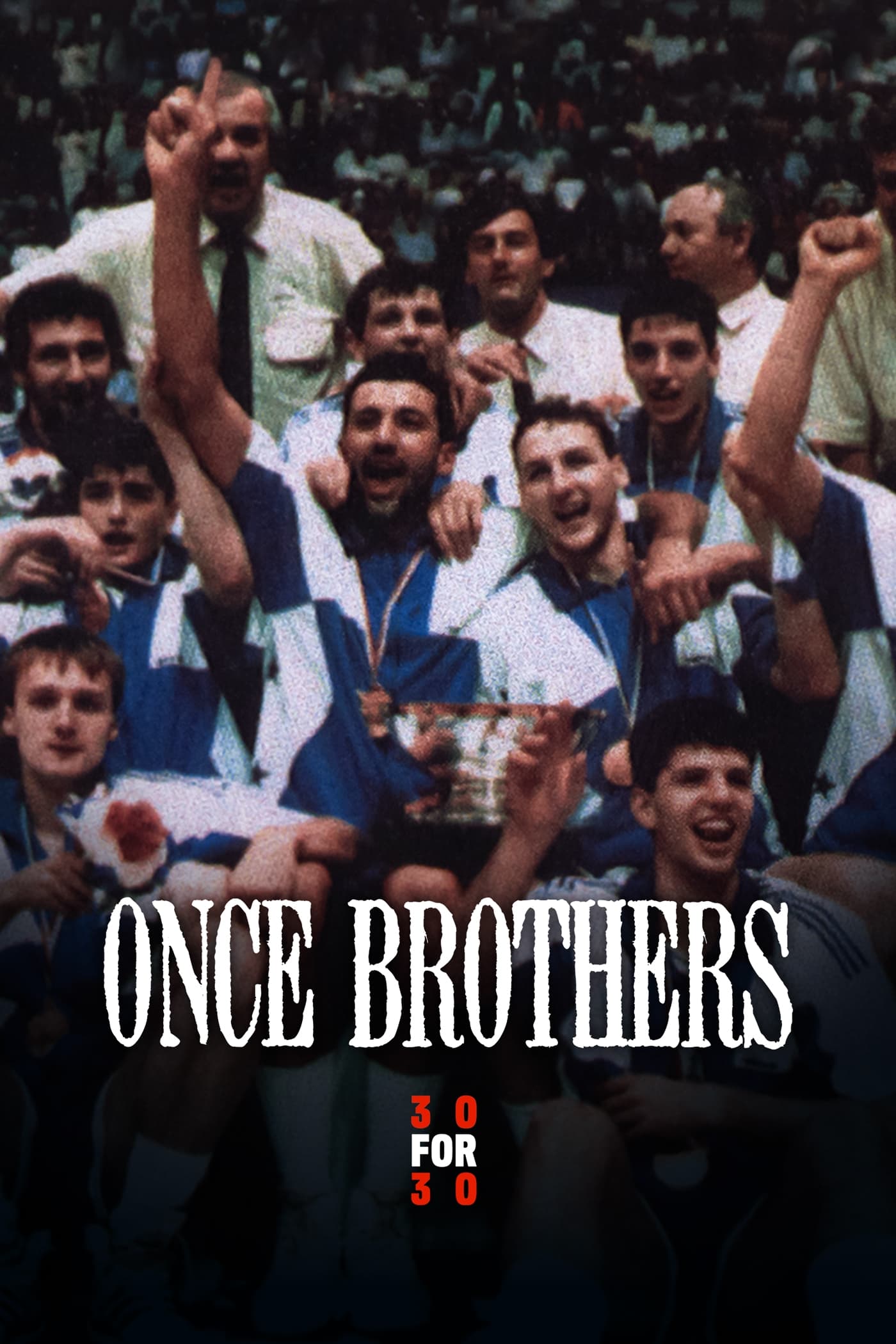
Drazen Petrovic and Vlade Divac were two friends who grew up together sharing the common bond of basketball. Together, they lifted the Yugoslavian National team to unimaginable heights. After conquering Europe, they both went to USA where they became the first two foreign players to attain NBA stardom. But with the fall of the Soviet Union on Christmas Day 1991, Yugoslavia split up. A war broke out between Petrovic's Croatia and Divac's Serbia. Long buried ethnic tensions surfaced. And these two men, once brothers, were now on opposite sides of a deadly civil war. As Petrovic and Divac continued to face each other on the basketball courts of the NBA, no words passed between the two. Then, on the fateful night of June 7, 1993, Drazen Petrovic was killed in an auto accident. This film will tell the gripping tale of these men, how circumstances beyond their control tore them apart, and whether Divac has ever come to terms with the death of a friend before they had a chance to reconcile.
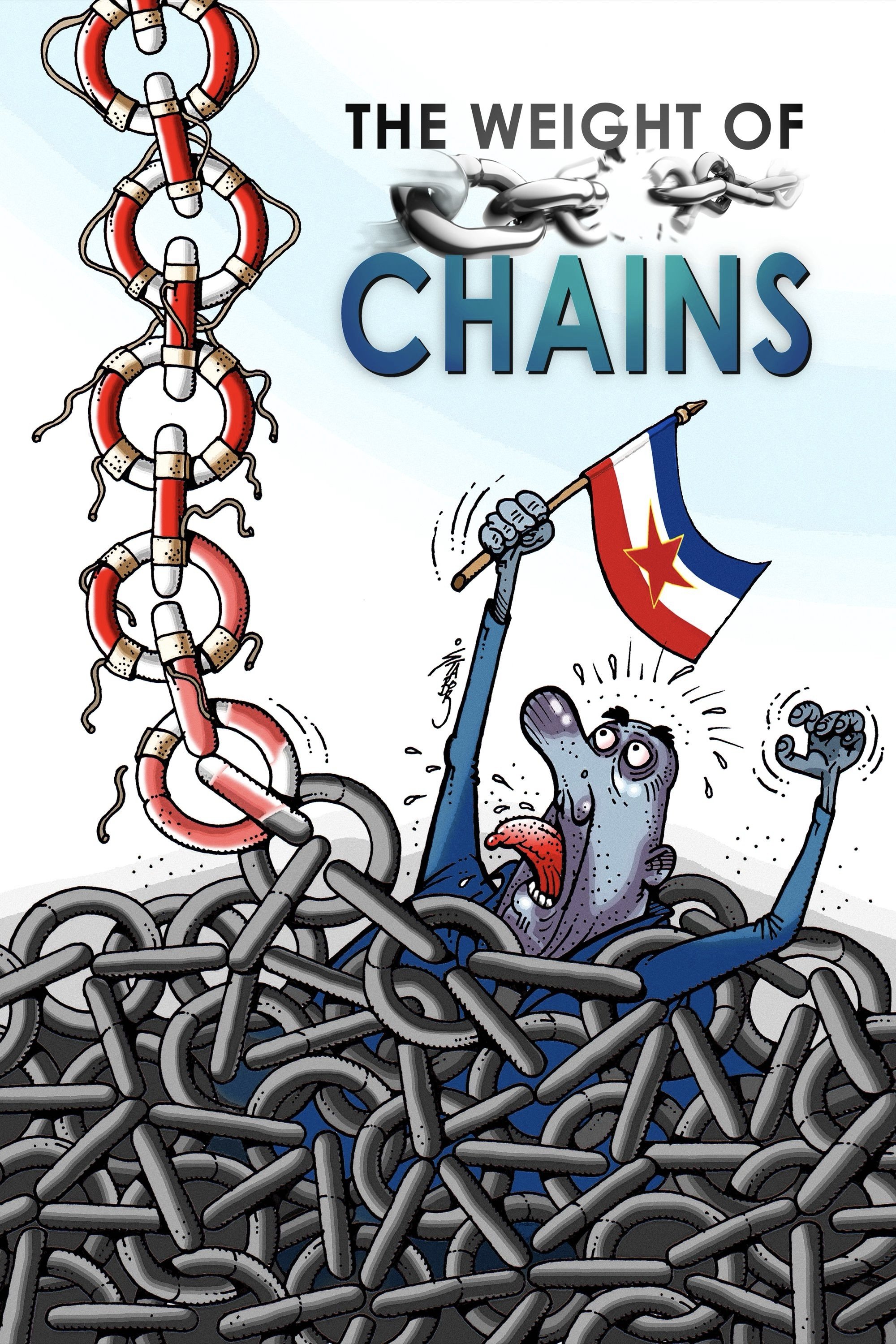
The Weight of Chains is a Canadian documentary film that takes a critical look at the role that the US, NATO and the EU played in the tragic breakup of a once peaceful and prosperous European state - Yugoslavia. The film, bursting with rare stock footage never before seen by Western audiences, is a creative first-hand look at why the West intervened in the Yugoslav conflict, with an impressive roster of interviews with academics, diplomats, media personalities and ordinary citizens of the former Yugoslav republics. This film also presents positive stories from the Yugoslav wars - people helping each other regardless of their ethnic background, stories of bravery and self-sacrifice.
Zdravko Čolić is the biggest pop star in Yugoslavia. We follow him during his "Traveling Earthquake Tour", lerning who is the man behind the microphone, dancers, glittery suits... and in front of the audience.
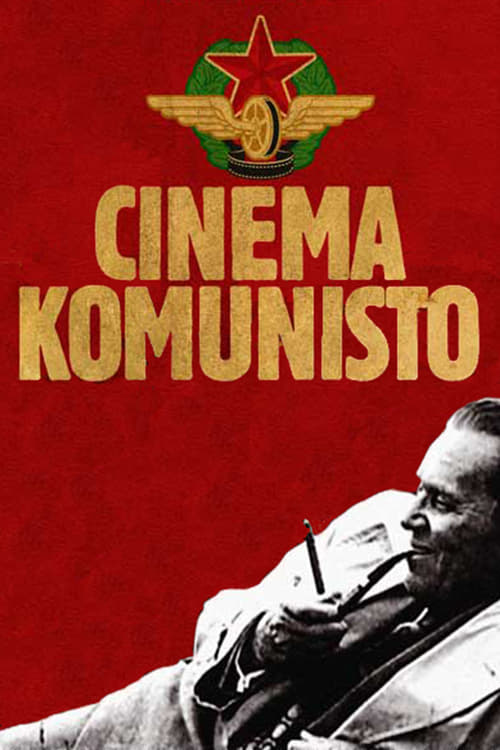
This eye-opening and bittersweet chronicle of the Yugoslavian film industry recounts how the cinema was used—often with direct intervention from President Josip Broz Tito—to create and recreate the young nation’s history, replete with heroes and myths that didn’t always hew closely to reality.
Filmed in Belgrade in 1962, Parade documents the city’s engagement with the annual May Day celebration by largely ignoring the formal procession. Instead, Dušan Makavejev records the informal moments surrounding it: workers, officials, wanderers, and organizers negotiating space, hierarchy, and appearance. Shot with a detached, humorous eye, the film assembles a mosaic of everyday behavior that reveals the contrast between official ceremony and lived social reality.
This first-person documentary provides an inside look into the terrifying and bloody events that shook Central Europe in the 1990s, as the filmmaker takes a trip along the road that once united the disparate states of Yugoslavia, from Slovenia to Macedonia. A film about memory, hatred, love and hope.
Through the conversation with Yugoslav film authors and excerpts from their films, this documentary film tells a story of a film phenomenon and censorship, and its focus is, in fact, a painful epoch of Yugoslav film called “a Black Wave”, which was the most important and artistically strongest period of Yugoslav film industry, created in the sixties and buried in the early seventies by means of ideological and political decisions. The film tells a great “thriller” story of the ideological madness which characterised the totalitarian psychology having left multiple consequences felt up to our very days. It stresses similarities between totalitarian regimes defending their taboos on the example of the persecution of the most important Yugoslav film authors. Those film authors have, however, made world careers and inspired many later authors. The film is the beginning of a debt pay-off to the most significant Yugoslav film authors.
This documentary was inspired by the artistic life of Serbian actress Sonja Savić. Being a wonder child, a star of Yugoslavian cinematography, a sex symbol, and urban legend of the eighties generation, a fighter against establishment, Sonja Savić had always attracted attention. Simply put, she always looked, spoke and thought differently from others, she was entirely autonomous, an authentic phenomenon of Serbian culture. In the documentary SONJA, friends and colleagues of Sonja Savić testify on many aspects of her life and work, and a special emphasis is put on Sonja’s libertarian, rebellious, Don Quixote type of nature.
They were called ‘the golden generation’, the young Yugoslavian soccer players who won the Junior World Soccer Championships in 1987 in Chile. They became world-famous and today play in Rome, Milan and Madrid. But the country they represented in Chile no longer exists. Director Vuk Janic talks with soccer heroes like Zvonimir Boban and Sinisa Mihajlovic and visits the neighbourhoods they grew up in. Via the soccer, he tells the story of the disintegration of his country. The supporter riots in 1990 during the match between Red Star Belgrade and Dinamo Zagreb heralded the imminent war. Shortly after, the team fell apart. Seven years later, as national players of Croatia and little Yugoslavia, they compete in two charged qualification matches for the 2000 European Championships. Soccer is not war, but the war is never far away. The first match in Belgrade has to be cancelled due to NATO bombings, and the two national hymns are drowned in deafening whistles from the audience.
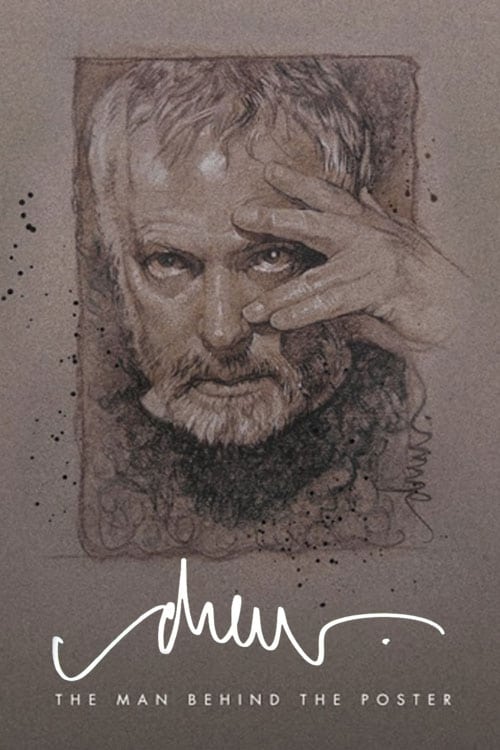
A documentary on legendary movie-poster artist Drew Struzan.
A visual montage portrait of our contemporary world dominated by globalized technology and violence.
A documentary that explores the downloading revolution; the kids that created it, the bands and the businesses that were affected by it, and its impact on the world at large.
A documentary about the making of David Fincher's 2008 film THE CURIOUS CASE OF BENJAMIN BUTTON. Virtually every element in the evolution of the Fincher's film is documented here, from the project's attachment to numerous other directors during the 1990s, to its shoot in 2006 and 2007 in New Orleans, to its complex, CGI-intensive postproduction process.
A detailing of the rise to prominence and global sporting superstardom of six supremely talented young Manchester United football players (David Beckham, Nicky Butt, Ryan Giggs, Paul Scholes, Phil and Gary Neville). The film covers the period 1992-1999, culminating in Manchester United's European Cup triumph.
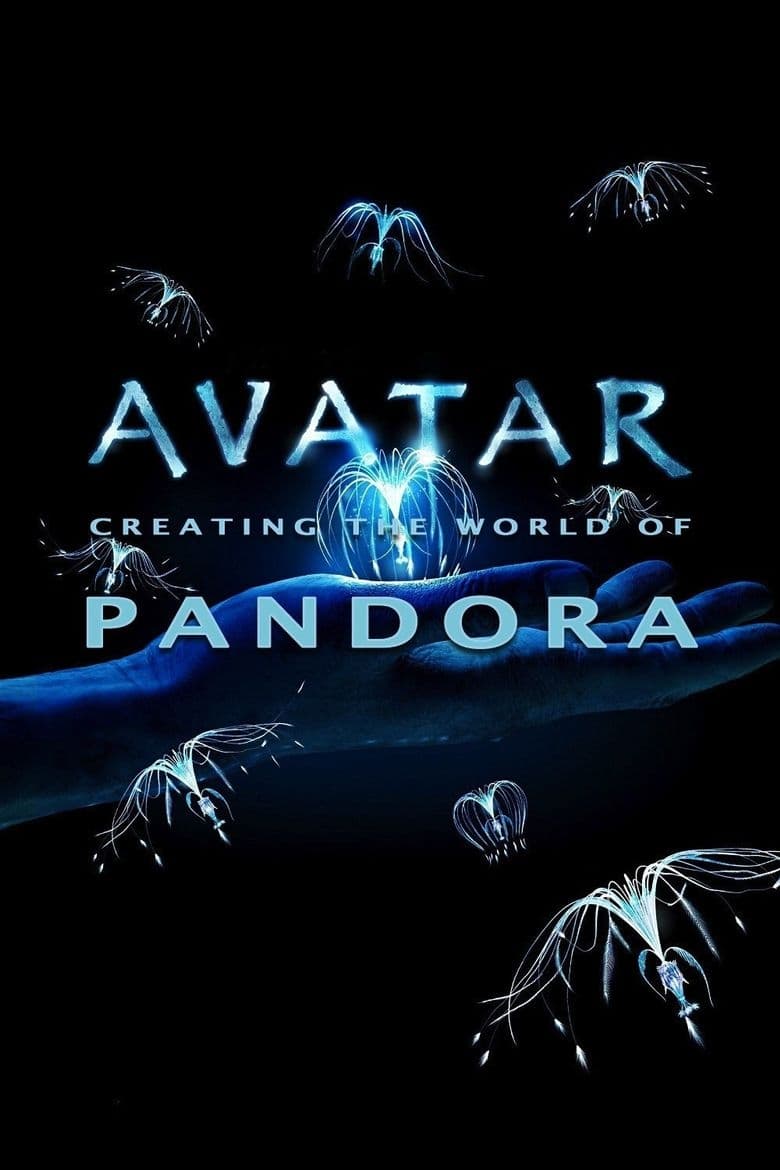
The Making-of James Cameron's Avatar. It shows interesting parts of the work on the set.
A documentary on the expletive's origin, why it offends some people so deeply, and what can be gained from its use.
Daniel Craig candidly reflects on his 15 year adventure as James Bond. Including never-before-seen archival footage from Casino Royale to the upcoming 25th film No Time To Die, Craig shares his personal memories in conversation with 007 producers, Michael G Wilson and Barbara Broccoli.
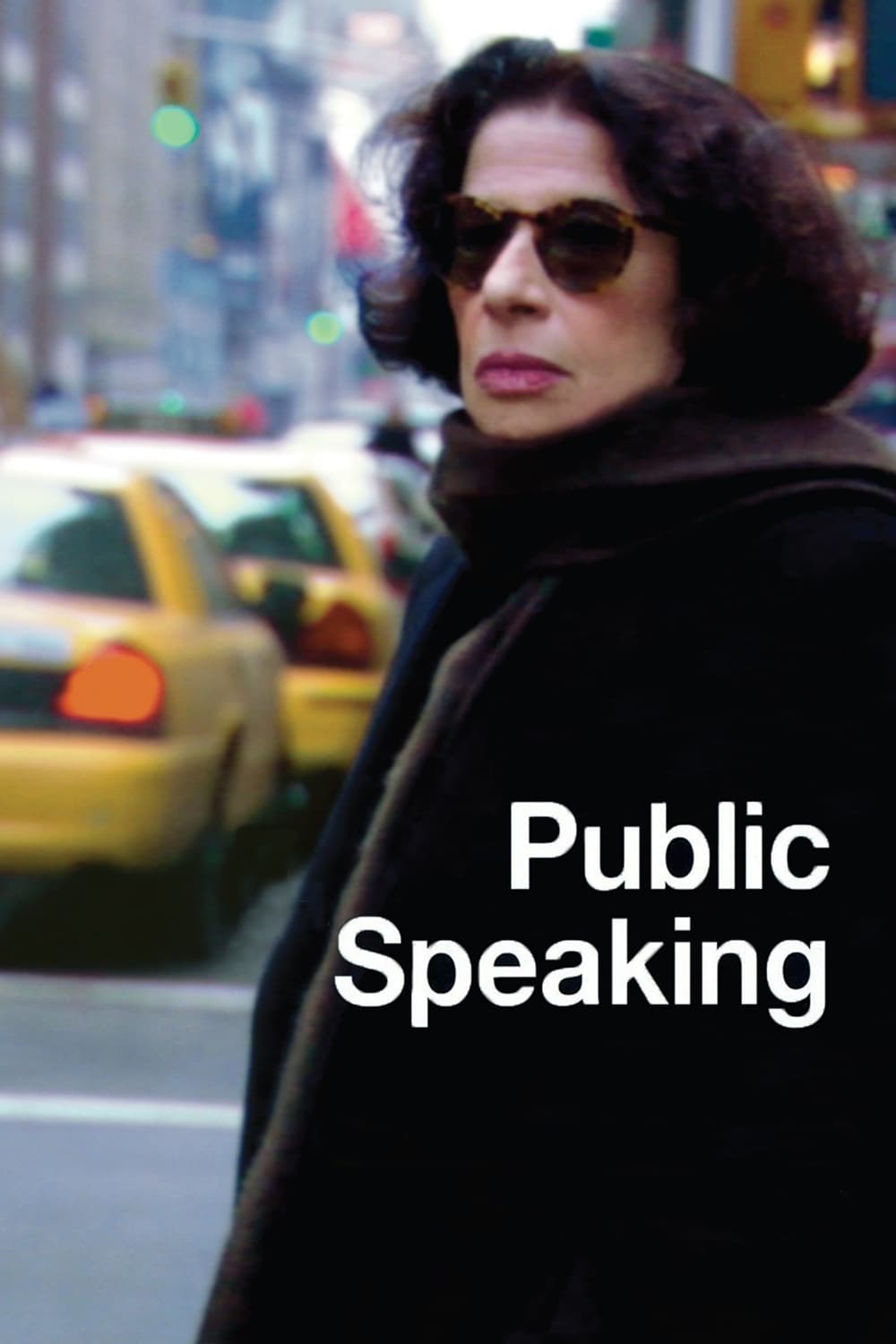
Martin Scorsese’s portrait of writer and social commentator Fran Lebowitz, celebrated for her sharp wit and observations on modern life. Filmed at New York’s Waverly Inn and intercut with archival footage and interviews, the documentary captures Lebowitz’s distinctive worldview through her spontaneous monologues and public appearances.
Through deeply personal interviews with her siblings and an examination of the photographs, letters, and belongings left behind, Mariska assembles a new portrait of her mother Jayne Mansfield, an extraordinary and complex woman.
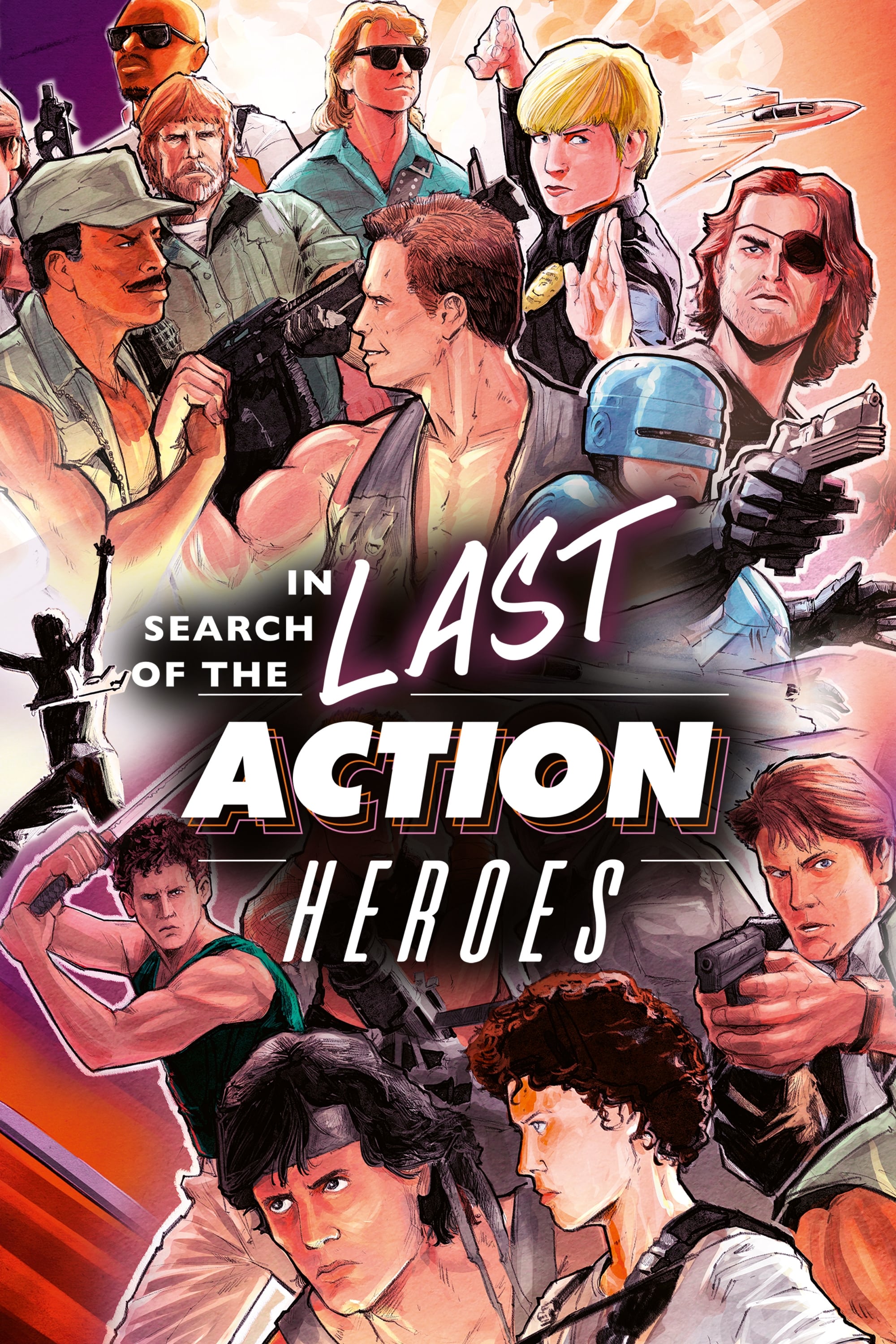
The most comprehensive retrospective of the '80s action film genre ever made.
A look at the origins, history and conspiracies behind the "Majestic 12", a clandestine group of military and corporate figureheads charged with reverse-engineering extraterrestrial technology.
A documentary about the life and films of director John Ford.
SEDUCED AND ABANDONED combines acting legend Alec Baldwin with director James Toback as they lead us on a troublesome and often hilarious journey of raising financing for their next feature film. Moving from director to financier to star actor, the two players provide us with a unique look behind the curtain at the world's biggest and most glamourous film festival, shining a light on the bitter-sweet relationship filmmakers have with Cannes and the film business. Featuring insights from directors Martin Scorsese, 'Bernando Bertolucci' and Roman Polanski; actors Ryan Gosling and Jessica Chastain and a host of film distribution luminaries.
A candid look at rehearsal footage in support of a focus on pre-viz.
A documentary about how a dominant cultural and demographic institution both sustains their traditional activities and adapts to the digital revolution.
A compilation of over 30 years of private home movie footage shot by Lithuanian-American avant-garde director Jonas Mekas, assembled by Mekas "purely by chance", without concern for chronological order.
Al Pacino's deeply-felt rumination on Shakespeare's significance and relevance to the modern world through interviews and an in-depth analysis of "Richard III."
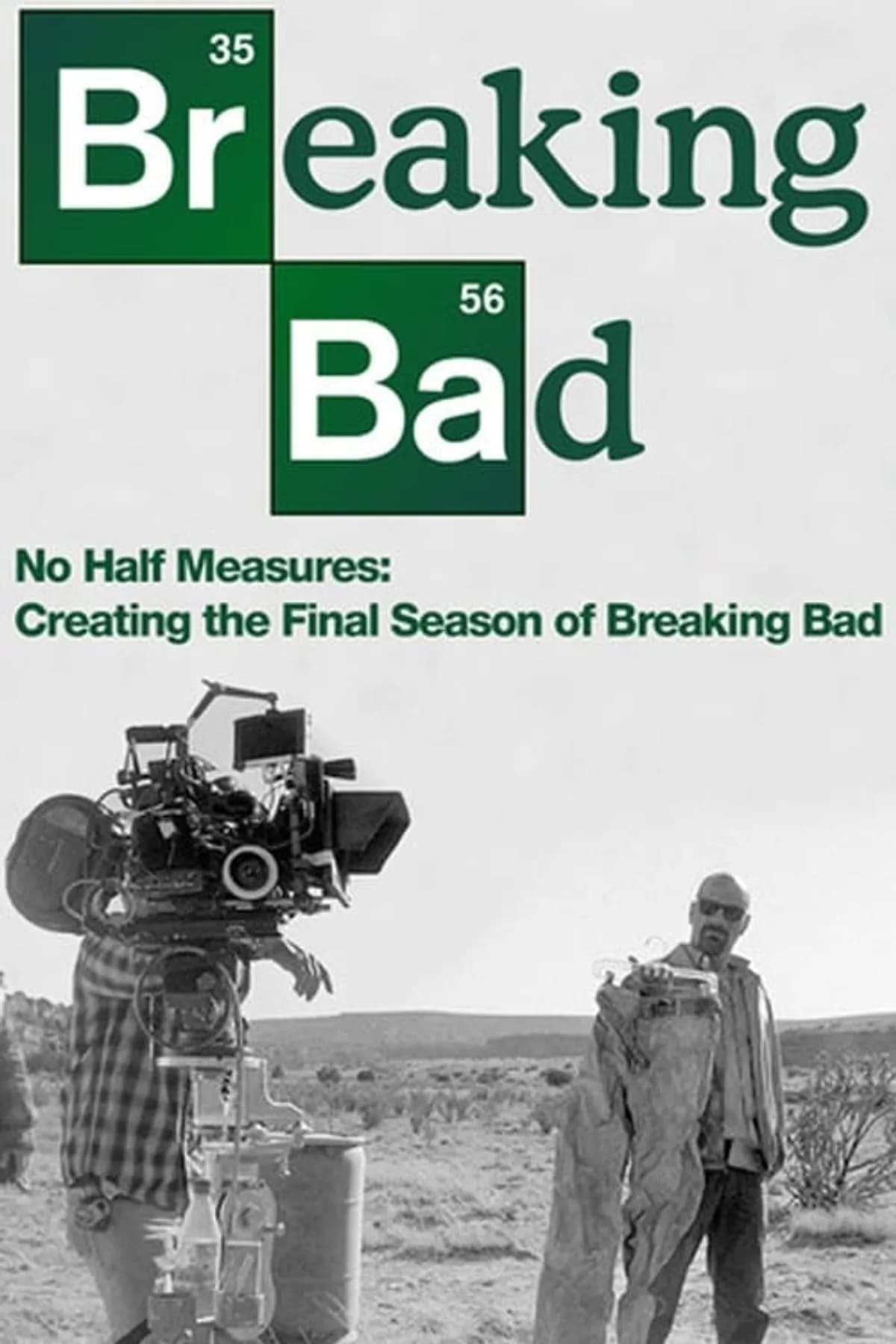
A documentary about the making of season five of the acclaimed AMC series Breaking Bad.
Behind the scenes look at fight choreography and action training.