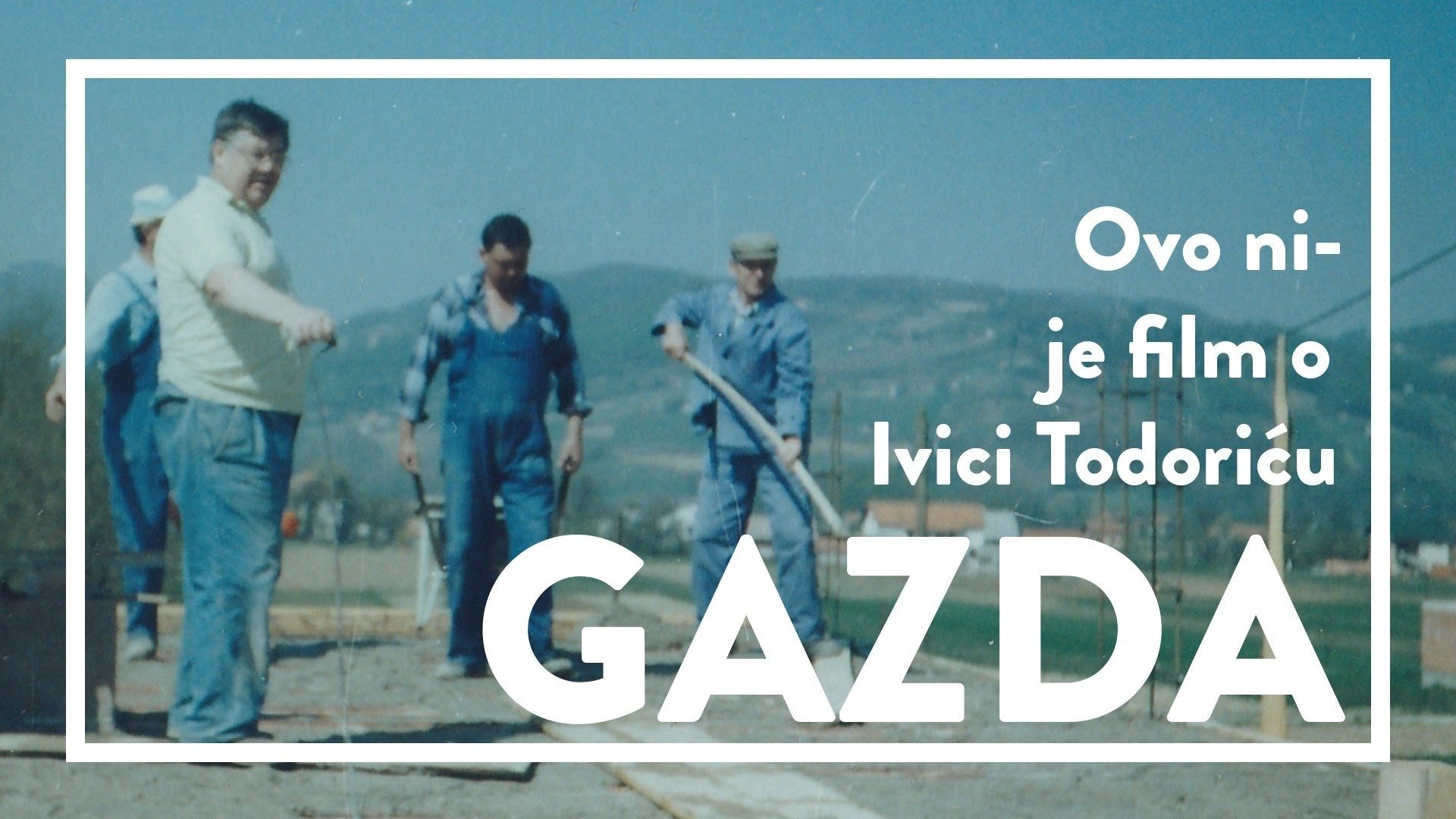
"This is not a film about Ivica Todorić"
"The Boss" is a documentary about transition, privatization and corporations in Croatia, and touches upon the history of the largest Croatian corporation - Agrokor.
Social & External
Himself (archive footage)
Himself
Can you imagine a water market? A market where owners of water stock would buy and sell, while others would profit on its price without needing it? What would life be like if all of the planet’s water resources, superficial or subterranean, the waters of rivers, lakes and glaciers, belonged to the private sector? ‘Life For Sale’ examines the biggest water market in the world, set up in Chile.
Reporter Ben Zand secures never-before-seen access to the world of `looksmaxxing'. Young men go to extremes to improve their appearance, a trend firmly rooted in the dogma of incels.
From both local and global perspectives, this documentary examines the harsh realities behind the mounting water crisis. Learn how politics, pollution and human rights are intertwined in this important issue that affects every being on Earth. With water drying up around the world and the future of human lives at stake, the film urges a call to arms before more of our most precious natural resource evaporates.
The "Occupied Cinema" follows young activists and events surrounding the takeover of "Zvezda", one of 14 extinguished cinemas from the privatized company "Beograd Film".
The Confederation of Haitian Workers (CTH) invited an Industrial Workers of the World (IWW) delegation to Haiti to learn about their fight against "le plan neoliberal" and recruit help in the form of material aid and solidarity. The delegation was in Haiti from April 24 to May 25, 2008, two weeks after the country erupted in mass protest at burgeoning food prices. This video shares the stories and experiences.
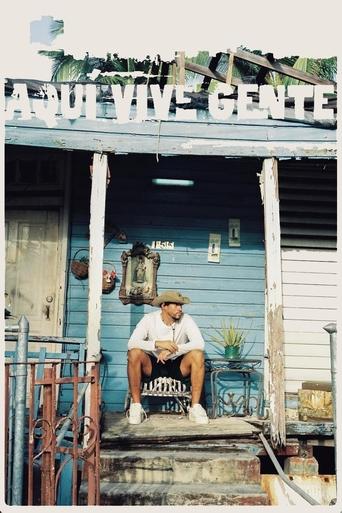
“El apagón: Aquí vive gente” is a 23-minute film that explores the socio-economic challenges in Puerto Rico, focusing on the effects of power outages and gentrification driven by the real estate and energy sectors. Through visuals and personal stories, the documentary highlights the experiences of Puerto Rican communities facing these issues.
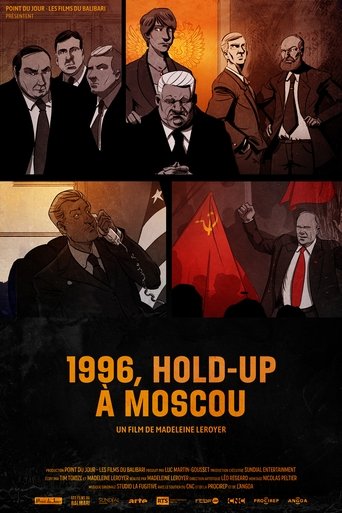
Moscow, January 1996. Boris Yeltsin gets ready to run for a second mandate of the presidency of the young Russian Federation. Polls are in the single digits. A painful economic transition, war in Chechnya, and the rise of criminal groups have left the majority of Russians dissatisfied with Yeltsin… and willing to vote for the communist leader Gennady Zyuganov. Yet six months later, Yeltsin won the election with nearly 54% of the vote. How did that happen?
No Measure of Health profiles Kyle Magee, an anti-advertising activist from Melbourne, Australia, who for the past 10 years has been going out into public spaces and covering over for-profit advertising in various ways. The film is a snapshot of his latest approach, which is to black-out advertising panels in protest of the way the media system, which is funded by advertising, is dominated by for-profit interests that have taken over public spaces and discourse. Kyle’s view is that real democracy requires a democratic media system, not one funded and controlled by the rich. As this film follows Kyle on a regular day of action, he reflects on fatherhood, democracy, what drives the protest, and his struggle with depression, as we learn that “it is no measure of health to be well adjusted to a profoundly sick society.”
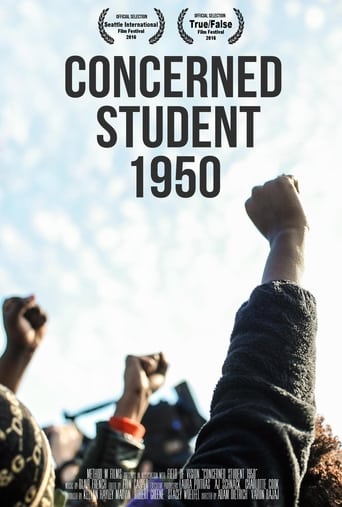
A series of racist acts prompts three Mizzou students to pick up cameras and take us inside the student movement that brought down their college president. From the hunger strike, to victory, to the fear of violent reprisals, we live with the students who started a campus revolt.
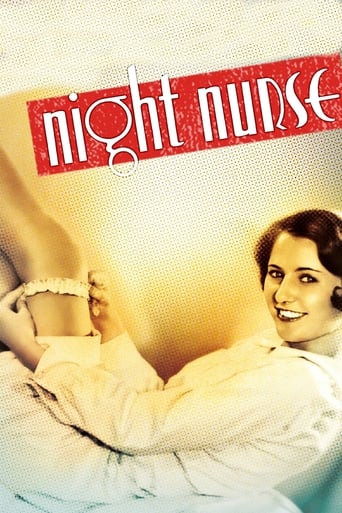
Lora Hart manages to land a job in a hospital as a trainee nurse. Upon completion of her training she goes to work as a night nurse for two small children who seem to be very sick, though something much more sinister is going on.
Jerry rescues a bag of puppies from the river. Most of them run away as soon as Jerry releases them, but one stays behind. Jerry tries to get rid of it, but ultimately takes pity and invites the frisky pup inside, where he has to hide it from Tom, who keeps throwing it out.
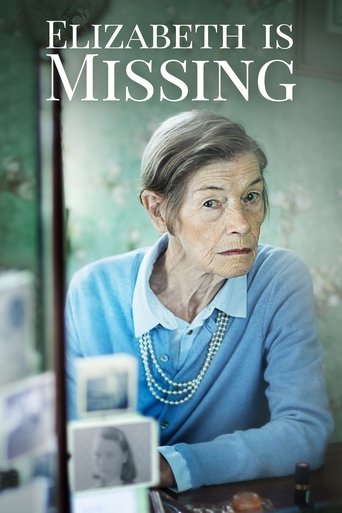
Maud's best friend Elizabeth has disappeared, but as she tries to solve the mystery, dementia threatens to erase all the clues, giving the search a poignant urgency.
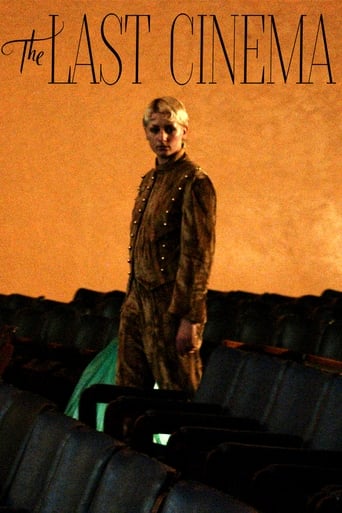
Cinema clerks Silva and Felix work the final night before their beloved cinema is demolished by private investors. An empty final screening allows them to reflect on the meaning of cinema in an age wherein art no longer occupies physical space.
A classic Czech comedy about the privatization of a small South Bohemian brewery. In a series of comical situations, good Czech police officers encounter the mafia, and honest citizens encounter swindlers. This amusing story, which of course includes a romantic subplot, is significantly influenced by fairy-tale creatures that suddenly emerge from the distant past.
In the not-so-distant future, a terrible water shortage and 20-year drought has led to a government ban on private toilets and a proliferation of paid public toilets, owned and operated by a single megalomaniac company: the Urine Good Company. If the poor don’t obey the strict laws prohibiting free urination, they’ll be sent to the dreaded and mysterious “Urinetown.” After too long under the heel of the malevolent Caldwell B. Cladwell, the poor stage a revolt, led by a brave young hero, fighting tooth and nail for the freedom to pee “wherever you like, whenever you like, for as long as you like, and with whomever you like.”
Our story begins in 1979, with a chance meeting in a Salt Lake City parking lot where filmmaker Trent Harris is approached by an earnest small-town dreamer from Beaver, Utah. Harris jumps at the chance when the young man invites him to come to the small town to film a talent show. At the show, the man dons a blond wig and performs in drag as Olivia Newton John. Harris captures it all on tape: A portrait of a true outsider. Harris shot a dramatic piece, "Beaver Kid 2" based on the documentary; This interpretation of the story, made in 1981 on a home video camera with a budget of $100, features a young Sean Penn as "the Beaver Kid". Still possessed, Harris then rewrote the script, cast up-and-comer Crispin Glover in the lead, and created the final segment, "The Orkly Kid", with funding from the American Film Institute. The trilogy unveils the inner world of a fantastic character in three incarnations.
Explores the revolutionary world of Fractal Geometry - its far-reaching and often unexpected implications - its powerful and revolutionary applications.
In 39 interviews with actors and actresses, writers, producers and staff members, interspersed with film excerpts and stills, Shindō recounts the life and career of his friend and mentor Mizoguchi.
Alex Trebek hosts a documentary about television game shows featuring interviews with a number of game show hosts and producers.
As 2015 marks a half a century since the Moors murderer was sentenced to life imprisonment, this documentary examines Ian Brady's 50 years in jail. Among the contributors are prison officers, detectives, relatives of victims, pen pals and inmates who served time with him. They reveal how Brady has shown a psychopathic lack of connection with his crimes. Arrested and charged in 1965, he’s never been considered for parole, nor has he asked to be freed.
A compilation of over 30 years of private home movie footage shot by Lithuanian-American avant-garde director Jonas Mekas, assembled by Mekas "purely by chance", without concern for chronological order.
Al Pacino's deeply-felt rumination on Shakespeare's significance and relevance to the modern world through interviews and an in-depth analysis of "Richard III."
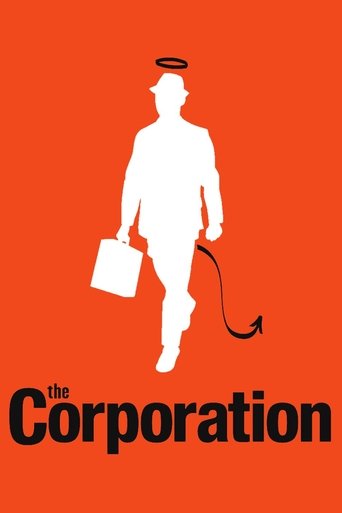
Since the late 18th century American legal decision that the business corporation organizational model is legally a person, it has become a dominant economic, political and social force around the globe. This film takes an in-depth psychological examination of the organization model through various case studies. What the study illustrates is that in the its behaviour, this type of "person" typically acts like a dangerously destructive psychopath without conscience. Furthermore, we see the profound threat this psychopath has for our world and our future, but also how the people with courage, intelligence and determination can do to stop it.
An inside look at one of the most anticipated movie sequels ever with James Cameron and cast.
In this documentary, recovering addict and amputee John Wood finds himself in a stranger-than-fiction battle to reclaim his mummified leg from Southern entrepreneur Shannon Whisnant, who found it in a grill he bought at an auction and believes it therefore to be his rightful property.
A visual montage portrait of our contemporary world dominated by globalized technology and violence.
Martin Scorsese’s portrait of writer and social commentator Fran Lebowitz, celebrated for her sharp wit and observations on modern life. Filmed at New York’s Waverly Inn and intercut with archival footage and interviews, the documentary captures Lebowitz’s distinctive worldview through her spontaneous monologues and public appearances.
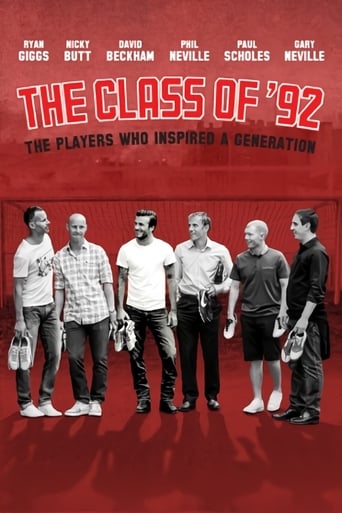
A detailing of the rise to prominence and global sporting superstardom of six supremely talented young Manchester United football players (David Beckham, Nicky Butt, Ryan Giggs, Paul Scholes, Phil and Gary Neville). The film covers the period 1992-1999, culminating in Manchester United's European Cup triumph.
Have you ever read the Terms and Conditions and Privacy Policies connected to every website you visit, phone call you make, or app you use? Of course you haven’t. But those agreements allow corporations to do things with your personal information you could never even imagine. This film explores the intent hidden within these ridiculous agreements, and reveals what corporations and governments are legally taking from you and the outrageous consequences that result from clicking “I accept.”
Go behind the scenes and witness how the "Squid Game"-inspired reality show transformed from a scripted drama to a cutthroat, nail-biting competition.
A subjective documentary that explores various theories about hidden meanings in Stanley Kubrick's classic film The Shining. Five very different points of view are illuminated through voice over, film clips, animation and dramatic reenactments.
JB Smoove and Martin Starr host a celebration of 20 years of "Spider-Man" movies, from the Sam Raimi trilogy to Marc Webb's movies and the trio from Jon Watts.
A documentary that explores the downloading revolution; the kids that created it, the bands and the businesses that were affected by it, and its impact on the world at large.
A documentary about how a dominant cultural and demographic institution both sustains their traditional activities and adapts to the digital revolution.
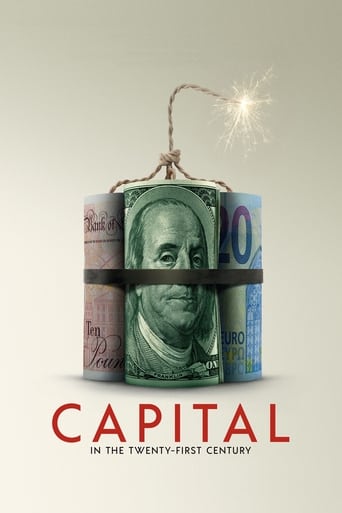
Film adaptation of French economist Thomas Piketty's ground-breaking global bestseller of the same name: an eye-opening journey through wealth and power.
Through deeply personal interviews with her siblings and an examination of the photographs, letters, and belongings left behind, Mariska assembles a new portrait of her mother Jayne Mansfield, an extraordinary and complex woman.
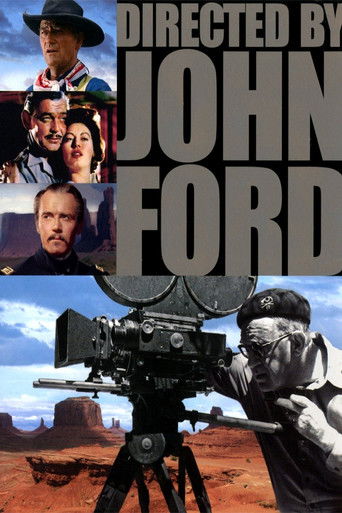
A documentary about the life and films of director John Ford.
Over seven decades, actor and activist George Takei journeyed from a World War II internment camp to the helm of the Starship Enterprise, and then to the daily news feeds of five million Facebook fans. Join George and his husband, Brad, on a wacky and profound trek for life, liberty, and love.
Directed and edited by Stanley Kubrick's daughter Vivian Kubrick, this film offers a look behind the scenes during the making of The Shining.
A documentary on the expletive's origin, why it offends some people so deeply, and what can be gained from its use.