Social & External
In 79 A.D., Mount Vesuvius erupted, killing 2,000 people. This documentary asks what happened next as experts explore Ancient Rome's crisis management.
In Cairo, a German-Egyptian team is searching for traces of the largest temple of the Pharaohs, seeking answers as to why the sanctuary was abandoned more than 2000 years ago.
In northern Peru, the unprecedented archaeological discovery of the largest known mass child sacrifice in the world opens the doors to the kingdom of Chimor. This international archaeological investigation carried out like a criminal investigation reveals the mysteries of the last civilization of the Andes before the arrival of the Incas.
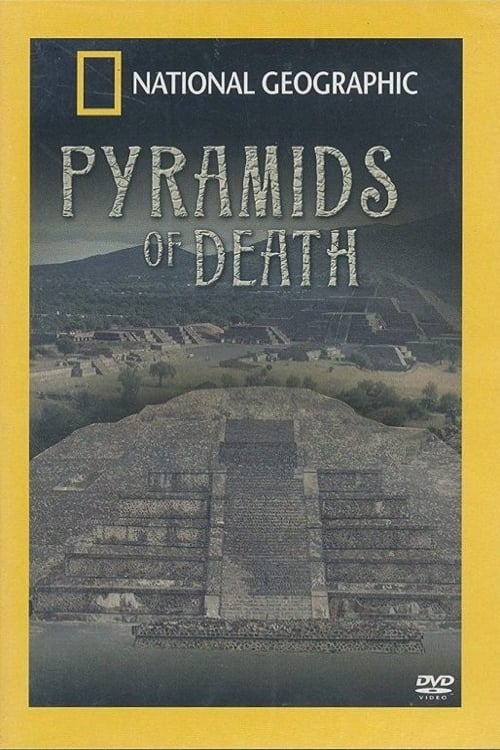
They are some of the biggest pyramids on the planet, millions of tons of stone and earth towering above the landscape in a display of massive wealth and power. But it wasn't the pharaohs that built these pyramids. This is the majestic ancient city of Teotihuacán, Mexico, home to one of the most powerful civilizations of its time. But why, around 750 AD, did the advanced civilization that created Teotihuacán suddenly vanish? The identities of its founders, the language they spoke and even the original name of the city are all unknown. DNA analysis of bodies from Teotihuacán shows they weren't Mayan, Incan or Aztec, but an entirely different civilization. It was assumed to have been a peaceful, utopian society, but the latest discoveries are revealing a much darker scenario. In the depths of Teotihuacán's pyramids, experts have uncovered vault after vault filled with curious human remains.
Built in 1755 at the height of the French and Indian War, Braddock's Road was one of the nation's most infamous military roads. Traces of this historic route, in western Maryland, still remain, buried beneath soil and brush, and a team of archaeologists is on the hunt.
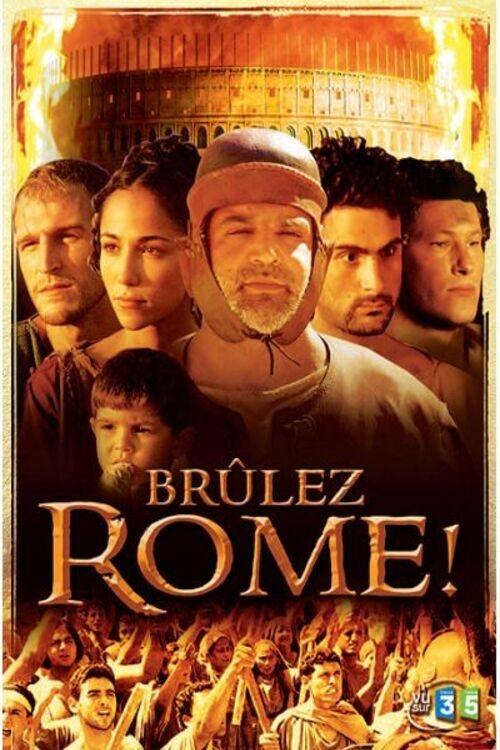
At the time of Nero, the Empire is at the height of its power, but Rome, where a million inhabitants live, is afraid of its enemies, of foreigners, of barbarians. Rome is afraid of the Tyrant and of its own power. And all these fears seem to crystallize in that of fire, more than anything else feared in this megalopolis that so often catches fire. In 64 A.D. the most terrible fire that the city has ever known broke out. It is said that it was set on the orders of Nero, in order to overwhelm the Christians who were accused of it. The watchmen, Celer and Theseus, intervene at the risk of their lives. This fictional documentary tells the story of the adventures of these two "firemen" in Rome during the Empire. An astonishing journey through time, the story of the life of men: customs, family, lifestyle, politics, education, leisure.
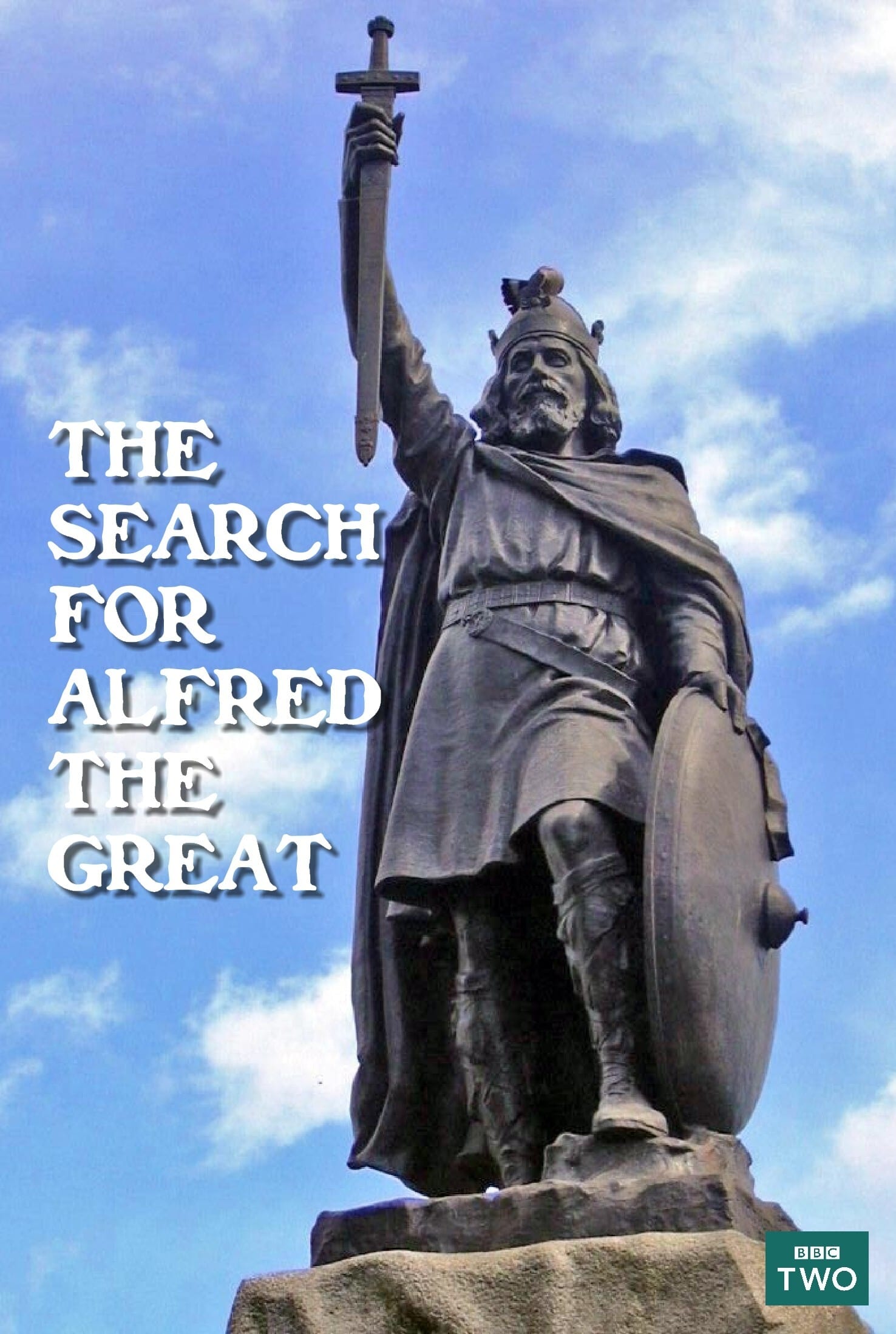
Neil Oliver is given exclusive access to a team of historians and scientists investigating the final resting place of Alfred the Great. Alfred's bones have been moved so many times over the centuries that many...
Hunting men, gathering women — that is the picture of prehistory as many of us know it. The man as a hunter was long regarded as the main breadwinner of the family and is said to have been at the top of society from the very beginning of human history. Wrong, say many researchers today.
The ancient ancestors of today’s Maya people thrived in large sophisticated cities across Central America for centuries. Why, around 750 CE, did they begin to abandon many of their major cities? Archaeologists investigate dramatic new evidence of the catastrophic droughts and instability that pushed cities beyond their limits.
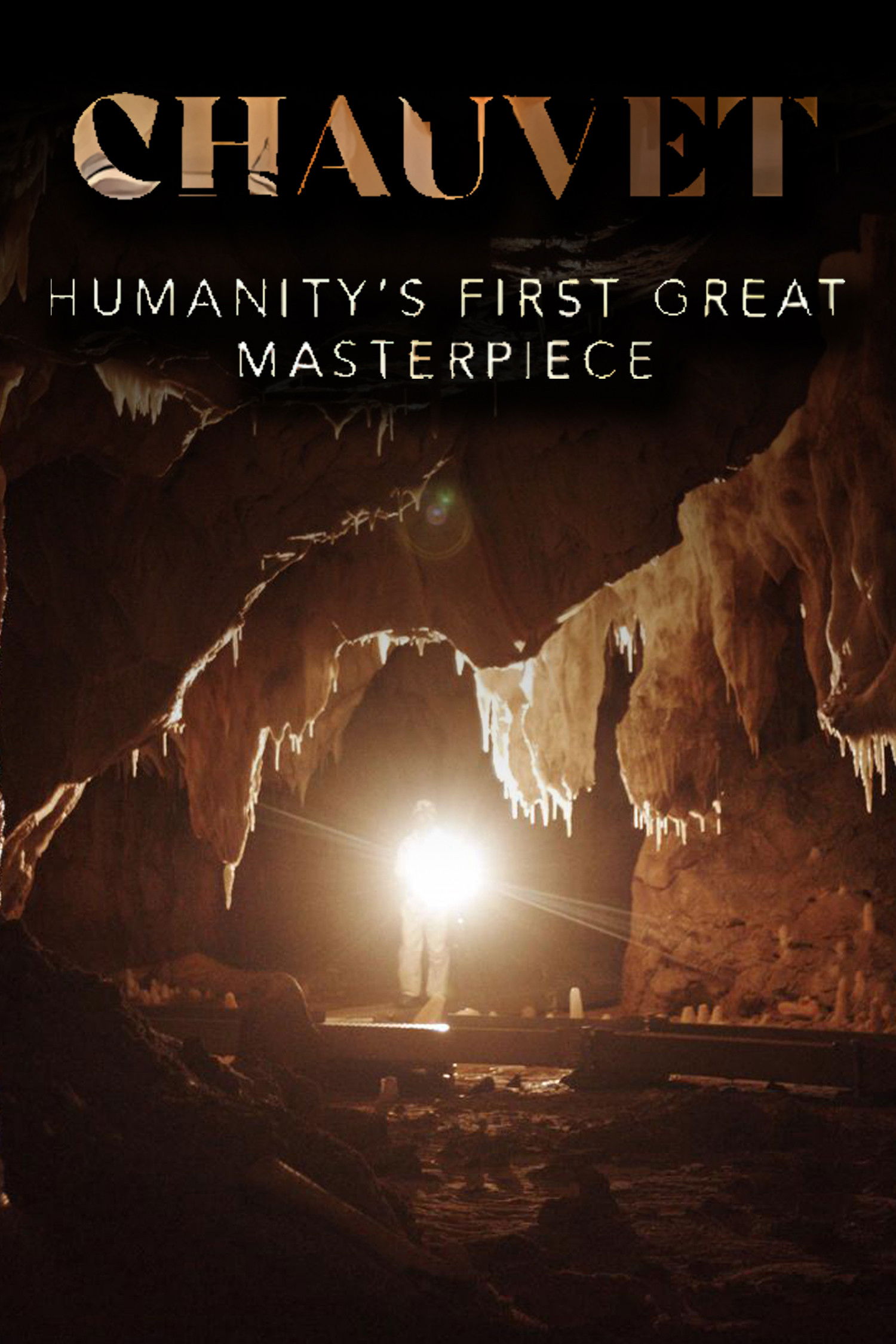
In December 1994, an archaeological marvel hidden deep inside France's Gorges de l'Ardèche was revealed to the modern world for the very first time: the Chauvet cave. Scientists immediately recognised the importance of this discovery. Sealed by a landslide more than 20,000 years ago, the cave had been extraordinarily well preserved. With over 1,000 paintings adorning its walls, Chauvet is a cave art jewel. How were the hidden chambers first formed? Who created the extraordinary art? And how can we preserve it for future generations? Follows a 30-year archaeological, geological and artistic adventure as scientists endeavour to understand and conserve this exceptional record of humanity's distant past.
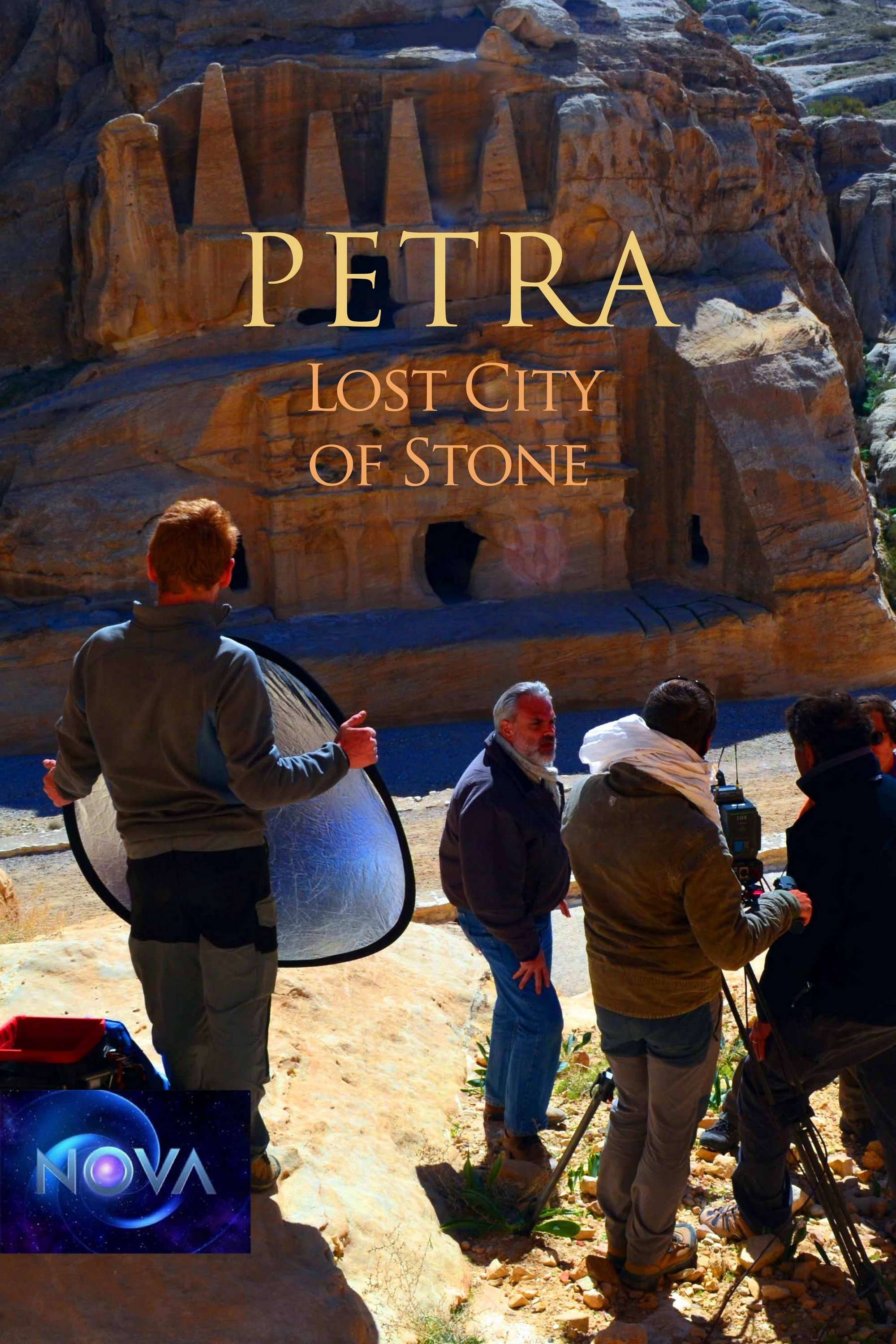
At the dawn of the Christian era, Petra, capital of the rich kingdom of the Nabataeans, bordering the deserts of Arabia, Syria and the Negev, was absorbed by the Roman Empire and, after being sacked by the Bedouins, disappeared from the memory of mankind; but its secrets are gradually being revealed thanks to an enormous excavation work.
a collection of different shots comprised a fictionalized, but highly detailed of the america's west. where civilization meets nature in an illusion of history.
In an intimate and joyful story of love in the face of loss, celebrated poets Andrea Gibson and Megan Falley find strength—and unexpected hilarity—in what might be their final year together.
An inside look at one of the most anticipated movie sequels ever with James Cameron and cast.
Examines the life and career of singer Whitney Houston. Features never-before-seen archival footage, exclusive recordings, rare performances and interviews with the people who knew her best.
Join the likes of Jeremy Renner, Hailee Steinfeld, Florence Pugh, and Vincent D’Onofrio as they reveal how Marvel Studios’ “Hawkeye” was conceived and created. Witness firsthand what it took to pull off the show’s pulse-pounding action set pieces, and discover how iconic characters from the pages of Marvel Comics such as Kate Bishop were adapted and brought to life for the six-episode series.
Over 35 years after Bob Lazar's revelations, this documentary exposes secrets of a facility the government still denies. Featuring Lazar's testimony, recreations, and new evidence, it reopens a case that continues to spark global curiosity
THE SPIRIT MOLECULE weaves an account of Dr. Rick Strassman's groundbreaking DMT research through a multifaceted approach to this intriguing hallucinogen found in the human brain and hundreds of plants, including the sacred Amazonian brew, ayahuasca. Utilizing interviews with a variety of experts to explain their thoughts and experiences with DMT, and ayahuasca, within their respective fields, and discussions with Strassman’s research volunteers, brings to life the awesome effects of this compound, and introduces us to far-reaching theories regarding its role in human consciousness.
This revealing documentary honors the legendary Sidney Poitier—iconic actor, filmmaker, and civil rights activist. Featuring interviews with Denzel Washington, Spike Lee, Halle Berry, and more.
A look at the origins, history and conspiracies behind the "Majestic 12", a clandestine group of military and corporate figureheads charged with reverse-engineering extraterrestrial technology.
Alexander McQueen's rags-to-riches story is a modern-day fairy tale, laced with the gothic. Mirroring the savage beauty, boldness and vivacity of his design, this documentary is an intimate revelation of McQueen's own world, both tortured and inspired, which celebrates a radical and mesmerizing genius of profound influence.
Al Pacino's deeply-felt rumination on Shakespeare's significance and relevance to the modern world through interviews and an in-depth analysis of "Richard III."
Investigators reveal how Boeing’s alleged priority of profit over safety could have contributed to two catastrophic crashes within months of each other.
A string of threatening emails escalates into a revenge plot involving a newly married US marshal and his ex-girlfriend.
In a crime-plagued neighborhood near Miami, brutal, bare-knuckled backyard fights give young men a chance to earn money -- and self-respect.
Rising musician Jeff Buckley had only released one album when he died suddenly in 1997. Now, never-before-seen footage, exclusive voice messages, and accounts from those closest to him offer a portrait of the captivating singer.
Through deeply personal interviews with her siblings and an examination of the photographs, letters, and belongings left behind, Mariska assembles a new portrait of her mother Jayne Mansfield, an extraordinary and complex woman.
Interviews with leading authors, philosophers and scientists, with an in-depth discussion of the Law of Attraction. The audience is shown how they can learn and use 'The Secret' in their everyday lives.
An interview with film director Roman Polanski conducted during his period of house arrest, discussing his life and work.
The life and career of an actor, artist, and icon. His own journey through his own camera.
A documentary about the making of season five of the acclaimed AMC series Breaking Bad.
A look at the "Hell House" performed annually in October by the youth members of Trinity Church (Assemblies of God) in Cedar Hill, Texas (a Dallas suburb) — seen by over 10,000 visitors each year.