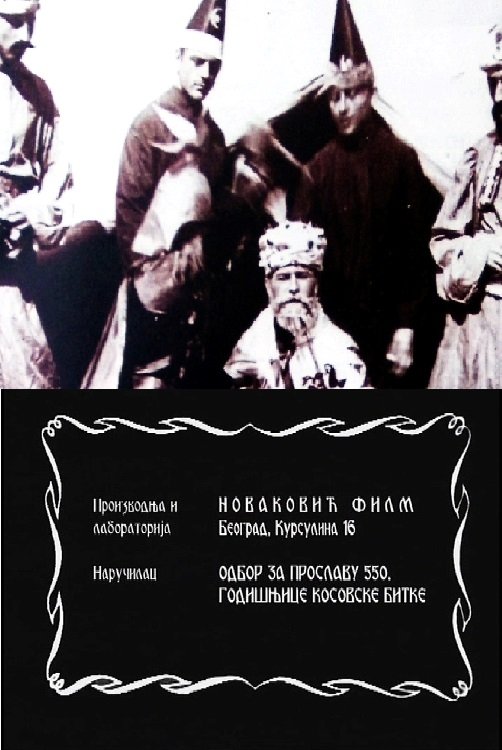
Yugoslavian documentary, about their people and preparing for war.
Social & External
The people behind it
The Unidentified is a feature-length documentary which reveals who were the commanders responsible for some of the most brutal attacks of the Kosovo war. The result of a two-year-long investigation, the documentary names the officers who ordered attacks on villages in the area around the town of Pec during the 1999 war and those who were involved in the removal of victims’ bodies to mass graves at the Batajnica police centre near Belgrade in Serbia. Sixteen years after they committed the crimes, they live peacefully in the Serbian capital, and despite the evidence that exists, they have not been prosecuted.
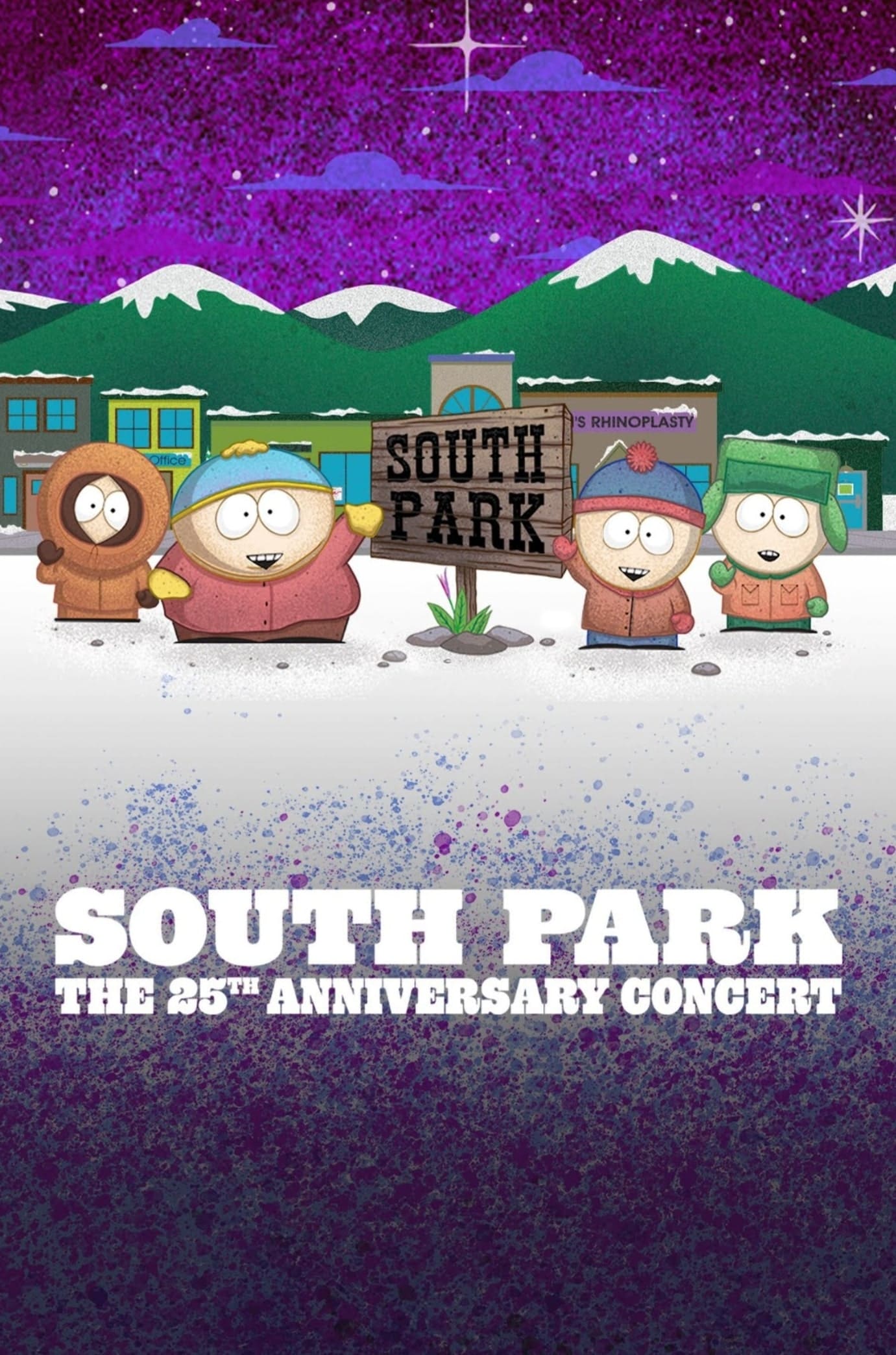
Trey Parker and Matt Stone celebrate South Park's 25th anniversary with a concert in Colorado, featuring Primus and Ween.
"The Actors of Cannes" is a documentary film project that showcases a painful part of Kosovo’s history – the spring 1990 school poising of 8400 students by the Serbian government. The mass poisoning of Albanian Kosovars targeted students, teachers, citizens, even young children in preschools.
Documentary film that deals with the problems of the rock'n'roll scene in Niš, focusing primarily on the period after the collapse of the former SFRJ.
A celebration of NBC's 75 year history, featuring clips of special moments.
After a quarter-century of political denial and social stigma, of stunning scientific breakthroughs, bitter policy battles and inadequate prevention campaigns, HIV/AIDS continues to spread rapidly throughout much of the world. Through interviews with AIDS researchers, world leaders, activists, and patients, FRONTLINE investigates the science, politics, and human cost of this fateful disease and asks: What are the lessons of the past, and what can be done to stop AIDS?
A documentary about vivid punk and alternative rock scene of Subotica, the northernmost Serbian city, through the periods of communism, tyranny of the 1990s regime, and economic transition at the beginning of XXI century. Seen through the eyes of its witnesses, these musicians and creative artists deliberately refused the imposed way of behavior, hence staying "invisible" to everyday people.
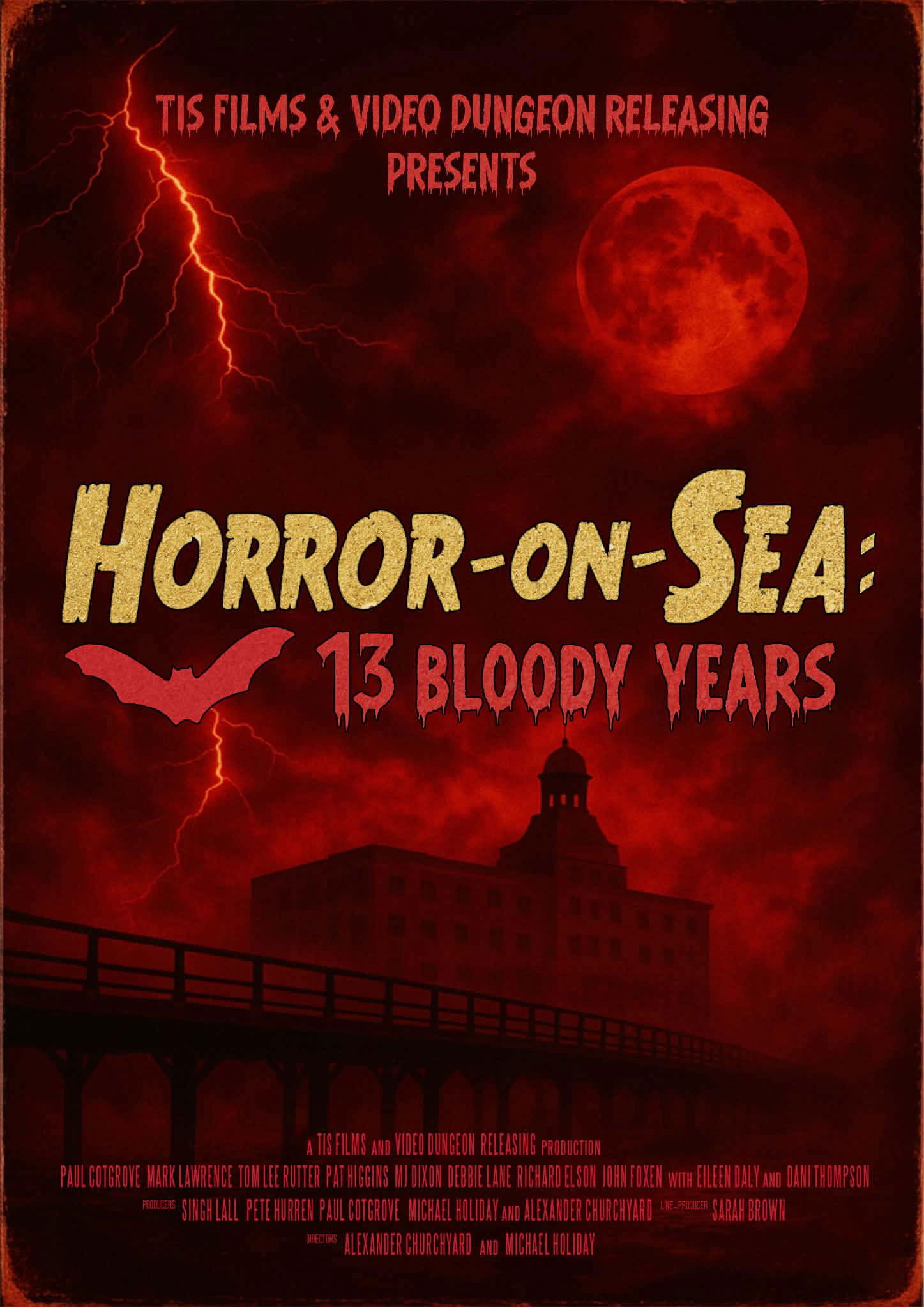
A documentation and celebration of 13 years of the Horror-on-Sea film festival in Southend-on-Sea, Essex, U.K.
A documentary on alternative music scene of Novi Sad (Serbia) that covers the period between 1989 and 2017.
Stolen Kosovo is a Czech language documentary by director Václav Dvořák (b. 1948), about the Serbian–Albanian conflict in Kosovo. The documentary describes the situation, first in a short overview of the history of the area, followed by the 1990s conflicts and bombing of Serbia by NATO forces in 1999 and ending with the situation after the Kosovo War. The documentary focuses on the 1990s in the time of Slobodan Milošević's rule as well as on numerous interviews of Serbian civilians and, less, of Albanian insurgents against the Milošević regime.
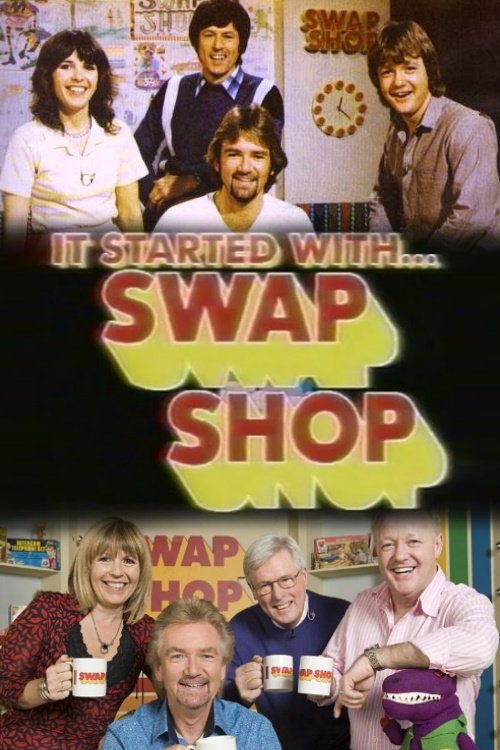
Noel Edmonds, Keith Chegwin, John Craven and Maggie Philbin reunite for a one-off edition of the Saturday morning classic Swap Shop to celebrate its 30th anniversary.
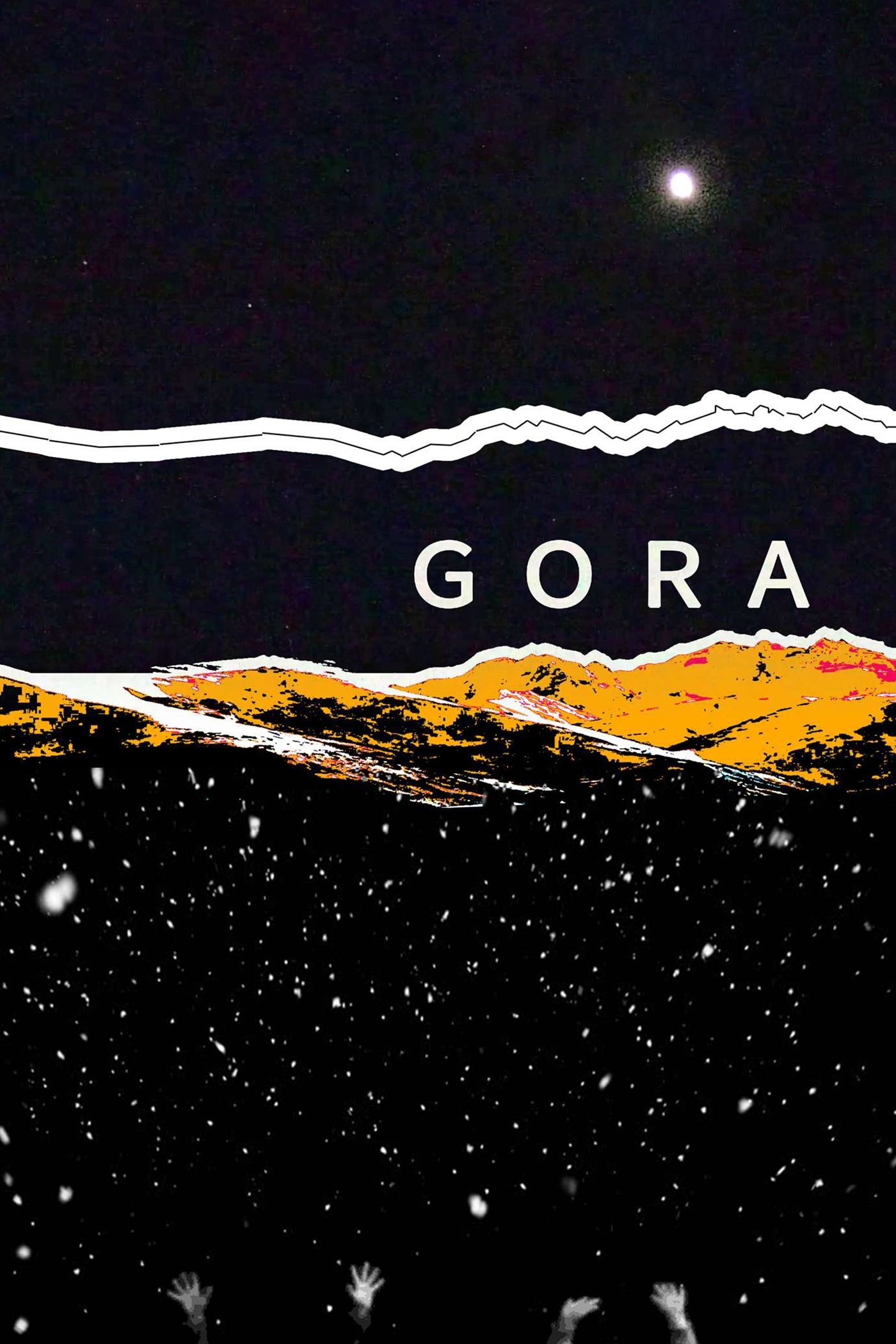
Gorani people live in Gora, in the south of Kosovo. They are Muslims who speak a Slavic language. Throughout the years they were always used for political games of power between the surrounding nations (Serbs, Macedonians, Bulgarians, Albanians, Bosnians...). This is the first film that deals with the way these people are, not who they are or who they belong to. The film observes their everyday life, diverse culture, rich herds of cows, sheep and shepherd dogs. They work, talk, dance, play music, discuss, preach, pray, walk and sing as the mountains above remind them how ephemeral their existence is.
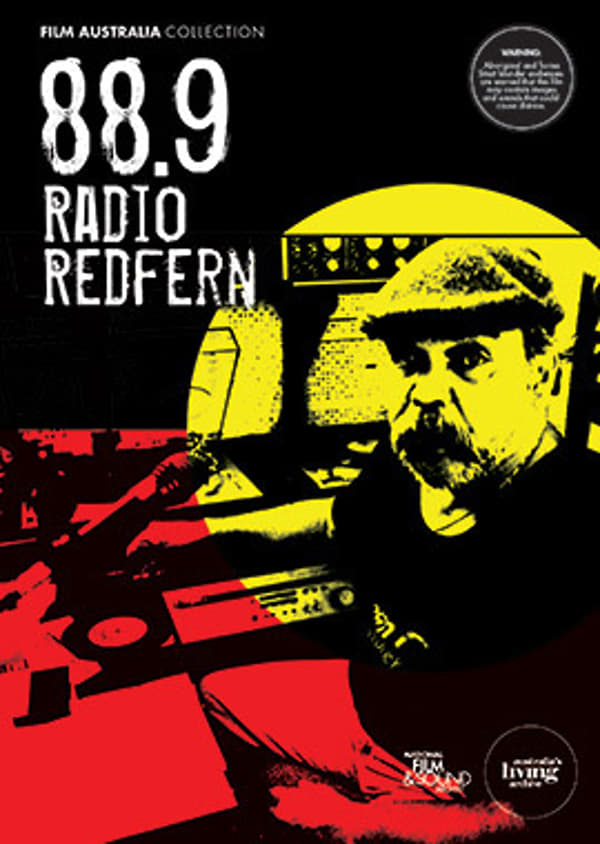
An observational documentary which looks at Sydney’s first community Aboriginal radio station, 88.9 Radio Redfern. Set against a backdrop of contemporary Aboriginal music, 88.9 Radio Redfern offers a special and rare exploration of the people, attitudes and philosophies behind the lead up to a different type of celebration of Australia’s Bicentennial Year. Throughout 1988, 88.9 Radio Redfern became an important focal point for communication and solidarity within the Aboriginal community. The film reveals how urban blacks are adapting social structures such as the mass media to serve their needs.
Short film about the 400th anniversary of Augsburg, Germany
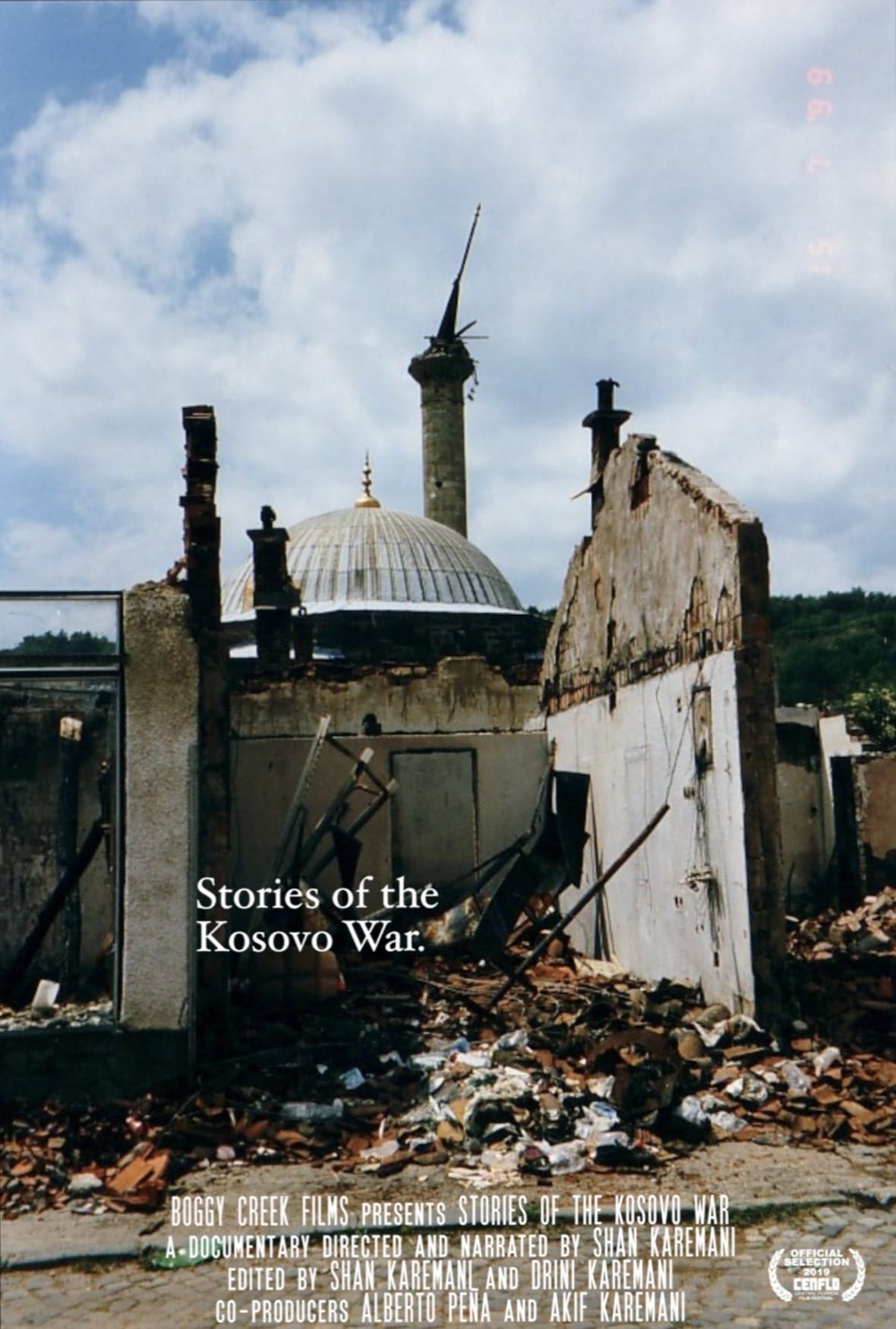
A documentary unraveling the untold stories and brutal experiences of the Kosovo War in the late 1990s.
Commemorating the 100th anniversary of the entertainment company with interviews, rare footage and photos, and never-before-heard stories from those who built the Disney legend; a look inside Disney's newest attraction.
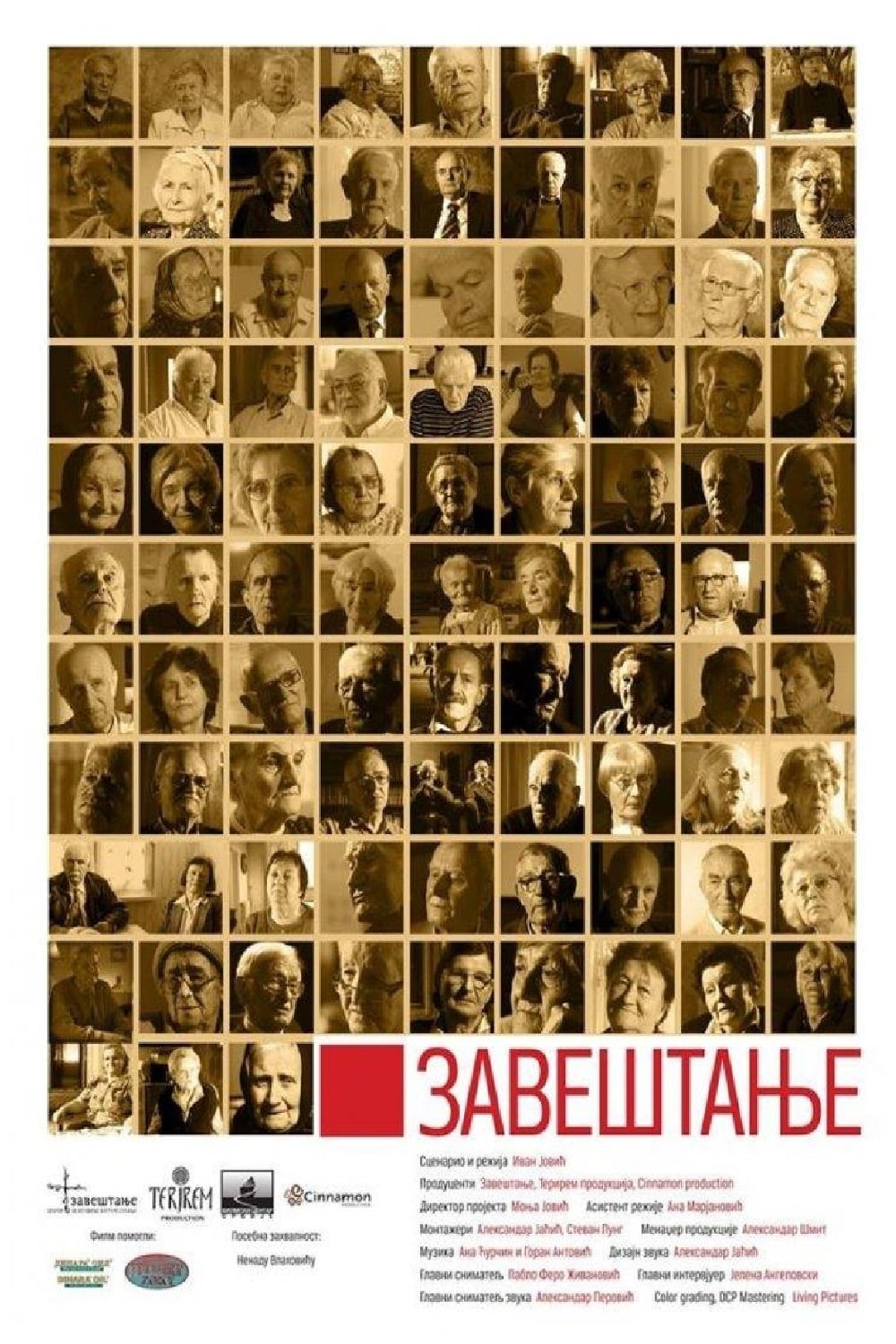
In this film the last living witnesses of the events from Second World War are telling their stories and thus transferring silenced victim’s voices to present times.
Paul Pawlikowski's award-winning documentary on life behind Serbian lines in Bosnia. The film observes the roots of the extreme nationalism which has torn apart a country and provides a chilling examination of the dangerous power of ancient nationalist myths.
A look at the life of chef, restaurateur and cookbook author Lidia Bastianich both on and off the screen as she celebrates 25 years on public television.
In an intimate and joyful story of love in the face of loss, celebrated poets Andrea Gibson and Megan Falley find strength—and unexpected hilarity—in what might be their final year together.
This revealing documentary honors the legendary Sidney Poitier—iconic actor, filmmaker, and civil rights activist. Featuring interviews with Denzel Washington, Spike Lee, Halle Berry, and more.
Prelude to War was the first film of Frank Capra's Why We Fight propaganda film series, commissioned by the Pentagon and George C. Marshall. It was made to convince American troops of the necessity of combating the Axis Powers during World War II. This film examines the differences between democratic and fascist states.
Daniel Craig candidly reflects on his 15 year adventure as James Bond. Including never-before-seen archival footage from Casino Royale to the upcoming 25th film No Time To Die, Craig shares his personal memories in conversation with 007 producers, Michael G Wilson and Barbara Broccoli.
Through deeply personal interviews with her siblings and an examination of the photographs, letters, and belongings left behind, Mariska assembles a new portrait of her mother Jayne Mansfield, an extraordinary and complex woman.
Al Pacino's deeply-felt rumination on Shakespeare's significance and relevance to the modern world through interviews and an in-depth analysis of "Richard III."
A documentary about the life and films of director John Ford.
An inside look at one of the most anticipated movie sequels ever with James Cameron and cast.
Over 35 years after Bob Lazar's revelations, this documentary exposes secrets of a facility the government still denies. Featuring Lazar's testimony, recreations, and new evidence, it reopens a case that continues to spark global curiosity
A documentary on the expletive's origin, why it offends some people so deeply, and what can be gained from its use.
A string of threatening emails escalates into a revenge plot involving a newly married US marshal and his ex-girlfriend.
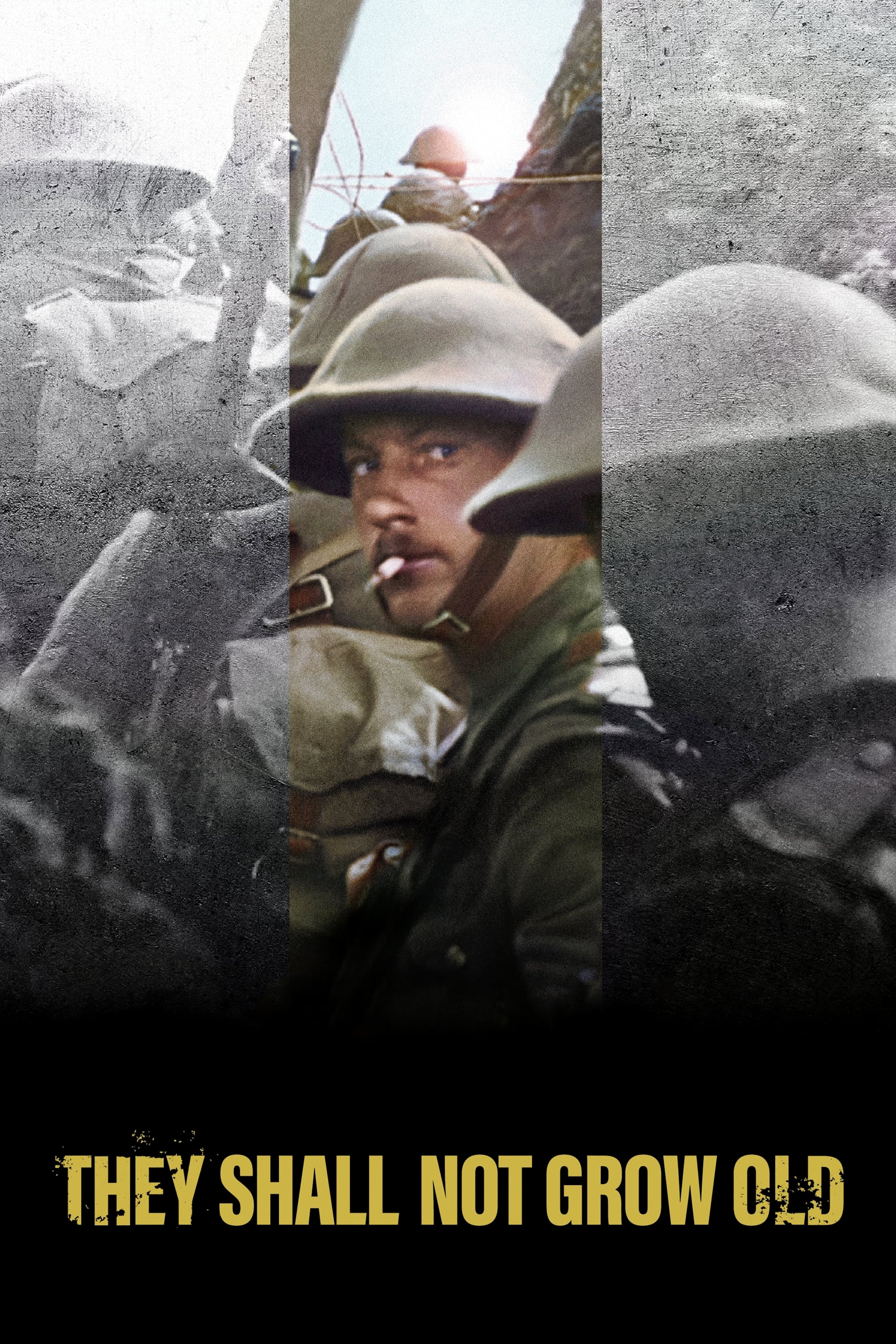
A documentary about World War I with never-before-seen footage to commemorate the centennial of Armistice Day, and the end of the war.
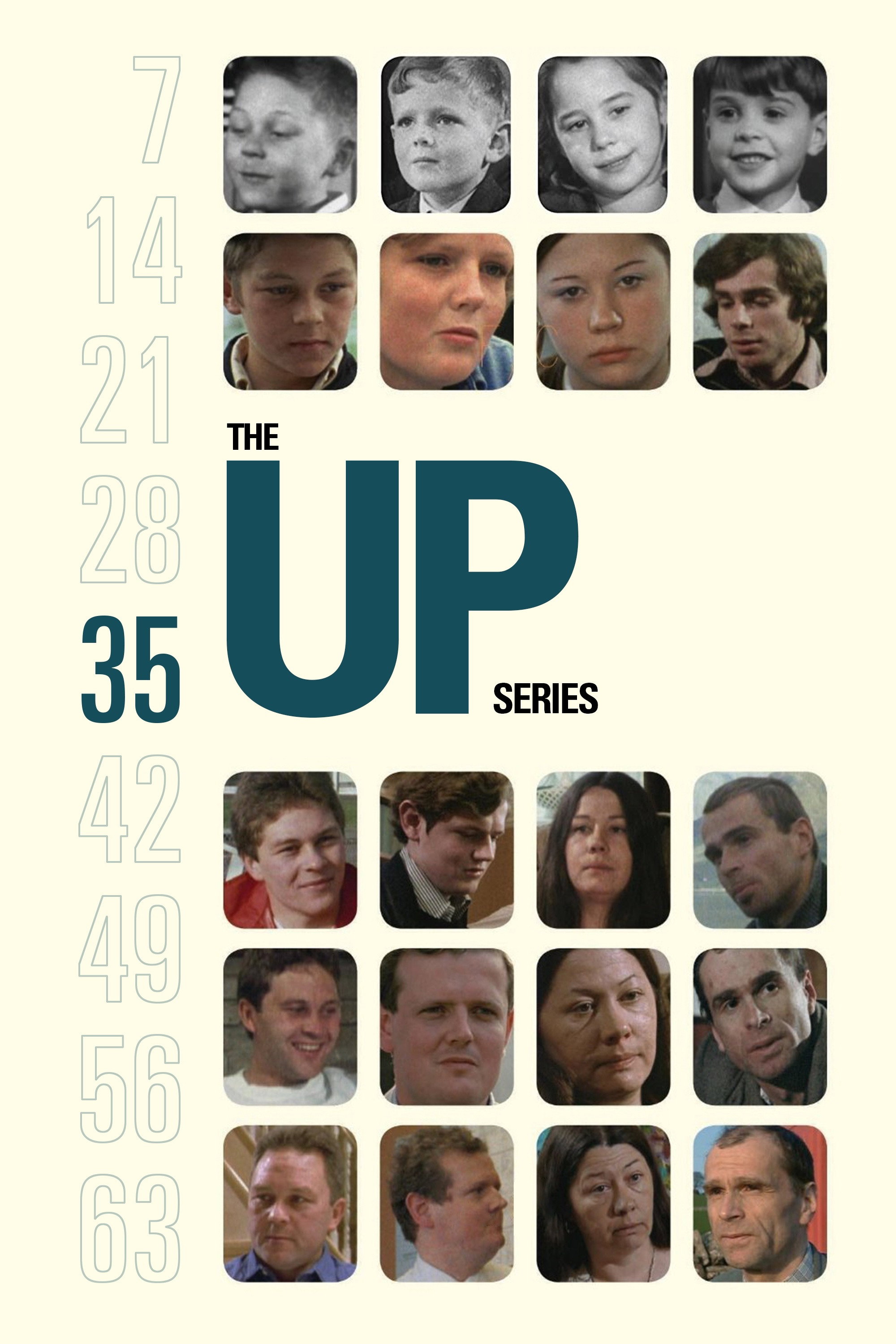
Director Michael Apted revisits the same group of British-born adults after a 7 year wait. The subjects are interviewed as to the changes that have occurred in their lives during the last seven years.
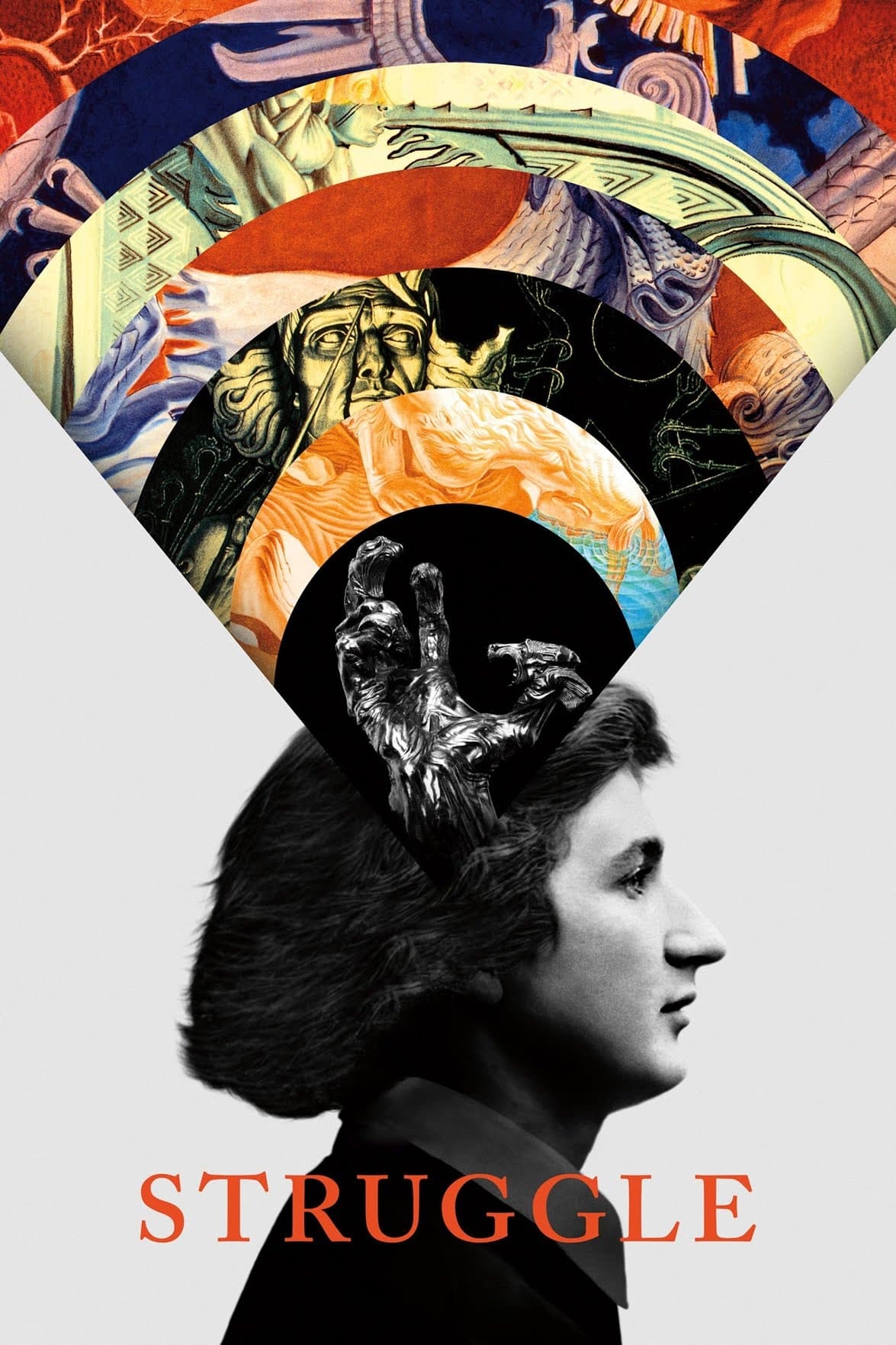
Artists in LA discover the work of forgotten Polish sculptor Stanislav Szukalski, a mad genius whose true story unfolds chapter by astounding chapter.
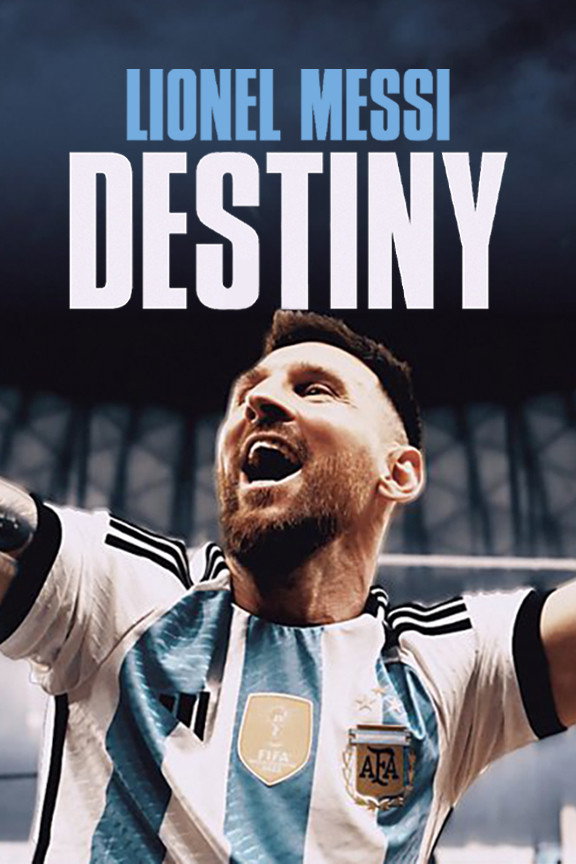
Behind-the-scenes documentary about how Lionel Messi succeeded in lifting the World Cup – the only trophy to have eluded him in an incredible career.
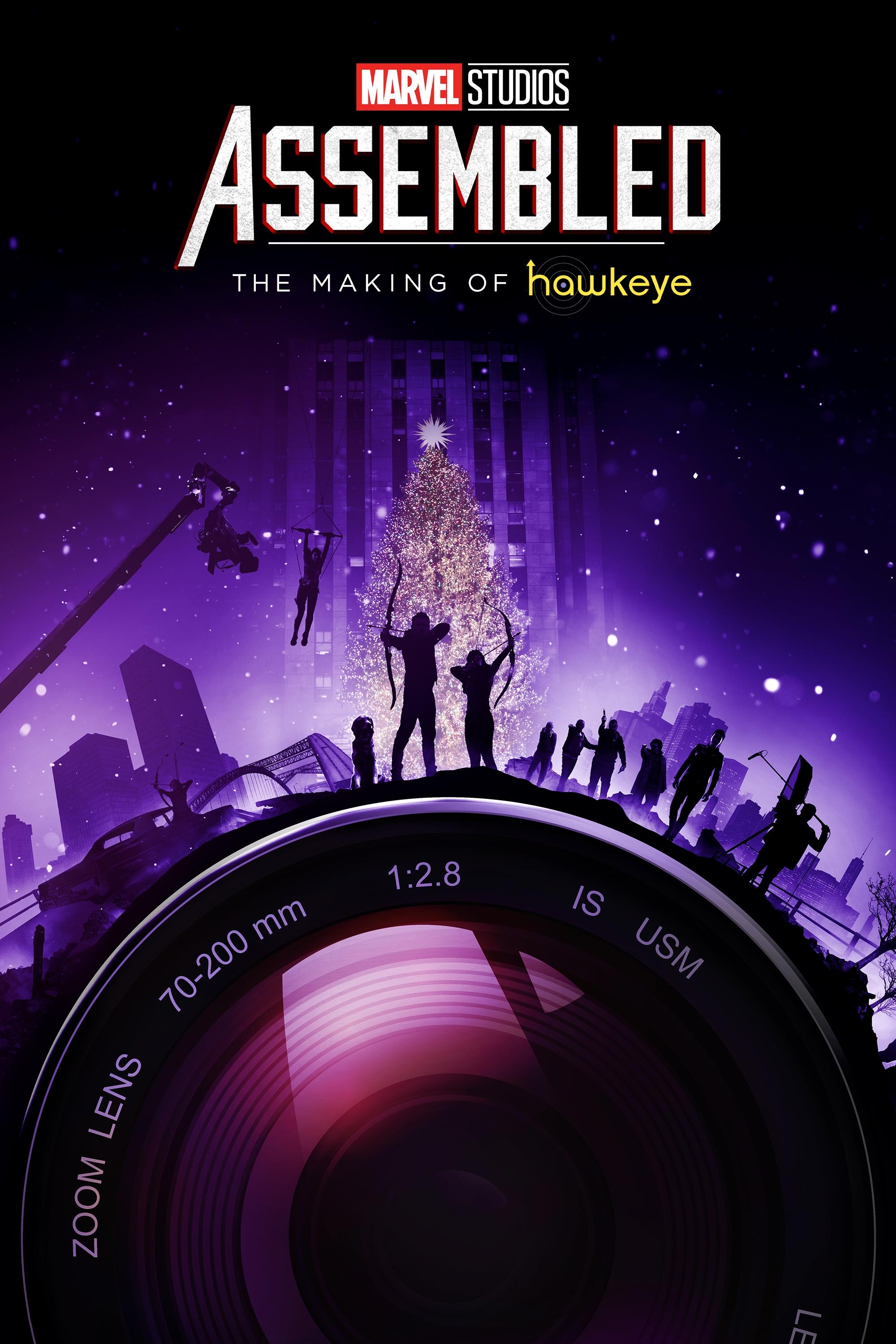
Join the likes of Jeremy Renner, Hailee Steinfeld, Florence Pugh, and Vincent D’Onofrio as they reveal how Marvel Studios’ “Hawkeye” was conceived and created. Witness firsthand what it took to pull off the show’s pulse-pounding action set pieces, and discover how iconic characters from the pages of Marvel Comics such as Kate Bishop were adapted and brought to life for the six-episode series.
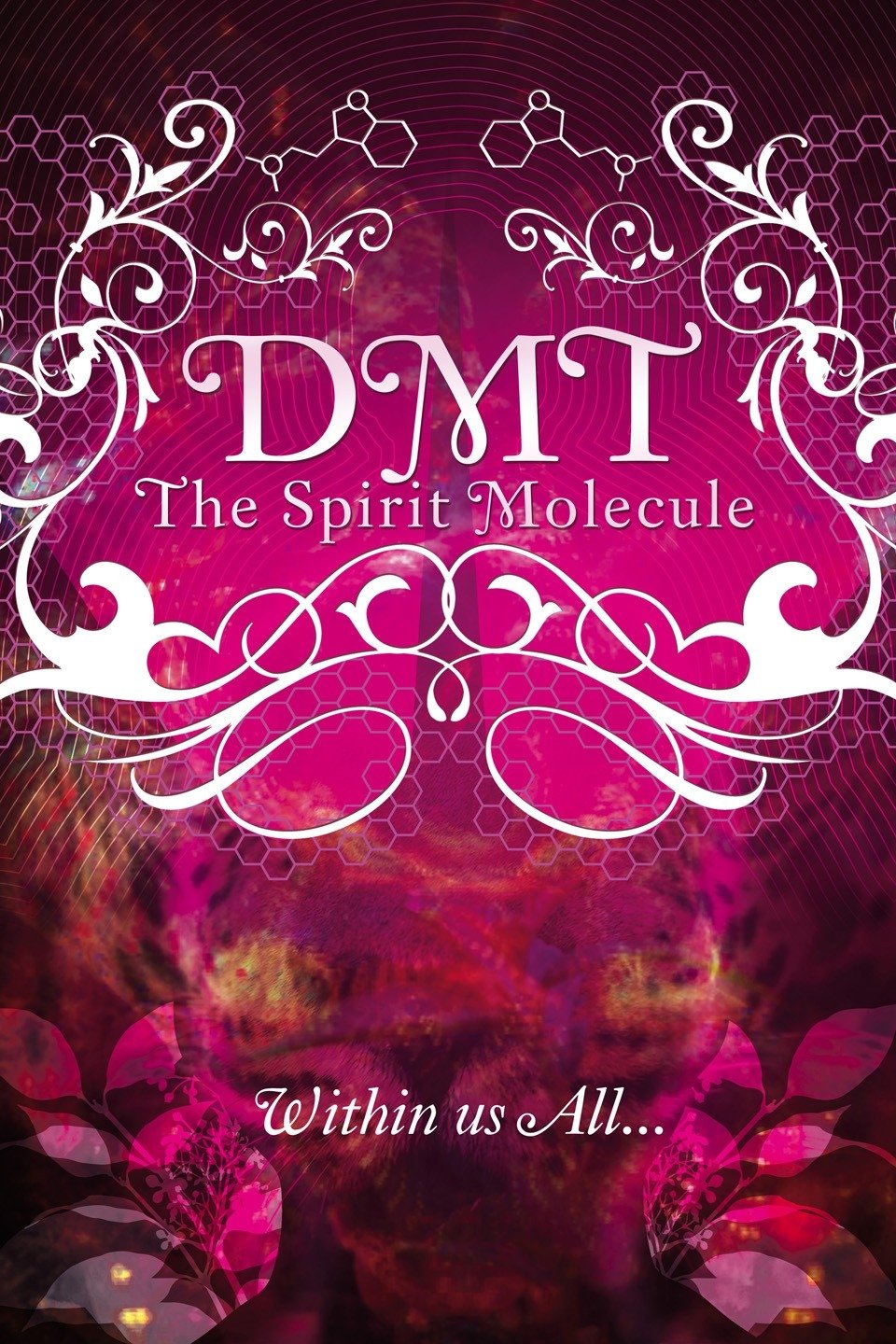
THE SPIRIT MOLECULE weaves an account of Dr. Rick Strassman's groundbreaking DMT research through a multifaceted approach to this intriguing hallucinogen found in the human brain and hundreds of plants, including the sacred Amazonian brew, ayahuasca. Utilizing interviews with a variety of experts to explain their thoughts and experiences with DMT, and ayahuasca, within their respective fields, and discussions with Strassman’s research volunteers, brings to life the awesome effects of this compound, and introduces us to far-reaching theories regarding its role in human consciousness.
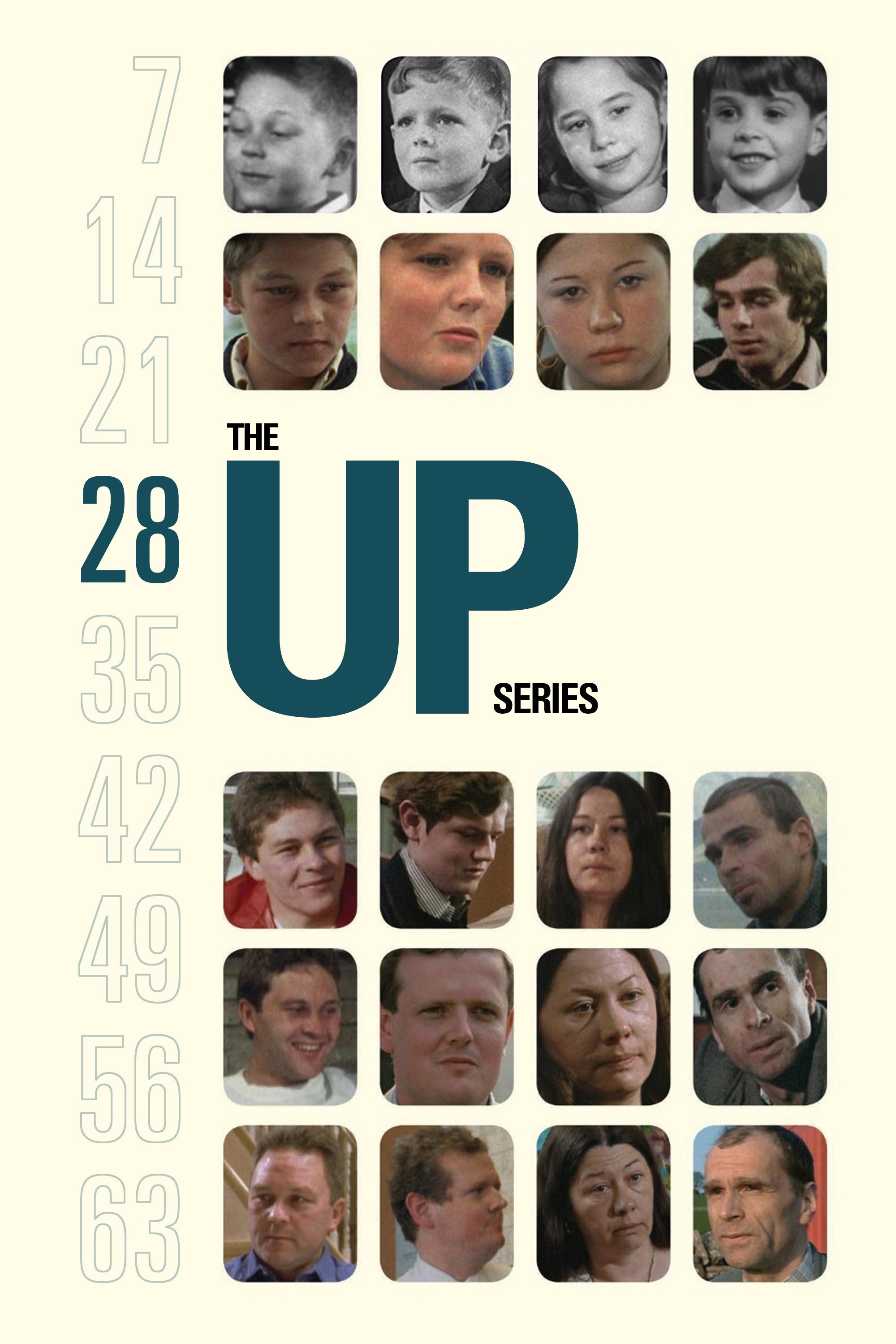
Just two years away from turning 30, participants in Michael Apted's documentary series are facing serious questions of identity and purpose, wondering whether they've found their place in the world.
The history of cinematic sound, told by legendary sound designers and visionary filmmakers.