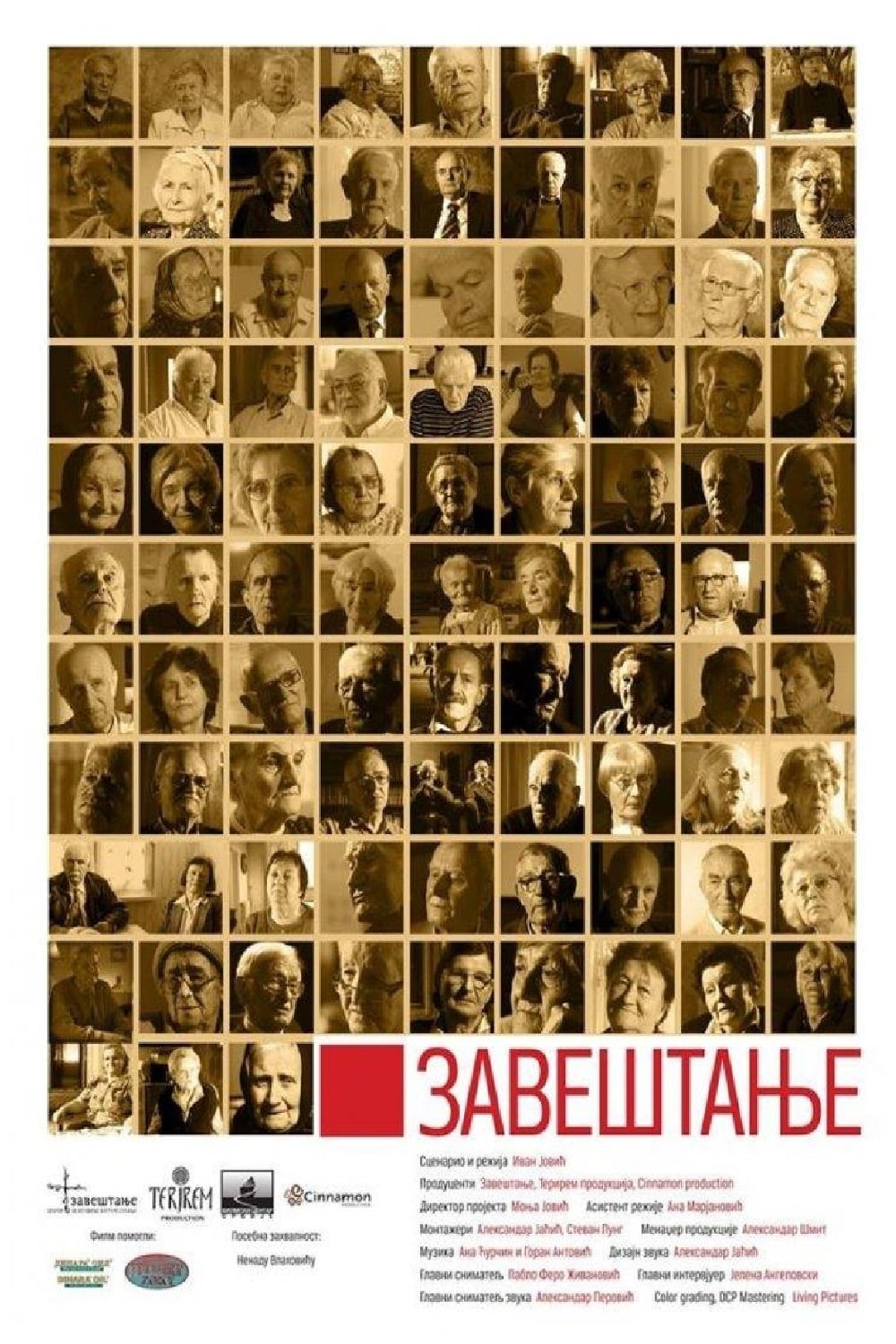
In this film the last living witnesses of the events from Second World War are telling their stories and thus transferring silenced victim’s voices to present times.
Social & External
The people behind it
A documentary about vivid punk and alternative rock scene of Subotica, the northernmost Serbian city, through the periods of communism, tyranny of the 1990s regime, and economic transition at the beginning of XXI century. Seen through the eyes of its witnesses, these musicians and creative artists deliberately refused the imposed way of behavior, hence staying "invisible" to everyday people.
Documentary film that deals with the problems of the rock'n'roll scene in Niš, focusing primarily on the period after the collapse of the former SFRJ.
We follow Timi, an energetic young skater who always seems to say more with his board than with words
A documentary re-enactment of the last few hundred years in Serbian history.
At the beginning of Sumadijska street in the vicinity of Slavija Square on the 11th August 1913, the Serbian victorious army from the Second Balkan War led by the Crown Prince Alexander Karadjordjevic was given a huge welcome by the highest military and political authorities of Serbia and Belgrade, representatives of civil organizations and national institutions, as well as several tens of thousands of people from Belgrade, Serbia and Vojvodina.
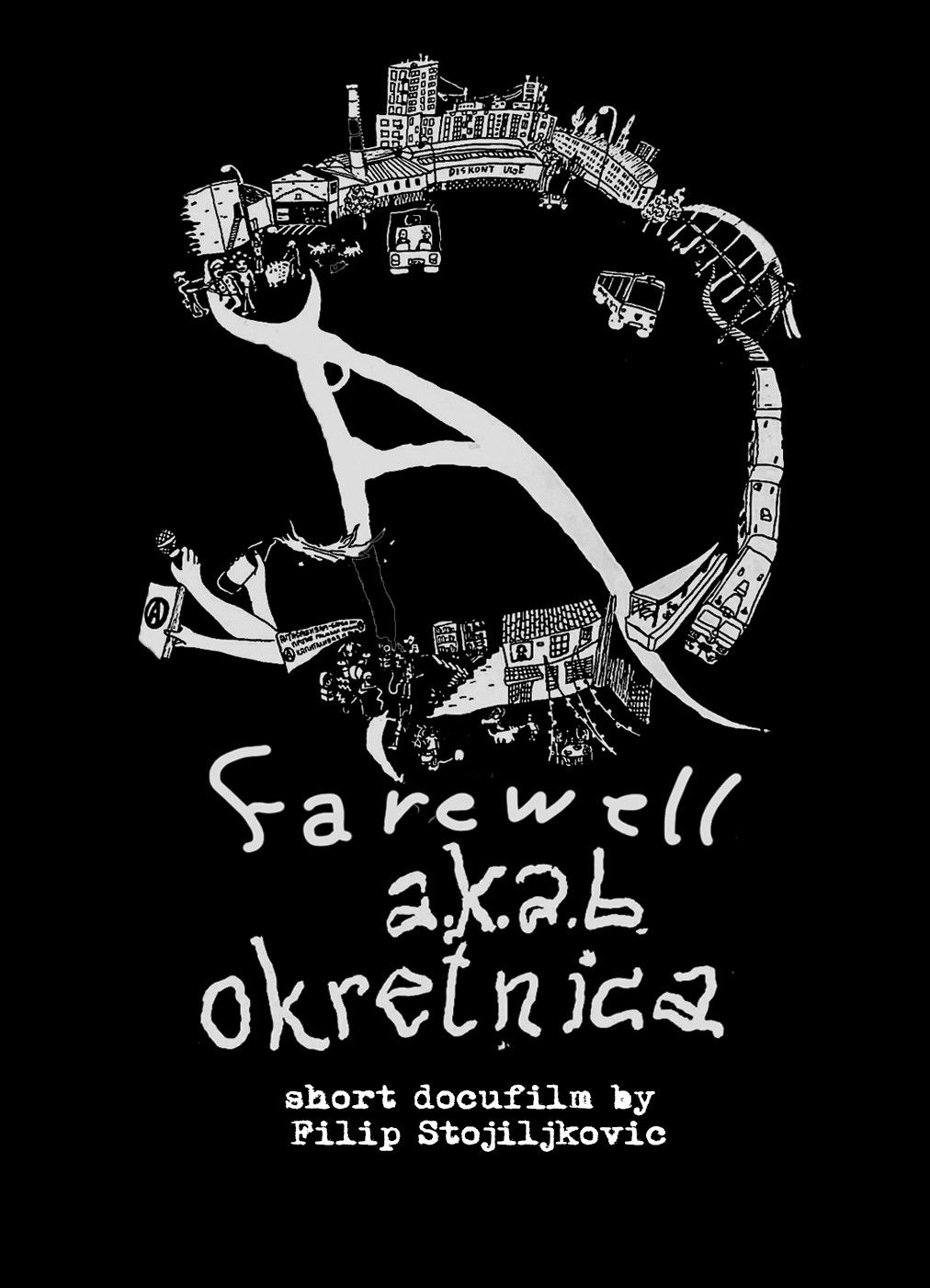
As one of Belgrade’s last DIY anti-nationalist spaces faces closure, its community gathers for a final night — a farewell that becomes a quiet act of resistance.
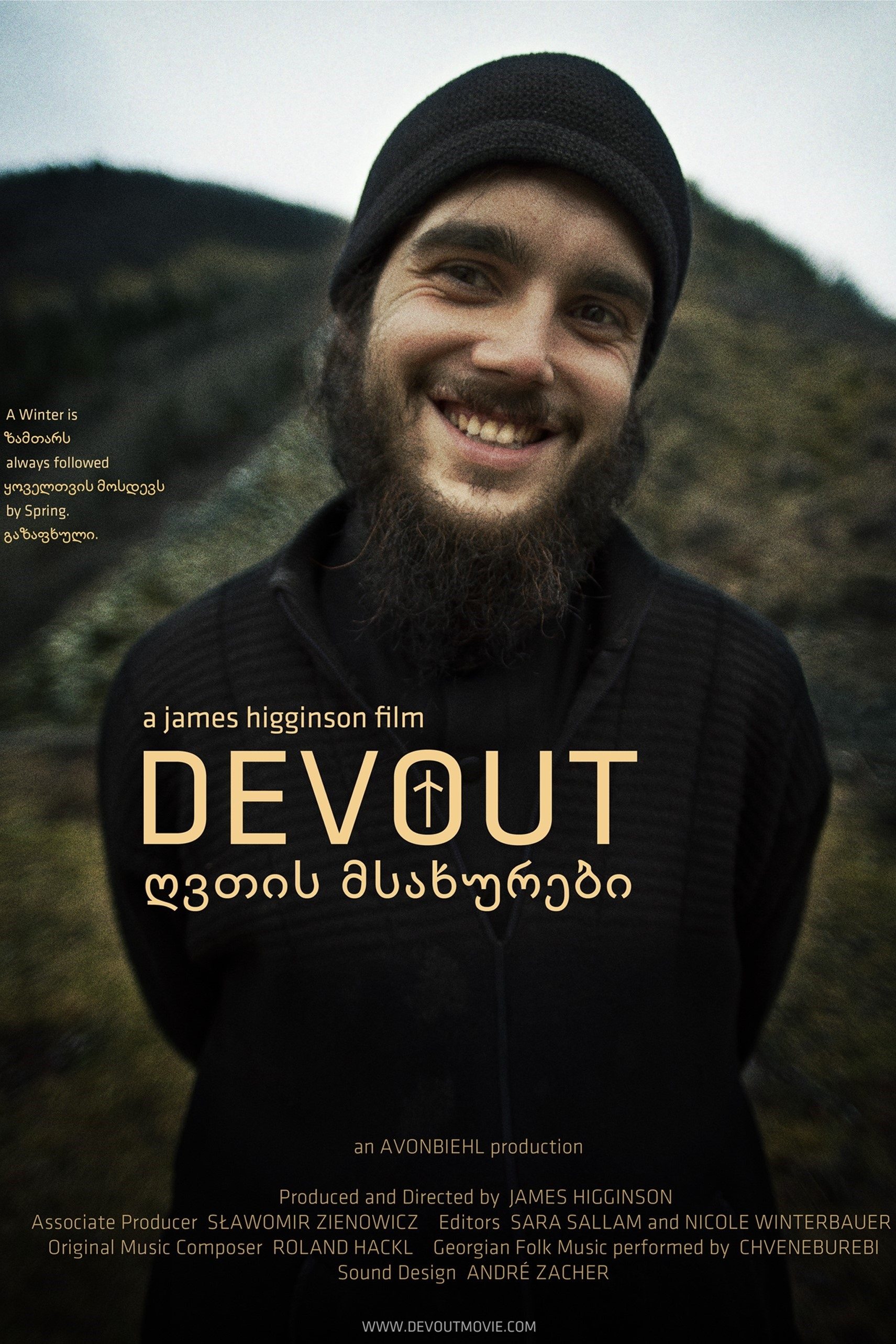
DEVOUT reveals an archaic utopia, a timeless spiritual sphere that is as beautiful and harsh as the mountain terrain of the Caucasus, tempting but unforgiving, a riddle like God and faith as mysterious as the human condition.
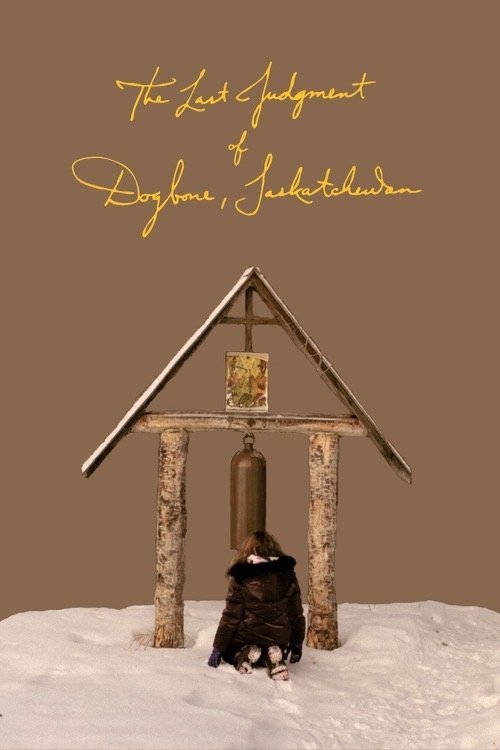
A reader for the Orthodox Church delivers a sermon in snowy northern Saskatchewan.
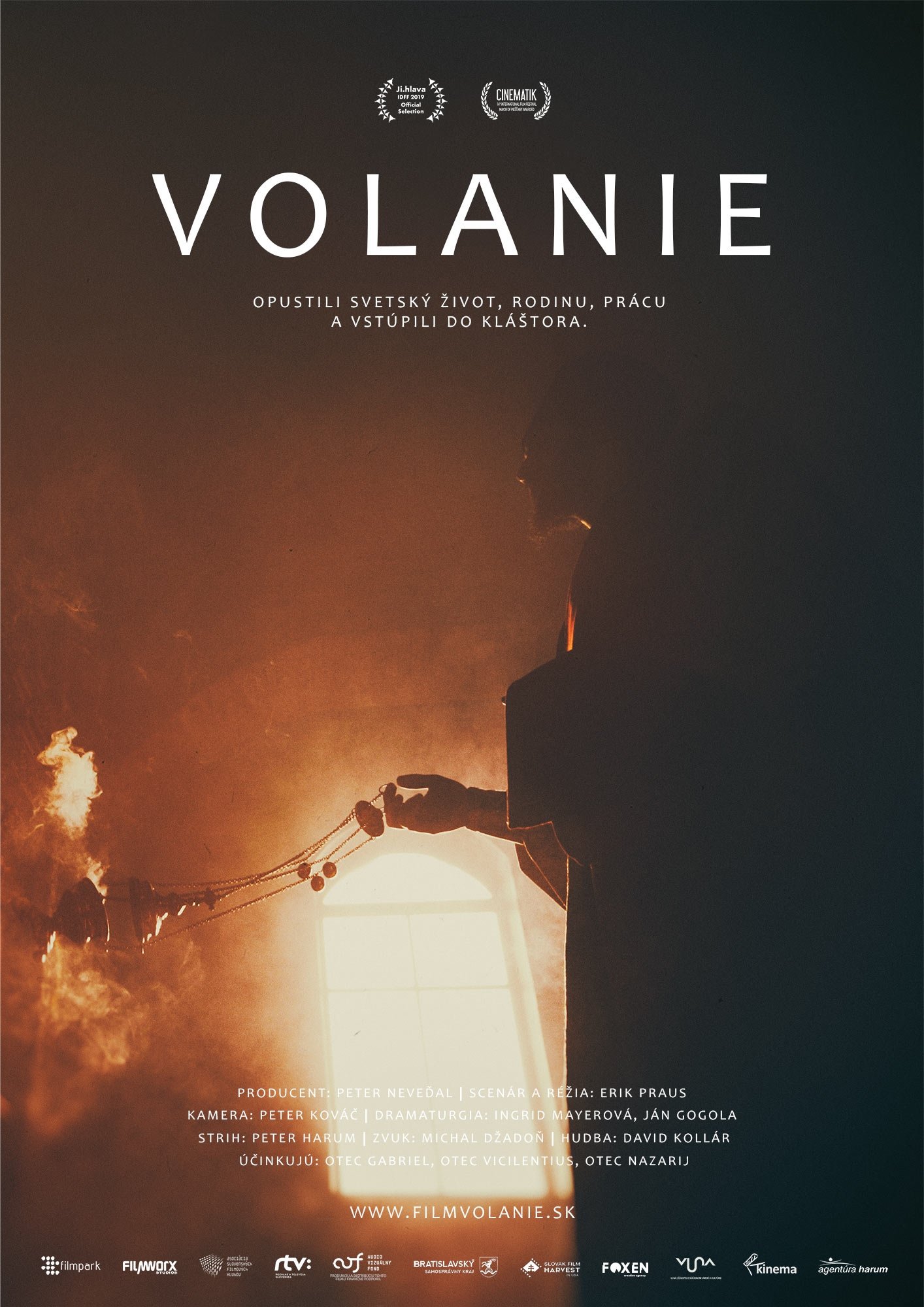
In its portraits of three monks, Erik Praus’s documentary captures the inimitable spiritual ambiance and mysticism of Pochayiv Lavra, an Eastern Orthodox monastery on a hill above the town of Pochayiv in western Ukraine’s Ternopil Oblast. Fathers Gabriel, Vicilentius and Nazarij have left their past traumas behind, finding peace, balance and their lives’ meaning at the monastery. Their stories are allegories of spiritualization and purification from human passions against the backdrop of the turbulent Ukrainian reality. Motivated by material need and spiritual desperation, the faithful flock to this place of pilgrimage in search of new strength and forgiveness. The film respectfully observes the monks’ everyday lives, while also noticing the opulent splendour of their surroundings. The road to faith is not a privilege of the chosen few; it is open to all who hear its “calling”.
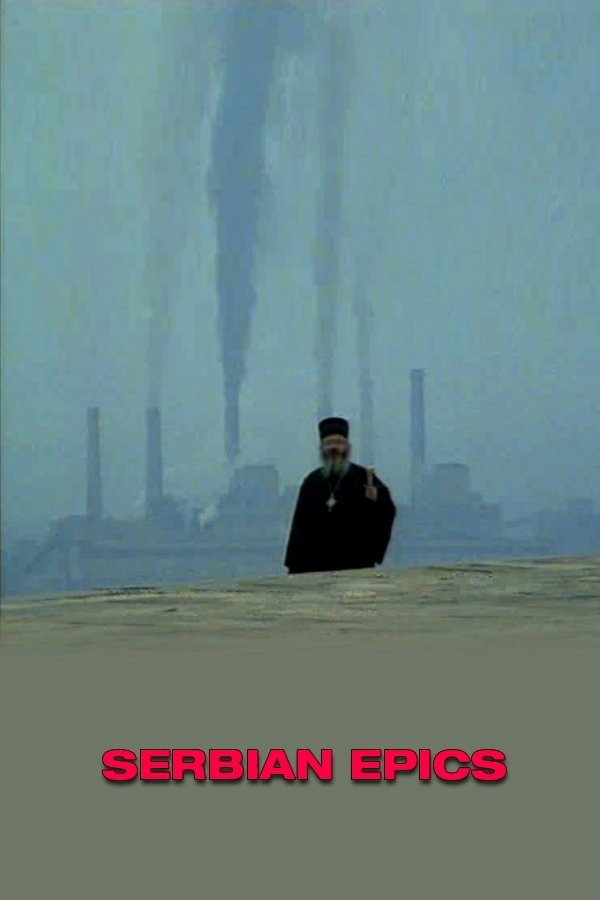
Paul Pawlikowski's award-winning documentary on life behind Serbian lines in Bosnia. The film observes the roots of the extreme nationalism which has torn apart a country and provides a chilling examination of the dangerous power of ancient nationalist myths.
The Unidentified is a feature-length documentary which reveals who were the commanders responsible for some of the most brutal attacks of the Kosovo war. The result of a two-year-long investigation, the documentary names the officers who ordered attacks on villages in the area around the town of Pec during the 1999 war and those who were involved in the removal of victims’ bodies to mass graves at the Batajnica police centre near Belgrade in Serbia. Sixteen years after they committed the crimes, they live peacefully in the Serbian capital, and despite the evidence that exists, they have not been prosecuted.
Right alongside Jerusalem, in a Russian Orthodox Convent in the Mount of Olives, in the middle of the Arab quarter, lives the 82-year-old Estonian nun Mother Ksenya.
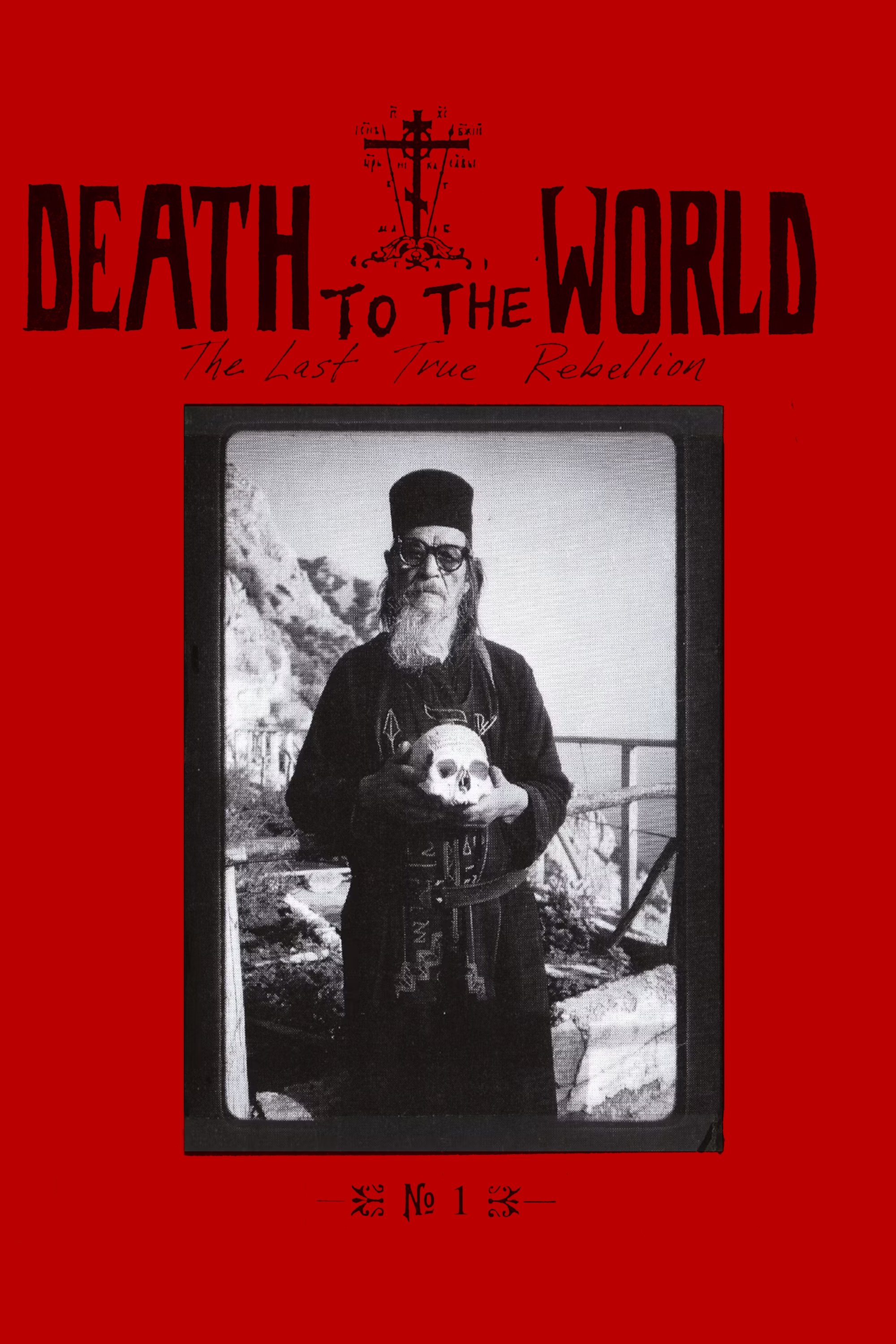
The last true rebellion is death to the world. To be crucified to the world and the world to us.
When this film’s director was still a boy, he stood in front of “Flotel Europa“ and was hugely excited about the prospect of this gigantic ship moored in the port of Copenhagen becoming a new home for him, his mother and his older brother. Together with about 1000 other refugees from the former Yugoslavia, they started life anew on the ship.
A documentary on alternative music scene of Novi Sad (Serbia) that covers the period between 1989 and 2017.
Portrait of Seraphim Bit-Kharibi, an Assyrian Orthodox Christian monk residing in Georgia, who sings in Aramaic, the mother tongue of Jesus Christ
The Patriarchate of Moscow and the POKROB Film Studio deliver to global Orthodoxy a documentary with a total duration of five hours on the holy life and work of Saint Paisios of Mount Athos.
Serbia is located at the crossroads of Central and Southeast Europe, covering the southern part of the Pannonian Plain and the central Balkans. It is also one of Europe’s natural wonders, filled with a rich variety of landscapes and animals.To this day a large number of Serbian people live in close communion with nature, proud of the storks’ nests in the villages, the ancient species of livestock that have been preserved and the vultures that return to make their home here. In many places people are pleased to see bears, lynx and wolves, and even jackals are at home in the forests of Serbia. This documentary presents Serbia's breath-taking, picturesque regions and unique wildlife on a journey to the most beautiful and wildest areas of the Balkan Peninsula.
Montenegro is the newest European country with a proud history, one that is being falsified for current political purposes, thus creating an alternative identity. In a nation where it possible for two brothers to claim different ethnic backgrounds despite having the same parents, everything is on the table: language, church, democracy. Can the truth set Montenegro free?
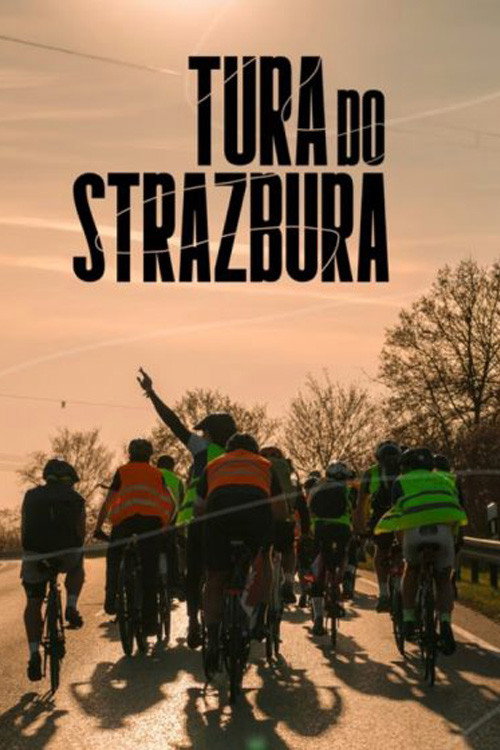
They started their 1400 km journey to the capital of Europe on bicycles from Novi Sad, Serbia. This trip, from a divided country that has been in a socio-political crisis for five months, since the tragedy at the Novi Sad railway station - they called it the trip of justice. Eighty students from Serbia cycled through 6 European countries and 15 large cities in 12 days. Festive welcomes, tears, song and laughter in the squares all over Europe. They were welcomed by the Serbian diaspora, but also by the leaders of the cities they passed through. They went to Strasbourg with the desire to be heard by Europe and the world and said "We are not driving to Europe to escape from Serbia. We are driving to bring it back."
A string of threatening emails escalates into a revenge plot involving a newly married US marshal and his ex-girlfriend.
Daniel Craig candidly reflects on his 15 year adventure as James Bond. Including never-before-seen archival footage from Casino Royale to the upcoming 25th film No Time To Die, Craig shares his personal memories in conversation with 007 producers, Michael G Wilson and Barbara Broccoli.
An inside look at one of the most anticipated movie sequels ever with James Cameron and cast.
Through deeply personal interviews with her siblings and an examination of the photographs, letters, and belongings left behind, Mariska assembles a new portrait of her mother Jayne Mansfield, an extraordinary and complex woman.
The film follows adventurer Jeff Johnson as he retraces the epic 1968 journey of his heroes Yvon Chouinard and Doug Tompkins to Patagonia.
Over 35 years after Bob Lazar's revelations, this documentary exposes secrets of a facility the government still denies. Featuring Lazar's testimony, recreations, and new evidence, it reopens a case that continues to spark global curiosity
This revealing documentary honors the legendary Sidney Poitier—iconic actor, filmmaker, and civil rights activist. Featuring interviews with Denzel Washington, Spike Lee, Halle Berry, and more.
Director Michael Apted revisits the same group of British-born adults after a 7 year wait. The subjects are interviewed as to the changes that have occurred in their lives during the last seven years.
Those who knew iconic funnyman John Candy best share his story, in their own words, through never-before-seen archival footage, imagery, and interviews.
A documentary about the life and films of director John Ford.
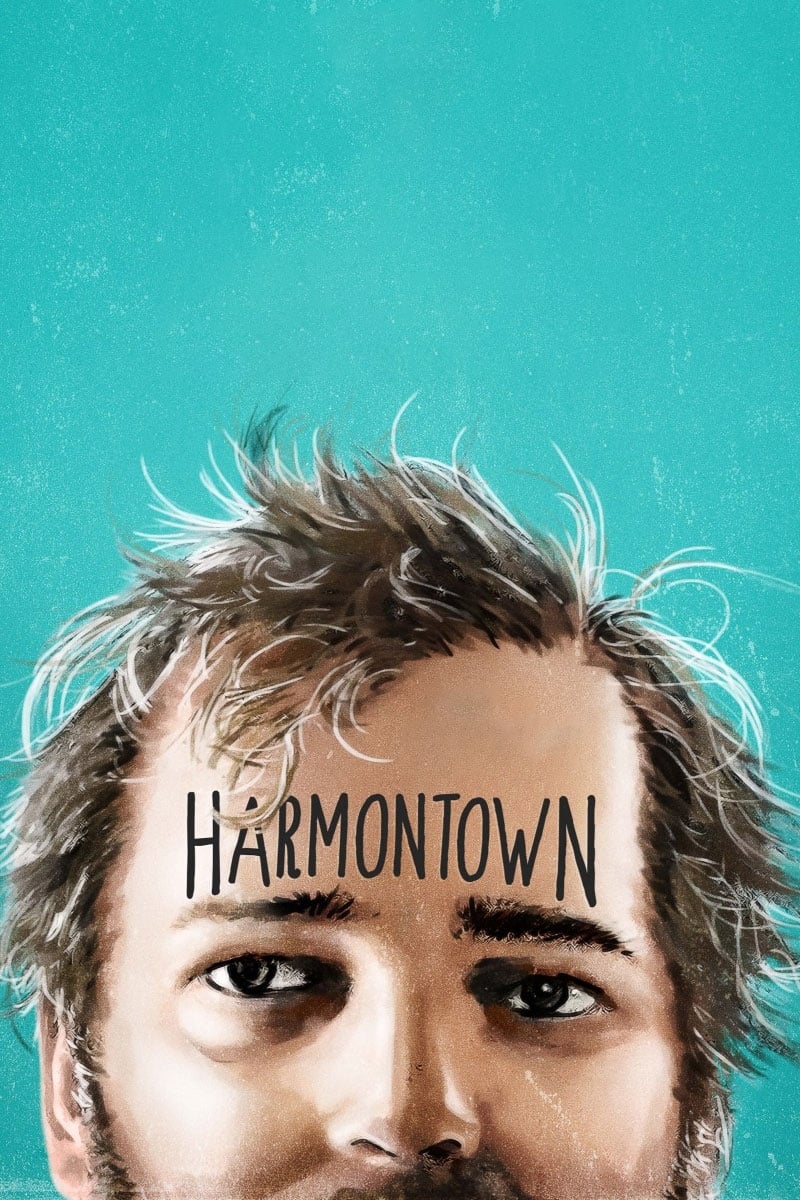
A comedic, brutally honest documentary following self-destructive TV writer Dan Harmon as he takes his live podcast on a national tour.
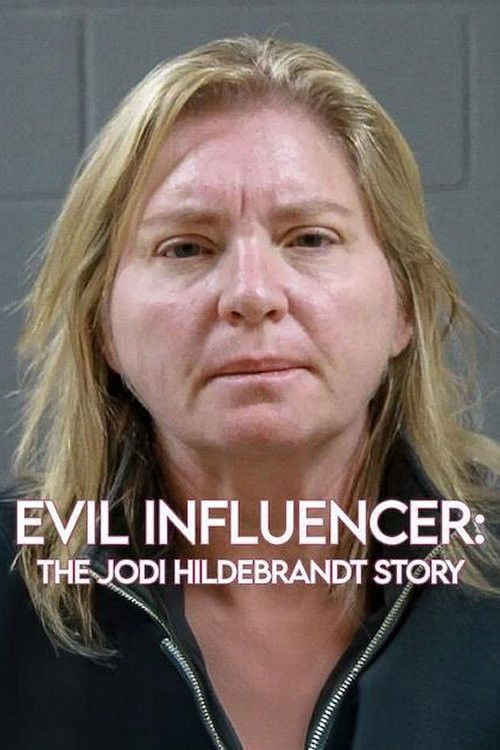
Unravel the case of Utah therapist Jodi Hildebrandt, whose child abuse arrest with parenting YouTuber Ruby Franke exposed a twisted tale of manipulation.
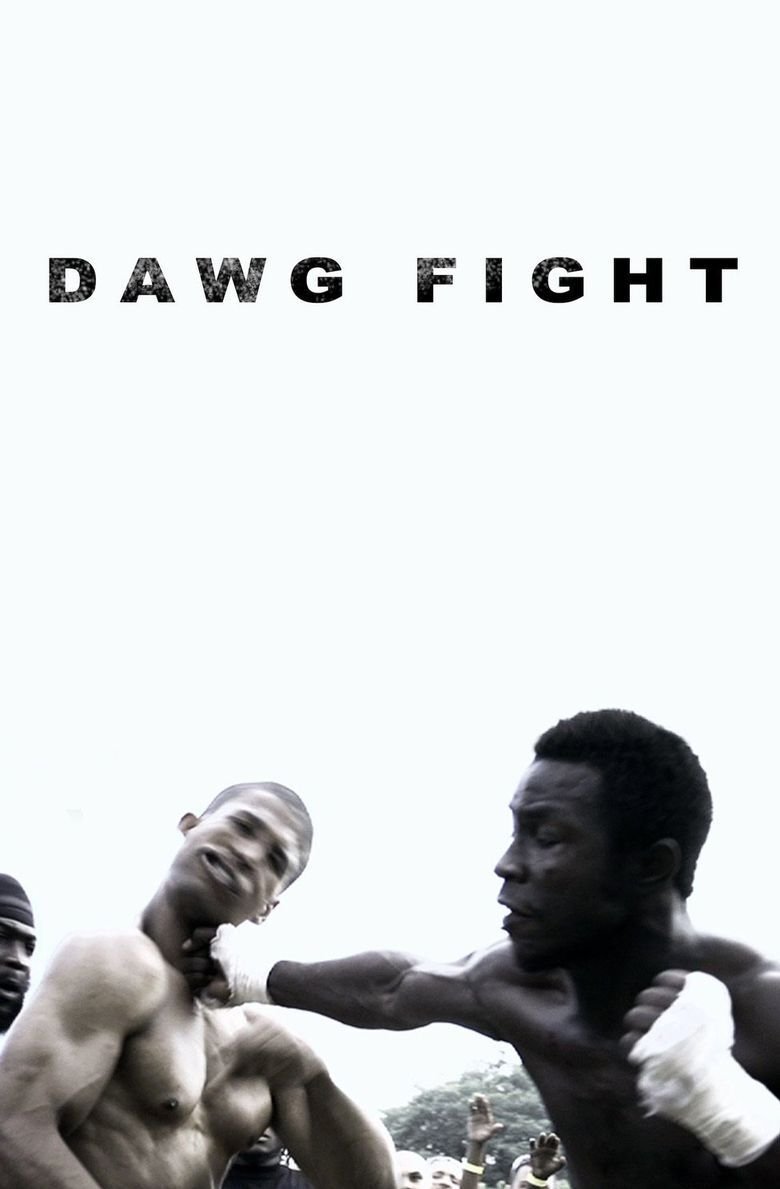
In a crime-plagued neighborhood near Miami, brutal, bare-knuckled backyard fights give young men a chance to earn money -- and self-respect.
Explore the evolution of Buzz Lightyear from toy to human in the making of Pixar’s Lightyear. Dive into the origin and cultural impact of everyone’s favorite Space Ranger, the art of designing a new “human Buzz,” and the challenges faced by the Lightyear crew along the way.
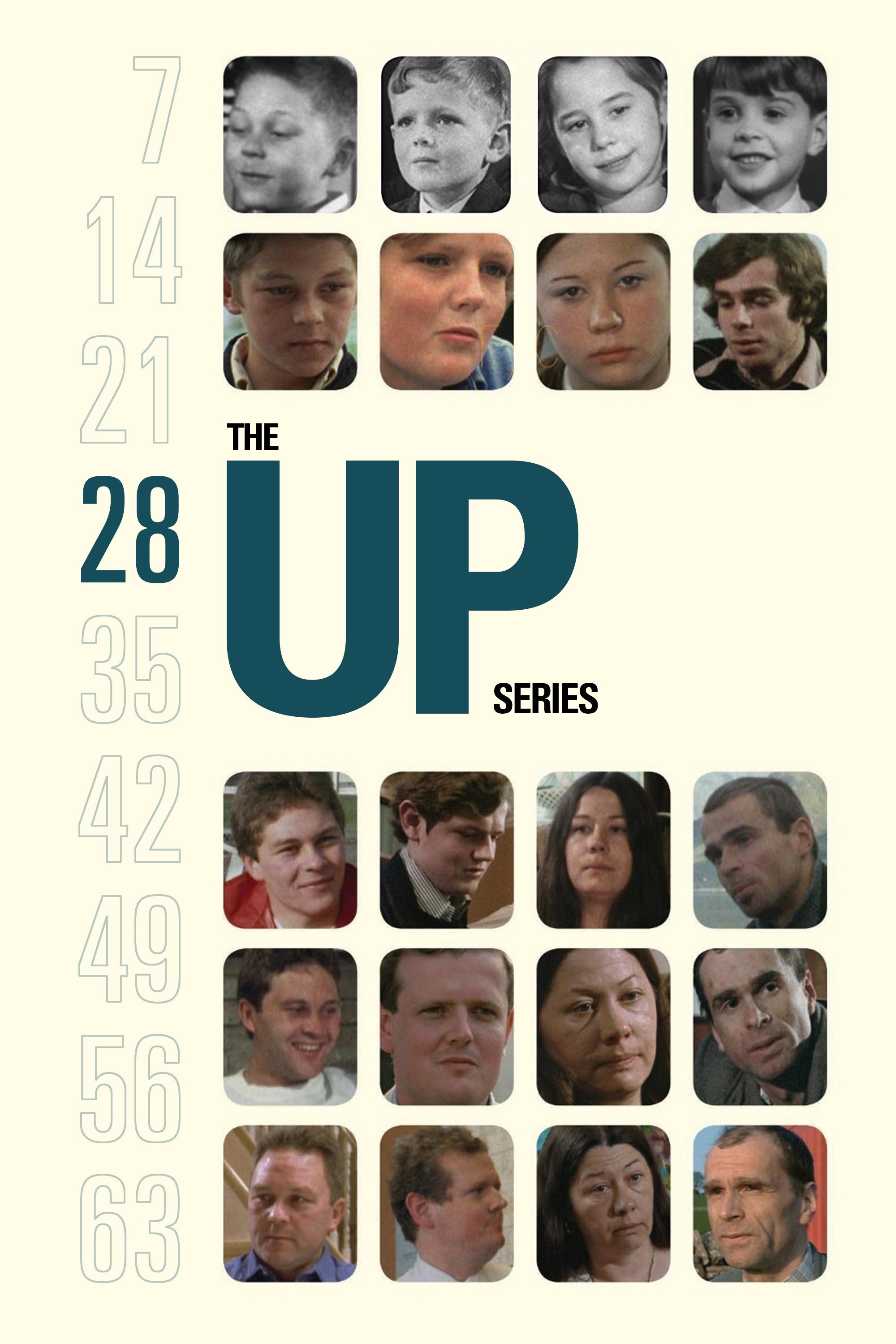
Just two years away from turning 30, participants in Michael Apted's documentary series are facing serious questions of identity and purpose, wondering whether they've found their place in the world.
Ranjit, a farmer in India, takes on the fight of his life when he demands justice for his 13-year-old daughter, the victim of a brutal gang rape. His decision to support his daughter is virtually unheard of, and his journey unprecedented.
A look at the origins, history and conspiracies behind the "Majestic 12", a clandestine group of military and corporate figureheads charged with reverse-engineering extraterrestrial technology.
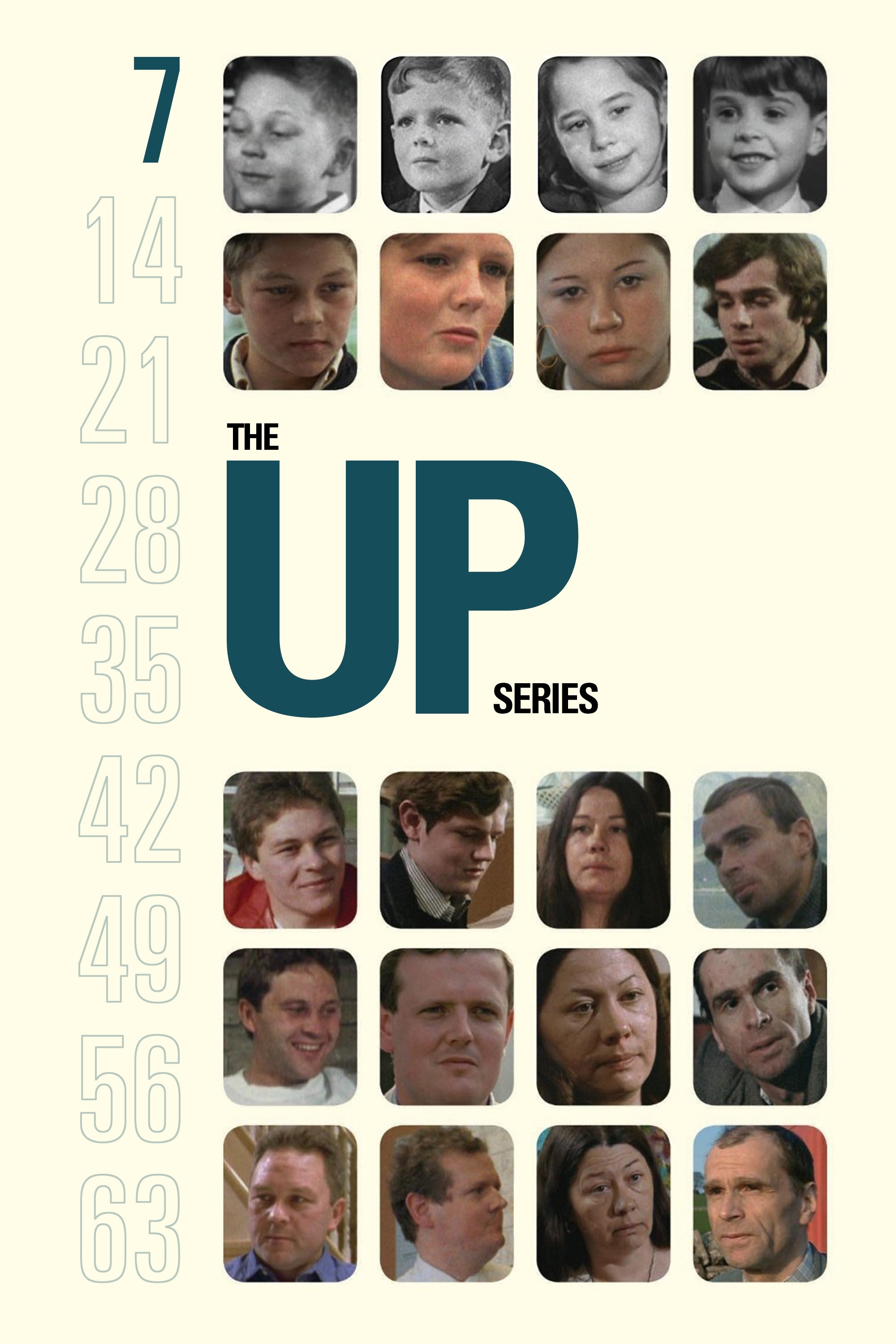
A group of British children aged 7 from widely ranging backgrounds are interviewed about a range of subjects. The filmmakers plan to re-interview them at 7 year intervals to track how their lives and attitudes change as they age.
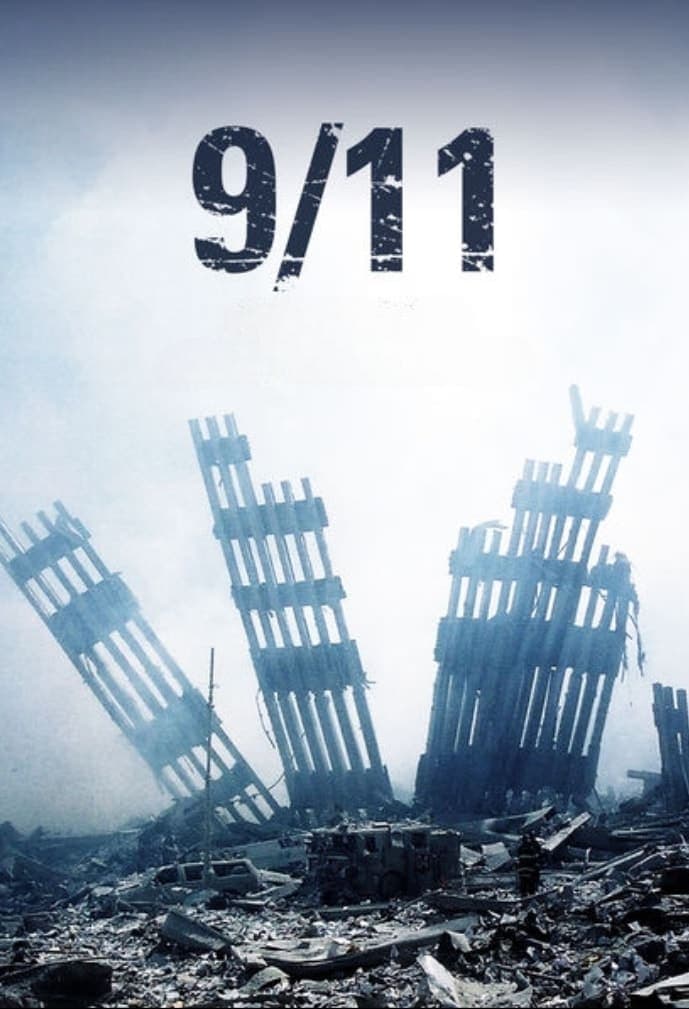
An on-the-scene documentary following the events of September 11, 2001 from an insider's view, through the lens of two French filmmakers who simply set out to make a movie about a rookie NYC fireman and ended up filming the tragic event that changed our lives forever.