An analysis of film’s persistent relationship to sexuality, mediated by allusions to early cinema’s flicker, and other aggressive qualities of the cinematic apparatus.
Social & External
The people behind it
At 7 p.m. he had an appointment...an important appointment.
"This installation or performance work puts my own earlier film of the Mona Lisa (1973) through another stage of transformation – my own irretrievable self of some 34 years ago is now also part of the subject I first saw the ‘actual’ ‘Mona Lisa’ when I was about thirteen. Of course I had seen dozens of reproductions in books and postcards by then and the popular mythology of the enigmatic smile was already well engrained in my mind. My strongest impression, as I recall, was how small and unsurprising it was – a heavily protected cultural icon – no longer really a picture – and I was much more excited by the painting of the distant landscape than by the face. My own ‘version’ of ‘la Giaconda’ was never an homage, nor like Marcel Duchamp’s ‘L.H.O.O.Q’, an attack on its cultural power. Instead it came from a fascination with change and transformation – maybe also with arbitrary appropriation." Malcolm Le Grice
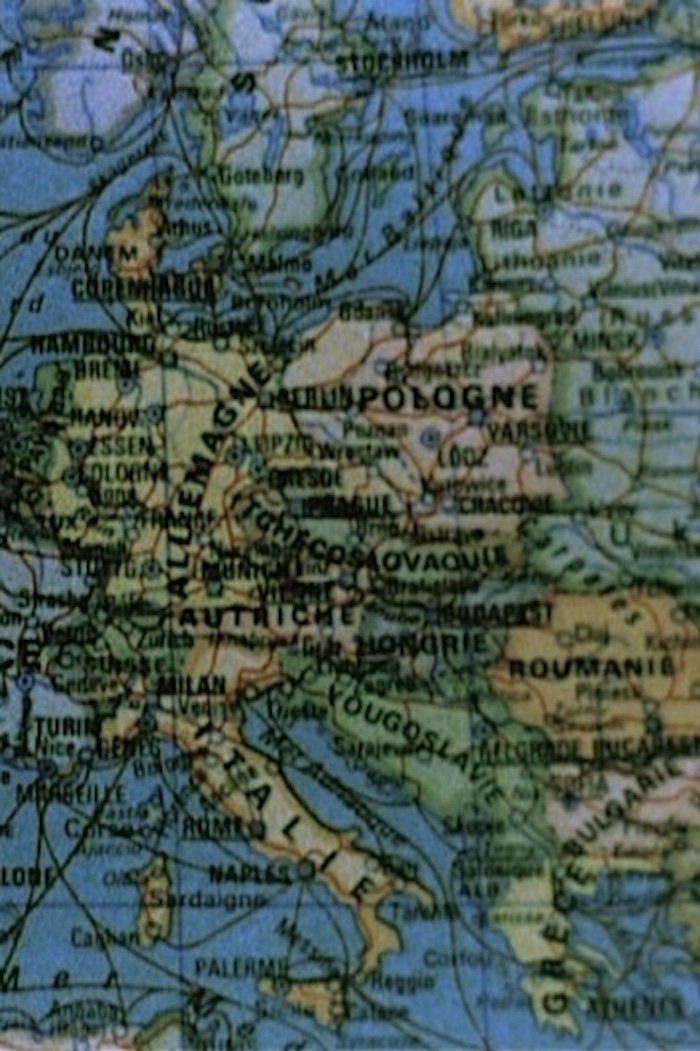
The film purports to be the second version of a (fictional) film made by Baudelaire in 1850 in memory of his (actual) voyage across the Pacific. It was shot using a world map mounted on black board, filmed in its entirety and in extreme close-up.
Mick Glasheen, an architect and pioneer of early cinema and experimental film, created work that was heavily influenced by media theorists. His video Teleologic Telecast from Spaceship Earth: On Board with Buckminster Fuller, 1970, is a re-mixed recording of a Buckminster Fuller’s lecture given at UNSW, presenting Fuller’s ideas on science, metaphysics and the universe, merged with just as radical techniques of moving image production, creating a multi-layered expression of image, voice, and sound.
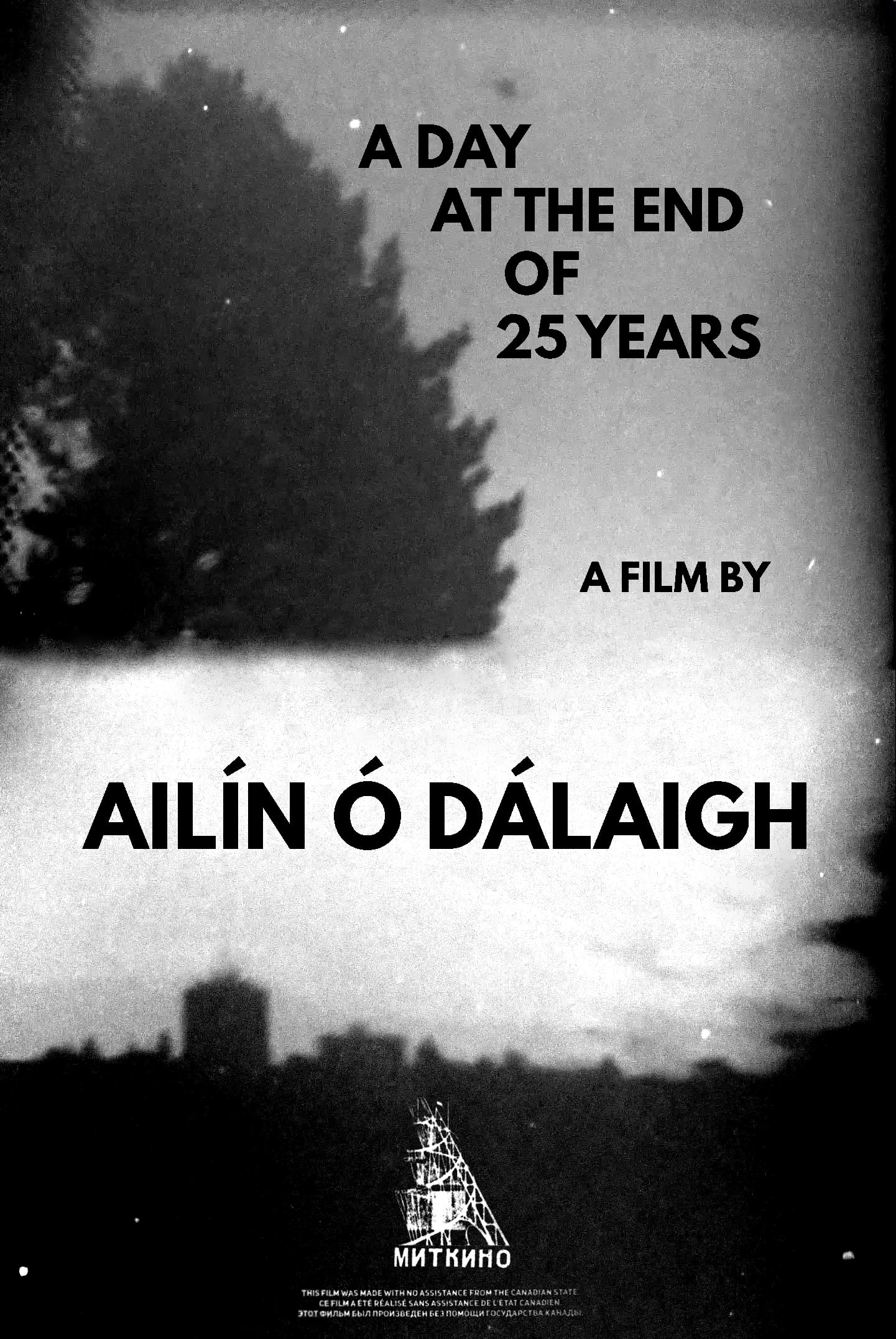
An experimental short film shot on Soviet Sveta 8mm film stock expired in 1984. It documents the 25th birthday of the filmmaker.
Scientists demonstrate the wonders of magnified objects.
A ritual of grids, reflections and chasms; a complete state of entropy; a space that devours itself; a vertigo that destroys the gravity of the Earth; a trap that captures us inside the voids of the screen of light: «That blank arena wherein converge at once the hundred spaces» (Hollis Frampton).
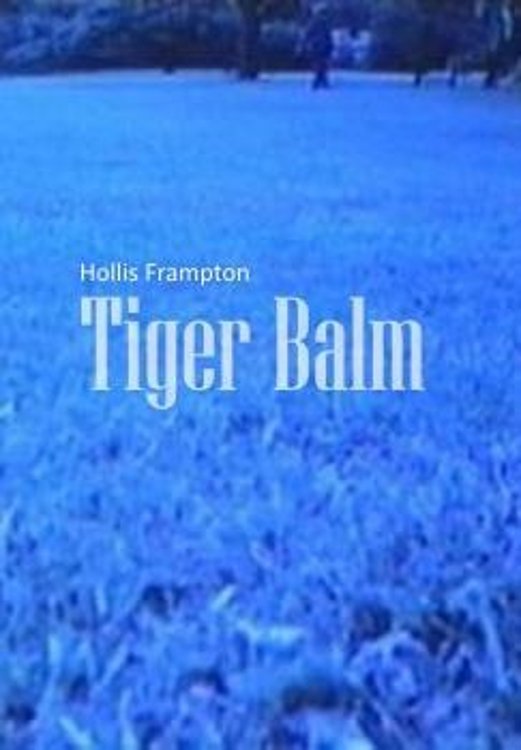
"After two years of massive didacticism in black-and-white [Hapax Legomena (1971-72)], I am surprised by Tiger Balm, lyrical, in color, a celebration of generative humors and principles, in homage to the green of England, the light of my dooryard… and consecutive matters." - HF
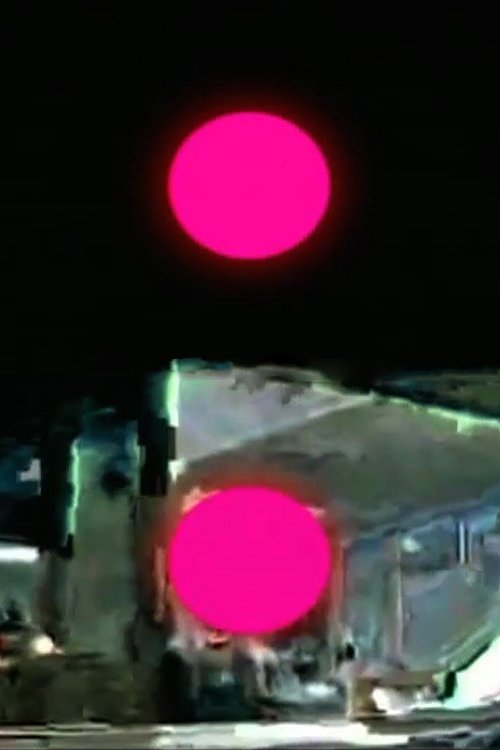
In Untitled (Pink Dot), Murata transforms footage from the Sylvester Stallone film First Blood (1982) into a morass of seething electronic abstraction. Subjected to Murata's meticulous digital reprocessing, the action scenes decompose and are subsumed into an almost palpable, cascading digital sludge, presided over by a hypnotically pulsating pink dot.
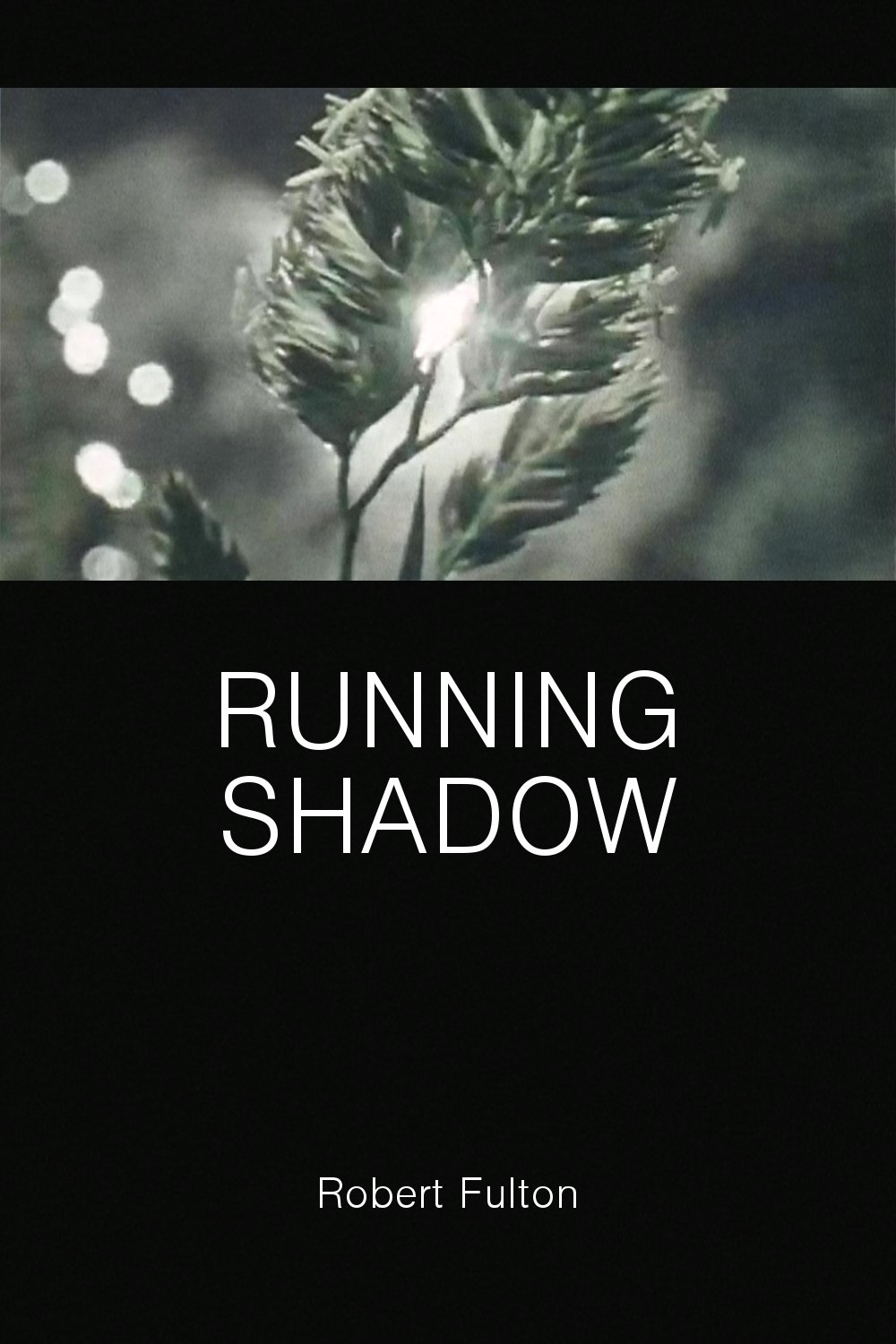
Rapidly changing images of natural objects, scenery, animals, plants, and people flicker, flash, tumble, and cascade across the screen.
Basically an artist is also a terrorist, the protagonist thinks in an unguarded moment. And if he is a terrorist after all, then he might just as well be one. Not an instant product, but an experimental feature in which diary material is brought together to form an intriguing puzzle.
Sarah is a debt collector who lives among the inhabitants of the village of Guimbal on the island of Panay. She wants to find the young man who appeared to her in a dream and goes to the island of Negros. Here, as she interacts with the inhabitants, Sarah continues her search, gathering memories of life and war, dreams, myths, legends, songs and stories that she takes part in and at times revolve around her. She is the daughter of an ancient mermaid, a revolutionary, a primordial element, a virgin who was kidnapped and hidden away from the sunlight. “The film is a retelling of fragments of the American occupation. Dialogue, shot in the Hiligaynon language, is not translated but used as a tonal guide and a tool for narration. Using unscripted scenes shot where the main character was asked to merely interact with the villagers, I discard dialogue and draw meaning from peoples’ faces, voices, and actions, weaving an entirely different story through the use of subtitles and inter-titles.”
This documentary aims to register this unknown side of James Joyce: His Greek Notebooks. Trieste. Bloomsday, 2013. Dance in slow motion, accompanied by text. By deconstructing the body, we turn it into a memory: of the body, of life, of texts. The biographical references to Joyce and Mando Aravantinou, combined with the diagonal slicing of the image, cancel the realism of the landscape, including that of the Narrator’s space/study. As a culmination, Joyce’s letter “A request for a loan in Greek” functions as a timely denunciation. Various routes through cities, such as Trieste, London, New York, and Athens; languages such as Greek and English. In addition to the primal myth of Ulysses, there is another issue: Greek is “the language of the subject of Ulysses”
The quietly insistent and critical DEPOSITIONS attempts to restore some dignity to images of the communities of the Scottish highlands taken from patronizing BBC documentaries and news features from the 70’s and 80’s. DEPOSITIONS repurposes footage from the archives of the BBC and sound from the School of Scottish Studies, it is a film about differences and dichotomies: science and superstition, near and far, community and the individual.
A series of portraits, made for Television, of four diverse individuals brought together through shared residence. These short films were filmed in the tenement where I lived for eight years. The first is shot in our bedroom, which doubled up as my former partner's office, the three others were shot in architecturally identitical spaces owned by my then neighbours. Shot and edited on a single 16mm bolex camera using available light throughout, the films invoke reflections on the four individuals, how they occupy these particular spaces together.
On the island of Tanna, a part of Vanuatu, an archipelago in Melanesia, strange rites are enacted and time passes slowly while the inhabitants await the return of the mysterious John.
This cine-portrait of New York City uses digital effects to turn the countless riders of the subway system into living, breathing paintings.
In the Mojave Desert, fields of solar panels follow the sun’s daily journey in perfect synchronicity.
The Displaced View traces a personal search for identity and pride, within the unique and suppressed history of the Japanese in Canada. Through an examination of the emotional and cultural links between the women of one family, the processes of the construction of memory and the re-construction of history, are revealed. Utilizing an innovative combination of experimental, dramatic and documentary forms, the film emerges as a deeply moving and compassionate love letter. Just as the official history of the Japanese Canadians has been thrown into question, so does the film’s fictionalized narrative, question documentary as truth.
Rainer Kohlberger applied various algorithms to extract the noise from a vast number of action films and used this to reduce the dramaturgy of the narrative to its essence. keep that dream burning oscillates between maximum abstraction and pure blur. Within the blurriness, objects form and disappear. The surface allows the space to be conceived.
SEDUCED AND ABANDONED combines acting legend Alec Baldwin with director James Toback as they lead us on a troublesome and often hilarious journey of raising financing for their next feature film. Moving from director to financier to star actor, the two players provide us with a unique look behind the curtain at the world's biggest and most glamourous film festival, shining a light on the bitter-sweet relationship filmmakers have with Cannes and the film business. Featuring insights from directors Martin Scorsese, 'Bernando Bertolucci' and Roman Polanski; actors Ryan Gosling and Jessica Chastain and a host of film distribution luminaries.
In an intimate and joyful story of love in the face of loss, celebrated poets Andrea Gibson and Megan Falley find strength—and unexpected hilarity—in what might be their final year together.
A purely observational non-fiction film that takes viewers into the ethically murky world of end-of-life decision making in a public hospital.
A feature length documentary about the all-women team at the helm of Pixar's original feature, Turning Red. With unprecedented behind-the-scenes access to Director Domee Shi and her core leadership crew, this story shines a light on the powerful professional and personal journeys that brought this incredibly comical, utterly relatable, and deeply heartfelt story to the screen.
A subjective documentary that explores various theories about hidden meanings in Stanley Kubrick's classic film The Shining. Five very different points of view are illuminated through voice over, film clips, animation and dramatic reenactments.
An inside look at one of the most anticipated movie sequels ever with James Cameron and cast.
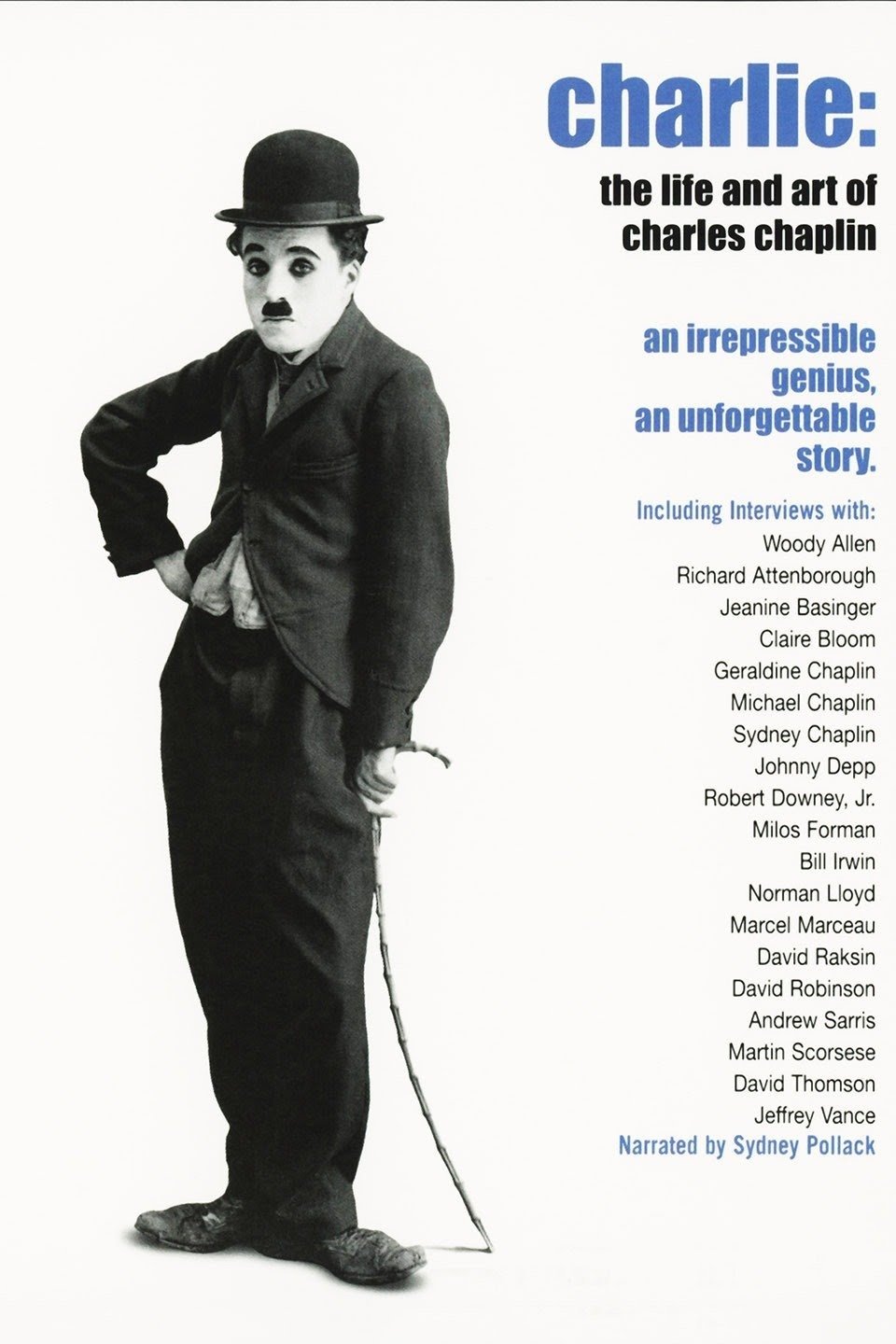
Brilliant, long in-the-works story of the life and art of the world's greatest comedian and the cinema's first genius, Charlie Chaplin. Produced, written and directed by renowned film critic Richard Schickel.
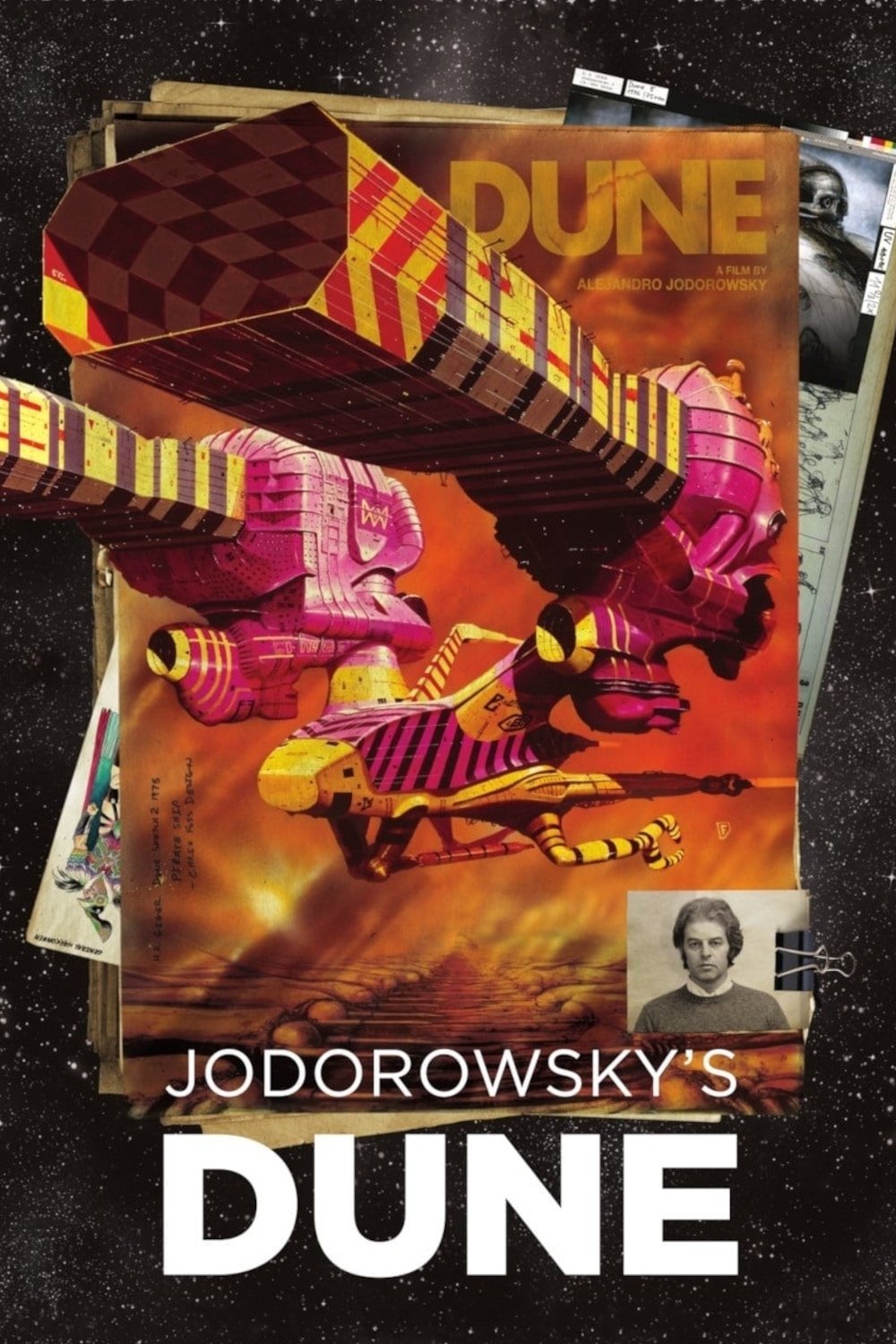
In 1974, Chilean-French director Alejandro Jodorowsky embarked on the quixotic project of adapting Frank Herbert's influential novel Dune (1969) for the big screen. After investing two years, and millions of dollars, the gigantic project ended in failure; but the artists Jodorowsky brought together to carry it out continued to work together, and ended up laying the foundations for modern science fiction cinema.
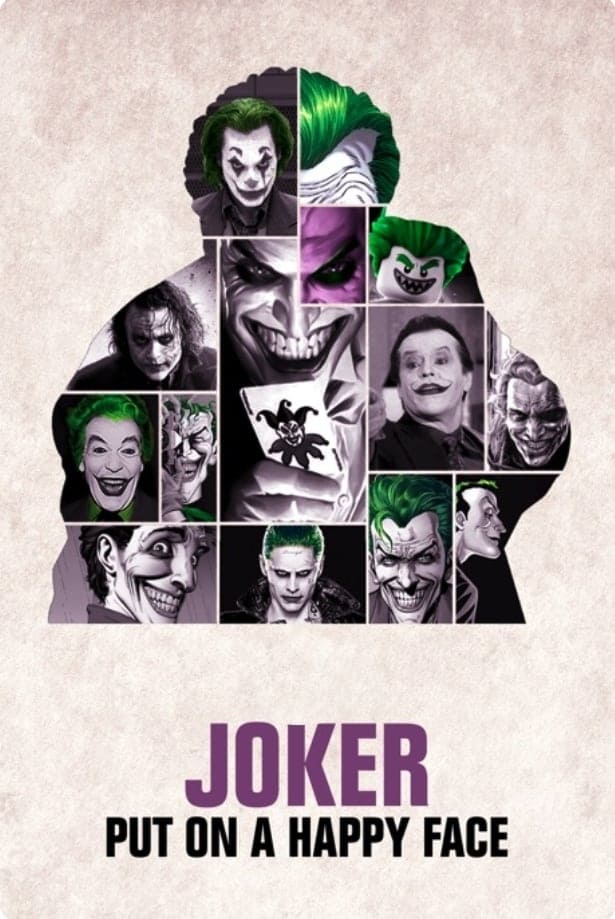
Featuring interviews with filmmakers and industry legends, discover the origins and evolution of The Joker, and learn why The Clown Prince of Crime is universally hailed as the greatest comic-book supervillain of all time.
This revealing documentary honors the legendary Sidney Poitier—iconic actor, filmmaker, and civil rights activist. Featuring interviews with Denzel Washington, Spike Lee, Halle Berry, and more.
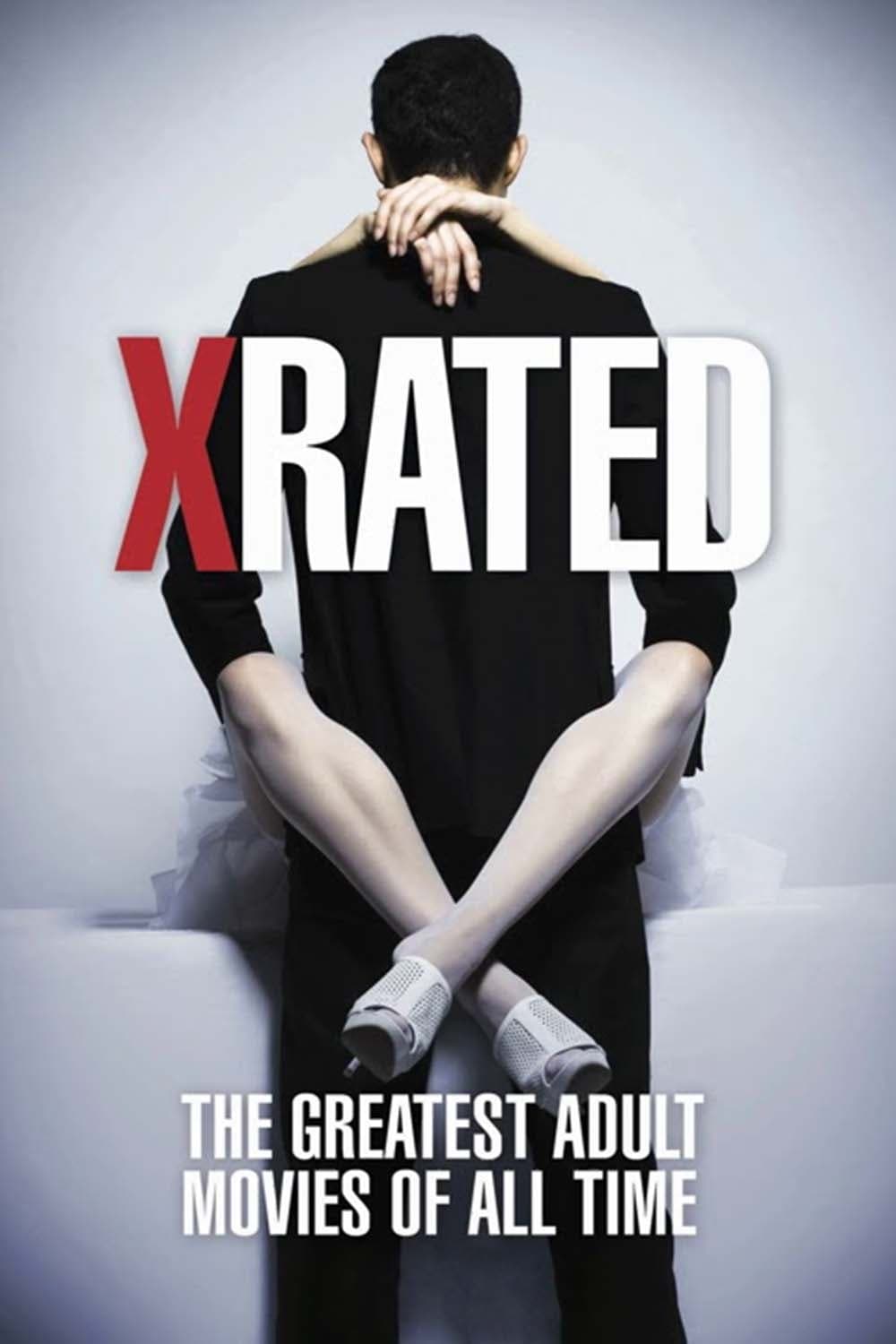
The evolution of adult cinema through the most influential films in history, a journey that begins in the 1970s and ends nowadays. An in-depth analysis of the success of the most prestigious erotic films, their impact on industry and society, and their influence on cinema and contemporary culture.
A string of threatening emails escalates into a revenge plot involving a newly married US marshal and his ex-girlfriend.
A documentary about the making of David Fincher's 2008 film THE CURIOUS CASE OF BENJAMIN BUTTON. Virtually every element in the evolution of the Fincher's film is documented here, from the project's attachment to numerous other directors during the 1990s, to its shoot in 2006 and 2007 in New Orleans, to its complex, CGI-intensive postproduction process.
An atmospheric essay, which is an alternative version of Count Dracula, a film directed by Jess Franco in 1970; a ghostly narration between fiction and reality.
The history of cinematic sound, told by legendary sound designers and visionary filmmakers.
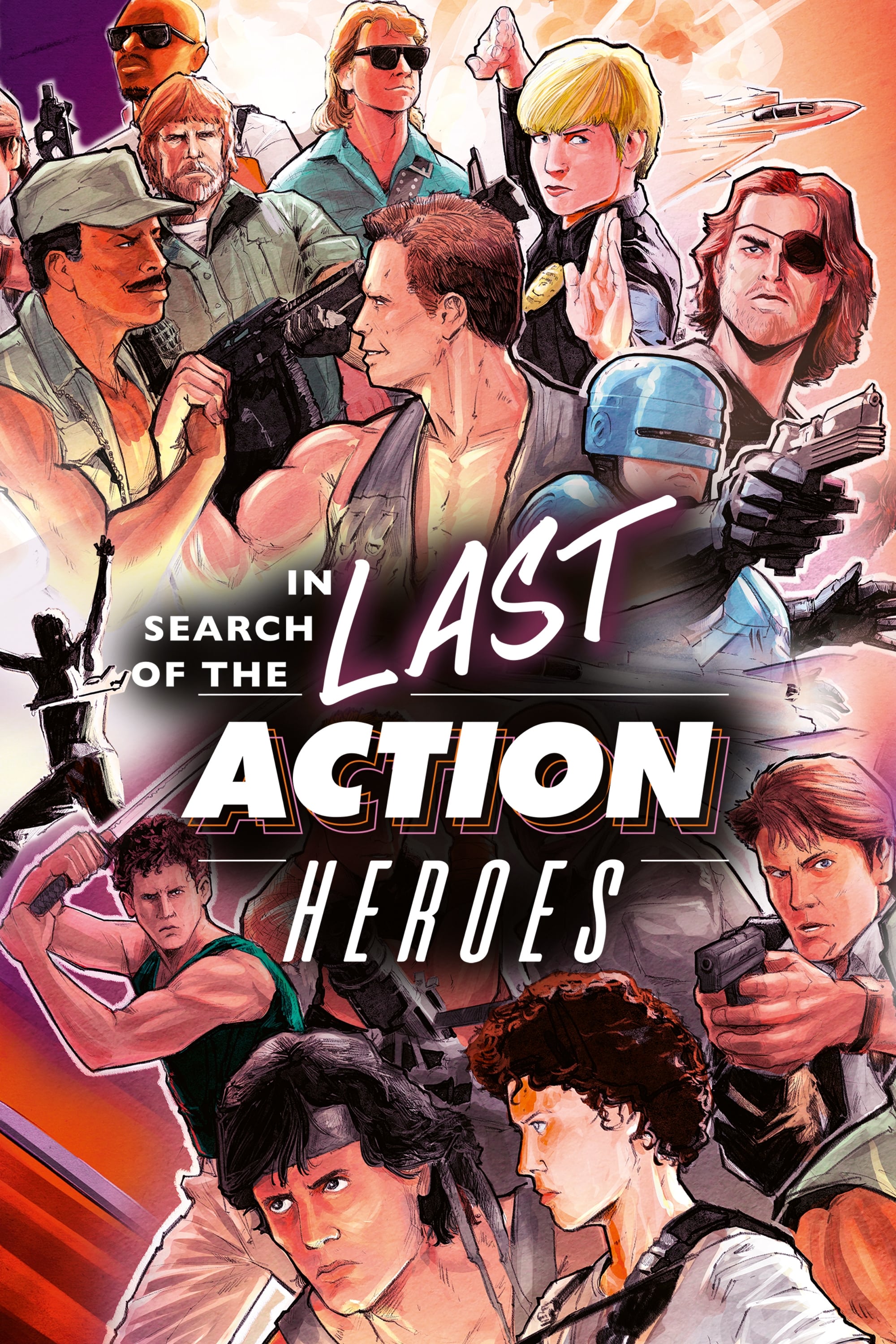
The most comprehensive retrospective of the '80s action film genre ever made.
A documentary about how a dominant cultural and demographic institution both sustains their traditional activities and adapts to the digital revolution.
A visual montage portrait of our contemporary world dominated by globalized technology and violence.
A documentary about the life and films of director John Ford.
Al Pacino's deeply-felt rumination on Shakespeare's significance and relevance to the modern world through interviews and an in-depth analysis of "Richard III."