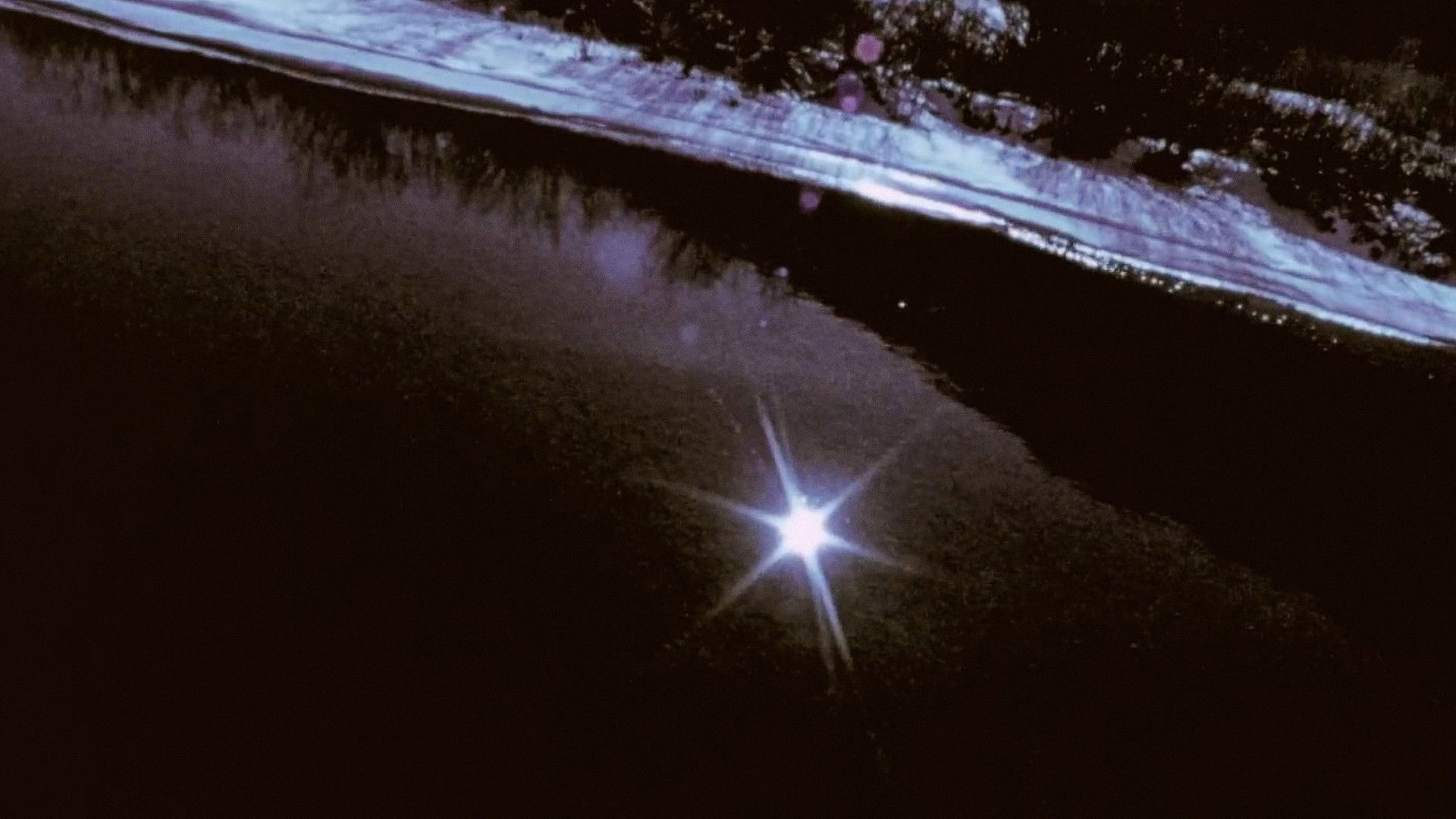
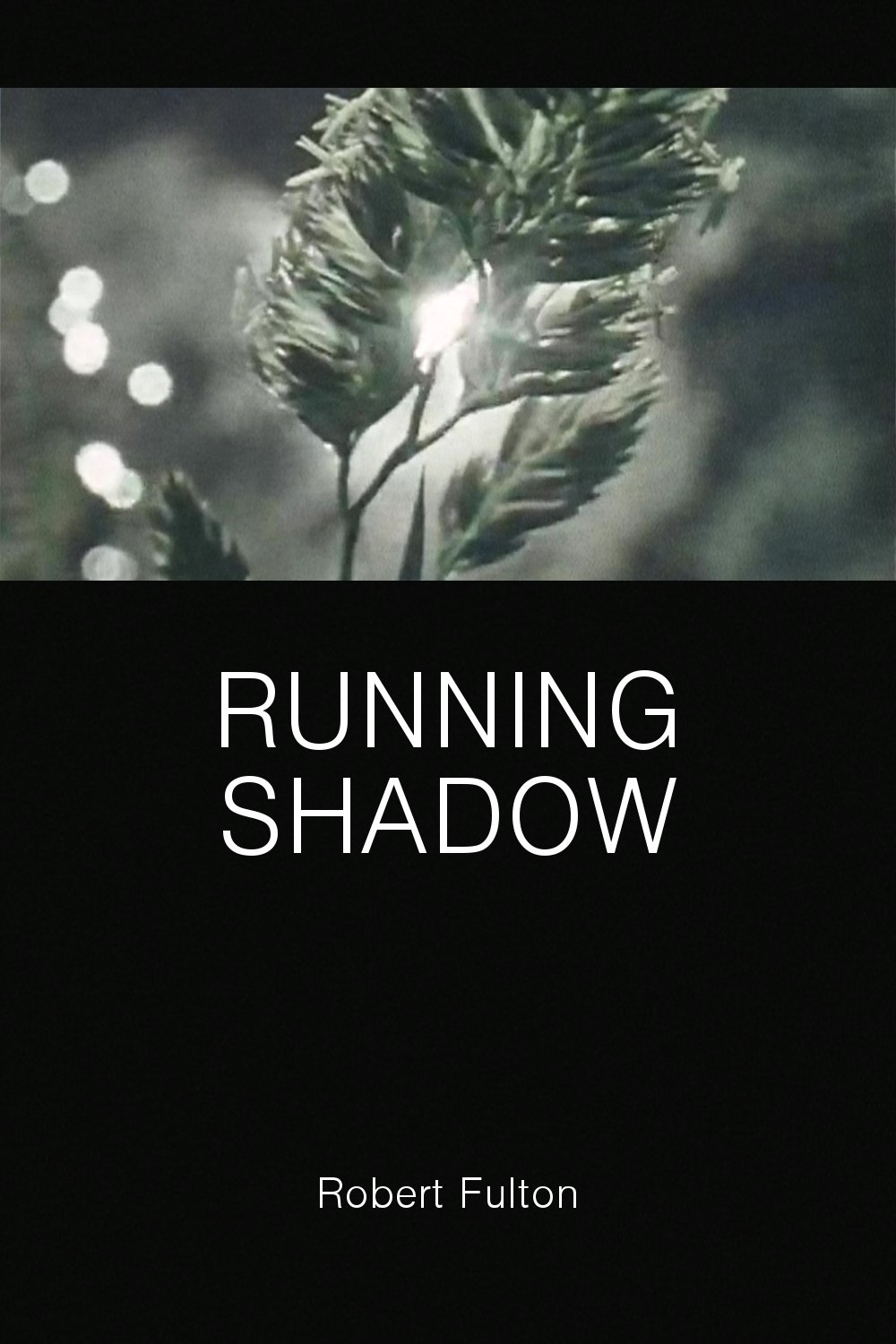
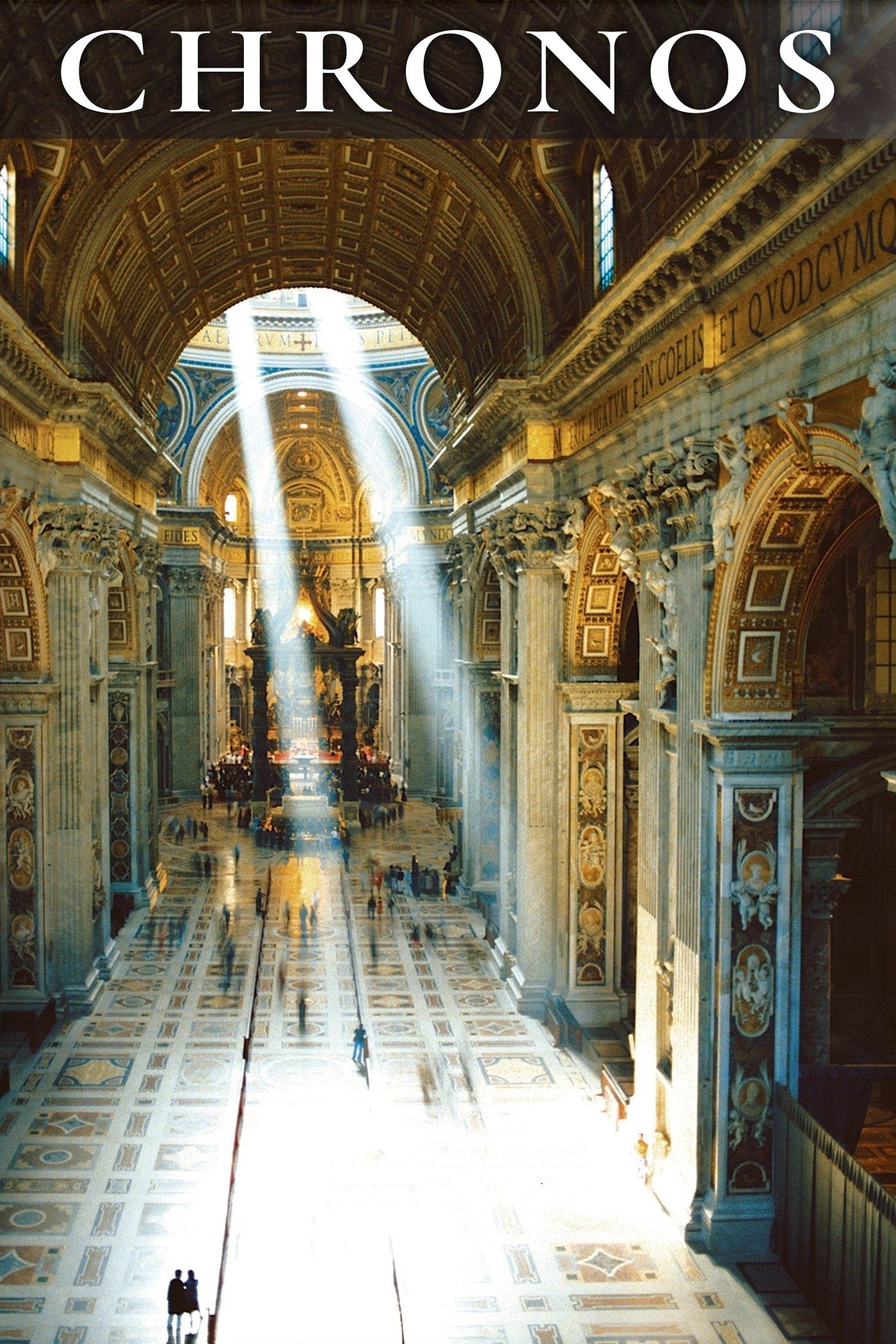
Rapidly changing images of natural objects, scenery, animals, plants, and people flicker, flash, tumble, and cascade across the screen.
Social & External
The people behind it
Robert Fulton
(voice)
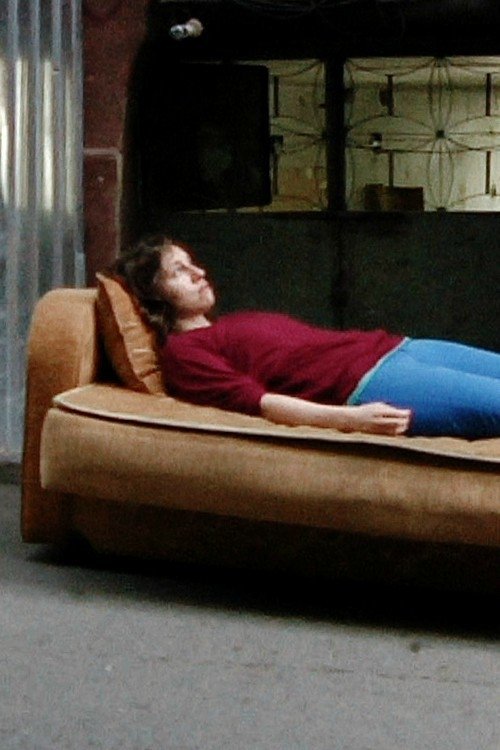
Featuring Turkish dancer Idil Kemer, Cynthia Madansky integrates performances of everyday movements and gestures as a direct response to the devastation brought about by the state-sponsored urban renewal project in downtown Istanbul.
“Convalescing, when you don't have to participate in the world. Time to read, to dream, to look - the blue, the light of the television, the blue, the book, the patterns the light, the blue. Time to appreciate how much that really is.”
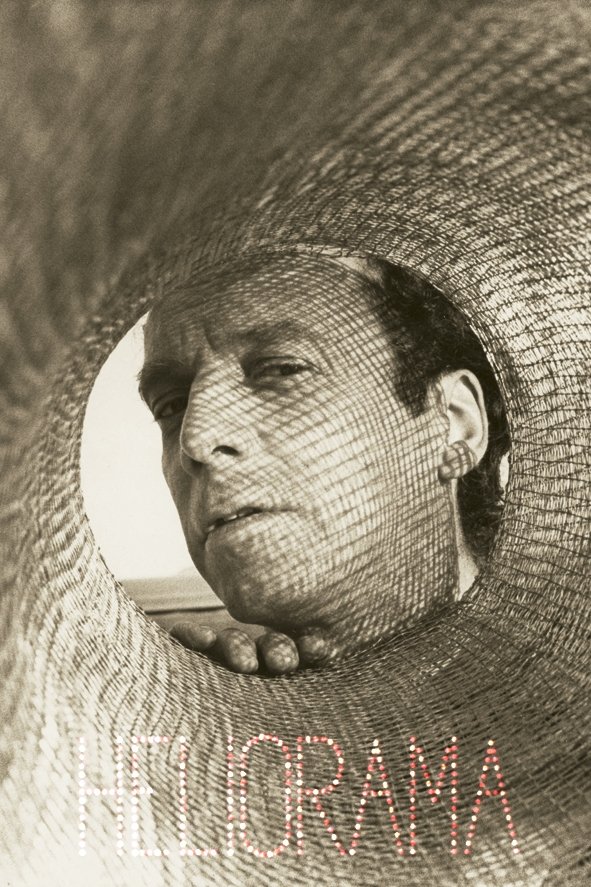
A collage of newsreels, trailers, clips and other visionary and unseen fragments of sight and sound regarding the late plastic artist Helio Oititica.
An alchemically treated lullaby to the end of cinema, featuring Charlie Chaplin and Buster Keaton.
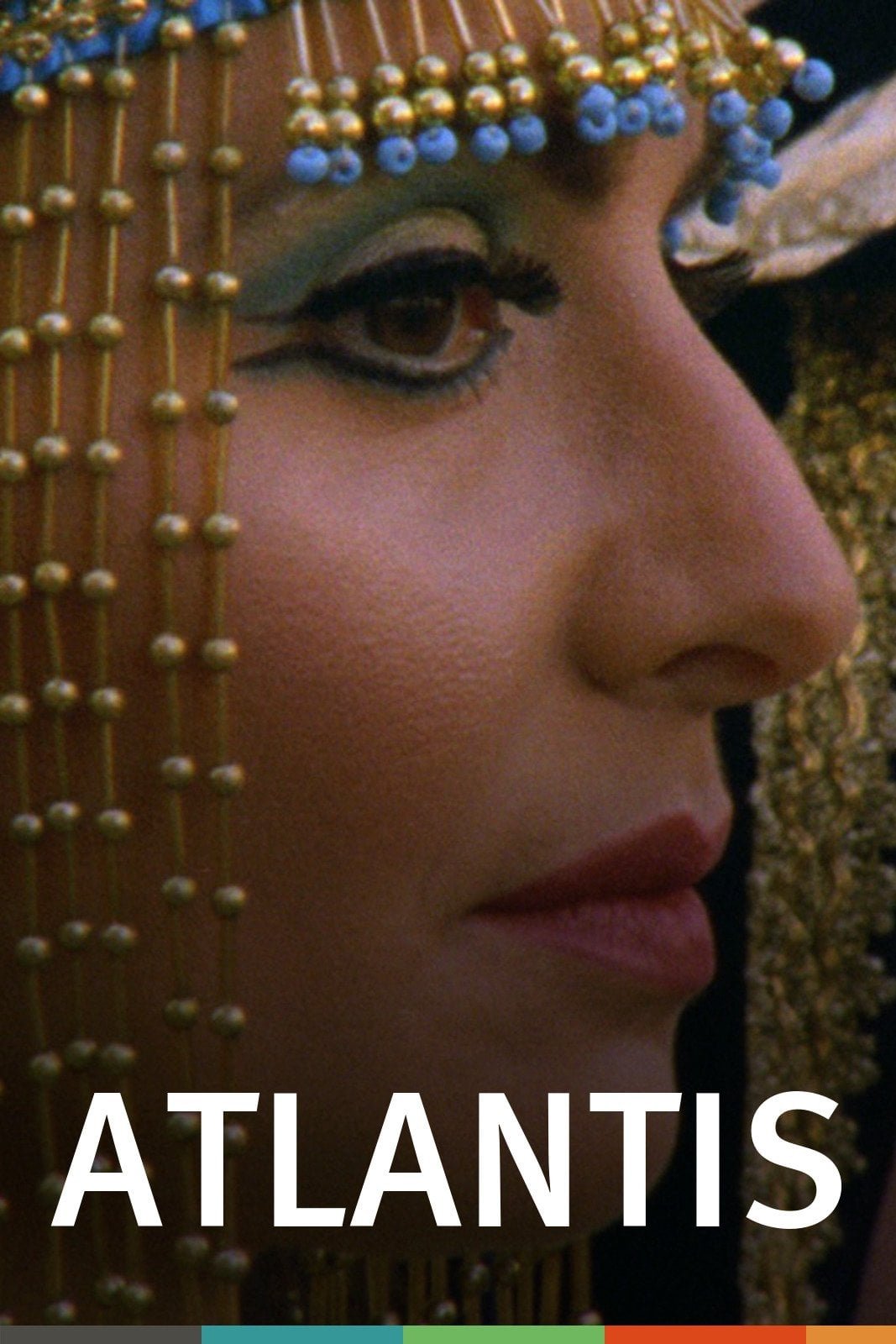
A documentary portrait of Utopia, loosely framed by Plato’s invocation of the lost continent of Atlantis in 360 BC and its re-resurrection via a 1970s science fiction pulp novel.
Pyramid is a single screen work on Abraham Maslow's theory on the hierarchy of human needs filmed through the rhythms and choreography of middle class South England. Filmed in color and b&w on 16mm film, it continues Salmon's interest in the performance of the artist/cinematographer within both spontaneous and constructed situations and incorporates methods developed by various movements within documentary and avant-garde history. Using an array of sounds, music and conversation as well as silence, Salmon constructs an abstract documentary which both develops and challenges the themes presented in Maslow's theory as well as her own interest in human iconography, stereotype and domestic rhythm. The image of Maslow's pyramid and his pragmatic dissection of human needs and possible motivations provide a system of organization for the family and a philosophical framework for the video.
A film about friendship and the occasional loneliness.
Thanks to his myriad film roles, Lon Chaney is known as “the man of a thousand faces,” and you could say that the early horror era never beheld a figure more intriguing. Yet because of his numerous transformations, his face never became as iconic as that of, say, Boris Karloff. Accompanied by a soundtrack from Bernhard Lang, this “re-imagination of shots” taken from Chaney´s forty-six surviving films offers a beguiling excursion into the history of film. The director reveals surprising associations, while highlighting the enduring magic of works which are now more or less forgotten.
An experimental documentary about the intertwining of bodies and lives in a cattle ranch in Les Avins, Belgium, with cattle of the breed Blanc Bleu Belge, known for its fascinating musculature.
A young woman and man are riding bikes through nature, having a good time. When she speeds up, he loses her, and after a while he stumbles across her bike without any trace of her. He stumbles through the forest looking for her, imagining how she kisses him. No dialogue, just "audio credits" instead of titles, saying the name of the film, actors and director.
Experimental short film from Yugoslavia.
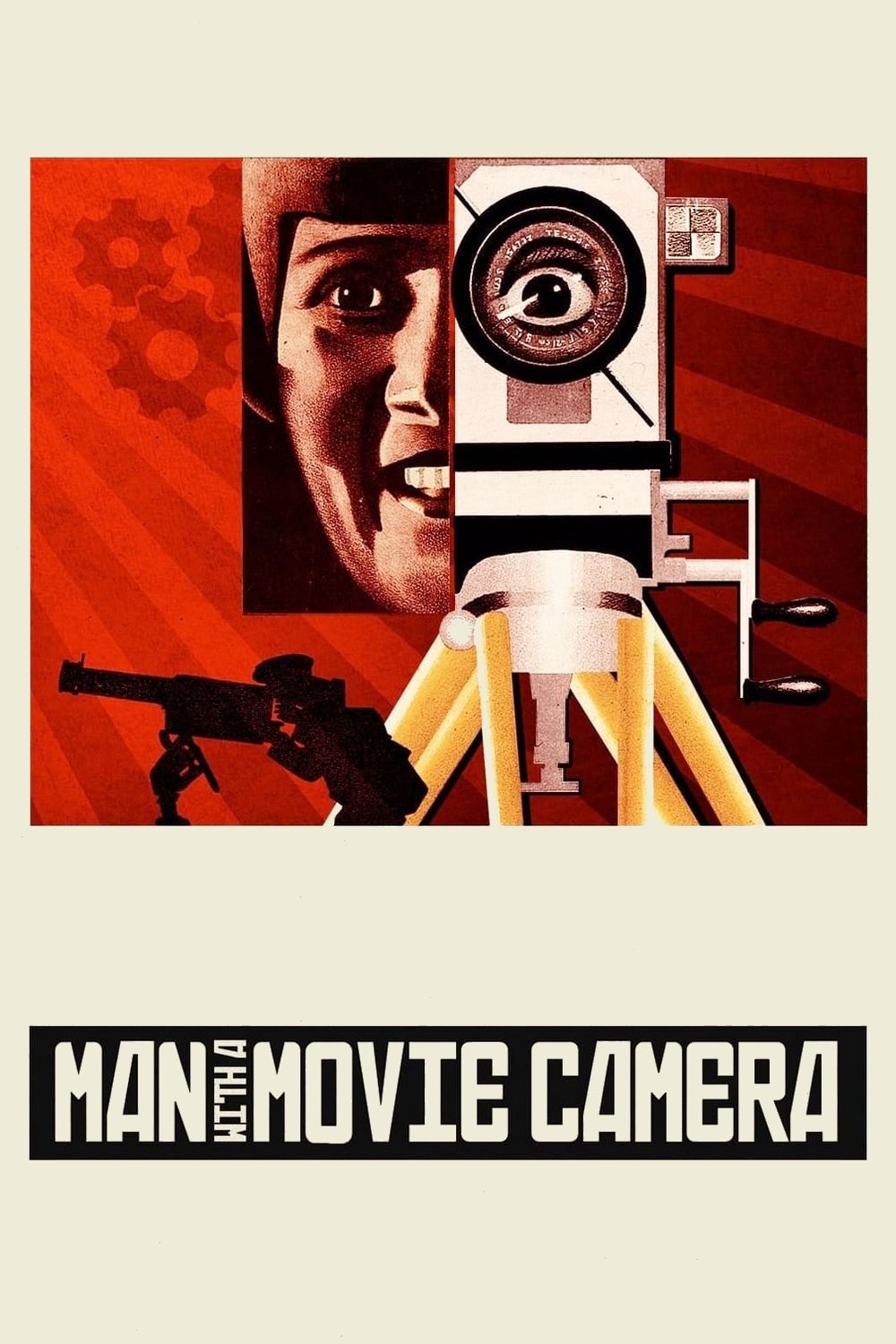
A cameraman wanders around with a camera slung over his shoulder, documenting urban life with dazzling inventiveness.
The title comes from Sergei Yesenin's last poem before comiting suicide. Using Virginia Woolf's last letters as a base, this film is meditation on the power of the word and its undertsanding and the the last moments before saying "goodbye".
At various points in its history, tiny St. John's Island was where Singapore's colonial founder Sir Stamford Raffles docked his ship upon arrival, a quarantine centre for immigrants and pilgrims returning from Mecca, a penal colony for political detainees and secret society leaders, and a sleepy holiday resort. Unlike its neighbouring islands, however, St. John's was never fully developed. It occupies an in-between space, the vestiges of its history scattered around the land. Its indeterminacy stands in sharp contrast to Singapore, where land use is meticulously planned to fulfil economic and social functions. In this film, St. John's Island - otherwise known as 'Bukit Orang Salah', a nickname coined by the people who were quarantined there - becomes a site of and for reflection, prompting questions about our history, heritage and identity.
"Ryuta is 5 years old. Even though he is my son, I sometimes wonder what this small person is to me. Even though I see his joys and sadnesses and know the feel of his warmth on my skin when I hold him, there are moments when my feelings for him become vague and blank." - Takashi Ito
"The majority of my 8-mm works were made for the three-minute "Personal Focus" film special put on in Fukuoka. This film is an animation of photographs I had taken on a regular basis as a sort of diary, and was made to have a rough feel to it." - Takashi Ito
Experimental film by Motoharu Jonouchi comprised of both archival footage from the 1960s Japanese student riots and dramatised re-enactions. It was created as a tribute to Michiko Kamba, a student victim of the riots.
For us, a thought always presupposes a society, a culture and above all the consciousness of time. We are haunted by immortality, human notion par excellence. As if the world was here to fascinate us. And to disappoint us. The film travels around the bulb like the Earth around the Sun. Light makes the film visible. A fragile film, like our existence. In the orbit of the film tragedy and our reality, the image resists the cruelty of the experiment.
A visual montage portrait of our contemporary world dominated by globalized technology and violence.
An inside look at one of the most anticipated movie sequels ever with James Cameron and cast.
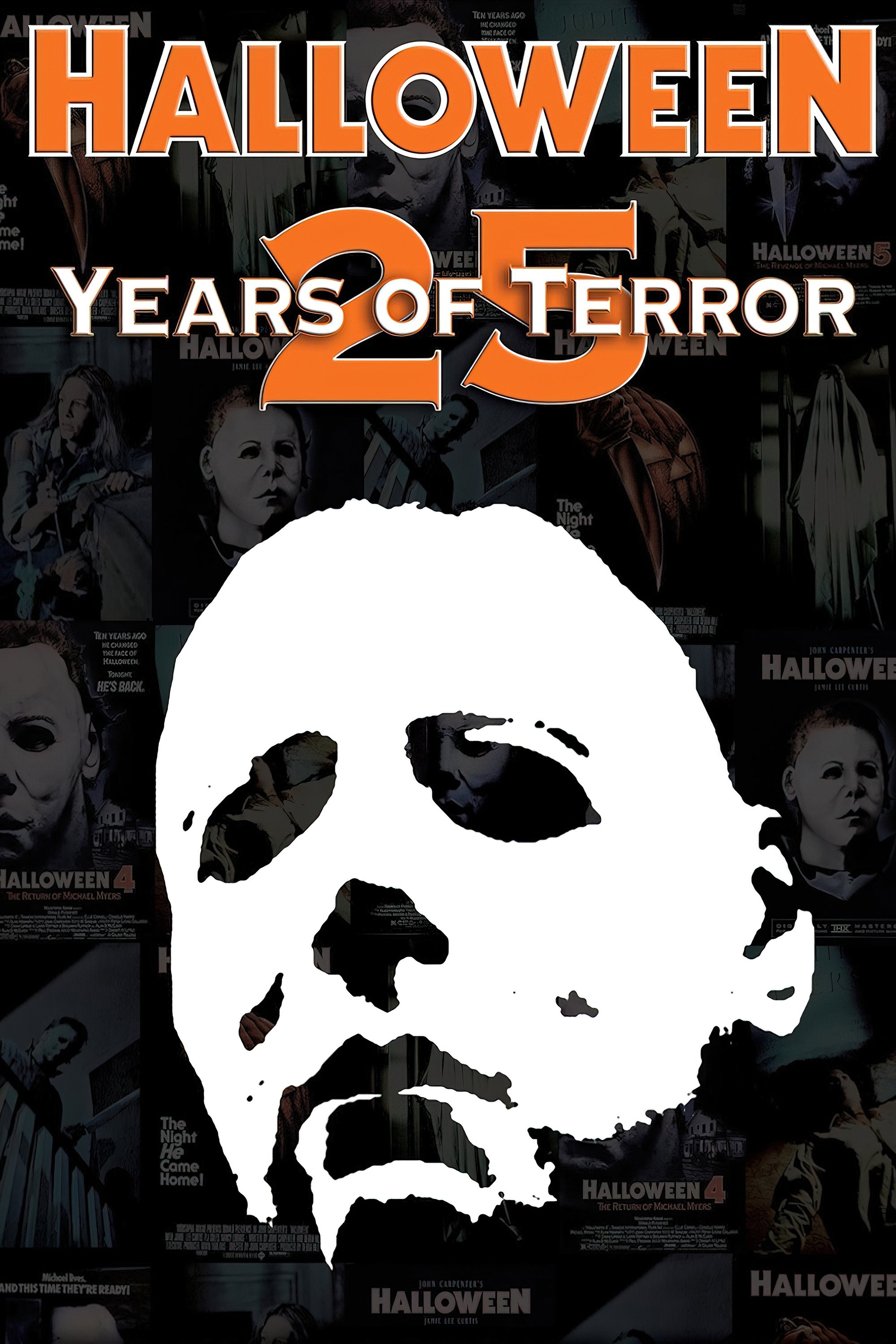
Follow the evolution of the 'Halloween' movies over the past twenty-five years. It examines why the films are so popular and revisits many of the original locations used in the films - seeing the effects on the local community. For the first time, cast, crew, critics and fans join together in the ultimate 'Halloween' retrospective.
Carefully picked scenes of nature and civilization are viewed at high speed using time-lapse cinematography in an effort to demonstrate the history of various regions.
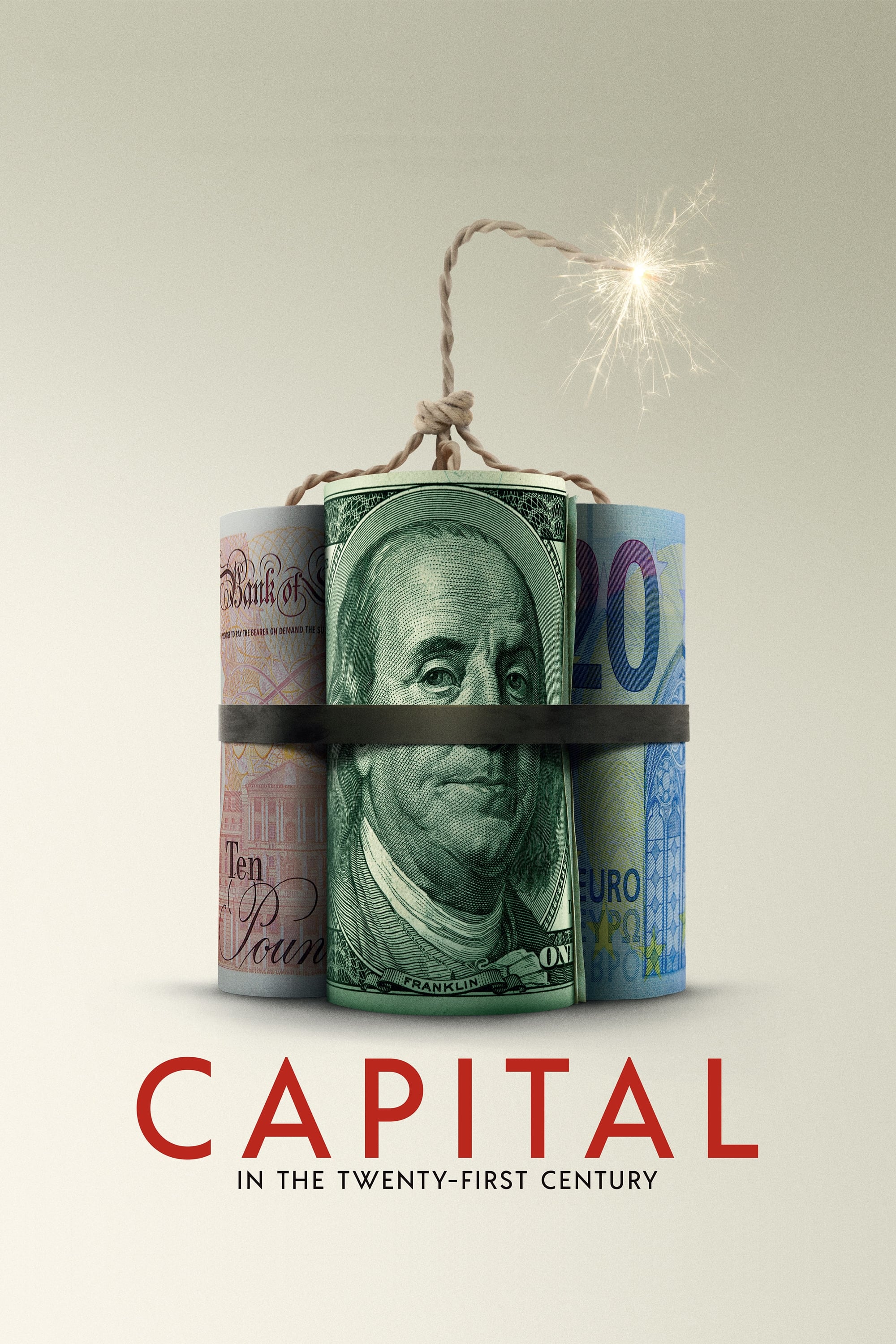
Film adaptation of French economist Thomas Piketty's ground-breaking global bestseller of the same name: an eye-opening journey through wealth and power.
A string of threatening emails escalates into a revenge plot involving a newly married US marshal and his ex-girlfriend.
Through deeply personal interviews with her siblings and an examination of the photographs, letters, and belongings left behind, Mariska assembles a new portrait of her mother Jayne Mansfield, an extraordinary and complex woman.
Ranjit, a farmer in India, takes on the fight of his life when he demands justice for his 13-year-old daughter, the victim of a brutal gang rape. His decision to support his daughter is virtually unheard of, and his journey unprecedented.
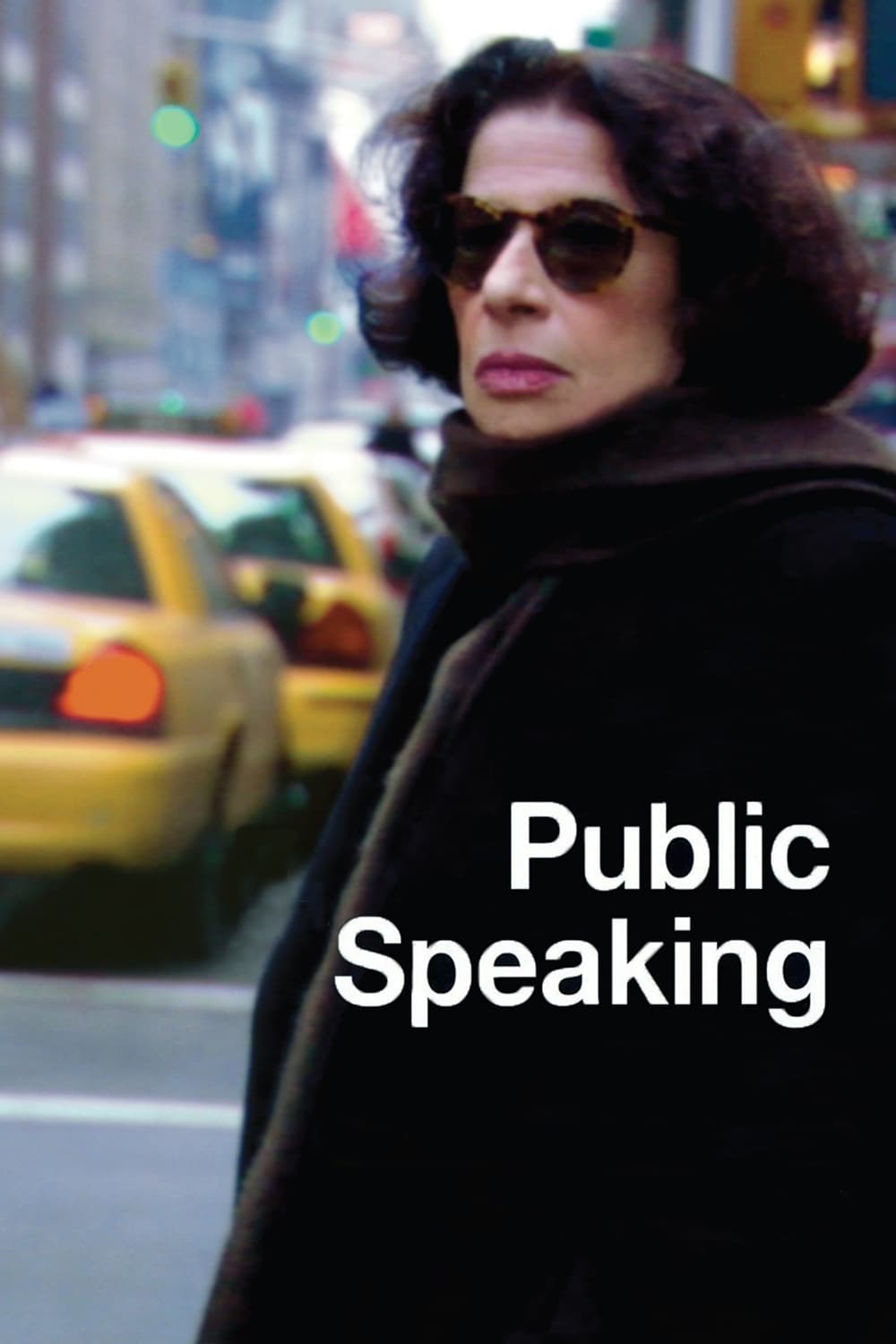
Martin Scorsese’s portrait of writer and social commentator Fran Lebowitz, celebrated for her sharp wit and observations on modern life. Filmed at New York’s Waverly Inn and intercut with archival footage and interviews, the documentary captures Lebowitz’s distinctive worldview through her spontaneous monologues and public appearances.
Alexander McQueen's rags-to-riches story is a modern-day fairy tale, laced with the gothic. Mirroring the savage beauty, boldness and vivacity of his design, this documentary is an intimate revelation of McQueen's own world, both tortured and inspired, which celebrates a radical and mesmerizing genius of profound influence.
The life and career of an actor, artist, and icon. His own journey through his own camera.
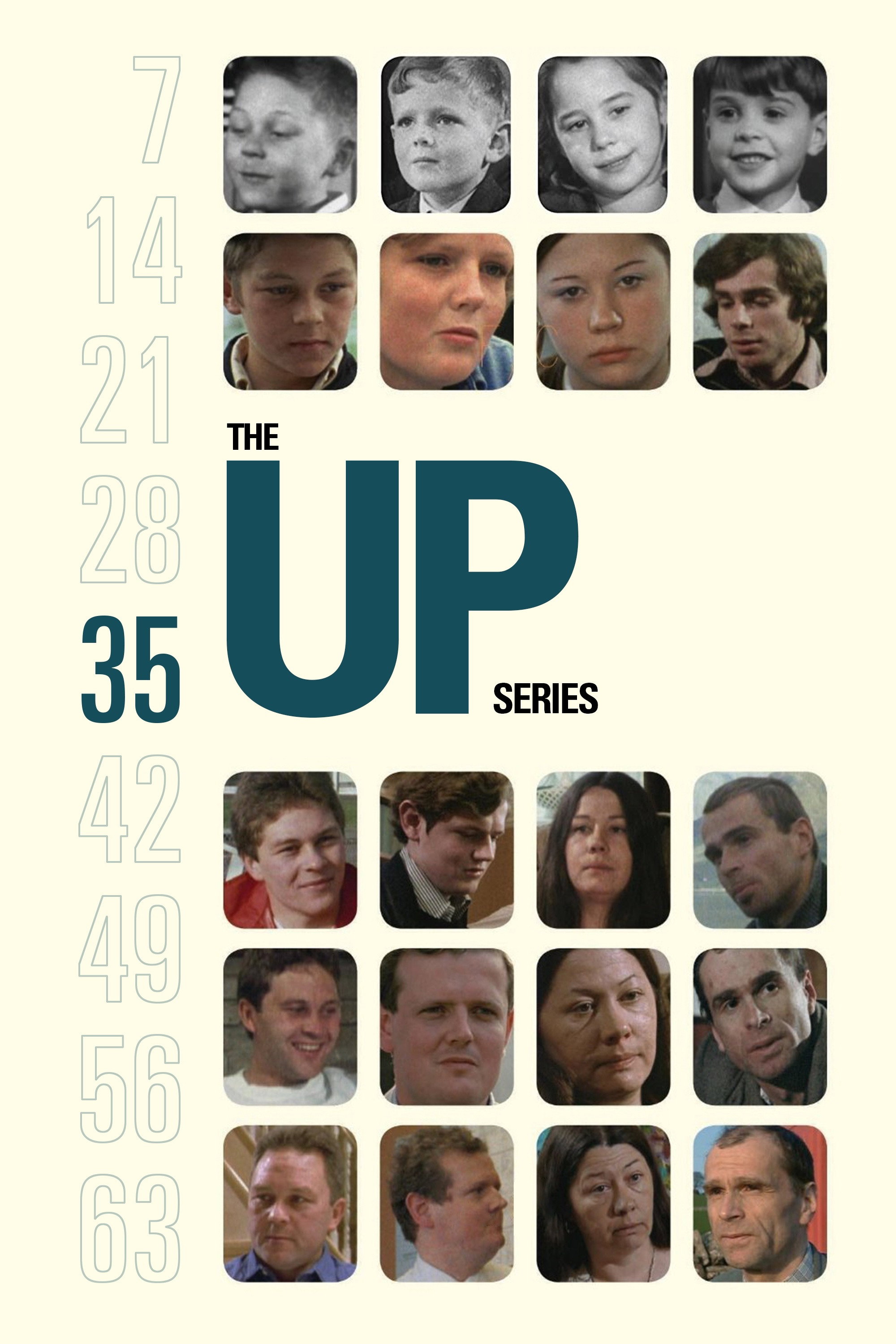
Director Michael Apted revisits the same group of British-born adults after a 7 year wait. The subjects are interviewed as to the changes that have occurred in their lives during the last seven years.
The Making-of James Cameron's Avatar. It shows interesting parts of the work on the set.
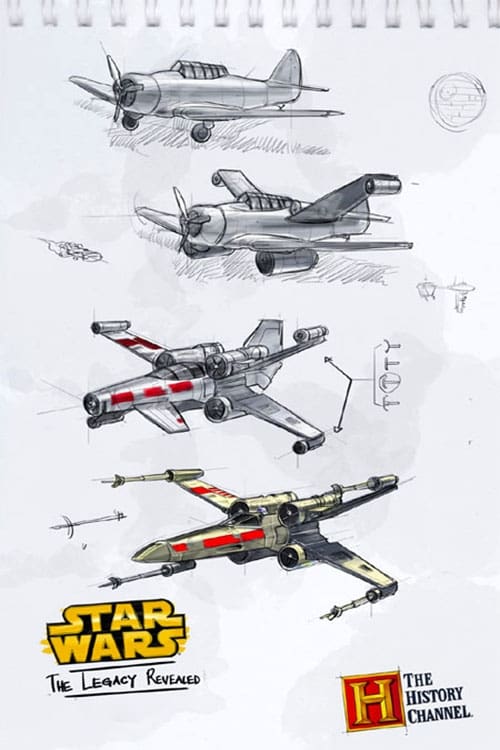
The special focuses on how Star Wars is relevant today and the history that inspired it, and also makes various connections to Greek mythology. It consists of several interviews with well-known politicians, journalists, and critics, along with historical content and clips from all six of the Star Wars movies.
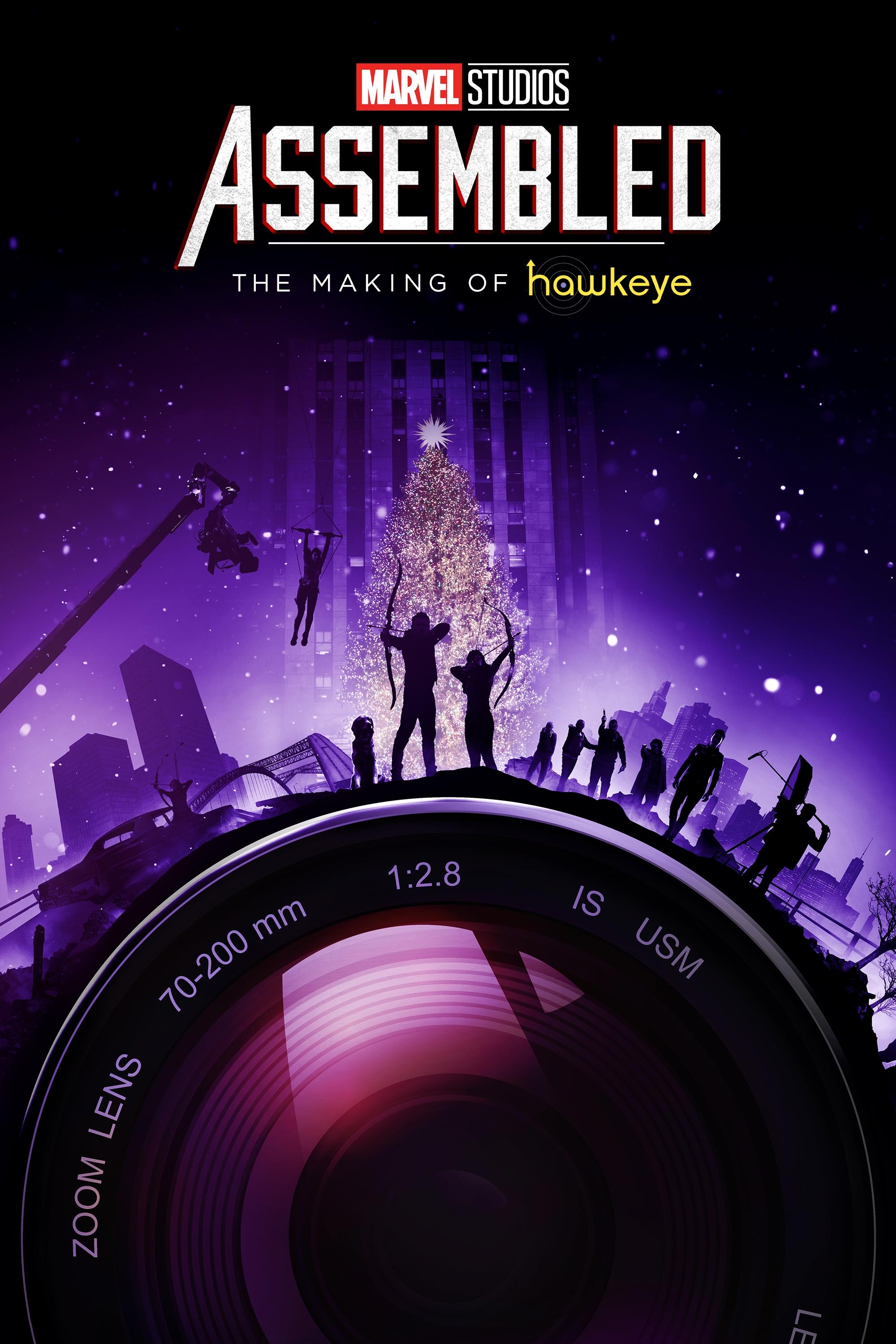
Join the likes of Jeremy Renner, Hailee Steinfeld, Florence Pugh, and Vincent D’Onofrio as they reveal how Marvel Studios’ “Hawkeye” was conceived and created. Witness firsthand what it took to pull off the show’s pulse-pounding action set pieces, and discover how iconic characters from the pages of Marvel Comics such as Kate Bishop were adapted and brought to life for the six-episode series.
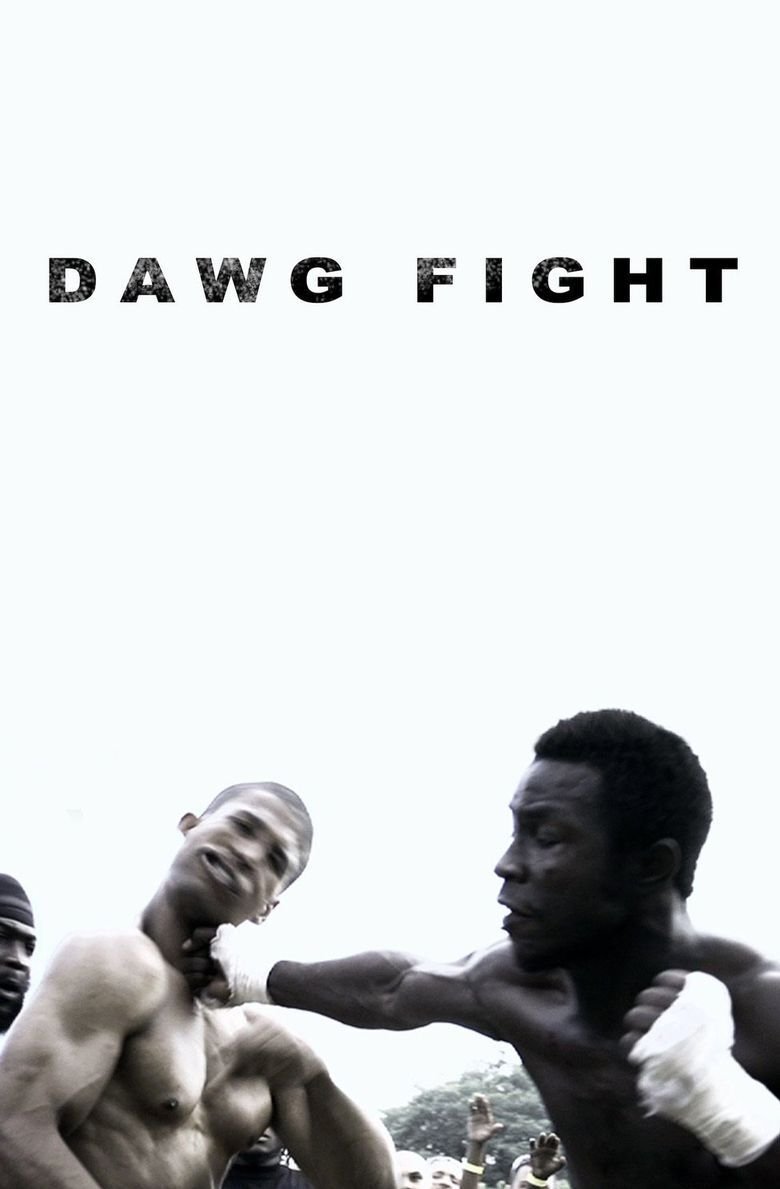
In a crime-plagued neighborhood near Miami, brutal, bare-knuckled backyard fights give young men a chance to earn money -- and self-respect.
A look at the origins, history and conspiracies behind the "Majestic 12", a clandestine group of military and corporate figureheads charged with reverse-engineering extraterrestrial technology.
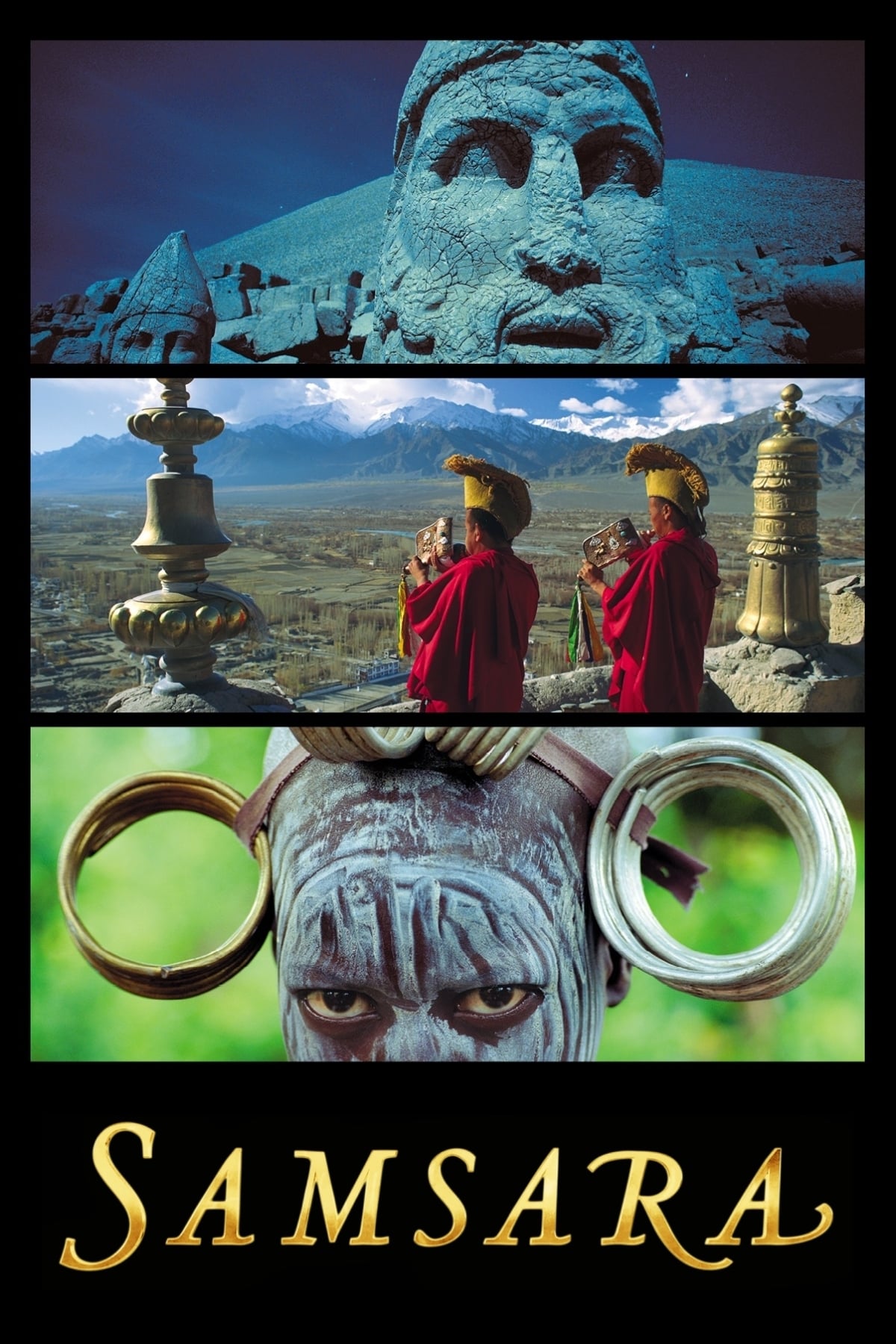
Filmed over nearly five years in twenty-five countries on five continents, and shot on seventy-millimetre film, Samsara transports us to the varied worlds of sacred grounds, disaster zones, industrial complexes, and natural wonders.
A documentary about the making of David Fincher's 2008 film THE CURIOUS CASE OF BENJAMIN BUTTON. Virtually every element in the evolution of the Fincher's film is documented here, from the project's attachment to numerous other directors during the 1990s, to its shoot in 2006 and 2007 in New Orleans, to its complex, CGI-intensive postproduction process.
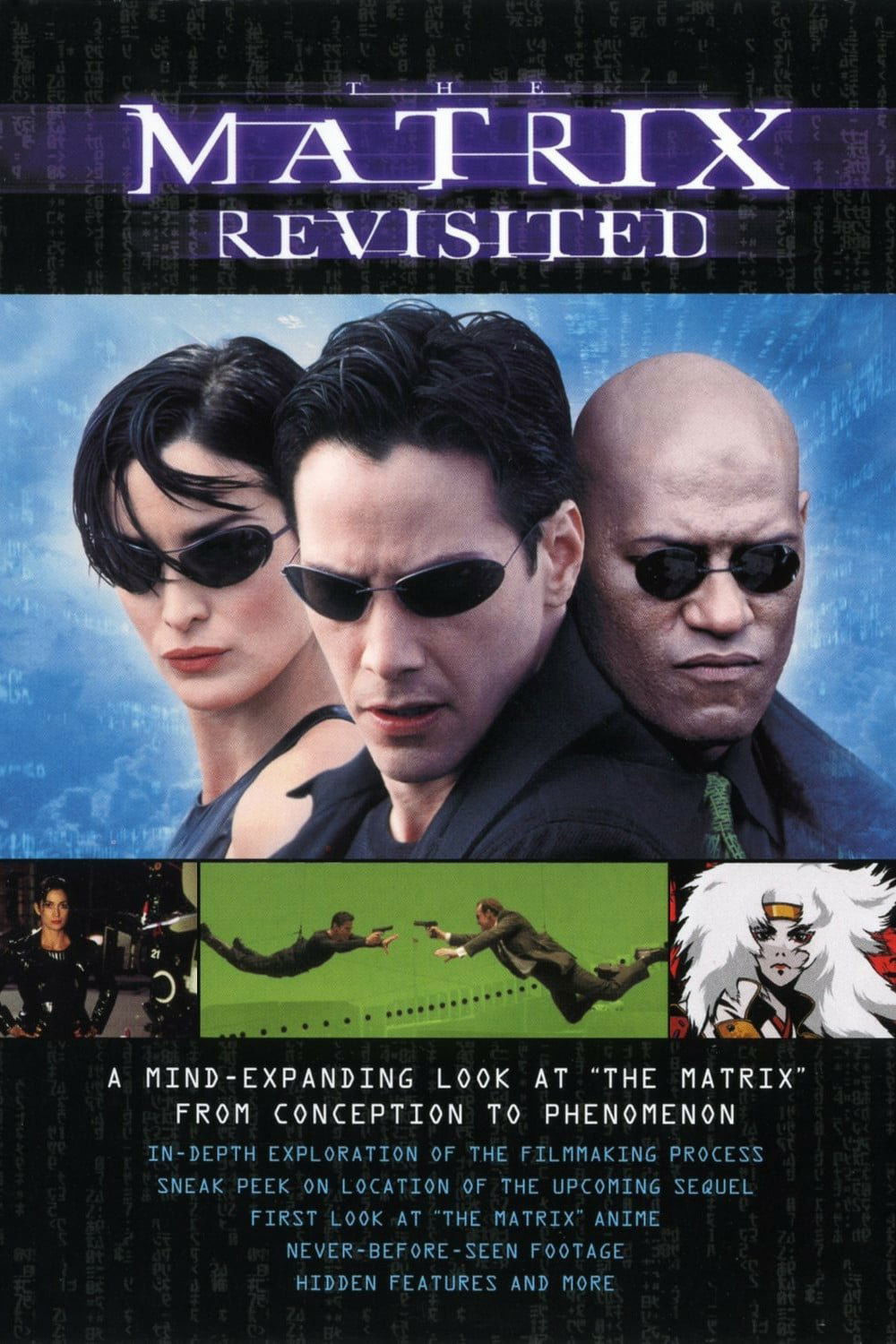
The film goes behind the scenes of the 1999 sci-fi movie The Matrix.