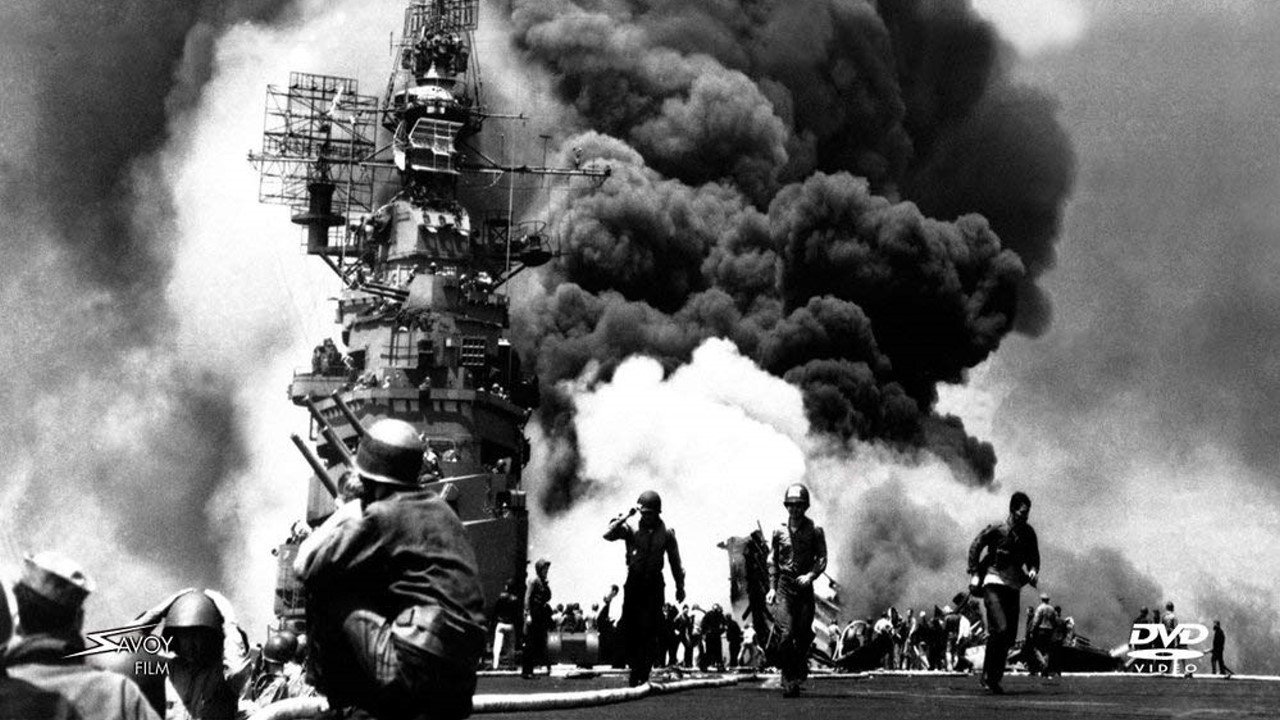
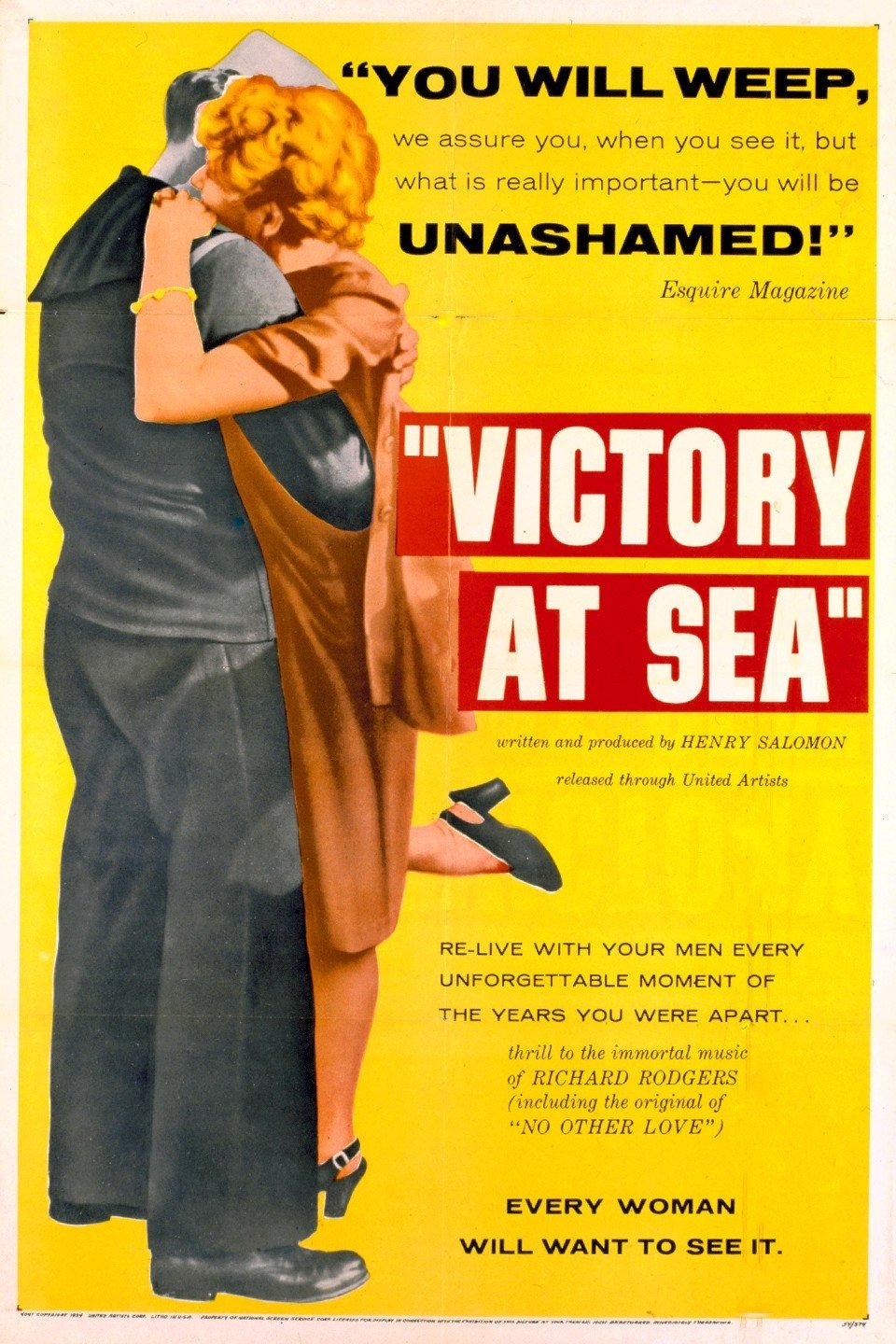
A feature-length, condensed version of the 1952 documentary TV series 'Victory at Sea'.
Social & External
The people behind it
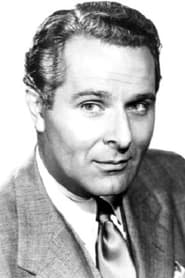
Alexander Scourby
Narrator (voice)
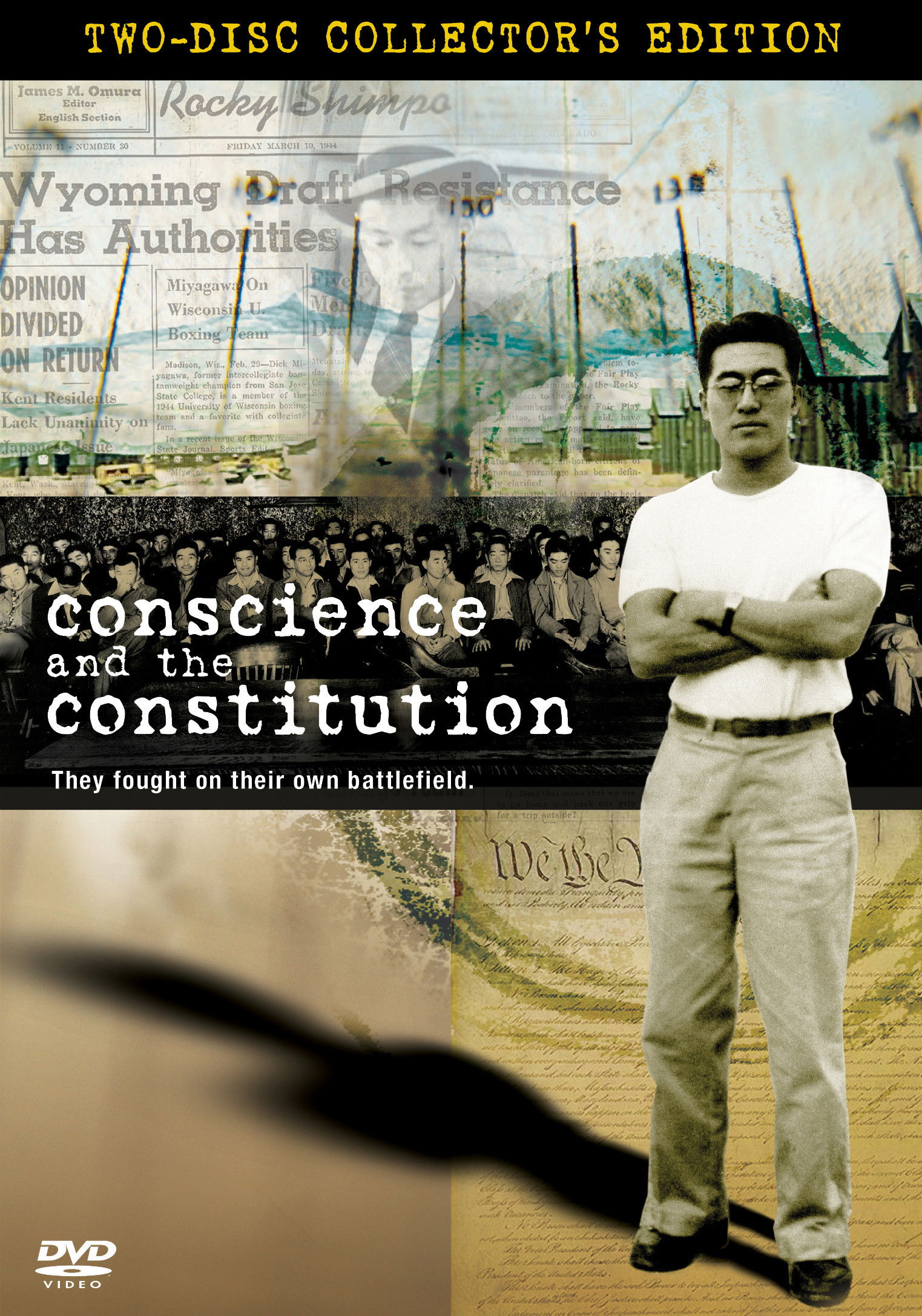
Americans refused to be drafted from the concentration camp at Heart Mountain, Wyoming. Ready to fight, but not before their rights as U.S. citizens were restored and families released.
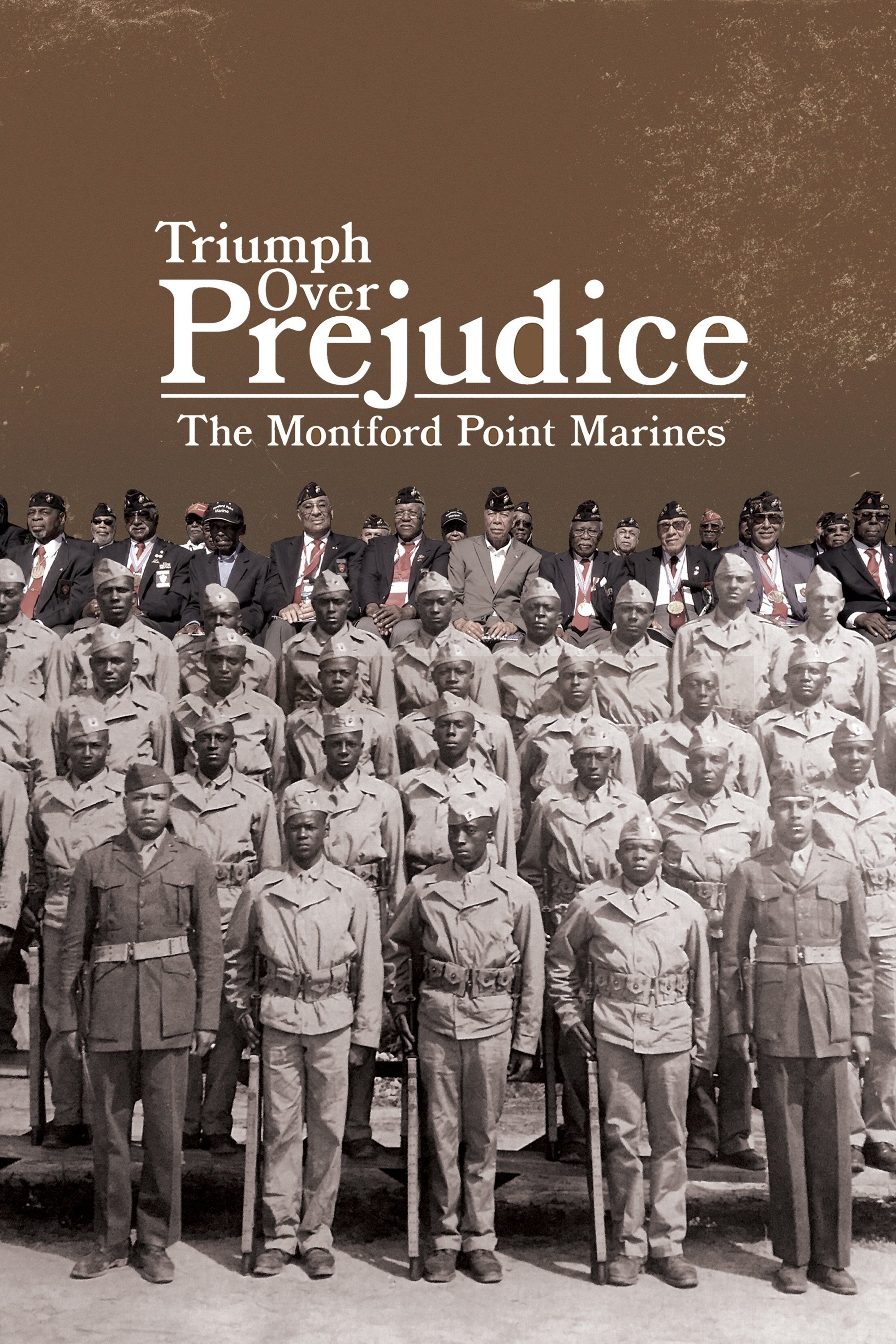
Against the backdrop of a world on the brink, the Montford Point Marines transcended enemy lines and formidable barriers of racial segregation. Beginning in rural Virginia, their journey to the front lines of World War II, the Korean War, and the Vietnam War is more than a testament to their bravery - it's a reflection of their indomitable spirit and unyielding resolve. Confronting racial prejudices, the heartbreaks of war, and the turbulent transition to civilian life, these men never wavered in their commitment. "Triumph Over Prejudice" dives deep into the uncharted terrains of the Black experience in the early 20th century Marine Corps, illuminating stories often shadowed in history's corners. With cinematic finesse fit for a global streaming audience, the film weaves personal narratives into a rich tapestry, culminating in an epic saga of heroism, perseverance, and the enduring legacy of the American veteran.
This short documentary is part of the Canada Carries On series of morale-boosting wartime propaganda films. In Home Front, the various WWII-era social contributions of women are highlighted. From medicine to industrial labour to hospitality, education and domesticity, the service these women provided to their country is lauded.
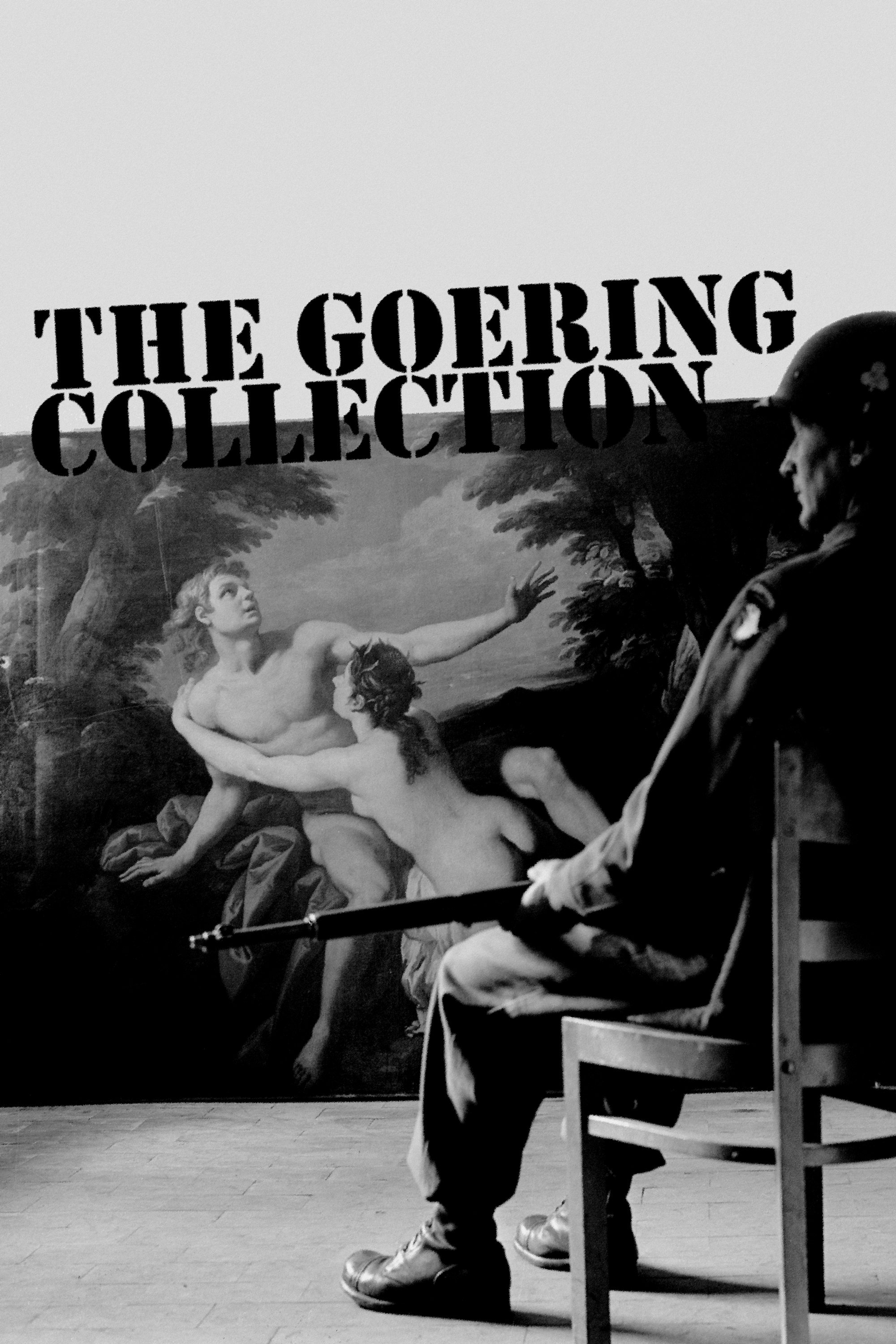
For more than a decade, Reichsmarschall Hermann Goering, Adolf Hitler's right-hand man during the infamous Third Reich, assembled a collection of thousands of works of art that were meticulously catalogued.
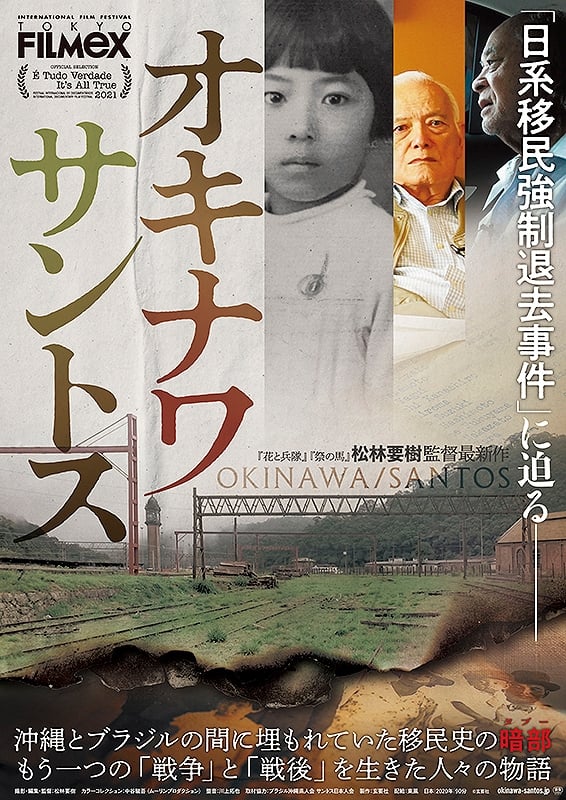
During World War II, many Japanese immigrants in Santos, Brazil, were forced to move to another place. Matsubayashi draws attention to the fact that 60% of the immigrants were from Okinawa. Based on testimonies from interviewees, this film reveals the hidden historical relationship between Okinawa and Brazil.
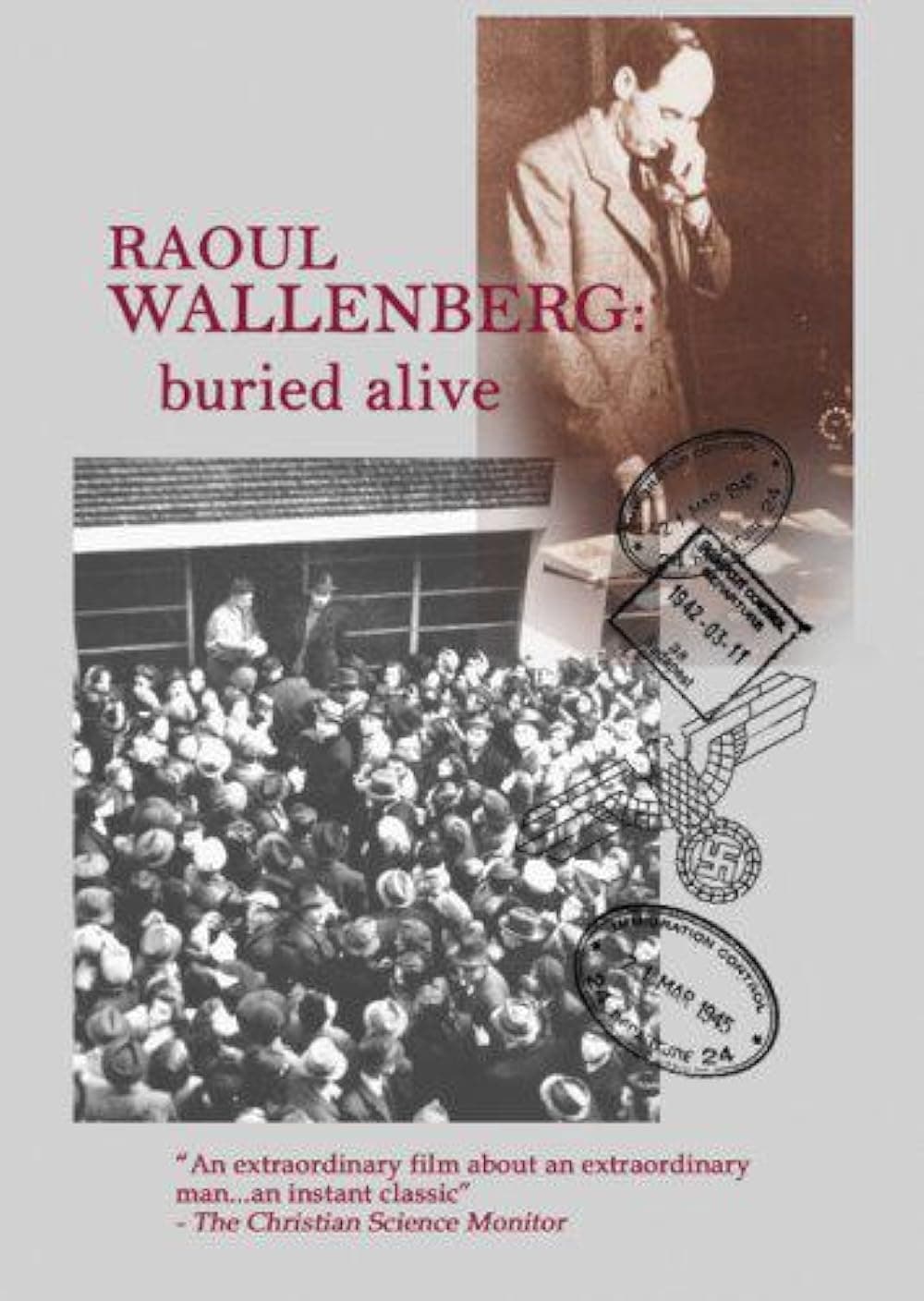
A profile of Swedish diplomat Raoul Wallenberg, the film covers his role in saving the lives of Jewish refugees from the Holocaust, as well as exploring the evidence that he may still have been alive in a Soviet gulag as late as the early 1980s.
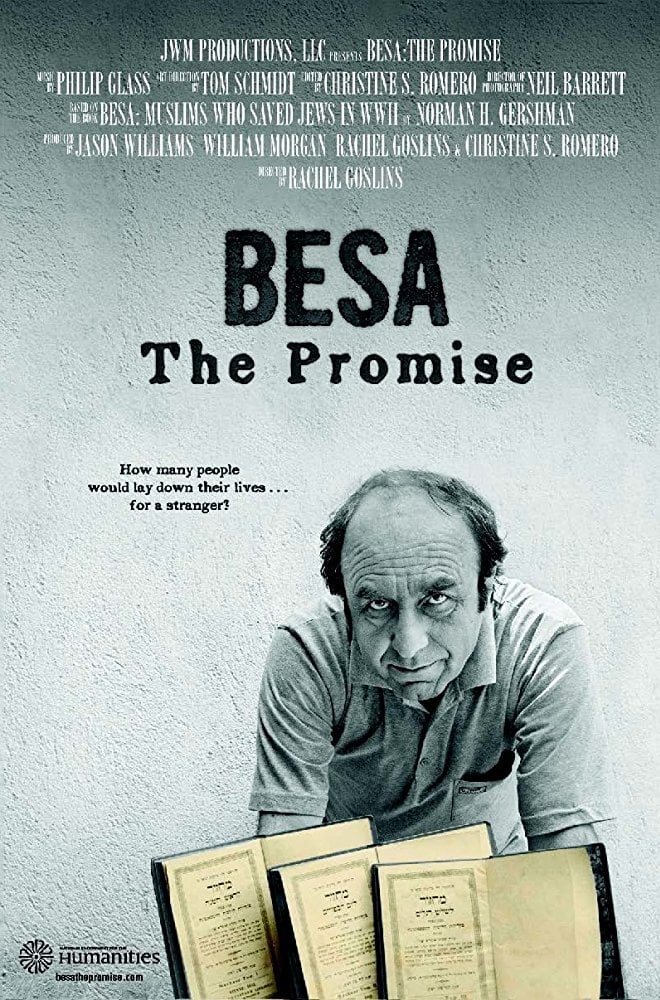
A documentary exploring how Albanians, including many Muslims, helped and sheltered Jewish refugees during WWII at their own risk, and trying to help the son of an Albanian baker that housed a Jewish family for a year return some Hebrew books that the family had to leave behind.
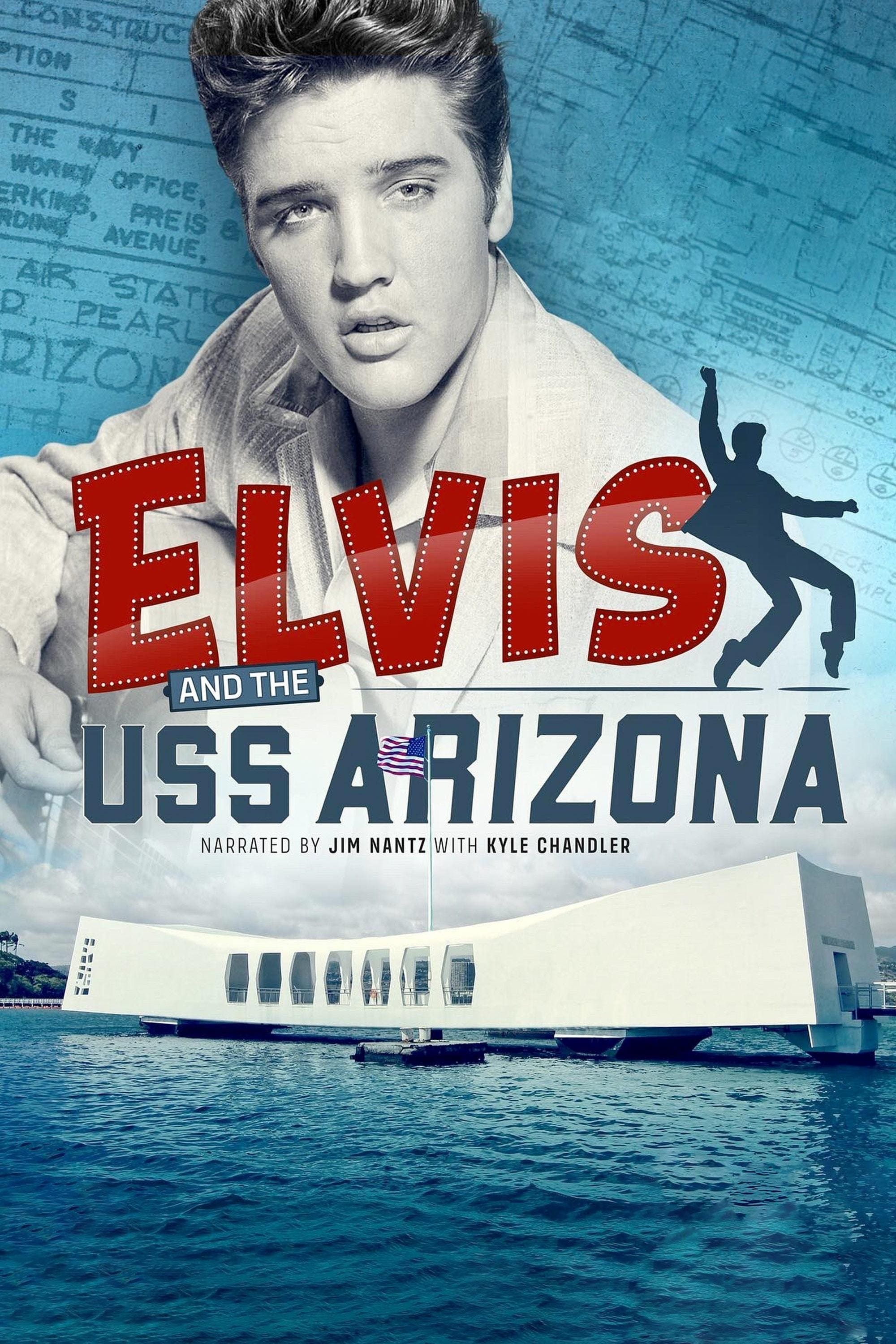
The surprising story of how one of music's biggest icons helped to establish a USS Arizona memorial in Pearl Harbor. Elvis’ fundraising concert drew public attention to the plight and helped to galvanize efforts to finish the USS Arizona Memorial as it stands today.
In this documentary, experts dissect the Battle of Britain, which took place on Sept. 15, 1940 — a day that determined the fate of the nation.
On March 24, 1944, in the heart of Nazi Germany, 76 British, Canadian, Norwegian and French pilots who were held in Stalag Luft III, a prison camp of the Luftwaffe, escaped. Unique testimony from the last survivors, recreations and today’s digital images sheds new light on the audacious escape.
A documentary covering the actions of the 6th Marine Division on Okinawa during WWII.
In WWII, the English Channel was a vital passageway. Here, explore the previously untold story of the invaluable superguns that guarded it.
Here is the hair raising, seat-of-the-pants tale of men who dared to fly their planes, unescorted, to the heart of enemy held Romania to blast the source of German oil. It's also the story of long, low level flights over water, searching for the tell tale sliver of a U-boat periscope. It's a tribute to an underdog that became the most versatile, widely used bomber of World War II. This is THE B-24 LIBERATOR! Aviation A.V. Library brings you this battling classic in a hell-raising video adventure that we call "THE FIGHTING LIBERATOR." From the Bismark Sea to dirt airstrips in China to the exhilaration of the great push on D-Day the Liberator was there, fighting her way over, around and through the Axis ranks.
The untold story of a Royal "propagandist in pearls" whose wartime friendship with President Roosevelt became a vital catalyst to win back freedom for her tiny occupied country.
In the darkest days of World War II, St. Peter's was shrouded in the shadow of the swastika. But even as the Führer surrounded him, the Pope was plotting a secret counter-offensive. Wartime Pontiff Pius XII has been derided for his public silence about the Holocaust. But evidence suggests his silence may have been subterfuge.
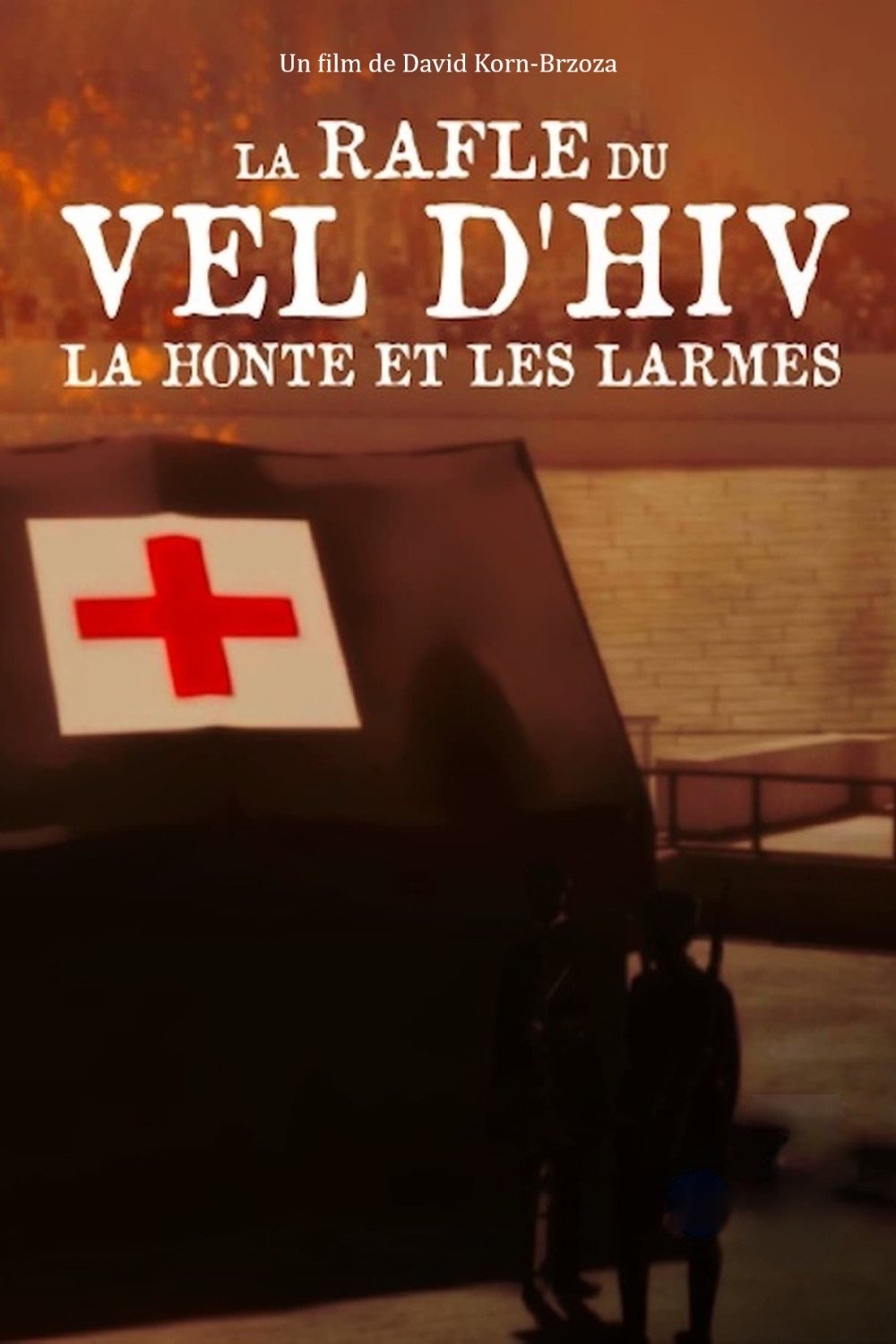
In 1942, more than 8,000 Jews were arrested on 16 and 17 July and sent to the Vélodrome d'Hiver sports center in the 15th district, a stone's throw from the Eiffel Tower, before being deported. The expression "Vel d'Hiv round-up" has become part of our collective memory, to the point of becoming the main memorial reference point for France during the dark years. Based on research carried out in unpublished or rarely explored archives, this film retraces the history of this roundup as experienced by hunted Jews and police trackers, from its planning in the Vichy offices to its hour-by-hour unfolding in the streets of Paris.
This documentary focuses on the actors and their journey over two summers to create the remake to the original IT, by Stephen King. The documentary originally released as bonus material, bundled with IT: Chapter Two.
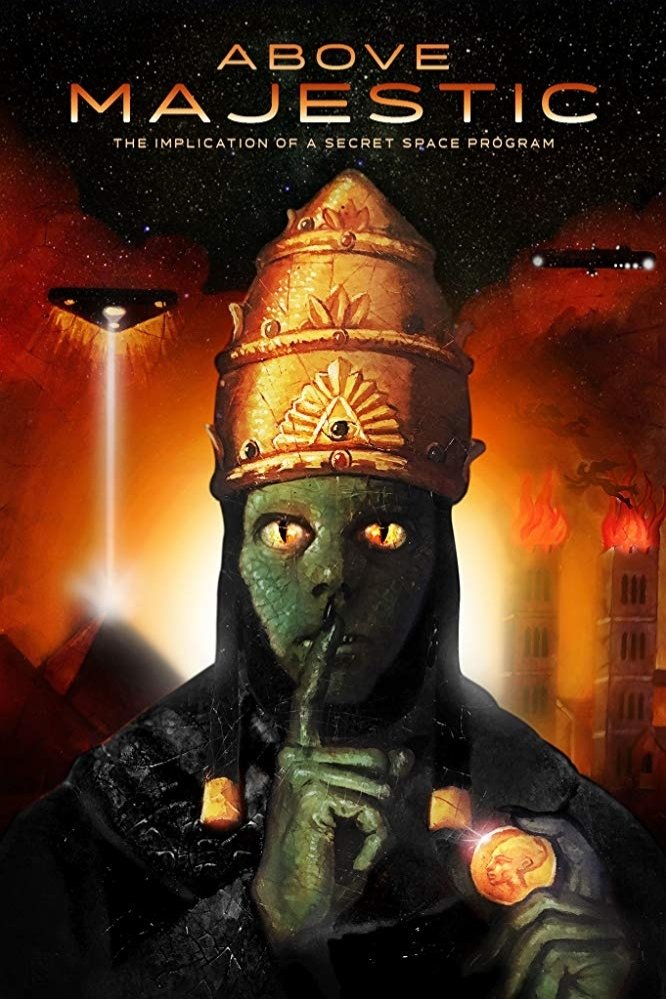
A look at the origins, history and conspiracies behind the "Majestic 12", a clandestine group of military and corporate figureheads charged with reverse-engineering extraterrestrial technology.
Various MGM stars from yesterday present their favorite musical moments from the studio's 50 year history.
Interviews with leading authors, philosophers and scientists, with an in-depth discussion of the Law of Attraction. The audience is shown how they can learn and use 'The Secret' in their everyday lives.
Daniel Craig candidly reflects on his 15 year adventure as James Bond. Including never-before-seen archival footage from Casino Royale to the upcoming 25th film No Time To Die, Craig shares his personal memories in conversation with 007 producers, Michael G Wilson and Barbara Broccoli.
The life and career of an actor, artist, and icon. His own journey through his own camera.
Prelude to War was the first film of Frank Capra's Why We Fight propaganda film series, commissioned by the Pentagon and George C. Marshall. It was made to convince American troops of the necessity of combating the Axis Powers during World War II. This film examines the differences between democratic and fascist states.
Al Pacino's deeply-felt rumination on Shakespeare's significance and relevance to the modern world through interviews and an in-depth analysis of "Richard III."
Long-lost footage from Elvis Presley's legendary Las Vegas residency in the 1970s woven together with rare 16mm footage from Elvis on Tour, and 8mm from the Graceland archive, plus recordings of Elvis telling "his side of the story" rediscovered during Baz Luhrmann's research for his 2022 film, Elvis.
The life of Mr. Spock, as well as that of Leonard Nimoy, the actor who played him for almost fifty years, written and directed by his son: Adam.
The extraordinary story of the planet’s most famous contemporary scientist, told in his own words and by those closest to him. Made with unique access to Hawking’s private life, this is an intimate and moving journey into Stephen's world, both past and present.
An astonishing journey revealing the awesome power of the natural world. Over the course of one single day, we track the sun from the highest mountains to the remotest islands to exotic jungles.
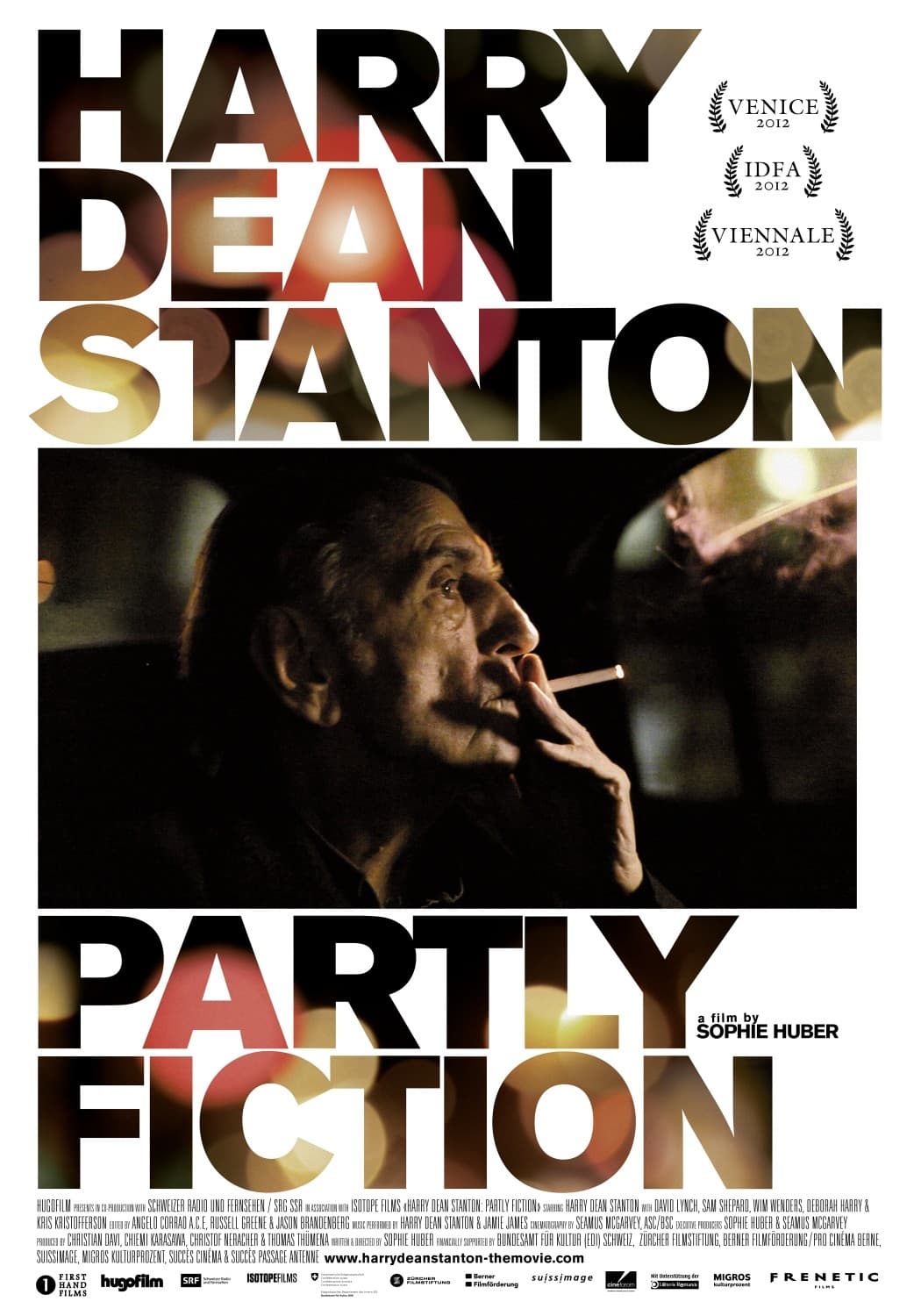
An impressionistic portrait of the iconic actor Harry Dean Stanton comprised of intimate moments, film clips from some of his 250 films and his renditions of American folk songs.
Gene Kelly and Fred Astaire present more golden moments from the MGM film library, this time including comedy and drama as well as classic musical numbers.
Explore the evolution of Buzz Lightyear from toy to human in the making of Pixar’s Lightyear. Dive into the origin and cultural impact of everyone’s favorite Space Ranger, the art of designing a new “human Buzz,” and the challenges faced by the Lightyear crew along the way.
A visual montage portrait of our contemporary world dominated by globalized technology and violence.
The Captains is a feature-length documentary film written and directed by William Shatner. The film follows Shatner as he interviews the other actors who have portrayed starship captains in the Star Trek franchise.
Some of MGM'S musical stars review the studios history of musicals. From The Hollywood Revue of 1929 to Brigadoon, from the first musical talkies to Gene Kelly in Singin' in the Rain.
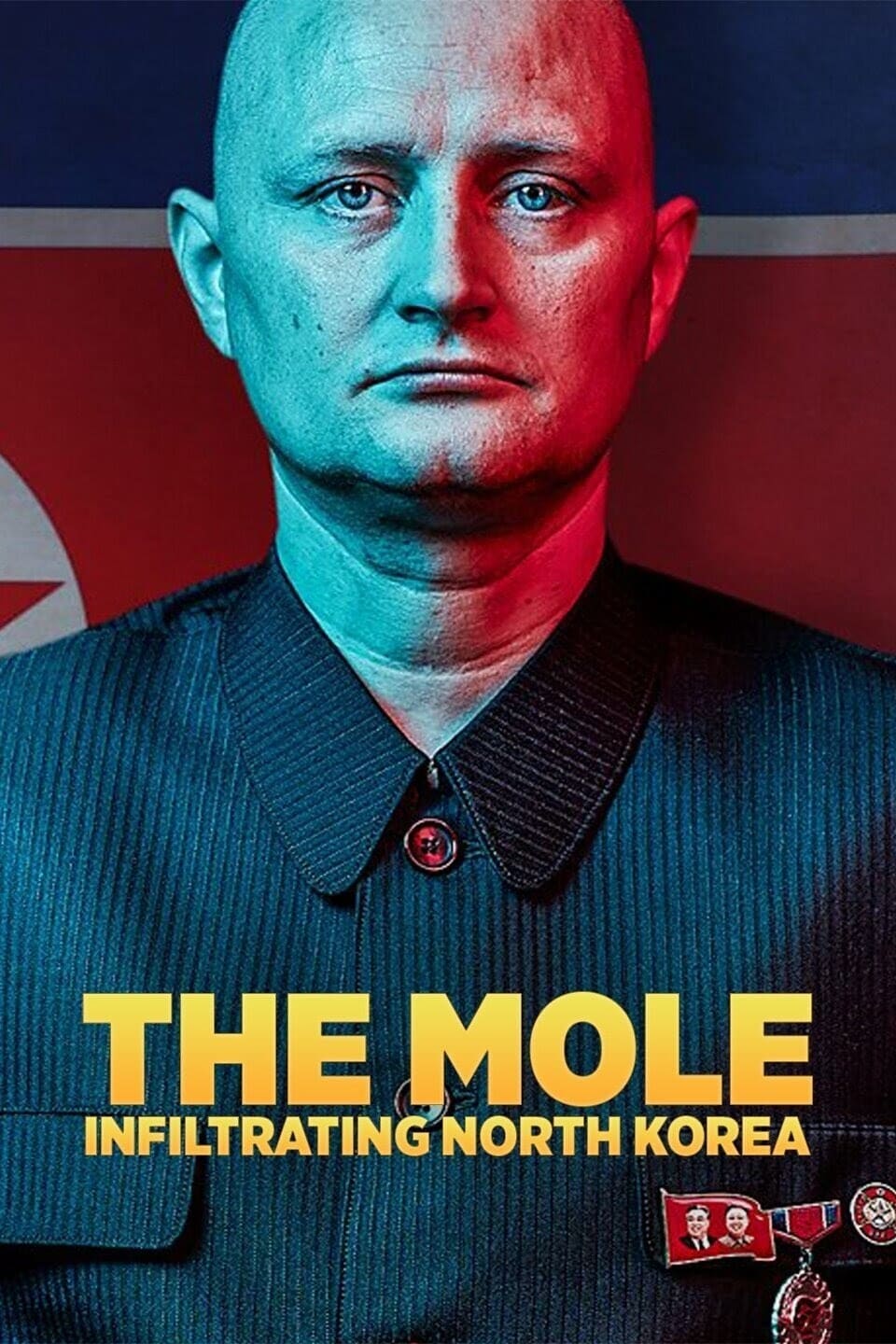
A real-life undercover thriller about two ordinary men who embark on an outrageously dangerous ten-year mission to penetrate the world's most secretive and brutal dictatorship: North Korea.
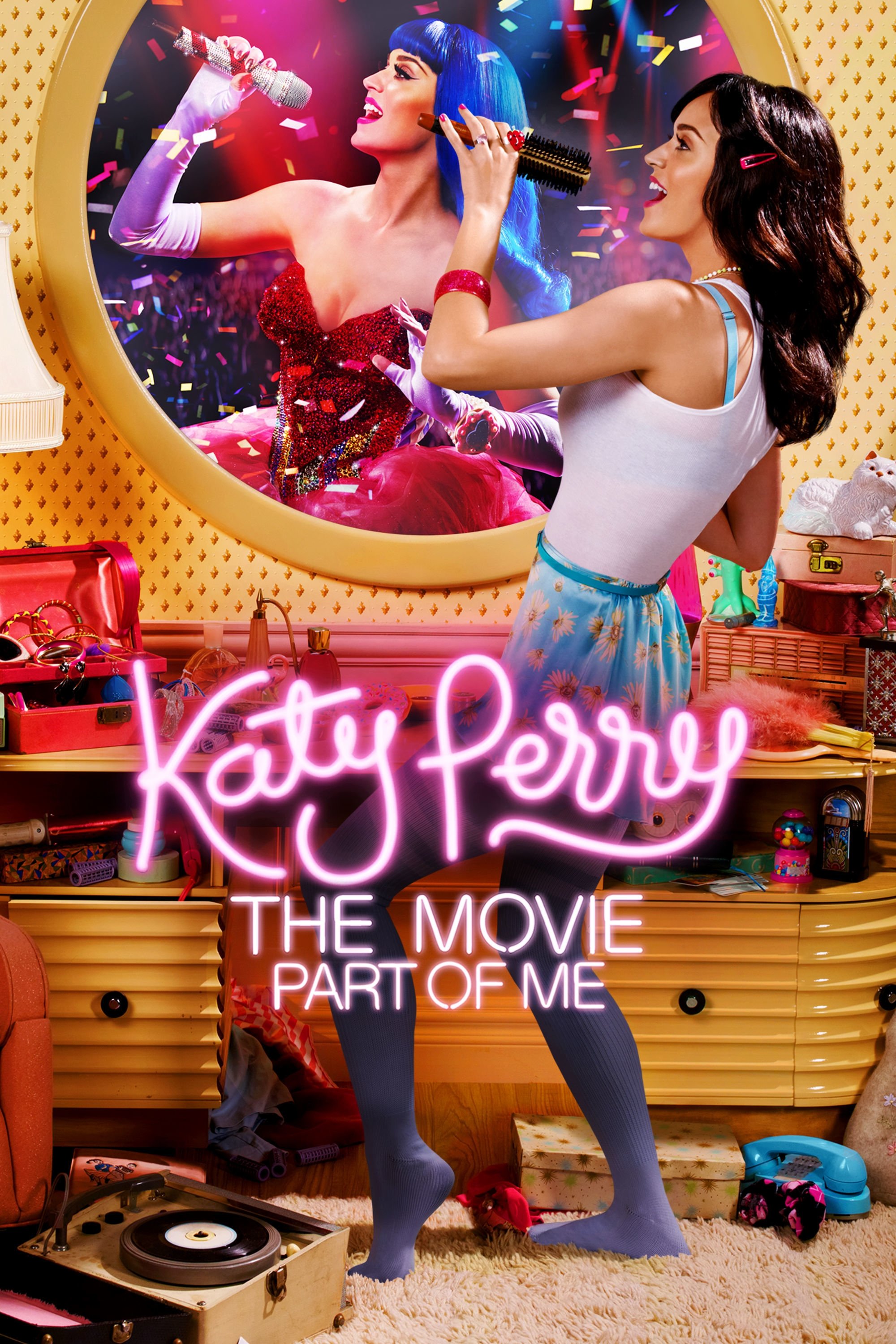
Giving fans unprecedented access to the real life of the music sensation, Katy Perry: Part of Me exposes the hard work, dedication and phenomenal talent of a girl who remained true to herself and her vision in order to achieve her dreams. Featuring rare behind-the-scenes interviews, personal moments between Katy and her friends, and all-access footage of rehearsals, choreography, Katy’s signature style and more, Katy Perry: Part of Me reveals the singer’s unwavering belief that if you can be yourself, then you can be anything.