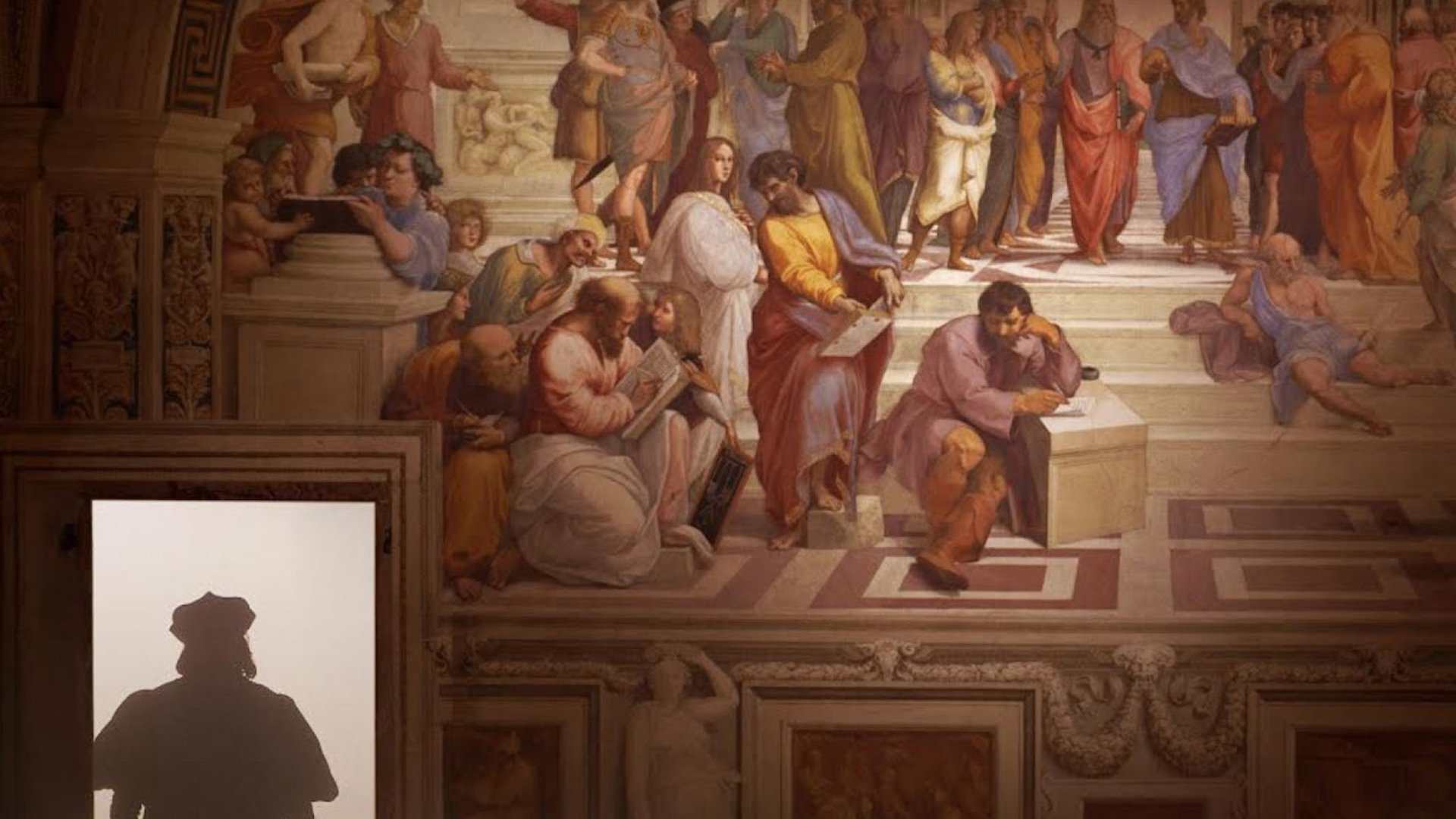
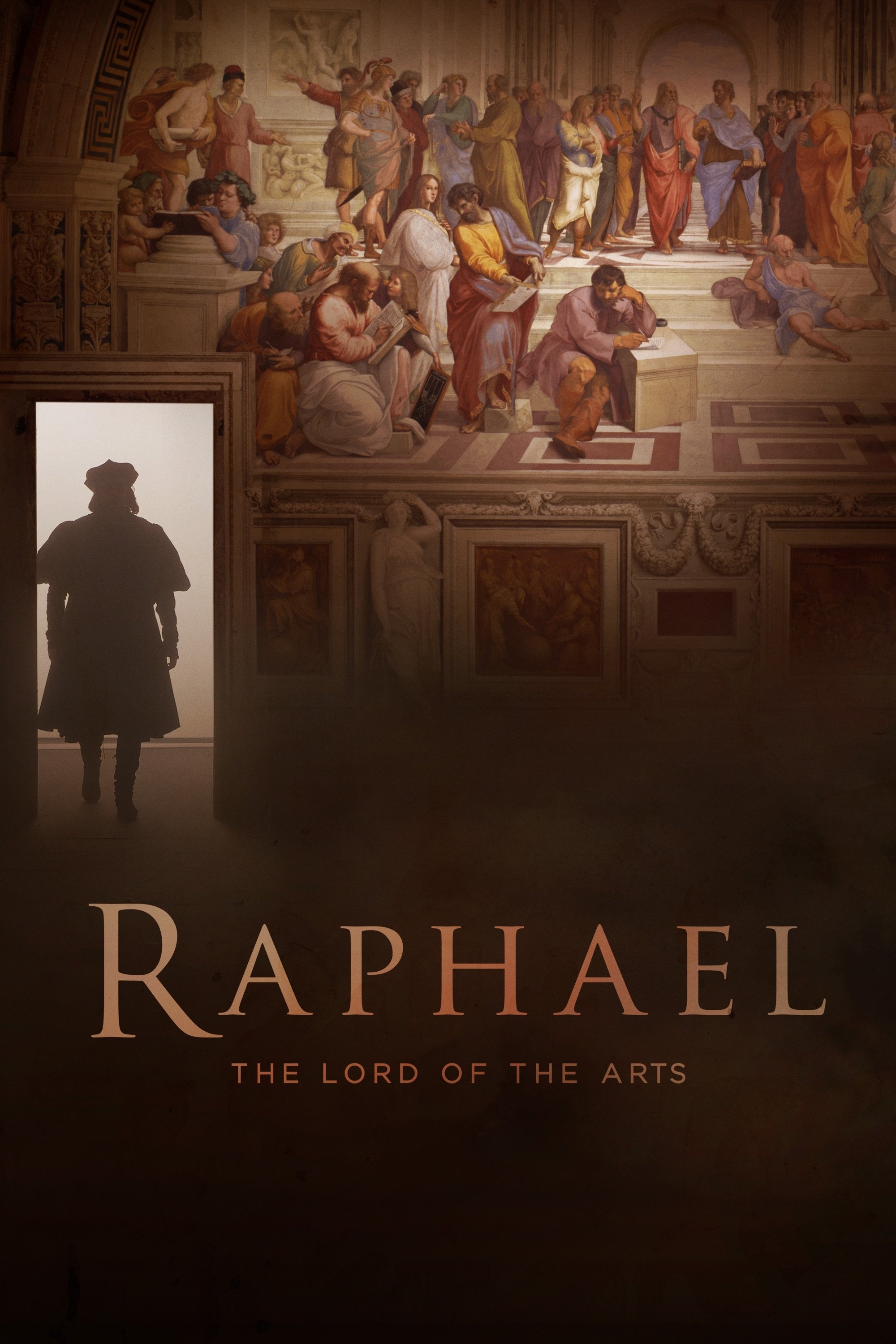
Raphael: The Lord of the Arts is a documentary about the 15th century Italian Renaissance painter Raphael Sanzio.
Social & External
The people behind it
Flavio Parenti
Raffaello Sanzio
Angela Curri
La Fornarina
Enrico Lo Verso
Giovanni Santi
Marco Cocci
Pietro Bembo
As Robin Williams runs lines energetically on the set of “Mork & Mindy,” his co-star Pam Dawber interrupts him to deliver the news of John Belushi’s death.
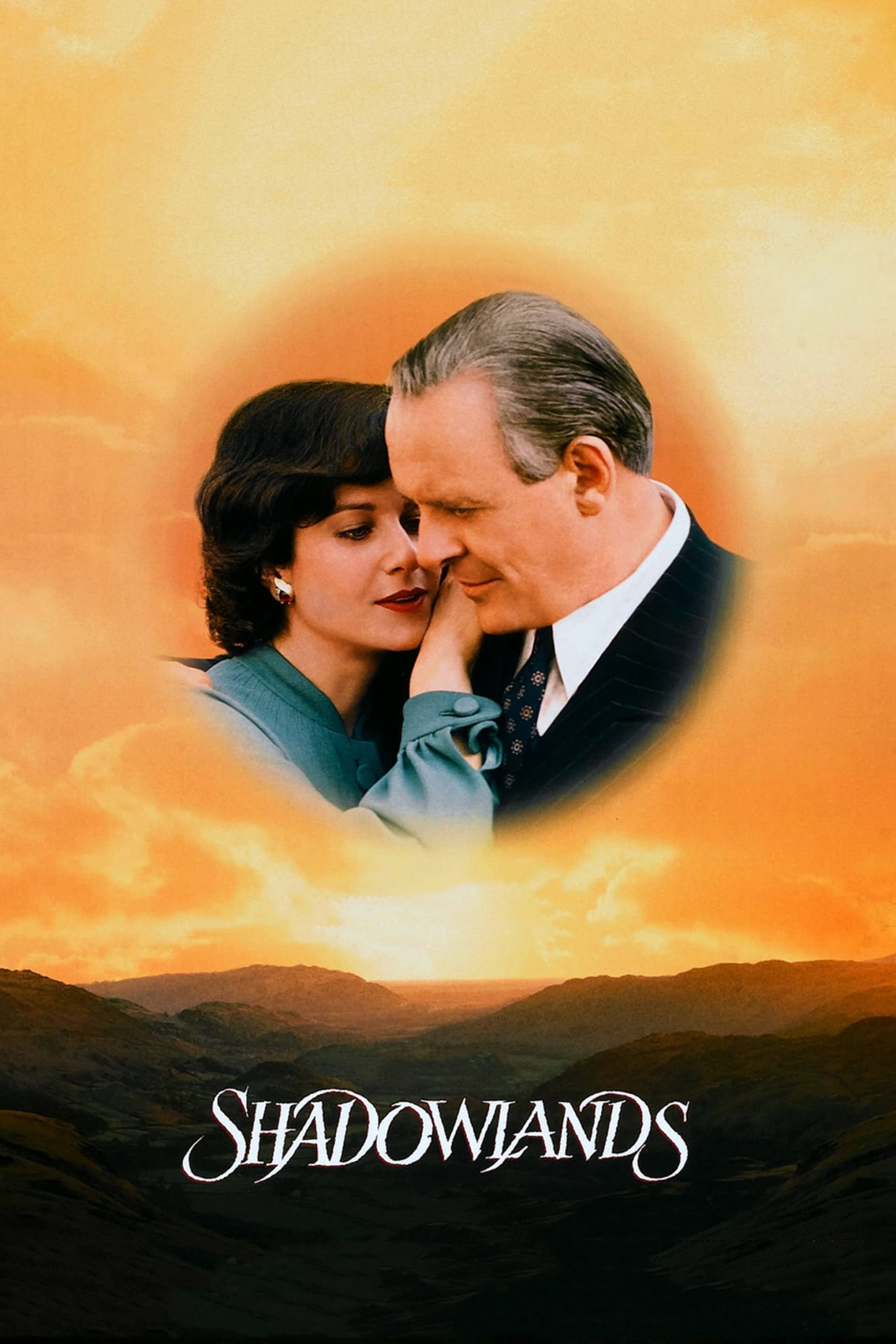
C.S. Lewis, a world-renowned writer and professor, leads a passionless life until he meets spirited poet Joy Gresham.
Born into a family of actors, Françoise Dorléac, Catherine Deneuve's older sister, began her career at the age of 15. She shone a few years later alongside Jean-Paul Belmondo in "L'Homme de Rio". From there, a great international career is announced to the young actress. But in 1967, a few months after filming the "Demoiselles de Rochefort" with her sister, she died tragically in a road accident, at the age of 25. Nevertheless, she leaves behind an abundant career and thus continues to be present in the minds of cinephiles.
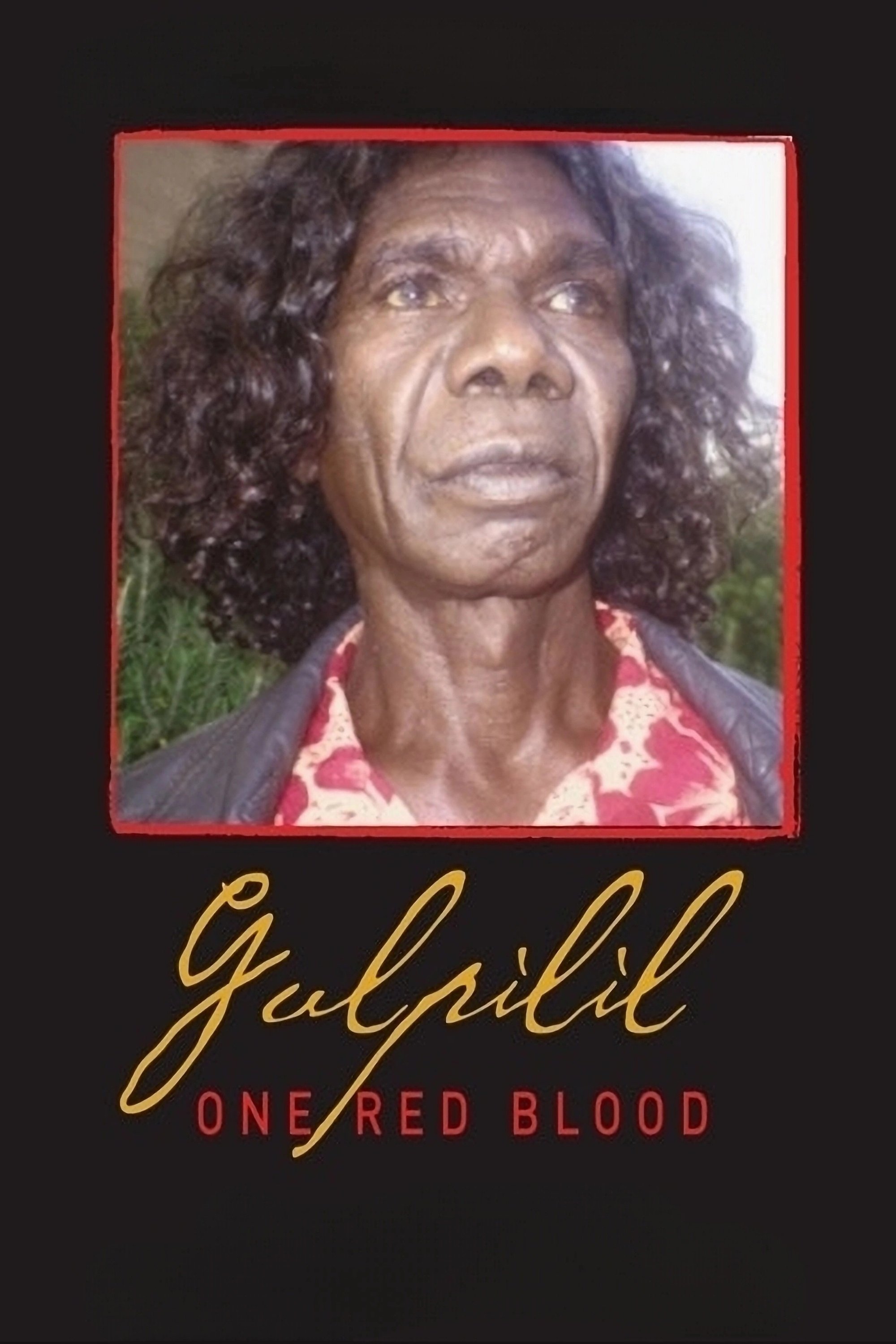
An hour-long documentary on the life and career of actor David Gulpilil.
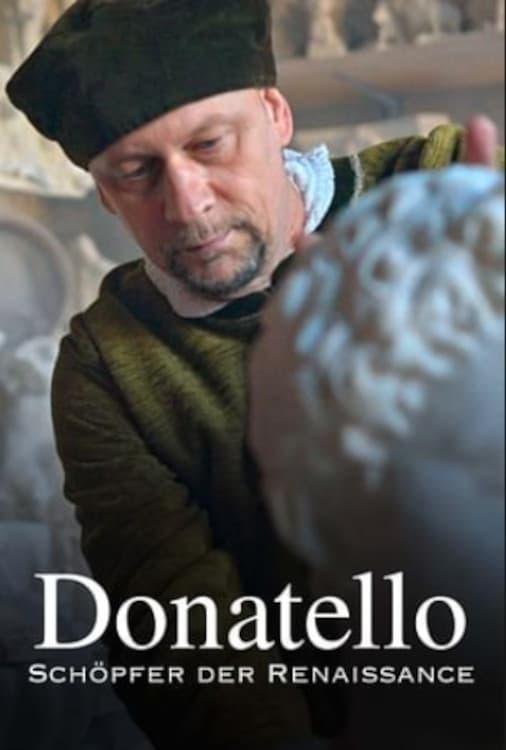
Portrait of the Italian sculptor Donatello (1386-1466), a precursor of the High Renaissance who considerably influenced sculptural art with his innovative way of conceiving space. Donatello is already a legend in his own lifetime. The sculptor is the forefather of the High Renaissance and pioneer for artists such as Raphael or Michelangelo. His bronze sculpture of the "David" or the "Pazzi Madonna" in marble are icons of art history and testify to his sculptural power of renewal.
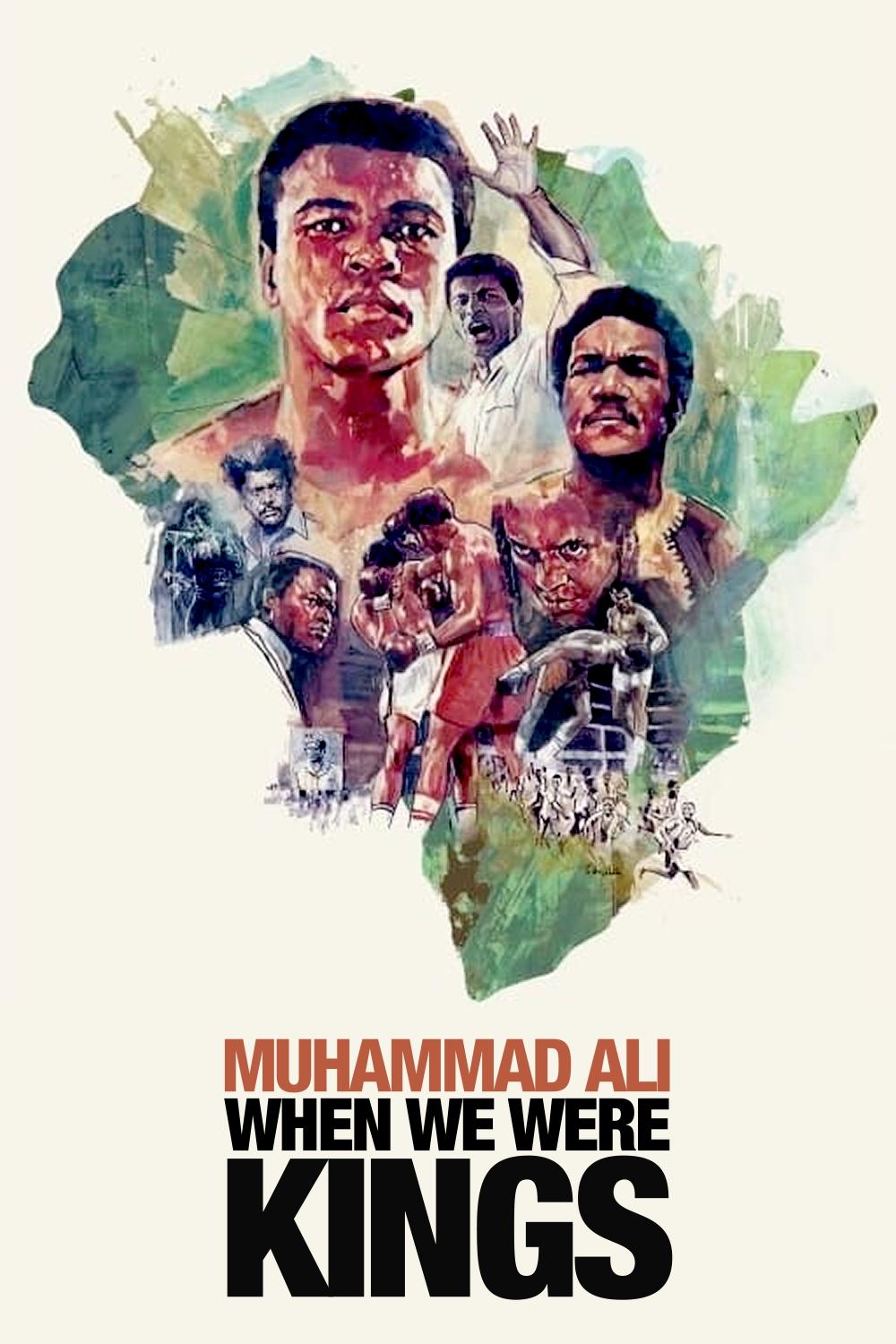
It's 1974. Muhammad Ali is 32 and thought by many to be past his prime. George Foreman is ten years younger and the heavyweight champion of the world. Promoter Don King wants to make a name for himself and offers both fighters five million dollars apiece to fight one another, and when they accept, King has only to come up with the money. He finds a willing backer in Mobutu Sese Suko, the dictator of Zaire, and the "Rumble in the Jungle" is set, including a musical festival featuring some of America's top black performers, like James Brown and B.B. King.
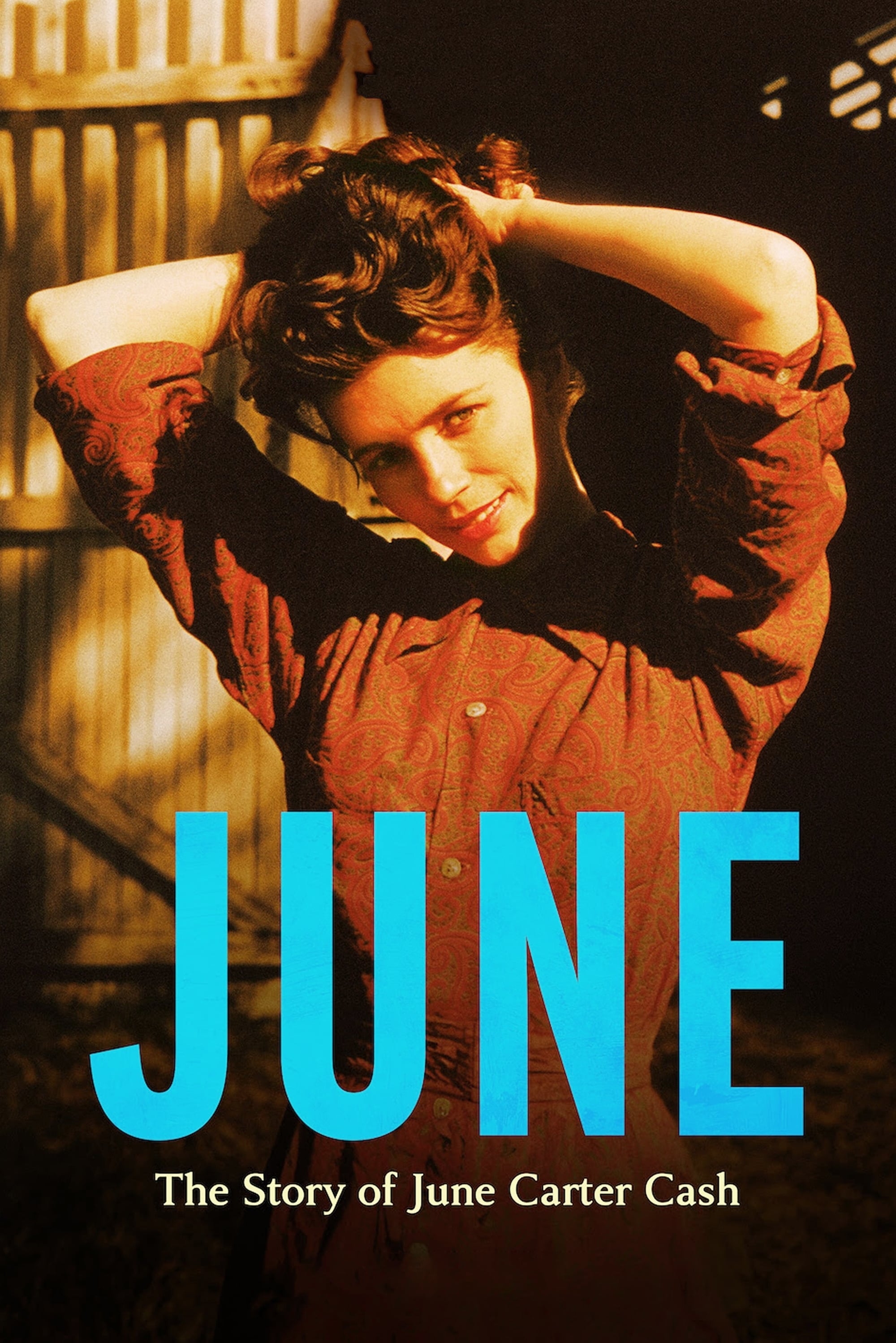
Until Reese Witherspoon’s Oscar-winning portrayal of her in the Johnny Cash biopic Walk the Line, most contemporary audiences were unfamiliar with June Carter Cash. Kristen Vaurio’s comprehensive documentary June offers a much fuller understanding of the multitalented artist, singer, songwriter, comedian, and actress. Delightful, never-before-seen archival material reveals June’s firecracker wit and charisma as a performer
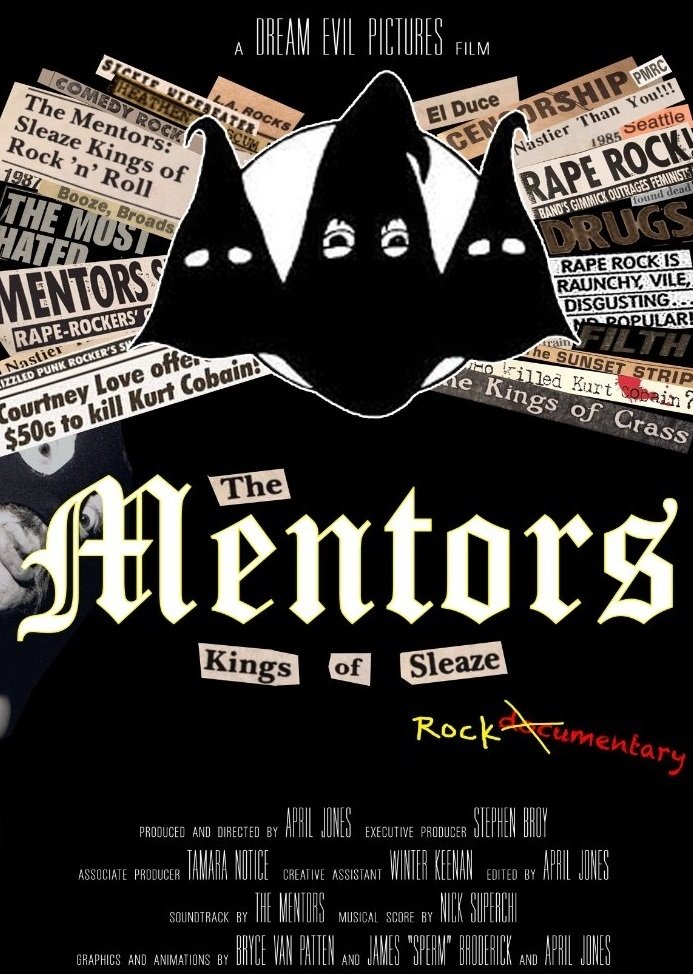
Documentary on the shock rock group "The Mentors".
The story of Bobby Sands, the IRA member who led the 1981 hunger strike during The Troubles in which Irish Republican prisoners tried to win political status.
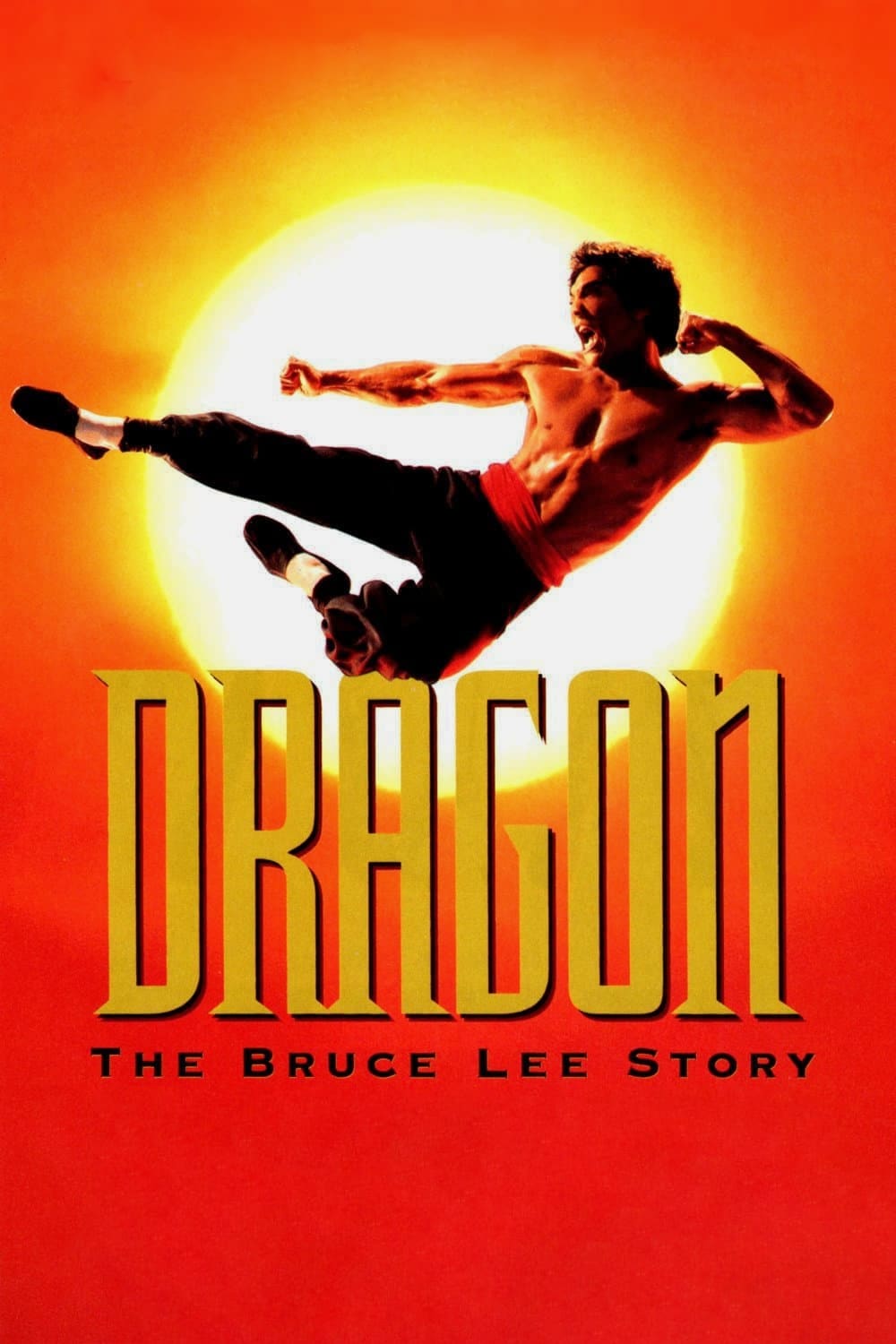
This film is a glimpse into the life, love and the unconquerable spirit of the legendary Bruce Lee. From a childhood of rigorous martial arts training, Lee realizes his dream of opening his own kung-fu school in America. Before long, he is discovered by a Hollywood producer and begins a meteoric rise to fame and an all too short reign as one the most charismatic action heroes in cinema history.
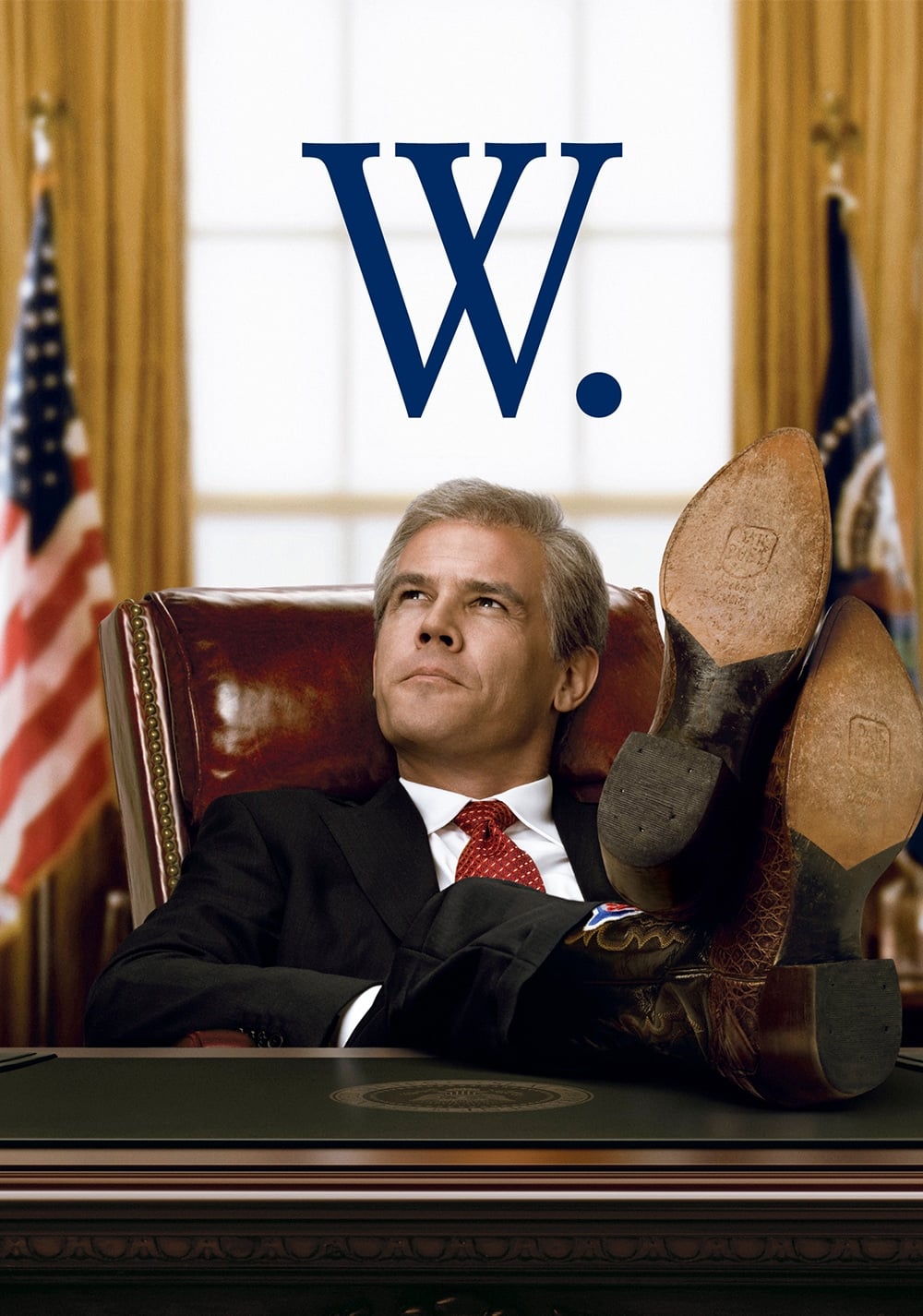
The story of the eventful life of George W. Bush—his struggles and triumphs, how he found both his wife and his faith—and the critical days leading up to his decision to invade Iraq.
From Vogue magazine fashion photographer to filmmaker, painter and sculptor, Bailey is the working-class Londoner who befriended the stars, married his muses (Jean Shrimpton, Catherine Deneuve, Marie Helvin) and captures the spirit and elegance of his times with his refreshingly simple approach and razor-sharp eye. He is also the man whose life and work inspired one of the cult movies of the sixties, Michelangelo Antonioni's Blow-Up, and who has constantly travelled the globe either with the most beautiful models or chronicling the contemporary reality of Papua New Guinea, Brazil, Vietnam, Afghanistan and other countries with ground-breaking reportages. Above all, Bailey is a romantic with a delightful sense of humour approaching his 73rd year and showing no sign of slowing up. Director Jérôme de Missolz has created an engaging portrait of this very private man who bared the soul of the swinging sixties and seventies with his photographs and films.
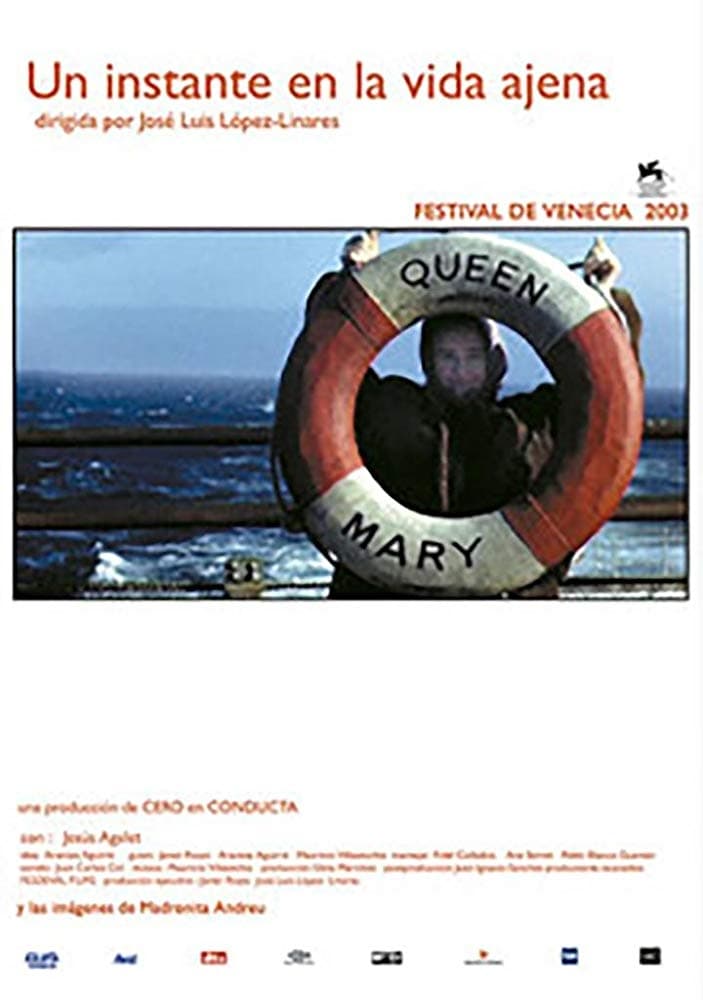
Compilation of images of the amateur recordings of Madronita Andreu, Catalan intellectual of the nineteenth century, daughter of Dr. Andreu, famous for its pills and cough syrup.
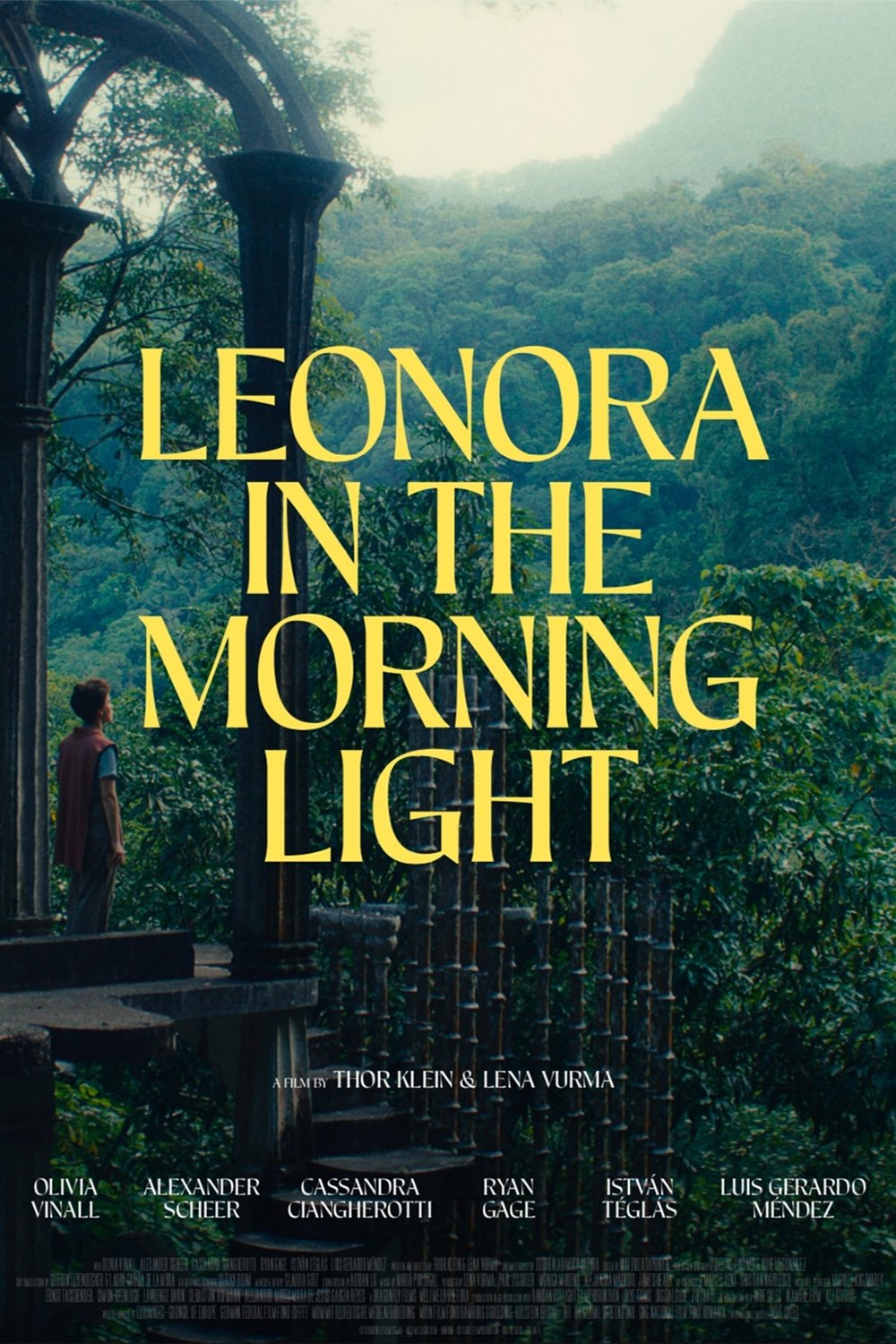
Leonora Carrington, an outstanding figure of surrealism, along with Frida Kahlo, was one of Mexico's most famous painters. As the long-time partner of Max Ernst and close friend of André Breton and Jean Miró, she continually struggles with her visionary imagination, which often triggers serious psychological crises.
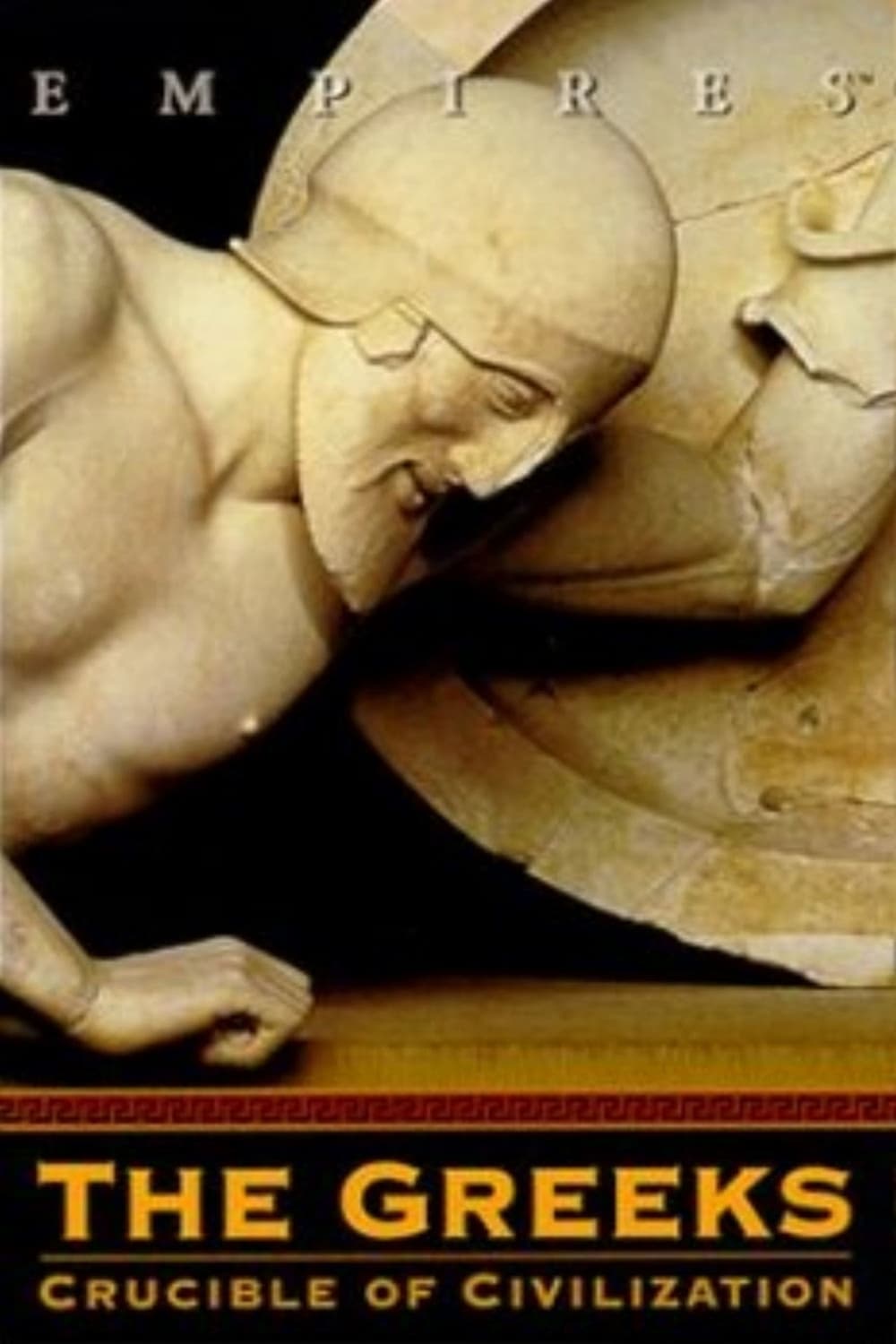
It was perhaps the most spectacular flourishing of imagination and achievement in recorded history. In the Fourth and Fifth Centuries BC, the Greeks built an empire that stretched across the Mediterranean from Asia to Spain. They laid the foundations of modern science, politics, warfare and philosophy, and produced some of the most breathtaking art and architecture the world has ever seen. This series, narrated by Liam Neeson, recounts the rise, glory, demise and legacy of the empire that marked the dawn of Western civilization. The story of this astonishing civilization is told through the lives of heroes of ancient Greece. The latest advances in computer and television technology rebuild the Acropolis, recreate the Battle of Marathon and restore the grandeur of the Academy, where Socrates, Plato and Aristotle forged the foundation of Western thought.
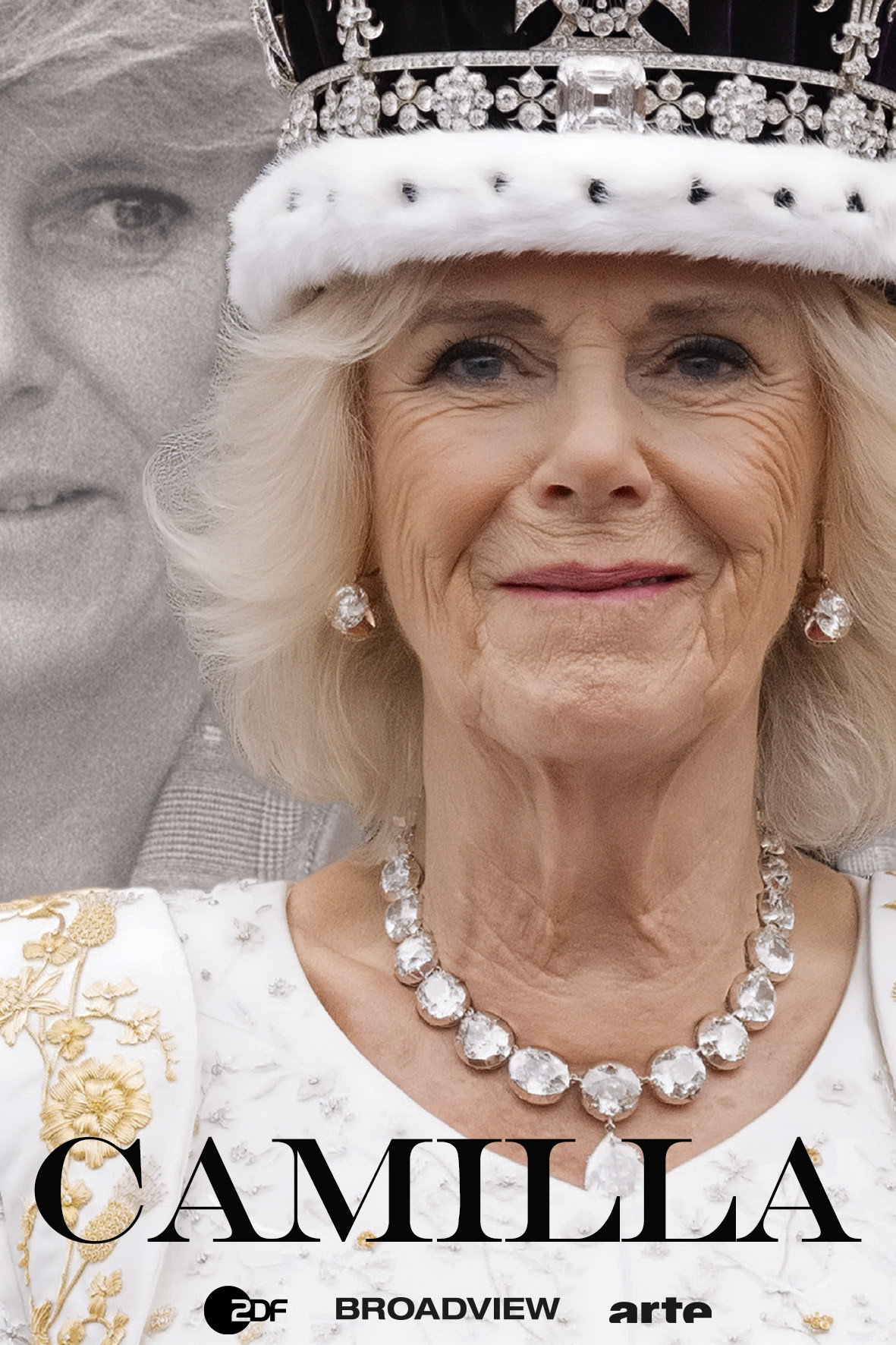
As recently as the 1990s, many viewed her as a threat to the monarchy. Today, Camilla is one of the main pillars of support for the king and the royal family. As First Lady, she has no constitutional role, but she plays a fundamental one. The documentary tells the story of a strong woman and a great love.
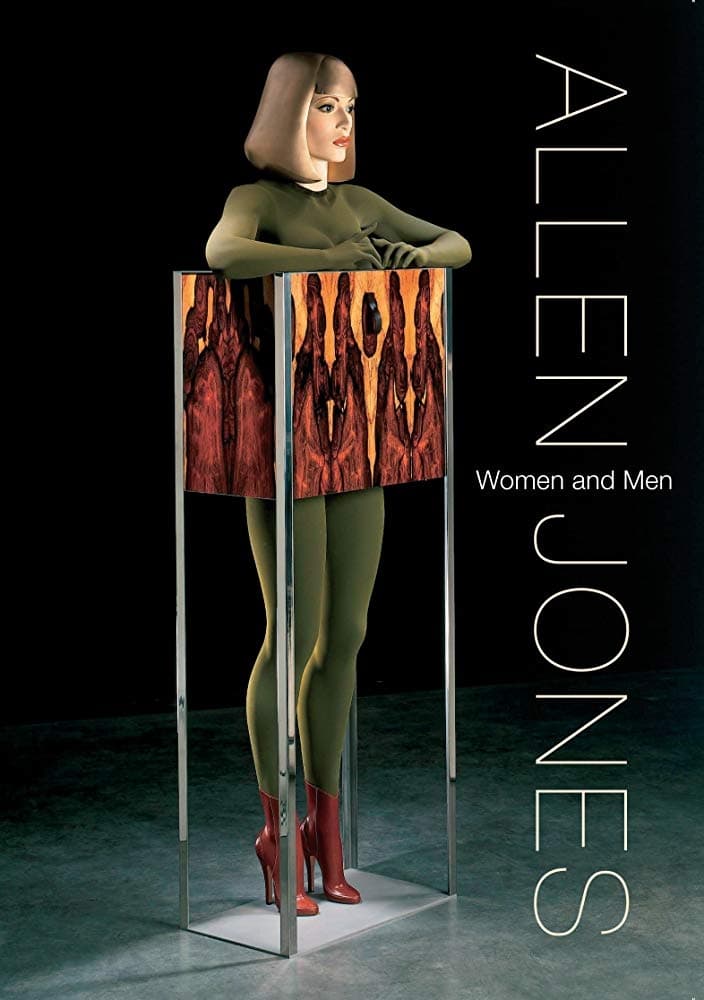
An exploration of the work of controversial pop artist Allen Jones, whose erotic sculptures have angered feminists, challenged his contemporaries, and delighted collectors and gallery goers worldwide. WOMEN AND MEN attempts to demystify the artist through discussion with prima ballerina Darcey Bussell, wife Deirdre Morrow, fellow artist Gary Hume, and Jones himself.
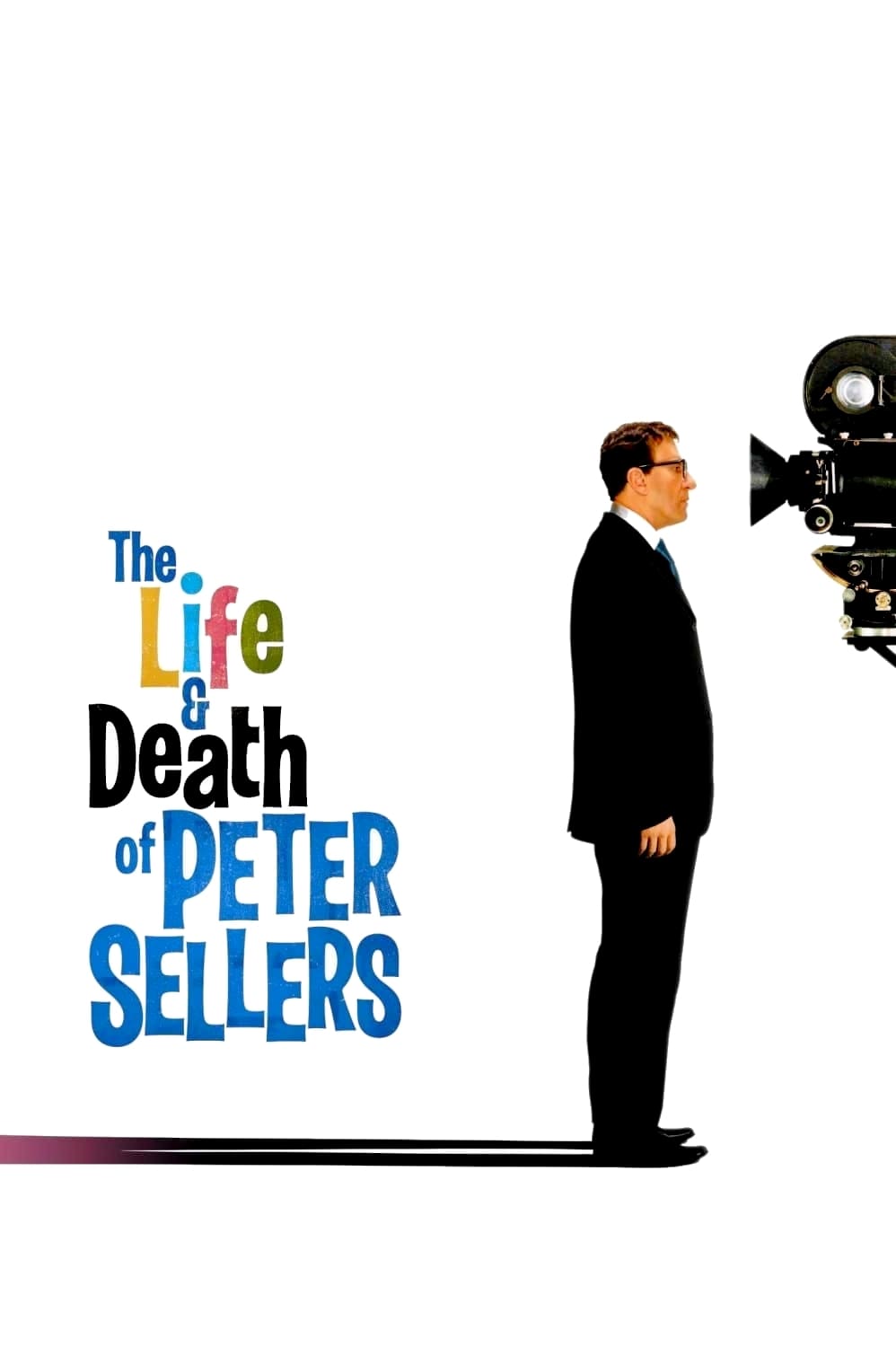
The turbulent personal and professional life of actor Peter Sellers (1925-1980), from his beginnings as a comic performer on BBC Radio to his huge success as one of the greatest film comedians of all time; an obsessive artist so dedicated to his work that neglected his loved ones and sacrificed part of his own personality to convincingly create that of his many memorable characters.
The history of cinematic sound, told by legendary sound designers and visionary filmmakers.
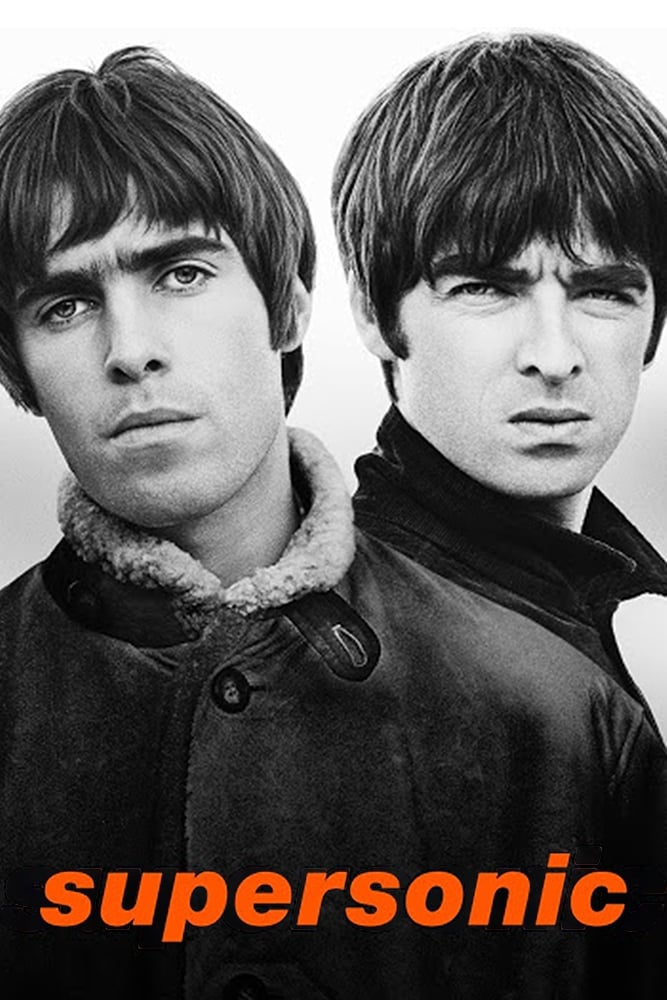
Supersonic charts the meteoric rise of Oasis from the council estates of Manchester to some of the biggest concerts of all time in just three short years. This palpable, raw and moving film shines a light on one of the most genre and generation-defining British bands that has ever existed and features candid new interviews with Noel and Liam Gallagher, their mother, and members of the band and road crew.
An unprecedented and intimate look at the life, work and enduring legacy of British actress Audrey Hepburn (1929-1993).
A behind-the-scenes documentary about the Clinton for President campaign, focusing on the adventures of spin doctors James Carville and George Stephanopoulos.
For the 20th anniversary of "Titanic," James Cameron reopens the file on the disaster.
Experience the events of September 11, 2001 through the eyes of President Bush and his closest advisors as they personally detail the crucial hours and key decisions from that historic day.
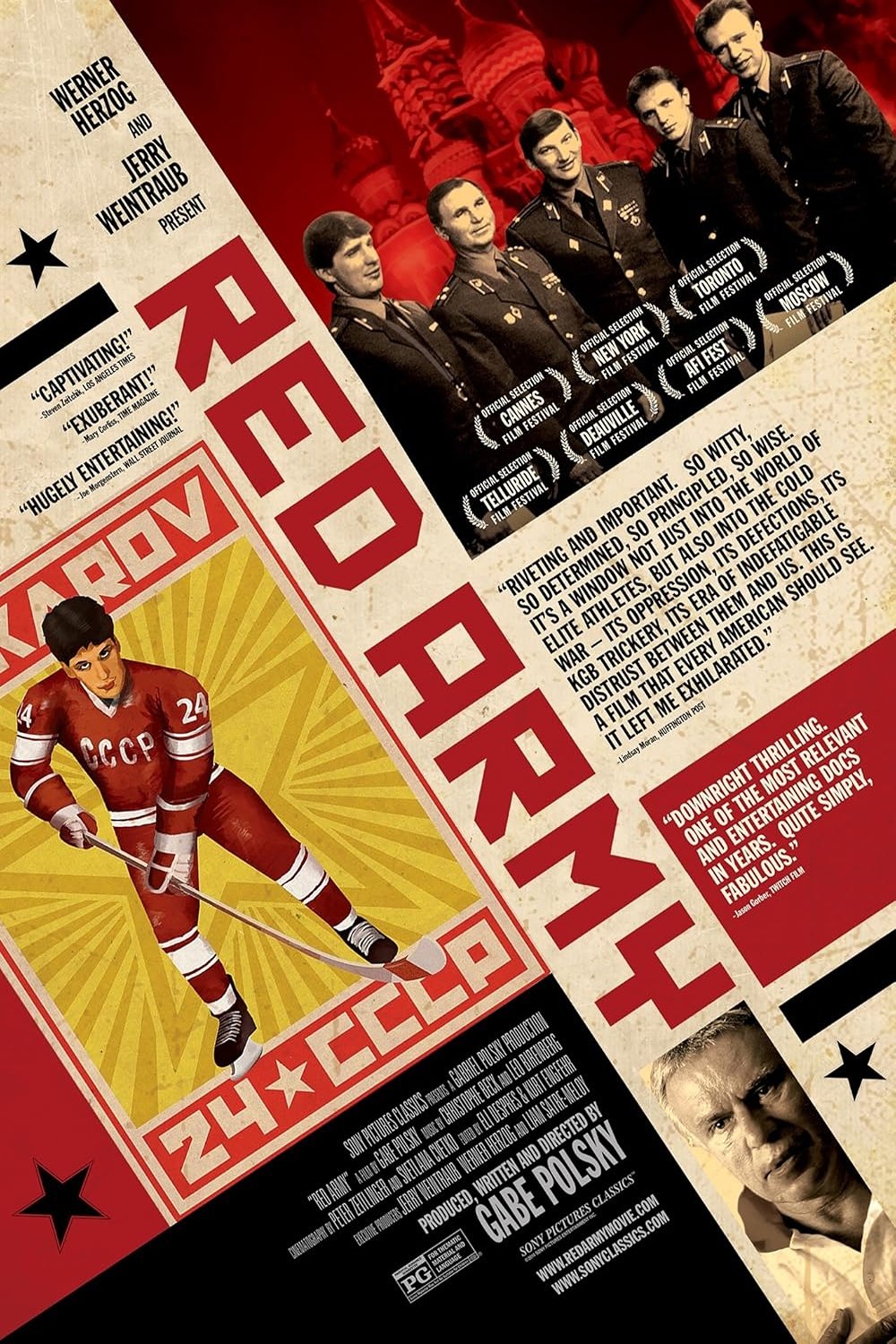
A documentary highlighting the Soviet Union's legendary and enigmatic hockey training culture and world-dominating team through the eyes of the team's Captain Slava Fetisov, following his shift from hockey star and celebrated national hero to political enemy.
A documentary about the legendary series of nationally televised debates in 1968 between two great public intellectuals, the liberal Gore Vidal and the conservative William F. Buckley Jr. Intended as commentary on the issues of their day, these vitriolic and explosive encounters came to define the modern era of public discourse in the media, marking the big bang moment of our contemporary media landscape when spectacle trumped content and argument replaced substance. Best of Enemies delves into the entangled biographies of these two great thinkers, and luxuriates in the language and the theater of their debates, begging the question, "What has television done to the way we discuss politics in our democracy today?"
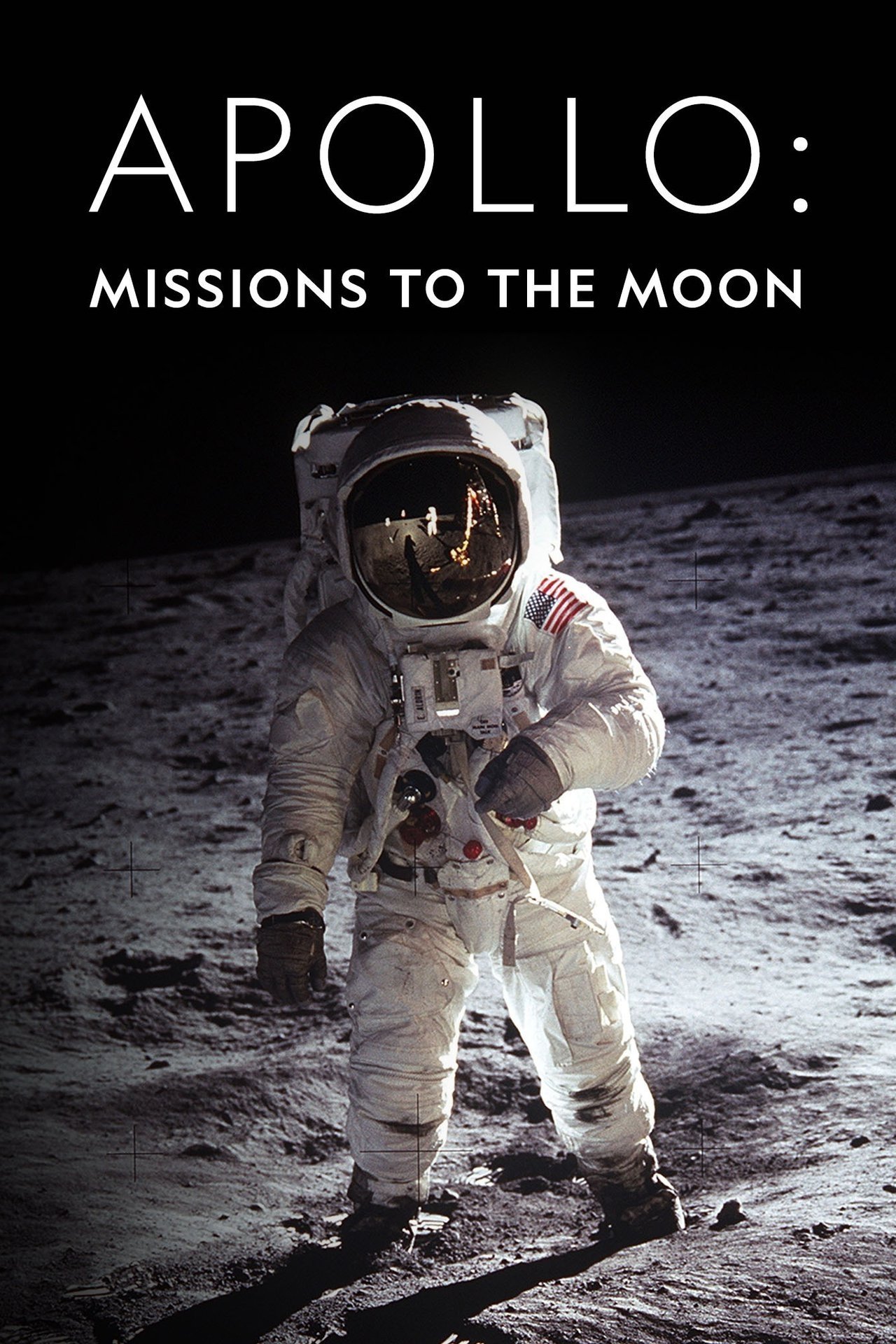
National Geographic's riveting effort recounts all 12 crewed missions using only archival footage, photos and audio.
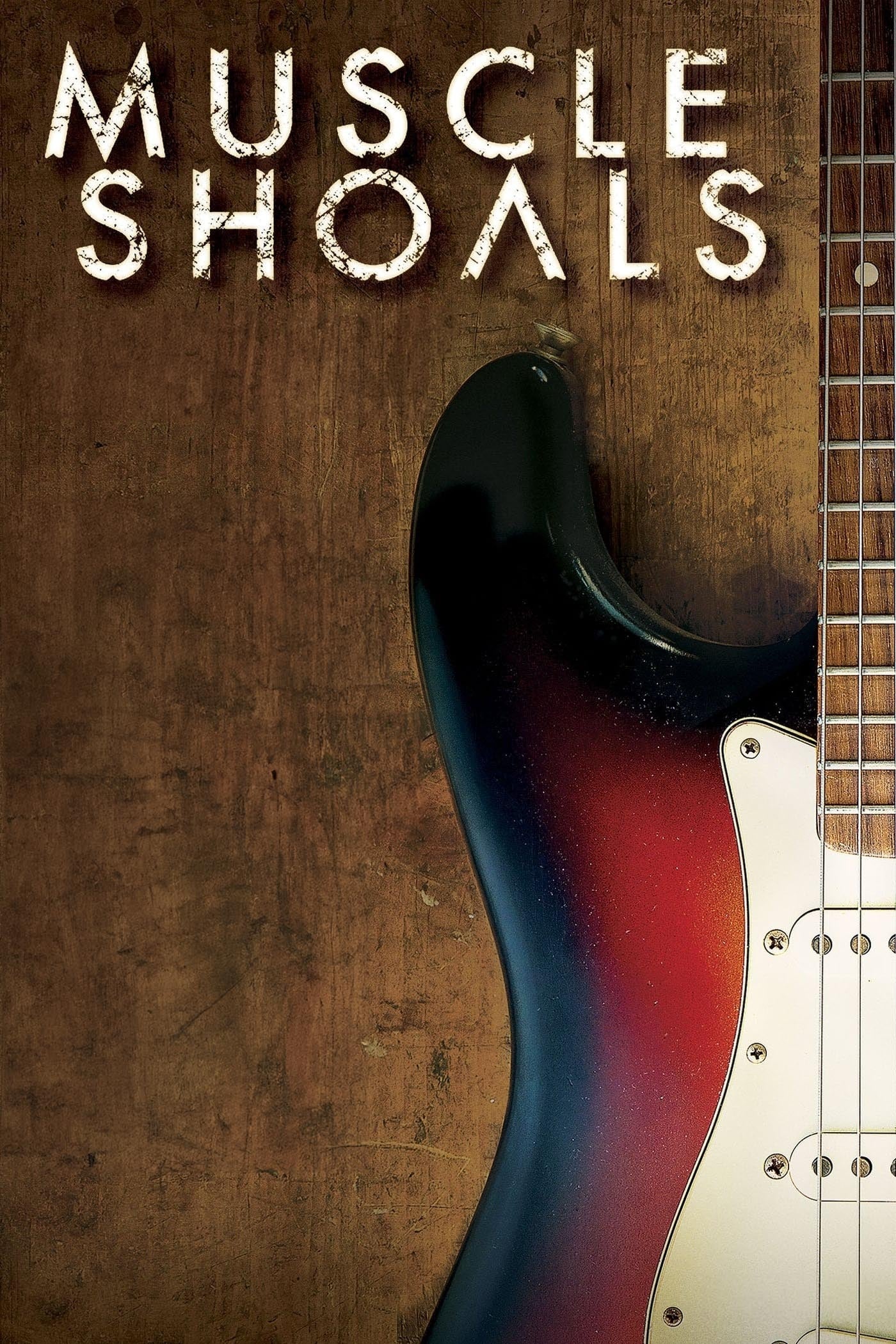
In a tiny Alabama town with the curious name of Muscle Shoals, something miraculous sprang from the mud of the Tennessee River. A group of unassuming, yet incredibly talented, locals came together and spawned some of the greatest music of all time: “Mustang Sally,” “I Never Loved a Man,” “Wild Horses,” and many more. During the most incendiary periods of racial hostility, white folks and black folks came together to create music that would last for generations and gave birth to the incomparable “Muscle Shoals sound.”
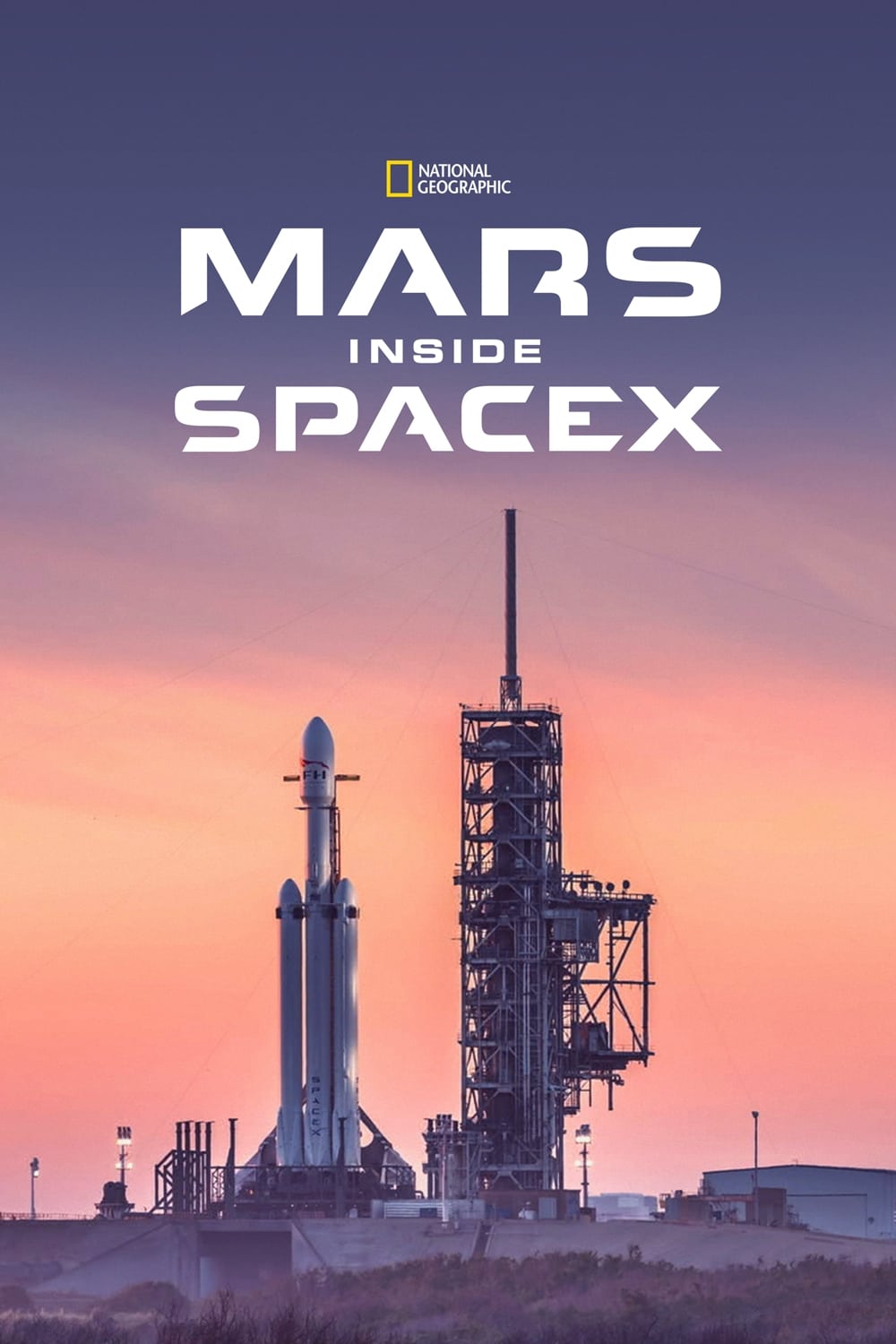
The inside story of SpaceX's plan to get humanity to Mars, providing an unprecedented glimpse into one of the world's most revolutionary companies. A behind-the-scenes journey with Elon Musk and his engineers as they persevere amidst both disheartening setbacks and huge triumphs to advance the space industry faster than we ever thought possible.
This documentary delves into the mysteries surrounding the Neanderthals and what their fossil record tells us about their lives and disappearance.
An immersive look at the eventful life and brilliant artistic career of visionary American jazz trumpeter Miles Davis (1926-1991).
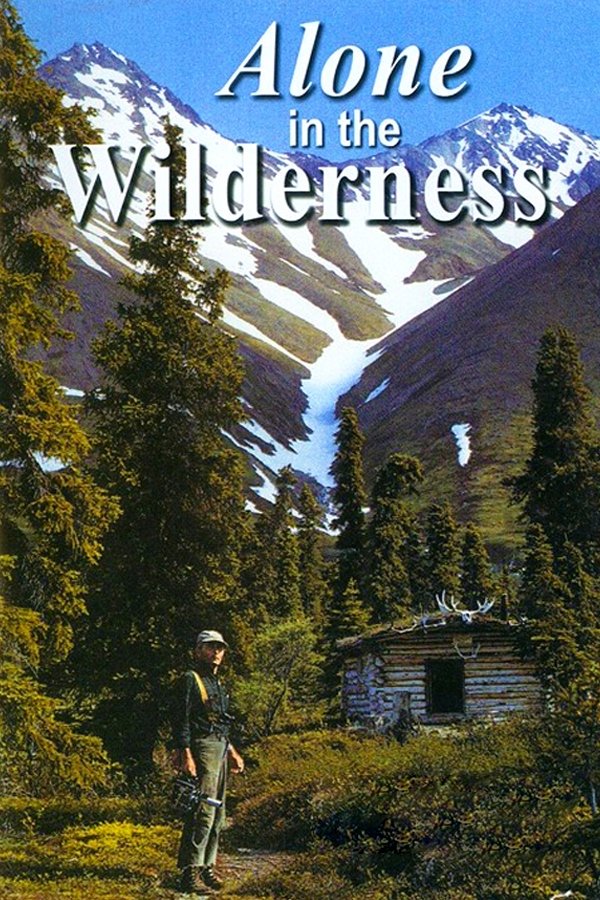
Dick Proenneke retired at age 50 in 1967 and decided to build his own cabin in the wilderness at the base of the Aleutian Peninsula, in what is now Lake Clark National Park. Using color footage he shot himself, Proenneke traces how he came to this remote area, selected a homestead site and built his log cabin completely by himself. The documentary covers his first year in-country, showing his day-to-day activities and the passing of the seasons as he sought to scratch out a living alone in the wilderness.
The egocentric documentary-maker Chris Waitt traces his romantic ineptitude and sexual impotence through awkward interviews with irate ex-girlfriends and stunts involving S&M parlours, Harley Street doctors and Viagra overdoses. The results are often hilarious, sometimes moving and speak directly to the hapless paramour in all of us.
Meet the real-life airmen who inspired Masters of the Air as they share the harrowing and transformative events of the 100th Bomb Group.
Michael Moore comes home to the issue he's been examining throughout his career: the disastrous impact of corporate dominance on the everyday lives of Americans (and by default, the rest of the world).
A documentary examining possible historical and modern conspiracies surrounding Christianity, the 9/11 terrorist attacks, and the Federal Reserve bank.
She was once as famous as Jackie O—and then she tried to take down a President. Martha Mitchell was the unlikeliest of whistleblowers: a Republican wife who was discredited by Nixon to keep her quiet. Until now.
Director Peter Joseph examines examples of economic subjugation and offers solutions based on alignment with nature.