Social & External
Sixth-graders have many things on their minds. But they are confronted with an important decision: do they continue their education in secondary school A, B, or C, or do they go to grammar school after all? And what even are those things? How do children deal with the hopes and fears associated with this step?
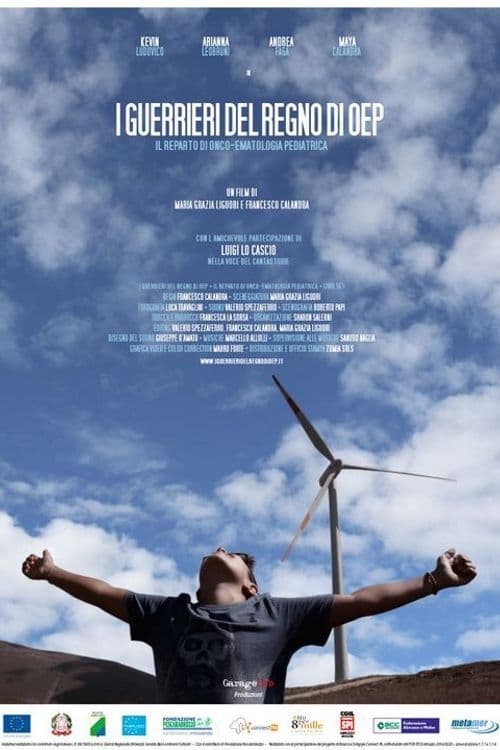
A documentary with some fictional scenes that focuses the attention, more than on hospitalized children, on the human dynamics that are established in their families. Shot in the Oncohematology ward of an Italian hospital, the movie follows the life of some young patients being treated, alternating interviews with their relatives and hospital staff.
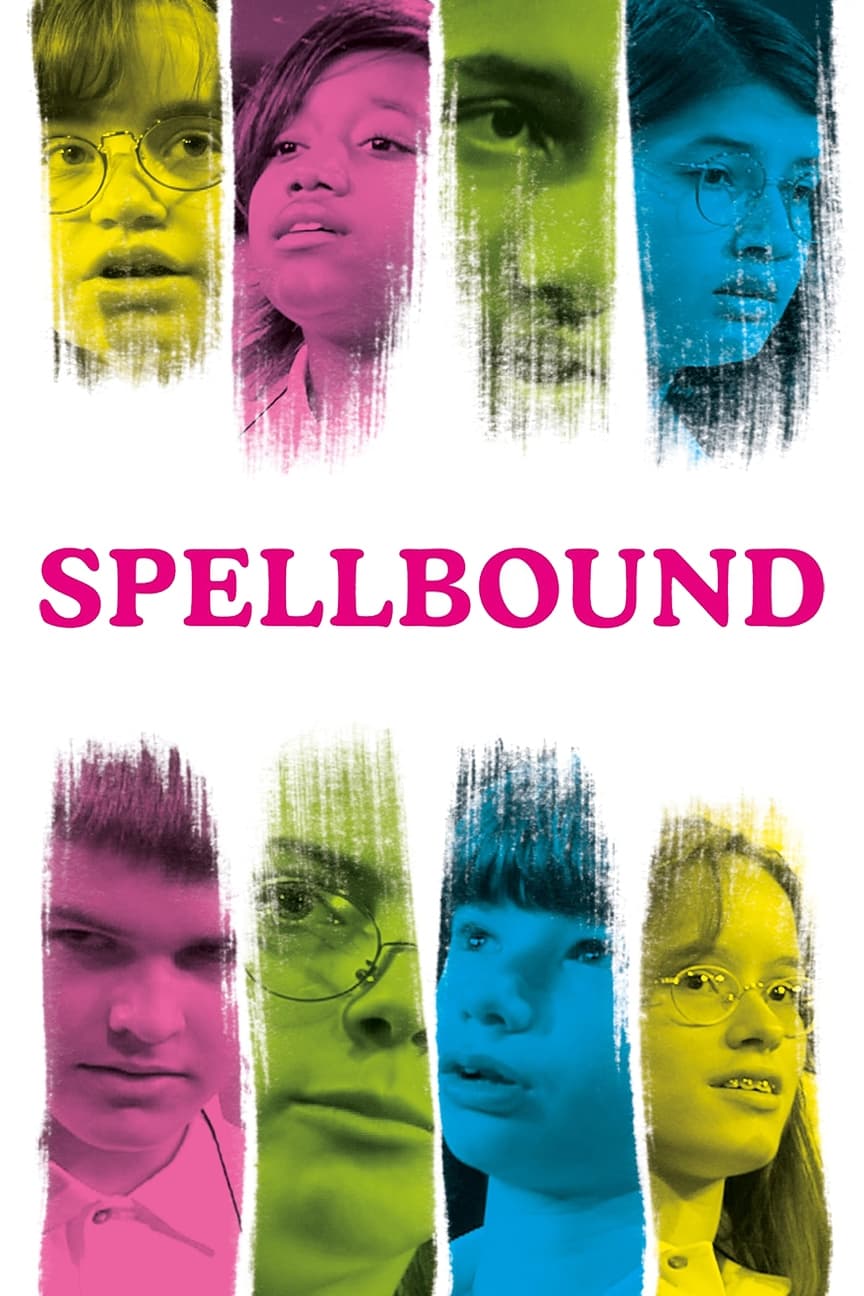
This documentary follows 8 teens and pre-teens as they work their way toward the finals of the Scripps Howard national spelling bee championship in Washington D.C.
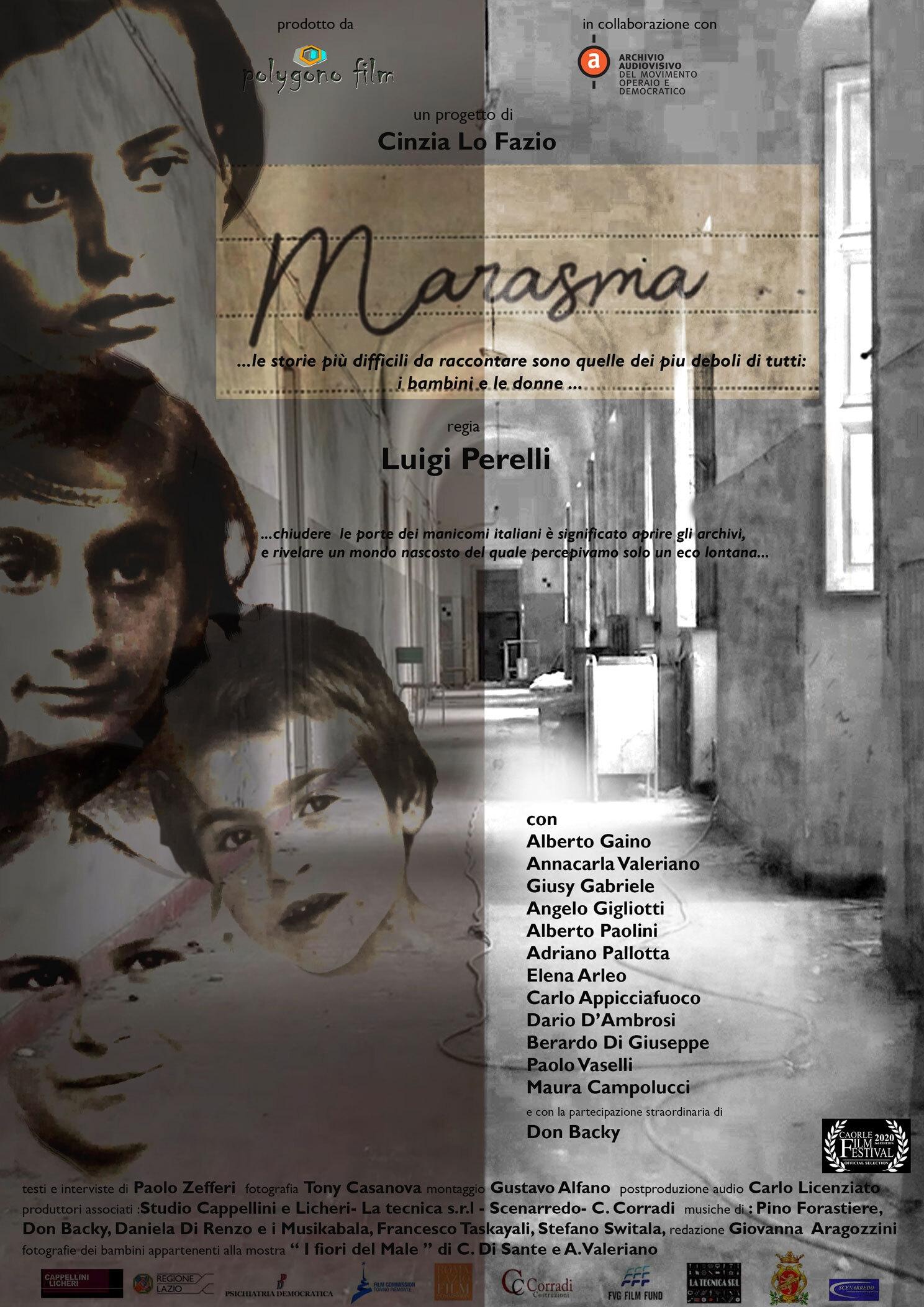
For doctors “MARASMA” was a diagnosis: a state of deep organic deterioration, total loss of strength. In mental hospitals, people did not die of mental illness, but of marasmus. This is what the medical records say, which today reveal the most difficult stories: those of the last among the weakest, children and women. Through their testimonies we can also give voice to those who do not know, who do not want or can not remember.
A portrait of Highlights Magazine following the creation of the cultural phenomenon's 70th Anniversary issue, from the first editorial meeting to its arrival in homes, and introducing the quirky people who passionately produce the monthly publication for "the world's most important people,"...children. Along the way, a rich and tragic history is revealed, the state of childhood, technology, and education is explored, and the future of print media is questioned.
Promotional video that came from local Child World/Children's Palace toy store chains in a box that included a bag of Krunchers potato chips. The video features a mild plot involving mostly all children who are running a video production studio. It also includes a curly haired rapping man named "Robo-T". The video is a giant commercial with live skits in between as a fun bit until the next commercial.
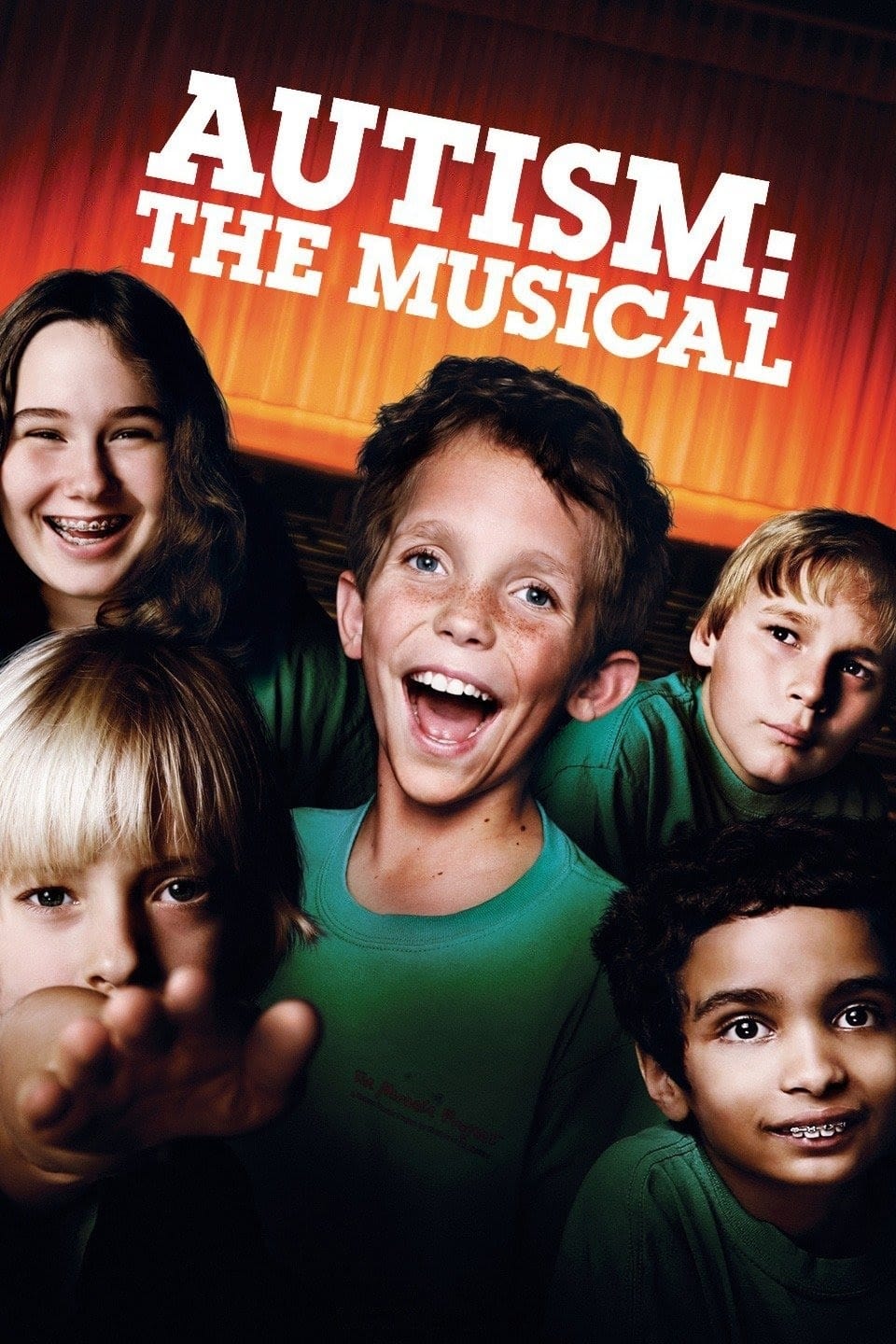
Follows five autistic children as they work together to create and perform a live musical production.
Children get ready to start the first grade. They start learning the first letters.
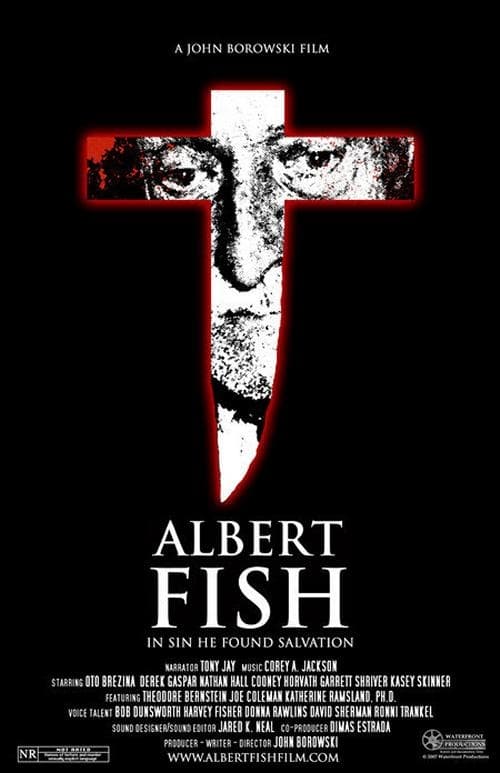
Albert Fish, the horrific true story of elderly cannibal, sadomasochist, and serial killer, who lured children to their deaths in Depression-era New York City. Distorting biblical tales, Albert Fish takes the themes of pain, torture, atonement and suffering literally as he preys on victims to torture and sacrifice.
Gurdeep is a thirteen-year-old Canadian Sikh whose family runs a dairy farm near Chilliwack, British Columbia. They have retained their language and religion. Attendance at the Sikh temple, playing soccer with his schoolmates, and working on the farm are all part of Gurdeep's well-integrated life, but sometimes he feels a little different from the other children because he wears a turban. This film is part of the Children of Canada series.
Lao Zha’s film examines rural life in Haiyuan County, in Ningxia Province. Unlike the rapidly globalizing urban centres, here life remains largely unchanged for the Hui people, a Muslim ethnic group, whose diverse cultural roots incorporate Arabic and Persian influences that arose out of the Hui’s proximity to the Silk Road. In a remote Hui village, a little boy named Huhu is growing up under the watchful eye of his grandparents, and, occasionally, his less-than-reliable mother. (Dorothy Woodend, DOXA Documentary Film Festival)
Lahore, Pakistan. During a whole day, we follow Agha, a little boy who, to survive, collects waste in the street without caring about the world which surrounds him. He makes us share his moods and his vision of the life.
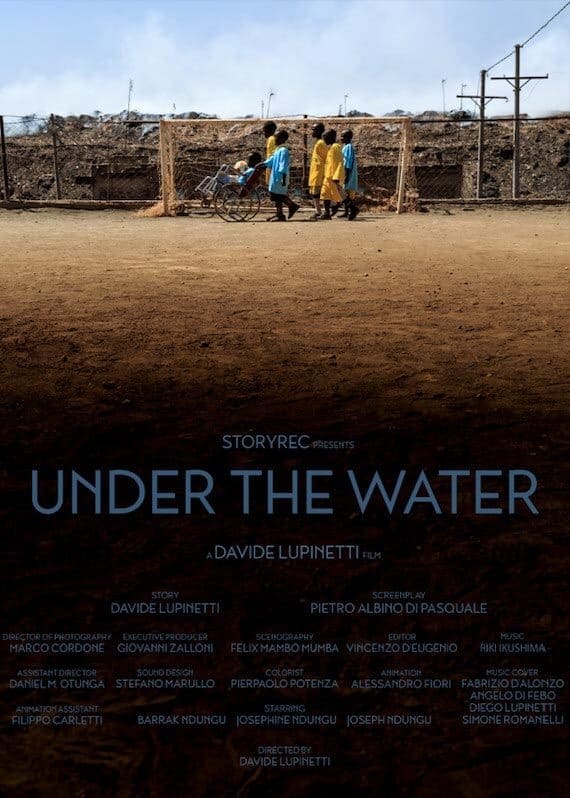
A daily life in Korogocho, Kenya, one of the world’s poorest slums.
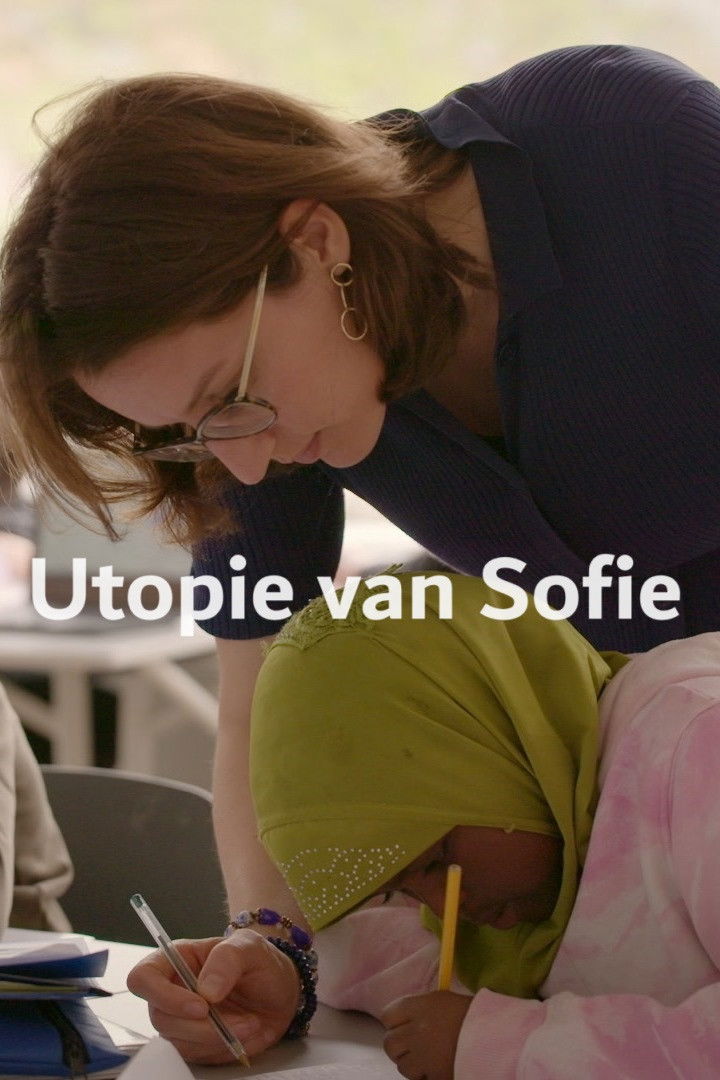
Education specialist Sofie is starting a class to offer gifted children education at their own level. But will Sofie be able to overcome the resistance to her way of working? Explora, a special class for gifted children, was started in Breda, set up by Sofie on behalf of two schools. She is a specialist in giftedness in children and notices that this group is often not recognized, even though they have the same problems as children who cannot cope with the educational level, such as dropout, boredom and depression.
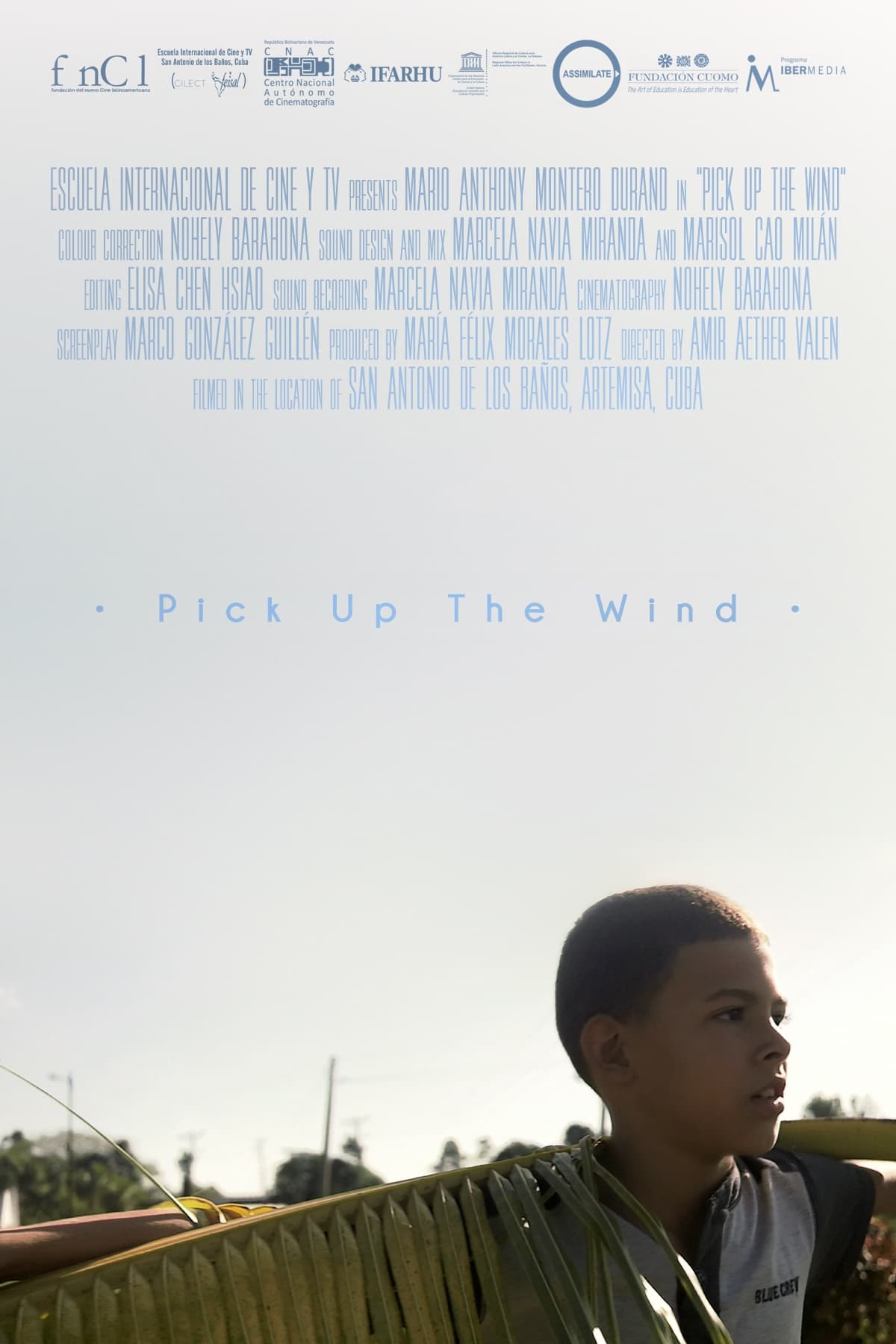
A short film following Anthony, a young child from the small, rural town of San Antonio de los Baños, Cuba. We see him in different moments of his daily life as he interacts with different forms of environmental, familial, and social influences. While Anthony displays contradictory traits of creativity, destruction, rigidity, and tenderness as he interacts with his external and internal worlds, we see a story built from the the multidimensionality of Anthony's layered personality as a young man.
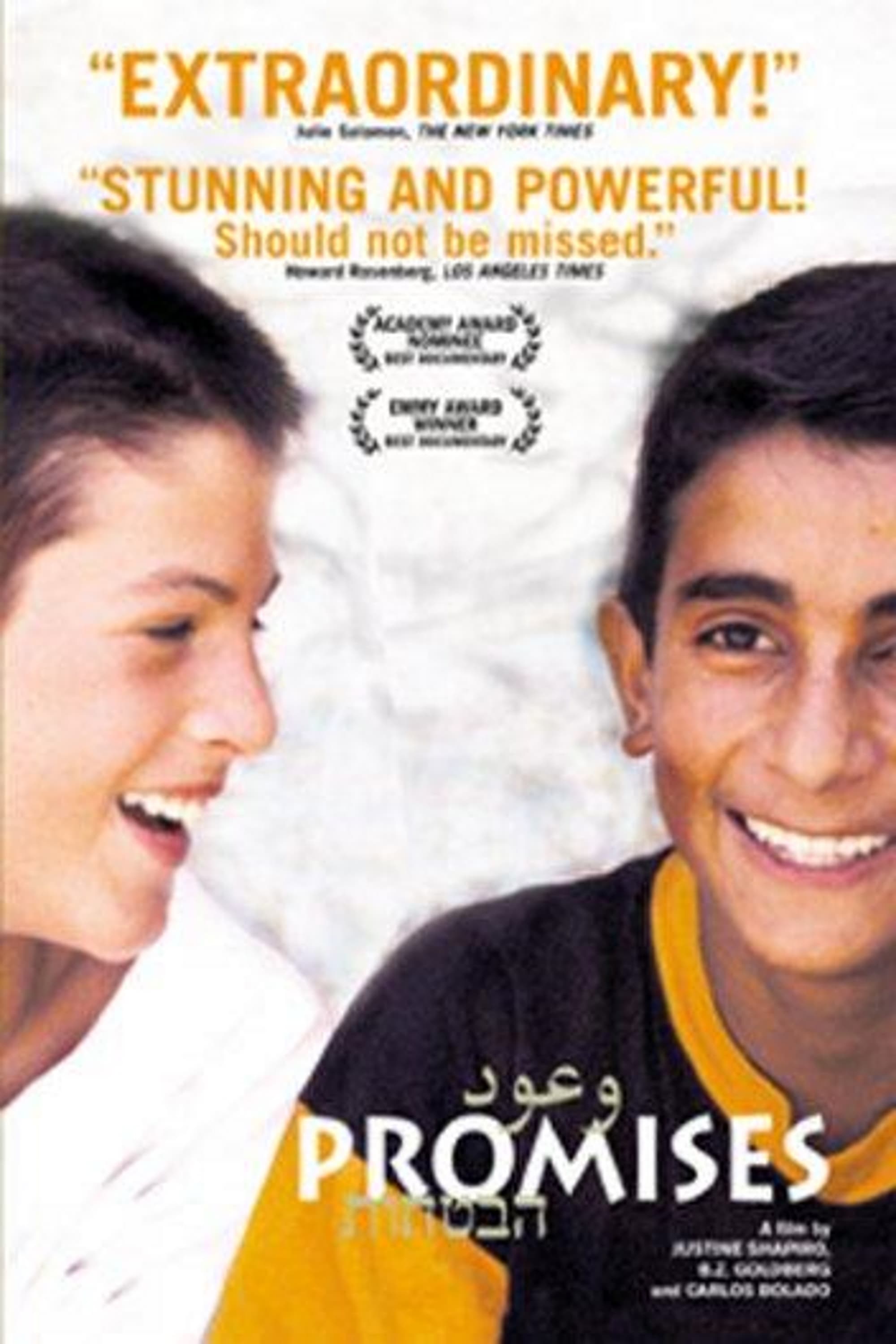
Documentarians Justine Shapiro and B.Z. Goldberg traveled to Israel to interview Palestinian and Israeli kids ages 11 to 13, assembling their views on living in a society afflicted with violence, separatism and religious and political extremism. This 2002 Oscar nominee for Best Feature Documentary culminates in an astonishing day in which two Israeli children meet Palestinian youngsters at a refugee camp.
This is a film that shows portraits of three children who lived in Sarajevo during the siege. Through their stories the film tries to give a picture of youngsters who live in the war for three and a half years and their efforts to overcome the trauma. The stories are seemingly separate, but the thread that connects them is a three-year-old boy who on his tricycle constantly wanders the streets of Sarajevo, passing everywhere and always seeing everything. He takes us from one child to another, opening up before us a picture of the bizarre life of children in Sarajevo.
A look at the rampant HIV epidemic rate in Swaziland.
Three film-makers travel to Iraq to film the ongoing crisis in which ISIS forces are trying to take over the country. The film-makers speak with locals, military, police and other media outlets to get their opinions on the crisis but it's the voices of the children which often goes unheard, so the film-makers listen to the children, and find out their views on the crisis.
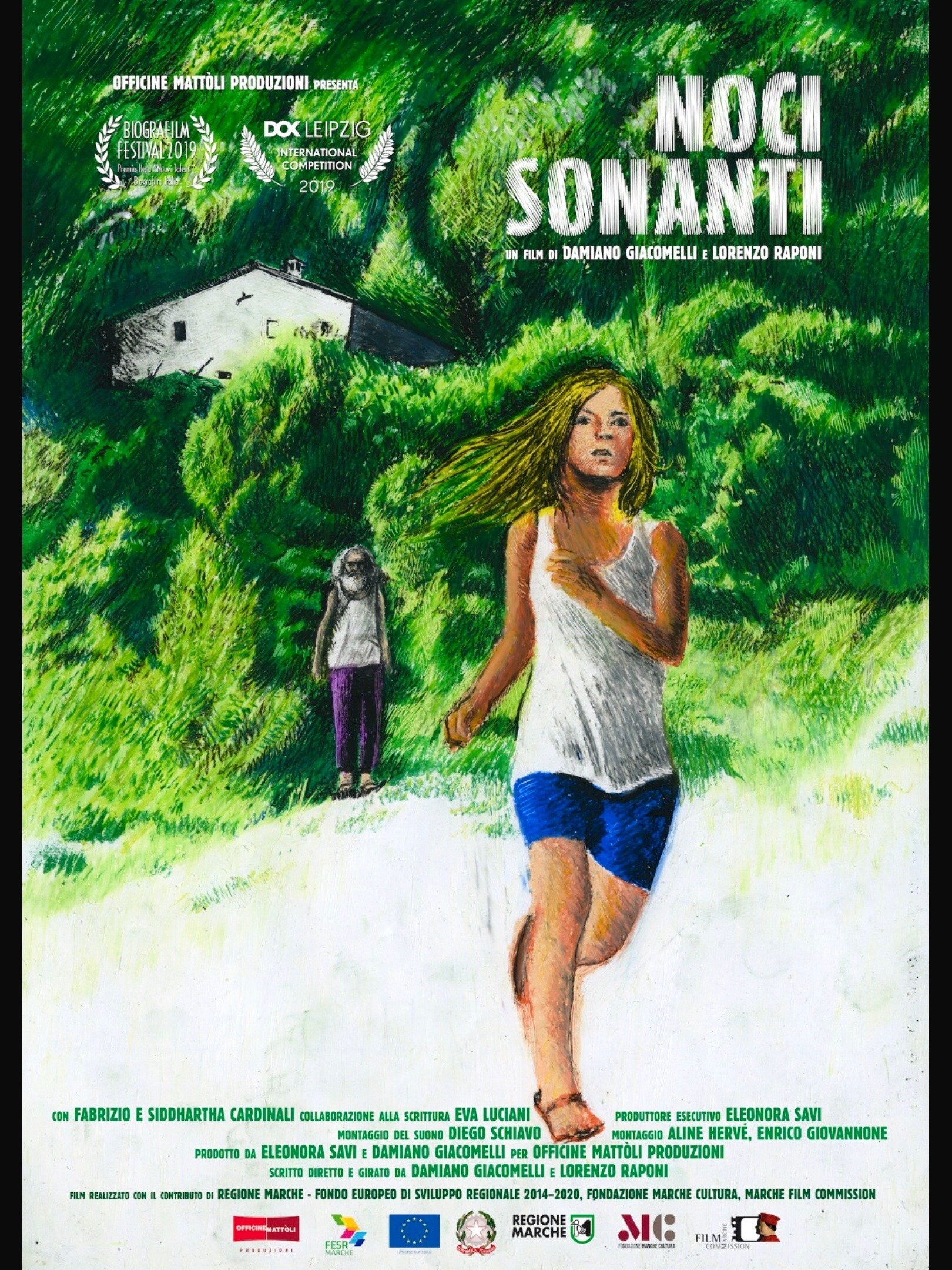
Siddharta and Fabrizio, one of them nine years old, the other one 65, are the core of a community that renounces every civilising comfort. We are their guests – for one summer.
An inside look at one of the most anticipated movie sequels ever with James Cameron and cast.
Through deeply personal interviews with her siblings and an examination of the photographs, letters, and belongings left behind, Mariska assembles a new portrait of her mother Jayne Mansfield, an extraordinary and complex woman.
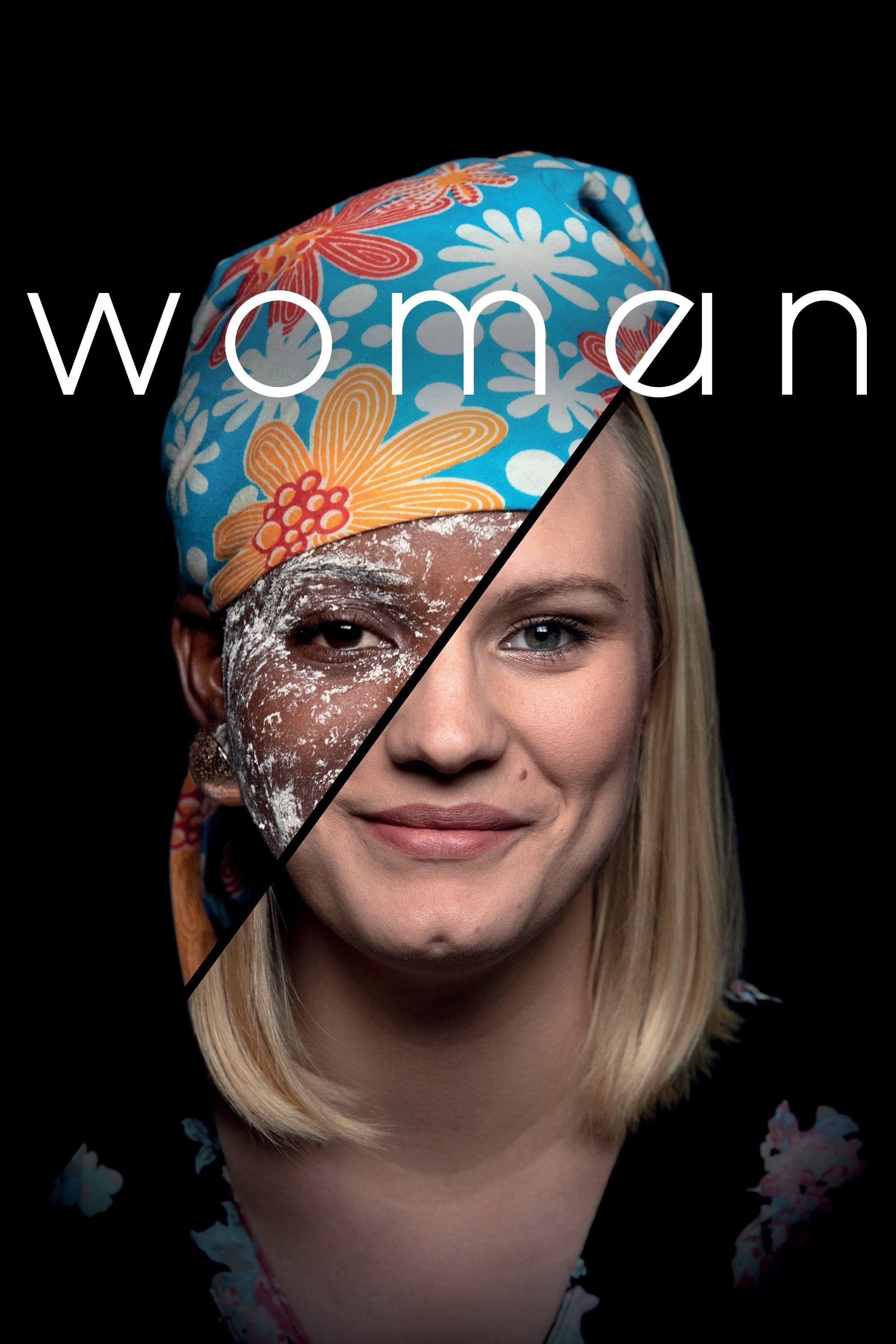
The film is based on interviews with 2,000 women from 50 countries, and covers the status of women all over the world. The topics covered include forced marriages, sexual assault, female genital mutilation, acid attacks, motherhood, sexuality, menstruation, education and the professional success of women.
A string of threatening emails escalates into a revenge plot involving a newly married US marshal and his ex-girlfriend.
A look at the origins, history and conspiracies behind the "Majestic 12", a clandestine group of military and corporate figureheads charged with reverse-engineering extraterrestrial technology.
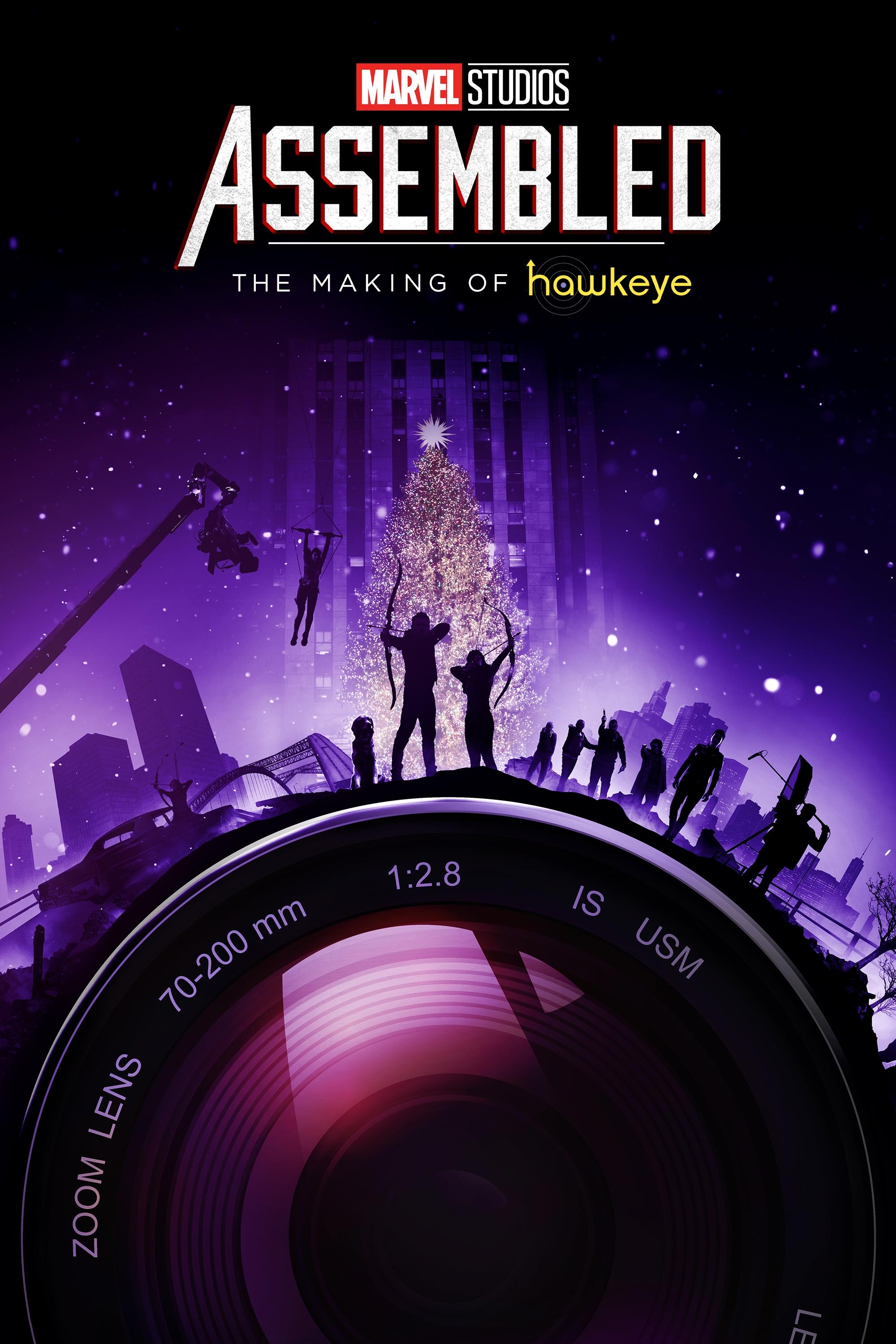
Join the likes of Jeremy Renner, Hailee Steinfeld, Florence Pugh, and Vincent D’Onofrio as they reveal how Marvel Studios’ “Hawkeye” was conceived and created. Witness firsthand what it took to pull off the show’s pulse-pounding action set pieces, and discover how iconic characters from the pages of Marvel Comics such as Kate Bishop were adapted and brought to life for the six-episode series.
In an intimate and joyful story of love in the face of loss, celebrated poets Andrea Gibson and Megan Falley find strength—and unexpected hilarity—in what might be their final year together.
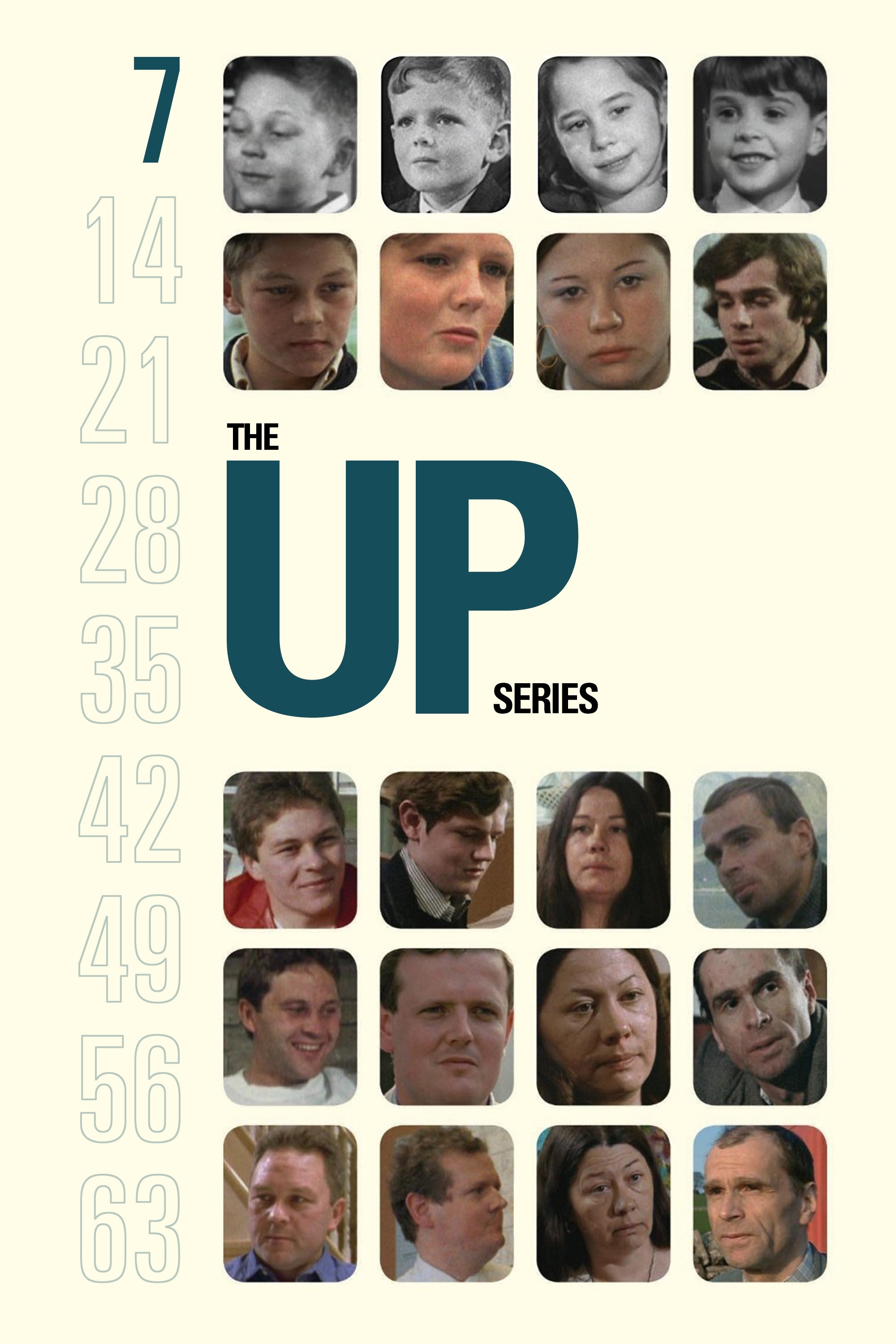
A group of British children aged 7 from widely ranging backgrounds are interviewed about a range of subjects. The filmmakers plan to re-interview them at 7 year intervals to track how their lives and attitudes change as they age.
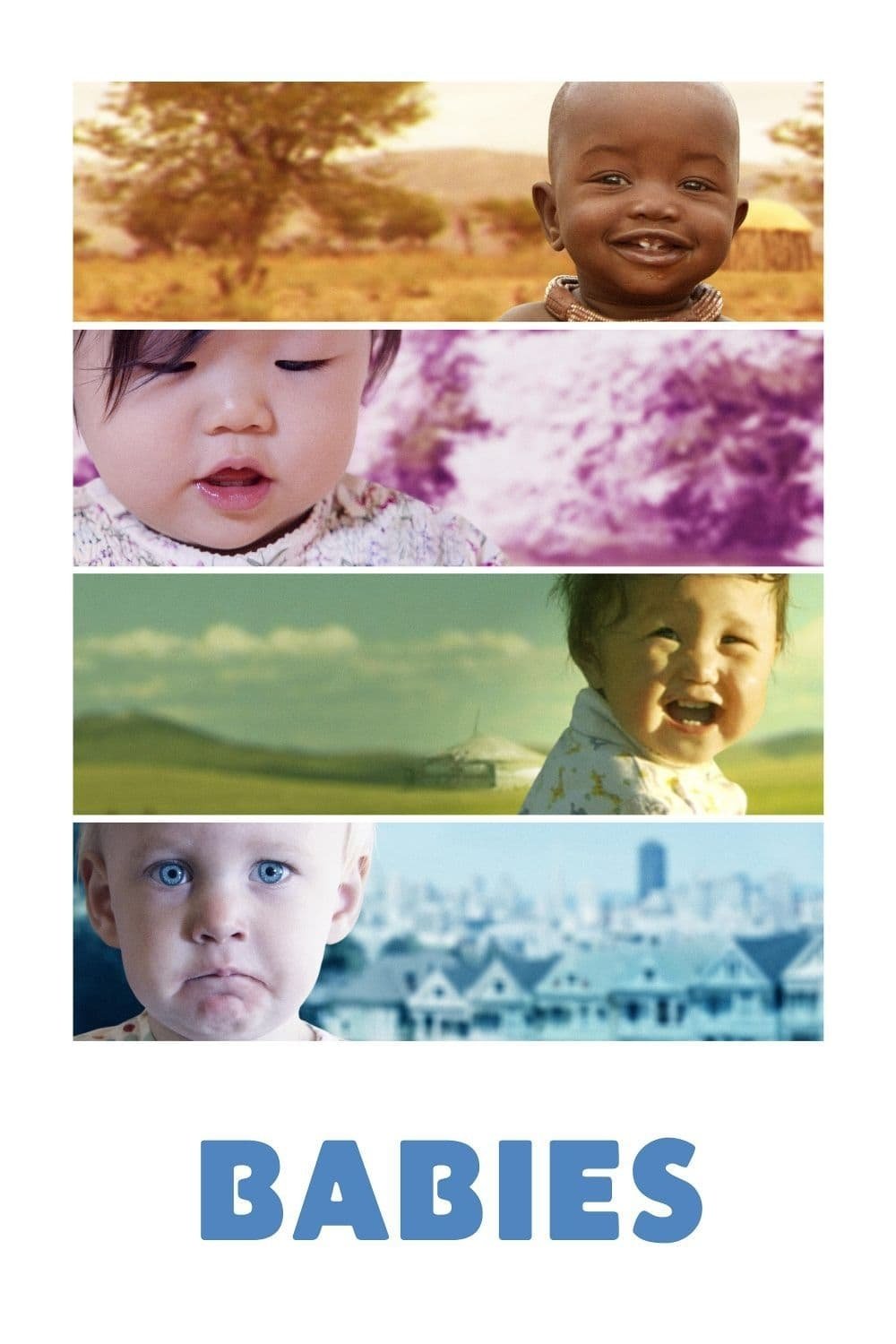
A non-narrated documentary following the lovesome lives of four infants from birth to their first birthday. The babies featured are two from rural areas: Ponijao from Opuwo, Namibia, and Bayar from Bayanchandmani, Mongolia, as well as two from urban areas: Mari from Tokyo, Japan, and Hattie from San Francisco, USA.
The life of Mr. Spock, as well as that of Leonard Nimoy, the actor who played him for almost fifty years, written and directed by his son: Adam.
The Making-of James Cameron's Avatar. It shows interesting parts of the work on the set.
The life and career of one of comedy's most inimitable modern voices, Mr. Gilbert Gottfried.
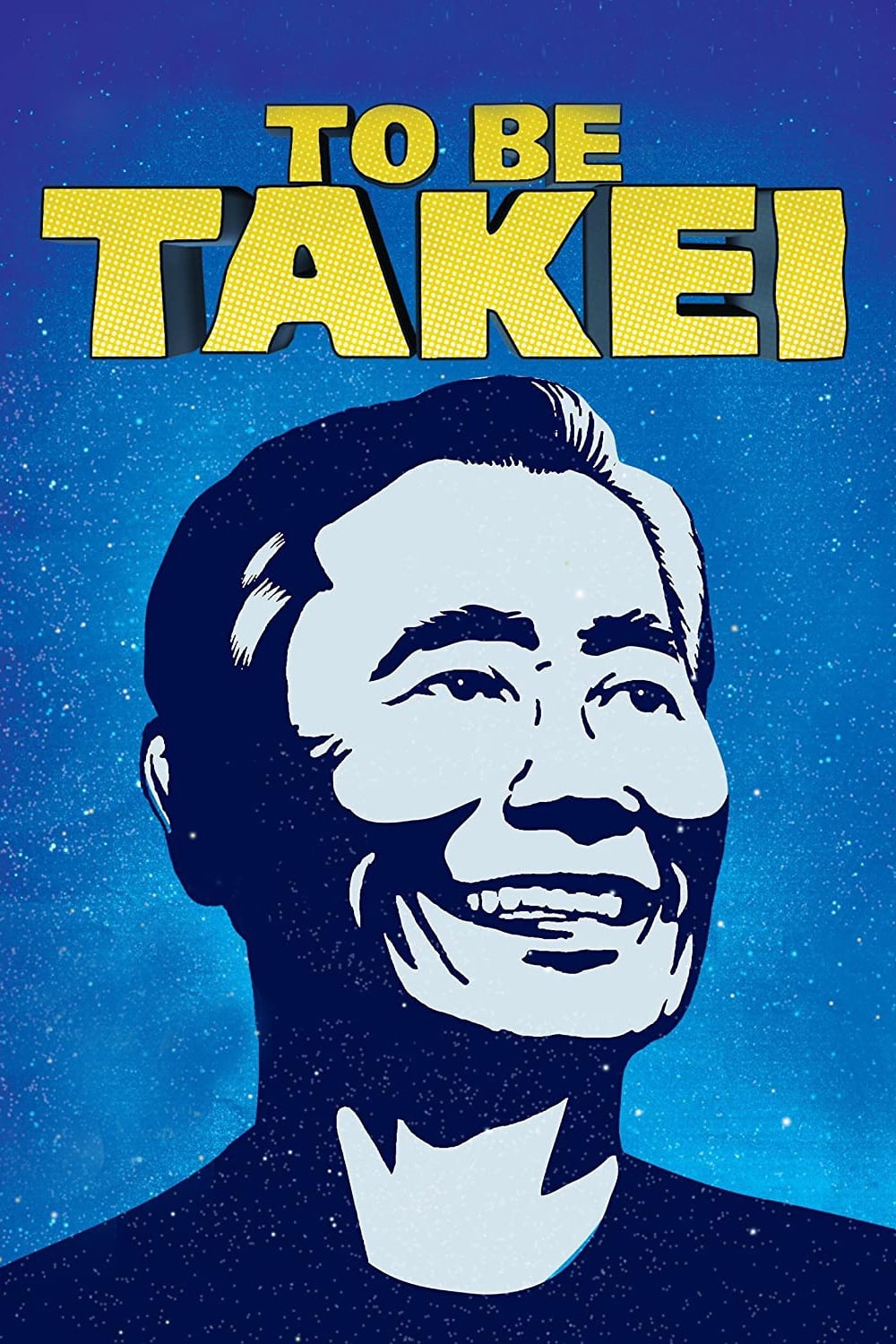
Over seven decades, actor and activist George Takei journeyed from a World War II internment camp to the helm of the Starship Enterprise, and then to the daily news feeds of five million Facebook fans. Join George and his husband, Brad, on a wacky and profound trek for life, liberty, and love.
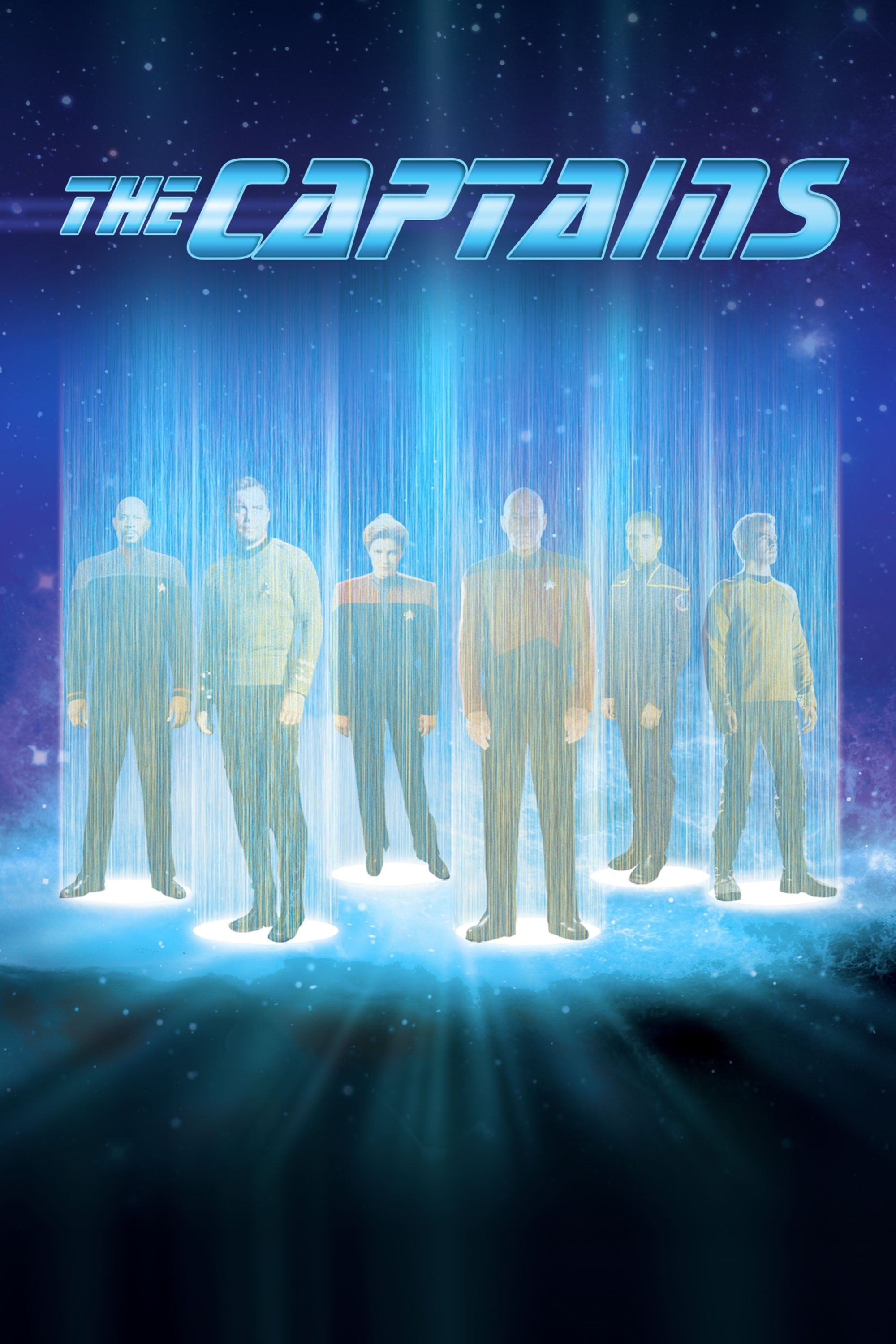
The Captains is a feature-length documentary film written and directed by William Shatner. The film follows Shatner as he interviews the other actors who have portrayed starship captains in the Star Trek franchise.
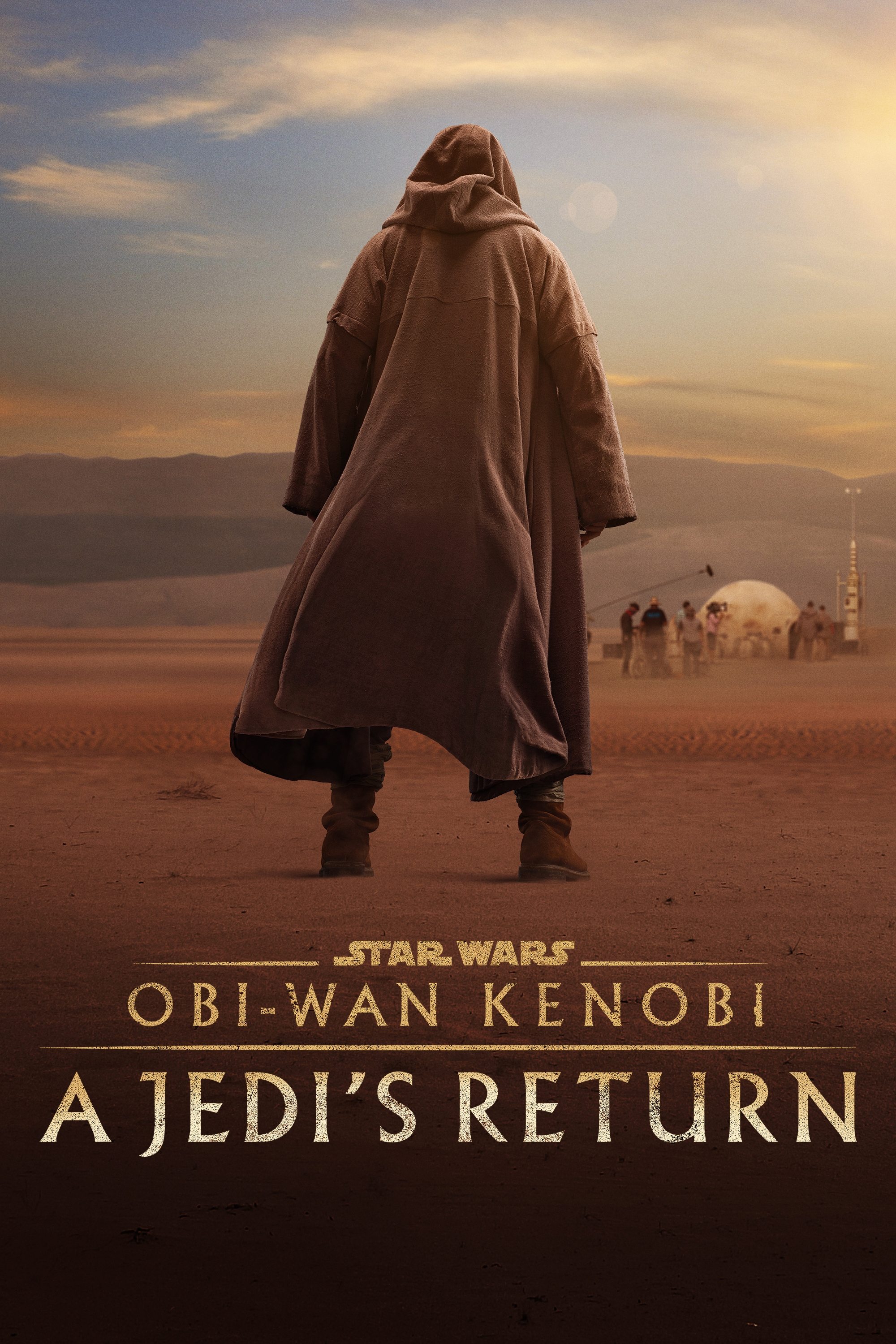
This special explores the return of Obi-Wan Kenobi and Anakin Skywalker to the screen, as well as Ewan McGregor and Hayden Christensen to their classic roles. Director Deborah Chow leads the cast and crew as they create new heroes and villains that live alongside new incarnations of beloved Star Wars characters, and an epic story that dramatically bridges the saga films.
Over 35 years after Bob Lazar's revelations, this documentary exposes secrets of a facility the government still denies. Featuring Lazar's testimony, recreations, and new evidence, it reopens a case that continues to spark global curiosity
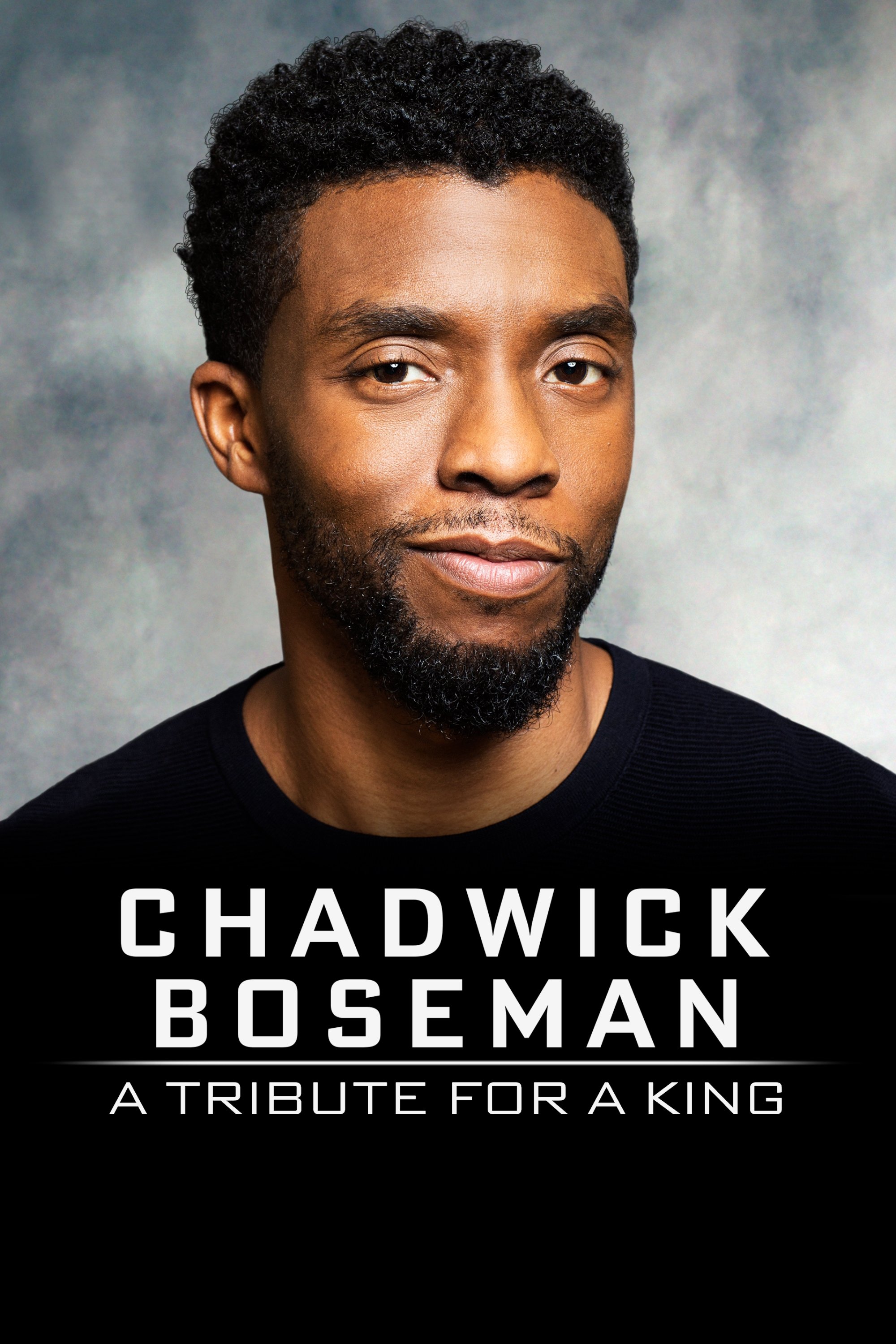
A tribute to Chadwick Boseman, celebrating his life and legacy.
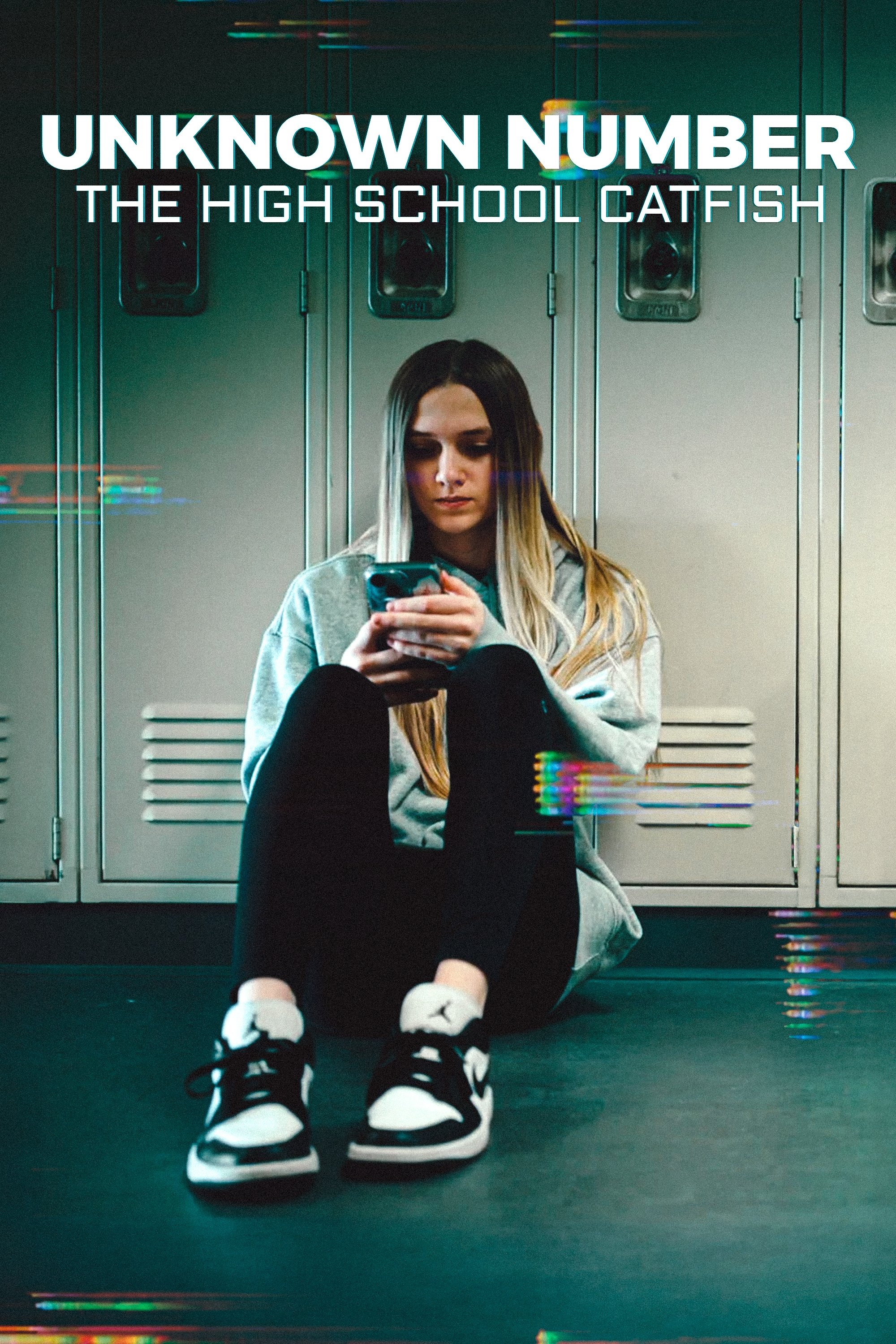
Vulgar, taunting texts blow up the phones of a teen and her boyfriend. Who's sending them — and why? This twisty documentary reveals the shocking answer.
Director Michael Apted revisits the same group of British-born adults after a 7 year wait. The subjects are interviewed as to the changes that have occurred in their lives during the last seven years.
The Adamant is a unique day-care centre. A floating structure located on the Seine in the heart of Paris, it welcomes adults suffering from mental disorders, offering the kind of care that grounds them in time and space and helps them to recover or keep up their spirits. The team running it tries to resist the deterioration and dehumanisation of psychiatry as best as they can.