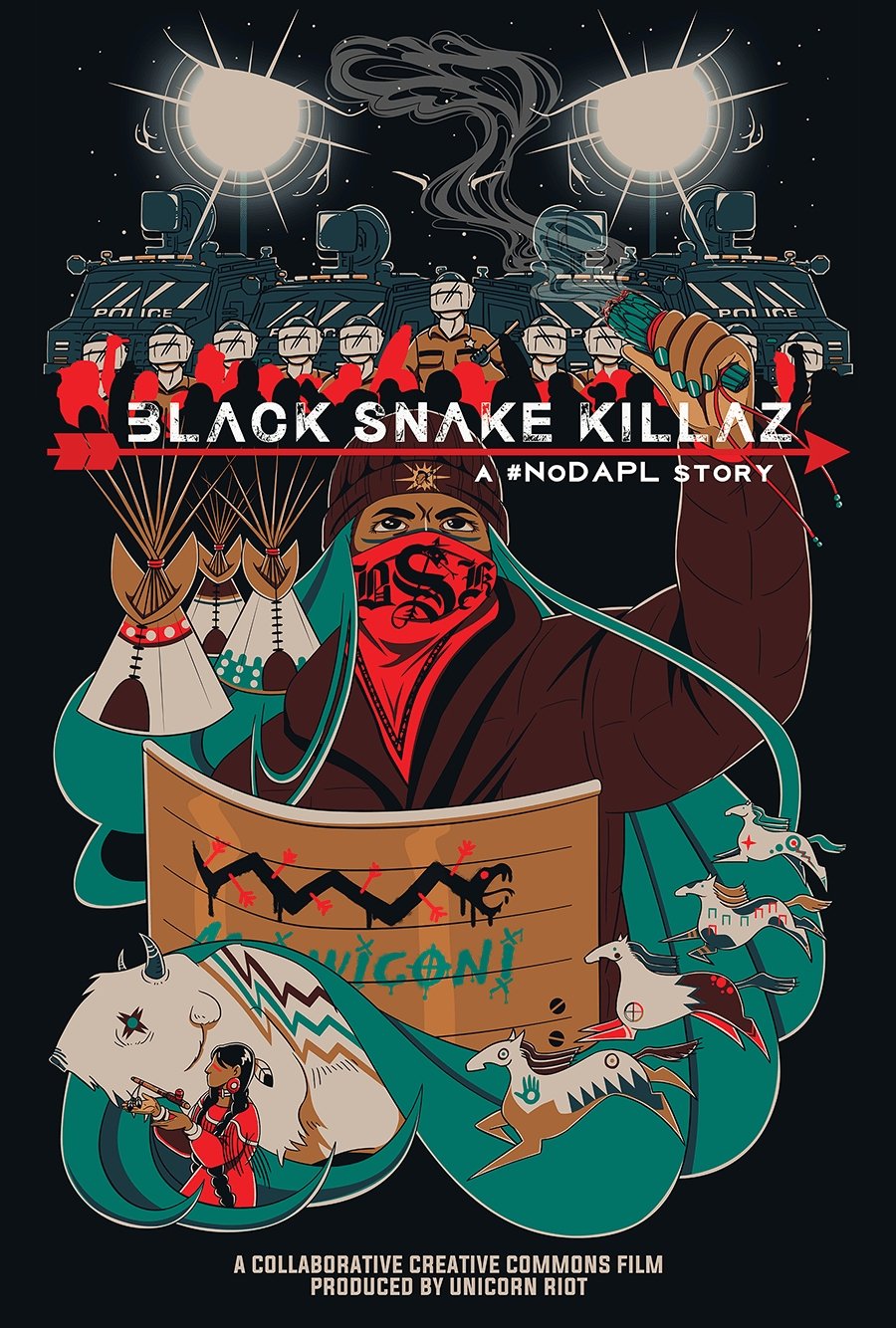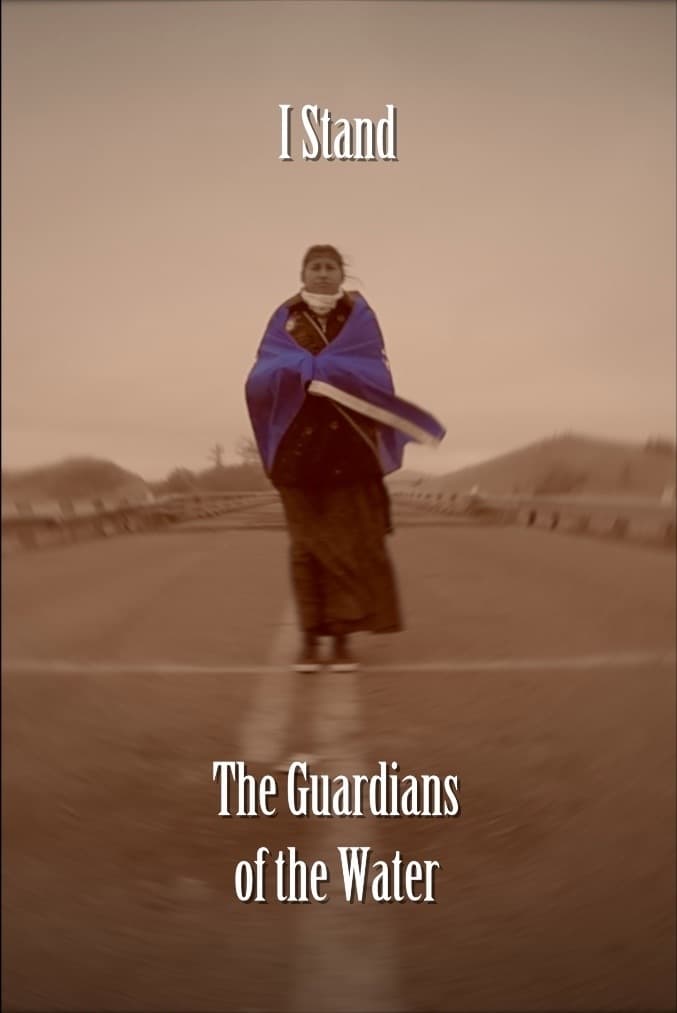
First hand interviews and on the ground footage give a stirring account of The Standing Rock Sioux Nation's and water protectors' opposition to the Dakota Access Pipeline

Social & External
The people behind it
Deep Blue is a major documentary feature film shot by the BBC Natural History Unit. An epic cinematic rollercoaster ride for all ages, Deep Blue uses amazing footage to tell us the story of our oceans and the life they support.
Two formidable Native American women, both chief judges in their tribe's courts, strive to reduce incarceration rates and heal their people by restoring rather than punishing offenders, modeling restorative justice in action.
The “Prophecy of the 7th Fire” says a “black snake” will bring destruction to the earth. For Winona LaDuke, the “black snake” is oil trains and pipelines. When she learns that Canadian-owned Enbridge plans to route a new pipeline through her tribe’s 1855 Treaty land, she and her community spring into action to save the sacred wild rice lakes and preserve their traditional indigenous way of life. Launching an annual spiritual horse ride along the proposed pipeline route, speaking at community meetings and regulatory hearings. Winona testifies that the pipeline route follows one of historical and present-day trauma. The tribe participates in the pipeline permitting process, asserting their treaty rights to protect their natural resources. LaDuke joins with her tribe and others to demand that the pipelines’ impact on tribal people’s resources be considered in the permitting process.



In this sequel to the award-winning You’ve Been Trumped, director Anthony Baxter once again follows American billionaire Donald Trump and a cast of other greedy characters who want to turn some of the Earth’s most precious places into golf courses and playgrounds for the super rich. From the historic site of Dubrovnik to the ancient sand dunes and rolling green hills of the seaside town of Balmedie, these tycoons bully local residents, influence governments, ignore local referendums and even meddle in national environmental policies to acquire their latest trophies. With in-depth interviews and Baxter’s expert storytelling, we learn just how devastating these golf courses can be to the surrounding countryside and water tables. In this funny, inspiring and at times heartbreaking David and Goliath story for the 21st century, the locals don’t give in easily. But will their fight be enough to protect their land and traditional way of life?
Documentary about human impact on the world.
oil workers, builders, geologists
The story of individuals from all walks of life that have faced incredible obstacles, found the drive to overcome their disabilities, and have through water sports become real everyday heroes.
A promotional video produced by the Alberta government in 1975, "The time of the tar sands", featuring Gordon Pinsent. credit: Archives of Alberta.
The short film shows the process of oil extraction up to the delivery to the customer
For millennia, Native Americans successfully stewarded and shaped their landscapes, but centuries of colonization have disrupted their ability to maintain their traditional land management practices. From deserts, coastlines, forests, mountains, and prairies, Native communities across the US are restoring their ancient relationships with the land. As the climate crisis escalates these time-tested practices of North America's original inhabitants are becoming increasingly essential in a rapidly changing world.
An intimate exploration of the circumstances surrounding the incarceration of Native American activist Leonard Peltier, convicted of murder in 1977, with commentary from those involved, including Peltier himself.
An immersive journey into the world of wild horses, Wild Beauty illuminates both the profound beauty, and desperate plight faced by the wild horses in the Western United States. Filmmaker Ashley Avis and crew go on a multi-year expedition to uncover the truth in hopes to protect them, before wild horses disappear forever.
American Indians of African descent, or Freedmen, battle their own tribes and the federal government to regain their tribal citizenship. Witness how indigenous American Indian tribes, their minority members, and surrounding communities are confronting racism and intolerance.
Thirty miles from Manhattan a group of mysterious mountain people fight for recognition as a legitimate Native American tribe from the Bureau of Indian Affairs. What begins as their journey travels the country as Native American’s fight for their rights at Standing Rock, Apache Junction and throughout the United States. Examining through expert interviews and unbridled access to the community, the film provides an in depth look at the complex past, volatile present and endangered future of the Ramapough Mountain Indians and what it truly means to be a “Native American”.
The film tells of the beginnings of the Serengeti National Park in Tanzania. At the end of the 1950s, the Tanzanian National Park Administration wanted to fence in the protected area around the Ngorongoro Crater. Bernhard and Michael Grzimek were invited by the national park administration in 1957 to get a precise picture of the animal migrations and to provide the national park administration with the values they needed for their project. Using a new counting method with two airplanes, the Grzimeks found out that the migration of the herds was different than assumed.
When the Nuxalk trace the vanished ooligan to a land claim filed the very day smallpox arrived, their radio station becomes courtroom, confessional and conjuring ground; an older law insists: the fish return when the people do.
Bright Green Lies investigates the change in focus of the mainstream environmental movement, from its original concern with protecting nature, to its current obsession with powering an unsustainable way of life. The film exposes the lies behind the notion that solar, wind, hydro, biomass, or green consumerism will save the planet. Tackling the most pressing issues of our time will require us to look beyond the mainstream technological solutions and ask deeper questions about what needs to change.
Washington Redskins, Cleveland Indians, Atlanta Braves — Indian mascots and nicknames have historically been first draft picks in American sports. But for Charlene Teters, a Spokane Indian, transplanting cultural rituals onto the field is a symbol of disrespect. Jay Rosenstein follows Teters' evolution from mother and student into a leading voice against the merchandising of Native American symbols — and shows the lengths fans will go to preserve their mascots.

Takes us to locations all around the US and shows us the heavy toll that modern technology is having on humans and the earth. The visual tone poem contains neither dialogue nor a vocalized narration: its tone is set by the juxtaposition of images and the exceptional music by Philip Glass.
In the Realms of the Unreal is a documentary about the reclusive Chicago-based artist Henry Darger. Henry Darger was so reclusive that when he died his neighbors were surprised to find a 15,145-page manuscript along with hundreds of paintings depicting The Story of the Vivian Girls, in What is Known as the Realms of the Unreal, of the Glodeco-Angelinnian War Storm, Cased by the Child Slave Rebellion.
A string of threatening emails escalates into a revenge plot involving a newly married US marshal and his ex-girlfriend.
In a crime-plagued neighborhood near Miami, brutal, bare-knuckled backyard fights give young men a chance to earn money -- and self-respect.
An inside look at one of the most anticipated movie sequels ever with James Cameron and cast.
Unravel the case of Utah therapist Jodi Hildebrandt, whose child abuse arrest with parenting YouTuber Ruby Franke exposed a twisted tale of manipulation.
Over 35 years after Bob Lazar's revelations, this documentary exposes secrets of a facility the government still denies. Featuring Lazar's testimony, recreations, and new evidence, it reopens a case that continues to spark global curiosity
This revealing documentary honors the legendary Sidney Poitier—iconic actor, filmmaker, and civil rights activist. Featuring interviews with Denzel Washington, Spike Lee, Halle Berry, and more.
The Making-of James Cameron's Avatar. It shows interesting parts of the work on the set.
An exploration of technologically developing nations and the effect the transition to Western-style modernization has had on them.
By the mid-1980s, the fabled animation studios of Walt Disney had fallen on hard times. The artists were polarized between newcomers hungry to innovate and old timers not yet ready to relinquish control. These conditions produced a series of box-office flops and pessimistic forecasts: maybe the best days of animation were over. Maybe the public didn't care. Only a miracle or a magic spell could produce a happy ending. Waking Sleeping Beauty is no fairy tale. It's the true story of how Disney regained its magic with a staggering output of hits - "Little Mermaid," "Beauty and the Beast ," "Aladdin," "The Lion King," and more - over a 10-year period.
Serving life in prison for murdering their parents, Lyle and Erik Menendez speak out in this documentary explaining the shocking crime and ensuing trials.
A documentary on Al Gore's campaign to make the issue of global warming a recognized problem worldwide.
Capturing Avatar is a feature length behind-the-scenes documentary about the making of Avatar. It uses footage from the film's development, as well as stock footage from as far back as the production of Titanic in 1995. Also included are numerous interviews with cast, artists, and other crew members. The documentary was released as a bonus feature on the extended collector's edition of Avatar.
Follows the story of "Grizzly Man" Timothy Treadwell and what the thirteen summers in a National Park in Alaska were like in his attempt to protect the grizzly bears. The film is full of unique images and a look into the spirit of a man who sacrificed himself for nature.
A documentary on the expletive's origin, why it offends some people so deeply, and what can be gained from its use.
It is happening all across America-rural landowners wake up one day to find a lucrative offer from an energy company wanting to lease their property. Reason? The company hopes to tap into a reservoir dubbed the "Saudi Arabia of natural gas." Halliburton developed a way to get the gas out of the ground-a hydraulic drilling process called "fracking"-and suddenly America finds itself on the precipice of becoming an energy superpower.
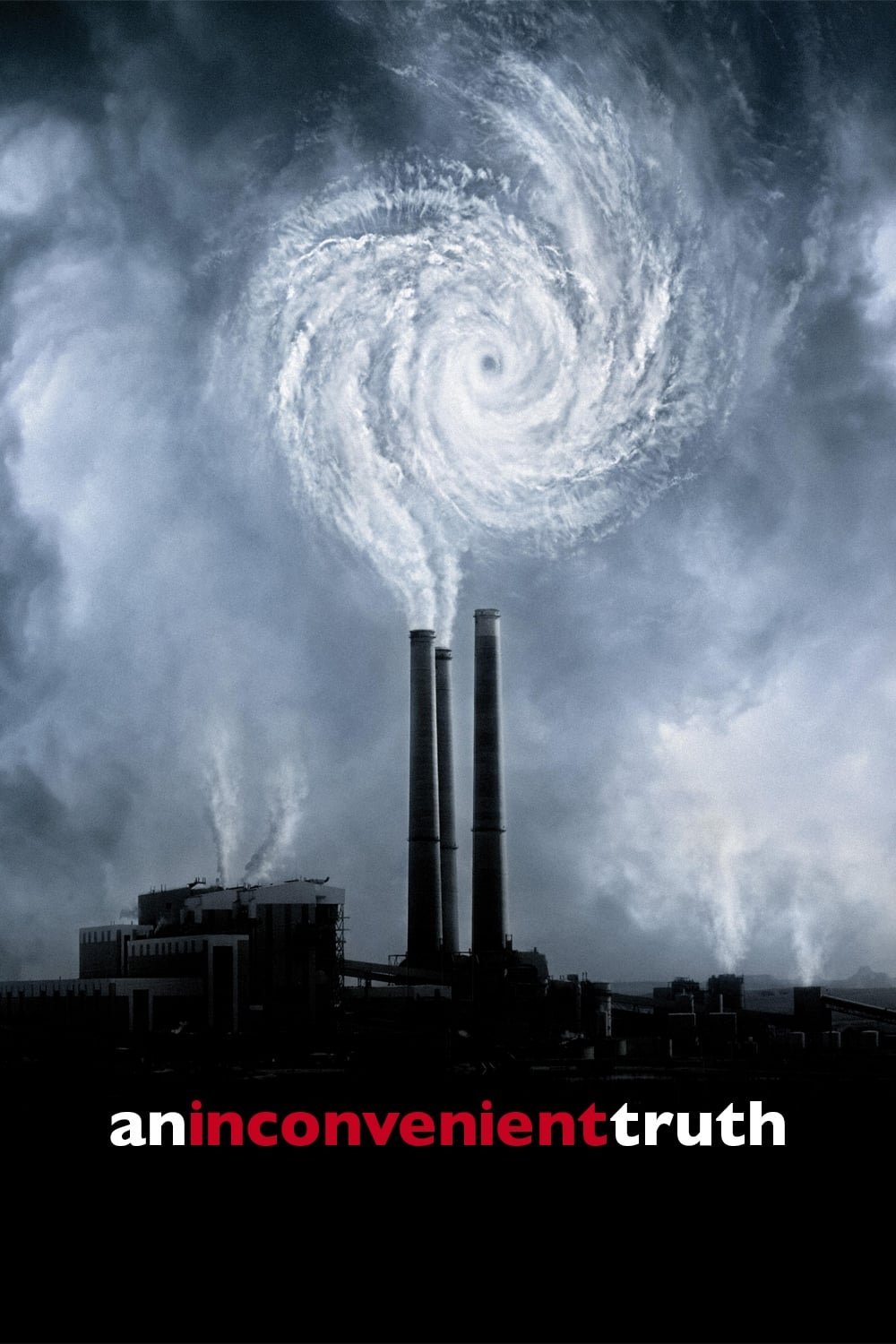
A decade after An Inconvenient Truth brought climate change into the heart of popular culture comes the riveting and rousing follow-up that shows just how close we are to a real energy revolution. Vice President Al Gore continues his tireless fight, traveling around the world training an army of climate champions and influencing international climate policy. Cameras follow him behind the scenes—in moments private and public, funny and poignant—as he pursues the empowering notion that while the stakes have never been higher, the perils of climate change can be overcome with human ingenuity and passion.
With unprecedented access to the official archives and intimate recollections from the band, both current and past, Iron Maiden: Burning Ambition invites fans to experience one of the most iconic journeys in music history. Spanning five decades, this electrifying documentary charts the band’s rise from the pubs of East London to the world’s biggest stadiums. Featuring exclusive interviews with band members and contributors such as Javier Bardem, Lars Ulrich and Chuck D, as well as all-new animated sequences of the band's legendary mascot, Eddie, the film offers a rare and intimate look at Iron Maiden’s uncompromising vision and unwavering connection with their truly global army of fans.
An experimental portrait of the North American commercial fishing industry through the lens of GoPro cameras placed on a fishing vessel off the coast of New England.