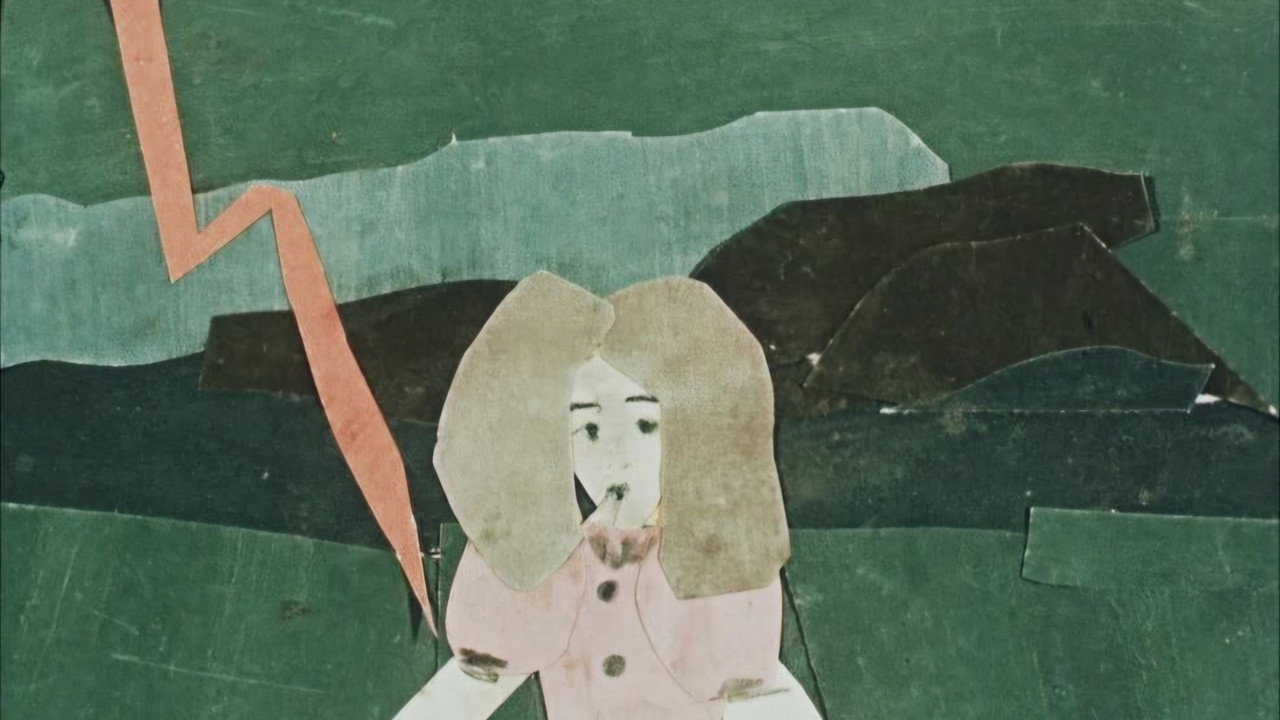
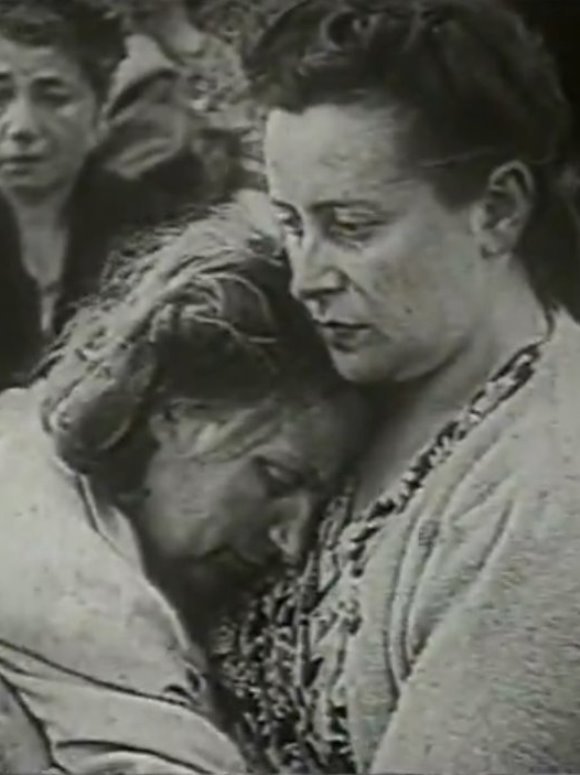
A documentary about the life of Jewish children forced to live in the Theresienstadt concentration camp.
Social & External
The people behind it
Karel Höger
Commentary (voice)
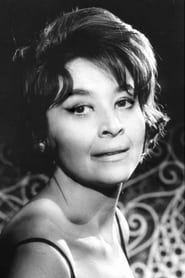
Jiřina Jirásková
Karolina Slunéčková
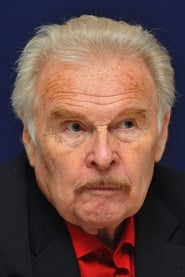
Luděk Munzar
The Holocaust is one of the most documented, witnessed and written about events in history, so why is Holocaust denial back on the political agenda? What has happened in the 75 years since the liberation of the camps to have so skewed the picture? And, if it matters, why does it matter?
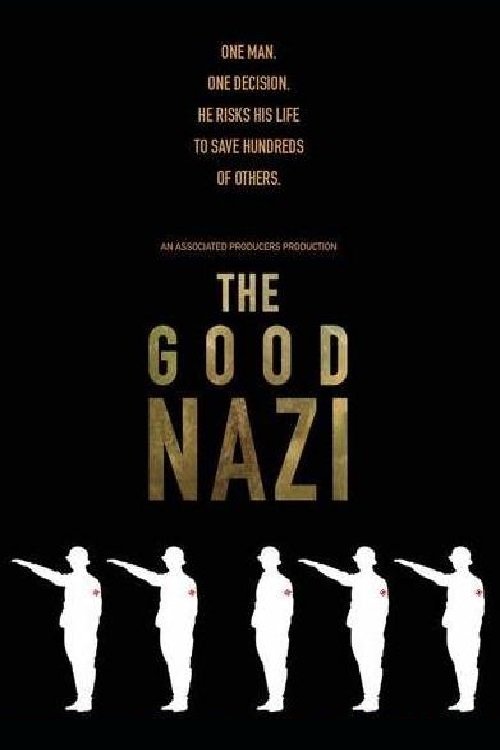
By tracking scientists and Holocaust survivors in Lithuania, The Good Nazi tells the story of a Schindler-type Nazi officer who turned his back on his dark ideology and risked his life to save hundreds of Jews.
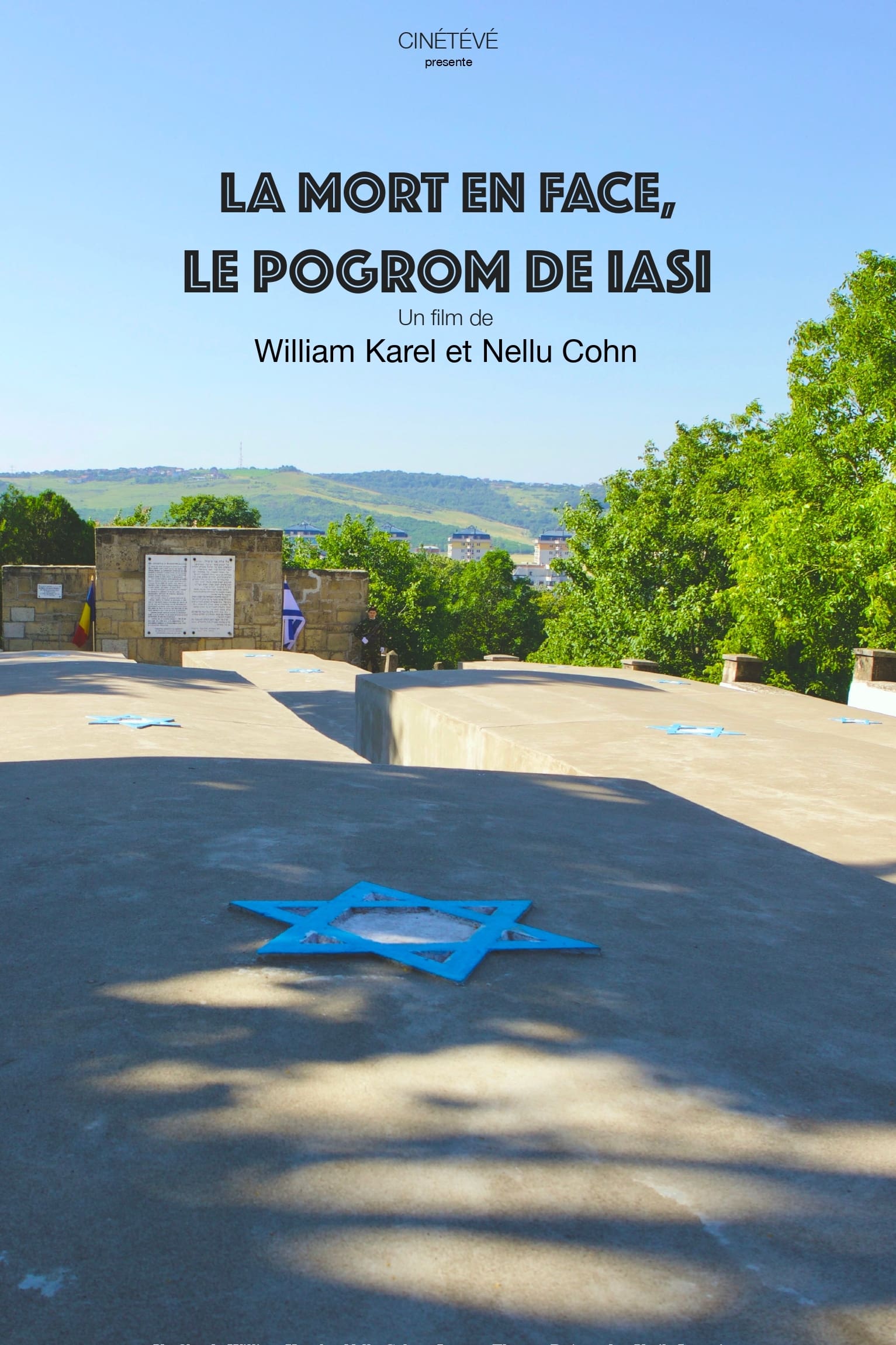
In Iasi, Romania, from June 28 to July 6, 1941, nearly 15 000 Jews were murdered in the course of a horrifying pogrom. At the time, the programmed extermination of European Jews had not yet began. After the war, the successive communist governments did all they could to ensure the Iasi pogrom would be forgotten. It was not until November of 2004 that Romania recognized for the first time its direct responsibility in the pogrom. All that remains of this massacre are about a hundred photographs taken as souvenirs by german and romanian soldiers, and a few remaining survivors.
On July 4th, 1946, the crowd in Kielce, Poland, slaughtered forty-two Jews and wounded many others. Forty years later, in 1987, Marcel Łoziński visited those places and met some witnesses of the carnage.
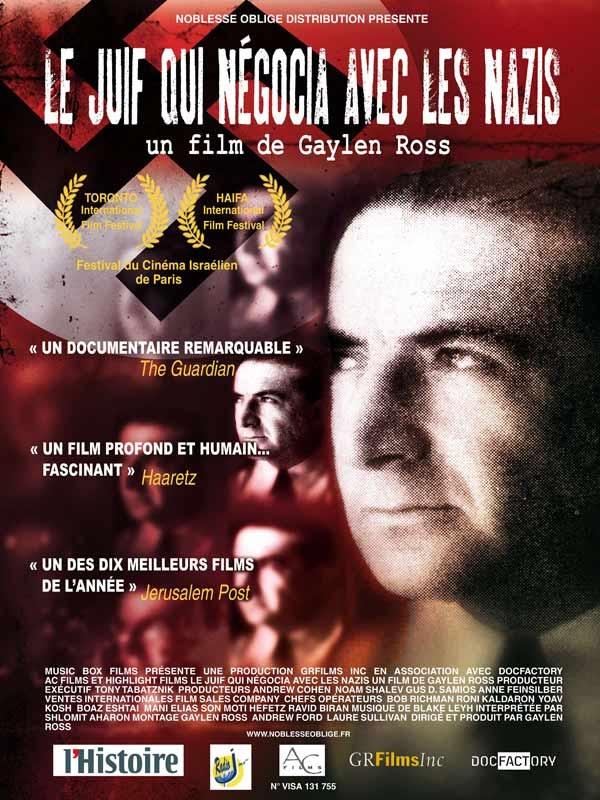
How much should you negotiate with the enemy? In Israel, the debate over that question evoked fury to the point of assassination. Such was the case of Kasztner. Dr Israel (Rezso) Kasztner, a Hungarian Jew who tried to rescue the last million Jews of Europe by negotiating face to face with Nazi leader Adolf Eichmann, was gunned down by another Jew who never set foot in Nazi Europe. After 50 years, his assassin Ze'ev Eckstein breaks his silence on the fateful night he shot and killed Kasztner. (Storyville)
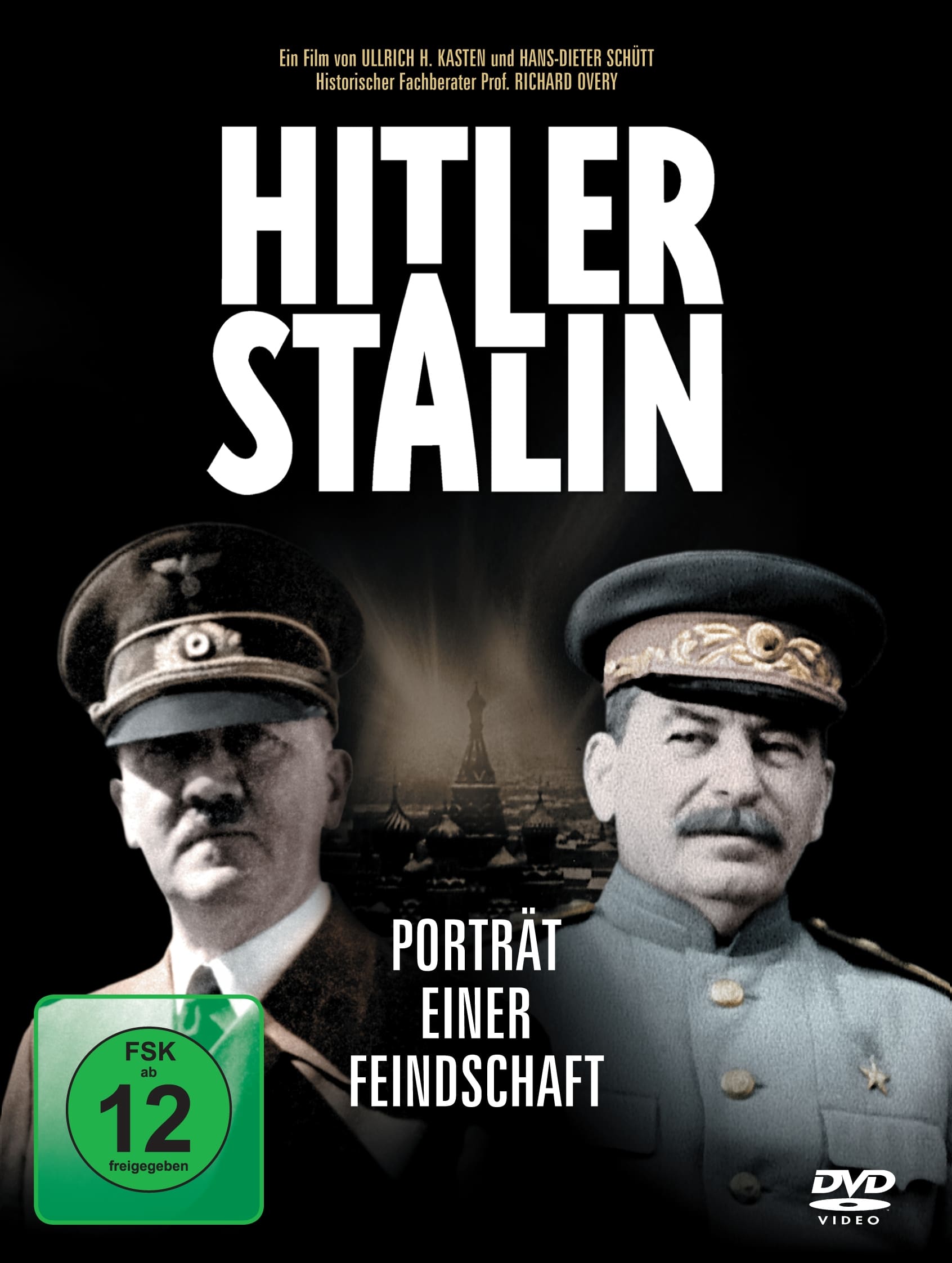
A double portrait of two dictators who were thousands of miles apart but were constantly fixated on each other.
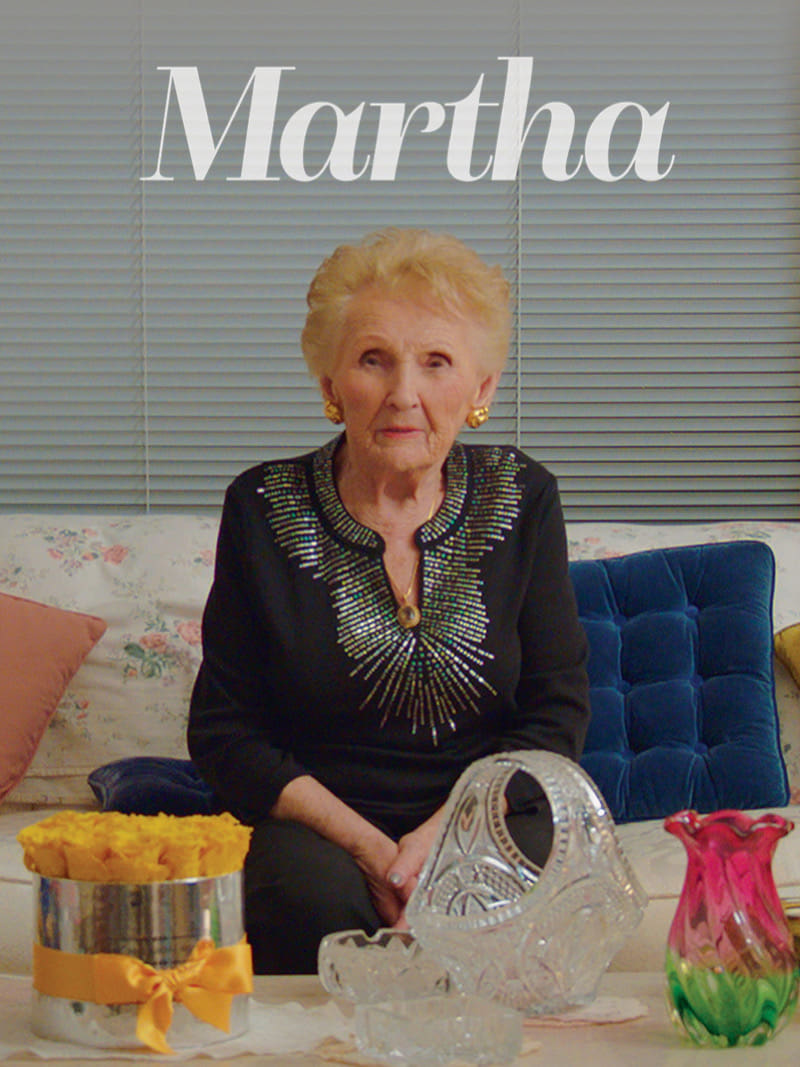
Documentary of Daniel Schubert's grandmother, Martha Katz, a Holocaust survivor.
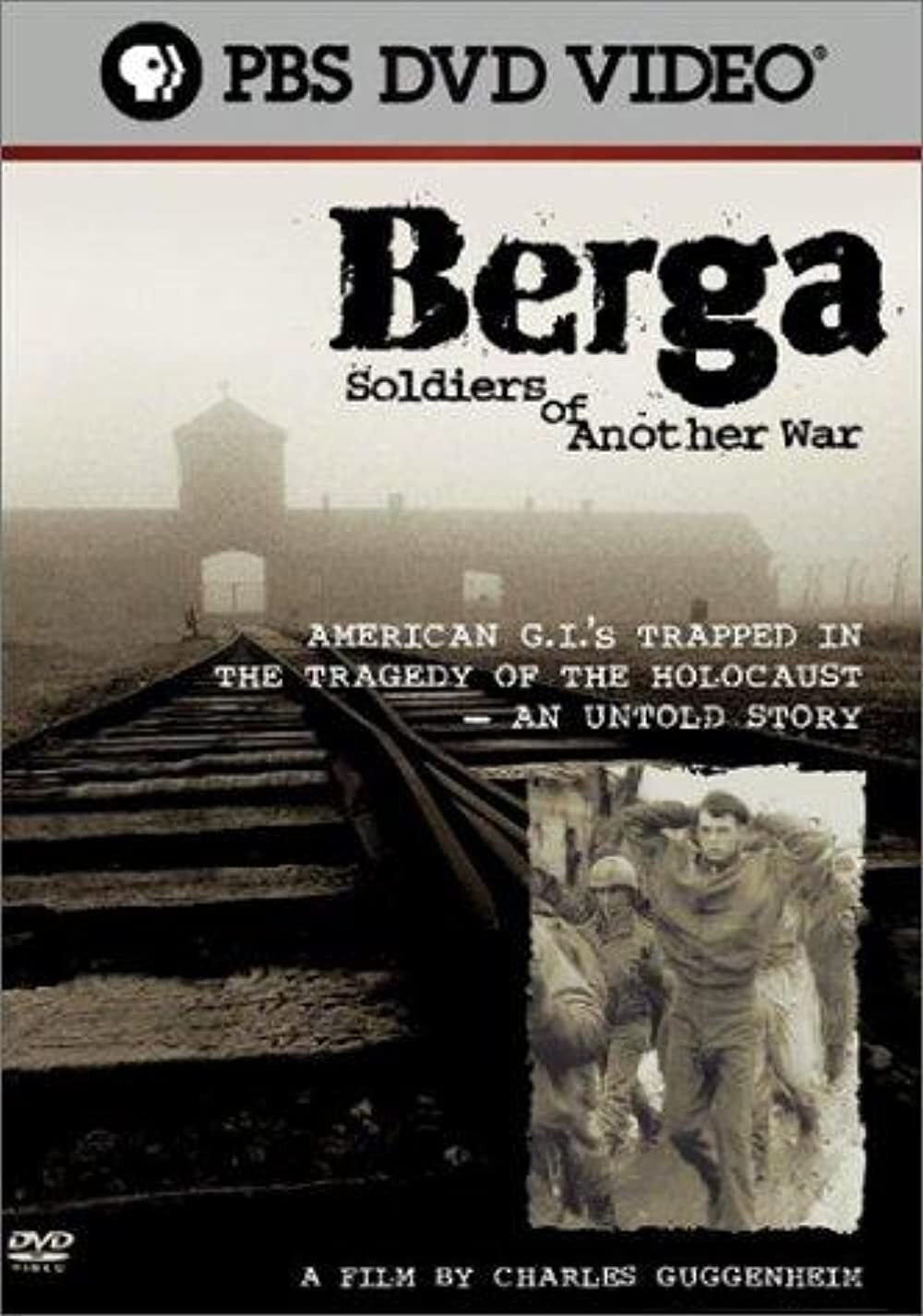
During the Battle of the Bulge in the winter of 1944, thousands of American GIs were captured by German forces. Berga: Soldiers of Another War, the final work in the distinguished career of four-time Academy Award-winning documentary filmmaker Charles Guggenheim, is the untold story of 350 American POWs caught in the tragedy of the Holocaust. In blatant violation of the Geneva Convention, the Jewish American soldiers in the 106th Infantry Division, together with those who had "Jewish-sounding" names or who "looked" Jewish, were shipped off to the slave-labor camp at Berga am Elster, a satellite camp of the infamous Buchenwald.
In an article on the Vatican and the holocaust at Jewish Virtual Library it says: “Pope Pius XII’s (1876-1958) actions during the Holocaust remain controversial. For much of the war, he maintained a public front of indifference and remained silent while German atrocities were committed. He refused pleas for help on the grounds of neutrality while making statements condemning injustices in general. Privately, he sheltered a small number of Jews and spoke to a few select officials, encouraging them to help the Jews.” This is a highly interesting documentary on this controversy.
Through interviews we meet some of the people who risked their lives to hide Jewish children during World War II and how this experience has continued to affect the survivors.
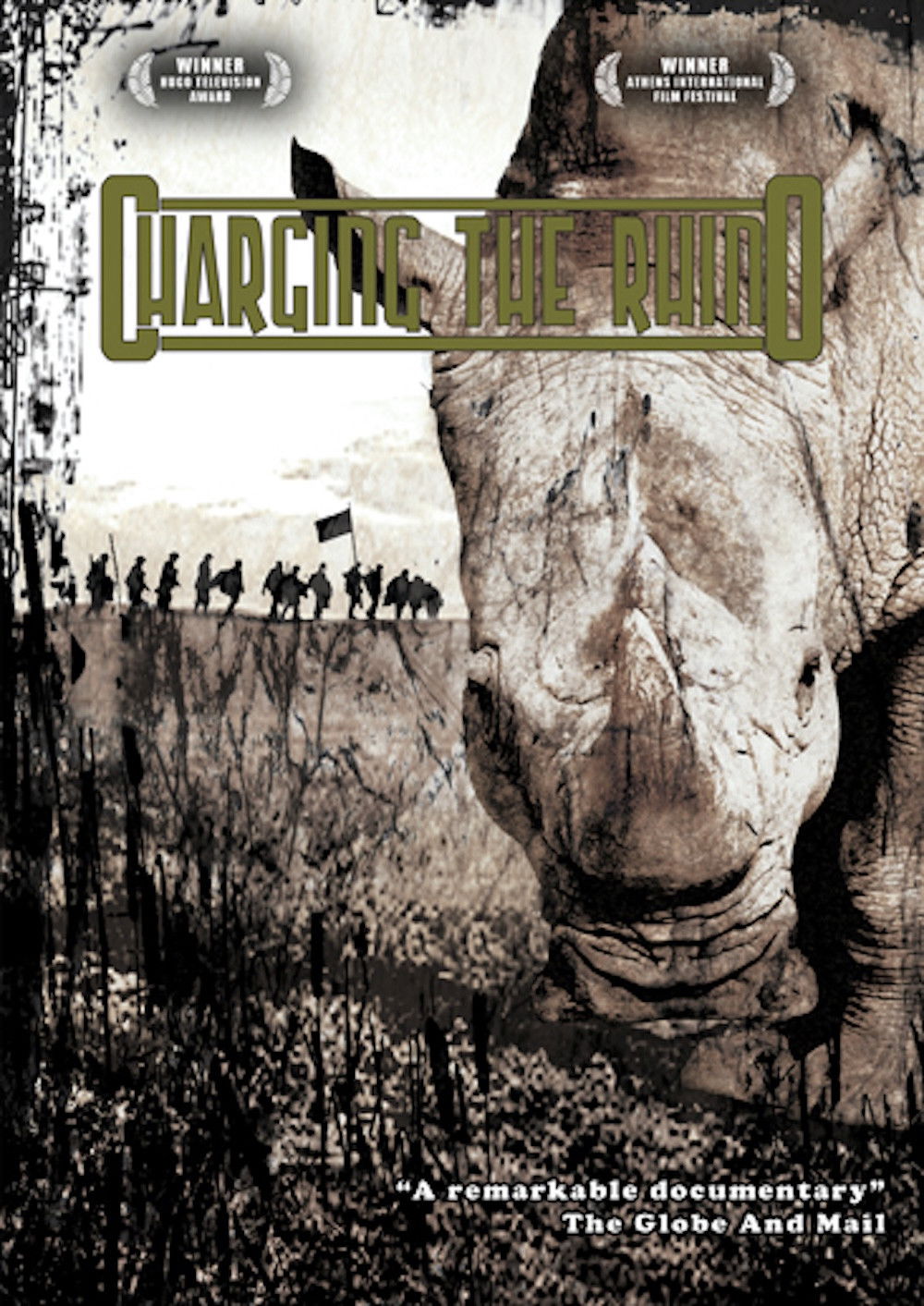
On June 29, 1941 thousands of Jews were herded into a courtyard in Iasi, Romania and were massacred by German and Romanian soldiers. Many of the Jacobovicis of Romania died that day. Canadian filmmaker Simcha Jacobovici goes back to the land of his forebears and explores issues of memory - his and Romania's. Charging the Rhino is a documentary about the Romanian Holocaust. Romanian fascists shot filmmaker Simcha Jacobovici’s father, Joseph, during WWII. Romanian communists shot his cousin, Sasha, during the Cold War. Through their stories the film explores the devastating history of fascism and communism in Romania and the life-altering affect it had on the psyche of those who endured Romania’s unimaginable.
Their names are Chorowicz, Cyroulnik, Glichtzman, Feldhandler... They were born in France, after the second world war. Their families came from Central and Eastern Europe in the 20s and 30s, fleeing antisemitism and poverty. After the Holocaust, they grew up among ghosts, between anger, a desire for vengeance and a will to change the world. In the 60s and 70s, they became activists. Through their personal stories and the tale of their internationalist and antifascist struggle, the movie shows the audacity of those years of dissent.
For six female Holocaust survivors, liberation from the camps marked the beginning of a lifelong struggle.
Every year since 2011, a unique beauty contest has been taking place in Haifa. The contestants are female survivors of the Holocaust. In the midst of this flashy spectacle, their personal traumas remain as deep as ever. There are many things about this contest that are controversial: it is organized by the right Zionist organization, the International Christian Embassy Jerusalem, and the dubious contest itself rises the public indignation of various speakers, including other survivors.
Forty years after the release of Claude Lanzmann’s monumental film Shoah, Guillaume Ribot reveals the director’s relentless pursuit to tell the untold, using only Lanzmann’s words and unseen footage from the masterpiece.
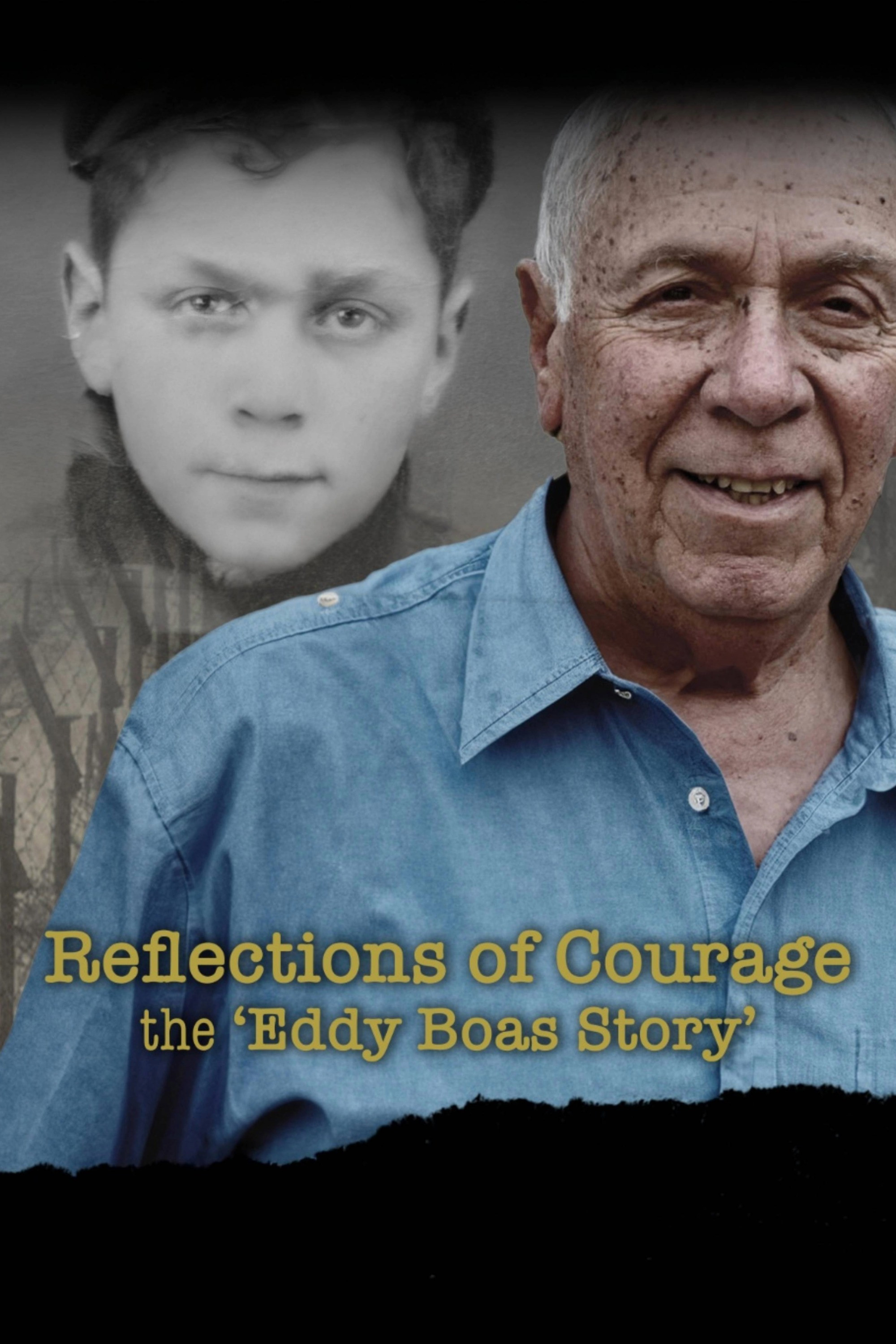
Reflections of Courage is a gripping documentary that follows Eddy Boas’s powerful account of his family’s survival during the Holocaust in Nazi-occupied Holland. As the youngest survivor, Eddy reveals how moments of bravery and kindness helped them endure unimaginable terror. This is a story of resilience, hope, and the courage to survive against all odds.
Chicken Soup With Knives is a personal documentary that chronicles filmmaker Leora Eisenstein’s journey (with her sister and other companions) to Lviv, her family’s hometown before World War II. There, she embarks on a search for her roots as well as a sense of justice. The journey from Israel to Ukraine encompasses meetings with current residents of Lviv, family reunions, and personal reflections. All of these elements converge as the film maps the effects of the past—and all of its painful memories—on the present.
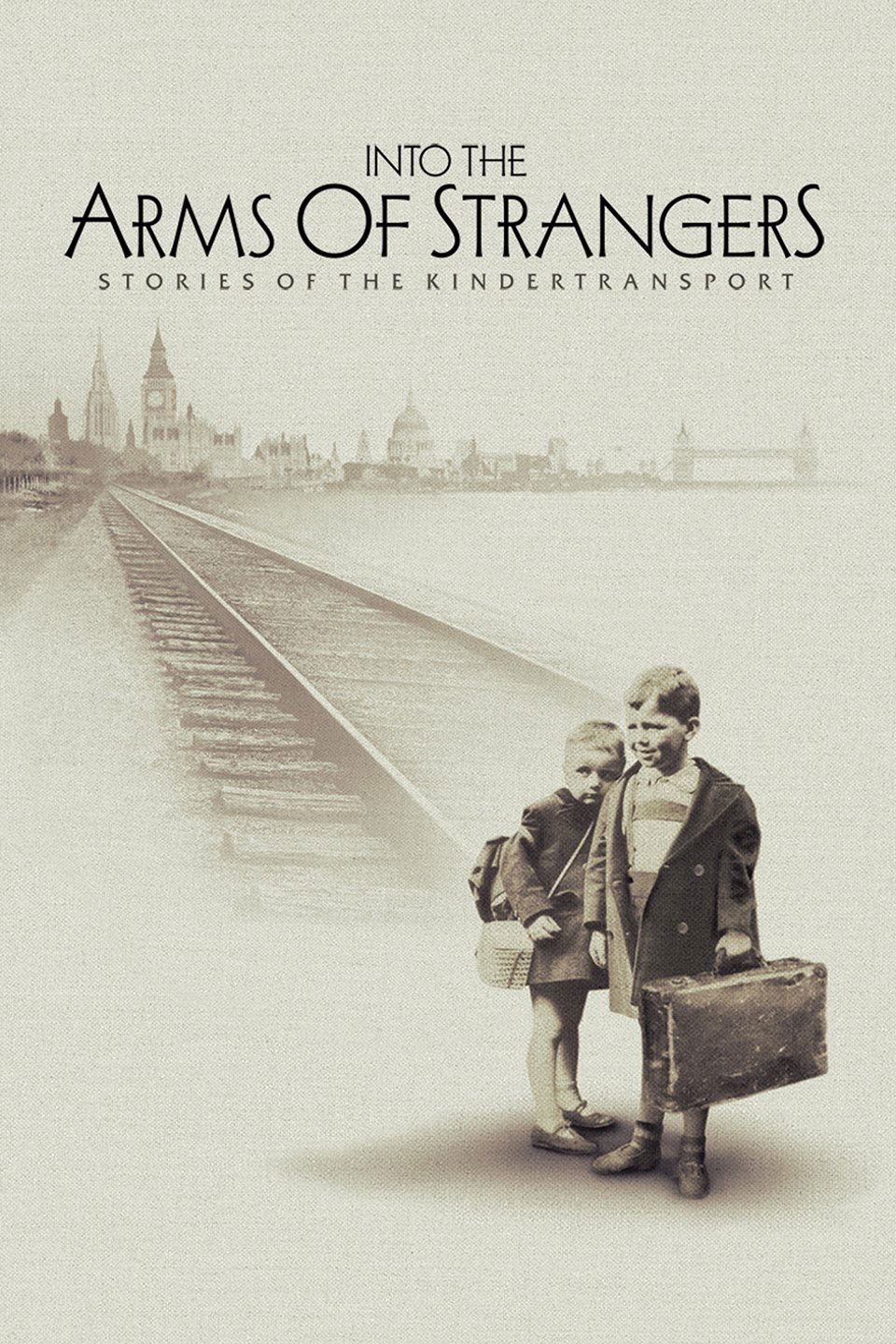
In the nine months prior to World War II, 10.000 innocent children left behind their families, their homes, their childhood, and took the journey... to Britain to escape the Nazi Holocaust.
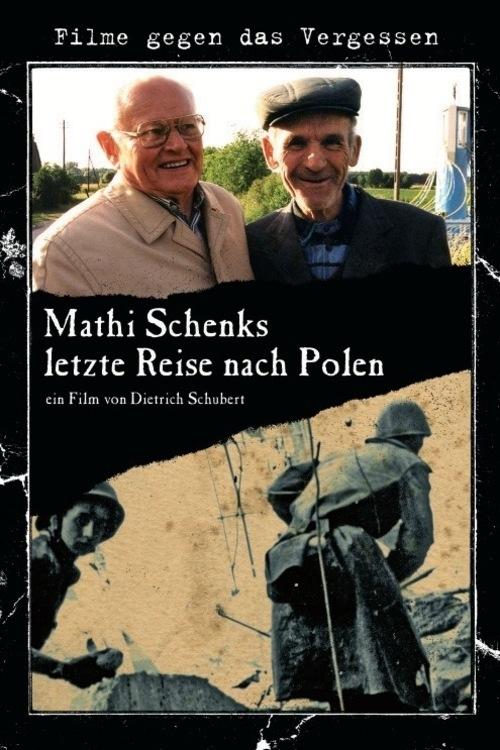
In the summer of 2001, 75-year-old Mathi Schenk made his last trip to Poland, following in the footsteps of his own past. He lives in the eastern cantons of Belgium, which were forcibly united with the German Reich after the invasion of German troops in May 1940. Those who did not volunteer for the Wehrmacht were – like Mathi Schenk – sent to war as forced soldiers for Germany. When the Warsaw Uprising broke out in August 1944, the 18-year-old arrived in the Polish capital and was assigned to the notorious SS Dirlewanger Brigade. During the 63 days of bitter fighting, which cost the lives of more than 200,000 Poles, he witnessed unimaginable atrocities against the people of Warsaw. While fleeing the Red Army, Polish farmers found the young soldier wounded in a ditch. Despite his German uniform, they hid him from the Russians in their village.
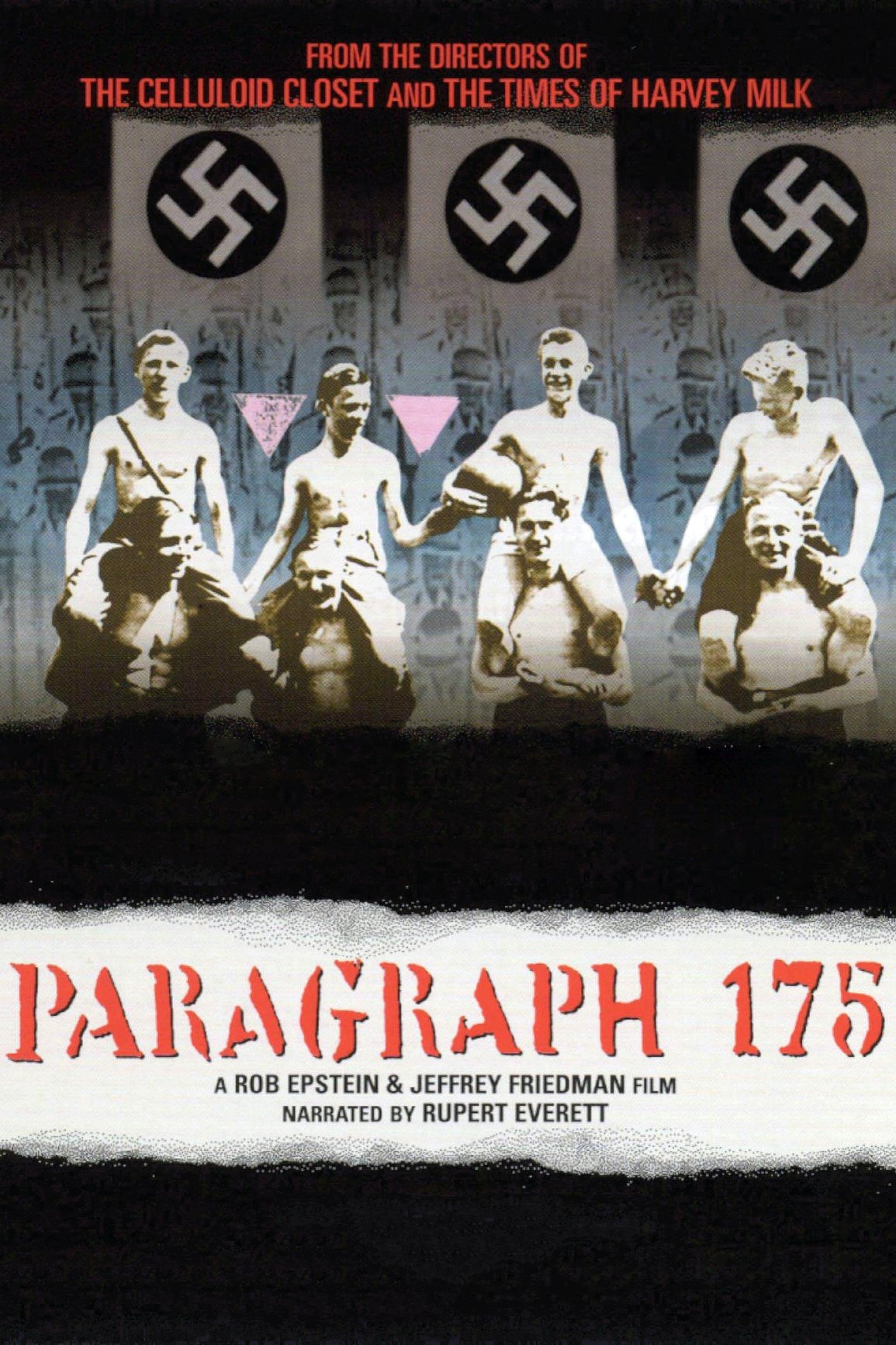
During the Nazi regime, there was widespread persecution of homosexual men, which started in 1871 with the Paragraph 175 of the German Penal Code. Thousands were murdered in concentration camps. This powerful and disturbing documentary, narrated by Rupert Everett, presents for the first time the largely untold testimonies of some of those who survived.
In an intimate and joyful story of love in the face of loss, celebrated poets Andrea Gibson and Megan Falley find strength—and unexpected hilarity—in what might be their final year together.
Alex Gibney explores the charged issue of pedophilia in the Catholic Church, following a trail from the first known protest against clerical sexual abuse in the United States and all way to the Vatican.
A documentary on the expletive's origin, why it offends some people so deeply, and what can be gained from its use.
Through deeply personal interviews with her siblings and an examination of the photographs, letters, and belongings left behind, Mariska assembles a new portrait of her mother Jayne Mansfield, an extraordinary and complex woman.
An inside look at one of the most anticipated movie sequels ever with James Cameron and cast.
After another 7 year wait, director Michael Apted revisits the same group of British-born children from Seven Up! and 7 Plus Seven. The subjects are interviewed as to the changes that have occurred in their lives during the last seven years.
This revealing documentary honors the legendary Sidney Poitier—iconic actor, filmmaker, and civil rights activist. Featuring interviews with Denzel Washington, Spike Lee, Halle Berry, and more.
A documentary about the making of season five of the acclaimed AMC series Breaking Bad.
Over 35 years after Bob Lazar's revelations, this documentary exposes secrets of a facility the government still denies. Featuring Lazar's testimony, recreations, and new evidence, it reopens a case that continues to spark global curiosity
Alexander McQueen's rags-to-riches story is a modern-day fairy tale, laced with the gothic. Mirroring the savage beauty, boldness and vivacity of his design, this documentary is an intimate revelation of McQueen's own world, both tortured and inspired, which celebrates a radical and mesmerizing genius of profound influence.
Behind-the-scenes documentary about how Lionel Messi succeeded in lifting the World Cup – the only trophy to have eluded him in an incredible career.
Brilliant, long in-the-works story of the life and art of the world's greatest comedian and the cinema's first genius, Charlie Chaplin. Produced, written and directed by renowned film critic Richard Schickel.
A string of threatening emails escalates into a revenge plot involving a newly married US marshal and his ex-girlfriend.
Just two years away from turning 30, participants in Michael Apted's documentary series are facing serious questions of identity and purpose, wondering whether they've found their place in the world.
Using the book 'Fragments', which collects Marilyn Monroe's poems, notes and letters, and with participation from the Arthur Miller and Truman Capote estates who have contributed more material, each of the actresses will embody the legend at various stages in her life.
Those who knew iconic funnyman John Candy best share his story, in their own words, through never-before-seen archival footage, imagery, and interviews.
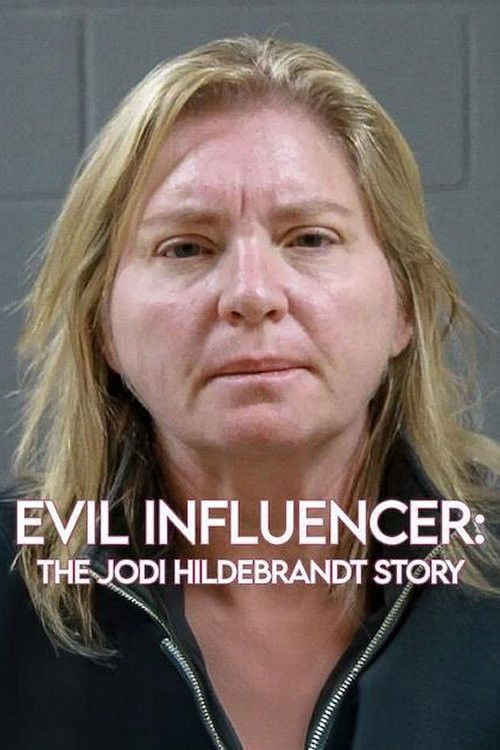
Unravel the case of Utah therapist Jodi Hildebrandt, whose child abuse arrest with parenting YouTuber Ruby Franke exposed a twisted tale of manipulation.
The Captains is a feature-length documentary film written and directed by William Shatner. The film follows Shatner as he interviews the other actors who have portrayed starship captains in the Star Trek franchise.
Al Pacino's deeply-felt rumination on Shakespeare's significance and relevance to the modern world through interviews and an in-depth analysis of "Richard III."
The life and career of one of comedy's most inimitable modern voices, Mr. Gilbert Gottfried.