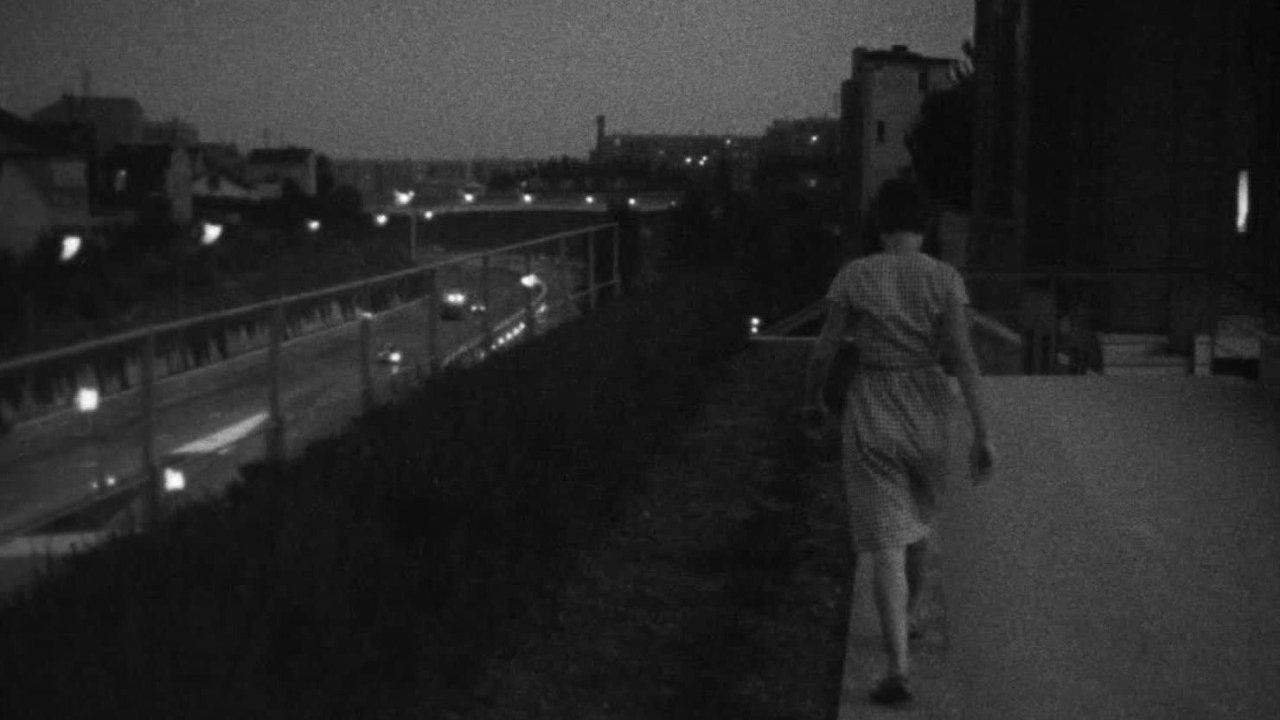
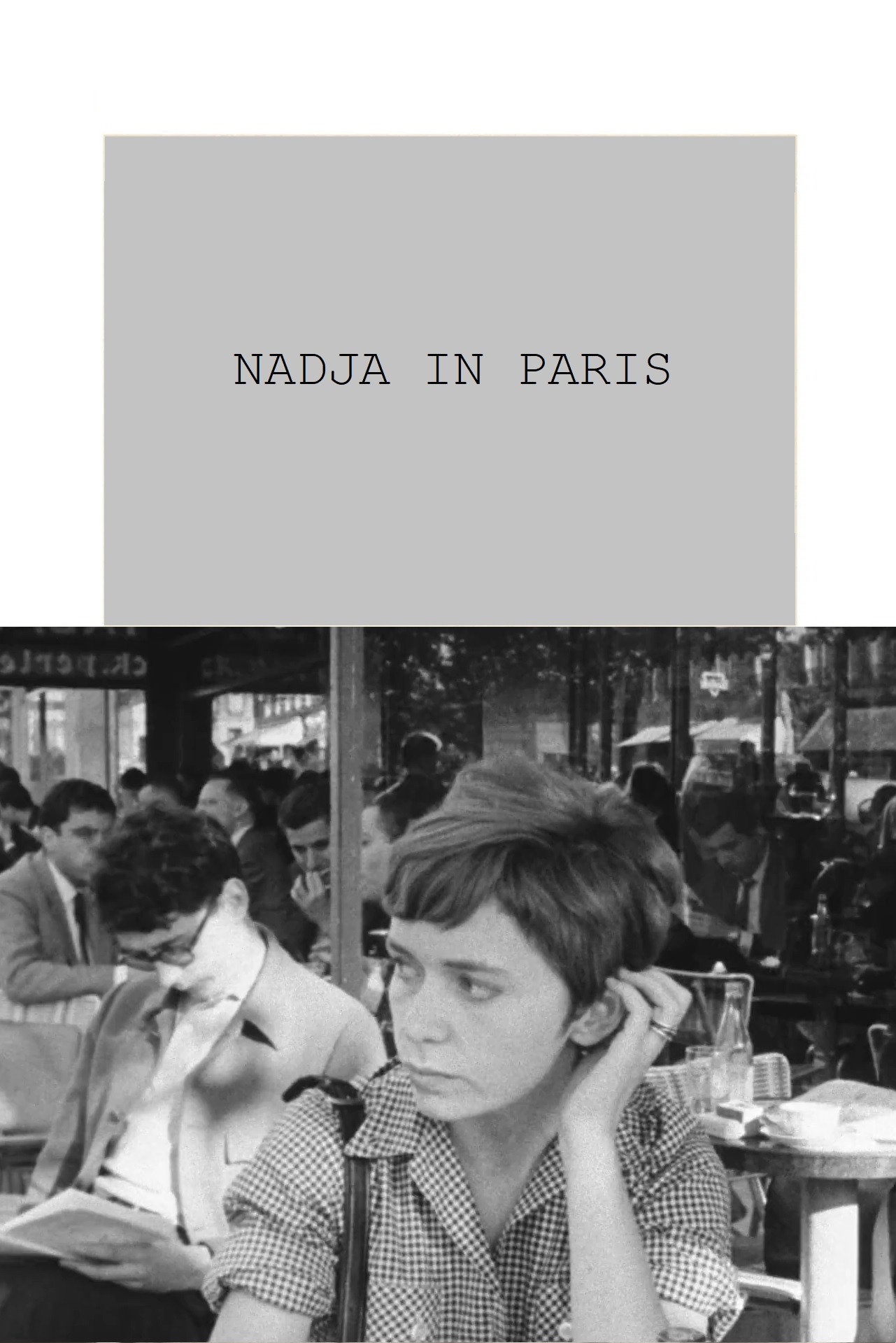
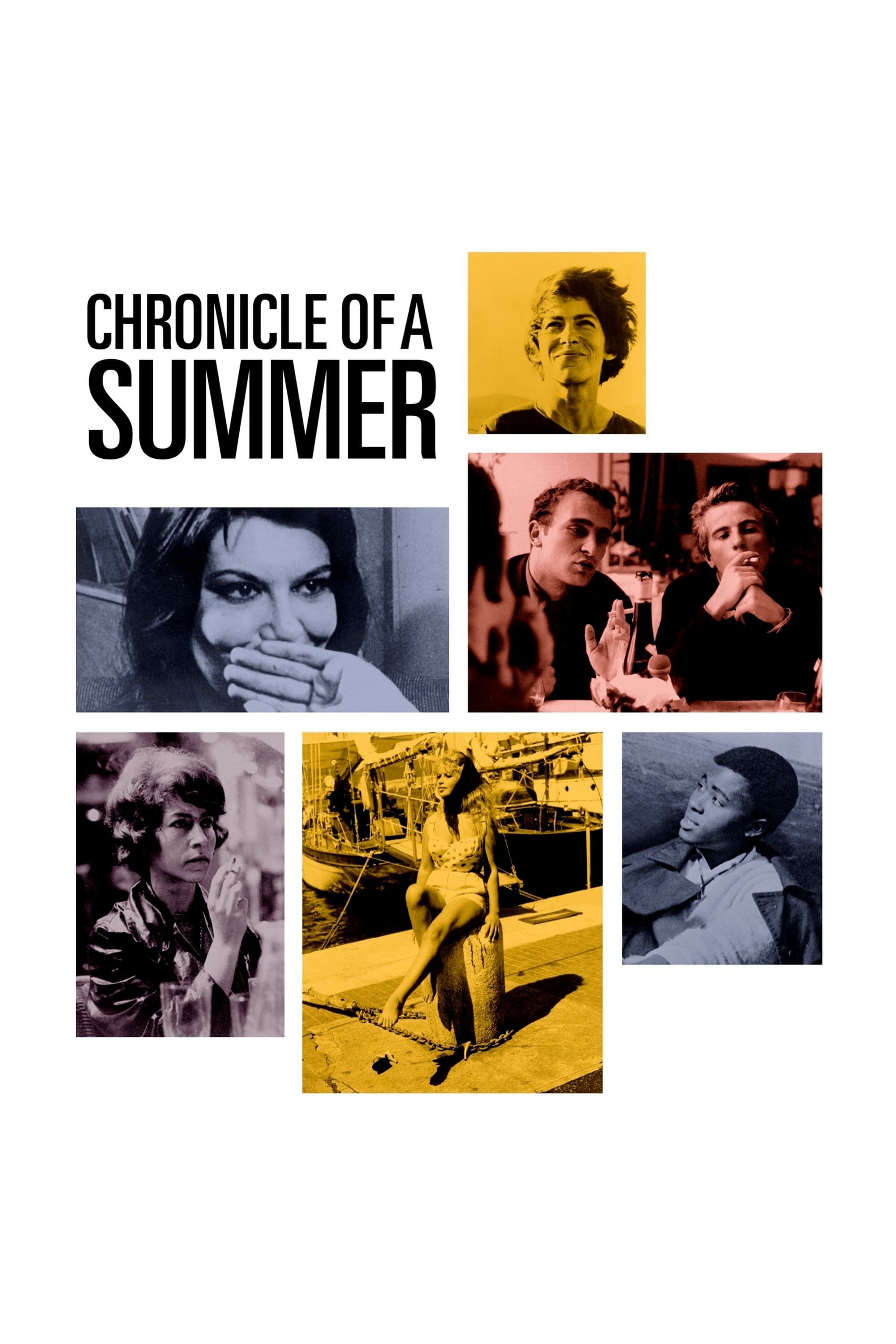
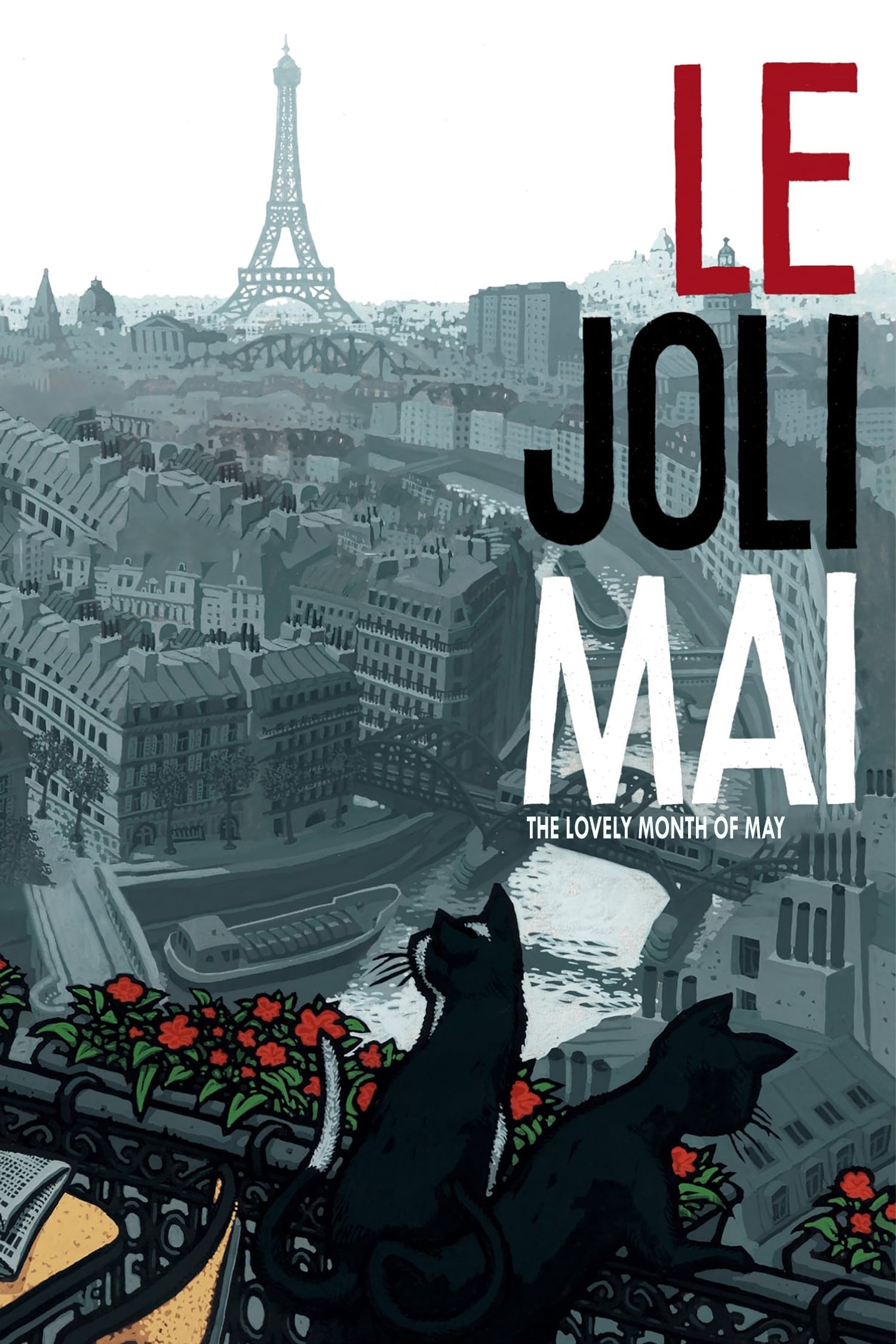
Nadja is a guest student, who stays at Cité Universitaire and visits the Sorbonne, while preparing a thesis on Proust; she also likes to stroll about Paris.
Social & External
The people behind it
Nadja Tesich
Self
Jean-Pierre Léaud
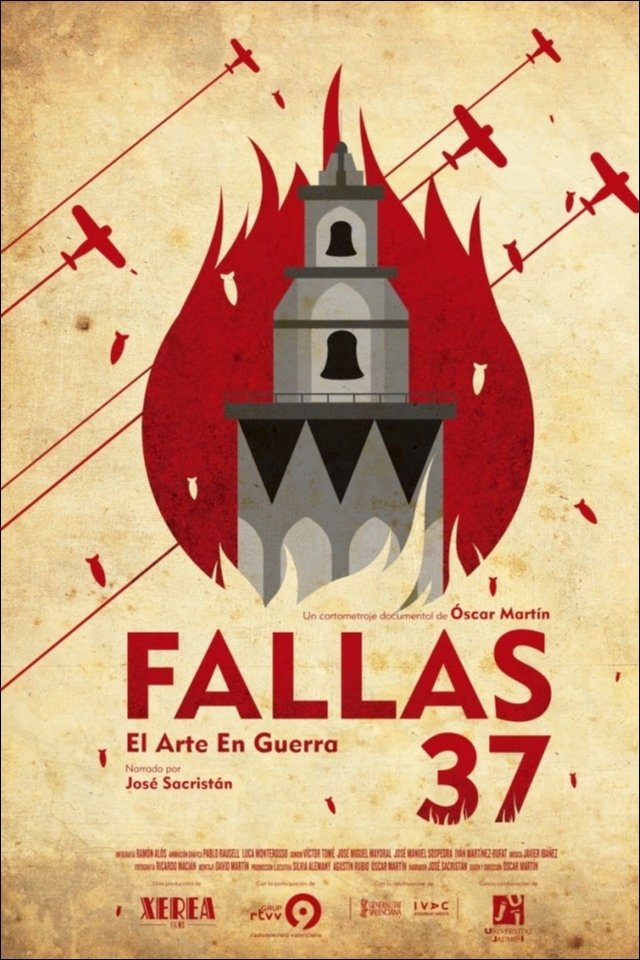
In November 1936, a few months since the beginning of the Spanish Civil War, the government of the Second Republic moves to Valencia. In this situation, several Valencian artists and intellectuals decide to build four fallas — satirical plasterboard sculptures created to be burnt — to mock fascism.
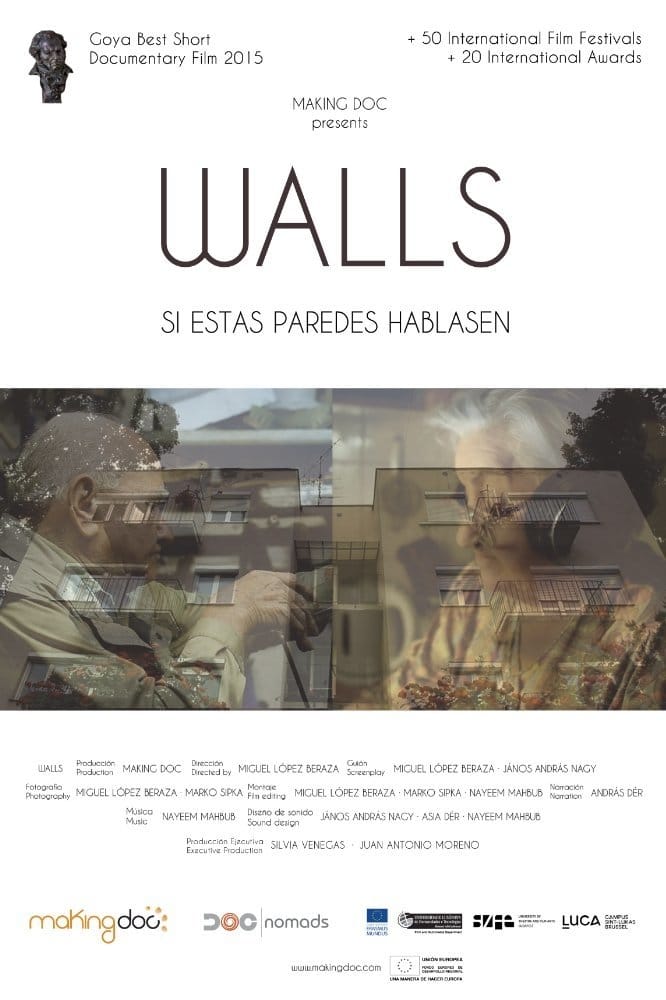
A day in the life of Mr. Istvan and Ms. Magdi, neighbors for many years, is narrated by the building of Budapest where both live. The walls surrounding them reveal their small passions, stories and routines.
Ivy Bairley and Chance Conerly return as a duo to showcase the tragic downfall of Eugine Mulvihil's Action Park.
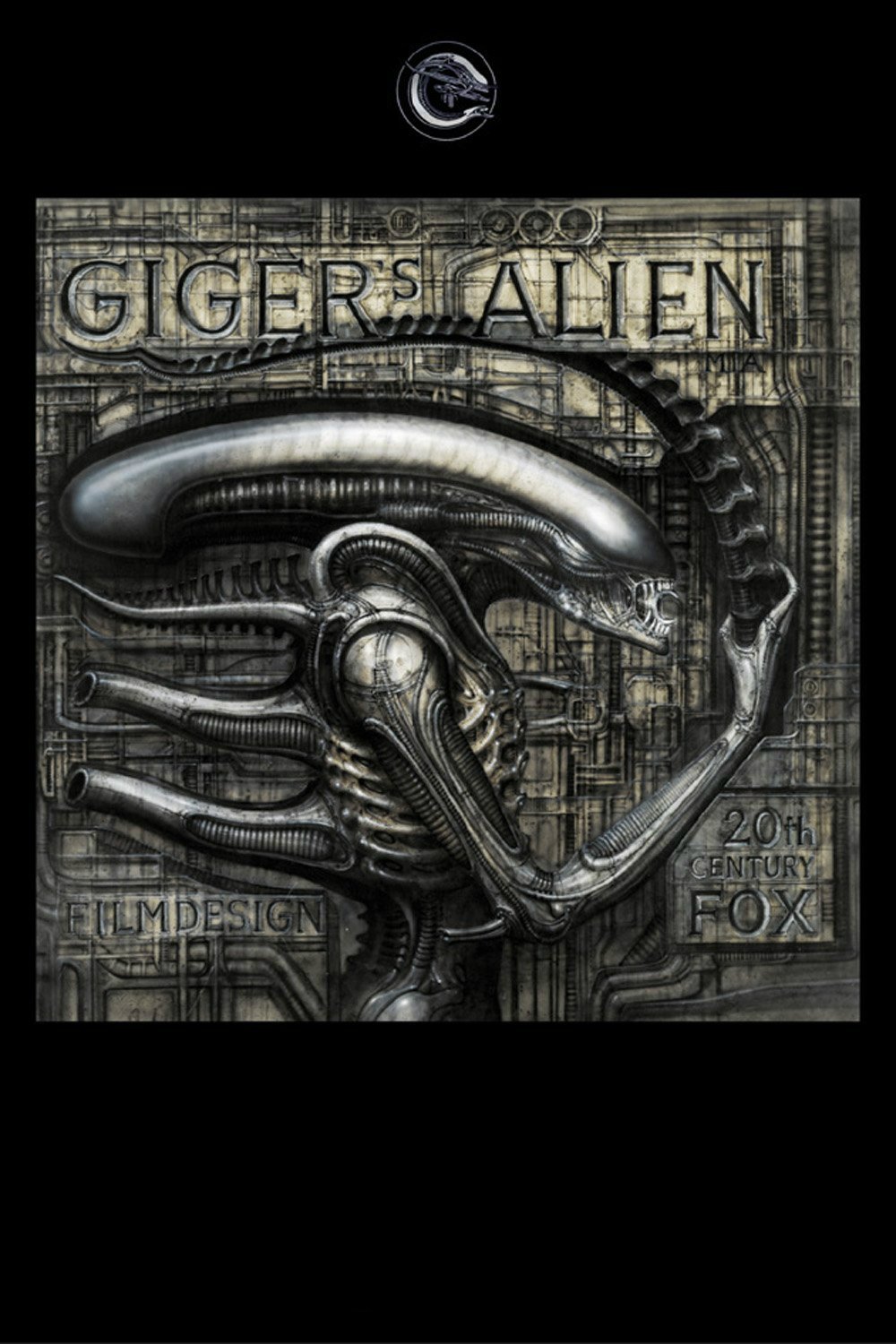
Documentary about Giger's work for the movie Alien (1979).
Scharnhorst, who said that the army should march at the forefront of progress, is one of the NVA's role models. The film uses historical material to cover the years 1806 to 1813, the Battle of Jena and Auerstädt and the Battle of Leipzig.
Various people from the GDR describe their lives and their work for the socialist society. Because everyone fulfills an important task in the society.
A contrast between village, peaceful life, and city, hectic life, told through images.
Based on home movies shot on Super 8mm film, A Family Film places the mother at its center as the narrator while tracing the memories of a family living in Istanbul in the 70s.
A pro-Republican propaganda documentary made during the Spanish Civil War. It reports on the demonstration held in Barcelona on December 27, 1937 to commemorate the capture of Teruel by the Republican forces.
The film honors the achievements of the NVA in preparing and securing the World Festival. It documents the opening, the demonstrations of the GDR youth, a military concert and a meeting at the memorial in Treptow.
Documentary - Short Film
Presents life in 18th century Spain as the painter Francisco de Goya showed it to us.
The story of a LGBTQIA+ child told through old images from VHS tapes. The videos were recorded by Vicente's father between 1987 and 1993.
Explore the mysterious Amazon through the amazing IMAX experience. Amazon celebrates the beauty, vitality and wonder of the rapidly disappearing rain forest.
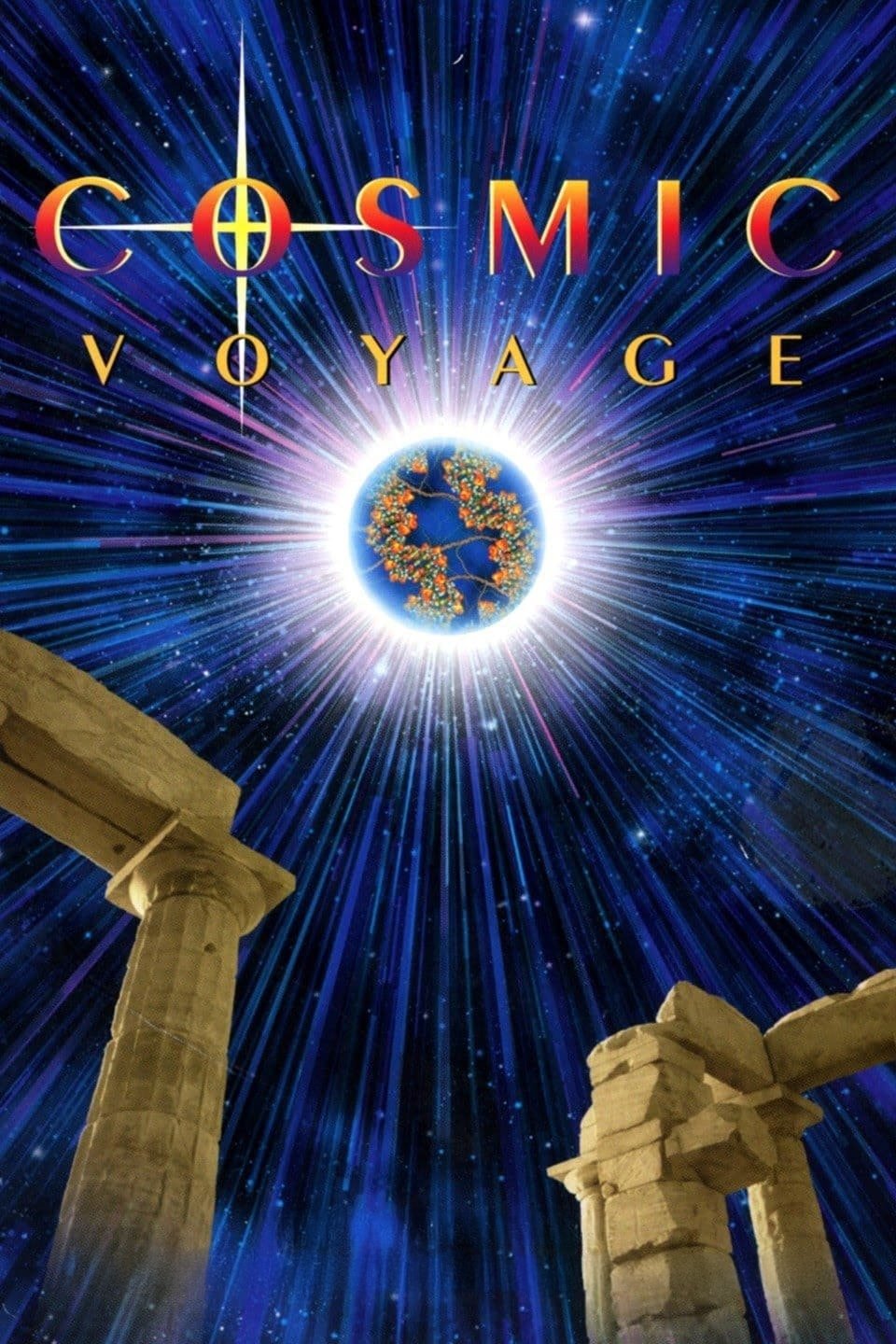
The Academy Award® nominee Cosmic Voyage combines live action with state-of-the-art computer-generated imagery to pinpoint where humans fit in our ever-expanding universe. Highlighting this journey is a "cosmic zoom" based on the powers of 10, extending from the Earth to the largest observable structures in the universe, and then back to the subnuclear realm.
A self-reflexive, multi-portrait film following the filmmaker, Emma Barda, and other queer artists exploring queerness and gender identity through their art. The film takes a deep dive on how queer / gender non-conforming people interpret and represent body and gender identity through various facets of art and identity, with the aim to showcase the unique and wonderful world of queerness.
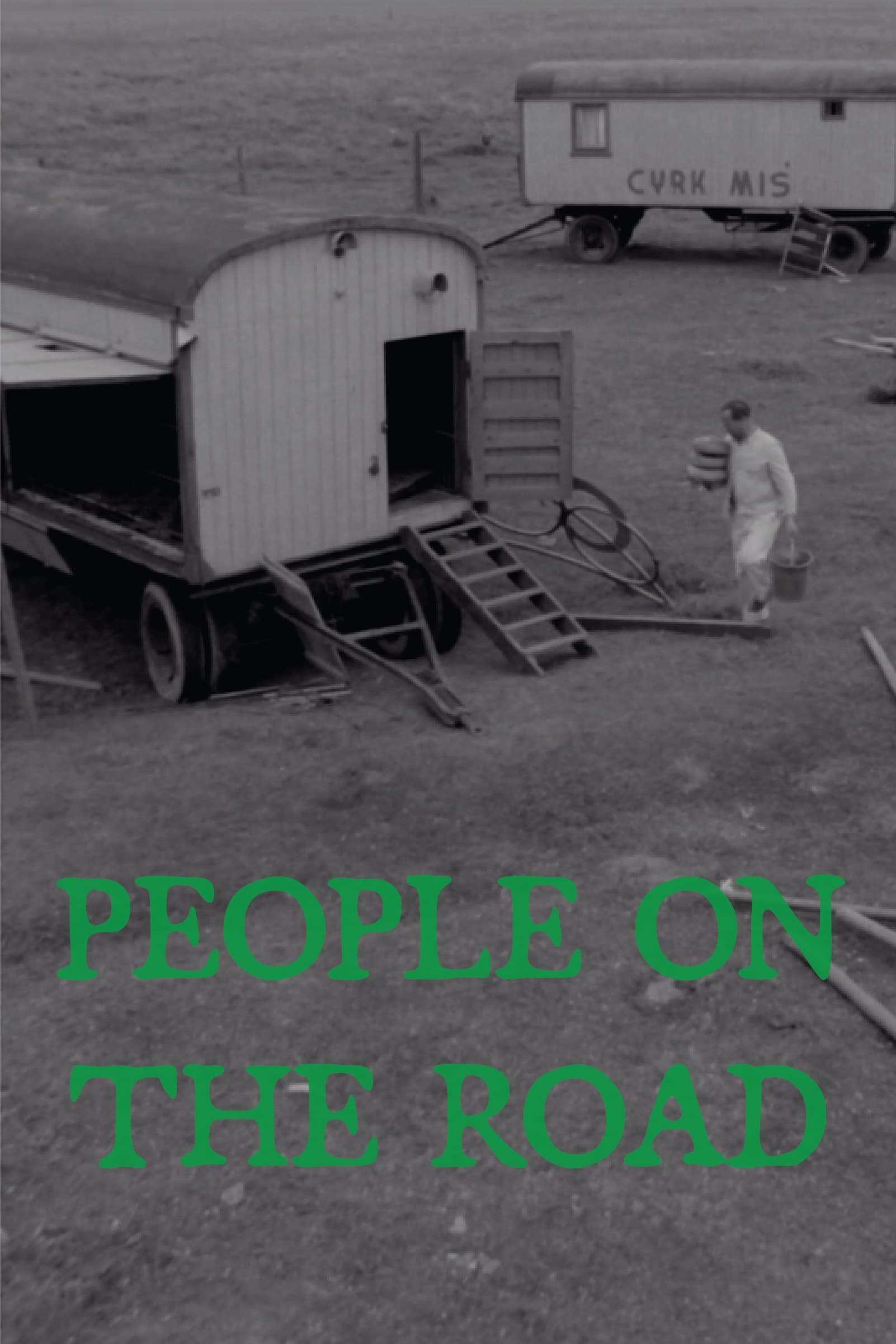
A portrait of a traveling circus.
Daniel Craig candidly reflects on his 15 year adventure as James Bond. Including never-before-seen archival footage from Casino Royale to the upcoming 25th film No Time To Die, Craig shares his personal memories in conversation with 007 producers, Michael G Wilson and Barbara Broccoli.
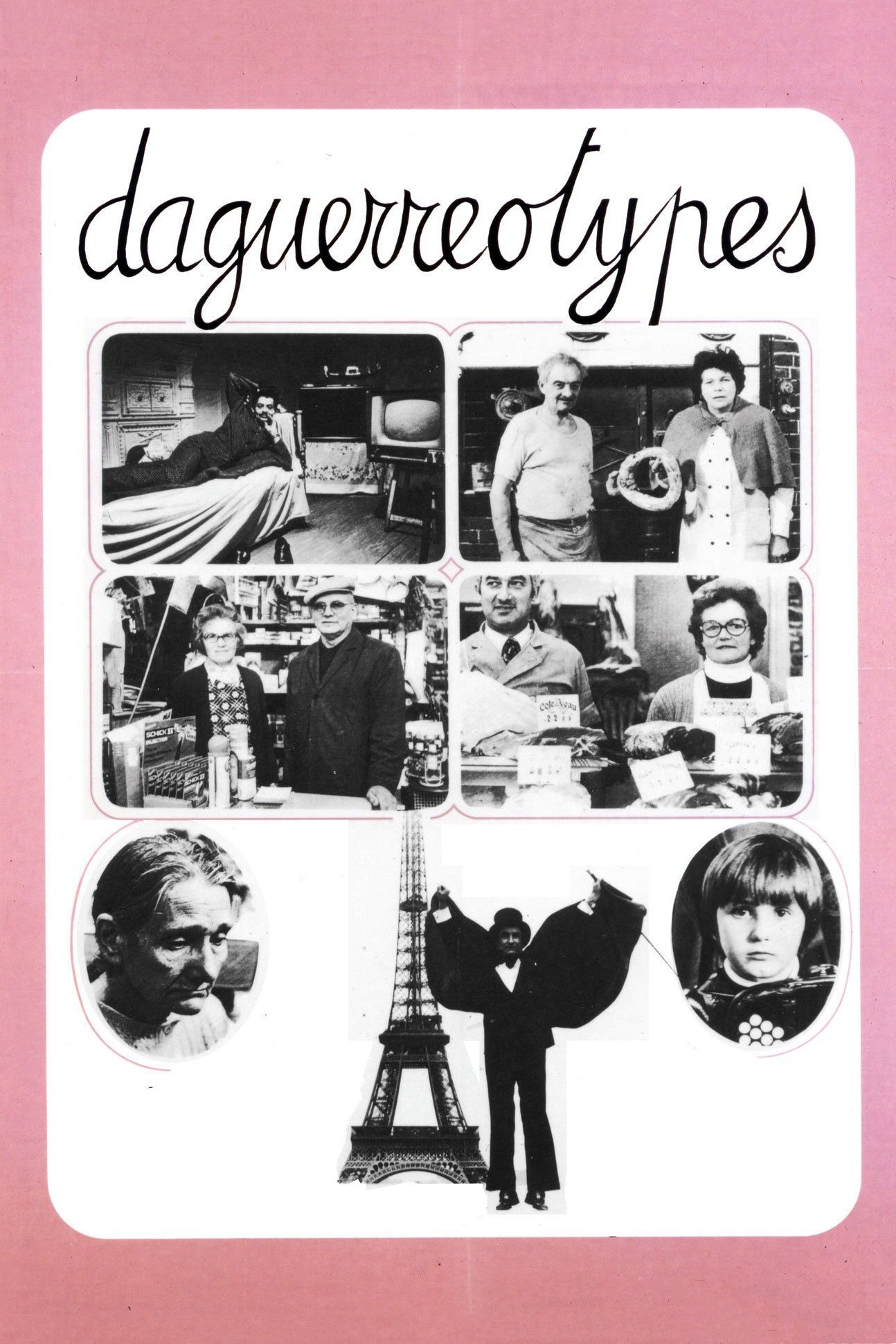
An intimate portrait of the small shops and shopkeepers of the Rue Daguerre in Paris, a picturesque street that has been the filmmaker’s home for more than 50 years.
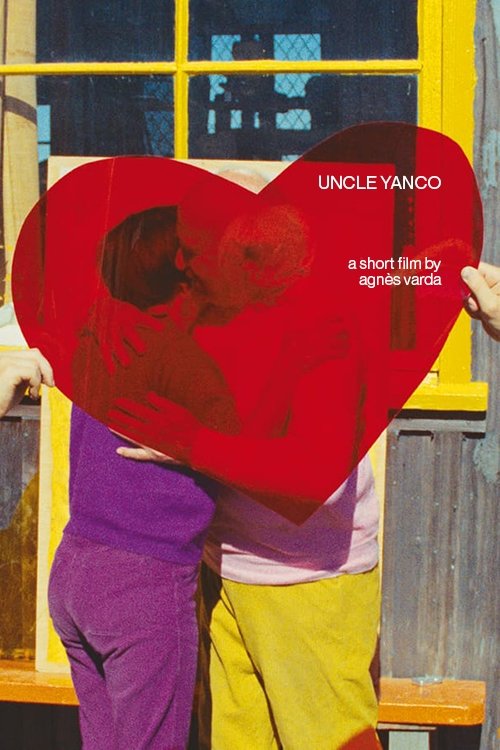
While in San Francisco for the promotion of her last film in October 1967, Agnès Varda, tipped by her friend Tom Luddy, gets to know a relative she had never heard of before, Jean Varda, nicknamed "Yanco". This hitherto unknown uncle lives on a boat in Sausalito, is a painter, has adopted a hippie lifestyle and loves life. The meeting is a very happy one.
An inside look at one of the most anticipated movie sequels ever with James Cameron and cast.
Paris, summer 1960. Anthropologist and filmmaker Jean Rouch and sociologist and film critic Edgar Morin wander through the crowded streets asking passersby how they cope with life's misfortunes.
Those who knew iconic funnyman John Candy best share his story, in their own words, through never-before-seen archival footage, imagery, and interviews.
The film follows adventurer Jeff Johnson as he retraces the epic 1968 journey of his heroes Yvon Chouinard and Doug Tompkins to Patagonia.
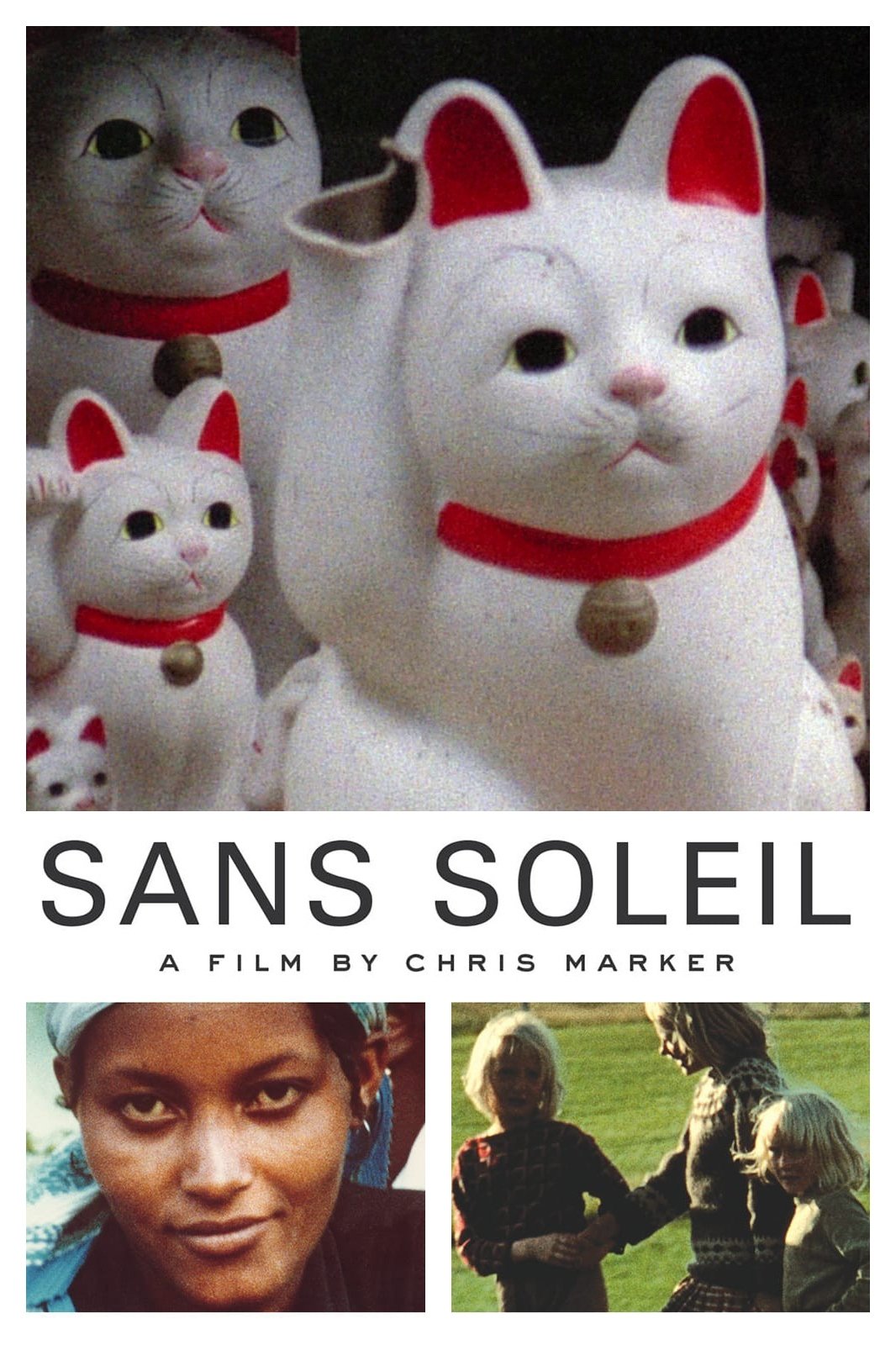
A woman narrates the thoughts of a world traveler, meditations on time and memory expressed in words and images from places as far-flung as Japan, Guinea-Bissau, Iceland, and San Francisco.
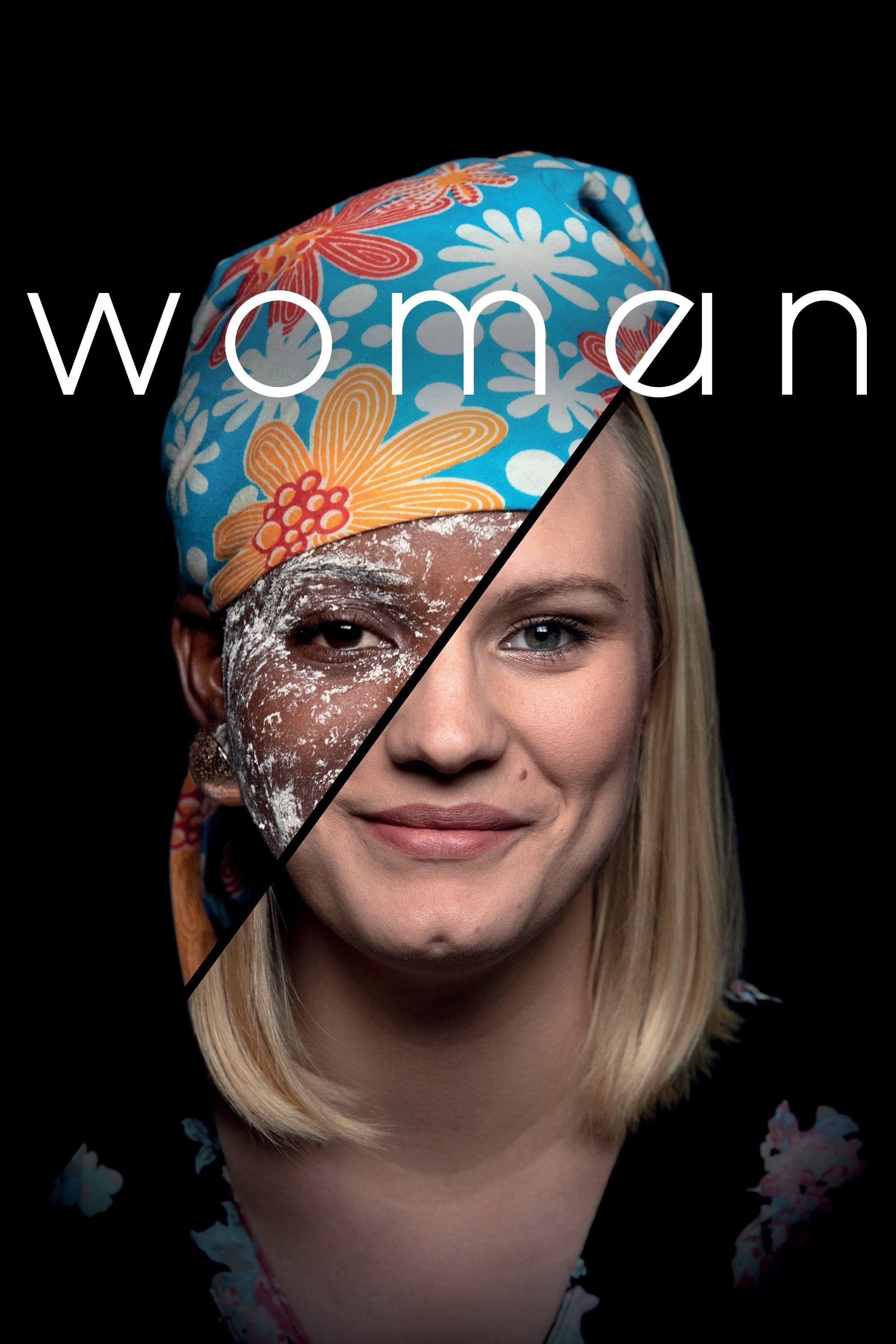
The film is based on interviews with 2,000 women from 50 countries, and covers the status of women all over the world. The topics covered include forced marriages, sexual assault, female genital mutilation, acid attacks, motherhood, sexuality, menstruation, education and the professional success of women.
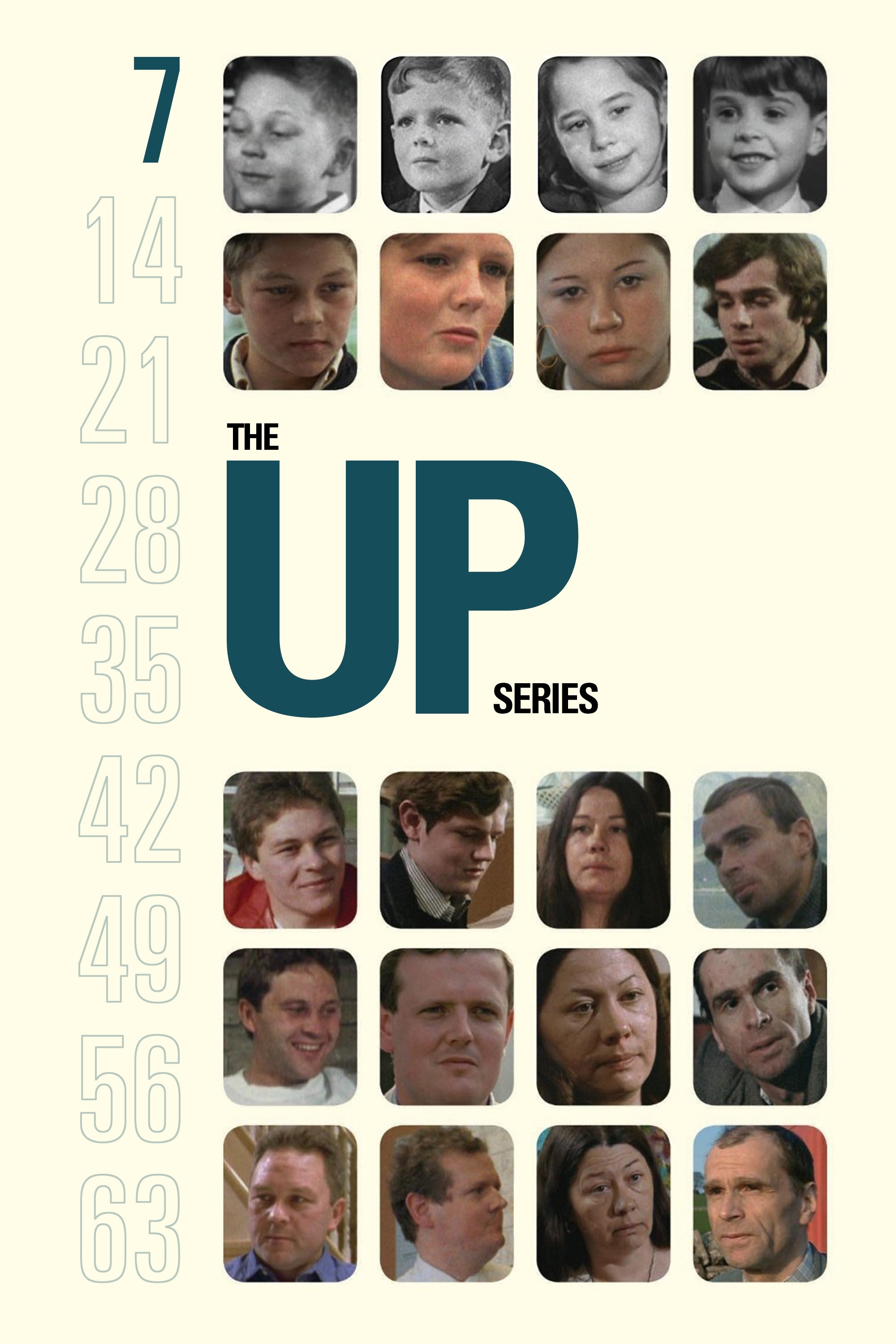
A group of British children aged 7 from widely ranging backgrounds are interviewed about a range of subjects. The filmmakers plan to re-interview them at 7 year intervals to track how their lives and attitudes change as they age.
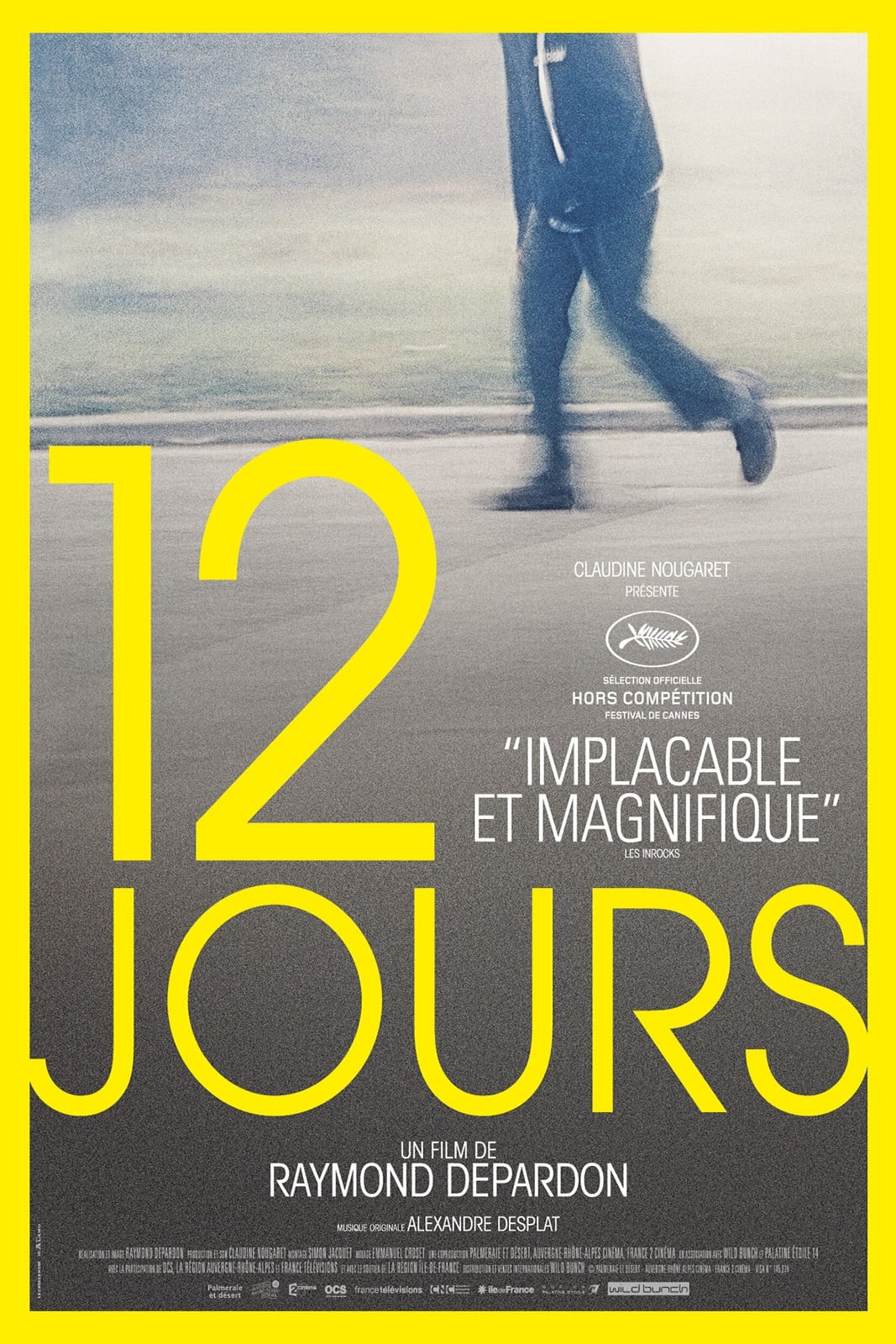
A new documentary by filmmaker-photographer Raymond Depardon – where justice and psychiatry meet.
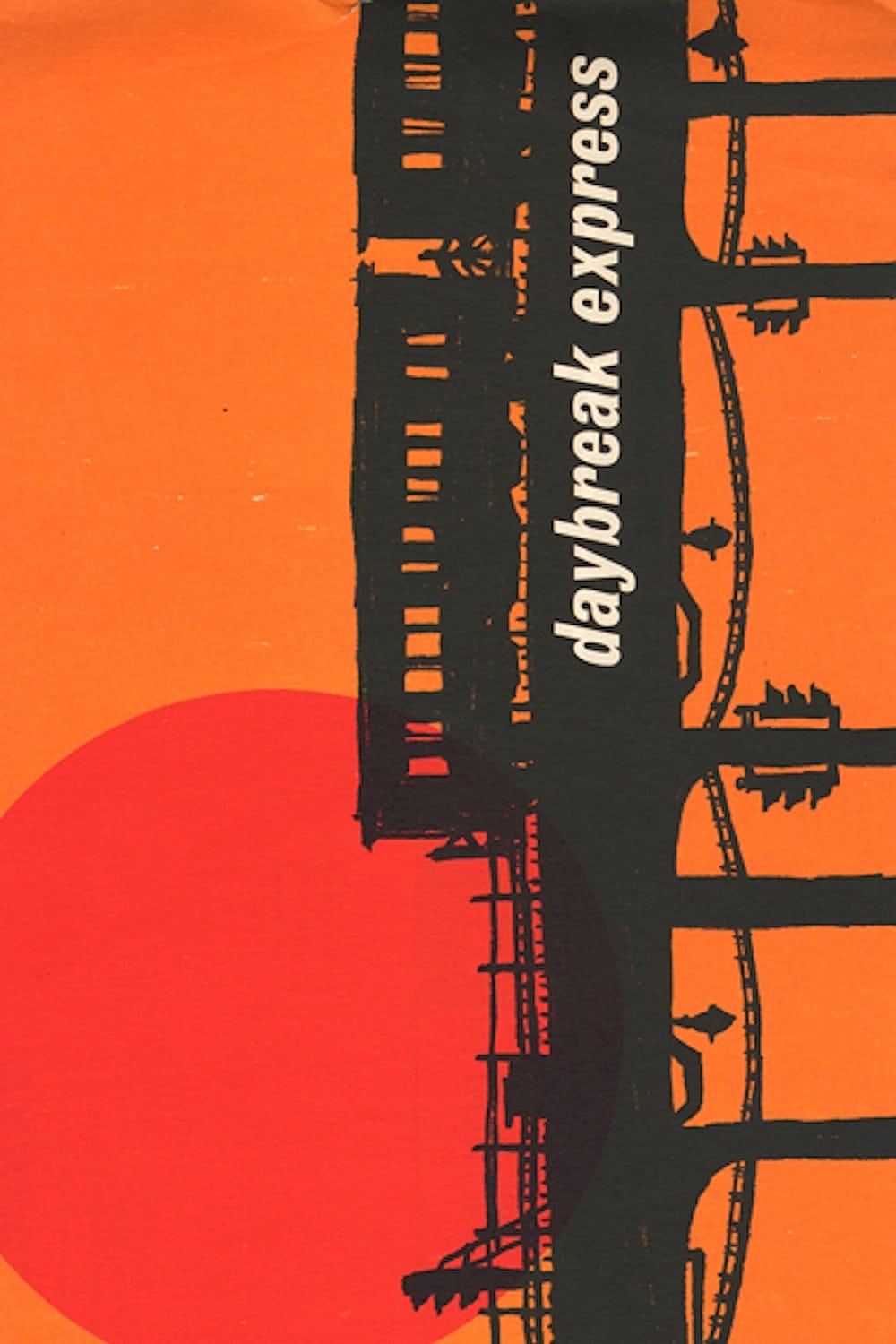
Set to a classic Duke Ellington recording "Daybreak Express", this is a five-minute short of the soon-to-be-demolished Third Avenue elevated subway station in New York City.
A feature length documentary about the all-women team at the helm of Pixar's original feature, Turning Red. With unprecedented behind-the-scenes access to Director Domee Shi and her core leadership crew, this story shines a light on the powerful professional and personal journeys that brought this incredibly comical, utterly relatable, and deeply heartfelt story to the screen.
Through deeply personal interviews with her siblings and an examination of the photographs, letters, and belongings left behind, Mariska assembles a new portrait of her mother Jayne Mansfield, an extraordinary and complex woman.
A documentary about the life and films of director John Ford.
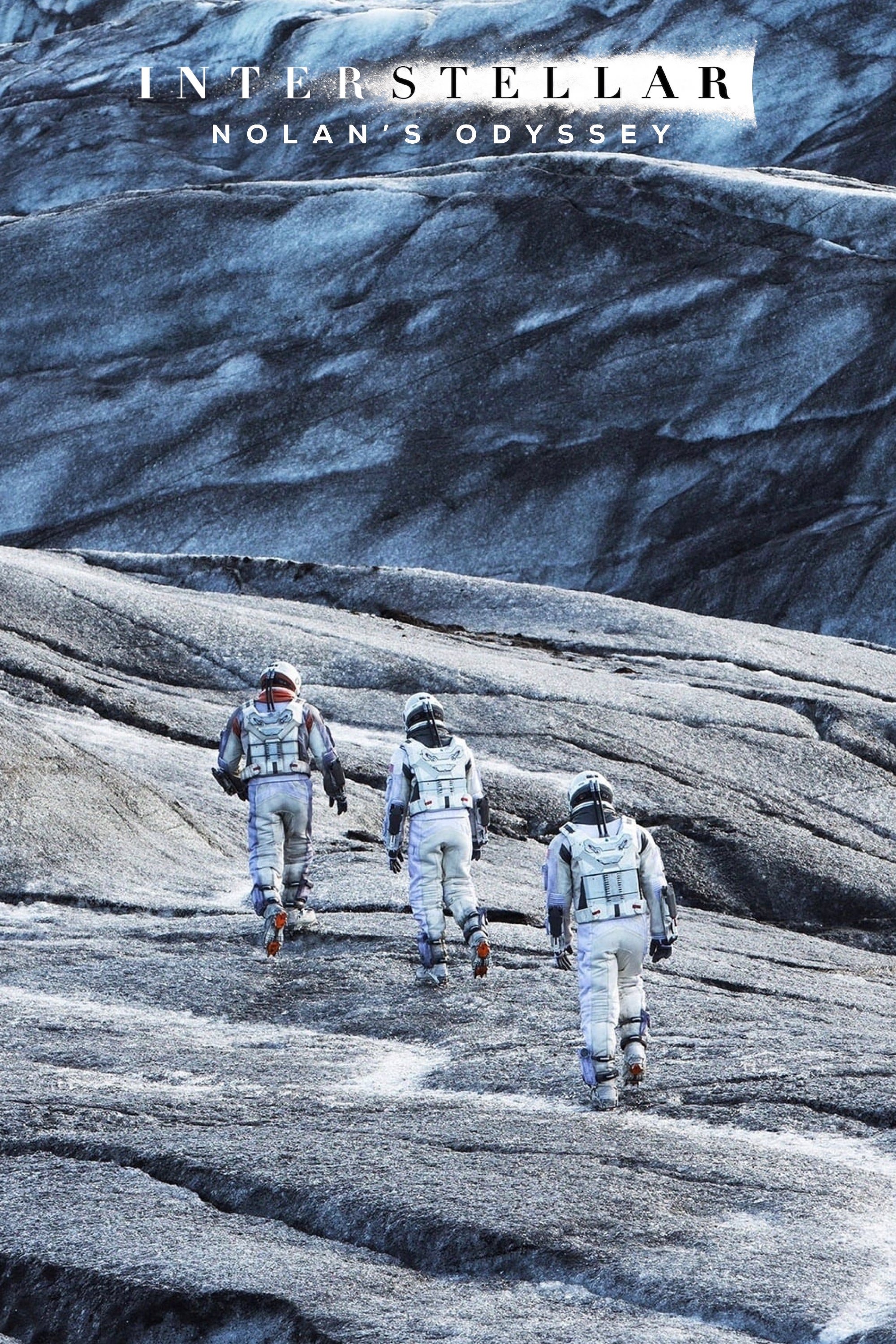
A look behind the lens of Christopher Nolan's space epic.
Candid interviews of ordinary people on the meaning of happiness, an often amorphous and inarticulable notion that evokes more basic and fundamentally egalitarian ideals of self-betterment, prosperity, tolerance, economic opportunity, and freedom.
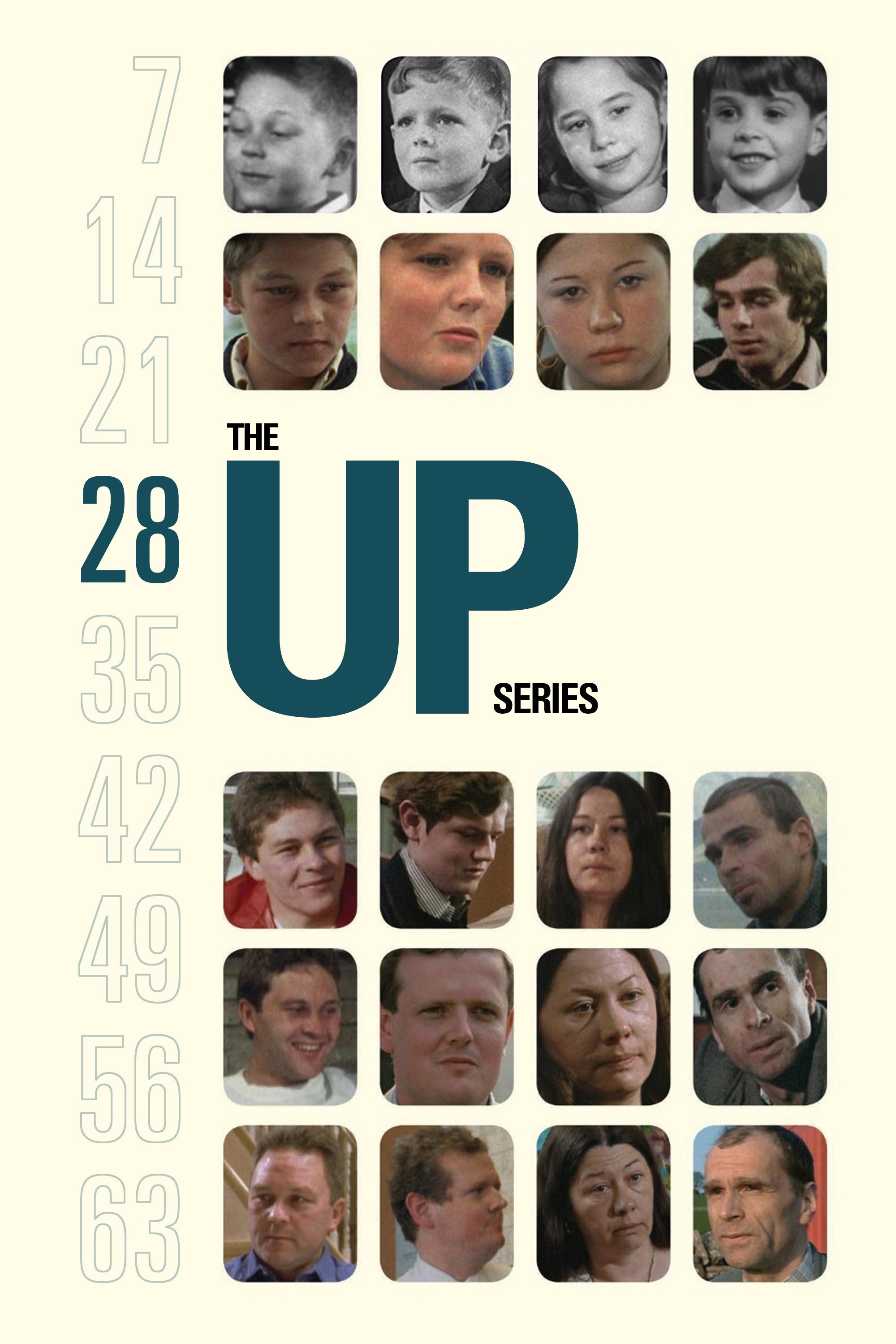
Just two years away from turning 30, participants in Michael Apted's documentary series are facing serious questions of identity and purpose, wondering whether they've found their place in the world.
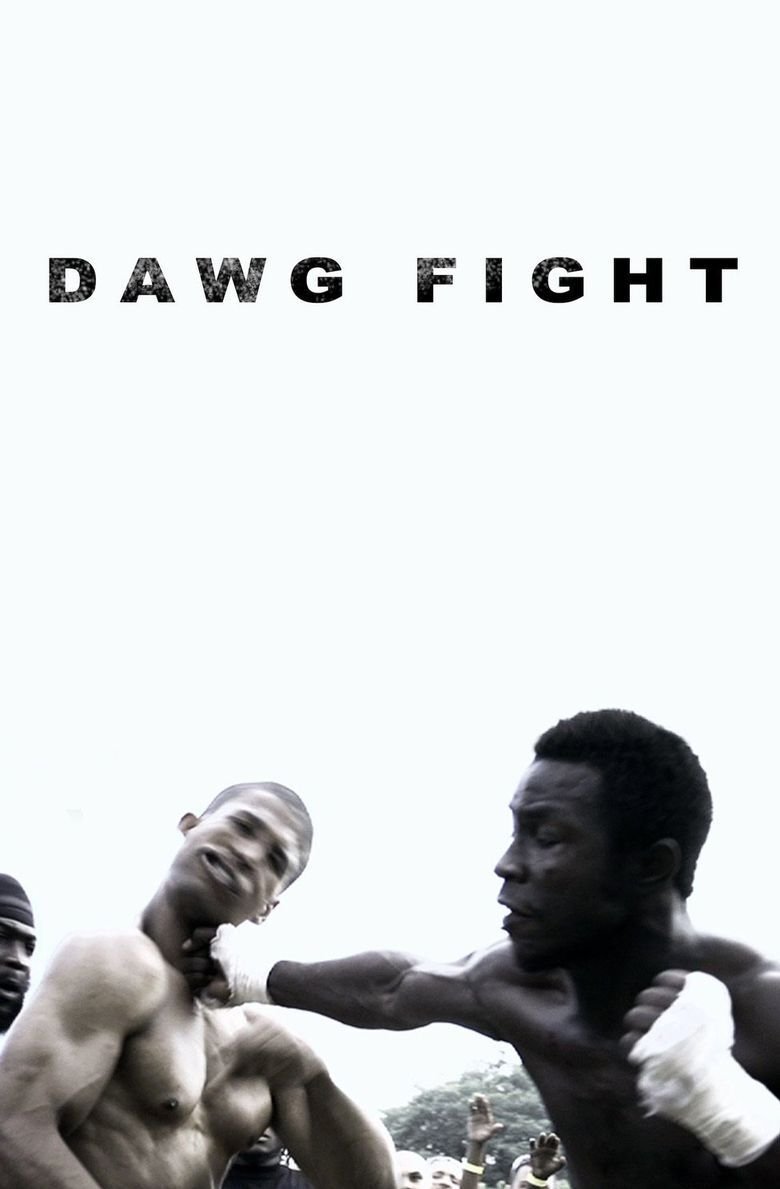
In a crime-plagued neighborhood near Miami, brutal, bare-knuckled backyard fights give young men a chance to earn money -- and self-respect.
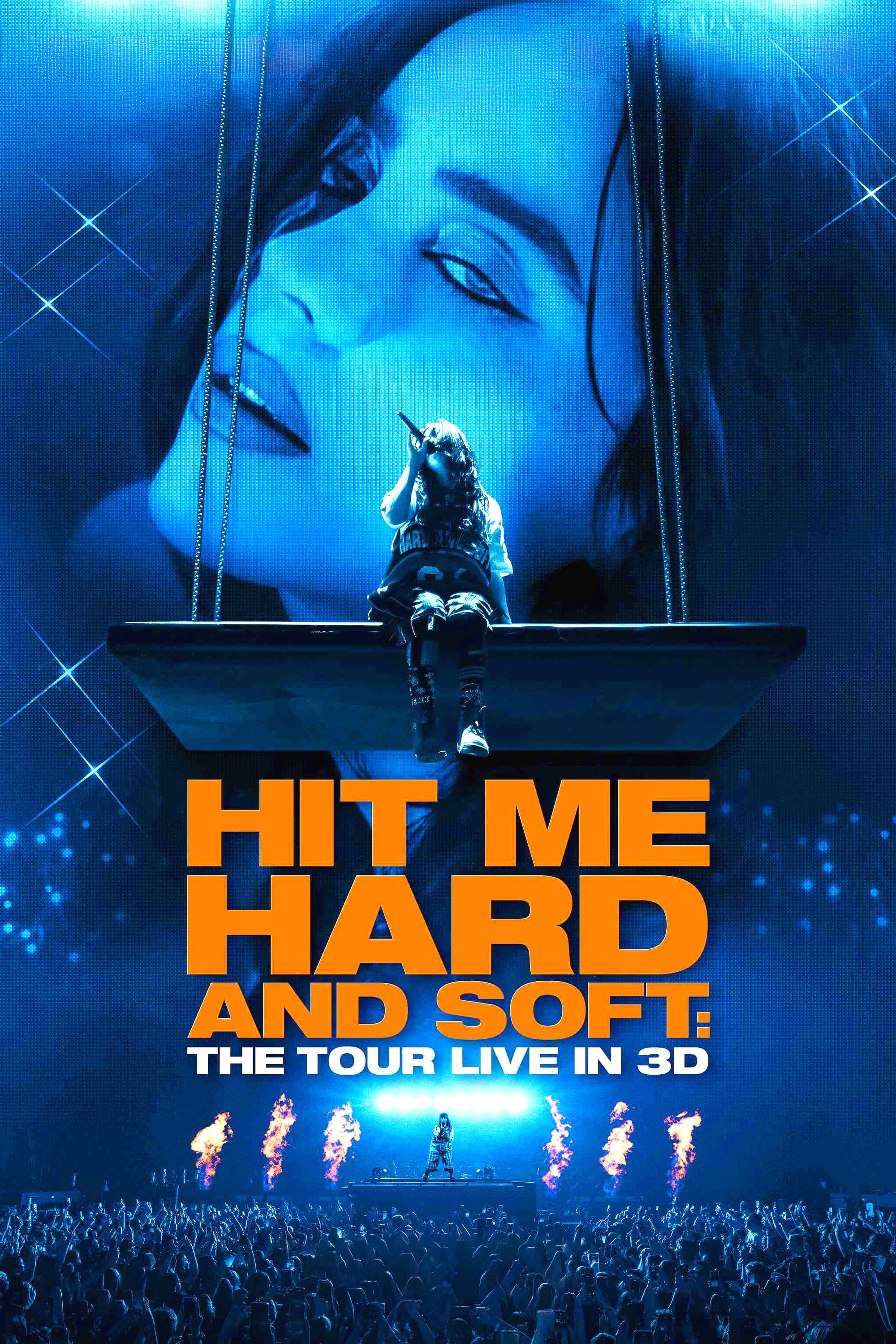
Captured during Billie Eilish's sold-out world tour, a concert experience from one of the most celebrated and successful artists of her generation, presented in immersive 3D.