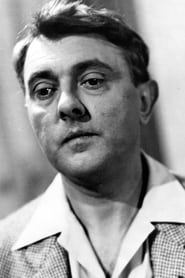
Interview with Jacques Tati on the set of his 1967 film "PlayTime". Produced for the British television program "Tempo International".
Social & External
Self - Interviewee
Narrator
Ridley Scott's cult film Blade Runner, based on a novel by Philip K. Dick and released in 1982, is one of the most influential science fiction films ever made. Its depiction of Los Angeles in the year 2019 is oppressively prophetic: climate catastrophe, increasing public surveillance, powerful monopolistic corporations, highly evolved artificial intelligence; a fantastic vision of the future world that has become a frightening reality.
How are the sex scenes filmed? What tricks are used to fake the desire? How do the interpreters prepare and feel? Spanish actors and directors talk about the most intimate side of acting, about the tricks and work methods when narrating exposed sex. In Spain the general rule is that there are no rules. Each film, each interpreter, faces it in very different ways.
A 60-minute salute to American International Pictures. Entertainment lawyer Samuel Z. Arkoff founded AIP (then called American Releasing Corporation) on a $3000 loan in 1954 with his partner, James H. Nicholson, a former West Coast exhibitor and distributor. The company made its mark by targeting teenagers with quickly produced films that exploited subjects mainstream films were reluctant to tackle.
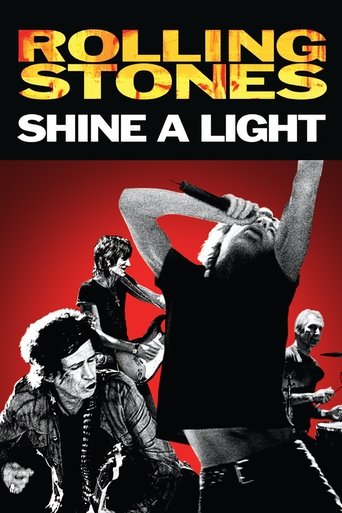
Martin Scorsese’s electrifying concert documentary captures The Rolling Stones live at New York’s Beacon Theatre during their A Bigger Bang tour. Filmed over two nights in 2006 with an all-star team of cinematographers, the film combines dynamic performances with archival footage and rare glimpses behind the scenes, offering a vibrant portrait of the band’s enduring energy and legacy.
Documentary about the making of Twin Peaks: Fire Walk With Me.
A documentary on the collaboration of filmmaker Sacha Guitry and actor Michel Simon focusing on the film "La Poison" (1951).
Documentary about filmmakers of the New German Cinema who were members of the legendary Filmverlag für Autoren (Film Publishing House for Authors). Among them are Werner Herzog, Rainer Werner Fassbinder, and Wim Wenders.
Interview with film director Jacques Tourneur which first appeared on the French television series "Ciné regards".
This is not merely another film about cinema history; it is a film about the love of cinema, a journey of discovery through over a century of German film history. Ten people working in film today remember their favourite films of yesteryear.
A documentary by Olivier Gonard, shot partly in Paris’s Musée d’Orsay, that examines Olivier Assayas' film Summer Hours, and its approach to art.
An interview with Spanish film director Victor Erice, conducted by Hideyuki Miyaoka
Documentary about the making of Italian film director Bernardo Bertolucci's The Last Emperor.
Documentary about the making of Wim Wenders' 1984 film, with interviews conducted in 1989.
Three-part interview with French film director Jean Renoir, conducted by French New Wave director Jacques Rivette.
The House That Shadows Built (1931) is a short feature, roughly 48 minutes long, from Paramount Pictures made to celebrate the 20th anniversary of the studio's founding in 1912. It was a promotional film for exhibitors and never had a regular theatrical release and includes a brief history of Paramount, interviews with various actors, and clips from upcoming projects (some of which never came to fruition). The title comes from a biography of Paramount founder Adolph Zukor, The House That Shadows Built (1928), by William Henry Irwin.
Documentary short film depicting the filmmaking activity at the Paramount Studios in Hollywood, featuring dozens of stars captured candidly and at work.
Four lives that could not be more different and a single passion that unites them: the unconditional love for their cinemas, somewhere at the end of the world. Comrades in Dreams brings together six cinema makers from North Korea, America, India and Africa and follows their efforts to make their audiences dream every night.
When looking at Pedro Almodóvar’s filmography, it becomes evident that women are everywhere; in fact, his work revolves around them. His divas are the best to create a real portrait of Almodóvar and evoke the emotional power of his films. These women are the ideal observers of a cinematic career that, from La Mancha to Hollywood, has changed the image of Spain in the world.
A thirty-three-minute documentary featuring interviews with director Pier Paolo Pasolini, actor-filmmaker Jean-Claude Biette, and Pasolini friend Ninetto Davoli.
Documentary about the work of film director Michael Curtiz.