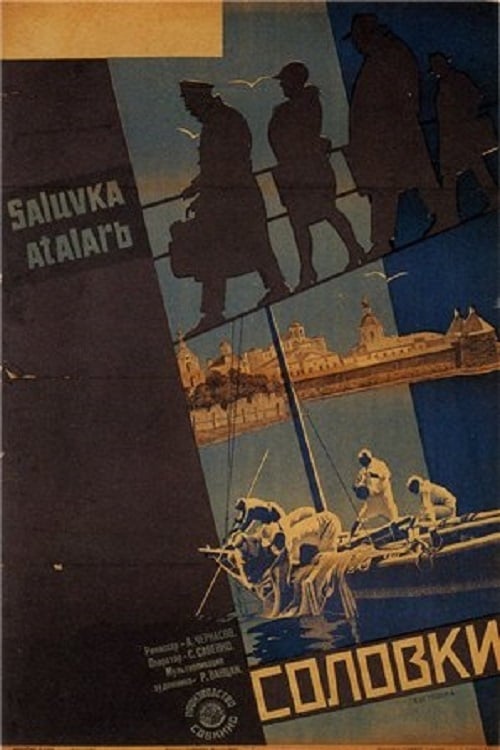
"Solovki Special Purpose Camps"
Depicts life in the Solovki prison camp as a vacation at a holiday resort, pointing at the authorities’ efforts to humanise the re-education of criminals via an aesthetics of normalcy.
Social & External
Between 1944–1953, courageous resistance movement took place in the Baltic region of Europe, uniting the partisan troops for struggle against the Soviet Union. “The Invisible Front” was a coded name used by the Soviet Interior forces to describe the resistance movement in Lithuania. Film depicts the story of the fighters through the words and experience of the partisan leader, Juozas Luksa, and interviews with eyewitnesses of those events - both the partisans and the Soviet fighters. Tales of horror, torture and courage are told in the rare archival footage that has never been screened before, and interviews with the surviving members of the resistance movement.
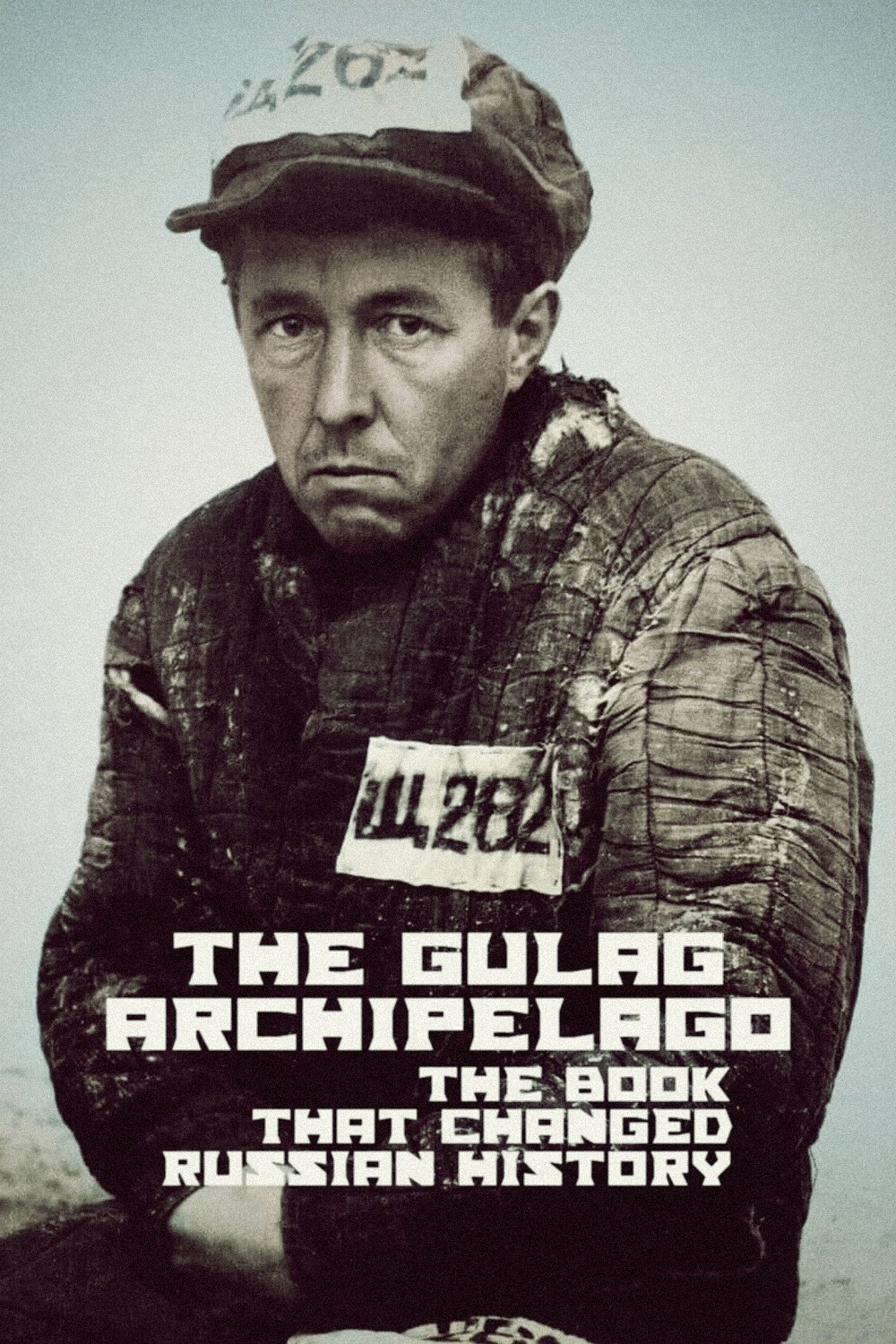
The story of Russian writer and Soviet dissident Aleksandr Solzhenitsyn (1918-2008) and his masterpiece, The Gulag Archipelago, published in Paris in 1973, which forever shook the very foundations of communist ideology.
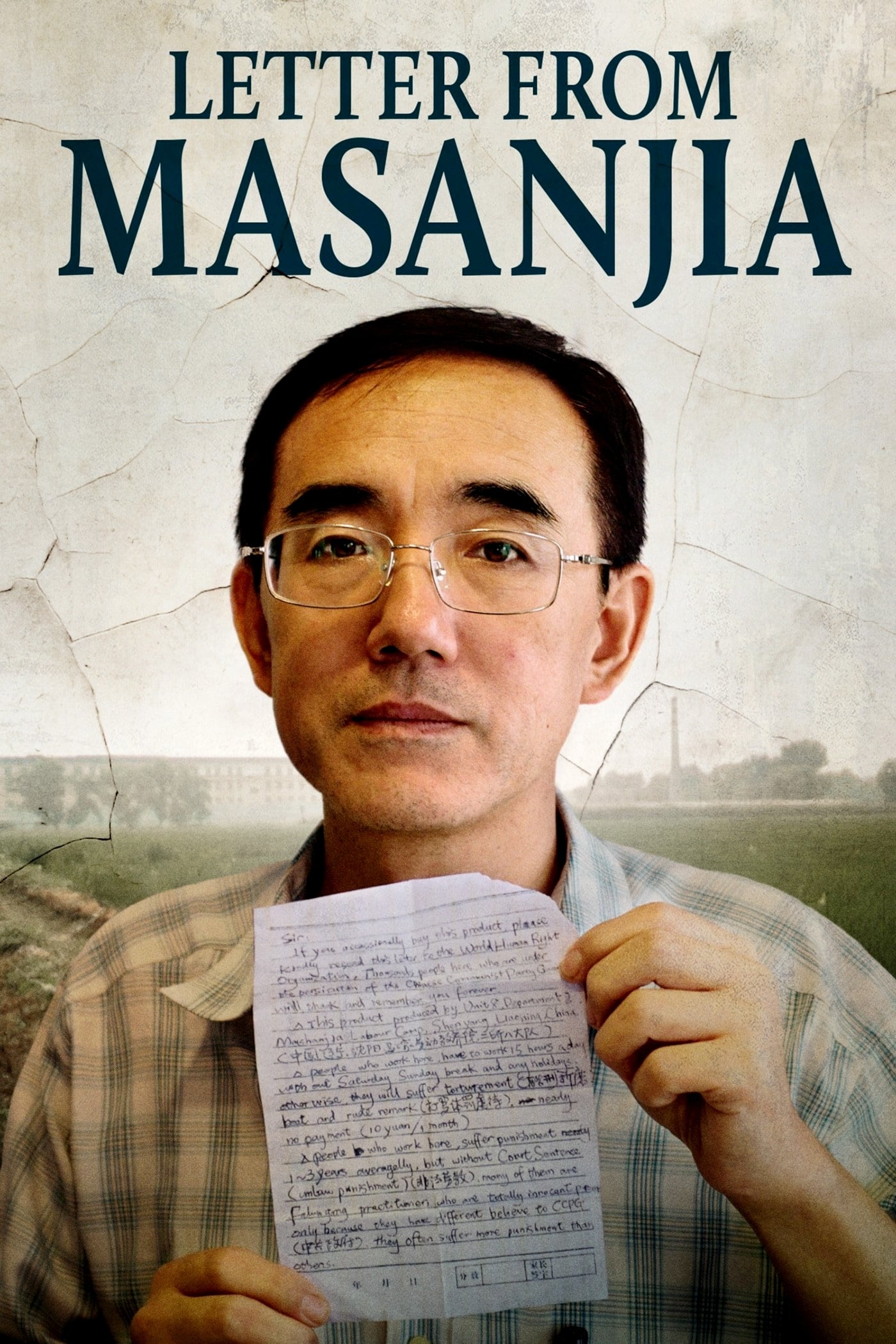
Damascus, Oregon, United States. Julie Keith finds a baffling message hidden in a pack of decorative items, a desperate plea for help, written by someone imprisoned in a Chinese labor camp called Masanjia…
Correspondent Nick Schifrin and producer Zach Fannin take us inside Vladimir Putin's Russia, with an in-depth look at the resurgent national identity, the government's propaganda machine, the risk of being a Kremlin critic and much more.
From 1945 to 1989, after the capitulation of Nazi Germany, two rival ideologies, communism and capitalism, faced each other in a merciless battle. On one side of the Iron Curtain and on the other, throughout the Cold War, the USSR and the United States sought to shape children’s imaginations through their magazines and films. Never in the history of mankind have so many comic books been published and so many cartoons produced for young people. In November 1989, communism collapsed with the Berlin Wall; capitalism was left to decide the future of the world. What if this victory had been prepared for a long time, and our thinking conditioned, from our early childhood, to ensure this absolute triumph?
As Russia launches its full-scale invasion of Ukraine, primary schools across Russia’s hinterlands are transformed into recruitment stages for the war. Facing the ethical dilemma of working in a system defined by propaganda and violence, a brave teacher goes undercover to film what’s really happening in his own school.
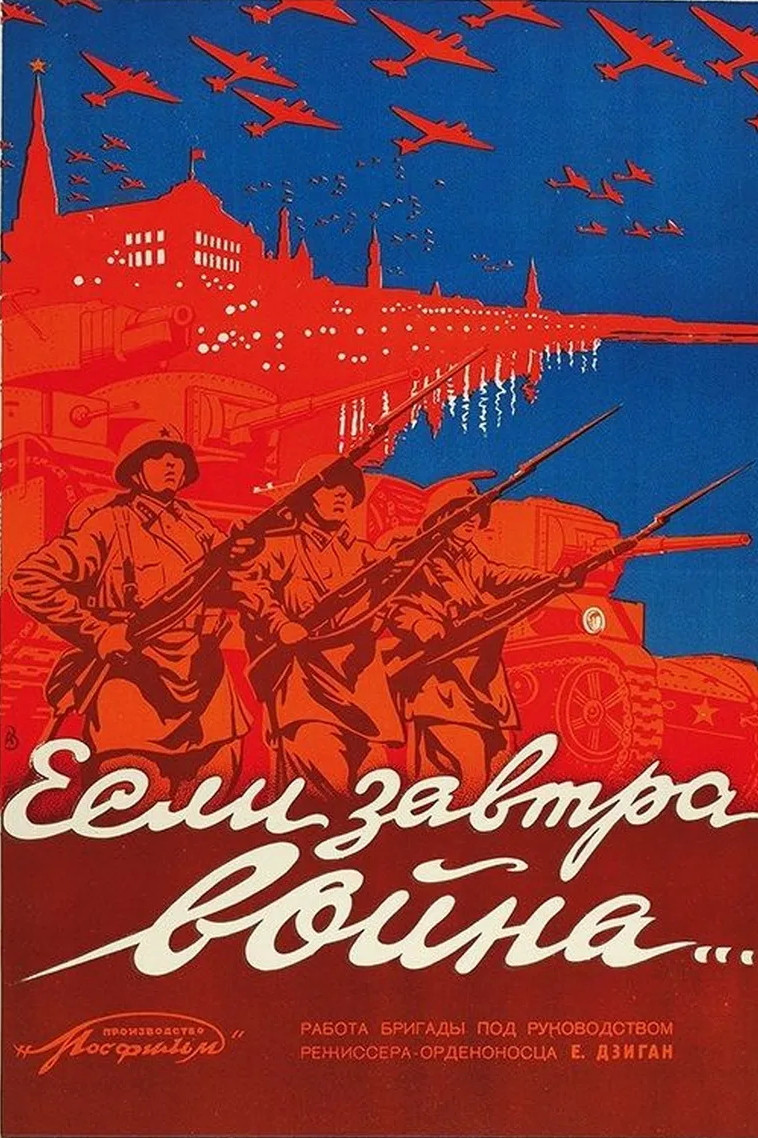
The propaganda documentary about the readiness of the Red Army to repulse any enemy is based on documentary shots taken during the real maneuvers of the Red Army. Armadas of tanks, immense columns of infantry, dozens of fighters and bombers, thousands of cavalry, legendary divisions of the Civil War. The film glorifies Soviet military power and shows the Soviet people what the war will be like when the imperialists attack the USSR — quick, victorious, almost bloodless.
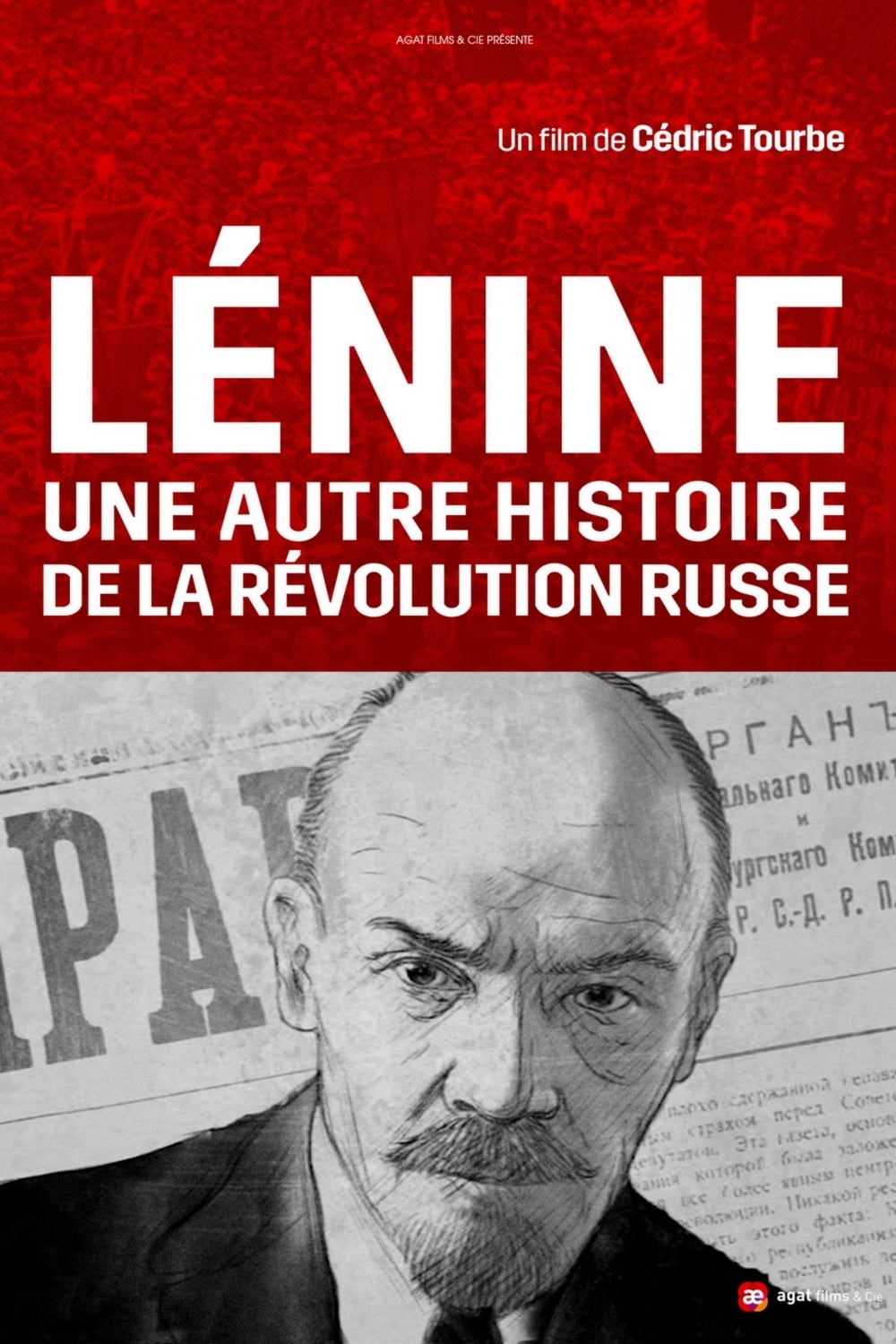
Vladimir Ilyich Ulyanov, better known as Lenin, is remembered as the instigator of the October Revolution of 1917 and, therefore, as one of the men who changed the shape of the world at that time and forever, but perhaps the actual events happened in a way different from that narrated in the history books…
Film by Aleksandr Medvekin to a metonymic Chinese friend, advocating against Mao and the Ussuri River Skirmish.
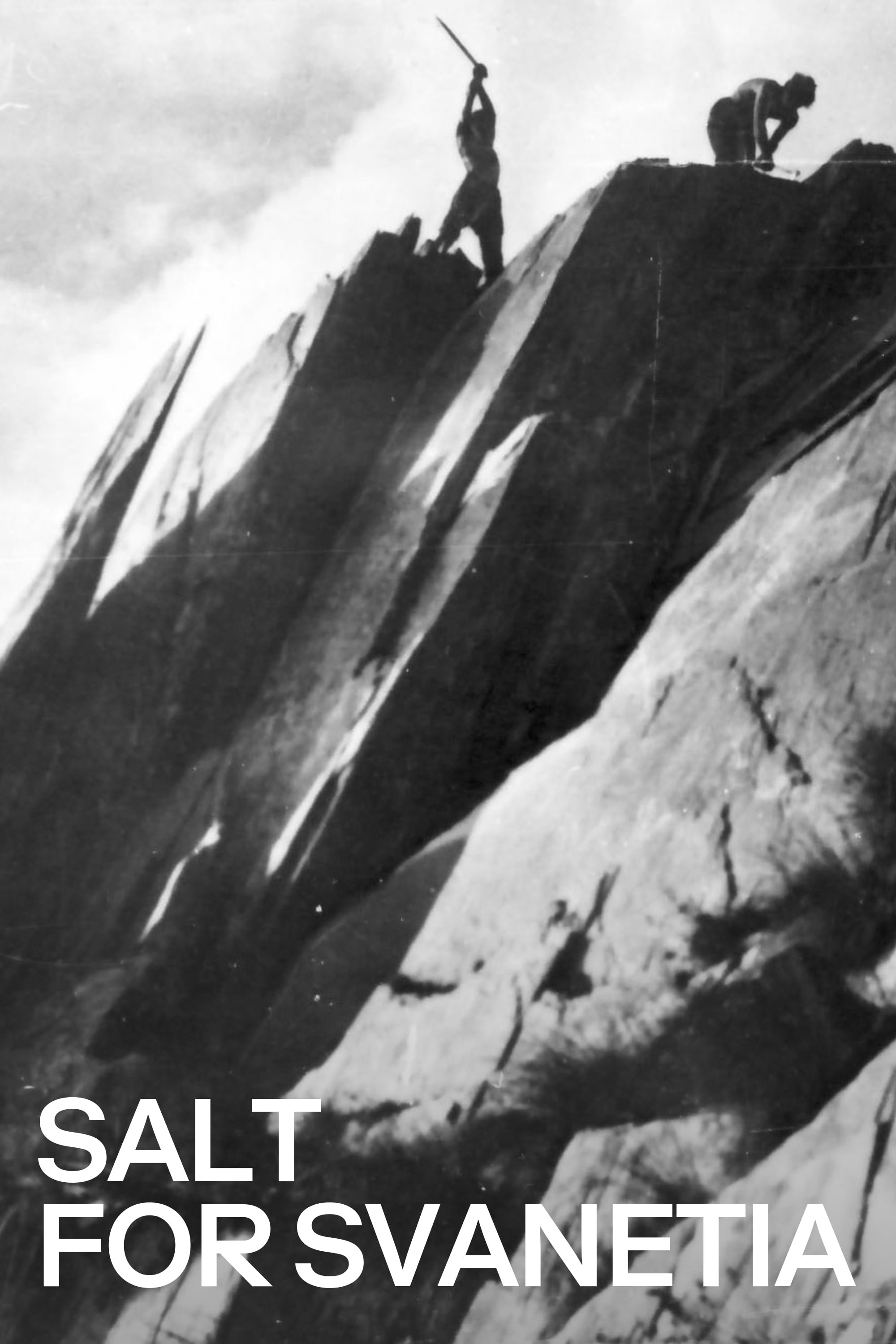
An ethnographic treasure that documents with visual bravado the harsh conditions of life in the isolated mountain village of Ushkul.
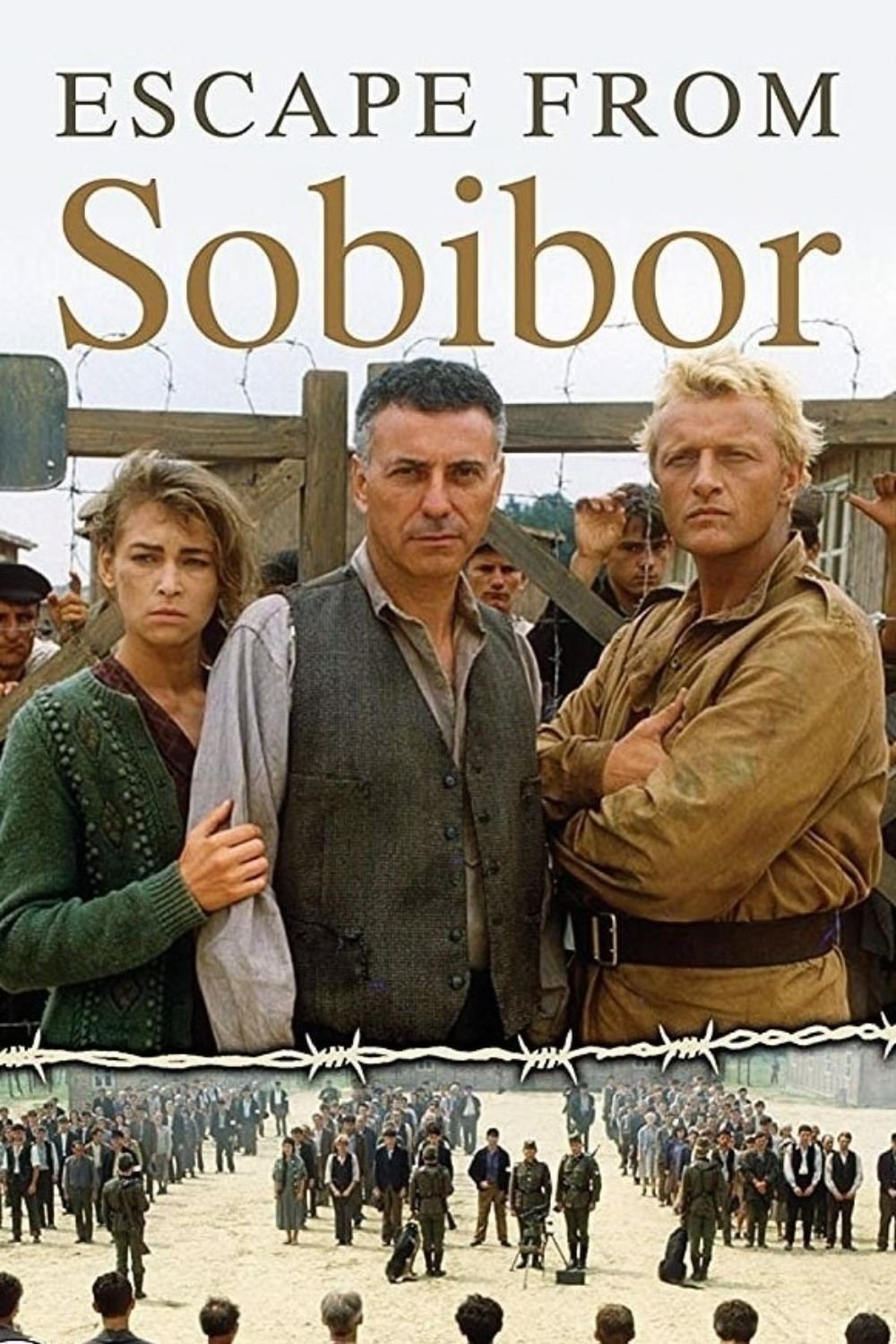
The true story of WWII's notorious Sobibor Nazi death camp, where a courageous inmate orchestrates and leads the escape of over 300 prisoners.

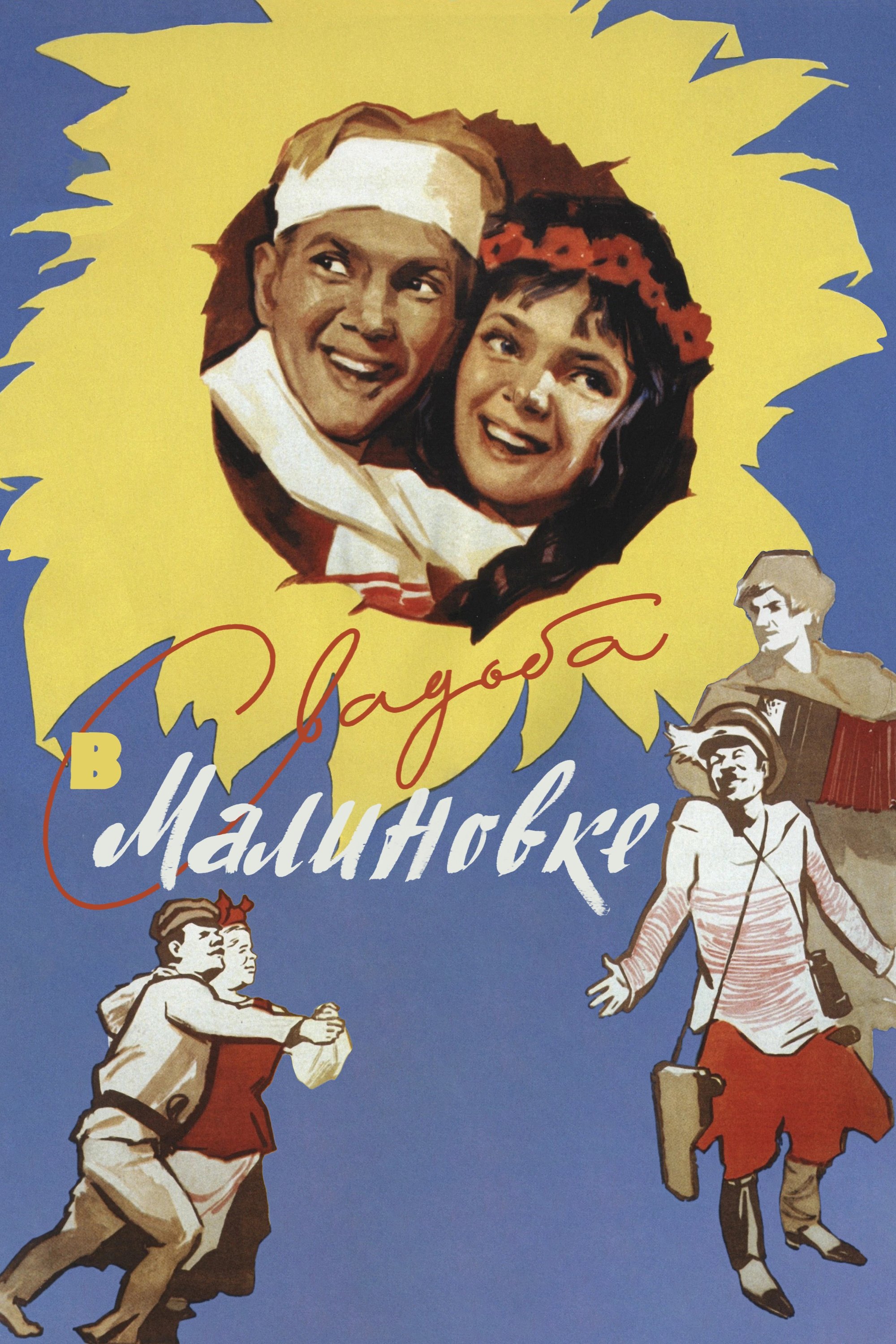
The movie takes place during Russia's civil war between the Reds (Bolsheviks) and the Whites (Mensheviks). Andrejka and Yarinka are a young betrothed couple in the village of Malinovka, caught between the battle lines. Gritsian is the leader of a Menshevik band who are planning to attack the village. Yarinka appeals to the local Bolshevik commander for his faction's help. The Bolsheviks quickly come up with a plan to save the village... but the plan requires Yarinka to enter into a pretend marriage with Gritsian.
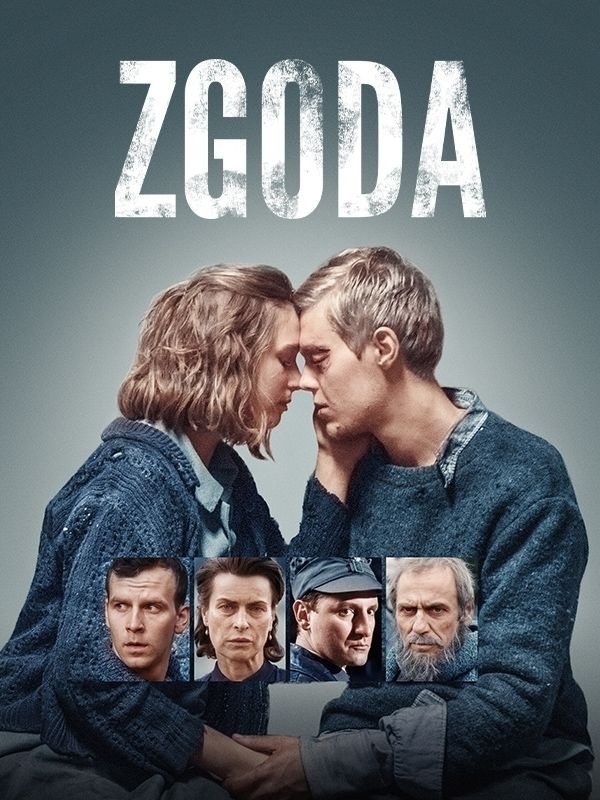
The beginning of 1945, Poland. In a newly liberated country, the Communist Security Service is annihilating its enemies under the guise of punishing "national traitors." They organize a labor camp for Germans, Silesians and Poles, on the site of a former Nazi concentration camp called Zgoda / Reconciliation. Franek, who is in love with the Polish prisoner Anna, goes to work as a warder in the camp to save her. He does not know that one of the prisoners - Erwin, his German friend, also loved this girl for a long time. Franek joins the communists in the illusory hope of outsmarting the system.
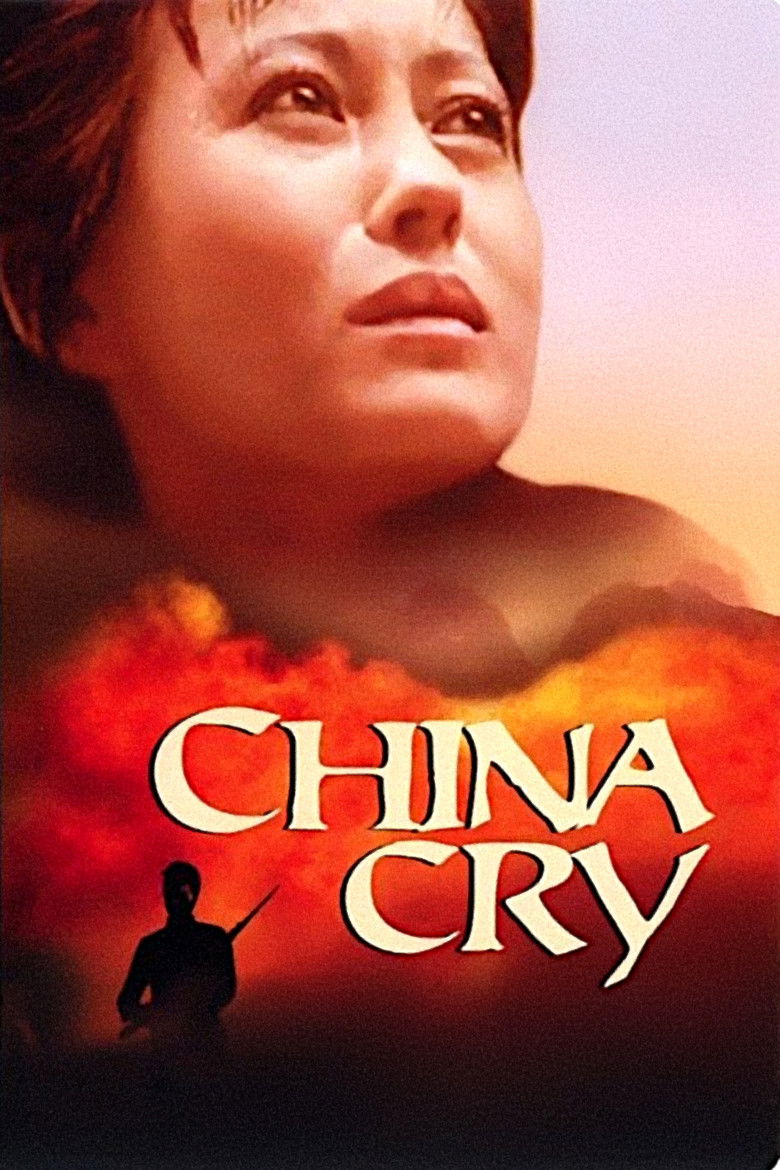
Young Sung Neng Yee, who is brought as part of a wealthy Chinese family. She is eager to become part of Mao Tze Tung's "new society", but soon becomes disenchanted by the economic misery the changes bring to her family. Before long, the authorities become aware of Neng Yee's feelings and she is taken to a labour camp, overseen by the sadistic Colonel Cheng.
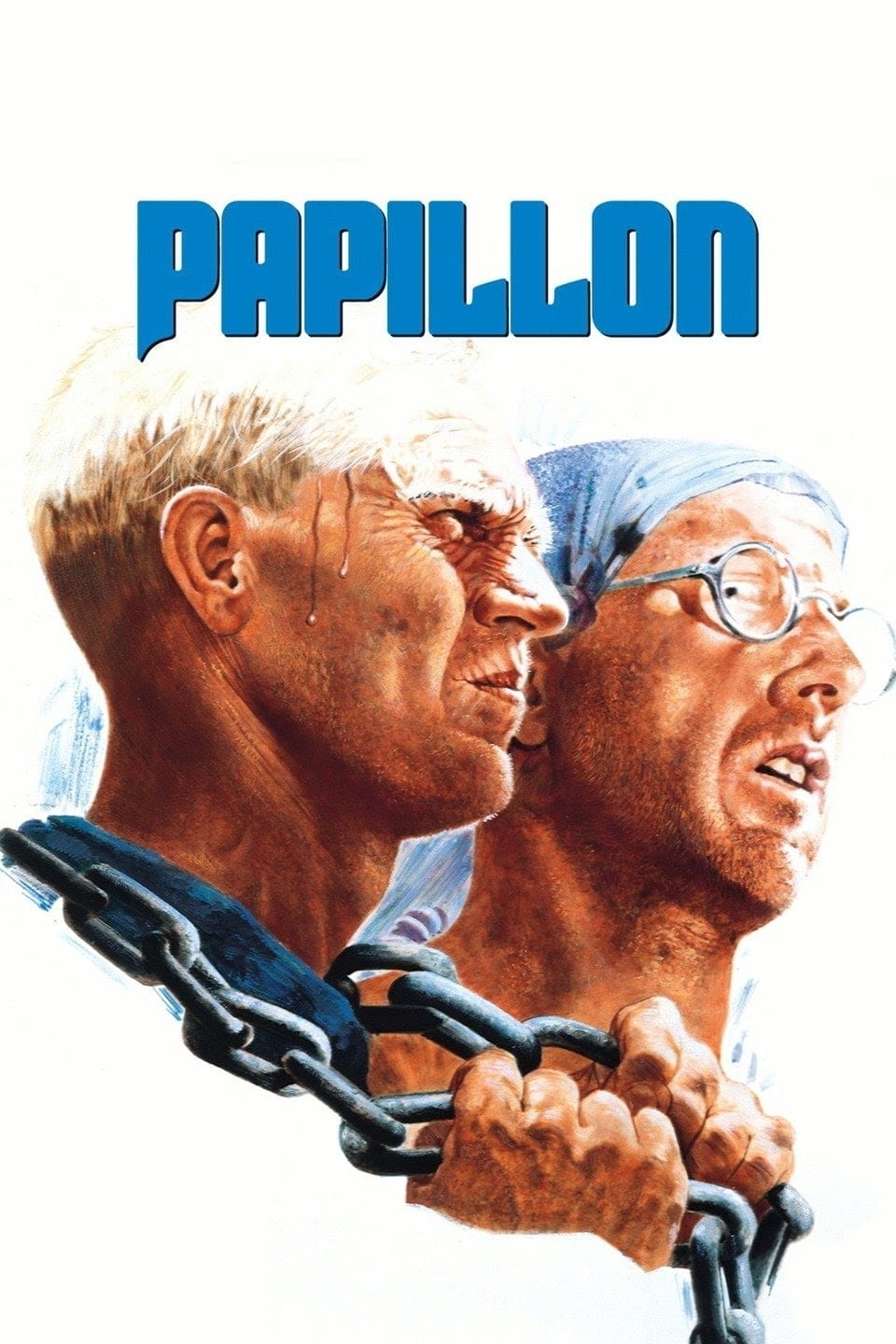
A man befriends a fellow criminal as the two of them begin serving their sentence on a dreadful prison island, which inspires the man to plot his escape.
When a woman accidentally kills her detested husband, a selfless young man takes the blame and goes to prison. Complications ensue when he is provisionally released.
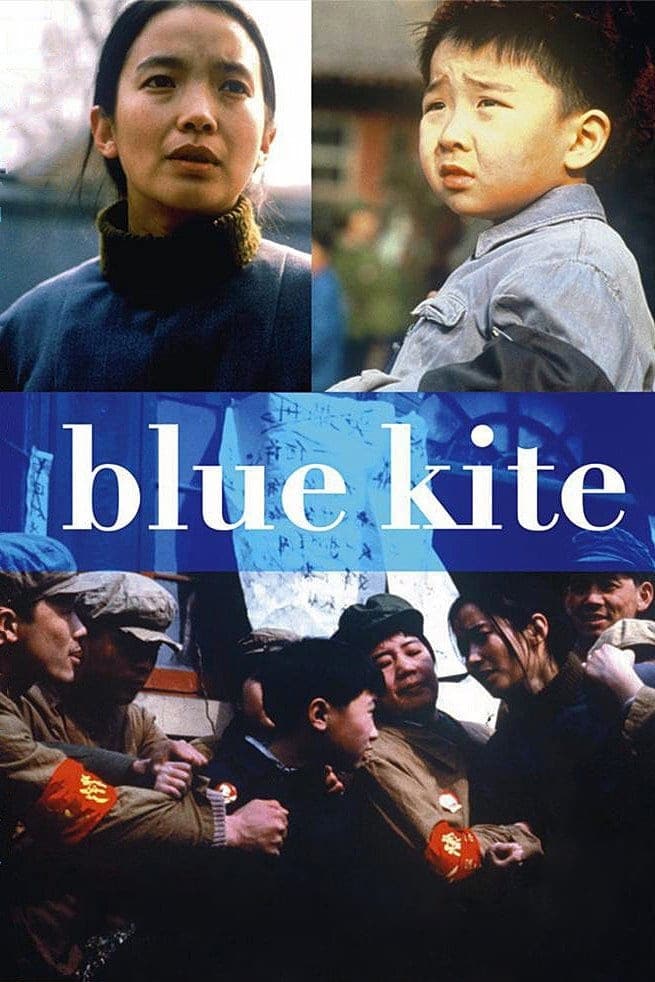
A young man recalls his childhood growing up in a poor alley in Beijing during the 1950s and 1960s.
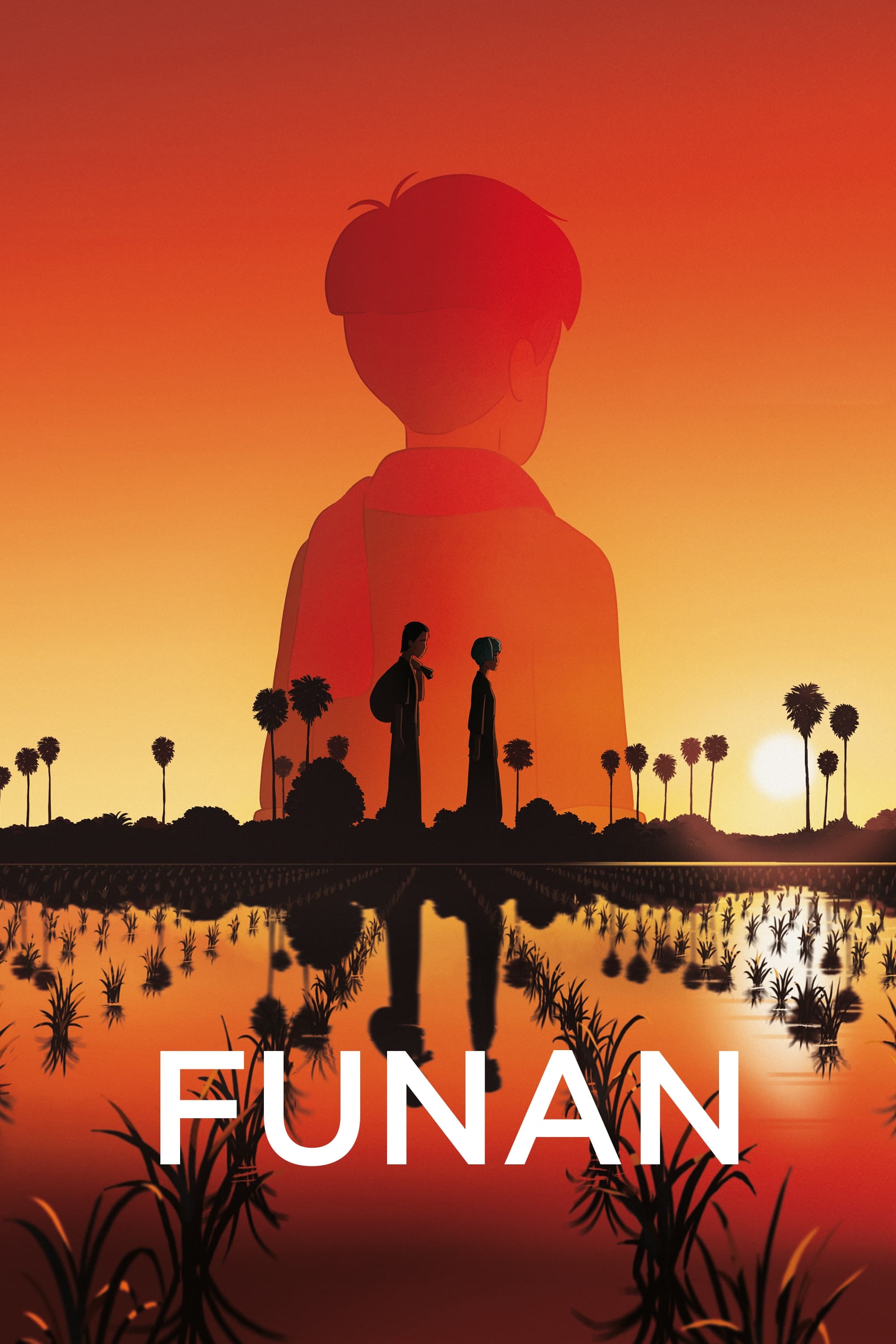
Cambodia, once the ancient kingdom of Funan, April 17th, 1975. The entire country falls under the tyranny of Angkar, the communist party of the Khmer Rouge. The cities are abandoned, the population is thrown to the roads and forced to walk towards an uncertain future…
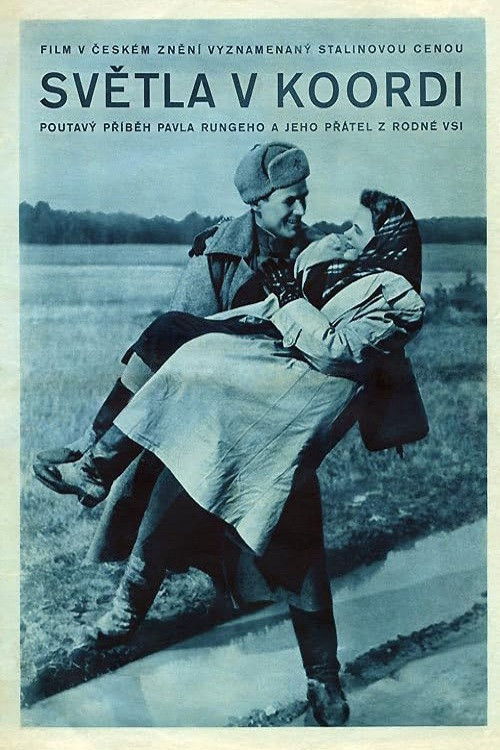
When Paul Runge, a soldier of the Red Army, returns home to Koordi after the war, he sees that, despite the new regime, life in Koordi hasn't changed. It's still a abandoned, uncultured Estonian village, where rich landlords still oppress the population. Runge starts talking about founding a kolkhoze.
In the wild times of the Second World War, Blanka marries political grandee Pavle, who is shortly afterwards sent to Goli Otok as a political prisoner. Blanka has enthusiasm for photography, becomes independent and opens a studio of photography with Laco. But soon she realizes that her business partner is an impostor. Pavle returns from prison, but their relationship, despite awareness of the political interference in their intimate sphere, imbues the bitter chill and misunderstanding. Blanka tries to drown her endless problems in alcohol and seduce her only male friend, but her last rescue, the thread of love, is being interrupted as well. Is every love of Blanka Kolak sentenced to death, is love possible at all, is worth living without it?
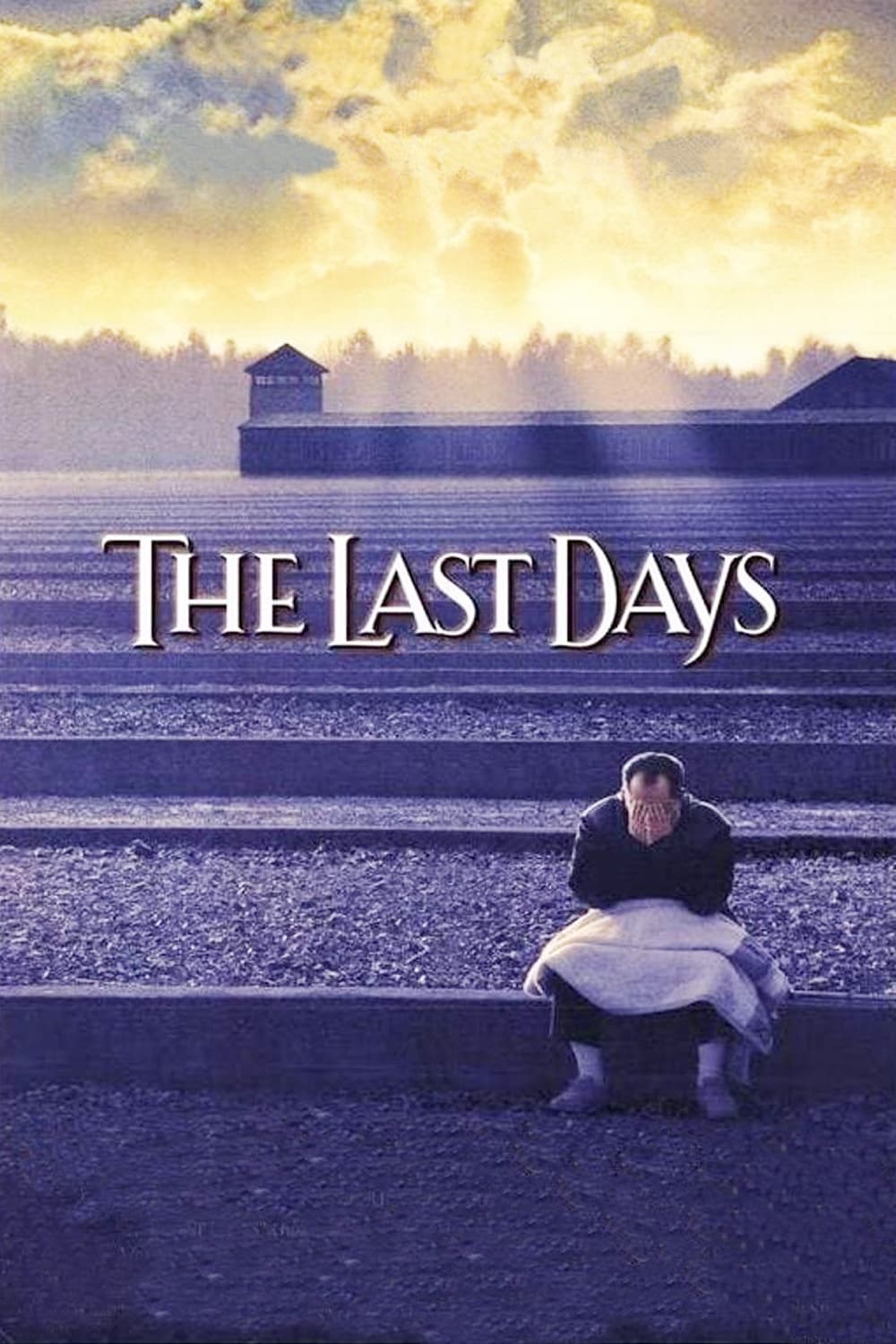
Produced and presented as evidence at the Nuremberg war crimes trial of Hermann Göring and twenty other Nazi leaders, this film consists primarily of dead and surviving prisoners and of facilities used to kill and torture during the World War II.
A documentary about the making of season five of the acclaimed AMC series Breaking Bad.
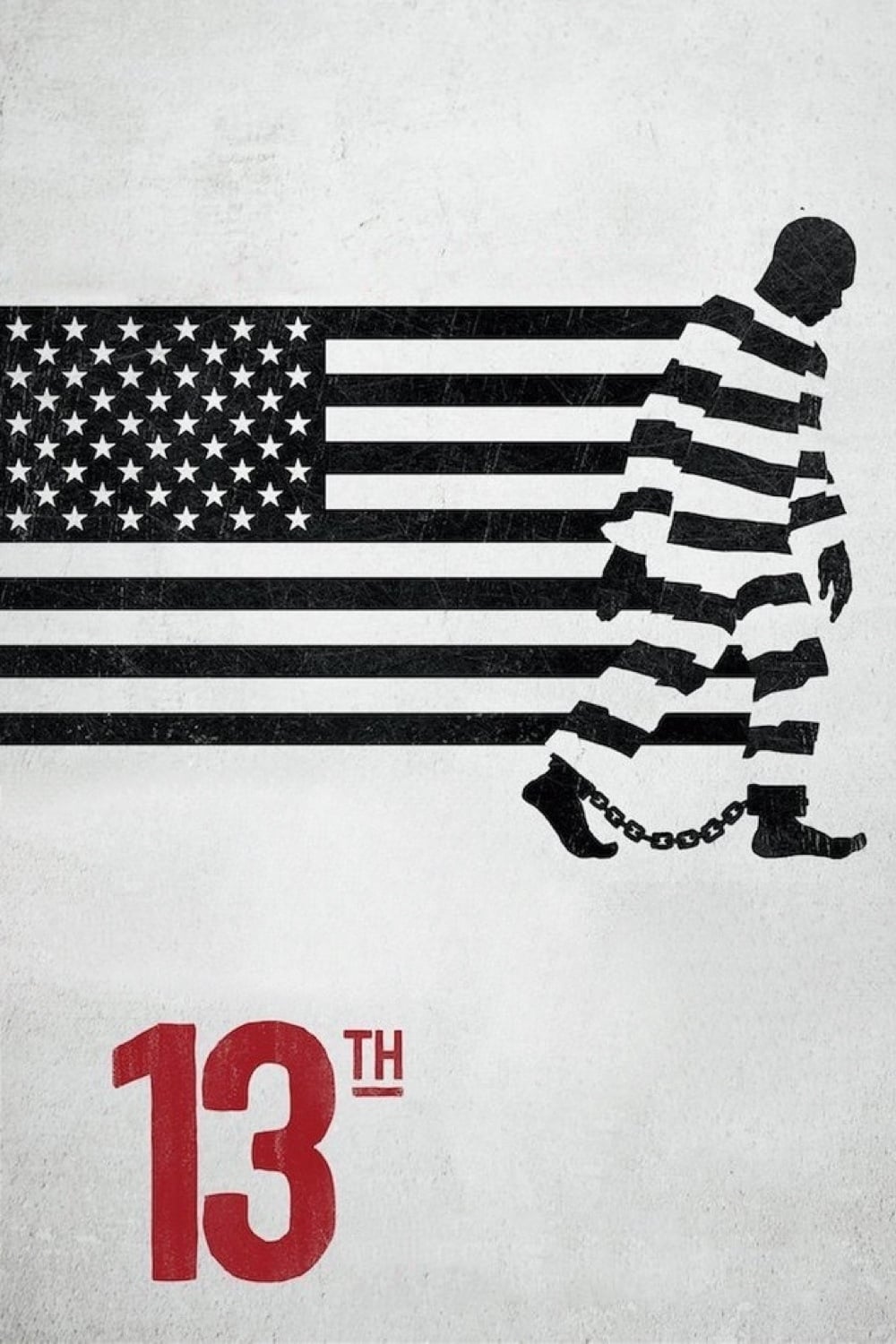
An in-depth look at the prison system in the United States and how it reveals the nation's history of racial inequality.
A real-life undercover thriller about two ordinary men who embark on an outrageously dangerous ten-year mission to penetrate the world's most secretive and brutal dictatorship: North Korea.
A behind the scenes look into George Romero's groundbreaking horror classic Night of the Living Dead.
A compilation of over 30 years of private home movie footage shot by Lithuanian-American avant-garde director Jonas Mekas, assembled by Mekas "purely by chance", without concern for chronological order.
If you ever find yourself traveling down Interstate 49 through Missouri, try not to blink—you may miss Rich Hill, population 1,396. Rich Hill is easy to overlook, but its inhabitants are as woven into the fabric of America as those living in any small town in the country. This movie intimately chronicles the turbulent lives of three boys living in said Midwestern town and the fragile family bonds that sustain them.
A documentary on the life of John Lennon, with a focus on the time in his life when he transformed from a musician into an antiwar activist.
In this genre-bending tale, Errol Morris explores the mysterious death of a U.S. scientist entangled in a secret Cold War program known as MK-Ultra.
When Allied forces liberated the Nazi concentration camps in 1944-45, their terrible discoveries were recorded by army and newsreel cameramen, revealing for the first time the full horror of what had happened. Making use of British, Soviet and American footage, the Ministry of Information’s Sidney Bernstein (later founder of Granada Television) aimed to create a documentary that would provide lasting, undeniable evidence of the Nazis’ unspeakable crimes. He commissioned a wealth of British talent, including editor Stewart McAllister, writer and future cabinet minister Richard Crossman – and, as treatment advisor, his friend Alfred Hitchcock. Yet, despite initial support from the British and US Governments, the film was shelved, and only now, 70 years on, has it been restored and completed by Imperial War Museums under its original title "German Concentration Camps Factual Survey".
Martin Scorsese’s portrait of writer and social commentator Fran Lebowitz, celebrated for her sharp wit and observations on modern life. Filmed at New York’s Waverly Inn and intercut with archival footage and interviews, the documentary captures Lebowitz’s distinctive worldview through her spontaneous monologues and public appearances.
Prelude to War was the first film of Frank Capra's Why We Fight propaganda film series, commissioned by the Pentagon and George C. Marshall. It was made to convince American troops of the necessity of combating the Axis Powers during World War II. This film examines the differences between democratic and fascist states.
“Showrunners” is the first ever feature length documentary film to explore the fascinating world of US television showrunners and the creative forces aligned around them. These are the people responsible for creating, writing and overseeing every element of production on one of the United State’s biggest exports – television drama and comedy series. Often described as the most complex job in the entertainment business, a showrunner is the chief writer / producer on a TV series and, in most instances, the show’s creator. Battling daily between art and commerce, showrunners manage every aspect of a TV show’s development and production: creative, financial and logistical.
Lyrical and powerfully personal essay film that reflects on the deaths of her husband Lou Reed, her mother, her beloved dog, and such diverse subjects as family memories, surveillance, and Buddhist teachings.
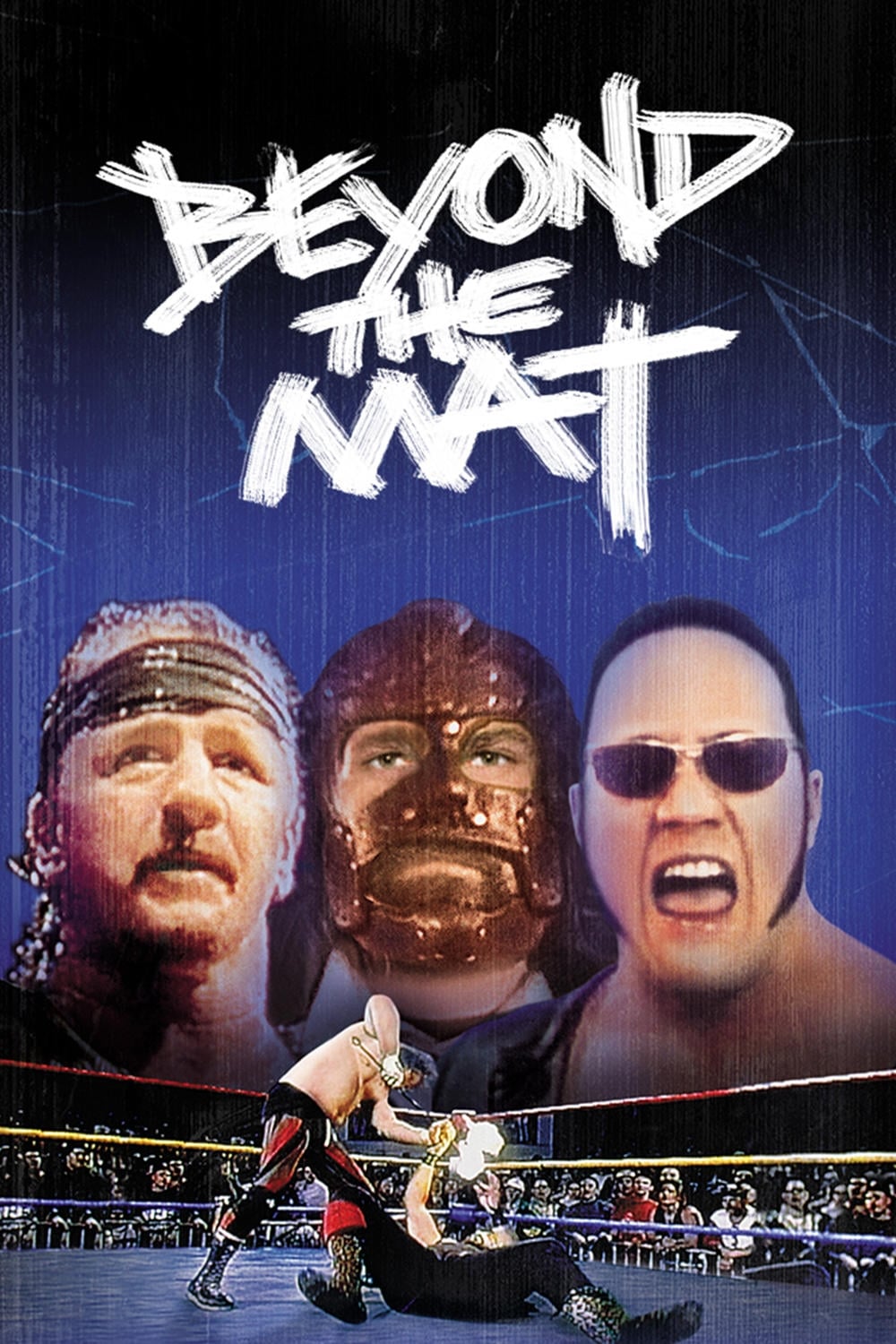
A heartfelt documentary focusing on the day-to-day lives of professional wrestlers, some on the rise, some on the wane, and others fighting for their lives.
A tribute to Chadwick Boseman, celebrating his life and legacy.
A musical study of Los Angeles in the late 90s, where homeless teens roam the streets and profess to live a punk lifestyle of music, drugs, and flouting authority.
A documentary on the expletive's origin, why it offends some people so deeply, and what can be gained from its use.
With mesmerizing footage and time lapses of animators at work, this behind-the-scenes special captures the artistry of a unique tale years in the making.
Retrospective documentary about the making of the horror cult classic "The Return of the Living Dead."