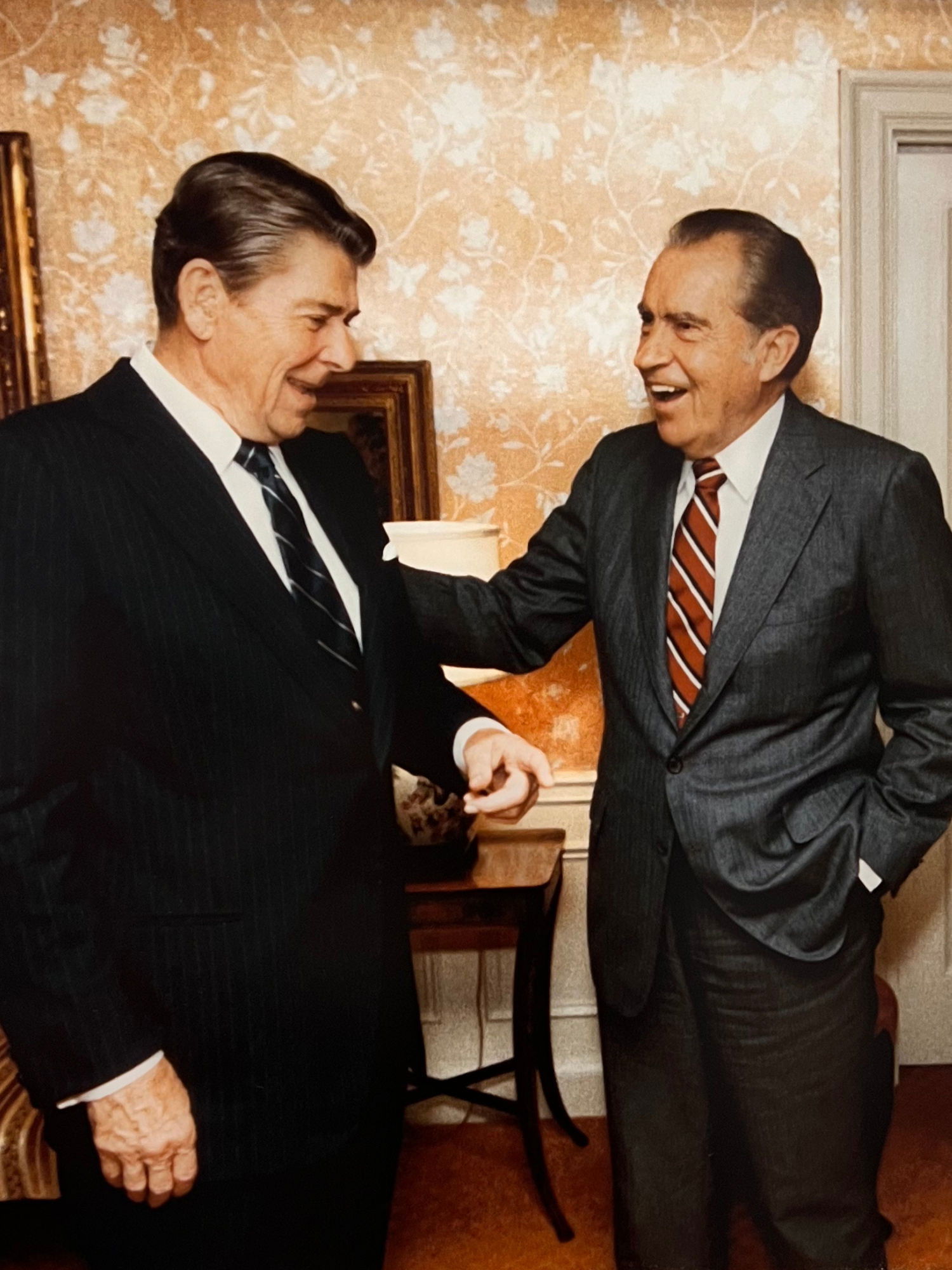
Ronald Reagan and Richard Nixon on Camera 1983
Social & External
Self (archive footage)
A documentary 33 years in the making. A director and friend of Kurt Vonnegut seeks through his archives to create the first film featuring the revolutionary late writer.
As a young missionary, Richard Wilhelm in 1899 to China, which was then exploited by the colonial powers. He lived there revolts against foreigners, the end of the imperial dynasties and the First World War. In these times of turbulent upheavals he was indefatigable in search of the deepest truth that helps people deal with change and able to shape their own lives. Richard Wilhelm baptized not only Chinese, but accomplished one of the largest translation services of the 20th century: Confucius, LAOTSE the most important texts of Daoism and especially the I CHING THE BOOK OF CHANGES. The book also served many readers in the West as inspiration. Wilhelm is still one of the most important mediators of Chinese culture in Europe.
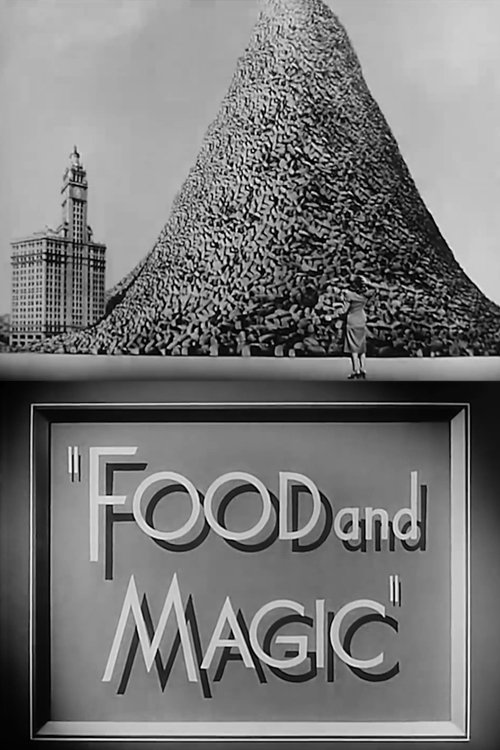
A sideshow barker uses magic and visual aids to alert the public that proper food management is both a resource and a weapon that could be to America's advantage if conserved properly in winning the then current World War. Preserved by the Academy Film Archive, Academy War Film Collection, in 2008.
A carnival is in town. Workers start to build the stalls and tents. Players practice their act. Roma, peasants and grifters put up their own boots. After they pay taxes to local officials, they get a muddy ground for their stalls.
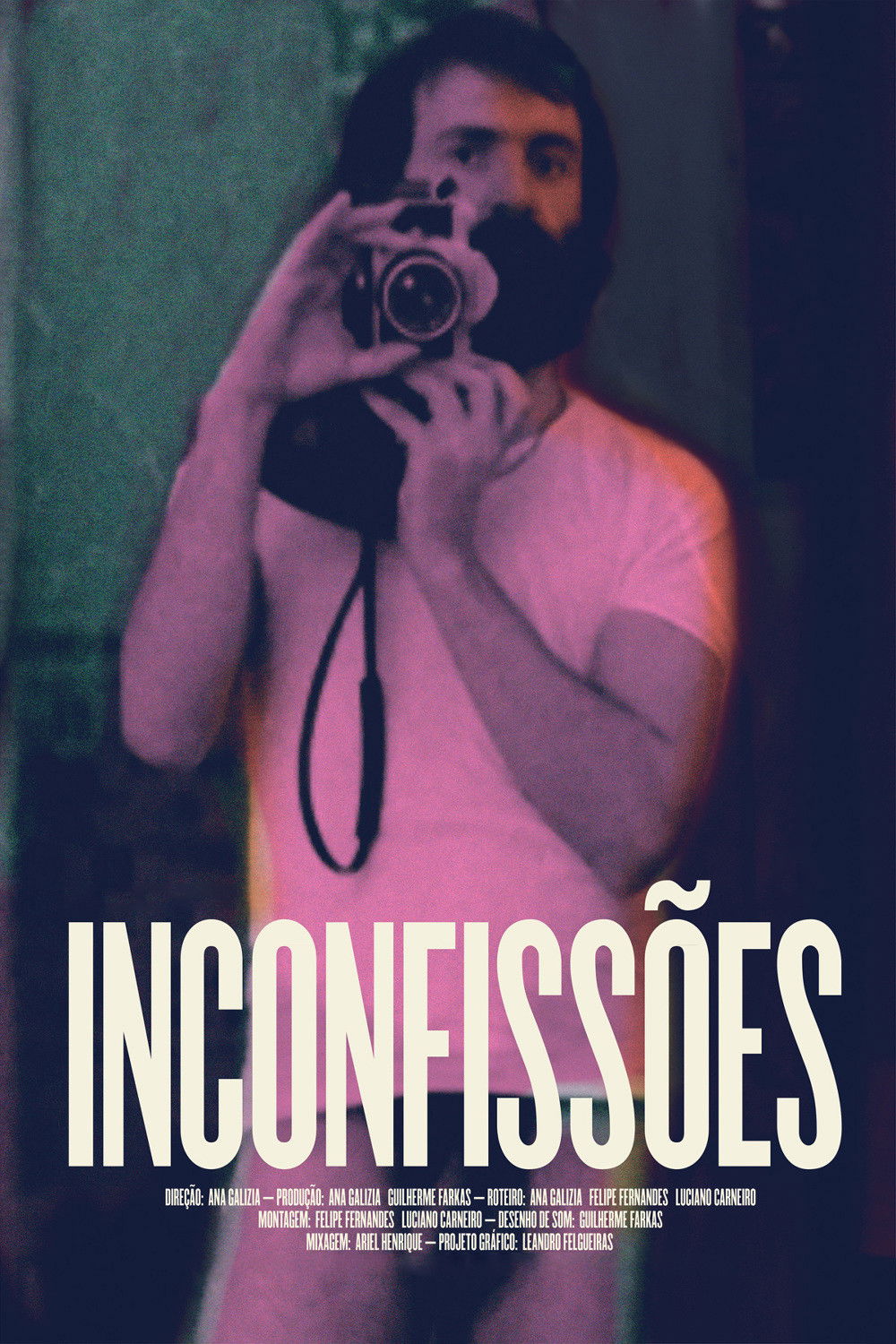
Luiz Roberto Galizia died very young, but he left behind a wealth of personal archives. 30 years later, his niece Ana Galizia plunges into these archives to follow the traces of this uncle she never met.
Super-8 footage captured while filming Bergman Island. In voice-over, filmmaker Mia Hansen-Løve offers intimate reflections on her creative process on the island of Fårö and her relationship with Bergman and Swedish cinema.
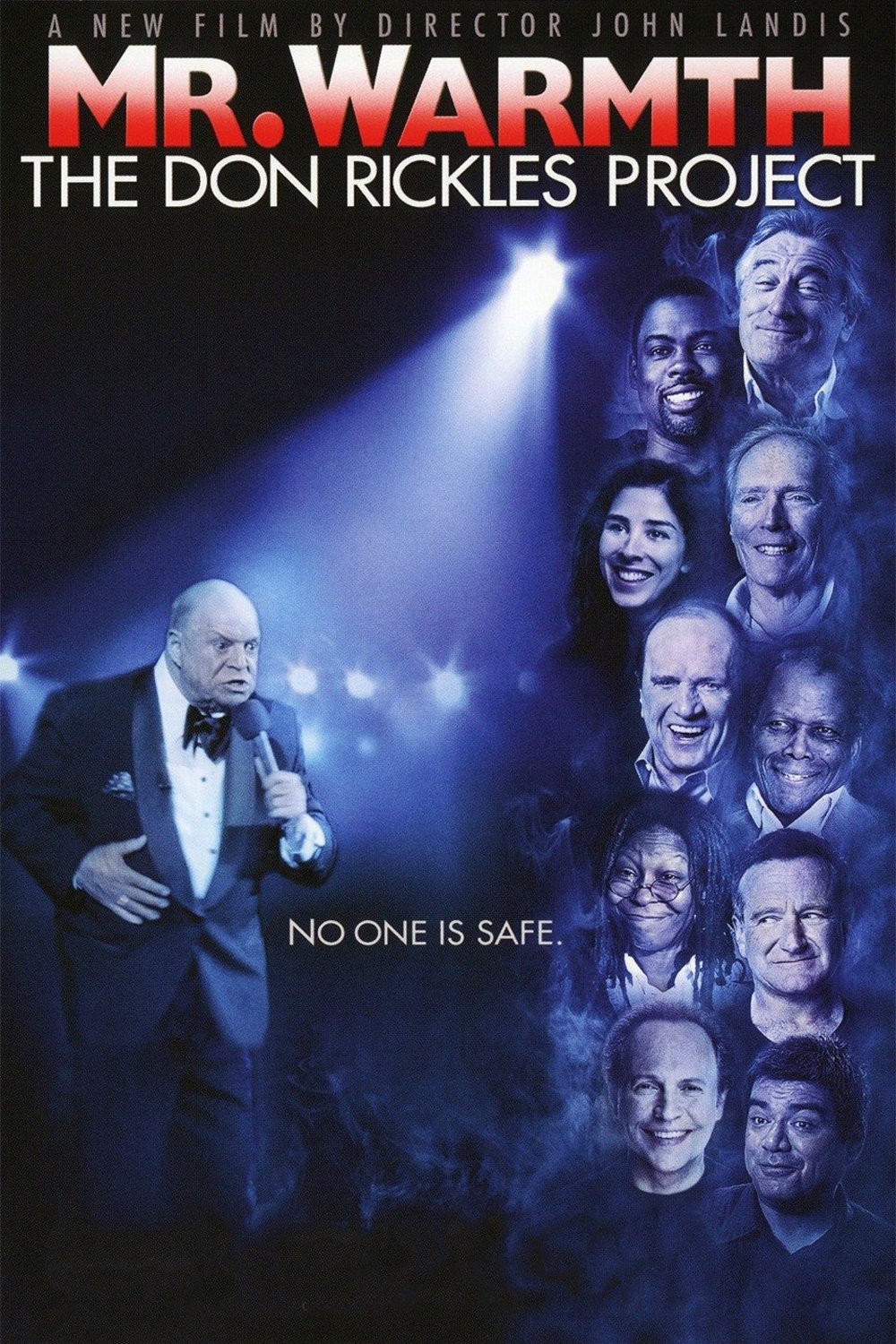
The documentary consists of tape of Don's show (never been filmed before), interviews with Don's contemporaries, (Steve Lawrence, Bob Newhart, Debbie Reynolds, etc.), established comedians (Billy Crystal, Rosanna Barr, Robin Williams, Chris Rock, etc.) and young comedians (Jeff Atoll, Jimmy Kimmel, Sarah Silverman, etc.).
Newly discovered interviews with Elizabeth Taylor and unprecedented access to the star’s personal archive reveal the complex inner life and vulnerability of the groundbreaking icon.
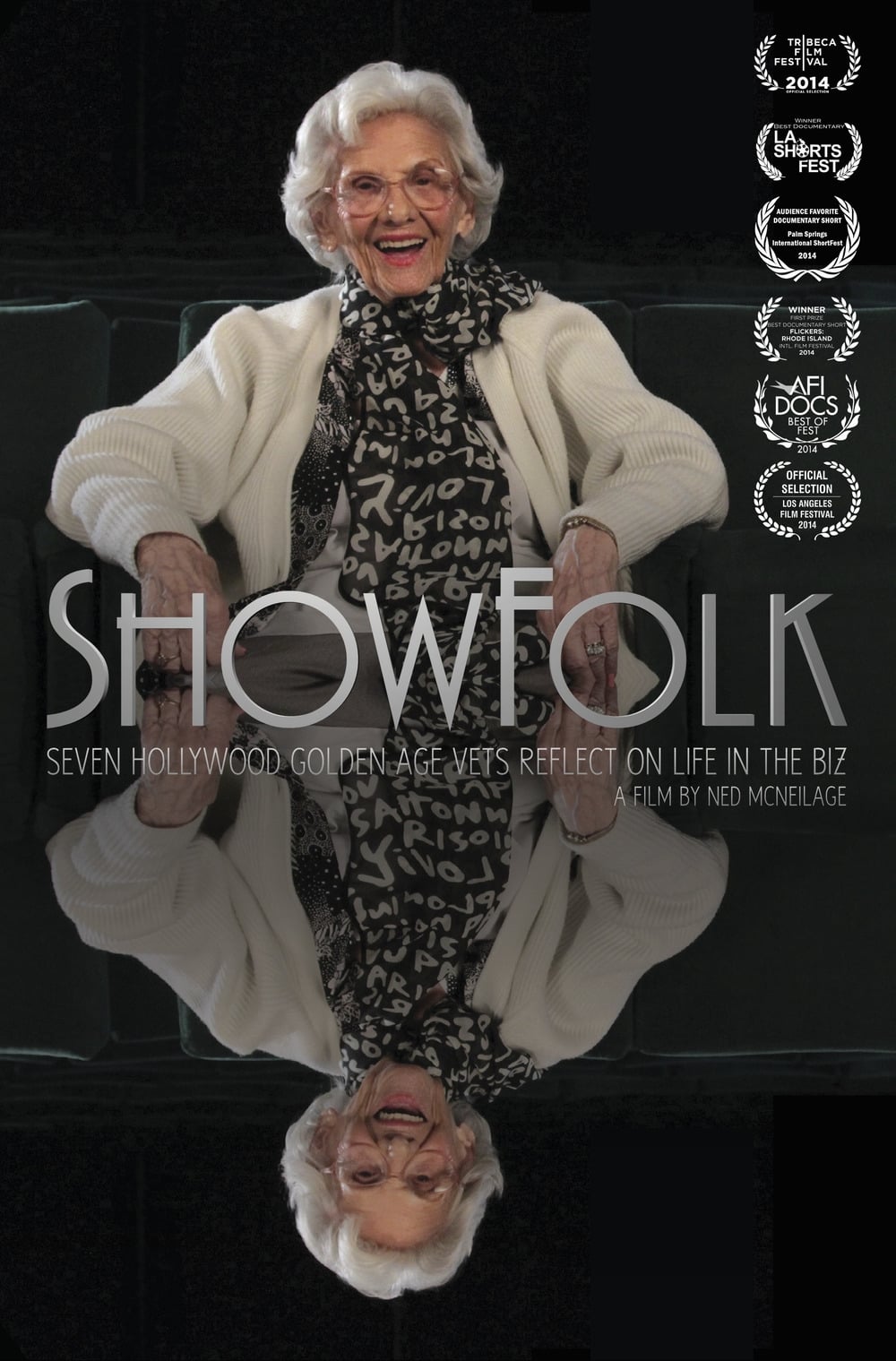
A Vaudeville comedian still working at 100, a stunning siren who dated Reagan when he was a Democrat, a kid out of college who sold The Ten Commandments around the world, a Disney legend who met Walt when she was a little girl and spent her life with Mickey Mouse: these showbiz vets share wisdom and inspiration garnered over seven lifetimes in the business. Residing together at the Motion Picture & Television Fund home, these entertainment lifers are "bonded by the show". These, ladies and gentlemen, are Showfolk.
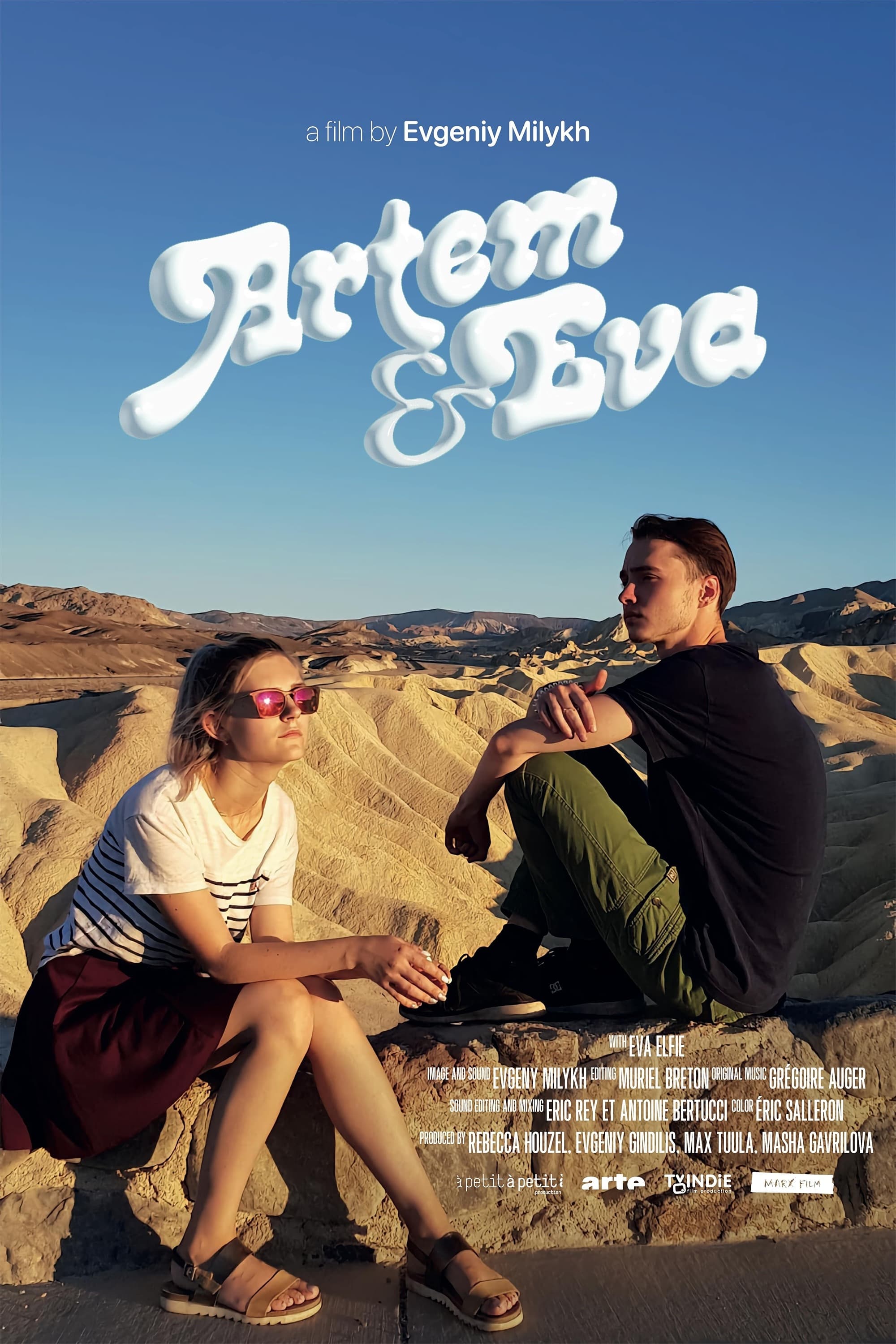
Artem loves Yulia, Yulia loves Artem. They recently graduated from school, moved to Moscow and began an independent life. In search of part-time jobs, Artem comes up with the idea of creating another image from Yulia - Eva Elfie - and making an amateur video for Pornhub. Suddenly, the video becomes popular, Eva gets more and more job offers, and Artem becomes the boyfriend and producer of a world celebrity. The heroes seem to fall into the "American dream", but in their personal lives there are more and more problems and doubts.
A short film shot on Super 8 which captures the last days of winter.
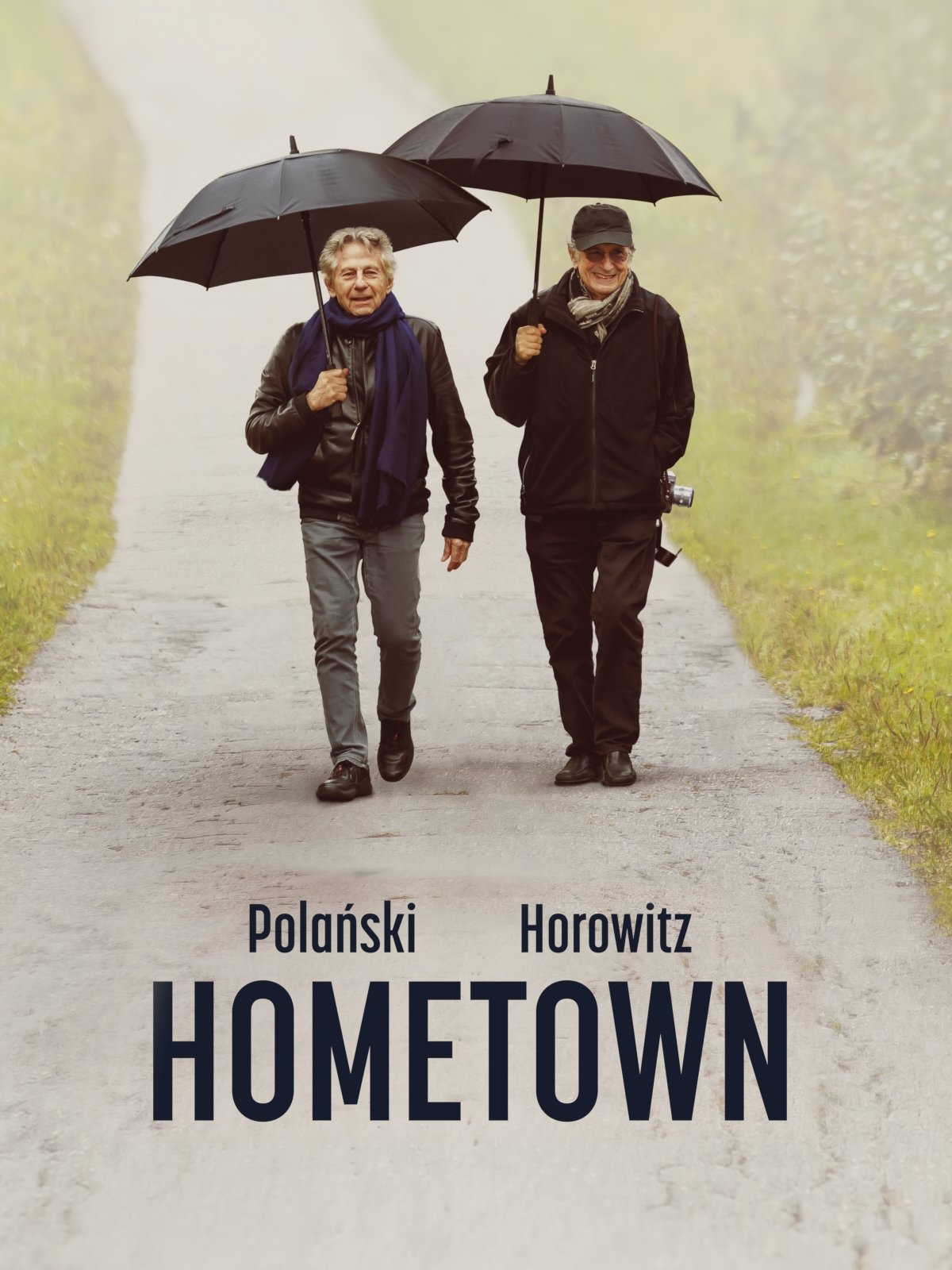
Filmmaker Roman Polanski and photographer Ryszard Horowitz meet in Kraków, Poland, where, strolling the streets, they share memories of their childhood and youth, the hardest days of their lives, when, during World War II, they met in the ghetto established by the Nazi occupiers.
In 1943, Noor Inayat Khan was recruited as a covert operative into Winston Churchill's Special Operations Executive. With an American mother and Indian Muslim father, she was an extremely unusual British agent. After her network collapsed, Khan became the only surviving radio operator linking the British to the French Resistance in Paris, coordinating the airdrop of weapons and agents, and the rescue of downed Allied fliers.
This is the story of a normal person who does extraordinary things. Someone who pursues and achieves triumphs through taking care of the small details, because these are, after all, the ones that make him a different soccer player.
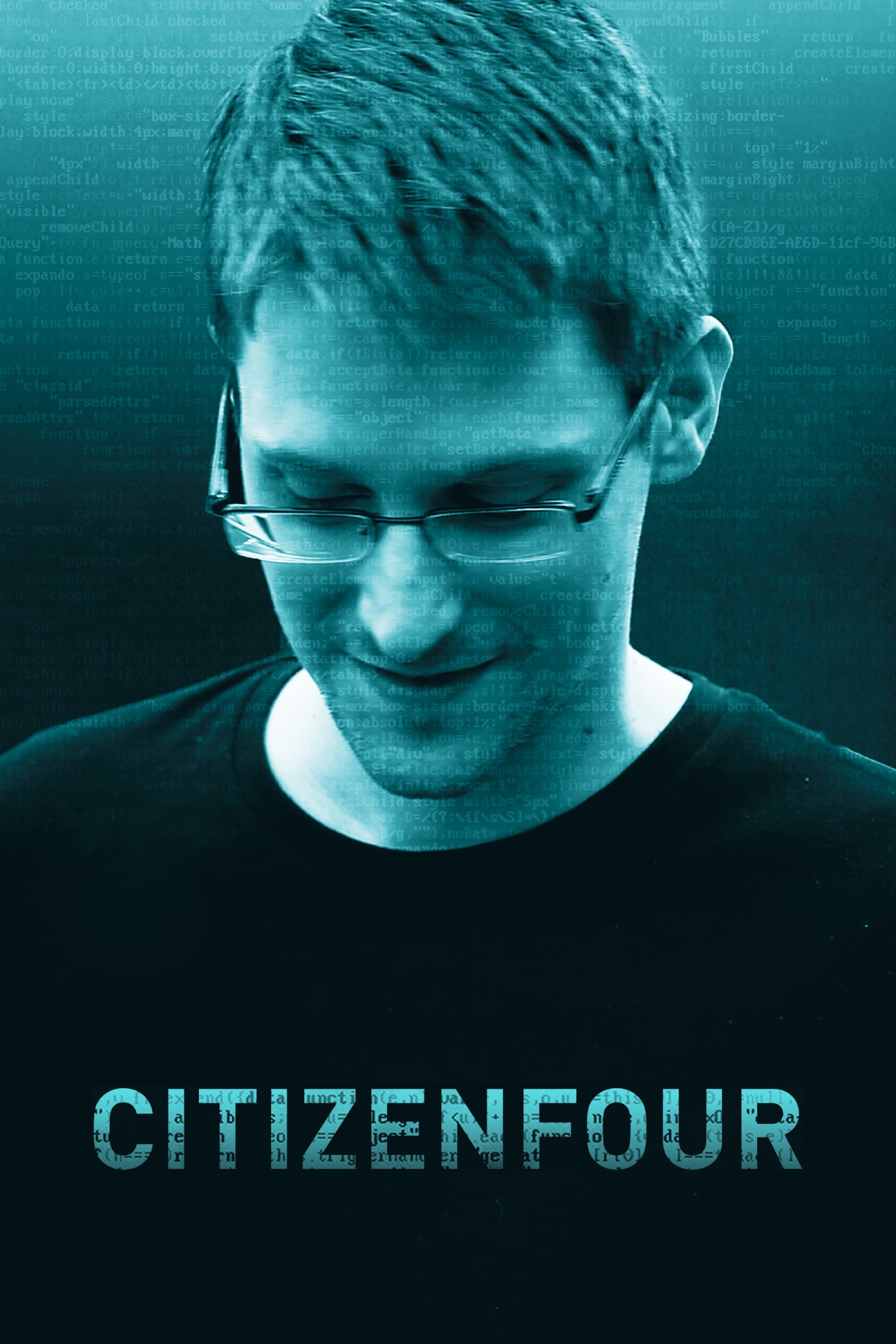
In June 2013, Laura Poitras and reporter Glenn Greenwald flew to Hong Kong for the first of many meetings with Edward Snowden. She brought her camera with her.
Shadowlands is an animated short film about darkness that won't let go. About the constant fear that something terrible might happen. It describes a journey into the inner world and psyche of a young person in distress, a world far from "normal".
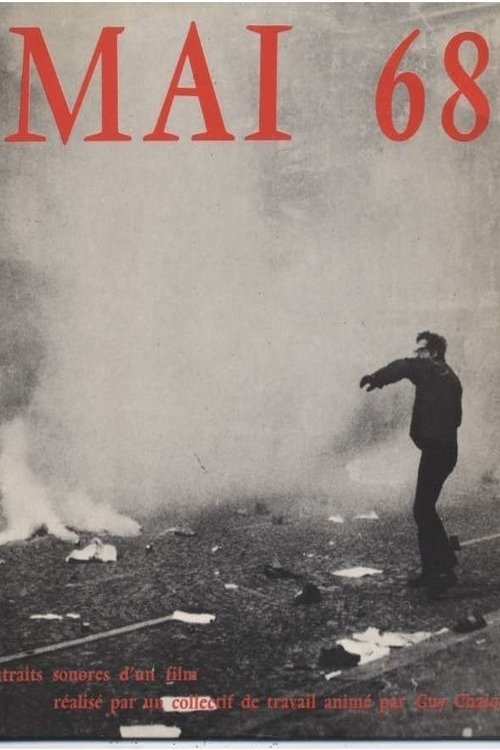
"Society is a carnivorous flower" - About activists in the student revolt in May 1968. Archive footage shows police entering the Sorbonne, street fighting, meetings and demonstrations. Many interviewees testify to police violence and abuses.
A walk through the landscapes of the province of Salamanca, Spain, as well as a testimony of the daily life and customs of its inhabitants.
A walk through the landscapes of the province of Barcelona, Spain, as well as a testimony of the daily life and customs of its inhabitants.
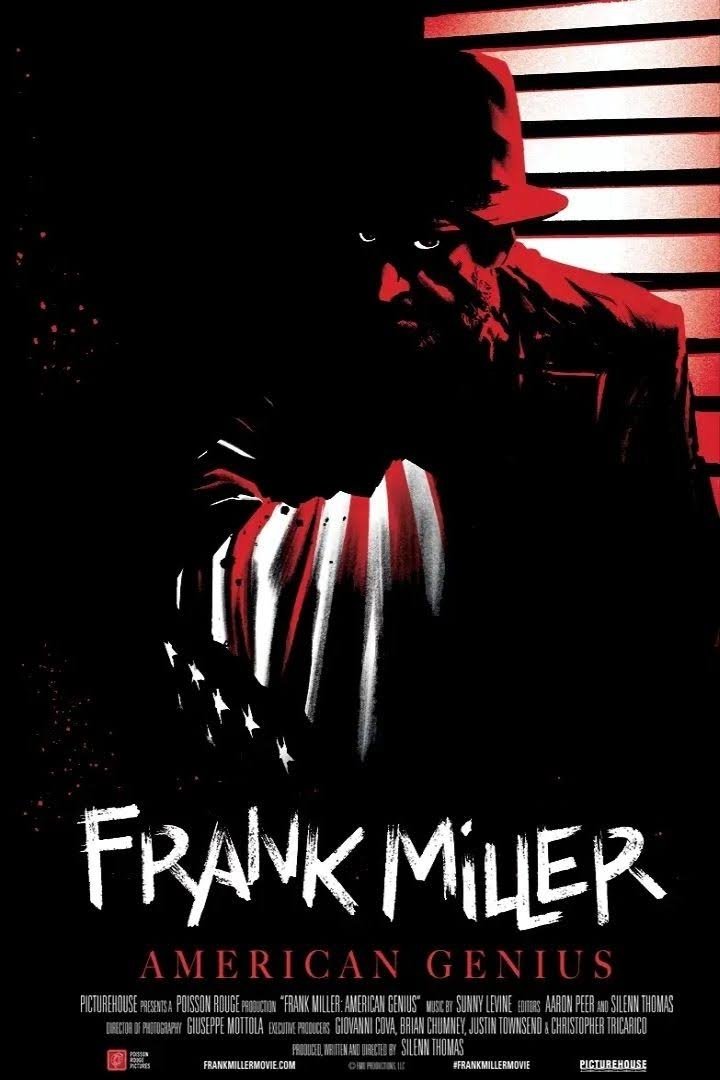
Explore the near half-century career of the legendary comic book artist and writer. Made for his fans following a near death experience, the documentary delves into Miller's radical and defining influence on art, storytelling and culture. Following his small town beginnings in Vermont, to New York City, Hollywood, and beyond; this intimate documentary delves into his failures, successes, self-destruction and re-discovery.
Daniel Craig candidly reflects on his 15 year adventure as James Bond. Including never-before-seen archival footage from Casino Royale to the upcoming 25th film No Time To Die, Craig shares his personal memories in conversation with 007 producers, Michael G Wilson and Barbara Broccoli.
Those who knew iconic funnyman John Candy best share his story, in their own words, through never-before-seen archival footage, imagery, and interviews.
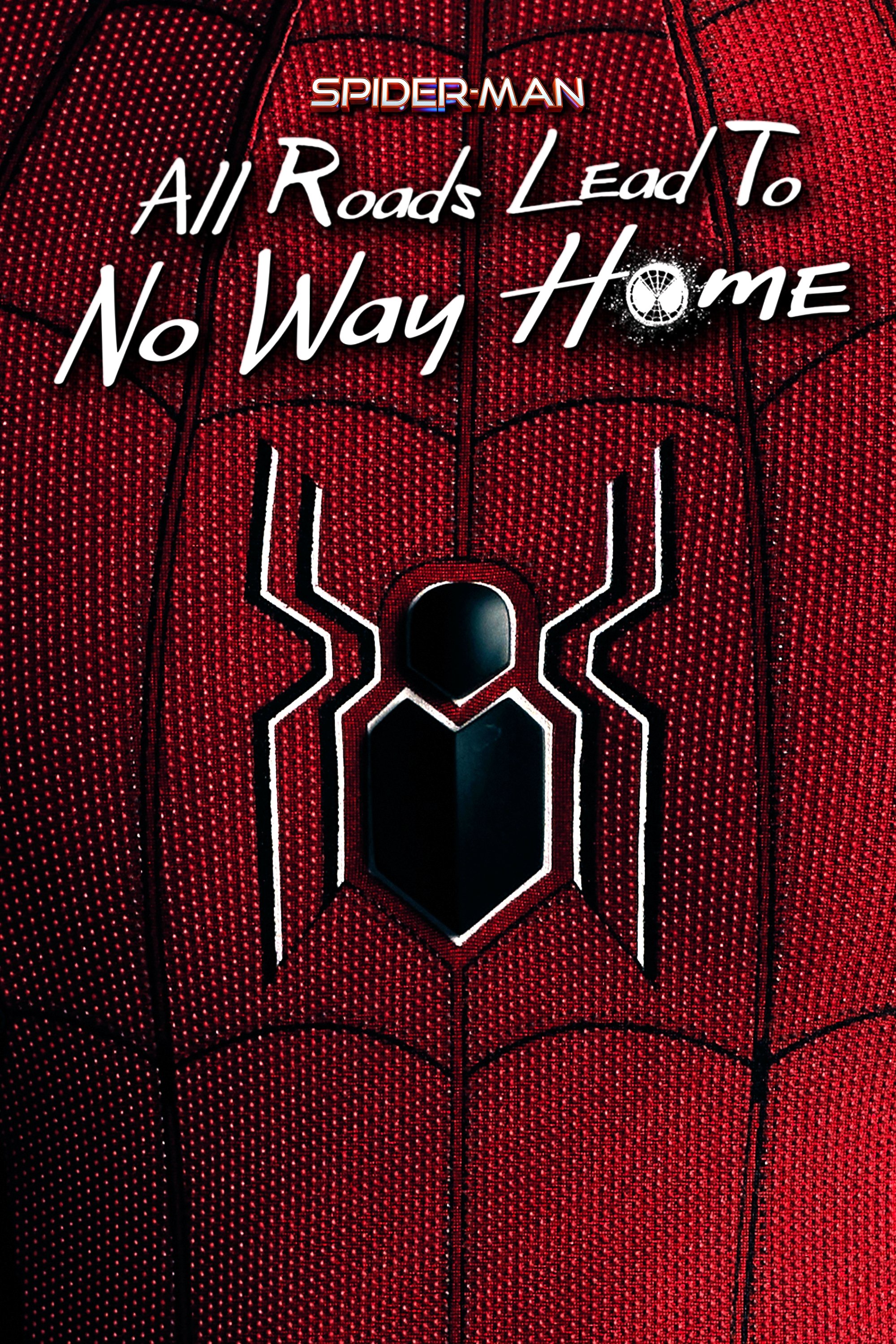
JB Smoove and Martin Starr host a celebration of 20 years of "Spider-Man" movies, from the Sam Raimi trilogy to Marc Webb's movies and the trio from Jon Watts.
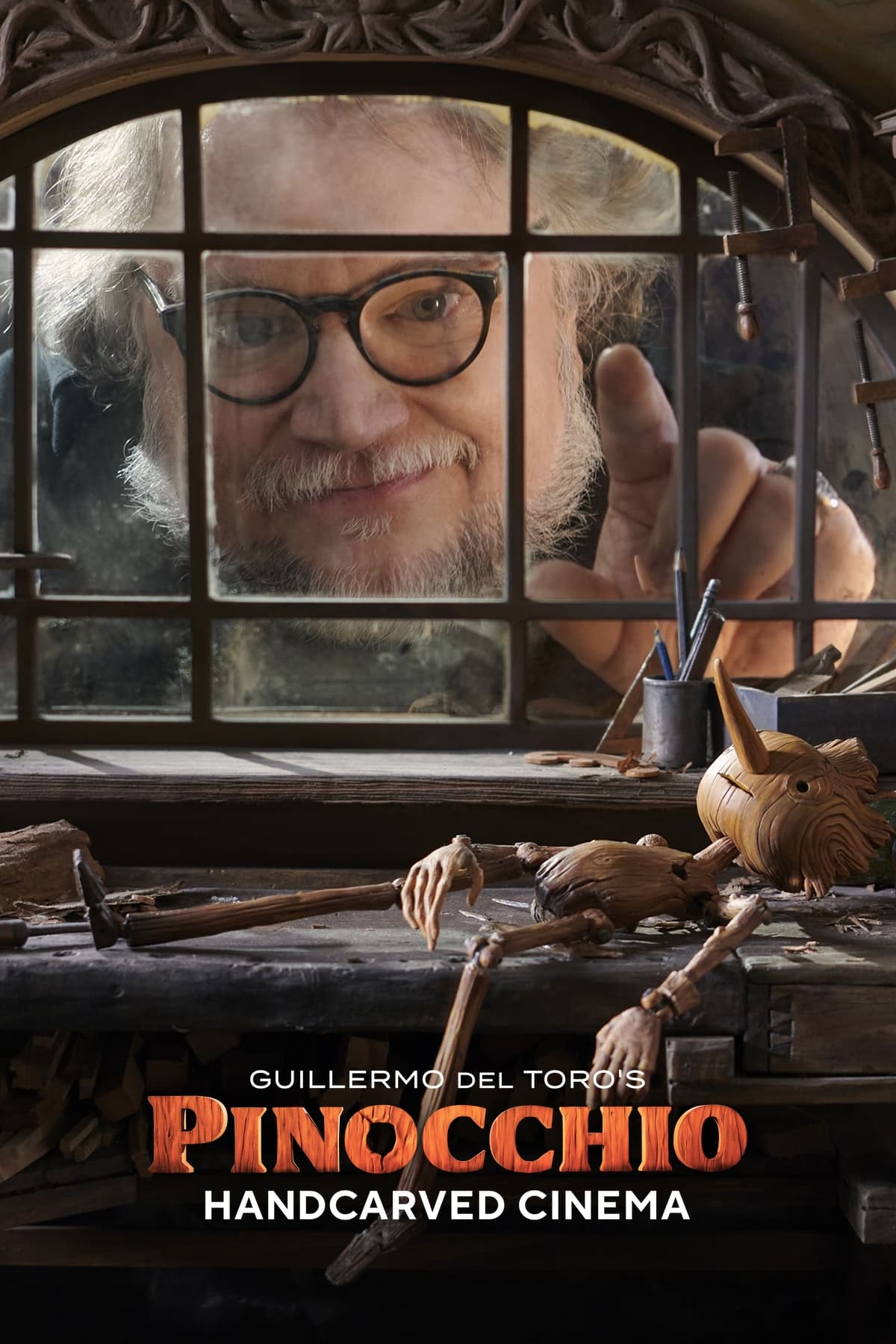
With mesmerizing footage and time lapses of animators at work, this behind-the-scenes special captures the artistry of a unique tale years in the making.
A feature length documentary about the all-women team at the helm of Pixar's original feature, Turning Red. With unprecedented behind-the-scenes access to Director Domee Shi and her core leadership crew, this story shines a light on the powerful professional and personal journeys that brought this incredibly comical, utterly relatable, and deeply heartfelt story to the screen.
An inside look at one of the most anticipated movie sequels ever with James Cameron and cast.
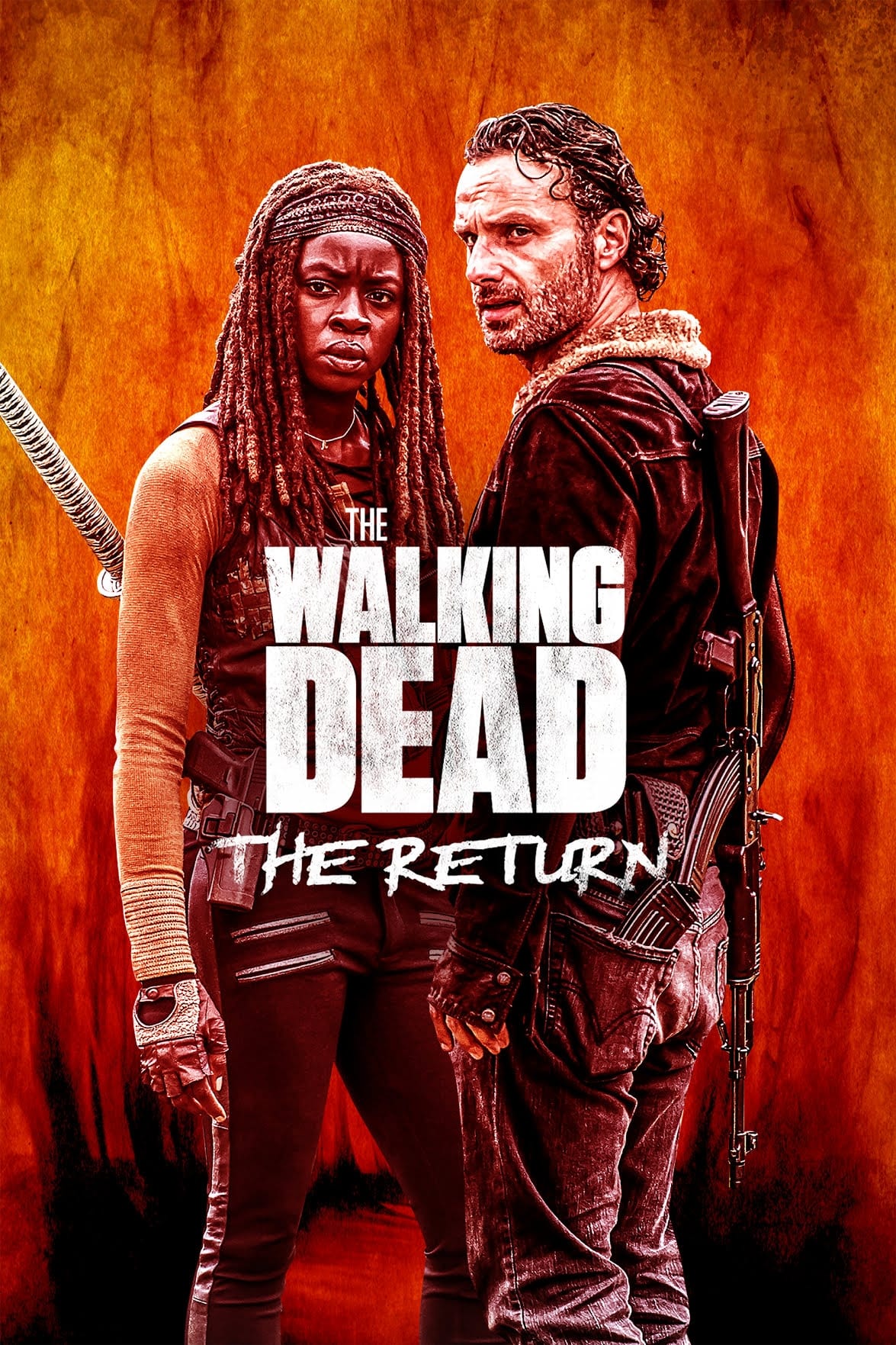
Stars of "The Walking Dead," Andrew Lincoln and Danai Gurira, walk down memory lane and visit iconic locations where pivotal moments between their characters, Rick and Michonne, were filmed.
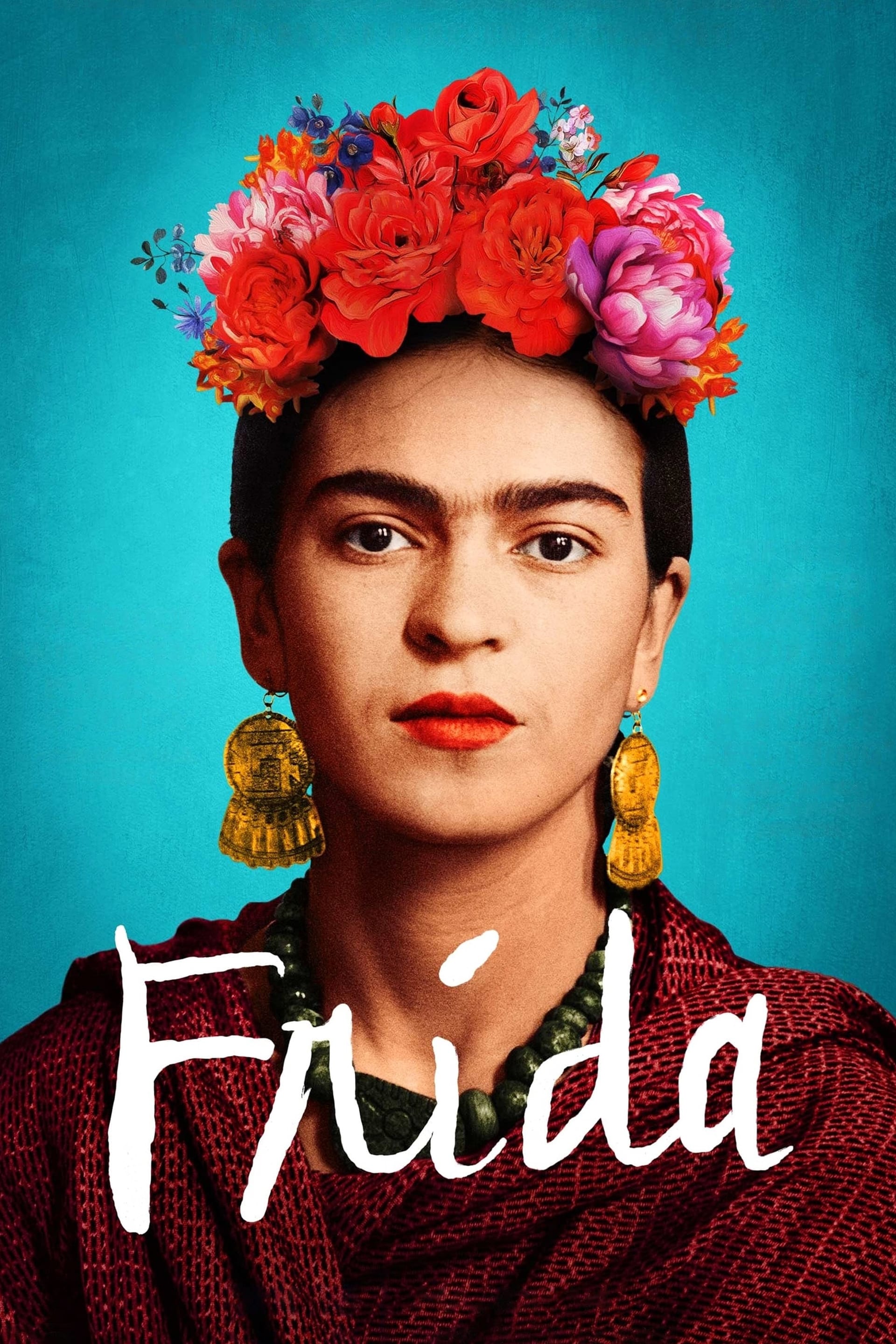
An intimately raw and magical journey through the life, mind, and heart of iconic artist Frida Kahlo. Told through her own words for the very first time — drawn from her diary, revealing letters, essays, and print interviews — and brought vividly to life by lyrical animation inspired by her unforgettable artwork.
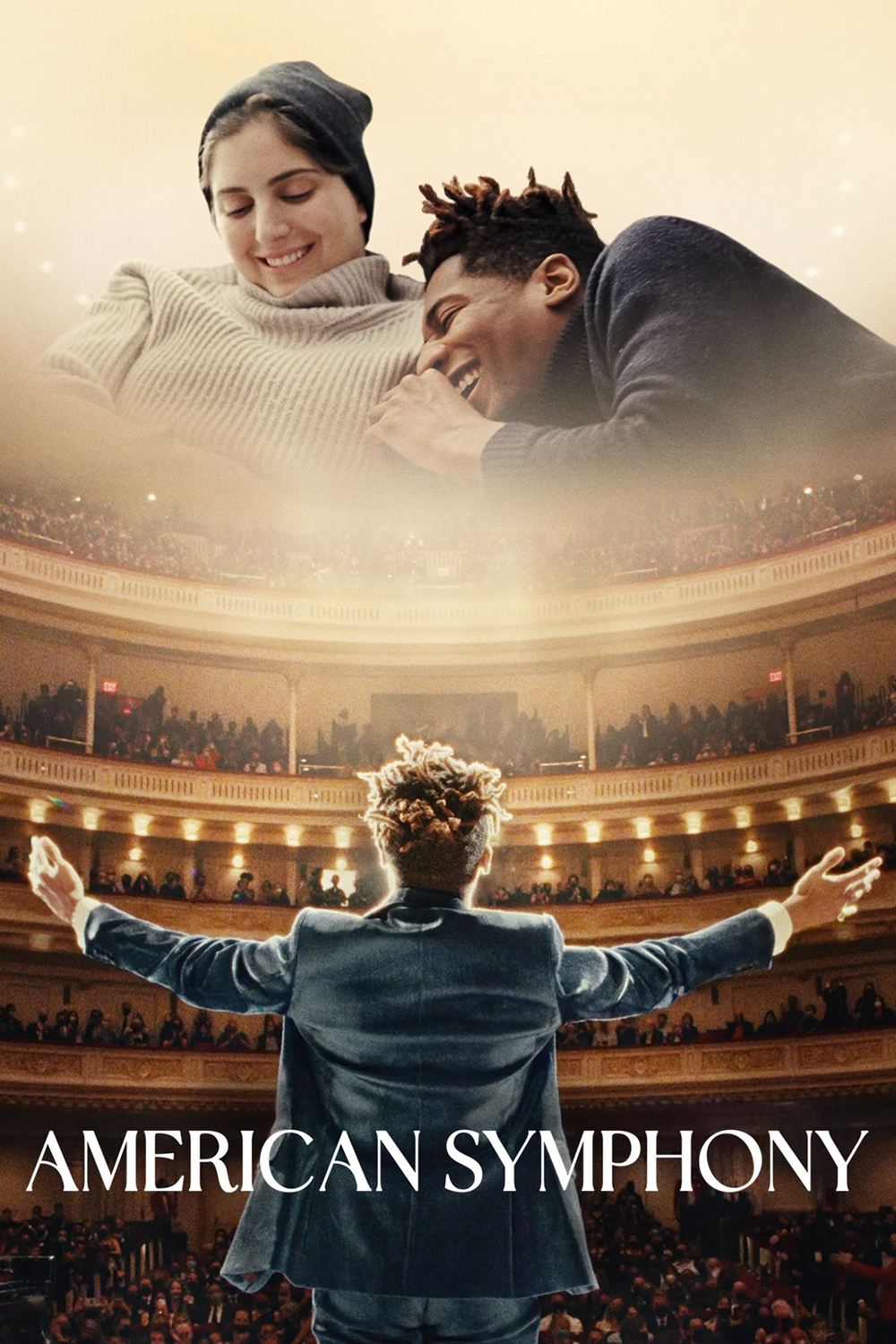
Musician Jon Batiste attempts to compose a symphony as his wife, writer Suleika Jaouad, undergoes cancer treatment.
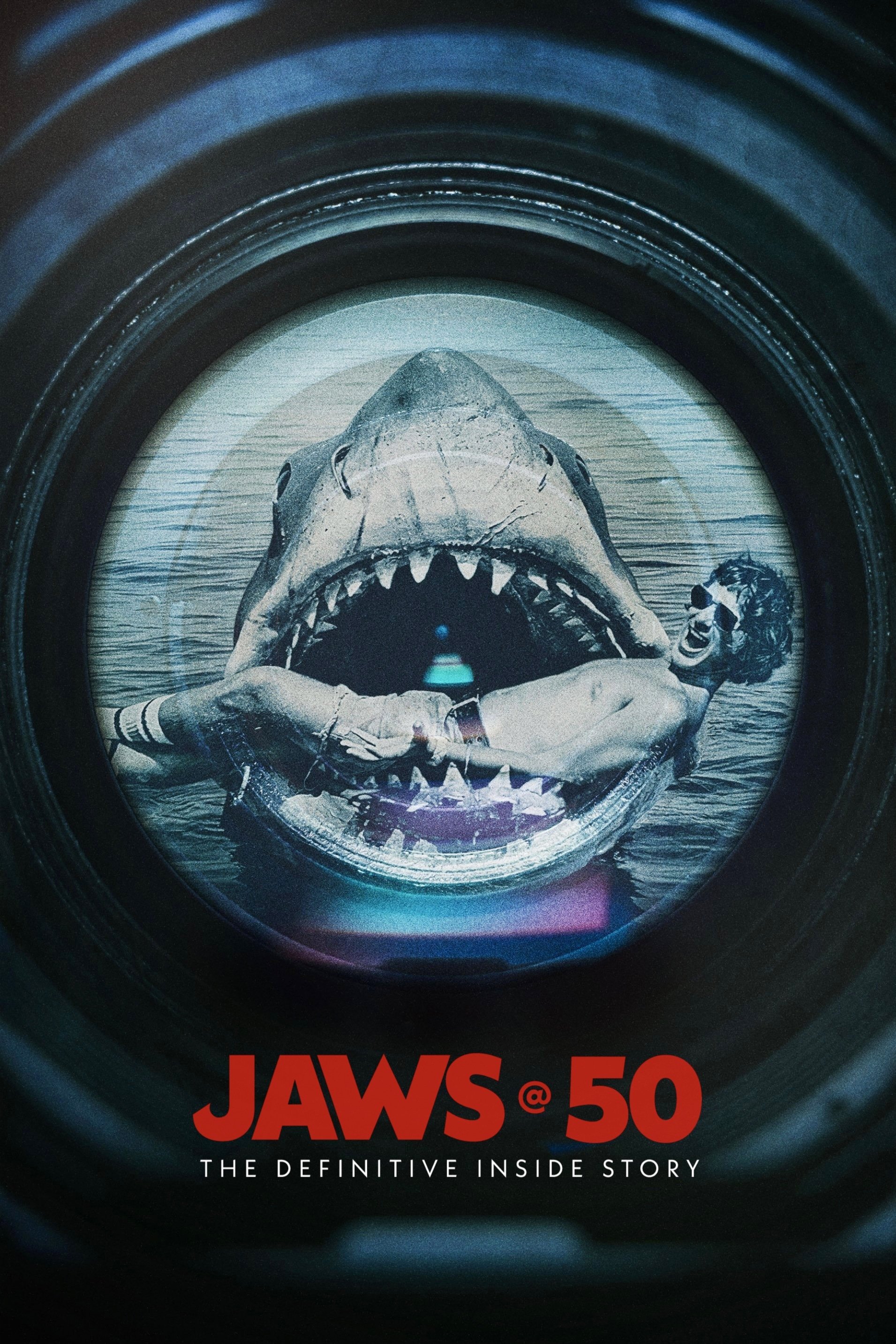
The authorized documentary celebrating the film that redefined Hollywood, 50 years after its premiere. Featuring rare archival footage and interviews with acclaimed Hollywood directors alongside Steven Spielberg, top shark scientists, and conservationists, the film uncovers the behind-the-scenes chaos and how the film launched the summer blockbuster, inspired a new wave of filmmakers, and paved the way for shark conservation that continues today.
This special explores the return of Obi-Wan Kenobi and Anakin Skywalker to the screen, as well as Ewan McGregor and Hayden Christensen to their classic roles. Director Deborah Chow leads the cast and crew as they create new heroes and villains that live alongside new incarnations of beloved Star Wars characters, and an epic story that dramatically bridges the saga films.
A tribute to Chadwick Boseman, celebrating his life and legacy.
In a warehouse in the heart of Los Angeles, a dwindling handful of devoted craftspeople maintain more than 80,000 student musical instruments, the largest remaining workshop in America of its kind. Meet four unforgettable characters whose broken-and-repaired lives have been dedicated to bringing so much more than music to the schoolchildren of this city.
Join director Chloe Zhao and the Cast of Eternals as they recount their experiences during the making of Marvel Studios’ most ambitious film to date. Discover how the ensemble cast felt stepping into their roles, filming in remote locations, and creating bonds that would help to create the on-screen relationships that span over 7,000 years.
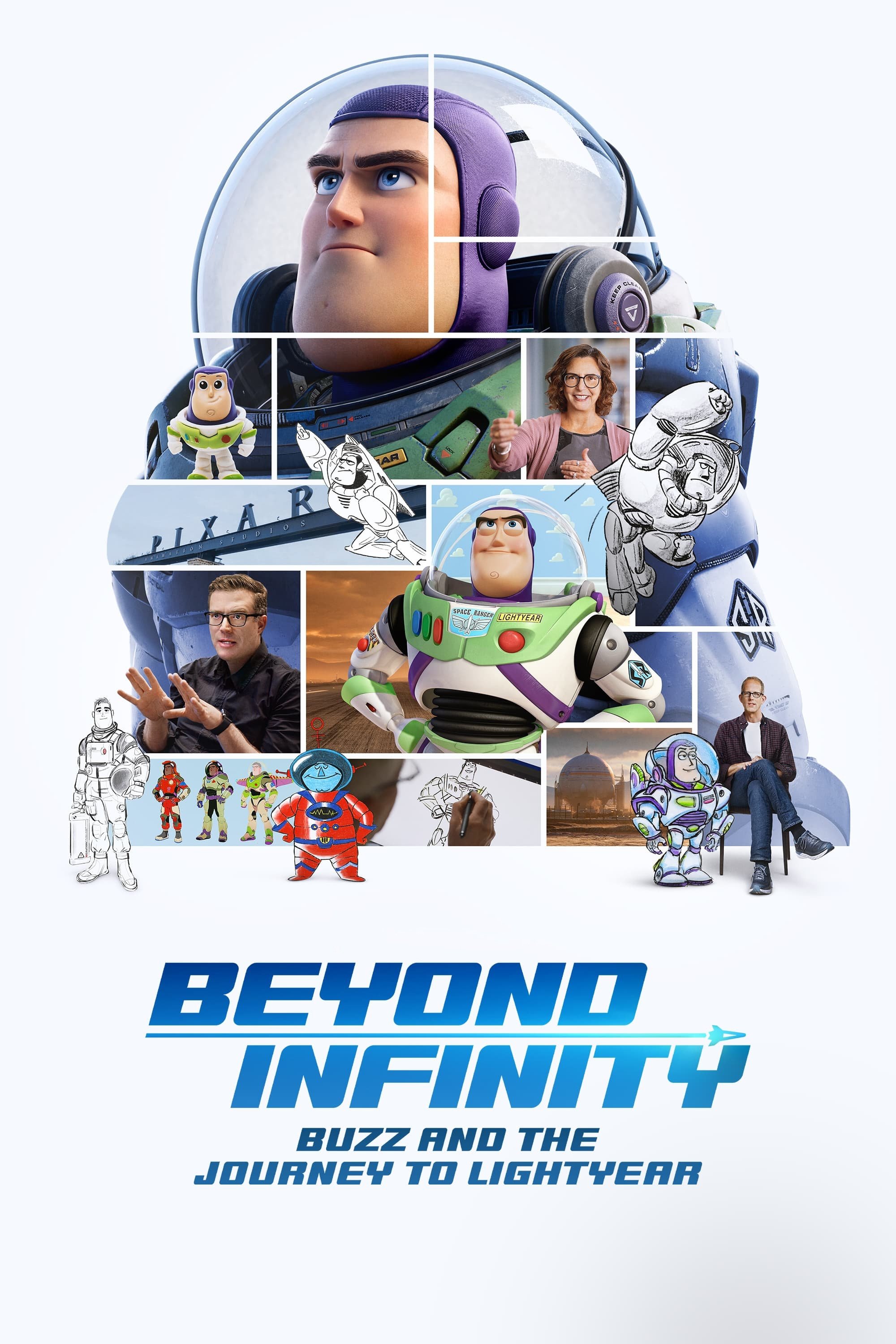
Explore the evolution of Buzz Lightyear from toy to human in the making of Pixar’s Lightyear. Dive into the origin and cultural impact of everyone’s favorite Space Ranger, the art of designing a new “human Buzz,” and the challenges faced by the Lightyear crew along the way.
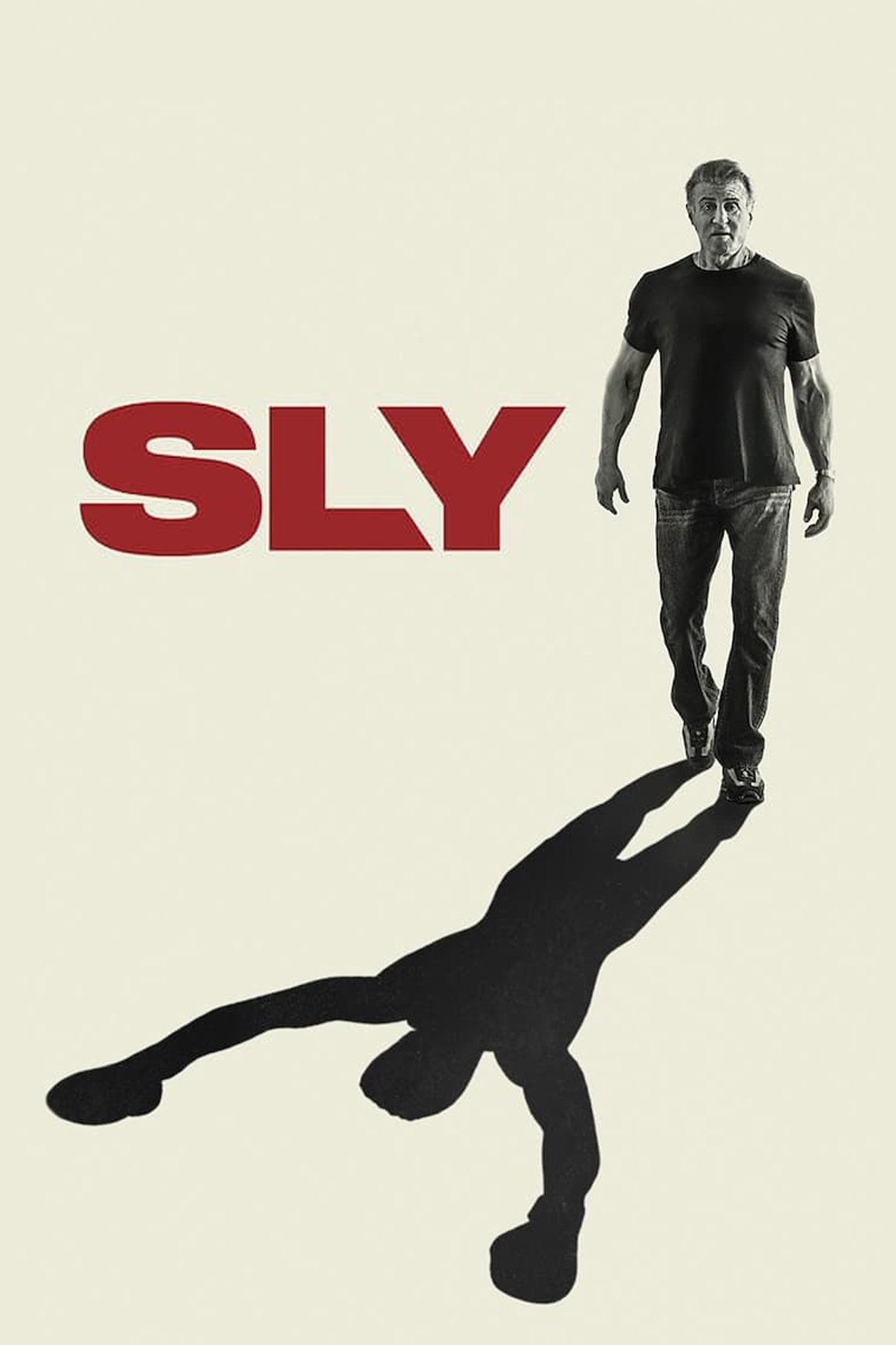
His love of film began as an escape from a rocky childhood. From underdog to Hollywood legend, Sylvester Stallone tells his story in this documentary.
After years in the limelight, Selena Gomez achieves unimaginable stardom. But just as she reaches a new peak, an unexpected turn pulls her into darkness. This uniquely raw and intimate documentary spans her six-year journey into a new light.
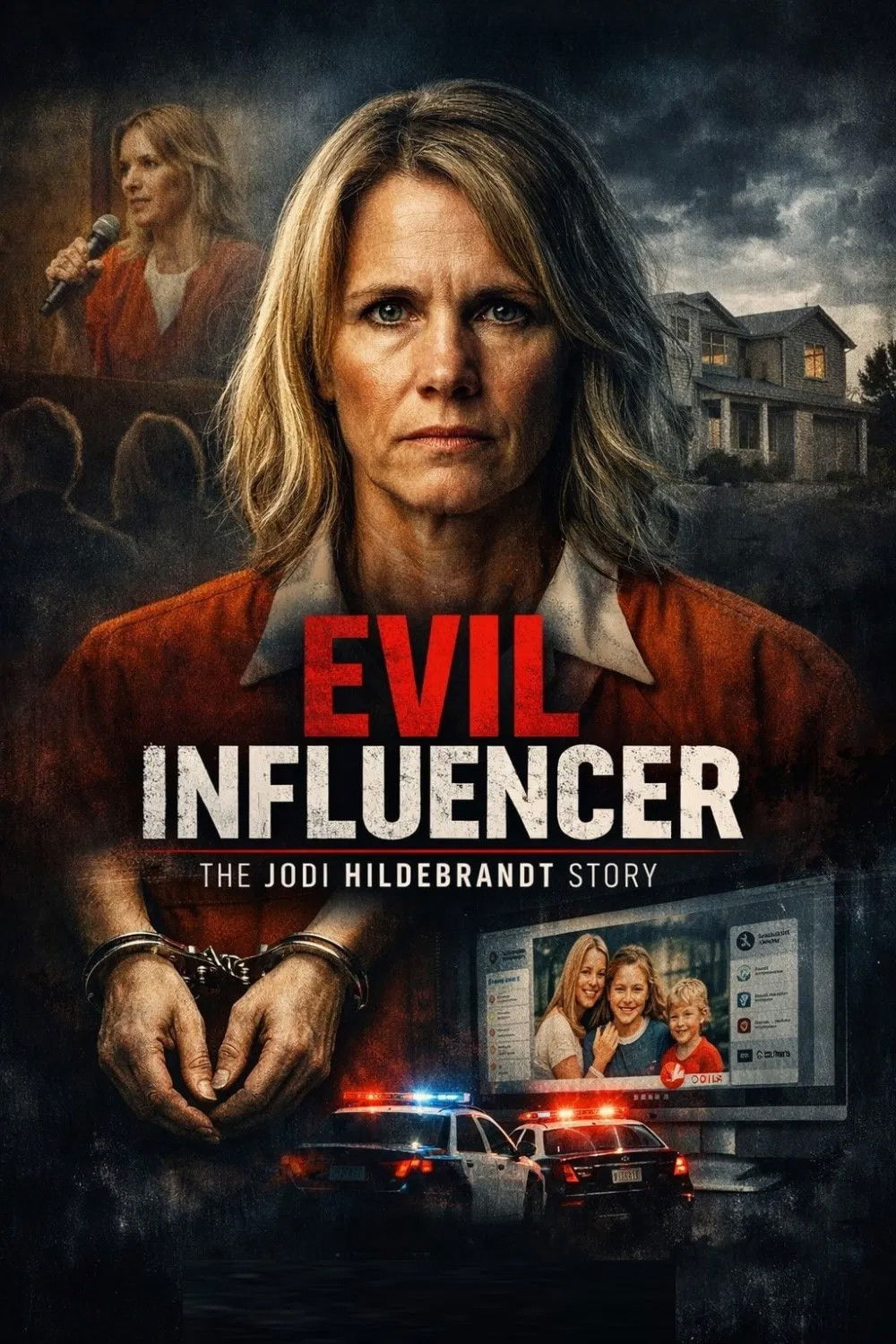
Unravel the case of Utah therapist Jodi Hildebrandt, whose child abuse arrest with parenting YouTuber Ruby Franke exposed a twisted tale of manipulation.
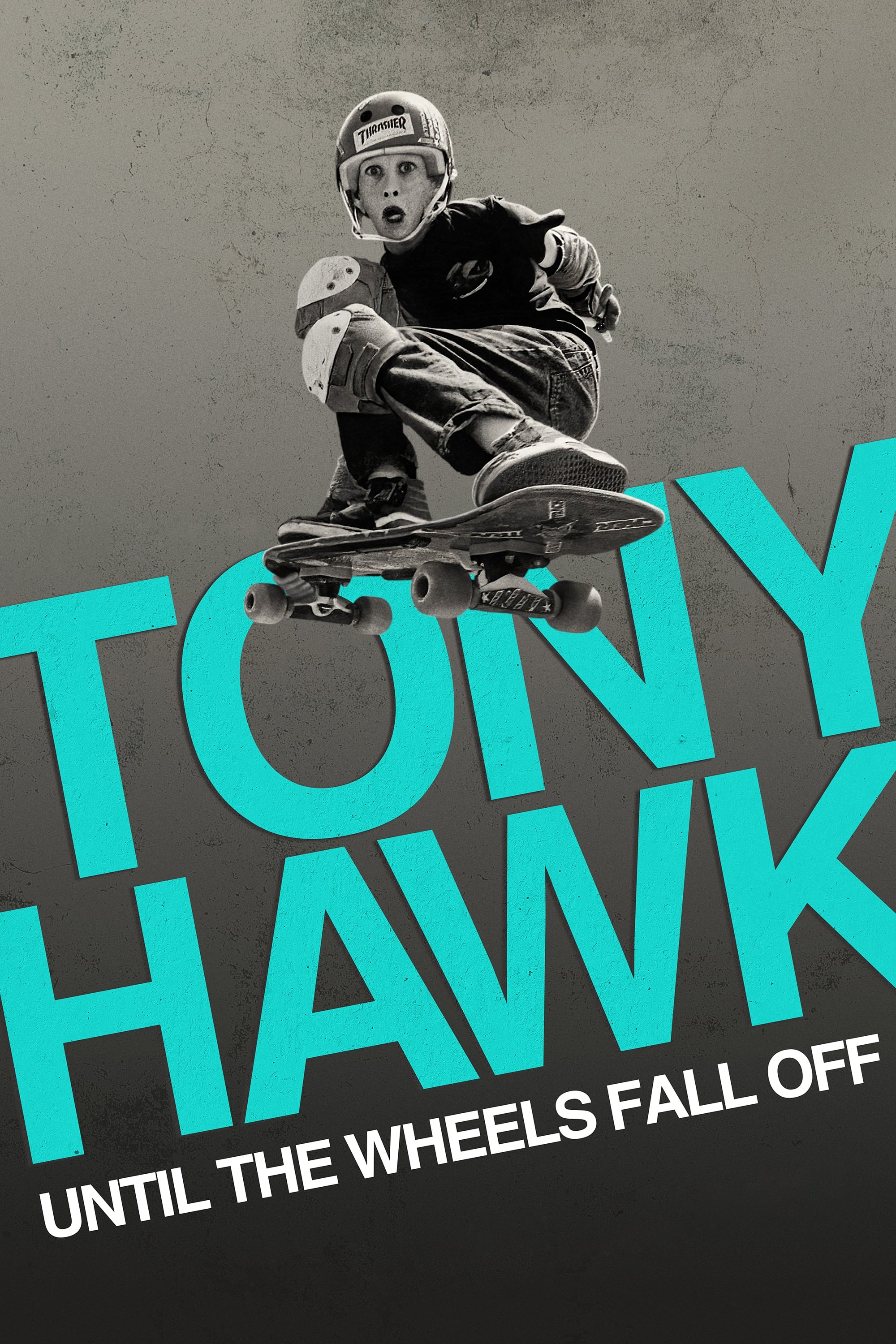
A wide-ranging, definitive look at Hawk’s life and iconic career, and his relationship with the sport with which he’s been synonymous for decades, featuring unprecedented access, never-before-seen footage, and interviews with Hawk and prominent figures in the sport including Stacy Peralta, Rodney Mullen, Mike McGill, Lance Mountain, Steve Caballero, Neil Blender, Andy MacDonald, Duane Peters, Sean Mortimer, and Christian Hosoi.
Through deeply personal interviews with her siblings and an examination of the photographs, letters, and belongings left behind, Mariska assembles a new portrait of her mother Jayne Mansfield, an extraordinary and complex woman.