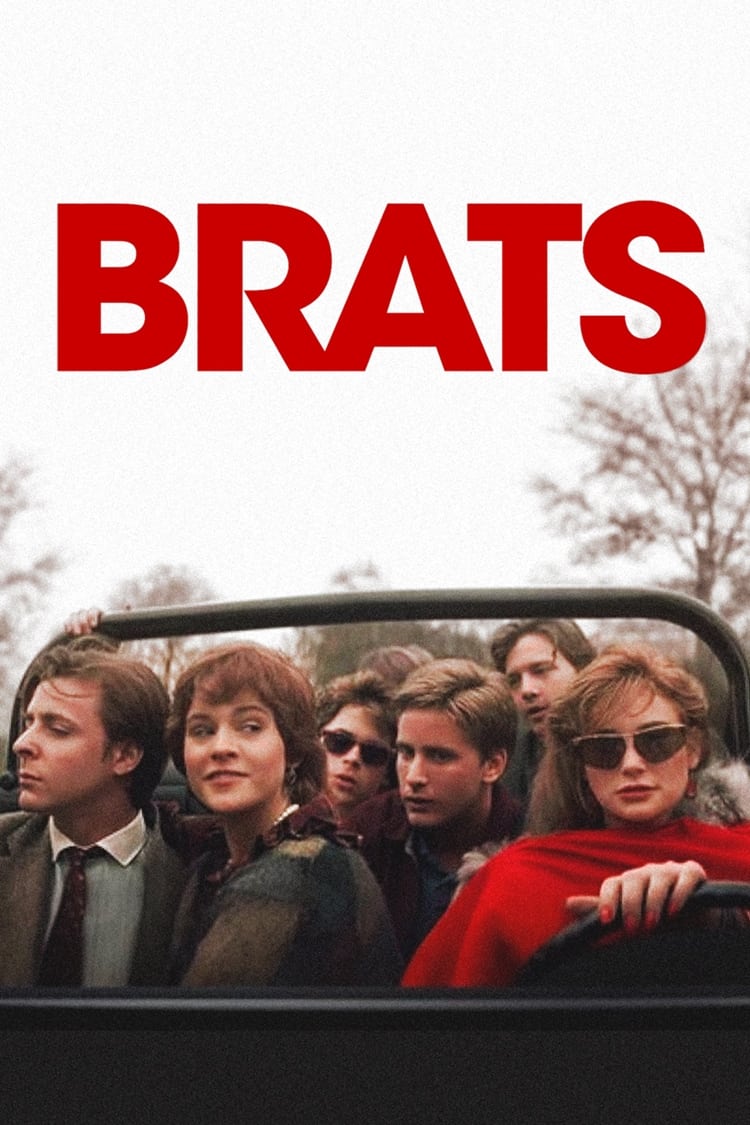
Early 1960s documentary into the spending habit of 'screenagers' (young cinema-goers aged between 16-24). Based on Mark Abrams' 1959 report, 'The Teenage Consumer'.
Social & External

Presenter
A travelogue through the diverse neighborhoods of Madrid, its picturesque streets and its history; and an approach, with a sense of humor, to the lighted signs and advertising slogans of the shops: an unusual portrait of the city and its people.
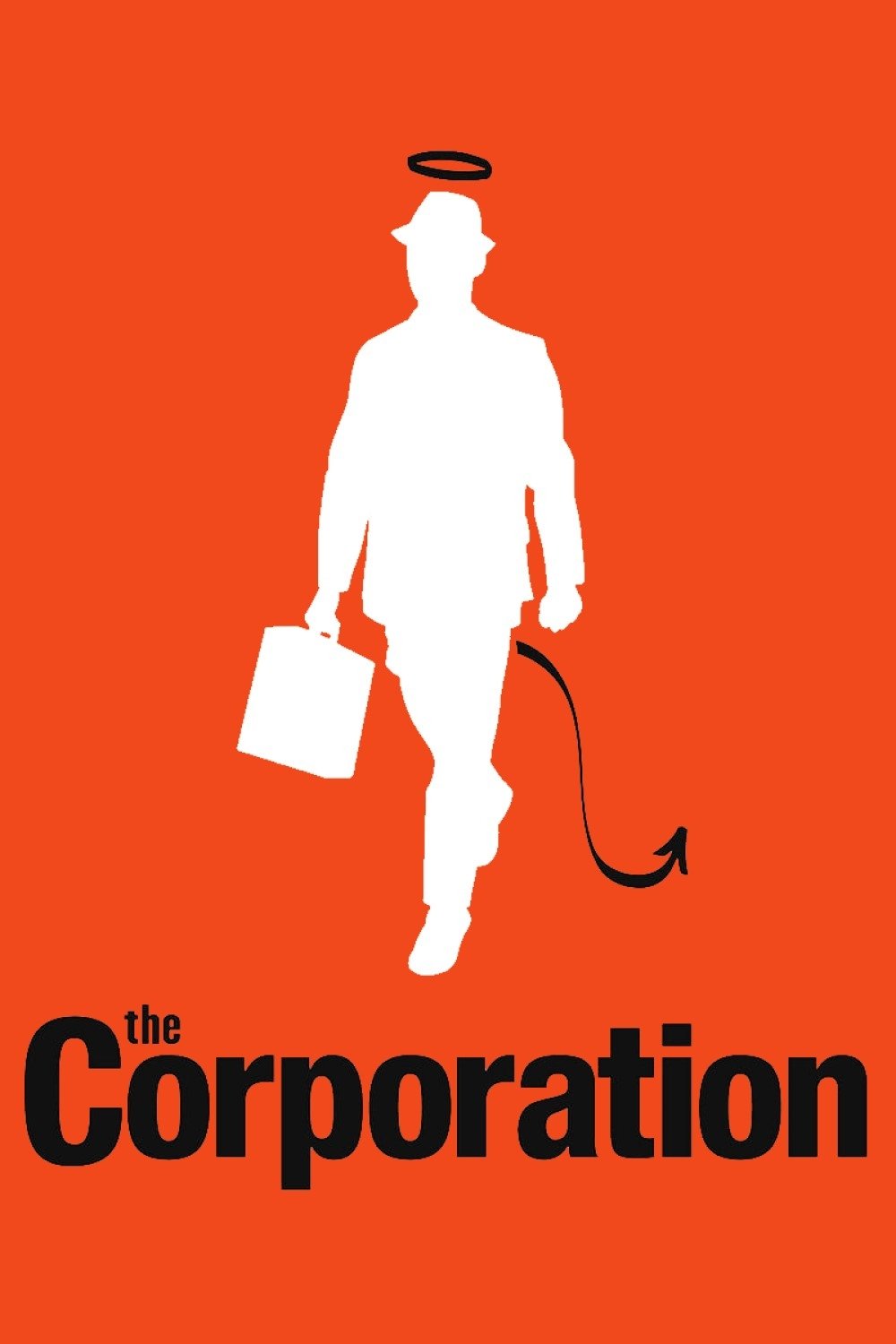
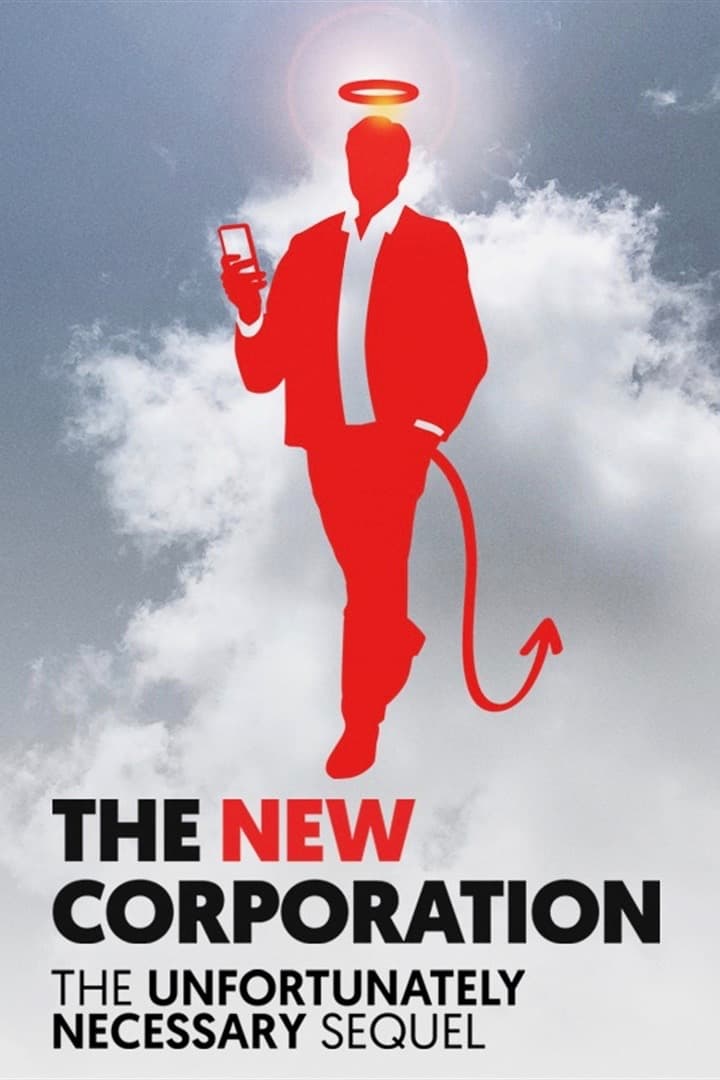
Since the late 18th century American legal decision that the business corporation organizational model is legally a person, it has become a dominant economic, political and social force around the globe. This film takes an in-depth psychological examination of the organization model through various case studies. What the study illustrates is that in the its behaviour, this type of "person" typically acts like a dangerously destructive psychopath without conscience. Furthermore, we see the profound threat this psychopath has for our world and our future, but also how the people with courage, intelligence and determination can do to stop it.
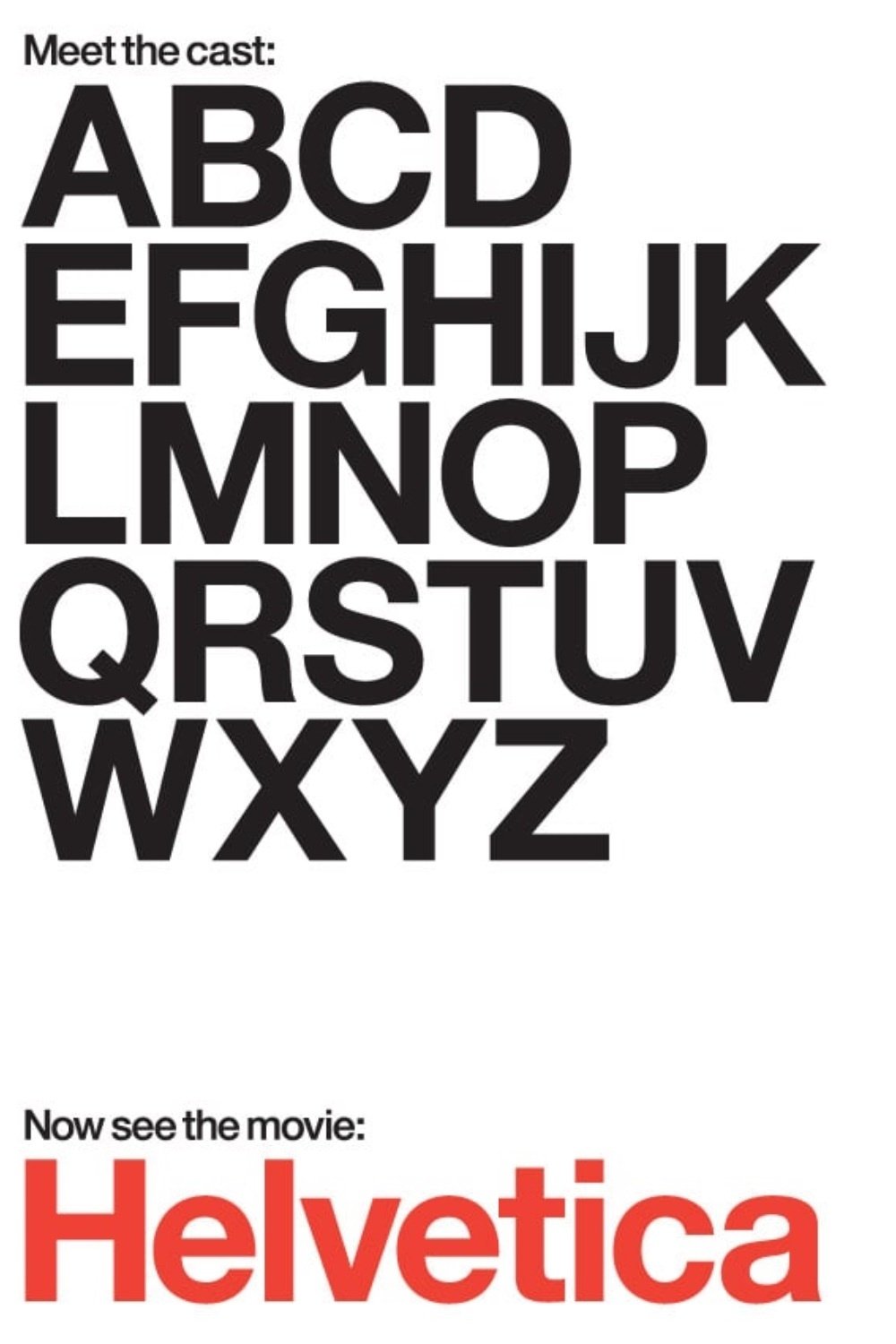
Helvetica is a feature-length independent film about typography, graphic design and global visual culture. It looks at the proliferation of one typeface (which will celebrate its 50th birthday in 2007) as part of a larger conversation about the way type affects our lives. The film is an exploration of urban spaces in major cities and the type that inhabits them, and a fluid discussion with renowned designers about their work, the creative process, and the choices and aesthetics behind their use of type.
Advertising: Colorful and projected on a large scale. The new era begins at the beginning of the 20th century in Berlin, Munich and Vienna. Lucian Bernhard, Ludwig Hohlwein and Julius Klinger put the products of industrialization in a new light: cars and cigarettes, fashion and cosmetics. The story of the three exceptional graphic artists and how their poster art revolutionized advertising.
'One Man and His Shoes' tells the story of the phenomenon of Air Jordan sneakers showing their social, cultural and racial significance and how ground-breaking marketing strategies created a multi-billion-dollar business.
Political spots are a genre with its own rules, continuities and ruptures. This film explores different visions of Argentina constructed by publicists and candidates faced with the task of seducing voters.
Once upon a time... consumer goods were built to last. Then, in the 1920’s, a group of businessmen realized that the longer their product lasted, the less money they made, thus Planned Obsolescence was born, and manufacturers have been engineering products to fail ever since. Combining investigative research and rare archive footage with analysis by those working on ways to save both the economy and the environment, this documentary charts the creation of ‘engineering to fail’, its rise to prominence and its recent fall from grace.
The personal odysseys of some of the most influential advertising visionaries of all time and the stories behind their campaigns.
The year 2024 marks the 50th anniversary of Paris Fashion Week. To mark the occasion, Loïc Prigent looks back on half a century of fashion design and evolution in Paris. The 1970s, with the arrival of a new generation such as Kenzo and Sonia Rykiel, changed the game by simplifying and democratizing collections. The 1980s saw the emergence of personalities with a great appetite for spectacle: Jean Paul Gaultier, Christian Lacroix, Thierry Mugler, and Karl Lagerfeld.
A documentary about branding, advertising and product placement that is financed and made possible by brands, advertising and product placement.
This tribute program takes you back into the world of Thierry Ardisson, a particularly creative, provocative, and erudite host and producer. From "Tout le monde en parle" to "Salut les Terriens !", via "Lunettes noires pour nuits blanches", the program retraces his more than 40-year career and his extraordinary journey, featuring cult interviews, testimonials, and archive footage. Numerous guests will pay tribute to him and share their memories and anecdotes on set. Thierry Ardisson, "the man in black," shook up the French audiovisual landscape and left his mark on his era. The program is broadcast on all TV5 Monde channels and on TV5 Québec/Canada.
You've seen him interview Mikhail Gorbachev, Angelina Jolie, Robbie Williams, Mariah Carey, Brad Pitt, Jane Fonda, Robert De Niro... You know him, but you don't really know him. Everyone has talked about Ardisson without ever getting close to the truth about him. My ambition: to reveal the man behind the costume of "The Man in Black." I thought to myself: if anyone can figure him out, it's me, a journalist and portraitist who has lived with him for 15 years. Who is the private Thierry behind the spectacular Ardisson? What we discover is how much Ardisson's personal history reflects the eras he has lived through, their contradictions, their utopias, their excesses, their violence. Like so many facets of a man and of society at the turn of the century.
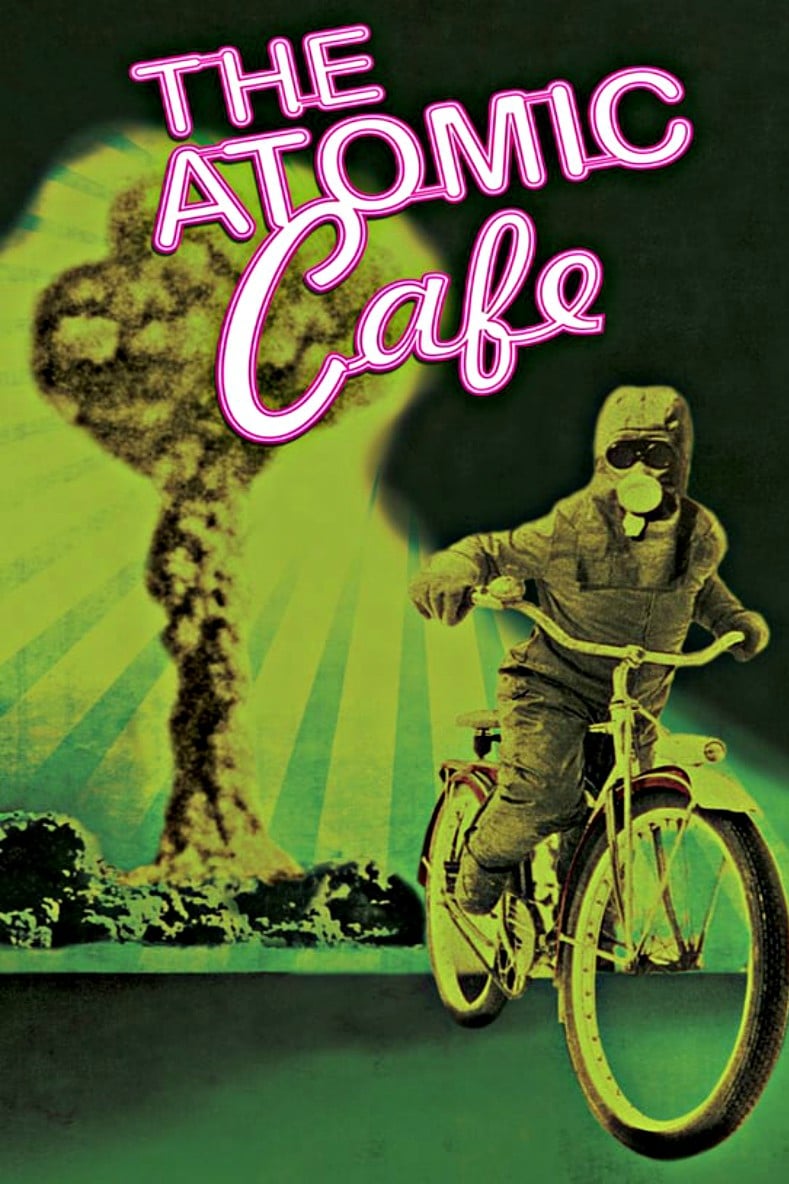
A disturbing collection of 1940s and 1950s United States government-issued propaganda films designed to reassure Americans that the atomic bomb was not a threat to their safety.
Focusing directly on the world of commercial images, Sut Jhally asks some basic questions about the cultural messages emanating from this market-based view of the world: Do our present arrangements deliver what they claim -- happiness and satisfaction? Can we think about our collective as well as our private interests? And, can we think long-term as well as short-term?
TVTV turns its critical eye to the world of advertising in Adland, subtitled Where Commercials Come From. Focusing on the reality behind the image, and specifically on the strategies of Madison Avenue, they interview prominent 1970s admen such as George Lois and Jerry Della Femina. They also go behind the scenes of commercial shoots, where such figures as Ronald McDonald and the precocious child actor Mason Reese are put through grinding routines, only to reveal themselves as jaded pros off-camera. In this clear-eyed look at the manipulation inherent in advertising, the TVTV crew meets its match in the relentless cynicism and masculine braggadocio of the seasoned admen; ultimately, TVTV conveys respect for the savvy and skills of these shrewd veterans.
Breast cancer has become the poster child of corporate cause-related marketing campaigns. Countless women and men walk, bike, climb and shop for the cure. Each year, millions of dollars are raised in the name of breast cancer, but where does this money go and what does it actually achieve? Pink Ribbons, Inc. is a feature documentary that shows how the devastating reality of breast cancer, which marketing experts have labeled a "dream cause," becomes obfuscated by a shiny, pink story of success.
In 1990, SEGA, a fledgling arcade company assembled a team of misfits to take on the greatest video game company in the world, Nintendo. It was a once-in-a-lifetime, no-holds-barred conflict that pit brother against brother, kids against grownups, Sonic against Mario, and uniquely American capitalism against centuries-old Japanese tradition. For the first time ever, the men and women who fought on the front lines for Sega and Nintendo discuss this battle that defined a generation.
Part of a triptych of fashion films edited from Erwin Blumenfeld's original footage by filmmaker Adam Mufti and sound designer Olivier Alary. This film examines the concept of 'Adertising & Layout' in Blumenfeld's motion image work.
Part of a triptych of fashion films edited from Erwin Blumenfeld's original footage by filmmaker Adam Mufti and sound designer Olivier Alary. This film examines the concept of 'Abstraction & Distortion' in Blumenfeld's motion image work.