Social & External
The people behind it
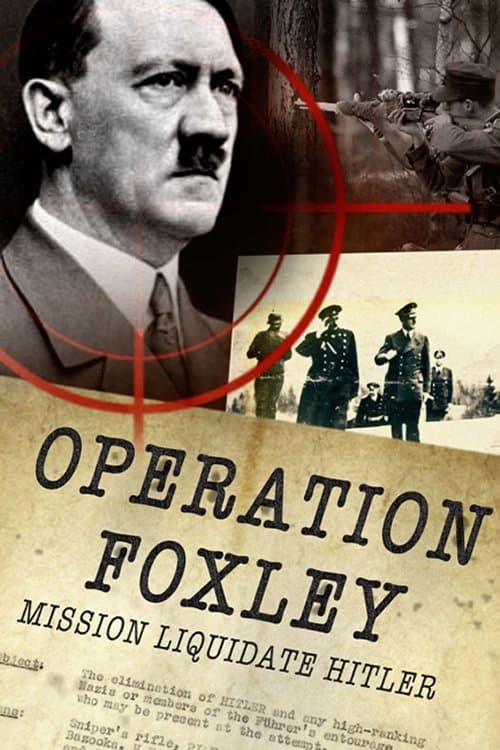
Throughout his time as head of the Nazi party, Adolph Hitler evaded numerous attempts to assassinate him. However the secret Operation Foxely came the closest to succeeding. Based on declassified World War II documents from the British secret service, this award-winning film reconstructs the detailed plan that nearly resulted in the murder of the notorious German Fuhrer, and why it failed.
The life and career of the hailed Hollywood movie star and underappreciated genius inventor, Hedy Lamarr.
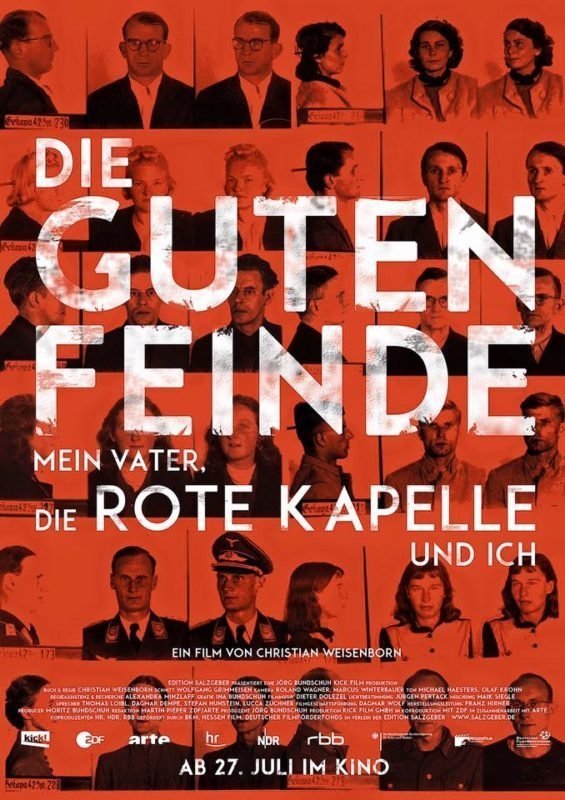
An intimate quest by a son to understand the identity of his father; a look back at the Berlin of the 30s and a special group of friends who loved life and, in the darkest hours of German history, ultimately chose good over evil.
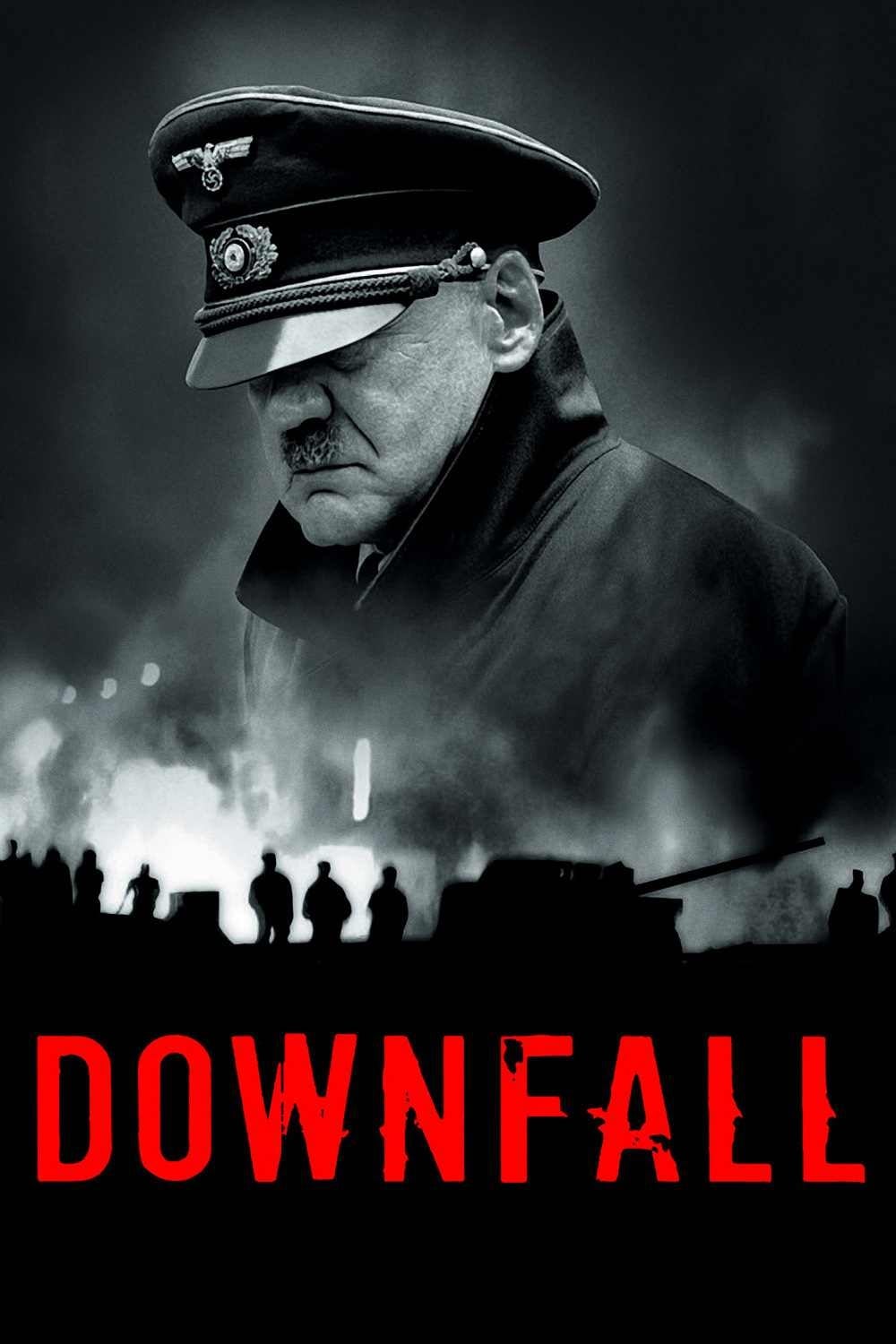
In April of 1945, Germany stands at the brink of defeat with the Russian Army closing in from the east and the Allied Expeditionary Force attacking from the west. In Berlin, capital of the Third Reich, Adolf Hitler proclaims that Germany will still achieve victory and orders his generals and advisers to fight to the last man. When the end finally does come, and Hitler lies dead by his own hand, what is left of his military must find a way to end the killing that is the Battle of Berlin, and lay down their arms in surrender.
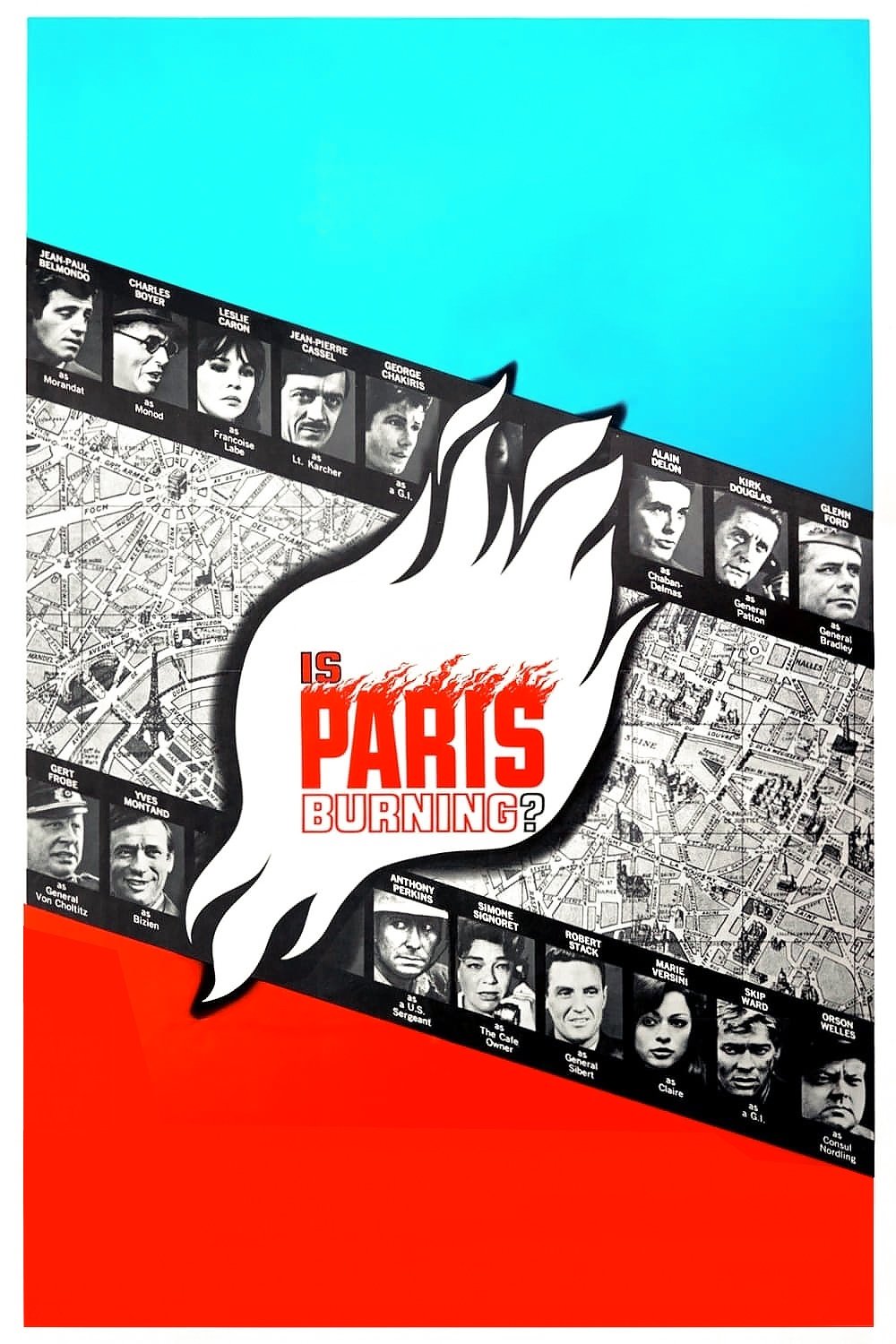
Near the end of World War II, General Dietrich von Choltitz receives orders to burn down Paris if it becomes clear the Allies are going to invade, or if he's unable to maintain control of the city. After much contemplation, Choltitz ignores orders, enraging the Germans and giving hope to various resistance factions that the city will be liberated. Choltitz, alongside Swedish diplomat Raoul Nordling, helps a leader organise his forces.
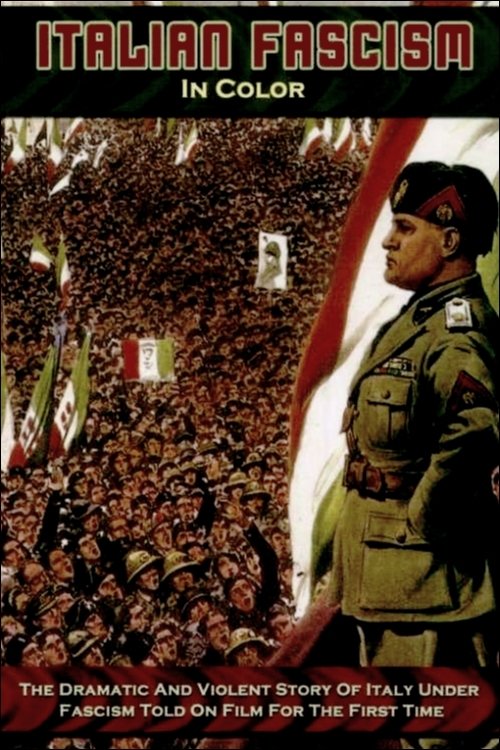
After the World War I, Mussolini's perspective on life is severely altered; once a willful socialist reformer, now obsessed with the idea of power, he founds the National Fascist Party in 1921 and assumes political power in 1922, becoming the Duce, dictator of Italy. His success encourages Hitler to take power in Germany in 1933, opening the dark road to World War II. (Originally released as a two-part miniseries. Includes colorized archival footage.)
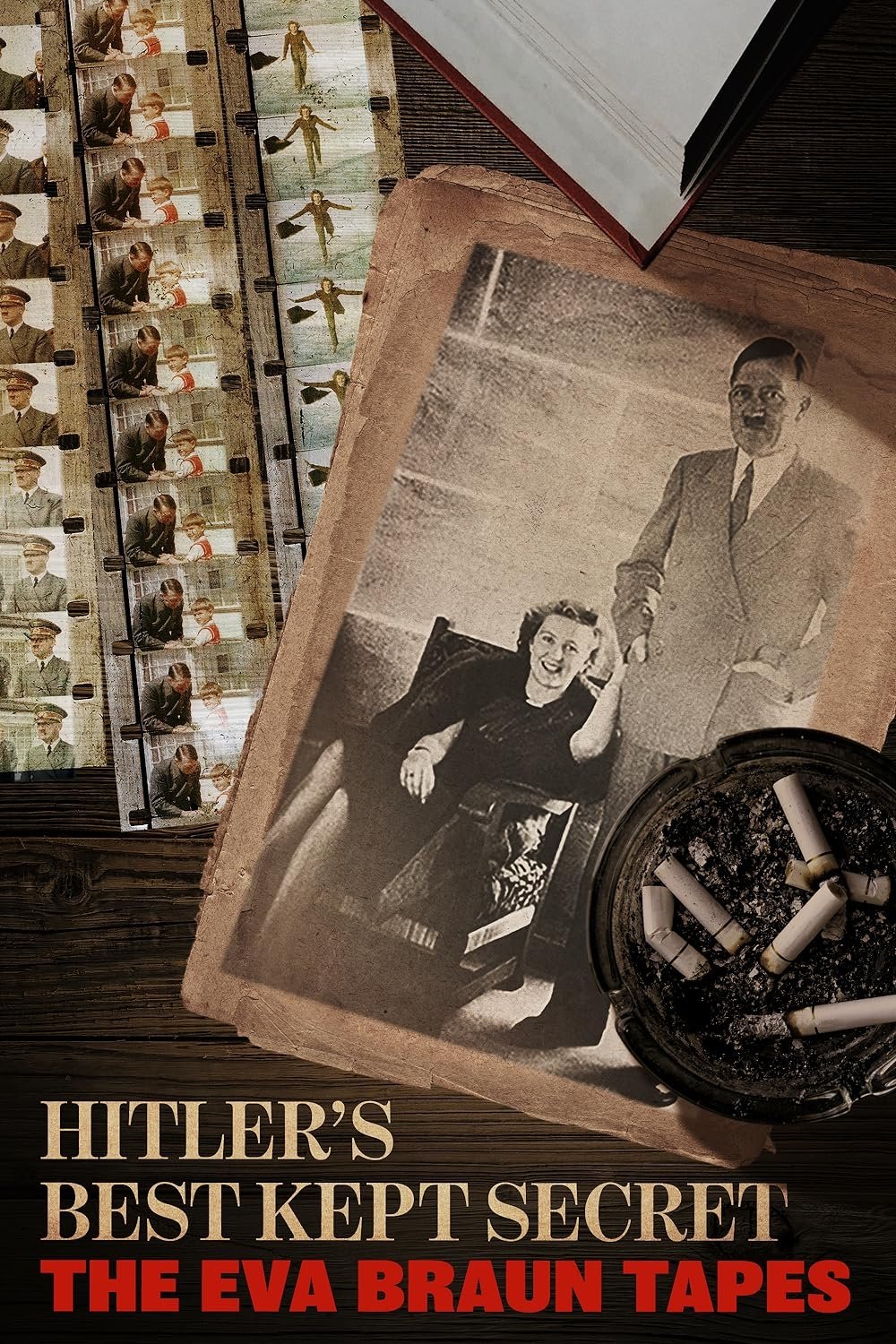
Eva Braun. Hitler’s mistress and eventual wife. A woman with a passion for photography and film, documenting the daily ongoings among Hitler’s inner circle. Now, a haunting look behind closed doors, uncovering the Eva Braun tapes.
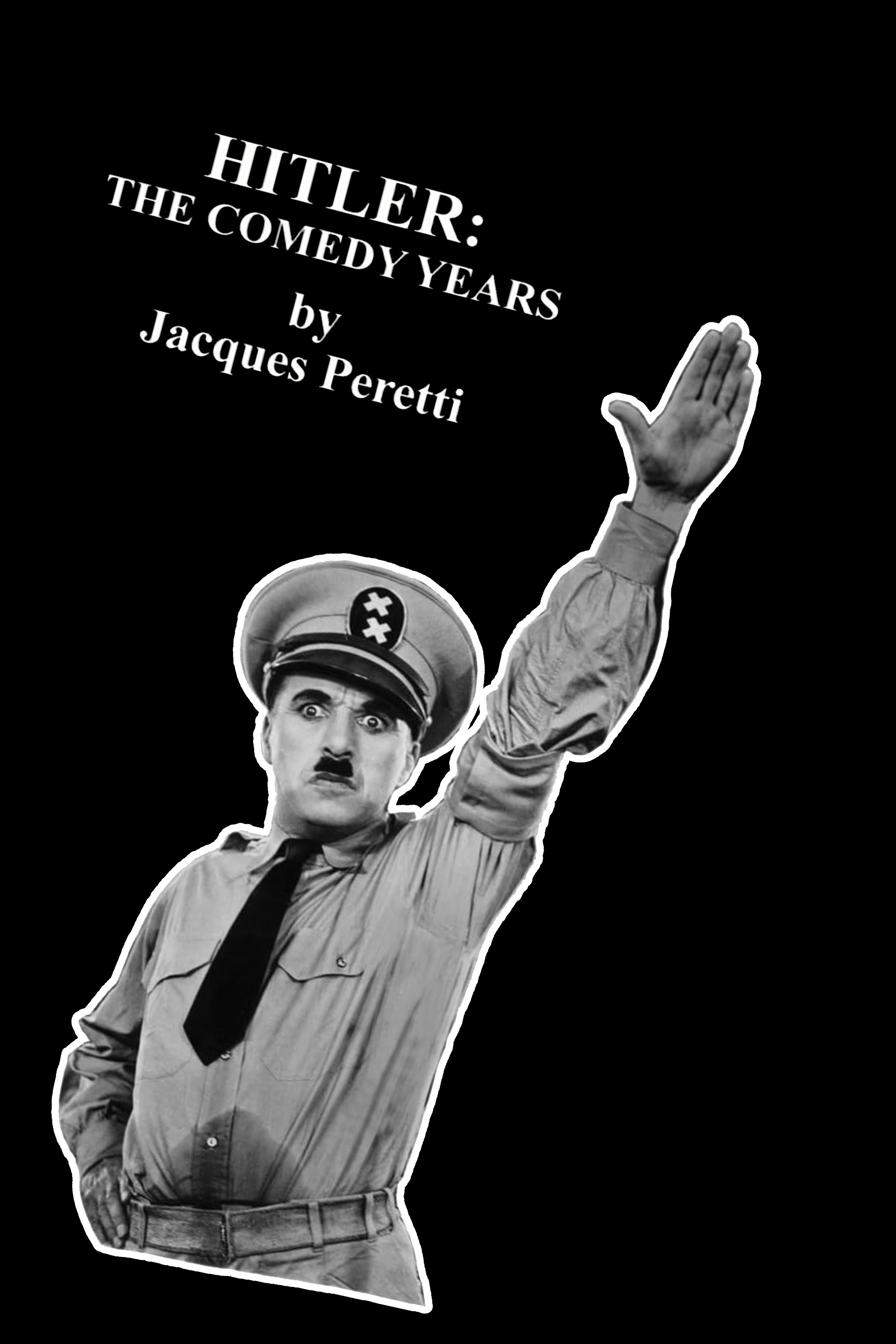
A documentary about the portrayal of Adolf Hitler in popular culture.
The life and career of Erwin Rommel and his involvement in the plot to assassinate Hitler.
From May 10, 1940, France is living one of the worst tragedies of it history. In a few weeks, the country folds, and then collapsed in facing the attack of the Nazi Germany. On June 1940, each day is a tragedy. For the first time, thanks to historic revelations, and to numerous never seen before images and documents and reenacted situations of the time, this film recounts the incredible stories of those men and women trapped in the torment of this great chaos.
As Minister of Propaganda, Joseph Goebbels creates films and pictures used to prepare the Germans for Total War and the Holocaust. When the war is lost, he conceives his last staging, the most radical propaganda act still possible to him.
Winston Churchill, one of the most revered men of the twentieth century. Adolf Hitler, one of the most hated leaders in contemporary history. Between 1940 and 1945, these two enormously contradictory personalities faced each other in both politics and war. A clash of giants whose story begins in the trenches of the World War I and ends with the debacle of the World War II.
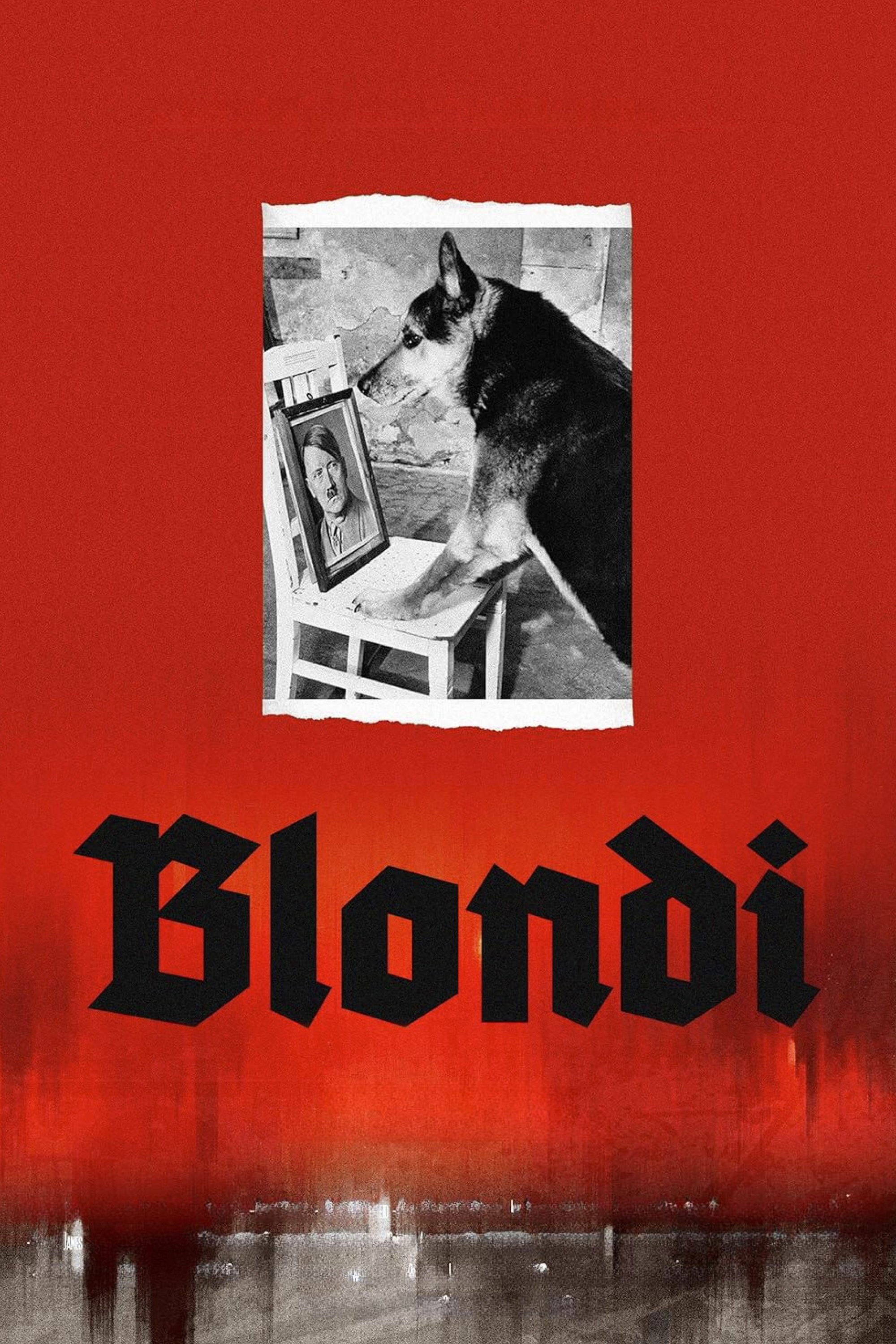
Can a dog still be man’s best friend if that man is the Führer? Blondi explores the bizarre bond between Hitler and his beloved German Shepherd. From eating the crumbs under the table at the Führer’s birthday, to living in the confinement of the bunker, this film presents intimate glimpses of the dog’s daily life intertwined with the realities of war, depicting the oblivious pet's surreal impact on the Reich.
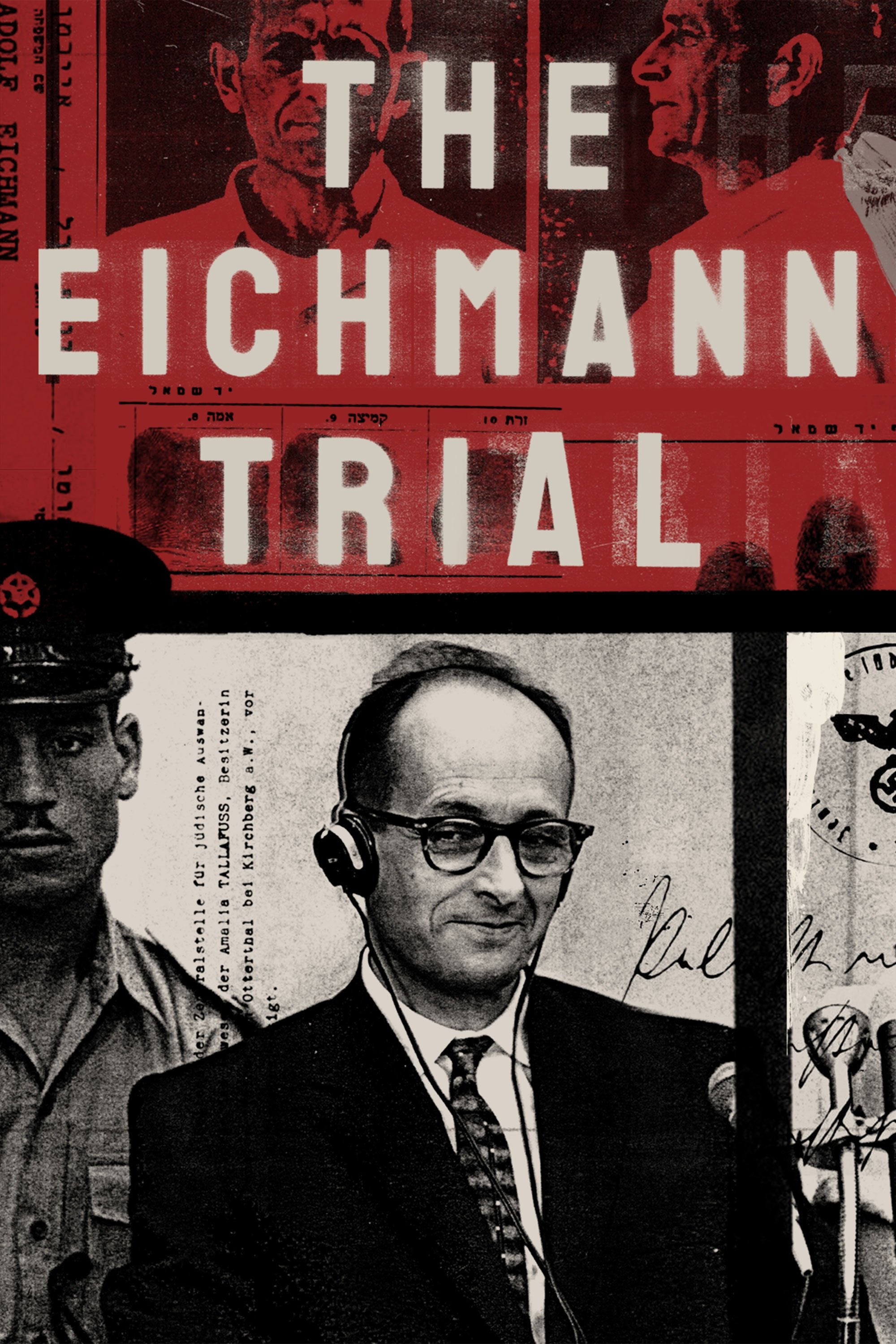
In 1961, history was on trial... in a trial that made history. Just 15 years after the end of WWII, the Holocaust had been largely forgotten. That changed with the capture of Adolf Eichmann, a former Nazi officer hiding in Argentina. Through rarely-seen archival footage, The Eichmann Trial documents one of the most shocking trials ever recorded, and the birth of Holocaust awareness and education.
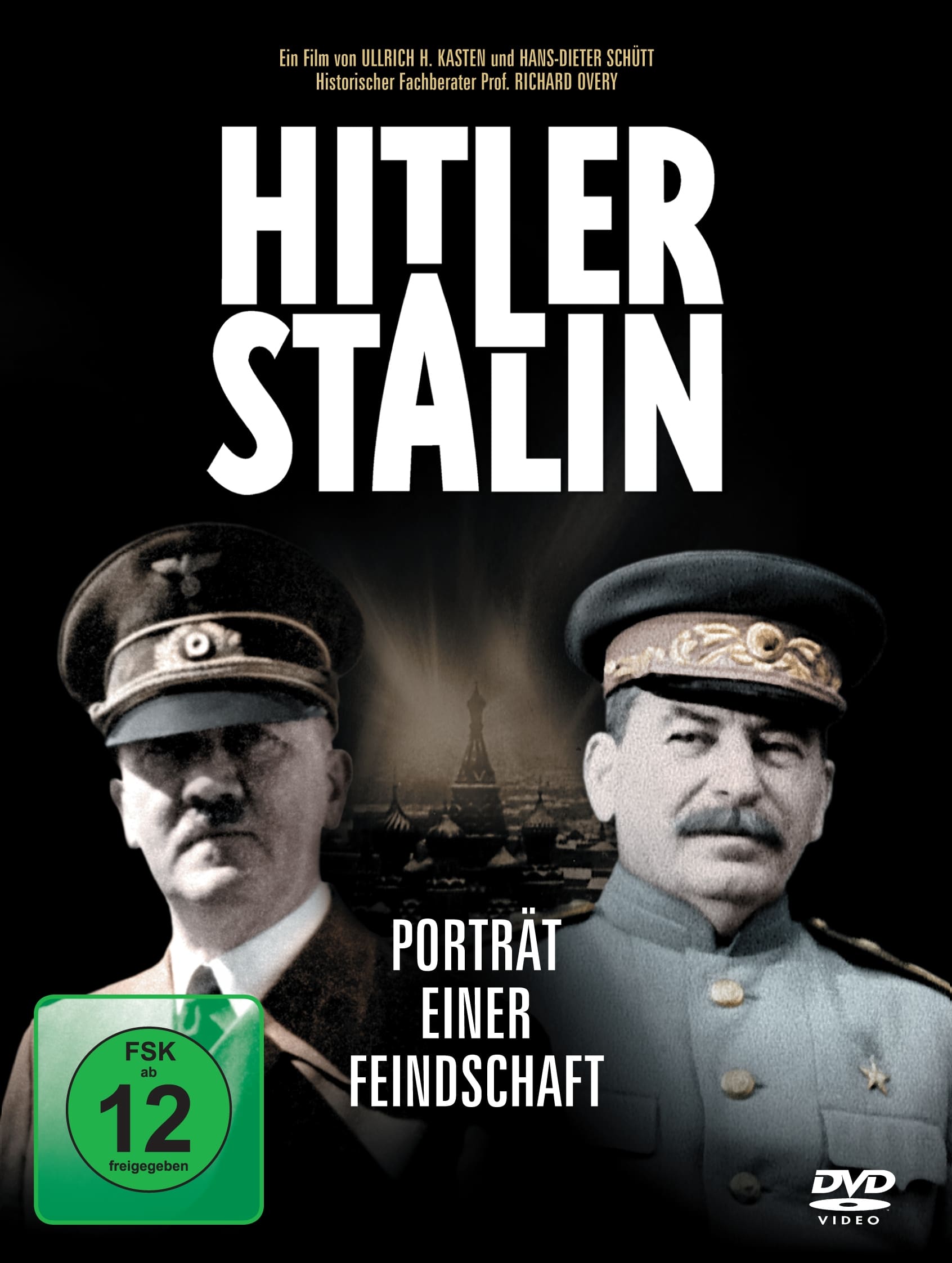
A double portrait of two dictators who were thousands of miles apart but were constantly fixated on each other.
Comprised of footage shot during the Nazi regime, including propaganda, newsreels, broadcasts and even some of Eva Braun's colorized personal home movies, we explore the way in which the Third Reich infiltrated the lives of the German population, from 1933 to 1945.
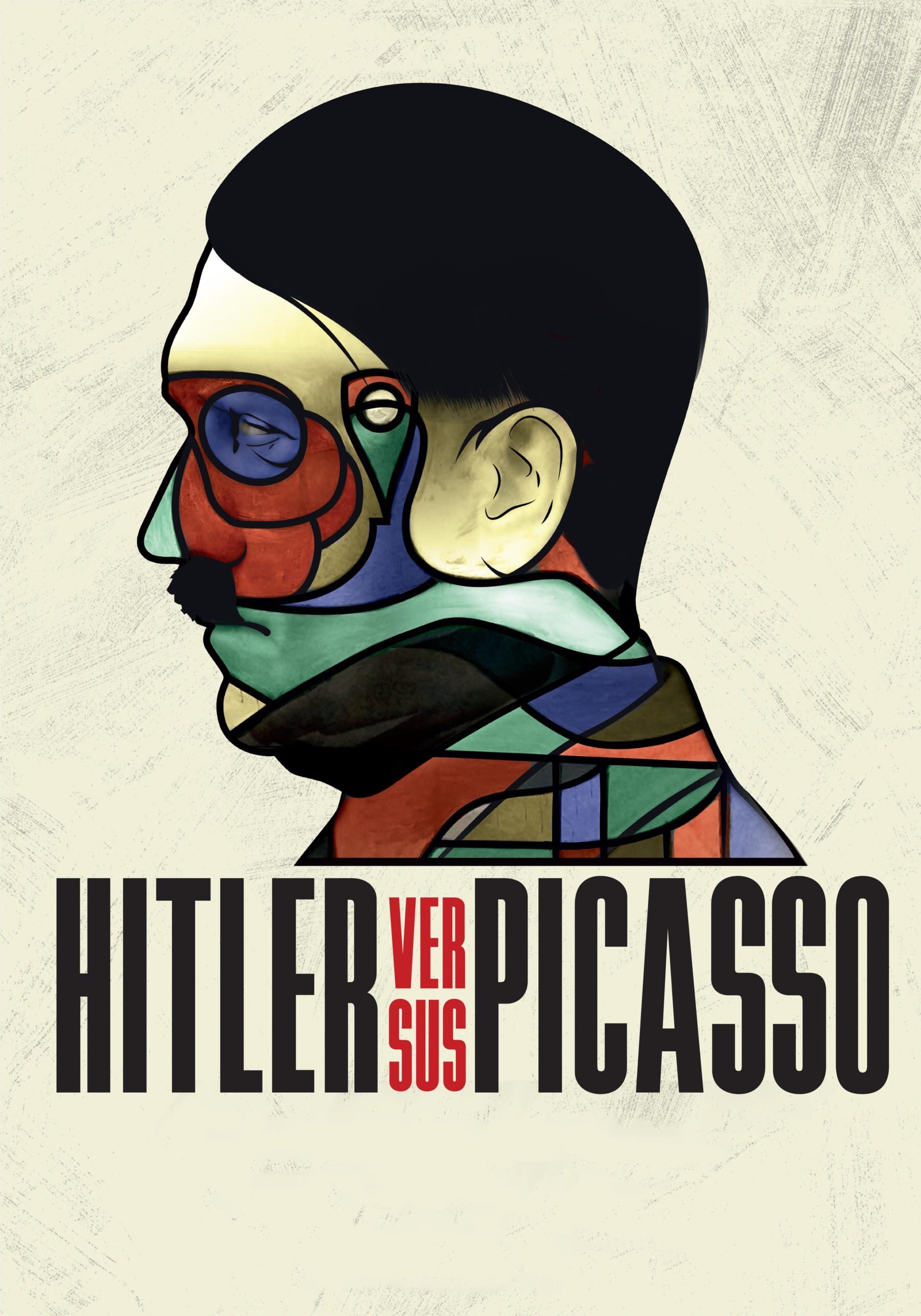
In 1937 the Nazi regime held two exhibitions in Munich: one to stigmatize “Degenerate Art” (which they systematically looted and destroyed) and one, personally curated by Hitler, to glorify “Classic Art”. This immersive new documentary reveals the Nazi’s complicated relationship with classical and modern art, displaying an incredible number of masterpieces by Botticelli, Klee, Matisse, Monet, Chagall, Renoir and Gauguin amongst others, intertwined with human stories from the most infamous period of the twentieth century. A state-of-the-art detective story exploring the Nazis’ obsession with creative expression, Hitler versus Picasso combines history, art and human drama for an unforgettable cinema experience.
The Obersalzberg was an ordinary Bavarian mountain until Adolf Hitler discovered it in 1923. There at the Berghof, the Nazi leader spent his time surrounded by his most faithful lieutenants and his mistress, Eva Braun. Though mostly destroyed, remnants of the vast building complex still exist.
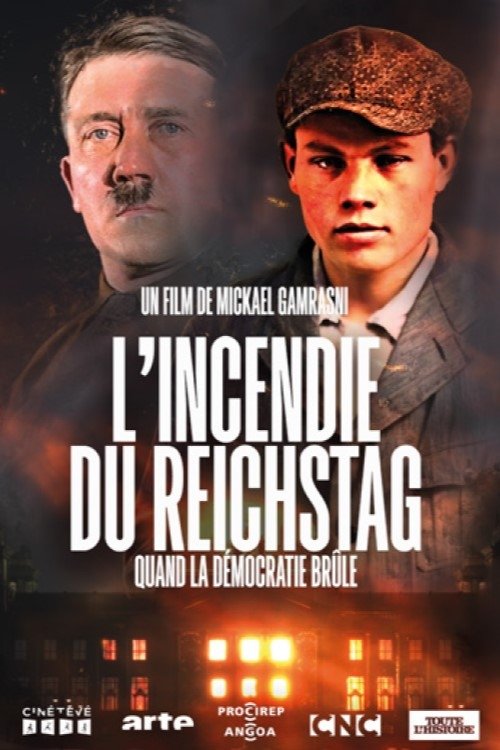
Berlin, February 27, 1933. The Reichstag is in flames. A young Dutch unemployed man, Marinus van der Lubbe, was found alone in the building. For Hitler, it was a plot by the "Reds". One hundred thousand communists and sympathizers were arrested during the night and in the days that followed and locked up in the first Nazi concentration camps. In March, the Chancellor obtained full powers. On September 21, the trial opened in Leipzig, broadcast on the radio. For the Nazis and the Communists alike, van der Lubbe was the perfect scapegoat. On December 23, 1933, he was sentenced to death, while his four co-defendants were acquitted.
A documentary on the expletive's origin, why it offends some people so deeply, and what can be gained from its use.
In an intimate and joyful story of love in the face of loss, celebrated poets Andrea Gibson and Megan Falley find strength—and unexpected hilarity—in what might be their final year together.
Alexander McQueen's rags-to-riches story is a modern-day fairy tale, laced with the gothic. Mirroring the savage beauty, boldness and vivacity of his design, this documentary is an intimate revelation of McQueen's own world, both tortured and inspired, which celebrates a radical and mesmerizing genius of profound influence.
When Allied forces liberated the Nazi concentration camps in 1944-45, their terrible discoveries were recorded by army and newsreel cameramen, revealing for the first time the full horror of what had happened. Making use of British, Soviet and American footage, the Ministry of Information’s Sidney Bernstein (later founder of Granada Television) aimed to create a documentary that would provide lasting, undeniable evidence of the Nazis’ unspeakable crimes. He commissioned a wealth of British talent, including editor Stewart McAllister, writer and future cabinet minister Richard Crossman – and, as treatment advisor, his friend Alfred Hitchcock. Yet, despite initial support from the British and US Governments, the film was shelved, and only now, 70 years on, has it been restored and completed by Imperial War Museums under its original title "German Concentration Camps Factual Survey".
The history of cinematic sound, told by legendary sound designers and visionary filmmakers.
Oliver Stone charts the history of the United States from the Second World War to the present.
A compilation of over 30 years of private home movie footage shot by Lithuanian-American avant-garde director Jonas Mekas, assembled by Mekas "purely by chance", without concern for chronological order.
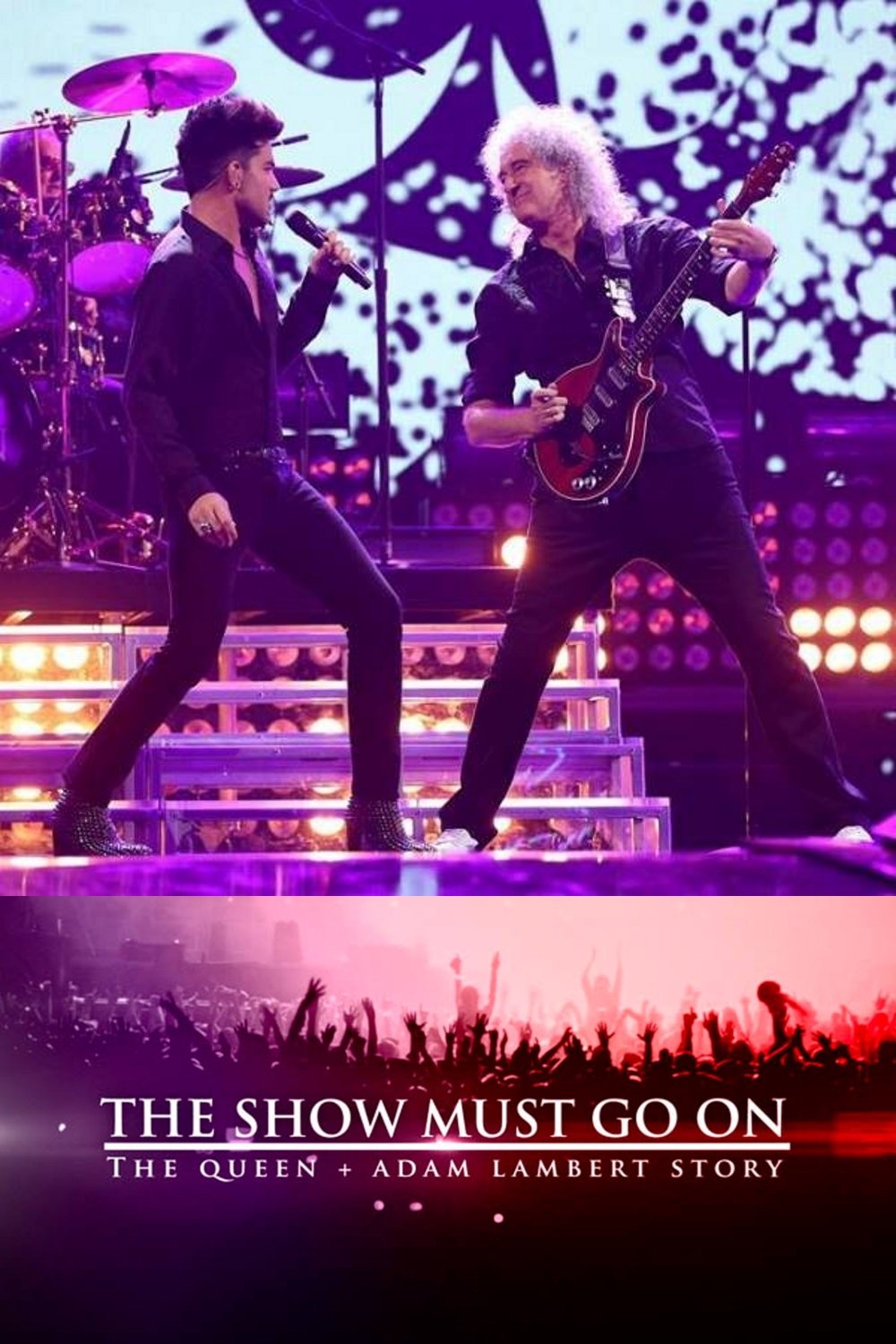
A documentary chronicling Queen and Lambert's incredible journey since they first shared the stage together on "American Idol" in 2009.
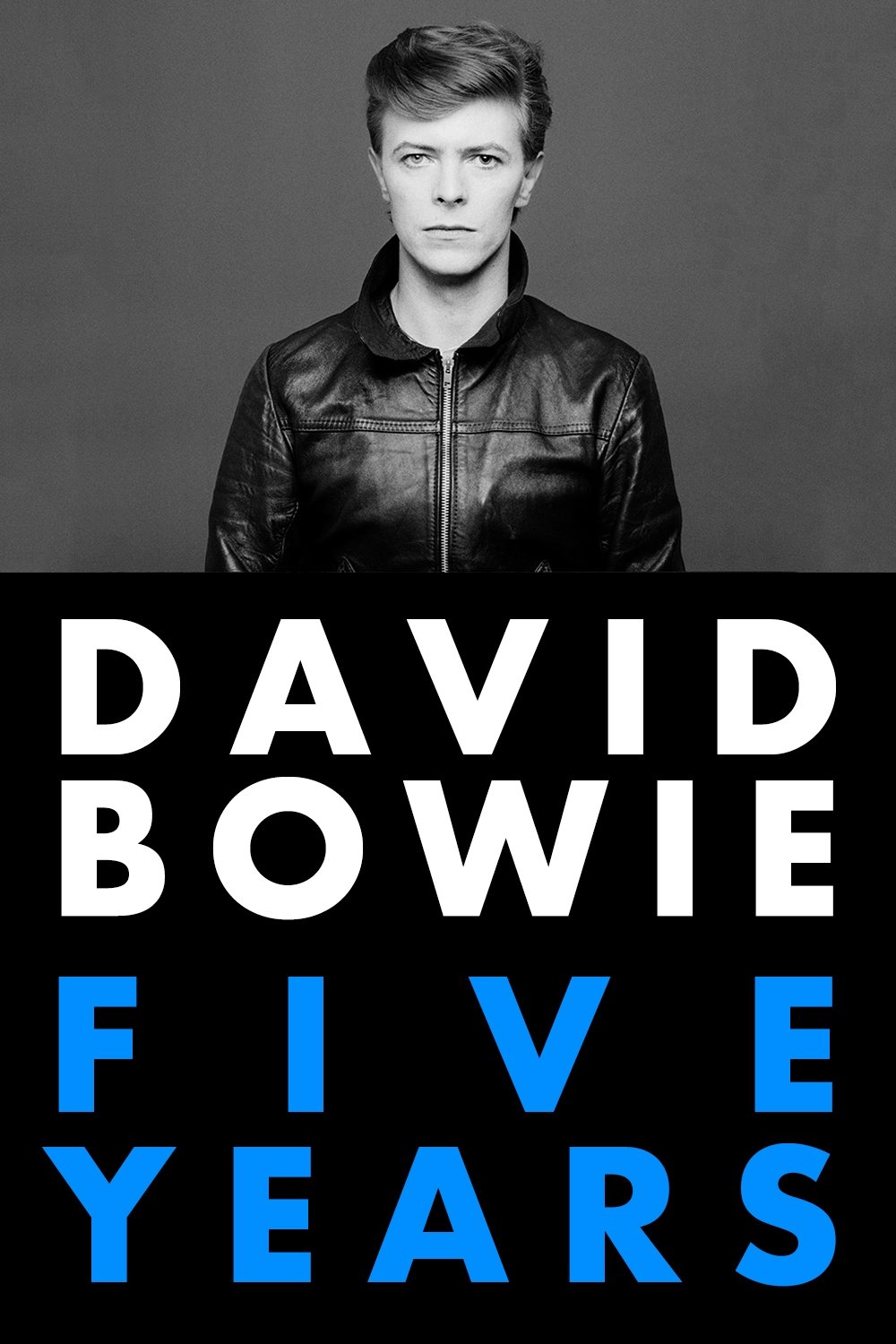
Featuring a wealth of previously unseen archive, this film looks at how Bowie continually evolved: from Ziggy Stardust to the Soul Star of Young Americans, to the ‘Thin White Duke’. It explores his regeneration in Berlin with the critically acclaimed album Heroes, his triumph with Scary Monsters and his global success with Let’s Dance. With interviews with all his closest collaborators, David Bowie - Five Years presents a unique account of why Bowie has become an ‘icon of our times’.
An unprecedented and intimate look at the life, work and enduring legacy of British actress Audrey Hepburn (1929-1993).
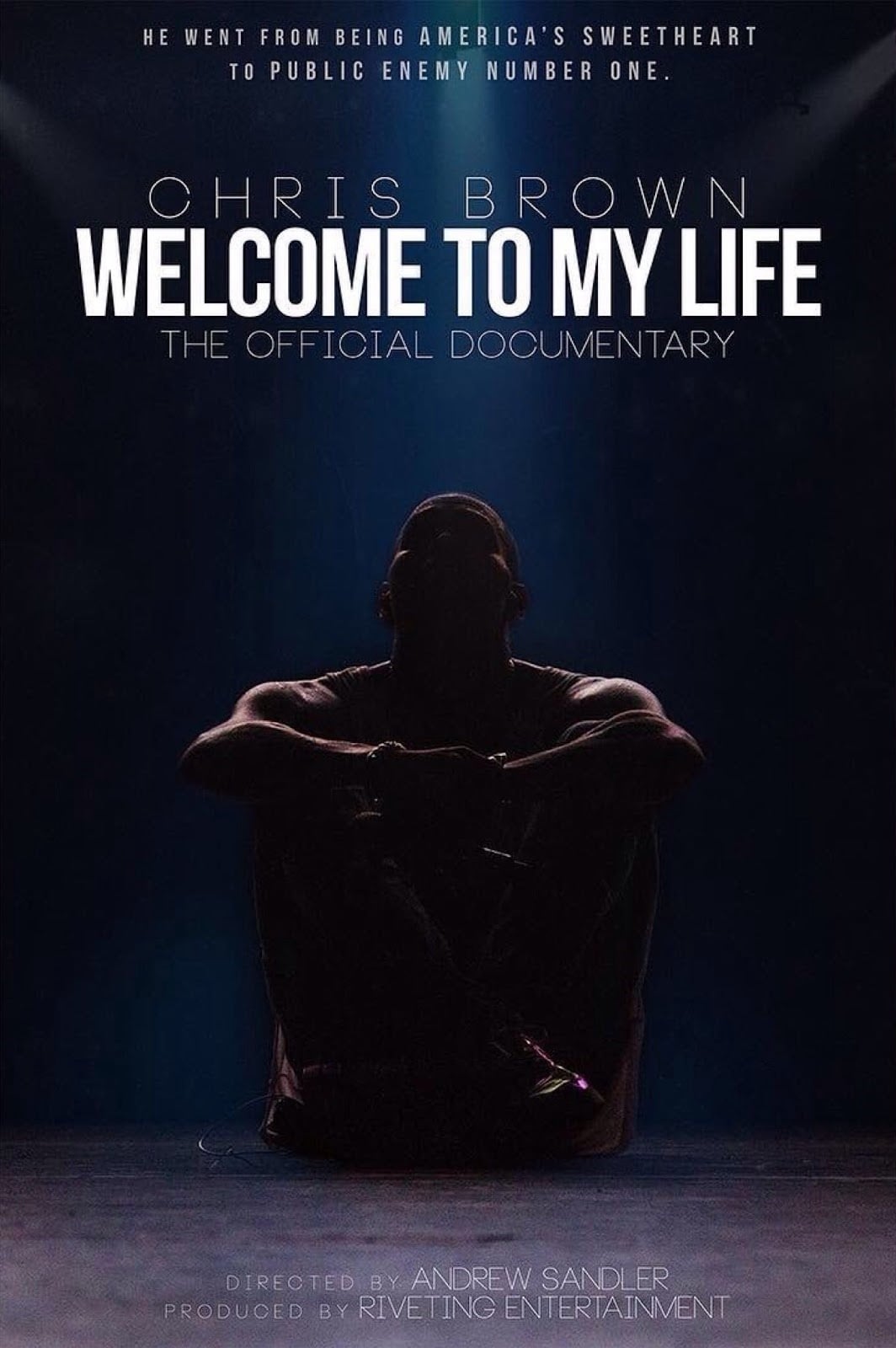
This compelling Documentary moves beyond the spotlight and past the attention-grabbing headlines to give pop superstar Chris Brown a chance to tell his own story. New interviews with the international phenomenon reveal long-awaited answers about his passion for making music, his tumultuous and much publicized relationships, and the pitfalls of coming of age in the public eye. Also included is new concert footage, behind-the-scenes access, and special interviews from Usher, Jennifer Lopez, DJ Khaled, Mike Tyson, Jamie Foxx and others.
The life and career of one of comedy's most inimitable modern voices, Mr. Gilbert Gottfried.
A visual montage portrait of our contemporary world dominated by globalized technology and violence.
Through deeply personal interviews with her siblings and an examination of the photographs, letters, and belongings left behind, Mariska assembles a new portrait of her mother Jayne Mansfield, an extraordinary and complex woman.
Alex Gibney explores the charged issue of pedophilia in the Catholic Church, following a trail from the first known protest against clerical sexual abuse in the United States and all way to the Vatican.
The life and career of an actor, artist, and icon. His own journey through his own camera.
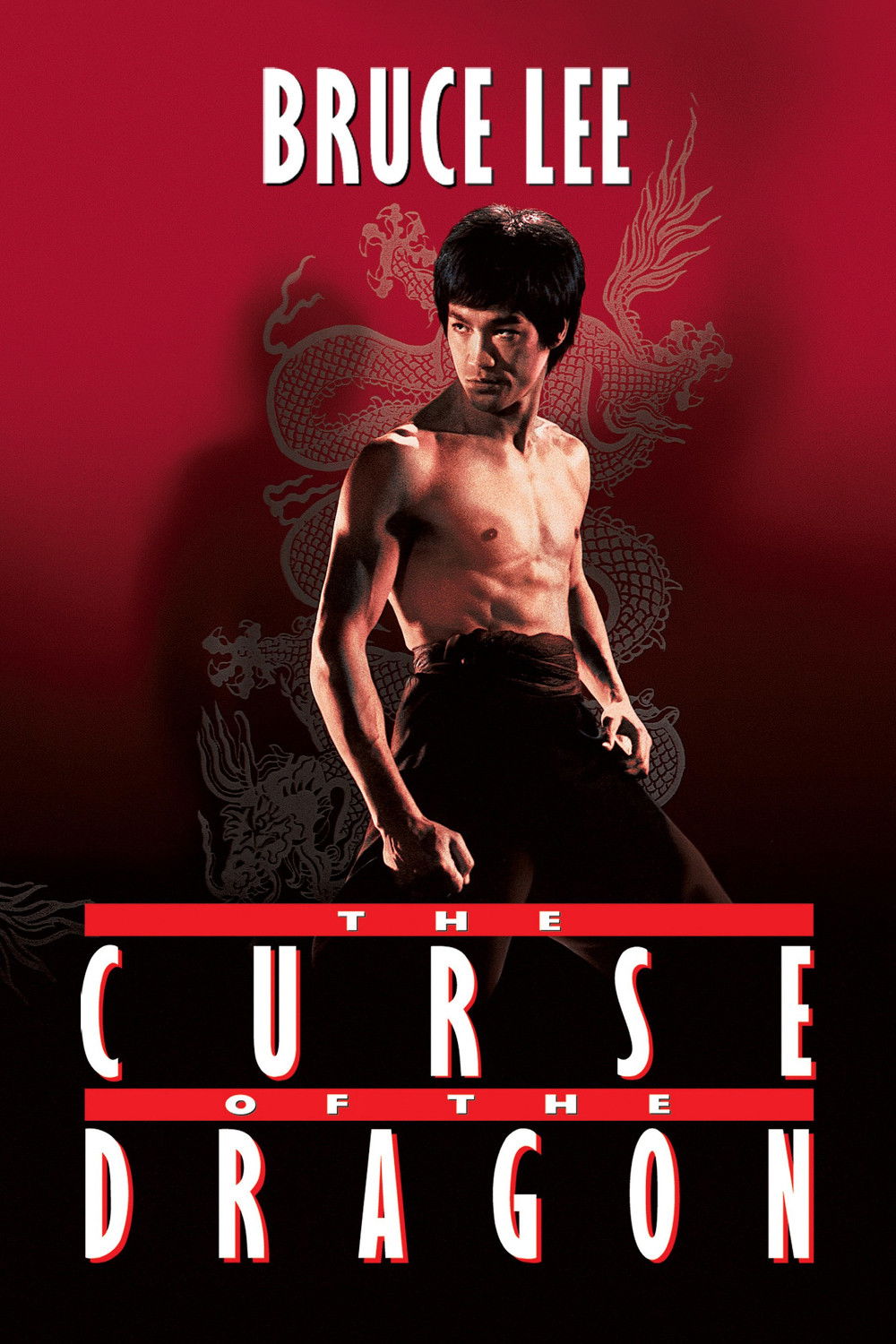
A 1993 documentary film about Bruce Lee. The film includes interviews from some of his fellow students and opponents who worked alongside him in his movies.
For the 20th anniversary of "Titanic," James Cameron reopens the file on the disaster.
Follow the evolution of the 'Halloween' movies over the past twenty-five years. It examines why the films are so popular and revisits many of the original locations used in the films - seeing the effects on the local community. For the first time, cast, crew, critics and fans join together in the ultimate 'Halloween' retrospective.
A behind-the-scenes documentary about the Clinton for President campaign, focusing on the adventures of spin doctors James Carville and George Stephanopoulos.