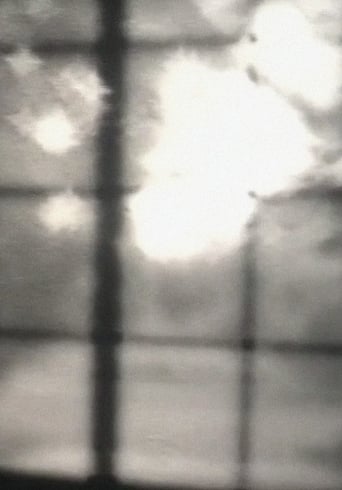
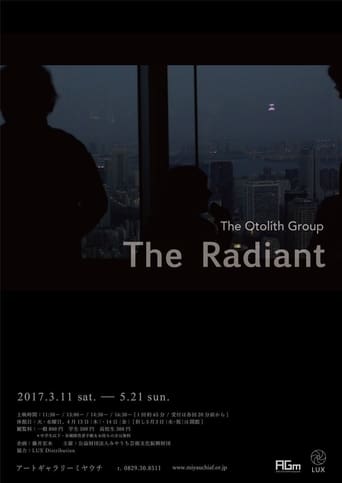
December 21, 2015. The image of a fox was captured by a camera inside the unit 2 building at Fukushima No.1 nuclear power plant... A film-essay about contemporary Japan in the aftermath of March 2011 earthquake.
Social & External
It follows a group of investigators as they return to the nuclear zone in Fukushima to uncover the secrets behind the wildlife that has claimed the toxic environment as its own.
Eerie images of landscapes after the Fukushima nuclear disaster shot on black and white 8mm.
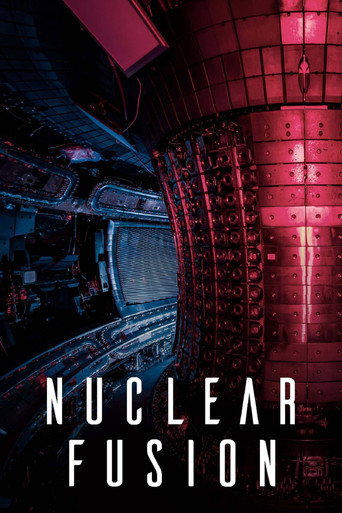
In October 2023, a European research team succeeded in generating an enormous amount of energy from very little fuel. A success that fusion research had been working towards for around 70 years. Now the competition for a fusion reactor has been reignited. What role can electricity from nuclear fusion play in the future?
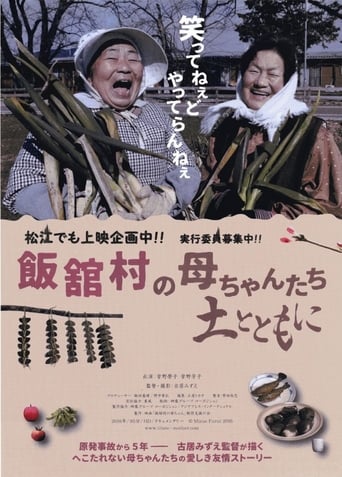
Eiko Kanno is a 79 year old grandmother whose life has been completely changed by the nuclear disaster in Fukushima. Her life should have been with her grandchildren but because of the disaster which caused her entire village of Iitate to be evacuated. She now lives by herself in temporary housing. Yoshiko Kanno and her extended family are very important to her changed life. Yoshiko Kanno lost her parents in the evacuation and she found herself living next door to Eiko Kanno. They entertain themselves by telling jokes to each other like a comedic duo. They now live together.
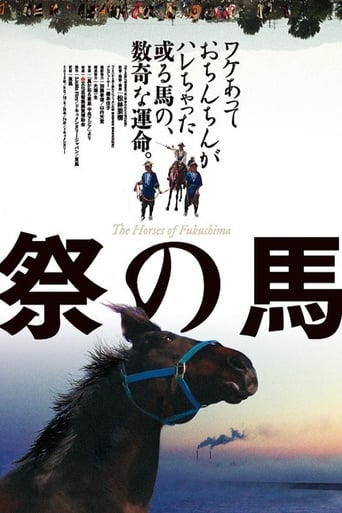
Fukushima's Minami-soma has a ten-centuries-long tradition of holding the Soma Nomaoi ("chasing wild horses") festival to celebrate the horse's great contribution to human society. Following the meltdown of the Fukushima Daiichi Nuclear Power Plant in the wake of the March 11, 2011 earthquake and tsunami, local people were forced to flee the area. Rancher Shinichiro Tanaka returned to find his horses dead or starving, and refused to obey the government's orders to kill them. While many racehorses are slaughtered for horsemeat, his horses had been subjected to radiation and were inedible. Yoju Matsubayashi, whose "Fukushima: Memories of the Lost Landscape" is one of the most impressive documentaries made immediately after the disaster, spent the summer of 2011 helping Tanaka take care of his horses. In documenting their rehabilitation, he has produced a profound meditation on these animals who live as testaments to the tragic bargain human society made with nuclear power.
The definitive account of Japan’s struggle as it faced a nuclear catastrophe while still reeling from the devastation of an earthquake and tsunami.
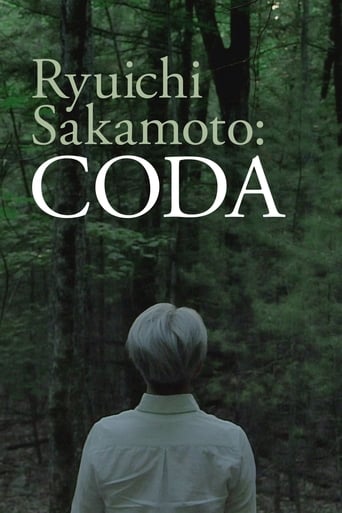
Oscar winning composer Ryuichi Sakamoto weaves man-made and natural sounds together in his works. His anti-nuclear activism grew after the 2011 Fukushima disaster, and his career only paused after a 2014 cancer diagnosis.
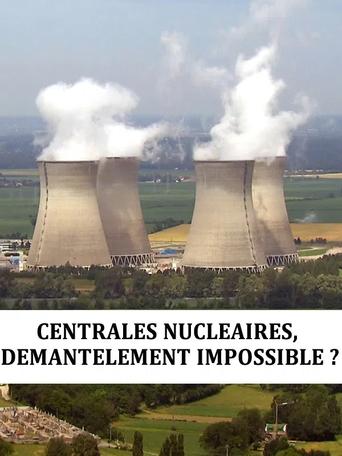
The French workers who clean nuclear reactors are exposed to high levels of radiation. With impressive images the film portrays “nuclear nomads” who travel from one nuclear power plant to another in caravans, risking their health in the name of the future.
As his country is gripped by revolution and war, a Ukrainian victim of the Chornobyl nuclear disaster discovers a dark secret and must decide whether to risk his life and play his part in the revolution by revealing it.
TEPCO's Fukushima Daiichi Nuclear Power Plant is the site of one of history's worst nuclear disasters: the meltdown of three nuclear reactors. The decommissioning program in Japan learns from the Three Mile Island decommissioning in the US after the nuclear plant accident in 1976 in Pennsylvania.
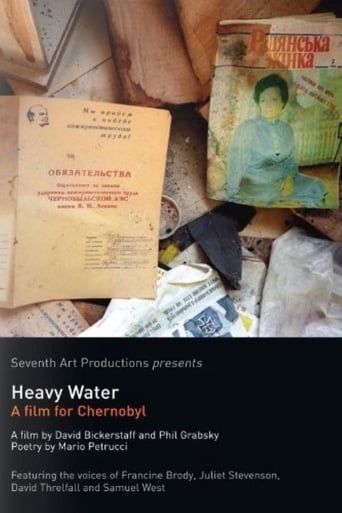
On April 26th, 1986, reactor four at Chernobyl nuclear power station explodes, sending an enormous radioactive cloud over Northern Ukraine and neighbouring Belarus. The danger is kept a secret from the rest of the world and the nearby population who go about their business as usual. May Day celebrations begin, children play and the residents of Pripyat marvel at the spectacular fire raging at the reactor. After three days, an area the size of England becomes contaminated with radioactive dust, creating a 'zone' of poisoned land. Based on Mario Petrucci's award-winning book-length poem (split over two books), 'Heavy Water: a film for Chernobyl', and the shorter version 'Half Life: a Journey to Chernobyl", tells the story of the people who dealt with the disaster at ground-level: the fire-fighters, soldiers, 'liquidators', and their families.
The Crowds of Chernobyl explores the reasons behind people's fascination with the (arguably) most famous exclusion zone in the world, the Chernobyl Exclusion Zone. The film attempts to explain the drive behind the 'dark tourism' industry that has blossomed in the nuclear wasteland since 2011, when the site was opened up for tourists. As the interviews from a wide of people unravel why some (including the interviewees) might even make the zone a permanent part of their life; the haunting and provoking visuals invite the viewer to make up their own mind.
Poliske was contaminated with radioactive material after the 1986 Chornobyl disaster. Soviet authorities did everything they could to erase the ancient history of this town, and after Chornobyl, they destroyed its future.
A short, impressionistic documentary about the extremely precise process behind the creation of an autoclave (a reaction container) for a nuclear power plant. Otherworldly electroacoustic soundtrack by Oskar Sala.
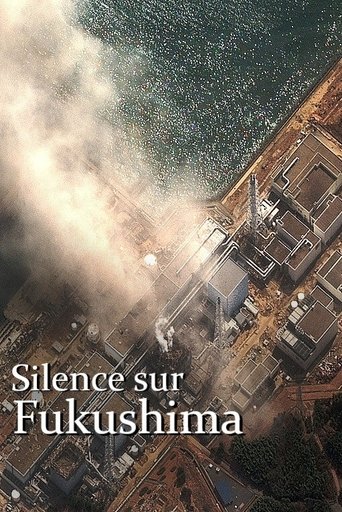
A powerful documentary that sheds some light on what really happened at the Fukushima nuclear power plant after the 2011 earthquake and the tsunami that immediately followed. A powerful documentary - shot from March 11th, 2011 through March 2015 - that sheds some light on what really happened at the Fukushima nuclear power plant after the 2011 earthquake and the tsunami that followed.