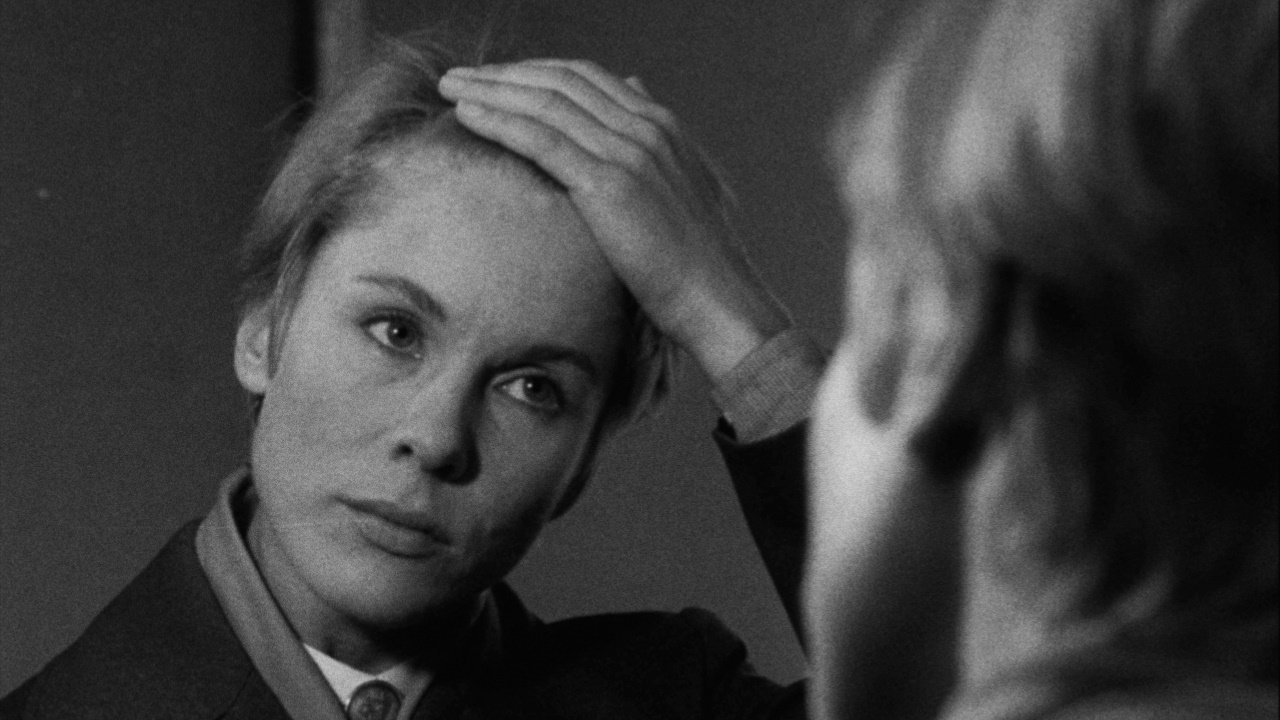
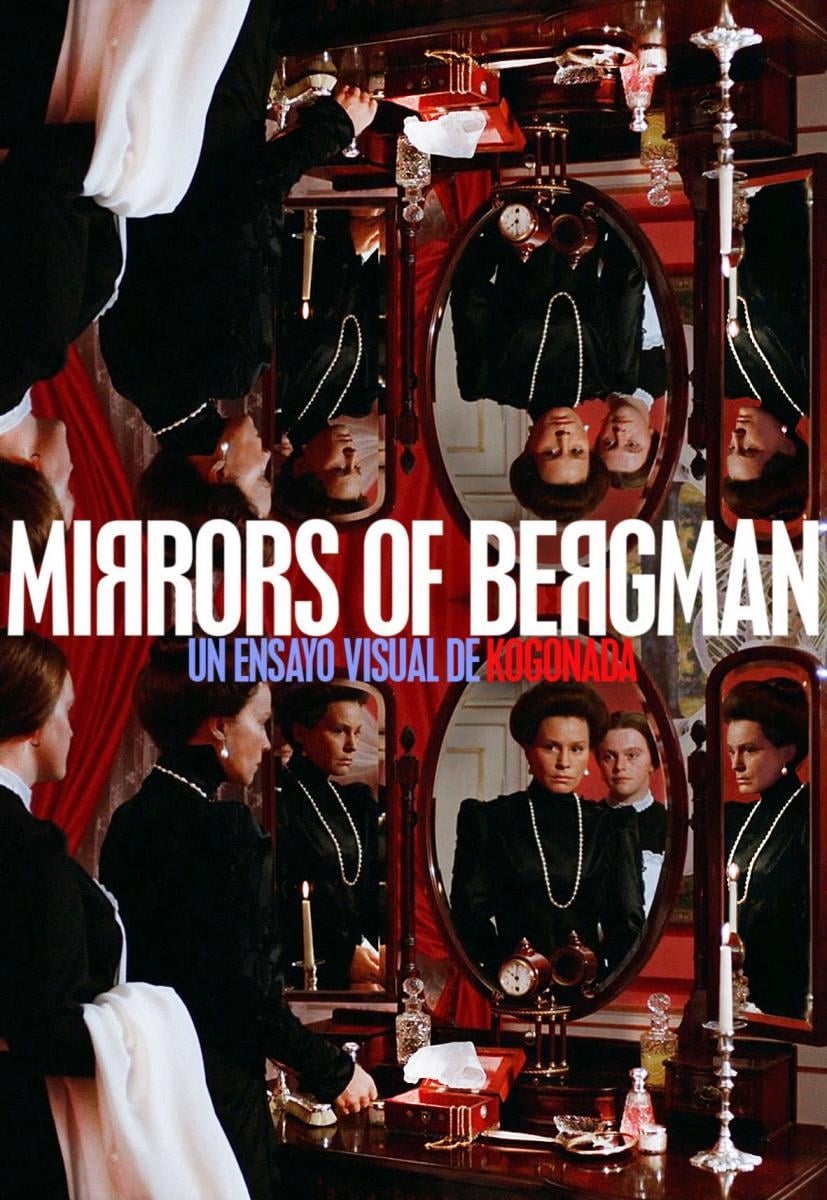
Filmmaker Kogonada reflects on women and mirrors in the films of Ingmar Bergman.
Social & External
Narrator
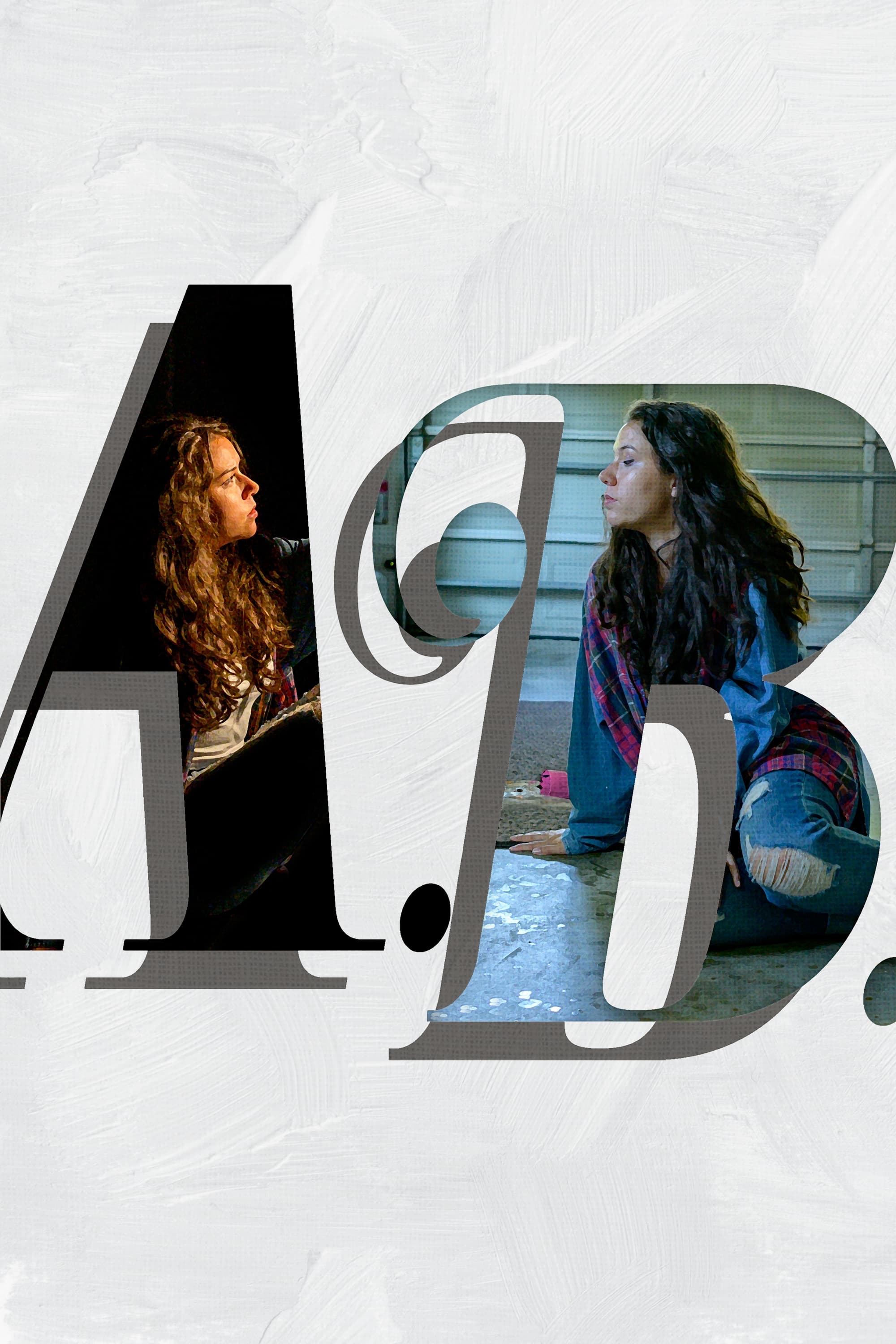
A documentary-style capturing of the life of Ab, a young struggling artist trying to find her way, all while dealing with unwanted company.
Shot on the island of Fårö, this documentary presents interviews with local inhabitants as they discuss work, family life, and the conditions of living in a sparsely populated rural community. Bergman documents generational differences and practical concerns surrounding farming, fishing, education, and migration as the island confronts social and economic change.
A visual essay that highlights top-down shots from Wes Anderson's filmography.
The working class girl from Landala, Gothenburg, through the fine art of theatre and all the way to Hollywood.
The year 1957 was one of the most prolific for the Swedish filmmaker Ingmar Bergman: he shot two films, released two of his most celebrated films and produced four plays and a TV movie while juggling with a complicated private life.
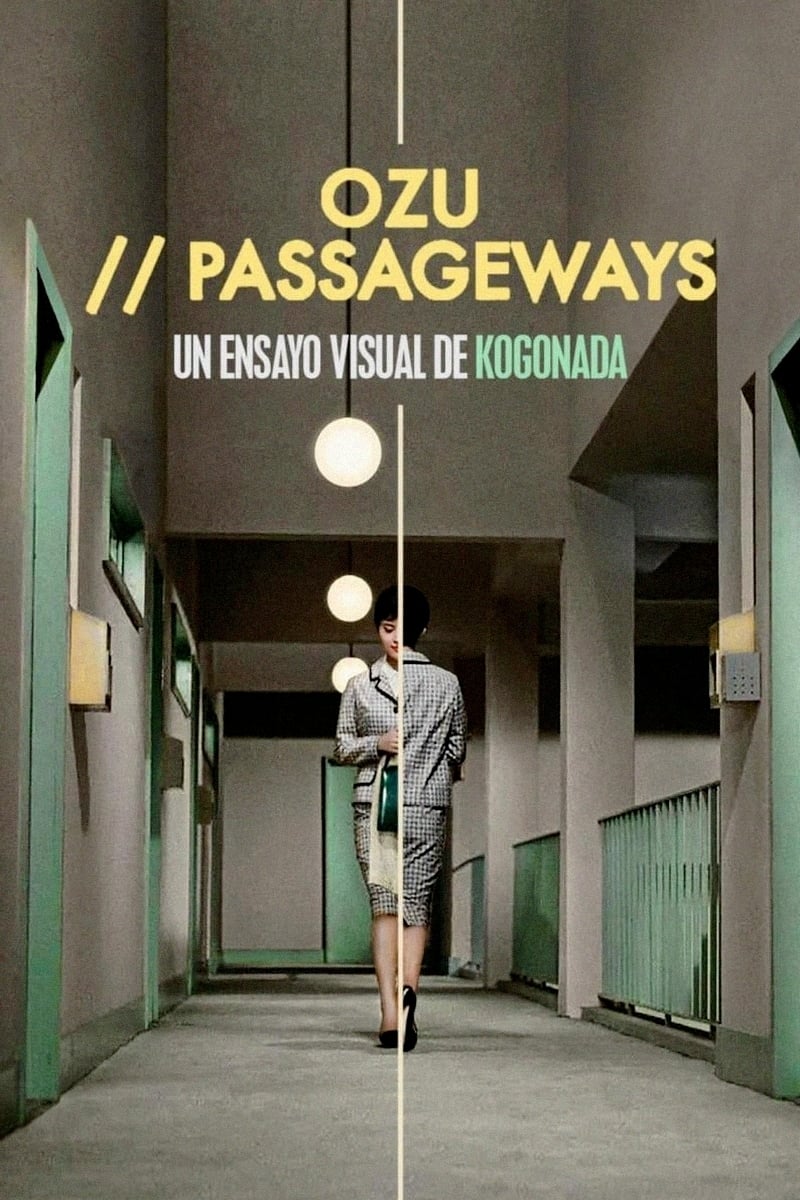
People constantly appear walking through passageways in the films of Japanese filmmaker Yasujirō Ozu (1903-63). His art resides in the in-between spaces of modern life, in the transitory: alleys are no longer dark and threatening traps where suspense is born, but simple places of passage.
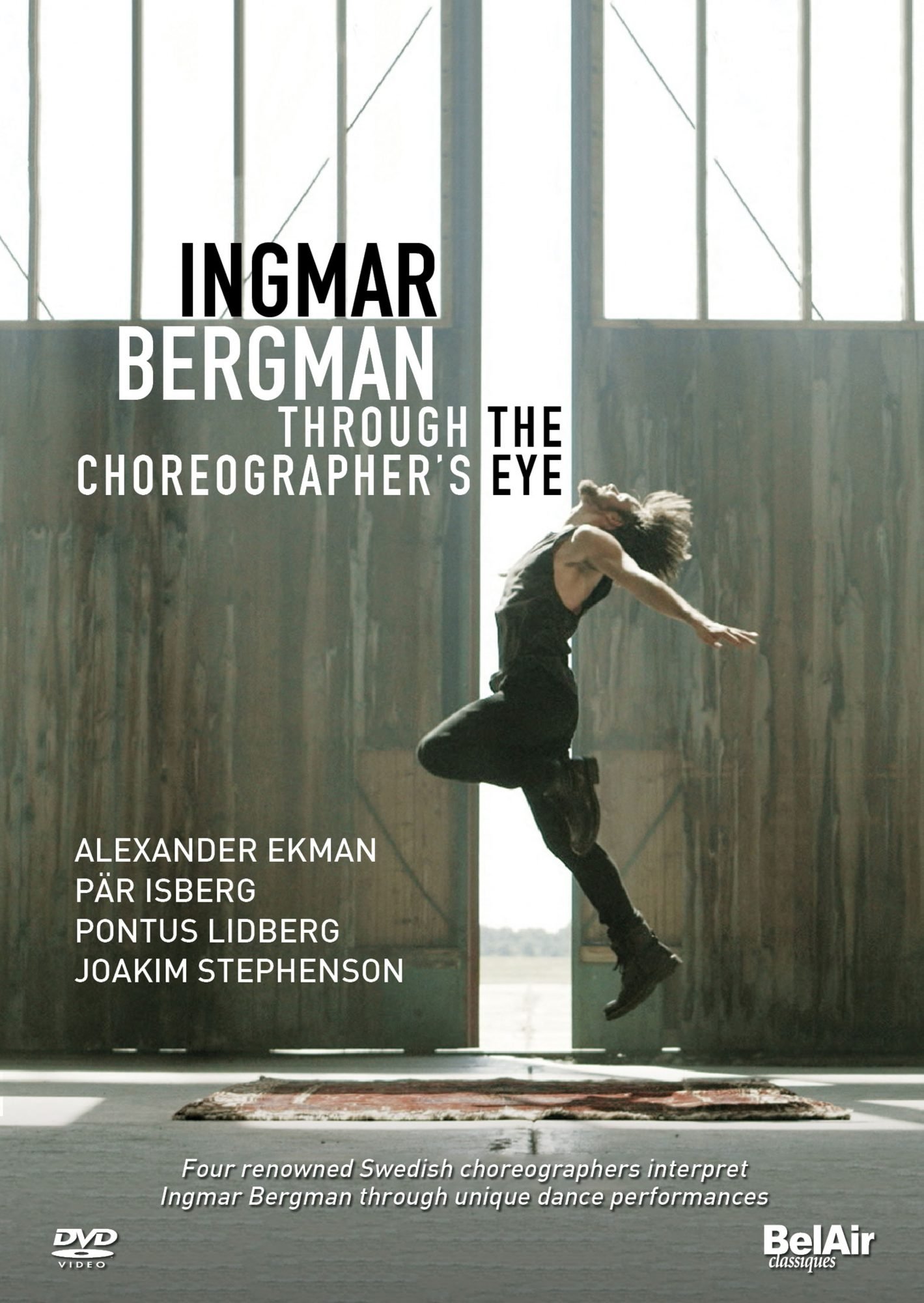
Four of Sweden's most innovative choreographers travel to Ingmar Bergman's home on Fårö to explore and get inspired. The result is a unique contemporary dance film.The renowned Swedish choreographers Alexander Ekman, Pär Isberg, Pontus Lidberg and Joakim Stephenson, with principal dancers Jenny Nilson, Nathalie Nordquist, Oscar Salomonsson and Nadja Sellrup from the Royal Swedish Ballet, interpret Ingmar Bergman through four unique dance performances reflecting on human relations and intense feelings. The dances are linked together with images of the epic natural beauty of Fårö and Bergman's poetic home Hammars, including the voice of the master himself - Ingmar Bergman - revealing his thoughts about movements and music.
Ingmar Bergman speaks with Gunnar Bergdahl.
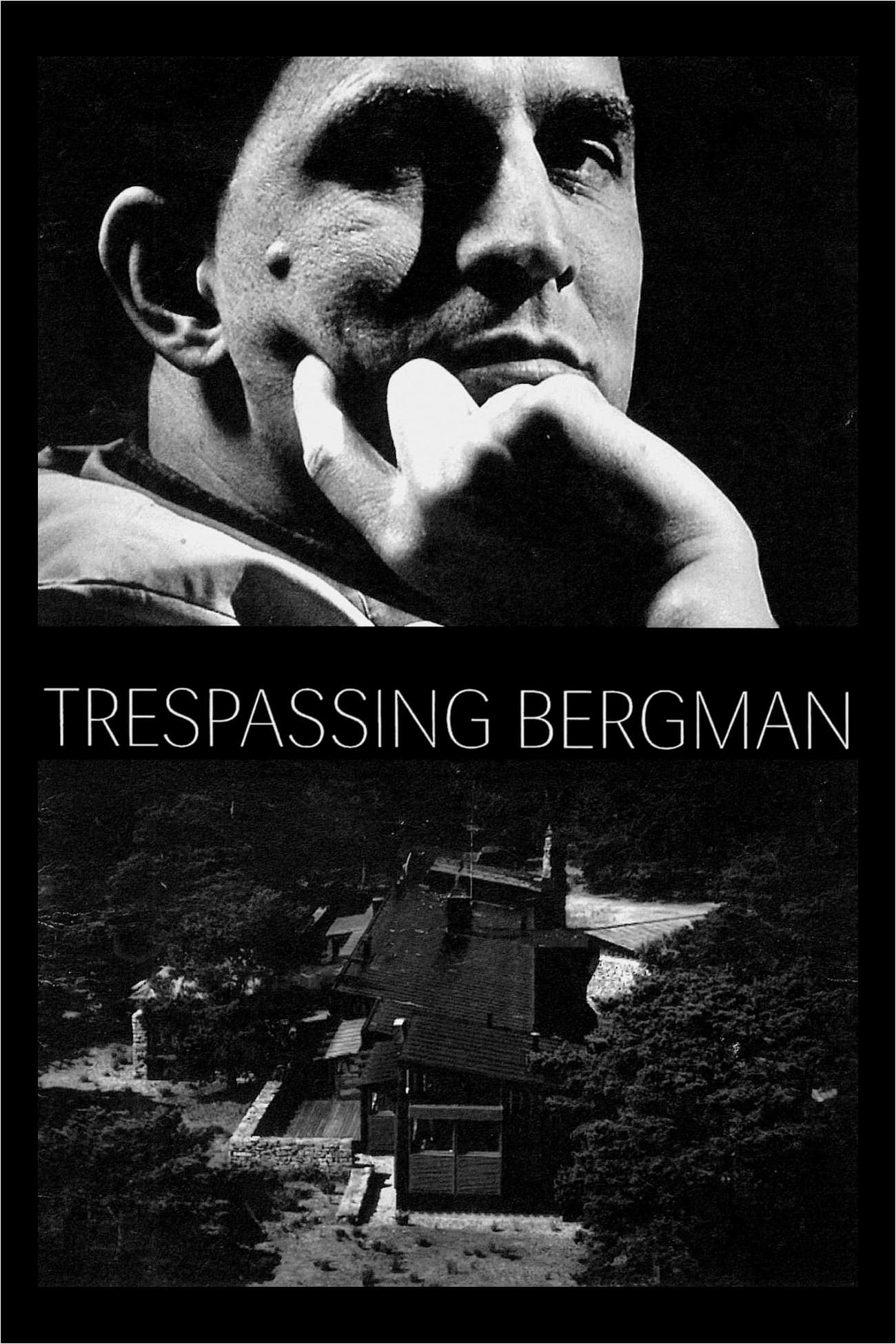
In the sixties, Swedish filmmaker Ingmar Bergman (1918-2007) built a house on the remote island of Fårö, located in the Baltic Sea, and left Stockholm to live there. When he died, the house was preserved. A group of very special film buffs, came from all over the world, travel to Fårö in search of the genius and his legacy. (An abridged version of Bergman's Video, 2012.)
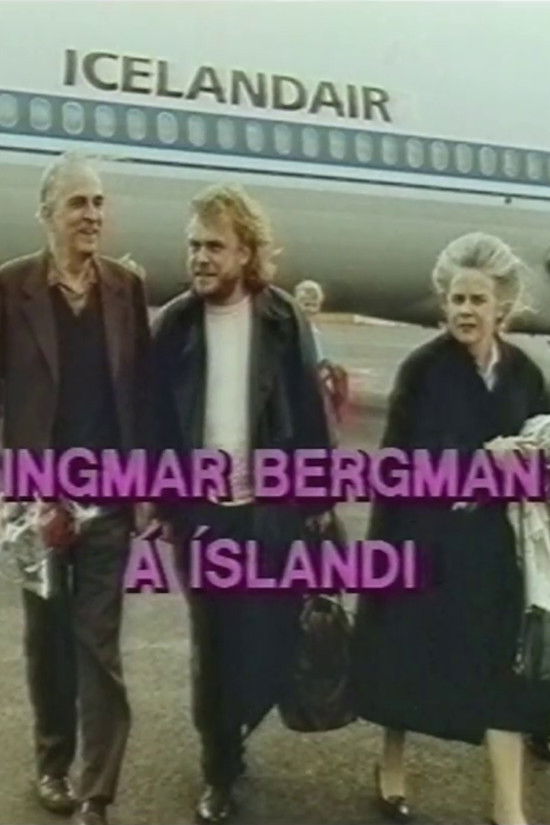
Based on an interview with Ingmar Bergman and footage taken during the director's visit to the Reykjavík Art Festival in 1986, this film focuses on Mr. Bergman's methods and philosophy on film direction.
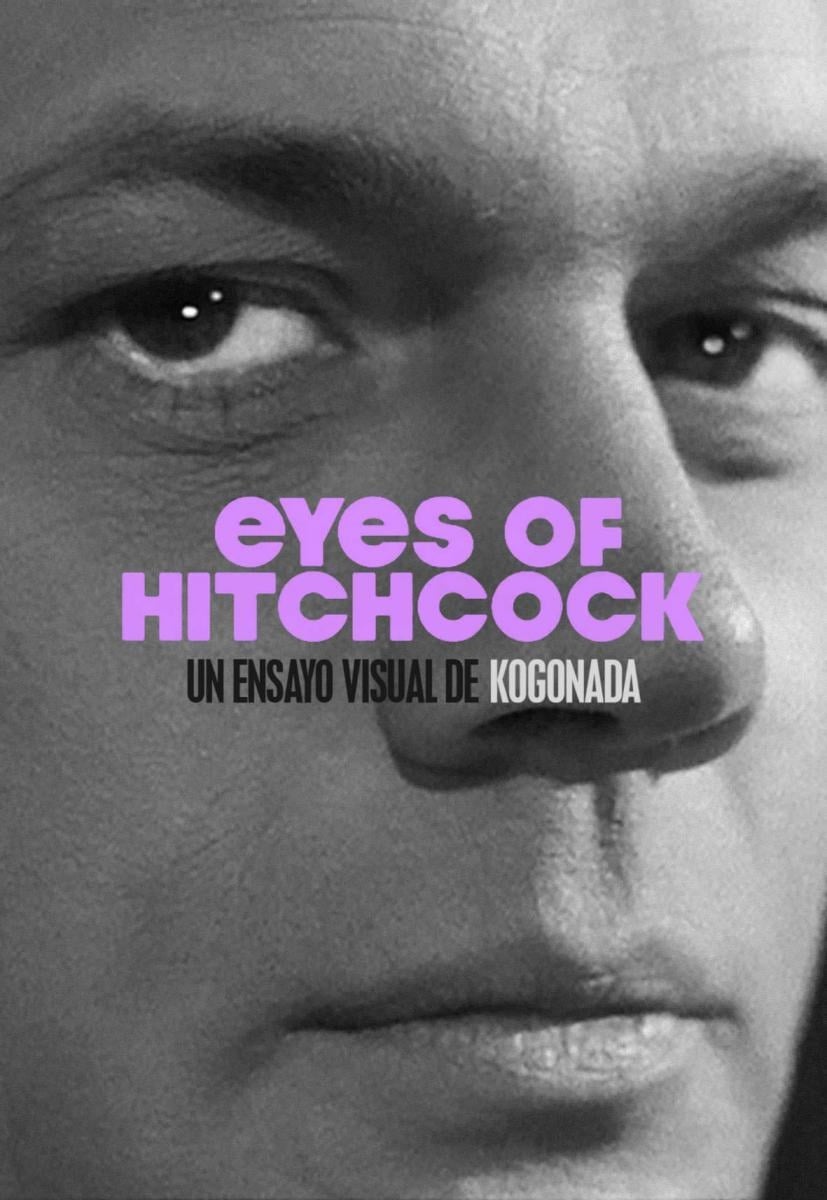
When characters stare at the camera in the films of Alfred Hitchcock, the look is almost always associated with the threat of death (through the eyes of a victim, a murderer, a witness). This momentary suspension between death and life is partly what makes Hitchcock the indisputable master of suspense.
Super-8 footage captured while filming Bergman Island. In voice-over, filmmaker Mia Hansen-Løve offers intimate reflections on her creative process on the island of Fårö and her relationship with Bergman and Swedish cinema.
Language is like memory. If it is not used, it slowly fades. Stockholm is not like Zagreb, but it is like any capital city. I was there when it happened, without having time to say 'thank you' for everything. The book is excellent, each chapter is like Andersson's tableau – a separate whole in which over time you notice the thoughtful layers of tragicomic human life.
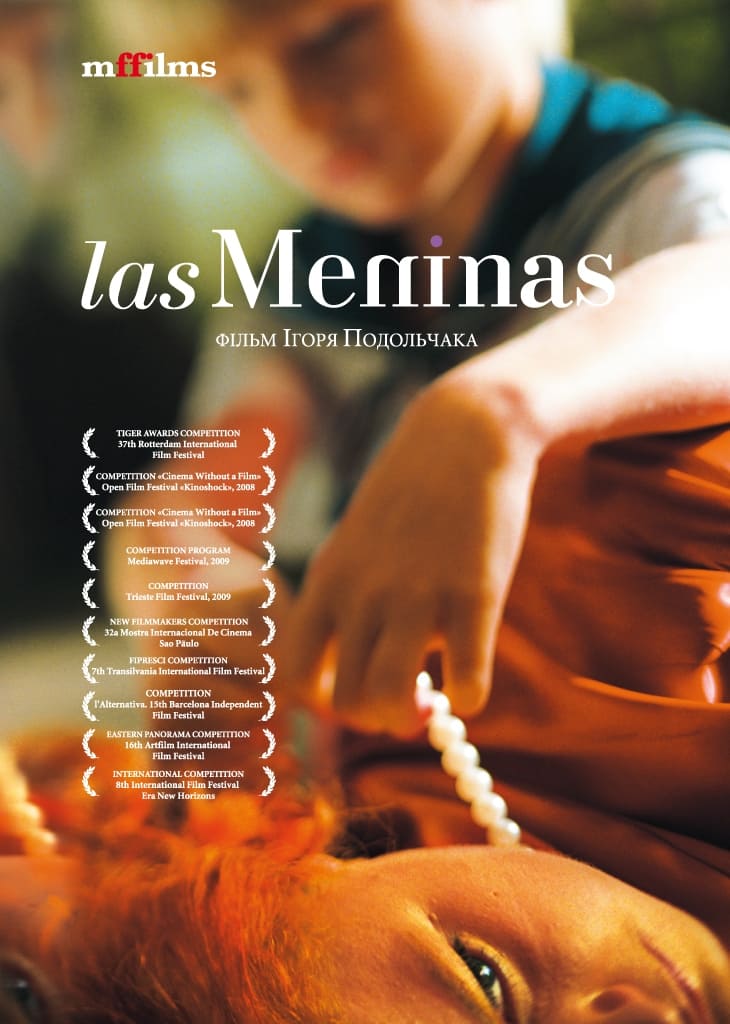
This film is about what the routine of everyday life can do to the human mind and psyche. It also reflects on the importance of the choices we make and how limited these choices are in the first place. The plot evolves around a family of four. They live in the suburbs, in a strange villa that appears, through a complex game of mirrors, to be more like a piece of installation art than a real house. The main character, who hardly appears on screen, is the son, a man in his thirties. Suffering from asthma and eczema since childhood, he uses his condition to manipulate his parents and his sister. Thus the existence of the terrorized family turns into an endless ritual of attempting to satisfy his whims, and always on the alert for yet another one of his “health crises”. Las Meninas resembles the scattered pieces of a puzzle. It is up to the viewer to assemble them in order to form his very own picture – something that makes the film itself personal and unique.
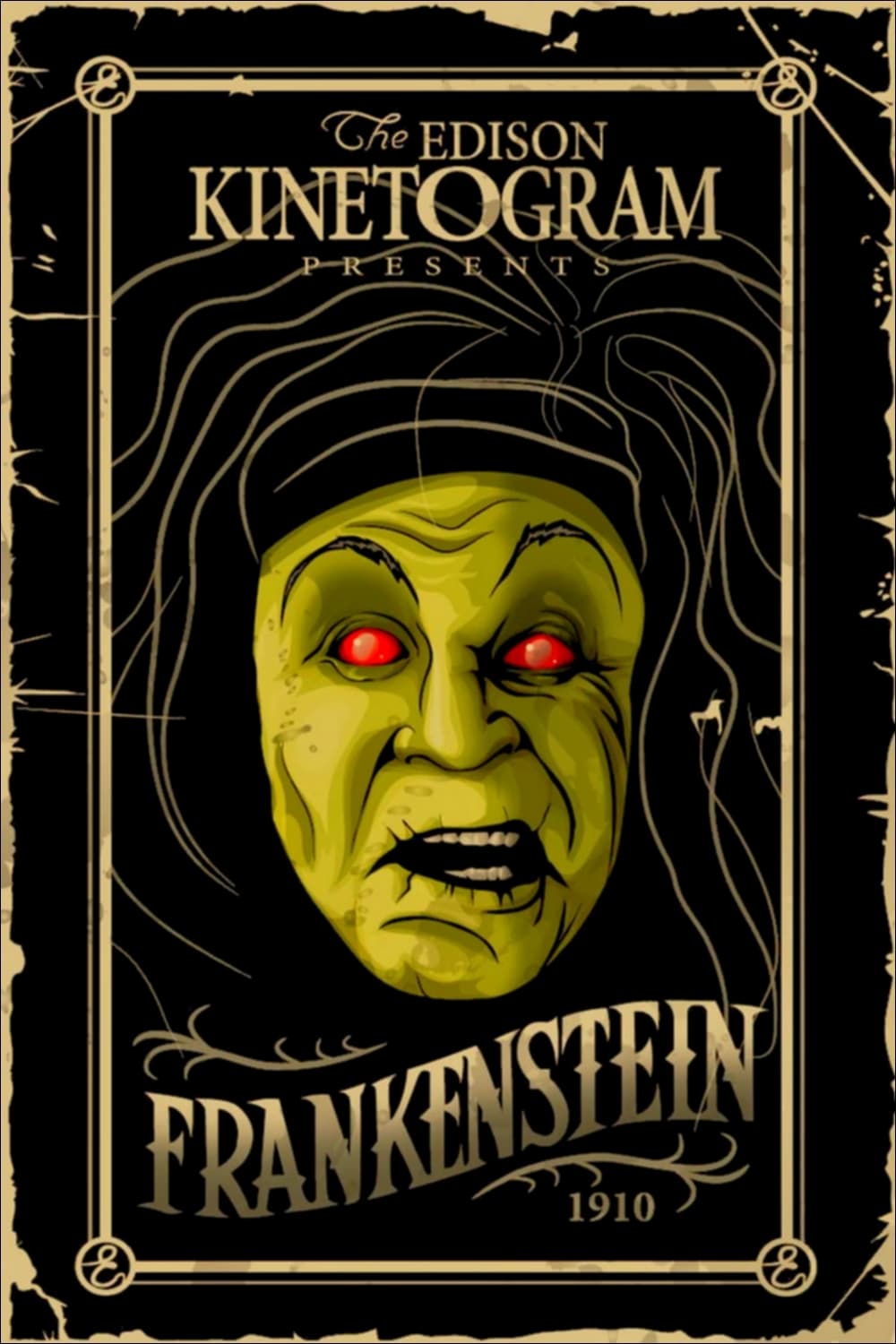
Frankenstein, a young medical student, trying to create the perfect human being, instead creates a misshapen monster. Made ill by what he has done, Frankenstein is comforted by his fiancée; but on his wedding night he is visited by the monster.
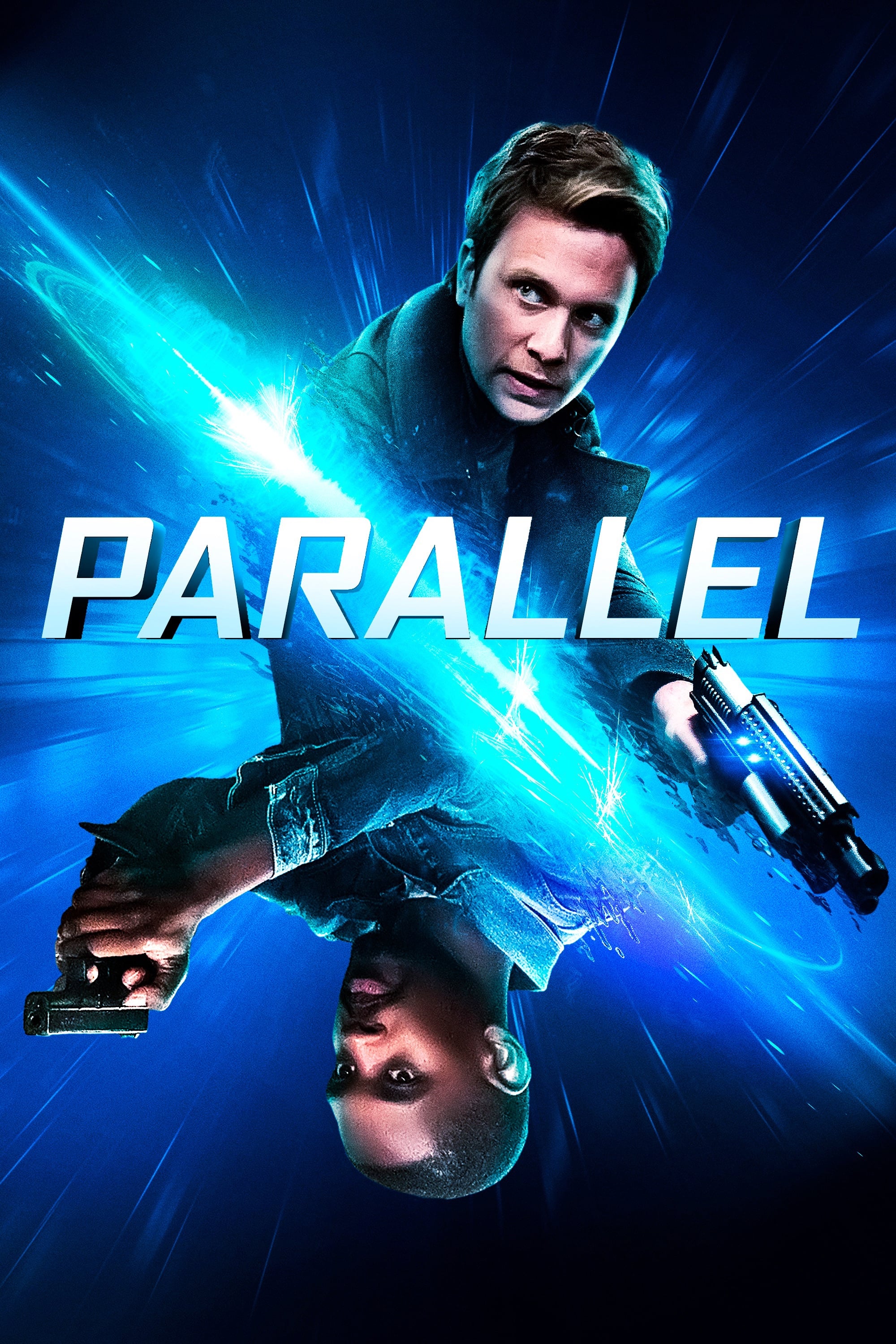
A group of friends stumble upon a mirror that serves as a portal to a "multiverse", but soon discover that importing knowledge from the other side in order to better their lives brings increasingly dangerous consequences.
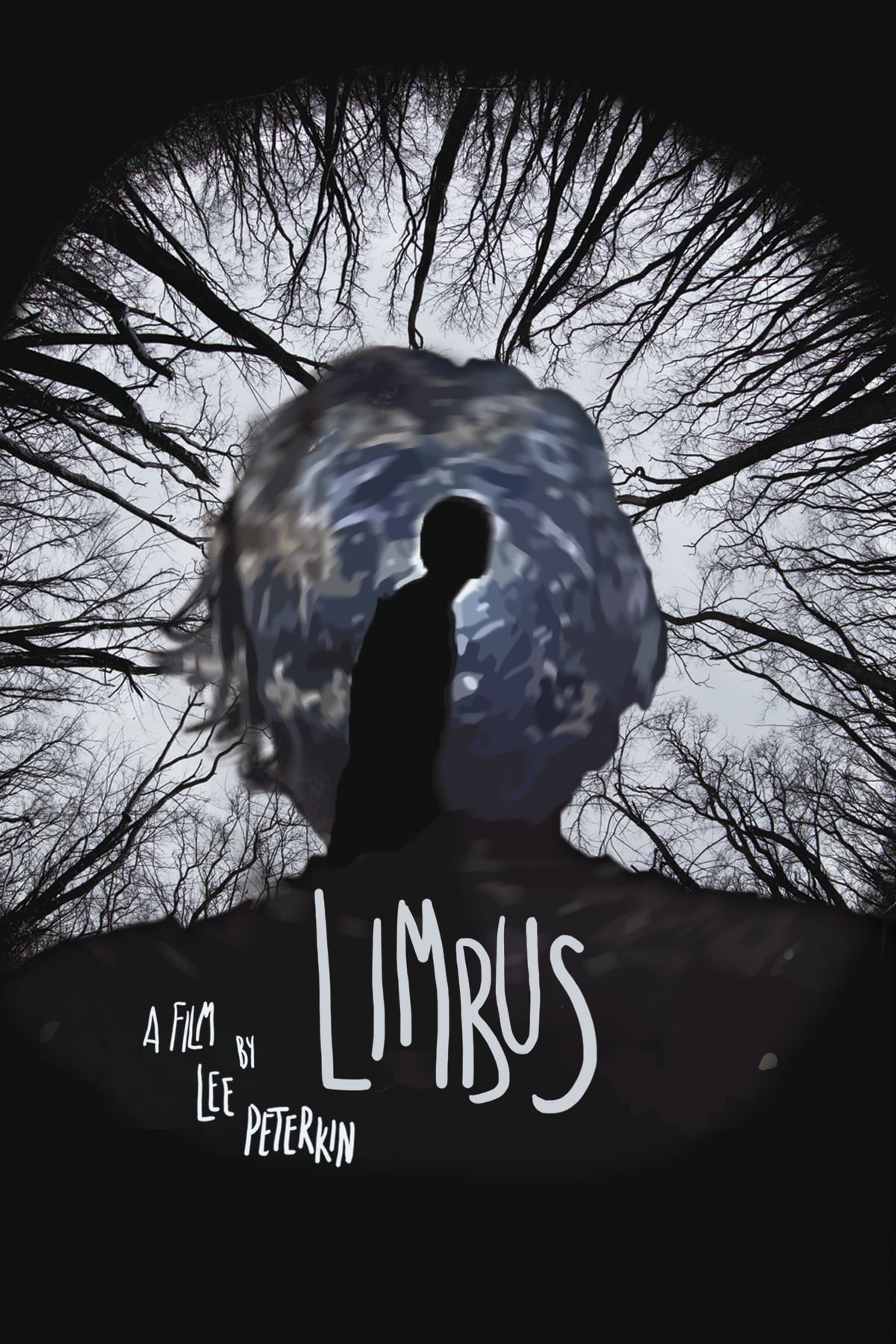
As Alex struggles with disturbing hallucinations, his wife Vera tries to help, until they both experience their own profound revelations.
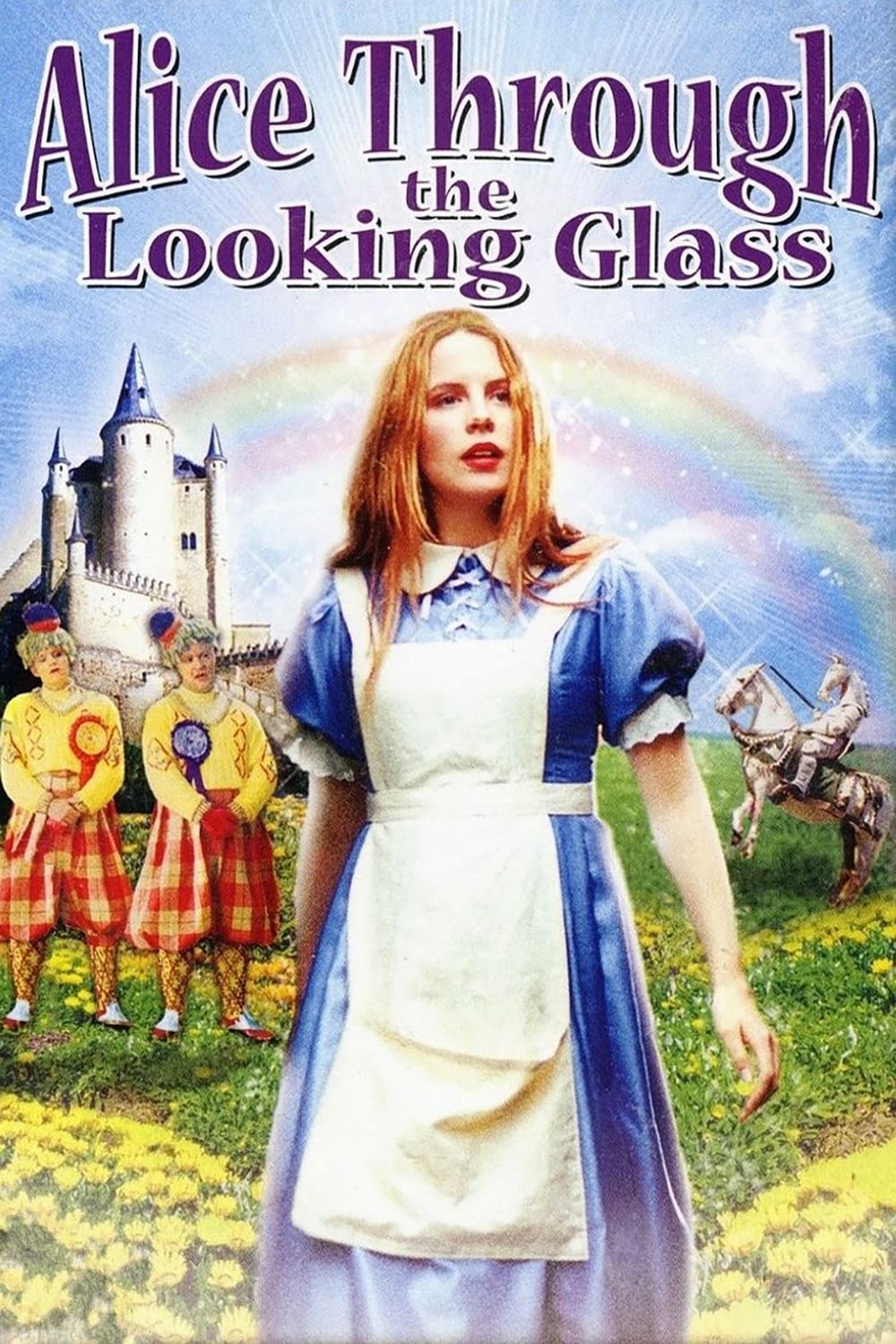
A modern adaptation of the classic children's story 'Alice through the Looking Glass', which continued on from the popular 'Alice in Wonderland' story. This time Alice is played by the mother, who falls asleep while reading the the bedtime story to her daughter. Walking through the Looking Glass, Alice finds herself in Chessland, a magical and fun world. There she meets the Red and White Queens, as well as many other amusing friends on her journey across the chessboard countryside onto become a crowned queen.
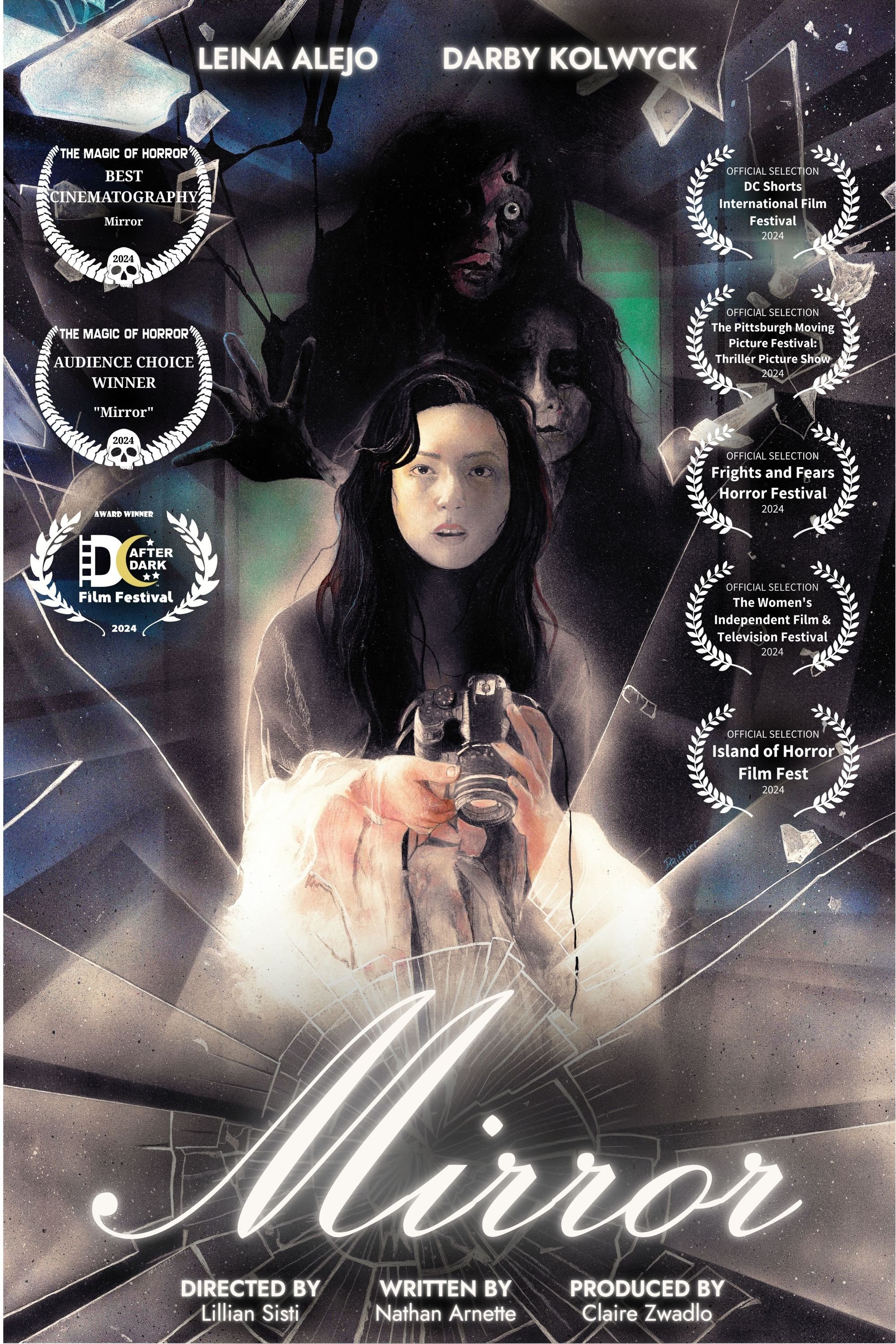
An aspiring model with body dysmorphia must confront her insecurities as they begin to manifest as the twisted form of her own reflection.
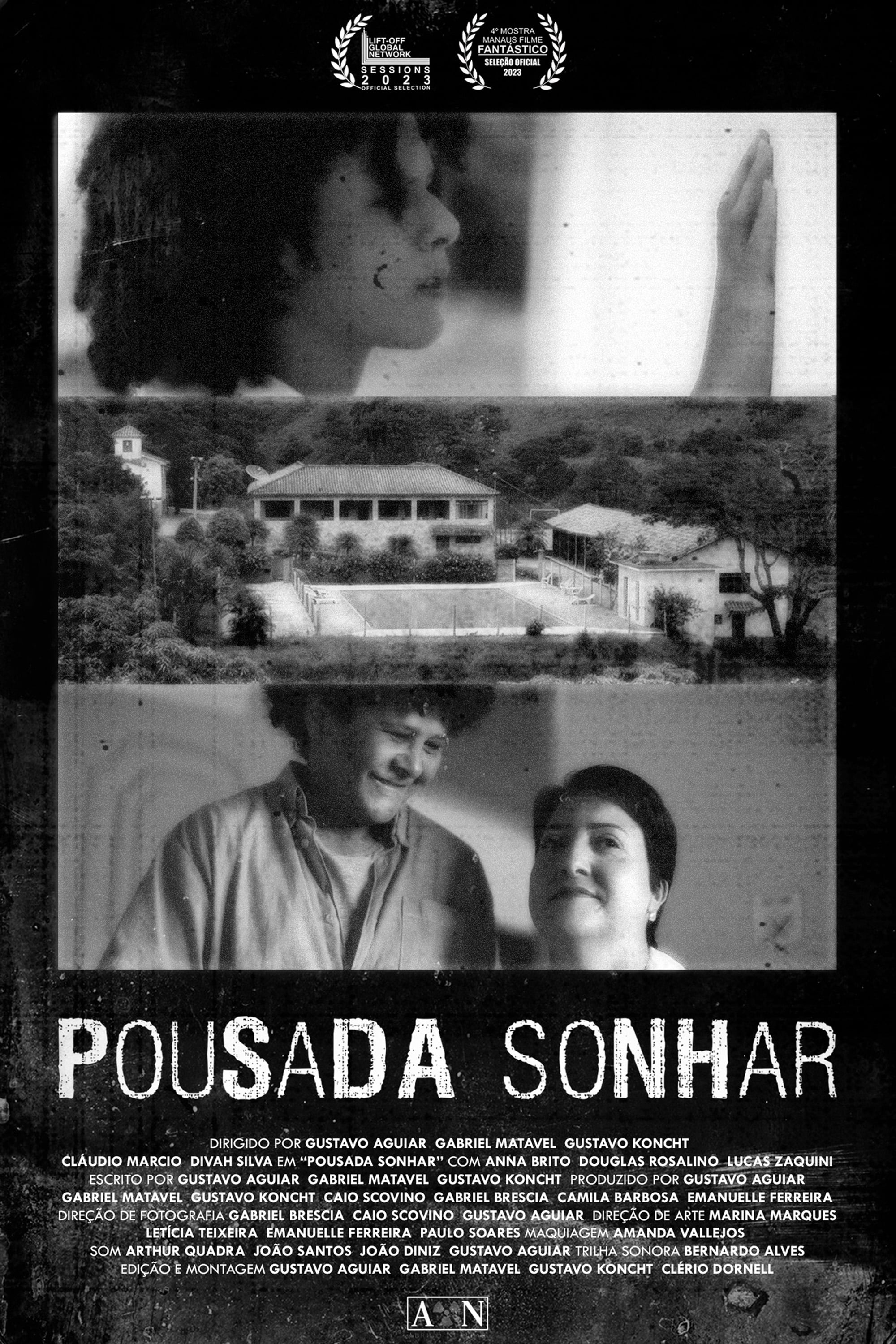
In this anthology, three stories connect through one place: the Dream Inn. A former drug addict, a frustrated journalist and a man searching for his missing wife are drawn to the mysterious place and with the help of its enigmatic staff, The Janitor and The Recepcionist, they will have to face the consequences of their deepest desires.
Through deeply personal interviews with her siblings and an examination of the photographs, letters, and belongings left behind, Mariska assembles a new portrait of her mother Jayne Mansfield, an extraordinary and complex woman.
Lyrical and powerfully personal essay film that reflects on the deaths of her husband Lou Reed, her mother, her beloved dog, and such diverse subjects as family memories, surveillance, and Buddhist teachings.
Al Pacino's deeply-felt rumination on Shakespeare's significance and relevance to the modern world through interviews and an in-depth analysis of "Richard III."
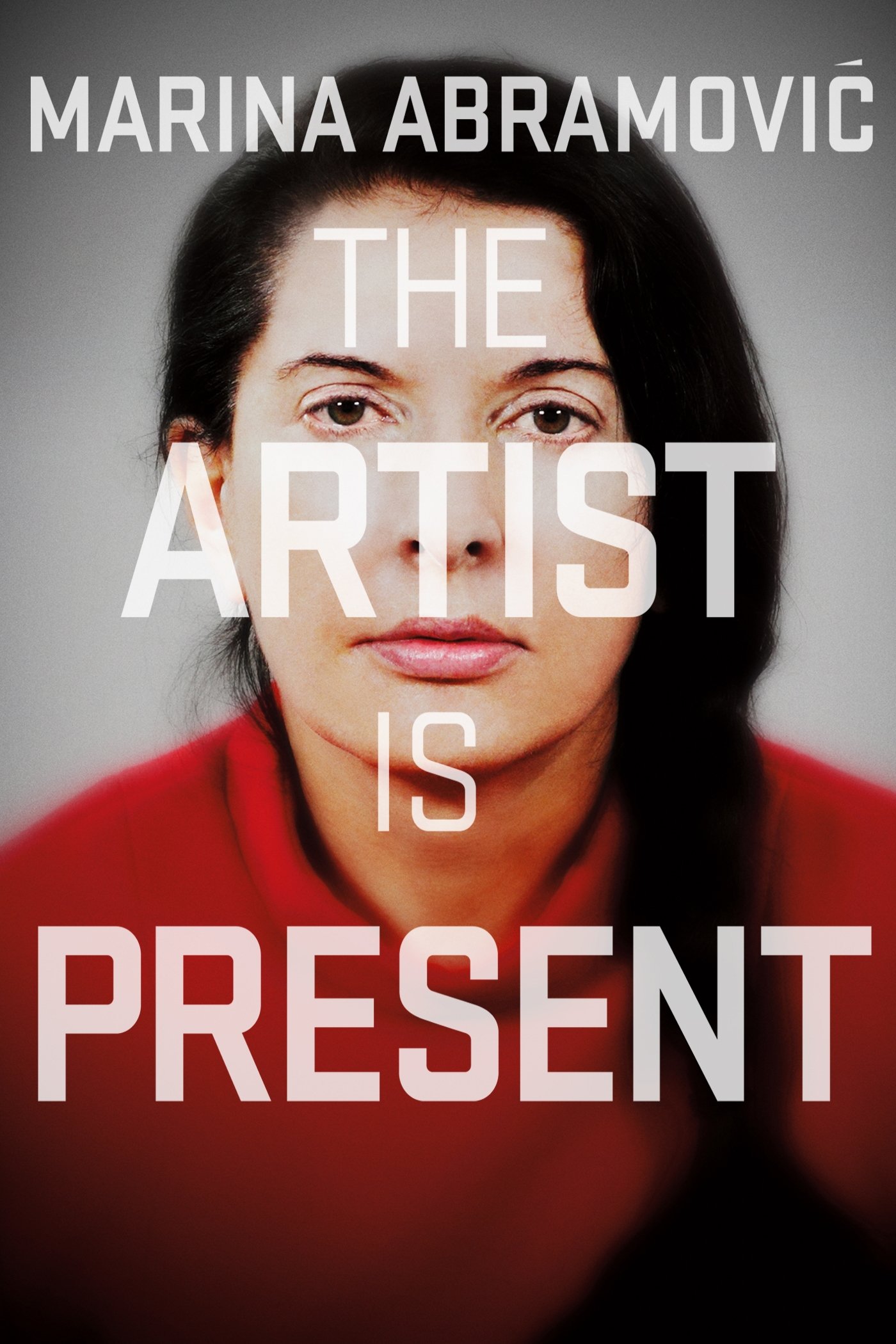
Performance artist Marina Abramovic prepares for a major retrospective of her work at the Museum of Modern Art in New York.
A candid look at rehearsal footage in support of a focus on pre-viz.
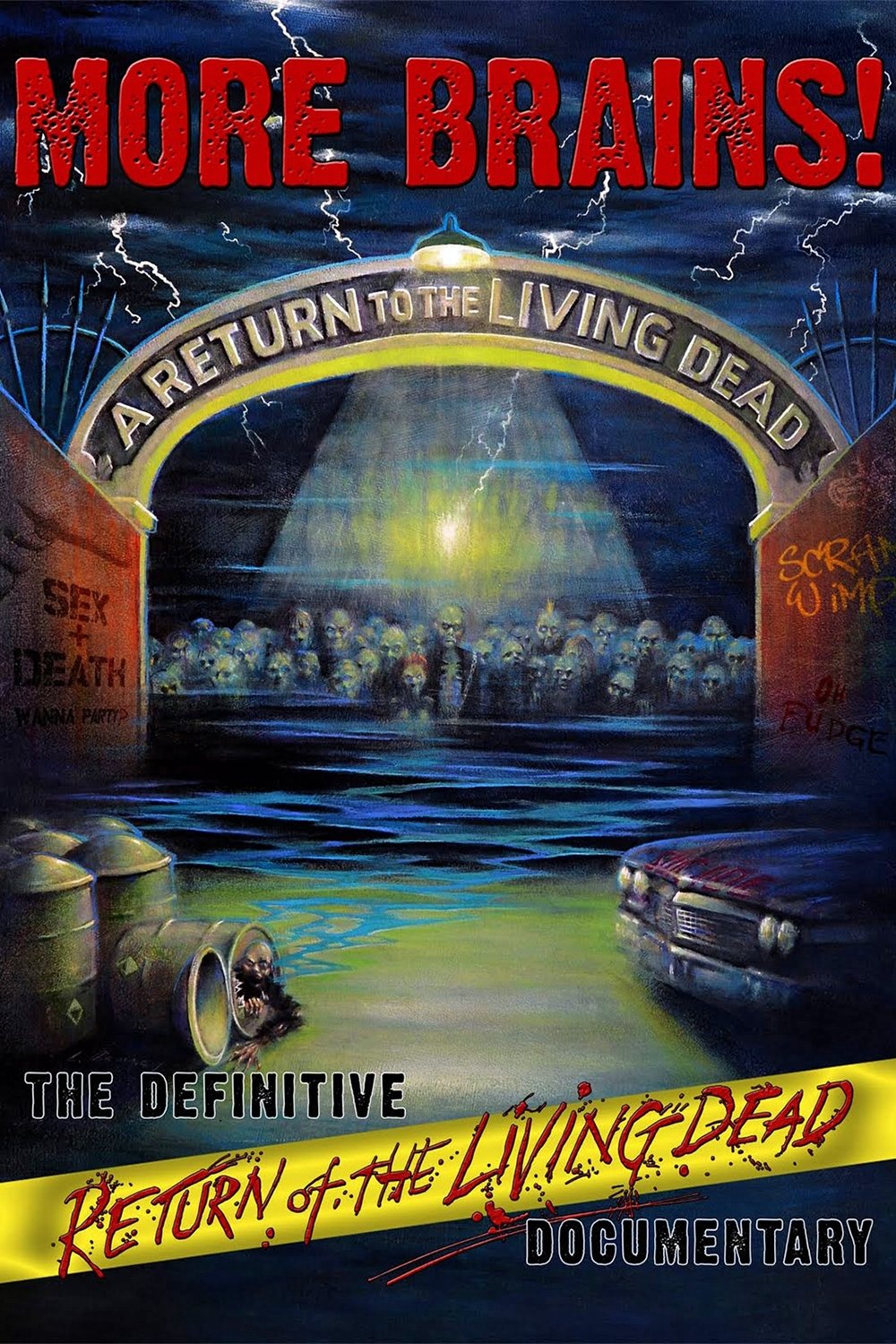
Retrospective documentary about the making of the horror cult classic "The Return of the Living Dead."
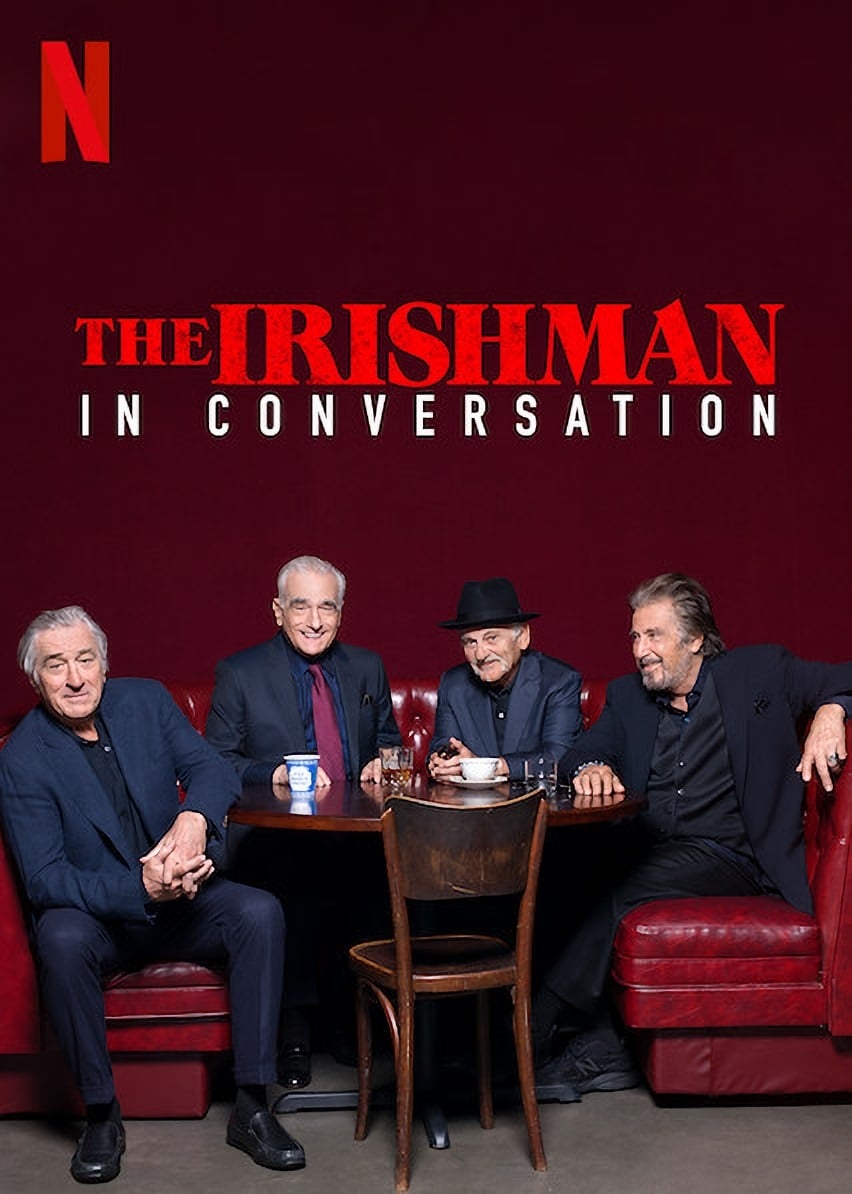
Martin Scorsese, Robert De Niro, Joe Pesci, and Al Pacino in conversation about The Irishman.
JB Smoove and Martin Starr host a celebration of 20 years of "Spider-Man" movies, from the Sam Raimi trilogy to Marc Webb's movies and the trio from Jon Watts.
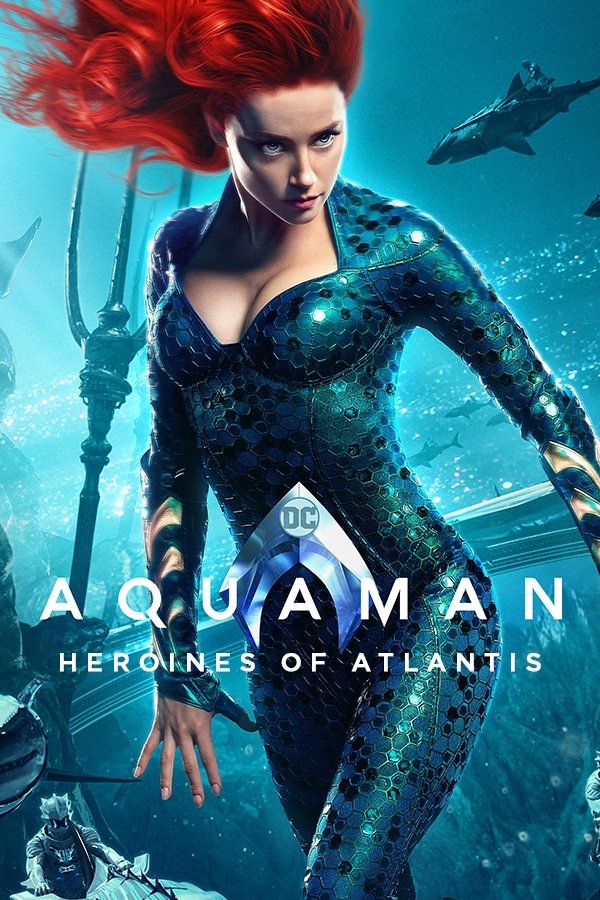
Amber Heard and Nicole Kidman discuss their characters Mera and Atlanna.
Those who knew iconic funnyman John Candy best share his story, in their own words, through never-before-seen archival footage, imagery, and interviews.
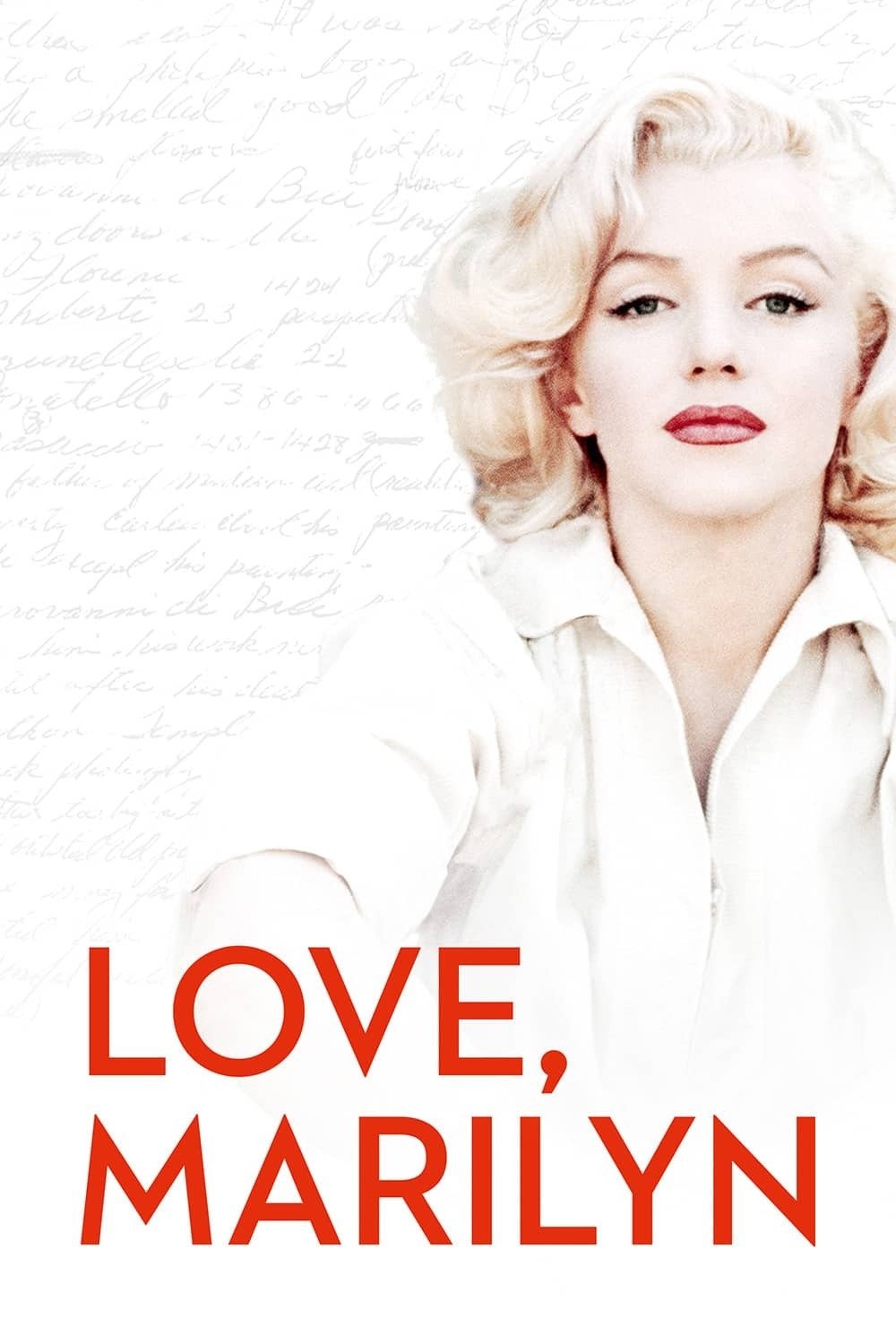
Using the book 'Fragments', which collects Marilyn Monroe's poems, notes and letters, and with participation from the Arthur Miller and Truman Capote estates who have contributed more material, each of the actresses will embody the legend at various stages in her life.
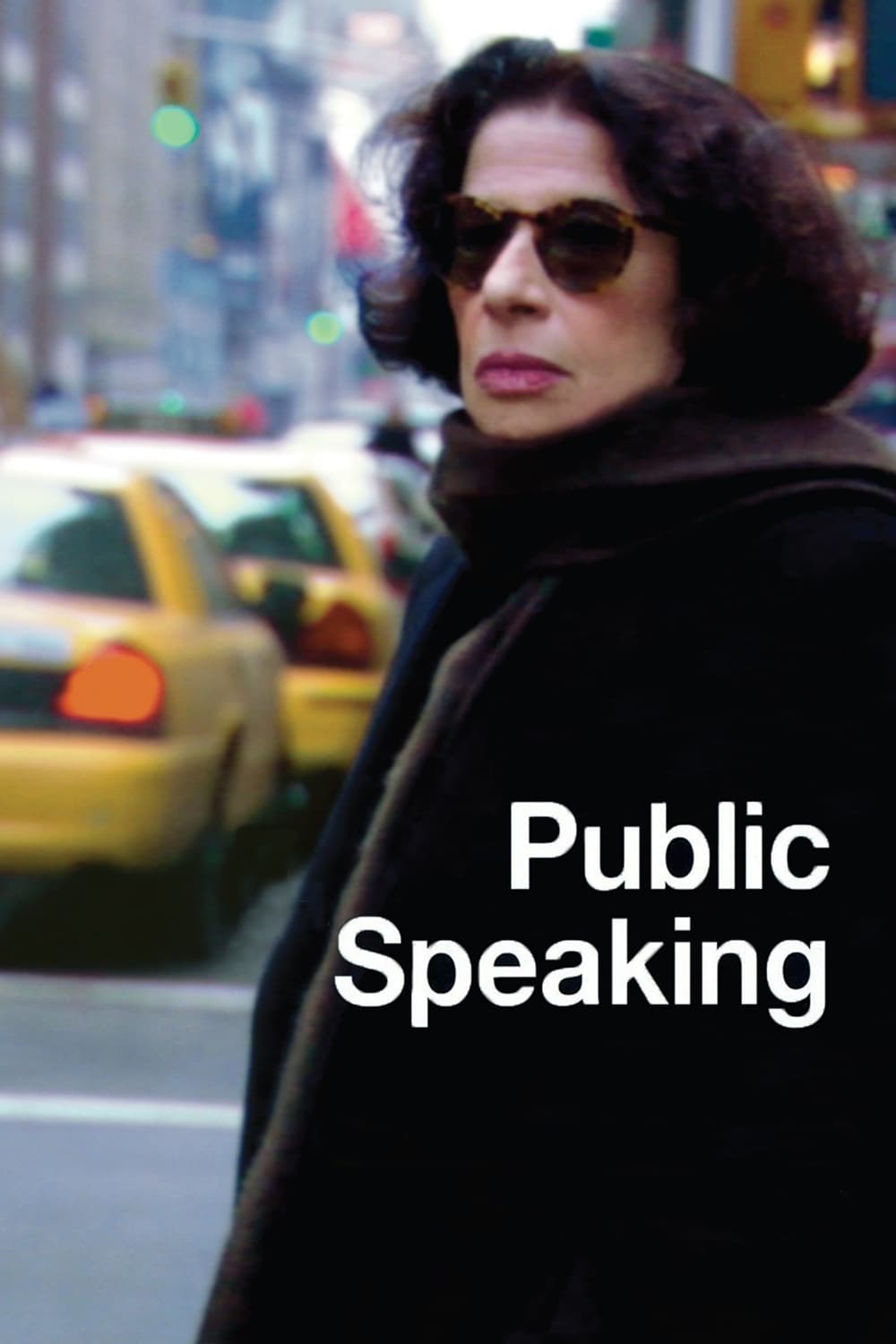
Martin Scorsese’s portrait of writer and social commentator Fran Lebowitz, celebrated for her sharp wit and observations on modern life. Filmed at New York’s Waverly Inn and intercut with archival footage and interviews, the documentary captures Lebowitz’s distinctive worldview through her spontaneous monologues and public appearances.
An inside look at one of the most anticipated movie sequels ever with James Cameron and cast.
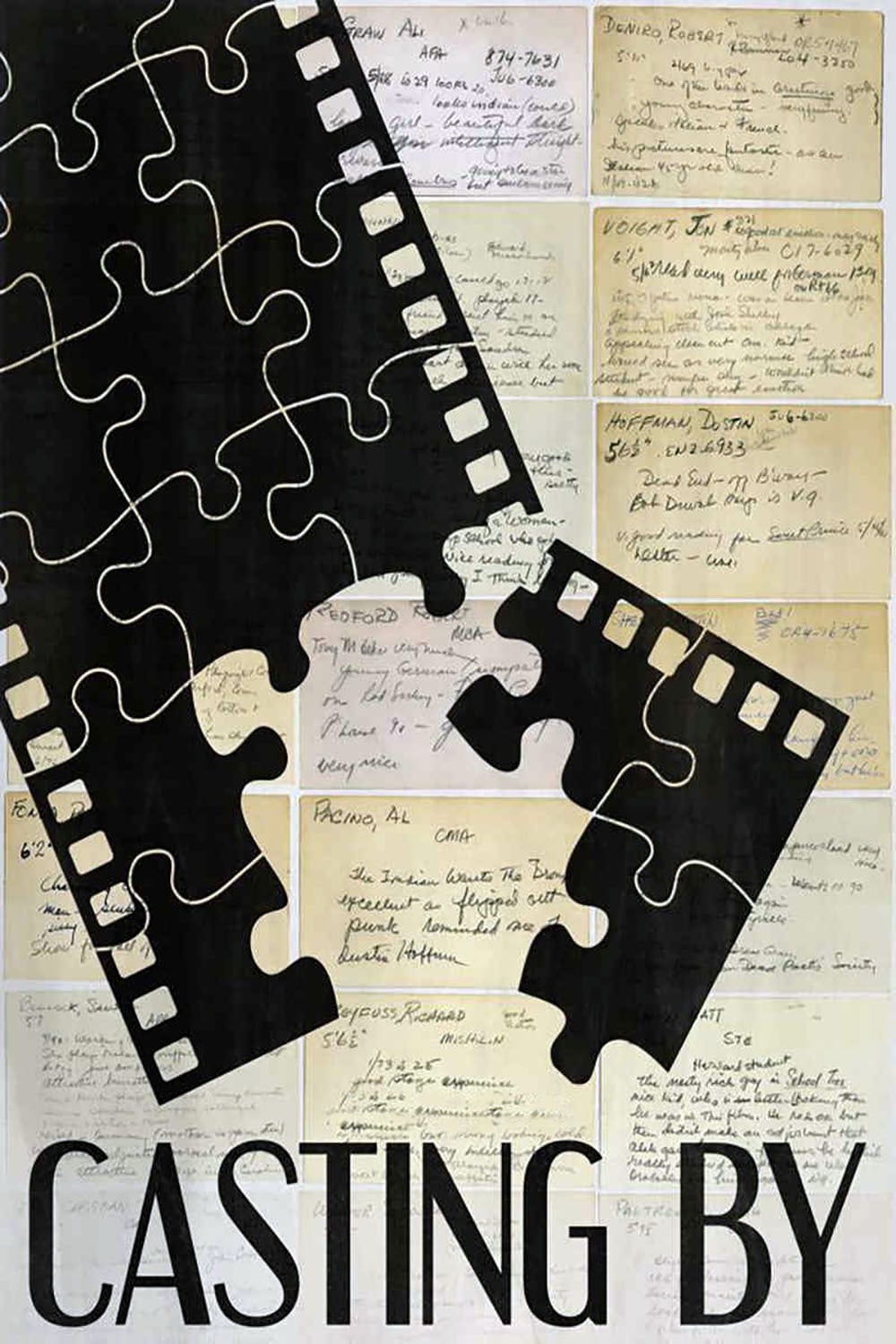
This essential new documentary pays tribute to the legacy of the late, legendary casting director Marion Dougherty and shines a light on one of the most overlooked and least understood crafts in filmmaking.
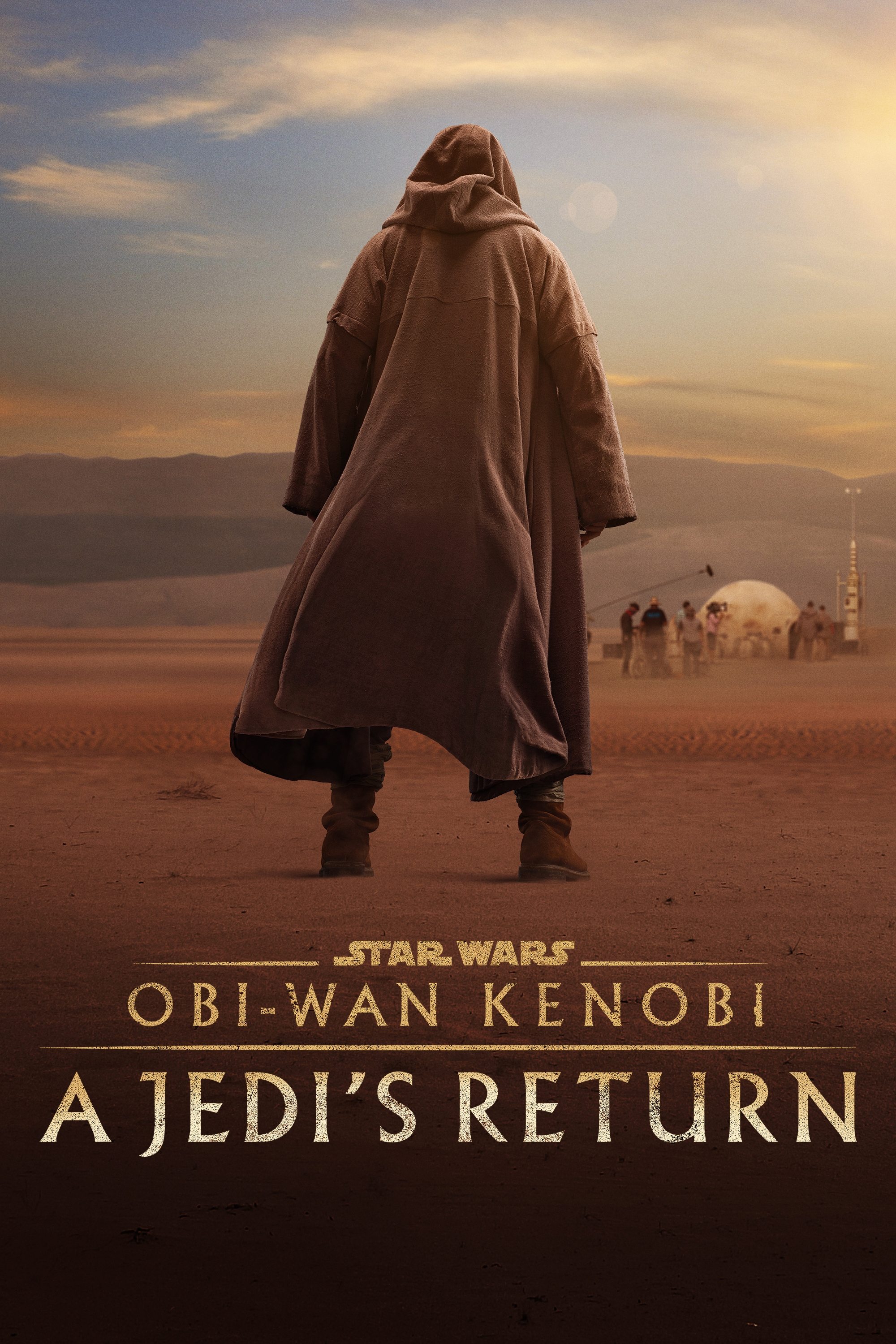
This special explores the return of Obi-Wan Kenobi and Anakin Skywalker to the screen, as well as Ewan McGregor and Hayden Christensen to their classic roles. Director Deborah Chow leads the cast and crew as they create new heroes and villains that live alongside new incarnations of beloved Star Wars characters, and an epic story that dramatically bridges the saga films.
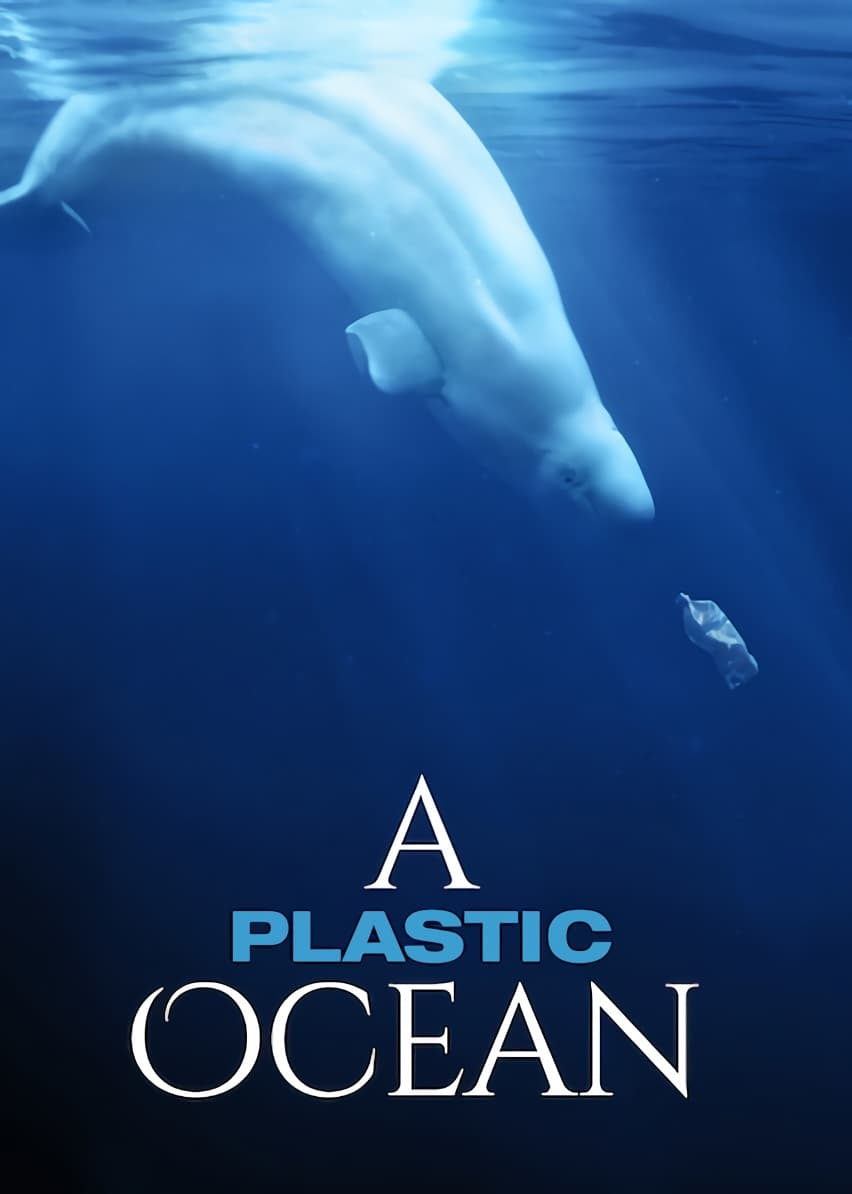
A documentary focused on plastic pollution in the world's oceans.
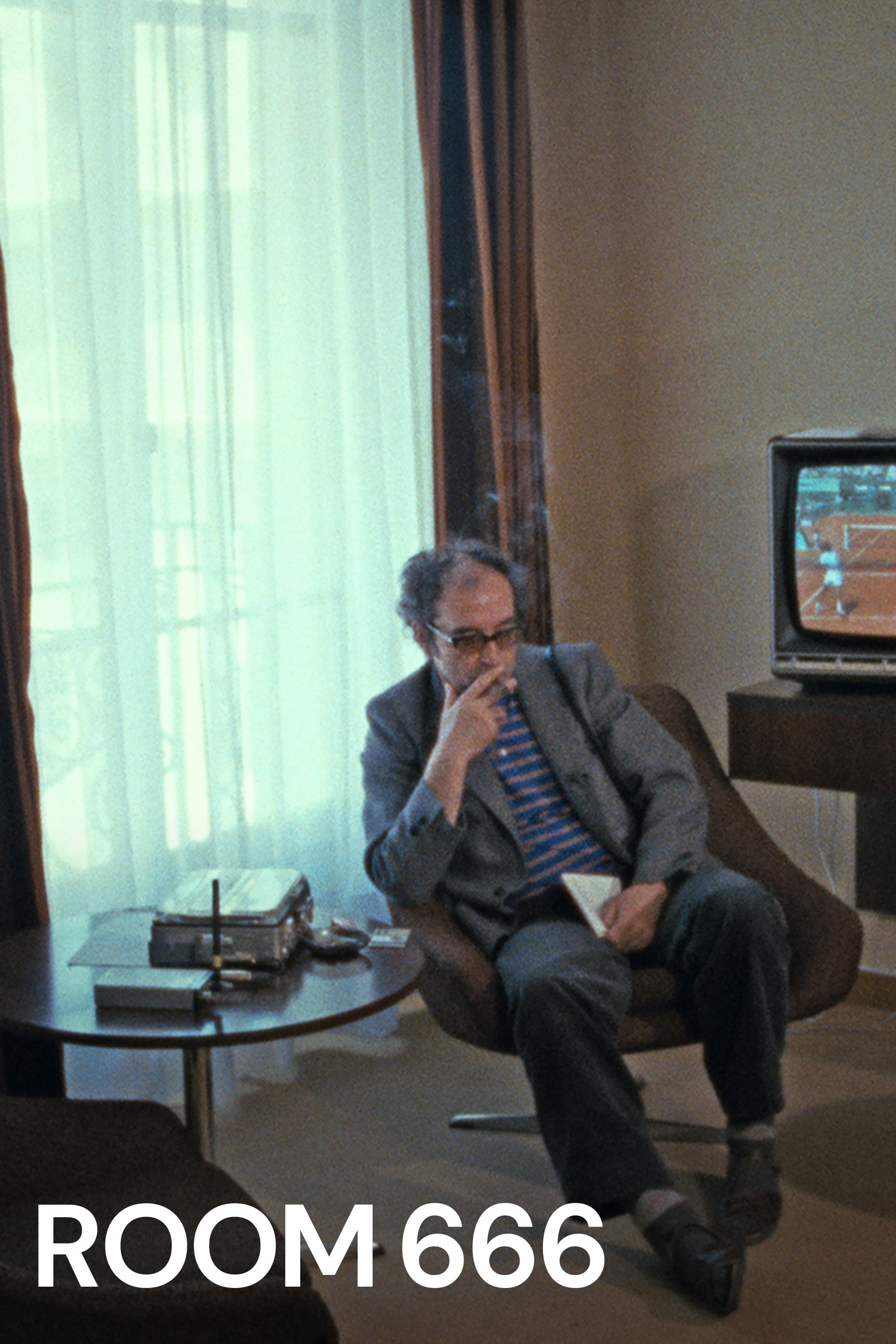
During the 1982 Cannes Film Festival, Wim Wenders asked a number of global film directors to, one at a time, go into a hotel room, turn on the camera, and answer a simple question: "What is the future of cinema?"
THE SPIRIT MOLECULE weaves an account of Dr. Rick Strassman's groundbreaking DMT research through a multifaceted approach to this intriguing hallucinogen found in the human brain and hundreds of plants, including the sacred Amazonian brew, ayahuasca. Utilizing interviews with a variety of experts to explain their thoughts and experiences with DMT, and ayahuasca, within their respective fields, and discussions with Strassman’s research volunteers, brings to life the awesome effects of this compound, and introduces us to far-reaching theories regarding its role in human consciousness.
Daniel Craig candidly reflects on his 15 year adventure as James Bond. Including never-before-seen archival footage from Casino Royale to the upcoming 25th film No Time To Die, Craig shares his personal memories in conversation with 007 producers, Michael G Wilson and Barbara Broccoli.
Documentary of the making of the sequel to the popular Schwarzenegger film, The Terminator.