Social & External
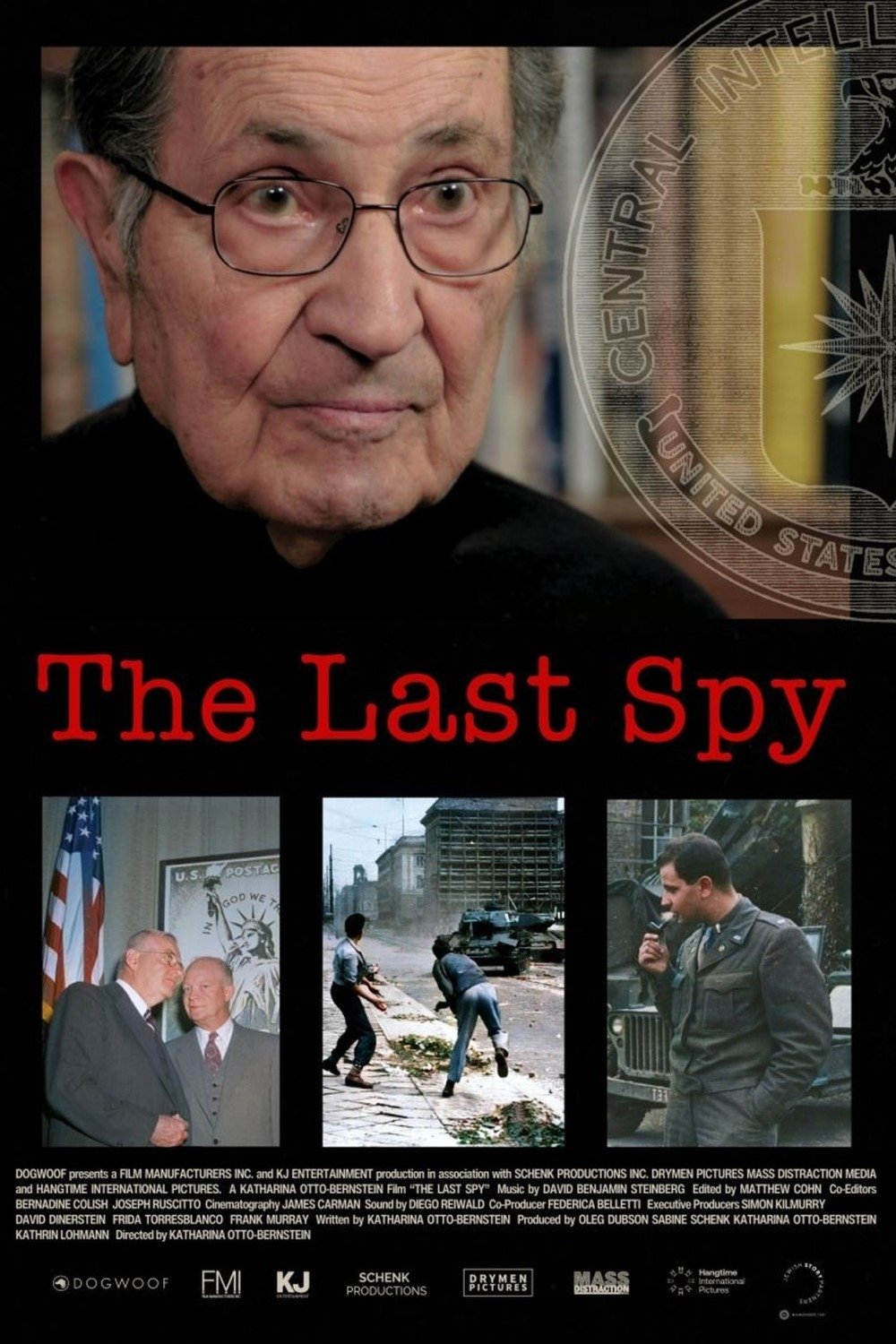
The riveting biography of 102-year-old CIA spymaster Peter Sichel, who unpacks the obscured roots of conflicts that plague today’s world and the toll espionage took on his personal life.
Film sponsored by Western Electric (AT&T's equipment manufacturing division), the builder of the United States Air Force's White Alice Communications System in Alaska. Introduces the people and geography of the new state as well as the Western Electric radio-relay system, which links far-flung military sites, alert stations, and missile-warning facilities. Ralph Caplan praised the film's "intrinsically dramatic and highly photogenic" portrayal of communications equipment.
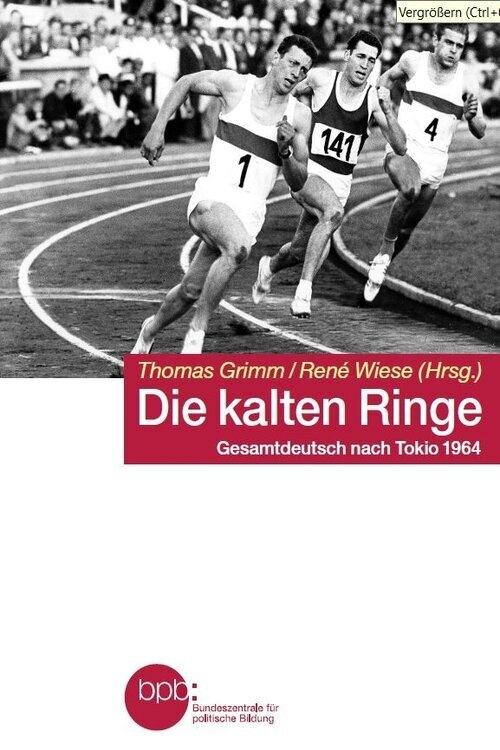
19 years after the dropping of atomic bombs in Japan, the Olympic Games of 1964 took place in Tokyo. In the midst of the cold war, the games are supposed to become a symbol for a peaceful world. Especially the divided Germany is expected to prove this: By order of the IOC, both German states must participate in Tokyo with a joint team despite deep ideological rifts. The fact that athletes from both German states still had to compete against each other in order to form a joint team for the 1964 Olympic Games in Innsbruck and in Tokyo is all but forgotten. The film tells the story of the East-West German team of 1964 for the first time and is simultaneously a current document about the relation of sports and politics in international relations.
Made at the height of 'cold war' paranoia, this drama-documentary shows the work of the UK Warning and Monitoring Organisation, who's duties included the issuing of public warnings of any nuclear missile strike and the subsequent fallout.
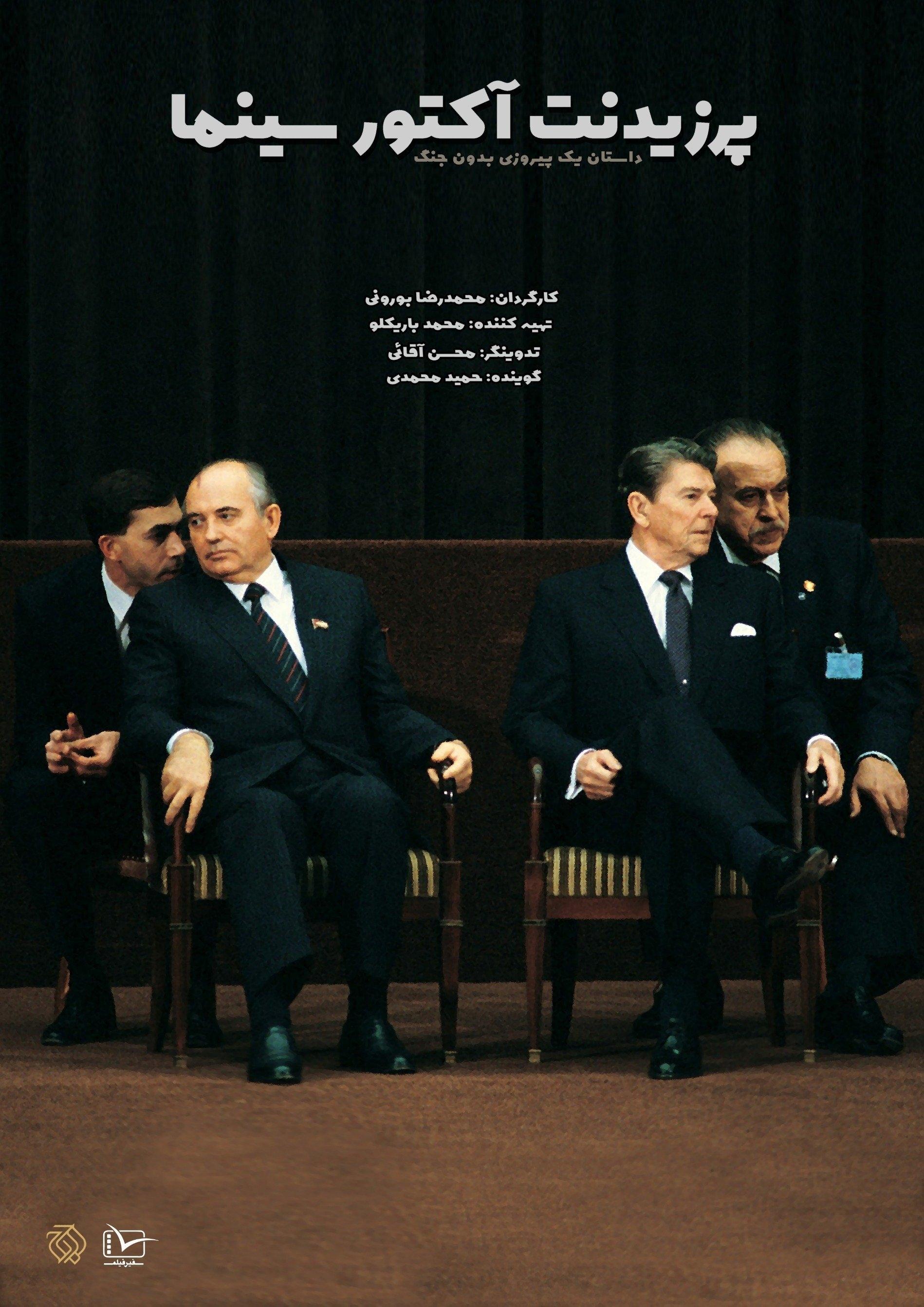
President Mikhail Gorbachev recounts the end of the Cold War and the reduction of nuclear arms.
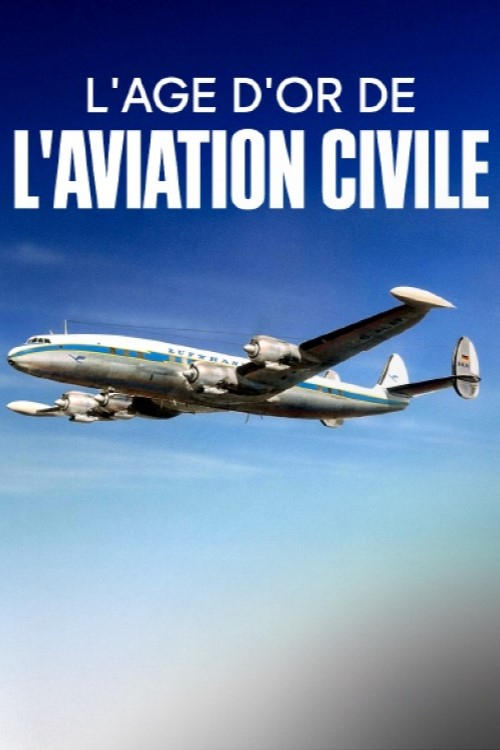
Today London, tomorrow Paris, the day after New York – the life of the "jetsetter." Long before the climate crisis and flight shame, flying was considered the epitome of luxury, freedom, and cosmopolitanism. Passenger aviation is making flight attendants and pilots the ultimate dream jobs. Modern aircraft are setting new standards in comfort, technology, and style. Flying is becoming a hobby of high society.
Gorbachev believed that it was impossible to achieve a successful economy until the tensions of the Soviet Union continued with the Western countries, and especially the US, so that their high priority was to tame down, establish relations and negotiate with the Americans.
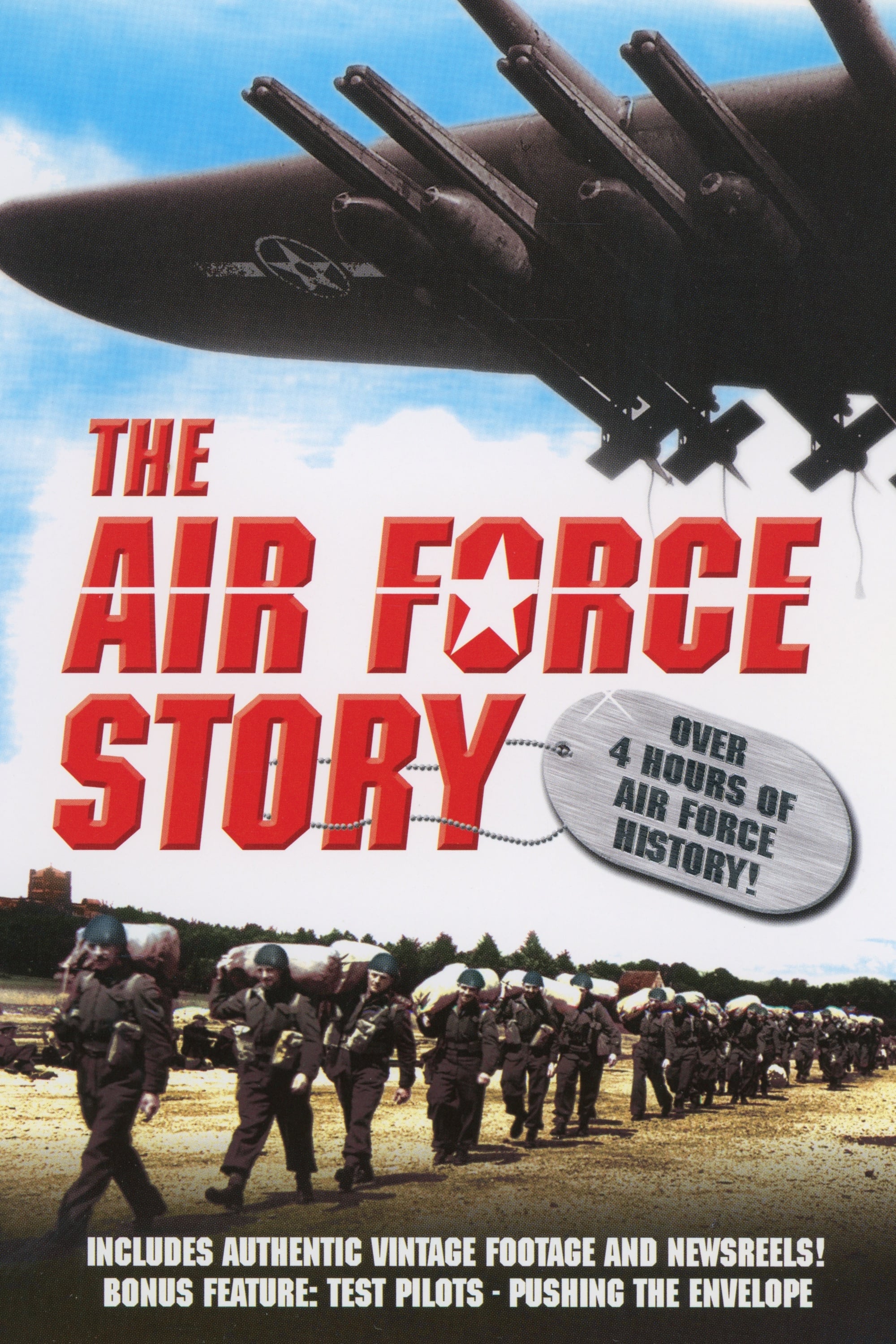
The fascinating history of the U.S. Air Force comes to life via vintage footage culled from official Air Force newsreels that were created to educate the public during wartime. Formed in World War I as a tiny airborne offshoot of the Army's American Expeditionary Force, the division subsequently grew into its own armed services branch and became the largest modern air force in the world.
Tensions between the USSR and the United States were high in 1959, with the seemingly constant threat of nuclear war. Then some unlikely ambassadors stepped forward to clear all that away: the Harlem Globetrotters. From Harlem With Love is the story of how a group of barnstorming basketball players traveled to the heart of the Soviet Union at the height of the Cold War and bridged a cultural gap many thought would stand forever.
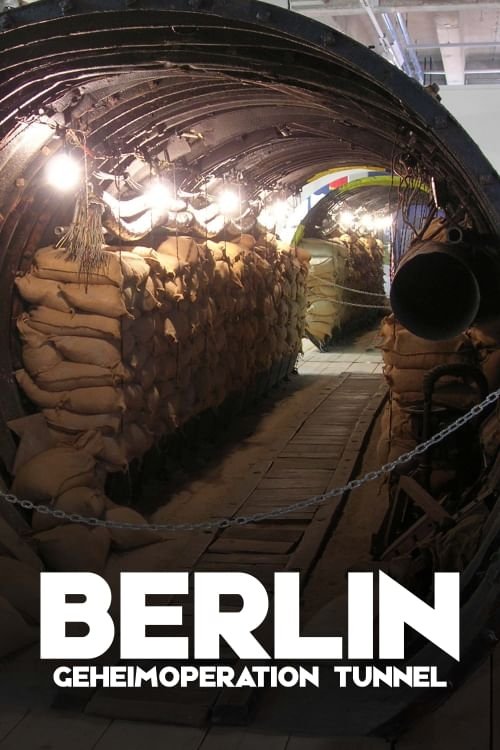
13 August 1961: the GDR closes the sector borders in Berlin. The city is divided overnight. Escape to the West becomes more dangerous every day. But on September 14, 1962, exactly one year, one month and one day after the Wall was built, a group of 29 people from the GDR managed to escape spectacularly through a 135-meter tunnel to the West. For more than 4 months, students from West Berlin, including 2 Italians, dug this tunnel. When the tunnel builders ran out of money after only a few meters of digging, they came up with the idea of marketing the escape tunnel. They sell the film rights to the story exclusively to NBC, an American television station.
How the Soviet Union was able to copy the Boeing B-29 Superfortress bomber, and the influence of the resulting Tupolev TU-4 on the Cold War.
The first American space station Skylab is found in pieces scattered in Western Australia. Putting these pieces back together and re-tracing the Skylab program back to its very conception reveals the cornerstone of human space exploration.
In the aftermath of the Cold War, Russian and American intelligence agencies, once enemies, joined forces and pooled their data to serve the planet, threatened by global warming. The story of a remarkable odyssey.
In the documentary Last To Know political prisoners, sent to jail for openly opposing the East German regime that existed until the German reunification in 1990, talk about their times of trial and their lives today. Neither they, nor their families have come to terms with what happened.
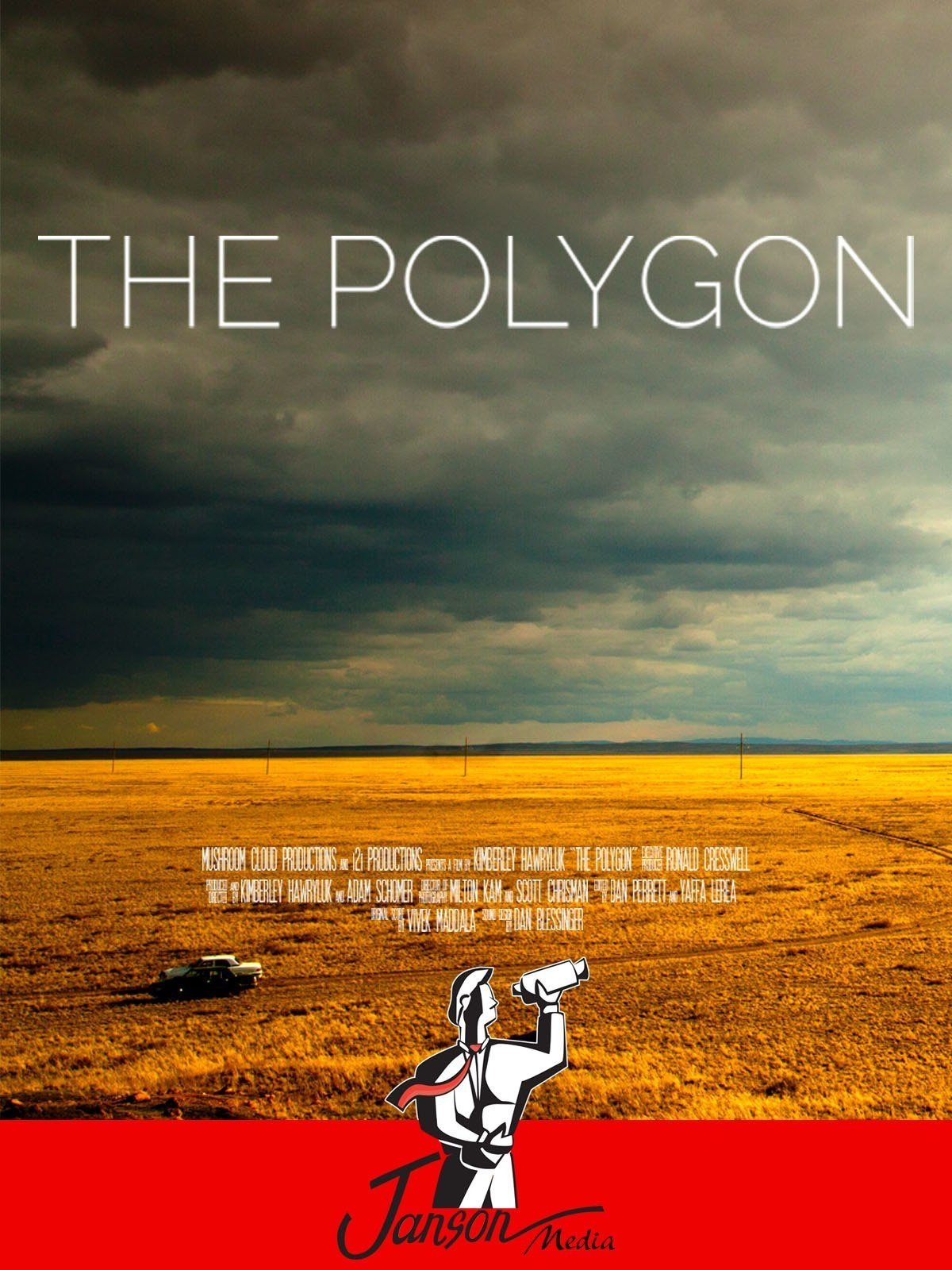
The Polygon shines a light on the village of Sarzhal in East Kazakhstan, situated only 18kms from the perimeter of the former Semipalatinsk Test Site, that was home to over 600 nuclear detonations. Between 1949 and 1991 the Soviet Union detonated 116 above ground bombs, whose massive radioactive mushroom clouds were witnessed by thousands of innocent and unsuspecting Kazakh villagers. They gazed openmouthed at the spectacle, completely unaware that nuclear fallout was raining down on them, their children, livestock and homes. 20 years after the closure of The Polygon they are still suffering high rates of cancer, cancer related diseases and mental illness. The Polygon takes us on a journey from the twisted Cold War experiments to those victims who remain today, still suffering despite the emergence of Kazakhstan as a major economic player on the global stage.
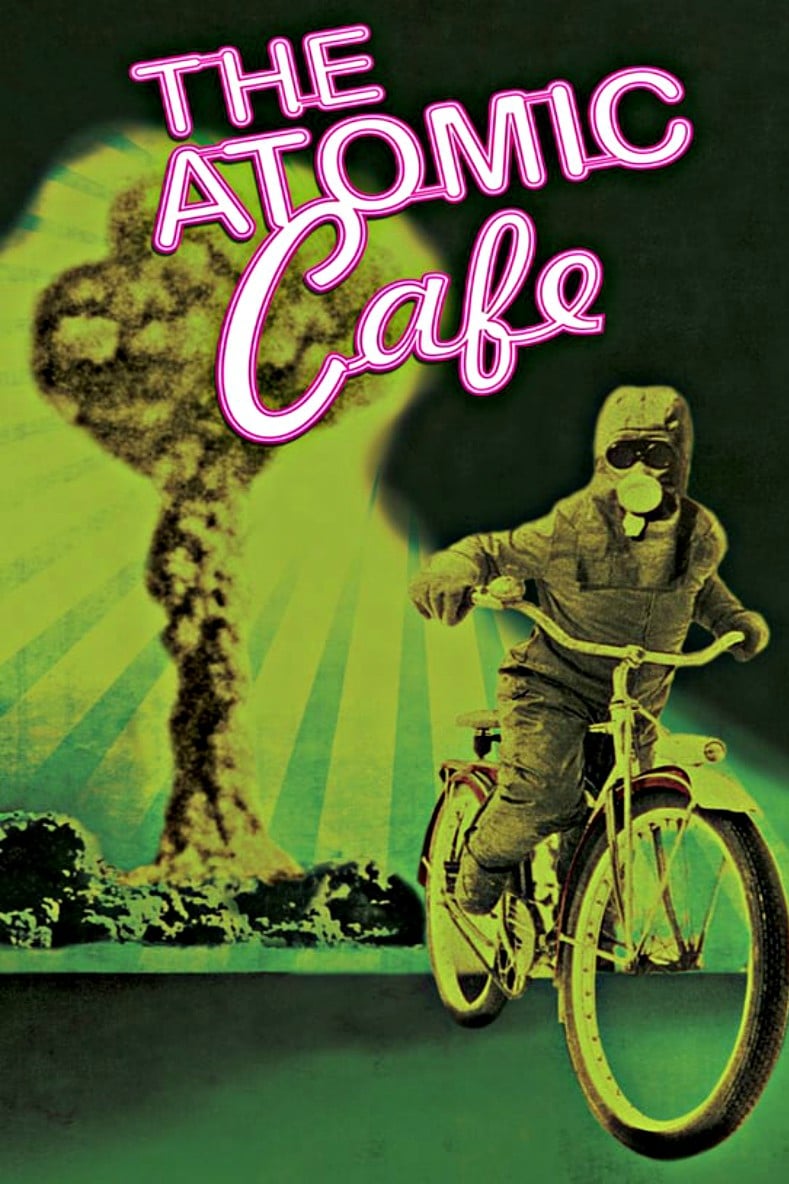
A disturbing collection of 1940s and 1950s United States government-issued propaganda films designed to reassure Americans that the atomic bomb was not a threat to their safety.
This documentary recounts the history of modern aviation (primarily in Britain) from roughly 1900 until the inter-war period, using old monochrome footage of original aircraft, contemporary color footage of replica planes in flight as well as a number of photographs of famous aviators.
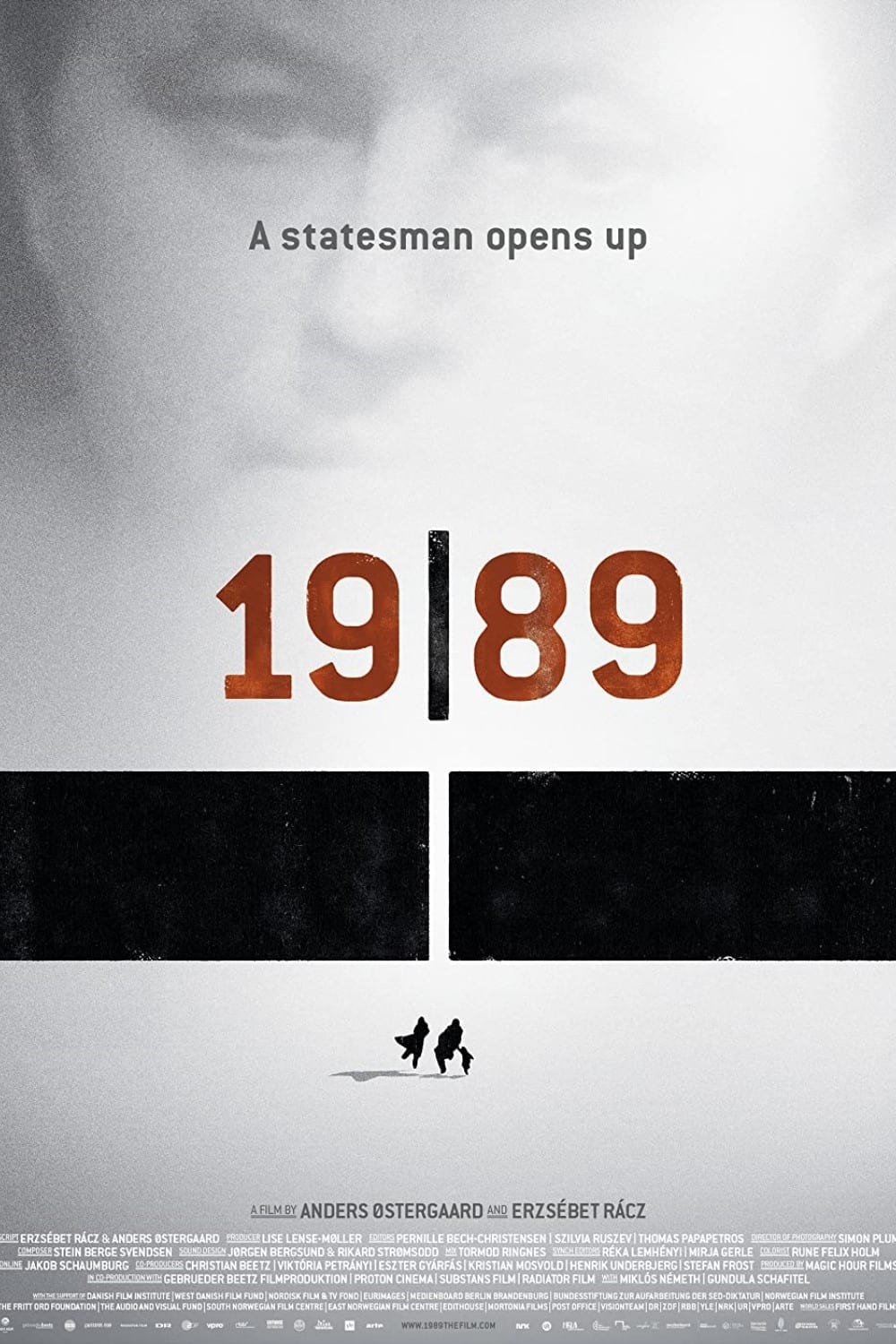
Anders Østergaard’s film is an investigative look at the year the Berlin Wall fell, documenting the events that took place in Hungary as a prelude to the dramatic changes in November 1989. The director recreates the events and leads the audiences deep into the politicians’ secret meeting rooms by using a mix of interviews, archive material and reconstructed scenes and dialogues.