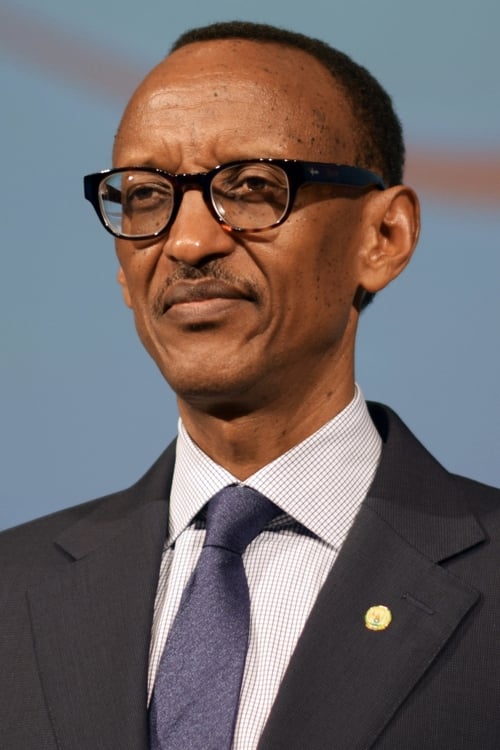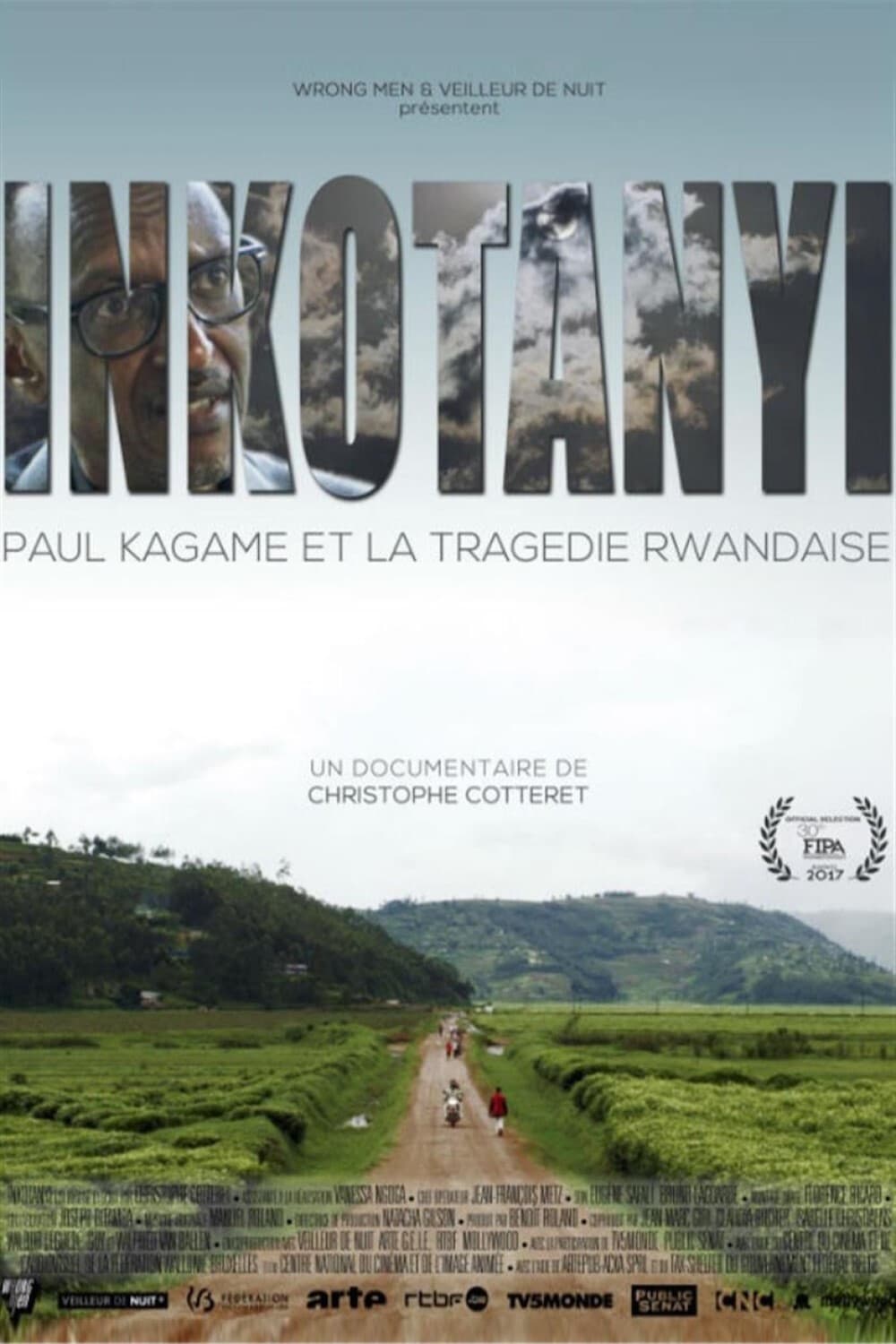
For the first time, light is shed on the Inkotanyi politico-military movement that ended the genocide of the Rwandan Tutsi in 1994 and is led by Paul Kagame, currently President of Rwanda.

Social & External
Himself

Rwanda. 14 years after the genocide that took the lives of more than 800,000 people. What situation is the country in now? What feelings reign in the hearts of the victims? Can victims and executioners coexist? What value does education have in a society that has experienced genocide? Can it happen again? Who should act when a genocide is taking place? Do we have any responsibility as individuals?
Coexist tells the emotional stories of women who survived the Rwandan genocide in 1994. They continue to cope with the loss of their families as the killers who created this trauma return from jail back to the villages where they once lived. Faced with these perpetrators on a daily basis, the victims must decide whether they can forgive them or not. Their decisions are unfathomable to many, and speak to a humanity that has survived the worst violence imaginable.
The oral writer of the April 3 Uprising and a Rwandan who came to Korea to study face each other, have a conversation, and then go on a trip hand in hand. The two people, from different generations, nationalities, and occupations, have something in common: they are the daughters of massacre survivors.
Peter LeDonne and Steve Kalafer chronicle the extraordinary life of Immaculée Ilibagiza, a young African woman who escaped genocide in Rwanda and ultimately found refuge in the United States. Seeking shelter with an Episcopalian minister, Immaculée hid from her attackers inside a bathroom for three long months but stayed centered through prayer and faith.
Ghosts of Rwanda marks the 10th anniversary of the Rwandan genocide with a documentary chronicling one of the worst atrocities of the 20th century. In addition to interviews with key government officials and diplomats, this documentary offers eyewitness accounts of the genocide from those who experienced it firsthand. FRONTLINE illustrates the failures that enabled the slaughter of 800,000 people to occur unchallenged by the global community.
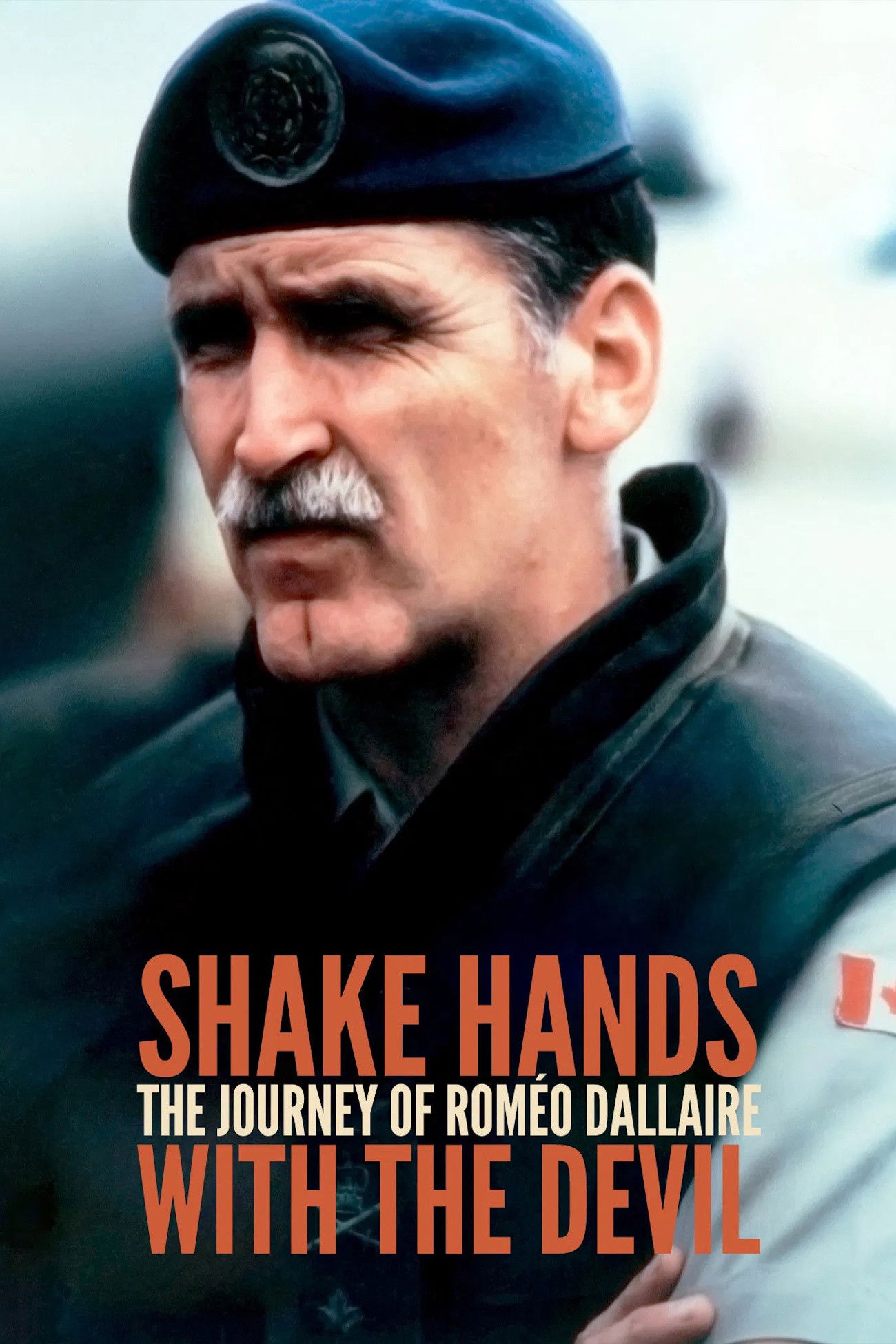
The story of Canadian Lt. Gen. Roméo Dallaire and his controversial command of the United Nations mission to Rwanda during the 1994 genocide. The documentary was inspired by the book Shake Hands with the Devil: The Failure of Humanity in Rwanda which was published in 2003.
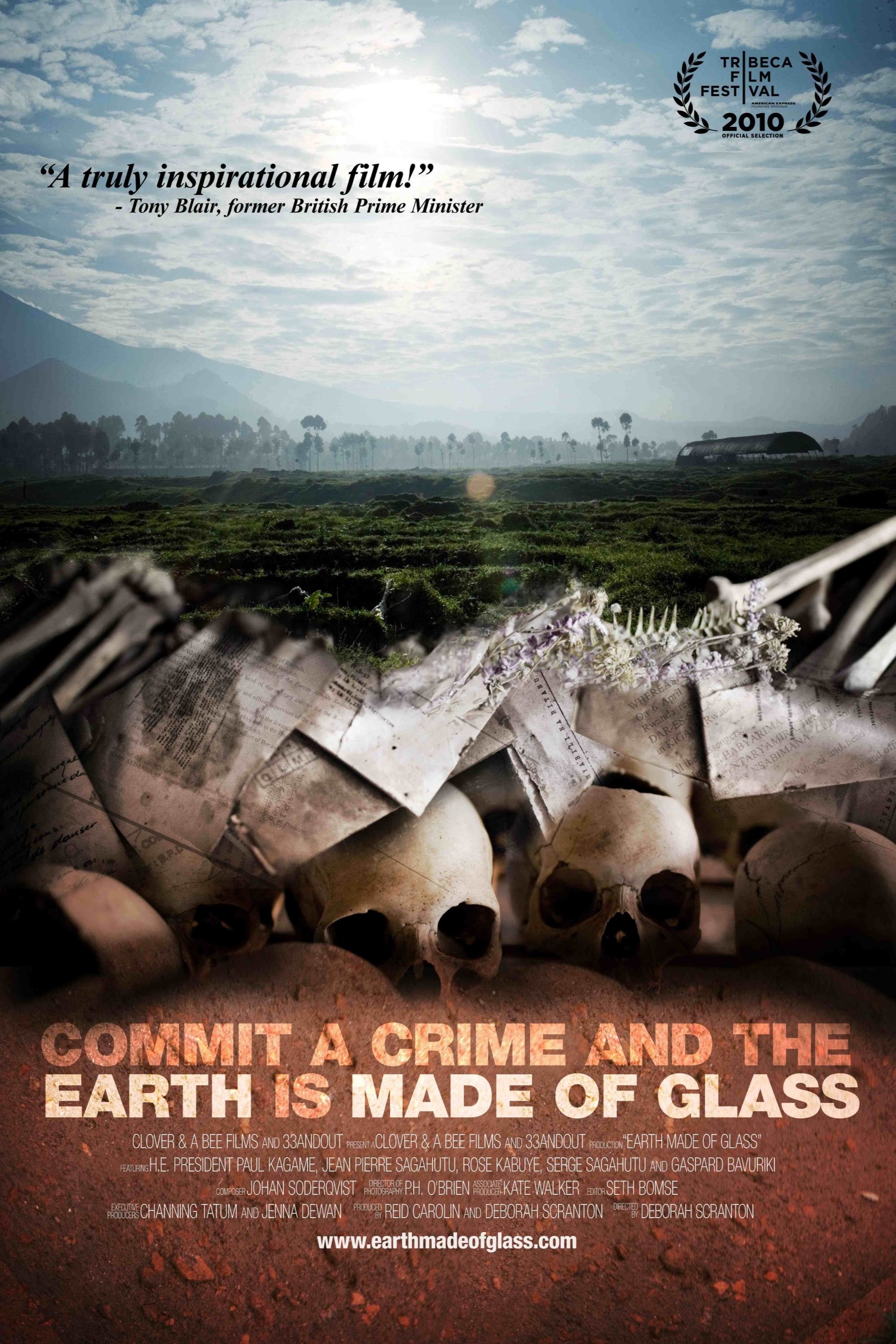
Chronicling the search for truth and peace in post-genocide Rwanda. Director Deborah Scranton explores issues of peace, retribution, accountability and justice, ultimately discovering a blueprint for ending the cycle of violence. Examining the personal and political repercussions of the deadly conflict in this east African country.
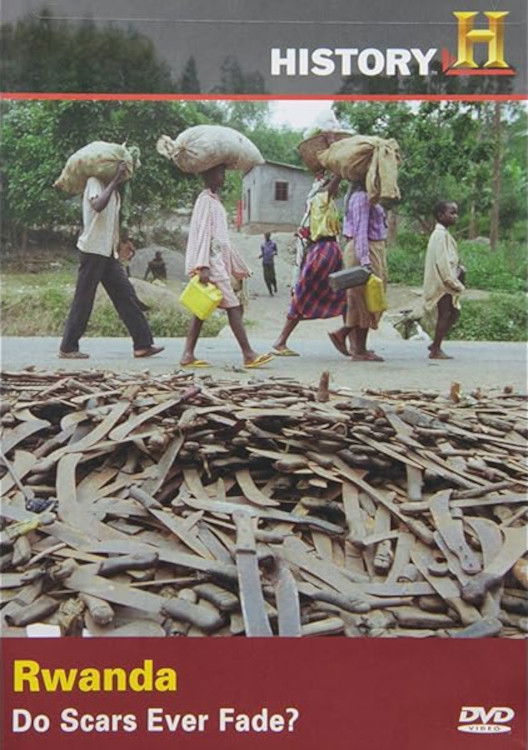
This 90-minute special presents the complex and riveting history of Rwanda, providing an in-depth look at the propaganda campaign that's crucial to understanding how genocide leaders got ordinary citizens to participate. In 1994, the small African country was awash in blood. An estimated 75 percent of the Tutsi minority was slaughtered, and in just 100 days, more than 800,000 were killed. And, at least 50,000 politically moderate Hutus also perished. We explore the 1994 genocide and post-genocide period, and grapple with the question: How does a country recover from its haunted past? Unfolding through firsthand experiences of Rwandans who lived through the genocide, we document stories of survivors, perpetrators, and government officials and sort through the difficulties of balancing justice with reconciliation.
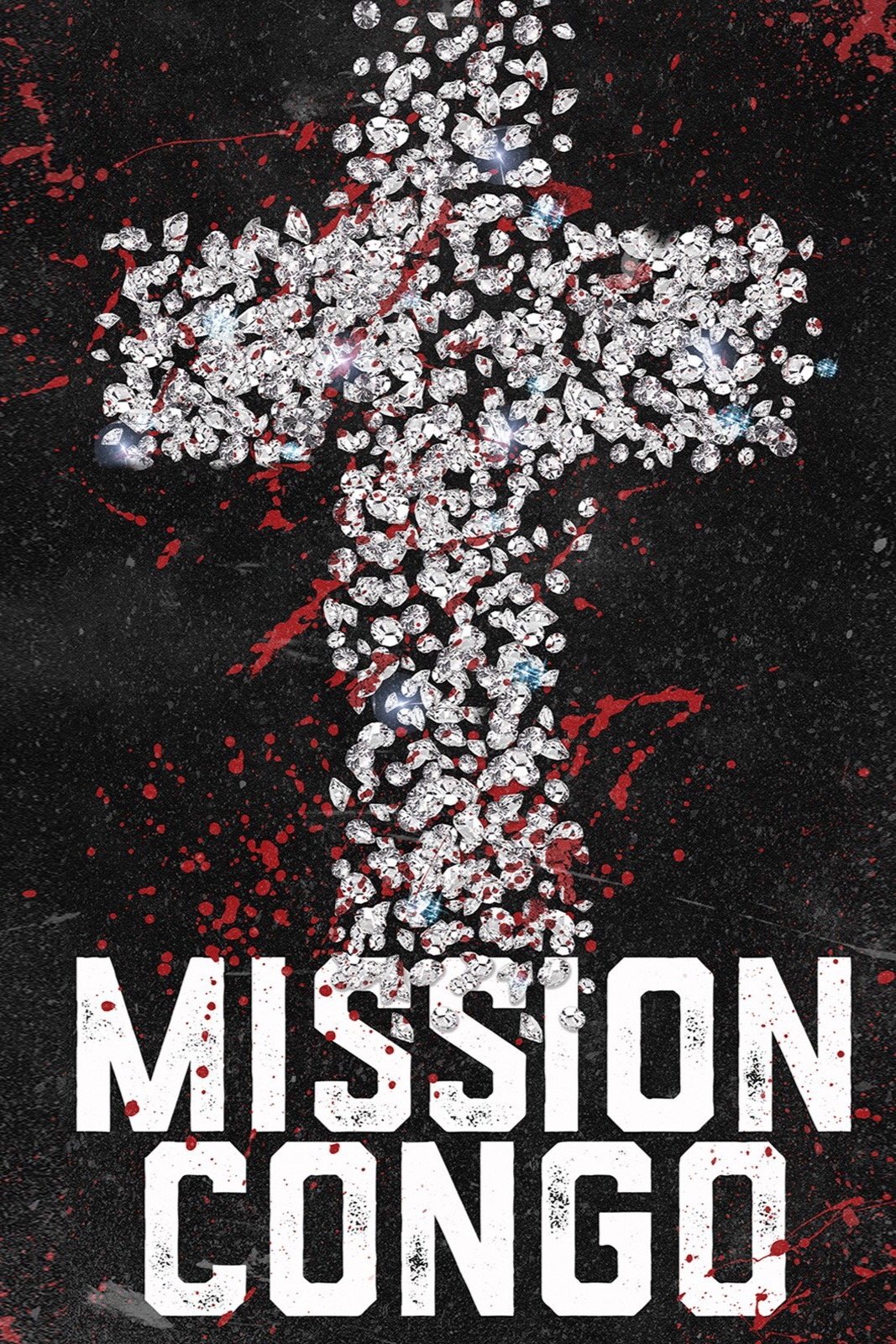
A documentary that examines whether a charity organized by Pat Robertson to aid Rwandan genocide refugees was a front for diamond mining.
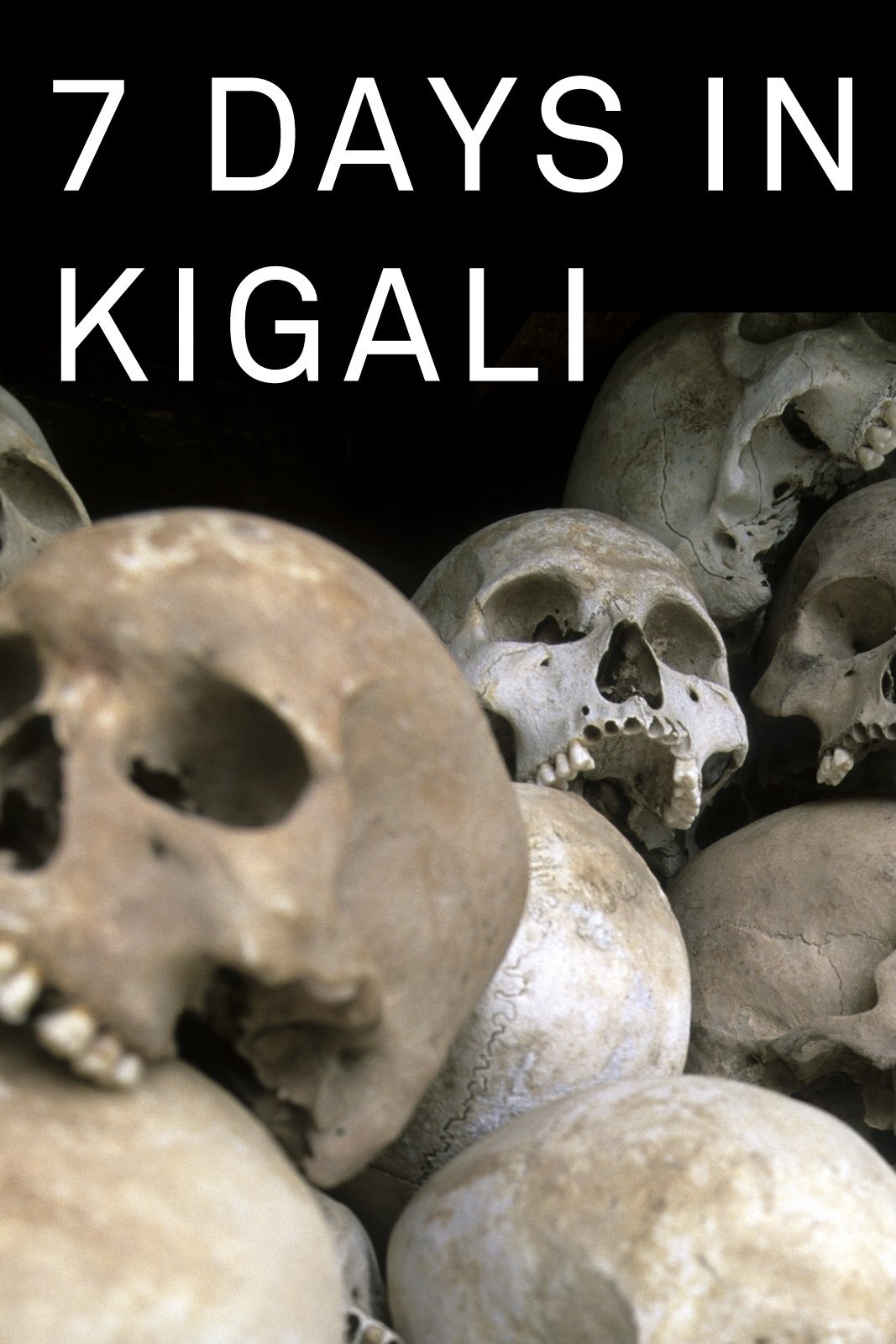
What happened in Rwanda in 1994 was not simply the spontaneous eruption of inter-ethnic hatred. It was planned genocide, on an industrial scale. Something that was prepared for at least a year in advance. Lists were made. Weapons were collected. RTLM radio spent months conditioning their audience to believe that one sector of their population represented a threat.
Amani is 31. When he was an infant, he survived the genocide against Rwanda’s Tutsi population. Three decades later, Amani has set up an organisation in Nyamirambo, one of the more economically impoverished districts of the country’s capital, Kigali. It employs creativity, artistic practice and performance to grapple with poverty and generational trauma – acknowledging that deep-seated ideologies can easily foment prejudice and create an environment that proved so catastrophic in the past.
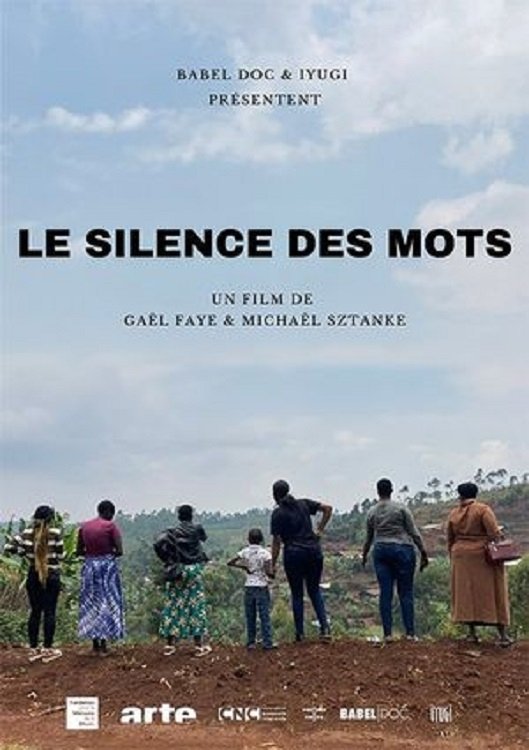
Their words had never been heard before. Co-directed by French-Rwandan musician and author Gaël Faye and director Michael Sztanke, this movie records with sensitivity and for the first time the testimonies of Prisca, Marie-Jeanne and Concessa about their lives during the genocide and after. The three Tutsi women tell the camera about their daily lives during the genocide and in the refugee camps of Murambi and Nyarushishi, where they lived a nightmare under the guard of the French soldiers of the Opération Turquoise who, under a UN mandate, where supposed to protect them. While the French army denies any rape accusation, the three women filed complaints with the French justice system in 2004 and 2012. The investigation is now at a standstill.
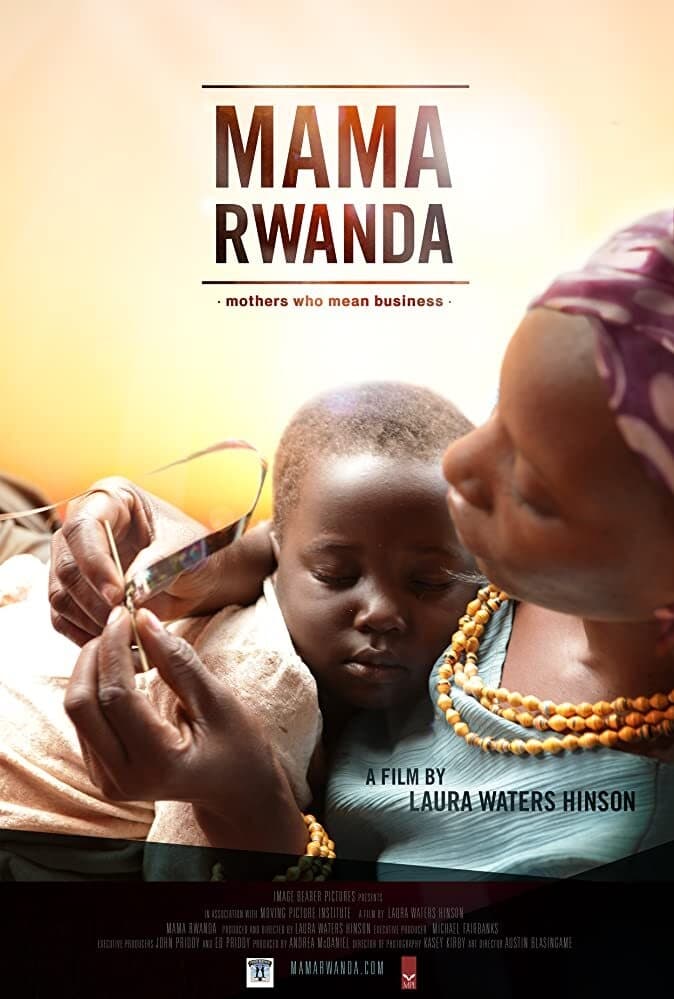
MAMA RWANDA is the story of two women mixing the wit of motherhood with the spirit of entrepreneurship to overcome extreme poverty. Drocella, a village wife, and Christine, a city widow, represent a new generation of women business-owners transforming post-genocide Rwanda into one of the top ten fastest growing economies in the world. A modern tale of the work/life balancing act, MAMA RWANDA illuminates the remarkable lives of two working mothers in the developing world.
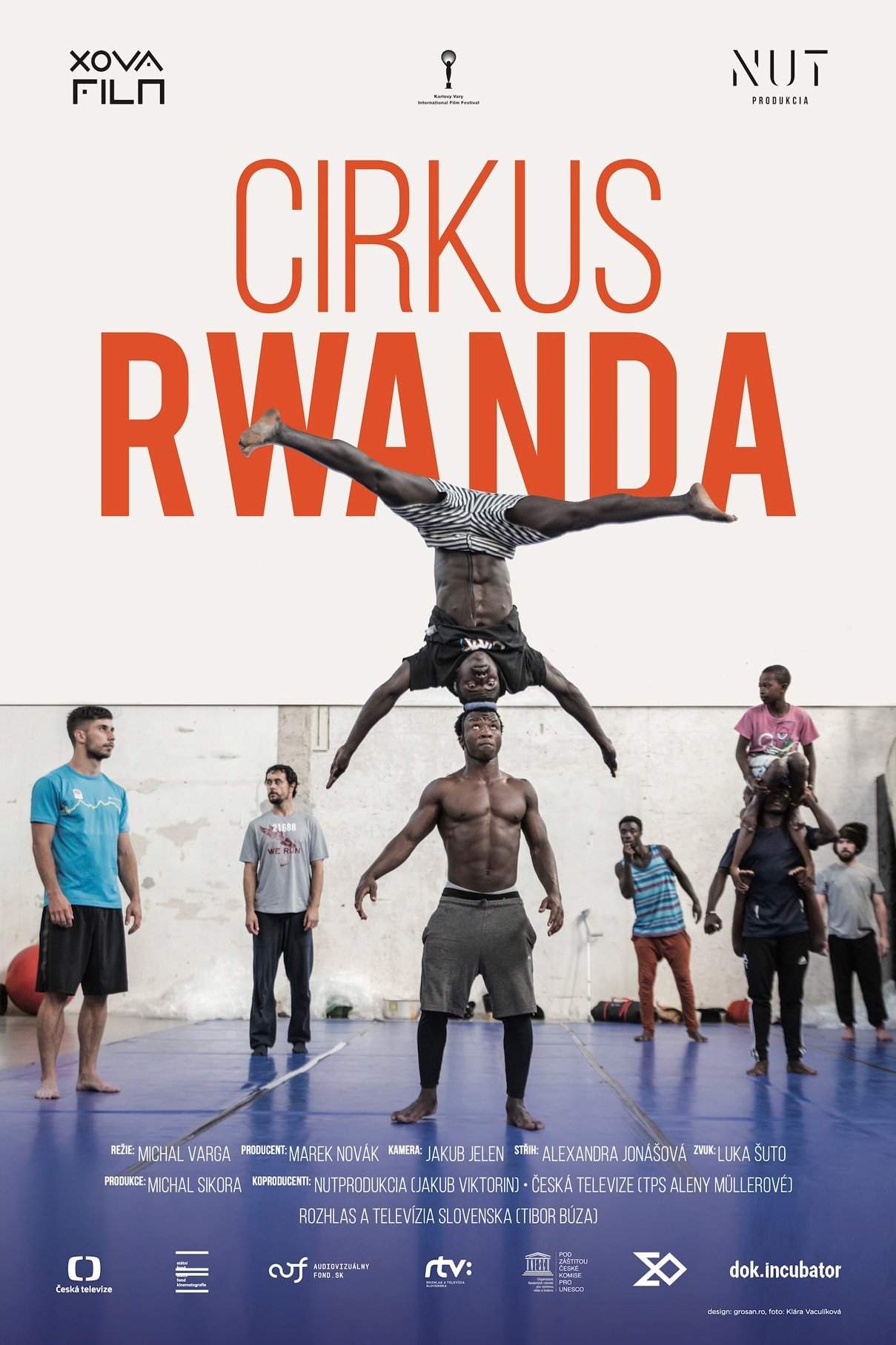
Eliseé survived the Rwandan genocide as a child. Today he leads an orphan acrobat group in a country, which heavily relies on foreign aid. He cares for the orphaned children and wants them to be happy, to have some sense in their lives. Rosta Novák built a worldwide-acclaimed circus group in Prague, where he successfully rules with a firm, paternal hand, but has permanently dark under-eye circles from the workload. The majority of Rwandese think that all people in Europe are fairy rich. On the other hand, many Europeans think that it is necessary to help Africa with everything. What happens, if we merge these two worlds in a film, during the preparation of a joint circus performance? What are the true motivations of our protagonists and what does it tell us about the Africa-Europe relationship? And who actually helps whom, in the end?
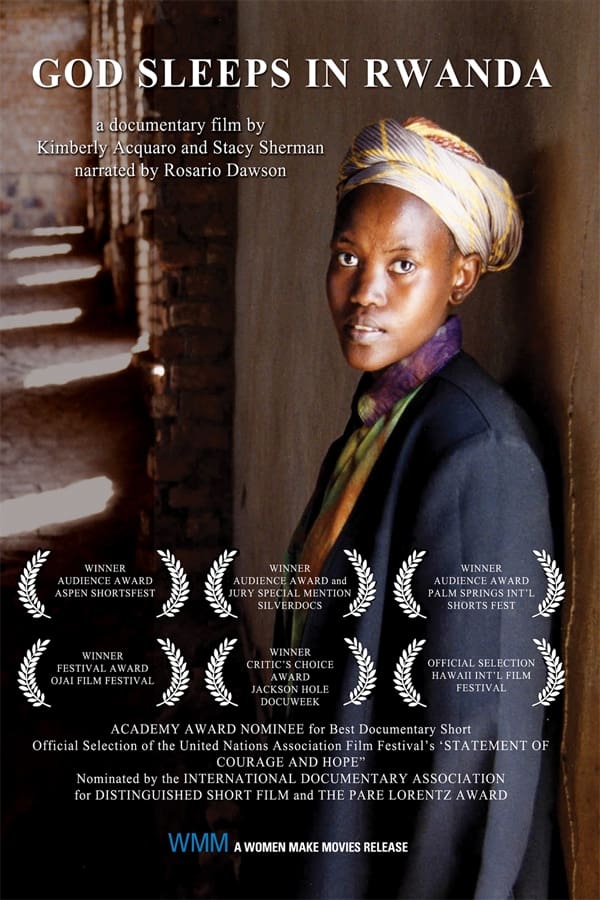
A powerful documentary about five women whose lives have been irrevocably altered by the Rwandan genocide. With the country left nearly 70% female in the wake of the massacres, "God Sleeps In Rwanda" is a lucid portrait of the much larger change affected by women in the East African country.
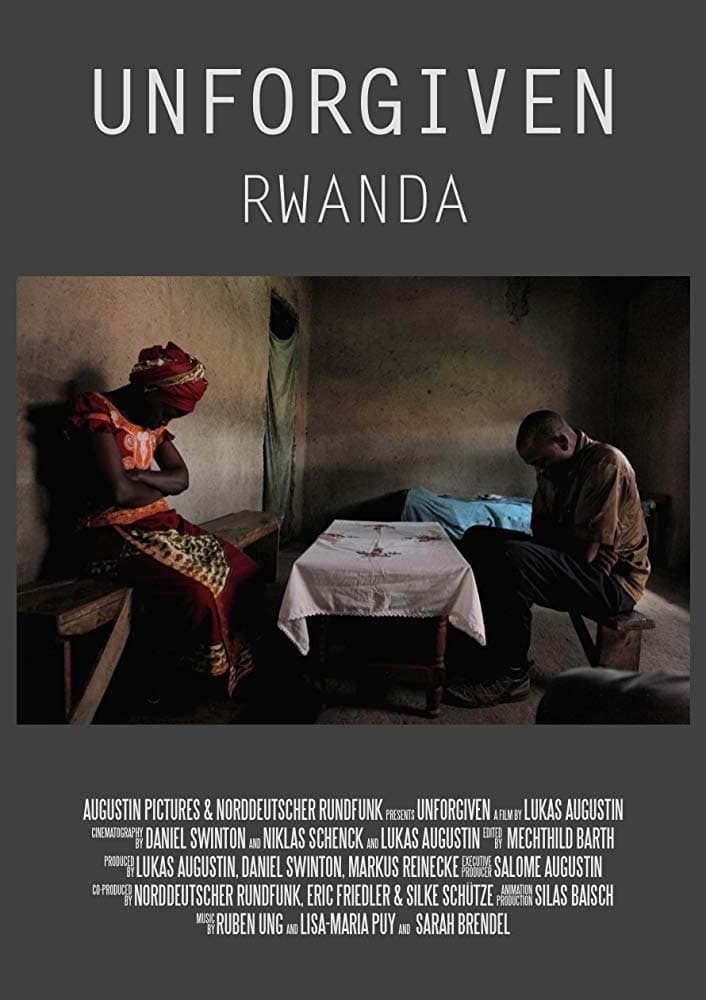
What is a socially acceptable conversation when your family's killer sits down to dinner? 'Unforgiven' explores the interactions between murderers, rapists, thieves and their victims in this documentary exploring the power of restorative justice, forgiveness and reconciliation 20 years after the Rwandan Genocide.
A documentary about how Rwandans use personal and family photographs to remember and commemorate the loved ones they lost in the 1994 genocide.
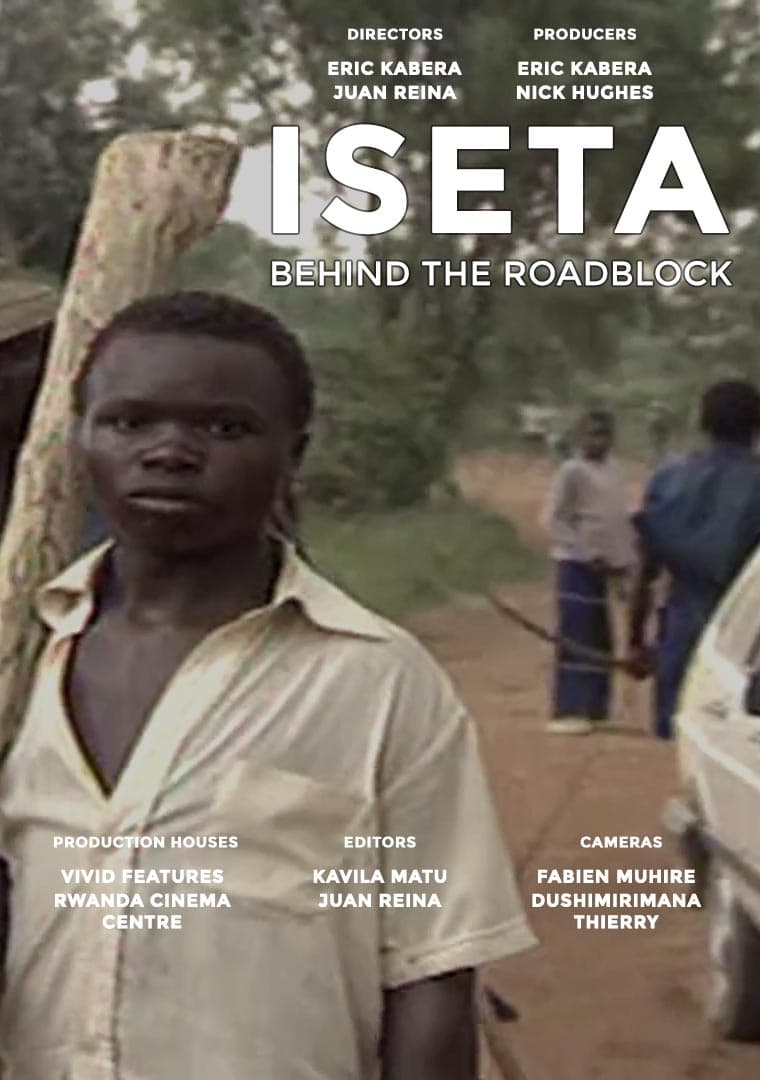
During April 1994, on quiet road in Kigali a group of neighbors in Rwanda were filmed. This was the opening days of the Rwandan Genocide, and even though almost one million people were slaughtered, remarkably there is only one known segment of footage showing any actual killing. This movie is about the extraordinary journey of that evidence as the original photographer returns to Rwanda, revisiting the people and events that he by chance caught on film. As the footage returns to the community, friends and family relive the tragic events as they work with the photographer to identify the victims, and then eventually the killers.
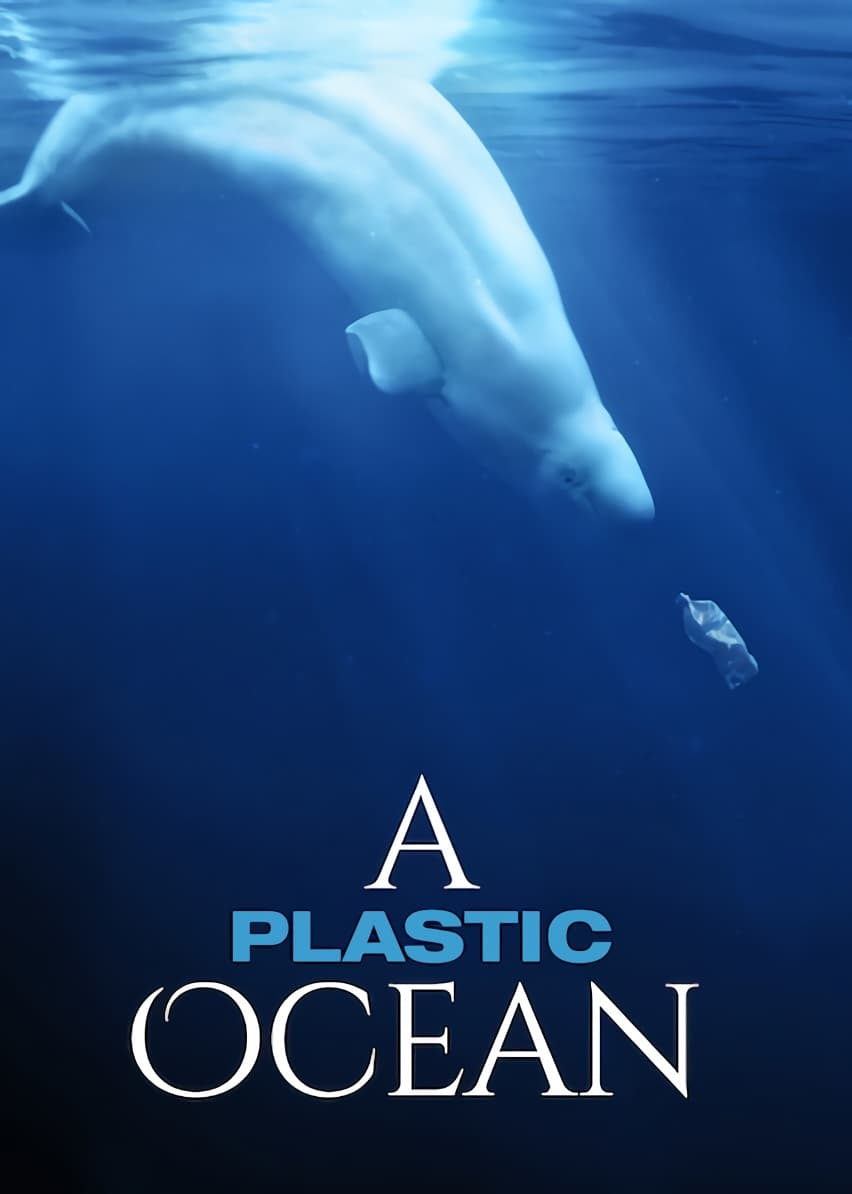
A documentary focused on plastic pollution in the world's oceans.
Iverson is the ultimate legacy of NBA legend Allen Iverson, who rose from a childhood of crushing poverty in Hampton, Virginia, to become an 11-time NBA All-Star and universally recognized icon of his sport. Off the court, his audacious rejection of conservative NBA convention and unapologetic embrace of hip hop culture sent shockwaves throughout the league and influenced an entire generation. Told largely in Iverson's own words, the film charts the career highs and lows of one of the most distinctive and accomplished figures the sport of basketball has ever seen.
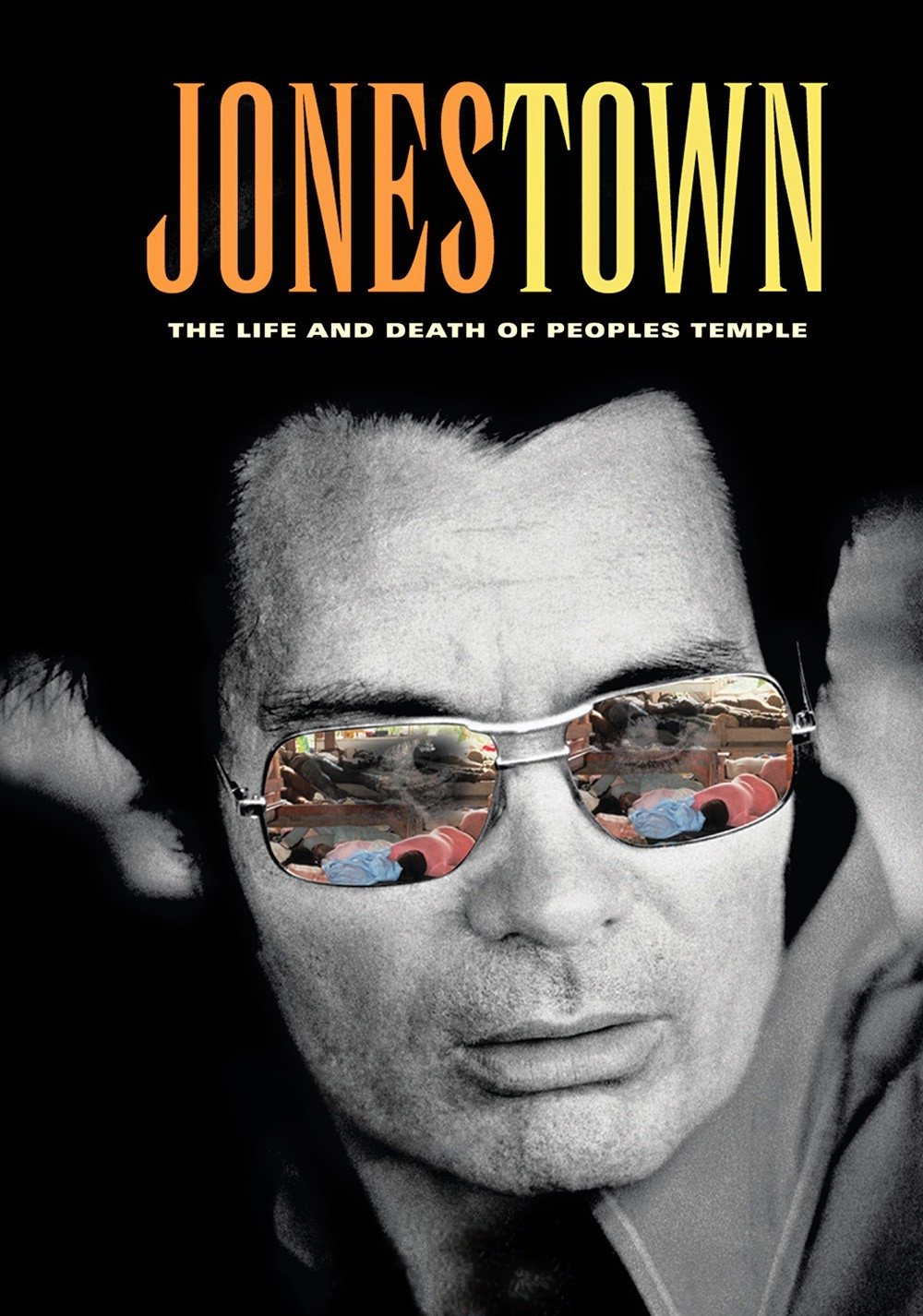
Featuring never-before-seen footage, this documentary delivers a startling new look at the Peoples Temple, headed by preacher Jim Jones who, in 1978, led more than 900 members to Guyana, where he orchestrated a mass suicide via tainted punch.
A detailing of the rise to prominence and global sporting superstardom of six supremely talented young Manchester United football players (David Beckham, Nicky Butt, Ryan Giggs, Paul Scholes, Phil and Gary Neville). The film covers the period 1992-1999, culminating in Manchester United's European Cup triumph.
This revealing documentary honors the legendary Sidney Poitier—iconic actor, filmmaker, and civil rights activist. Featuring interviews with Denzel Washington, Spike Lee, Halle Berry, and more.
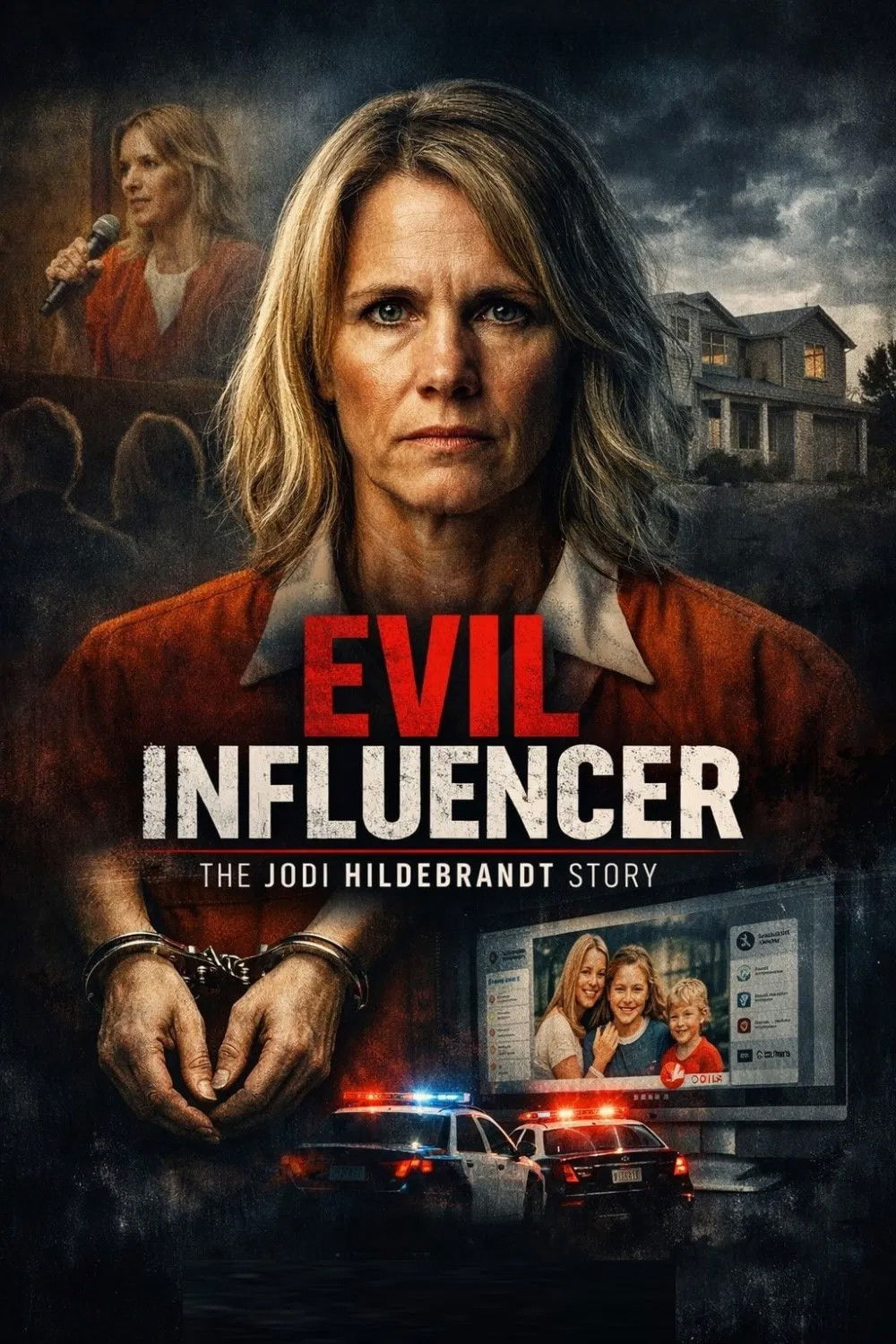
Unravel the case of Utah therapist Jodi Hildebrandt, whose child abuse arrest with parenting YouTuber Ruby Franke exposed a twisted tale of manipulation.
A documentary about the sport of boxing, as seen through the eyes of champions Mike Tyson, Evander Holyfield and Bernard Hopkins.
A documentary about how a dominant cultural and demographic institution both sustains their traditional activities and adapts to the digital revolution.
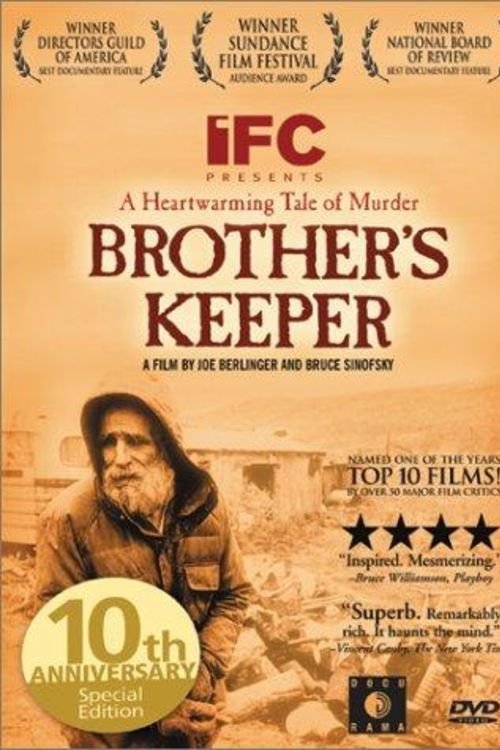
This documentary by Joe Berlinger and Bruce Sinofsky details the murder trial of Delbert Ward. Delbert was a member of a family of four elderly brothers, working as semi-literate farmers and living together in isolation from the rest of society until William's death.
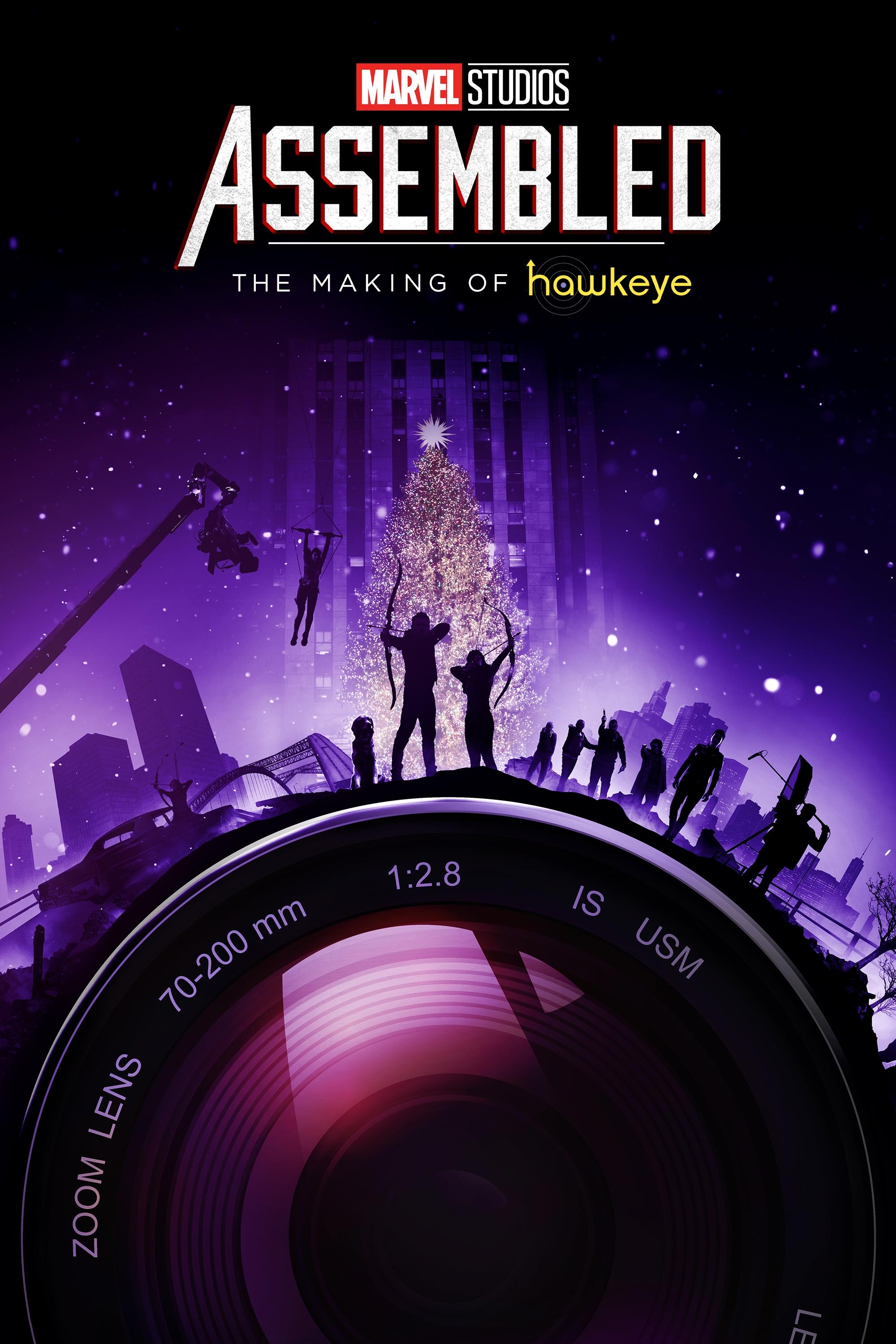
Join the likes of Jeremy Renner, Hailee Steinfeld, Florence Pugh, and Vincent D’Onofrio as they reveal how Marvel Studios’ “Hawkeye” was conceived and created. Witness firsthand what it took to pull off the show’s pulse-pounding action set pieces, and discover how iconic characters from the pages of Marvel Comics such as Kate Bishop were adapted and brought to life for the six-episode series.
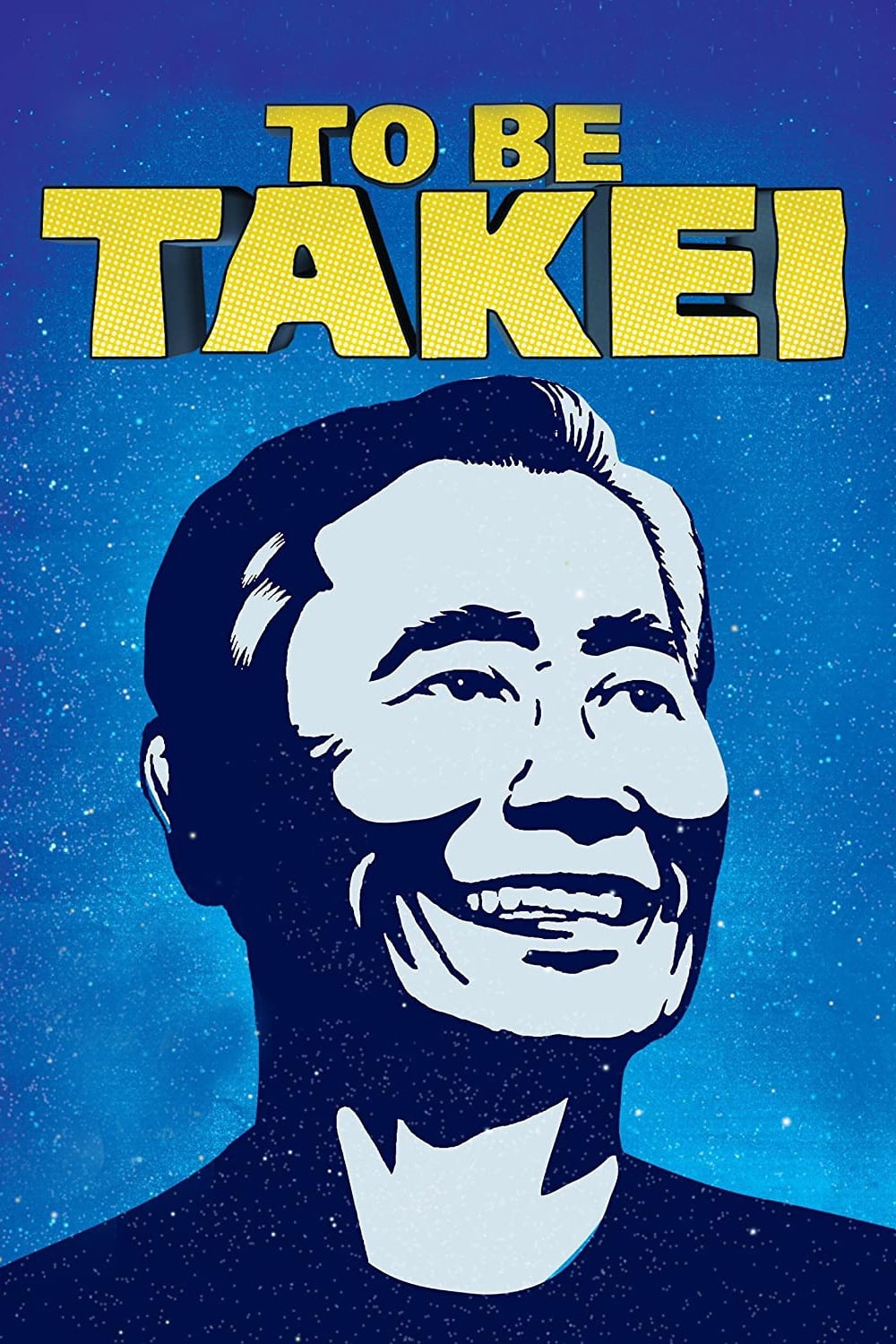
Over seven decades, actor and activist George Takei journeyed from a World War II internment camp to the helm of the Starship Enterprise, and then to the daily news feeds of five million Facebook fans. Join George and his husband, Brad, on a wacky and profound trek for life, liberty, and love.
A look at the origins, history and conspiracies behind the "Majestic 12", a clandestine group of military and corporate figureheads charged with reverse-engineering extraterrestrial technology.
A documentary that explores the downloading revolution; the kids that created it, the bands and the businesses that were affected by it, and its impact on the world at large.
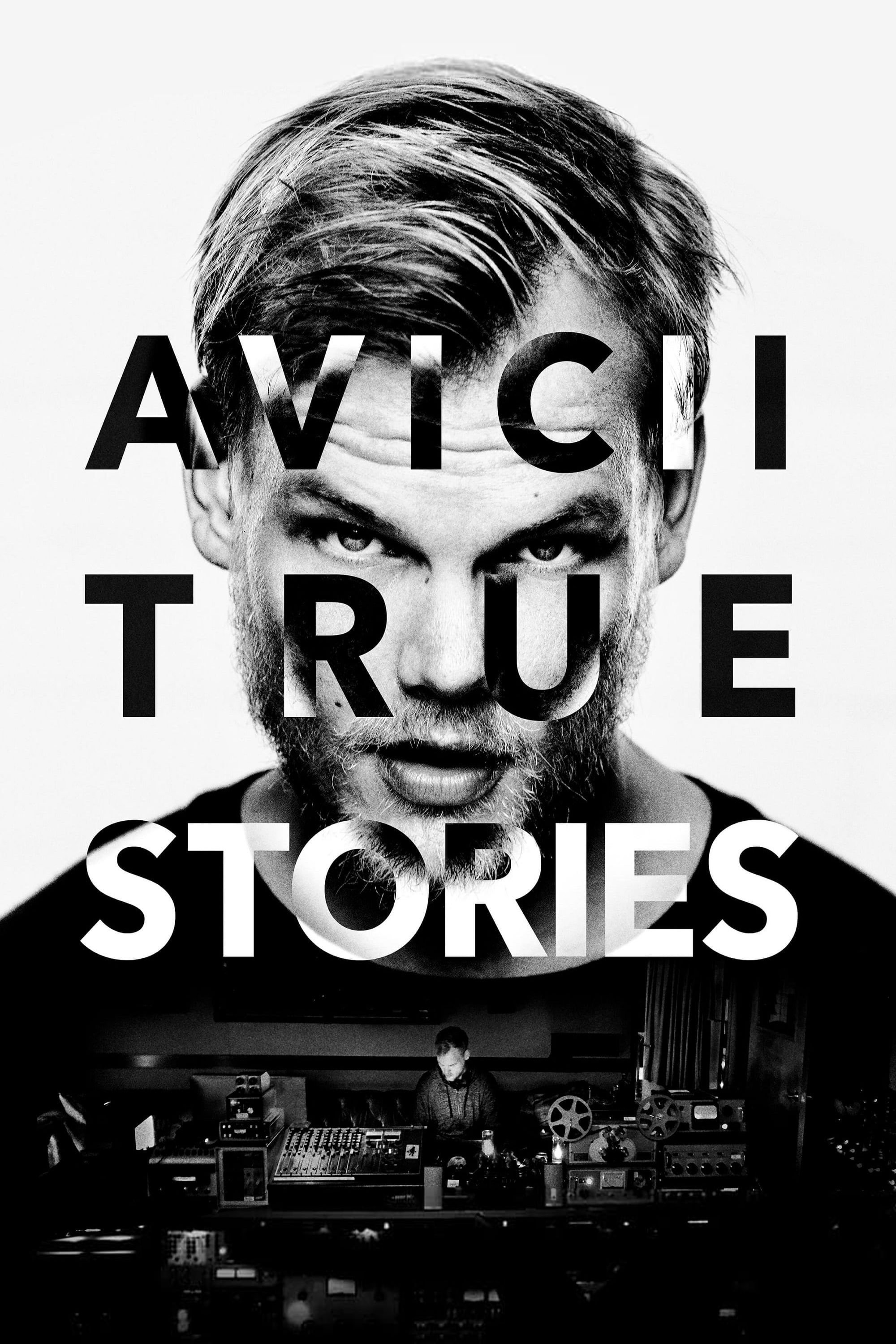
Documentary about the arena-packing Swedish DJ, chronicling his explosive rise to fame and surprising decision to retire from live performances in 2016.
In the Realms of the Unreal is a documentary about the reclusive Chicago-based artist Henry Darger. Henry Darger was so reclusive that when he died his neighbors were surprised to find a 15,145-page manuscript along with hundreds of paintings depicting The Story of the Vivian Girls, in What is Known as the Realms of the Unreal, of the Glodeco-Angelinnian War Storm, Cased by the Child Slave Rebellion.
This searing investigative work shadows a group of activists risking unimaginable peril to confront the ongoing anti-LGBTQ program raging in the repressive and closed Russian republic. Unfettered access and a remarkable approach to protecting anonymity exposes this under-reported atrocity–and an extraordinary group of people confronting evil.
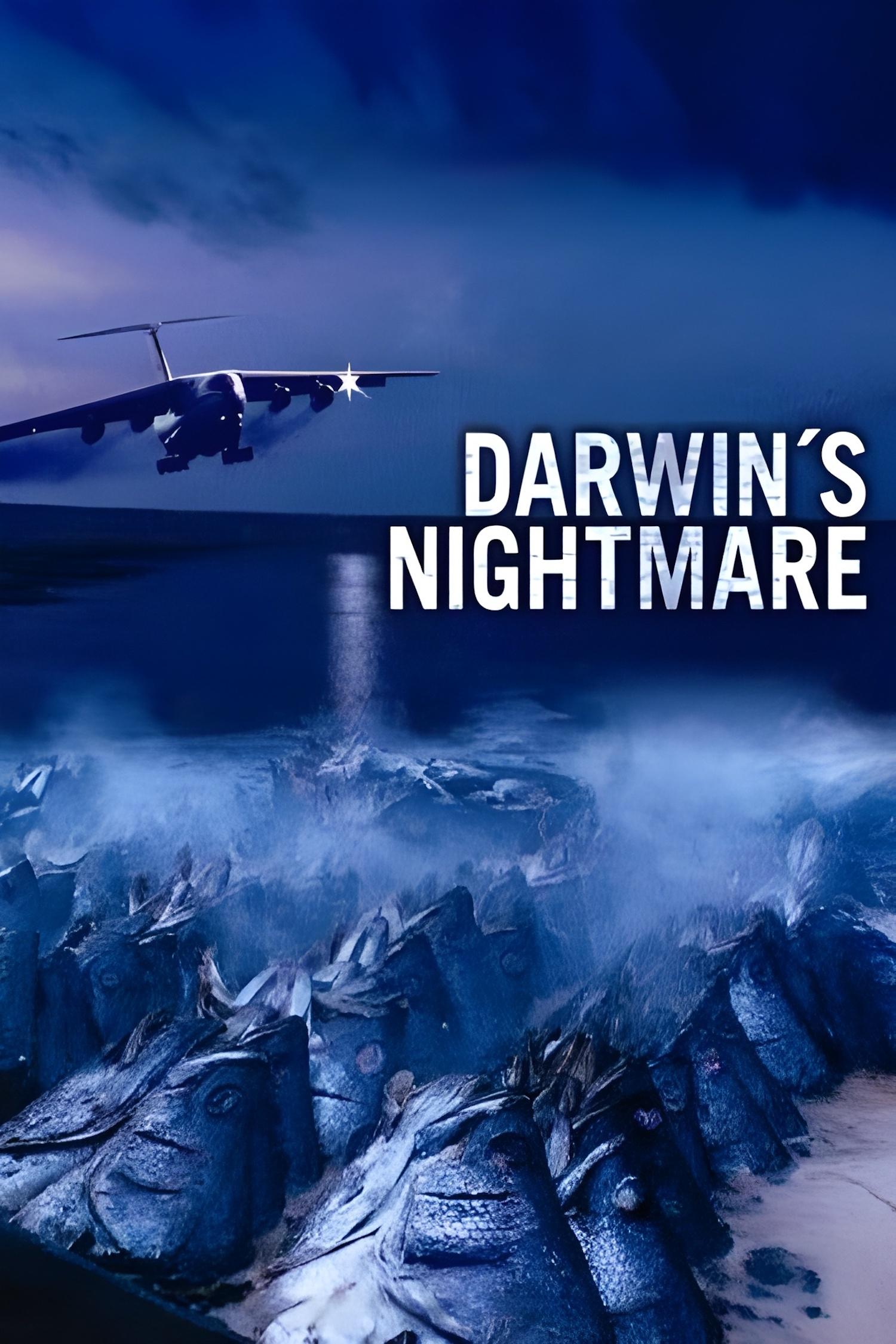
Africa in the sixties. The Nile perch, a ravenous predator, is introduced into Lake Victoria as a scientific experiment, causing the extinction of many native species. Its meat is exported everywhere in exchange for weapons, creating a globalized evil alliance on the lake shores. An infernal nightmare in the real world that wipes out Darwin's Theory of Evolution.
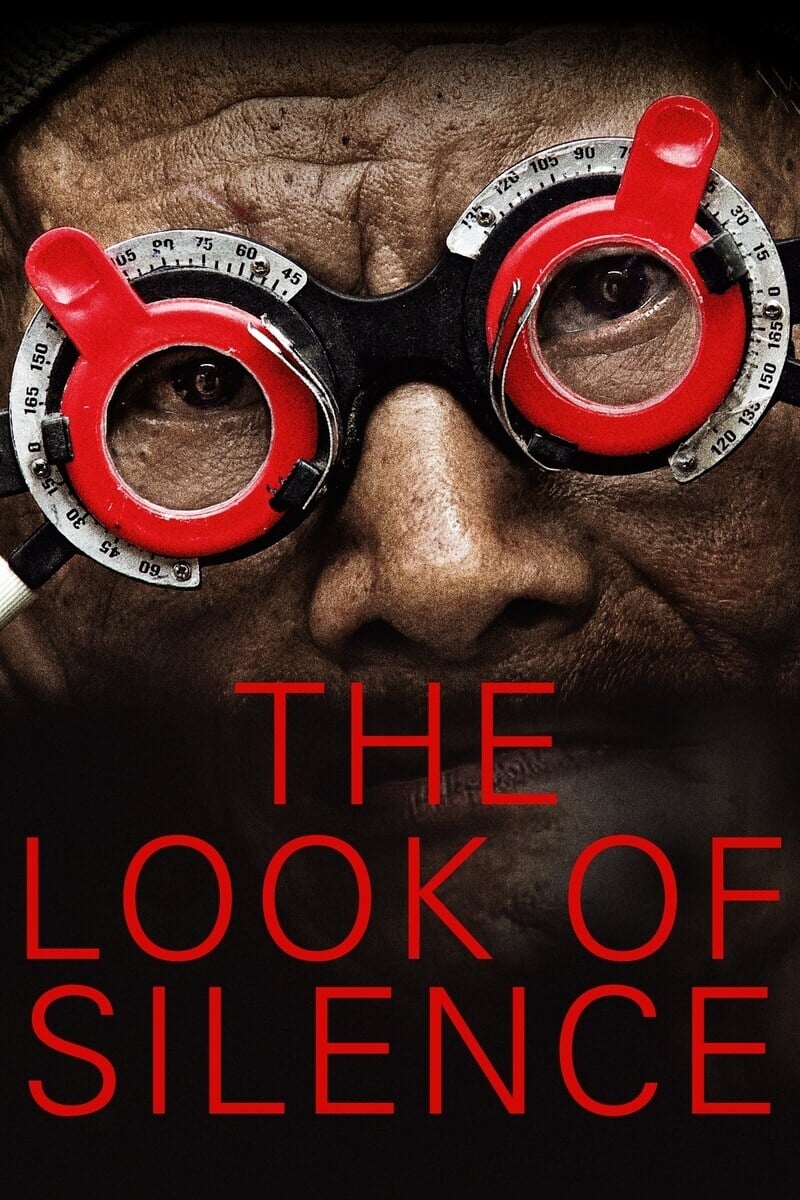
An Indonesian man with a communist background named Ramli was brutally murdered when the "Communist" purge occurred in 1965. His remaining family members lived in fear and silence until the making of this documentary. Adi, a brother of his, decided to revisit the horrific incident and visited the men who were responsible for the killings and one survivor of the purge. These meetings uncovered sadistic details of the murders and exposed raw emotions and reactions of the killers' family members about what happened in the past - much to Adi's disappointment.
Nancy Drew, a smart high schooler with a penchant for keen observation and deduction, stumbles upon the haunting of a local home. A bit of an outsider struggling to fit into her new surroundings, Nancy and her pals set out to solve the mystery, make new friends, and establish their place in the community
When Allied forces liberated the Nazi concentration camps in 1944-45, their terrible discoveries were recorded by army and newsreel cameramen, revealing for the first time the full horror of what had happened. Making use of British, Soviet and American footage, the Ministry of Information’s Sidney Bernstein (later founder of Granada Television) aimed to create a documentary that would provide lasting, undeniable evidence of the Nazis’ unspeakable crimes. He commissioned a wealth of British talent, including editor Stewart McAllister, writer and future cabinet minister Richard Crossman – and, as treatment advisor, his friend Alfred Hitchcock. Yet, despite initial support from the British and US Governments, the film was shelved, and only now, 70 years on, has it been restored and completed by Imperial War Museums under its original title "German Concentration Camps Factual Survey".