In the remote region of Semipalatinsk in North-Eastern Kazakhstan live the victims of hundreds of Soviet nuclear tests carried out from 1949 through 1989.
Social & External
From the lush and green grass of the Kazakh Steppe to the glorifying architecture of its capital, from its giant open-air mines to the traces of invisible nuclear power, Kazakhstan is here captured in fragments. A fake observational film, but a genuine geographical and historical journey, through the remnants of the Soviet past and the contemporary capitalist ambitions of the country.
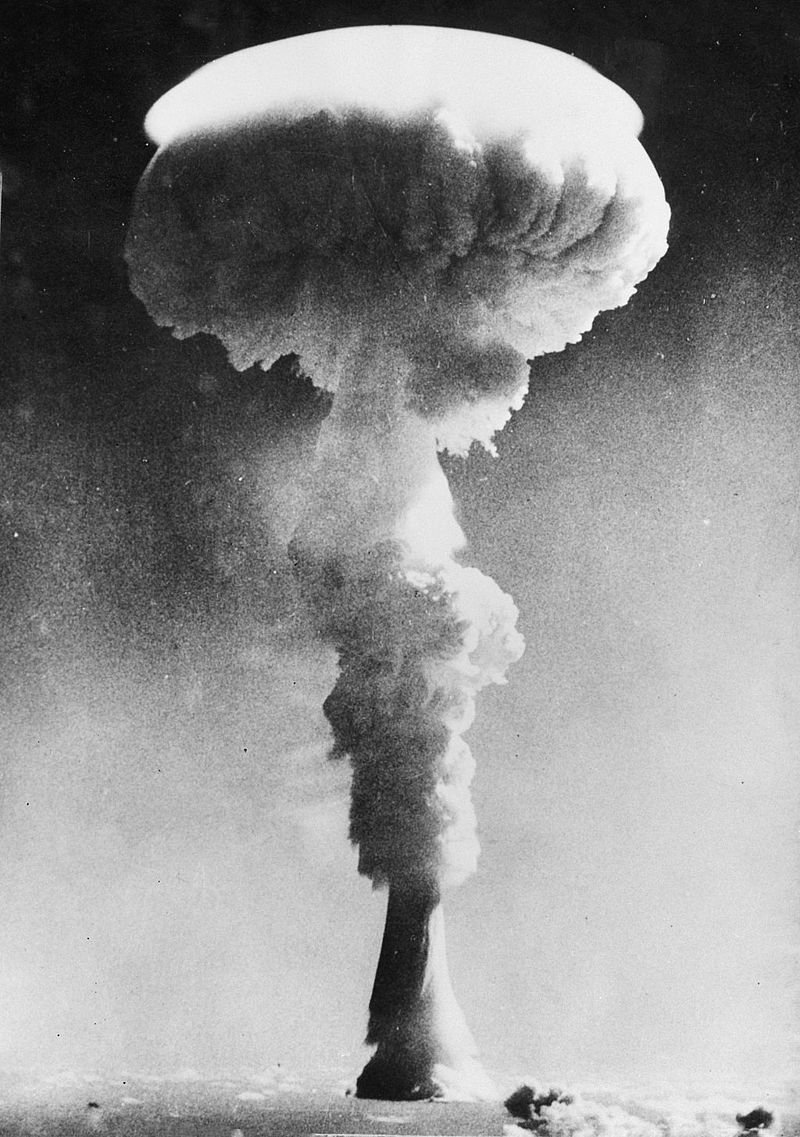
TV documentary film about the Operation Grapple nuclear tests.
There's an enchanting folkloric quality to this eclair newsreel showing a remote Essex village ravaged by fire.
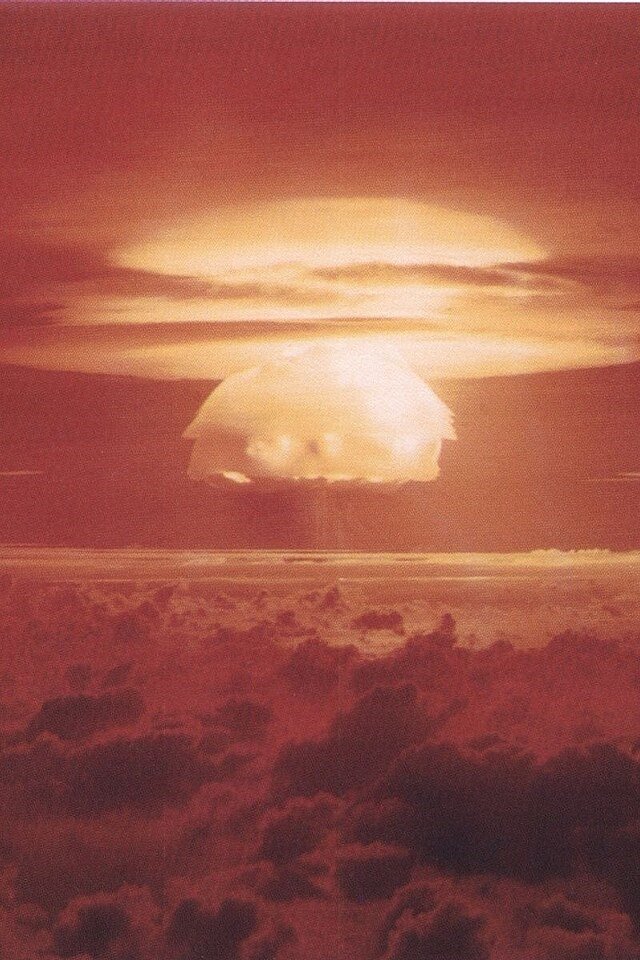
In 1954, the United States tested 6 hydrogen bombs on Bikini Atoll in the Pacific Ocean. Numerous Japanese fishing boats were operating in surrounding waters, and their crews were exposed to radioactive fallout. But the Japanese government has acknowledged the cases of just 23 crewmembers. Now, scientists from Hiroshima have shed light on facts that had been buried for 60 years.
The exciting story of the splitting of the atom, a scientific breakthrough of incalculable importance that ushered in the nuclear age, has a dark side: the many events in which people were exposed to radiation, both intentionally and by accident.
Hurricane María abated, the news crews packed up and left Puerto Rico, and the interest of the international community turned elsewhere. What happened next?
Amateur footage of the devastation caused by one of South Asia's worst earthquakes.
Sergey Dvortsevoy makes his international debut with this astonishingly intimate portrait of a nomadic family on the Kazakh plains. Several scenes in this slow, elegant film betray a certain dry humor -- a child devouring the last of a bowl of yogurt and then crying; a cow getting its head stuck in a pail; and a woman singing to herself, accompanied by her snoring husband. Other scenes capture the nomads' hardscrabble lives -- drunken herdsmen in the grips of existential despair, growling dogs, and a camel enduring a rather grim septum piercing. By the end of the film, the family pulls up stakes and herds its sundry four-legged beasts -- camels, cattle, goats, dogs, and horses -- to a more fertile plain. This film was screened at the 1999 Yamagata International Documentary Film Festival.
Documentary about the aftermath of the earthquake that shook Juchitán, on the Mexican Pacific coast. It tells the story of Dxani -muxe seamstress- and Jacinto -mason- and how their lives were radically changed by the strongest earthquake that hit this community; and the poor response of the corrupt authorities.
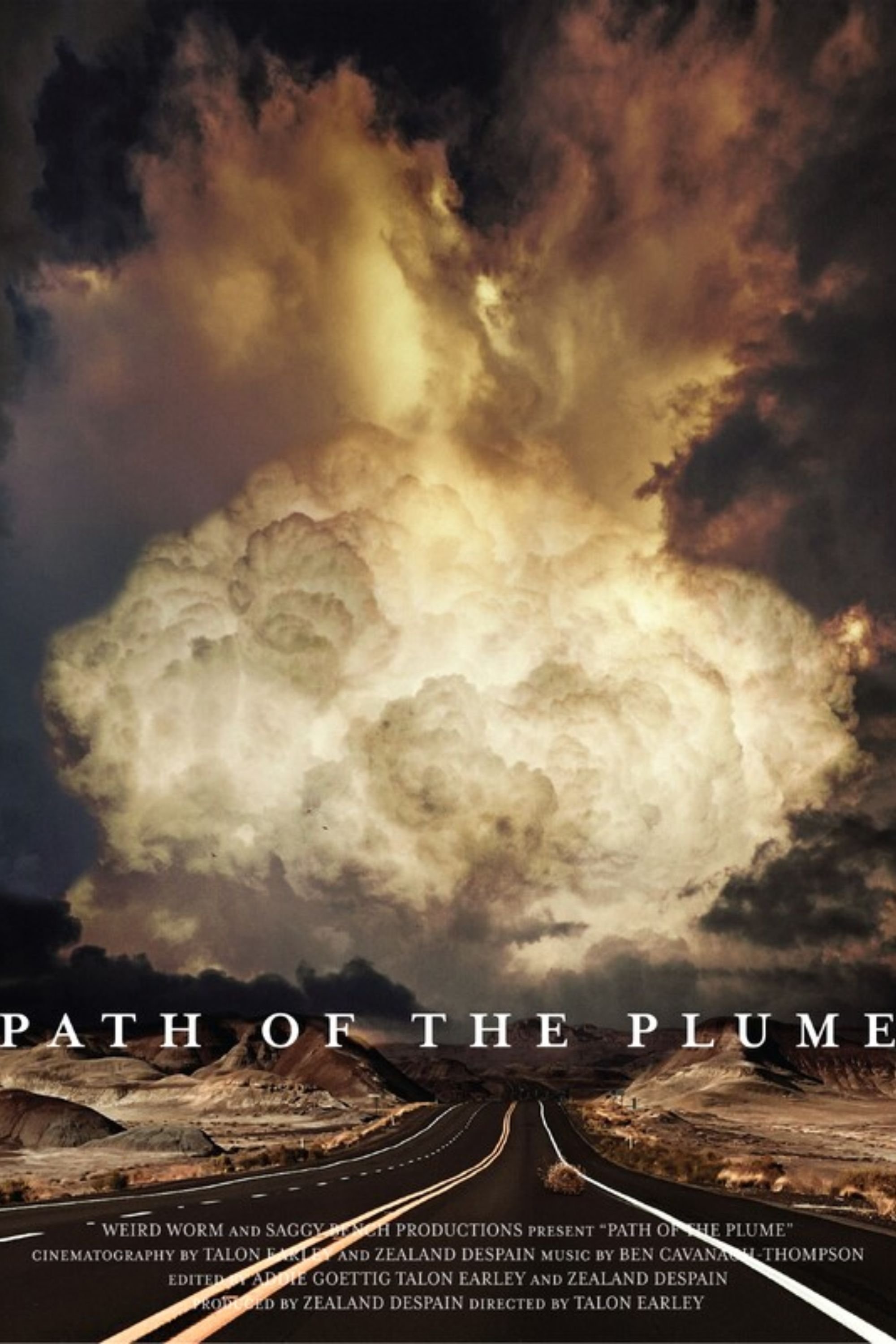
Nuclear weapons are instruments of mass destruction that exact a devastating toll on human life. In the heart of rural Utah, the Lovell family recounts the harrowing tale of nuclear testing’s shadowy legacy and impact on innocent civilians
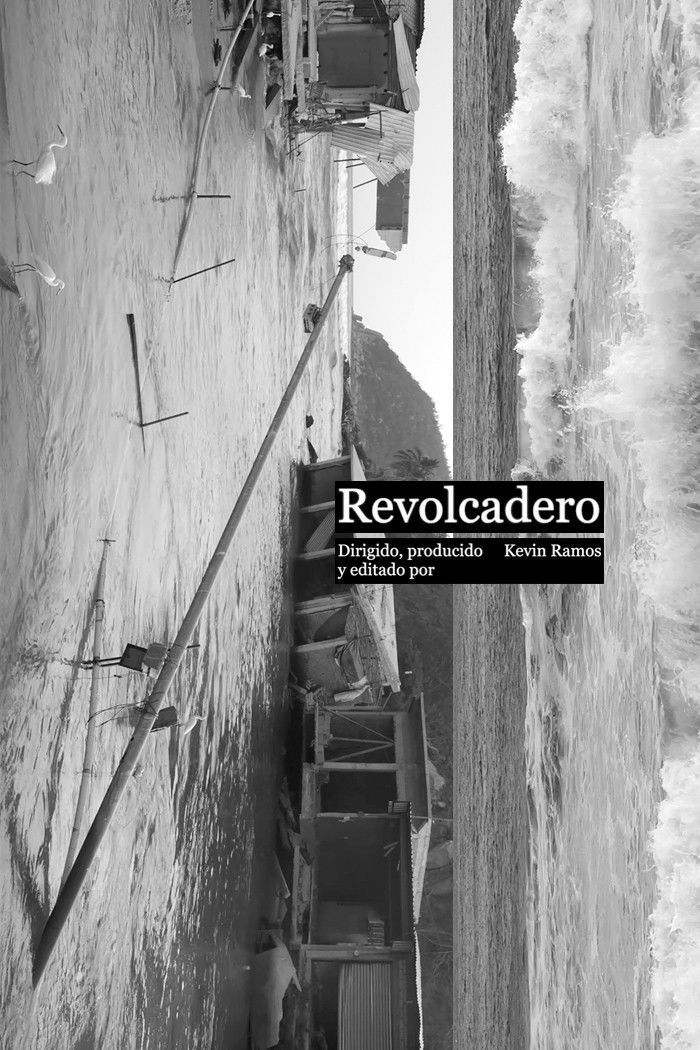
Revolcadero Beach in Acapulco, Guerrero, is one of the areas most affected by Hurricane Otis. Residents struggle daily with the effects of climate change to maintain their main source of income: providing tourist services.
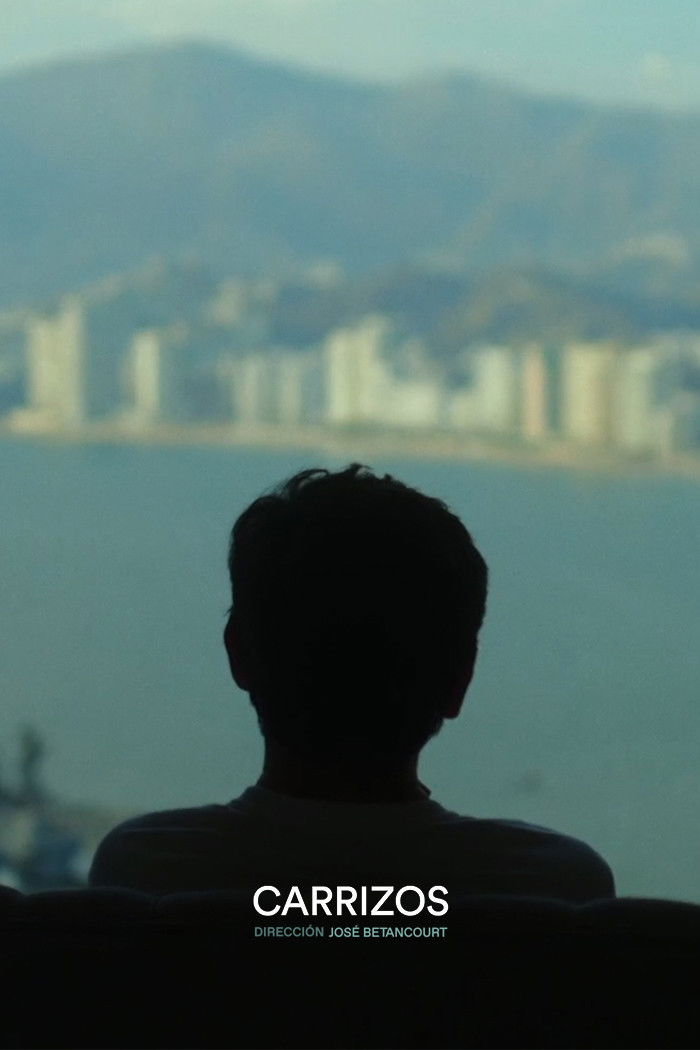
On October 25, 2023, Hurricane Otis, a Category 5 storm, struck the coast of Acapulco, Guerrero, destroying everything in its path. Carrizos is a reconstruction of the events, featuring testimonies from various people who lived through the tragedy.
featuring interviews with director Ardak Amirkulov, actor Tungyshbai Dzhamankulov, production designer Umirzak Shmanov, and film journalist Gulnara Abikeyeva
For months, the FBI have been investigating Russian interference in the American presidential elections. ZEMBLA is investigating another explosive dossier concerning Trump’s involvement with the Russians: Trump’s business and personal ties to oligarchs from the former Soviet Union. Powerful billionaires suspected of money laundering and fraud, and of having contacts in Moscow and with the mafia. What do these relationships say about Trump and why does he deny them? How compromising are these dubious business relationships for the 45th president of the United States? And are there connections with the Netherlands? ZEMBLA meets with one of Trump’s controversial cronies and speaks with a former CIA agent, fraud investigators, attorneys, and an American senator among others.
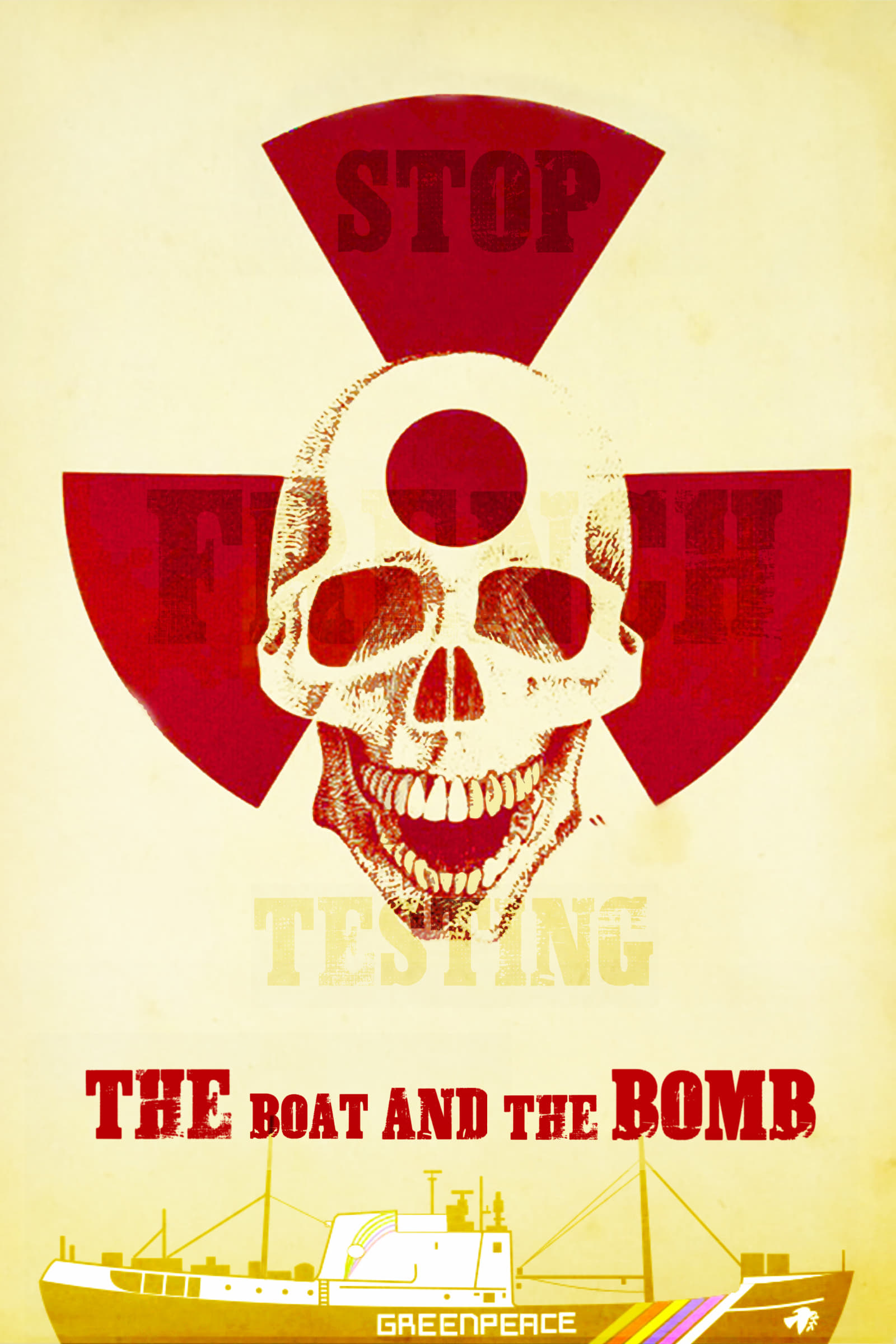
In Aukland Harbour, New Zealand, on July 10th 1985, French navy combat frogmen placed two mines against the hull of the Greenpeace flagship Rainbow Warrior, sinking the ship and killing photographer Fernando Pereira.
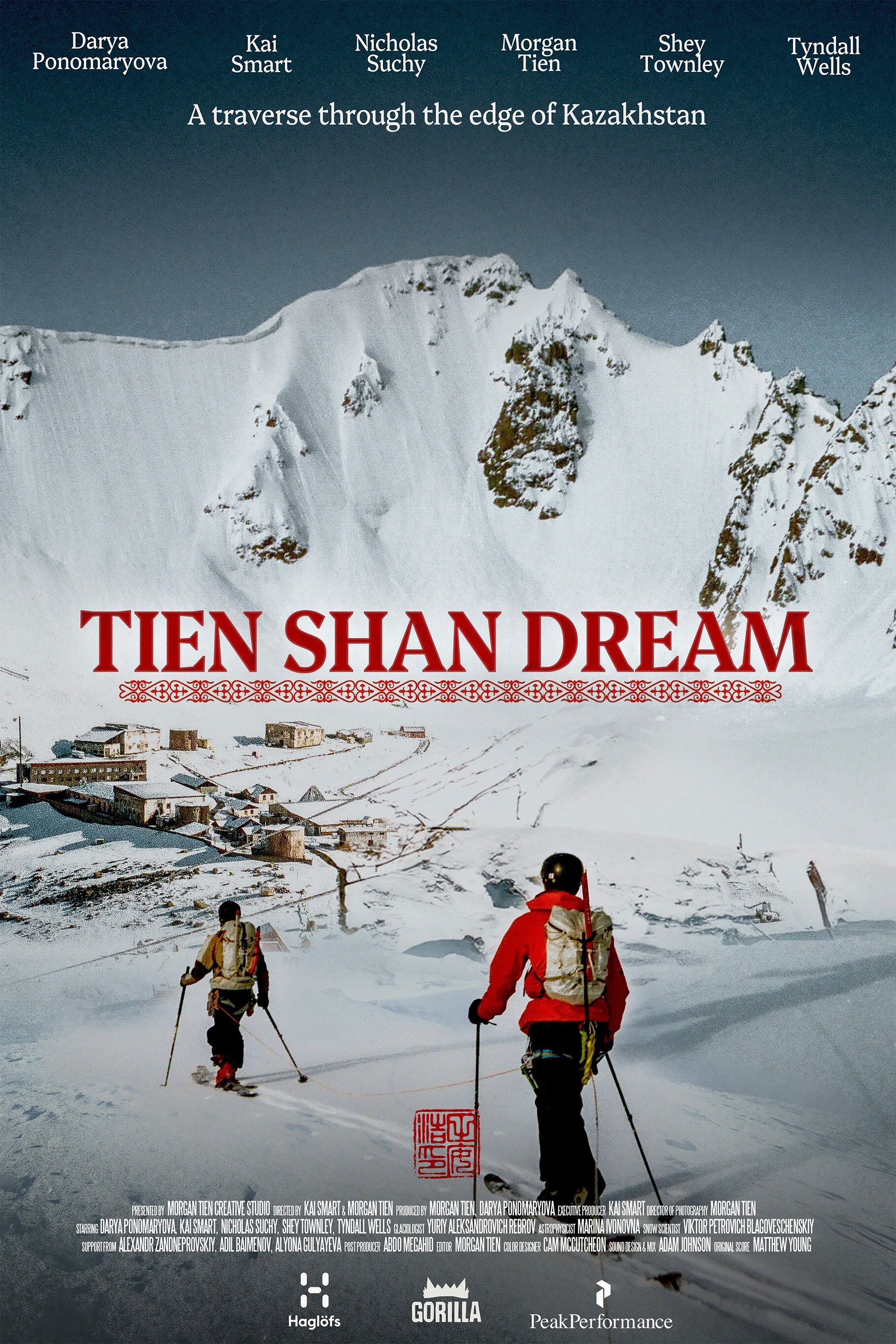
A team of international skiers embark on a two-week glacier traverse connecting two remote research stations in Kazakhstan. The Tien Shan's 4000+ meter peaks host an active scientific community, leveraging the rare environmental conditions for groundbreaking research. Established during the Soviet Union's occupation, the high-altitude research stations here are home to some of the longest-standing glacier and cosmic radiation experiments in the world - and are surrounded by deadly alpine terrain.
For almost three years, nature filmmaker and ecologist David Cebulla has been observing wild Common hamsters. He not only tries to learn more about the species, but also documents why hamsters are globally threatened with extinction. David travels from the western border of the distribution area in France via Germany, Poland, Austria and Hungary to the eastern border of the distribution area in the Kazakh steppe. In the process, he manages to capture some unique and fantastic images. But during the project, it becomes increasingly difficult to find animals living in the wild.
A German Documentary about the “village of friendship” that was created by American Veteran George Mizo to help the Vietnamese kids suffering from the Vietnam War.
Over 35 years after Bob Lazar's revelations, this documentary exposes secrets of a facility the government still denies. Featuring Lazar's testimony, recreations, and new evidence, it reopens a case that continues to spark global curiosity
A string of threatening emails escalates into a revenge plot involving a newly married US marshal and his ex-girlfriend.
A look at the origins, history and conspiracies behind the "Majestic 12", a clandestine group of military and corporate figureheads charged with reverse-engineering extraterrestrial technology.
Through deeply personal interviews with her siblings and an examination of the photographs, letters, and belongings left behind, Mariska assembles a new portrait of her mother Jayne Mansfield, an extraordinary and complex woman.
In an intimate and joyful story of love in the face of loss, celebrated poets Andrea Gibson and Megan Falley find strength—and unexpected hilarity—in what might be their final year together.
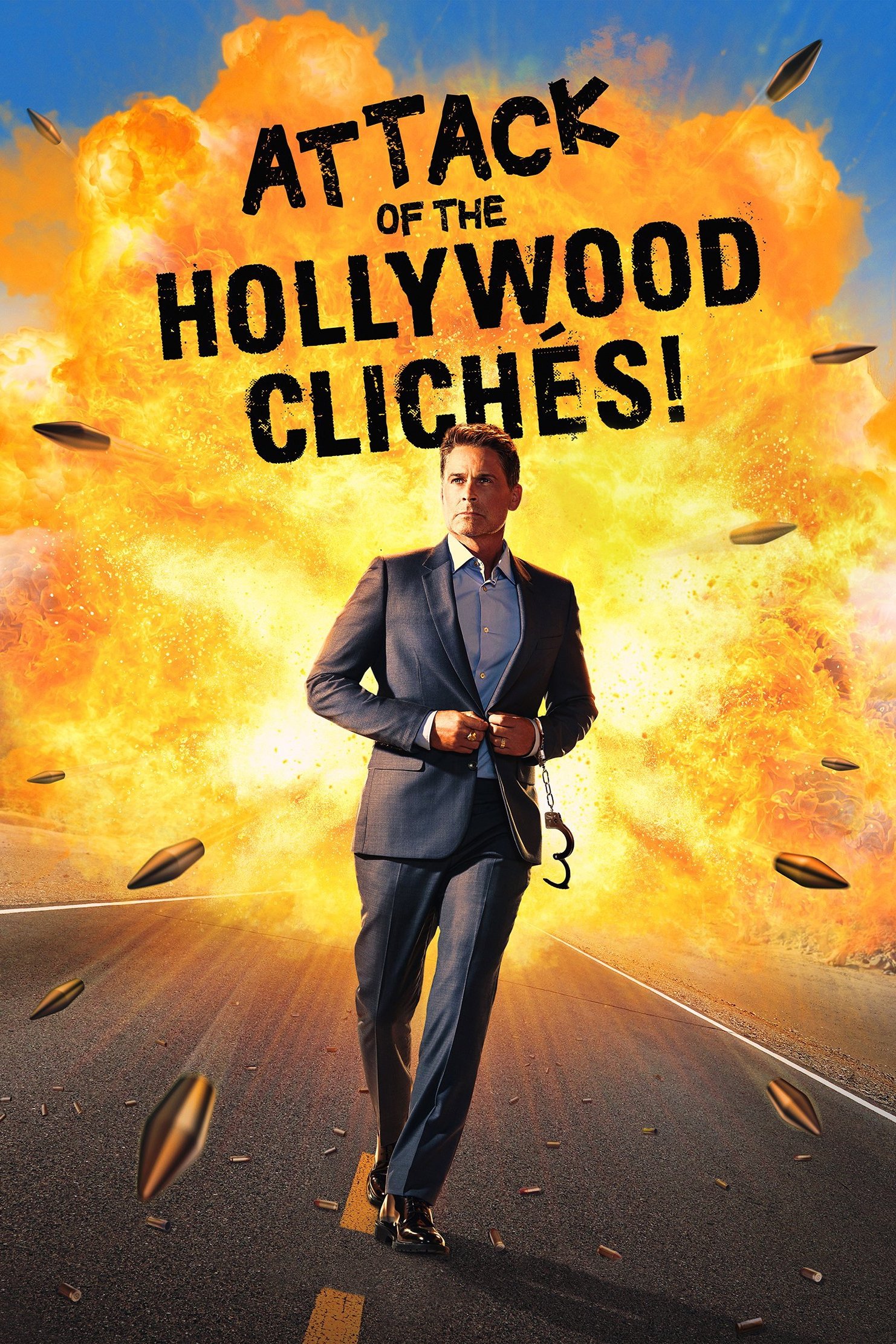
One-man armies, meet-cutes, casual strolls away from huge explosions — stars and industry insiders toast and roast these cinematic chestnuts and more.
Unprecedented access to Muhammad Ali's personal archive of "audio journals" as well as interviews and testimonials from his inner circle of family and friends are used to tell the legend's life story.
Rising musician Jeff Buckley had only released one album when he died suddenly in 1997. Now, never-before-seen footage, exclusive voice messages, and accounts from those closest to him offer a portrait of the captivating singer.
Director Michael Apted revisits the same group of British-born adults after a 7 year wait. The subjects are interviewed as to the changes that have occurred in their lives during the last seven years.
Hidden in the heart of Russia, there is a Soviet-era city where thousands of people live and work behind barbed-wire fences monitored by armed guards. It is Ozyorsk (Ozersk), located in the Chelyabinsk Oblast, one of the most polluted places on the planet and home to the largest stockpiles of nuclear material. Its code name: City 40.
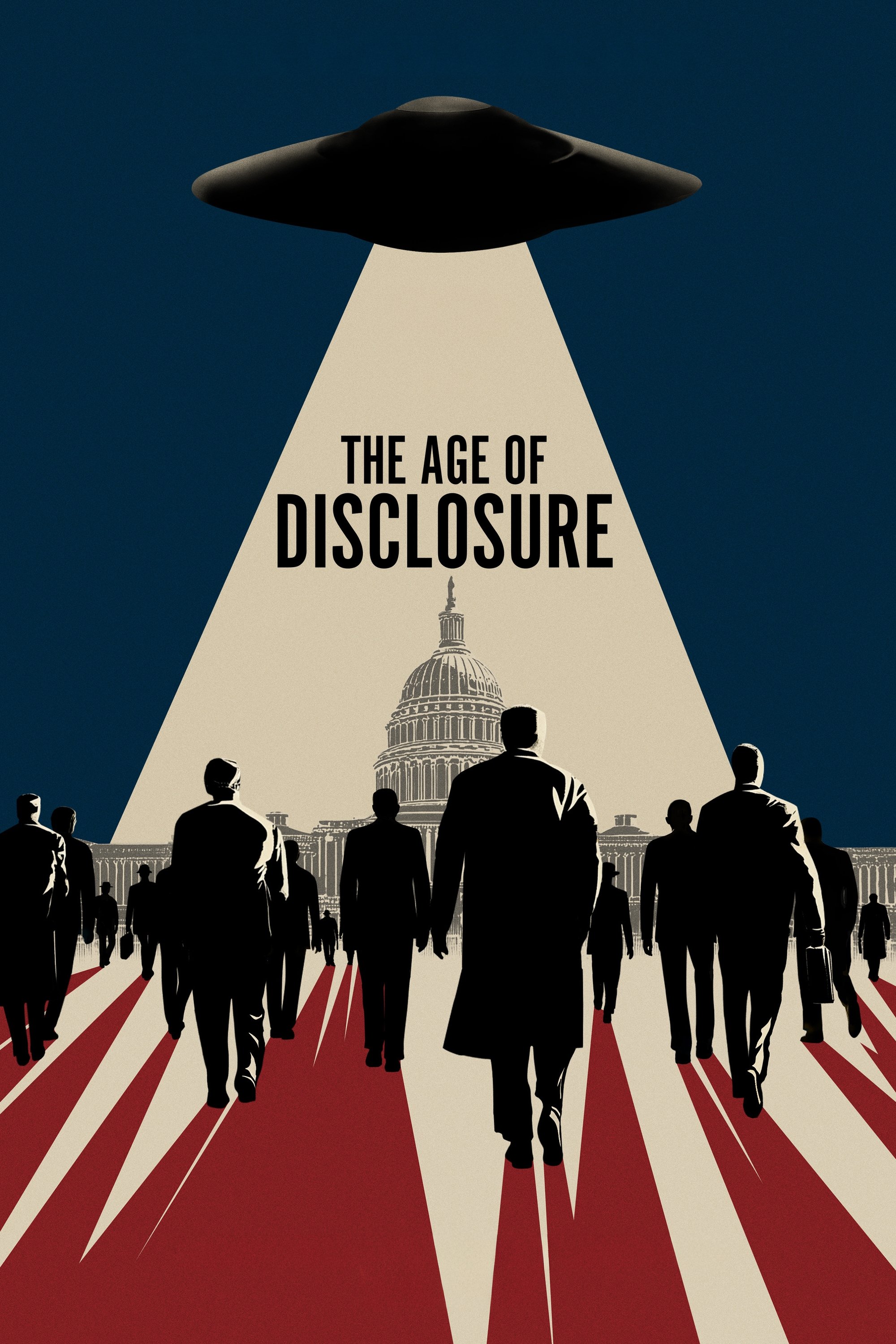
Director Dan Farah got 34 senior members of the U.S. Government, military, and intelligence community to come on camera. He says they reveal an 80 year cover-up of the existence of non-human intelligent life and a secret war amongst major nations to reverse engineer technology of non-human origin. The film explores the profound impact the situation has on the future of humanity, while providing a look behind-the-scenes with those at the forefront of the bi-partisan disclosure effort.
An inside look at the making of the movie Star Wars: Episode VII - The Force Awakens (2015), featuring footage and exclusive interviews with the actors and filmmakers.
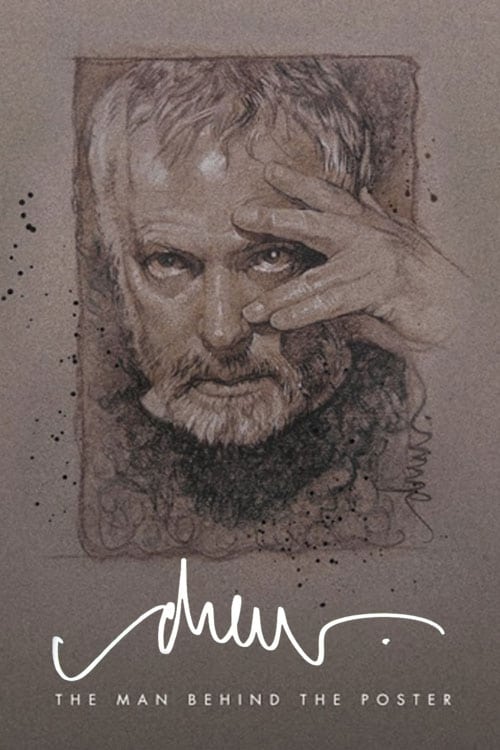
A documentary on legendary movie-poster artist Drew Struzan.
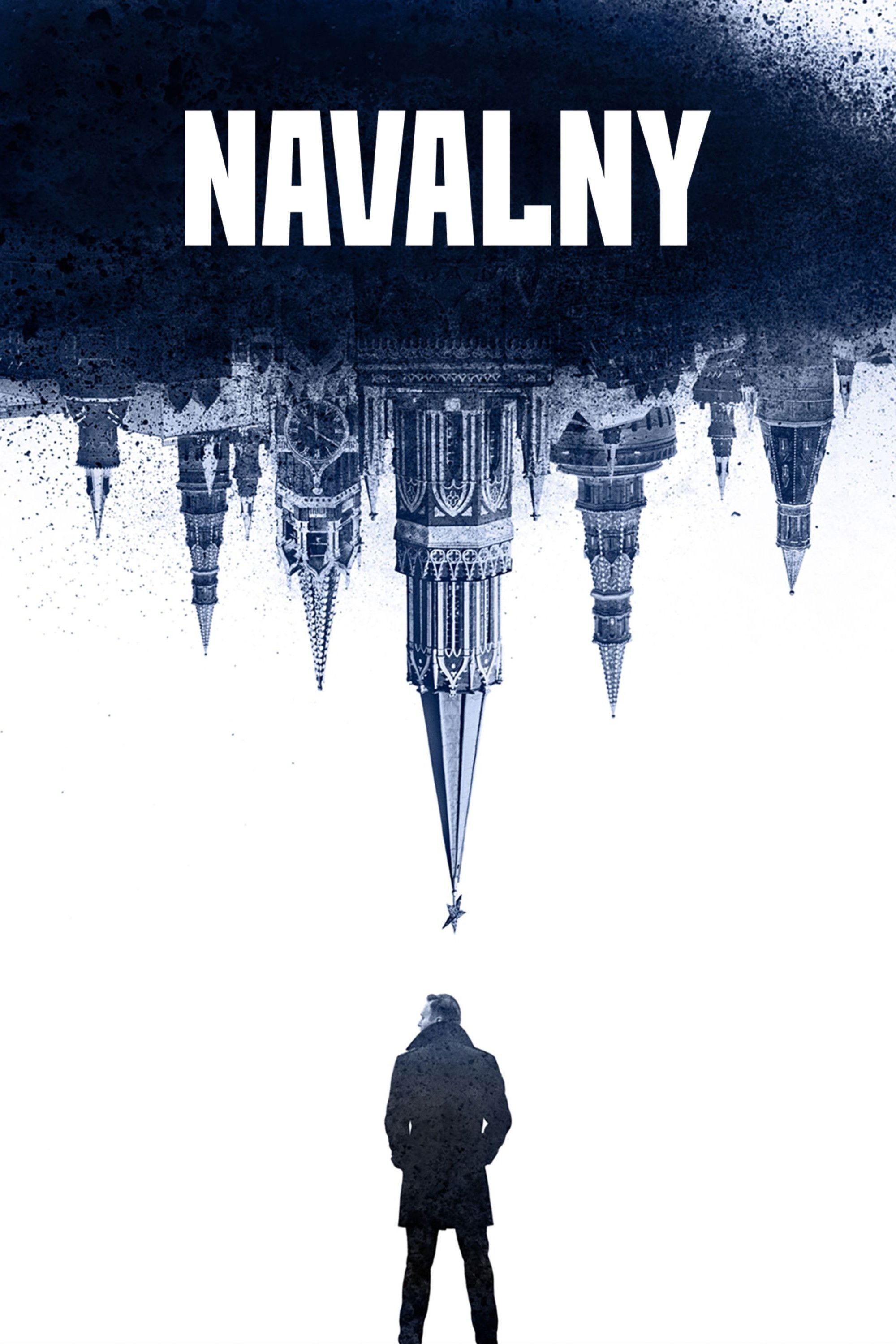
Follows the man who survived an assassination attempt by poisoning with a lethal nerve agent in August 2020. During his months-long recovery, he makes shocking discoveries about the attempt on his life and decides to return home.
This revealing documentary honors the legendary Sidney Poitier—iconic actor, filmmaker, and civil rights activist. Featuring interviews with Denzel Washington, Spike Lee, Halle Berry, and more.
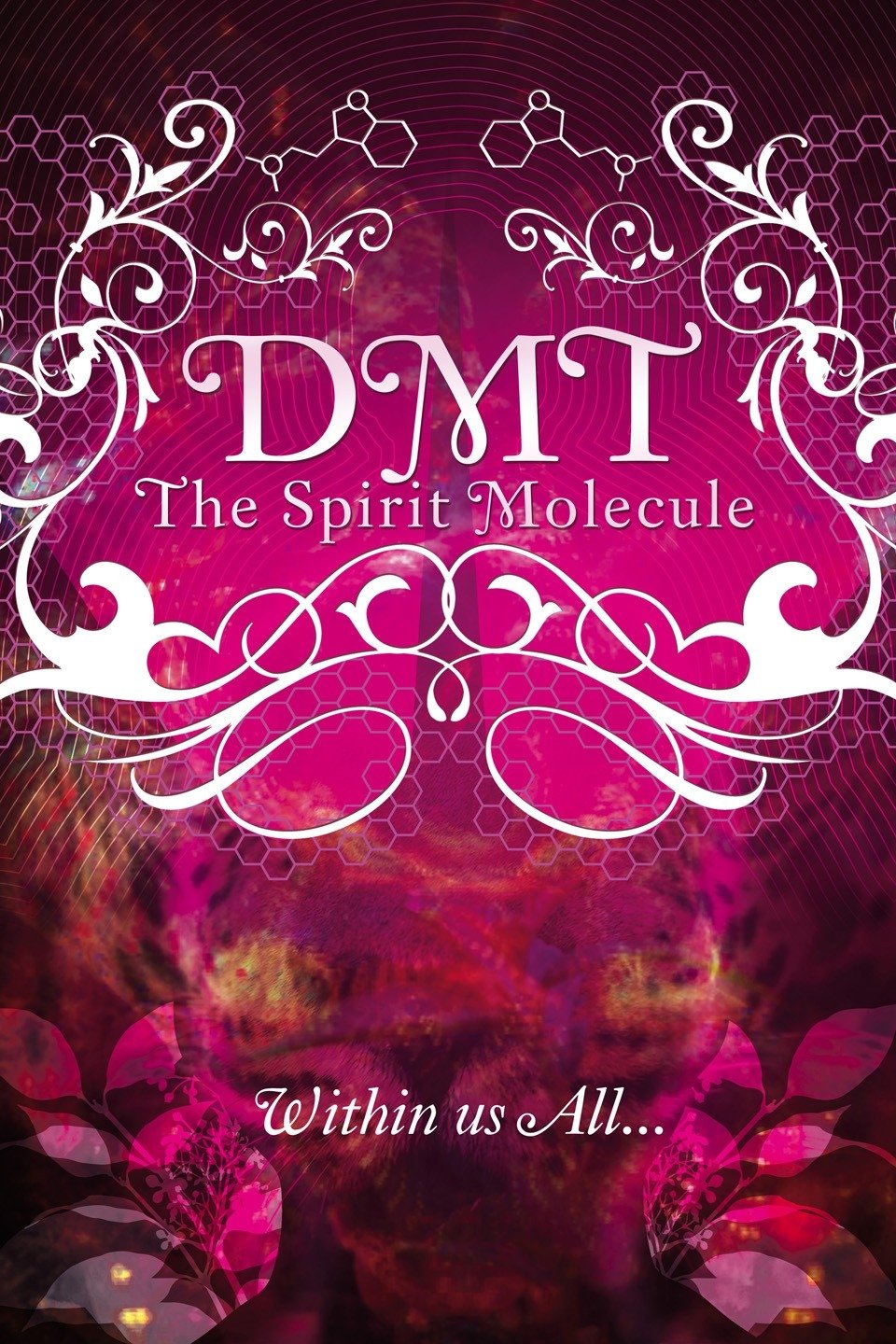
THE SPIRIT MOLECULE weaves an account of Dr. Rick Strassman's groundbreaking DMT research through a multifaceted approach to this intriguing hallucinogen found in the human brain and hundreds of plants, including the sacred Amazonian brew, ayahuasca. Utilizing interviews with a variety of experts to explain their thoughts and experiences with DMT, and ayahuasca, within their respective fields, and discussions with Strassman’s research volunteers, brings to life the awesome effects of this compound, and introduces us to far-reaching theories regarding its role in human consciousness.
A raw and emotionally revealing look at one of the most iconic artists of our time during a transformational period in her life as she learns to embrace her role not only as a songwriter and performer, but as a woman harnessing the full power of her voice.
From a prolific career in film and television, Anton Yelchin left an indelible legacy as an actor. Through his journals and other writings, his photography, the original music he wrote, and interviews with his family, friends, and colleagues, this film looks not just at Anton's impressive career, but at a broader portrait of the man.
An inside look at one of the most anticipated movie sequels ever with James Cameron and cast.
Grammy® winner singer-songwriter Olivia Rodrigo takes a familiar road trip from Salt Lake City, where she began writing her debut album “SOUR,” to Los Angeles. Along the way, Rodrigo recounts the memories of writing and creating her record-breaking debut album and shares her feelings as a young woman navigating a specific time in her life. Through new live arrangements of her songs, intimate interviews and never-before-seen footage from the making of the album, audiences will follow Olivia along on a cinematic journey exploring the story of “SOUR.”