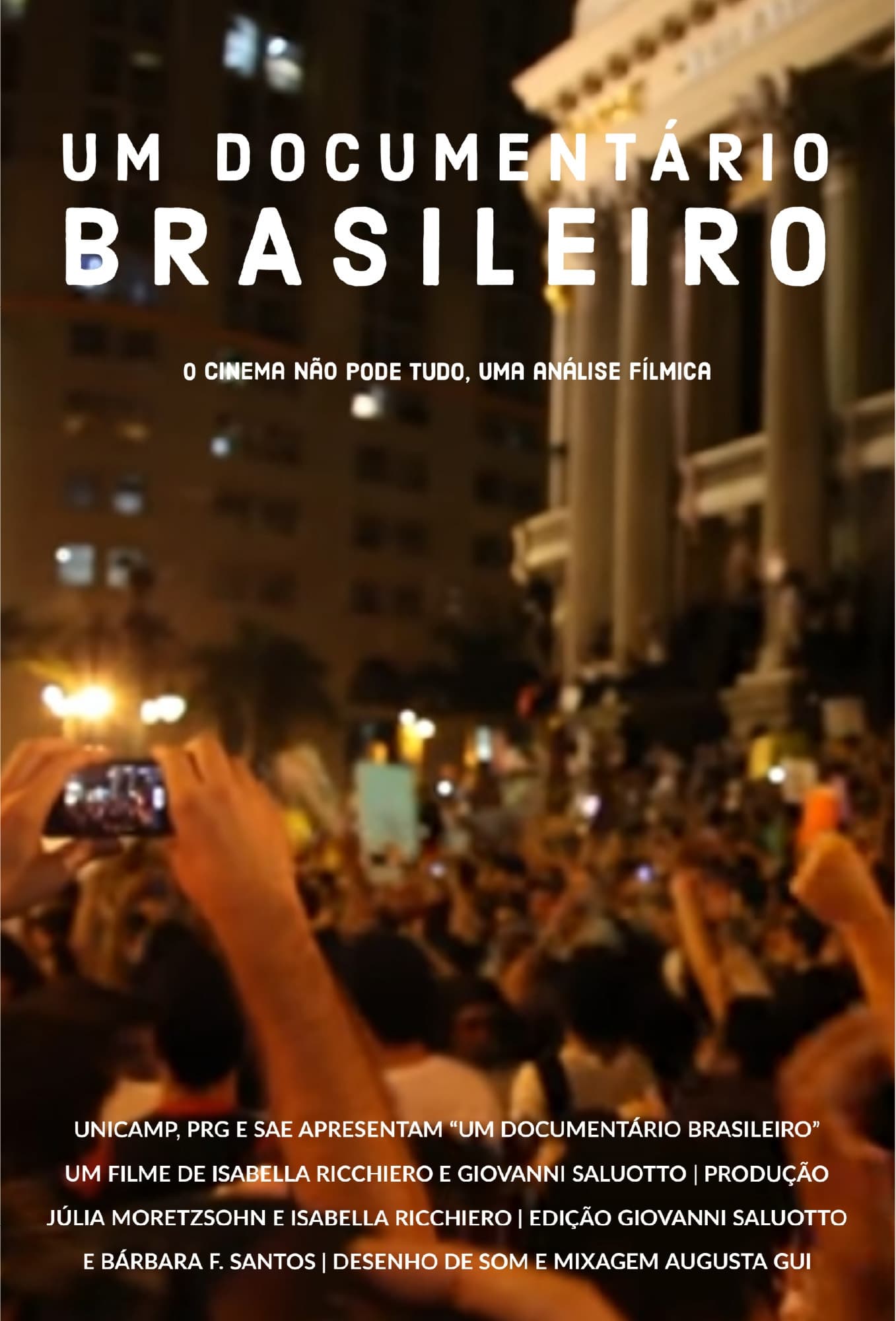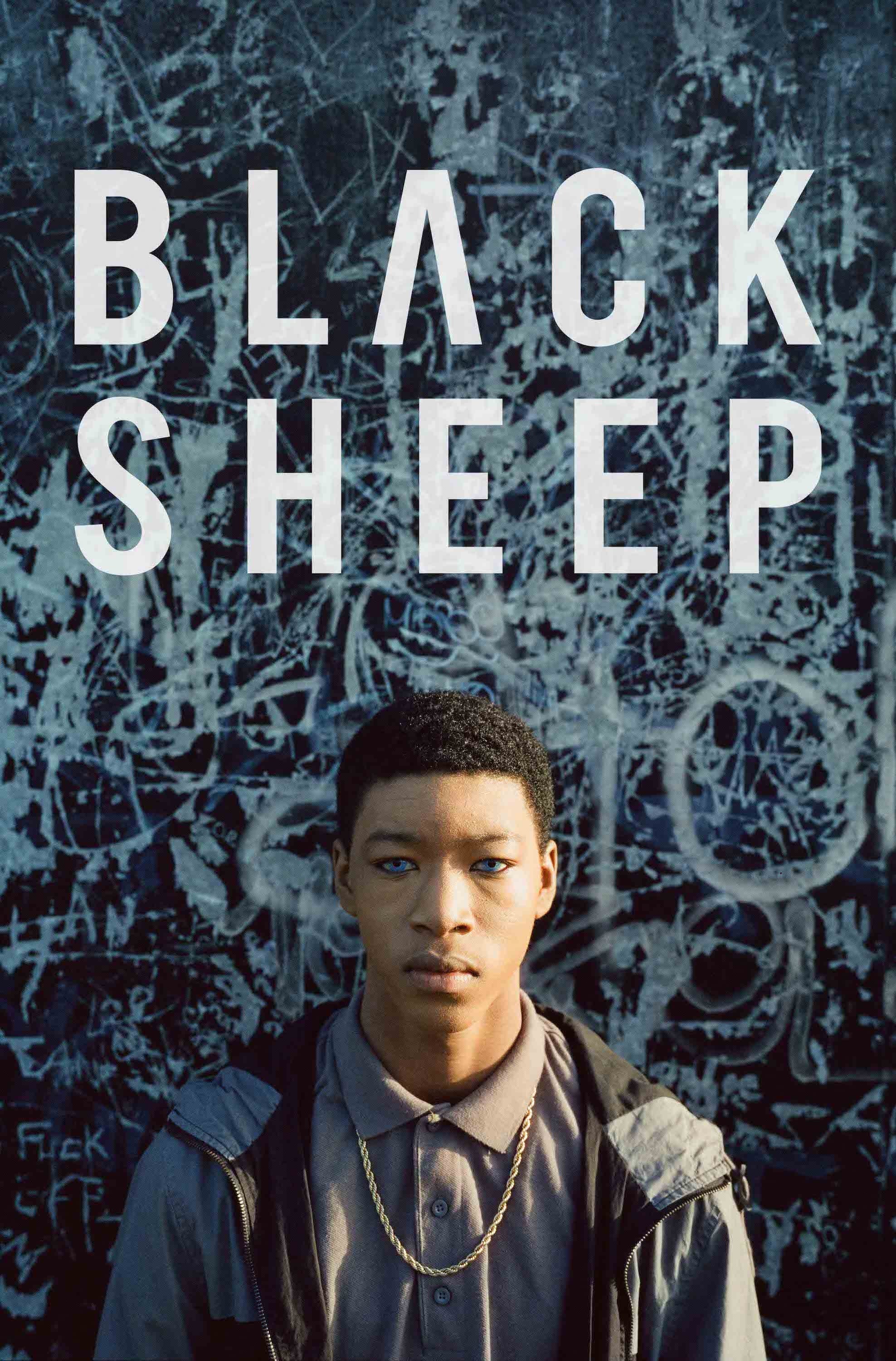
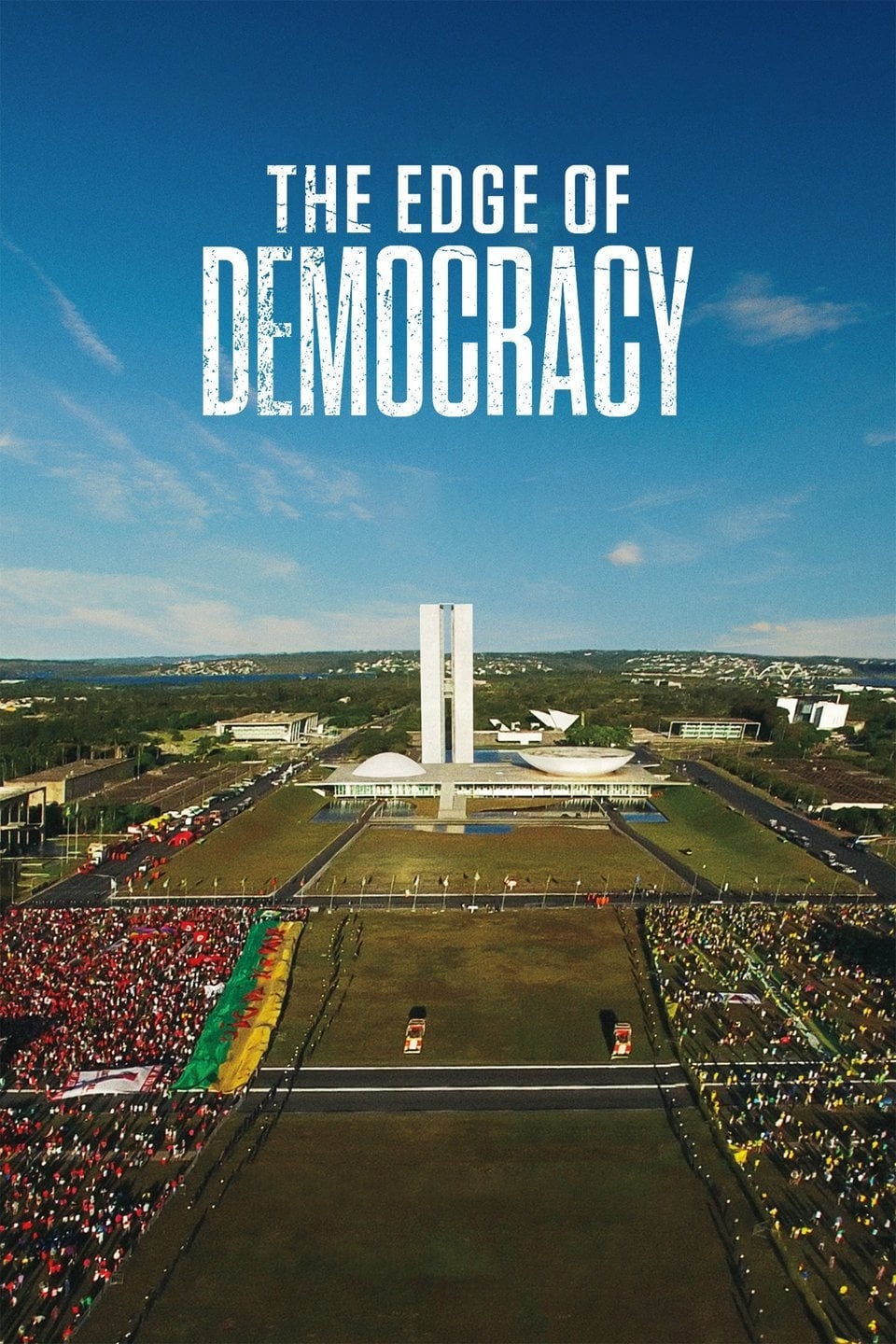
Inbetween fiction and documentary, this film sails through the brasilian street resistance following the parlamentary coup of state.
Social & External
Unknown Role
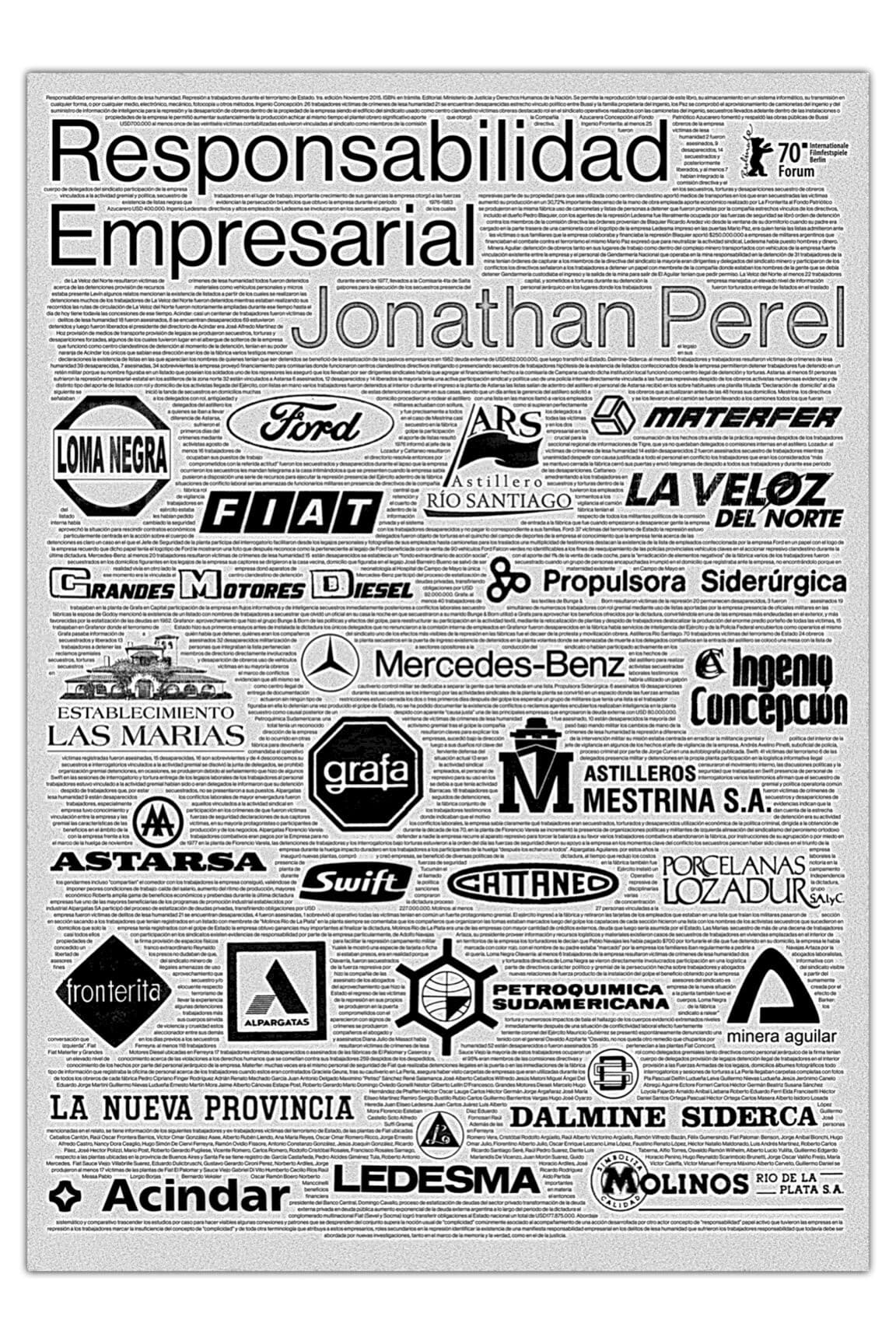
Images of Argentinian companies and factories in the first light of day, seen from the inside of a car, while the director reads out documents in voiceover that reveals the collusion of the same concerns in the military dictatorship’s terror.
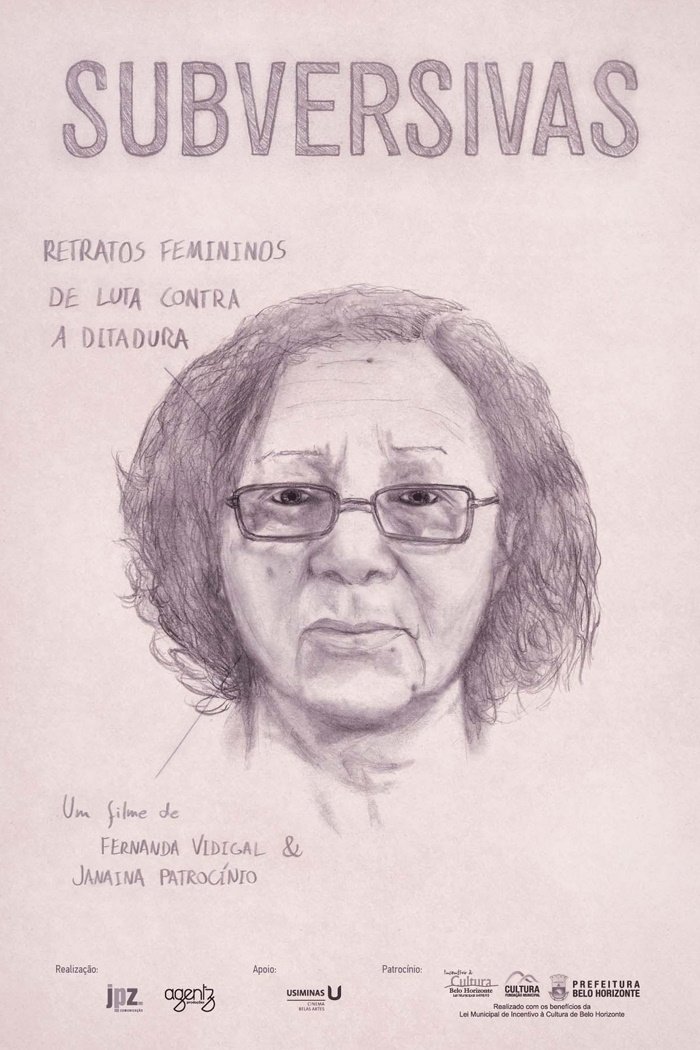
"Subversivas" is a documentary that reveals the brazilian military dictatorship from the perspective of women. Teresa Angelo, Gilse Cosenza, Thereza Vidigal, Angela Pezzuti and Delsy Gonçalves joined the resistance to the military regime in different ways. Their memories bring out events that marked that time and their life. These statements reveal their effort for freedom and democracy not only in political actions, but also in their family, work and everyday relationships, imbued with a belief and search for a fair and free country.
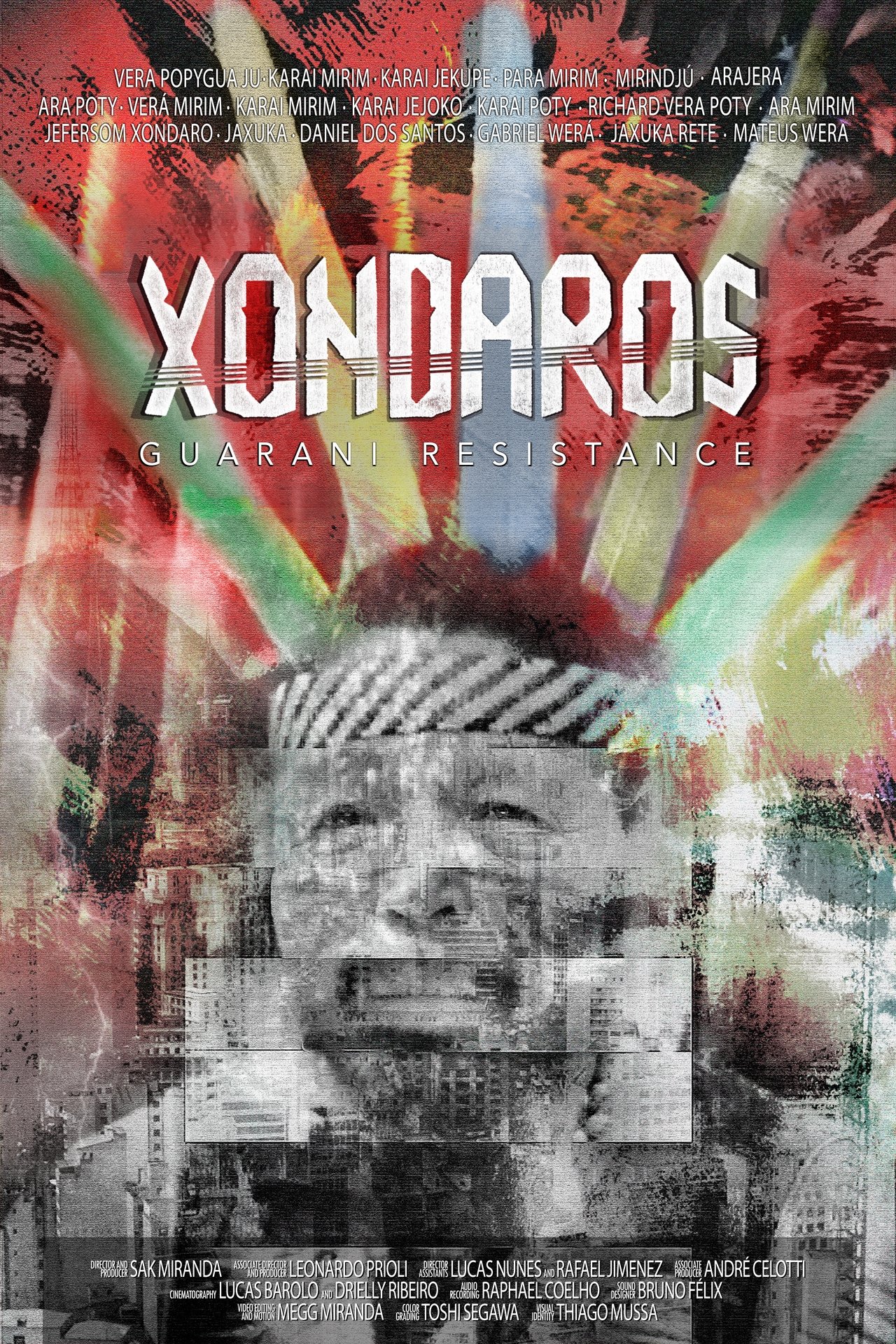
The 6 Guarani villages of Jaraguá, in São Paulo, fight for land rights, for human rights and for the preservation of nature. They suffer from the proximity to the city, which brings lack of resources, pollution of rivers and springs, racism, police violence, fires, lack of infrastructure and sanitation, among others. Unable to live like their ancestors, their millenary culture is lost as it merges with the urban culture.
When Mariana connects the Military Dictatorship's violent legacy as the structure behind Brazilian families, she embarks on an introspective journey to deconstruct her family life growing up in Brazil.
The film begins with the implementation of the Paulo Gustavo Law in São Manuel, a town of 40,000 residents in the countryside of São Paulo, to open a broader conversation: what happens when public funding reaches the cultural sector? And why is there still so much resistance to that? Through interviews with funded artists, cultural managers, policymakers, and spontaneous conversations with local residents, the film reveals a reality that goes beyond the borders of a single town, drawing a wider picture of the relationship between art, public policy, and everyday life. The documentary features historian Célio Turino, creator of the Pontos de Cultura program, and congresswoman Jandira Feghali, rapporteur of the Aldir Blanc Law. The screenplay is co-written by Turino and director bagadefente.
"Impressões" rescues the history of the Brazilian press since 1808, when the "Correio Brasiliense" clandestinely reached Rio de Janeiro after being edited in London by Hipólito José da Costa, and spans until 1986. It's the first documentary to depict the history of the Brazilian journalistic press.
The interview, held on January 4, 2001, was the last given by Professor Milton Santos, who died from cancer on June 24 of the same year. The geographer is gone, but his thoughts remains. Its political and cultural ideals inspire the debate on Brazilian society and the construction of a new world. His statement is a true testimony, a lesson that the world can be better. Based on geography, Milton Santos performs a reading of the contemporary world that reveals the different faces of the phenomenon of globalization. It is in the evidence of contradictions and paradoxes that constitute everyday life that Milton Santos sees the possibilities of building another reality. He innovates when, instead of standing against globalization, proposes and points out ways for another globalization.
An intimate and revelatory portrait of one of the world’s most influential political figures, Lula explores the rise, fall and triumphant return of beloved Brazilian leader Luiz Inácio “Lula” da Silva, chronicling his extraordinary journey in 2022 to regain the Brazilian presidency after spending nineteen months in prison.
How does it feel to be forgotten by the world? A powerful collective cry denouncing the crimes of the military dictatorship installed in Myanmar after the coup perpetrated on February 1, 2021: cinema and imagination against horror and in defense of freedom.
When does a democracy end and a theocracy begin? Petra Costa investigates the increasingly powerful grip Christian evangelical leaders hold over politics in Brazil. She gains extraordinary access to the country’s top political leaders, including President Lula and former president Bolsonaro, as well as to Brazil’s most famous televangelist: a magnetic pastor who aspires to play puppet master to the far-right leader.
In 1952 a young Egyptian colonel named Gamal Abdel Nasser led a coup that became a revolution, winning the support of millions of his countrymen. Over the next 18 years he challenged Western hegemony abroad, confronted Islamism at home, established the region’s first military authoritarian regime, and faced deep divisions among the Arabs.
Upon the outbreak of the Spanish Civil War in July 1936, the anarchist union CNT socialized the film industry in Spain, so in Madrid and Barcelona film workers took over the production assets and, between 1936 and 1938, numerous films on a wide variety of topics were released, composing a varied mosaic that gives rise to one of the most unusual and original moments of Spanish cinematography.
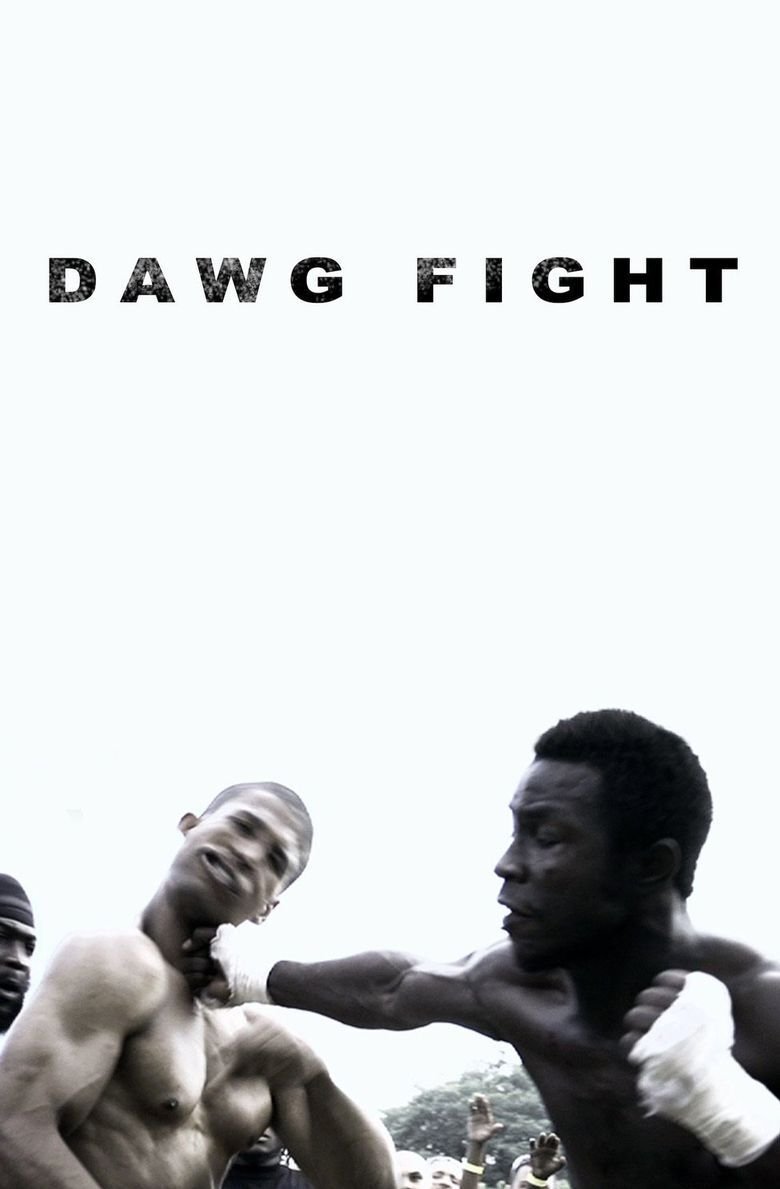
In the name of the struggle against terrorism, a special operation - code named CONDOR - was conducted in the 1970s and '80s in South America. Its target were left-wing political dissidents, the organized labor and intellectuals. Condor soon became a network of military dictatorships supported by the U.S. State Department, the CIA, and Interpol.
Eduardo Coutinho was filming a movie with the same name in the Northeast of Brazil, in 1964, when there came the military coup. He had to interrupt the project, and came back to it in 1981, looking for the same places and people, showing what had ocurred since then, and trying to gather a family whose patriarch, a political leader fighting for rights of country people, had been murdered.
Operation Condor was a secret agreement between the military dictatorships of the Southern Cone in the 1970s, with the knowledge of the CIA. These governments to shared information and violently repressed suspected left-wing subversives.
In 2019, the leakage of messages exchanged by authorities in Brazil undermines the credibility of Operation Lava Jato. A group of journalists follows the unfolding of the case, in a sequence of crises that puts Brazilian democracy at risk.
Finally, 33 years later, the whole truth behind the attempted coup d'état that shook Spain on the afternoon of February 23, 1981, is revealed by those who lived through those dreadful hours; a deep look behind the heavy curtain which hides the real mastermind, waiting to be unmasked.