Documentary about the history of Philippine cinema.
Social & External
The people behind it
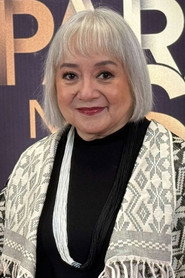
Laurice Guillen
herself
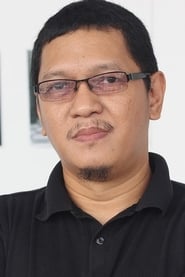
Jeffrey Jeturian
himself
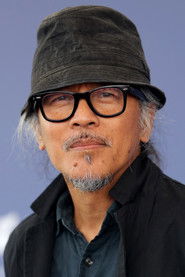
Brillante Ma Mendoza
Raymond Red
Lav Diaz
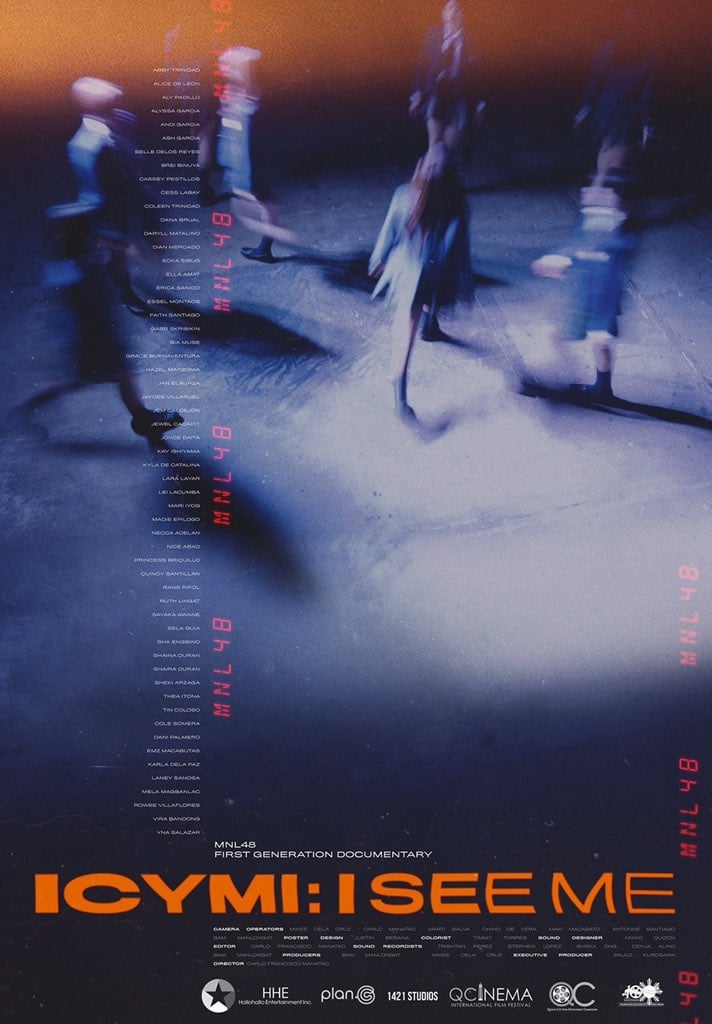
A music documentary on MNL48, a franchise of the highly successful Japanese idol group, AKB48. The film looks into the girls as they perform within a music subculture that tries to get a foothold in a market of an overtly critical audience.
Reviews the history of the Philippine Islands under Spanish and American rule. Shows country today with its emphasis on agriculture, and contrasts the rural life with the urban existence in the port of Manila.
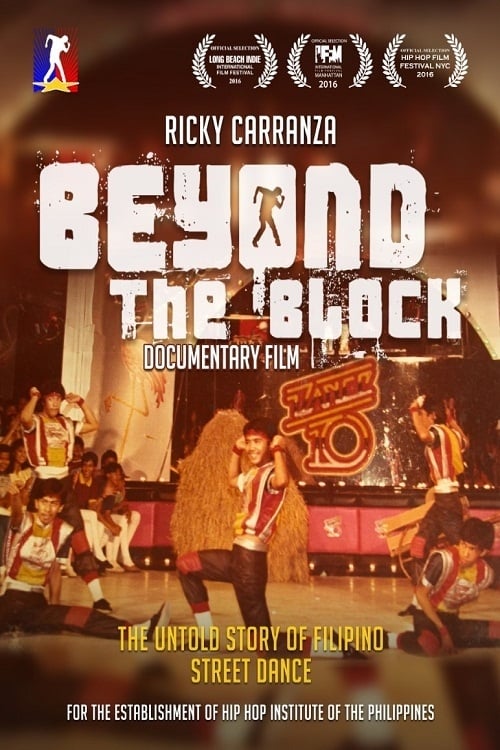
Documentary about the growth of street dancing in the Philippines
A straightforward story of a grandfather and grandchild who work as fishermen in Bacoor, Cavite.
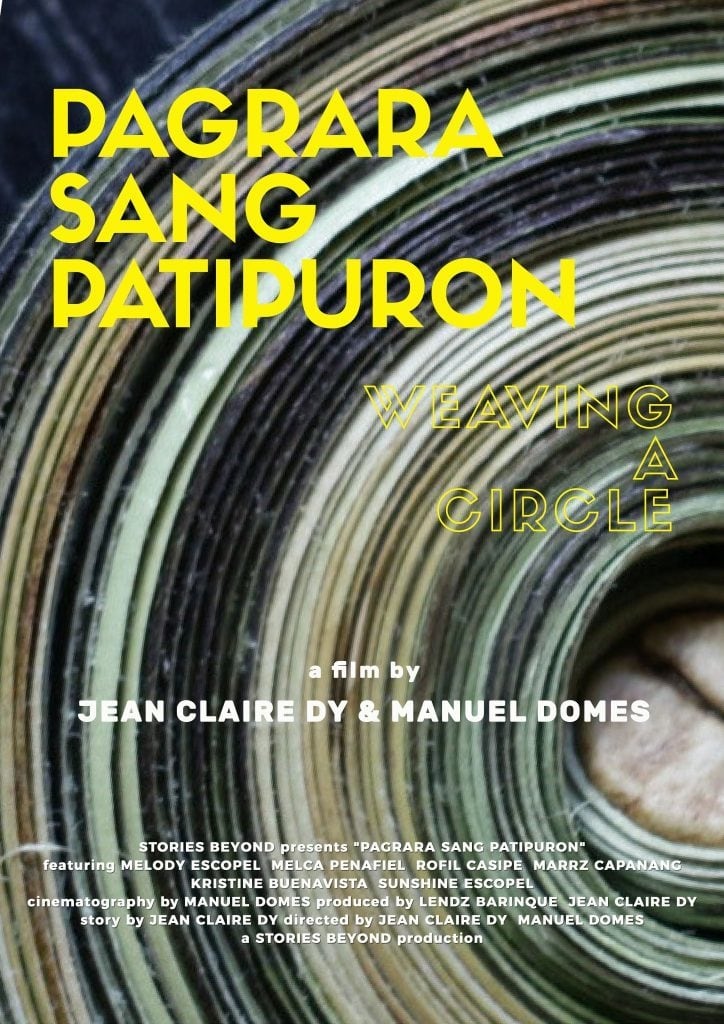
Filmed in the mountains of Barotac Viejo, Iloilo, Pagrara Sang Patipuron revolves around a group of indigenous women who work as weavers. This documentary follows their creative process and how they maintain their place in an increasingly modern world.
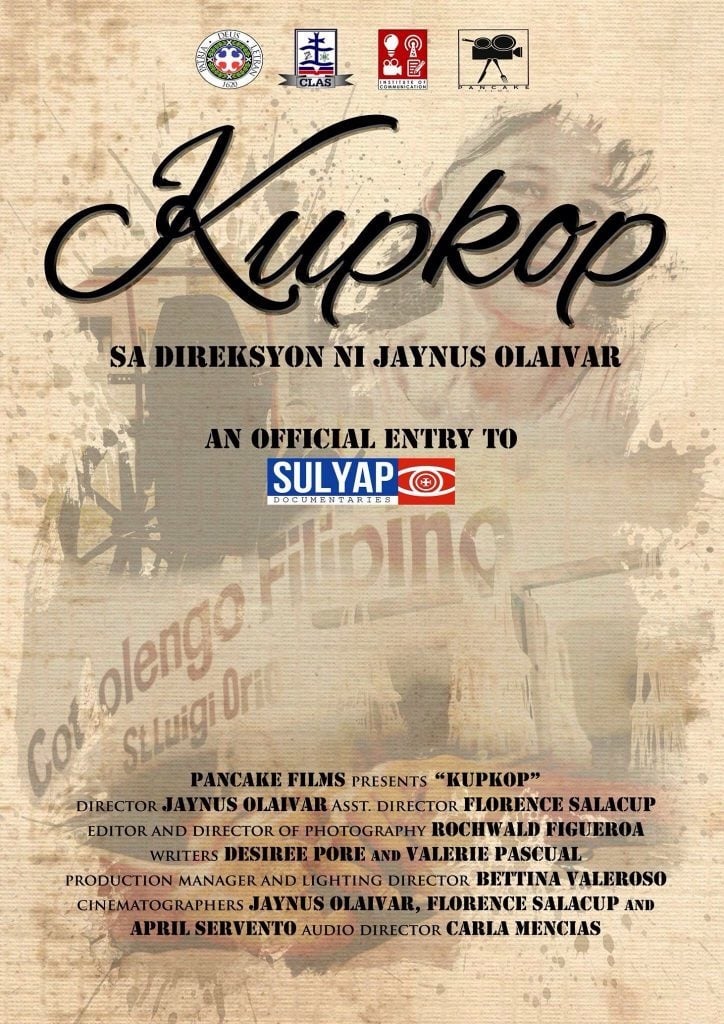
Kupkop, which literally means to “adopt”, follows three abandoned children with cerebral palsy who find love and affection through their foster kin.
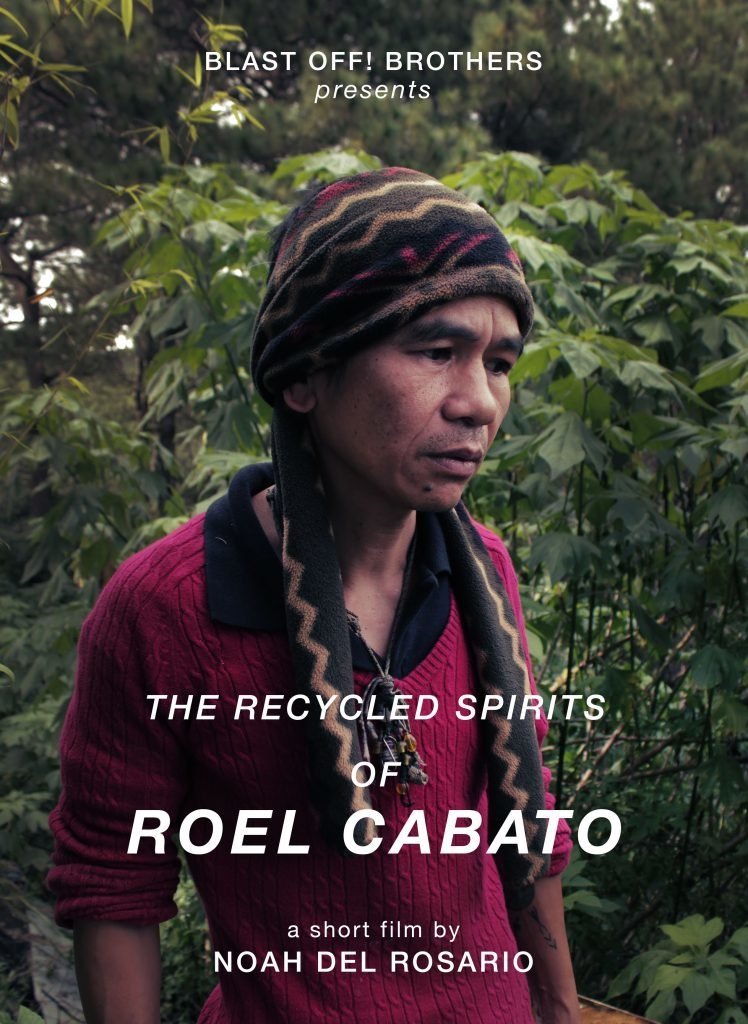
Roel Cabato, a Baguio-based Ilocano-Ifugao artist-environmentalist who creates artwork from rummaged materials and showcases them in his home and art space, Hanan’chi. Through his creations, he conveys his spiritual connection with his Ifugao background, as well as his campaign for environmentalism and recycling.
Four lives that could not be more different and a single passion that unites them: the unconditional love for their cinemas, somewhere at the end of the world. Comrades in Dreams brings together six cinema makers from North Korea, America, India and Africa and follows their efforts to make their audiences dream every night.
A chronicle of the production problems — including bad weather, actors' health, war near the filming locations, and more — which plagued the filming of Apocalypse Now, increasing costs and nearly destroying the life and career of Francis Ford Coppola.
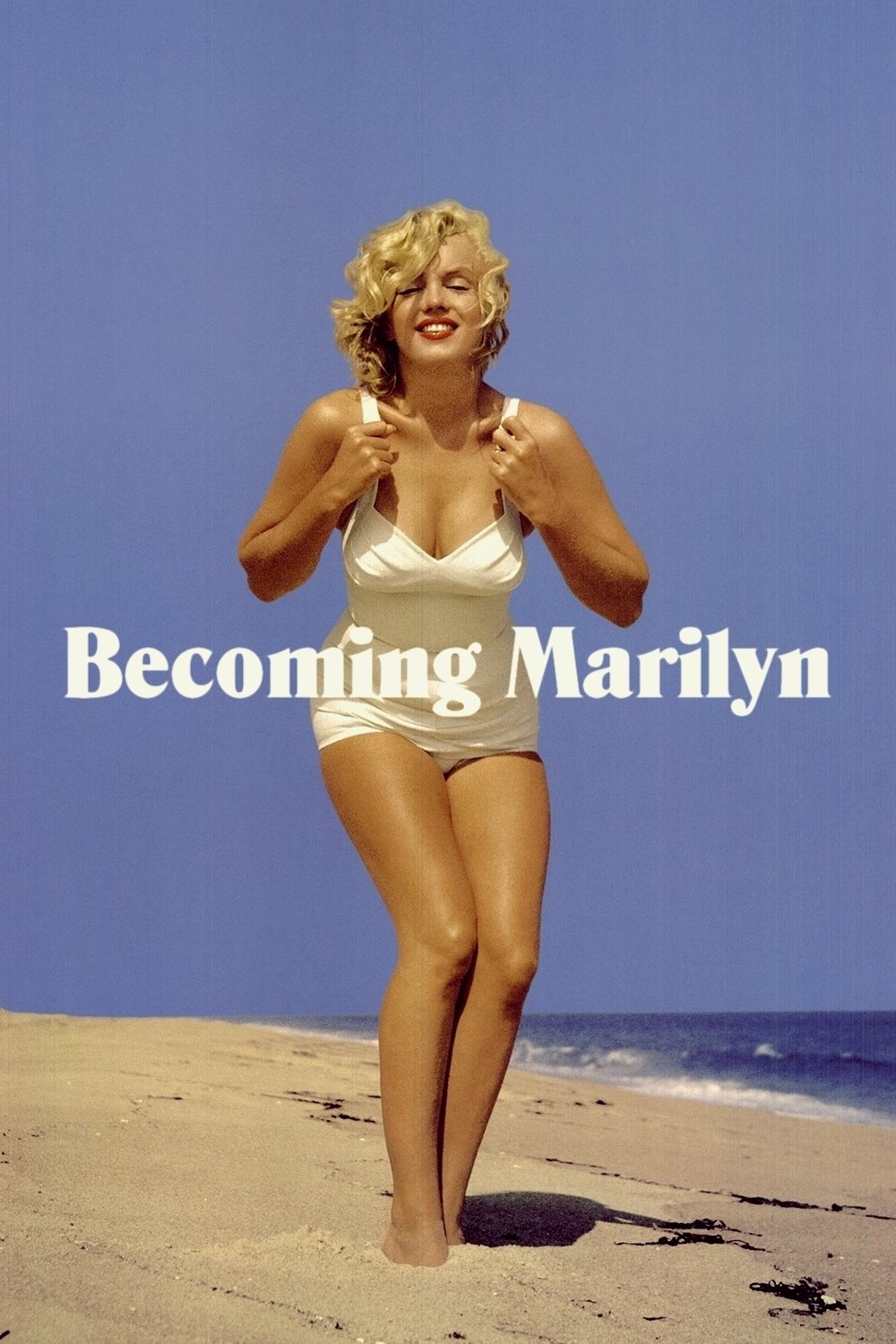
The story of how Norma Jeane Mortenson became Marilyn Monroe (1926-62), a lucid path of self-discovery, from anonymity to stardom: the painful birth of a myth.
A personal meditation on Rumble Fish, the legendary film directed by Francis Ford Coppola in 1983; the city of Tulsa, Oklahoma, USA, where it was shot; and its impact on the life of several people from Chile, Argentina and Uruguay related to film industry.
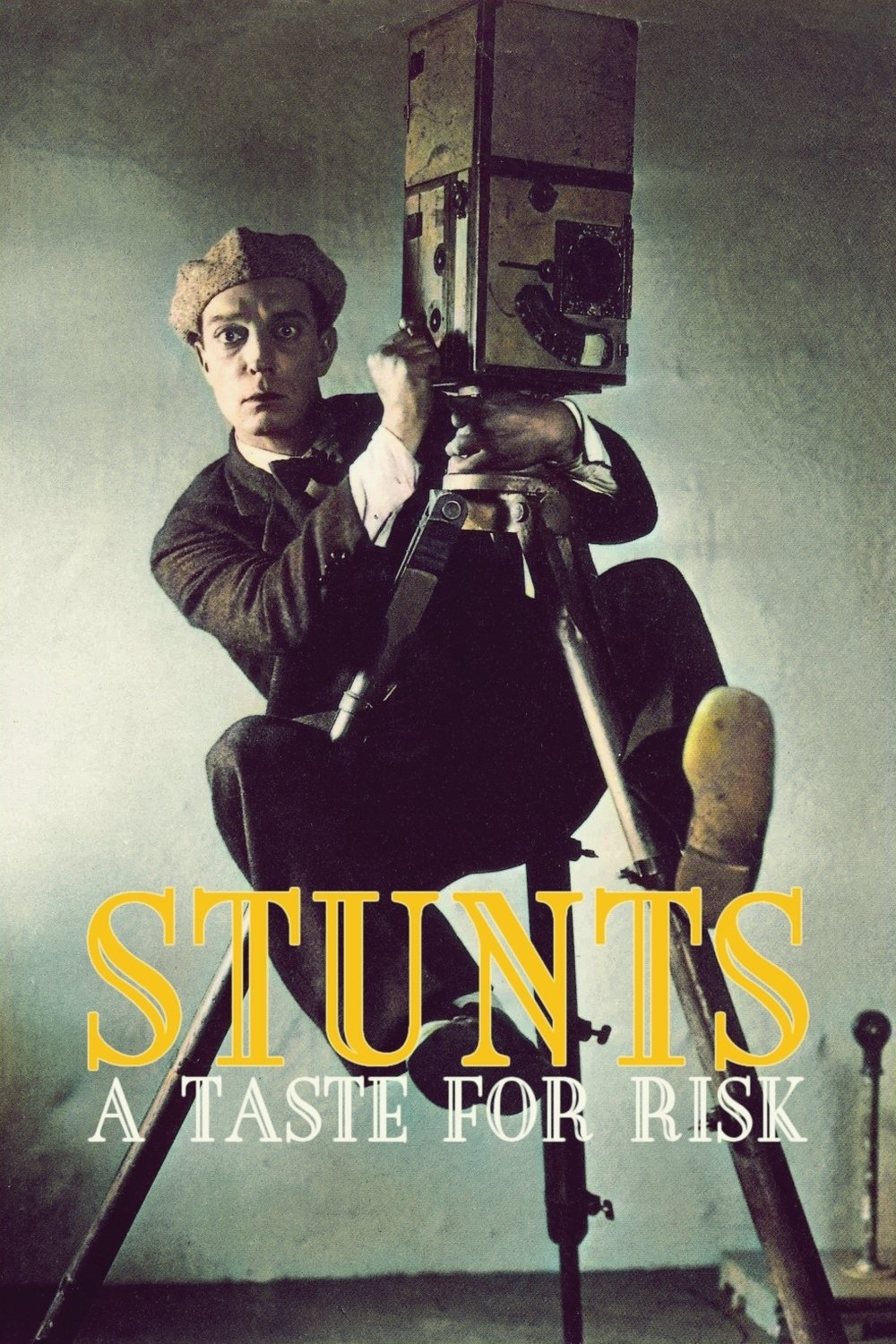
The amazing story of stunts, men and women who risk their lives every day on set to get the perfect action scene.
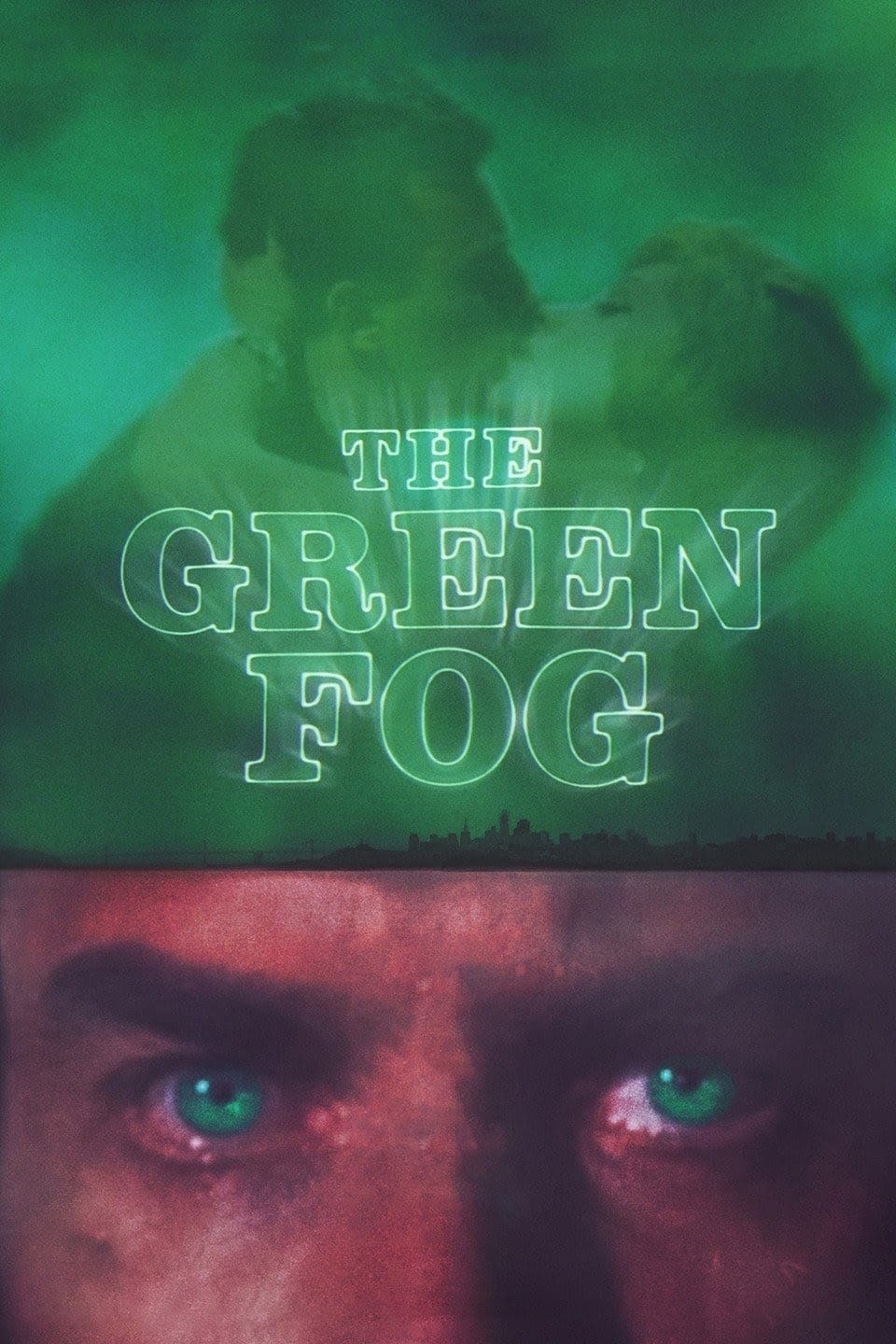
A tribute to a fascinating film shot by Alfred Hitchcock in 1958, starring James Stewart and Kim Novak, and to the city of San Francisco, California, where the magic was created; but also a challenge: how to pay homage to a masterpiece without using its footage; how to do it simply by gathering images from various sources, all of them haunted by the curse of a mysterious green fog that seems to cause irrepressible vertigo…
Pinoi Rock & Rhythm sheds the spotlight on four obscure yet significant figures in contemporary Philippine Popular Culture. Rebel Disc Jockey Dante "Howlin" Dave David, Stills Photographer and former stuntman Mr. Johnny Albia, Elvis Presley devotee Mr. Chito Bertol and Pinoy Rock guitar icon Mr. Jun Lopito. The documentary unfolds lighthearted, candid and sometimes outrageous introspection from the four individuals on the ups and downbeats of their respective careers.
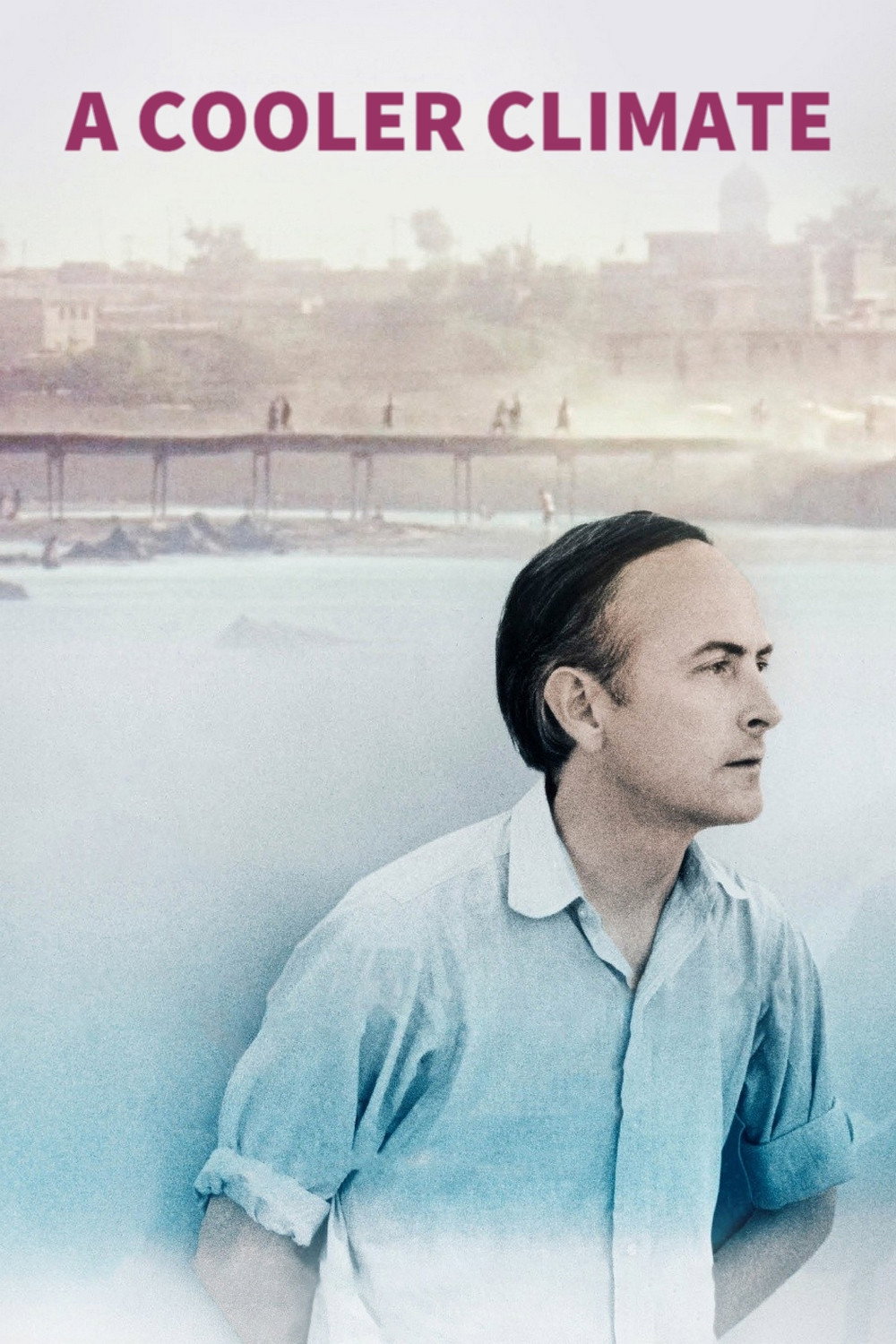
In 1960, acclaimed filmmaker James Ivory traveled to Afghanistan to shoot scenes for a documentary that was never completed. In 2022, he decided to revisit this unique footage, which takes him back to his adventurous youth.
Sampaloc Lake - the most prominent of the seven lakes of San Pablo City has provided shelter, employment and inspiration to its immediate community for countless decades. In return, the natural resource suffered from indiscriminate use of the residents themselves and the consequences of rapid urbanization. Recently, the local government have implemented a clearing of all residential structures within the legal easement of the dying lake to pave the way for a tourism master plan that endeavors to balance revenue and environmental protection. In the eve of the clearing operations, film maker Dennis Empalmado documented the final musings of the residents, advocates, and artists whose lives revolved around the 99 hectare crater lake.
Meet Duewand Collier Jr.-Male, 68 years old, American Citizen, a child conceived in the backdrop of the Philippines-American Mutual Defense Treaty, born and raised with Catholic guilt. He has made peace with his past and now tells his story-a story of love.
Jingle Chordbook Magazine, first published in 1970, promptly taught a generation of Filipinos to play the guitar. Its story also explores how a small independent publication survived the weight of its time – the dark Martial Law years – and how it inspired the Filipino youth to think for themselves and wield the guitar like a weapon. The documentary “Jingle Lang Ang Pahina” tells the story of Jingle, its ragtag crew, and its loyal fans in a rambling, multi-layered narrative told in different voices and perspectives by the writers, artists, fans, collectors, musicians, freaks.
The personal and professional story of Ilona Staller, known as Cicciolina, is probably unique: she left communist Hungary and moved to Italy, where she found a fertile environment for a life dedicated to scandal.
Lyrical and powerfully personal essay film that reflects on the deaths of her husband Lou Reed, her mother, her beloved dog, and such diverse subjects as family memories, surveillance, and Buddhist teachings.
A compilation of over 30 years of private home movie footage shot by Lithuanian-American avant-garde director Jonas Mekas, assembled by Mekas "purely by chance", without concern for chronological order.
The history of cinematic sound, told by legendary sound designers and visionary filmmakers.
This revealing documentary honors the legendary Sidney Poitier—iconic actor, filmmaker, and civil rights activist. Featuring interviews with Denzel Washington, Spike Lee, Halle Berry, and more.
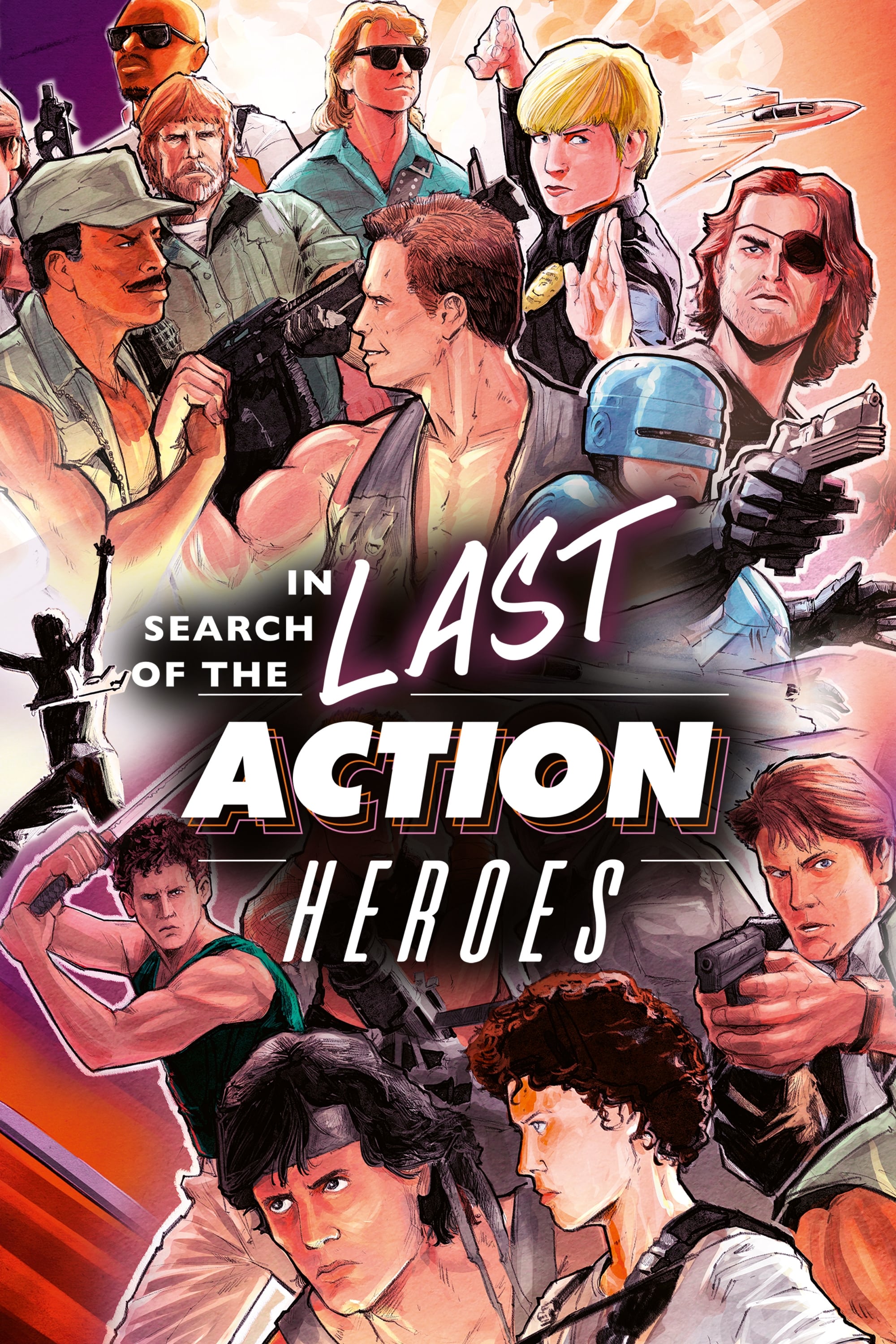
The most comprehensive retrospective of the '80s action film genre ever made.
As a visually radical memoir, CAMERAPERSON draws on the remarkable footage that filmmaker Kirsten Johnson has shot and reframes it in ways that illuminate moments and situations that have personally affected her. What emerges is an elegant meditation on the relationship between truth and the camera frame, as Johnson transforms scenes that have been presented on Festival screens as one kind of truth into another kind of story—one about personal journey, craft, and direct human connection.
An inside look at one of the most anticipated movie sequels ever with James Cameron and cast.
SEDUCED AND ABANDONED combines acting legend Alec Baldwin with director James Toback as they lead us on a troublesome and often hilarious journey of raising financing for their next feature film. Moving from director to financier to star actor, the two players provide us with a unique look behind the curtain at the world's biggest and most glamourous film festival, shining a light on the bitter-sweet relationship filmmakers have with Cannes and the film business. Featuring insights from directors Martin Scorsese, 'Bernando Bertolucci' and Roman Polanski; actors Ryan Gosling and Jessica Chastain and a host of film distribution luminaries.
This special explores the return of Obi-Wan Kenobi and Anakin Skywalker to the screen, as well as Ewan McGregor and Hayden Christensen to their classic roles. Director Deborah Chow leads the cast and crew as they create new heroes and villains that live alongside new incarnations of beloved Star Wars characters, and an epic story that dramatically bridges the saga films.
Brilliant, long in-the-works story of the life and art of the world's greatest comedian and the cinema's first genius, Charlie Chaplin. Produced, written and directed by renowned film critic Richard Schickel.
Through deeply personal interviews with her siblings and an examination of the photographs, letters, and belongings left behind, Mariska assembles a new portrait of her mother Jayne Mansfield, an extraordinary and complex woman.
The Making-of James Cameron's Avatar. It shows interesting parts of the work on the set.
One-man armies, meet-cutes, casual strolls away from huge explosions — stars and industry insiders toast and roast these cinematic chestnuts and more.
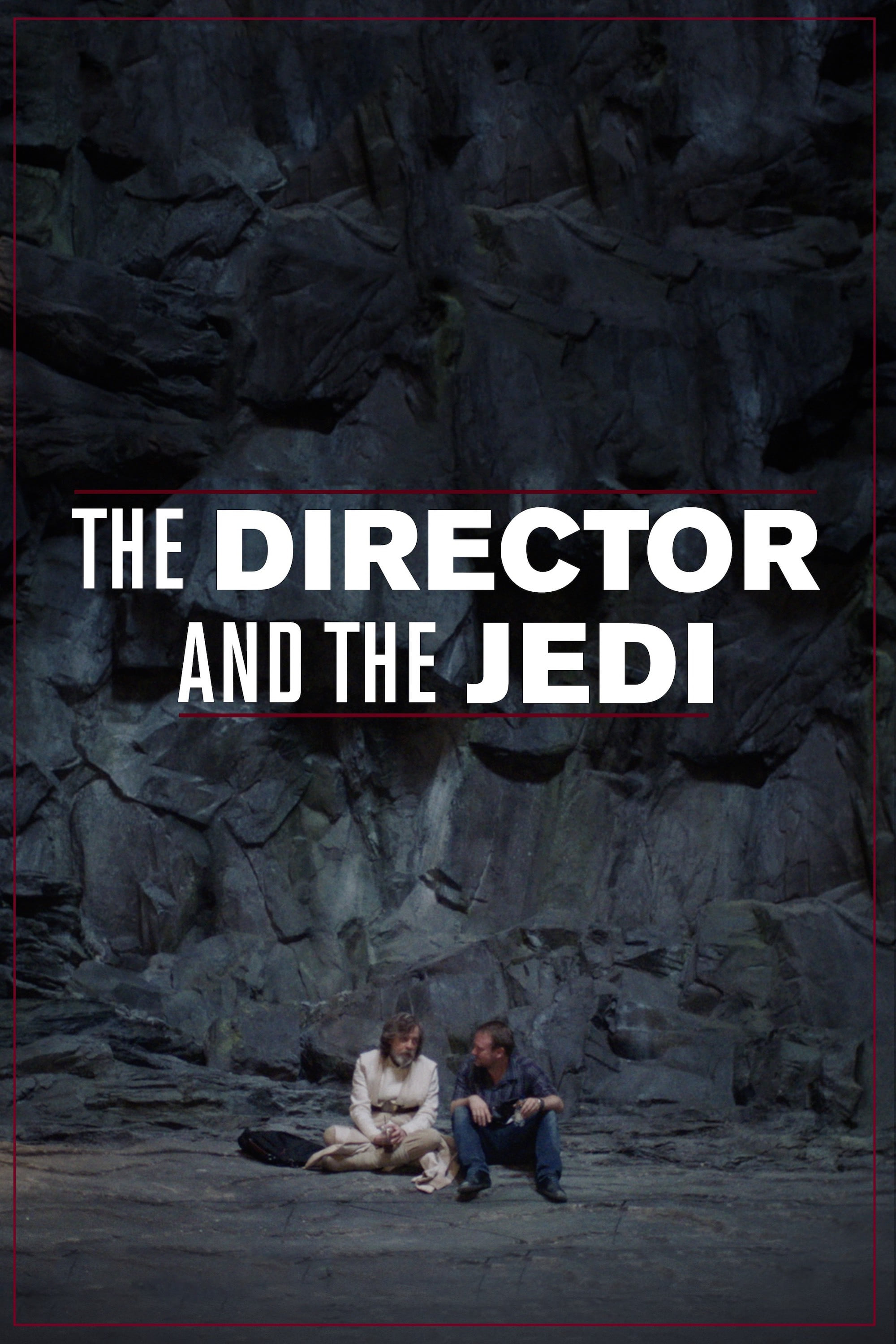
An intimate documentary delving into Rian Johnson's process as he comes in as a director new to the Star Wars universe.
Follow the production of “Black Panther: Wakanda Forever” as the cast and crew take on the incredible challenge of remembering T’Challa with a chapter befitting the late king. Through intimate behind-the-scenes footage and interviews, watch Shuri take on the mantel of Wakanda’s hero and face a new foe from the ocean’s depths in Namor.
Fulton and Pepe's 2000 documentary captures Terry Gilliam's attempt to get The Man Who Killed Don Quixote off the ground. Back injuries, freakish storms, and more zoom in to sabotage the project.
Using the book 'Fragments', which collects Marilyn Monroe's poems, notes and letters, and with participation from the Arthur Miller and Truman Capote estates who have contributed more material, each of the actresses will embody the legend at various stages in her life.
A look at the story behind Marvel Studios and the Marvel Cinematic Universe, featuring interviews and behind-the-scenes footage from all of the Marvel films, the Marvel One-Shots and "Marvel's Agents of S.H.I.E.L.D."!
In the final decades of the 20th century, the Philippines was a country where low-budget exploitation-film producers were free to make nearly any kind of movie they wanted, any way they pleased. It was a country with extremely lax labor regulations and a very permissive attitude towards cultural expression. As a result, it became a hotbed for the production of cheapie movies. Their history and the genre itself are detailed in this breezy, nostalgic documentary.