Social & External
The people behind it
Lenka Jurošková
Commentary
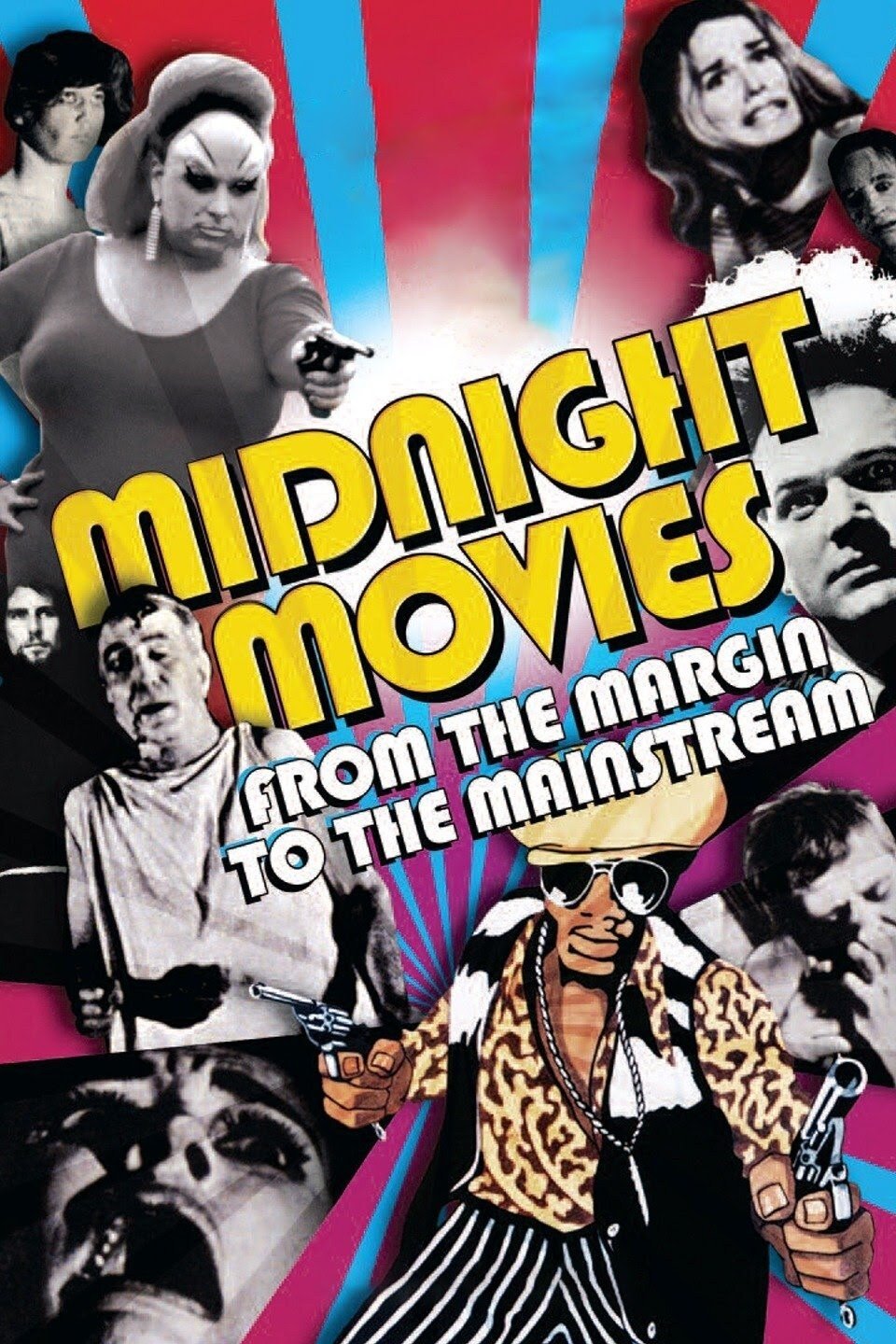
From 1970-1977, six low budget films shown at midnight transformed the way we make and watch films.
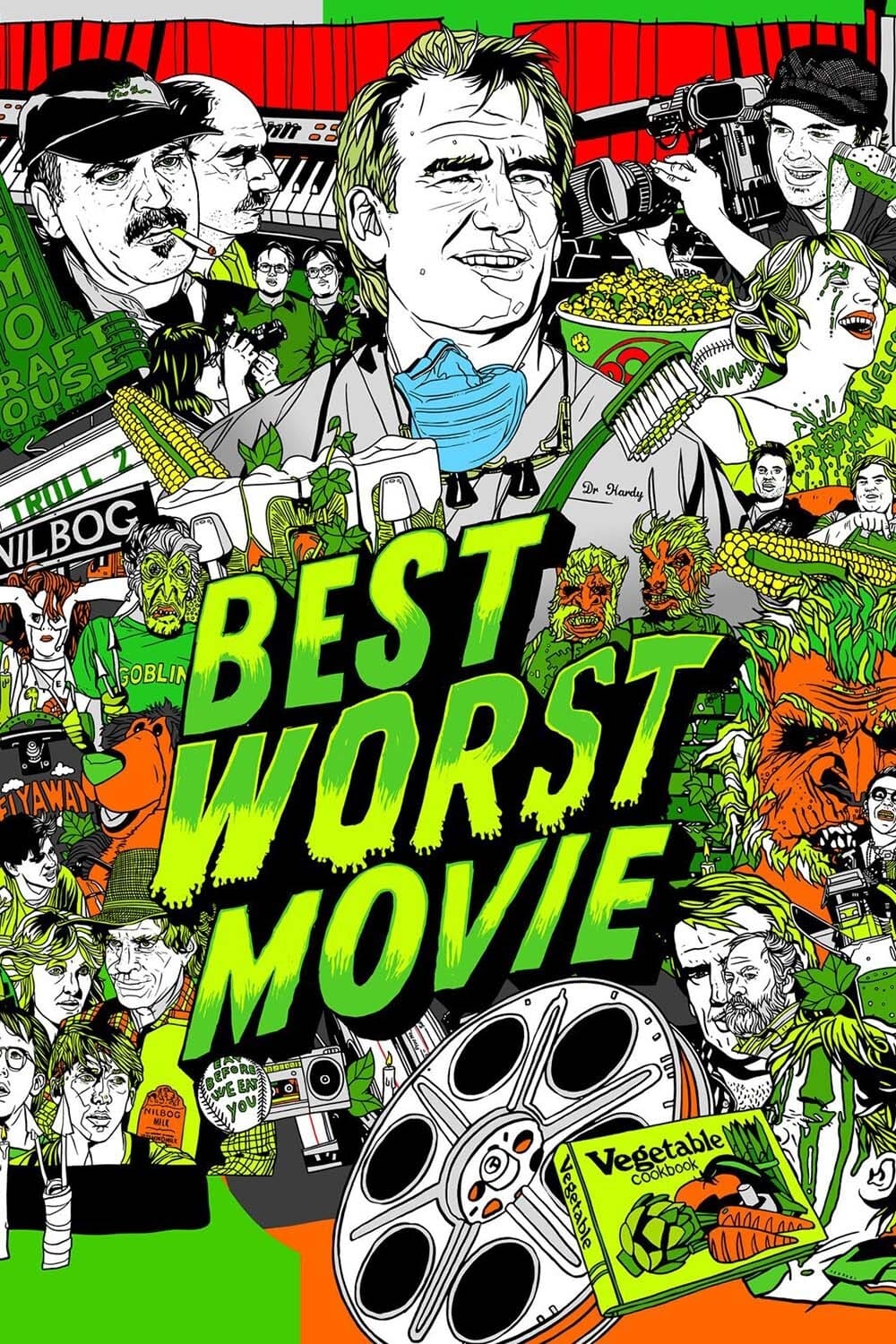
A look at the making of the film Troll 2 (1990) and its journey from being crowned the "worst film of all time" to a cherished cult classic.
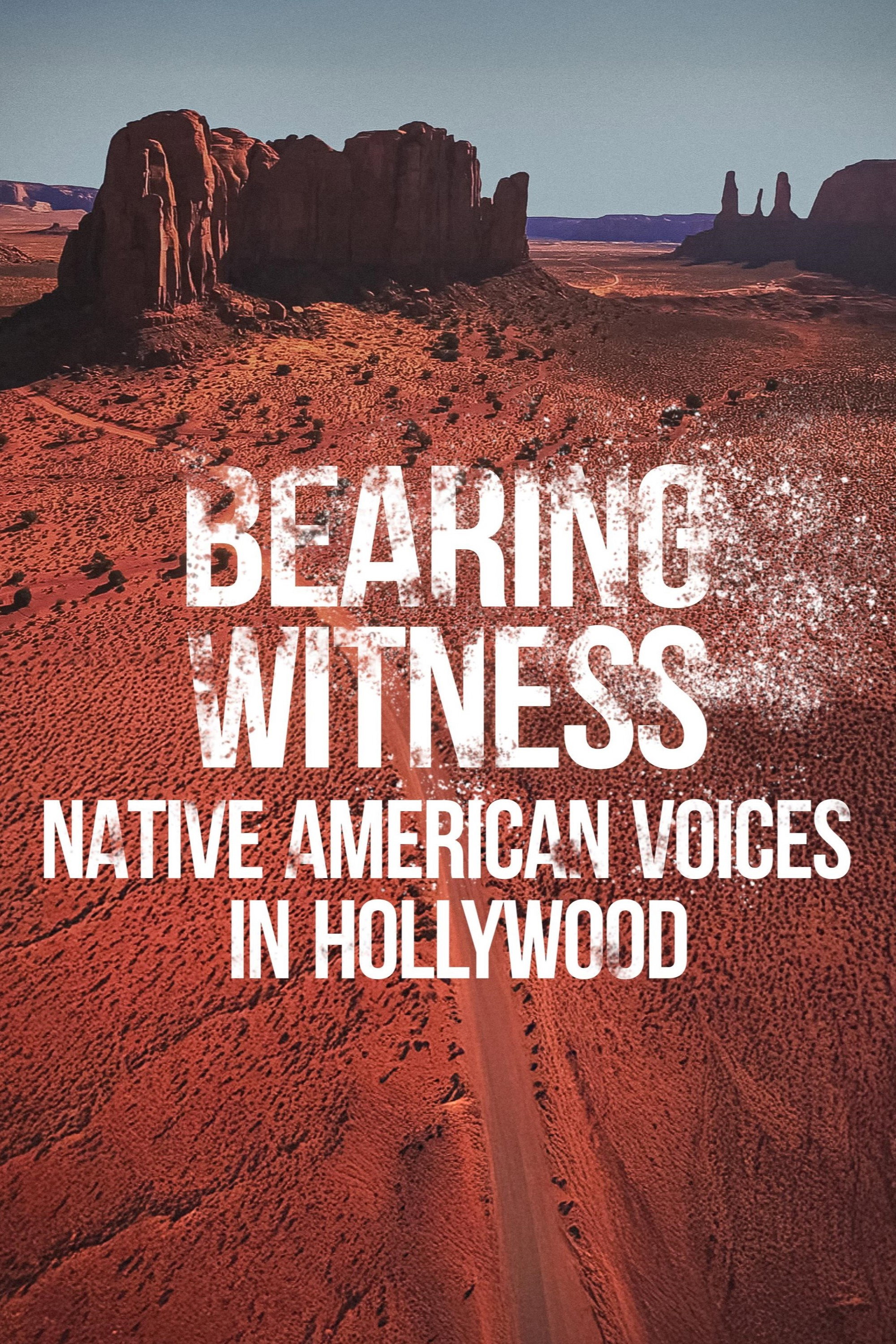
For over 100 years, Hollywood cinema has crafted the ultimate "villain"- the Indian, as they were labeled in early Westerns. Confined almost exclusively to this genre, the Western became a vehicle for American racism, obscuring the genocide upon which the United States was built. In this documentary, only Native Americans are given a voice to share their story, one that has been overshadowed by Hollywood's portrayal. Their narrative, part of the larger American story, highlights how cinema has long been used as a powerful propaganda tool, distorting history and perpetuating harmful stereotypes.
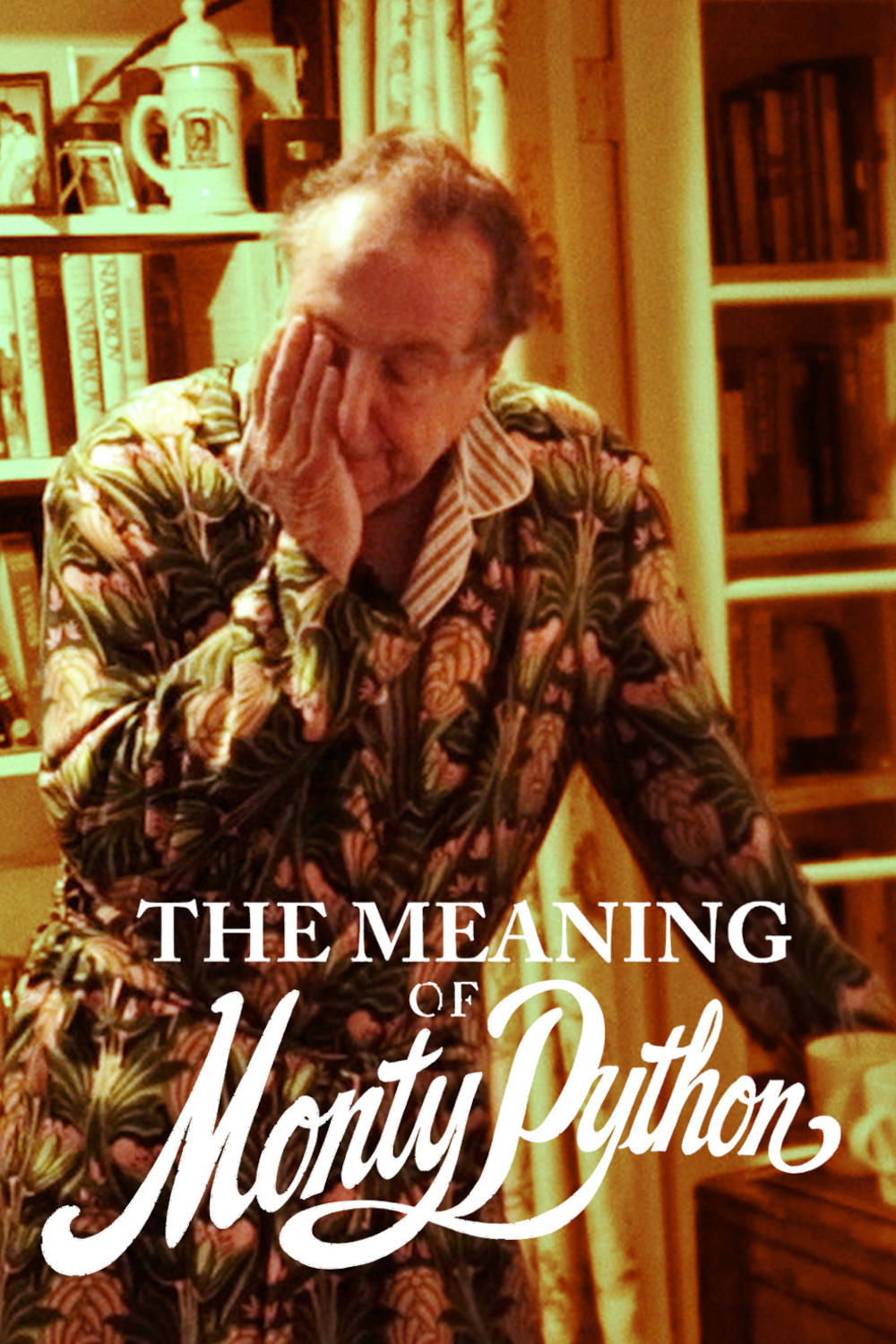
A discussion between John Cleese, Michael Palin, Eric Idle, Terry Gilliam and Terry Jones about their film The Meaning of Life.
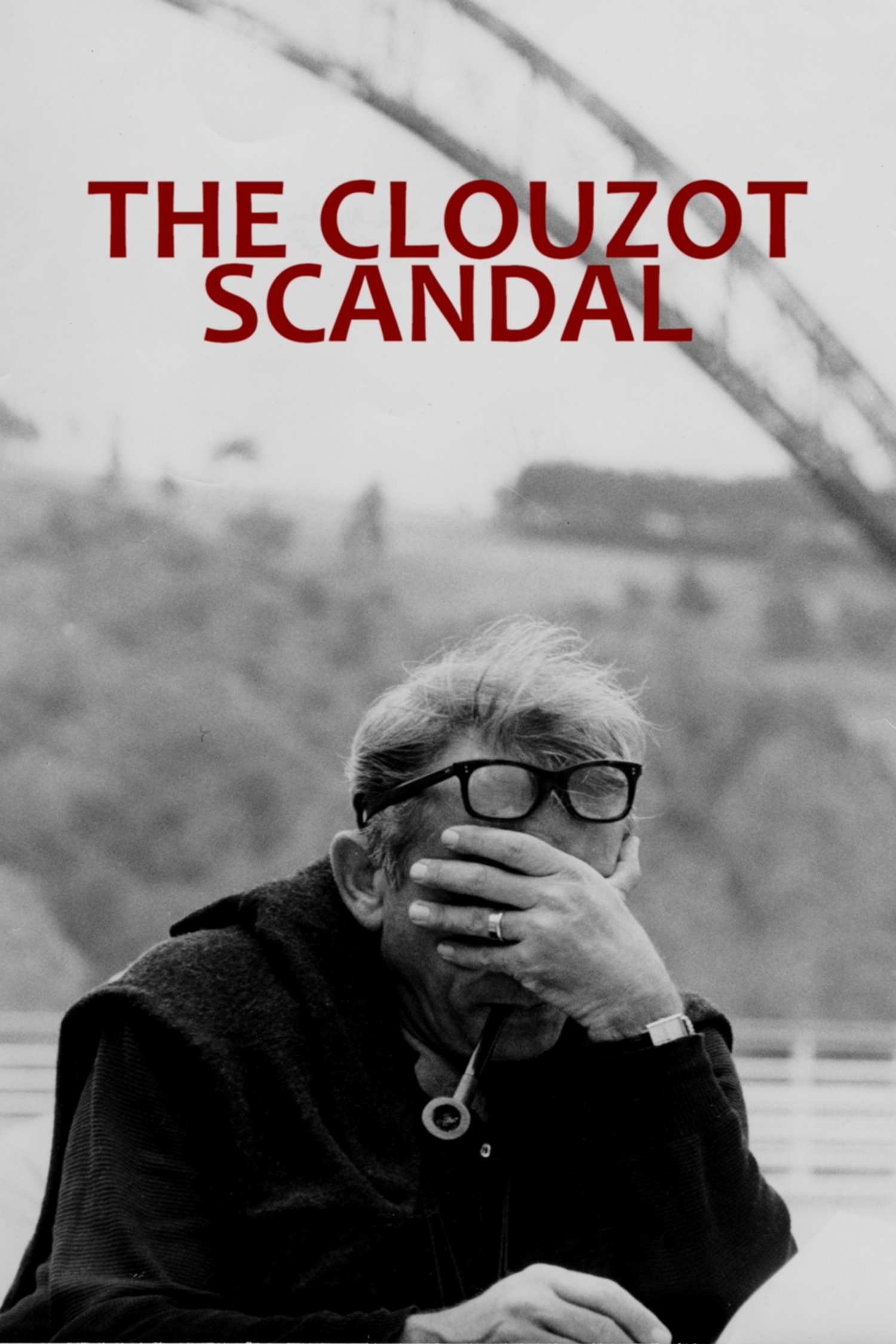
Great filmmakers claim the artistic influence of French director Henri-Georges Clouzot (1907-1977), a master of suspense, with a unique vision of the world, who knew how to offer both great shows and subtle studies of characters. Beyond the myth of the tyrannical director, a contrasting portrait of a visionary, an agitator, an artist against the system.
Spanish filmmaker David Trueba travels to New York to interview Woody Allen, who reviews his filmography and his many personal and artistic concerns.
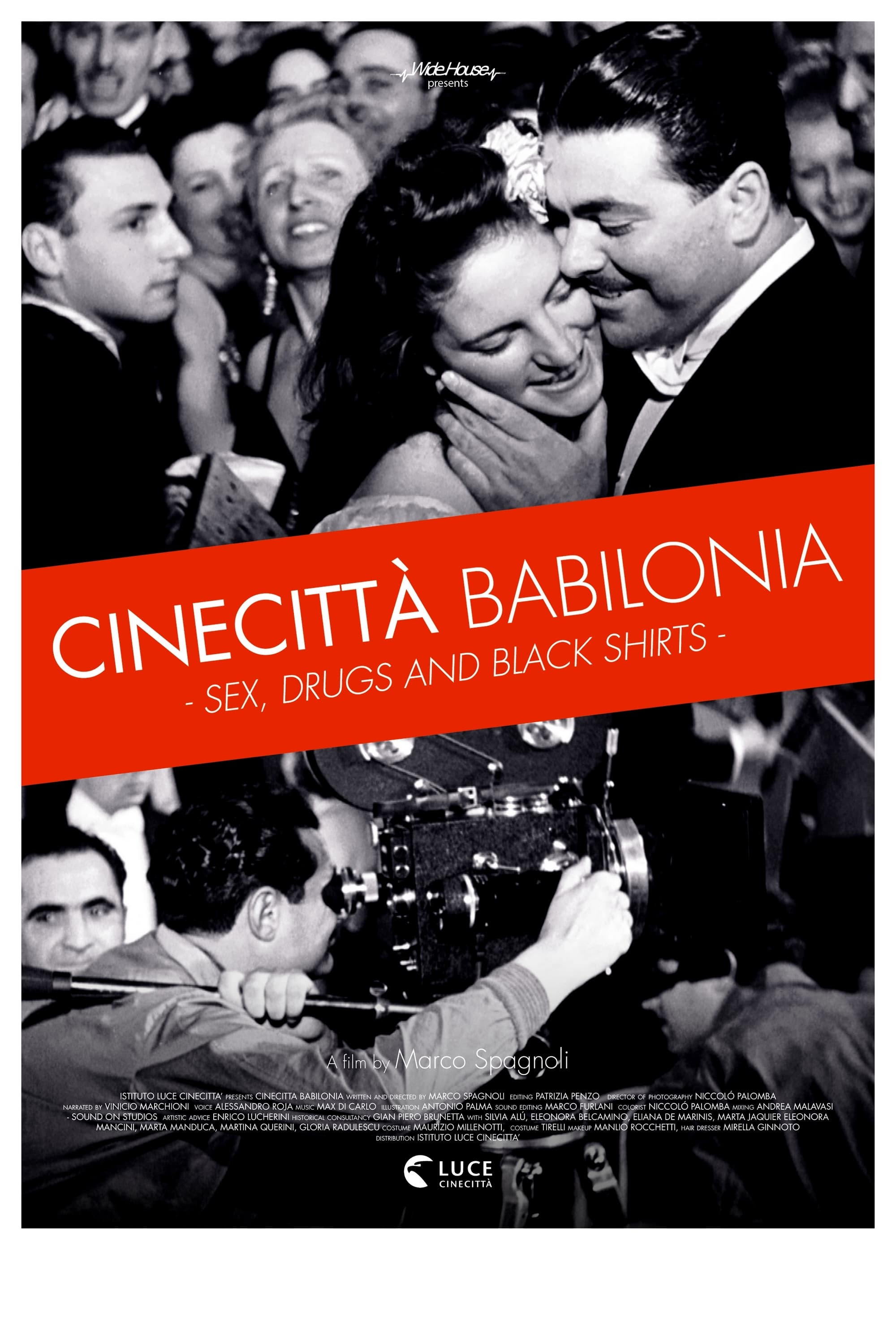
The story of Italian cinema under Fascism, a sophisticated film industry built around the founding of the Cinecittà studios and the successful birth of a domestic star system, populated by very peculiar artists among whom stood out several beautiful, magnetic, special actresses; a dark story of war, drugs, sex, censorship and tragedy.
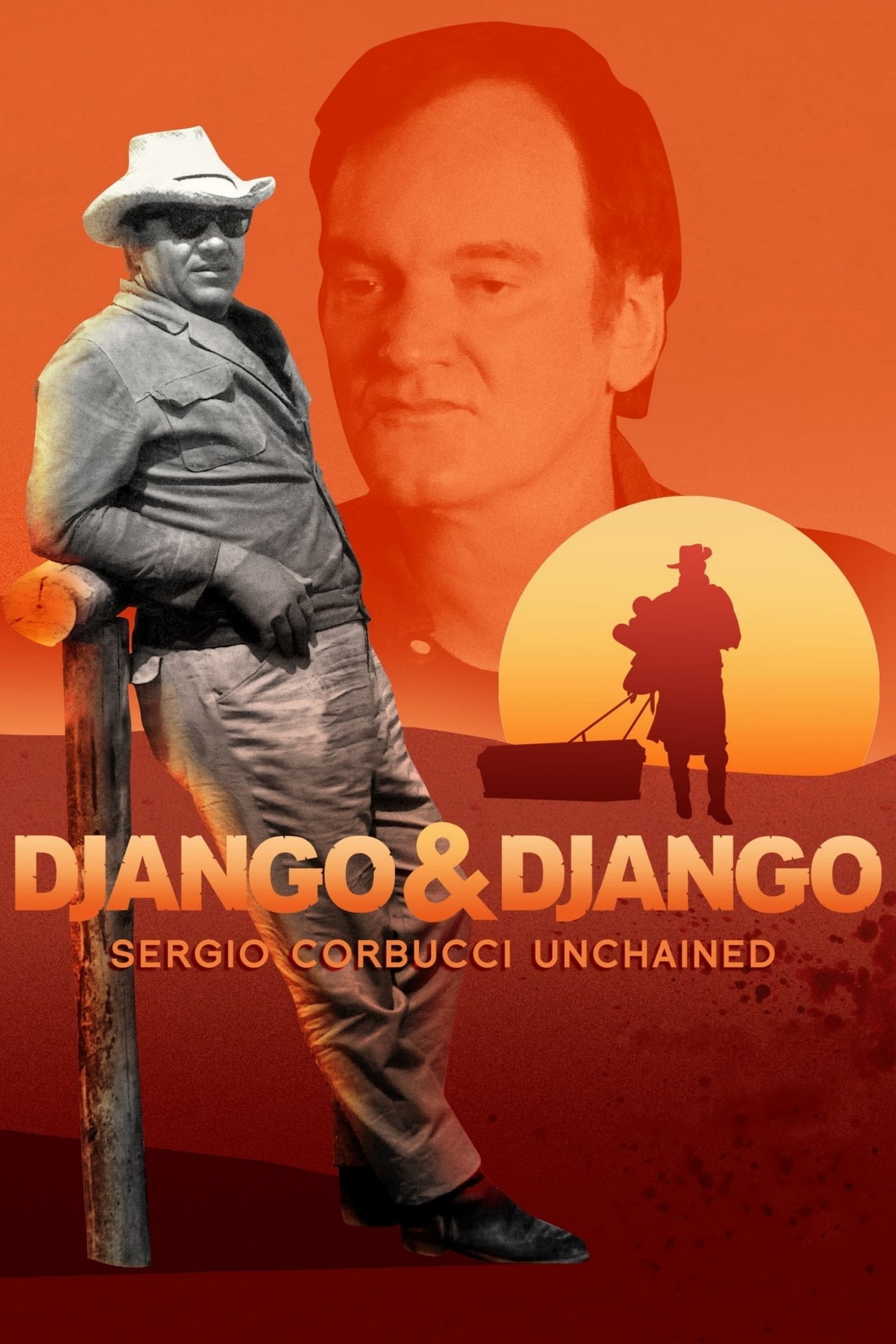
A tribute to Italian filmmaker Sergio Corbucci (1926-90), presented by American filmmaker Quentin Tarantino.
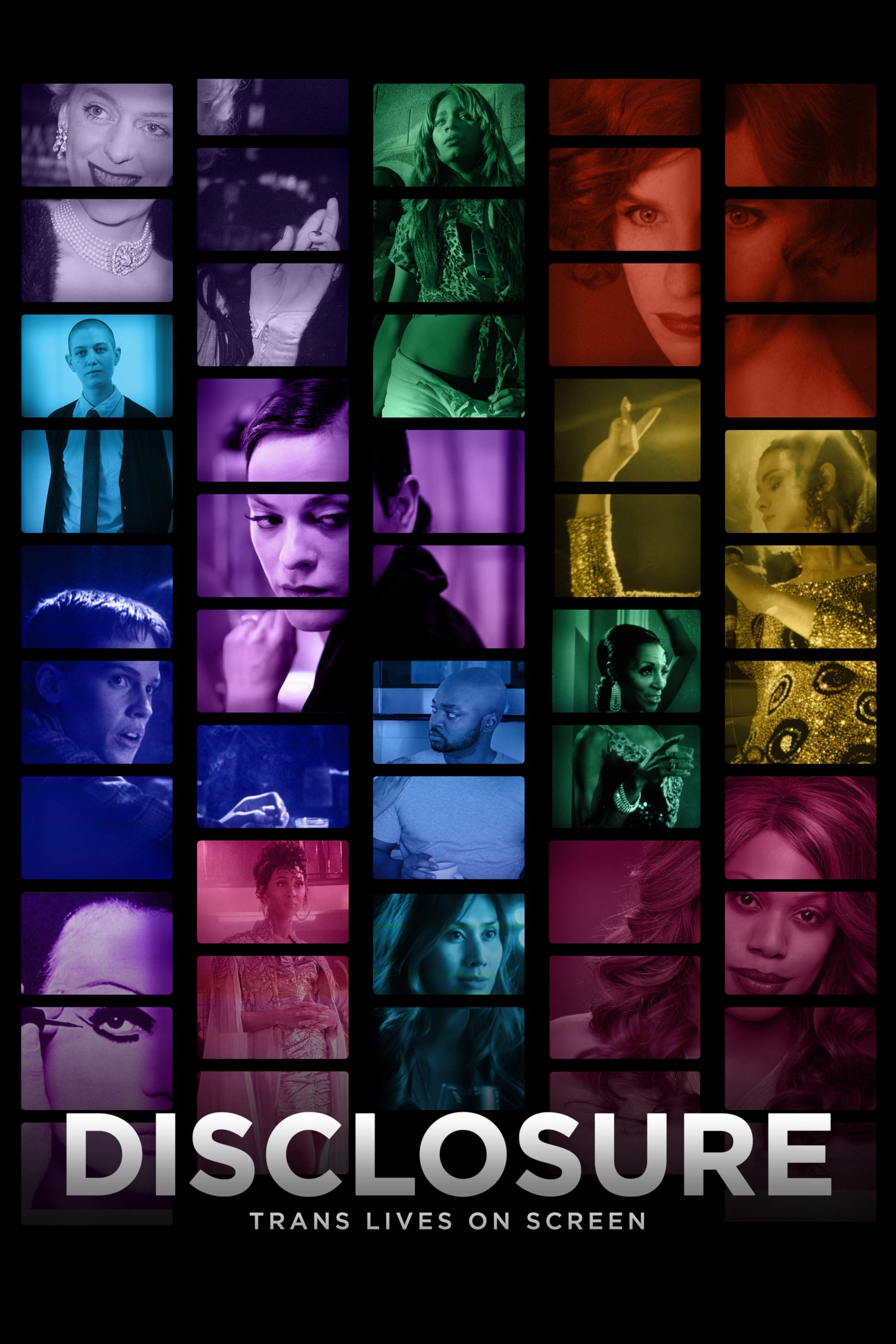
An investigation of how Hollywood's fabled stories have deeply influenced how Americans feel about transgender people, and how transgender people have been taught to feel about themselves.
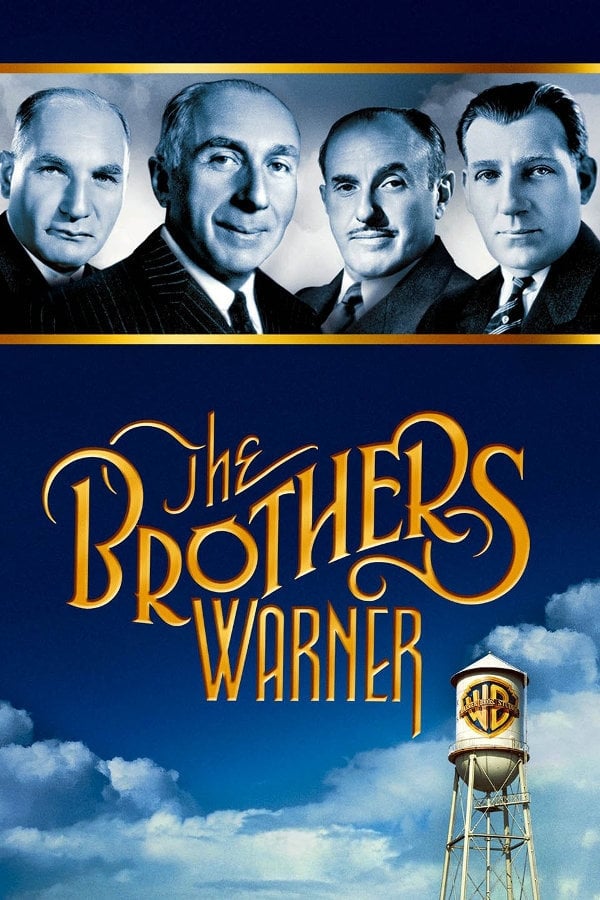
An intimate portrait and saga of four film pioneers--Harry, Albert, Sam and Jack who rose from immigrant poverty through personal tragedies persevering to create a major studio with a social conscience.
Born in 1932, Keiko Kishi has been one of the first Japanese actresses known worldwide. Her decision to move to France and to marry director Yves Ciampi in 1957 – after he filmed her in Typhoon Over Nagasaki starring Jean Marais and Danielle Darrieux – caused a huge scandal in Japan. Despite this transgression, Keiko Kishi continued acting in her home country with Kon Ichikawa, Yasujiro Ozu, Masaki Kobayashi… building unique bridges between Japanese and European cultures. Free and rebellious, she emancipated herself from the many obstacles she encountered in the film industry, and created her own production company in her early twenties. Let’s look back at the story of a pioneer, an inspiration for many generations.
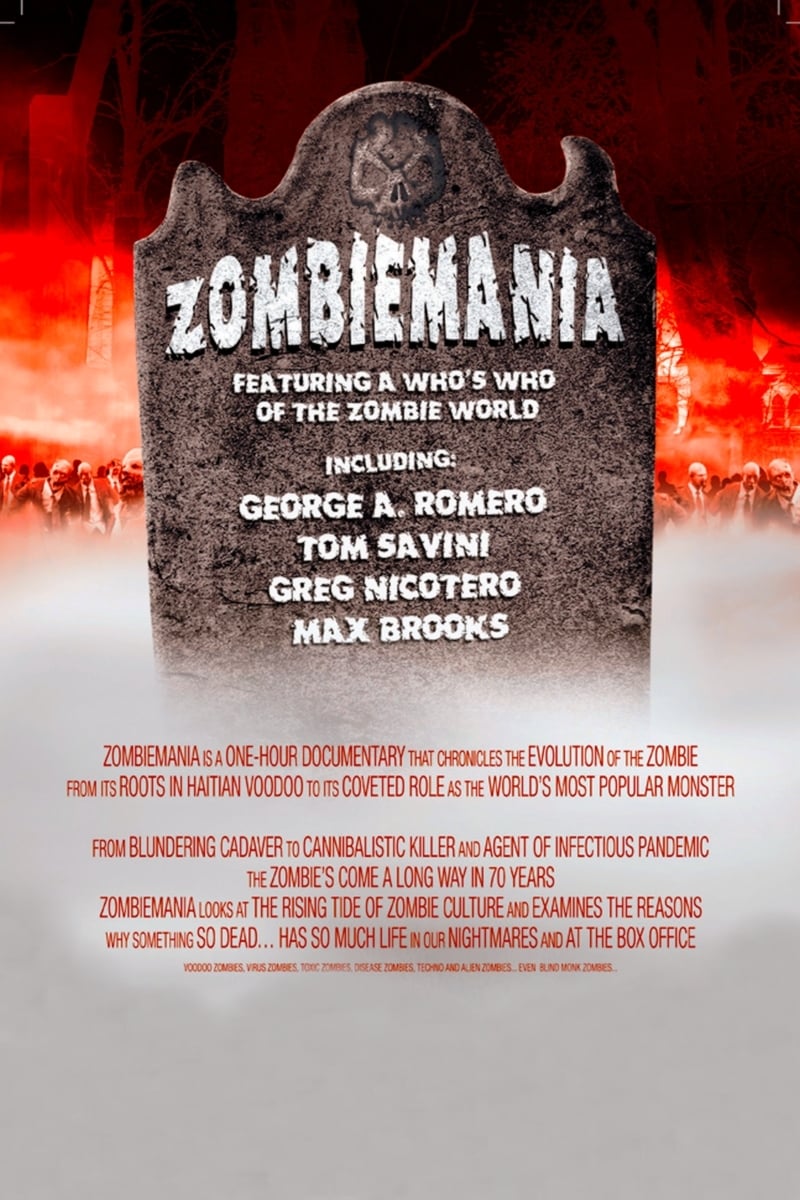
The evolution of the zombie from its roots in Haitian voodoo to its coveted role as the world's most popular monster: from being a clumsy corpse to becoming a cannibal killer and the main agent of every infectious pandemic, the zombie has come a long way in seventy years. A look at the rising tide of zombie culture examining why something so dead has so much life in viewers' nightmares and at the box office.
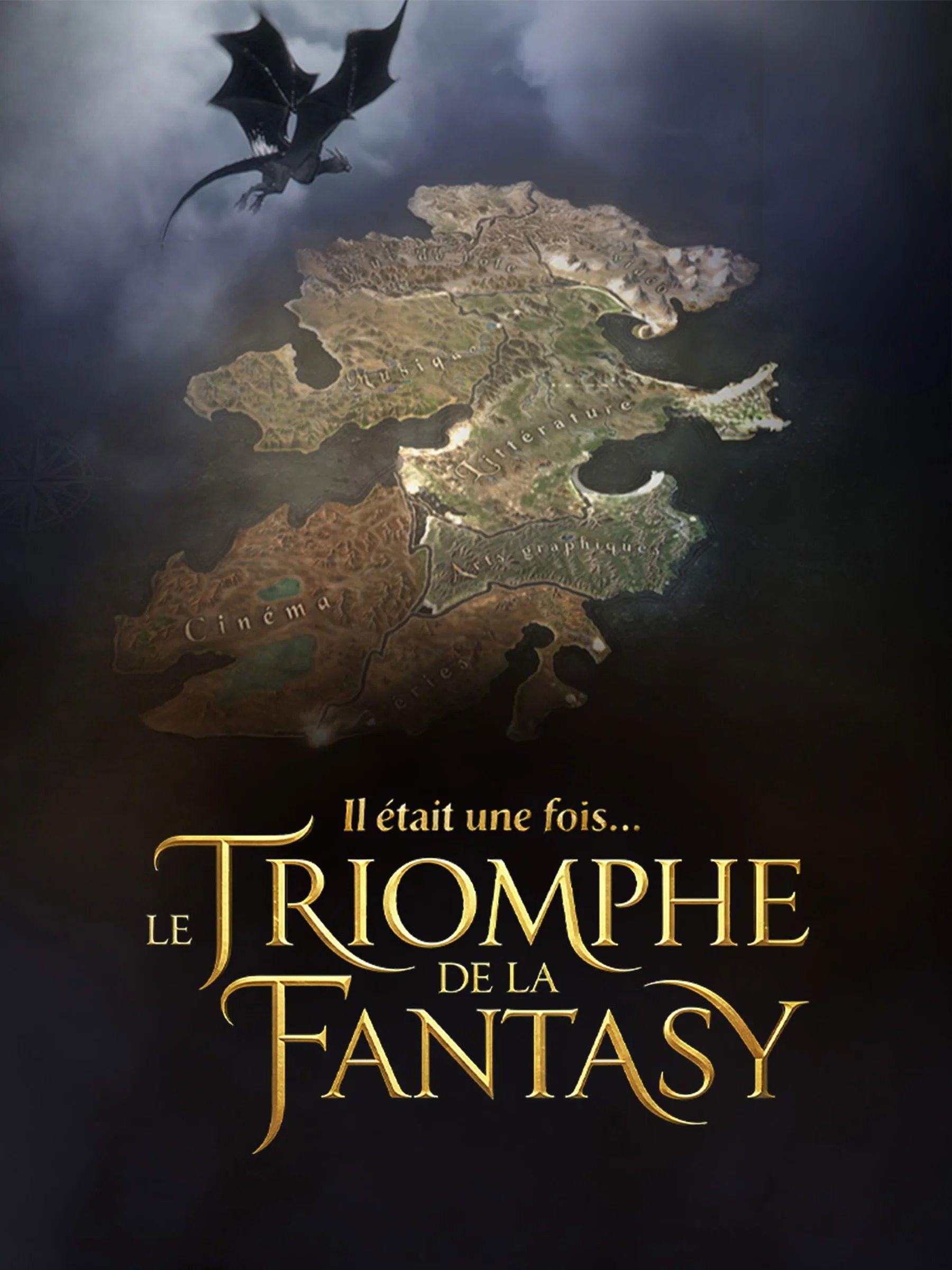
A journey into the magical world of fantasy, a genre that has captivated the world for over a century, from Tolkien's novels to the legendary Harry Potter saga, from the Game of Thrones phenomenon to The Wheel of Time and the must-play video game Zelda. This film, bringing together exceptional contributors such as Richard Taylor, author Robin Hobb, French writers Maxime Chattam and Estelle Faye, and history-specialist videographer Ben, is narrated by Adeline Chetail. Designed as an immersive journey with spectacular images, it takes viewers into a parallel world, born in response to the crises of history. A world that has become a reflection of very real dreams and struggles, but also a celebration of the imagination, its richness, and its power over lives.
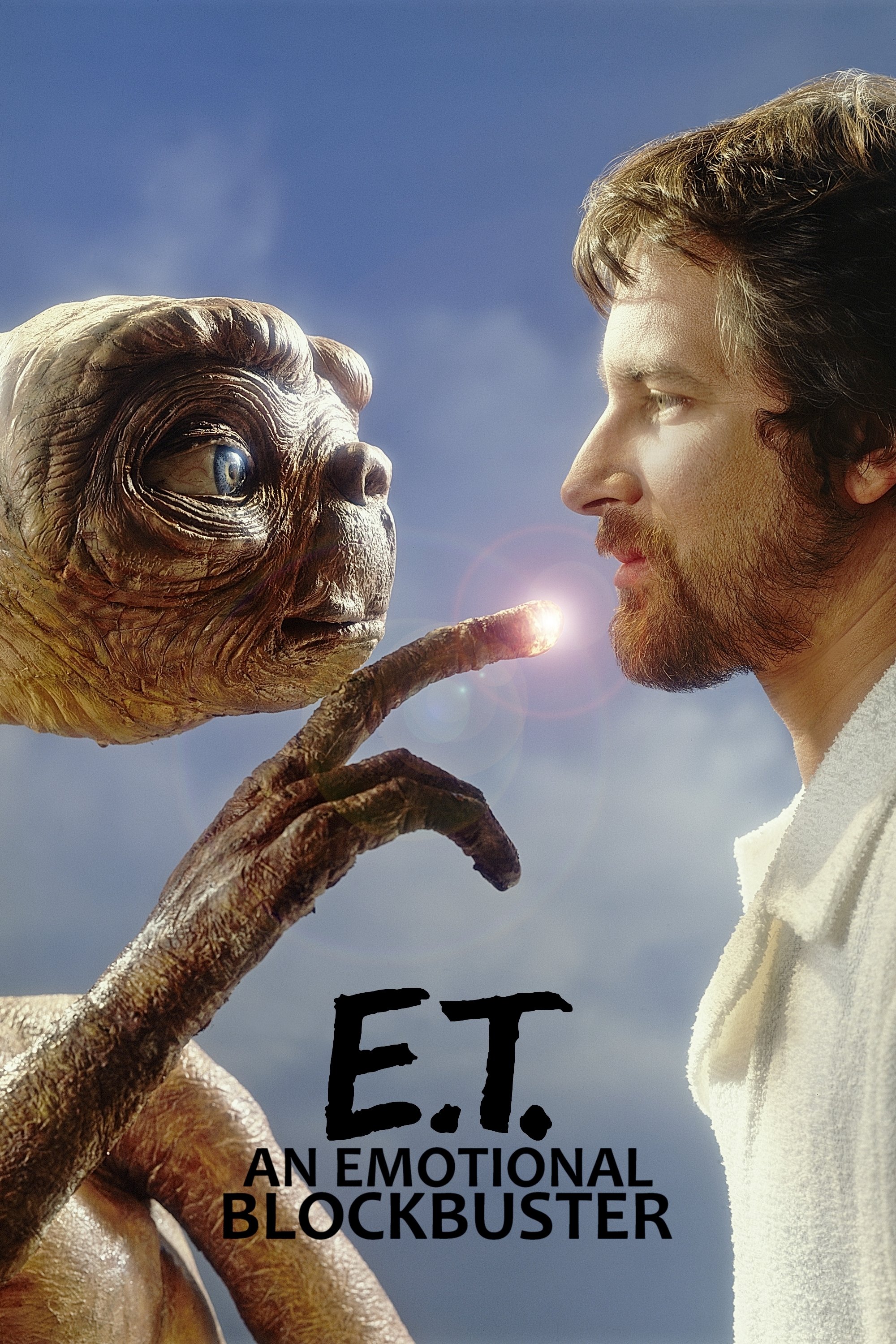
E. T. the Extra-Terrestrial, Steven Spielberg's endearing movie released in 1982, achieved the triple feat of bringing to life one of the most iconic characters in pop culture, revolutionizing science fiction cinema and establishing itself as one of the highest-grossing family movies in the history of cinema, capable of making the whole world laugh and cry.
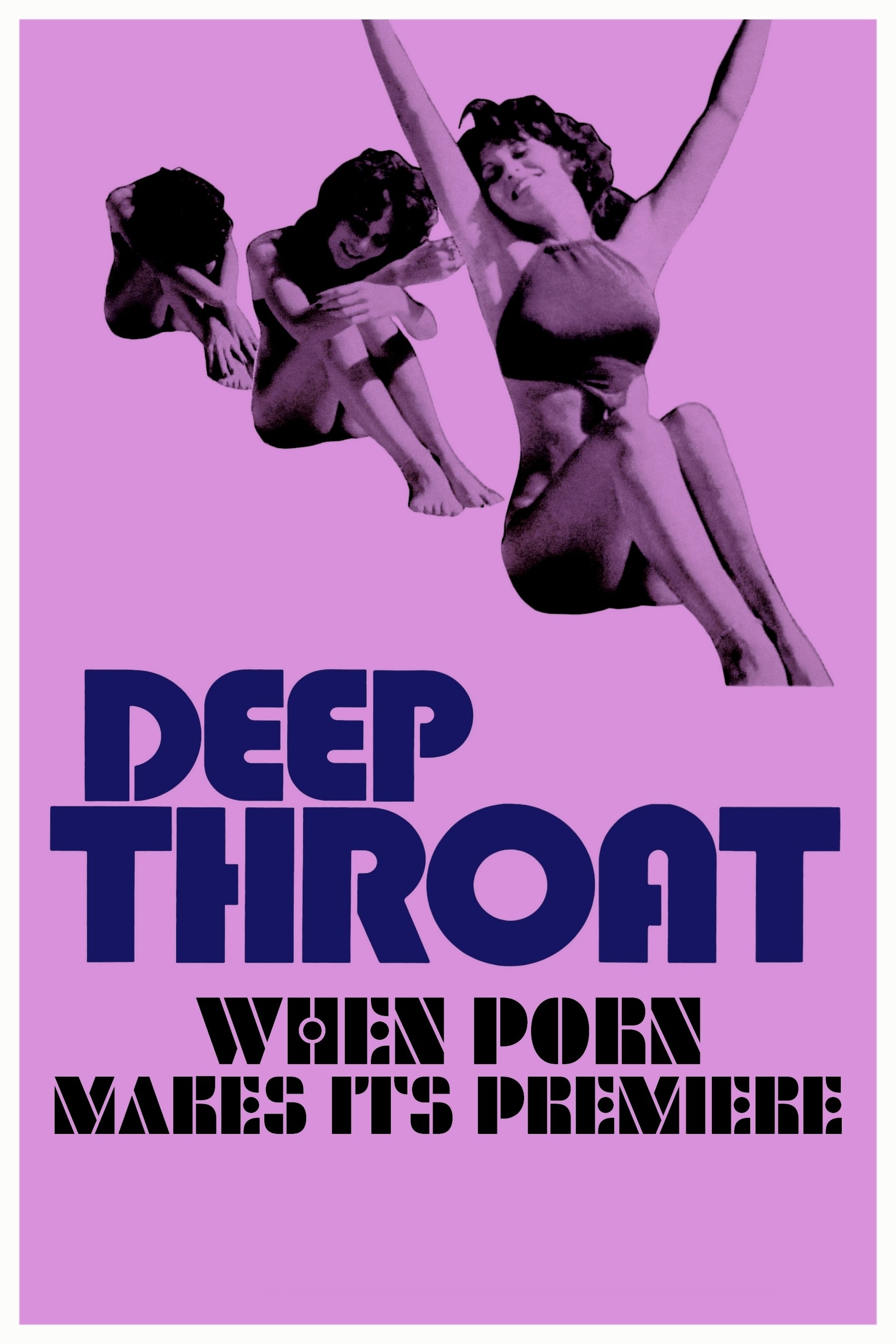
Deep Throat, a pornographic film directed by Gerard Damiano, a film-loving hairdresser, and starring Linda Lovelace, a shy girl manipulated by a controlling husband, was released in 1972 and divided audiences, who began to talk openly about sex, desire and female pleasure; but also about violence and abuse; and about pornography, until then an almost clandestine industry, as a revolutionary cultural phenomenon.
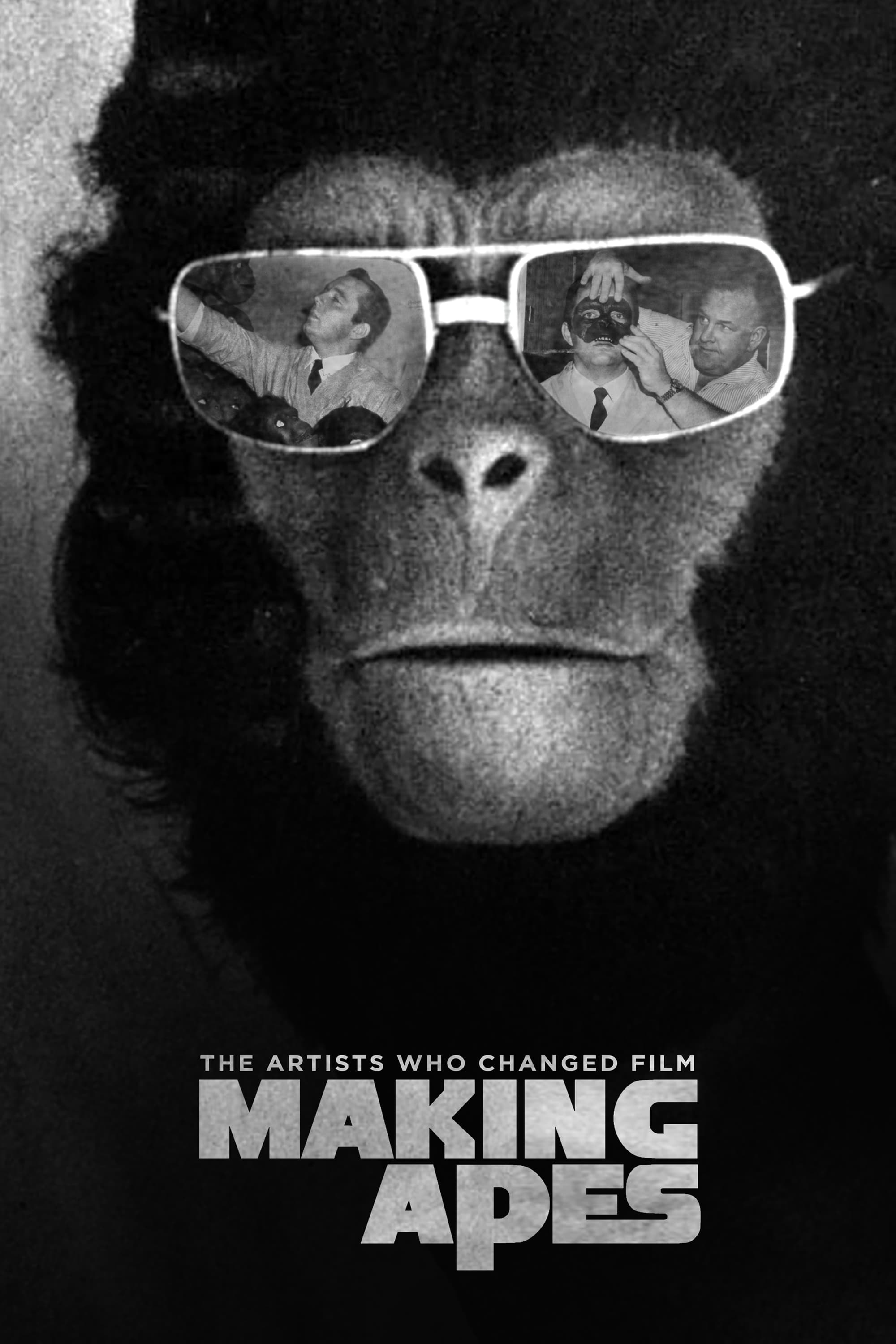
Fifty years after its release, the special effects makeup team behind Planet of the Apes reflect on making the iconic film.
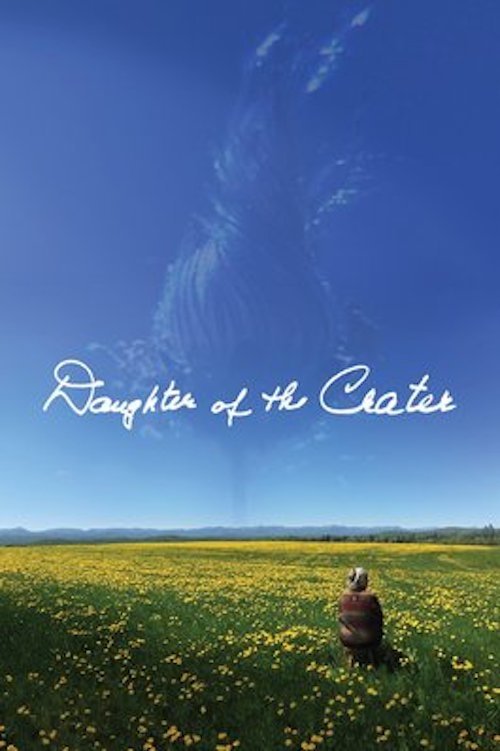
A woman with a deep love of the land, Yolande Simard Perrault sees her life as having been shaped by a planetary upheaval in Charlevoix, Quebec, millions of years ago. As enduring as the Canadian Shield, she’s a woman of strength and spirit, a child of the crater left by the meteor’s impact. This documentary portrays a determined woman who’s the reflection of a land created on an immense scale. She was the creative and life partner of filmmaker Pierre Perrault, who gave up everything to be by her side. The film charts the influence of her unquenchable dreams and her contribution to the building of a people’s collective memory. In a stream of images and words, Simard Perrault recounts the splendours of the landscape and the people who shaped it. Generous and boundless, she embarks on a quest for identity that nurtures and perpetuates the oeuvre of the man who breathed new life into Quebec cinema.
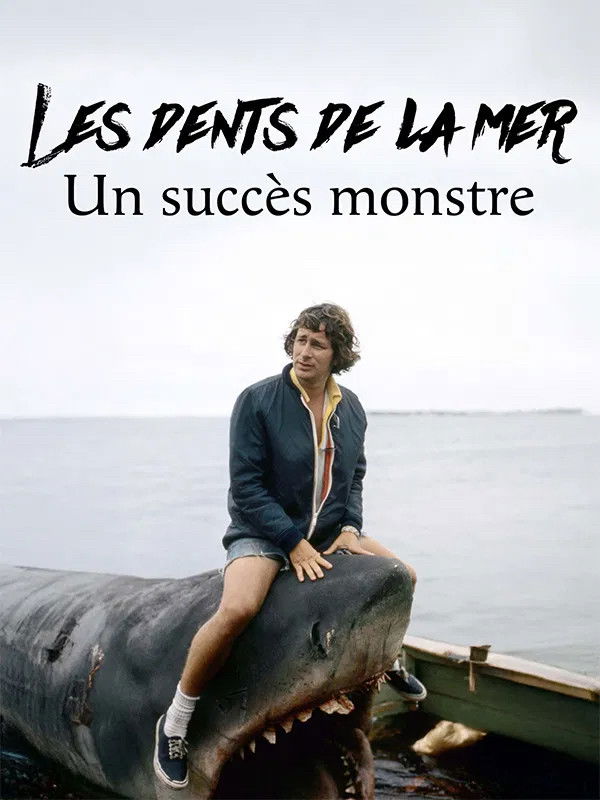
In the summer of 1975, the young director Steven Spielberg set new standards for cinema worldwide with an oversized shark bite, a plastic shark fin and an unmistakable two-note main theme composed by John Williams. With the horror from the deep, a man-eating, gigantic great white shark, the film of the same name became a similarly traumatic reference as Alfred Hitchcock's "Psycho": it triggered lasting primal fears across generations. On the beaches of the world, there was clearly a "before" and an "after". Steven Spielberg, who was only 28 at the time, not only set new standards for the thriller genre, but also hid his biting criticism of US capitalism in the 1970s behind it.
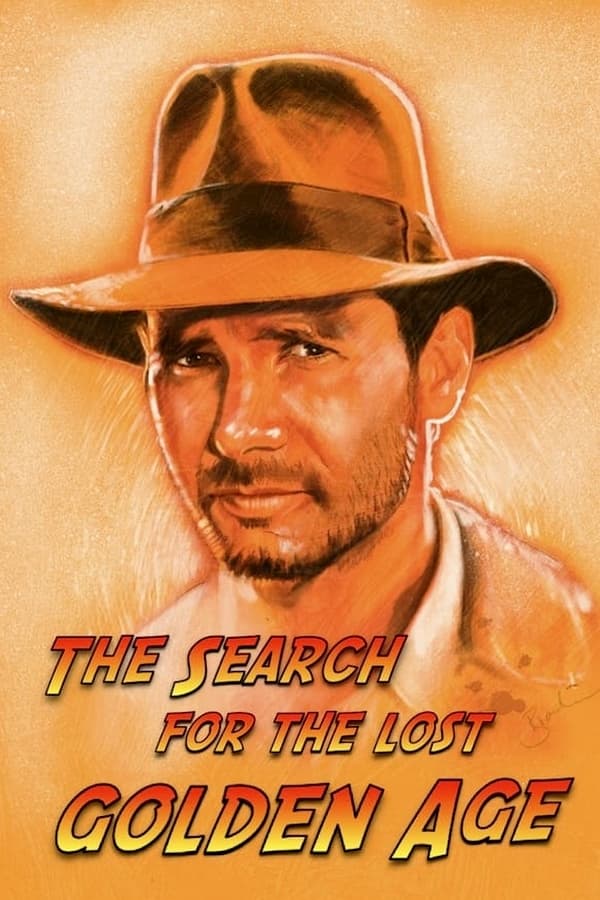
Hawaii, May 1977. After the success of Star Wars, George Lucas and Steven Spielberg meet to find a new project to work on together, the former as producer, the latter as director. The story of how the charismatic archaeologist Indiana Jones was born and how his first adventure, released in 1981, triumphed at box offices around the world.
This revealing documentary honors the legendary Sidney Poitier—iconic actor, filmmaker, and civil rights activist. Featuring interviews with Denzel Washington, Spike Lee, Halle Berry, and more.
The history of cinematic sound, told by legendary sound designers and visionary filmmakers.
In an intimate and joyful story of love in the face of loss, celebrated poets Andrea Gibson and Megan Falley find strength—and unexpected hilarity—in what might be their final year together.
An inside look at one of the most anticipated movie sequels ever with James Cameron and cast.
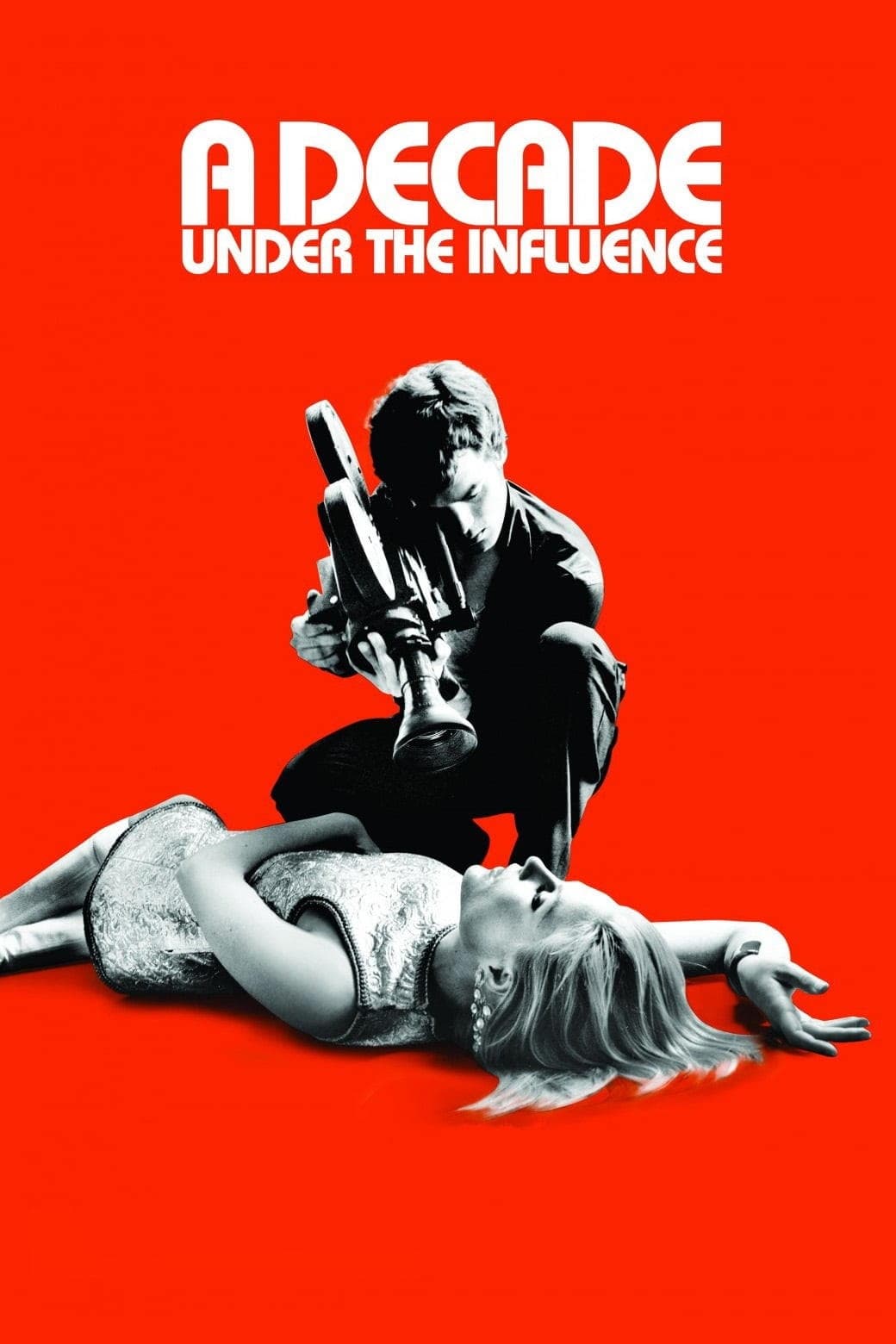
A documentary examining the decade of the 1970s as a turning point in American cinema. Some of today's best filmmakers interview the influential directors of that time.
Brilliant, long in-the-works story of the life and art of the world's greatest comedian and the cinema's first genius, Charlie Chaplin. Produced, written and directed by renowned film critic Richard Schickel.
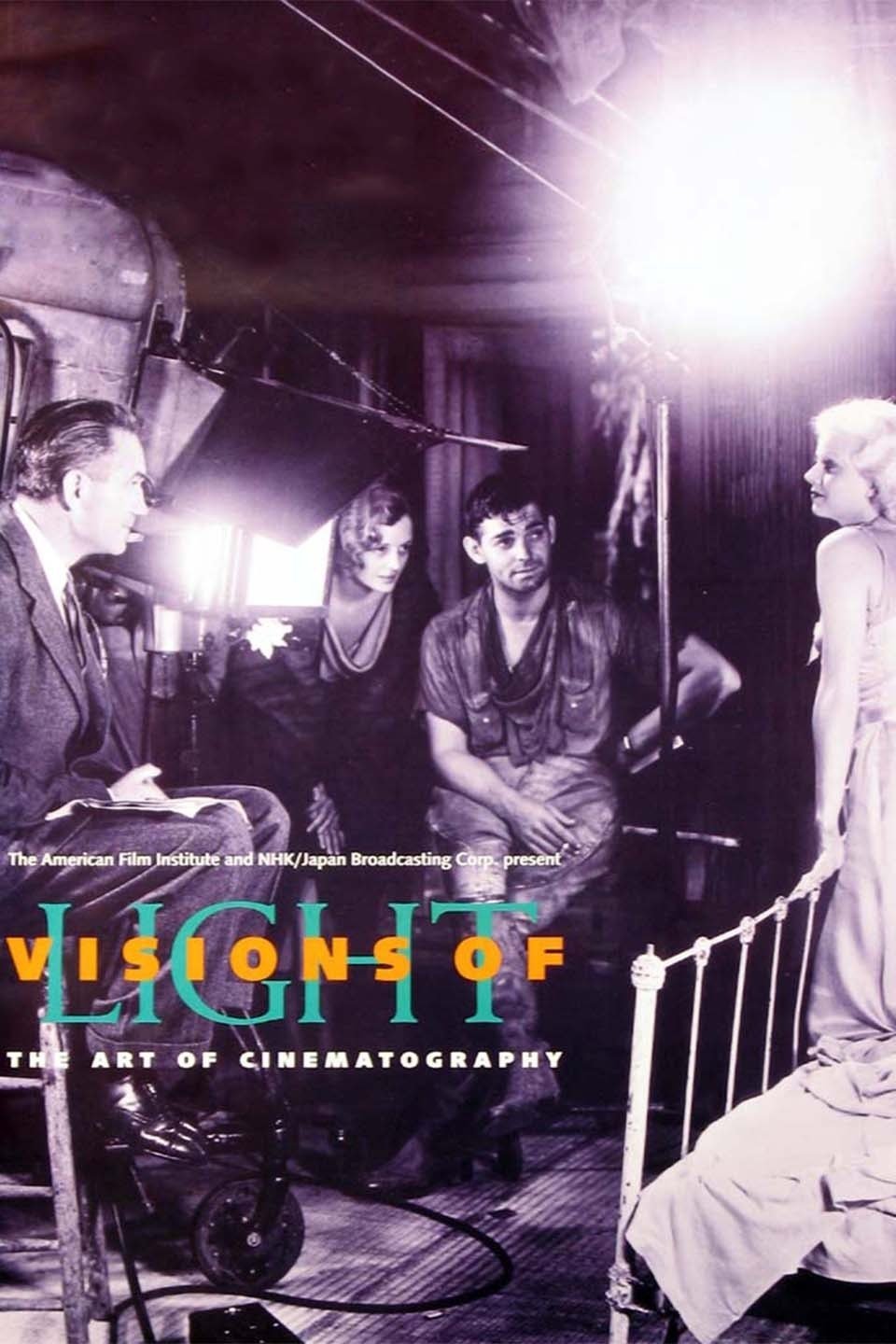
Cameramen and women discuss the craft and art of cinematography and of the "DP" (the director of photography), illustrating their points with clips from 100 films, from Birth of a Nation to Do the Right Thing. Themes: the DP tells people where to look; changes in movies (the arrival of sound, color, and wide screens) required creative responses from DPs; and, these artisans constantly invent new equipment and try new things, with wonderful results. The narration takes us through the identifiable studio styles of the 30s, the emergence of noir, the New York look, and the impact of Europeans. Citizen Kane, The Conformist, and Gordon Willis get special attention.
A documentary about the life and films of director John Ford.
A string of threatening emails escalates into a revenge plot involving a newly married US marshal and his ex-girlfriend.
The story lives forever in this feature-length documentary that charts the making of Star Wars: The Rise of Skywalker.
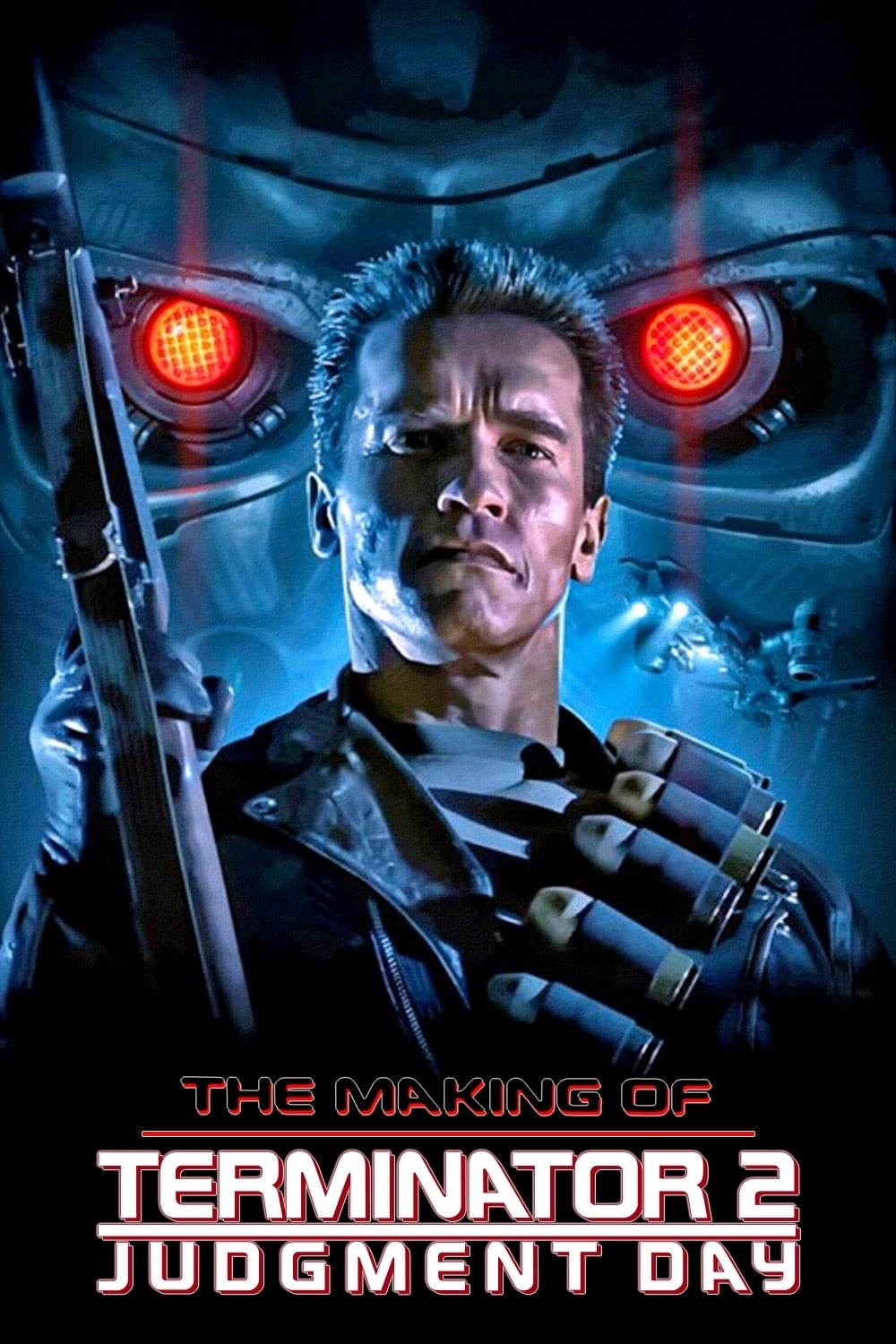
Documentary of the making of the sequel to the popular Schwarzenegger film, The Terminator.
SEDUCED AND ABANDONED combines acting legend Alec Baldwin with director James Toback as they lead us on a troublesome and often hilarious journey of raising financing for their next feature film. Moving from director to financier to star actor, the two players provide us with a unique look behind the curtain at the world's biggest and most glamourous film festival, shining a light on the bitter-sweet relationship filmmakers have with Cannes and the film business. Featuring insights from directors Martin Scorsese, 'Bernando Bertolucci' and Roman Polanski; actors Ryan Gosling and Jessica Chastain and a host of film distribution luminaries.
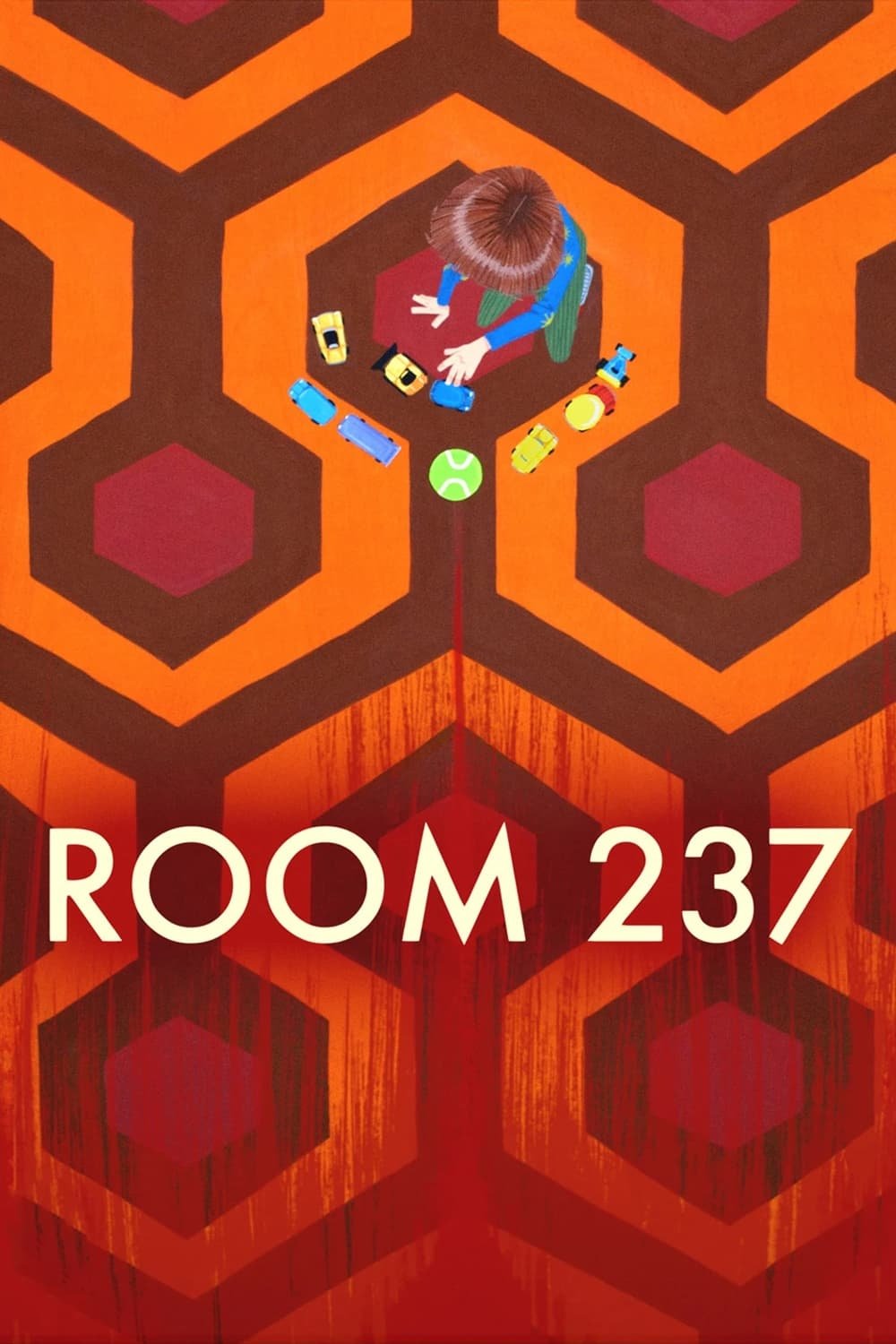
A subjective documentary that explores various theories about hidden meanings in Stanley Kubrick's classic film The Shining. Five very different points of view are illuminated through voice over, film clips, animation and dramatic reenactments.
Daniel Craig candidly reflects on his 15 year adventure as James Bond. Including never-before-seen archival footage from Casino Royale to the upcoming 25th film No Time To Die, Craig shares his personal memories in conversation with 007 producers, Michael G Wilson and Barbara Broccoli.
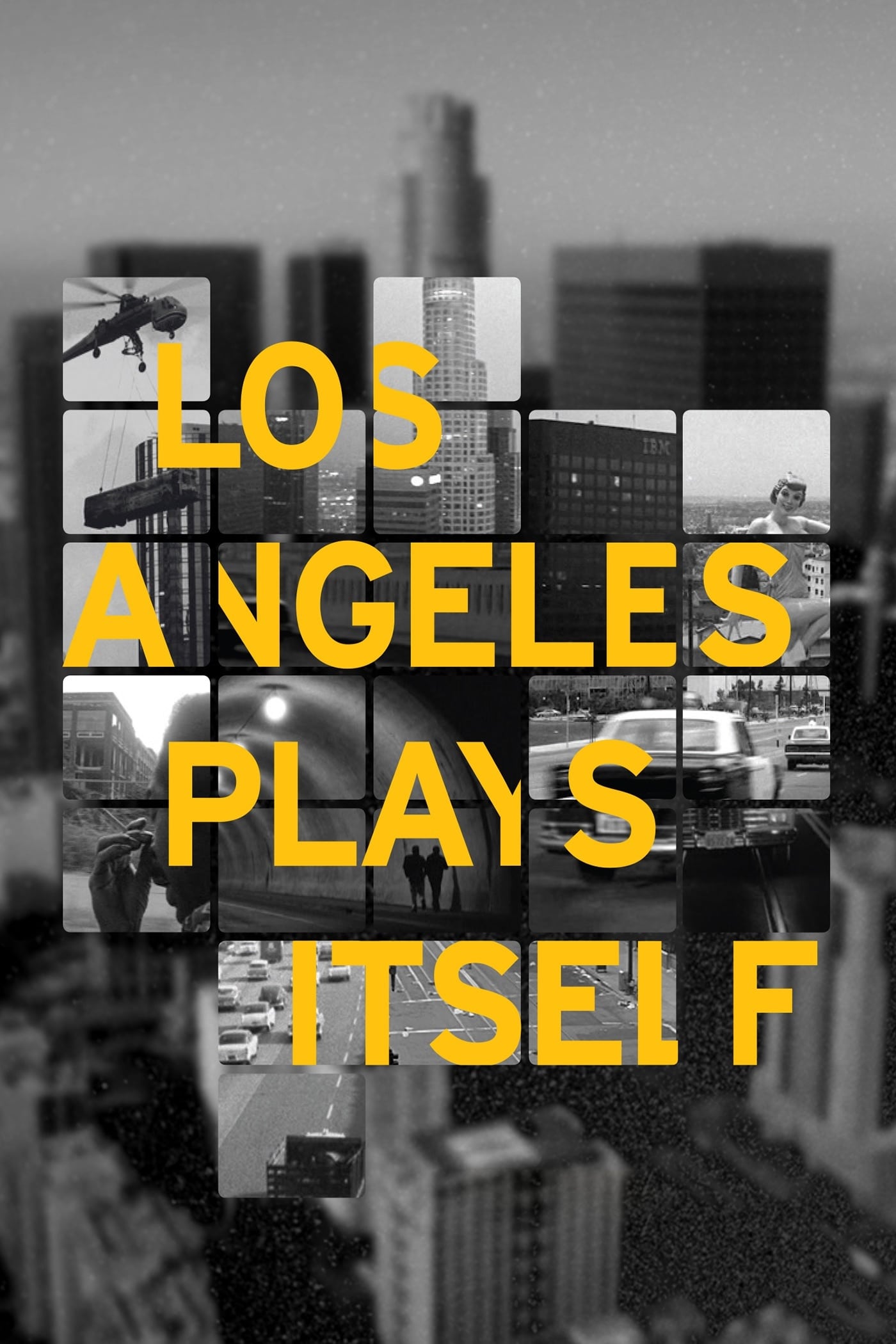
From its distinctive neighborhoods to its architectural homes, Los Angeles has been the backdrop to countless movies. In this dazzling work, Andersen takes viewers on a whirlwind tour through the metropolis' real and cinematic history, investigating the myriad stories and legends that have come to define it, and meticulously, judiciously revealing the real city that lives beneath.
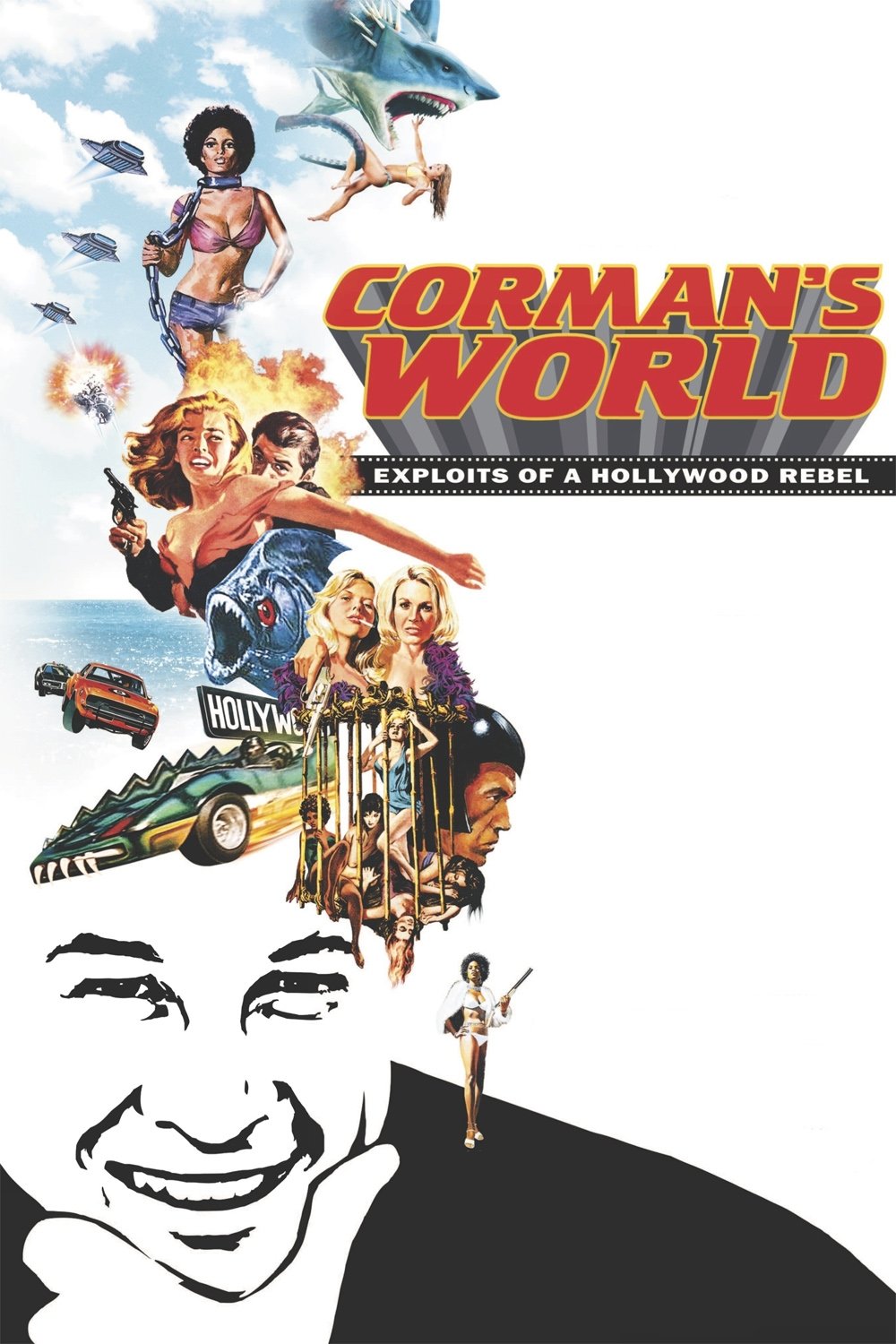
A chronicle of the long career of American filmmaker Roger Corman, the most tenacious and ingenious low-budget producer and director in the US film industry, a pioneer of independent filmmaking and discoverer of new talent.
Over 35 years after Bob Lazar's revelations, this documentary exposes secrets of a facility the government still denies. Featuring Lazar's testimony, recreations, and new evidence, it reopens a case that continues to spark global curiosity
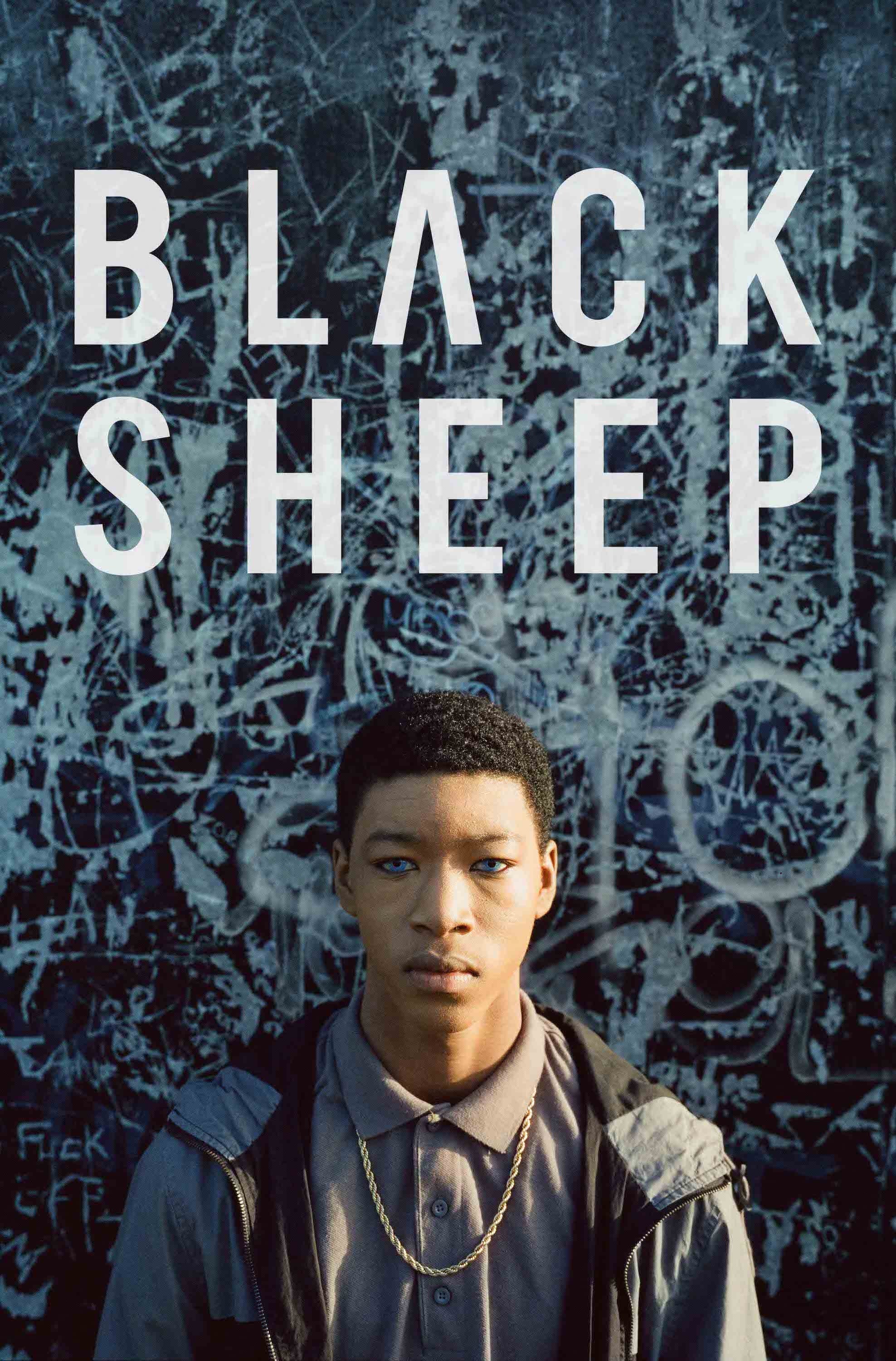
After the high-profile killing of Damilola Taylor, Cornelius' family move out of London. But when they discover their new town is run by racists, Cornelius takes a drastic step to survive.
Those who knew iconic funnyman John Candy best share his story, in their own words, through never-before-seen archival footage, imagery, and interviews.
The life and career of an actor, artist, and icon. His own journey through his own camera.