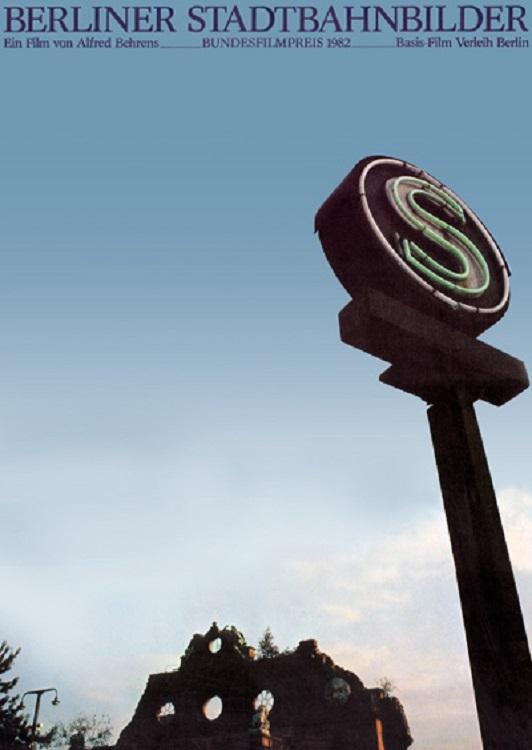
Documentation on the Berlin S-Bahn, which threatened to fall into oblivion as a result of the division of the city.
Social & External
The people behind it
A film about three teenagers - Klara, Mina and Tanutscha - from the Berlin district of Kreuzberg. The trio have known each other since Kindergarten and have plenty in common. The three 15-year-olds are the best of friends; they are spending the summer at Prinzenbad, a large open-air swimming pool at the heart of the district where they live. They're feeling pretty grown up, and are convinced they've now left their childhood behind.
This documentary explores the creation of the Holocaust Memorial in Berlin as designed by architect Peter Eisenman. Reaction of the German public to the completed memorial is also shown.
The film accompanies Jenny Gröllmann, a German actress, during the last two years of her life.
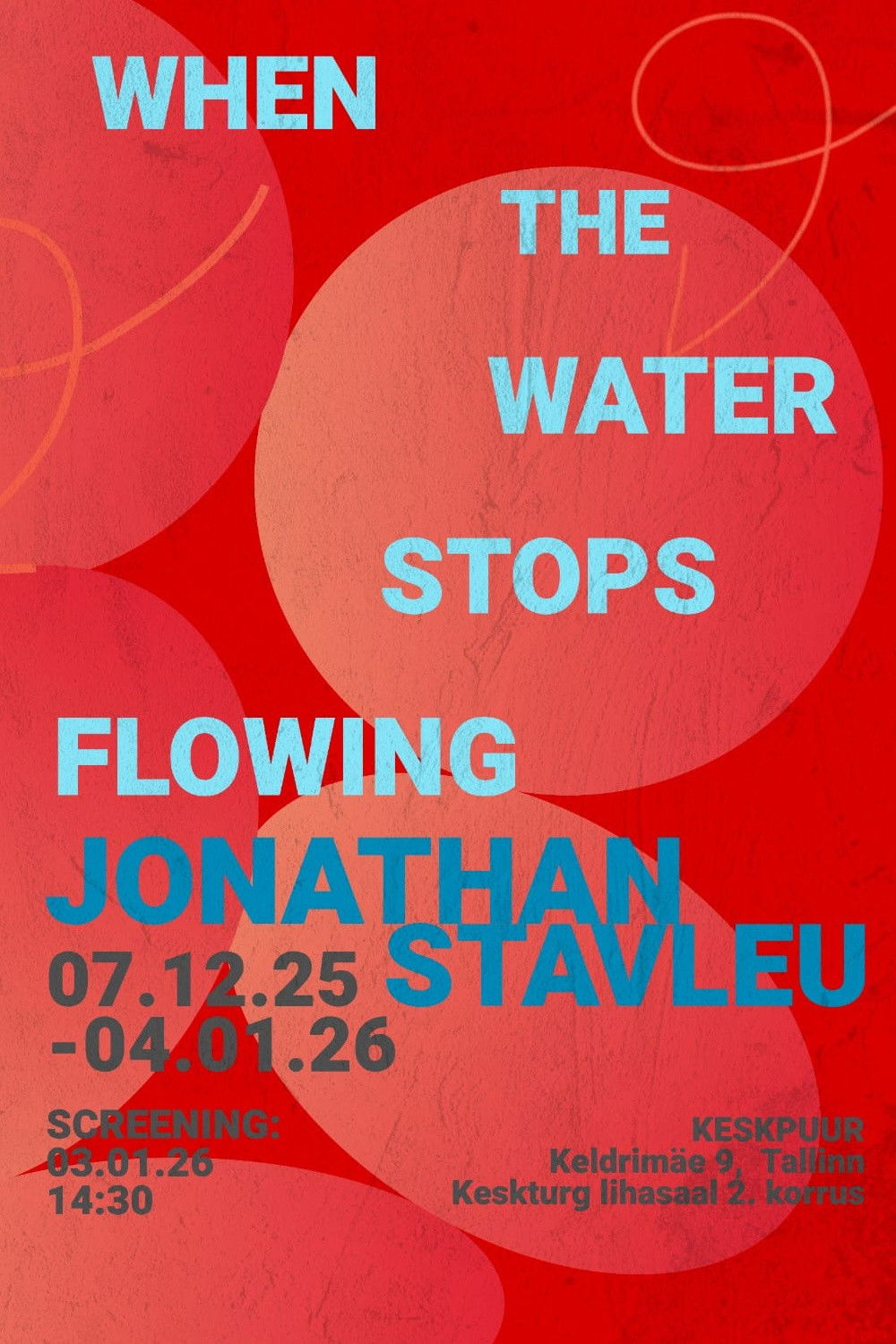
Jonathan Stavleu explores, in a stream-of-consciousness video essay, the relationship people have with water and what happens when access to it is taken away. For this work, he examines anecdotal histories he has heard from Estonians, as well as stories from his own family history in the Netherlands, weaving them together into a journal-like narrative.
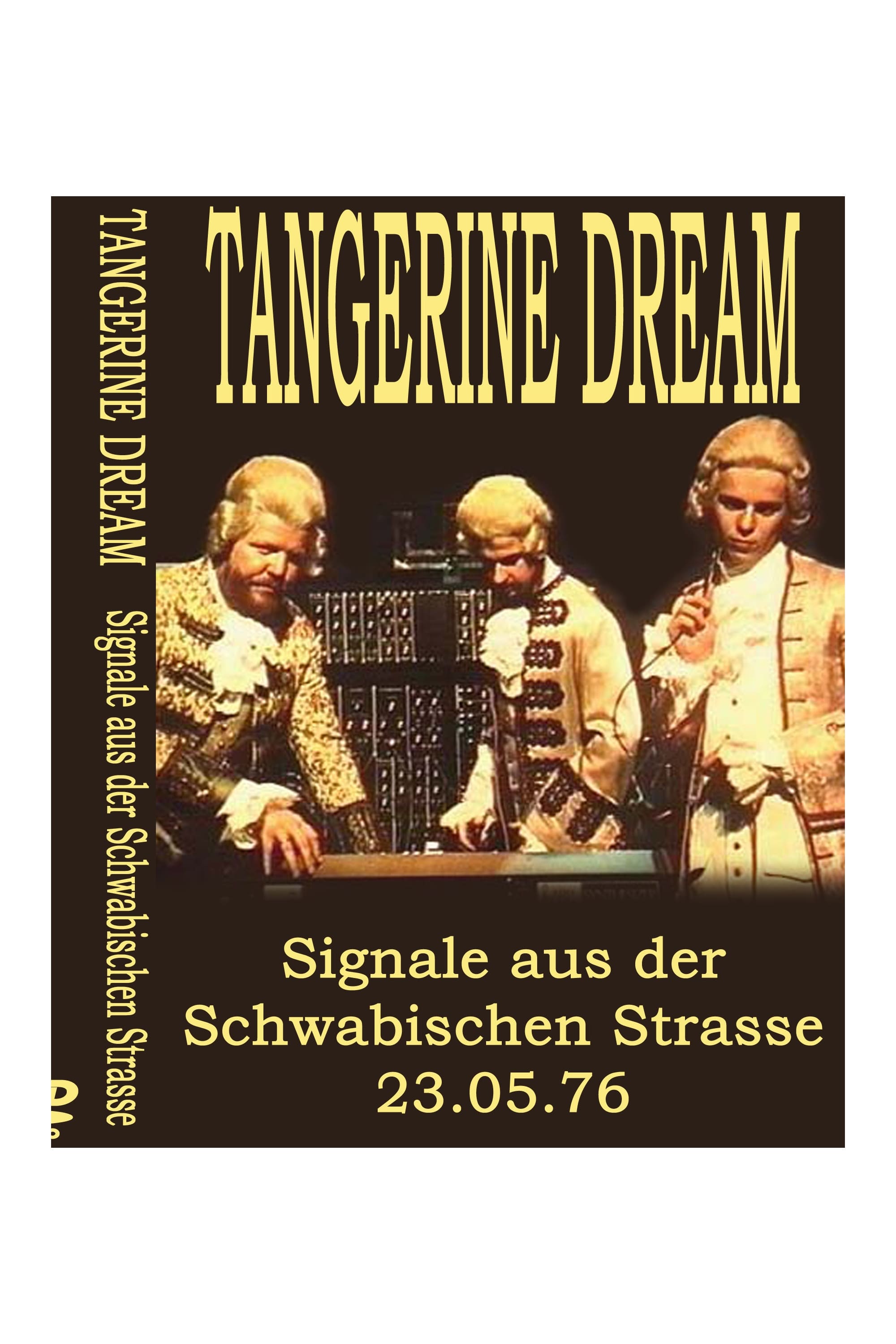
German TV film, also shown on Spanish TV in 1976, this is a film all about TD which includes informal interviews and concert/studio footage, most of which seems to have been done exclusively for the film. The interviews are in the German language. The street name in the title refers to where Edgar Froese used to live in Berlin (apparently Klaus Schulze lived on the same street at the time) and is now the site of the TDI offices.
Documentary examines the history and evolution of the Olympic Games, taking a close look at the Olympic charter, oath and ideals. Also featured are rare home movies and interviews with Olympic athletes and the oldest known color footage of the Olympic Games from Berlin in 1936.
First part of a two-part documentary about the now largely defunct network of local railways in the areas around Erlangen and Forchheim, Germany.
Second part of a two-part documentary about the now largely defunct network of local railways in the areas around Erlangen and Forchheim, Germany.
A unique look inside over 70 signal boxes taken from Video 125's archive filmed over a period of 30 years. Features 'boxes of all shapes and sizes, all kinds of operating methods from 19th century mechanical lever frames to 20th century panels to 21st century state-of-the-art Rail Operating Centres.
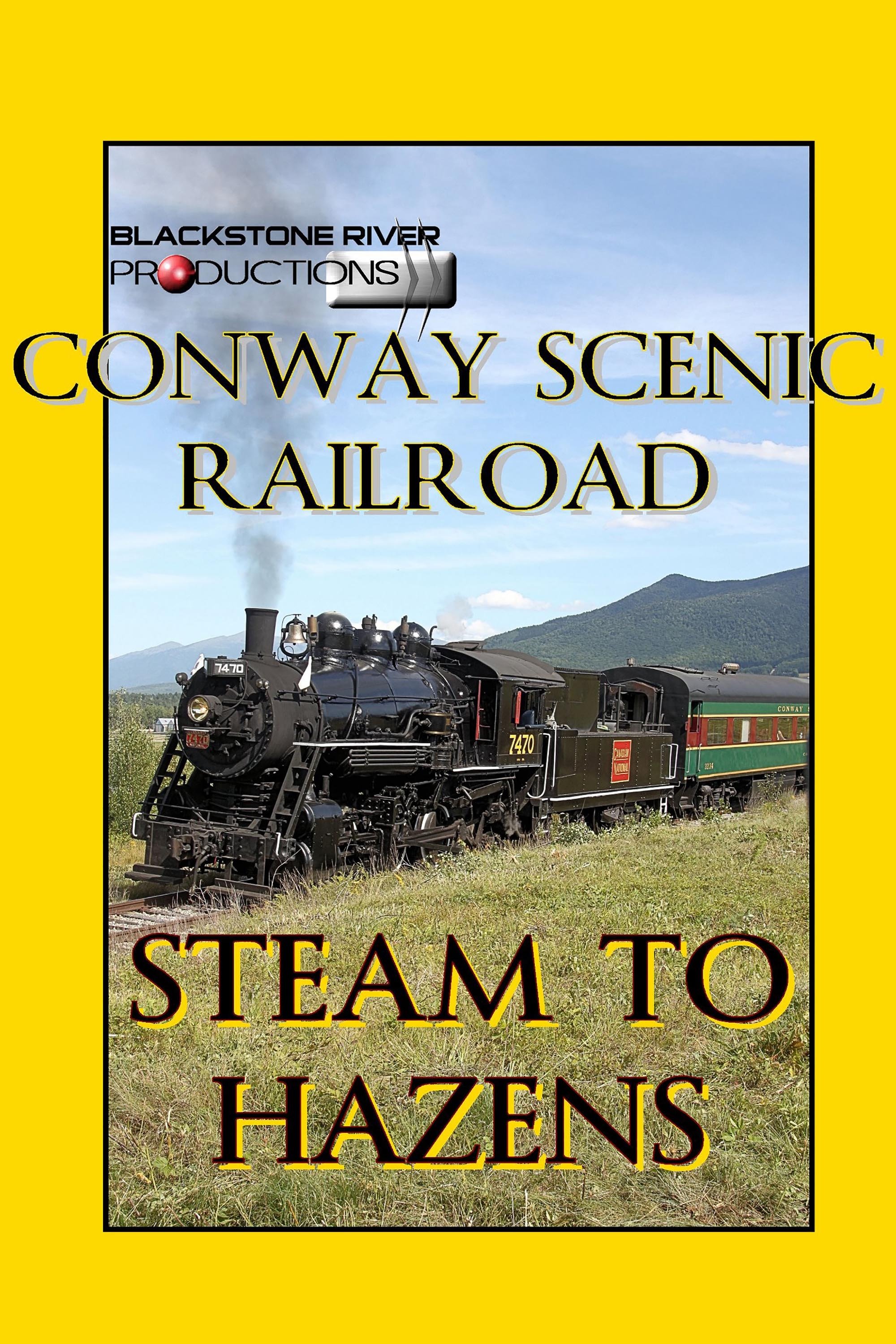
On July 31st, 2011 The Massachusetts Bay Railroad Enthusiasts chartered a special excursion on the Conway Scenic Railroad. The trip covered the CSRR Crawford Notch line (EX Maine Central "Mountain Division") from North Conway to the New Hampshire Central interchange in Hazens (Whitefield, NH). This rare mileage excursion featured track not used by the regular passenger trains by the CSRR! The star of the day was CSRR's steam locomotive #7470.
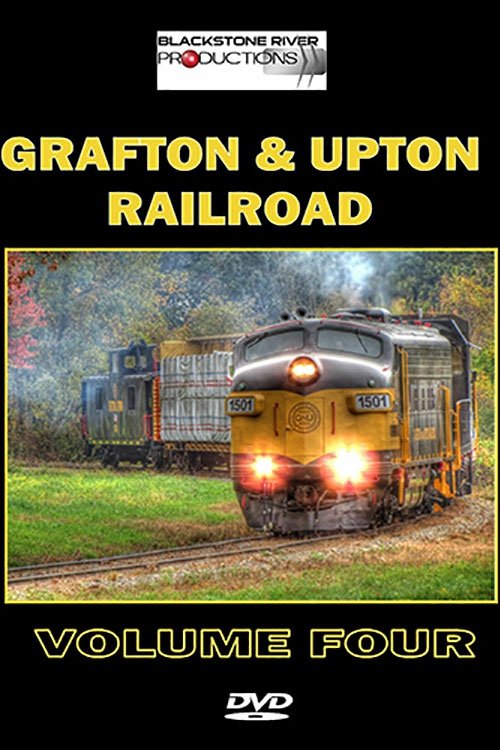
We travel along with the crew of the Grafton & Upton railroad for a day, and capture all the action from the cab and the ground! We travel from the headquarters and yard in North Grafton to the yard in West Upton a distance of 7 miles. Our train is powered by GP-9R #1750 EX Bay Colony EXX Pennsylvania Railroad. We see some of the scenic points along the line from the cab as we travel through the central New England landscape! As the crew in the locomotive captures all the action, a crew trackside captures all the action on it's way to West Upton Yard!
On December 31st, 2009 The Grafton & Upton made their first trip from North Grafton to West Upton yard since February 2004. This also marks the first trip under the new management. The G&U has done an extensive overhaul on the 7 1/2 mile line from the CSX interchange in North Grafton to the yard in West Upton. Blackstone River Productions was there to capture this historic event! We capture GP9-R #1750 on her first trip to West Upton Yard on New Years Eve day 2009! We capture it in the yard in North Grafton, Downtown Grafton, West Upton yard and many more scenic locations!
In volume two, we take a look at the Grafton & Upton railroad's Caboose Extra ("Santa Train") on December 18th, 2010. Then during the Spring of 2011 we spend a day with G&U's newest locomotive, GP9R #1751 for a trip from North Grafton yard to West Upton yard and return. We see the crew of 3 put the day's train together in North Grafton and then chase it to West Upton yard. In West Upton we capture the crew switching out the Trans-loading facility and making the train up for the return trip to North Grafton. We then chase the train back to North Grafton yard! Non stop action on the G&U with #1751 & GP9R #1750!
In this 2 DVD set, we take a unique perspective look at the Grafton & Upton Railroad! We mounted a Pro 180° HDV camera to the hood of G&U GP9-R #1751 and travel from Hopedale yard to the yard in North Grafton. We travel over the recently reopened section from the newly rebuilt Hopedale yard through the scenic woodlands to West Upton yard. From the West Upton yard we travel through more scenic woodlands and scenic fields as we traverse the grades to Grafton Center and descend to the yard in North Grafton and CSX interchange.
In this two DVD set, we capture action from the ever growing Grafton & Upton Railroad. Located in Central Massachusetts, the G&U operates from the CSX interchange in North Grafton to the currant end of operations in Hopedale. A total of 16 miles. During the Fall of 2013, the G&U operated a special Photo Freight to welcome in their latest locomotive! EMD F7A #1501. This classic hood unit performed run by's with a freight consist and the G&U lone caboose. We captured the action from North Grafton Yard to Hopedale and return. The 1501 put on a fantastic show for the small crowd! Next up we capture action from the past couple of years, as the G&U grew in size! We captured the dirt train, regular operations and action in the yards in Hopedale and North Grafton! Also we captured the 2012 "Caboose Extra" with the 1501 still in the New York Central inspired paint scheme. We captured all of G&U's active power, including the seldom seen CF7 #1500!
The latest expansion for the G&U is the acquisition of the Milford Running track, that G&U now has operating rights from Franklin Forge to Milford. The G&U also rebuilt their mainline from Hopedale to Milford. We hop aboard a G&U MP15AC #1160 for a cab ride from Hopedale yard to Milford yard, then we reverse direction and head to Franklin. We then take the head end again and capture the Franklin to Milford on the Milford Running track (Leased from CSX / MBTA) Then we capture action from the ground as we chase the Hopedale to Milford and the Milford Running track! We also capture Foreign power of the G&U and MBTA detour trains!
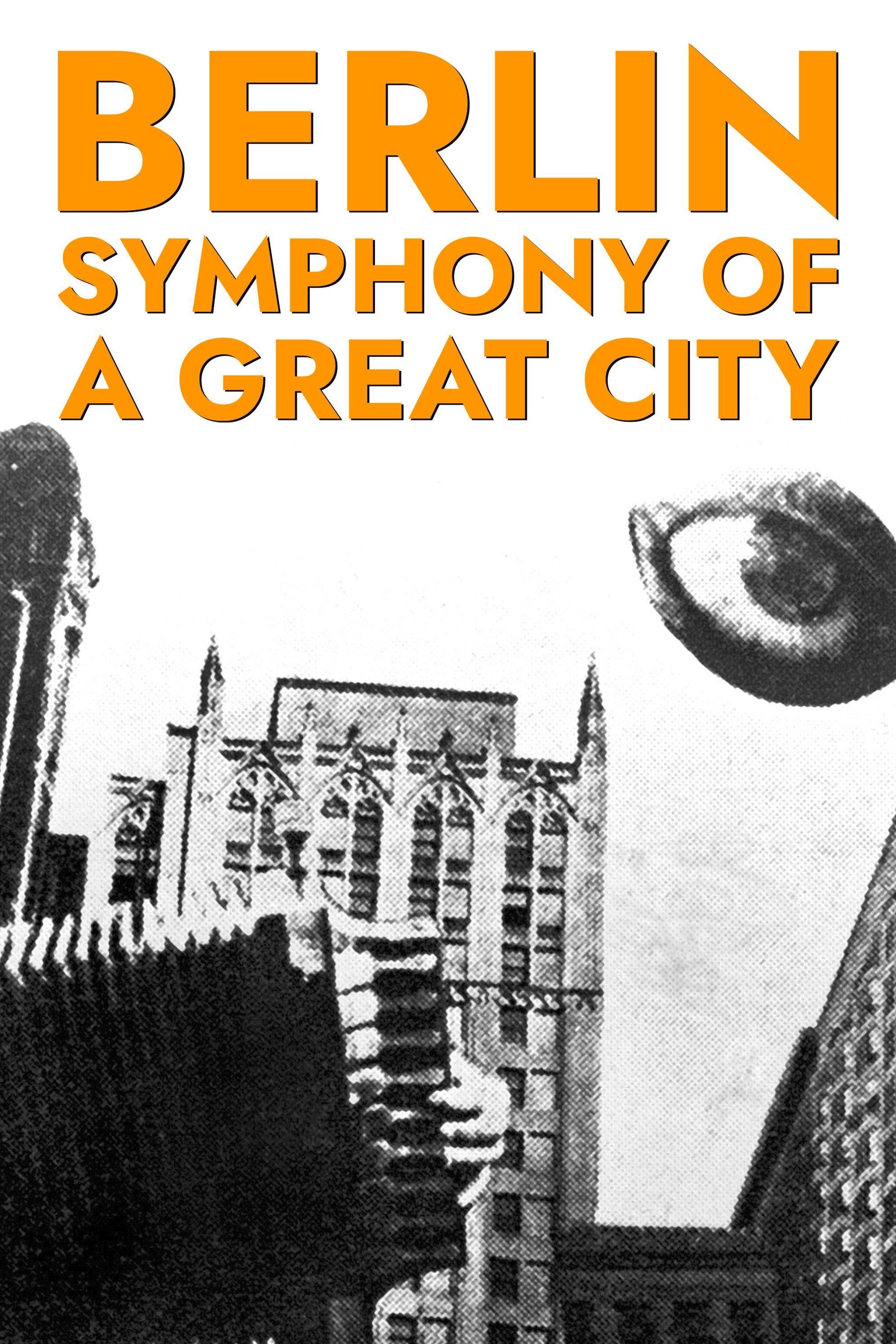
A day in the city of Berlin, which experienced an industrial boom in the 1920s, and still provides an insight into the living and working conditions at that time. Germany had just recovered a little from the worst consequences of the First World War, the great economic crisis was still a few years away and Hitler was not yet an issue at the time.
Discover the "character" of one of Missouri's oldest tie and lumber operations through this archival black-and-white film that documents one of the last railroad tie drives on the Black River made by the T.J. Moss Tie Company of St. Louis in the 1920s. Thanks to release of the film by the Kerr-McGee Chemical Corporation, the rare footage in "Stamp of Character" takes us through the entire process of making railroad ties, at a time when forests covered almost two-thirds of the state. The original silent motion picture was shown in movie theaters as an advertisement by the T.J. Moss Tie Company. Using digitally edited narration and realistic sound effects, this video makes the past live again.
An inside look at one of the most anticipated movie sequels ever with James Cameron and cast.
Those who knew iconic funnyman John Candy best share his story, in their own words, through never-before-seen archival footage, imagery, and interviews.
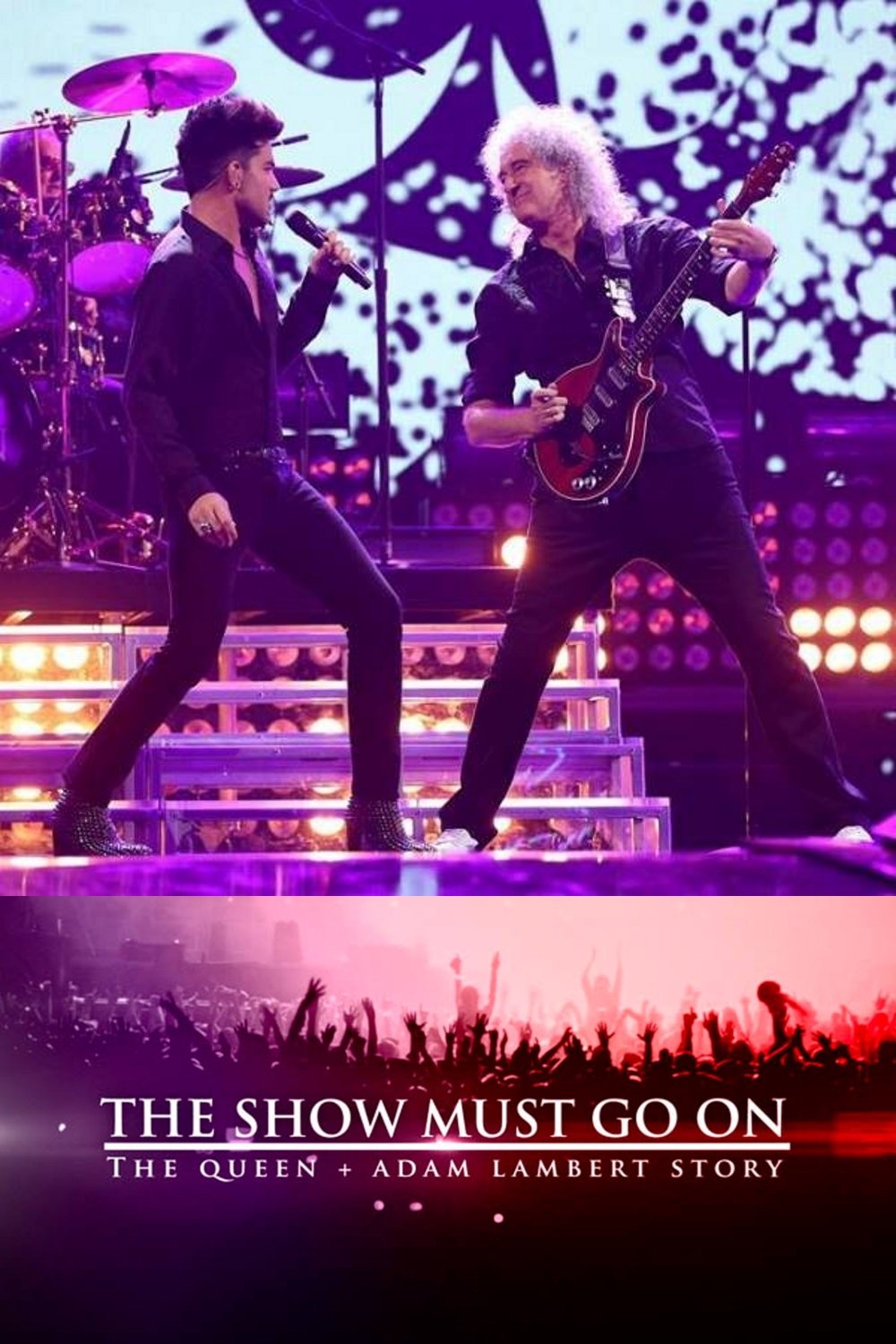
A documentary chronicling Queen and Lambert's incredible journey since they first shared the stage together on "American Idol" in 2009.
This revealing documentary honors the legendary Sidney Poitier—iconic actor, filmmaker, and civil rights activist. Featuring interviews with Denzel Washington, Spike Lee, Halle Berry, and more.
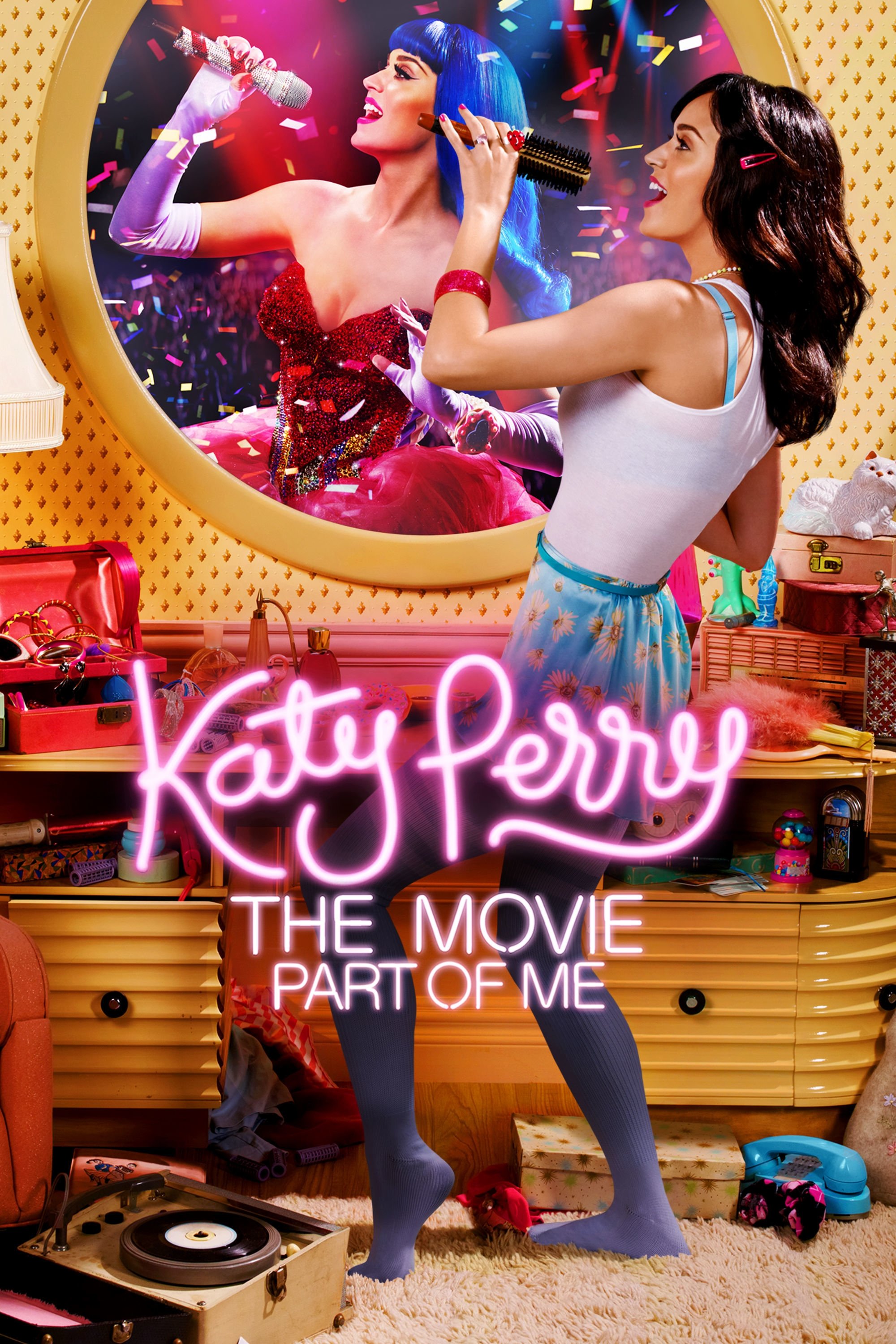
Giving fans unprecedented access to the real life of the music sensation, Katy Perry: Part of Me exposes the hard work, dedication and phenomenal talent of a girl who remained true to herself and her vision in order to achieve her dreams. Featuring rare behind-the-scenes interviews, personal moments between Katy and her friends, and all-access footage of rehearsals, choreography, Katy’s signature style and more, Katy Perry: Part of Me reveals the singer’s unwavering belief that if you can be yourself, then you can be anything.
Join director Chloe Zhao and the Cast of Eternals as they recount their experiences during the making of Marvel Studios’ most ambitious film to date. Discover how the ensemble cast felt stepping into their roles, filming in remote locations, and creating bonds that would help to create the on-screen relationships that span over 7,000 years.
SEDUCED AND ABANDONED combines acting legend Alec Baldwin with director James Toback as they lead us on a troublesome and often hilarious journey of raising financing for their next feature film. Moving from director to financier to star actor, the two players provide us with a unique look behind the curtain at the world's biggest and most glamourous film festival, shining a light on the bitter-sweet relationship filmmakers have with Cannes and the film business. Featuring insights from directors Martin Scorsese, 'Bernando Bertolucci' and Roman Polanski; actors Ryan Gosling and Jessica Chastain and a host of film distribution luminaries.
“Showrunners” is the first ever feature length documentary film to explore the fascinating world of US television showrunners and the creative forces aligned around them. These are the people responsible for creating, writing and overseeing every element of production on one of the United State’s biggest exports – television drama and comedy series. Often described as the most complex job in the entertainment business, a showrunner is the chief writer / producer on a TV series and, in most instances, the show’s creator. Battling daily between art and commerce, showrunners manage every aspect of a TV show’s development and production: creative, financial and logistical.
A visual montage portrait of our contemporary world dominated by globalized technology and violence.
Al Pacino's deeply-felt rumination on Shakespeare's significance and relevance to the modern world through interviews and an in-depth analysis of "Richard III."
A backstage and on-stage look at Justin Bieber during his rise to super stardom.
Lupita Nyong'o narrates a documentary about Peanuts and its creator, Charles M. Schulz. Famous fans—including Drew Barrymore, Kevin Smith, and Al Roker—share its influence on them, and a new animated story finds Charlie Brown on a quest.
Follow the evolution of the 'Halloween' movies over the past twenty-five years. It examines why the films are so popular and revisits many of the original locations used in the films - seeing the effects on the local community. For the first time, cast, crew, critics and fans join together in the ultimate 'Halloween' retrospective.
This unique cinematic experience dives deep into an artist’s work and reveals his life path, inspiration, and creative process. It explores his fascination with myth and history. Past and present are interwoven to diffuse the line between film and painting, allowing the audience to be completely immersed in the remarkable world of one of the greatest contemporary artists, Anselm Kiefer. Wim Wenders shot this unique portrait over the course of two years in stunning 3D.
Never-before-seen footage and survivor accounts trace the 2012 shipwreck of a luxury cruise and the disaster that ensued, in this immersive documentary.
Using the book 'Fragments', which collects Marilyn Monroe's poems, notes and letters, and with participation from the Arthur Miller and Truman Capote estates who have contributed more material, each of the actresses will embody the legend at various stages in her life.
The life and career of an actor, artist, and icon. His own journey through his own camera.
An interview with film director Roman Polanski conducted during his period of house arrest, discussing his life and work.
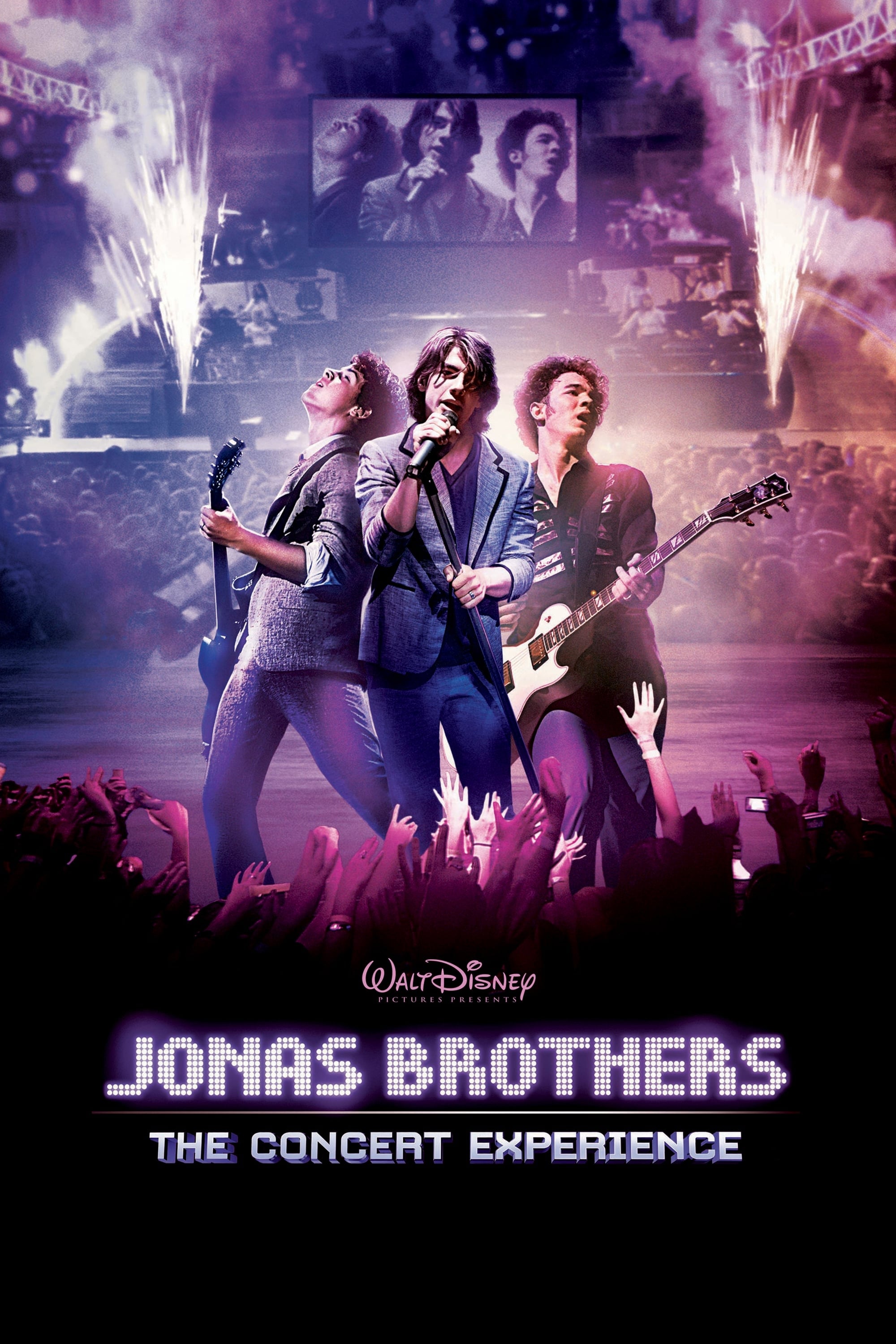
Grab a backstage pass to the Jonas Brothers' motion picture debut! Kevin, Joe and Nick are "Burning Up" the stage and inviting you inside their personal world for the adventure of a lifetime. This colossal movie event launches the world's hottest band straight into your living room – and includes guest appearances by chart-topping artists Demi Lovato and Taylor Swift! Secure your VIP pass to a once-in-a-lifetime experience with the Jonas Brothers. Get ready to hang out with this multitalented trio, and take an intimate look at what their lives are like offstage and behind the scenes. It's the music-filled movie event perfect for the whole family!
A detailing of the rise to prominence and global sporting superstardom of six supremely talented young Manchester United football players (David Beckham, Nicky Butt, Ryan Giggs, Paul Scholes, Phil and Gary Neville). The film covers the period 1992-1999, culminating in Manchester United's European Cup triumph.