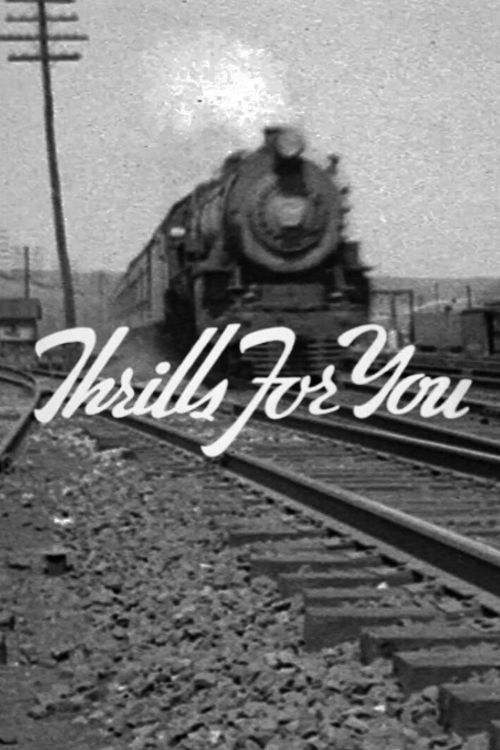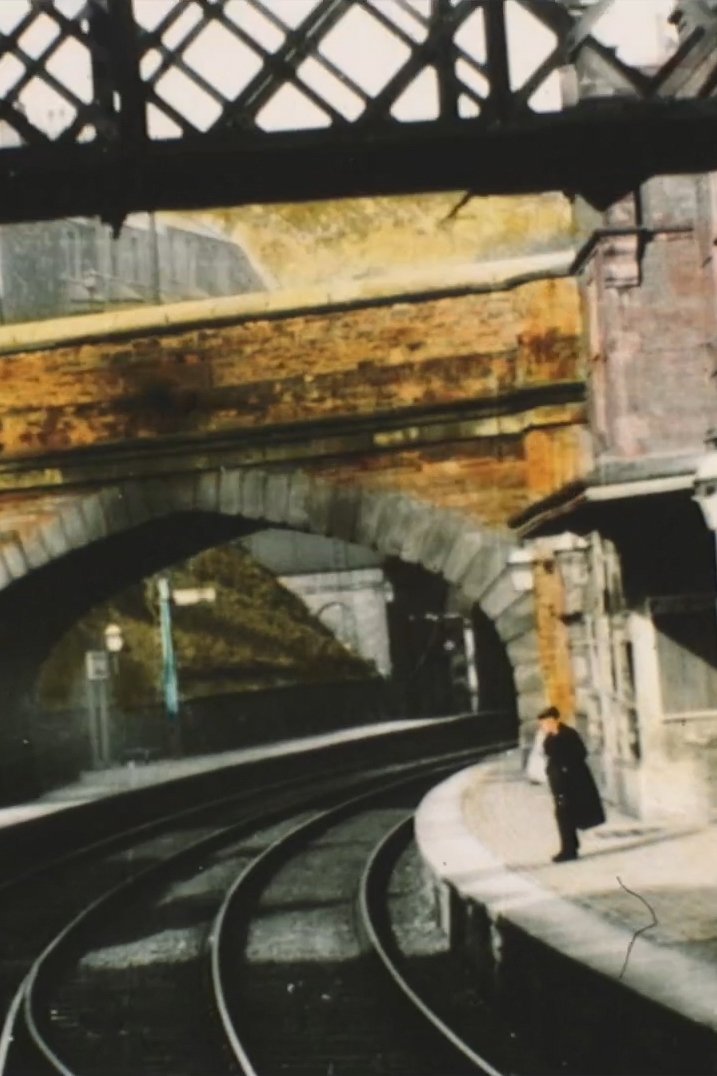
A hand-colored ride along the Bangor-Conwy-Colwyn Bay railroad filmed from an express train from the London and North Western Railway; Stations, vistas and a tunnel under the Conwy Castle (misspelled in the title) in North Wales.
Social & External
Take a breathtaking train a ride through Nothern Quebec and Labrador on Canada’s first First Nations-owned railway. Come for the celebration of the power of independence, the crucial importance of aboriginal owned businesses and stay for the beauty of the northern landscape.
Catchy mix of farce and documentary. Portrait of a Berlin theatre company made up entirely of the homeless, alcoholics and junks. They call themselves ‘rats’ and take the film over to have a party.

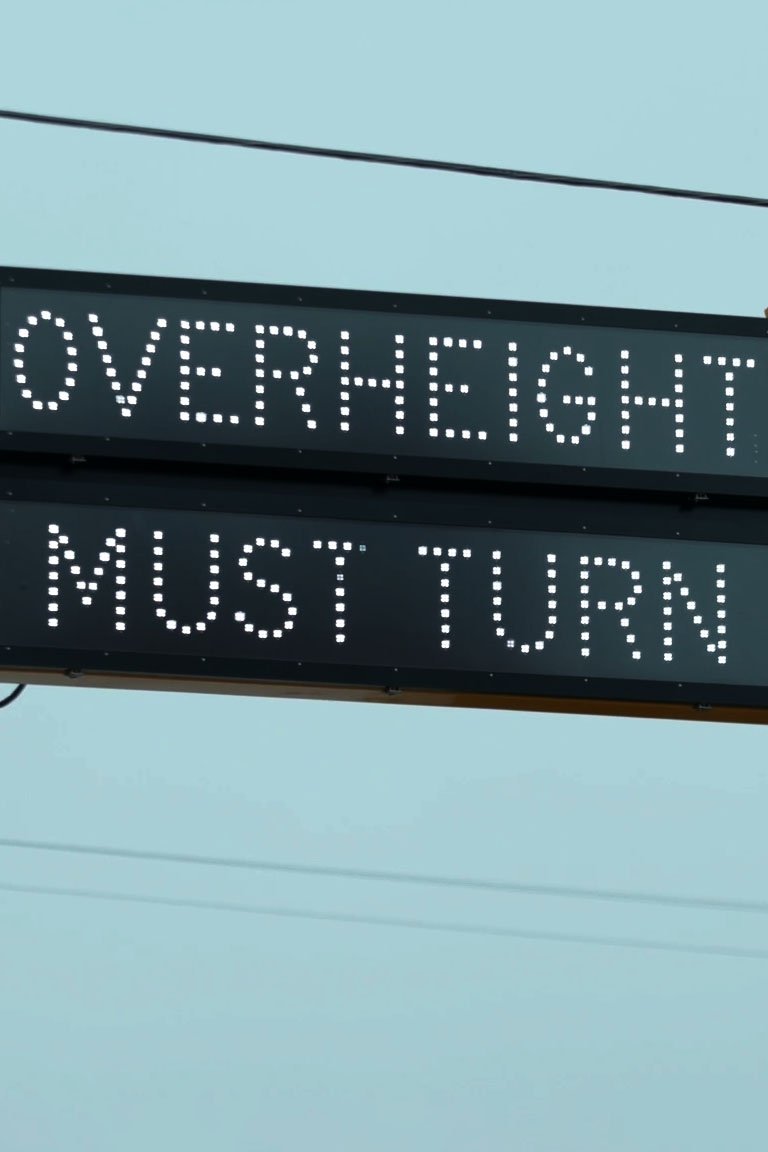
For the past ten years, Jürgen Henn has filmed over-height trucks crashing into the 11foot8 train bridge affectionately nicknamed the "Can Opener." In that time, millions have viewed the crashes online. Regional, national, and international news organizations have dined out on the story and the goofy crash reels. But why do motorists continue to crash despite the many warnings, sensors, and signs? And what is it about these crashes that holds our attention? In this piece, we look for the humanity in human error.
Trace the history of Hitler's armored private train, a 15-car mobile headquarters boasting state-of-the-art communications and anti-aircraft cannons.
A travelogue, this film provides a guided tour of pre-World War II Utah and of course does not pretend to cinematic greatness. Recommended viewing for those in search of introductory Utah history. Also valuable for persons seeking insight into the state as it would have looked during this time period. Especially informative for those desiring a window into the past for a view of how Utah was in the days of their pre-World War II progenitors living in the state. Those whose Utah ancestors were involved in mining, railroading, sugar beets, and other featured industries; featured towns, sights, recreational attractions, and industries may find this otherwise banal travelogue a quite valuable addition to their family history.
Production for the Seaboard Railroad company outlining their railroad activities in the 1940s and heading into the 1950s
A production of the association of American Railroads outlining the wonders of America's rail system.
A documentary on the railroads of America produced by the Association of American Railroads
The story of the railroad man in his role in keeping the trains moving on the rails.
After the last train at night and before the first in the morning, 800 people are hard at work behind the scenes making London's Underground fit to travel on. Including brushing dust from ventilation ducts, ‘fluffers’ cleaning up rubbish, routine rail replacement and fixing a broken rail discovered at 3.30am.
Documentary filmmakers offer a fascinating look at one of the most spectacular engineering feats of the 19th Century as the story of the Transcontinental Railroad comes to life in a film that's sure to appeal to historians and railroad enthusiasts alike. As legions of tireless workers toiled for six years to realize the vision of shady entrepreneurs and imaginative engineers, the remarkable railway dream slowly became a reality. But not everyone was so pleased with the remarkable achievement. Despite the devastating effect that the tremendous transportation breakthrough would have on the Native American population, the lasting impact of the Transcontinental Railroad on the politics and culture of a rapidly expanding country would forever mark it as an invaluable component of the American success story.
A film about winter railroading in the Canadian Rockies and the men who keep the lines clear. The stretch between Revelstoke and Field, British Columbia, is a snow-choked threat to communications. The film shows the work of section hands, maintenance men, train crews and telegraph operators.
"The End of the Line - Rochester's Subway" tells the little-known story of the rail line that operated in a former section of the Erie Canal from 1927 until its abandonment in 1956. Produced in 1994 by filmmakers Fredrick Armstrong and James P. Harte, the forty-five minute documentary recounts the tale of an American city's bumpy ride through the Twentieth Century, from the perspective of a little engine that could, but didn't. The film has since been rereleased (2005) and now contains the main feature with special portions that were added as part of the rereleased version. These include a look at the only surviving subway car from the lines and a Phantom tun through the tunnels in their abandoned state, among others, for a total of 90 minutes of unique and well preserved historical information.
An examination of occultism as practiced in different parts of the world.
This 1996 documentary takes a nostalgic ride through history to present the experiences of Black sleeping-car porters who worked on Canada's railways from the early 1900s through the 1960s. There was a strong sense of pride among these men and they were well-respected by their community. Yet, harsh working conditions prevented them from being promoted to other railway jobs until finally, in 1955, porter Lee Williams took his fight to the union.
The BBC version of "King Tut In Color" documentary. A century after the world’s most exciting archaeological find - the tomb of Tutankhamun - we can witness the dramatic scenes of its discovery and marvel at its extraordinary treasures exactly as they were then, in colour.
Chambord, the most impressive castle in the Loire Valley, in France, a truly Renaissance treasure, has always been an enigma to generations of historians. Why did King Francis I (1494-1547), who commissioned it, embark on this epic project in the heart of the marshlands in 1519? What significance did he want the castle to have? What role did his friend, Italian genius Leonardo Da Vinci (1452-1519) play? Was he the architect or who was?