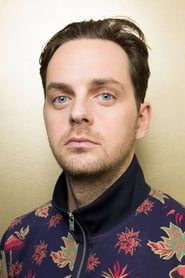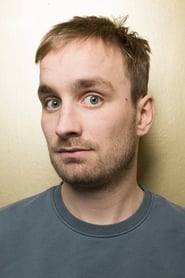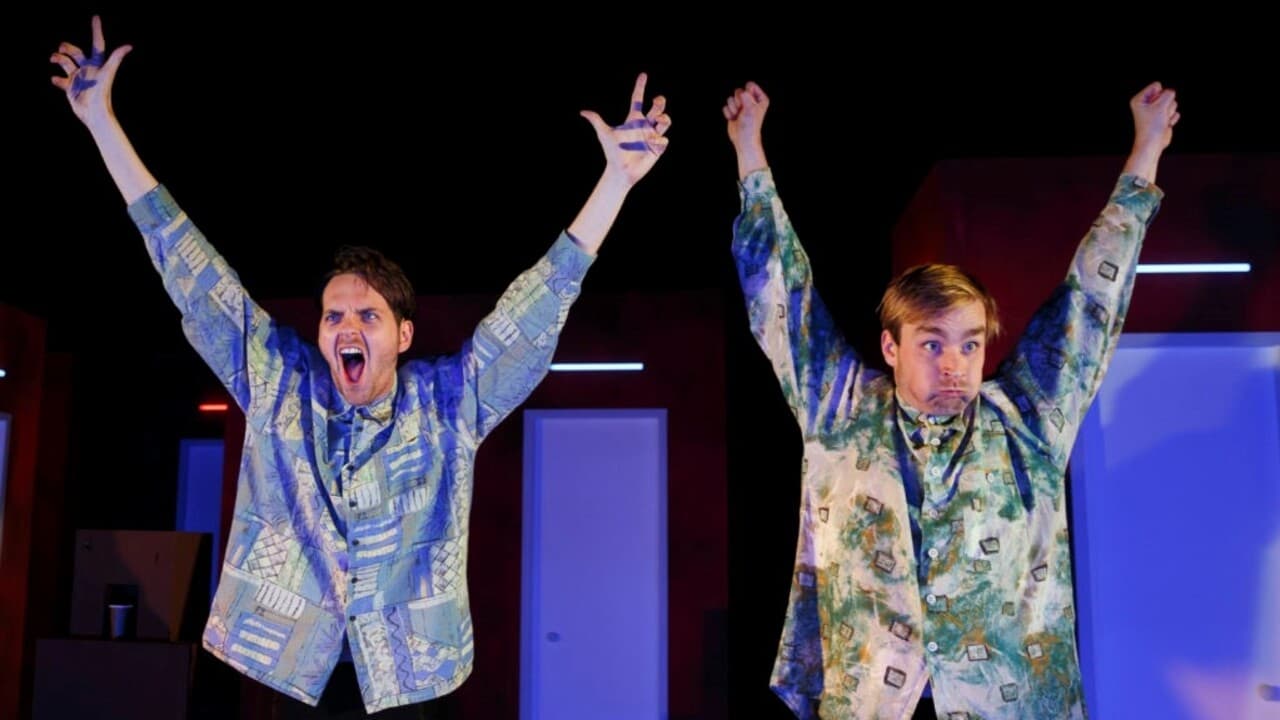
An absurdist theatre piece by Dutch comedy duo Rundfunk. A collection of original sketches and songs.
Social & External
Unknown Role
The first solo show of Dutch comedian Hans Teeuwen, the comedian is super-nervous and tells sad stories about past unfortunate love, loneliness and prejudice, accompanied solely by him playing the piano.He also tells tales about a fox, a scarecow, the young girl and the Seven Turkish an the Bible.
The second show of Dutch comedian Hans Teeuwen: sex, violence and foul language in a string of songs, abrupt transitions and evocative characterizations.
In his third theatre program the Dutch comedian Hans Teeuwen plays with empty wine bottles, little girls and himself. Poetic, absurd, false and genuine.
In dit tweede solo-programma komt hij nóg harder, nóg scherper en nóg pikanter uit de hoek. Gevoelige toeschouwers weze bij deze gewaarschuwd: geen huisje - heilig of niet -blijft overeind, geen thema onbenut. "Morimos Solamente" bevat geen theatrale structuur (heeft dat ook niet nodig), maar kan je best omschrijven als anderhalf uur fantastisch verbaal geweld. "The World According To Alex Agnew" dus…
With the world changing faster than ever, comedian Peter Pannekoek shares his thoughts about power, evolving gender relations and the times ahead.
Jochem's decor consists of Trivial Pursuit pieces, each of which represents a dream. He talks about his school trip, his girlfriends, and family members, each of whom he gives an absurd characteristic. A recurring theme throughout his story is his cheerfulness and positivity. He calls this the Yee-Haa! feeling.
Registration of the fourth theatre program by the Dutch comedian Theo Maassen.
In the show, Jochem talks about his love for nature. Jochem: 'If you're going to talk about something four hundred times, you have to choose something you really want to talk about. Jokes are fun, but I want to talk about things that interest me. My three big hobbies are fishing, theater, and birds. The book De Gorgels is also about nature. I've already incorporated my passion for biology into it, and now I want to show that on stage as well.
Registration of the sixth comedy special by the Dutch comedian Eric van Sauers.
Ten years, three theater shows, and a best-of show later. A decade has flown by, and his thirtieth birthday is slowly creeping closer. But has Xander De Rycke learned anything over the past few years? Has he actually grown up, or does he just think he has? Flanders' best observational comedian is back and ready for the next step. With a head full of twists and turns, a bunch of colorful references, and an eye on the future, Xander De Rycke is back with "Quarter-Life Crisis." A show with relatable moments about life. Or at least a quarter of it.
A video-registration of the revue/cabaret show 'Showponies 2' by the Alex Klaasen Revue. In this sequel to the first Showponies-show, Alex Klaassen explores to what extent he cares about what (the still quite heteronormative) society thinks. Klaassen considers coming out for a second time, because he feels like he has ended up in a second closet after his first coming out.
Registration of the fourth solo program by the Dutch comedian Hans Sibbel, in which the comedian takes a look at the evolution.
Maassen won two of the biggest comedy contests in the Netherlands in 1990, the Groninger Studenten Cabaret Festival(GSCF), and Cameretten. The GSCF jury was not pleased with the quality of the contestants that year, and gave Maassen the first prize, remarking he was the best of the year, but still not very good. In the following years, however, Maassen fame grew steadily, especially amongst students. Maassens style was based on stand-up comedy: Alone on stage, telling jokes and stories to amuse the public, without any musical support (a thing common for most Dutch comedians up to that point). Since 2000, Maassens shows are shown on Dutch national television, making him more and more a household name.
Teeuwens fifth stand-up show is about love. Small, large, hidden, the physical, the famous and the improper love. Hans Teeuwen unravels that love into forms that you do not recognize, but can very surely sense.
Maassen won two of the biggest comedy contests in the Netherlands in 1990, the Groninger Studenten Cabaret Festival(GSCF), and Cameretten. The GSCF jury was not pleased with the quality of the contestants that year, and gave Maassen the first prize, remarking he was the best of the year, but still not very good. In the following years, however, Maassen fame grew steadily, especially amongst students. Maassens style was based on stand-up comedy: Alone on stage, telling jokes and stories to amuse the public, without any musical support (a thing common for most Dutch comedians up to that point).
Mind you is the fourth theater of the Dutch comedian Hans Teeuwen. He performed the show in 2001. The last show was filmed in 2002 and aired on television, the same year that the show on CD and DVD published. It's Teeuwen's most famous and most frequently quoted show. He takes everything on the heel, including racism, blacks, world religions, AIDS patients, women, Jostiband and the Queen of the Netherlands.
In his hilarious show "Wortels" (Roots), Klaas van der Eerden takes the audience back to his roots. Raised in the 1970s in a small farming village above Amsterdam in a hippie family, Klaas lets loose with his funny stories, characters, and improvisations. "Wortels is brimming with original ideas and a high density of jokes," wrote the AD newspaper. De Volkskrant enjoyed the "tasty stories" and called Wortel "an entertaining and meaningful program." And we haven't even mentioned the highly comical musical highlights with which Klaas constantly surprises his audience. Conclusion: an energetic, full-blooded entertainer who gives 100% every night and gets every audience going wild!