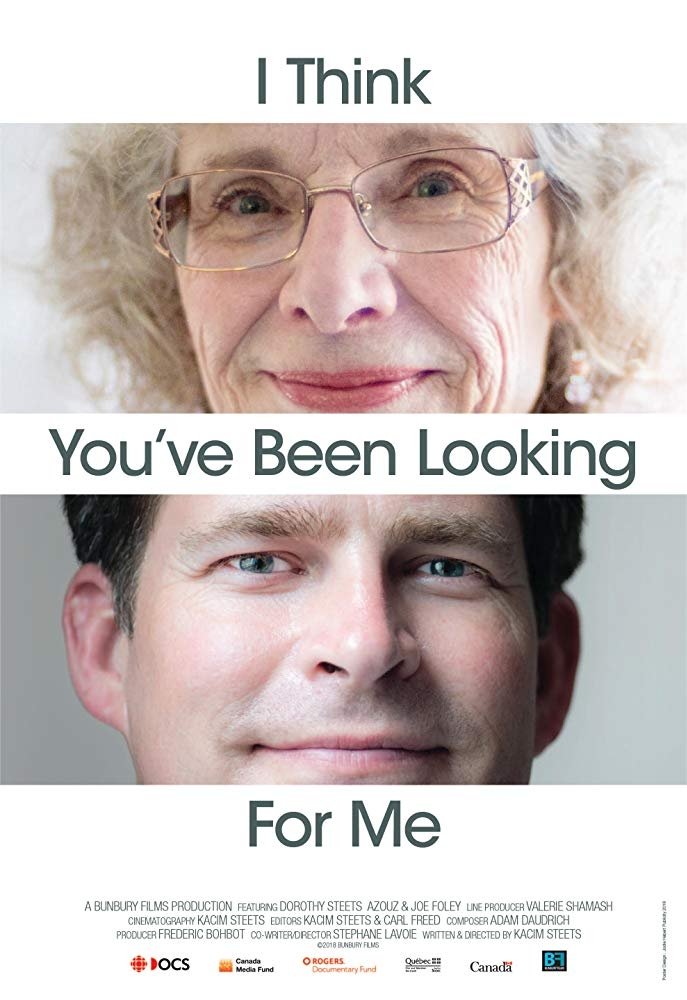
After 48 years of emotional longing, a mother meets her son who she relinquished at birth. In the months after the reunion, Dorothy and Joe must overcome nearly five decades of separation in order to reconnect.
Social & External
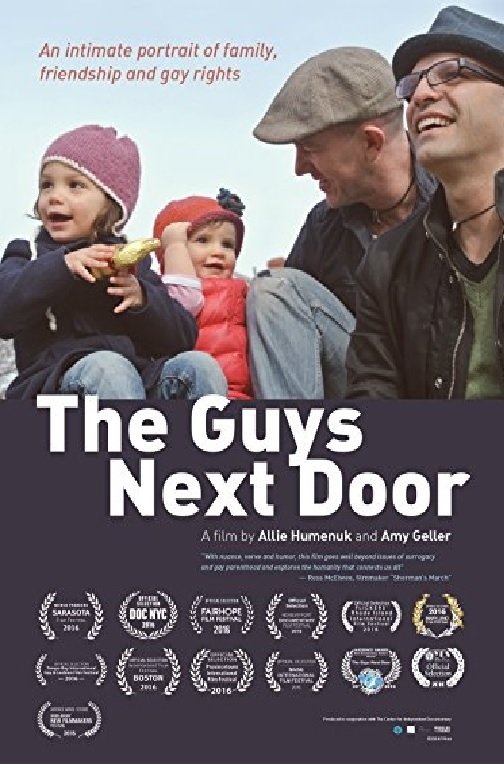
In Argentina, almost all adopted children are under 5 years of old. Luis and Valeria open the doors of their home and tell us their family story. A true story full of obstacles, fears and love about paths that connect and people who meet by chance.
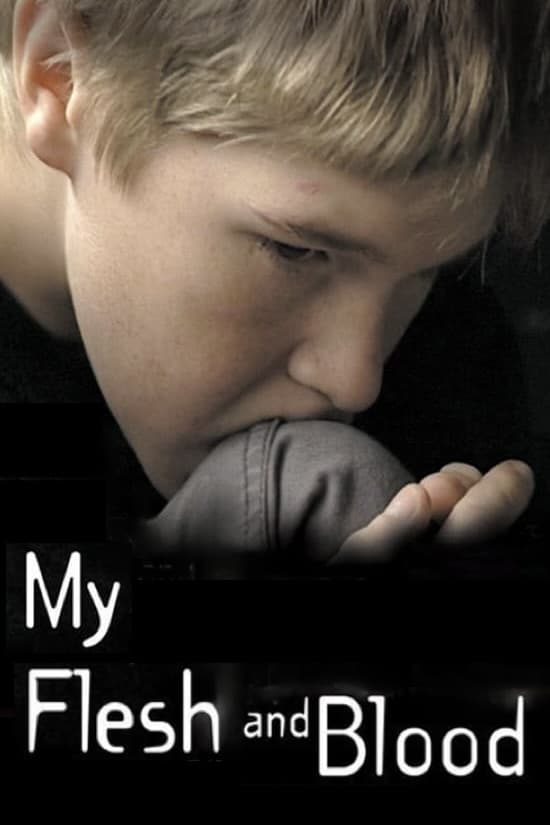
My Flesh and Blood is a 2003 documentary film by Jonathan Karsh chronicling a year in the life of the Tom family. The Tom family is notable as the mother, Susan, adopted eleven children, most of whom had serious disabilities or diseases. The film itself is notable for handling the sensitive subject matter in an unsentimental way that is more uplifting than one might expect.
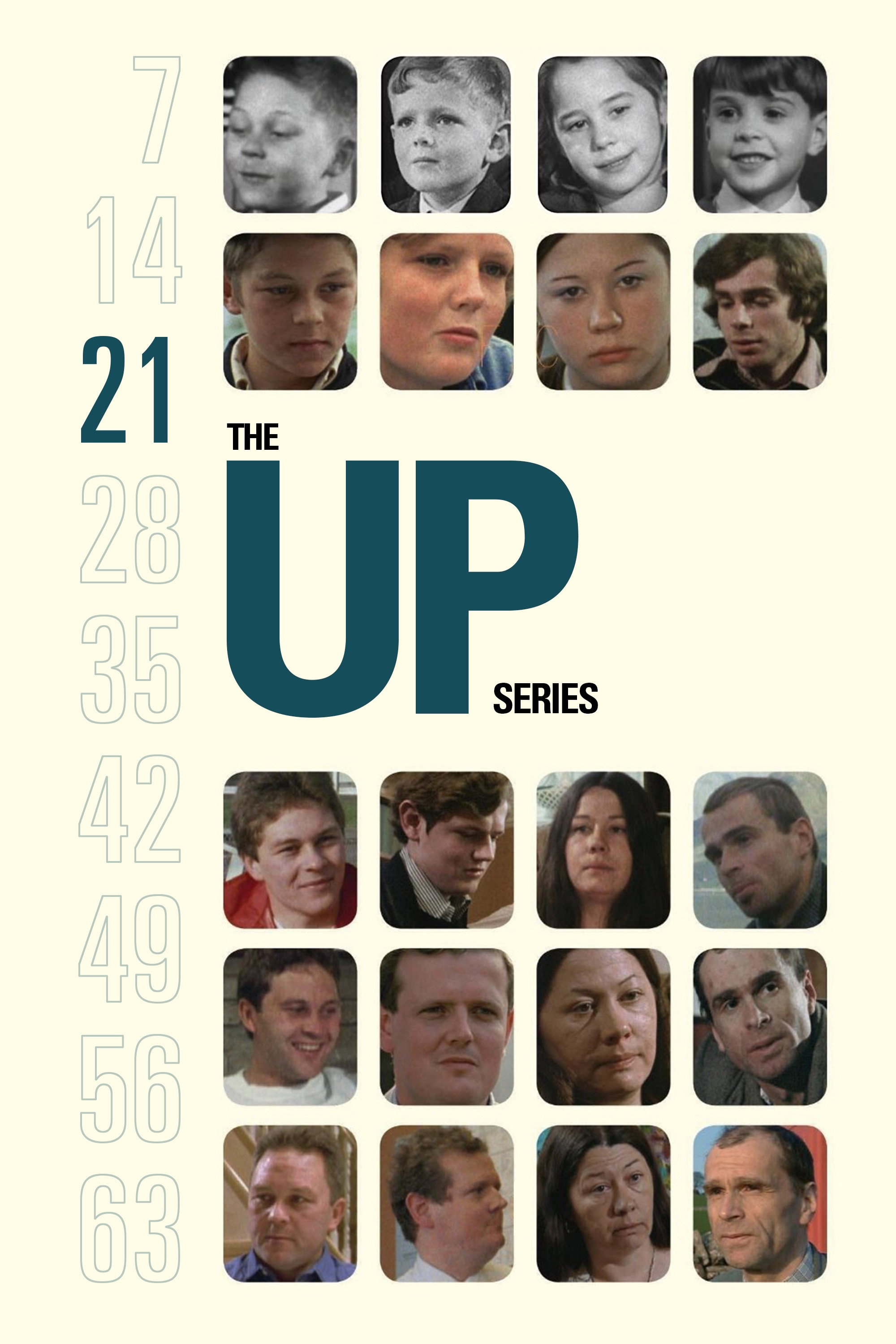
New York, 1980. Three complete strangers accidentally discover that they're identical triplets, separated at birth. The 19-year-olds' joyous reunion catapults them to international fame, but also unlocks an extraordinary and disturbing secret that goes beyond their own lives – and could transform our understanding of human nature forever.
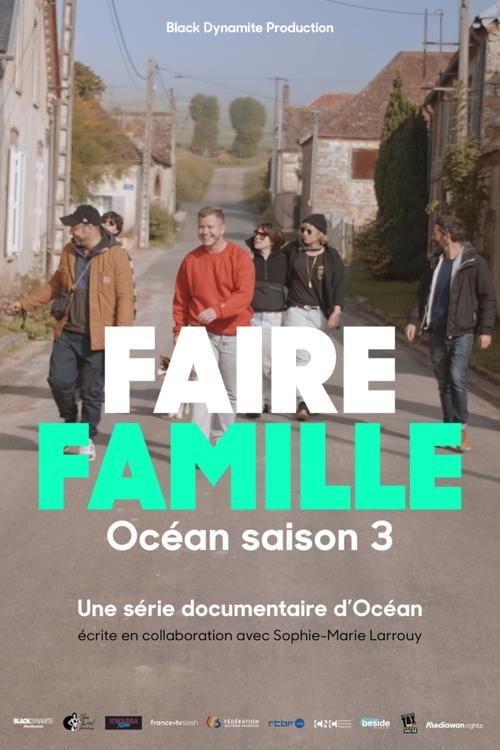
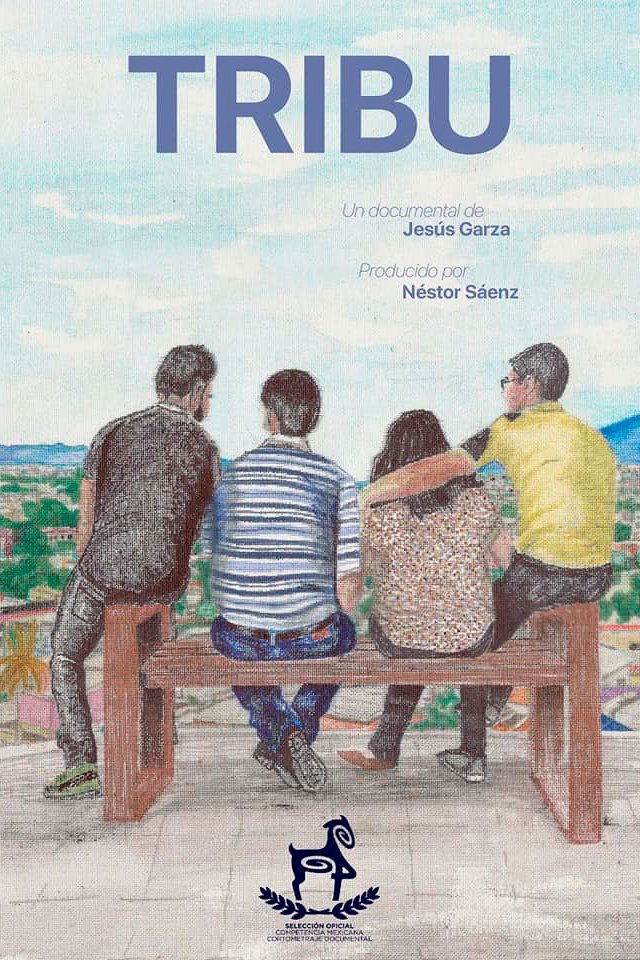
Ruben and Gio have been recently adopted by Evelyn and Memo. The four of them try to create a home where the past, the bad and good stories, and the dreams in common for the future blend all together.
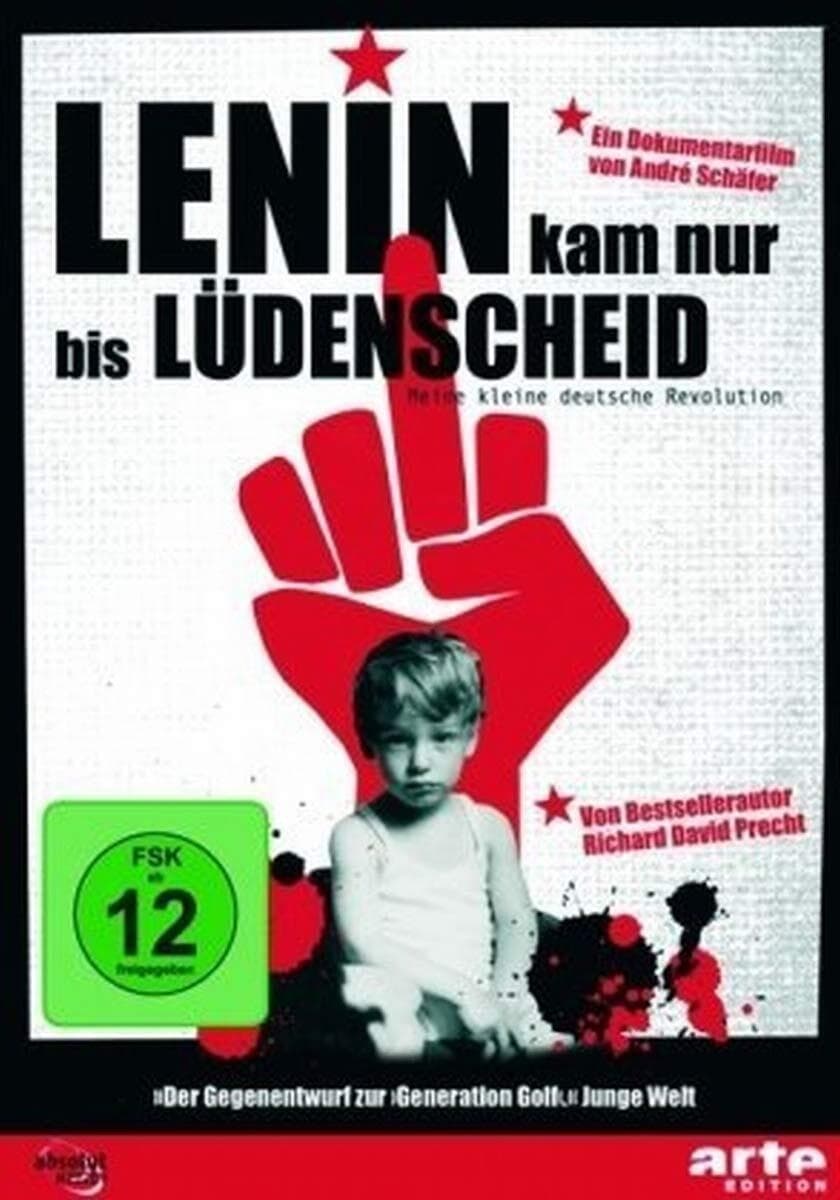
The free, almost naive view from the perspective of a child puts the "68ers" in a new, illuminating light in the anniversary year 2008. The film is a provocative reckoning with the ideological upbringing that seemed so progressive and yet was suffocated by the children's desire to finally grow up. With an ironic eye and a feuilletonistic style, author Richard David Precht and Cologne documentary film director André Schäfer trace a childhood in the West German provinces - and place the major events of those years in completely different, smaller and very private contexts.
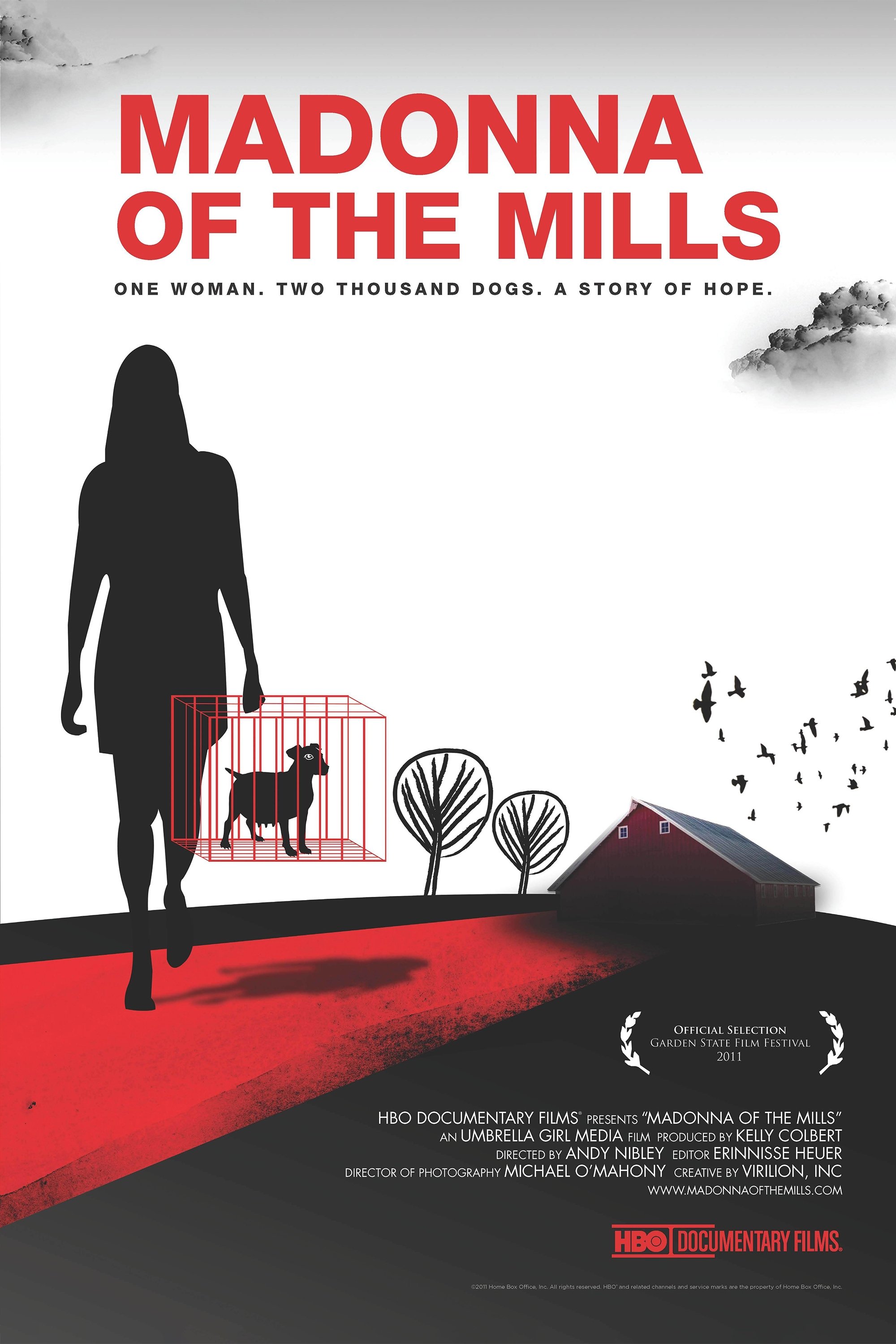
Denese Joy Becker, a manicurist living in Iowa, discovers she is indeed Dominga Sic Ruiz, a survivor from a 1982 Guatemalan massacre, when more than 200 people were killed in the small village of Rio Negro, after opposing the construction of a dam, sponsored by World Bank. She then tries to unveil the truth.
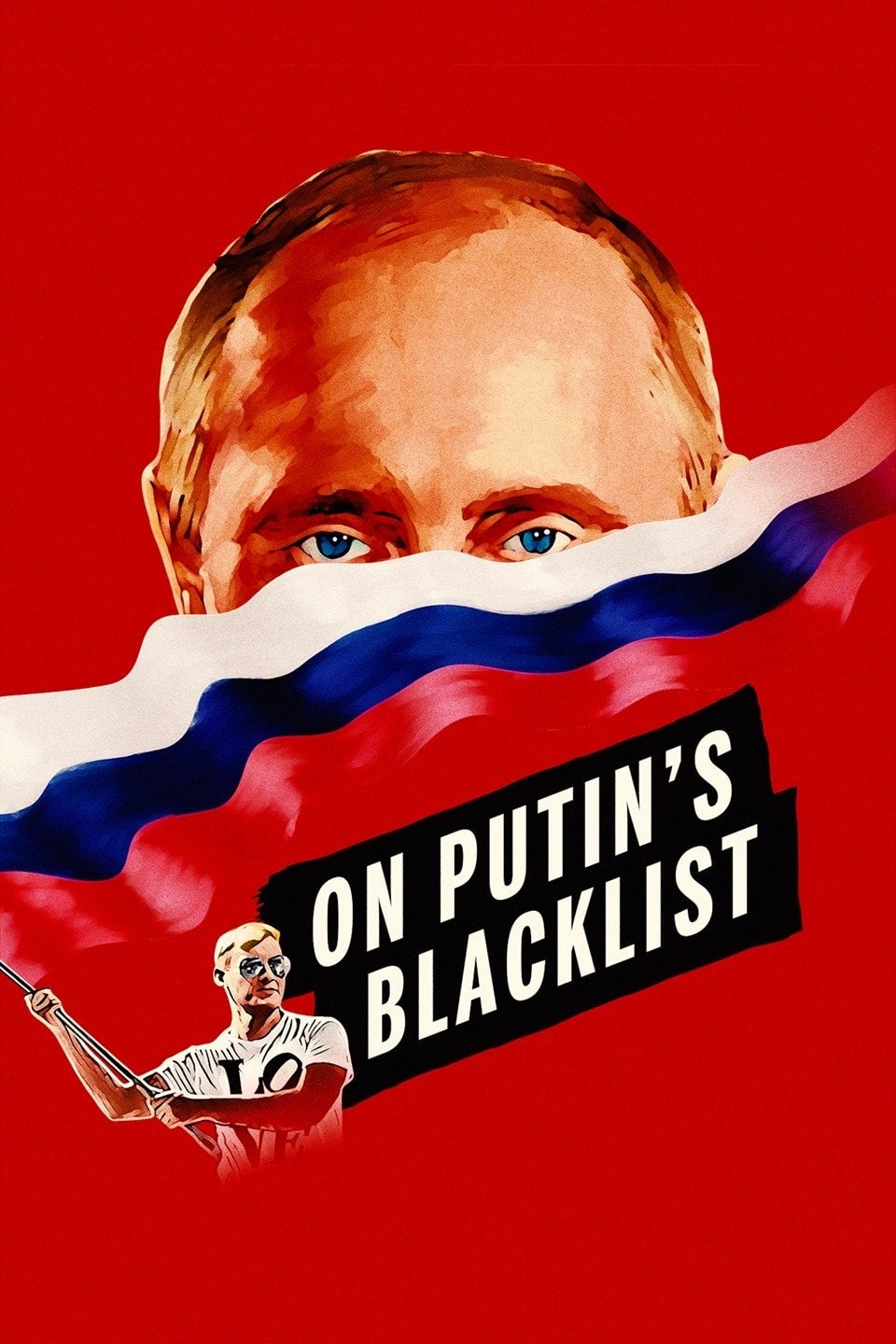
Traces the new Cold War between Russia and the West from the ban on American citizens adopting Russian children to the Kremlin’s anti-LGBTQ campaign, which positions the international marriage equality movement as a national threat.
A movie about two women who are mothers to the same child, and a child who belongs to two different worlds.
Despite the warm images in the family archive, photographer and filmmaker Jonnah misses an intimate bond with her (adoptive) parents. Over the years, a wall has been built between them that Jonnah is now trying to break down with her parents.
An astounding exposé that gives voice to the unwitting subjects of an infamous American scientific experiment: the 1960s Neubauer-Bernard study of separated twins. Told from the perspective of the Jewish identical twins and triplets who were secretly split up in infancy and adopted through Louise Wise Services, a Jewish adoption agency, the documentary examines the traumatic, long-term effects of the separations — and continuing deception — on the children and their adoptive families.
Through one woman's experience as an adopted person and also as a mother who relinquished her child in 1971, this documentary highlights the many complex issues associated with adoption.
Adopted Montreal filmmaker Adrian Wills discovers, on camera and in real time, the startling truths of his complex beginnings in Newfoundland. Shocking details drive Wills to the core of his birth mother’s resilience, and ultimately his own. In this moving feature documentary that combines 16mm footage and contemporary images with deeply personal conversations, Wills’ voyage transforms from an urgent search for identity into a quest to give a quiet girl her voice.
In an effort to understand where she came from, Fabiola asked a question that became the central phrase of the film: what would my life have been like if I'd stayed in Haiti? Taking as her starting point her biological mother's precarious economic situation, she had no choice but to entrust her daughter to her care. Fabiola could have ended up restavek, or in a loving foster family, or on the streets abandoned to her fate, or adopted abroad.
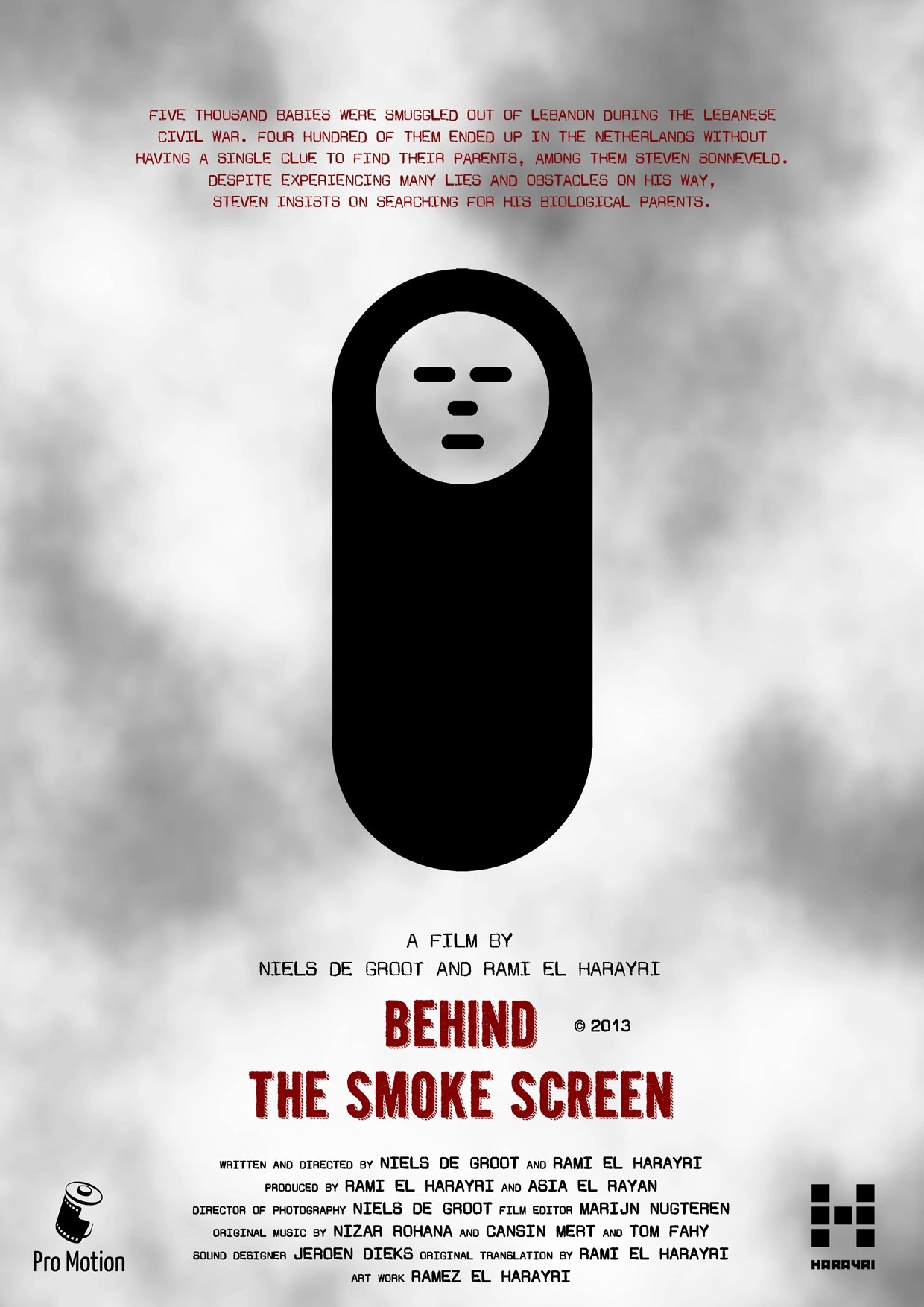
Adopted from South Korea, raised on different continents & connected through social media, Samantha & Anaïs believe that they are twin sisters separated at birth.
Jackie Miller adopted her son, Scott, in the early 1970s. In 2008, Scott brought his mom to StoryCorps to ask her about that decision.
FRONTLINE and The Associated Press examine allegations of fraud and abuse in South Korea’s historic foreign adoption boom. The documentary investigates cases of falsified records and identities among the adoptions of 200,000 children to the U.S. and other countries over decades.
On a night like any other, Helena, a 12-year-old girl marked by troubles at home, is taken from her mother and placed into foster care. Now, she must face a new reality while waiting for a home. But with time passing and wounds still fresh, will there still be a chance for a new beginning — or will it be too late?
From 2000 to 2008, China was the leading country for U.S. international adoptions. There are now approximately 70,000 Chinese adoptees being raised in the United States. Ninety-five percent of them are girls. Each year, these girls face new questions regarding their adopted lives and surroundings. This is a film about Chinese adopted girls, their American adoptive families and the paradoxical losses and gains inherent in international adoption. The characters and events in this story will challenge our traditional notions of family, culture and race.
In this funny and moving documentary, acclaimed film-maker Daisy Asquith tells the very personal story of her mother's conception after a dance in the 1940s on the remote west coast of Ireland. By exploring the repercussions of this act, Daisy and her mother embark on a fascinating and emotional adventure in social and sexual morality. Her grandmother, compelled to run away to have her baby in secret, handed the child over to 'the nuns'. Daisy's mum was eventually adopted by English Catholics from Stoke-on-Trent. Her grandmother returned to Ireland and told no-one. The father remained a mystery for another 60 years, until Daisy and her mum decided it was time to find out who he was. Their attempts to find the truth make raw the fear and shame that Catholicism has wrought on the Irish psyche for centuries. It leads Daisy and her mum to connect with a brand new family living an extraordinarily different life.
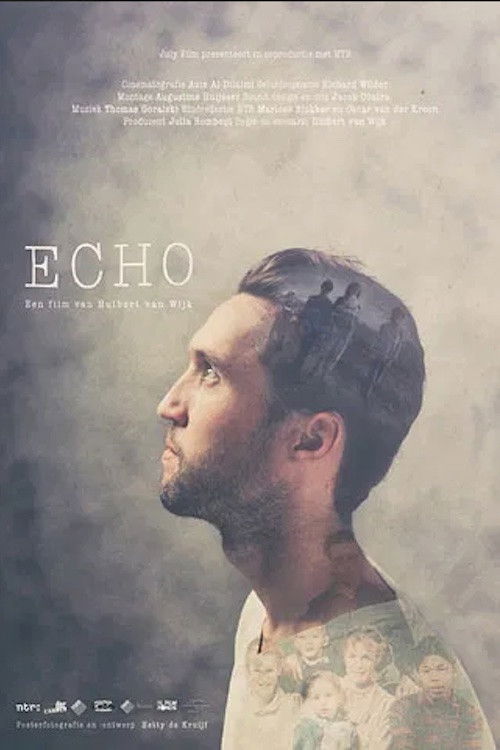
Jan's father is not his father at all. The directors knows this and takes this fact as the starting point for a very personal documentary film project about the search for his biological father(s).