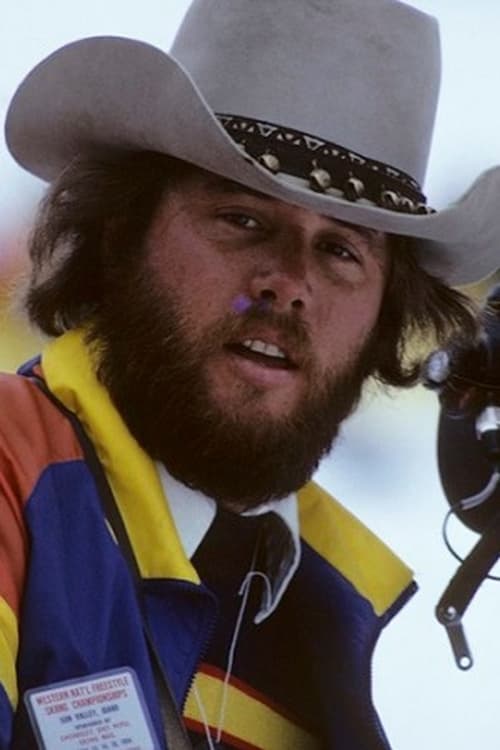
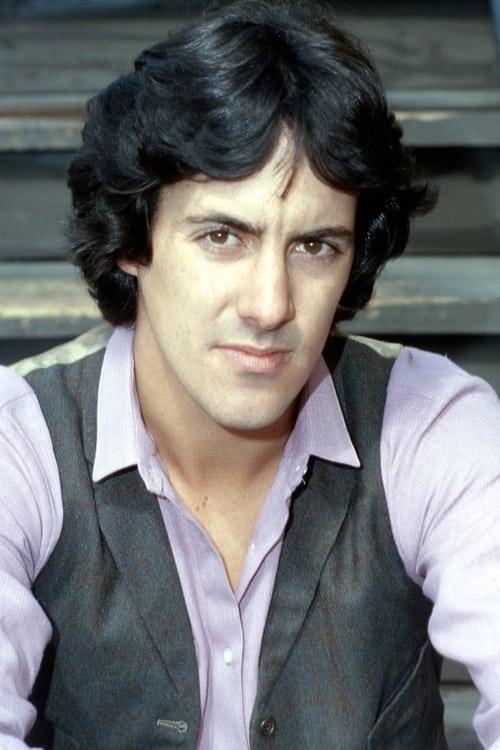
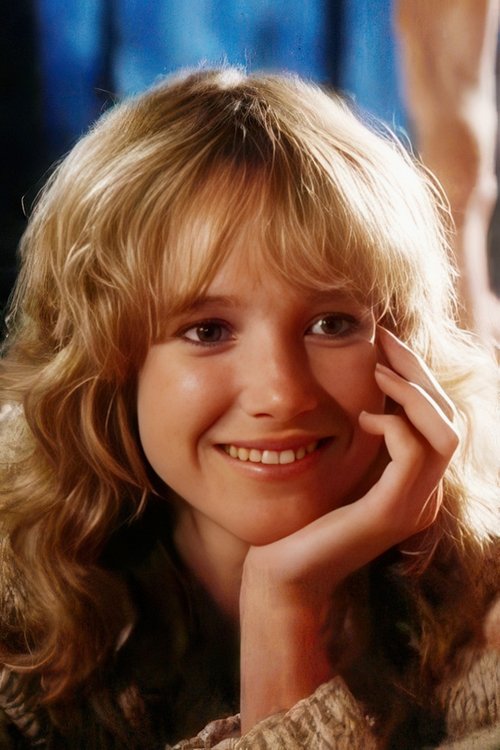
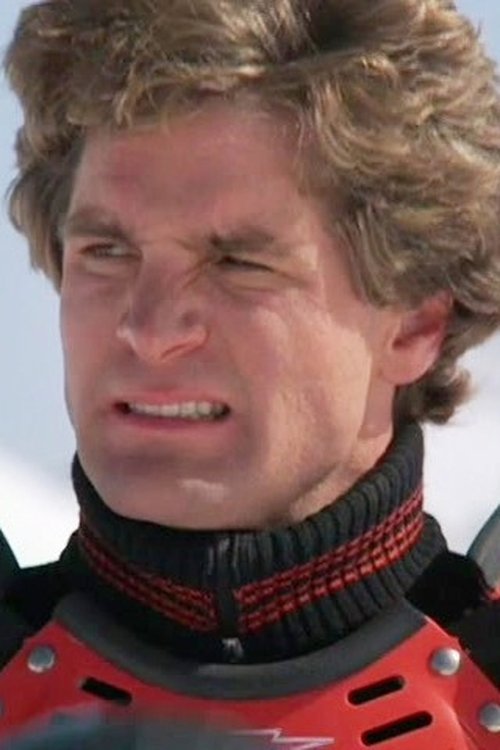
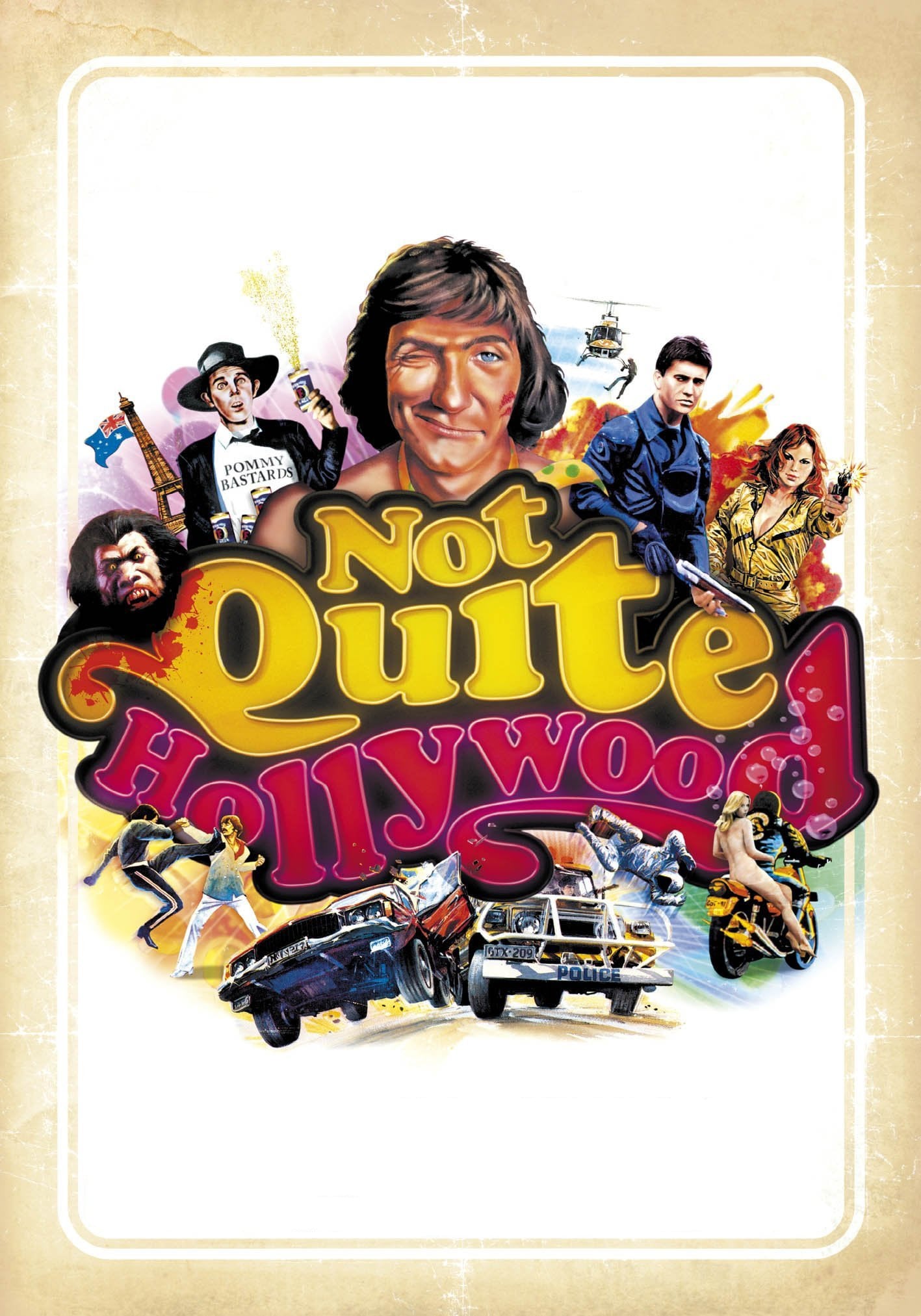
Feature-length documentary on the making of HOT DOG... THE MOVIE.
Social & External
Himself
Herself
Jack L. Warner, Harry Warner, Albert Warner and Sam Warner were siblings who were born in Poland and emigrated to Canada near the turn of the century. In 1903, the brothers entered the budding motion picture business. In time, the Warner Brothers moved into film production and would open their own studio in 1923.
Deep Throat, a pornographic film directed by Gerard Damiano, a film-loving hairdresser, and starring Linda Lovelace, a shy girl manipulated by a controlling husband, was released in 1972 and divided audiences, who began to talk openly about sex, desire and female pleasure; but also about violence and abuse; and about pornography, until then an almost clandestine industry, as a revolutionary cultural phenomenon.
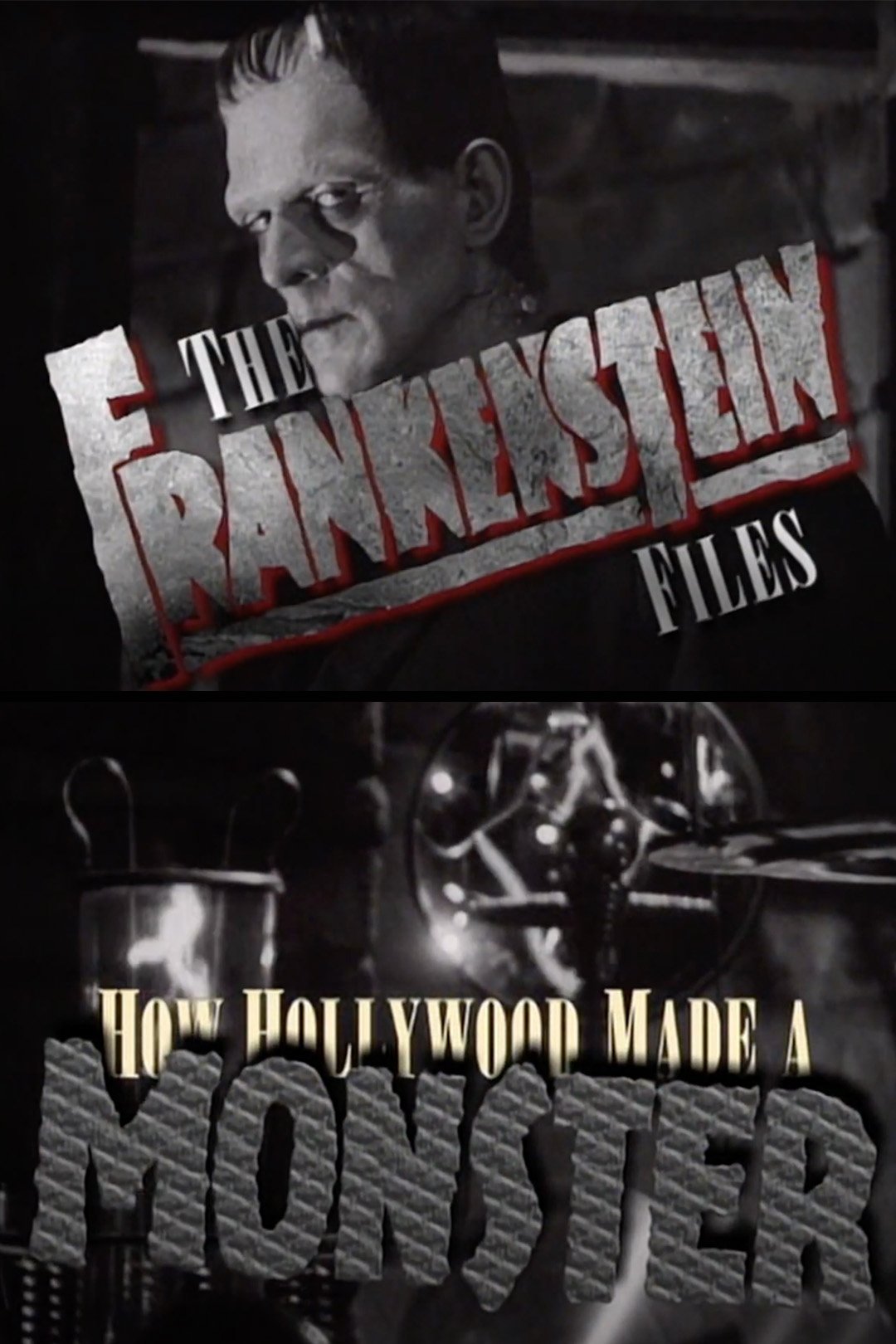
The history of Frankenstein's journey from novel to stage to screen to icon.
The greatness, fall and renaissance of Hammer, the flagship company of British popular cinema, mainly from 1955 to 1968. Tortured women and sadistic monsters populated oppressive scenarios in provocative productions that shocked censorship and disgusted critics but fascinated the public. Movies in which horror was shown in offensive colors: dreadful stories, told without prejudices, that offered fear, blood, sex and stunning performances.
Using testimonies by pioneers and witnesses of the times, delve into the feverish visual culture the media generated – with far-fetched examples of canine television games, seduction manuals, aerobics class while holding a baby, among others.
The Death of 'Superman Lives': What Happened? feature film documents the process of development of the ill fated "Superman Lives" movie, that was to be directed by Tim Burton and star Nicolas Cage as the man of steel himself, Superman. The project went through years of development before the plug was pulled, and this documentary interviews the major filmmakers: Kevin Smith, Tim Burton, Jon Peters, Dan Gilroy, Colleen Atwood, Lorenzo di Bonaventura and many many more.


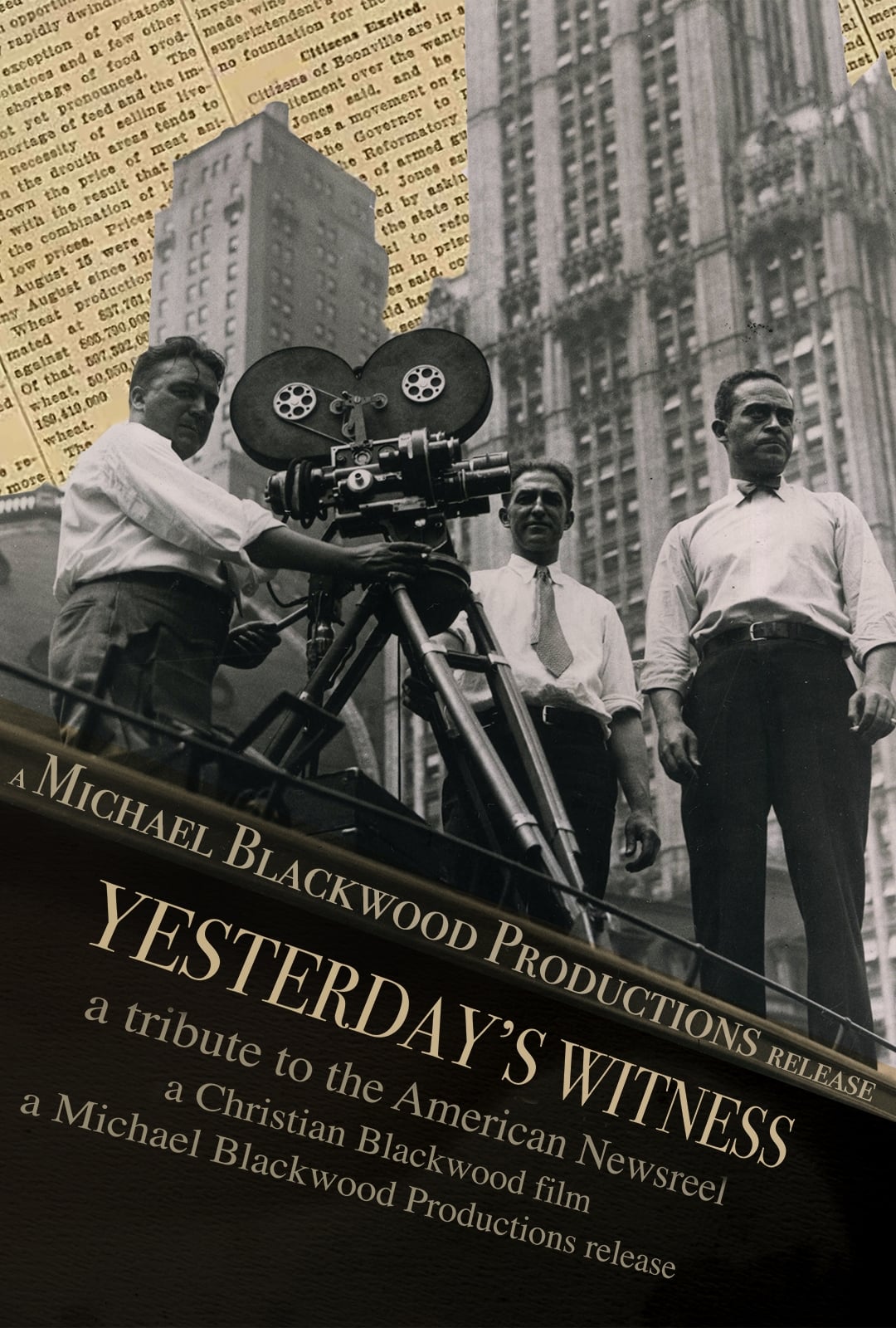
A documentary about film producer Hal Roach.
The Big Picture uncovers the untold story of a state-of-the-art cinema quietly forgotten in the center of Bristol, a vibrant UK city known for its countercultural spirit. Once a cutting-edge IMAX theatre, the building was abandoned for over a decade—until a collective of cinephiles reclaimed it. Blending DIY ingenuity with punk ethos, they’ve transformed a forgotten relic into the beating heart of a grassroots cinema movement—reviving not just a building, but a shared vision of what cinema can be.
Les Bronzés, le Père Noël, Papy et les autres....Discover or rediscover the emblematic scenes of these cult films that have crossed generations without getting old. Go behind the scenes of these unusual films through completely unpublished anecdotes and funny stories told by the authors themselves.
Robert Altman's life and career contained multitudes. This father of American independent cinema left an indelible mark, not merely on the evolution of his art form, but also on the western zeitgeist. With its use of rare interviews, representative film clips, archival images, and musings from his family and most recognizable collaborators, Altman is a dynamic and heartfelt mediation on an artist whose expression, passion and appetite knew few bounds.
In the late 1990s, iconic photographer Bruce Weber barely managed to convince legendary actor Robert Mitchum (1917-97) to let himself be filmed simply hanging out with friends, telling anecdotes from his life and recording jazz standards.
A documentary covering 3 decades of Clerks films
A documentary on the last remaining Blockbuster Video in Bend, Oregon.
A look at the making of the film Troll 2 (1990) and its journey from being crowned the "worst film of all time" to a cherished cult classic.
In 1964, Henri-Georges Clouzot's production of L'Enfer came to a halt. Despite huge expectations, major studio backing and an unlimited budget, after three weeks the production collapsed. This documentary presents Inferno's incredible expressionistic original rushes, screen tests, and on-location footage, whilst also reconstructing Clouzot's original vision, and shedding light on the ill-fated endeavor through interviews, dramatizations of unfilmed scenes, and Clouzot's own notes.
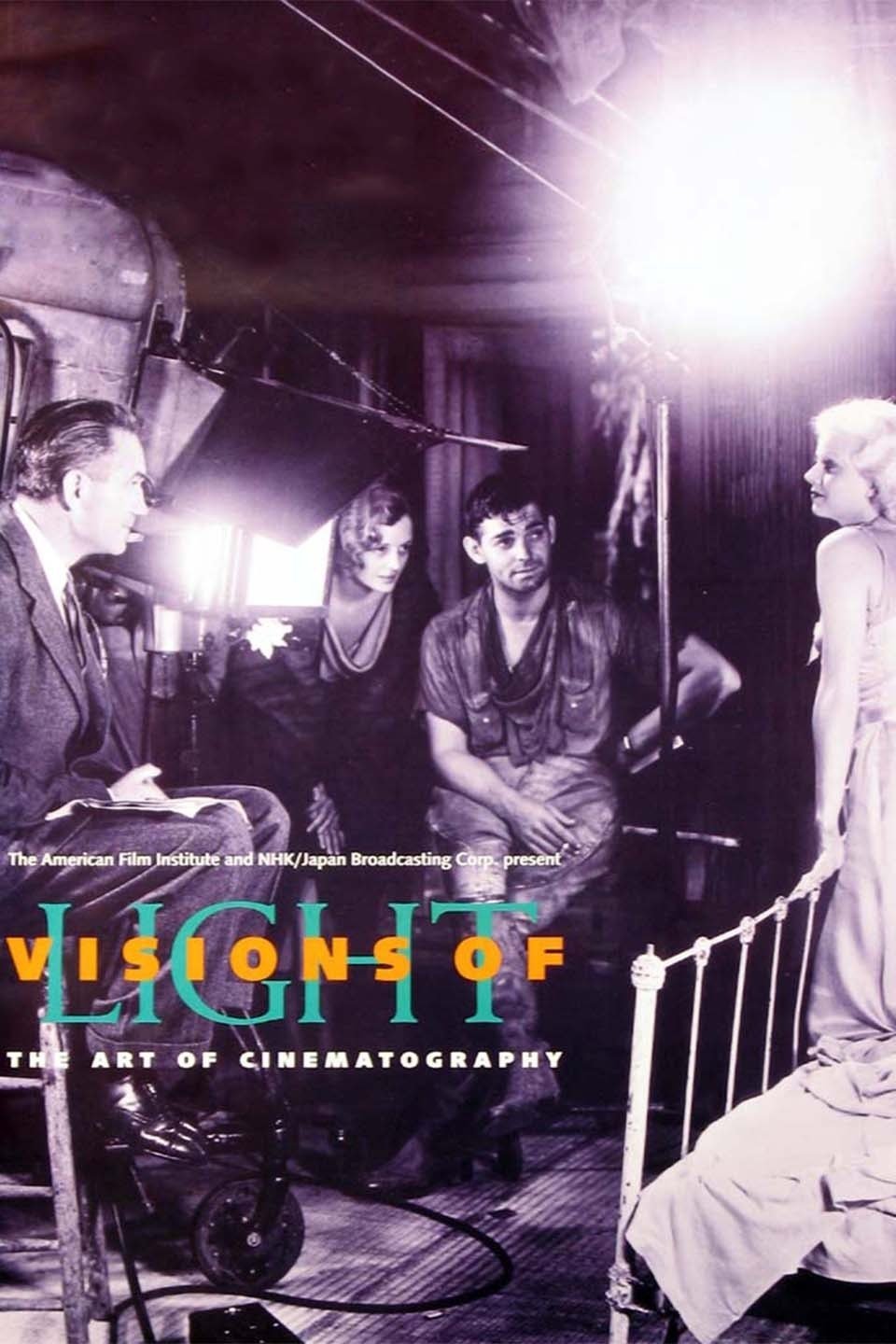
Cameramen and women discuss the craft and art of cinematography and of the "DP" (the director of photography), illustrating their points with clips from 100 films, from Birth of a Nation to Do the Right Thing. Themes: the DP tells people where to look; changes in movies (the arrival of sound, color, and wide screens) required creative responses from DPs; and, these artisans constantly invent new equipment and try new things, with wonderful results. The narration takes us through the identifiable studio styles of the 30s, the emergence of noir, the New York look, and the impact of Europeans. Citizen Kane, The Conformist, and Gordon Willis get special attention.
The life and work of the brilliant German filmmaker Volker Schlöndorff, a cross-border artist who, by leaving Germany and making the whole world his place of work, acquired the objective perspective necessary to portray his country's society better than anyone else while providing a unique and original point of view on the troubled history of the European continent.
The story of how sound was paired with images in early years of cinema; offering an in-depth look at the people behind-the-scenes and the technological innovations that culminated in Warner Brothers' ground breaking film, "The Jazz Singer" (1927).
Having devoted much of his career to programming and film history research, Law Kar, a.k.a. Uncle Kar, places himself before the camera for the first time. This nostalgic trip down memory lane, as he recounts his personal and cinematic experiences, from film criticism, experimental filmmaking to auditioning for Federico Fellini, cumulates in a brief history of Hong Kong cinema itself. Reflecting on the past 80 years, Law Kar's affectionate documentary sheds light on local movies and Chinese cinema, brooding over the socio-political transformation of our perplexed city, as the restless cinephile ponders the role cinema and art play in times of crisis.