A dramatization of Canadian author W.O. Mitchell's penetrating story about the racial prejudice encountered by a Polish immigrant farmer in a rural Saskatchewan community.
Social & External
The people behind it
Sydney Brown
Tony Brown
Jack Creley
Mavor Moore
John Vernon
In the chaos of post-Soviet Russia, rising KGB officer Vladimir Putin joins forces with master manipulator Vadim Baranov to reshape life behind the Iron Curtain, using violence and deception to change the world forever.
In Appalachia during the Great Depression, a young woman bears her brother’s baby. Her brother leaves the nameless infant in the woods to die, but tells his sister that the newborn died of natural causes and had to be buried. The sister discovers this lie and sets out to find the baby for herself. But as both brother and sister separately move through the countryside, three terrifying strangers are on their tails, wreaking death and destruction wherever they appear.
Orphan Pip discovers through lawyer Mr. Jaggers that a mysterious benefactor wishes to ensure that he becomes a gentleman. Reunited with his childhood patron, Miss Havisham, and his first love, the beautiful but emotionally cold Estella, he discovers that the elderly spinster has gone mad from having been left at the altar as a young woman, and has made her charge into a warped, unfeeling heartbreaker.
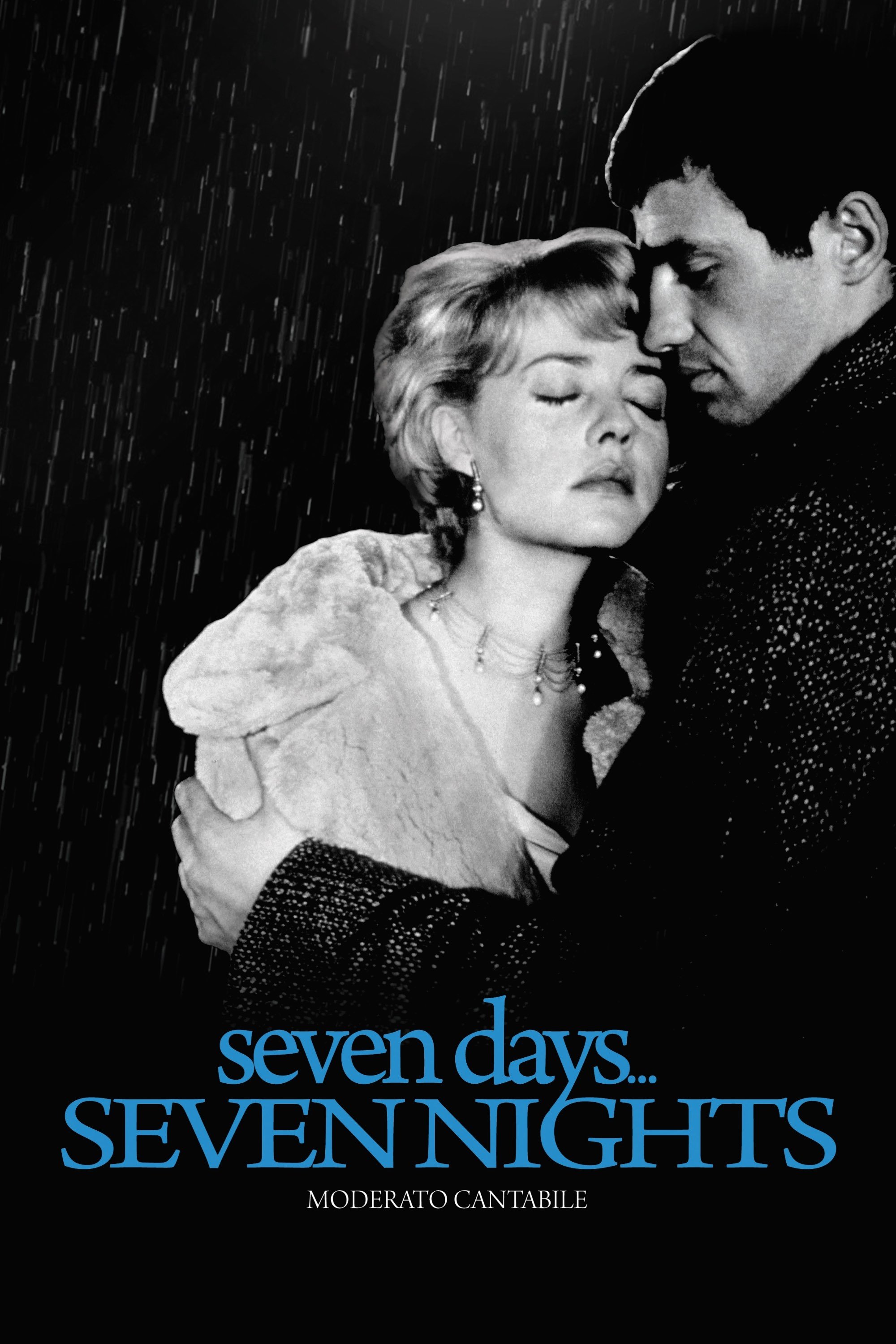
Anne Desbarèdes is a young woman who is married to a wealthy businessman and lives a monotonous existence in the small commune town of Blaye. After indirectly witnessing a murder in a café, she returns to the scene of the crime the next day and meets Chauvin, who informs her in more detail about the events that took place. Mentally unbalanced, Anne begins to believe that Chauvin intends to kill her.
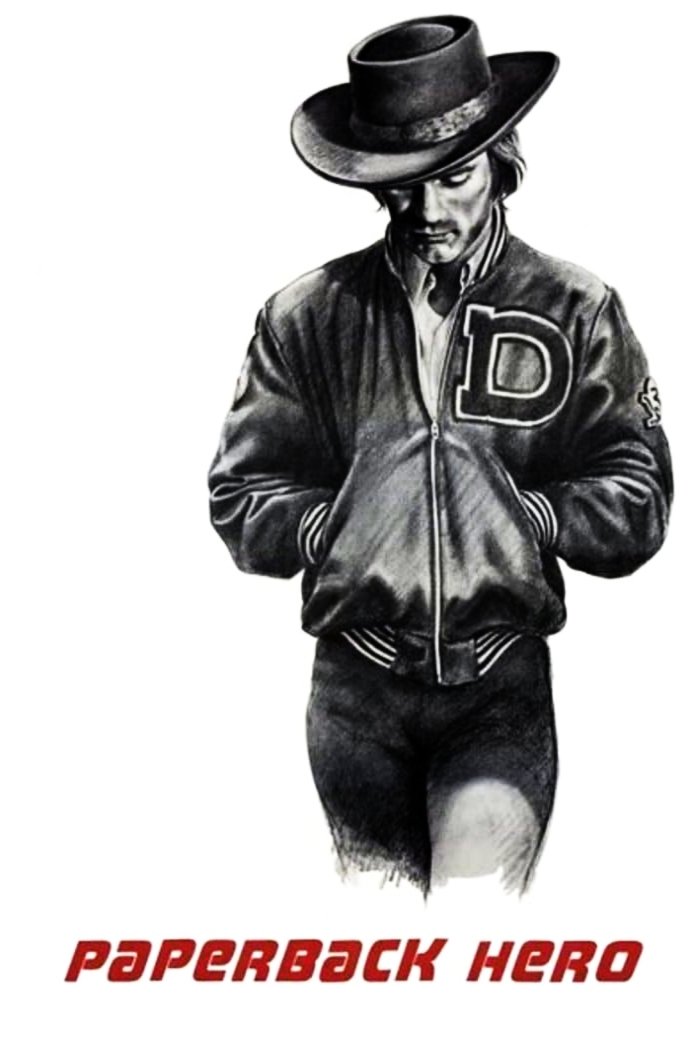
A hockey player in a small town begins to lose his grip on reality and starts to believe that he is a gunslinger in the Old West.
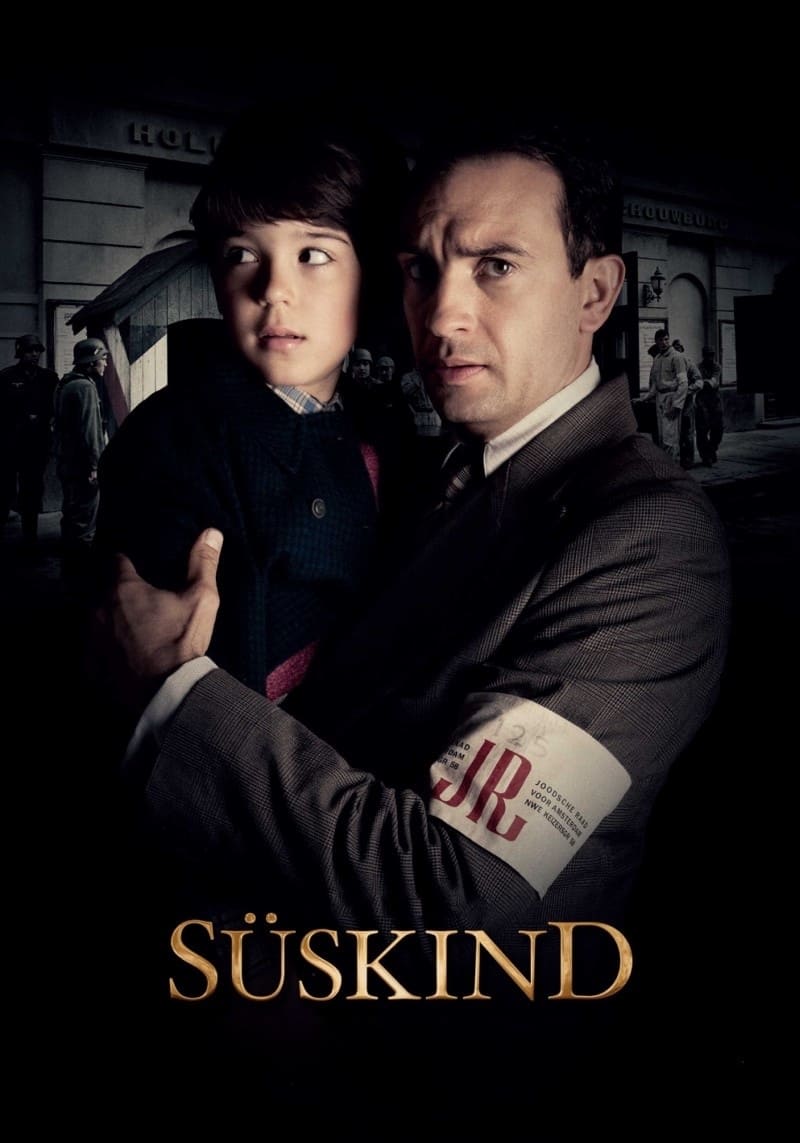
In Nazi-occupied Amsterdam, Walter Süskind is a member of the Dutch Jewish Council who rescues hundreds of children from the concentration camps.
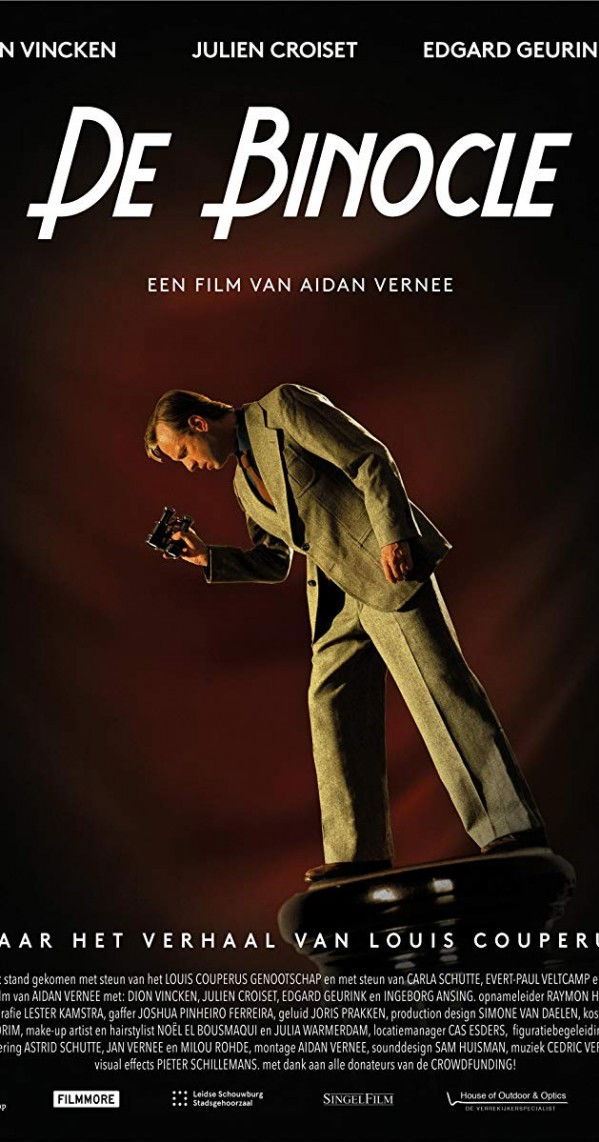
A short film based on the short story "De Binocle" by Dutch writer Louis Couperus. It tells the story of a nervous man who on one evening while going to the opera becomes the victim of his own obsessive thoughts.
Sweet, chubby, theatrical Billy was never cut out to be a farmer or a rugby player, but as the only son of a ‘good kiwi bloke’ he’s obliged to try. The cows are stubborn and the chores gruelling but Billy finds escape in a fantasy world playing Lana, heroine of his favourite TV show Adventures in Space. Not everyone approves of Billy's transformation. On the brink of adolescene, he discovers growing up is more complicated than he could ever have imagined.
Two teenagers, an orphan hen who loves reggaeton music and the son of a champion fighting-cock, will live an adventure in which they will learn to accept themselves, alongside a great lesson in tolerance and nonviolence.
After a disastrous event on his construction site, Armando acts quickly to save his crew, but instead stumbles upon an unspeakable truth.
The Longmen and Roc clans kill each other to gain power in their territory. However, things take a turn when a warrior falls for the daughter of the rival clan's leader.
A sheep farmer whose remote and quiet life is disturbed by the arrival of both his lover and his twin sister.
A group of farm animals rise up against their neglectful owner, dreaming of equality and freedom. But as the pigs take control, the revolution turns into tyranny, with truth rewritten and dissent crushed.
'...is unsuitable for any man's love.' (Xi Xi, A Woman Like Me) Sum-yin patches up wounds, masks scars and performs other beautician services that, when done well - as she always does - bring comfort to her and appreciation from grateful families. But inside she's hurting. Her job as a mortuary cosmetologist makes her self-conscious about the smell of death that seems to be seeping through and under her skin and looming over her stagnant relationship with Kwan, her oblivious boyfriend. No amount of cigarettes and perfume and cleaning will rid of it. At some point, a decision has to be made.
Eager to find a better life abroad, a Senegalese woman becomes a mere governess to a family in southern France, suffering from discrimination and marginalization.
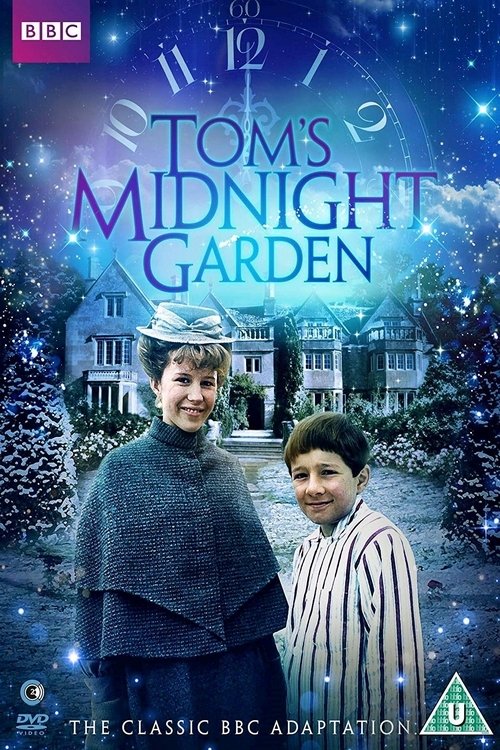
Forced to stay with his aunt and uncle for the summer holidays, Tom Long is lonely and bored, until one night he hears the clock strike 13. He suddenly finds himself transported to a magical Victorian garden of the 1880s and meets a girl.
Cynthia Wood, a 17-year-old, light-skinned black girl, tries to pass off as white after getting hired of a wealthy movie magnate Mr. Langley who has family problems with his spoiled wife and his promiscuous teenage daughter and son.
Ushimatsu's father told him never to reveal his lower-caste heritage; years later, he now contemplates confiding in an activist fighting against such discrimination.
José Benítez, a young Paraguayan worker who lives in Buenos Aires marginalized by his surroundings, is the victim of a Salidera. Motivated by his desperation and the urge to reverse his current condition, Benítez will try to get his money back, discovering in such an attempt that the possibility of achieving it is not so far away.
Percy Schmeiser, a third-generation farmer, gets sued by a corporate giant for allegedly using their patented seeds. With little resources to fight a legal battle, Percy joins forces with up-and-coming attorney Jackson Weaver and environmental activist Rebecca Salcau for a monumental case that leads all the way to the Supreme Court.
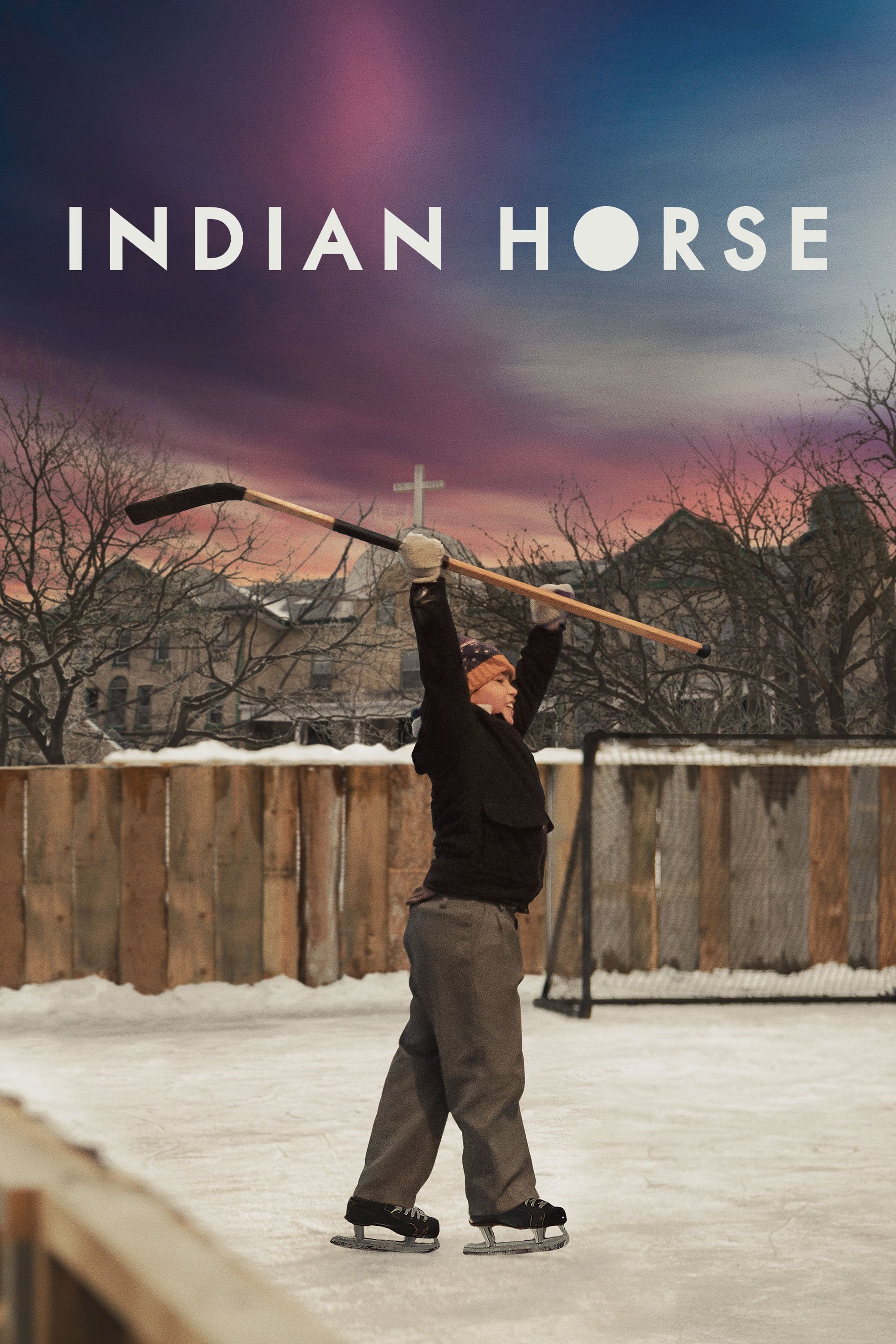
Follows the life of Native Canadian Saul Indian Horse as he survives residential school and life amongst the racism of the 1970s. A talented hockey player, Saul must find his own path as he battles stereotypes and alcoholism.
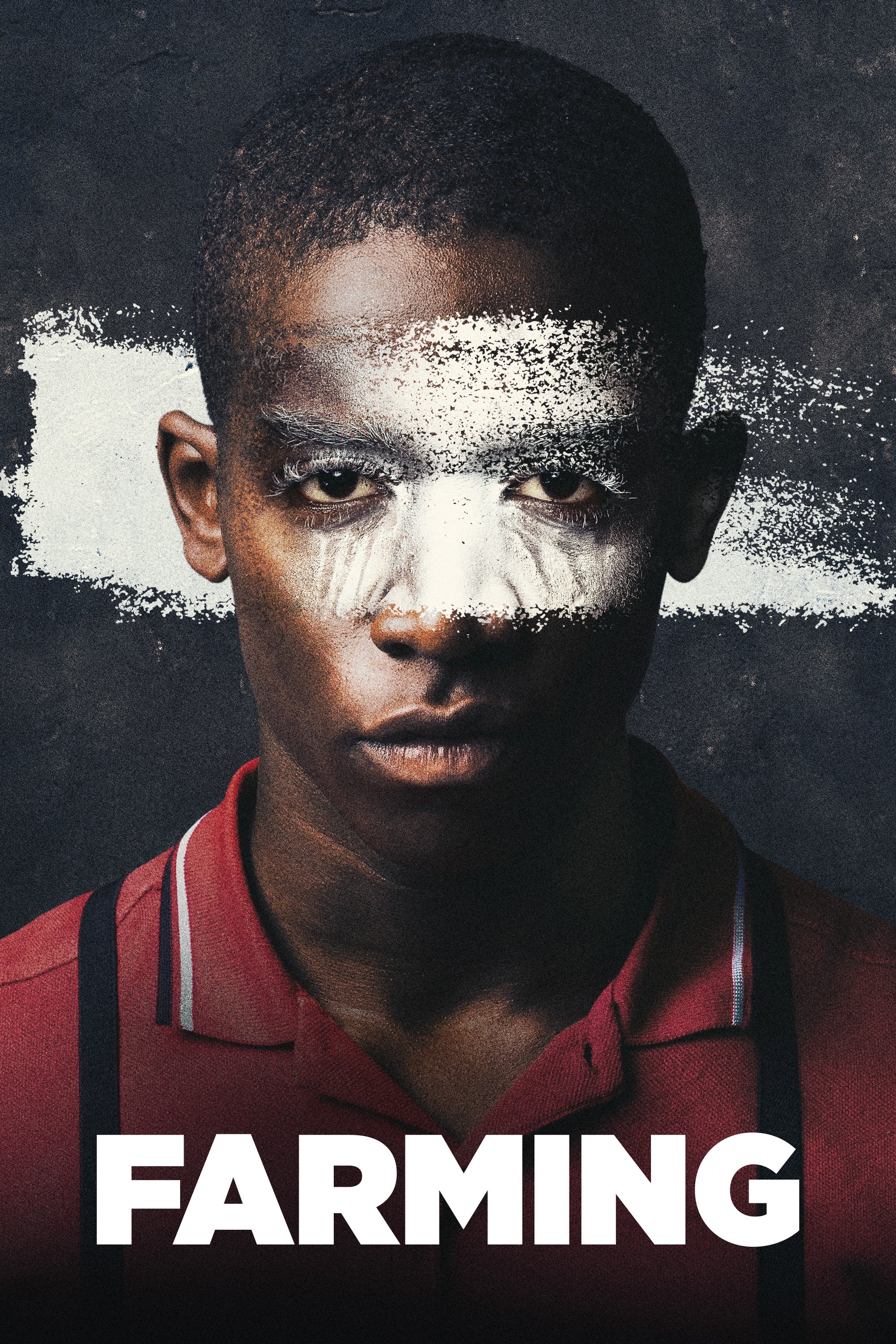
Based on the writer/director's childhood, FARMING tells the story of a young Nigerian boy, 'farmed out' by his parents to a white British family in the hope of a better future. Instead, he becomes the feared leader of a white skinhead gang.
Craig, a fiercely determined New Brunswick farmer, sets out to build a more suitable house for his ailing wife, Irene, despite their children's concerns. As he starts building, he is blindsided by the bureaucratic codes and officials. As Irene becomes increasingly ill, Craig fights back. Based on a true story.
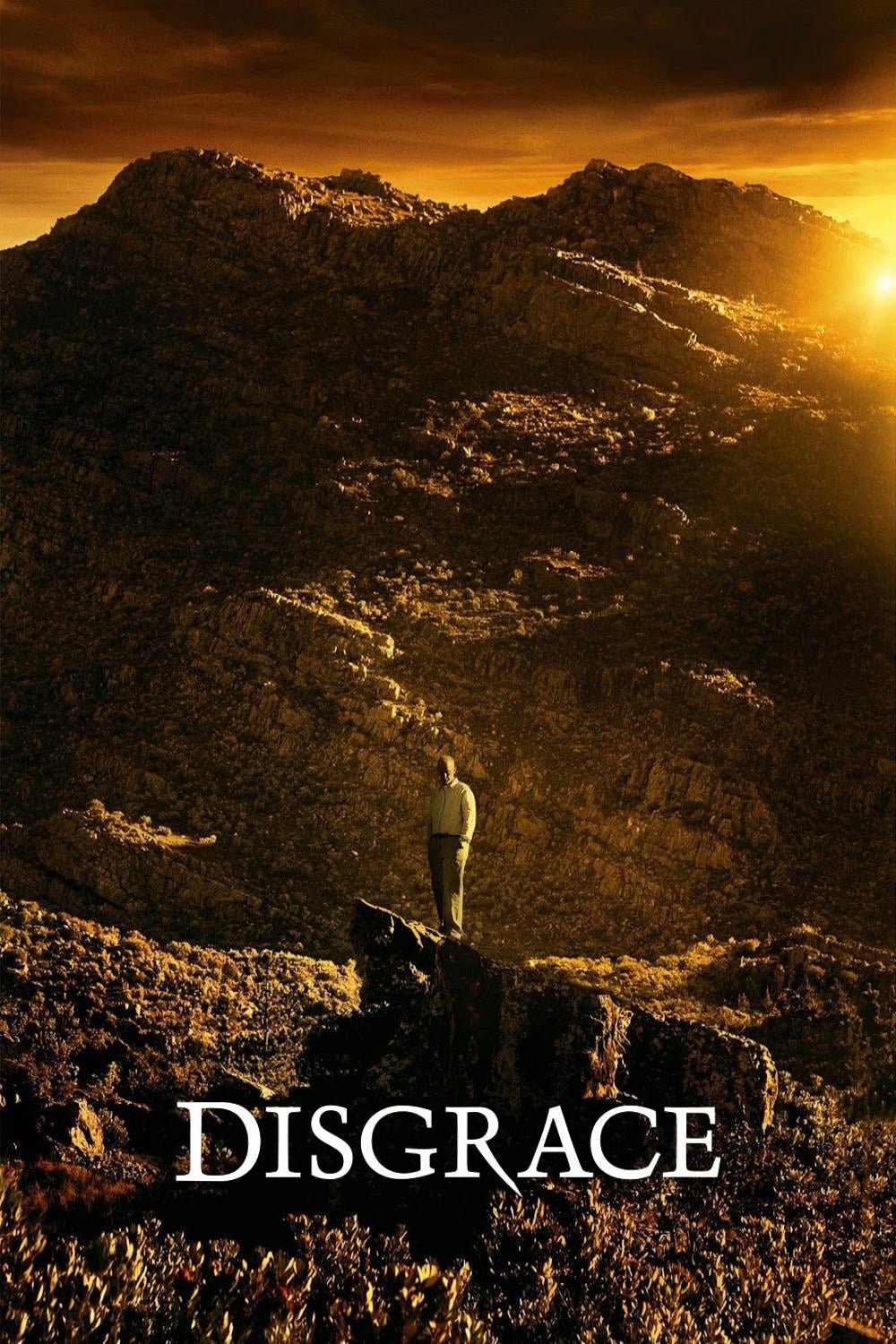
Disgrace is the story of a South African professor of English who loses everything: his reputation, his job, his peace of mind, his good looks, his dreams of artistic success, and finally even his ability to protect his cherished daughter. After having an affair with a student, he moves to the Eastern Cape, where he gets caught up in a mess of post-apartheid politics.
After inheriting a remote Montana house, Jackson moves there from New York with his partner Grace, and the couple soon welcome a child. As Jackson becomes increasingly absent and rural isolation sets in, Grace struggles with loneliness, creative frustration, and unresolved emotional wounds. What begins as an attempt at renewal gradually turns into an intense psychological descent, placing strain on their relationship and exposing the fragile balance between love, identity, and motherhood.
A young transgender man explores his gender identity and searches for love in rural Nebraska.
A logger leads a life of quiet grace as he experiences love and loss during an era of monumental change in early 20th-century America.
After a botched robbery results in the brutal murder of a rural family, two drifters elude police, in the end coming to terms with their own mortality and the repercussions of their vile atrocity.
When lapsed Jew and former cardiologist Harry suddenly decides to spend his retirement as a pig farmer in Nazareth, Israel, the move deeply shocks his family and his new neighbours. Back in New York, Harry’s ex-wife Monica is trying to manage the lives of their adult children, Annabelle and David, as well as her own.
A Korean American family moves to an Arkansas farm in search of its own American dream. Amidst the challenges of this new life in the strange and rugged Ozarks, they discover the undeniable resilience of family and what really makes a home.
Based on the true story of a black girl who was born to two white Afrikaner parents in South Africa during the apartheid era.
When the ongoing rivalry between farmers Michael and Jack suddenly escalates, it triggers a chain of events that take increasingly violent and devastating turns, leaving both families permanently altered.
Accused barn burner and conman Ben Quick arrives in a small Mississippi town and quickly ingratiates himself with its richest family, the Varners.
Scout Finch, 6, and her older brother Jem live in sleepy Maycomb, Alabama, spending much of their time with their friend Dill and spying on their reclusive and mysterious neighbor, Boo Radley. When Atticus, their widowed father and a respected lawyer, defends a black man named Tom Robinson against fabricated rape charges, the trial and tangent events expose the children to evils of racism and stereotyping.
Rural England, 1865. Katherine, suffocated by her loveless marriage to a bitter man and restrained by his father's tyranny, unleashes an irresistible force within her, so powerful that she will stop at nothing to get what she wants.
A jazz musician seeks refuge from a lynch mob on a remote island, where he meets a hostile game warden and the young object of his attentions.
Four women from different backgrounds forge an unbreakable sisterhood while trapped and in hiding during the genocide in Rwanda.
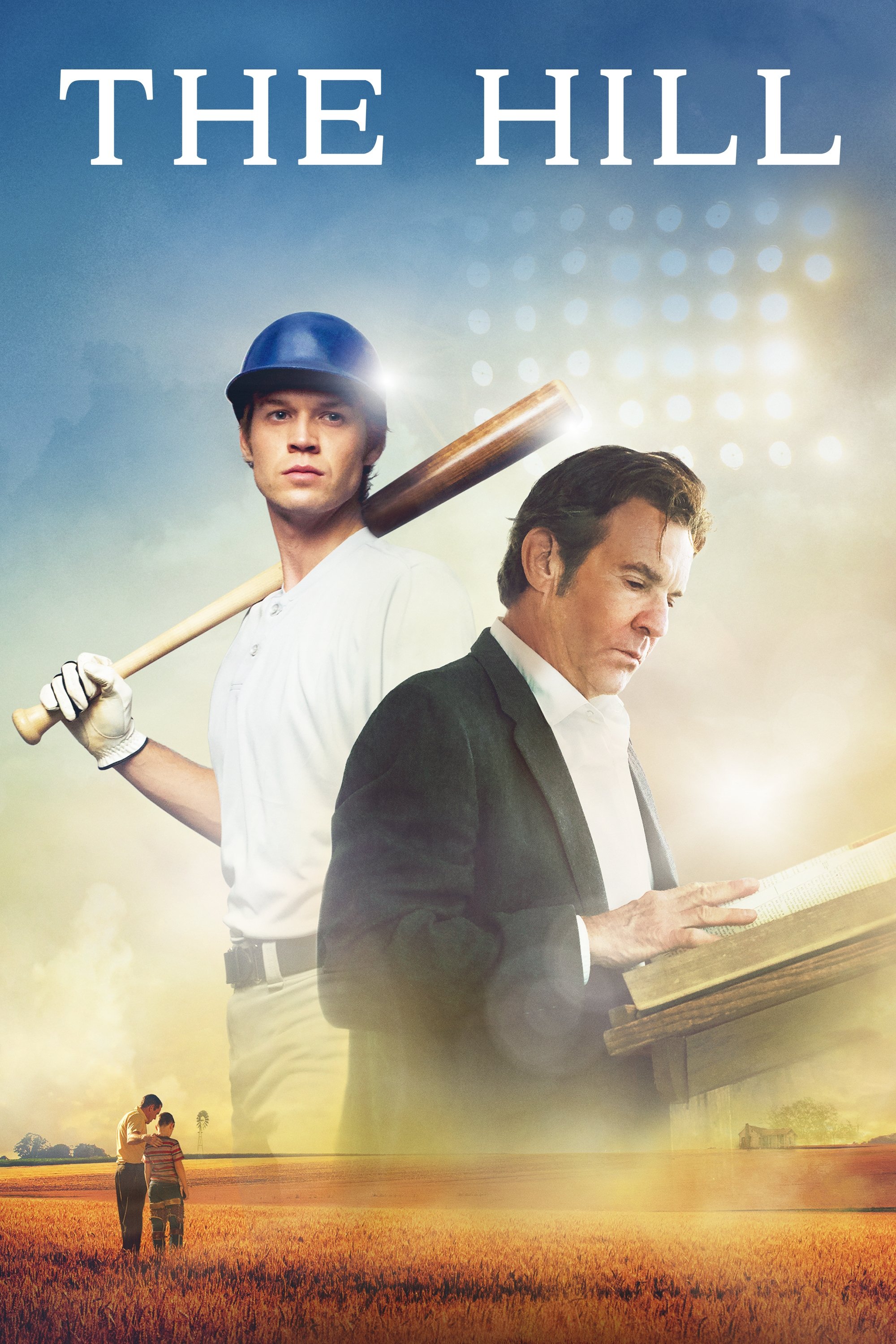
The story of Rickey Hill, who overcomes his physical disability and repairs his relationship with his father in a quest to become a major league baseball (MLB) player.
A former special forces contractor is forced out of retirement as an avocado farmer in Mexico when local gangsters try to force him and his family off their farm.