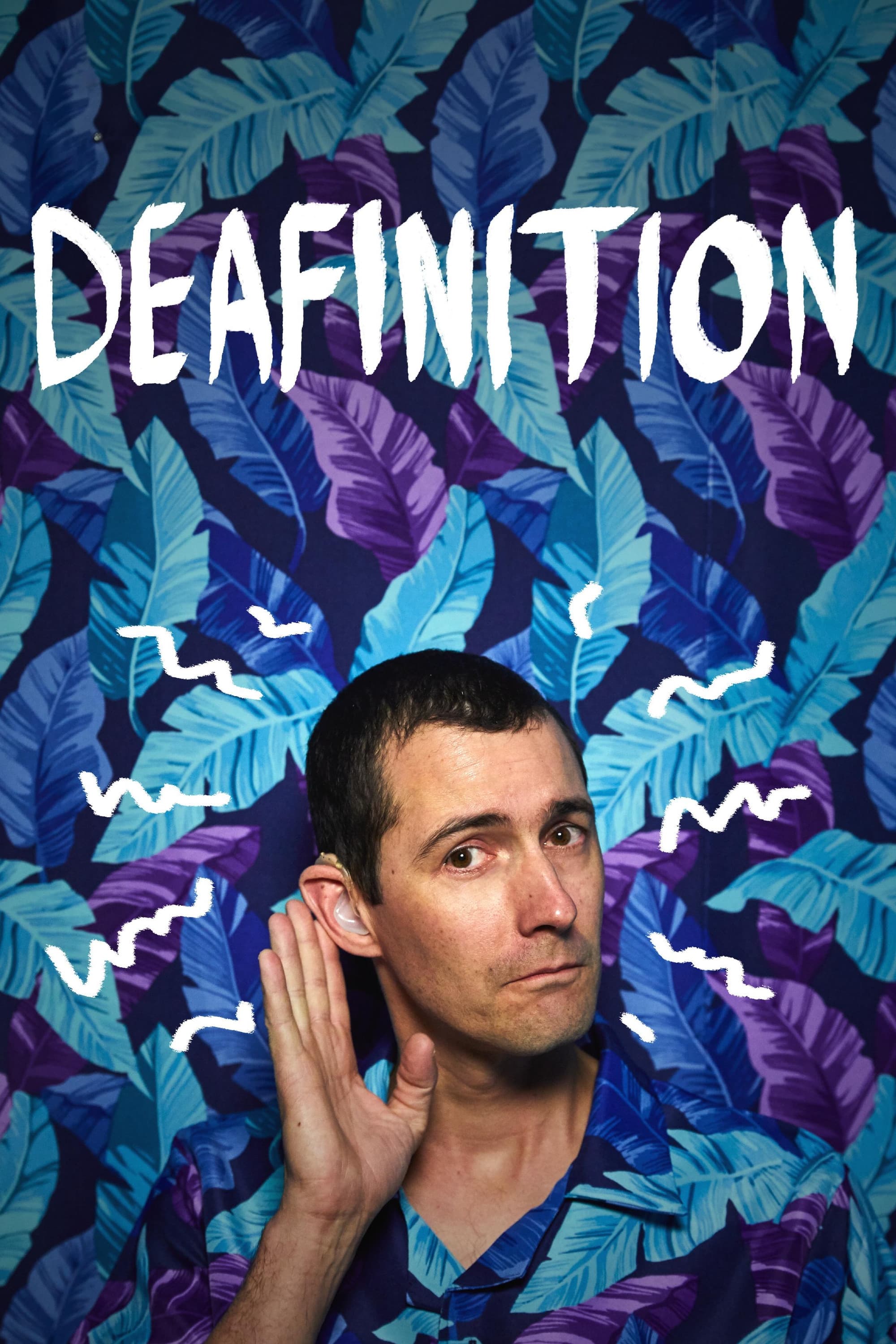
Documentary following Deafinitely Theatre as they translate a classic Shakespeare play for a Deaf audience.
Social & External
Down the road from Woodstock in the early 1970s, a revolution blossomed in a ramshackle summer camp for disabled teenagers, transforming their young lives and igniting a landmark movement.
This film is a letter to my friend Vincent who died ten years ago. Vincent was Deaf. He introduced me to his language, his culture, his world. Through Vincent ‘s life, the film will examine the roots of the distress that plagues the Deaf, and also explore a rich and fascinating world, a people that struggles to preserve its Sign Language and Culture.
Artistic director of the National Theater Eric de Vroedt writes and directs a performance about his own mother Winnie, who passed away in 2020. This piece, titled The Century of My Mother, is a family story about the migration from the Dutch East Indies to the Netherlands. It is De Vroedt's way of examining the relationship with his mother and not having to say goodbye to her yet: 'I can let her live on stage, but when the curtain falls, when the play is completely finished, then she is really dead'.
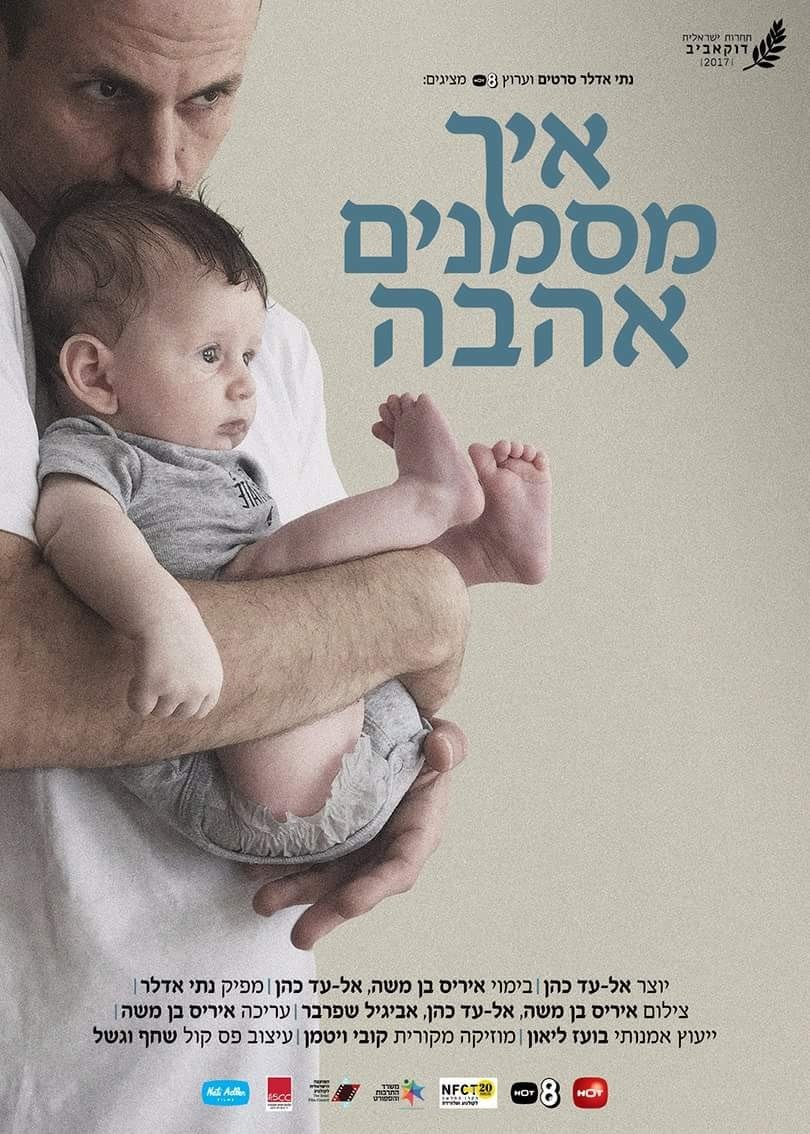
In his heartfelt documentary, co-director and subject Elad Cohen explores the meaning and experience of family. Growing up deaf and gay in a family of hearing people, Cohen never felt at home and always felt alone. That feeling of estrangement was exacerbated during his adolescence by the sudden death of his mother and the subsequent rift with his father as the family scattered in different directions. Cohen creates a sense of family with a small group of friends, including his best friend, Yaeli, a deaf woman. While he wants a child and a life partner, he fears that he won’t find the right man in the small deaf community in his “sweet little country.” Sharing a desire with Yaeli to be parents, the new “couple” decide to have a child in a shared parenting arrangement.
A Deafblind fencer and author competes in all arenas just for the right to be seen.
Nathan Quinell is a fully trained chef… he also happens to be legally deaf and blind. That’s never stopped him from chasing his dreams to become a full-time cook, but now Nathan must prove himself to his peers, his students and potential employers.
Spring is coming. Deaf-mute girl and boy feel the warmth of the sun on their faces, the air is flooded with light. The world of these young people lacks sound and their language is different, but they are happy about spring and each other.
A group of young, passionate theatre makers have just been presented with an opportunity that could change their lives forever. A huge company in the UK have invited them to pitch a large-scale work that would see them go from making theatre for audiences of 100 people, to making a show that plays to more than 1,000 people a night. This group of aspirational artists have always been driven by hopes and dreams, but their dreams have never been this big.
Lotte (18) and Roos (16) are sisters and both have Usher syndrome. That means they will soon become deaf and blind. It is not known how fast that will go, but they already see and hear a lot worse than their peers. How do these two high-spirited girls deal with their development into adulthood, while the time bomb of deafness and blindness ticks inexorably? They are not deterred from getting the most out of life: Lotte is studying to become a photographer and Roos is passing her final exams. At the same time, they also want to do a few things before it is too late, such as seeing the Northern Lights with their own eyes. Director Kim Smeekes followed Lotte and Roos for the film for two years.
Firas, Jallow and Batoul just arrived in Berlin. They meet one another in a theatre group. They are searching for the good life in Germany - yet things don’t turn out the way they hoped. Through video letters, they reveal their deepest emotions to their families and friends back in their war-torn or poverty-stricken home countries.
Because Quebec Sign Language cannot be captured on paper, videography has revealed itself to be the best way to represent this visual language. The first ‘comic strip’ in sign language, the film depicts snatches of conversations between various deaf and hearing protagonists. A visit to a silent world, where the hearing impaired ask us to listen to them.
A portrait of a Deaf activist and his formerly incarcerated daughter who build new bonds through their experiences in the criminal justice system.
A spate of robberies in Southern California schools had an oddly specific target: tubas. In this work of creative nonfiction, d/Deaf first-time feature director Alison O’Daniel presents the impact of these crimes from an unexpected angle. The film unfolds mimicking a game of telephone, where sound’s feeble transmissibility is proven as the story bends and weaves to human interpretation and miscommunication. The result is a stunning contribution to cinematic language. O’Daniel has developed a syntax of deafness that offers a complex, overlaid, surprising new texture, which offers a dimensional experience of deafness and reorients the audience auditorily in an unfamiliar and exhilarating way.
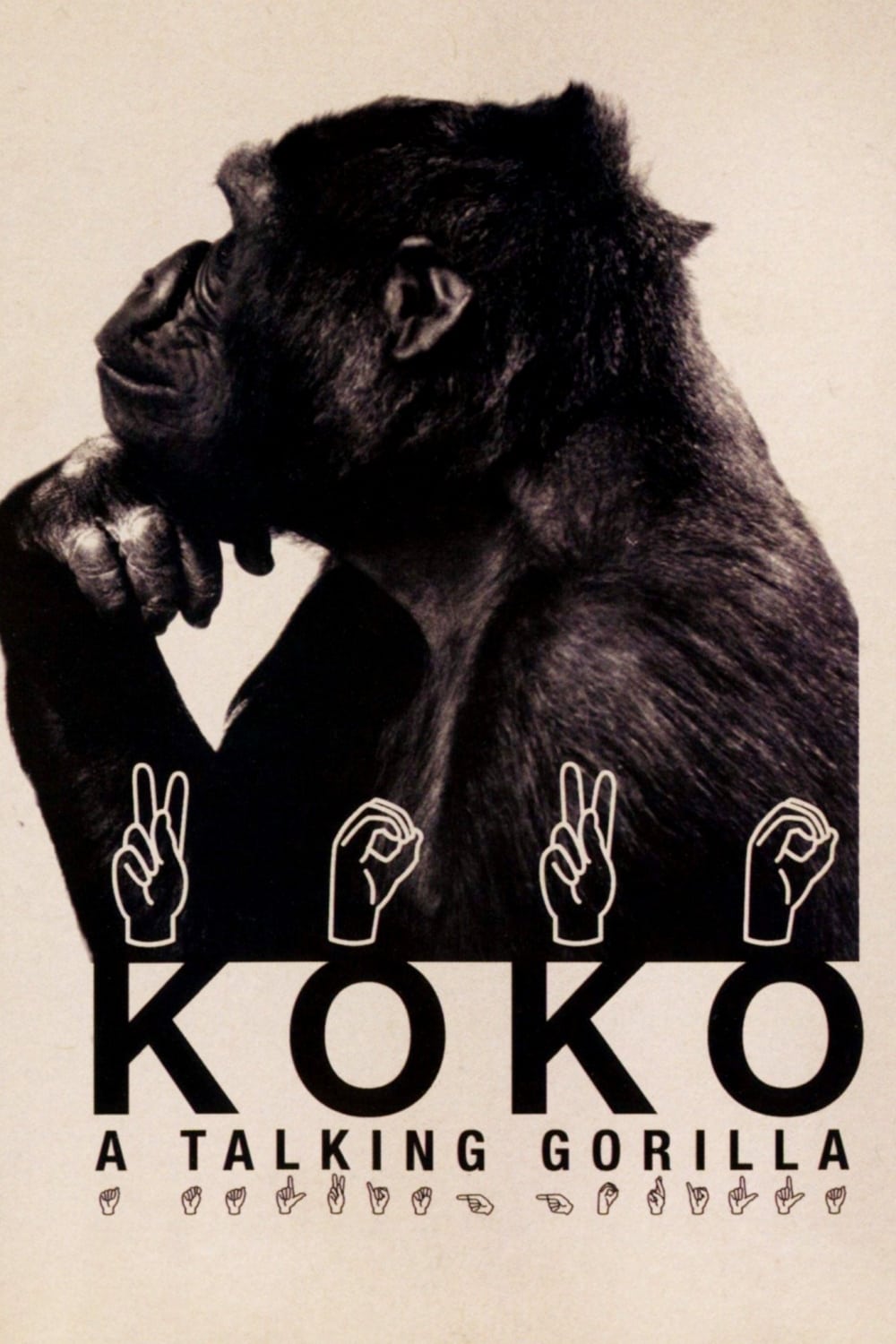
A documentary that follows Dr. Penny Patterson's current scientific study of Koko, a gorilla who communicates through American Sign Language.
Children of Deaf Adults, known as CODA, are caught in the middle, between the deaf and the hearing, between isolation and community, and between childhood and adulthood. Through the stories of three CODAs, discover how the unique upbringing of hearing children born to deaf parents can be considered both a burden and an opportunity and how it shapes who they are and who they become. Also hear from the parents themselves about how their condition unwittingly puts an impossible weight of responsibility on their children, who are forced into adulthood from the moment they learn to talk. Mother, Father, Deaf offers a previously unseen portrayal of contemporary reality for deaf families. Their stories, while deeply personal, mirror the experiences of CODAs around the world.
A group of deaf friends that attend a public school, where they have been classmates since the age of two, live their final year together. As the school year advances they get prepared to confront their biggest fear: attending a school of hearers.
The profound impact of technology on the lives and identities of young deaf adults is explored in The Listening Project. Fourteen deaf people tell stories beginning with a childhood wide-eyed about sound, into the growing pains of adolescence and, eventually, their professional lives. Sometimes humorous, always tender, The Listening Project is a timely coming of age story, one we haven't heard before.