Social & External
The people behind it
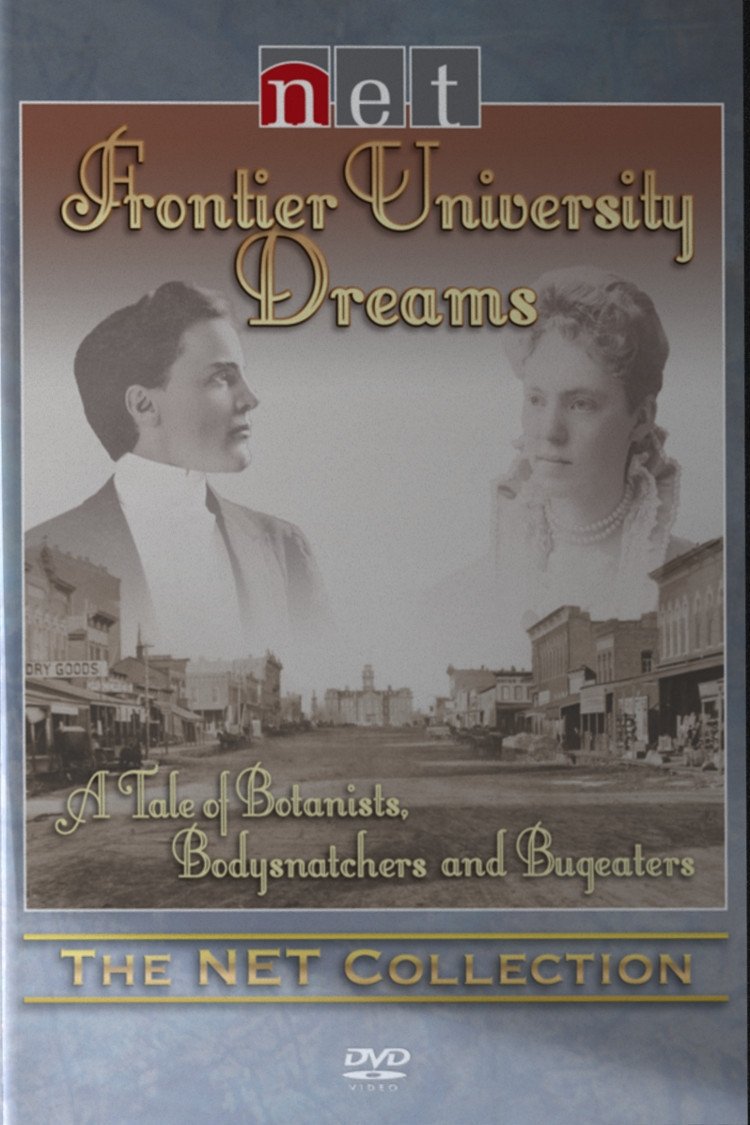
Pioneering the harsh landscape of Nebraska was difficult enough in 1869. Pioneering a new university was almost beyond reason. What was a university? Who should go? What should be taught? There were no guidebooks. No road maps. They were building a university out of little more than hopes and dreams.
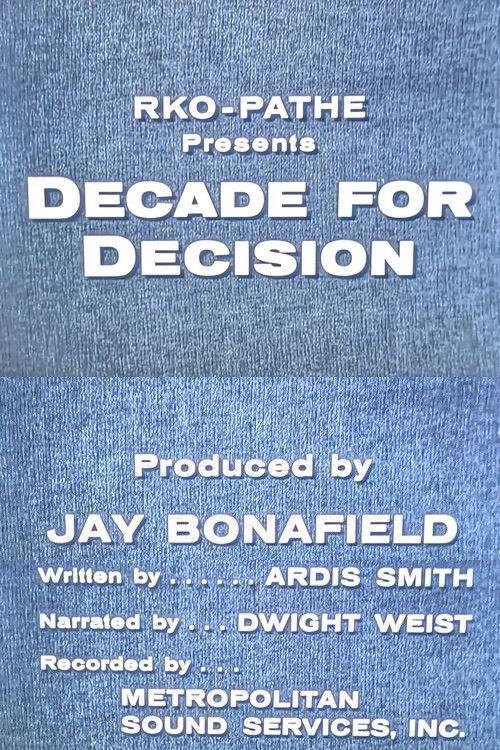
Short news featurette produced by Pathe-RKO after the Russians launched the first orbiting satellite, Sputnik. It is a patriotic 'call to arms' from the threat posed by this and the need for Americans to spend more on education in general and a college education in particular. A visit to the University of Buffalo highlights its science programs and the need for more graduates from all technical disciplines if America is to rise to the challenge. It bemoans the fact the PhDs earn less than a mechanic and the need to re-order priorities.
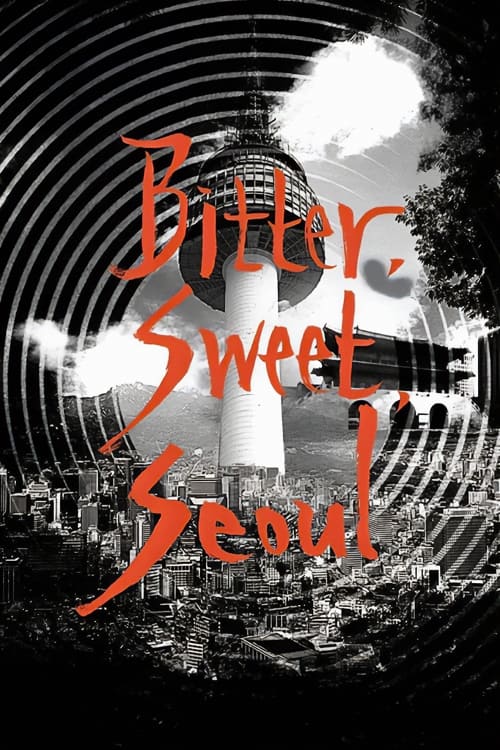
Over 98 days from August 20th to November 25th 2013, 2821 people from around the world sent 11,852 video featuring many different faces of Seoul. 154 were selected, edited, and made into a movie.
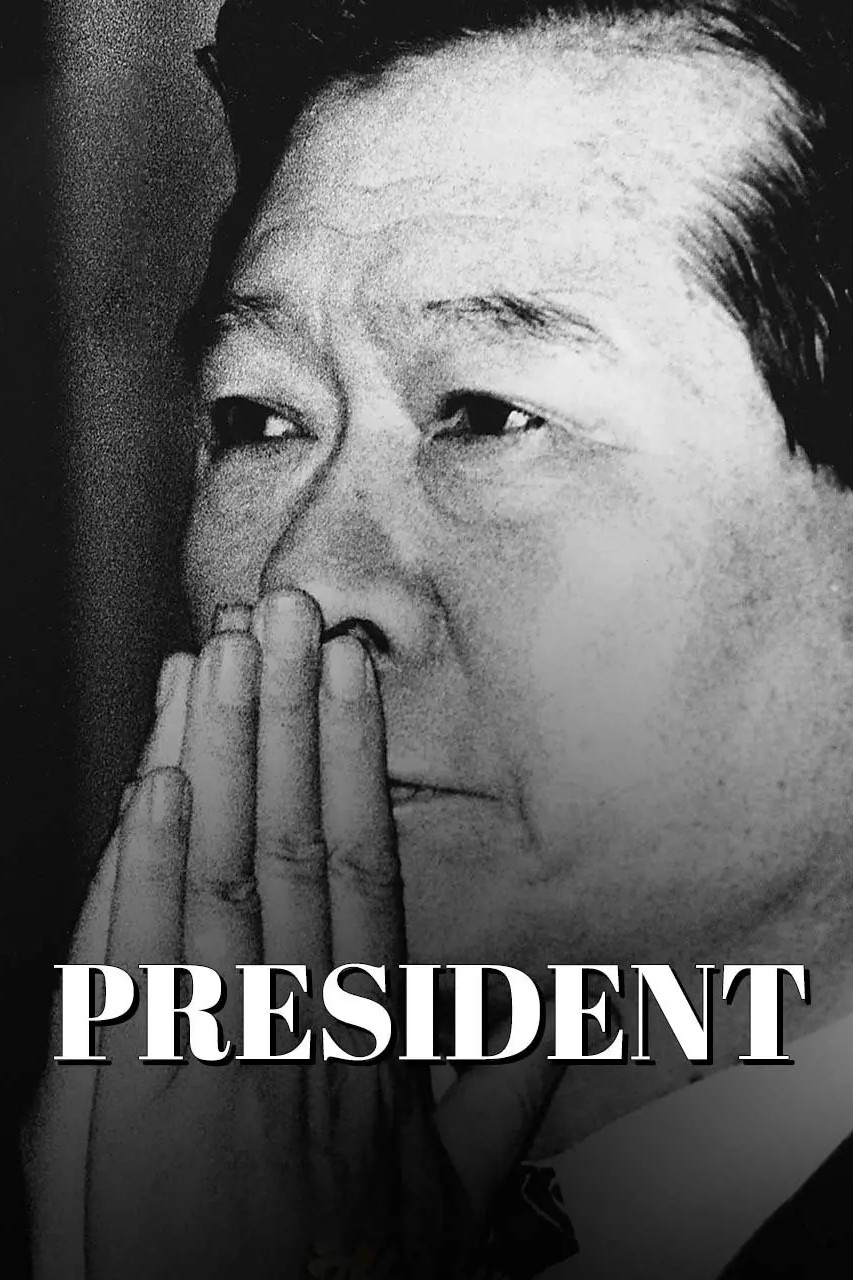
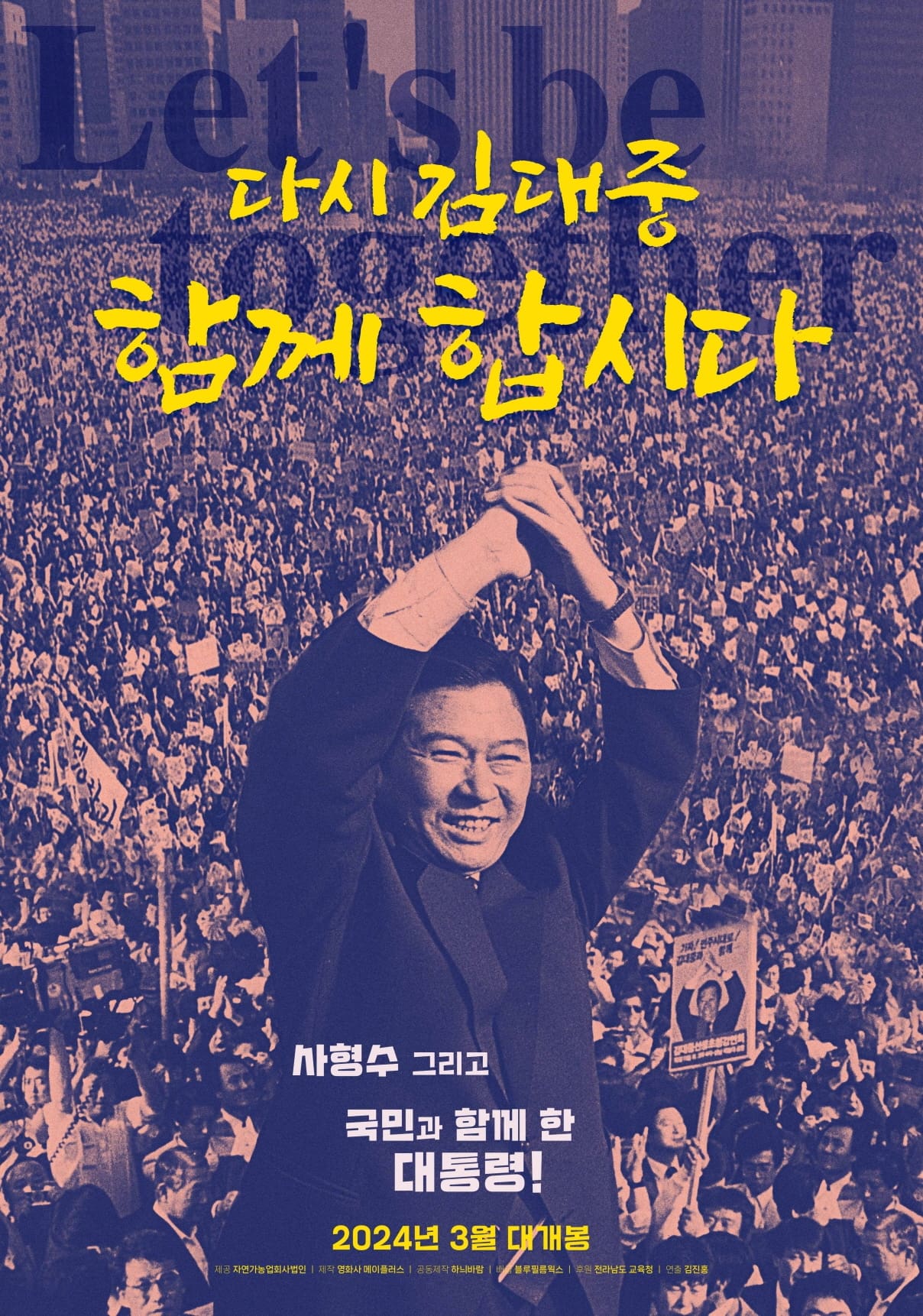
This documentary celebrates the life of former President Kim Dae-joong, who fought for democracy in South Korea and peace in the Korean Peninsula. It marks the 10th anniversary of his passing and covers his challenging journey, from his childhood on an island to his imprisonment, exile, near-death experiences, and ultimately becoming the president.
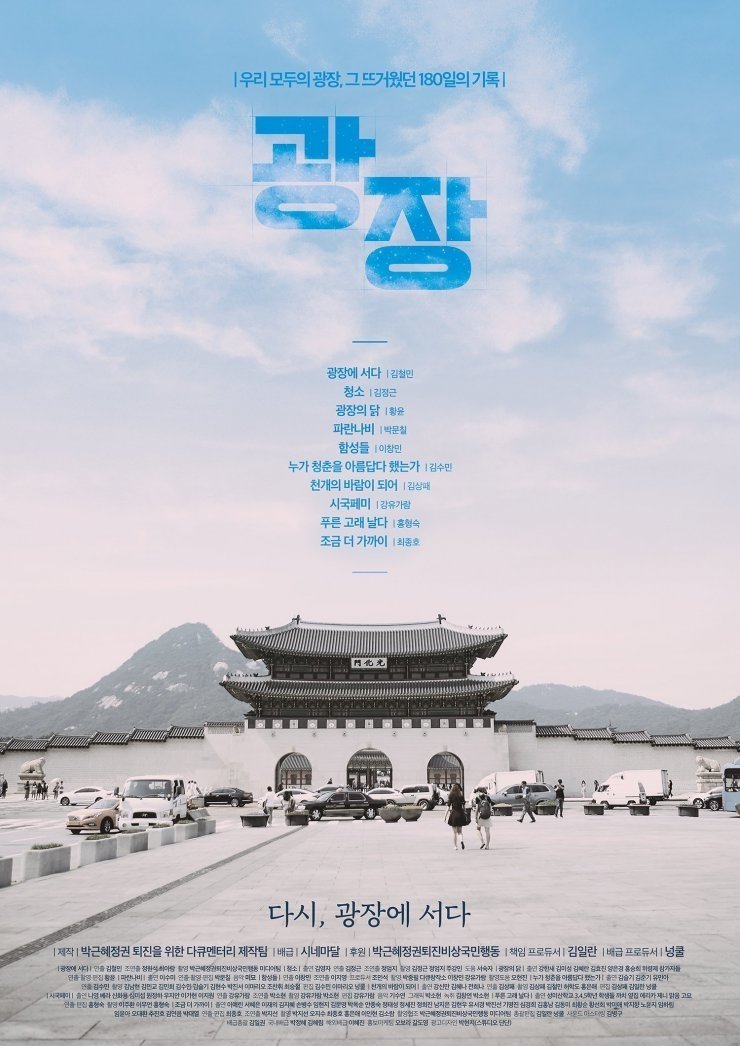
Project 1 _ Hong Hyung-sook The children who are enthusiastically painting and cutting a doll. What stories will be told at the Square? - Project 10 _ Kim Jeong-geun The janitorial worker from the Busan Subway Station, Kim Young-ja talks about how she hopes to see a clean world, just like how she cleans everywhere in the subway.
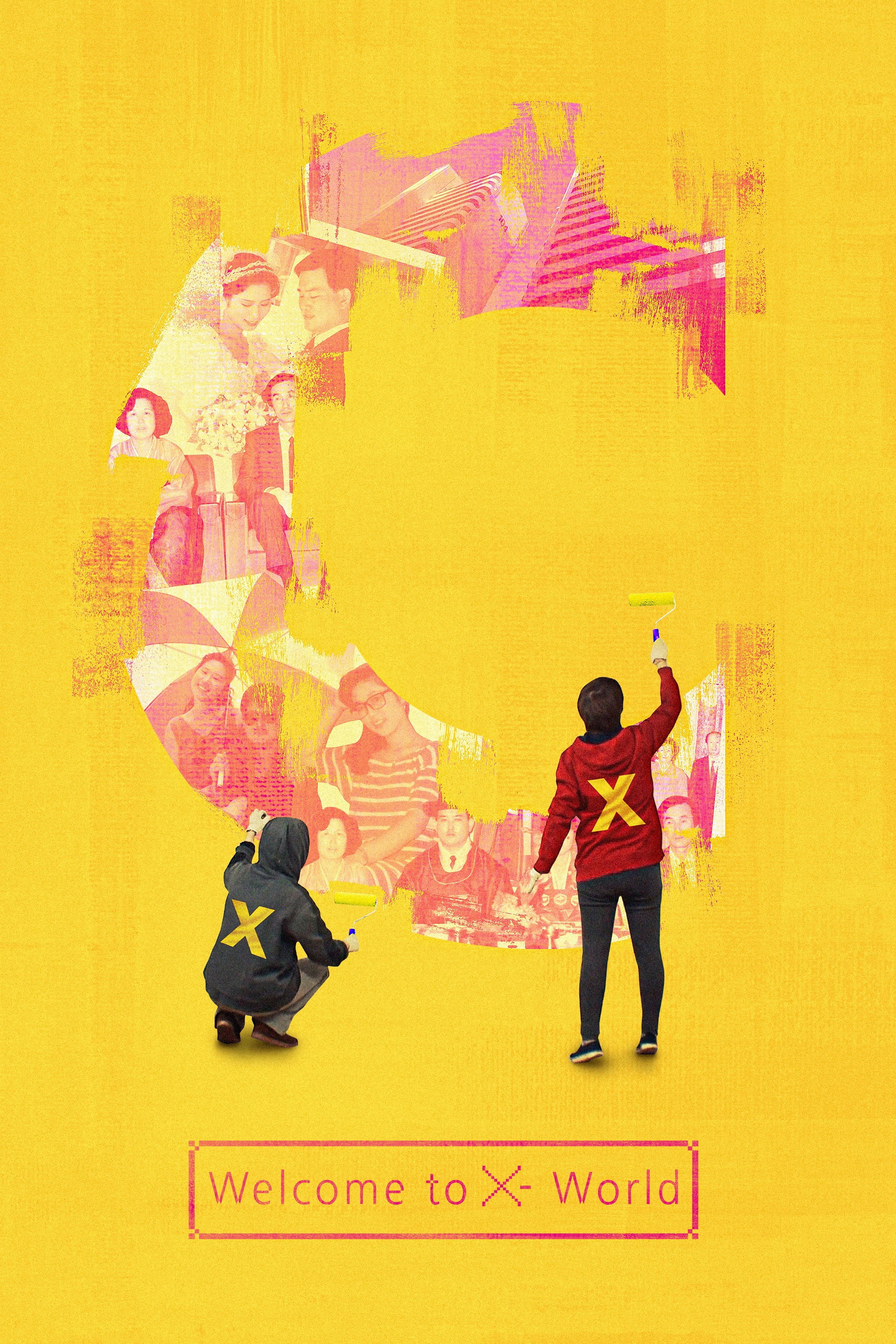
Three people live in Doosan Apartment in Guro-dong. Me, mom, and my grandfather. Even though it has been 12 years since dad died, we are still living under the same roof. I thought it was because of the financial situation that we could not move out of grandfather’s house. But when I found out that mom already had enough money to get a house, I became confused. Why didn’t mom move out from the “x-world” when she could? From a marriage that didn’t work out well, to a father-in-law with a temper. Why has she been enduring it, unchanging, for all the time I had witnessed her life to become a woman against marriage? One day when my anxiousness was at its peak, grandfather suggested that we live separately. Mom, reluctant to leave Guro-dong that she’d been living in for 20 years and her marriage life, will she be able to find herself and move out well?
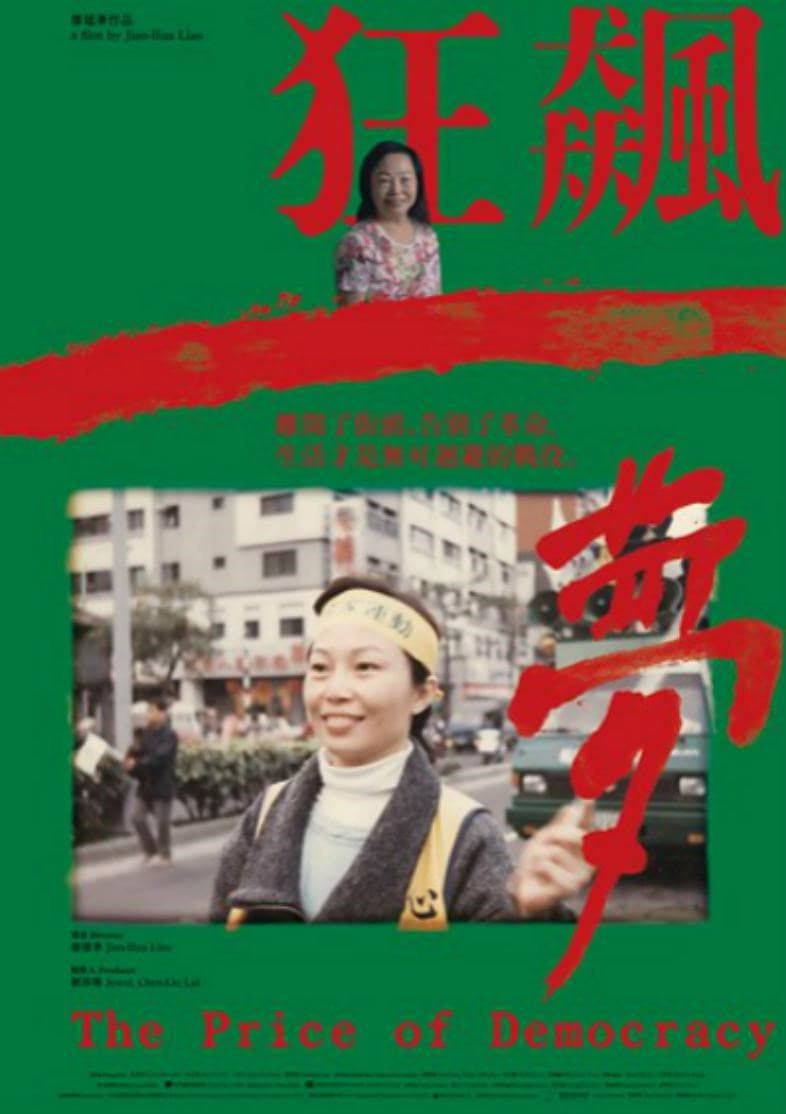
The expressions of democratization are usually interpreted by elites from two different parties but neglect the real faces/ life of every individual among the resistance rally. The director (a confused twenty-something) looks back upon the 40-year-history of democratization of Taiwan through the life experiences of two old-timers (who are grass-root rebels). He attempts to discover what causes their actions and decisions to be lefties, and what are their limitations.
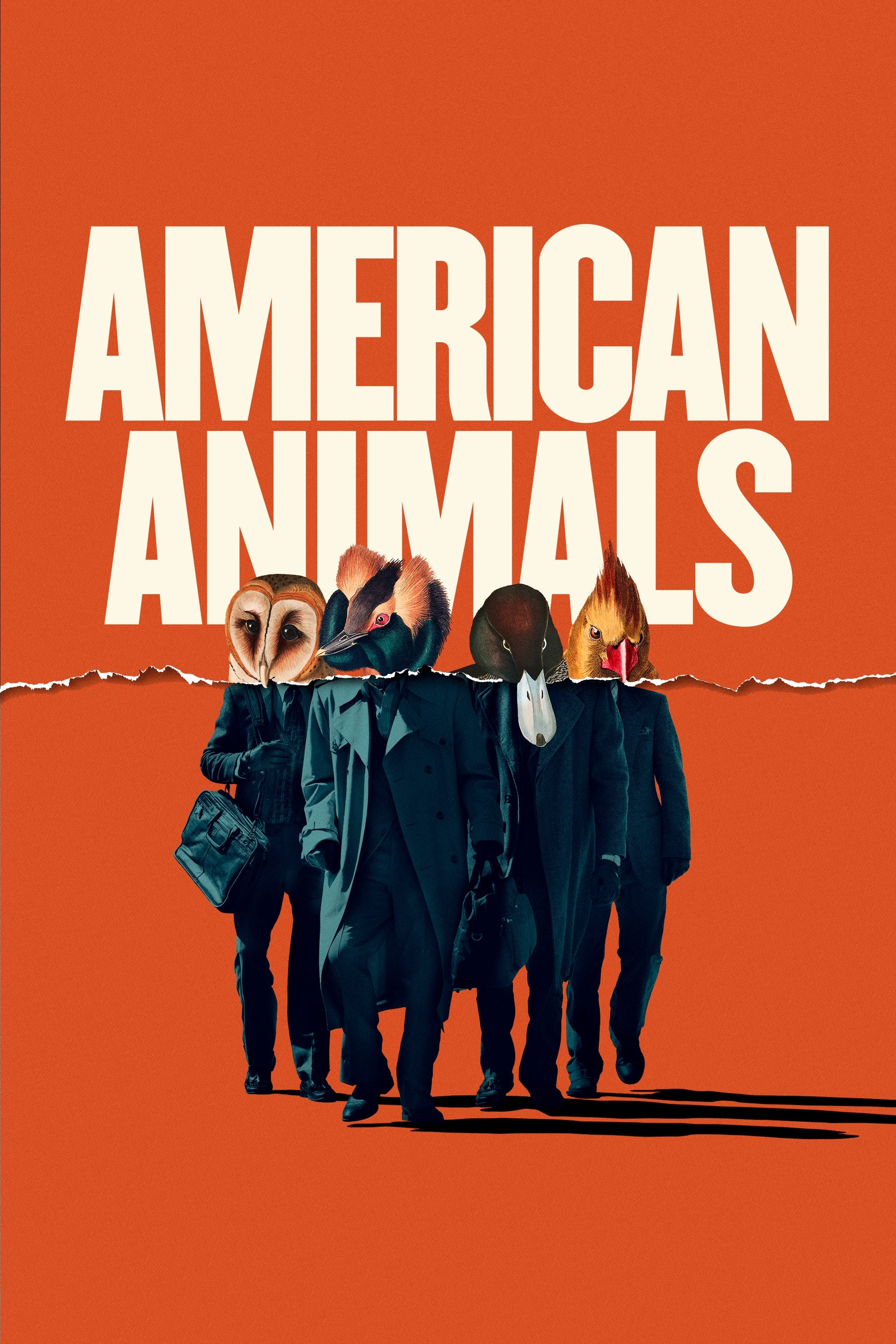
Lexington, Kentucky, 2004. Four young men attempt to execute one of the most audacious art heists in the history of the United States.
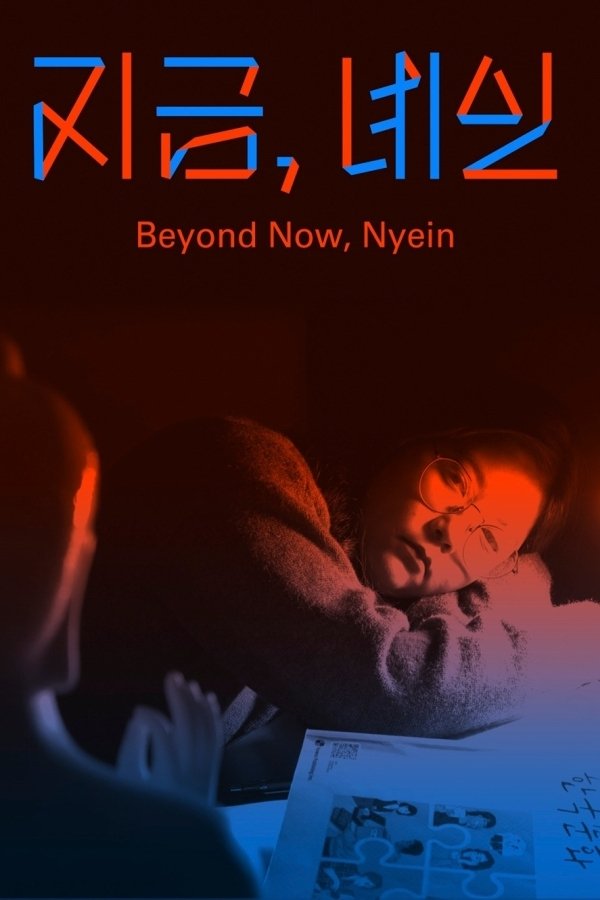
Choi Jinbae from Korea and Nyein Thazin from Myanmar are an international couple. They married seven years ago in Mandalay and, after a ceremony in Korea, planned to return. But COVID-19 left them stranded in Seoul. One day, a photo arrives from Myanmar showing a village destroyed by the coup. Urged by fellow Myanmar people to share their country's reality with the world, Choi picks up a camera. An ordinary family's life is suddenly thrust into questions of pain, solidarity, and the ethics of bearing witness.
A documentary piece following the Melbourne University Racing Motorsport team as they race to finish their 2025 Formula Series racing car before the looming Australasian competition. Driven by the team's strong history in competition and an award-winning club culture, students navigate changing technical, media and event landscapes post-COVID in their efforts to return to fighting form.
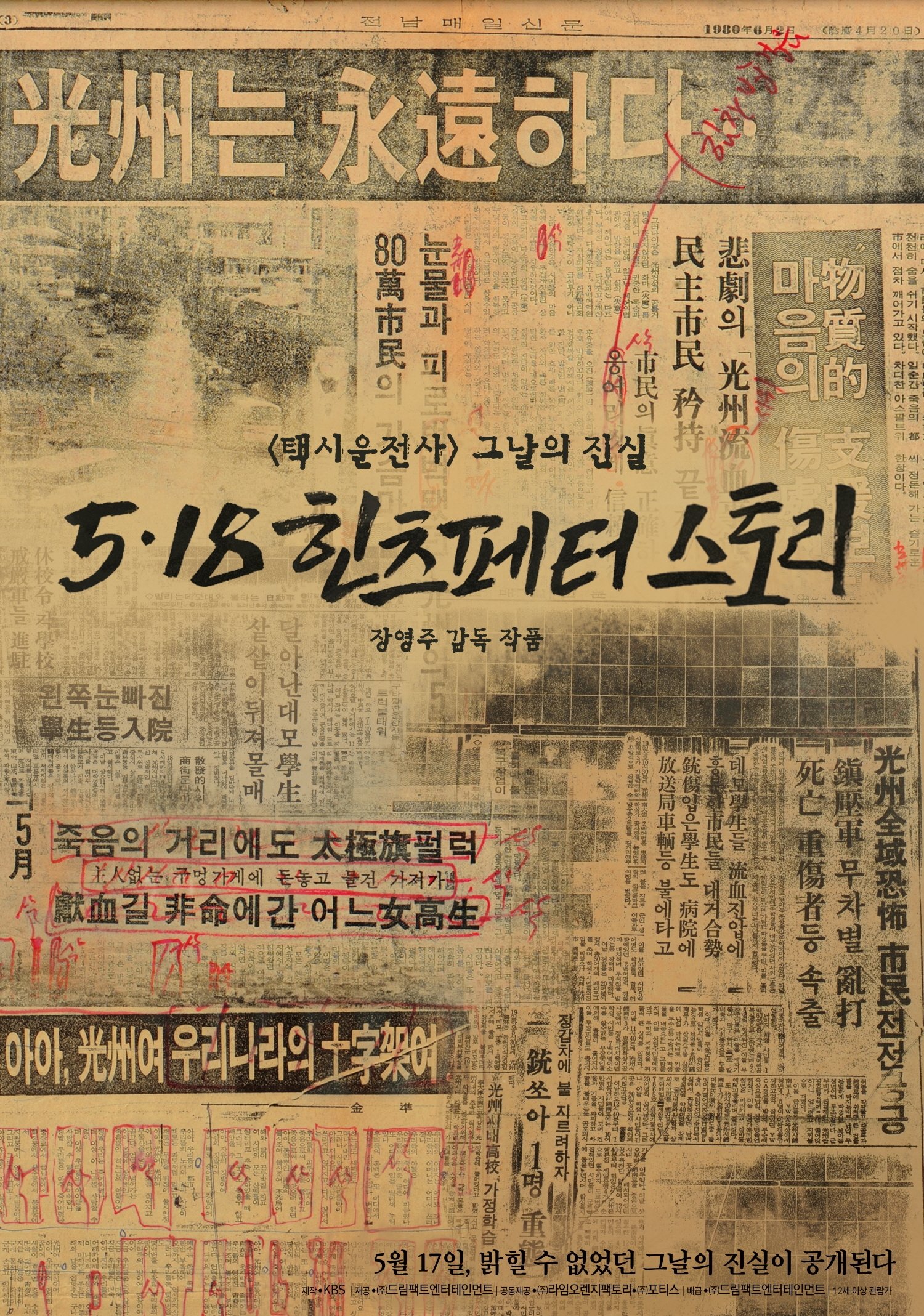
In May of 1980, the city is locked down and phone lines are dead because of protests and struggles in demand of democracy. Just when Gwangju was being ignored by the media, Jurgen Hinzpeter, a reporter from Germany, sneaks in despite the danger!
Explore the growth of Aberdeen’s sparkling streets.
A collection of memories from a tumultuous time at University.
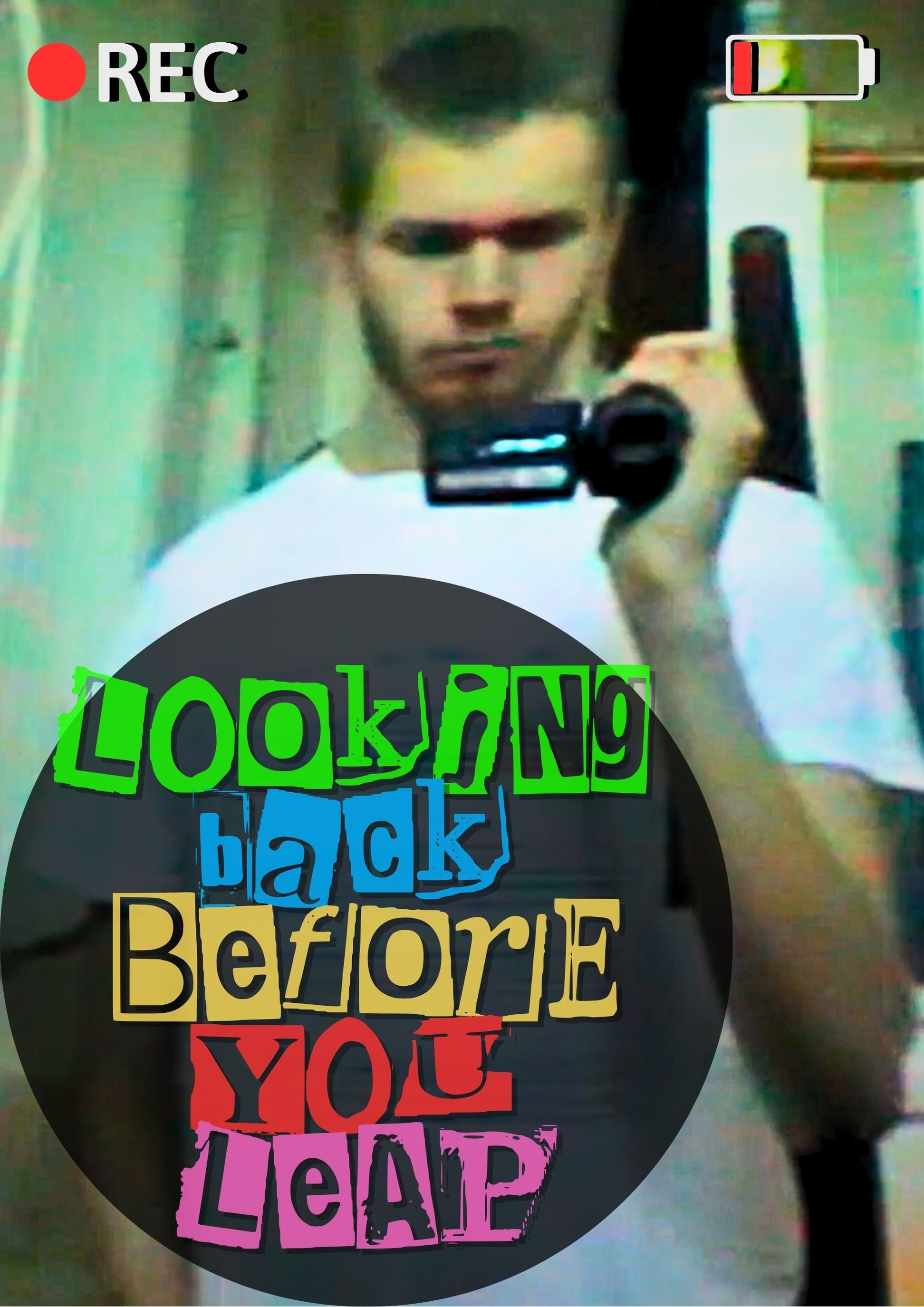
A collection of home videos depicting the activities of a freshman in college and his friends
This short documentary follows the daily struggles of two janitors at a North American university. The film takes a critical look at the communication, or lack of communication, that happens between janitors and those that use the facilities they clean. Shot at Capilano University, in North Vancouver, BC, Canada.
Names of Revolution recalls the memories of those who participated in the struggle to rewrite the history of the “Busan-Masan Democratic Protests,” which has been under-represented in modern Korean history. As the then college students, seamstresses, mold technicians, combat police, workers, bus drivers, advertising planners, and photojournalists pour out their memories from over 40 years ago before the camera, vivid words come to life.
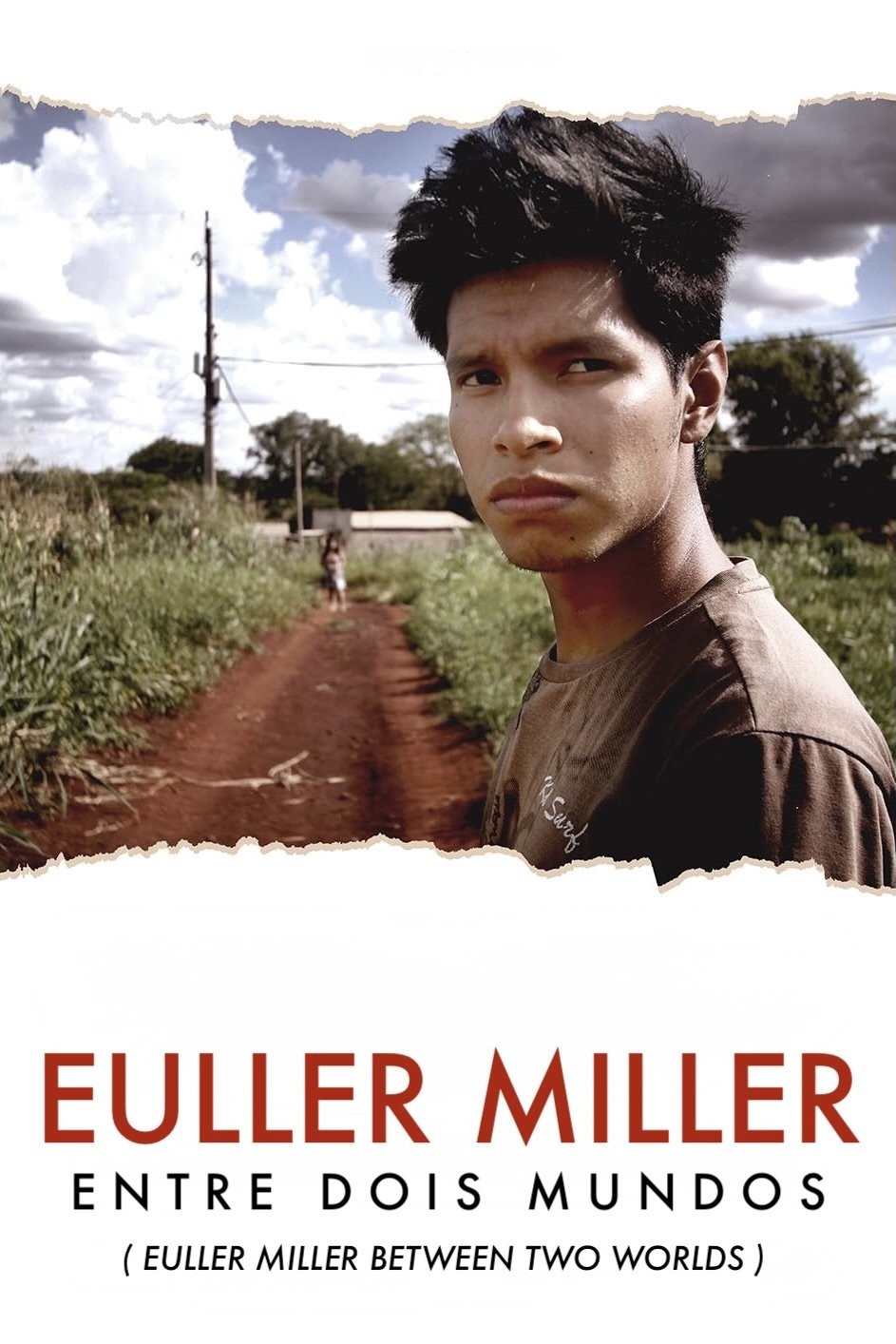
Euller Miller is a young native Brazilian of kaiwá ethnicity who leaves his small village just outside of Dourados (MS) to study dentistry at a public university in the crowded capital city of the state of Paraná. The film follows the complex transition between two very different worlds and the search for new horizons without abandoning his indigenous roots.
A road trip across five countries to explore the social and political movements as well as the mainstream media's misperception of South America while interviewing seven of its elected presidents.
Ranjit, a farmer in India, takes on the fight of his life when he demands justice for his 13-year-old daughter, the victim of a brutal gang rape. His decision to support his daughter is virtually unheard of, and his journey unprecedented.
A 1993 documentary film about Bruce Lee. The film includes interviews from some of his fellow students and opponents who worked alongside him in his movies.
A documentary about how a dominant cultural and demographic institution both sustains their traditional activities and adapts to the digital revolution.
The film follows adventurer Jeff Johnson as he retraces the epic 1968 journey of his heroes Yvon Chouinard and Doug Tompkins to Patagonia.
In an intimate and joyful story of love in the face of loss, celebrated poets Andrea Gibson and Megan Falley find strength—and unexpected hilarity—in what might be their final year together.
Amber Heard and Nicole Kidman discuss their characters Mera and Atlanna.
A documentary examining the decade of the 1970s as a turning point in American cinema. Some of today's best filmmakers interview the influential directors of that time.
BBC Arena's documentary on the Dames of British Theatre and film featuring Maggie Smith, Eileen Atkins, Judi Dench and Joan Plowright on screen together for the first time as they reminisce over a long summer weekend in a house Joan once shared with Sir Laurence Olivier.
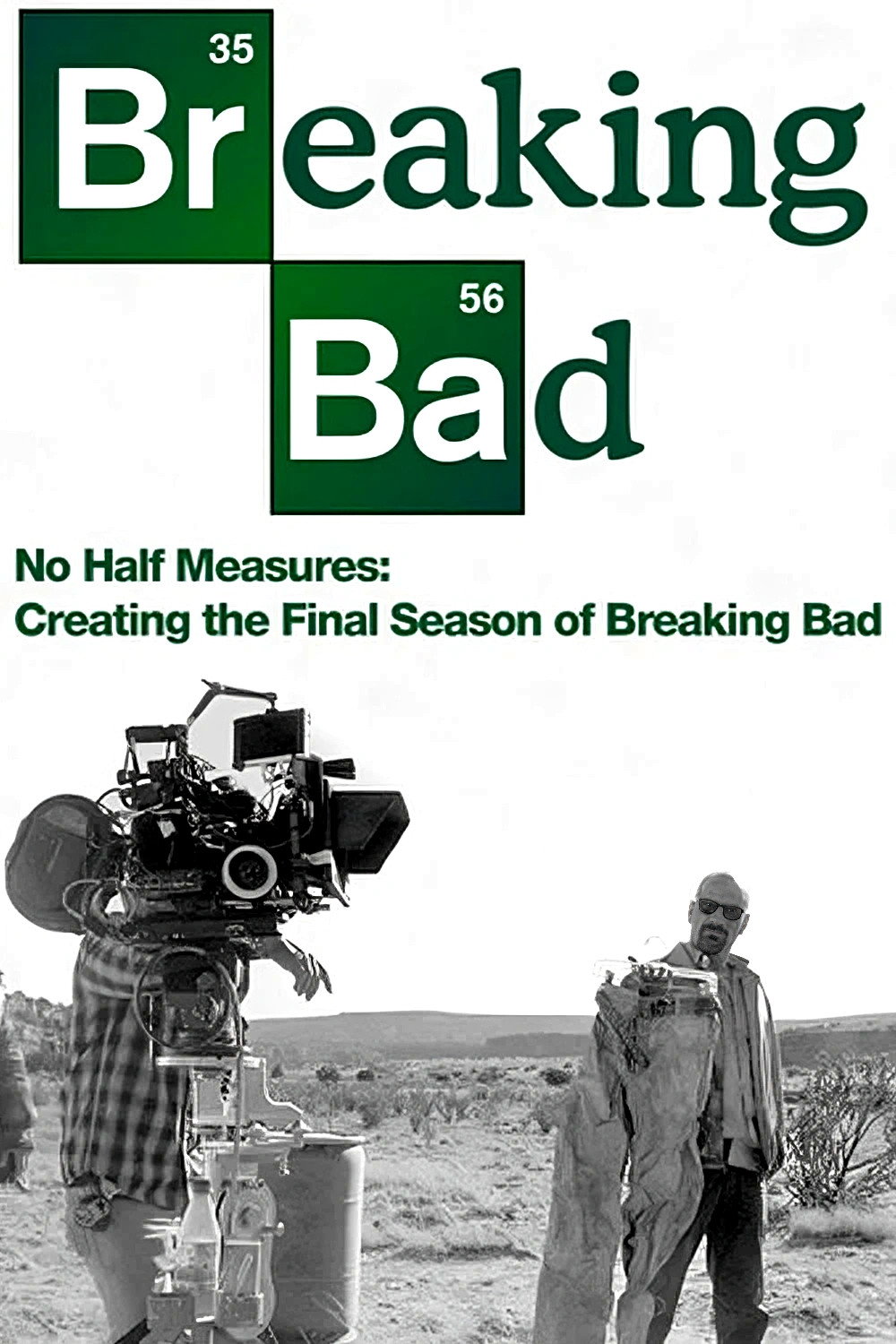
A documentary about the making of season five of the acclaimed AMC series Breaking Bad.
A detailing of the rise to prominence and global sporting superstardom of six supremely talented young Manchester United football players (David Beckham, Nicky Butt, Ryan Giggs, Paul Scholes, Phil and Gary Neville). The film covers the period 1992-1999, culminating in Manchester United's European Cup triumph.
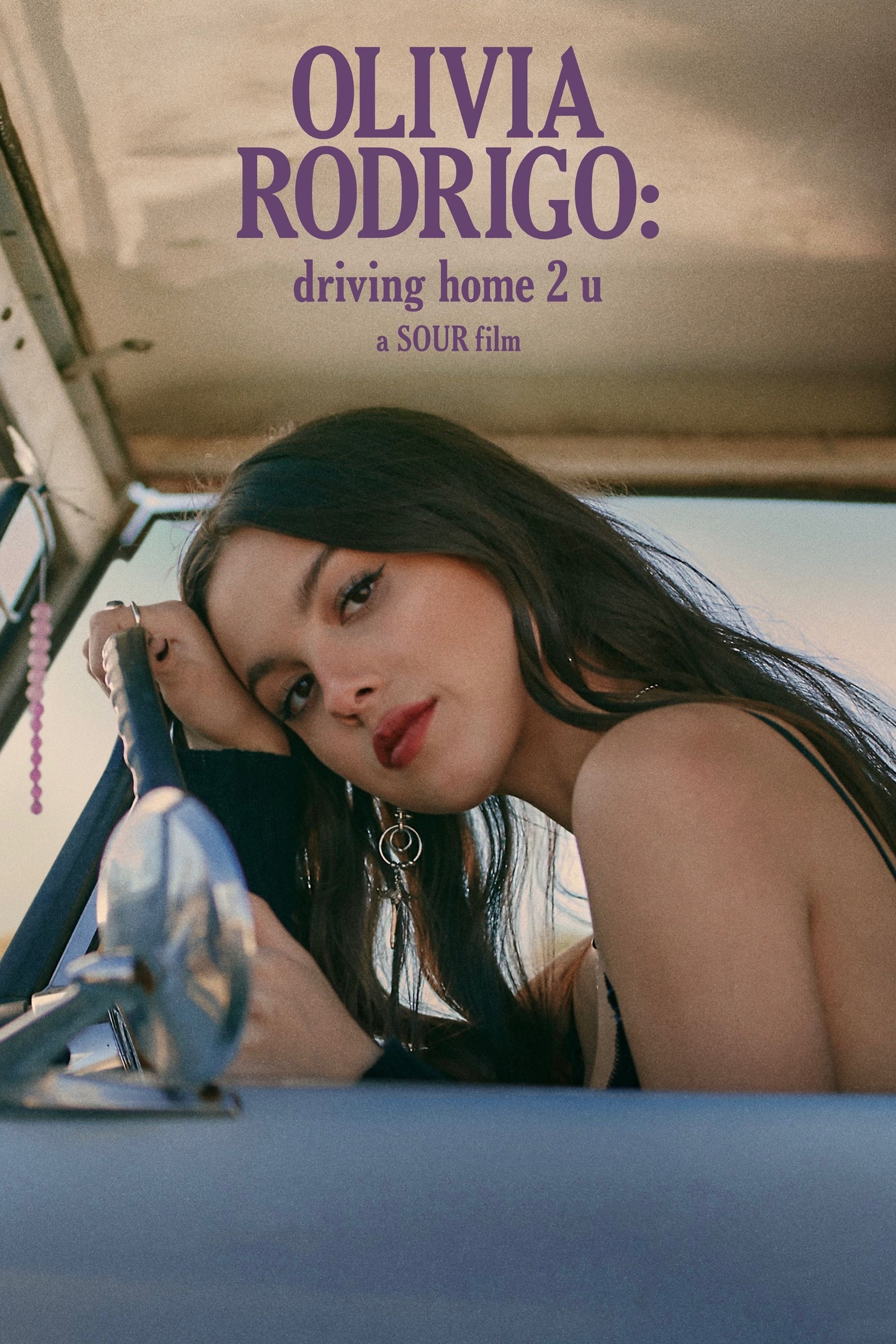
Grammy® winner singer-songwriter Olivia Rodrigo takes a familiar road trip from Salt Lake City, where she began writing her debut album “SOUR,” to Los Angeles. Along the way, Rodrigo recounts the memories of writing and creating her record-breaking debut album and shares her feelings as a young woman navigating a specific time in her life. Through new live arrangements of her songs, intimate interviews and never-before-seen footage from the making of the album, audiences will follow Olivia along on a cinematic journey exploring the story of “SOUR.”
The Making-of James Cameron's Avatar. It shows interesting parts of the work on the set.
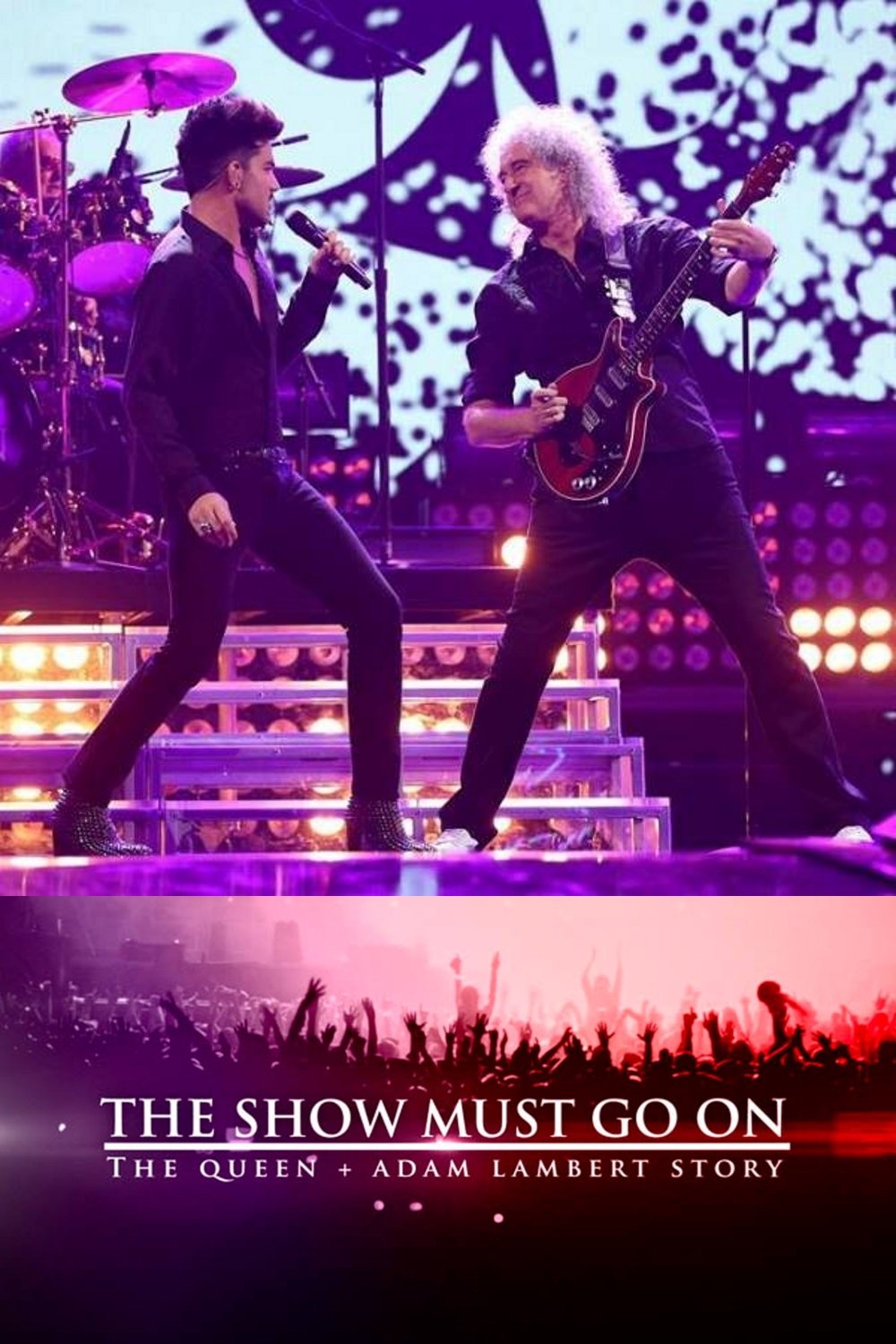
A documentary chronicling Queen and Lambert's incredible journey since they first shared the stage together on "American Idol" in 2009.
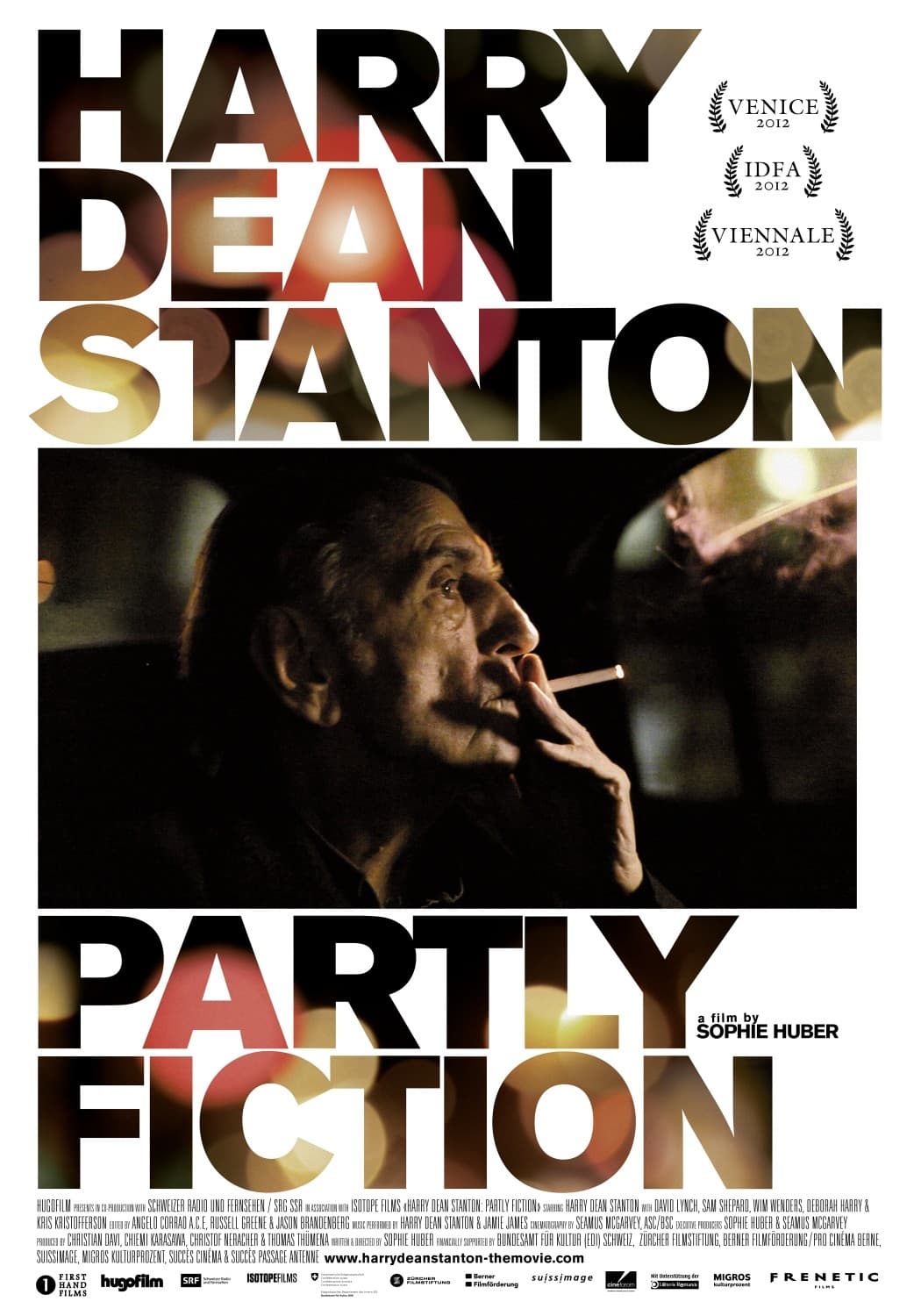
An impressionistic portrait of the iconic actor Harry Dean Stanton comprised of intimate moments, film clips from some of his 250 films and his renditions of American folk songs.
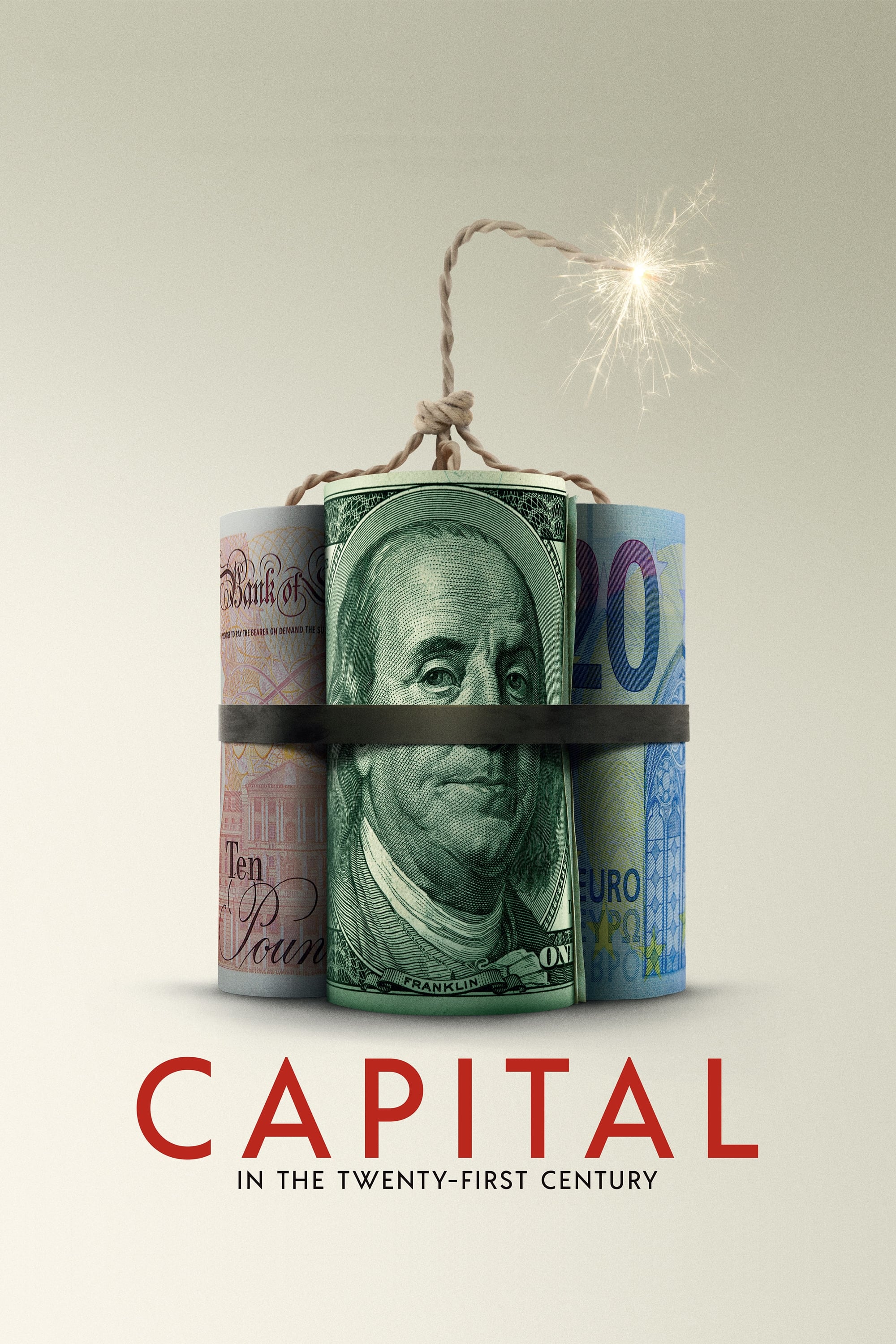
Film adaptation of French economist Thomas Piketty's ground-breaking global bestseller of the same name: an eye-opening journey through wealth and power.
SEDUCED AND ABANDONED combines acting legend Alec Baldwin with director James Toback as they lead us on a troublesome and often hilarious journey of raising financing for their next feature film. Moving from director to financier to star actor, the two players provide us with a unique look behind the curtain at the world's biggest and most glamourous film festival, shining a light on the bitter-sweet relationship filmmakers have with Cannes and the film business. Featuring insights from directors Martin Scorsese, 'Bernando Bertolucci' and Roman Polanski; actors Ryan Gosling and Jessica Chastain and a host of film distribution luminaries.
As England reach the final of the Euros at last, 6,000 ticketless football fans storm Wembley stadium, leaving destruction in their wake.
A documentary about the making of David Fincher's 2008 film THE CURIOUS CASE OF BENJAMIN BUTTON. Virtually every element in the evolution of the Fincher's film is documented here, from the project's attachment to numerous other directors during the 1990s, to its shoot in 2006 and 2007 in New Orleans, to its complex, CGI-intensive postproduction process.
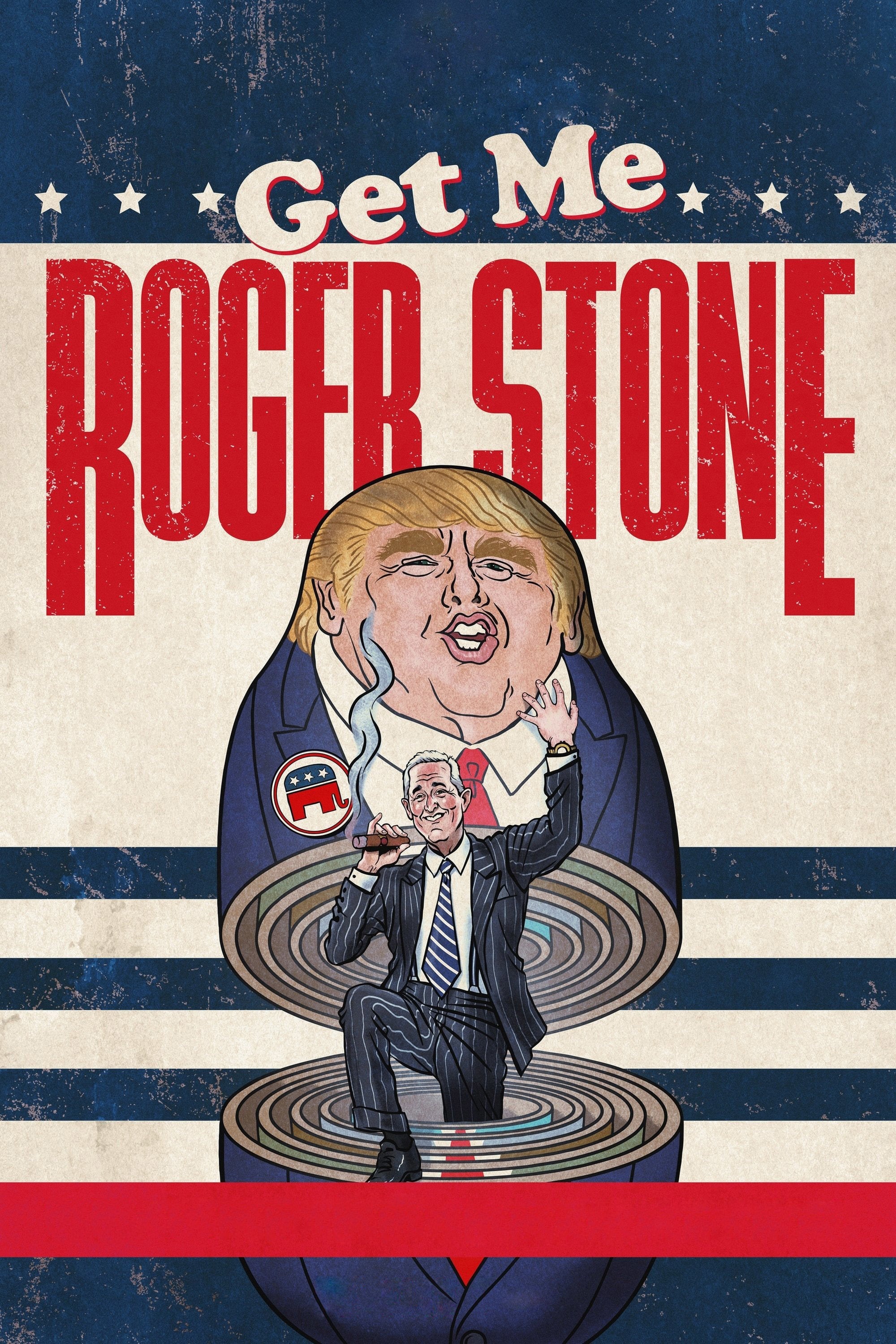
From his days of testifying at the Watergate hearings to advising recent presidential candidate Donald Trump, Roger Stone has long offended people on both sides of the political fence as a force in conservative America. Outspoken author, pundit, ahead of his time election strategist, this is his story.