Social & External
The people behind it
Gérard Bollon
Self
Nelly Trocme Hewett
Gabrielle Barraud
Etienne Weil
Jean Brottes
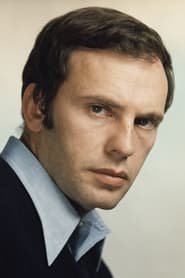
Jean-Louis Trintignant
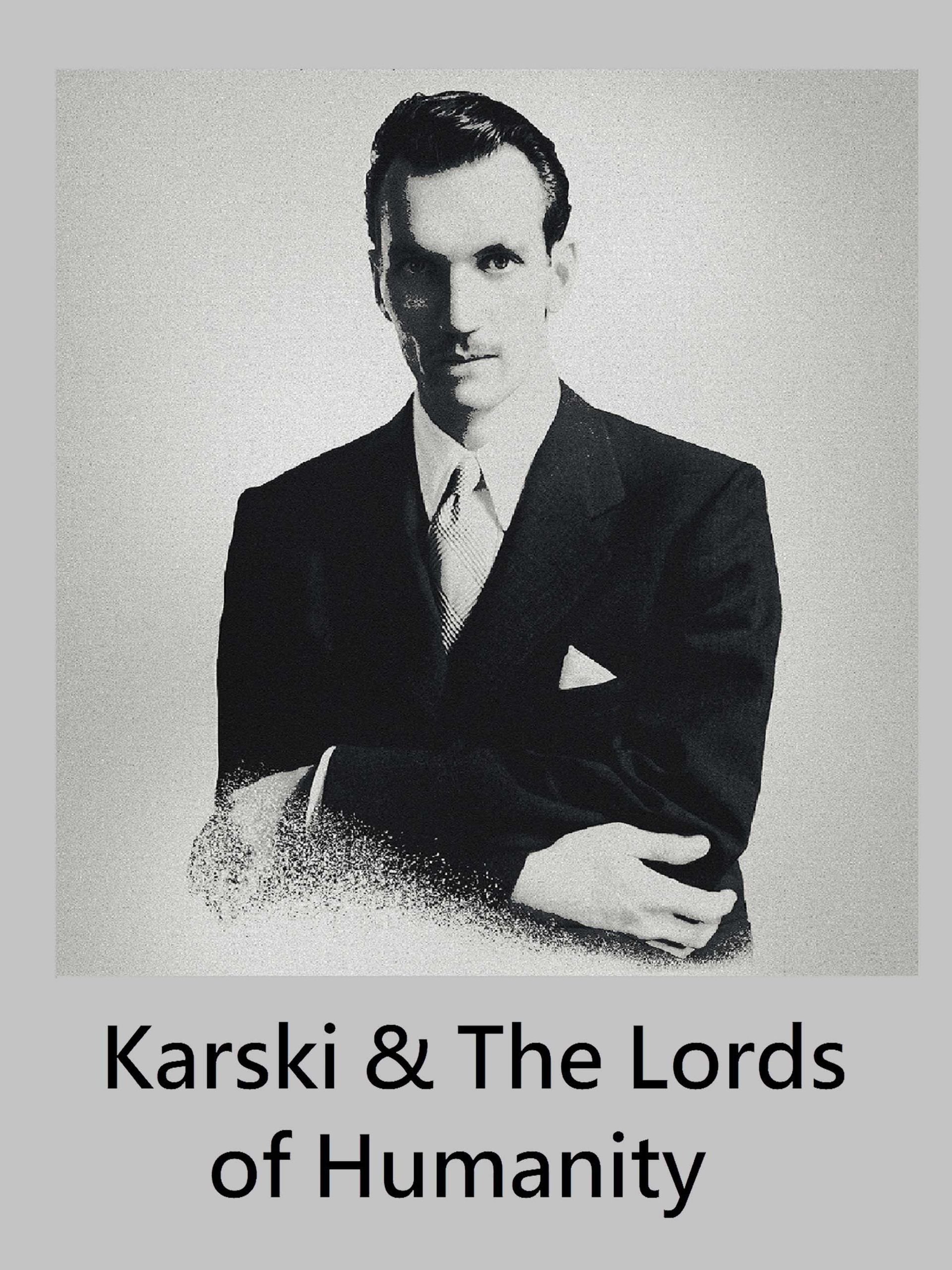
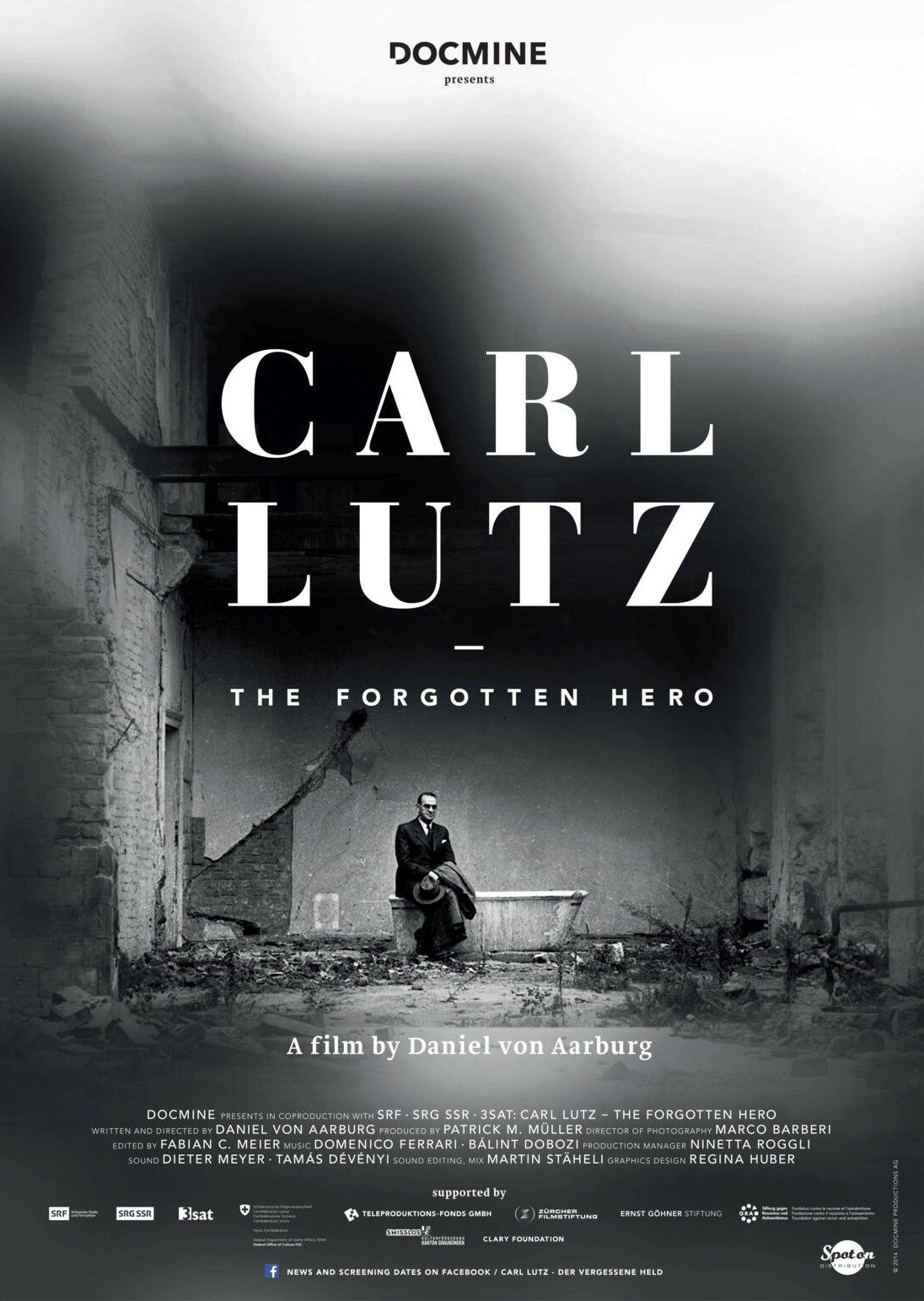
The film tells the story of a member of the Polish underground who acted as a courier during World War II and whose most prominent mission was to inform the Allied powers of Nazi crimes against the Jews of Europe in an effort to prevent the Holocaust.
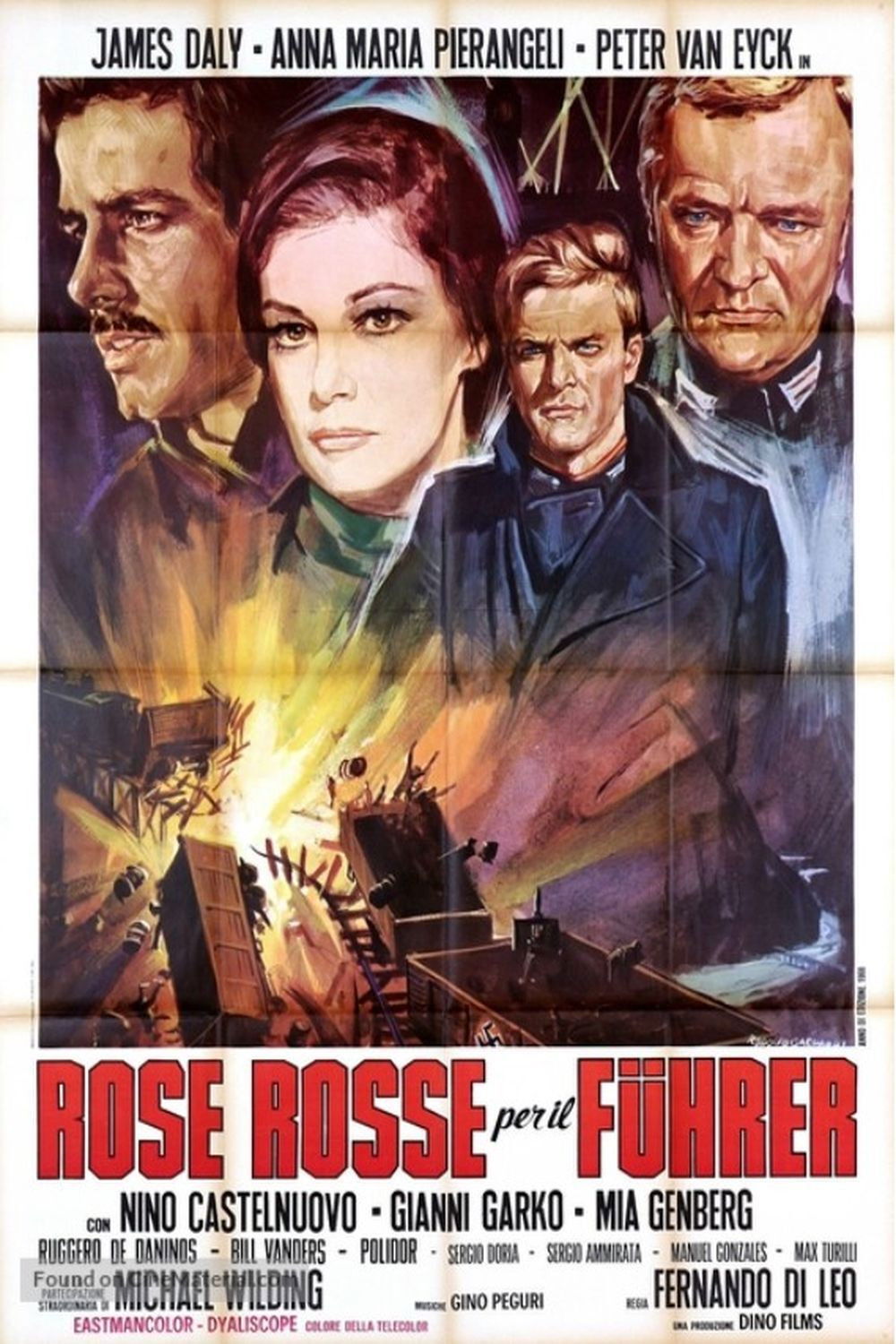
James Daly is an American special soldier who goes behind enemy territory during WWII. His Objective: to steal top secret SS document that can change the course of the war.
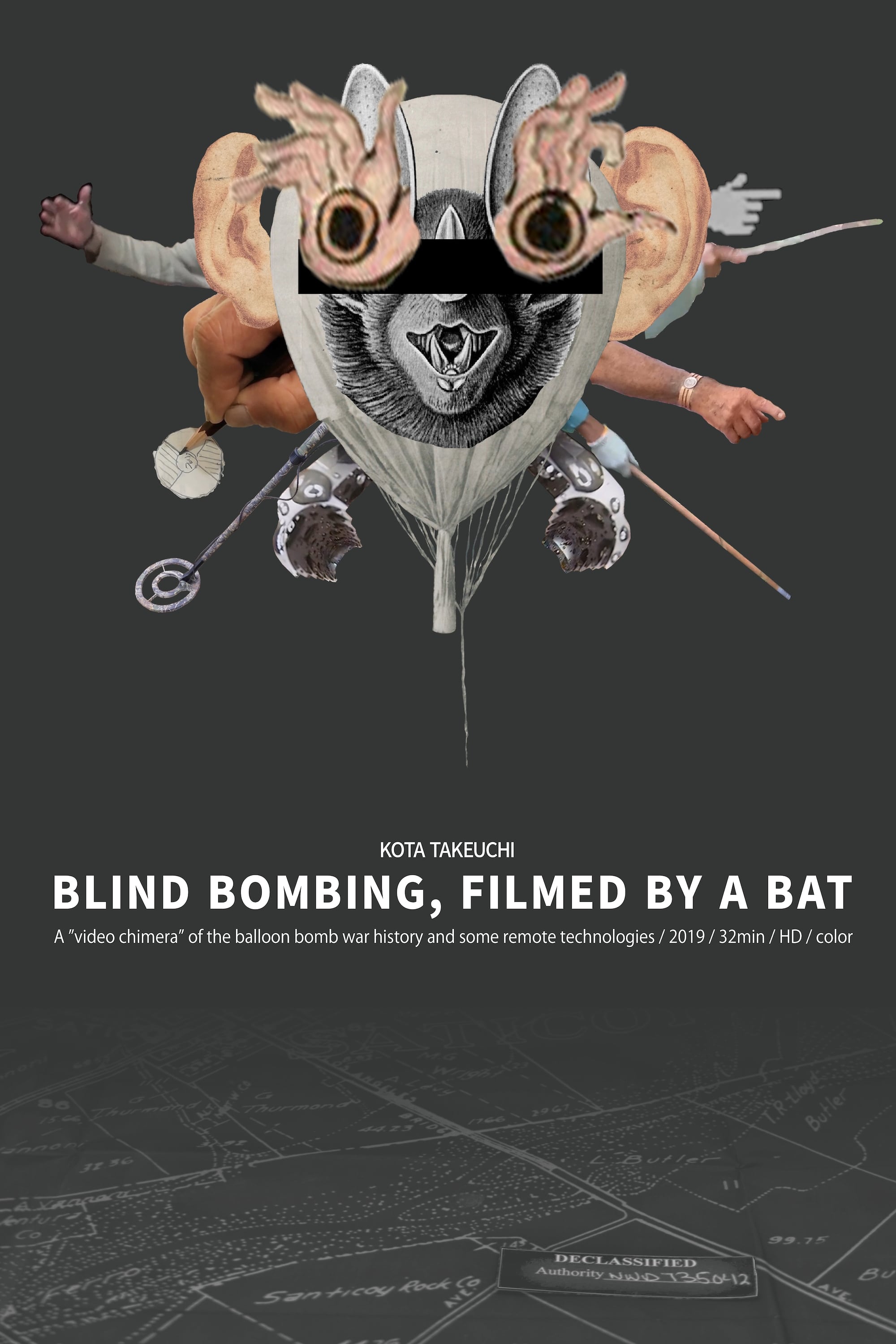
During WWII, the Japanese army developed experimental balloons able to cross the Pacific Ocean and reach the West Coast of North America in 3-6 days. Armed with explosives, they were given the code name fu-go, or fusen bakudan (“fire balloons,” or balloon bombs) in an attempt to instill a culture of fear like that caused by the far more deadly American firebombing of Japanese cities. The U.S. responded by enacting a censorship campaign, requesting newspapers avoid reports of fu-go landings or sightings. Living near the remains of a fu-go launch site in Fukushima Prefecture, Takeuchi mimics their flight take-off using a drone camera, and, traveling to North America, follows their arrival across the shoreline and rural landscapes, using a bat’s echolocation as narrative device to place fu-go and Fukushima as echos across history.
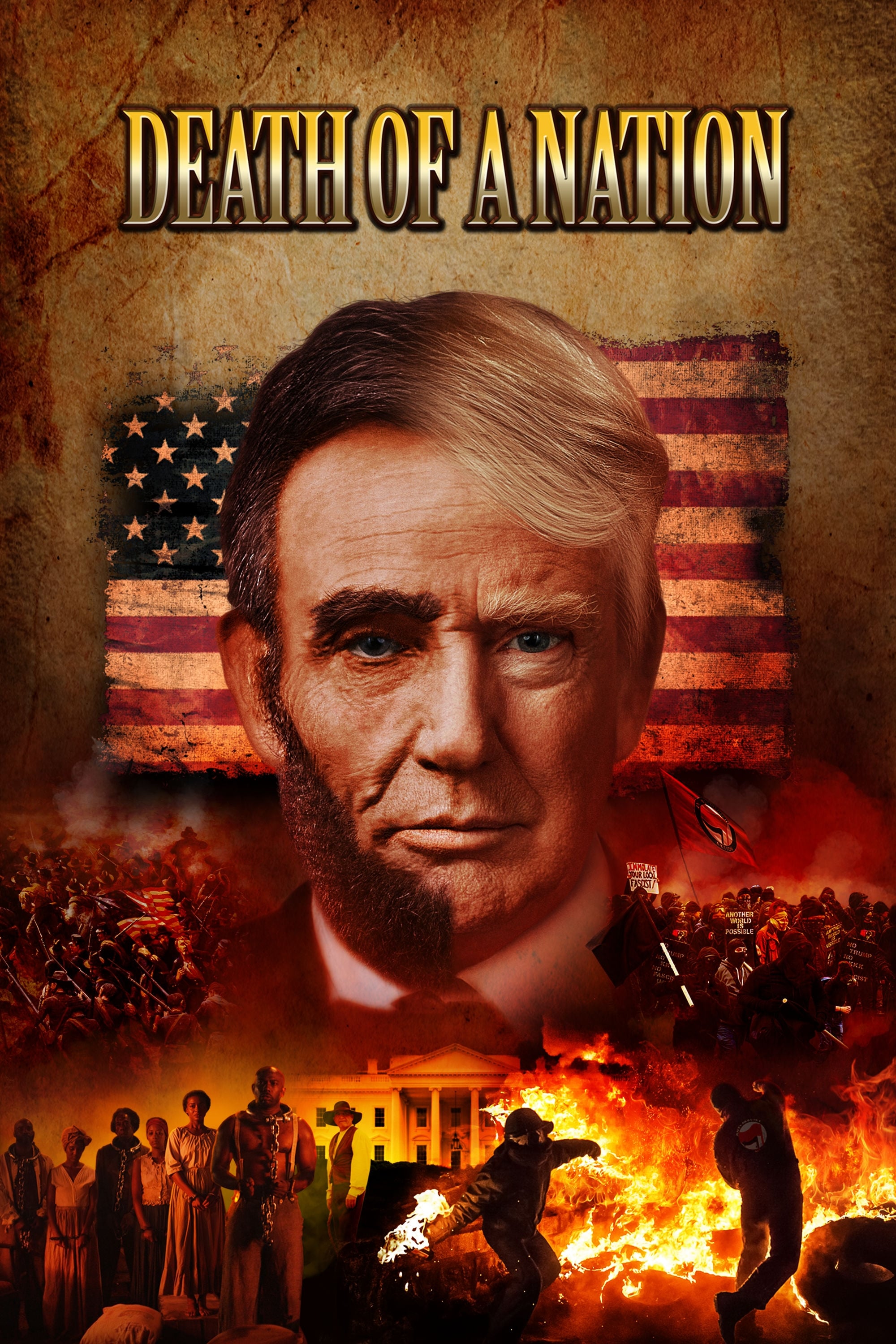
Parallels are drawn between Abraham Lincoln's presidency and the presidency of Donald Trump. Not since 1860 have the Democrats so fanatically refused to accept the result of a free election. That year, their target was Lincoln. They smeared him. They went to war to defeat him. In the end, they assassinated him.
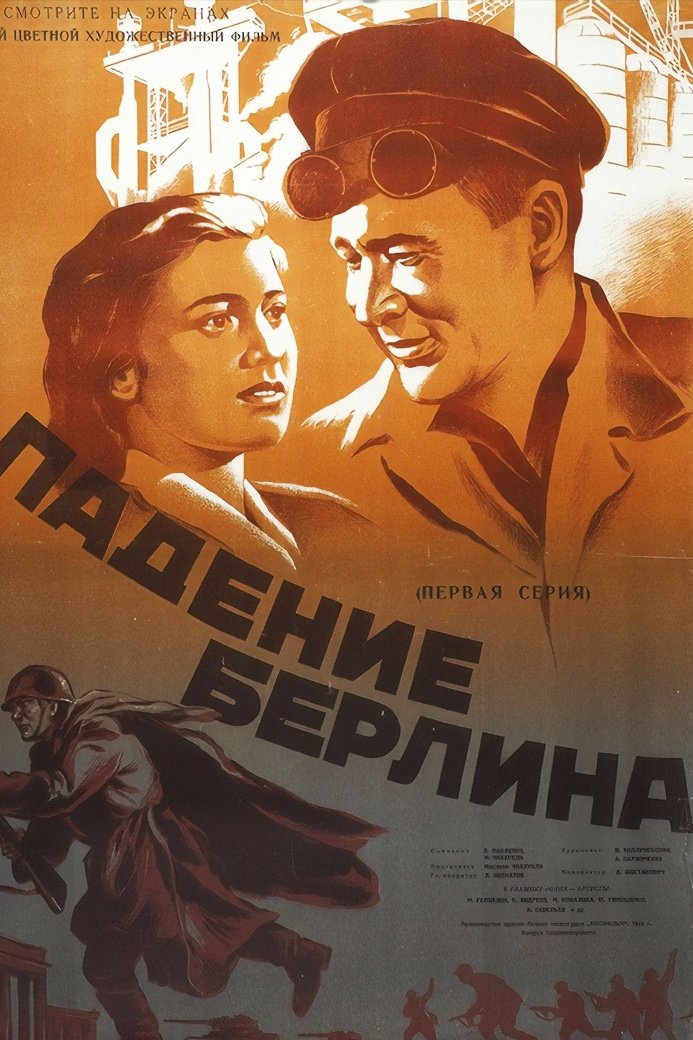
Surrounded by a few party officials, Alexei Ivanov, a stakhanovist smelter, is decorated by Stalin. The "Little Father of the Peoples" takes this opportunity to invoke threats of war.... One day, war indeed breaks out. Bombs fall on the field where Alexei finds himself in the company of the schoolmistress Natacha, his fiancée. Alexei joins the Red Army and soon becomes a sergeant. Fighting rages and German troops advance. Natacha is arrested and deported. But the tide turns decisively with the German defeat at Stalingrad. Now the major offensive against Hitler can begin.
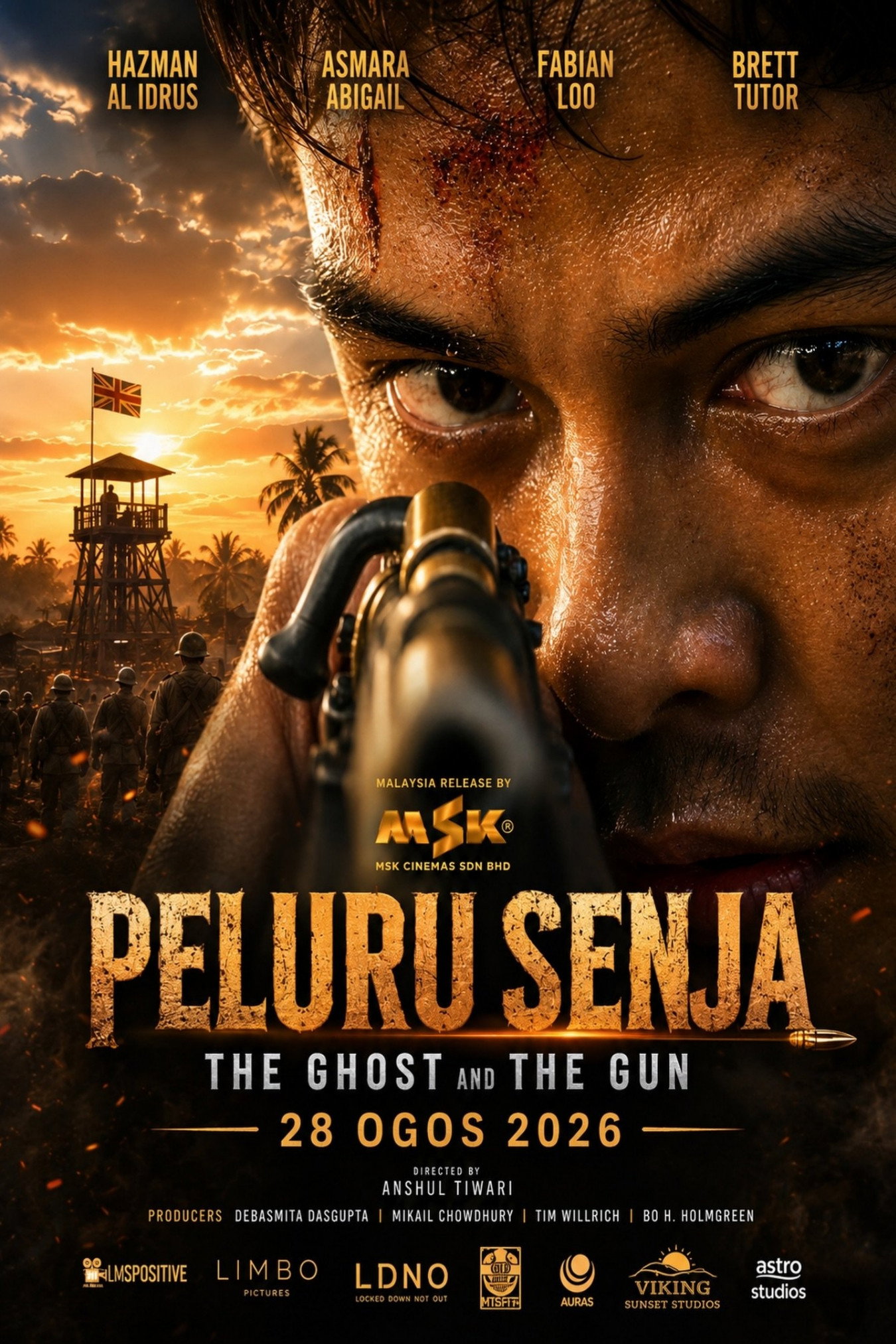
In 1948 Malaya, WWII vets Iz and Abe face vengeful ex-ally Chin Liu, who betrayed them during the war and now leads terrorists to their village. Haunted by past trauma, Iz must confront both his demons and Chin Liu's deadly advance.
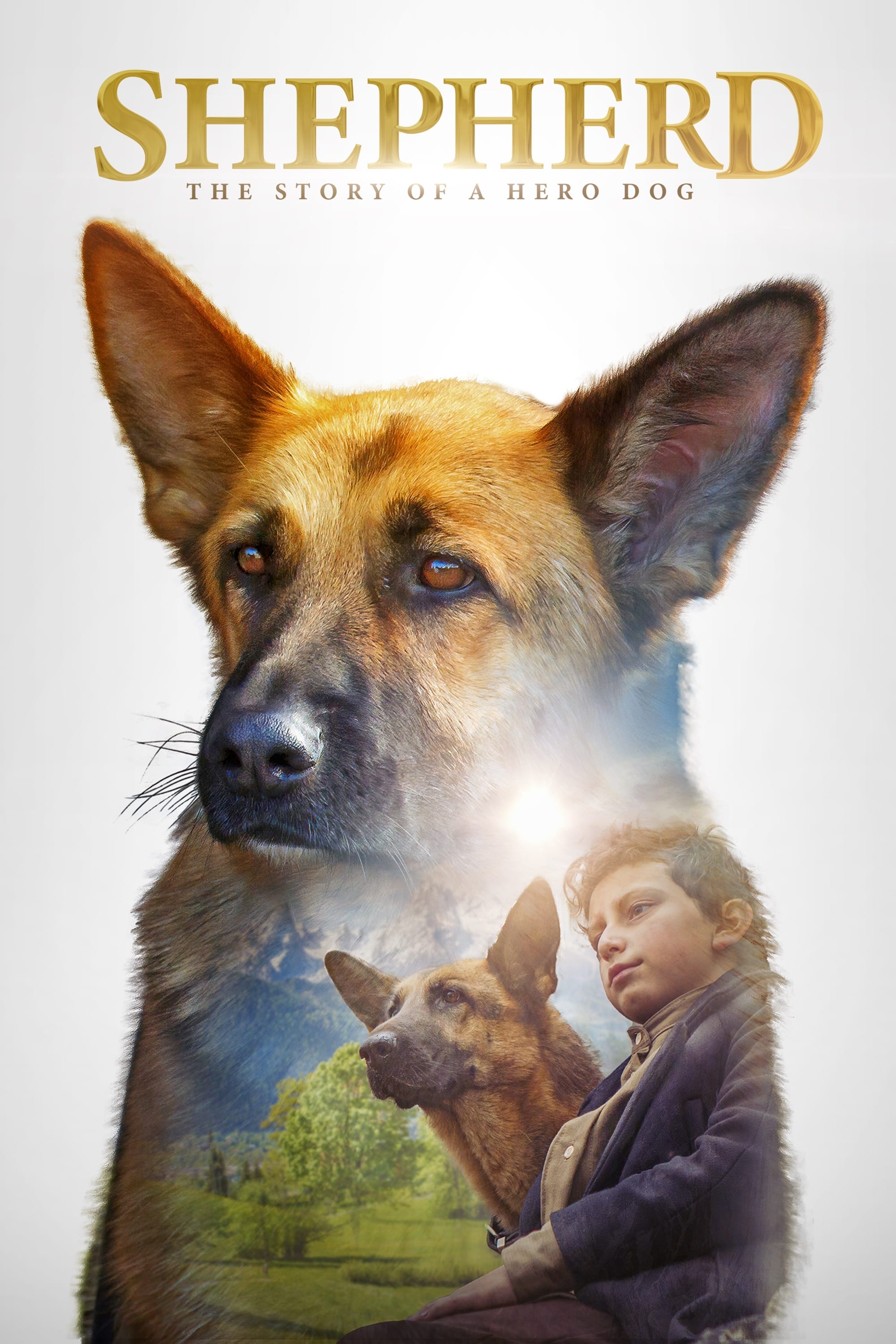
Follow the perilous journey to freedom when a young boy and his dog attempt to escape a concentration camp during World War II. Based on true events.
An American Army tank unit is trapped in a small French town in the Ardennes unaware that a spy amongst them is providing the German counterattack with vital battle information.
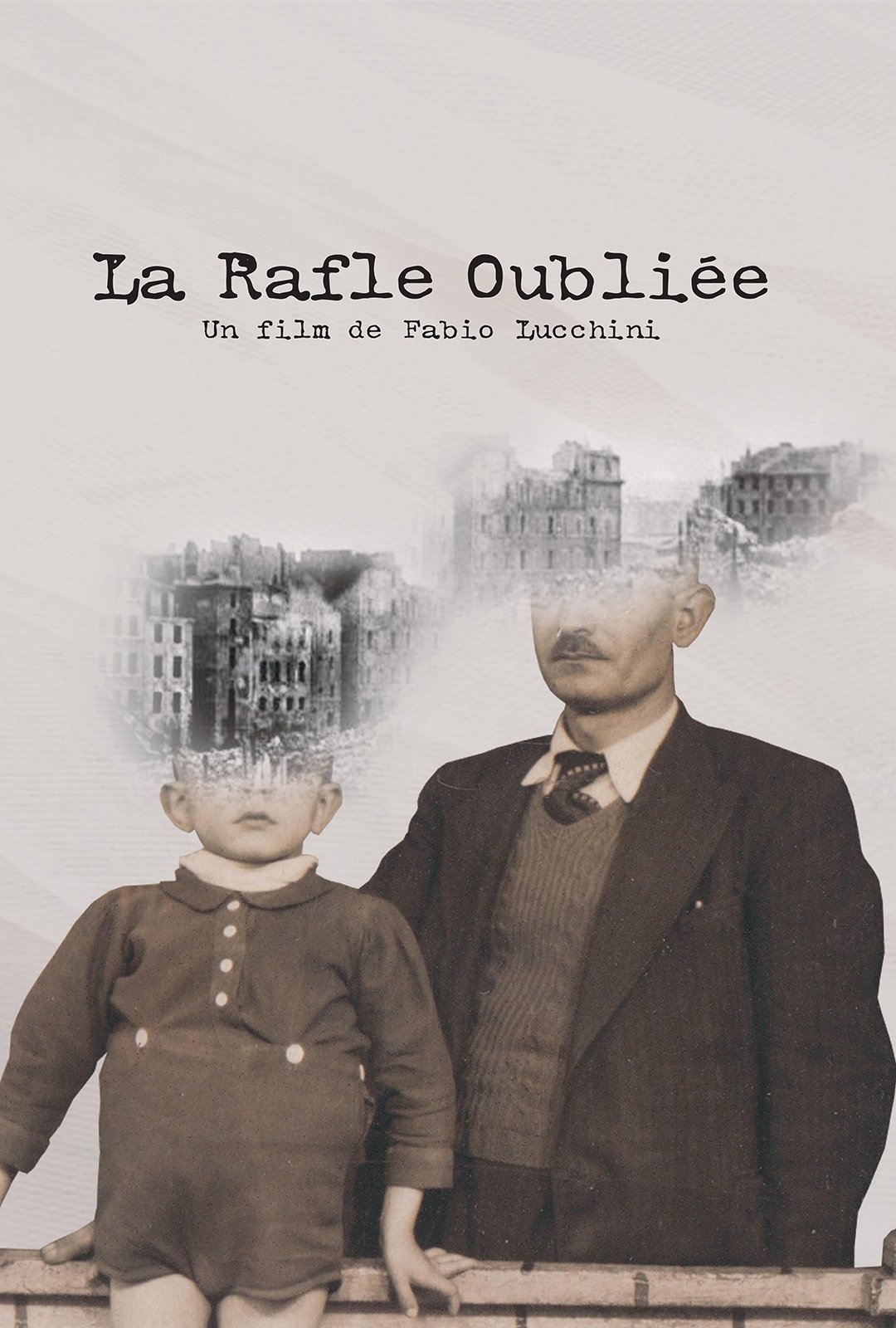
80 years ago, Marseille's Old Port was the scene of a tragic event that is still largely unknown today: the roundup and total destruction of the Saint-Jean district, on Hitler's own orders. "The Forgotten Round-up" draws on the memories of some of the last direct witnesses to the tragedy, and follows the investigation of Marseille lawyer Pascal Luongo, grandson of one of the victims.
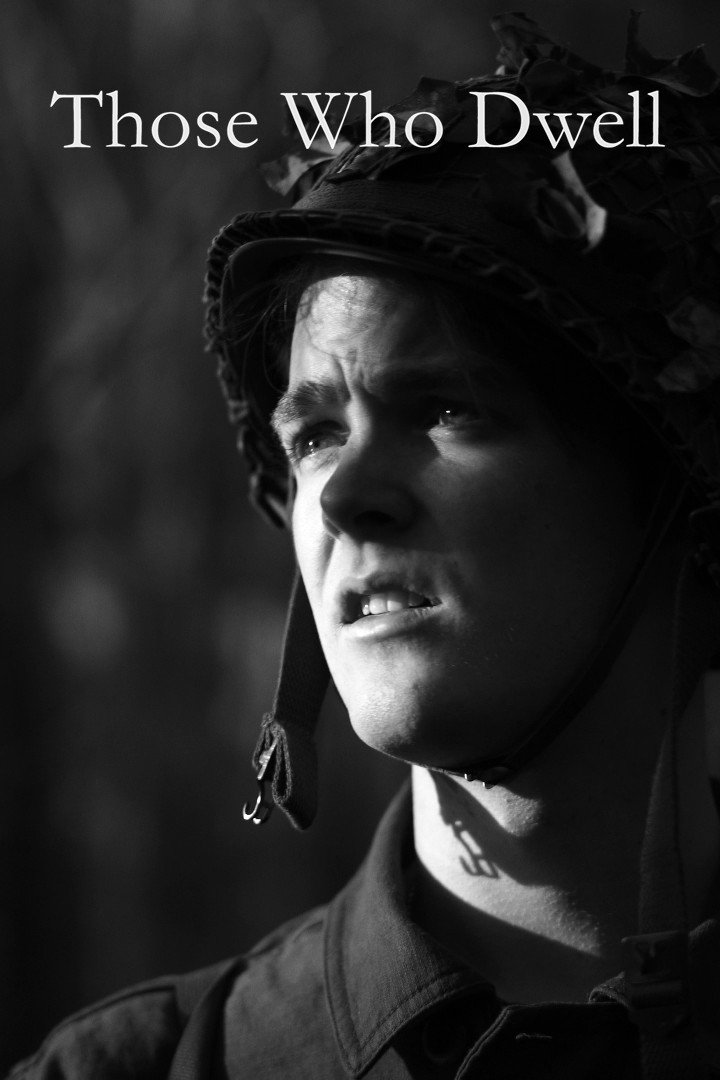
A WWII paratrooper gets lost in a forest as the line between reality and memory begins to blur.
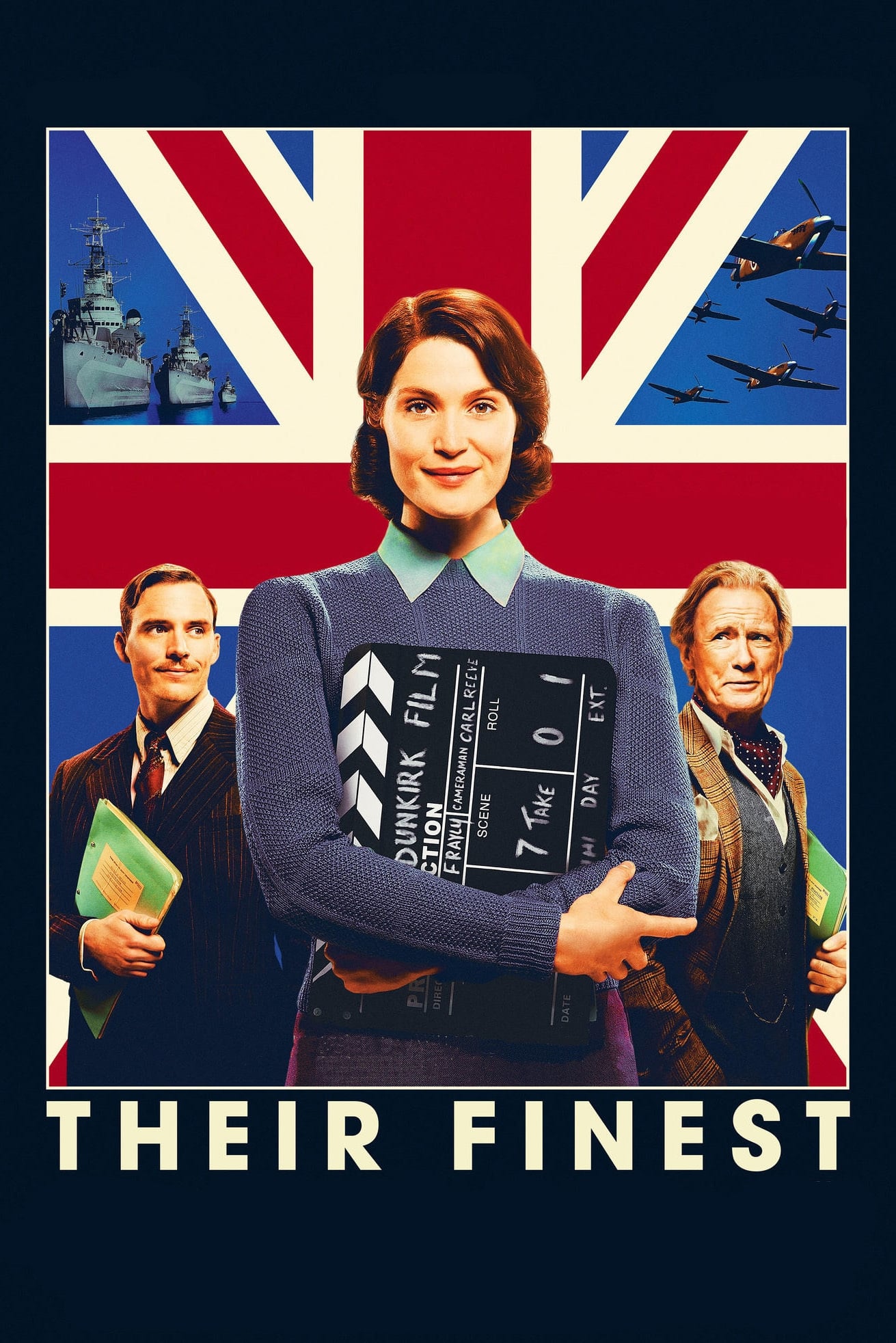
During the Blitz of World War II, a female screenwriter works on a film celebrating England's resilience as a way to buoy a weary populace's spirits. Her efforts to dramatise the true story of two sisters who undertook their own maritime mission to rescue wounded soldiers are met with mixed feelings by a dismissive all-male staff.
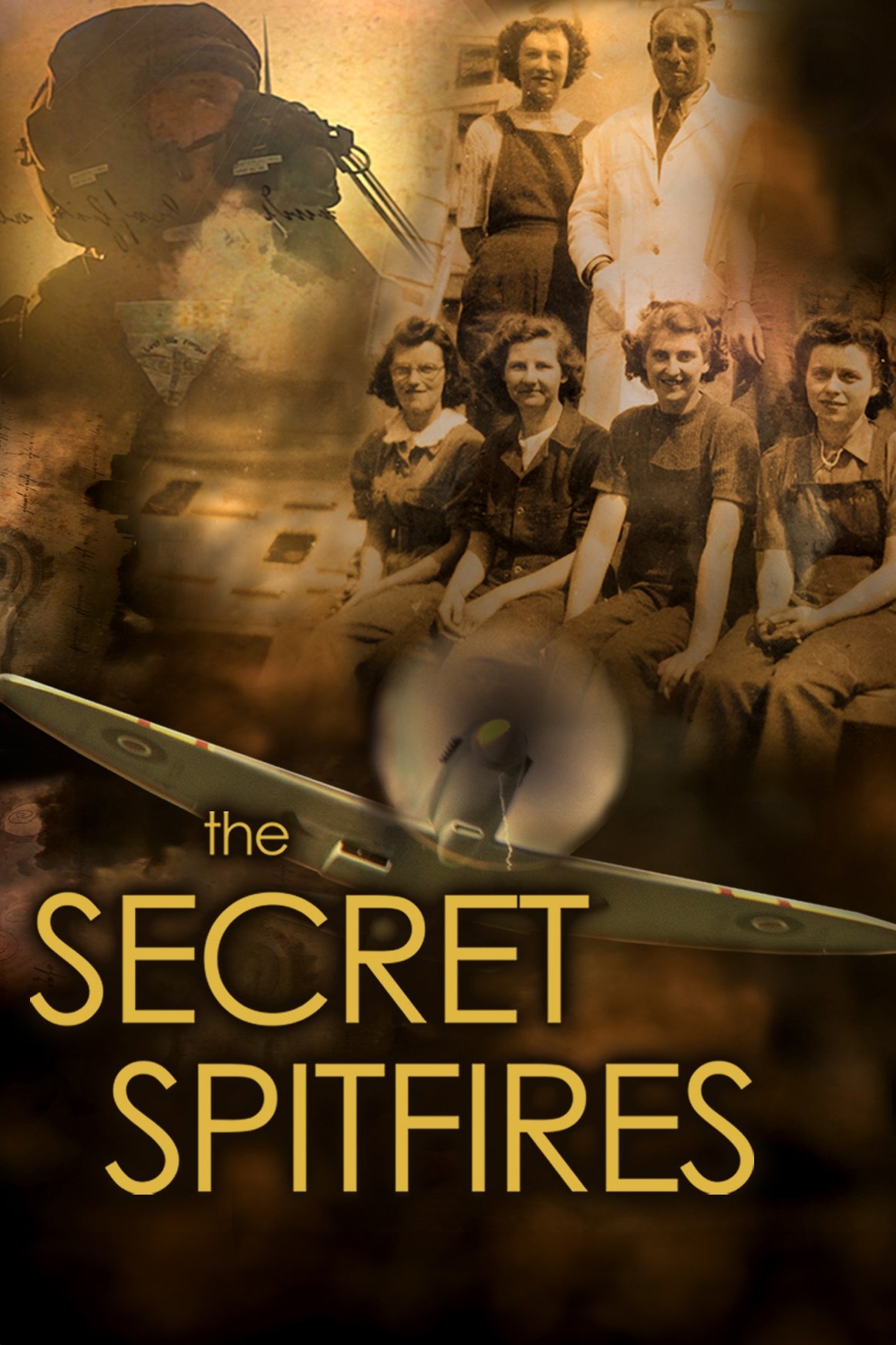
Spitfires were the nemesis of the Luftwaffe and the instrument which halted Hitler’s plans for invasion. After relentless bombing of the Spitfire factories in Southampton, the Germans were convinced they had halted the production of the Spitfires for good. But across the South of England, hidden in sheds, garages, back gardens, bedrooms, a bus depot, and even a hotel, a workforce of unskilled young girls, boys, women, elderly men, and a handful of engineers secretly built thousands of Spitfires to help win the war. Witnesses recount this never-before-told story of amazing achievement.
When the planes bombed a Slovene town, a Slovene boy and a German girl set on a journey towards the valley, in which there is no war. On their way a black American pilot, who jumped of a shoot-down plane, joins them. Although American planes have killed the boy's parents, he accepts the pilot with enthusiasm. The children communicate with him in German and the valley of peace seems like the last paradise place of refuge. The Slovene boy, the German girl, and the American pilot represent a symbolic triangle of peace in this adventure happening in the middle of the War of Liberation.
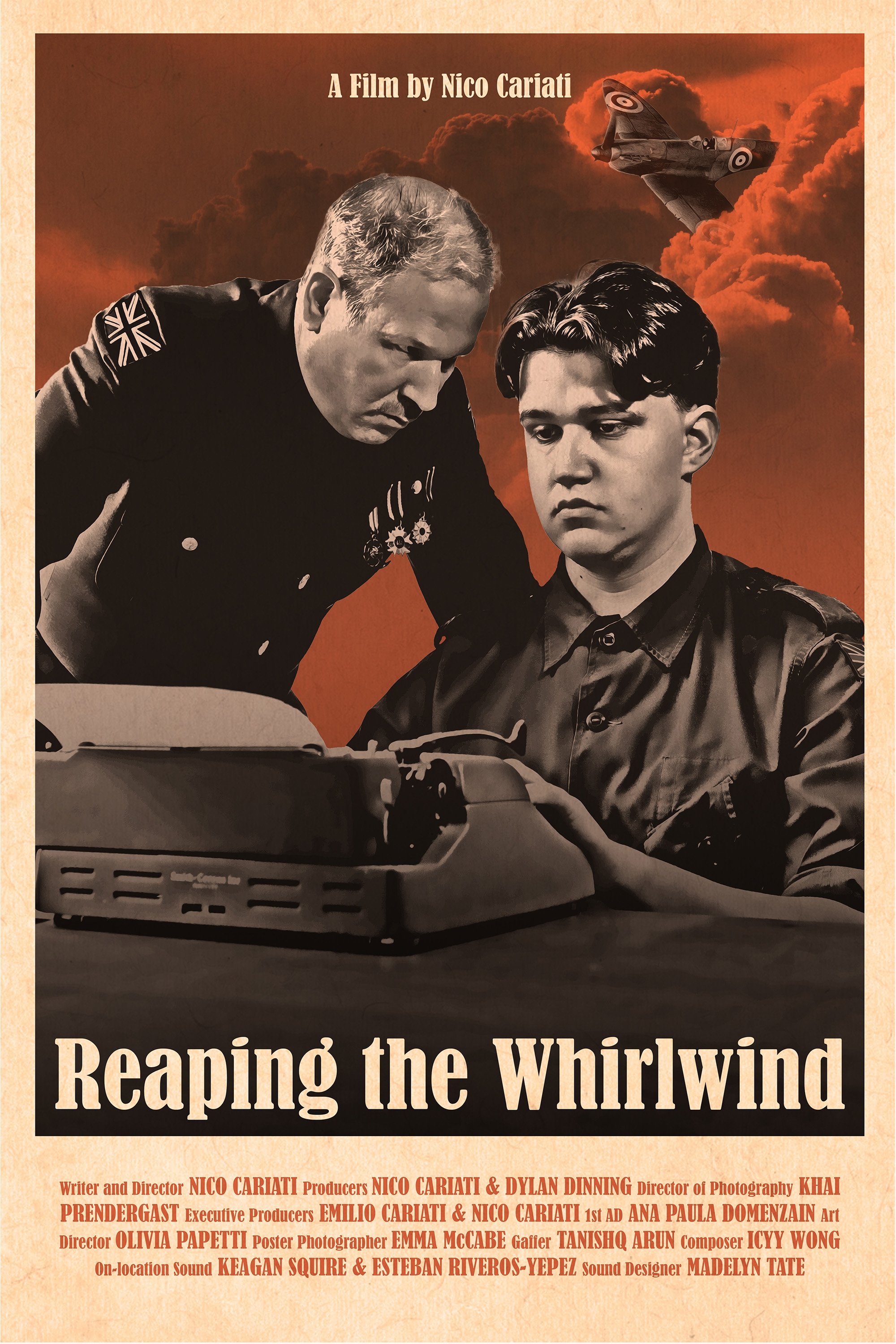
In the final weeks of WW2, as the Nazis are on the verge of surrender, a young British stenographer is faced with a difficult decision when his commanding officer orders him to write a letter authorizing an airstrike that could result in thousands of civilian deaths.
An elderly Jewish woman, who was a teenager during the outset of the Holocaust and was forced to choose between her own life and her younger brother's, still lives with the guilt until she finally shares her nightmare experience with her own adult daughter.
The harrowing true story of the crew of the USS Indianapolis, who were stranded in the Philippine Sea for five days after delivering the atomic weapons that would eventually end WWII. As they awaited rescue, they endured extreme thirst, hunger, and relentless shark attacks.
Prelude to War was the first film of Frank Capra's Why We Fight propaganda film series, commissioned by the Pentagon and George C. Marshall. It was made to convince American troops of the necessity of combating the Axis Powers during World War II. This film examines the differences between democratic and fascist states.
“The Soviet Story” is a story of an Allied power, which helped the Nazis to fight Jews and which slaughtered its own people on an industrial scale. Assisted by the West, this power triumphed on May 9th, 1945. Its crimes were made taboo, and the complete story of Europe’s most murderous regime has never been told. Until now...
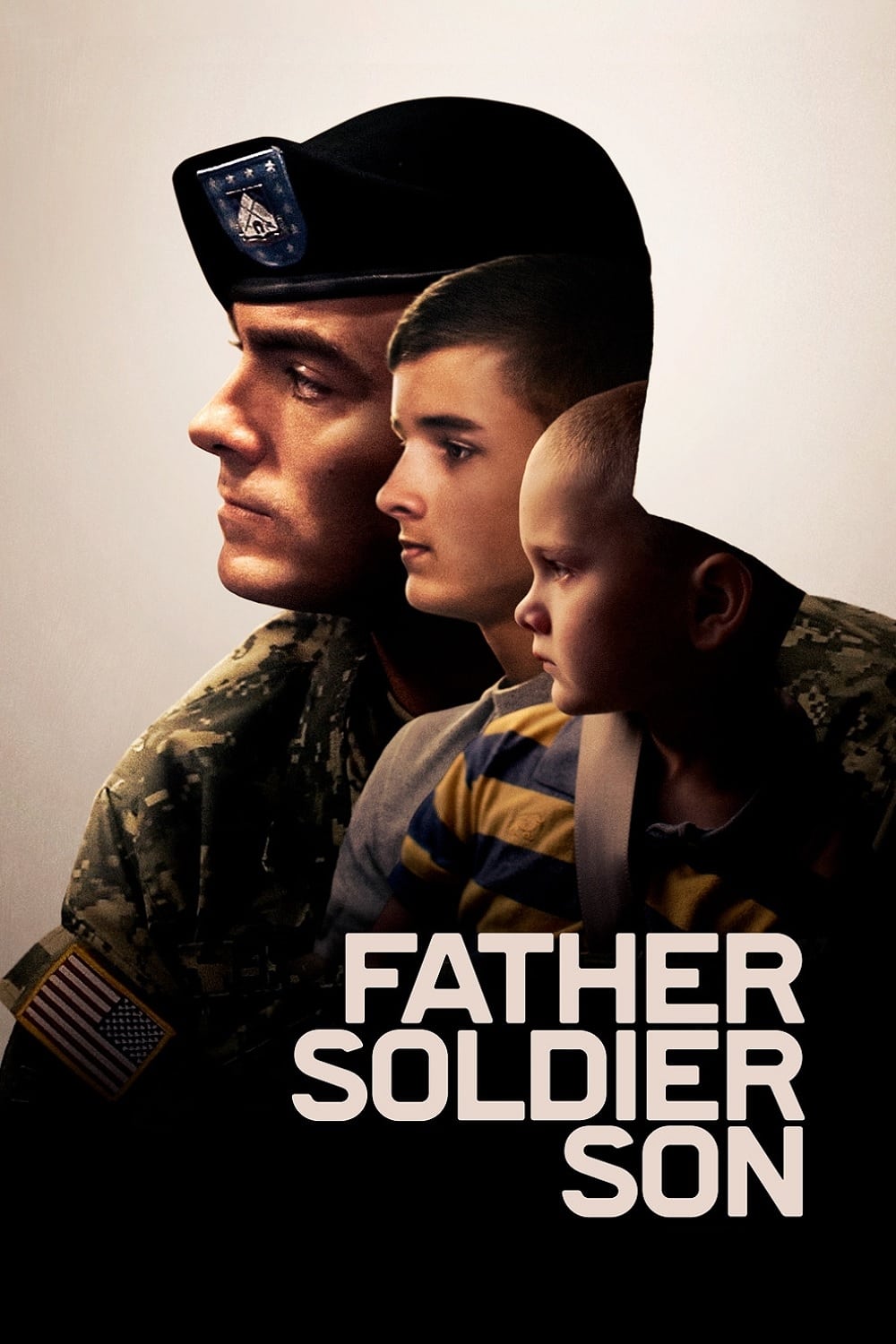
When Sgt. First Class Brian Eisch is critically wounded in Afghanistan, it sets him and his sons on a journey of love, loss, redemption and legacy.
Amid the failing counteroffensive, a journalist follows a Ukrainian platoon on their mission to traverse one mile of heavily fortified forest and liberate a strategic village from Russian occupation. But the farther they advance through their destroyed homeland, the more they realize that this war may never end.
A documentary about World War I with never-before-seen footage to commemorate the centennial of Armistice Day, and the end of the war.
A love letter from a young mother to her daughter, the film tells the story of Waad al-Kateab’s life through five years of the uprising in Aleppo, Syria as she falls in love, gets married and gives birth to Sama, all while cataclysmic conflict rises around her. Her camera captures incredible stories of loss, laughter and survival as Waad wrestles with an impossible choice– whether or not to flee the city to protect her daughter’s life, when leaving means abandoning the struggle for freedom for which she has already sacrificed so much.
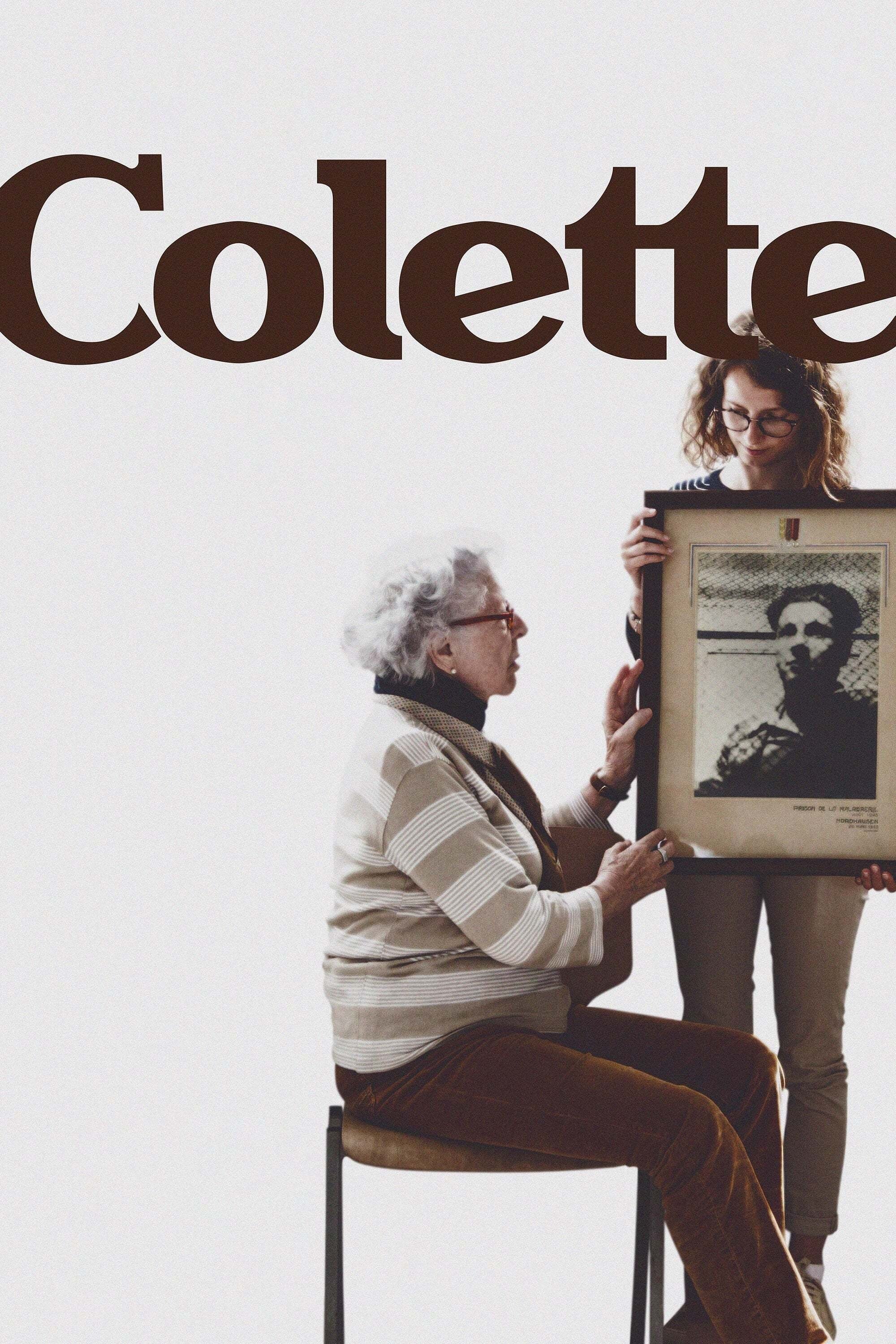
World War II. Not all warriors wore uniforms. Not all warriors were men. Meet ninety-year-old Colette Catherine who, as a young girl, fought the Nazis as a member of the French Resistance. Now she’s about to re-open old wounds, re-visting the terrors of that time. Some nightmares are too terrible to remember. But also, too dangerous to forget.
Meet the real-life airmen who inspired Masters of the Air as they share the harrowing and transformative events of the 100th Bomb Group.
When Allied forces liberated the Nazi concentration camps in 1944-45, their terrible discoveries were recorded by army and newsreel cameramen, revealing for the first time the full horror of what had happened. Making use of British, Soviet and American footage, the Ministry of Information’s Sidney Bernstein (later founder of Granada Television) aimed to create a documentary that would provide lasting, undeniable evidence of the Nazis’ unspeakable crimes. He commissioned a wealth of British talent, including editor Stewart McAllister, writer and future cabinet minister Richard Crossman – and, as treatment advisor, his friend Alfred Hitchcock. Yet, despite initial support from the British and US Governments, the film was shelved, and only now, 70 years on, has it been restored and completed by Imperial War Museums under its original title "German Concentration Camps Factual Survey".
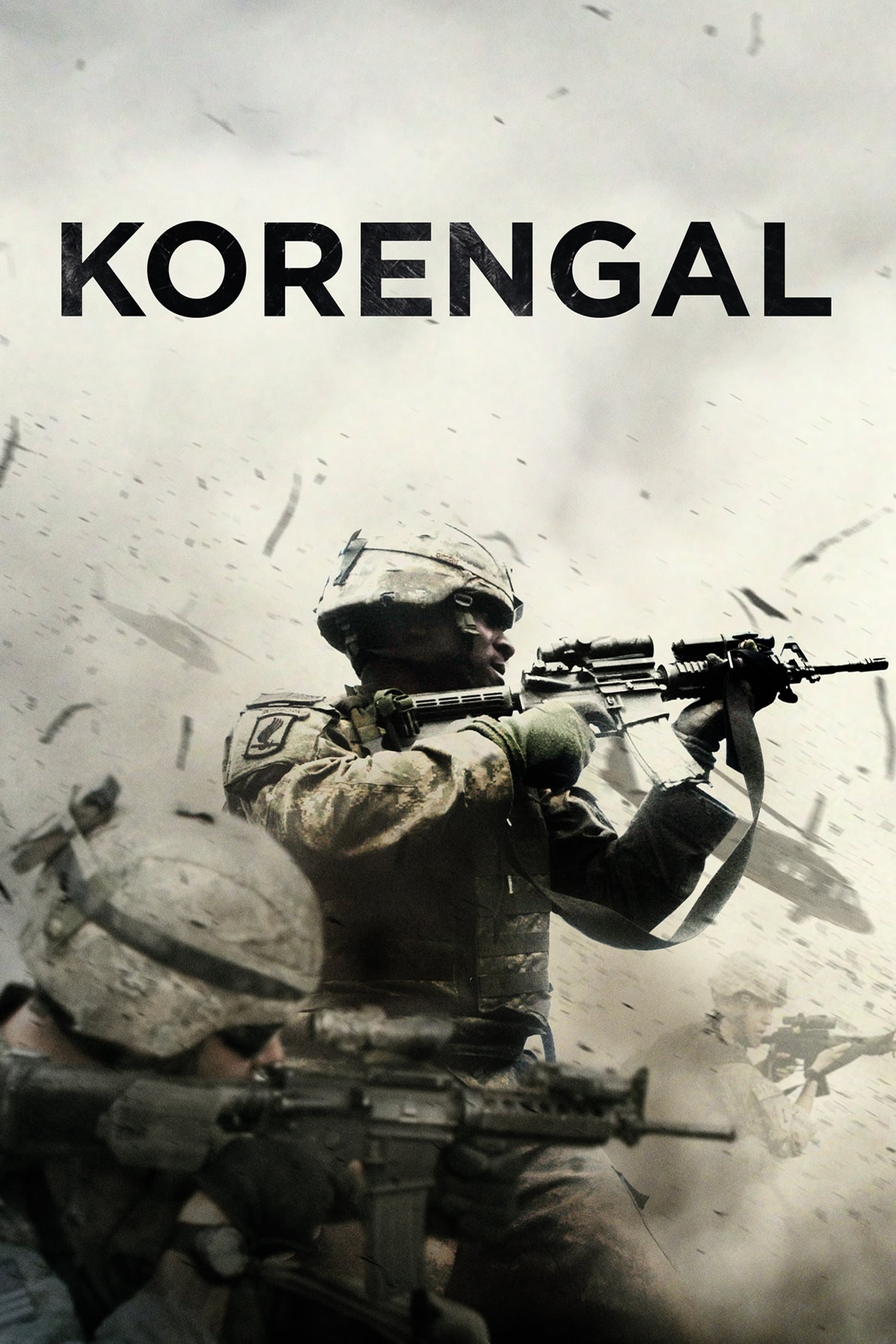
Korengal picks up where Restrepo left off; the same men, the same valley, the same commanders, but a very different look at the experience of war.
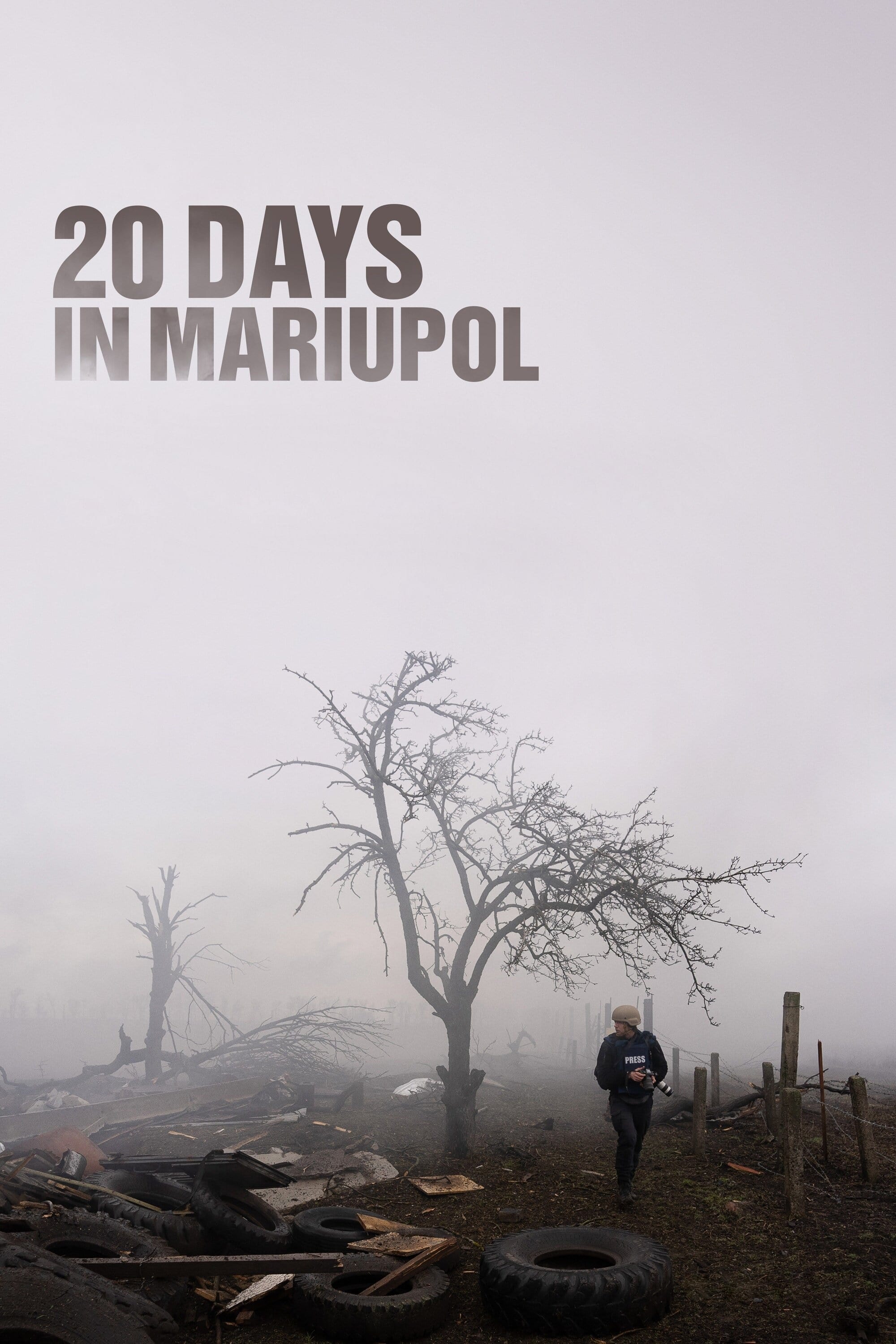
As the Russian invasion begins, a team of Ukrainian journalists trapped in the besieged city of Mariupol struggle to continue their work documenting the war's atrocities.
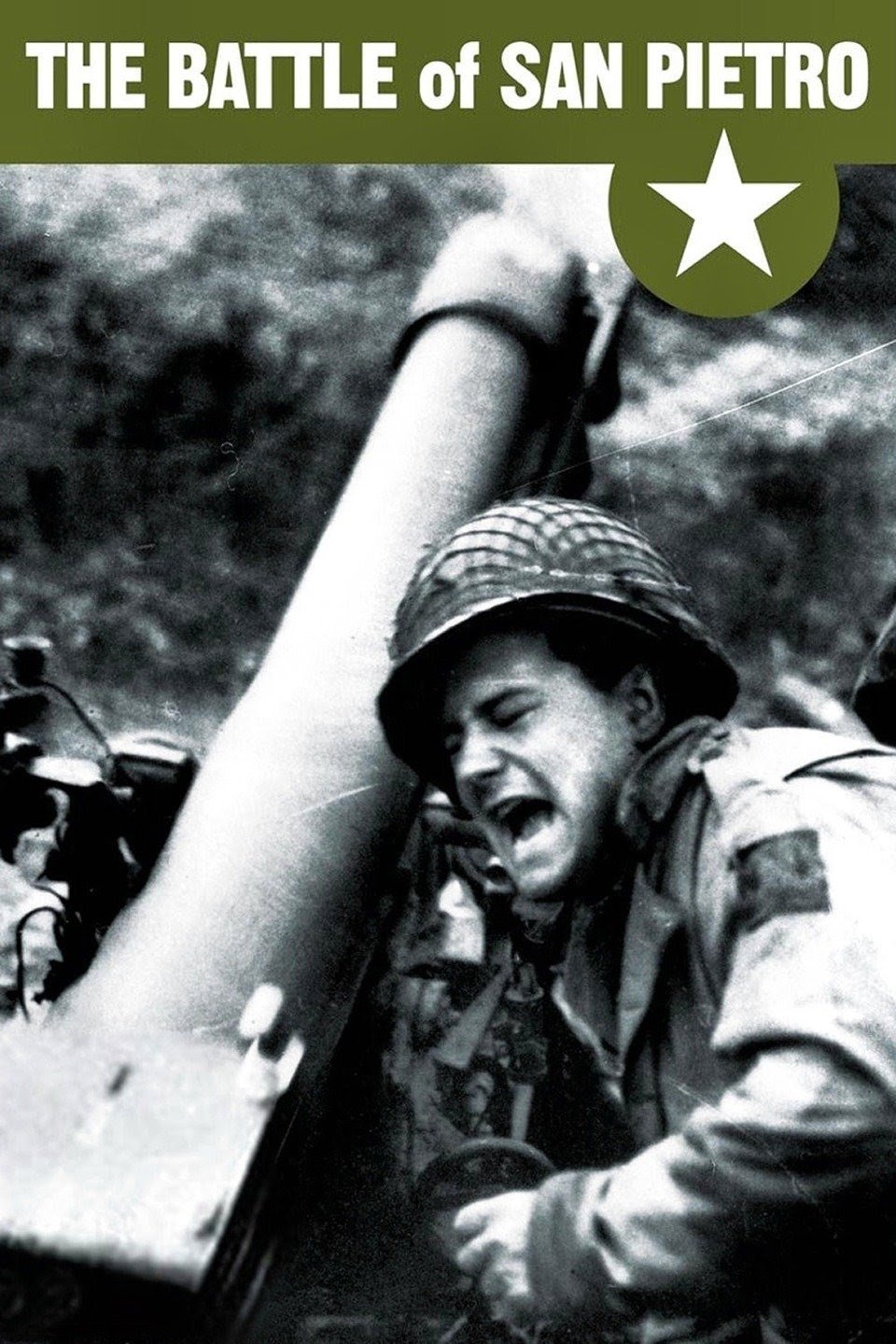
This documentary movie is about the battle of San Pietro, a small village in Italy. Over 1,100 US soldiers were killed while trying to take this location, that blocked the way for the Allied forces from the Germans. Preserved by the Academy Film Archive in 2005.
Filmmaker Alain Resnais documents the atrocities behind the walls of Hitler's concentration camps.
An inside look at one of the most anticipated movie sequels ever with James Cameron and cast.
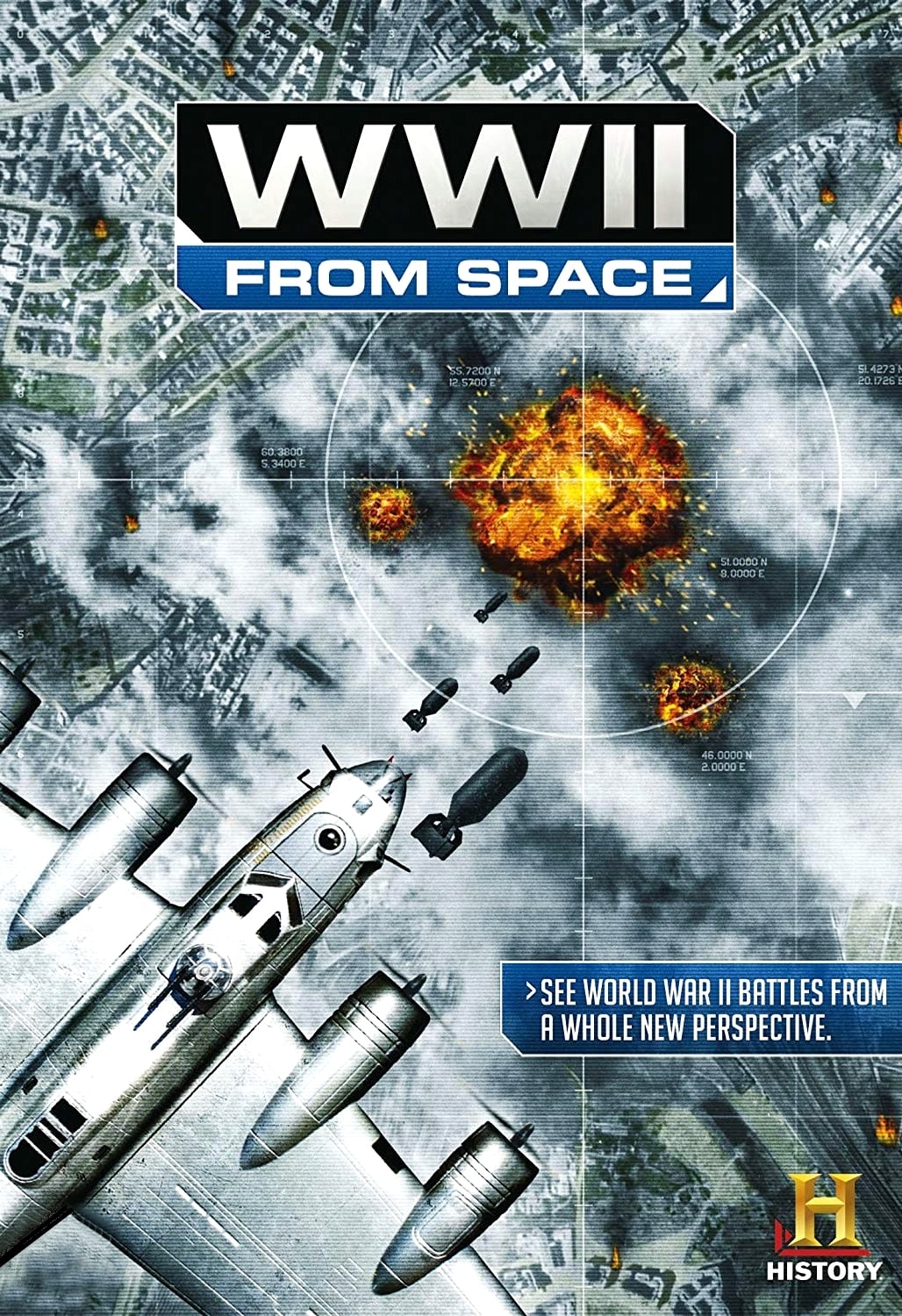
WWII from Space delivers World War II in a way you've never experienced it before. This HISTORY special uses an all-seeing CGI eye that offers a satellite view of the conflict, allowing you to experience it in a way that puts key events and tipping points in a global perspective. By re-creating groundbreaking moments that could never have been captured on camera, and by illustrating the importance of simultaneity and the hidden effects of crucial incidents, HISTORY presents the war's monumental moments in a never-before-seen context. And with new information brought to the forefront, you'll better understand how a nation ranked 19th in the world's militaries in 1939 emerged six years later as the planet's only atomic superpower.
With unprecedented access, this documentary follows the extraordinary journey of “Raqqa is Being Slaughtered Silently”—a group of anonymous citizen journalists who banded together after their homeland was overtaken by ISIS—as they risk their lives to stand up against one of the greatest evils in the world today.
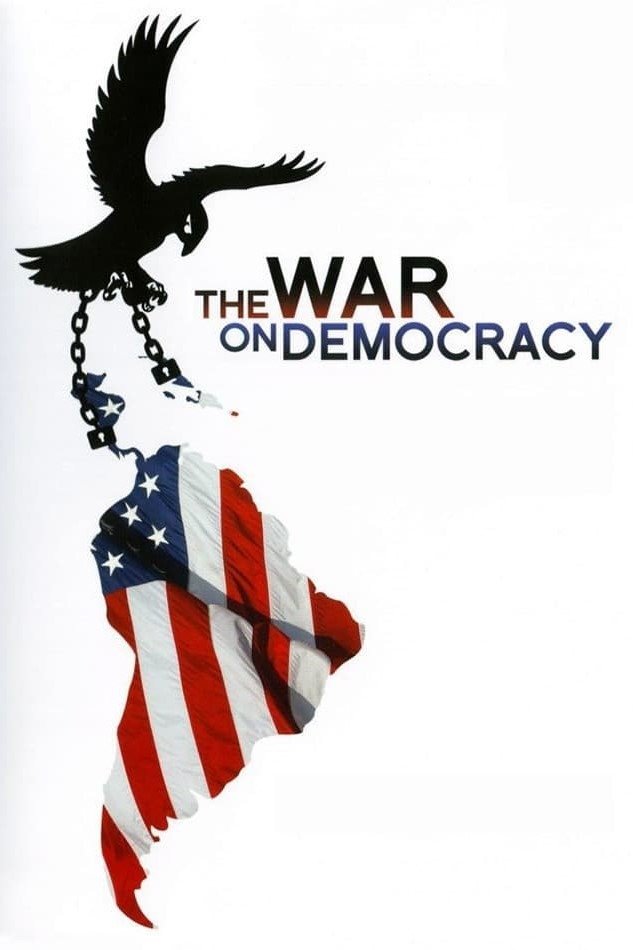
Set both in Latin America and the United States, the film explores the historic and current relationship of Washington with countries such as Venezuela, Bolivia and Chile. Pilger says that the film "...tells a universal story... analysing and revealing, through vivid testimony, the story of great power behind its venerable myths. It allows us to understand the true nature of the so-called "war on terror". According to Pilger, the film’s message is that the greed and power of empire is not invincible and that people power is always the "seed beneath the snow".
The film is based on interviews with 2,000 women from 50 countries, and covers the status of women all over the world. The topics covered include forced marriages, sexual assault, female genital mutilation, acid attacks, motherhood, sexuality, menstruation, education and the professional success of women.
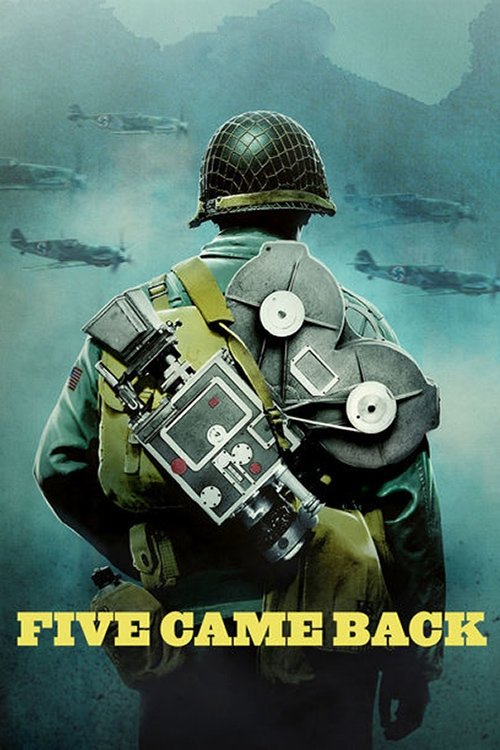
The extraordinary story of how Hollywood changed World War II – and how World War II changed Hollywood, through the interwoven experiences of five legendary filmmakers who went to war to serve their country and bring the truth to the American people: John Ford, William Wyler, John Huston, Frank Capra, and George Stevens. Based on Mark Harris’ best-selling book, “Five Came Back: A Story of Hollywood and the Second World War.”
In an intimate and joyful story of love in the face of loss, celebrated poets Andrea Gibson and Megan Falley find strength—and unexpected hilarity—in what might be their final year together.