Social & External
The people behind it
Lourdes Ferriol
Narradora / Margalida Comas
Miguel Àngel Torrens
Guillem Bestard
Antonia Ferriol
Mercedes Rico
Rosa Ferriol
Elsa Seeger
Joan Sastre
Guillem Cifre de Colonya
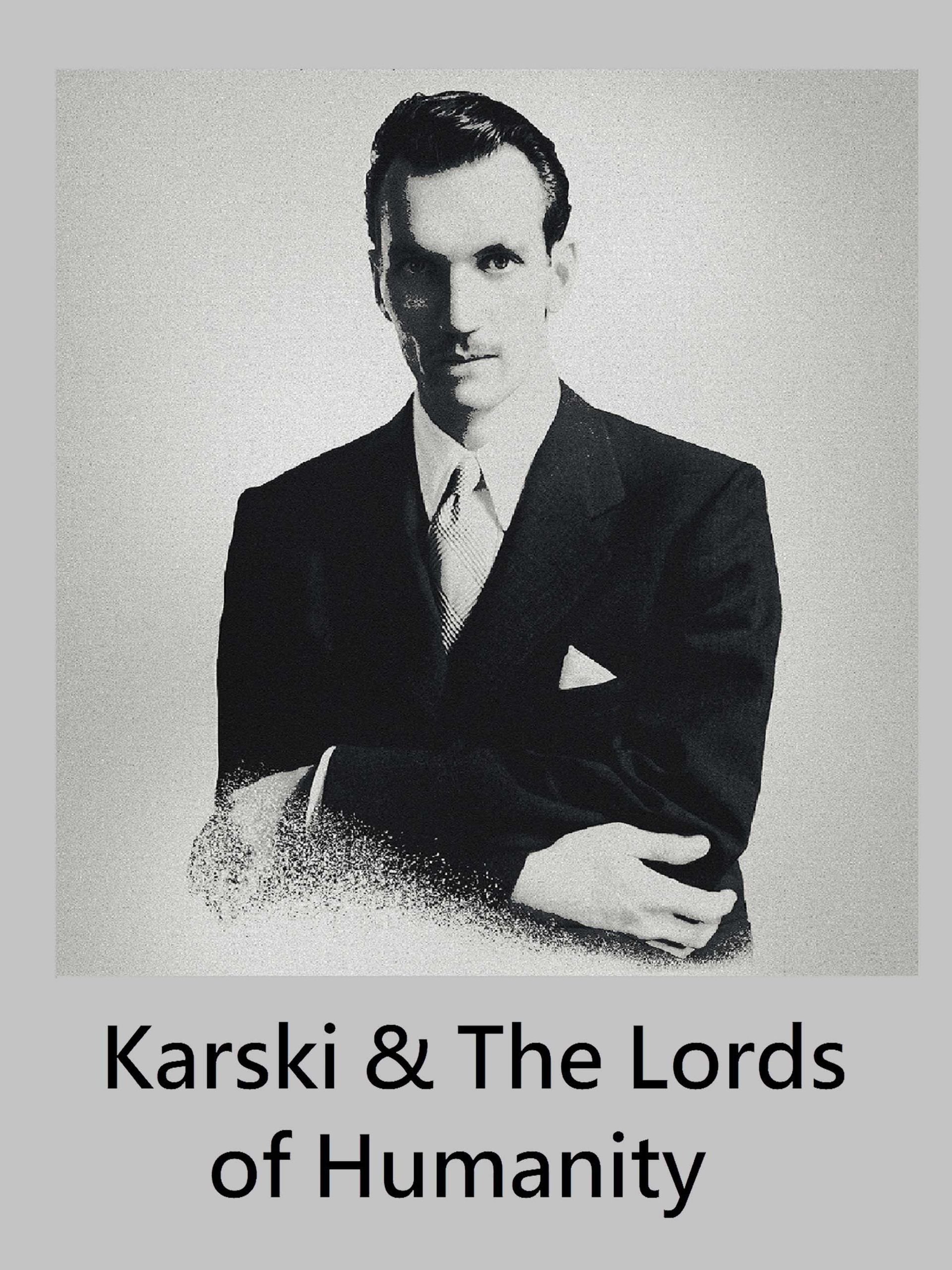
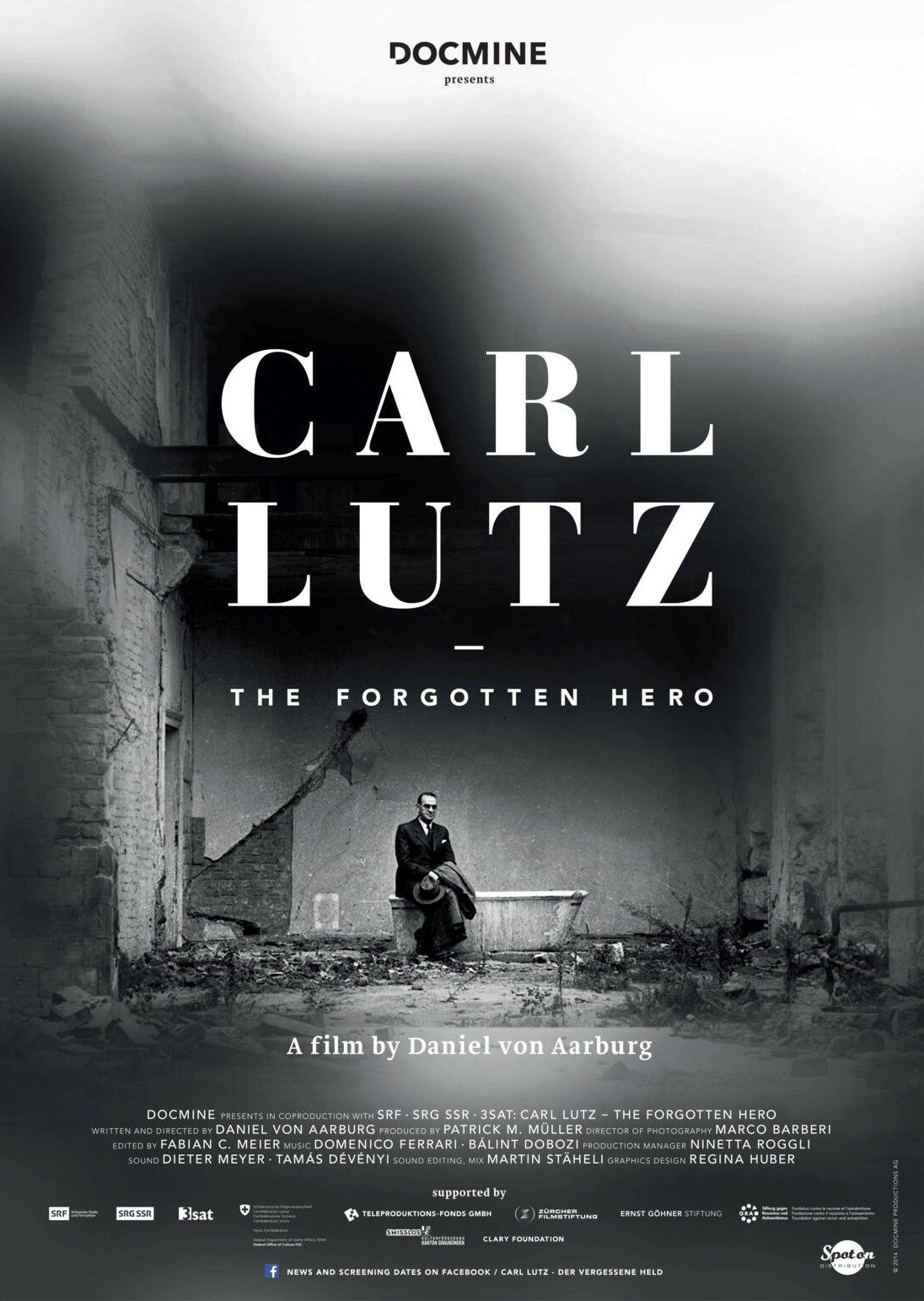
The film tells the story of a member of the Polish underground who acted as a courier during World War II and whose most prominent mission was to inform the Allied powers of Nazi crimes against the Jews of Europe in an effort to prevent the Holocaust.
A look at the life and work of Japanese photographer Nobuyoshi Araki and his impact on Japanese culture.
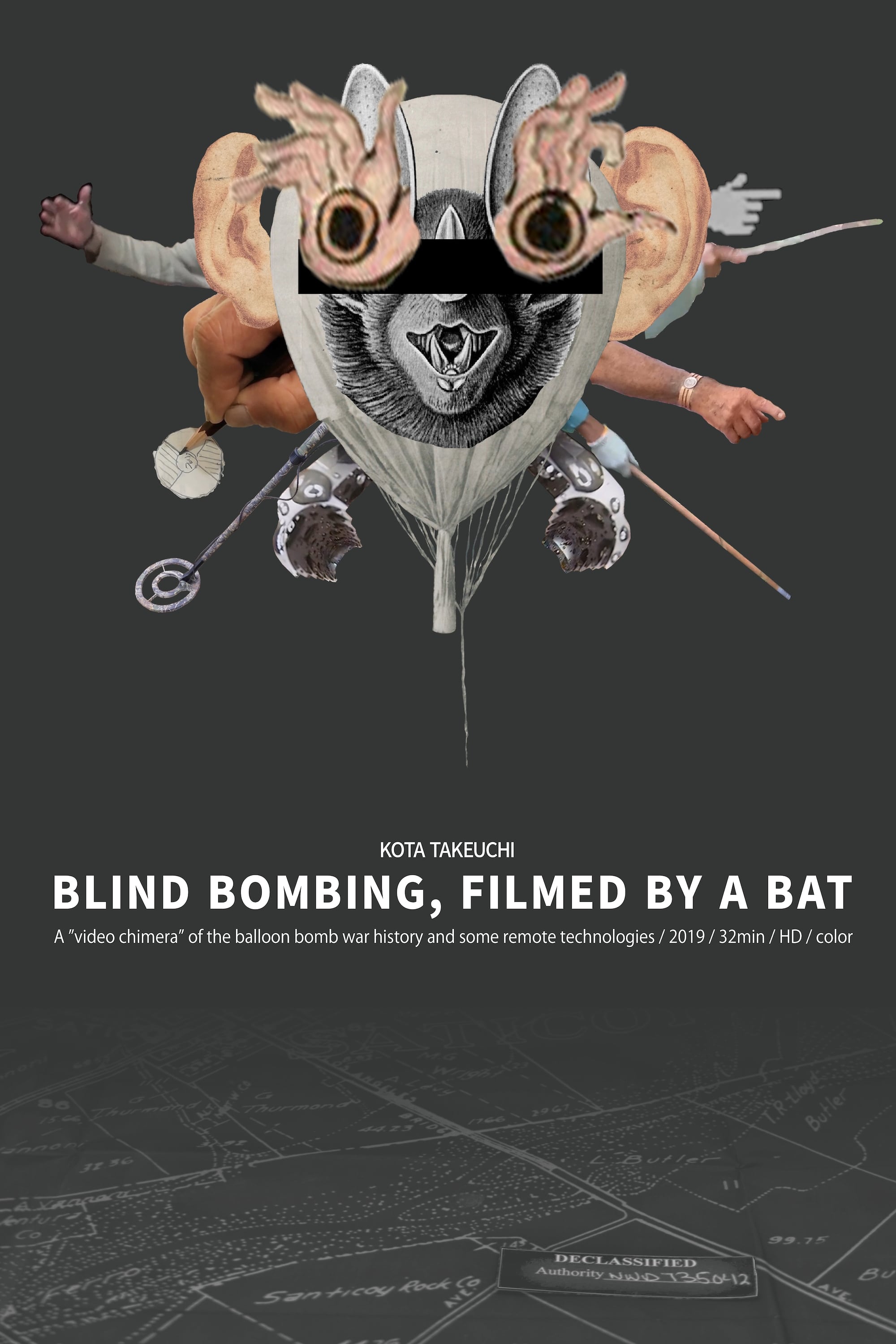
During WWII, the Japanese army developed experimental balloons able to cross the Pacific Ocean and reach the West Coast of North America in 3-6 days. Armed with explosives, they were given the code name fu-go, or fusen bakudan (“fire balloons,” or balloon bombs) in an attempt to instill a culture of fear like that caused by the far more deadly American firebombing of Japanese cities. The U.S. responded by enacting a censorship campaign, requesting newspapers avoid reports of fu-go landings or sightings. Living near the remains of a fu-go launch site in Fukushima Prefecture, Takeuchi mimics their flight take-off using a drone camera, and, traveling to North America, follows their arrival across the shoreline and rural landscapes, using a bat’s echolocation as narrative device to place fu-go and Fukushima as echos across history.
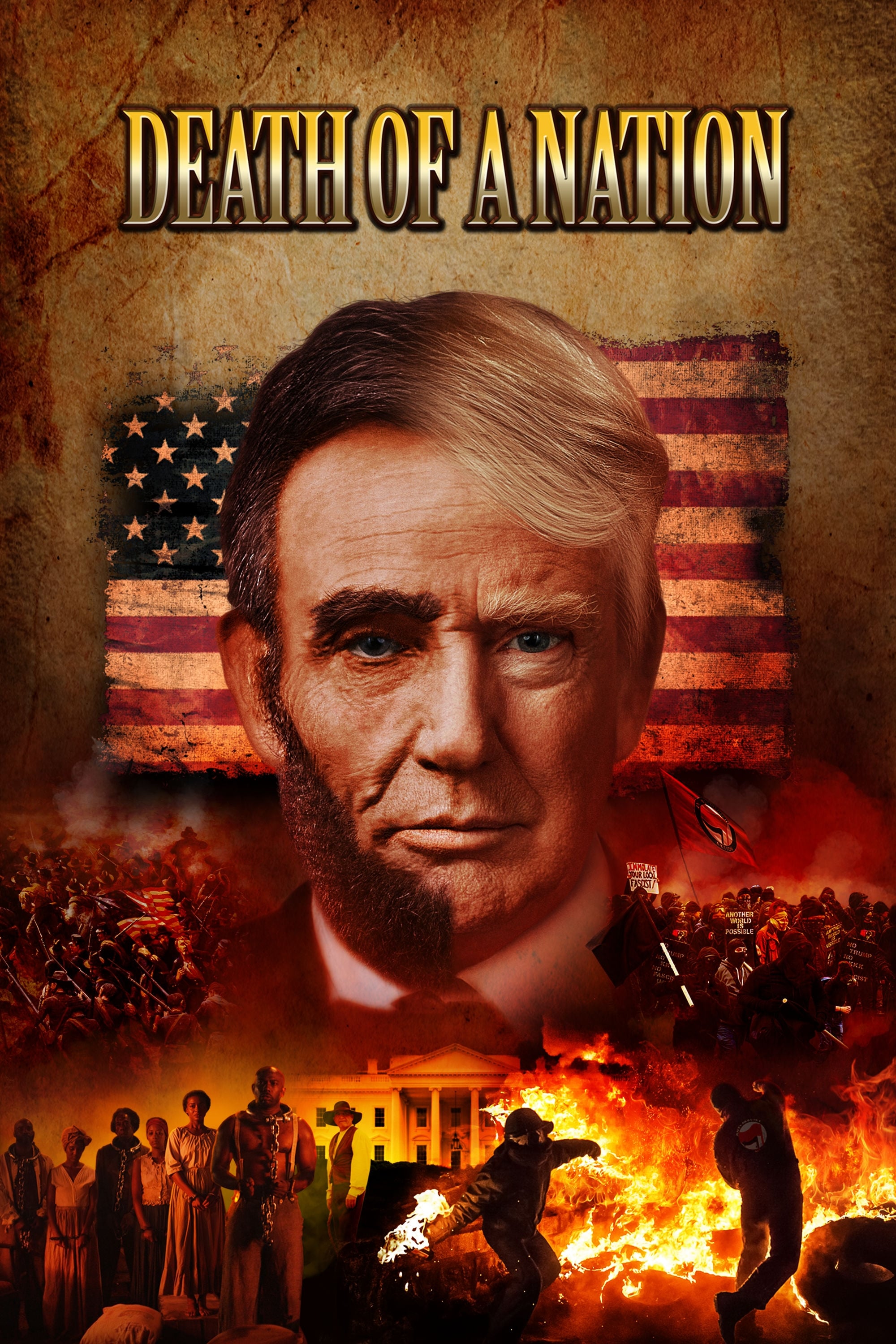
Parallels are drawn between Abraham Lincoln's presidency and the presidency of Donald Trump. Not since 1860 have the Democrats so fanatically refused to accept the result of a free election. That year, their target was Lincoln. They smeared him. They went to war to defeat him. In the end, they assassinated him.
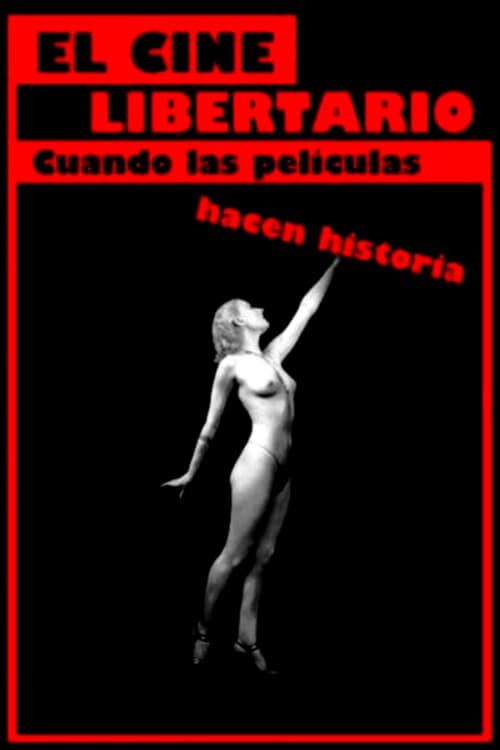
Upon the outbreak of the Spanish Civil War in July 1936, the anarchist union CNT socialized the film industry in Spain, so in Madrid and Barcelona film workers took over the production assets and, between 1936 and 1938, numerous films on a wide variety of topics were released, composing a varied mosaic that gives rise to one of the most unusual and original moments of Spanish cinematography.
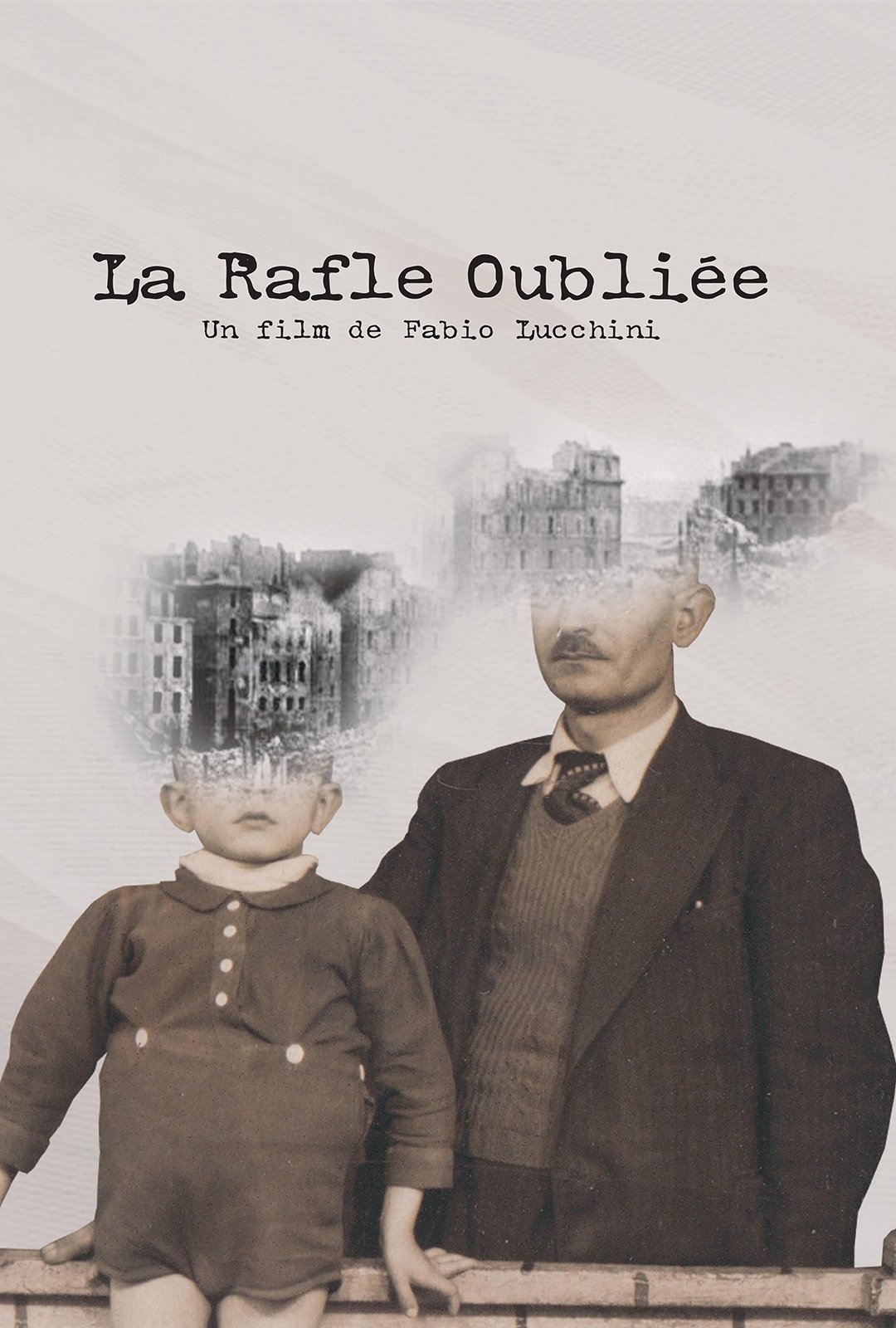
80 years ago, Marseille's Old Port was the scene of a tragic event that is still largely unknown today: the roundup and total destruction of the Saint-Jean district, on Hitler's own orders. "The Forgotten Round-up" draws on the memories of some of the last direct witnesses to the tragedy, and follows the investigation of Marseille lawyer Pascal Luongo, grandson of one of the victims.
This film focuses on the Spanish Civil War that occurred in the 1930s as a result of the attempted Communist takeover of the Republican government. It documents how a handful of infiltrators and agitators were able to capture the country while the majority was either fooled by slogans of promised reform or frightened by acts of terrorism into non-resistance. This documentary was produced by the Committee to Research the Spanish War Knoxville, Tennessee
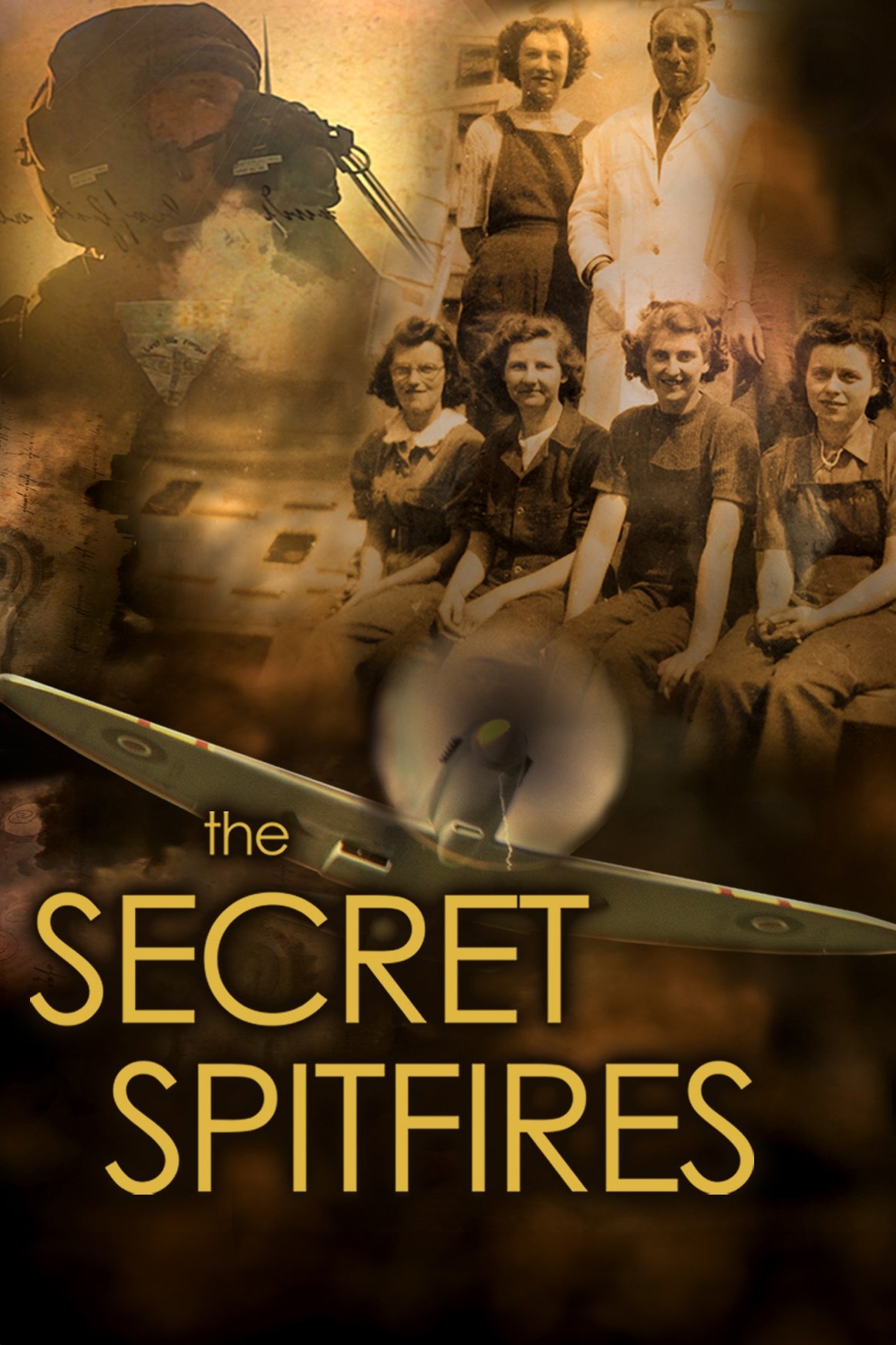
Spitfires were the nemesis of the Luftwaffe and the instrument which halted Hitler’s plans for invasion. After relentless bombing of the Spitfire factories in Southampton, the Germans were convinced they had halted the production of the Spitfires for good. But across the South of England, hidden in sheds, garages, back gardens, bedrooms, a bus depot, and even a hotel, a workforce of unskilled young girls, boys, women, elderly men, and a handful of engineers secretly built thousands of Spitfires to help win the war. Witnesses recount this never-before-told story of amazing achievement.
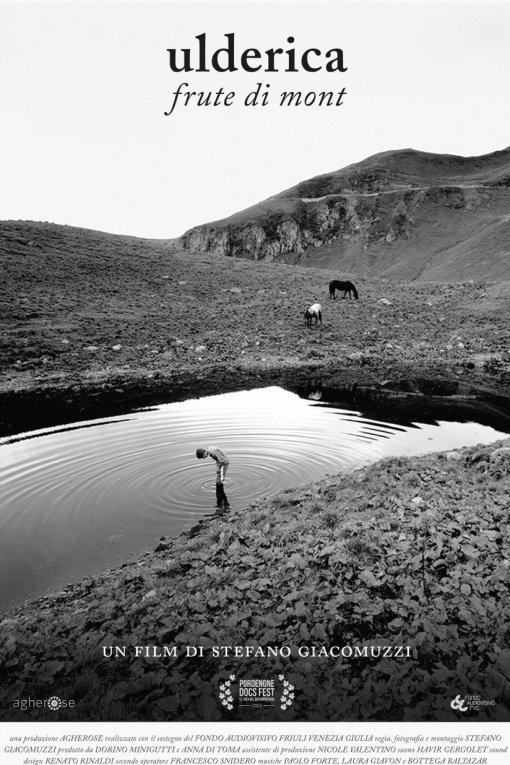
Ulderica was a peculiar child, brave but at the same time afraid. Today she is an artist and retains the soul of the child she was. A never-before-seen portrait of the great Friulian photographer.
An experimental documentary exploring the process of darkroom photo processing.
Stunning slow-motion and timelapse cinematography of the landscapes, people and wildlife of the American South West.
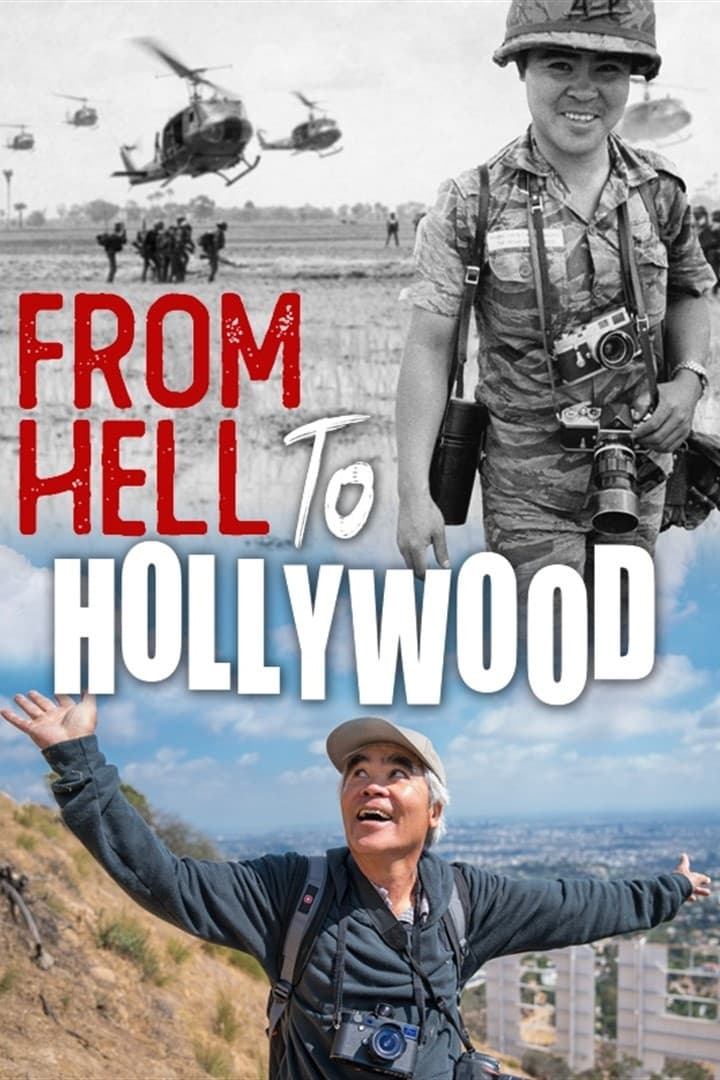
In this biographical portrait, Nick Ut, the Associated Press photographer finally tells his own story.
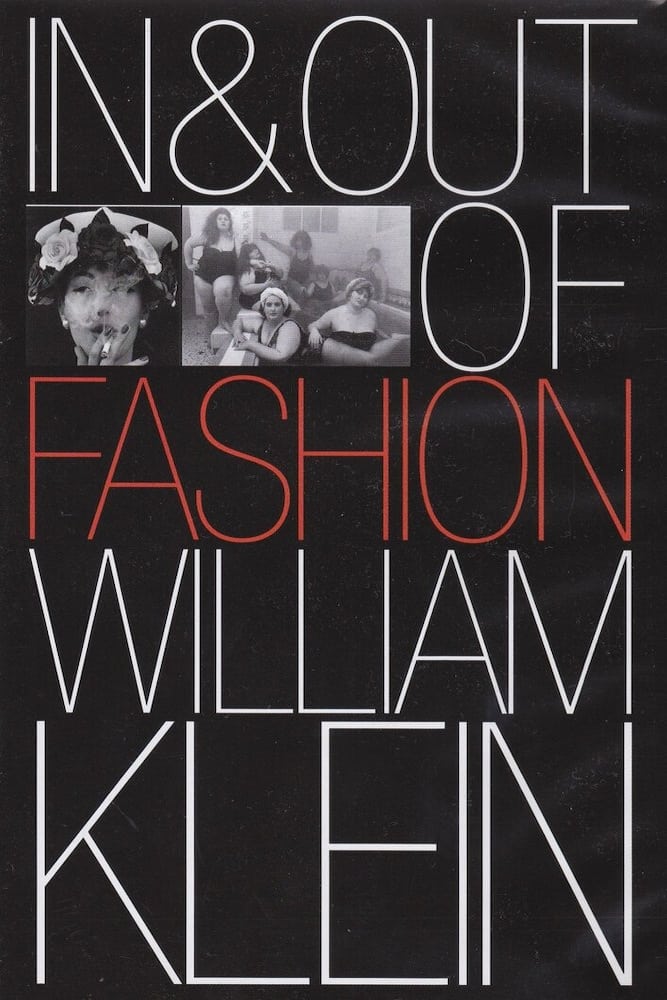
An biography of William Klein, Parisian-based American photographer which strings together his abstract paintings, mould-breaking reportage, inventive fashion photos and excerpts from his feature films.
The life and career of legendary Hollywood glamour portrait photographer George Hurrell is profiled by his contemporaries including other photographers and actors he has shot.
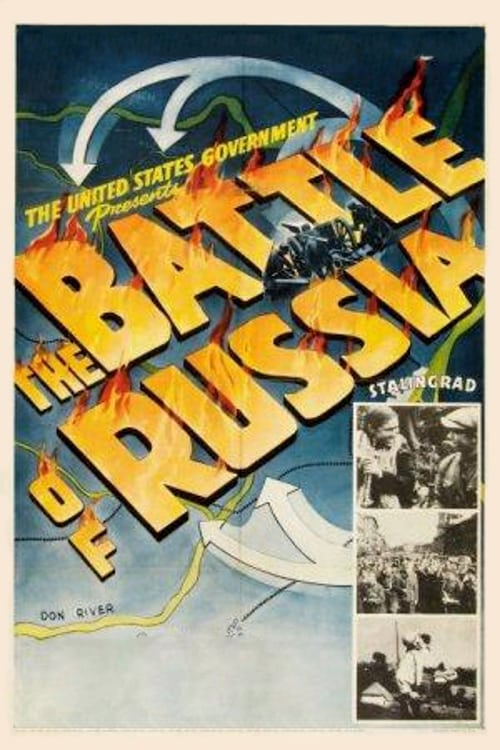
The fifth film of Frank Capra's Why We Fight propaganda film series, revealing the nature and process of the fight between the Soviet Union and Germany in the Second World War.
In an intimate and joyful story of love in the face of loss, celebrated poets Andrea Gibson and Megan Falley find strength—and unexpected hilarity—in what might be their final year together.
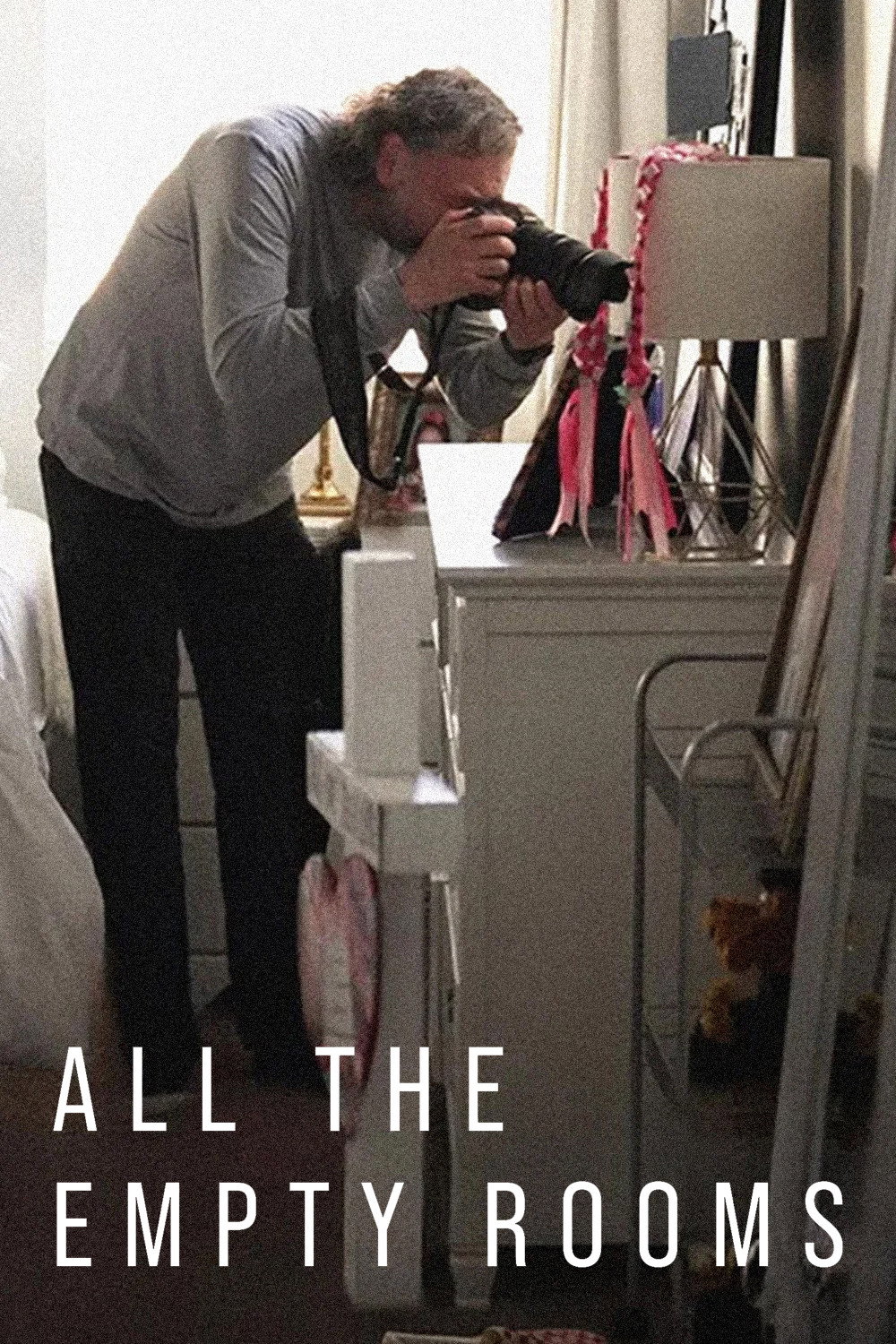
A journalist and a photographer set out to memorialize the bedrooms left behind by children killed in school shootings.
When Allied forces liberated the Nazi concentration camps in 1944-45, their terrible discoveries were recorded by army and newsreel cameramen, revealing for the first time the full horror of what had happened. Making use of British, Soviet and American footage, the Ministry of Information’s Sidney Bernstein (later founder of Granada Television) aimed to create a documentary that would provide lasting, undeniable evidence of the Nazis’ unspeakable crimes. He commissioned a wealth of British talent, including editor Stewart McAllister, writer and future cabinet minister Richard Crossman – and, as treatment advisor, his friend Alfred Hitchcock. Yet, despite initial support from the British and US Governments, the film was shelved, and only now, 70 years on, has it been restored and completed by Imperial War Museums under its original title "German Concentration Camps Factual Survey".
Daniel Craig candidly reflects on his 15 year adventure as James Bond. Including never-before-seen archival footage from Casino Royale to the upcoming 25th film No Time To Die, Craig shares his personal memories in conversation with 007 producers, Michael G Wilson and Barbara Broccoli.
The film follows adventurer Jeff Johnson as he retraces the epic 1968 journey of his heroes Yvon Chouinard and Doug Tompkins to Patagonia.
Prelude to War was the first film of Frank Capra's Why We Fight propaganda film series, commissioned by the Pentagon and George C. Marshall. It was made to convince American troops of the necessity of combating the Axis Powers during World War II. This film examines the differences between democratic and fascist states.
Ranjit, a farmer in India, takes on the fight of his life when he demands justice for his 13-year-old daughter, the victim of a brutal gang rape. His decision to support his daughter is virtually unheard of, and his journey unprecedented.
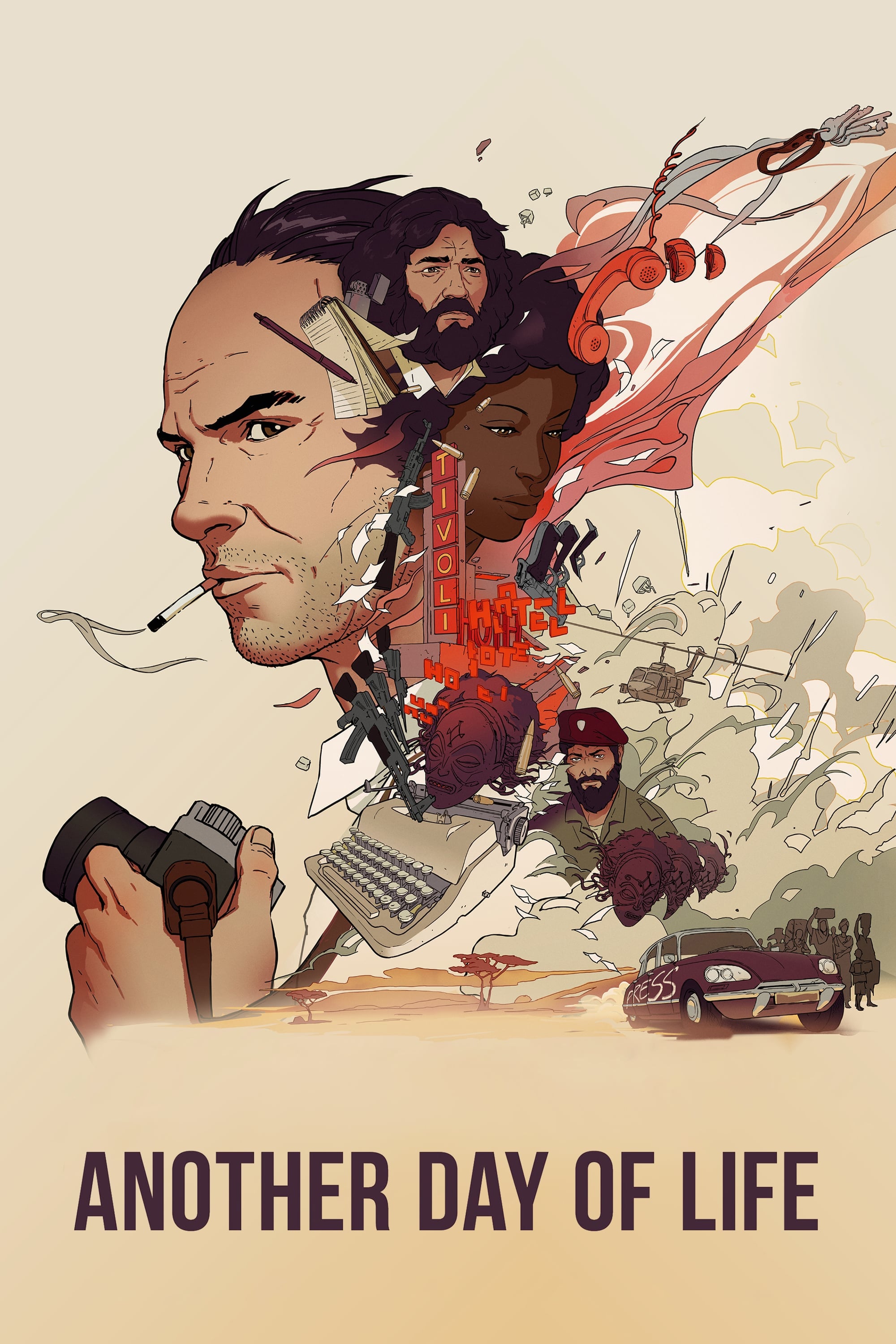
In 1975, Ryszard Kapuściński, a veteran Polish journalist, embarked on a seemingly suicidal road trip into the heart of the Angola's civil war. There, he witnessed once again the dirty reality of war and discovered a sense of helplessness previously unknown to him. Angola changed him forever: it was a reporter who left Poland, but it was a writer who returned…
Meet the real-life airmen who inspired Masters of the Air as they share the harrowing and transformative events of the 100th Bomb Group.
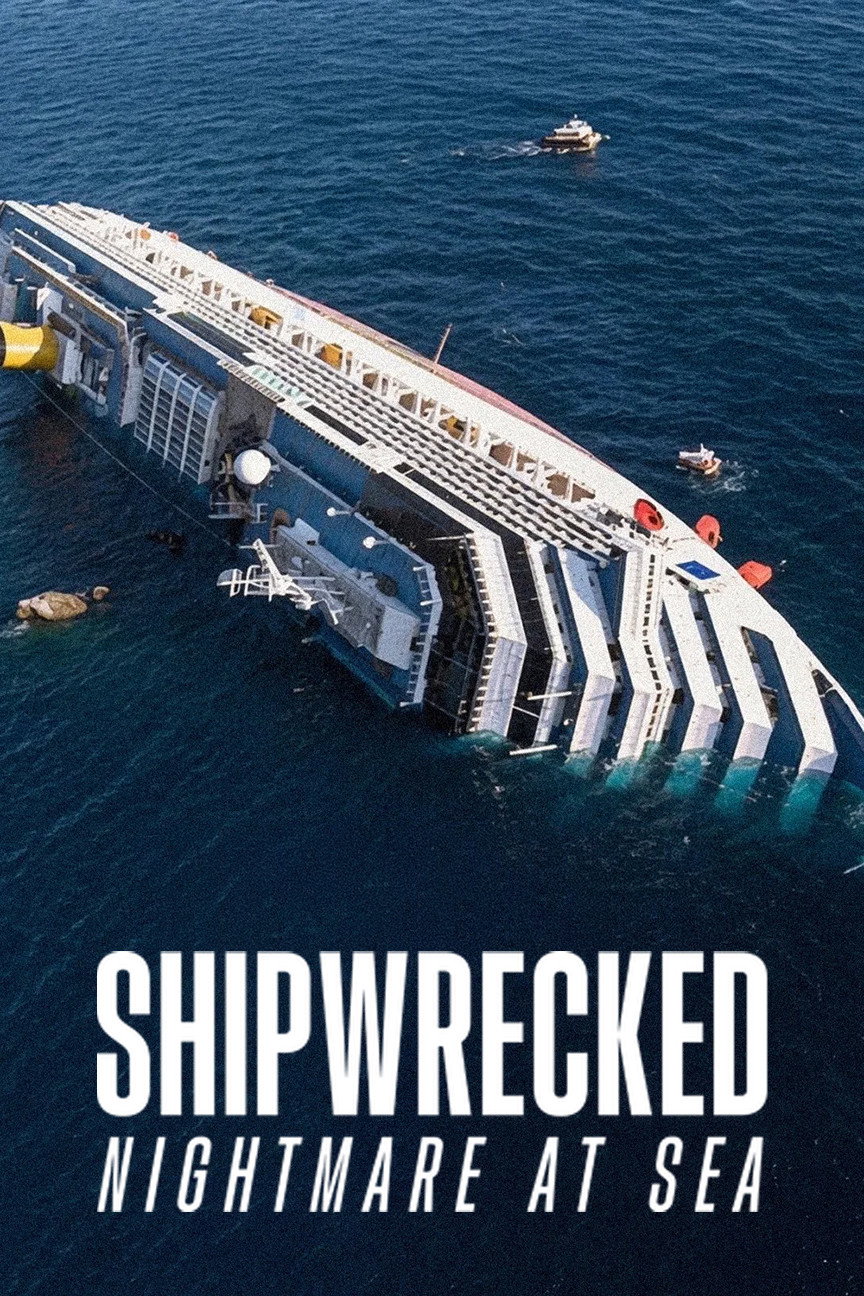
Never-before-seen footage and survivor accounts trace the 2012 shipwreck of a luxury cruise and the disaster that ensued, in this immersive documentary.
Amid the failing counteroffensive, a journalist follows a Ukrainian platoon on their mission to traverse one mile of heavily fortified forest and liberate a strategic village from Russian occupation. But the farther they advance through their destroyed homeland, the more they realize that this war may never end.
Through deeply personal interviews with her siblings and an examination of the photographs, letters, and belongings left behind, Mariska assembles a new portrait of her mother Jayne Mansfield, an extraordinary and complex woman.
A string of threatening emails escalates into a revenge plot involving a newly married US marshal and his ex-girlfriend.
A love letter from a young mother to her daughter, the film tells the story of Waad al-Kateab’s life through five years of the uprising in Aleppo, Syria as she falls in love, gets married and gives birth to Sama, all while cataclysmic conflict rises around her. Her camera captures incredible stories of loss, laughter and survival as Waad wrestles with an impossible choice– whether or not to flee the city to protect her daughter’s life, when leaving means abandoning the struggle for freedom for which she has already sacrificed so much.
This revealing documentary honors the legendary Sidney Poitier—iconic actor, filmmaker, and civil rights activist. Featuring interviews with Denzel Washington, Spike Lee, Halle Berry, and more.
Join the likes of Jeremy Renner, Hailee Steinfeld, Florence Pugh, and Vincent D’Onofrio as they reveal how Marvel Studios’ “Hawkeye” was conceived and created. Witness firsthand what it took to pull off the show’s pulse-pounding action set pieces, and discover how iconic characters from the pages of Marvel Comics such as Kate Bishop were adapted and brought to life for the six-episode series.
Those who knew iconic funnyman John Candy best share his story, in their own words, through never-before-seen archival footage, imagery, and interviews.
14-year-old Laura Dekker sets out on a two-year voyage in pursuit of her dream to become the youngest person ever to sail around the world alone.
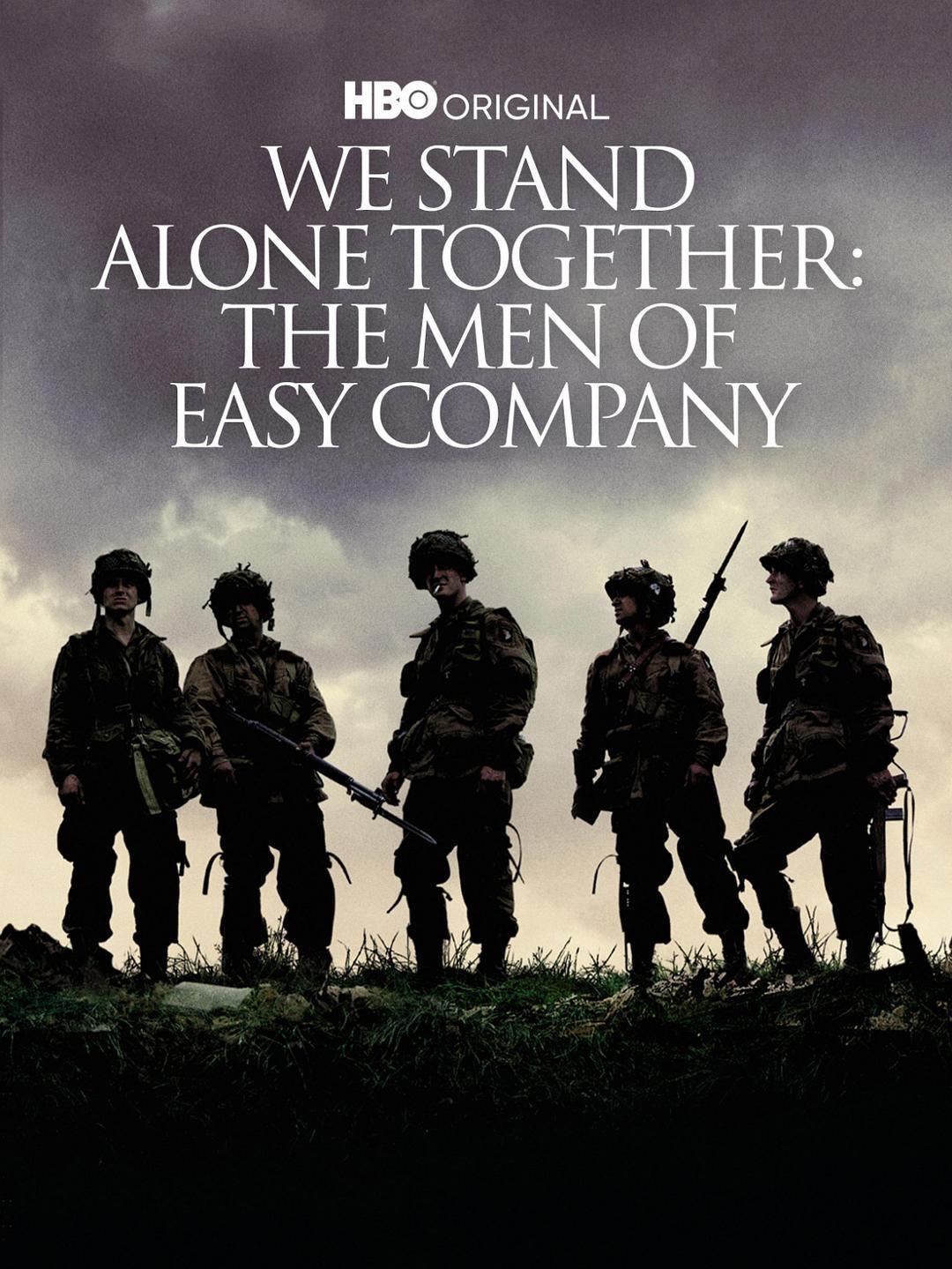
Over a period of two years, Mark Cowen and his crew travelled to thirty U.S. states and ten European cities, to interview the veterans of Easy Company. The stories told by the veterans themselves, create a history of the Second World War from the point of view of this heroic company of men, made famous in the mini-series Band of Brothers.
The life and career of an actor, artist, and icon. His own journey through his own camera.