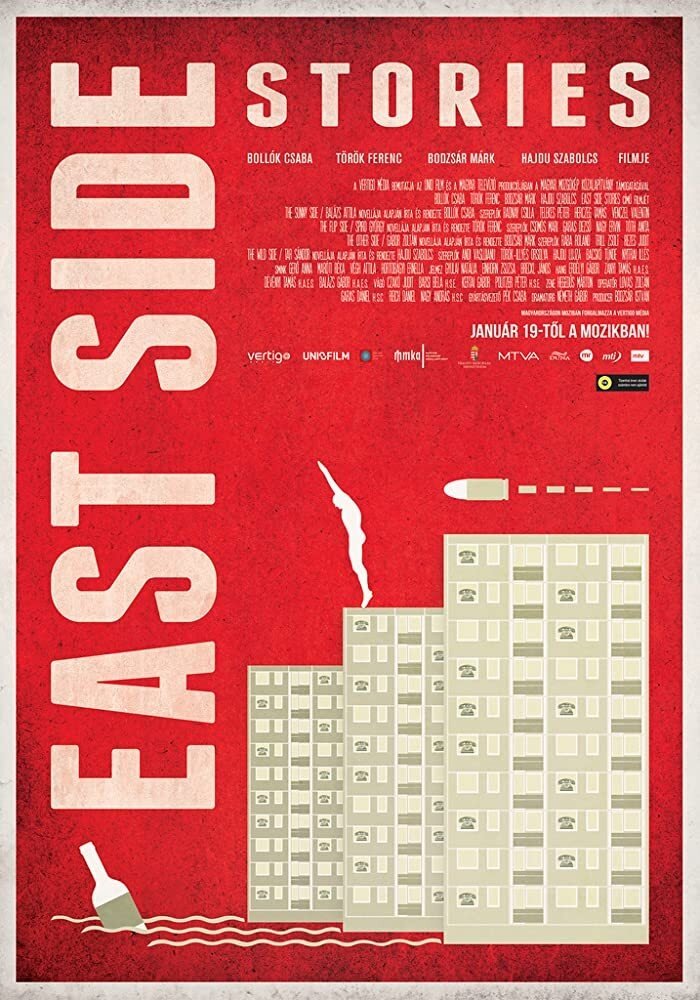
An anthology film featuring four tales about the realities of life in Hungary and the Balkans.
Social & External
The people behind it
Mari Csomós
Dezső Garas
Roland Rába
Zsolt Trill
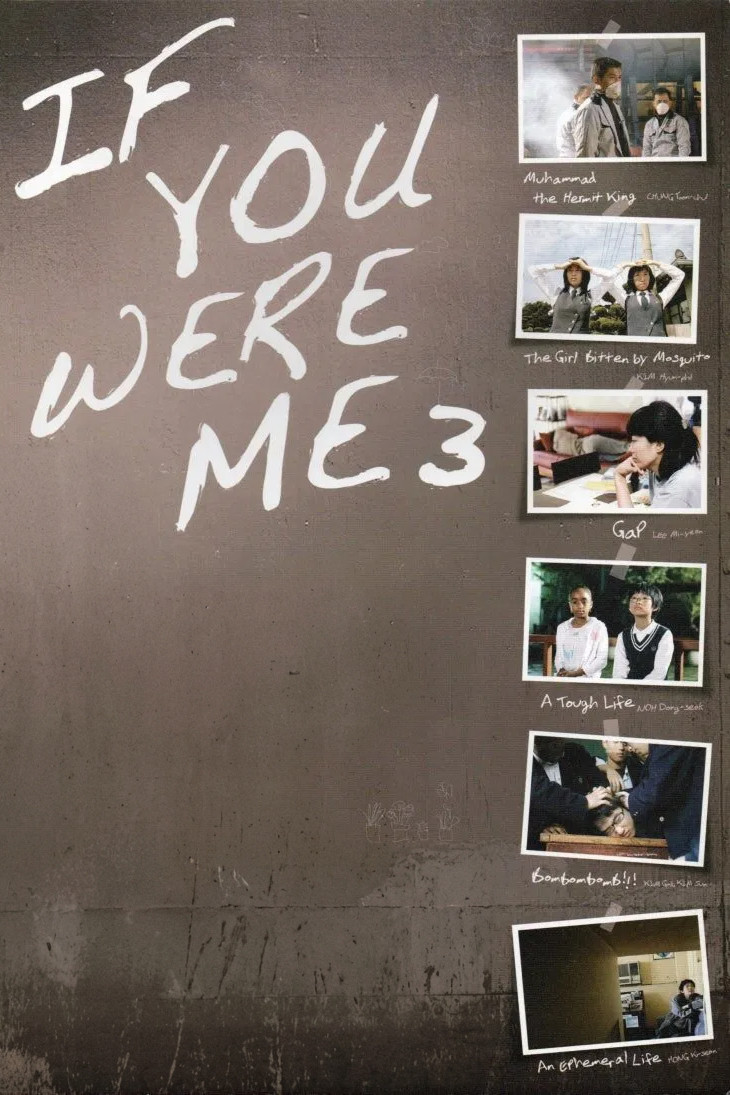
Commissioned by South Korea's National Human Rights Commission, If You Were Me is an innovative omnibus film project to promote tolerance and human rights and shed light on the hardships disadvantaged people face in Korea. This third installment continues the If You Were Me tradition. Directors Jeong Yun Cheol (Marathon), Kim Hyeon Pil (Wonderful Day), Lee Mi Yeon (L'Abri), Noh Dong Seok (Boys of Tomorrow), Hong Gi Seon (The Road Taken), and Kim Gok and Kim Sun (Capitalist Manifesto: Working Men of All Countries) participated in If You Were Me 3, creating shorts on human rights issues of their choosing, ranging from labor conditions to gay rights to discrimination.
Old lovers reunite, a friendship is betrayed, a pet is killed, a runaway discovered, and a co-worker comes back from the dead in these five interconnected tales about suffering from kindness. Shot over five-years worth of weekends featuring a massive cast and crew, this ambitious, feature-length, no-budget indie shows a side of Maine not seen anywhere else (no lobstermen here, sorry) and finds bleak comedy in a backwater state being dragged into a diverse and inclusive 21st century.
In battle-ridden Syria, a woman trying to smuggle bread into a blockaded area crosses paths with a soldier on the run.
By fabricating her biography, Luo Su, a young Chinese white-collar worker from a low-income family, hopes to wed Mr. Win, an alluring bachelor. But when her mother's shocking TV interview exposes her deceit, she loses everything and ends her own life. Left in limbo, she is mystically given one last opportunity to alter her fate within 72 hours - albeit within the body of a man.
Film reconstruction of five real stories about the heroic deeds of the residents of Kyiv region during the Russian occupation. A story about those who heroically and selflessly saved tens of thousands of Ukrainian lives.
Five individual stories are connected to each other in the basis of their nature. Actually the Dark Side of the capital Dhaka, has been sketched throughout the film. What happens over our eyes in the dark of the night.
An irresponsible young Spaniard having spent 6 months in jail for embezzlement gets a job as a waiter in a bar restaurant and becomes involved in a stolen goods racket.
A full-time carer plots a daring heist from the Houses of Parliament, in a bid to thwart devastating welfare reforms known as Independence Credit.
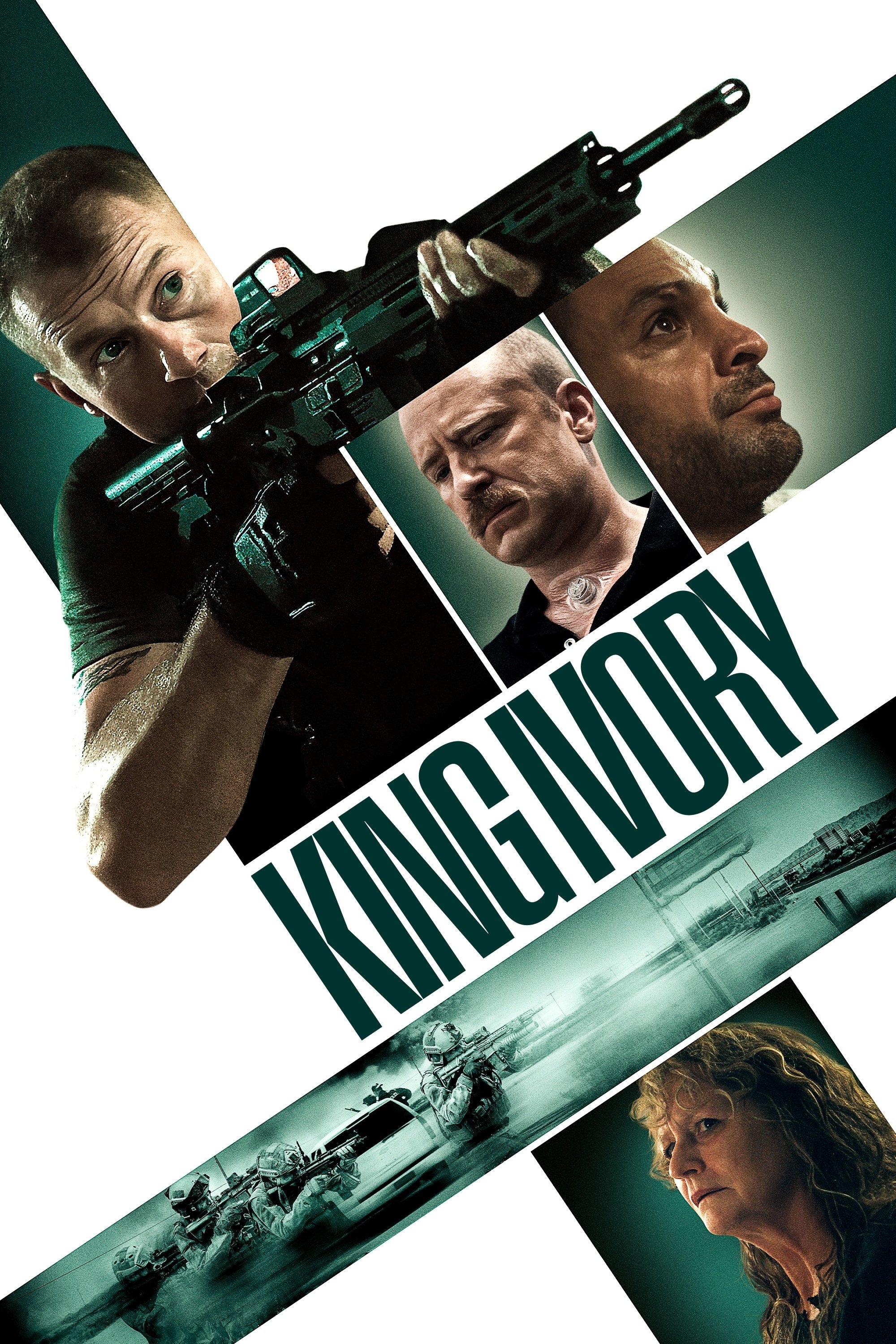
A former Marine confronts corruption in a small town when local law enforcement unjustly seizes the bag of cash he needs to post his cousin's bail.
The ever-lively and upbeat Natsuko tries to mend a broken heart by carrying on with a string of short-lived affairs after her break-up with Tomomi. But when Tomomi announces her plans to marry - a man - Natsuko becomes inconsolable.
Different people and five different families are acting out various scenarios, scripts and what-ifs. First there is the four Suzuki family members, who are not, sitting around a table in isolation. Then there is the unveiling of a will and what happens when it is read out, there are the sisters who are at it against each other, then there is the funeral that does not go according to plan and more.
Originally a collection of clips from the Neon Genesis Evangelion TV series, Death was created as a precursor to the re-worked ending of the series. Rebirth was intended as that re-worked ending, but after production overruns Rebirth became only the first half of the first part of The End of Evangelion, with some minor differences.
An anthology of one-minute films created by 51 international filmmakers on the theme of the death of cinema. Intended as an ode to 35mm, the film was screened one time only on a purpose-built 20x12 meter public cinema screen in the Port of Tallinn, Estonia, on 22 December 2011. A special projector was constructed for the event which allowed the actual filmstrip to be burnt at the same time as the film was shown.
Perry makes a wish using the holiday magic given the world he encounters after escaping Foster Care.
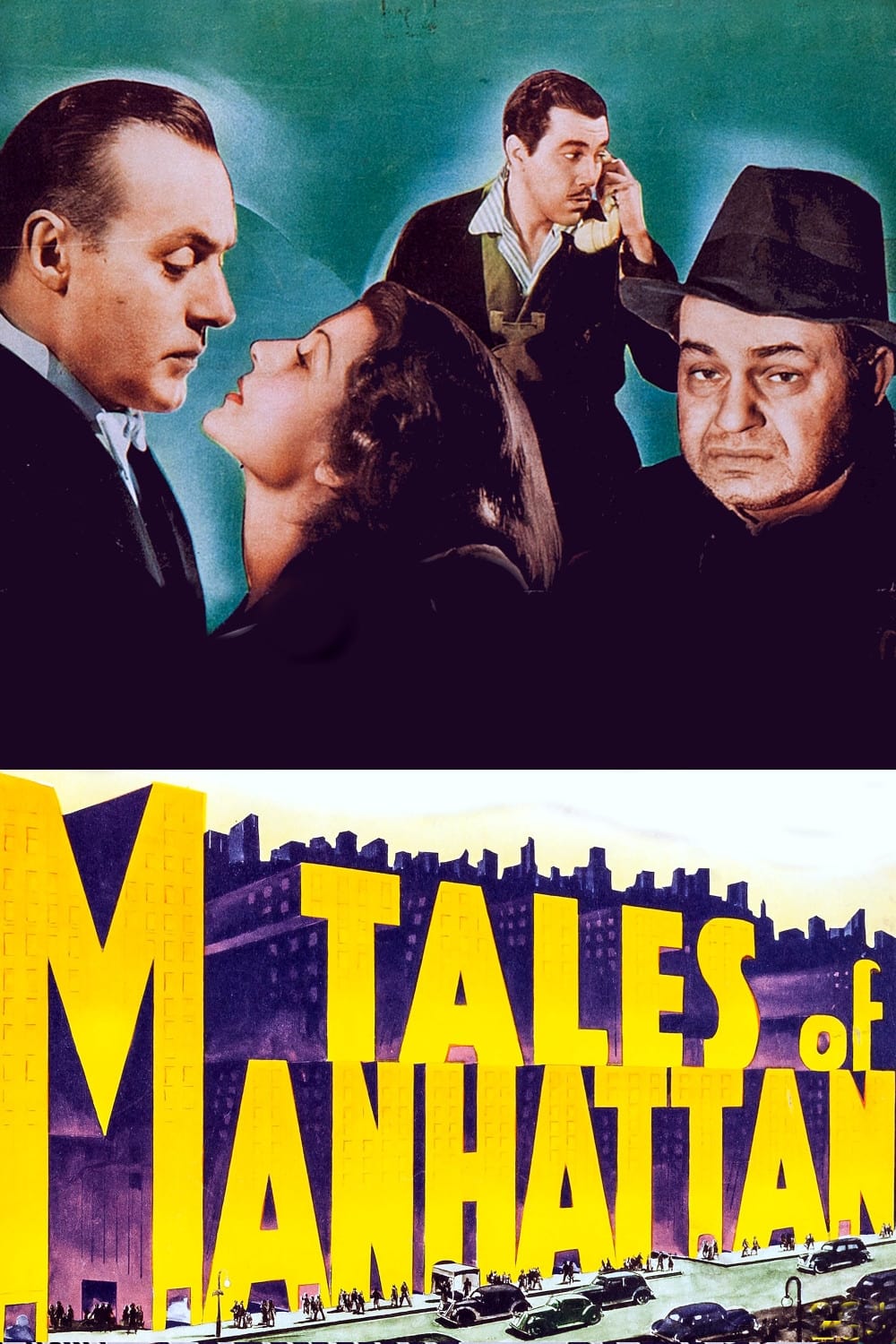
Ten screenwriters collaborated on this series of tales concerning the effect a tailcoat cursed by its tailor has on those who wear it. The video release features a W.C. Fields segment not included in the original theatrical release.
Like the Japanese Special Editions of other Gundam and Sunrise anime series, this is the second of three volumes, that will condense the first half of the second season of Gundam 00 into feature-length videos. They all feature some new animated sequences and some partially re-recorded dialogue.
Featuring seven stories from seven auteurs from around the world, the film chronicles this unprecedented moment in time, and is a true love letter to the power of cinema and its storytellers.
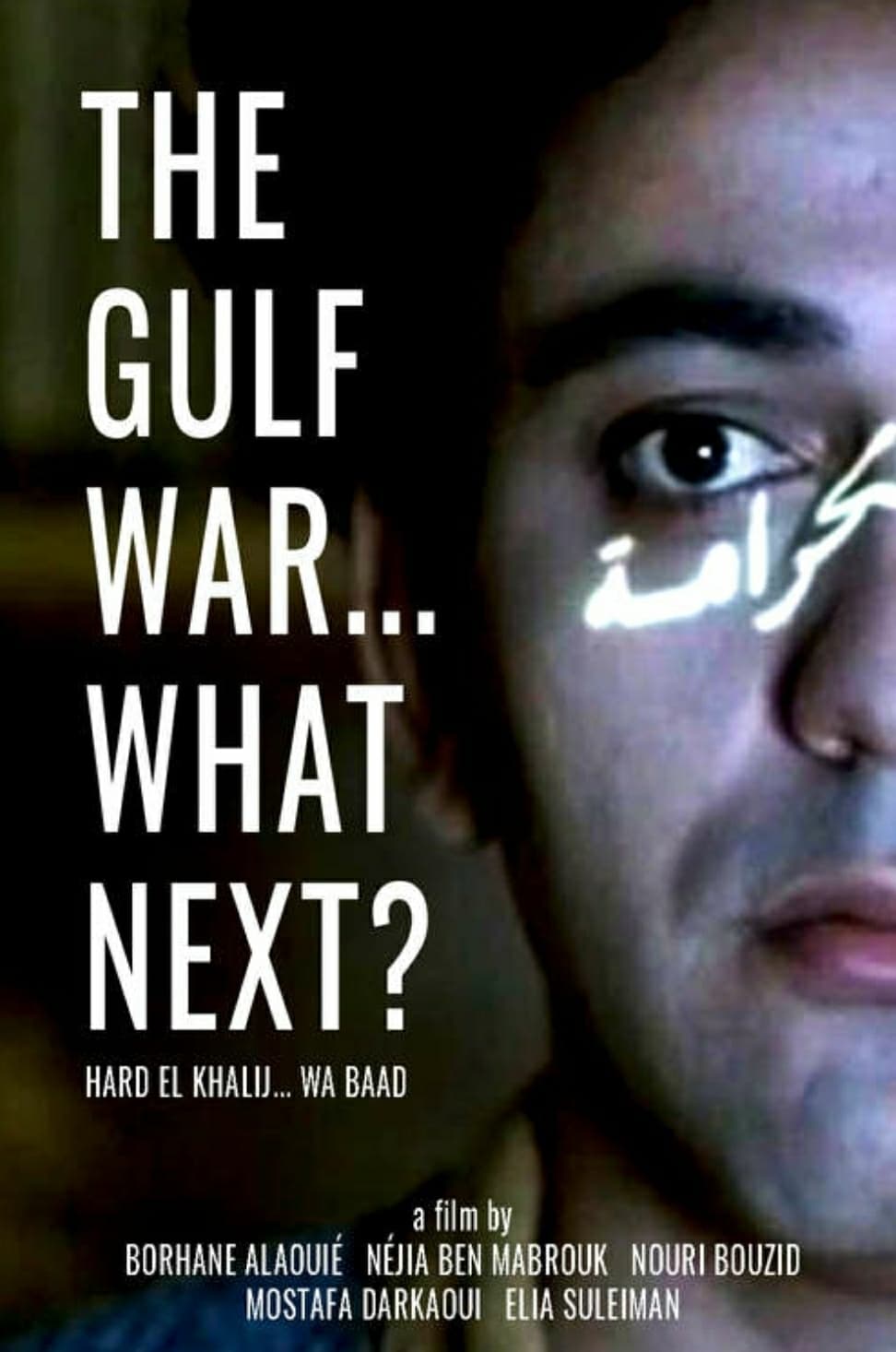
The second Gulf War from 1990 to 1991 represents in the collective Arab memory a turning point in regards to the Arab nationalism’s self-perception as well as a moment of deep historical and existential insecurity. Five Arab directors discuss the events from their personal perspective.
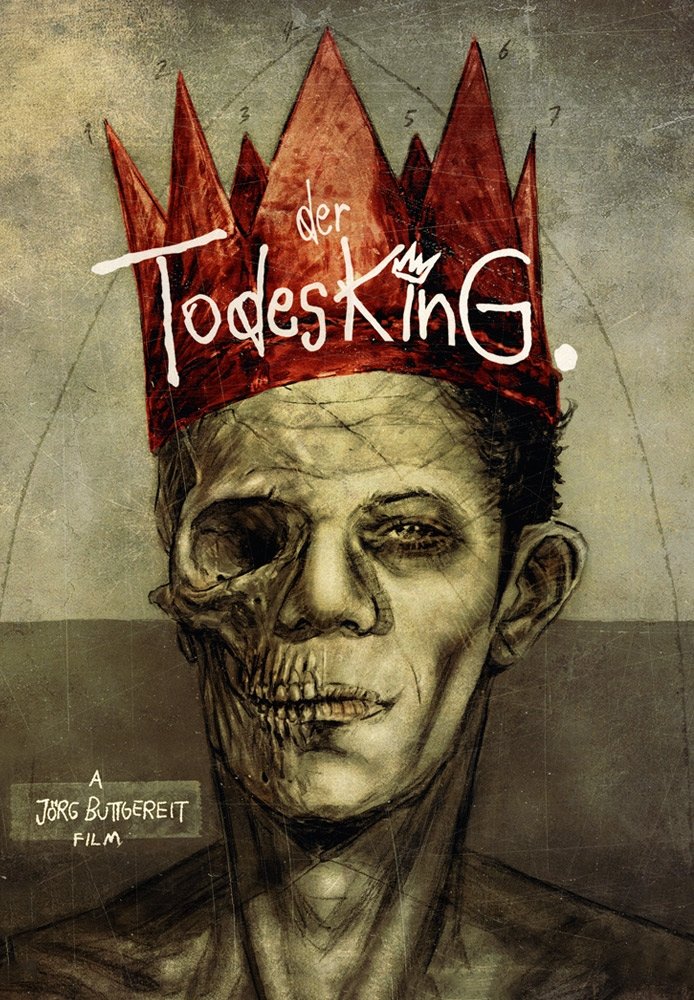
Seven episodes, each taking place on a different day of the week, on the theme of suicide and violent death.
A successful Indian scientist returns home to his village to take his nanny back to America with him, and in the process rediscovers his roots.
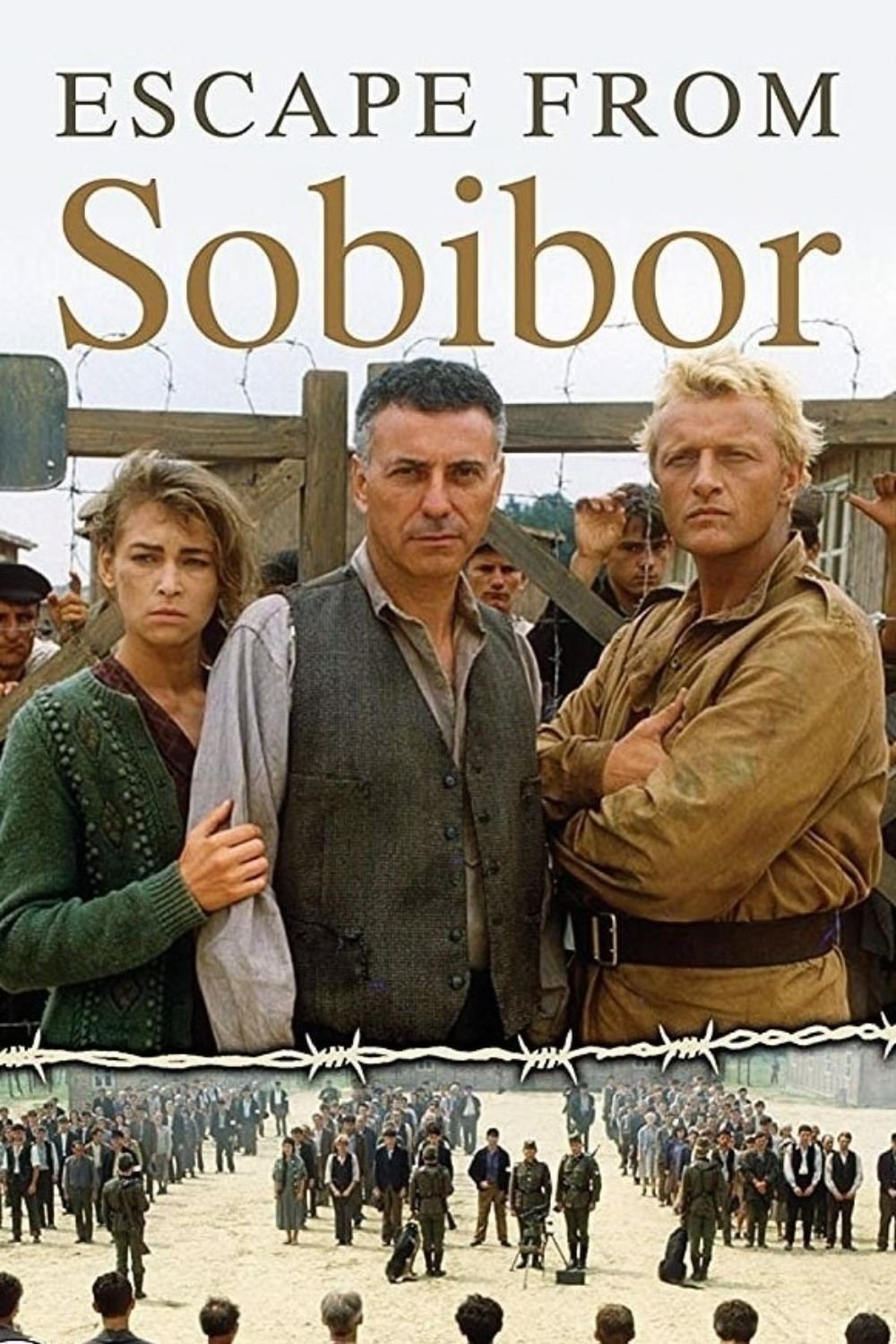
The true story of WWII's notorious Sobibor Nazi death camp, where a courageous inmate orchestrates and leads the escape of over 300 prisoners.
A filmmaker talks about his work and love life with an unseen friend behind the camera. We also watch four of his short films.
A small band of multicultural convicts stages a daring escape from a WWII-era Siberian gulag, and embarks on a treacherous journey across five countries in a desperate race for freedom and survival.
Disgrace is the story of a South African professor of English who loses everything: his reputation, his job, his peace of mind, his good looks, his dreams of artistic success, and finally even his ability to protect his cherished daughter. After having an affair with a student, he moves to the Eastern Cape, where he gets caught up in a mess of post-apartheid politics.
A Hungarian family forced to flee the Communist country for the United States must leave a young daughter behind. Six years later, the family arranges to bring the absent daughter to the United States where she has trouble adjusting. The daughter then decides to travel to Budapest to discover her identity.
At an isolated frontier outpost, a colonial magistrate suffers a crisis of conscience when an army colonel arrives looking to interrogate the locals about an impending uprising, using cruel tactics that horrify the magistrate.
In a totalitarian future society, a man whose daily work is rewriting history tries to rebel by falling in love.
An equal rights crusader, journalist and activist: Gloria Steinem embodies these and more. From her role in the revolutionary women's rights movement to her travels throughout the U.S. and around the world, Steinem has made an everlasting mark on modern history. A nontraditional chronicle of a trailblazing life.
A psychotherapist helps a law student cope with schizophrenia in one of five interconnected tales dealing with mental illness.
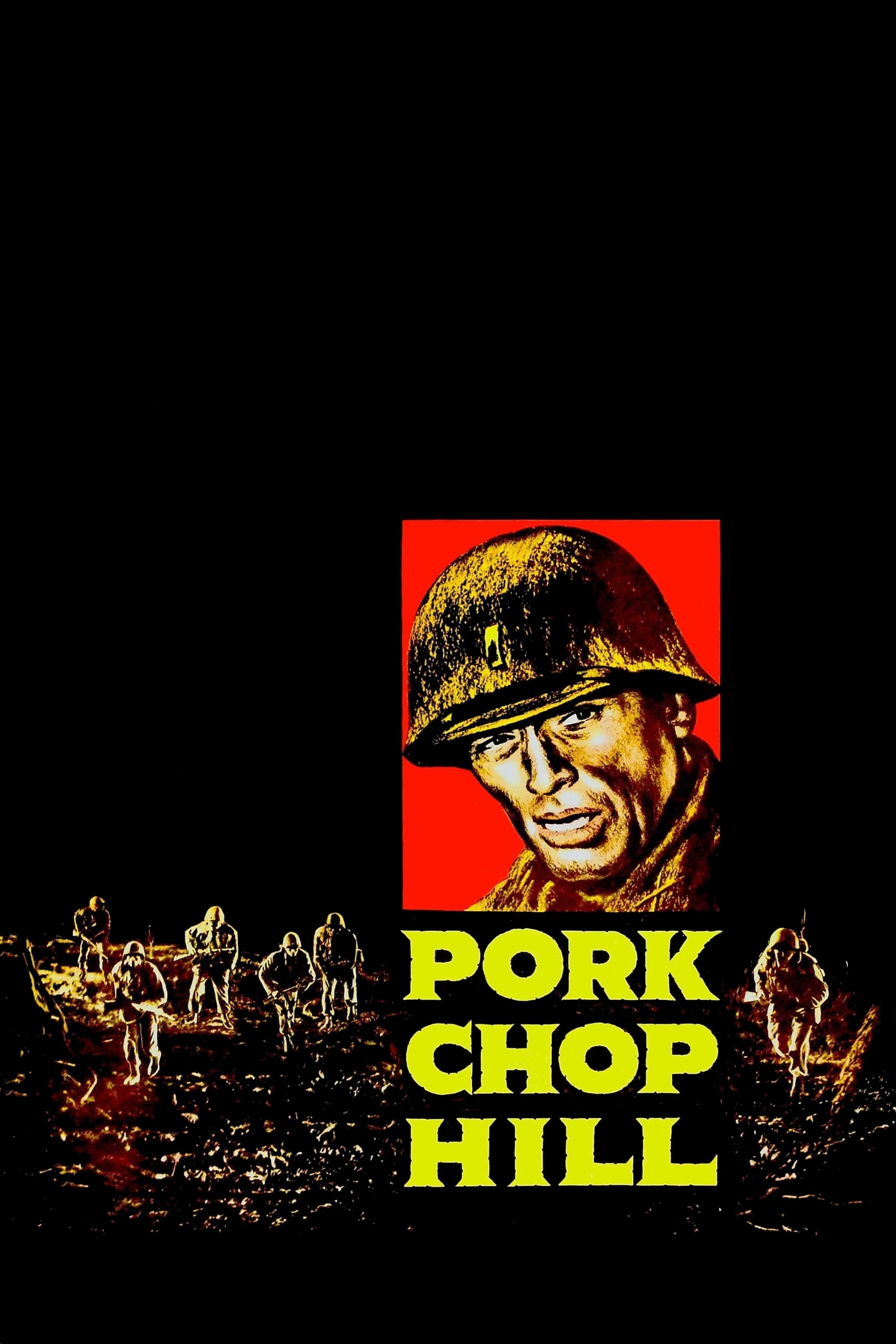
Korean War, April 1953. Lieutenant Clemons, leader of the King company of the United States Infantry, is ordered to recapture Pork Chop Hill, occupied by a powerful Chinese Army force, while, just seventy miles away, at nearby the village of Panmunjom, a tense cease-fire conference is celebrated.
A poor, struggling South Carolinian mother and daughter face painful choices with their resolve and pride. Bone, the eldest daughter, and Anney her tired mother, grow both closer and farther apart: Anney sees Glen as her last chance.
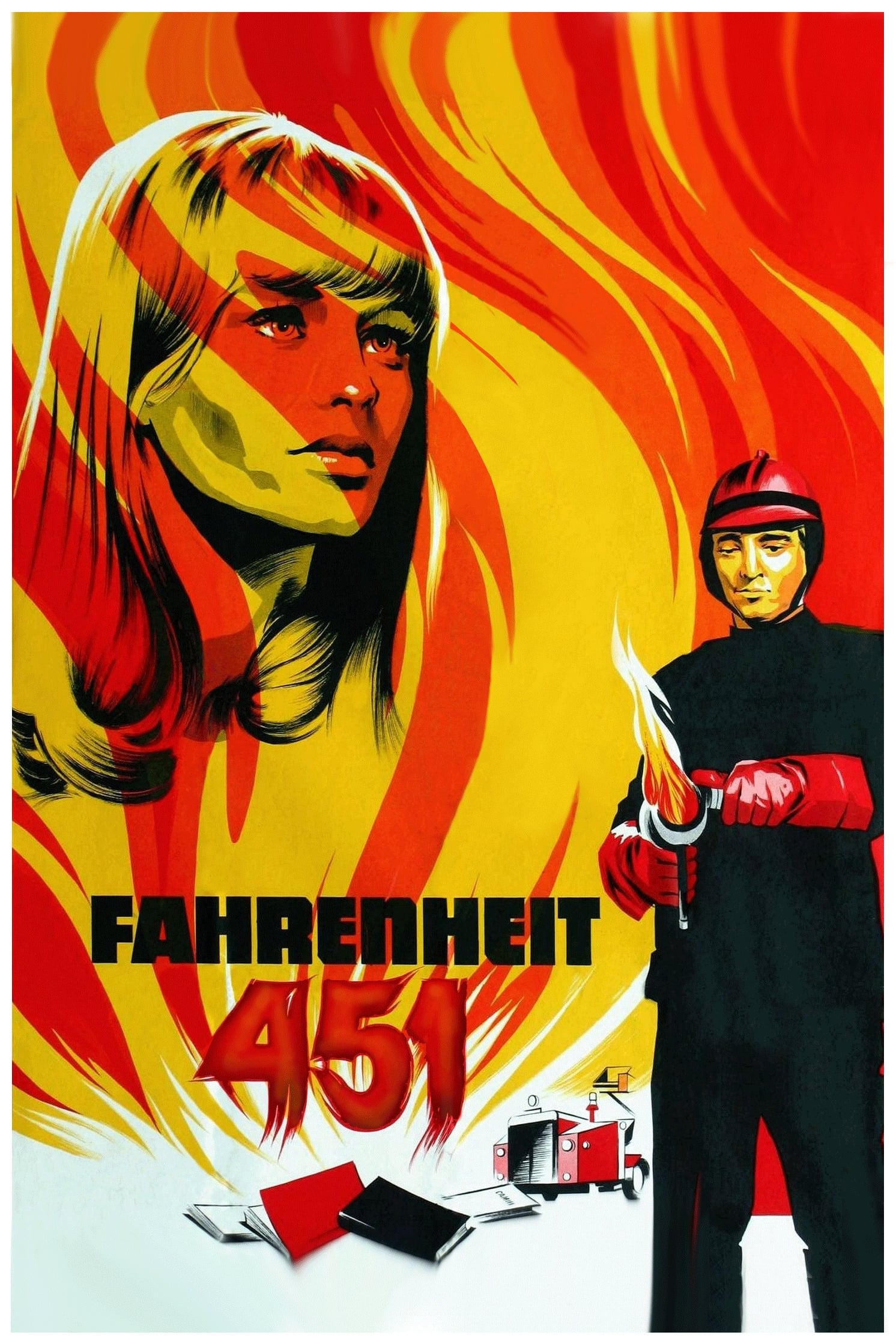
In the future, the government maintains control of public opinion by outlawing literature and maintaining a group of enforcers, known as “firemen,” to perform the necessary book burnings. Fireman Montag begins to question the morality of his vocation…
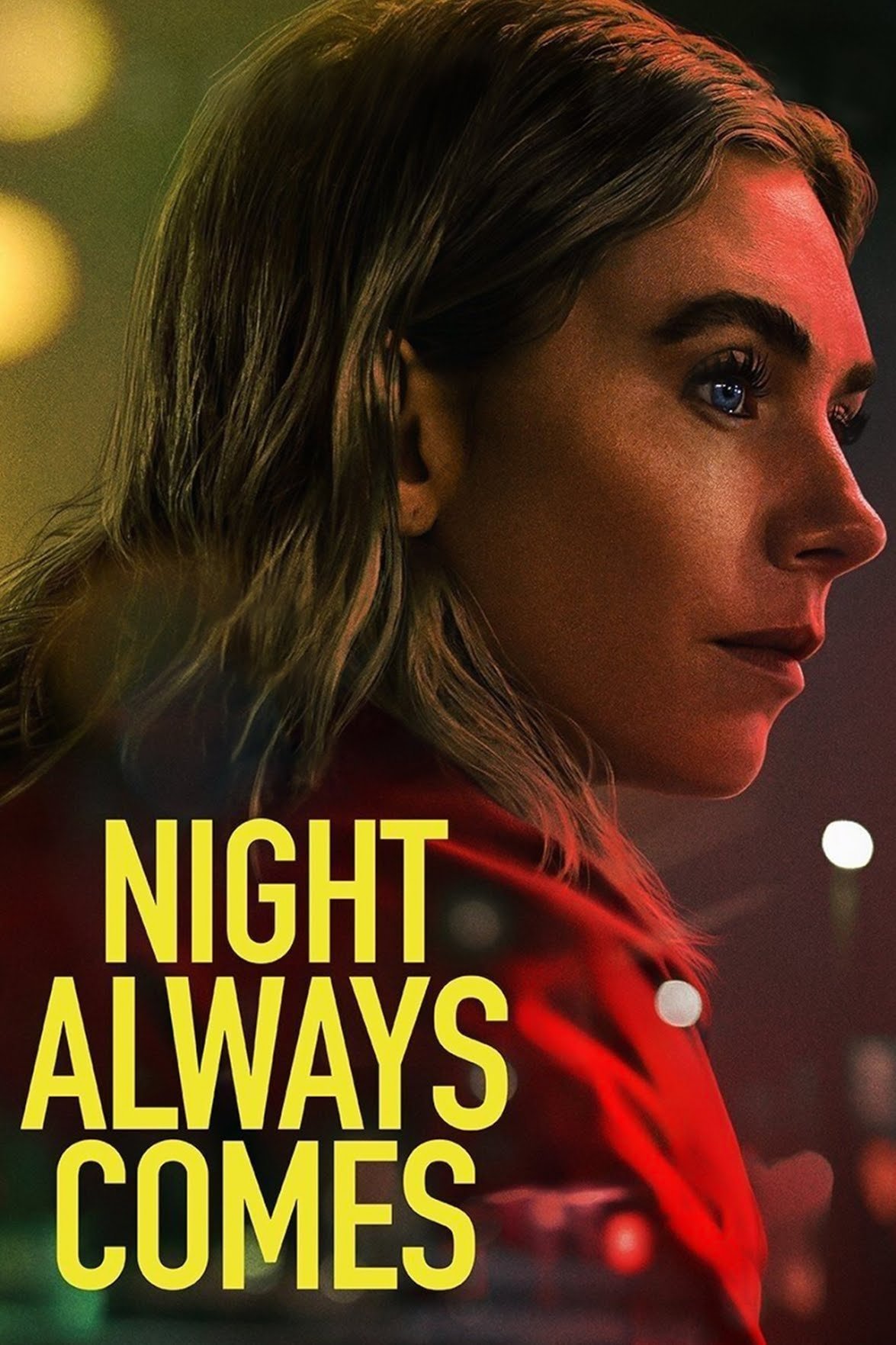
Facing eviction in a city her family can no longer afford, a woman plunges into a desperate and increasingly dangerous all-night search to raise $25,000.
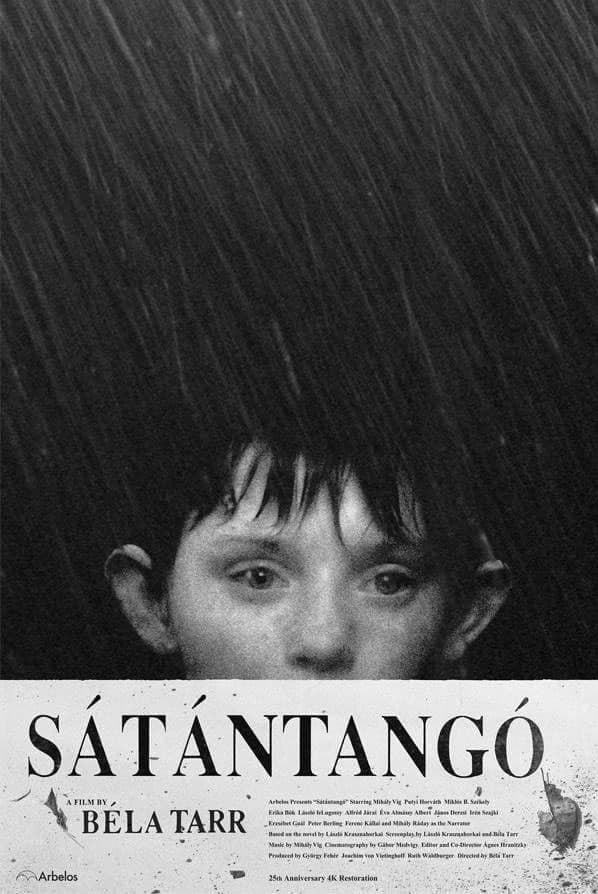
Inhabitants of a small village in Hungary deal with the effects of the fall of Communism. The town's source of revenue, a factory, has closed, and the locals, who include a doctor and three couples, await a cash payment offered in the wake of the shuttering. Irimias, a villager thought to be dead, returns and, unbeknownst to the locals, is a police informant. In a scheme, he persuades the villagers to form a commune with him.
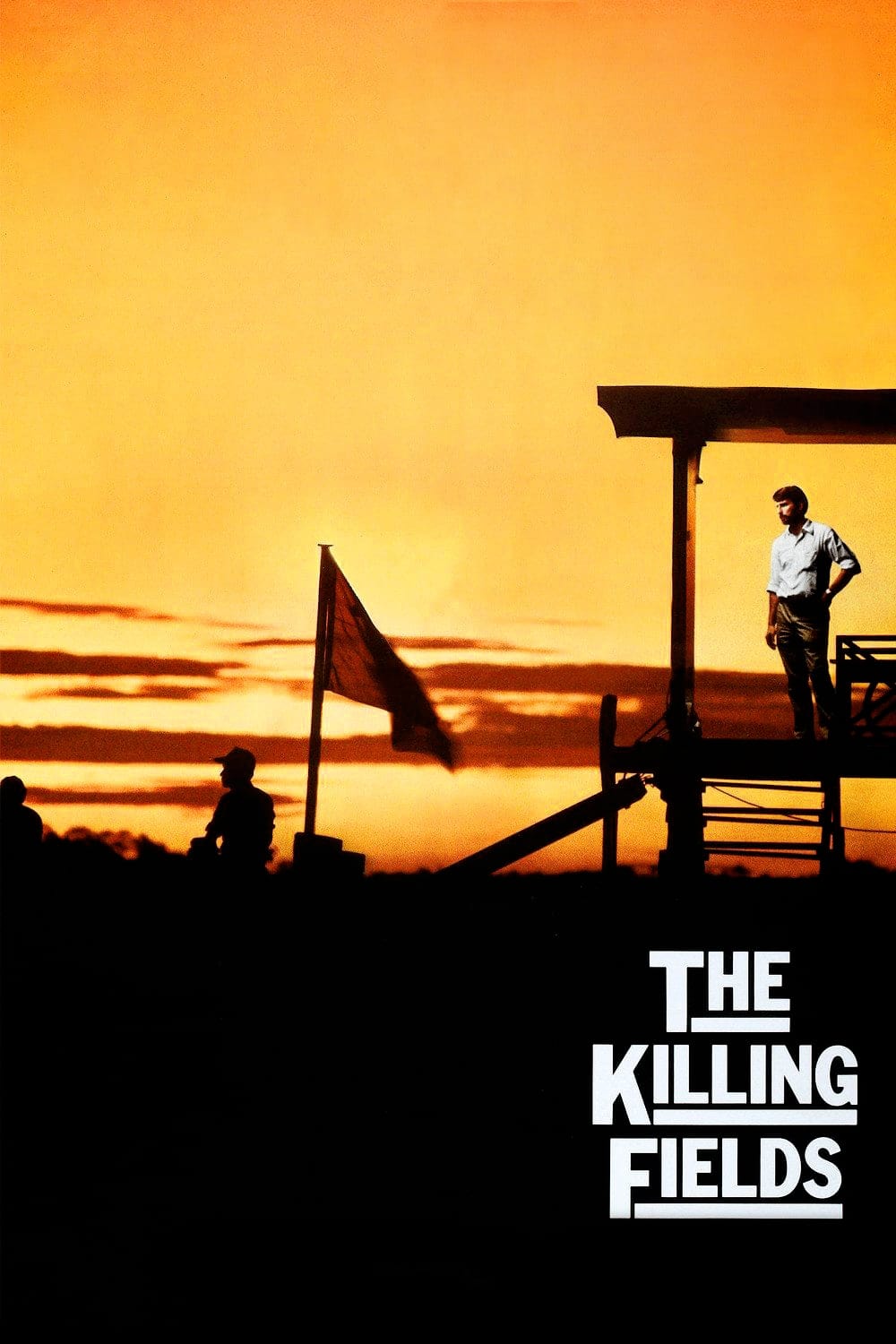
New York Times reporter Sydney Schanberg is on assignment covering the Cambodian Civil War, with the help of local interpreter Dith Pran and American photojournalist Al Rockoff. When the U.S. Army pulls out amid escalating violence, Schanberg makes exit arrangements for Pran and his family. Pran, however, tells Schanberg he intends to stay in Cambodia to help cover the unfolding story — a decision he may regret as the Khmer Rouge rebels move in.
Defiant young activists take the women's suffrage movement by storm, putting their lives at risk to help American women win the right to vote.
Based on extensive research involving law enforcement and gang members, a never-before-seen, authentic look inside the underworld of fentanyl trafficking from gangs inside the Oklahoma State Penitentiary at McAlester a.k.a. "Big Mac."
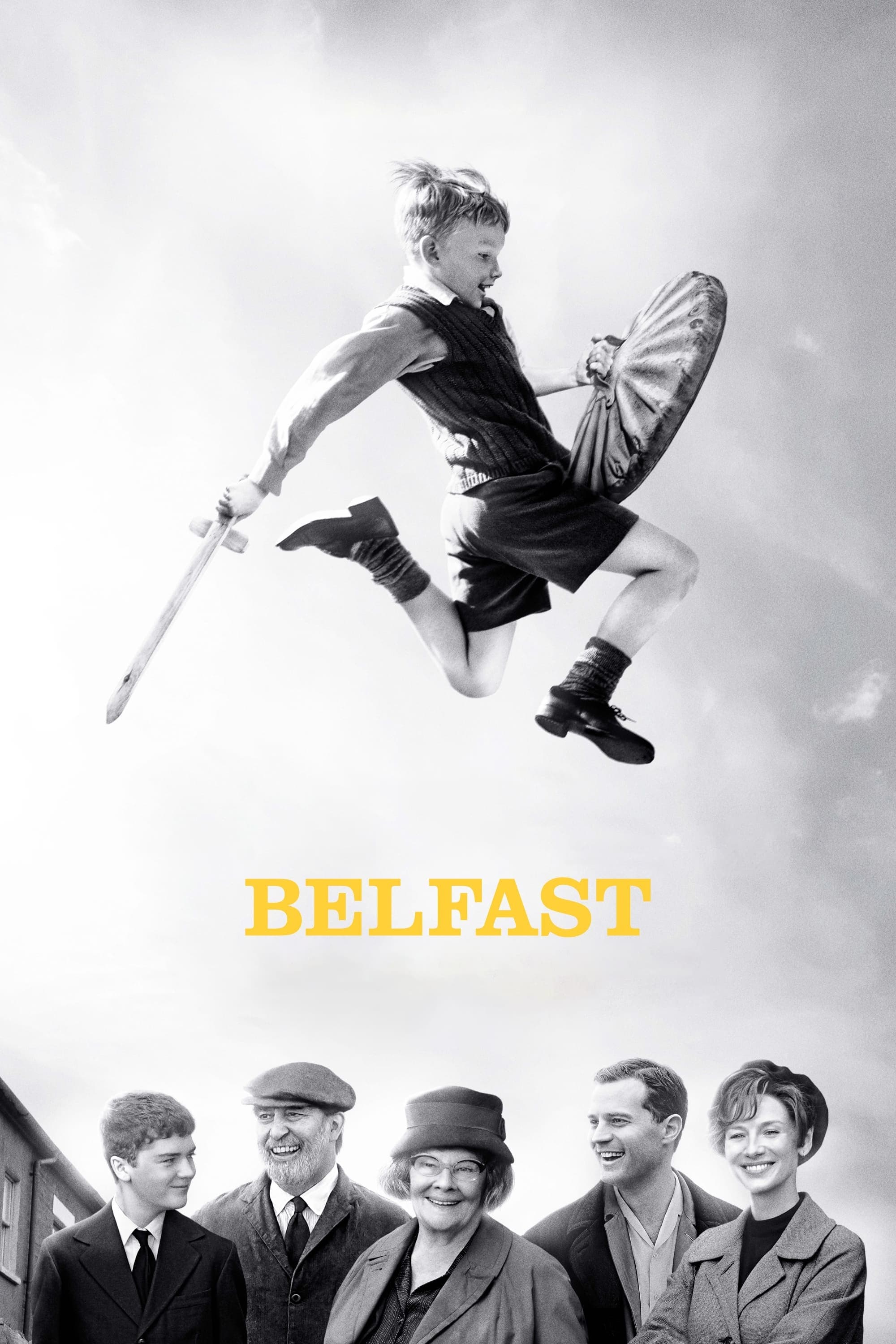
Buddy is a young boy on the cusp of adolescence, whose life is filled with familial love, childhood hijinks, and a blossoming romance. Yet, with his beloved hometown caught up in increasing turmoil, his family faces a momentous choice: hope the conflict will pass or leave everything they know behind for a new life.
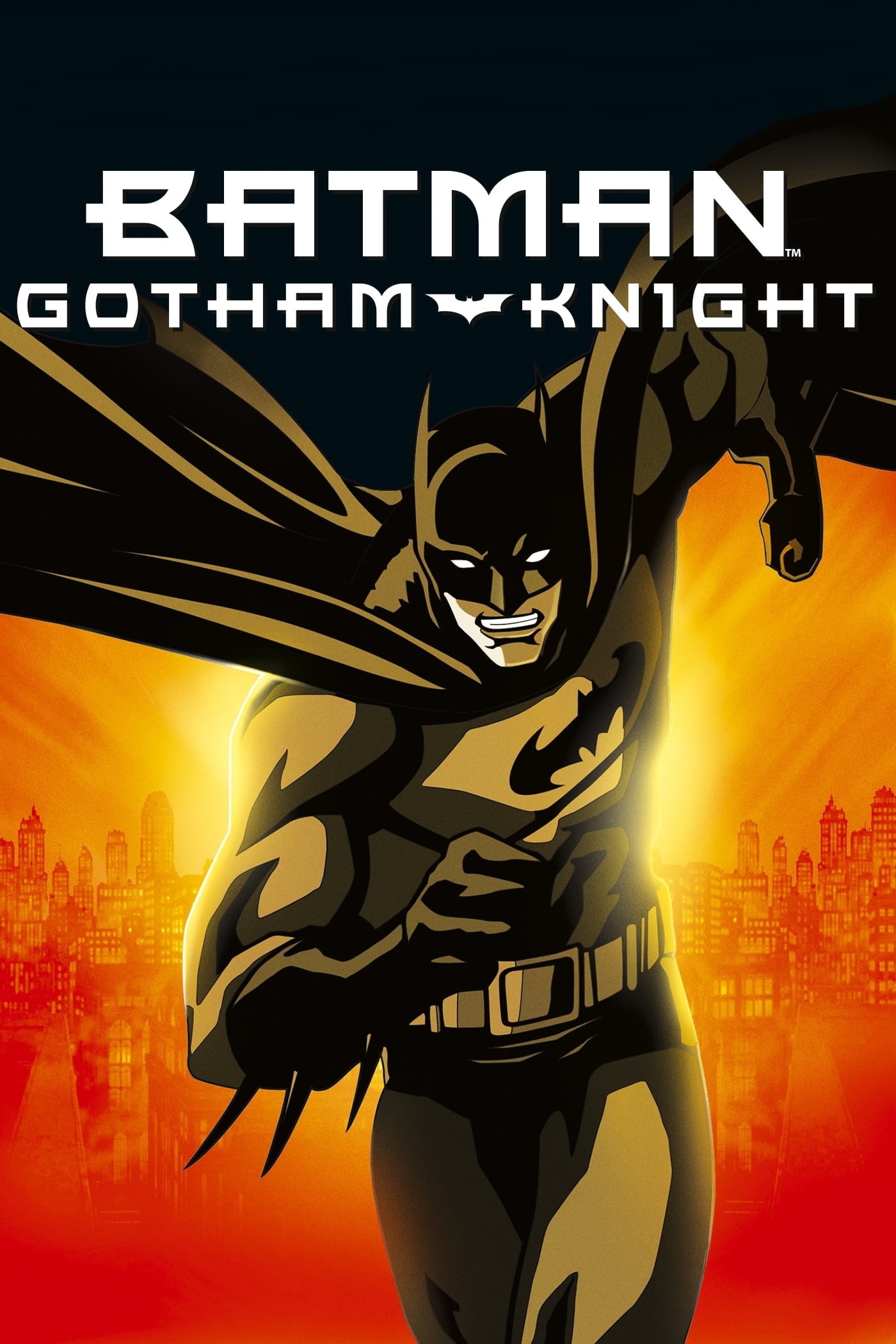
Six interlocking stories reveal Bruce Wayne's earliest adventures as Batman and the steps he took to become the grim avenger of Gotham City.
The government gets wind of a plot to destroy America involving a trio of nuclear weapons for which the whereabouts are unknown. It's up to a seasoned interrogator and an FBI agent to find out exactly where the nukes are.