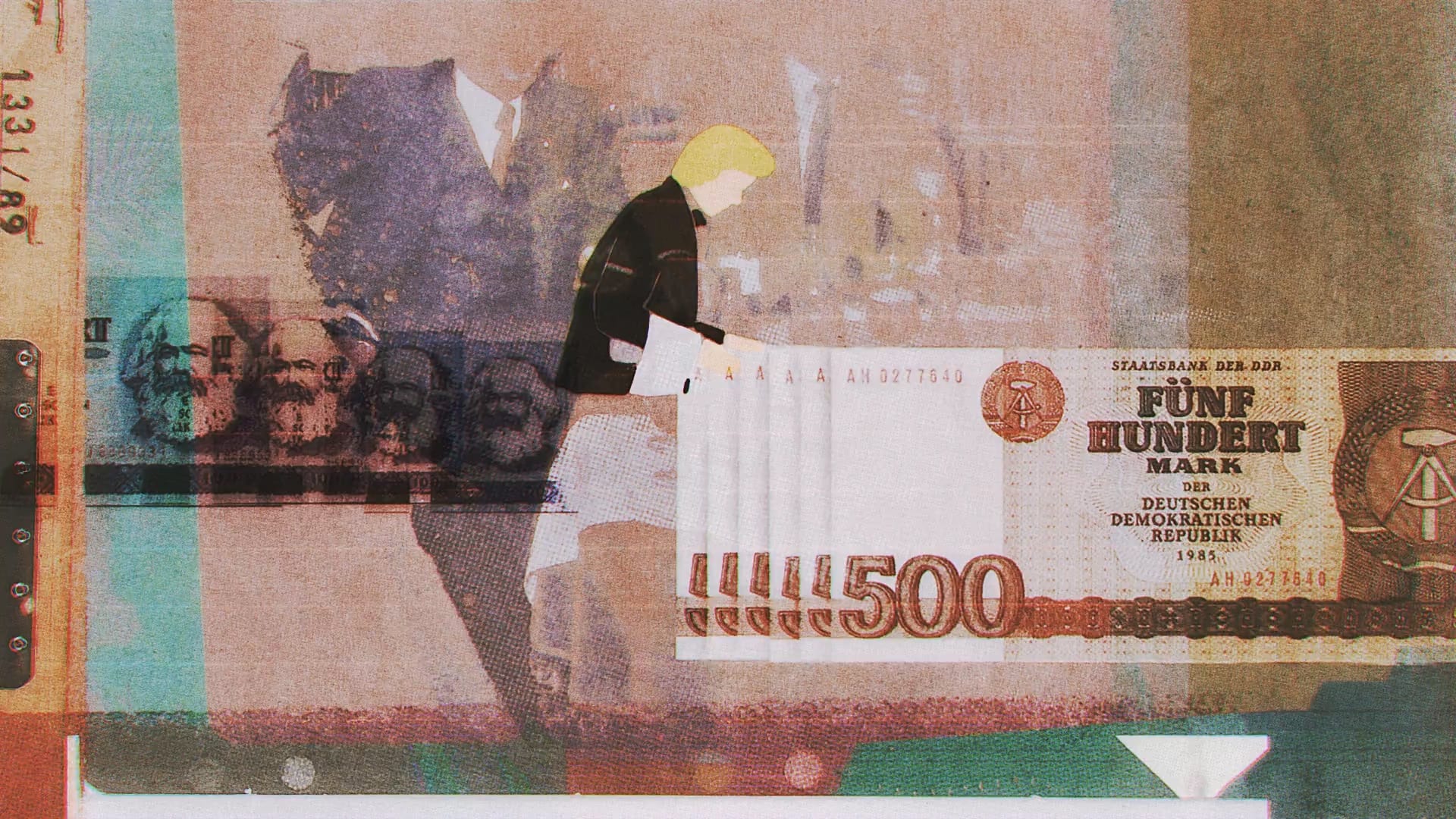
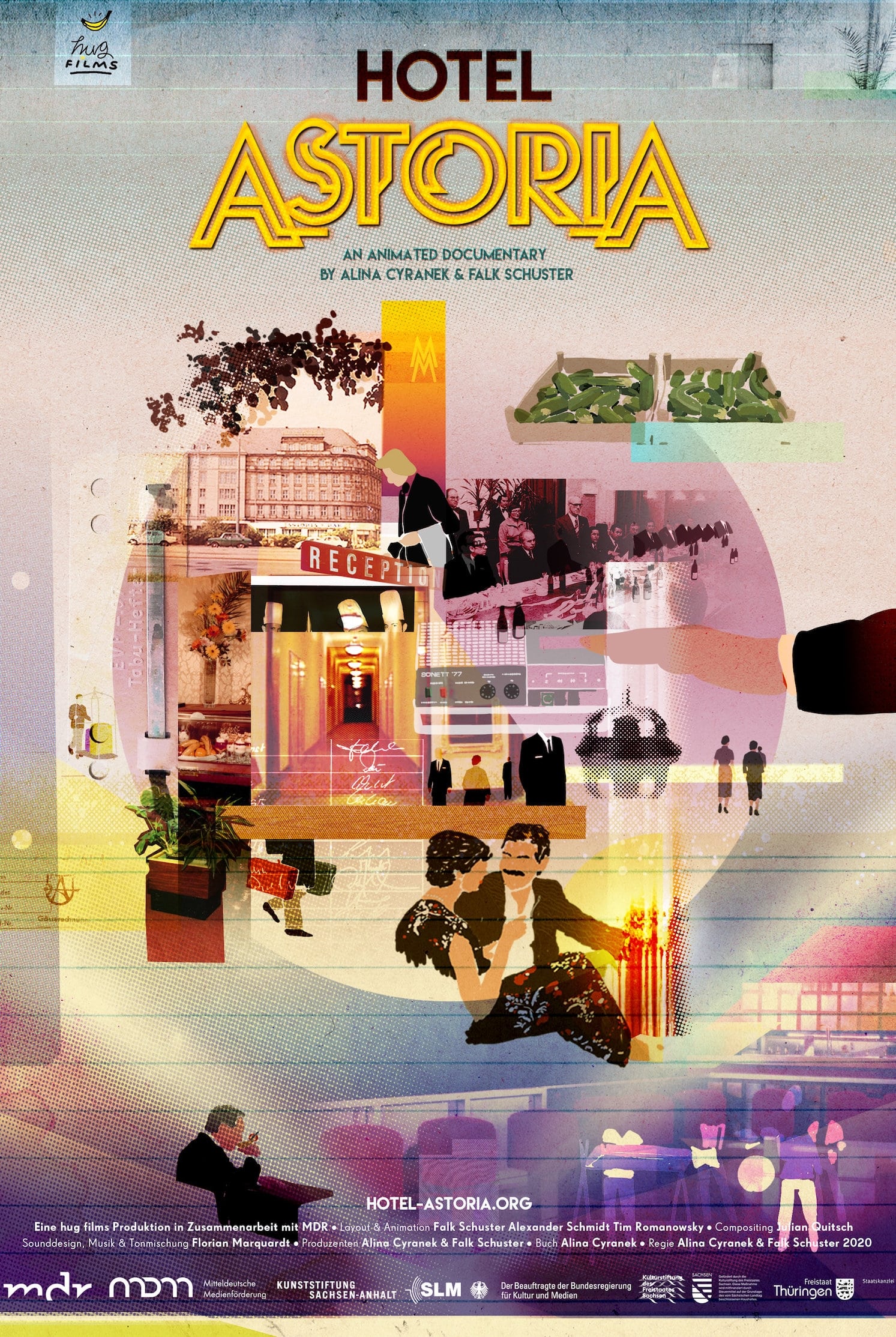
At Hotel Astoria, the former hotspot of Leipzig, guests were served champagne and turtle soup while the Stasi listened in. Animated memories from times gone by.
Stream
Social & External
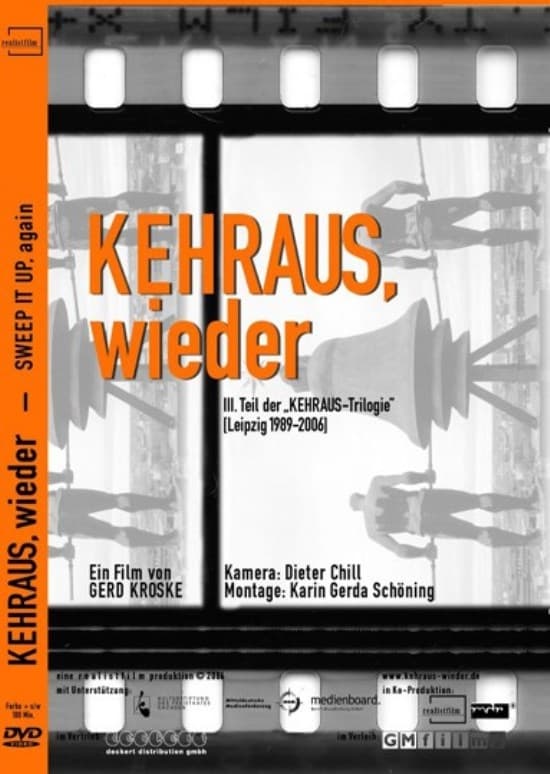
„I began documenting their lives, if only because I hoped each film would have a happy ending.“ (Gerd Kroske)
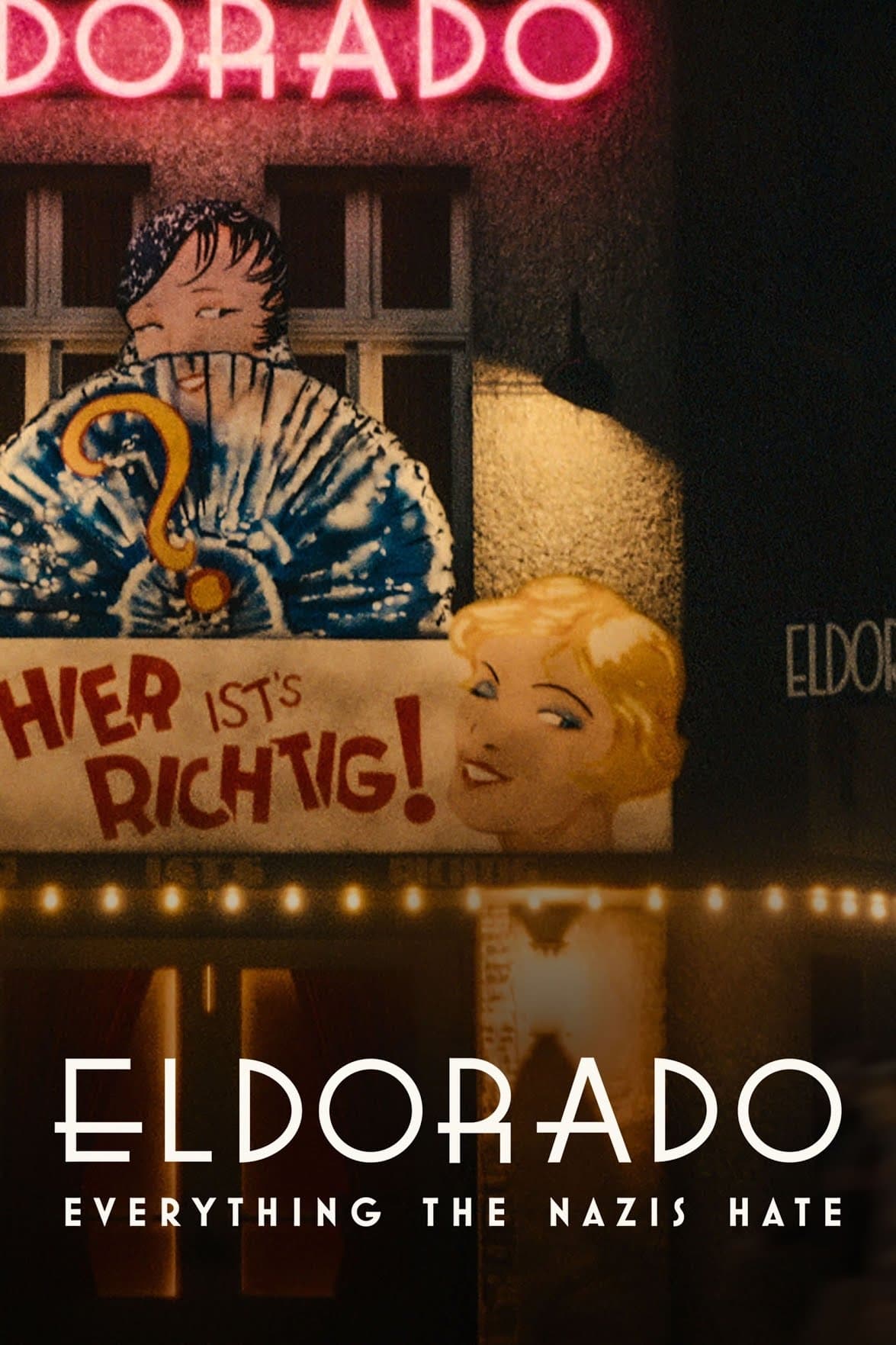
Sexual minorities were oppressed, imprisoned and murdered by the Nazis. Paragraph 175 criminalized homosexual men during the Nazi era – but the Nazis also discriminated against lesbians and trans people. They should be excluded from the national community. More than 50,000 queer people have been proven to have been persecuted. The documentary highlights three poignant fates in the context of Nazi terror.
The viewpoints of women from a country that no longer exists preserved on low-band U-matic tape. GDR-FRG. Courageous, self-confident and emancipated: female industry workers talk about gaining autonomy.
Documentary film with play scenes about the rise and fall of the short-lived Bavarian Soviet Republic in 1919 from the perspective of various well-known poets and writers who experienced the events as contemporary witnesses.
In 1945, 160 German cities lay in ruins and the loss of millions of lives, billions in material assets and countless cultural treasures was mourned throughout Europe... With the question “How could it happen?”, the film goes back to the year 1914, when the “primal catastrophe of the 20th century” took its course with the First World War.
It was a foundational myth of the GDR that it was anti-fascist and free of Nazis. But was that really the case? The film takes a critical look on the actual way the brown heritage was dealt with in the GDR.
The film talks about the rise and fall of the two most influential protagonists in GDR-politics. In succession, over long stretches even together, Ulbricht and Honecker determined the course of the GDR, of course without ever getting out of being a satellite state to the big brother in Moscow. The film looks for the caesura and crucial points in the power game between Ulbricht and Honecker.
Emma Freese is desperate when her husband Alfred falls ill at the Howaldtswerke in Kiel. How is the family supposed to get by without their wages? The war has scarred this generation, but now things are supposed to be looking up. The workers want their fair share and are fighting for an income that also gives them room to live. In October 1956, 34,000 metalworkers in the shipyards and factories of Schleswig-Holstein walk off the job to fight for justice and their dignity. This strike is still regarded as the toughest and longest in Germany. Employers and politicians stand in the strikers' way.
Documentary about the end of the regency of Kaiser Wilhelm II., Germany's last emperor.
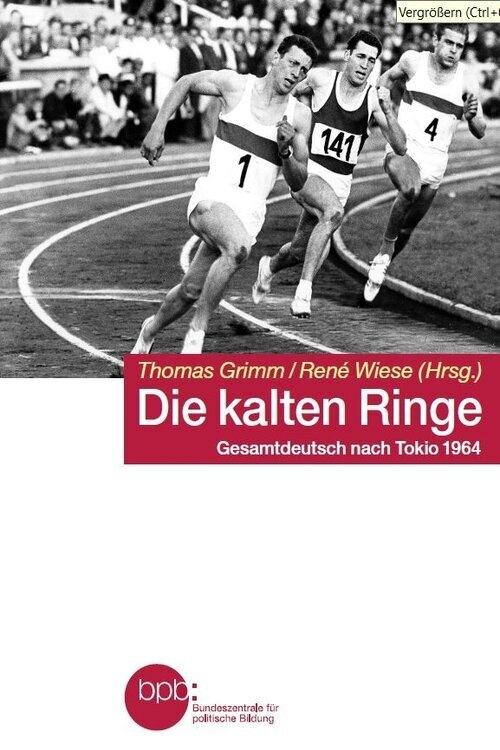
19 years after the dropping of atomic bombs in Japan, the Olympic Games of 1964 took place in Tokyo. In the midst of the cold war, the games are supposed to become a symbol for a peaceful world. Especially the divided Germany is expected to prove this: By order of the IOC, both German states must participate in Tokyo with a joint team despite deep ideological rifts. The fact that athletes from both German states still had to compete against each other in order to form a joint team for the 1964 Olympic Games in Innsbruck and in Tokyo is all but forgotten. The film tells the story of the East-West German team of 1964 for the first time and is simultaneously a current document about the relation of sports and politics in international relations.
It was arguably the deadliest conference in human history. The topic: plans to murder 11 million Jews in Europe. The participants were not psychopaths, but educated men from the SS, police, administration and ministries. The invitation to the meeting at Wannsee came from Reinhard Heydrich, head of the Reich Security Main Office. The Wehrmacht's campaigns of conquest in Eastern Europe marked the beginning of the systematic murder of Jews in Poland and the Soviet Union. In mid-September 1941, Hitler made the decision to deport all Jews from Germany to the East. Although there had been transports before, Hitler's order represented a further escalation in the murderous decision-making process. Persecution and discrimination had been part of everyday life since 1933. But as a result, the living conditions for the Jews in the Third Reich became even more difficult, among them the Berlin Jew Margot Friedländer, born in 1921, and the Chotzen family.
Six million Jews died during World War II, both in the extermination camps and murdered by the mobile commandos of the Einsatzgruppen and police battalions, whose members shot men, women and children, day after day, obediently, as if it were a normal job, a fact that is hardly known today. Who were these men and how could they commit such crimes?
Cem Kaya’s dense documentary essay celebrates 60 years of Turkish music in Germany. An alternative post-war history that is at the same time a musical Who’s Who – from Yüksel Özkasap to Derdiyoklar and Muhabbet.
The Stammheim trial against the leadership of the first generation of the RAF was one of the most elaborate in the Federal Republic of Germany. Through this trial, Stammheim also became a place of identity for the RAF. The docudrama uses the perspective of Horst Bubeck, who as a prison officer in the cell wing had the most intensive contact with the prisoners, to shed new light on the history.
Erich Honecker ruled the GDR for 18 years. His fall in 1989 heralded the downfall of the state that had called itself "the better Germany" for 40 years. Nazi victim and autocrat, bourgeois and power-conscious: Honecker was an ideological hardliner who coordinated the construction of the Wall in 1961 and whose regime was known as an unjust state for Wall deaths, firing orders, the Stasi and forced adoptions. In the wake of the fall of communism, the former model socialist fell into homelessness and found himself on the run in his own country. Suffering from cancer, he managed to evade responsibility before a court by emigrating to Chile, where he died in 1994. This gripping documentary portrays the rise and fall of this contradictory German politician with an impressive array of top-class international and national contemporary witnesses. Erich Honecker would have been 100 years old on August 25, 2012.
Documentary about Kurt Landauer, the long-time Jewish president of FC Bayern München, who led the club to its first German championship, was persecuted and forced out of office by the Nazis, and rebuilt the club after the war.
Life in the GDR was not only documented on behalf of the state, but also by photographic artists and journalists. The documentary goes on a journey through time with some of them and shows little-known aspects of the GDR from its foundation to the fall of the Wall. Photographers in the GDR had a surprising amount of freedom; there was no explicit censorship of images. This allowed them to make visible what the state wanted to hide. This documentary presents two photographers who observed life in the GDR and whose work has been rediscovered in recent years.