Social & External
The people behind it
Iñaki Urrutia
Padre
Yannick Vergara
Hija
CHERRY AND VIRGIN—a 'nervous romance' about Ryou, a 32-year-old erotic manga artist who has no experience with women, and Ami, a 28-year-old fujoshi who has a bad impression of real men.
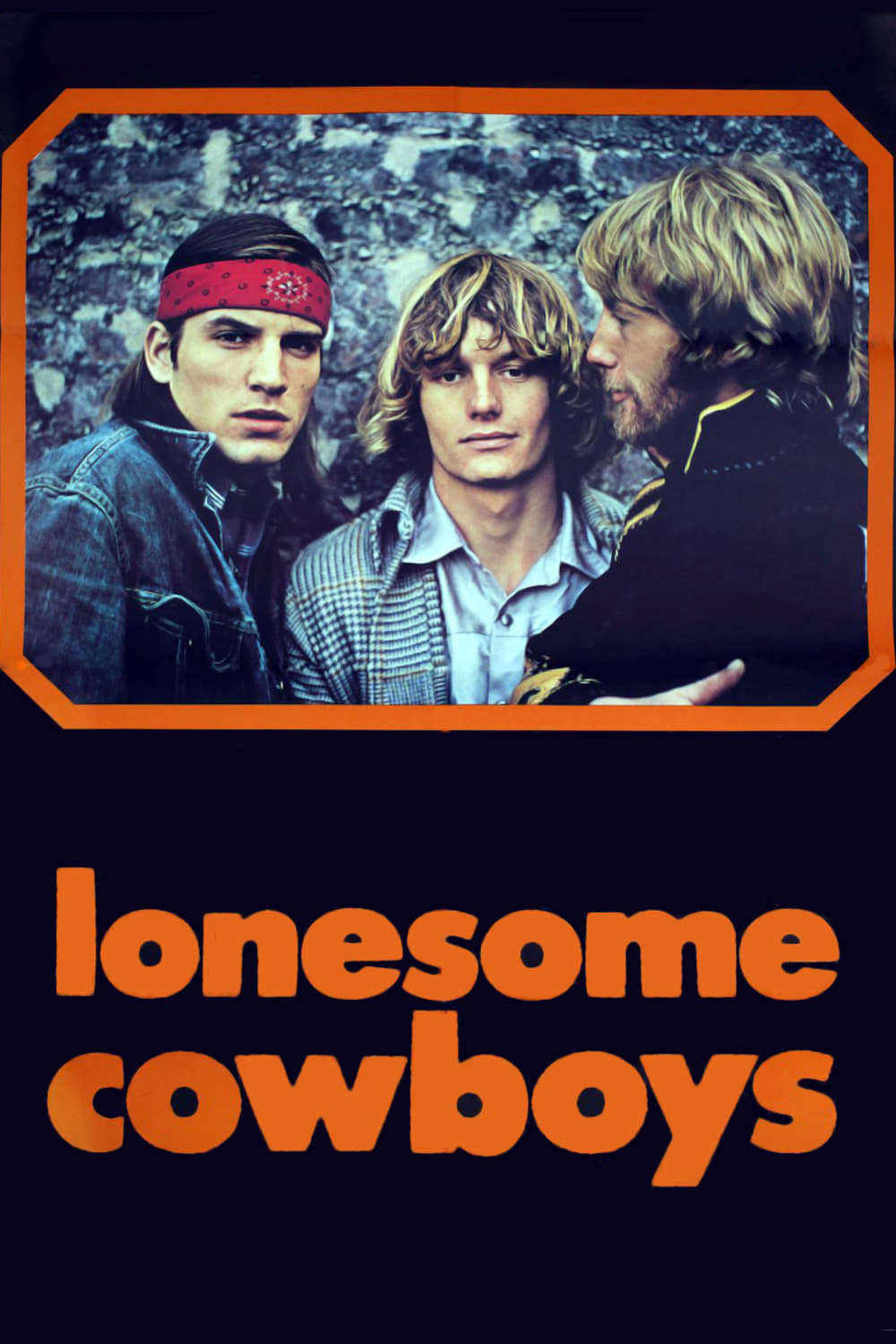
Five lonesome cowboys get all hot and bothered at home on the range after confronting Ramona Alvarez and her nurse.
The quasi-fictional story of transgender sex workers living in Rio de Janeiro's swampy red light district, who are joined by a group of hippies and a runaway stockbroker, "Mangue-Bangue" is the paradigmatic expression of the post-1968 spirit of desbunde, the Brazilian slang catchword for "sex, drugs, and rock 'n' roll".
A high school student tries to accustom himself to an unusual phobia, destroying everyone in his path. A nerd tries to eradicate the phobia entirely.
A young man, attempting to watch a VHS tape of "Love Streams" by John Cassavetes on his television, is constantly harassed and annoyed by outside forces.
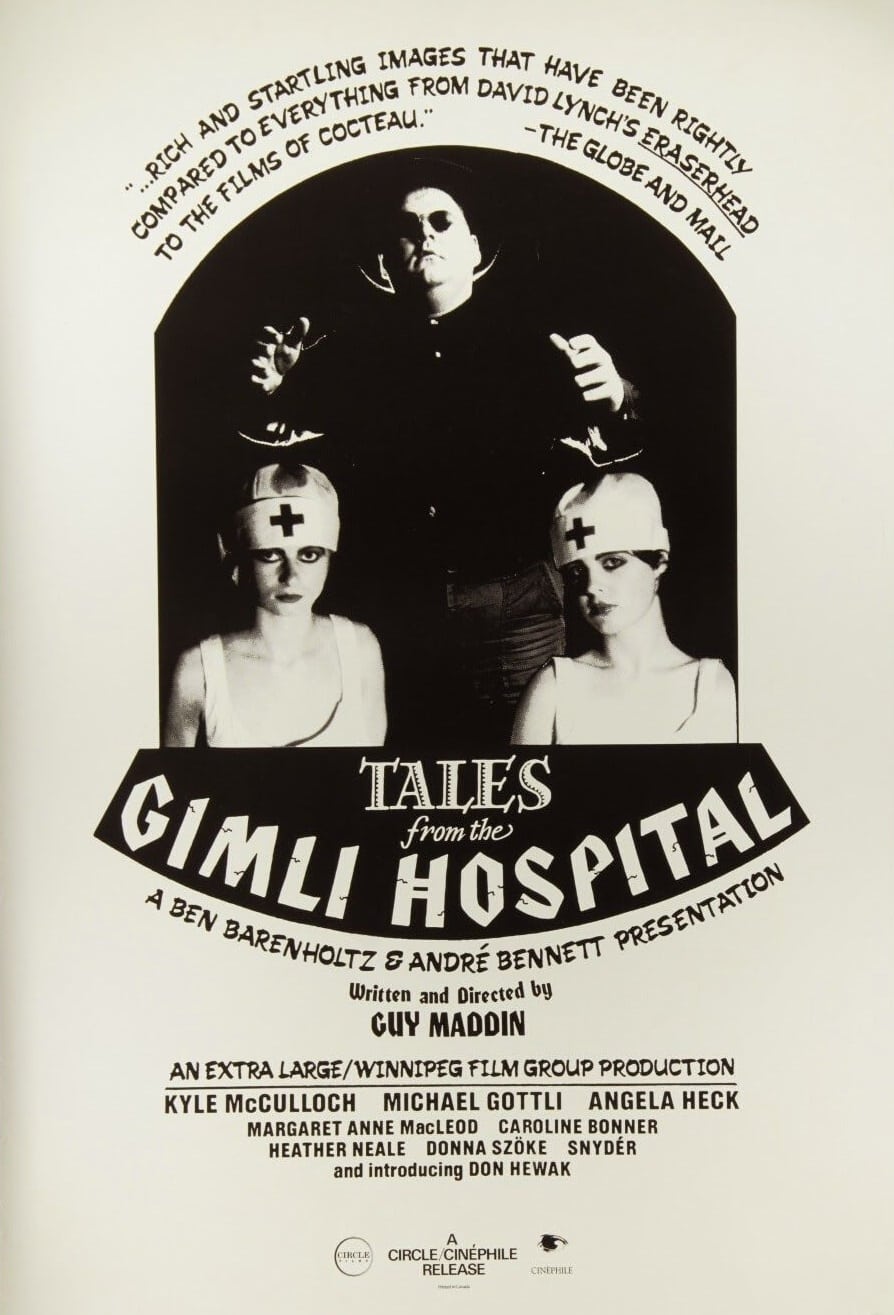
While their mother is dying in the modern Gimli, Manitoba hospital, two young children are told an important tale by their Icelandic grandmother about Einar the lonely, his friend Gunnar, and the angelic Snjofrieder in a Gimli of old.
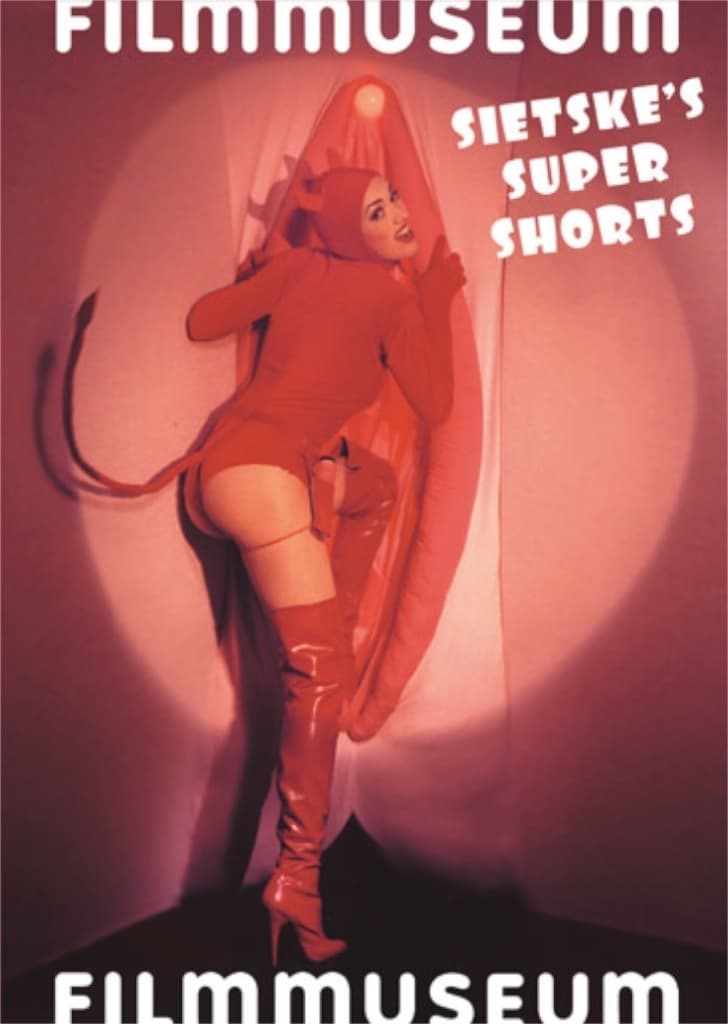
A side table and a chest of drawers (played by actors in ingenious soft-sculpture costumes) indulge in a bit of passive-aggressive furniture moving. Do you know what your household decor is up to when you’re not looking? Another characteristically eccentric bit of humor from Dutch filmmaker Sietske Tjallingii, aka "Miss T."
An anthology of one-minute films created by 51 international filmmakers on the theme of the death of cinema. Intended as an ode to 35mm, the film was screened one time only on a purpose-built 20x12 meter public cinema screen in the Port of Tallinn, Estonia, on 22 December 2011. A special projector was constructed for the event which allowed the actual filmstrip to be burnt at the same time as the film was shown.
Virtual reality experimental short film where Katya guides you through how to properly pull your own teeth out.
A young bride flees the ceremony with a stranger and, together, they set off on an epic journey though increasingly bizarre lands. They encounter talking animals and mournful exhibitionists, converse with a discoursing rock, journey through a surrealist's psychedelic hotel, instigate a prison riot, escape from naked cannibals living in a tree, and battle a wind-up midget dictator!
Gay, alienated Los Angeles teens have a hard time as their parents kick them out of their homes, they don’t have money, their lovers cheat, and they are harassed by gay-bashers.
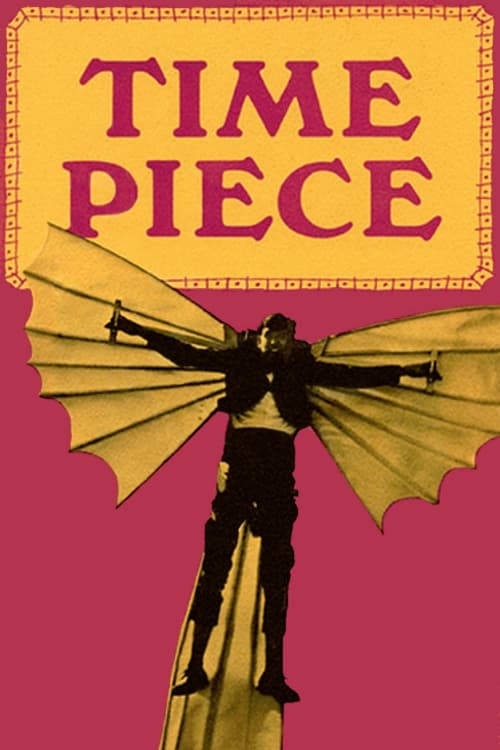
Dislocation in time, time signatures, time as a philosophical concept, and slavery to time are some of the themes touched upon in this 9-minute experimental film, which was written, directed, and produced by Jim Henson. Screened for the first time at the Museum of Modern Art in May of 1965, "Time Piece" enjoyed an eighteen-month run at one Manhattan movie theater and was nominated for an Academy Award for Outstanding Short Subject.
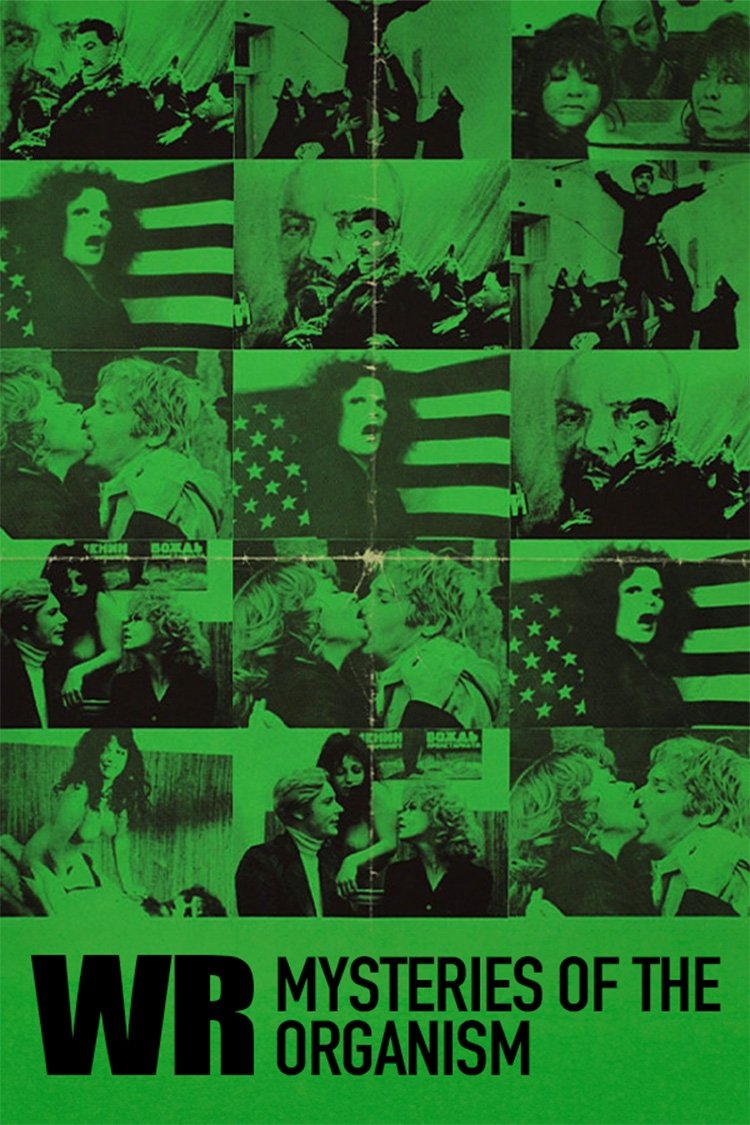
What does the energy harnessed through orgasm have to do with the state of communist Yugoslavia circa 1971? Only counterculture filmmaker extraordinaire Dušan Makavejev has the answers (or the questions). His surreal documentary-fiction collision begins as an investigation into the life and work of controversial psychologist and philosopher Wilhelm Reich and then explodes into a free-form narrative of a beautiful young Slavic girl’s sexual liberation.
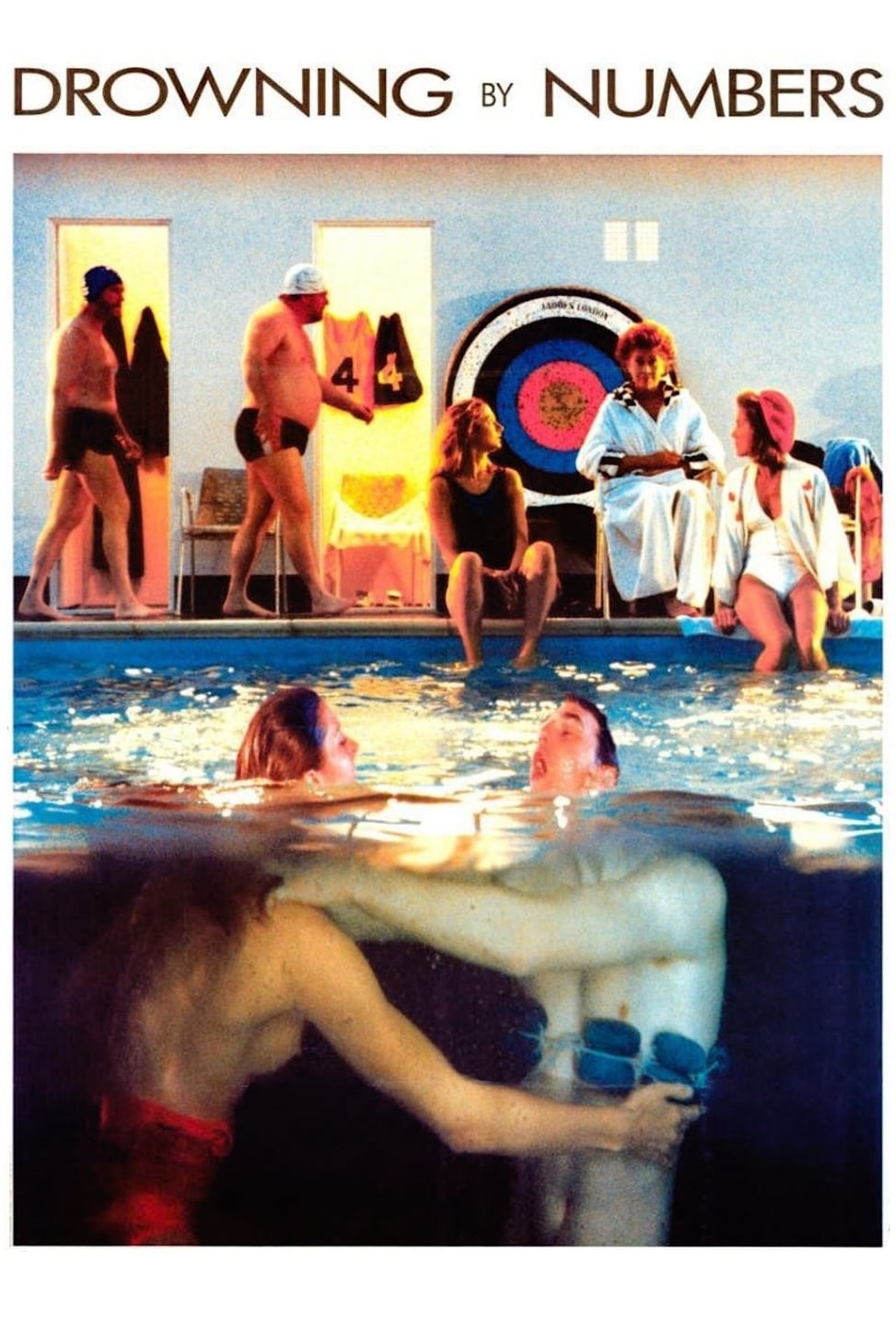
Cissie Colpitts drowns her cheating husband and, in the ensuing cover-up, enlists the help of lonely coroner Henry Madgett, an old friend with a longstanding weakness for her charms. But when Cissie's daughter and granddaughter—both also named Cissie Colpitts—decide to resort to the same methods for solving conflicts with their own frustrating husbands, the women and their repeated appeals for help begin to wear on Madgett's conscience.
A filmmaker gets lost in a world of his own creation, literally. He is plotted against by his outer demons, searches for his lost sex scene and contends with several other versions of himself. A joyful rule-breaking carnival ride through a filmmaker's dreamland.
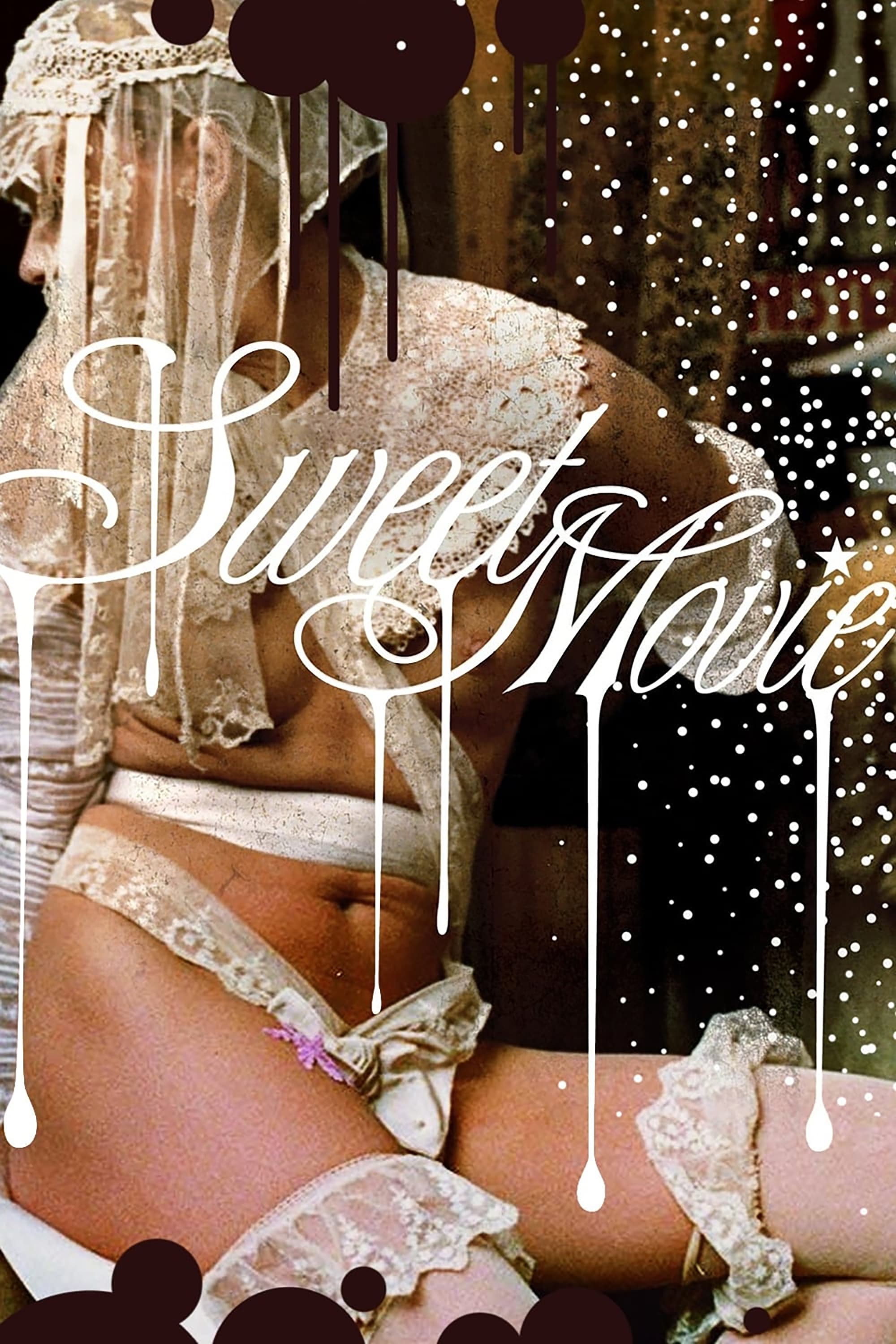
The winner of the Miss World Virginity contest marries, escapes from her masochistic husband and ends up involved in a world of debauchery.
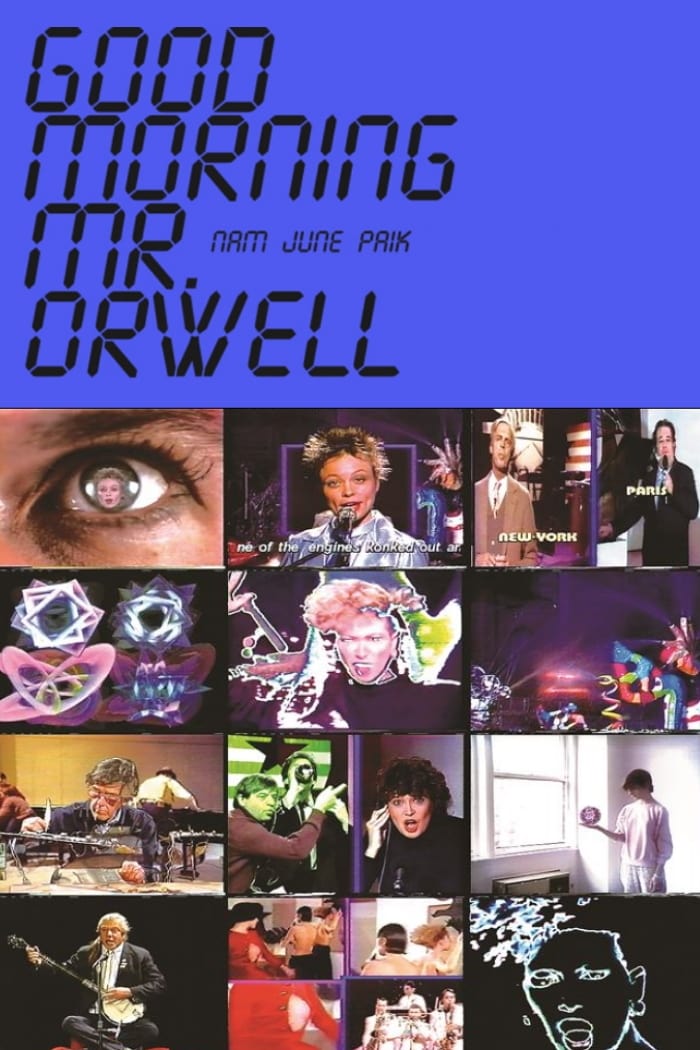
In his book "1984", George Orwell saw the television of the future as a control instrument in the hands of Big Brother. Right at the start of the much-anticipated Orwellian year, Paik and Co. were keen to demonstrate satellite TV's ability to serve positive ends-- Namely, the intercontinental exchange of culture, combining both highbrow and entertainment elements. A live broadcast shared between WNET TV in New York and the Centre Pompidou in Paris, linked up with broadcasters in Germany and South Korea, reached a worldwide audience of over 10 or even 25 million (including the later repeat transmissions).
A Manhattan professor's (William Raymond, Larry Loonin) unseen artist wife mocks his pitiful existence.
This apocalyptic linguistic comedy meditates on the relationship between language, meaning and social decay and is scripted from "double-speak" language found in a variety of media sources. Drawing its title from the Pentagon's term for crash, Involuntary Conversion evokes the hollowness and free-floating anxiety that characterizes late 20th century culture. In a voice that could belong to a hypnotist or a government spokesman, a disembodied speaker recounts a string of events whose common thread is a sense of impending disaster. The mood is suspended somewhere between nightmare and deadpan and is propelled by a narrative as enigmatic as the language it exposes. The iconic shape of a fighter jet floating in a perfect sky has the creepy feel of a video game and the texture of television is used to make the images feel domestically ingrained.
After being released from prison, Zequi, a bank robber, sets out to recover money buried by his accomplice; but is horrified to learn that a high school gymnasium is now over the site where the loot is hidden.
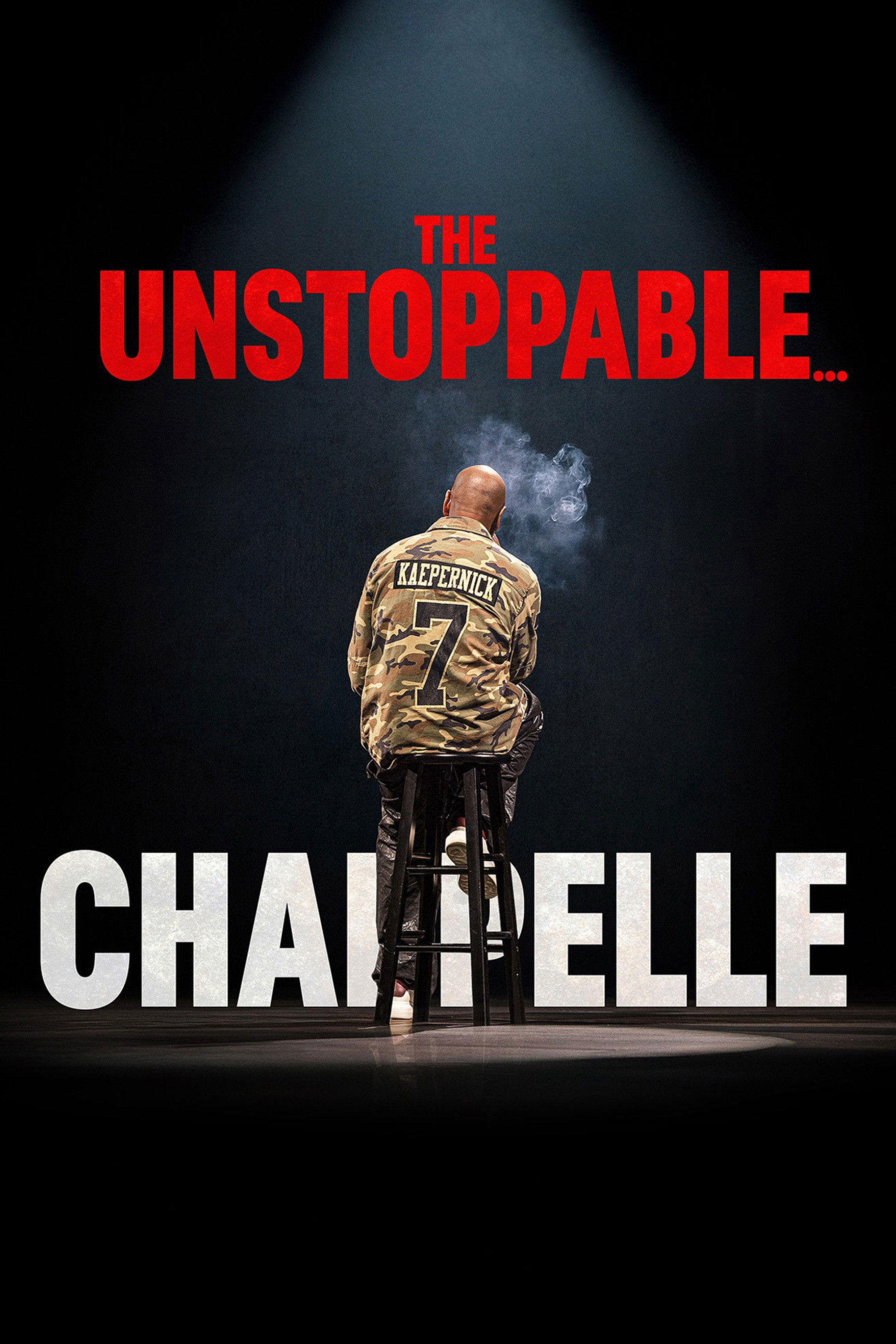
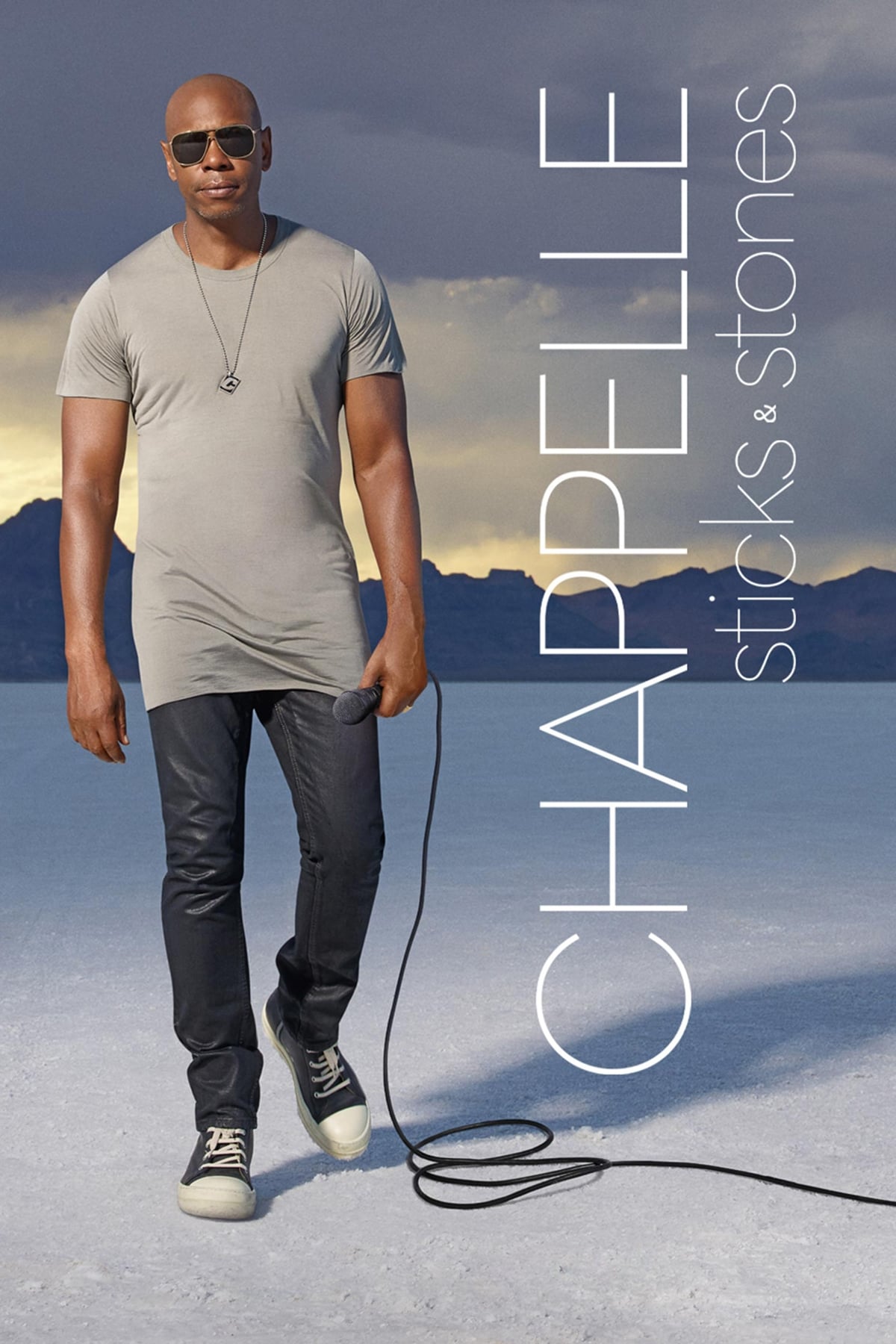
Facing a world gone sideways, comedy icon Dave Chappelle delivers bold truths and potent punchlines in this no-holds-barred special.
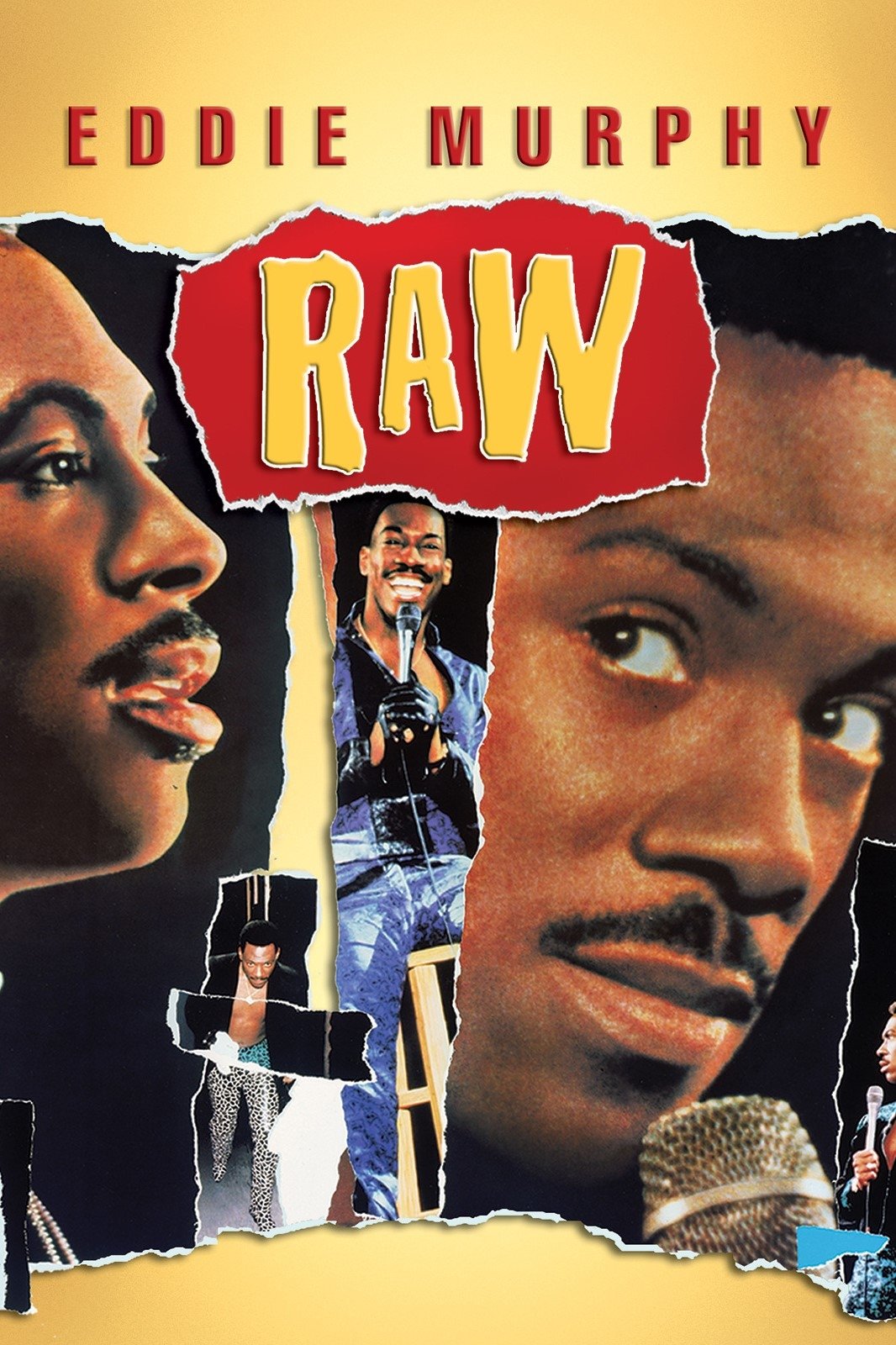
Eddie Murphy delights, shocks and entertains with dead-on celebrity impersonations, observations on '80s love, sex and marriage, a remembrance of Mom's hamburgers and much more.
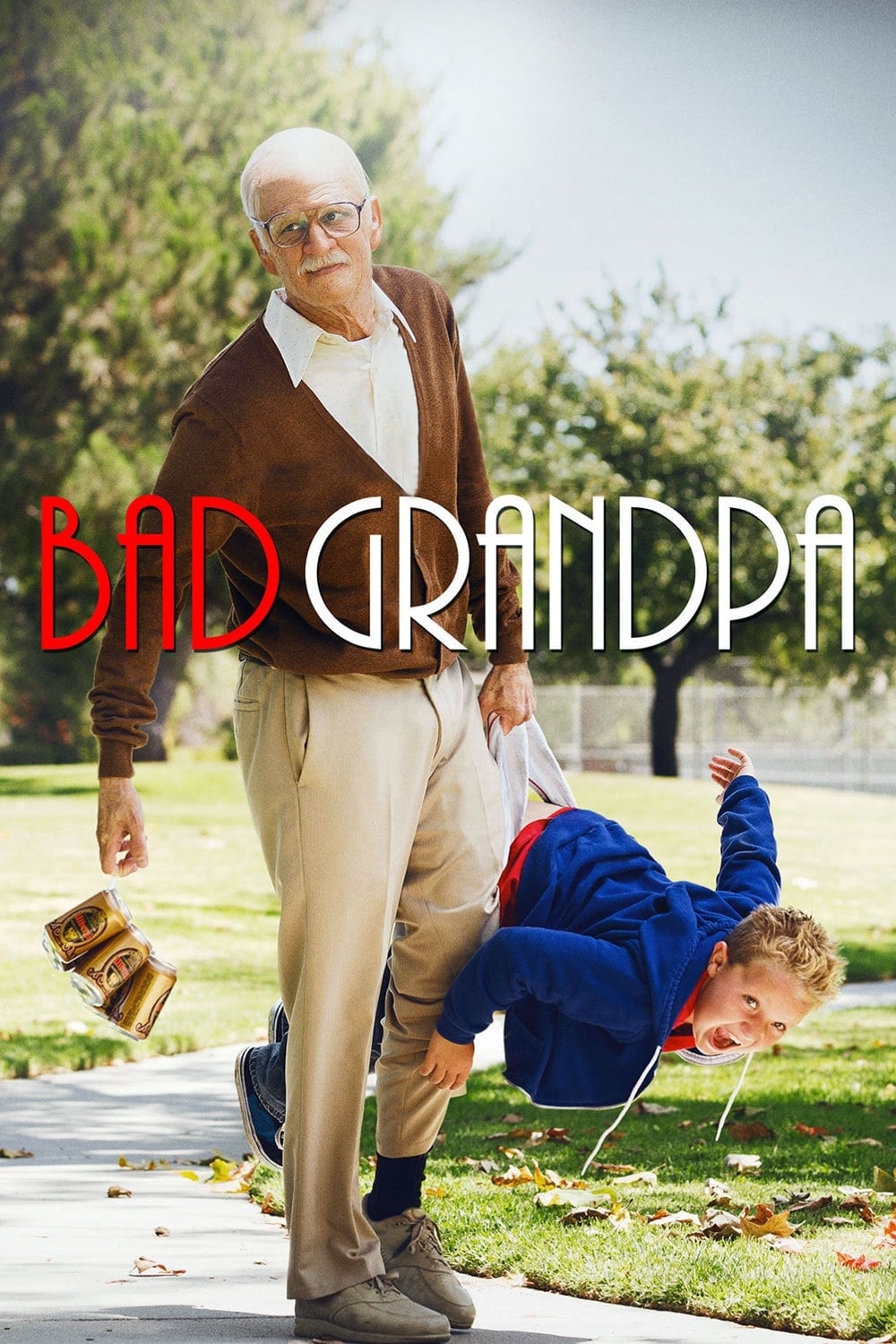
86-year-old Irving Zisman is on a journey across America with the most unlikely companion: his 8 year-old grandson, Billy.
Ricky Gervais dishes out controversial takes on political correctness and oversensitivity in a taboo-busting comedy special about the end of humanity.
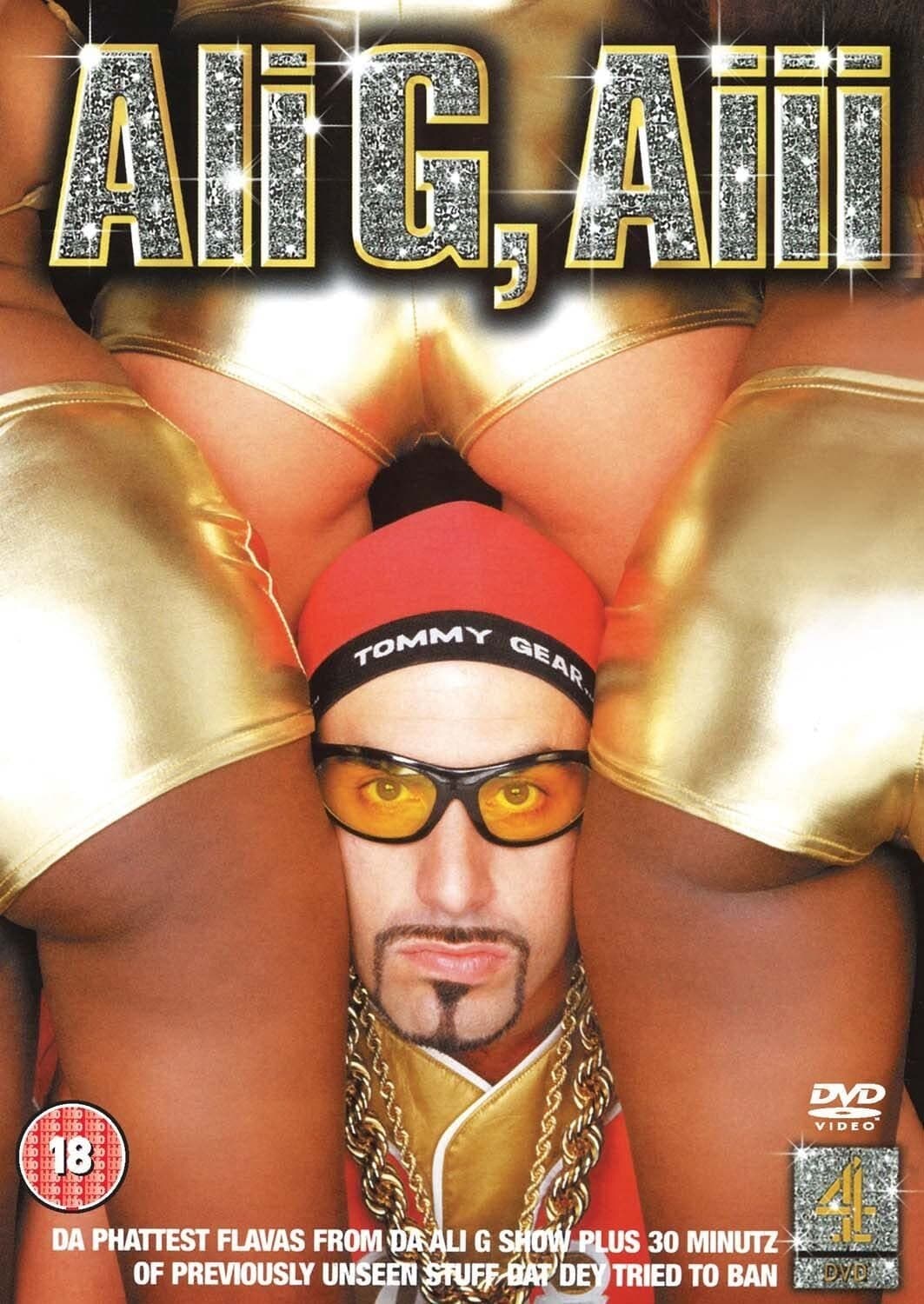
Ali G, Aiii, is a 100 minute compilation of the highlights of Da Ali G Show, plus 30 minutes of unseen and uncensored material that was too hardcore for TV.
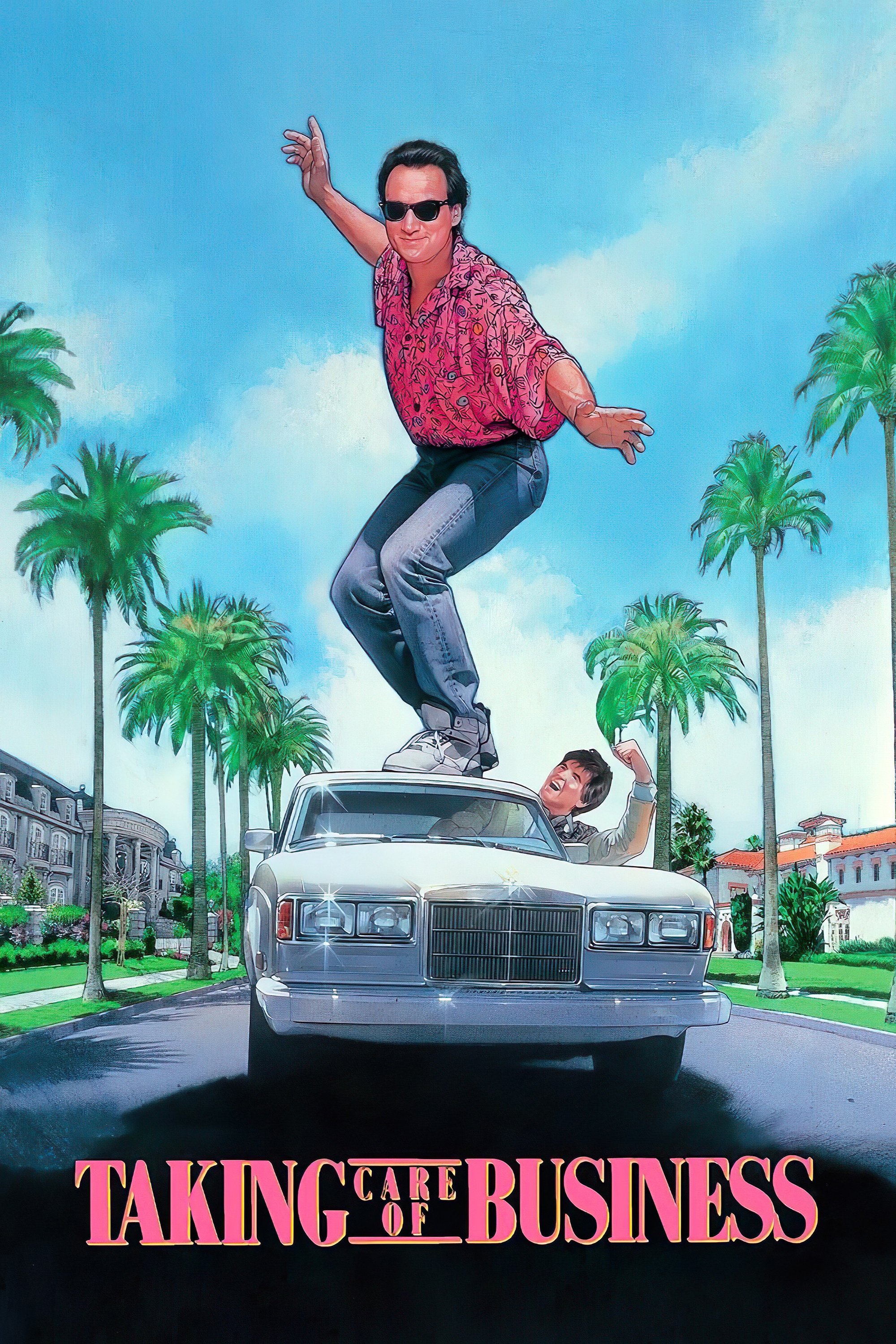
An uptight advertising exec has his entire life in a filofax organizer which mistakenly ends up in the hands of a friendly convict who poses as him.
Dave Chappelle takes on gun culture, the opioid crisis and the tidal wave of celebrity scandals in this defiant stand-up special.
A modern retelling of Shakespeare's classic comedy about two pairs of lovers with different takes on romance and a way with words.
In his first special in seven years, Ricky Gervais slings his trademark snark at celebrity, mortality and a society that takes everything personally.
Between scenes from an excruciating date, Jim Jefferies digs into generational differences, his own bad habits and the shifting boundaries in comedy.
Zequi and Lucy are about to get married. Although he promises not to overdo it during the bachelor party, things get out of control.
A commitment-phobic 27-year old’s relationship is put to the test when she and her boyfriend attend 7 weddings in the same year.
Returning for a second Netflix comedy special, Jim Jefferies unleashes his famously ferocious black humor to a packed house in Nashville, Tennessee.
Left on the doorstep of an orphanage run by nuns, three newborn knuckleheads grow up to be finger-poking, nyuk-nyuking janitors named Larry, Curly and Moe. When they learn that financial problems will soon force the only home they've ever known to close, the trio sets out to raise $830,000 in one month. Out in the world for the very first time, the three innocent bumblers become embroiled in a murder plot and find stardom on a TV reality show.
After NBA star Kevin Durant switches talent with 16 year old Brian, the teenager becomes the star of his high school team, but Durant starts struggling and eventually learns an important lesson.
From Dave: Normally I wouldn't show you something so unrefined, I hope you understand.
An HBO special edited from three performances from Chris Rock's 2008 comedy tour: London (dark suit, dark shirt), Johannesburg (black suit, white shirt) and New York (shiny jacket). Topics include the ongoing presidential campaign, the possibility of a black president, George W. Bush, gas prices, low-paid jobs, ringtones and bottled water, sex, relationships and the correct use of the n-word
Ricky Gervais tackles life, death and the state of the world in a brutally honest special that spares no topic, even his own mortality.
A 36-year-old meek woman realizes that there’s younger people trying to outpace her doing much less, so she makes a risky change by removing her filter.