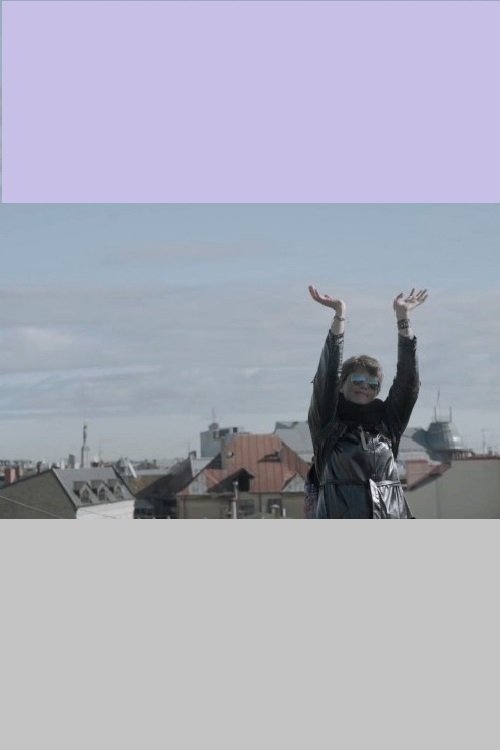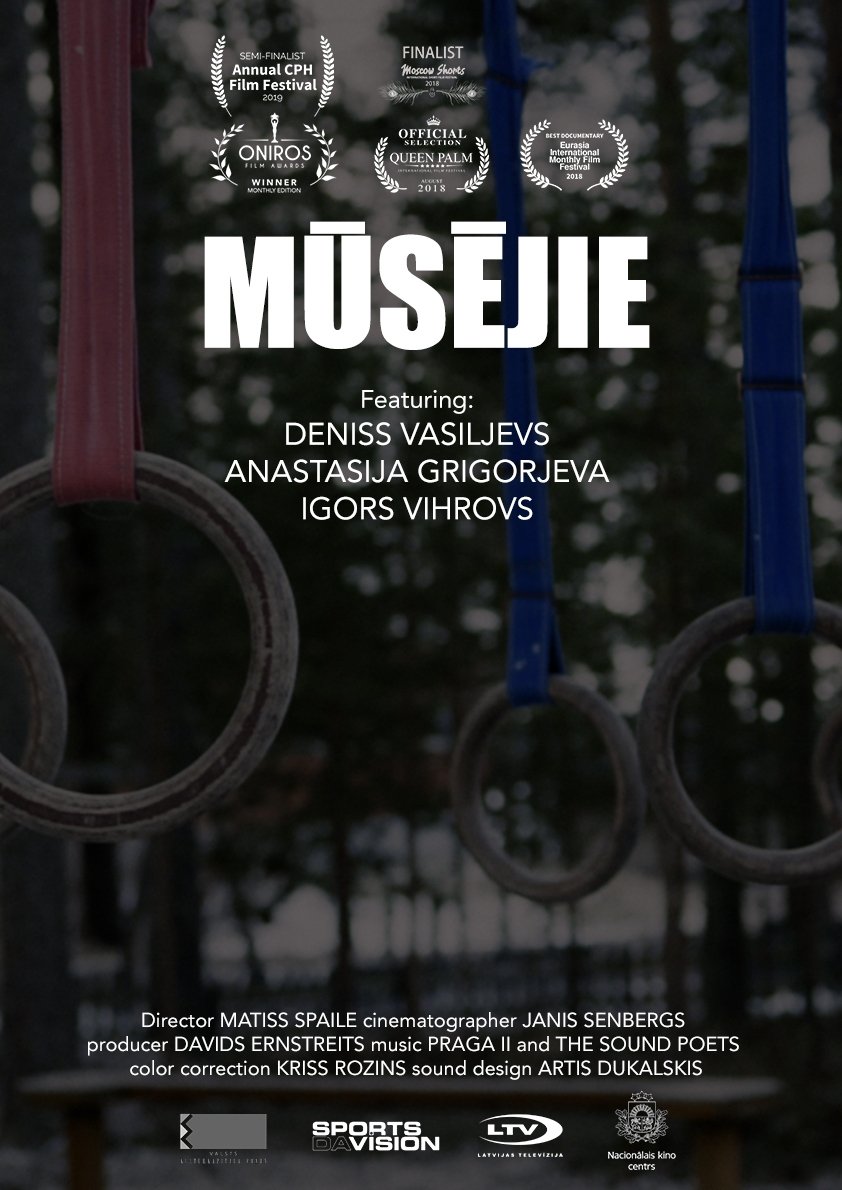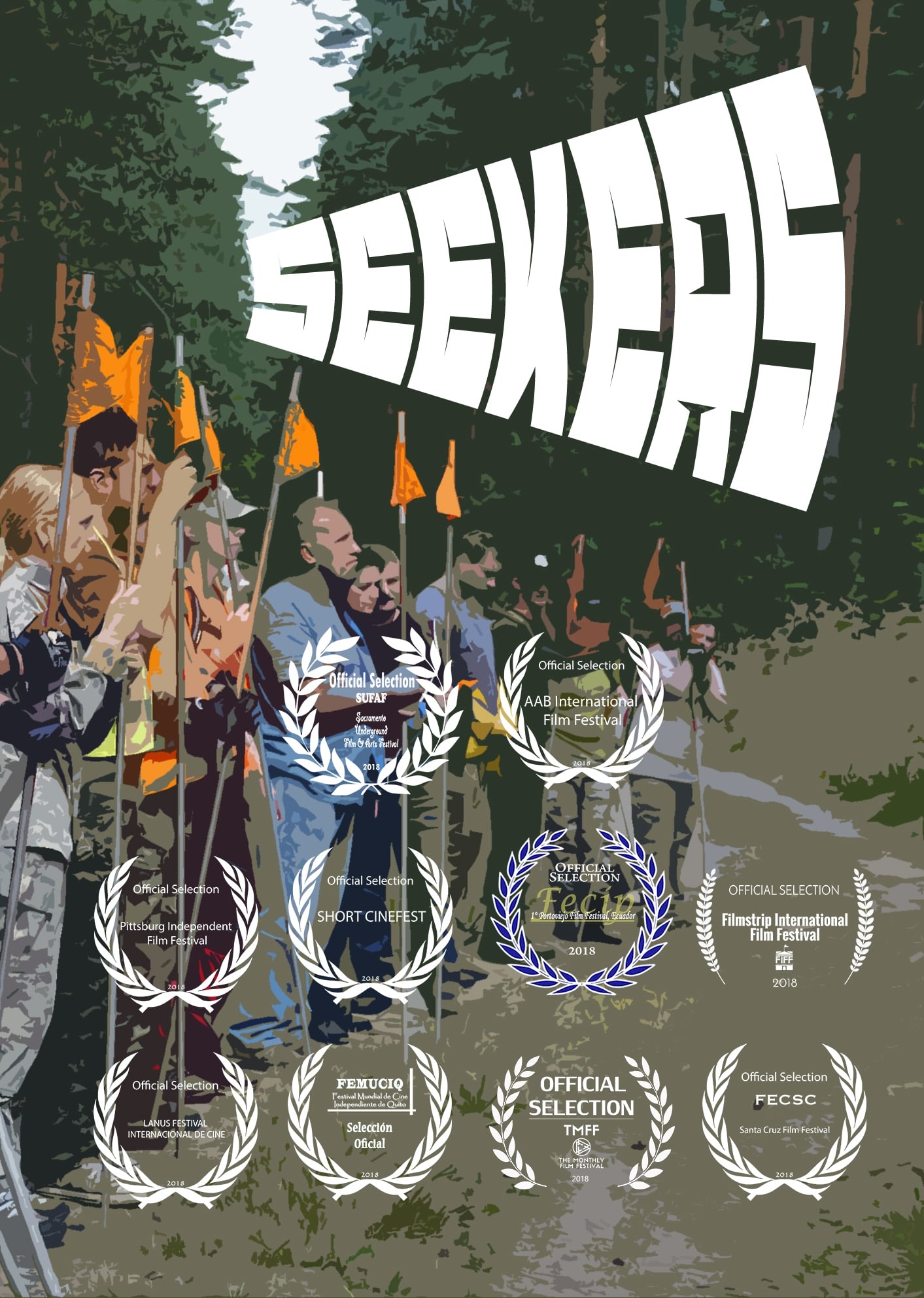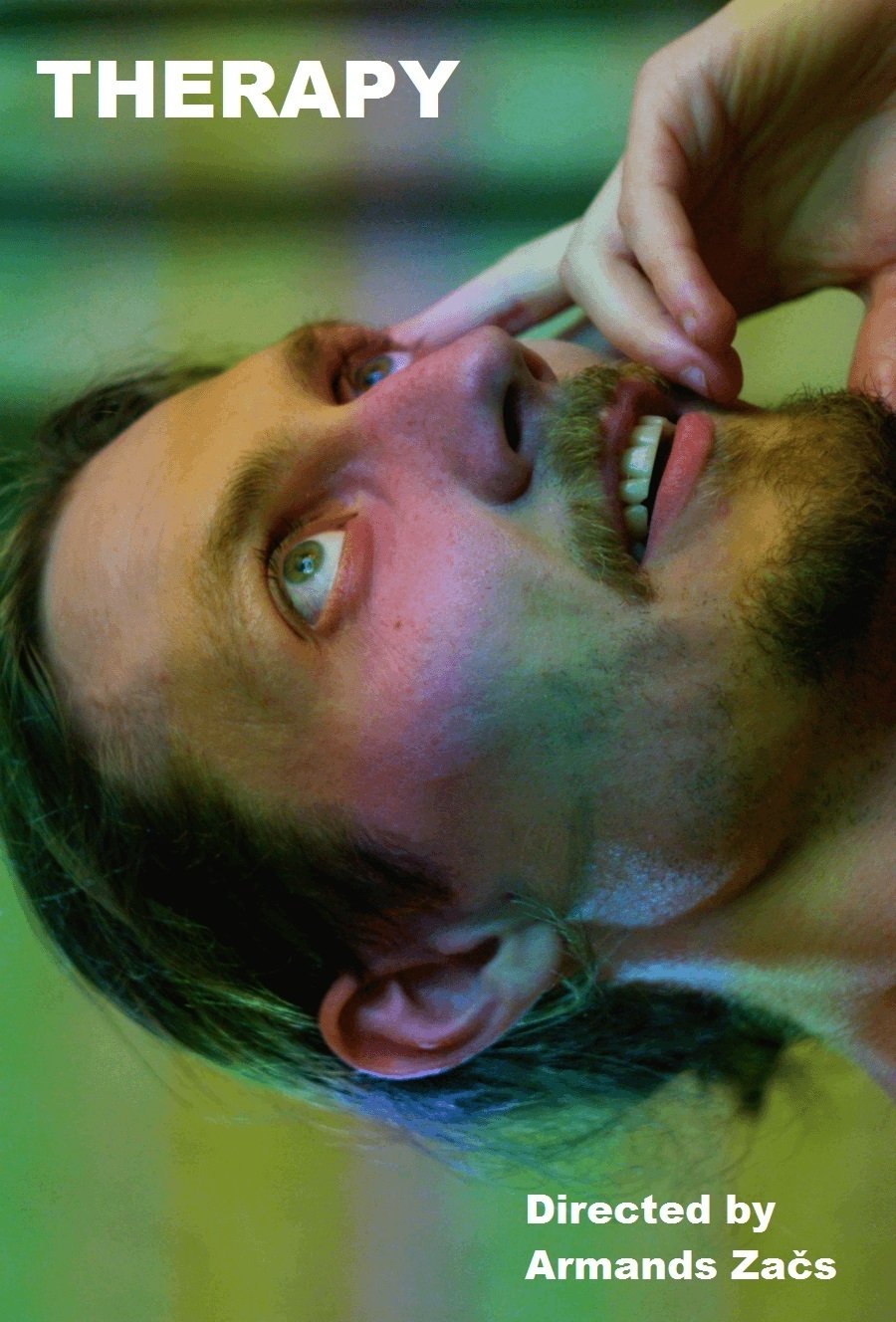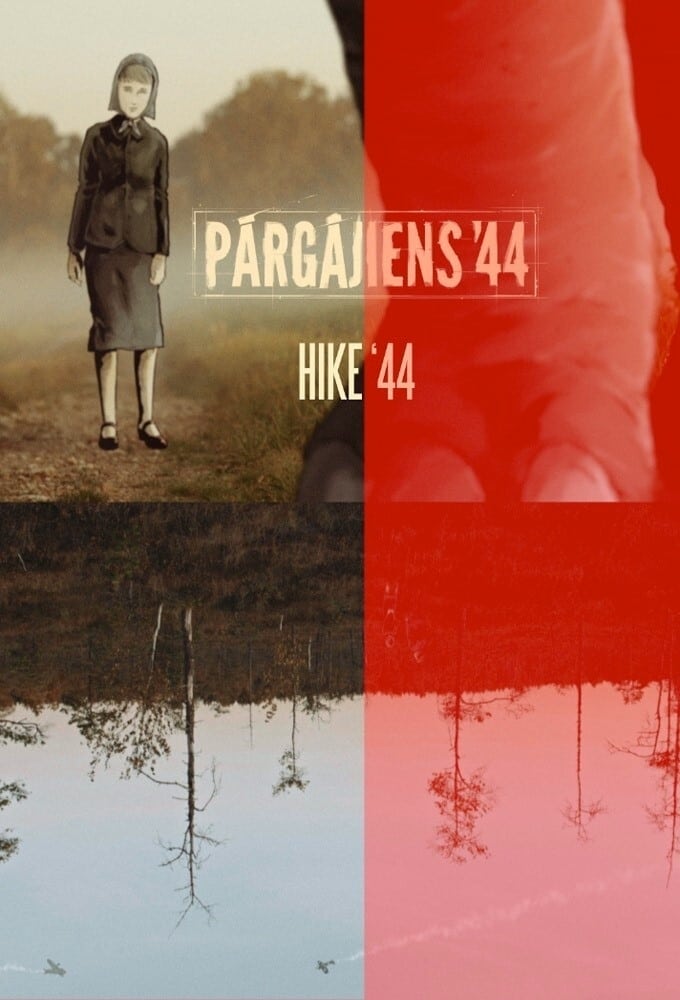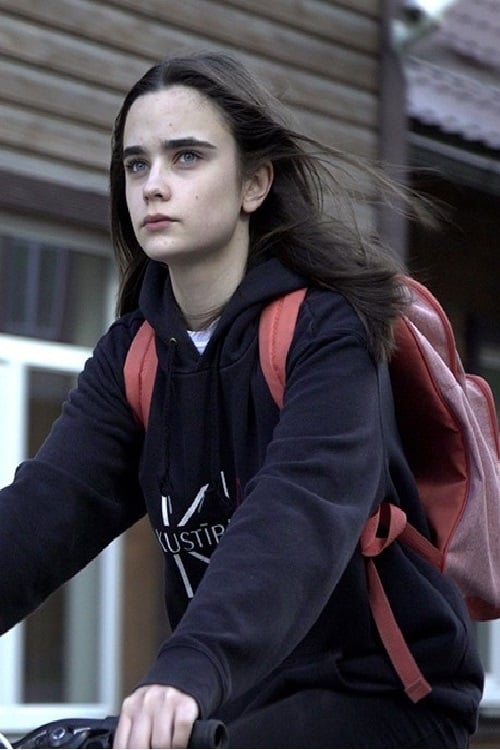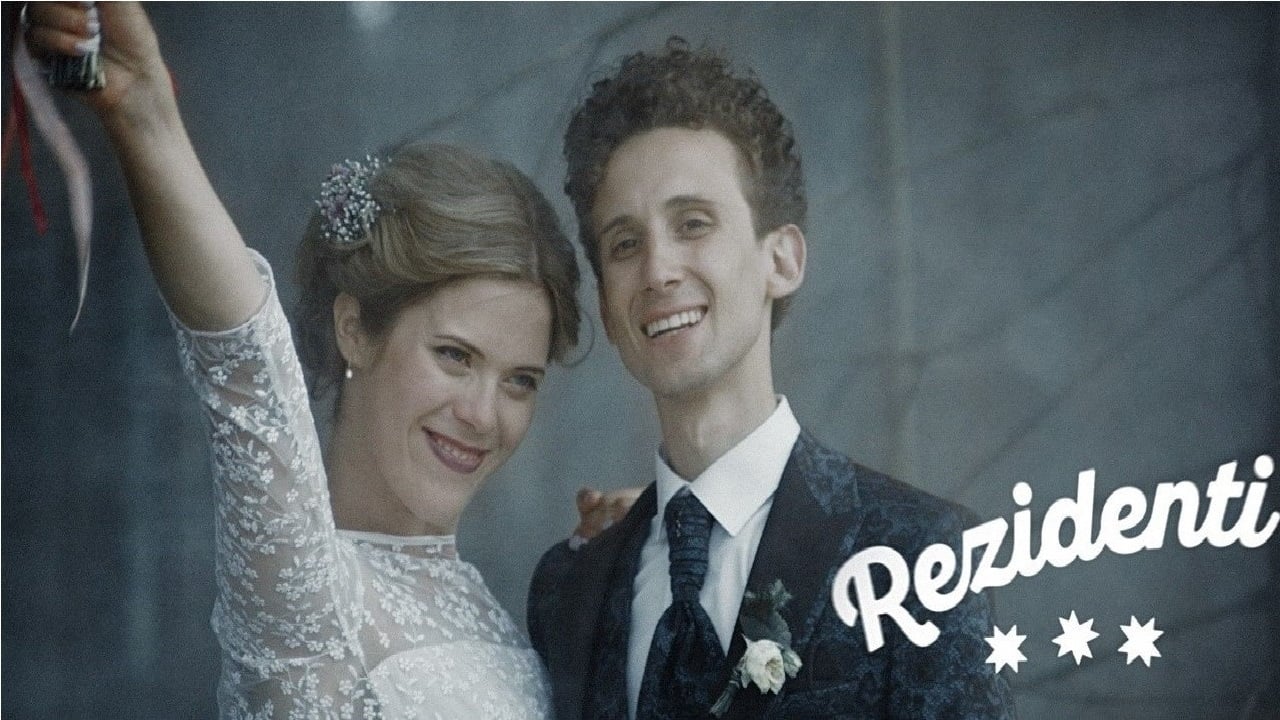
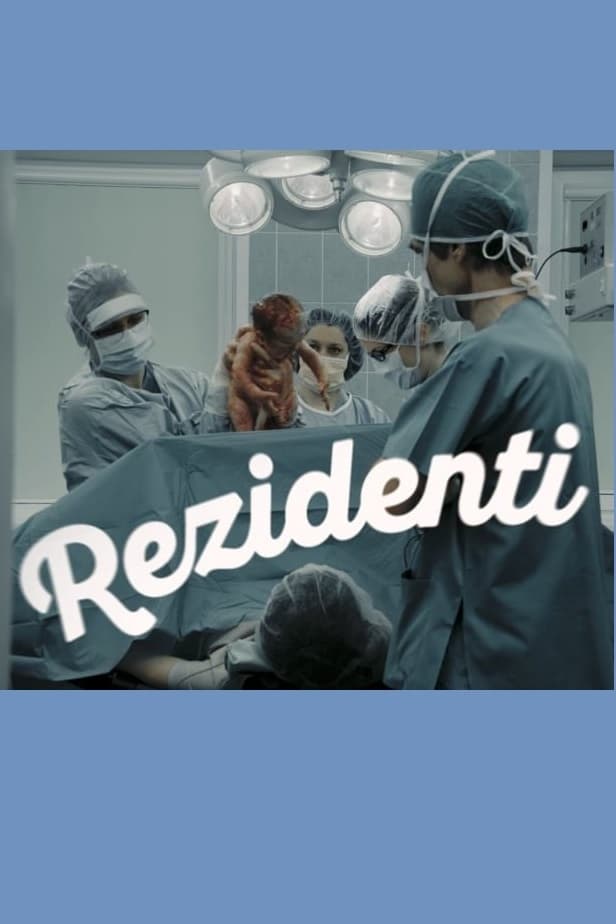
The documentary “Residents” probes problems in Latvia in general and Latvia’s medicine in particular with the story of two energetic young interns, Kārlis and Laura.
Social & External
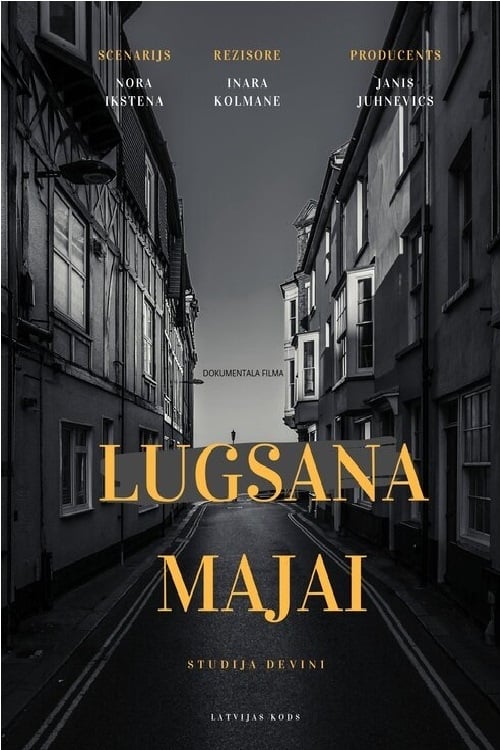
Viktors is an entrepreneur with a unique offer – he has built a bar, bakery, spa, hotel and an auto-shop in a former “sovkhoz” cafeteria in the village of Lone. Viktors understands life, and that his words carry weight – almost 500 village inhabitants are now employed. Lone is a lively place both day and night, full of youths and many other businesses. Viktors is very proud.
The heroine is a widow and a fiancé who wants to begin a new and happy life. Conflicts in her family’s past prevent it, but she does not give up – she wants to clear away the ruins and do what she can. “Enough of looking for guilt, it’s time to find a solution,” she thinks, and takes action.
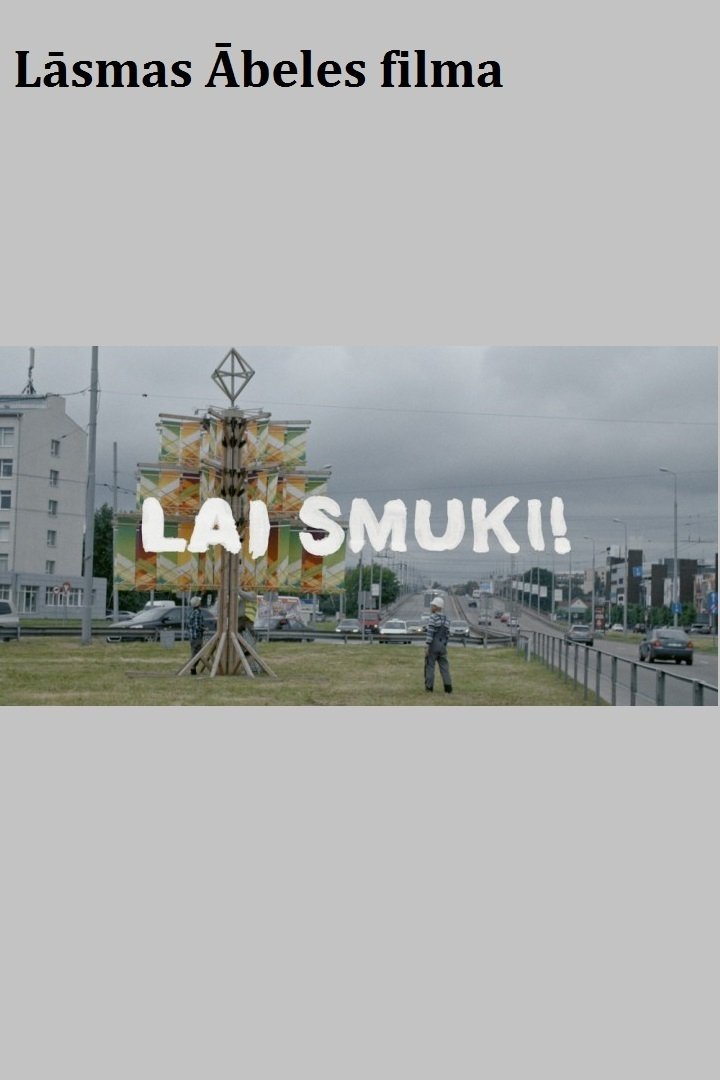
An attempt to understand the people chanting "Atlaist Saeimu!" (Sack the parliament!) year after year. Though rarely attracting a great deal of notice, there are always individuals collecting signatures for a referendum to dissolve the parliament for one reason or another, or simply standing outside the building and reciting their familiar mantra. Latvian governments change fairly often, but the parliament has been dissolved in line wth the Constitution only once, in 2010 (in 1934 it was dissolved unconstitutionally following a coup by Prime Minister Kārlis Ulmanis). The actual parliament building in Old Rīga was, however, attacked in January 2009 during a very rare violent protest which precipitated the fall of Ivars Godmanis' cabinet. The documentary zips back and forth in time giving portraits of various different people and political forces pushing the idea to "Atlaist Saeimu" for different reasons.
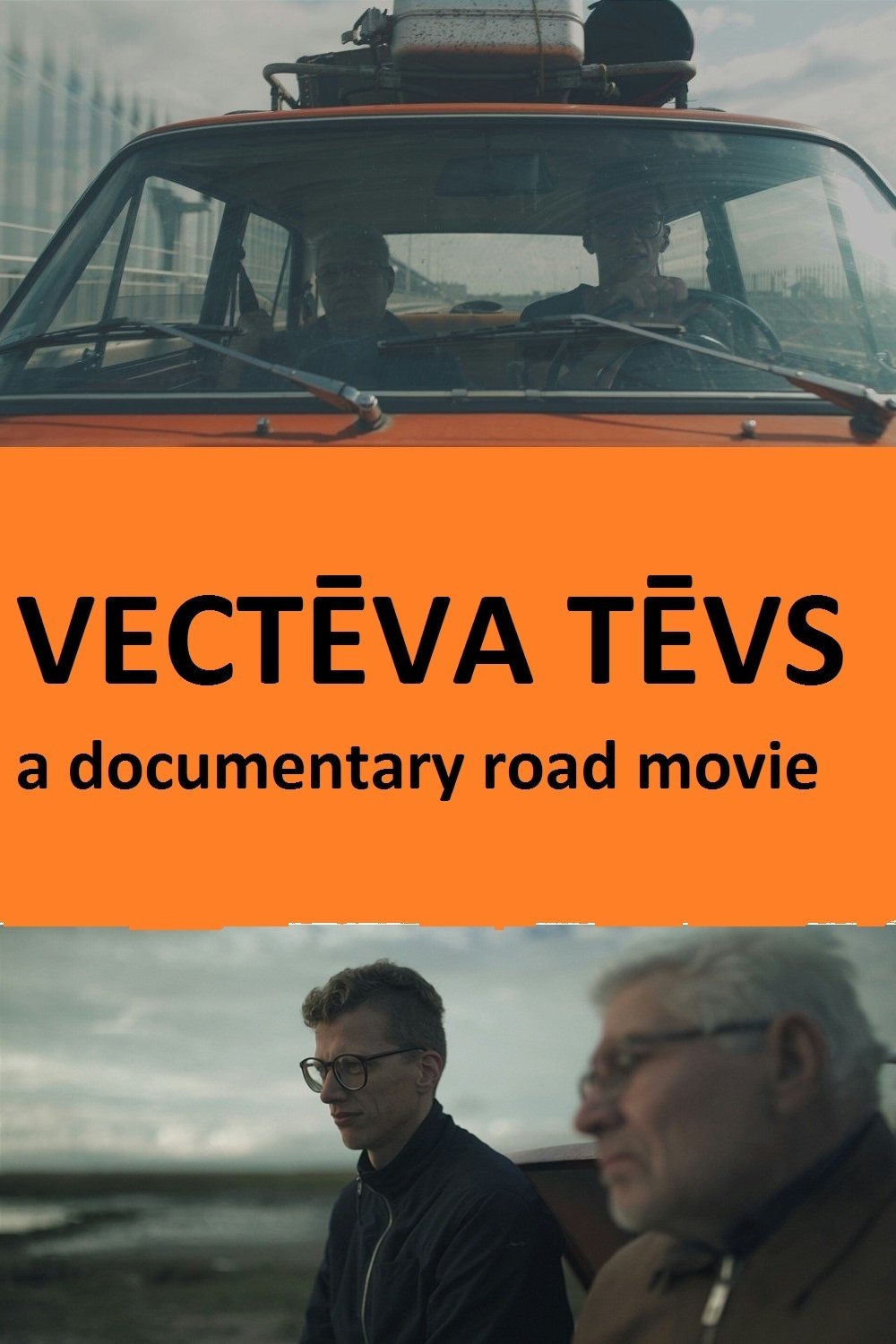
In this film a young man and his curmudgeonly grandfather are going 1,800 km to northern Russia in an old Zhiguli car, hoping to find the grave of their great-grandfather, who was deported. The grandfather Andris is sceptic over the lofty quest, initiated by his grand-son, as it’s not known what awaits them at their destination. Andris thinks they won’t find anything and will come back to Latvia without ever learning what happened to his father. However ever-optimistic Kārlis wants to use the journey not only to find answers about the past but also become closer to his grandfather who raised him. They both lost their parents as children.
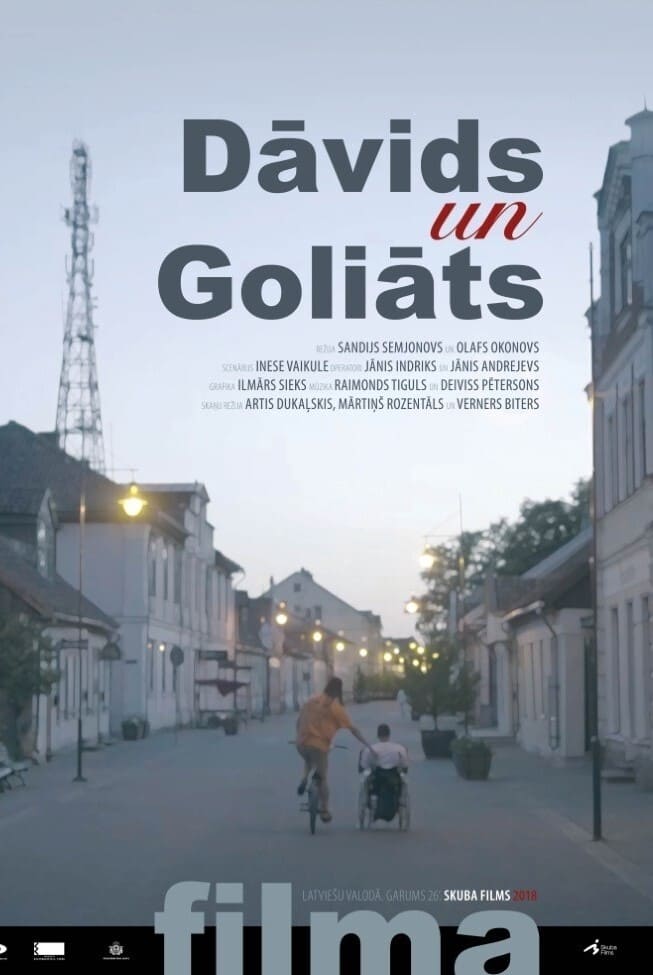
The documentary chronicles the life stories of two brothers, Kristaps and Krists. Kristaps, the elder brother, is disabled and has trouble talking, but he can rap. His younger brother Krists is one of the best freestyle BMX bikers in Latvia.
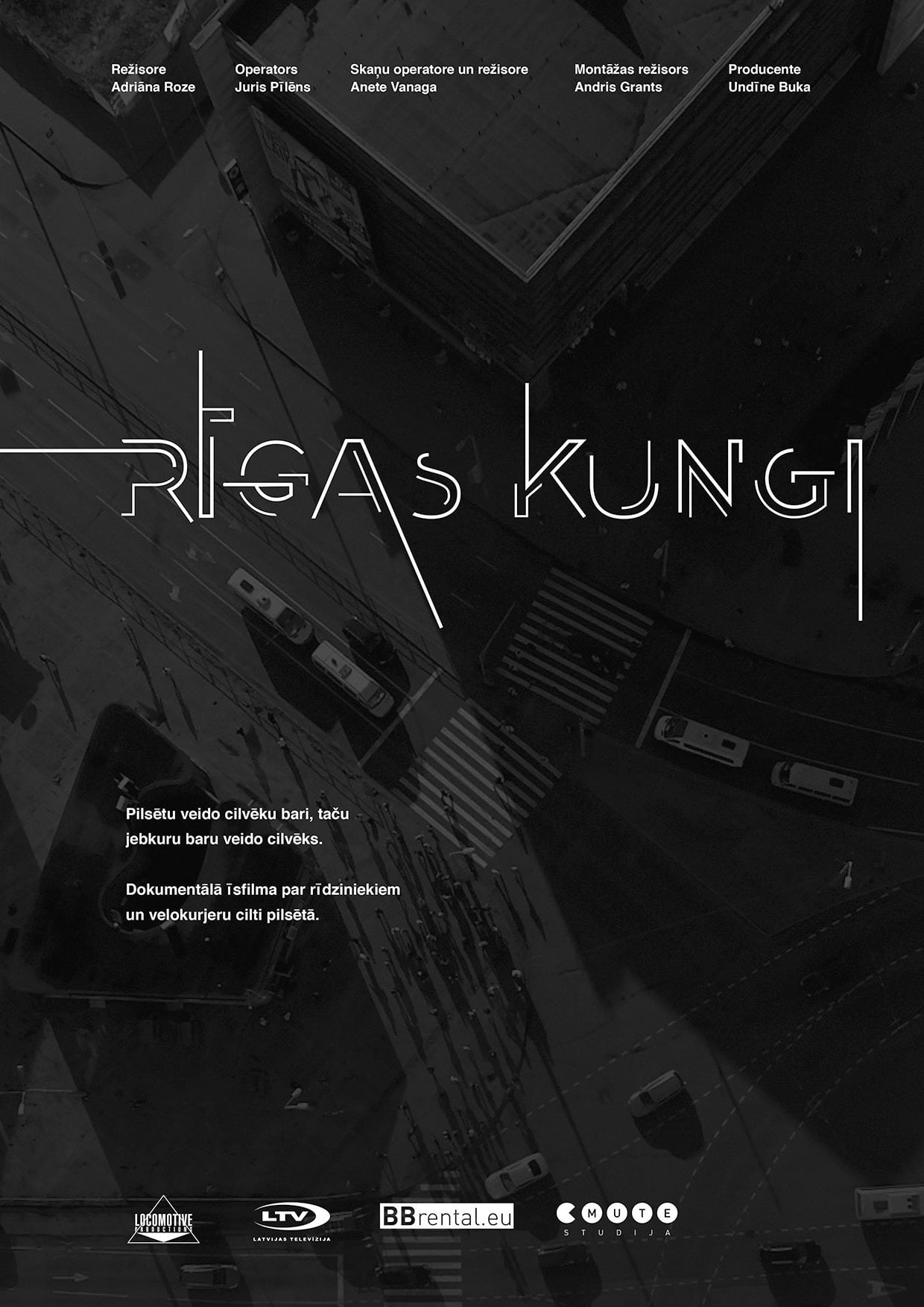
Lords of Riga allows to see an insight into a passionate subculture of bike couriers. Weaving their way through the urban traffic, they have become silent and sometimes unnoticed witnesses of everyday life in Riga as well as examples of our modern-day society. What is freedom to this bunch of rebellious messengers and where it ends?
Latvia is home to almost one fifth of the world’s population of the lesser spotted eagle, yet their number is endangered. Uģis Bergmanis is one of Latvia’s best-known ornithologists, and he does his best to save the eagles in Latvia. He also has another passion – he hunts wolves. He can sit for hours in freezing temperatures until meeting his prey eye to eye. There are many stories in this man. And some of them are going to be told.
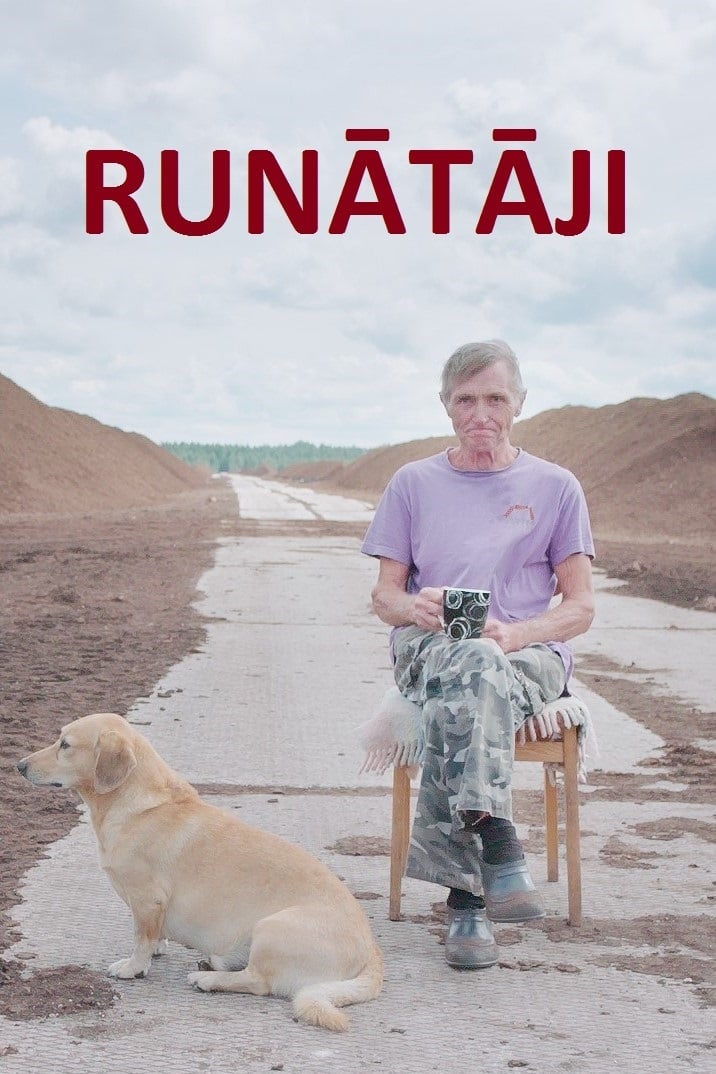
The three speakers represent two of the dialects, with the most common one - the middle dialect spoken in Riga and central parts of Latvia - not featured in the film. In intimate surroundings, a farmer, a schoolteacher, and a herder of ostriches talk about perceived differences between Latvian speakers, and about language policy and their lives.
Māris Strazds (also known as "Mr Black Stork") is a man who's been studying black storks and their behaviour for forty years. His love for and relationship with these beautiful birds is longer than the relationship with his wife. Having spent more than half of his life following black storks, Māris is aware that due to deforestation the number of these birds in Latvia is rapidly approaching zero.
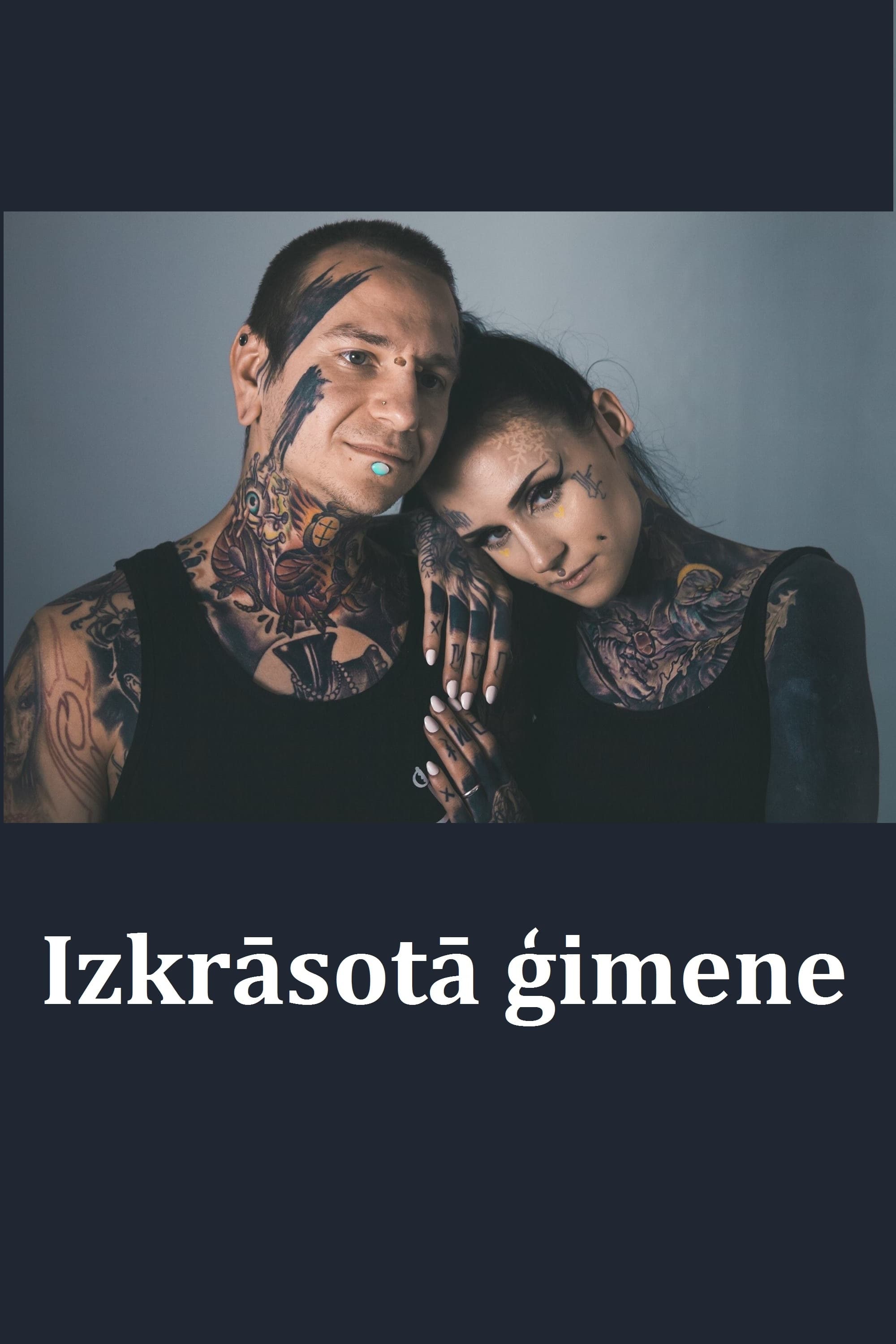
“The Inked Family” follows a couple of married Latvian-born tattoo artists – Anrijs and Monami Frost of online fame. They’re now living in Liverpool with their daughter, and their previous lives in Latvia seem almost surreal to them. The film traces Monami’s past, and the couple’s current lives and the success they’ve found as tattoo artists.
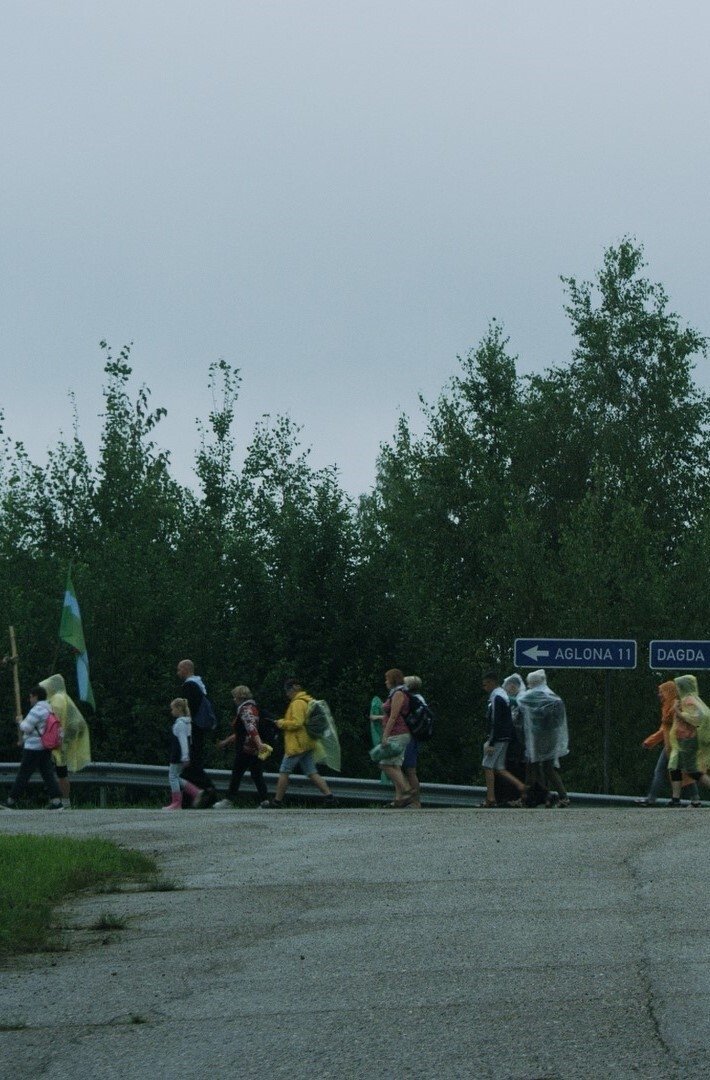
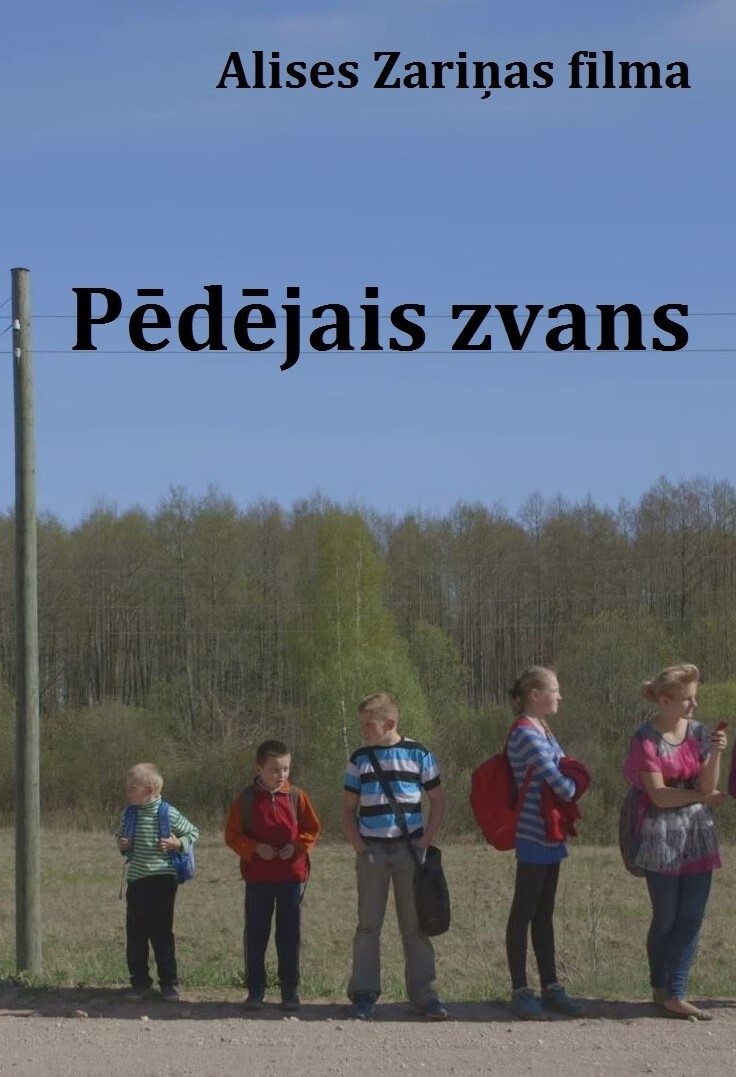
After receiving an edict from the municipal authorities about the closing of their school, the students at Mežvidi primary school continue to attend lessons and exercise creativity and fun, but it’s all clouded in a sense of fatality. They aren’t many students, and because of that the school resembles a large family rather than an institution. Near the Russian border, deep in the Latgale region, this place will become a nowhere-land once the youth depart. In an intimate message about a national problem, the story focuses on three sisters for whom life is about to drastically change. Through their daily lives and small adventures we try to understand the real meaning of the contention that “the countryside is dying”. And we see hope.
The documentary explores issues of beauty and acceptance in a culture increasingly saturated with idealised and unattainable ideals of femininity. It is a story about the world of young girls in today's Latvia, based on conversations about girls' attitudes towards the world and their place in it.
"If a person doesn't go to church anymore, then the church should go to them," says Rinalds, a calm, smiling, young man with a good sense of humor. He is a priest from a small village in Latgale, Latvia's easternmost and poorest region, and the documentary Prīsters (The Priest) follows the routines of his daily life, his thoughts of life and religion and why he chose this path for himself.
For two months, the third-grade students at Cēsis’ New Primary School have been plan-ning and organizing their own graduation ceremony. Throughout this process, the teach-ers are only there to help, trusting in the children’s wisdom, responsibility and ability to organize themselves, make decisions and follow through. Preparations for the celebration involve all the school subjects, turning the school into a place of exciting discovery, where children learn by doing things that are important to them. They enthusiastically live life in the here and now, in all its difficulties and joy.
A documentary that chronicles twin brothers searching for their absent father in faraway Russia. Having very few leads, the twin brothers – different in character and interests – are also looking for the ties that have never bound them as closely as they would have liked.
There is a Man, called Mitrais by locals, who is one of the first professional nature inspectors in Latvia. For an older generation people his name is associated with an image of a real ranger, while youngsters who know him highly respect him. Mitrais is sure that among today’s youth there are more idealists than ever before. And they are ready to do something real and tangible, and not surrender to the overwhelming virtual pseudo-reality.
A story about a train as it reflects our path of life. On it, like in life, people experience friendship and love, and sometimes feel lonely. On board, the announcement over the PA system outlines the rules, and then a reminder that the train won’t be stopping. Do we hurtle through life without making any stops? What are we thinking? We all know that the moment will come when our train pulls to a stop, but not how and when, and what happens afterwards.
'Vadātājs' is an ancient Latvian mythological creature that leads people to Nowhere. As Latvia has been declared the most superstitious country in the EU, it is important to understand – what do we believe in? Three young filmmakers – a director, cinematographer and sound girl – question if Latvia is a lost country and if a Vadātājs has achieved enormous power by leading Latvian society into confusion. A search for a contemporary Vadātājs*, and the understanding of the origins of confusion within people in the 21st century.
Vārdotājas (Wordsmiths) traces the recent rise of women's stand-up comedy in Latvia, but it is by no means just for laughs. Feelings of discomfort, shame, shock, are just some of the subjects tackled.
A documentary on the expletive's origin, why it offends some people so deeply, and what can be gained from its use.
Lyrical and powerfully personal essay film that reflects on the deaths of her husband Lou Reed, her mother, her beloved dog, and such diverse subjects as family memories, surveillance, and Buddhist teachings.
Filmmakers discuss the legacy of Alfred Hitchcock and the book “Hitchcock/Truffaut” (“Le cinéma selon Hitchcock”), written by François Truffaut and published in 1966.
A compilation of over 30 years of private home movie footage shot by Lithuanian-American avant-garde director Jonas Mekas, assembled by Mekas "purely by chance", without concern for chronological order.
An impressionistic portrait of the iconic actor Harry Dean Stanton comprised of intimate moments, film clips from some of his 250 films and his renditions of American folk songs.
Retrospective documentary about the making of the horror cult classic "The Return of the Living Dead."
Happy is a 2011 feature documentary film directed, written, and co-produced by Roko Belic. It explores human happiness through interviews with people from all walks of life in 14 different countries, weaving in the newest findings of positive psychology. Director Roko Belic was originally inspired to create the film after producer/director Tom Shadyac (Liar, Liar, Patch Adams, Bruce Almighty) showed him an article in the New York Times entitled "A New Measure of Well Being From a Happy Little Kingdom". The article ranks the United States as the 23rd happiest country in the world. Shadyac then suggested that Belic make a documentary about happiness. Belic spent several years interviewing over 20 people, ranging from leading happiness researchers to a rickshaw driver in Kolkatta, a family living in a "co-housing community" in Denmark, a woman who was run over by a truck, a Cajun fisherman, and more.
A visual montage portrait of our contemporary world dominated by globalized technology and violence.
Diaries, audiotapes, videotapes and testimonials from friends and colleagues offer insight into the life and career of Gilda Radner -- the beloved comic and actress who became an icon on Saturday Night Live.
A documentary that explores the downloading revolution; the kids that created it, the bands and the businesses that were affected by it, and its impact on the world at large.
A detailing of the rise to prominence and global sporting superstardom of six supremely talented young Manchester United football players (David Beckham, Nicky Butt, Ryan Giggs, Paul Scholes, Phil and Gary Neville). The film covers the period 1992-1999, culminating in Manchester United's European Cup triumph.
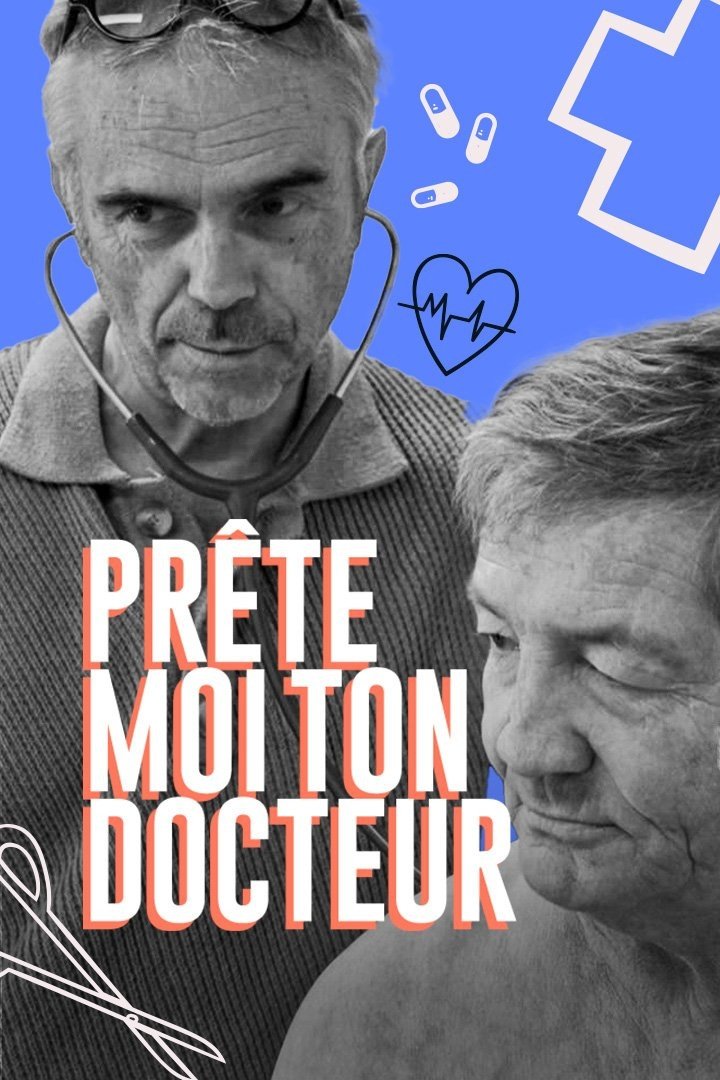
Filmed and edited in intimate vérité style, this movie follows visionary medical practitioners who are working on the cutting edge of life and death and are dedicated to changing our thinking about both.
Artists in LA discover the work of forgotten Polish sculptor Stanislav Szukalski, a mad genius whose true story unfolds chapter by astounding chapter.
JB Smoove and Martin Starr host a celebration of 20 years of "Spider-Man" movies, from the Sam Raimi trilogy to Marc Webb's movies and the trio from Jon Watts.
Alex Gibney explores the charged issue of pedophilia in the Catholic Church, following a trail from the first known protest against clerical sexual abuse in the United States and all way to the Vatican.
Daniel Craig candidly reflects on his 15 year adventure as James Bond. Including never-before-seen archival footage from Casino Royale to the upcoming 25th film No Time To Die, Craig shares his personal memories in conversation with 007 producers, Michael G Wilson and Barbara Broccoli.
A behind the scenes look into George Romero's groundbreaking horror classic Night of the Living Dead.
A documentary about how a dominant cultural and demographic institution both sustains their traditional activities and adapts to the digital revolution.
More than 65 million people around the world have been forced from their homes to escape famine, climate change and war, the greatest displacement since World War II. Filmmaker Ai Weiwei examines the staggering scale of the refugee crisis and its profoundly personal human impact. Over the course of one year in 23 countries, Weiwei follows a chain of urgent human stories that stretch across the globe, including Afghanistan, France, Greece, Germany and Iraq.
Martin Scorsese spends an evening with larger-than-life raconteur Steven Prince—a former drug addict, road manager for Neil Diamond, and actor—as he recounts stories from his colorful life.