Social & External
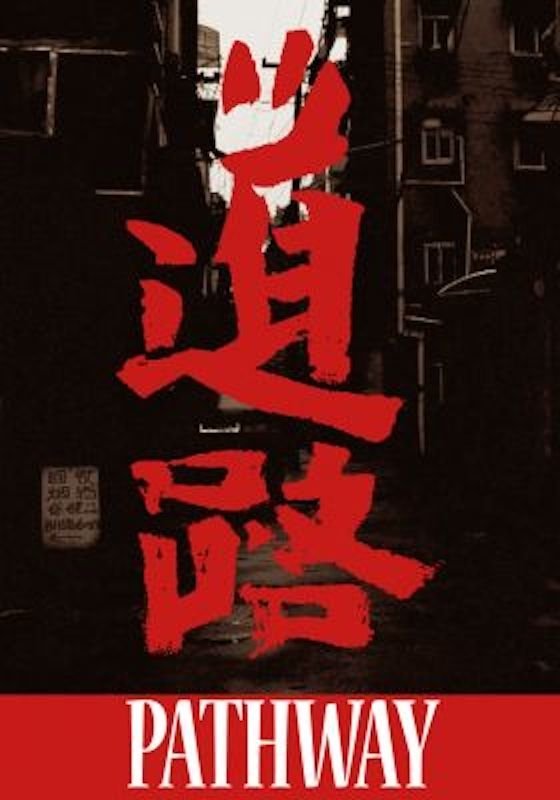
Xu Xin’s film “Dao Lu” (China 2012) offers an exclusive “in camera” encounter with Zheng Yan, an 83 year-old veteran of the Chinese Red Army, who calmly relates how he has navigated his country’s turbulent history over three-quarters of a century.Born to a wealthy family in a foreign concession, Yan joined the Chinese Communist Party (CCP) in 1941 because he sincerely believed in the socialist project, and in its immediate capacity to free China from the Japanese yoke and eradicate deep-rooted corruption.
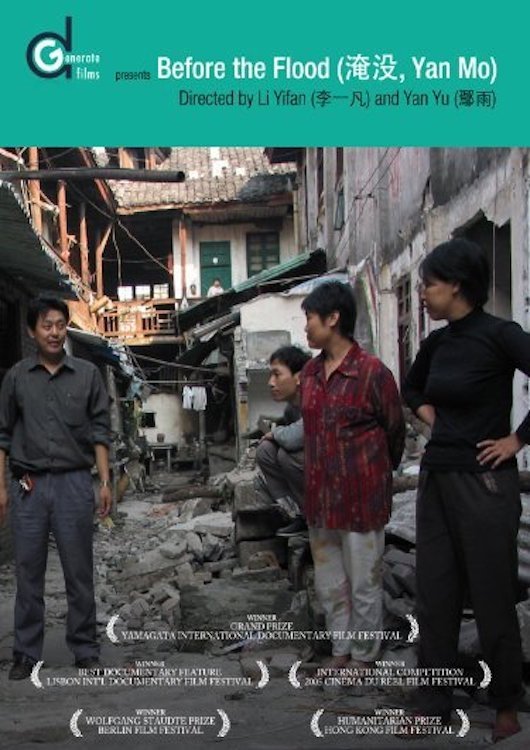
Before the Flood is a study of the final weeks of a dying city, as thousand-year-old Fengjie on the Yangtze River is reduced to rubble and its inhabitants uprooted to make way for the new Three Gorges Dam that will flood the entire valley.
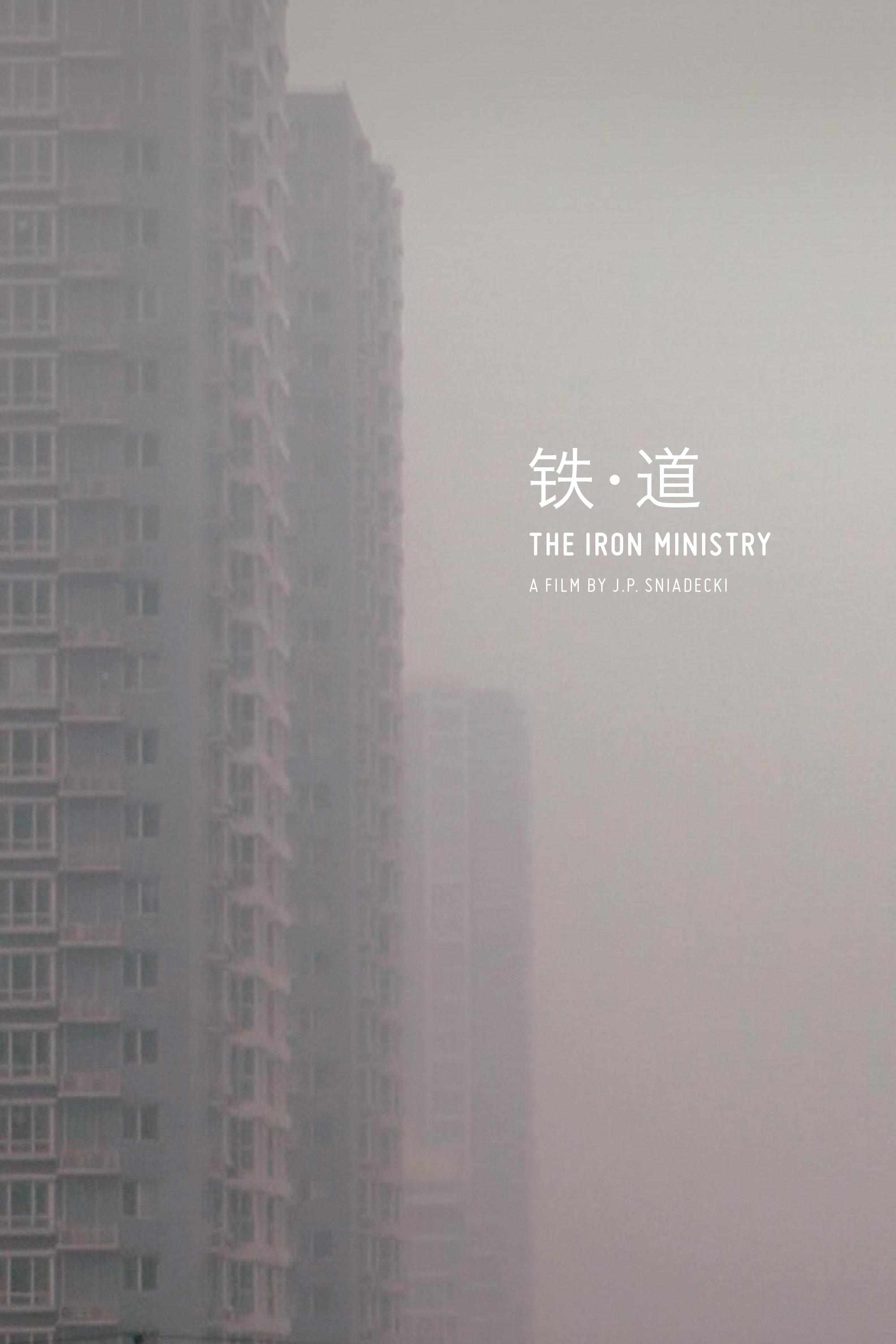
Filmed over three years on China’s railways, The Iron Ministry traces the vast interiors of a country on the move: flesh and metal, clangs and squeals, light and dark, and language and gesture. Scores of rail journeys come together into one, capturing the thrills and anxieties of social and technological transformation. The Iron Ministry immerses audiences in fleeting relationships and uneasy encounters between humans and machines on what will soon be the world’s largest railway network.
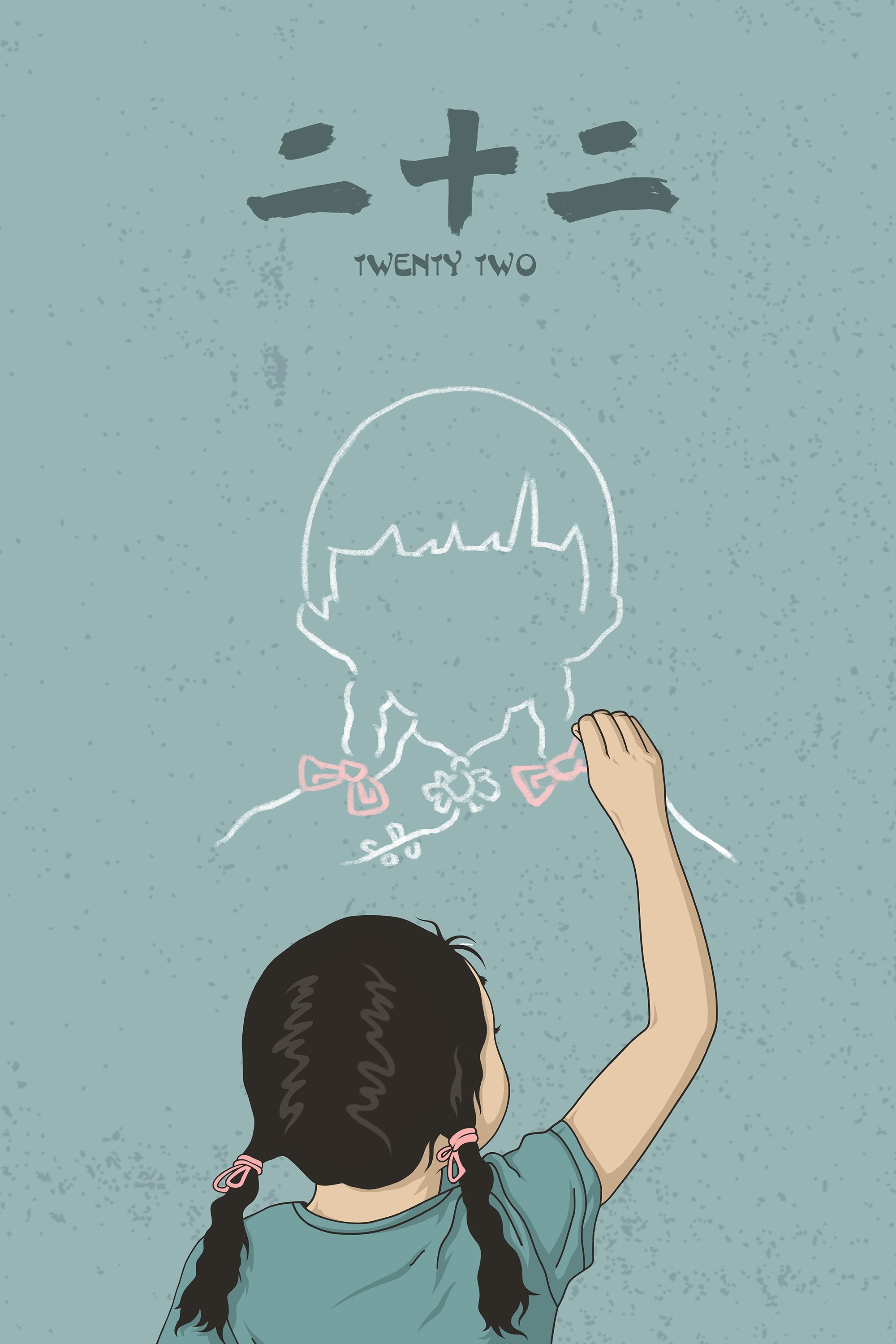
Follow the lives of the elderly survivors who were forced into sex slavery as “Comfort Women” by the Japanese during World War II. At the time of filming, only 22 of these women were still alive to tell their story. Through their own personal histories and perspectives, they tell a tale that should never be forgotten to generations unaware of the brutalization that occurred.
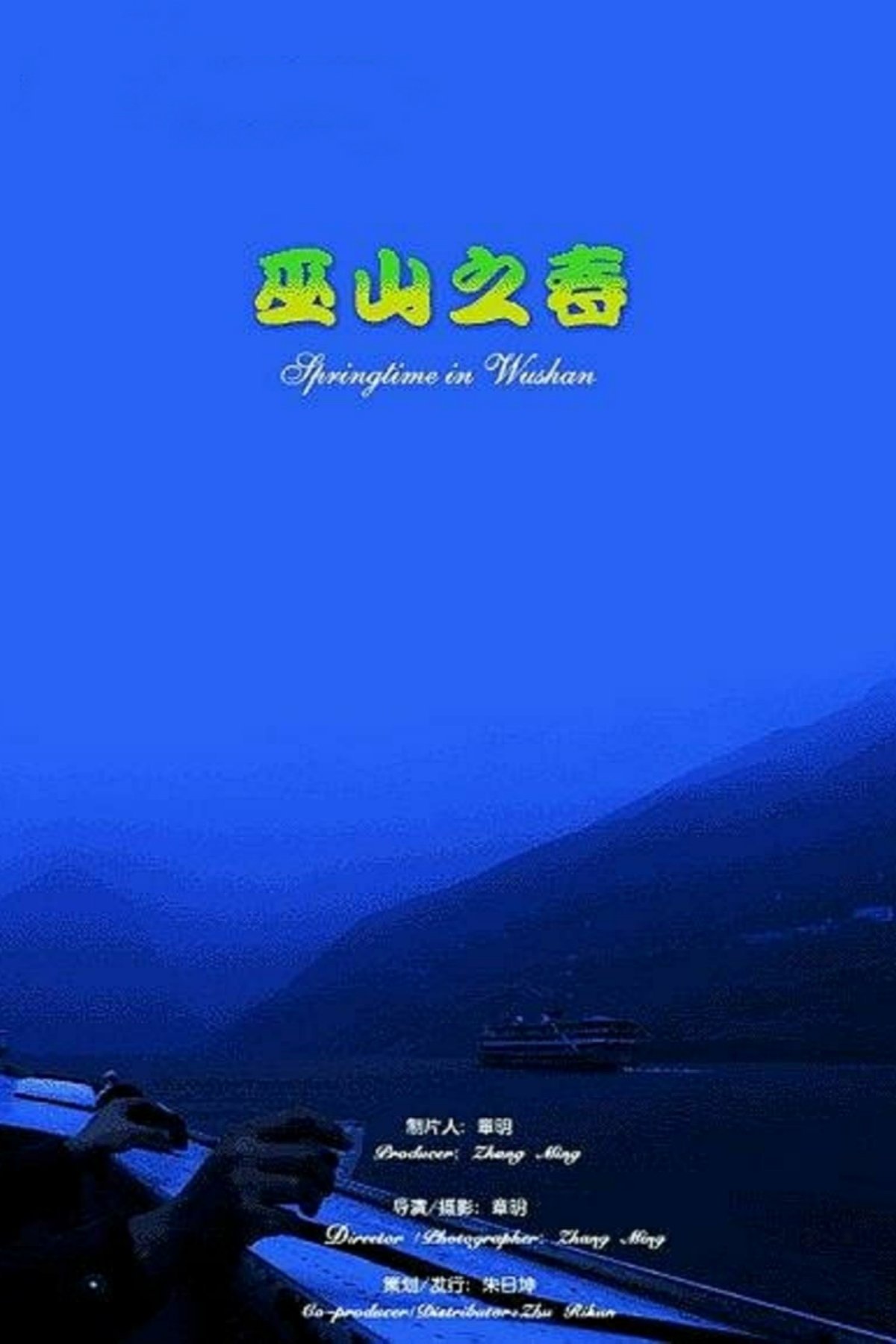
Zhang Ming went back to his hometown Wushan to record the last images before it being changed forever by the upcoming Three Gorges Dam.
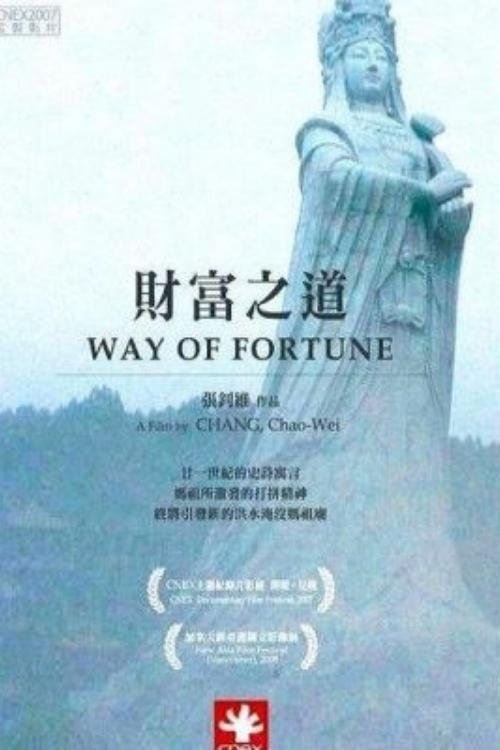
"Mazu" or "The Sea God" has been the most important religious belief of ordinary people in my hometown for four hundred years. Along the coast of China and even in the Nanyang region, there is at least one temple dedicated to Mazu in various seaside cities-this geographical and historical distribution coincides with the contemporary economic or industrial area of Chinese society. It is frustrating that rapid economic development has led to global warming. The factories located on the coast of southern China from all over the world will eventually cause flooding and inundate these temples dedicated to Mazu. This is indeed a very ironic discovery for our civilization, "We", not only Chinese or all human beings, now or in the past, how can we Chinese avoid this upcoming tragedy?
For Chinese parents, finding out that their kid is gay usually presents a major tragedy, with the big majority utterly unable to accept the homosexuality of their son or daughter. However, during recent years a fresh rainbow wind has been blowing over the Chinese mainland: a pioneer generation of Chinese parents has been stepping up and speaking out on their love for their gay kids. This documentary features 6 mothers from all over China, who talk openly and freely about their experiences with their homosexual children. With their love, they are giving a whole new definition to Chinese-style family bonds.
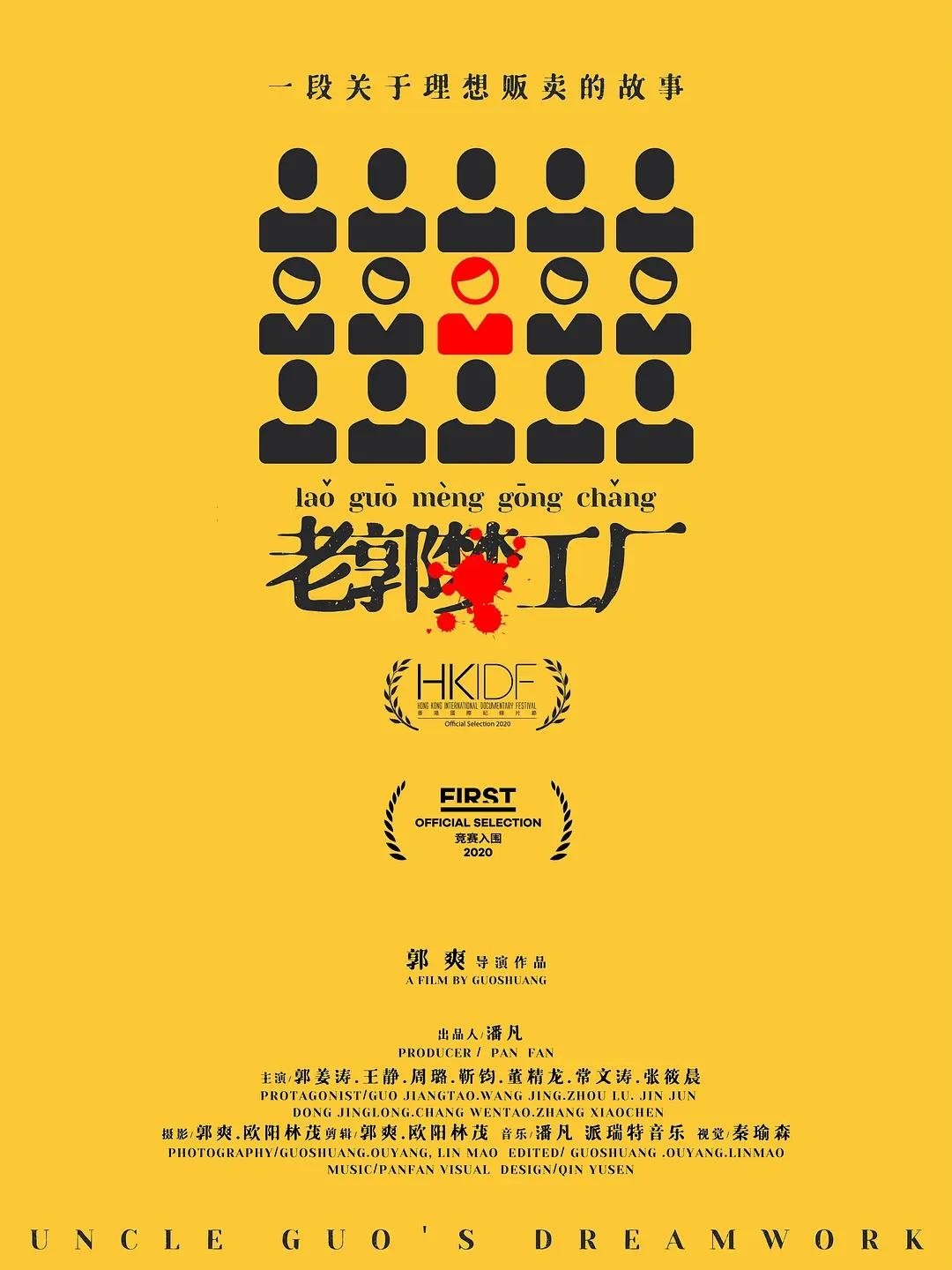
As a person who has taken art exams, Guo Jiang chose to enter the industry of "art exam training" after graduating from university. His role is that of both an educator and a businessman, although most of the time he prefers to appear as "Mr. Guo". The stage on which Mr. Guo's skills are put to use is a small county in central Henan, which is also his hometown. This documentary is about Guo Jiang's career and life.In short, hovering between the desire and the so-called ideal, adhere to or let go, he needs to make a choice.
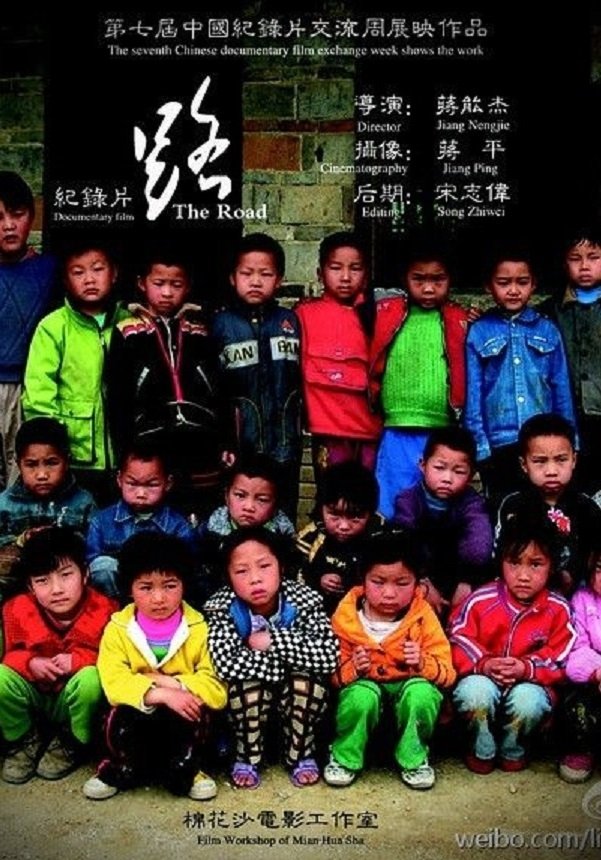
The documentary film, The Road, reveals the status of 22 students who study in a private village school in Hunan Province. Through in-depth interviews, the inner world of these “left-behind children” who are lack of parental love has been explored. We hope that through this film, we could hear the responses and actions from our society.
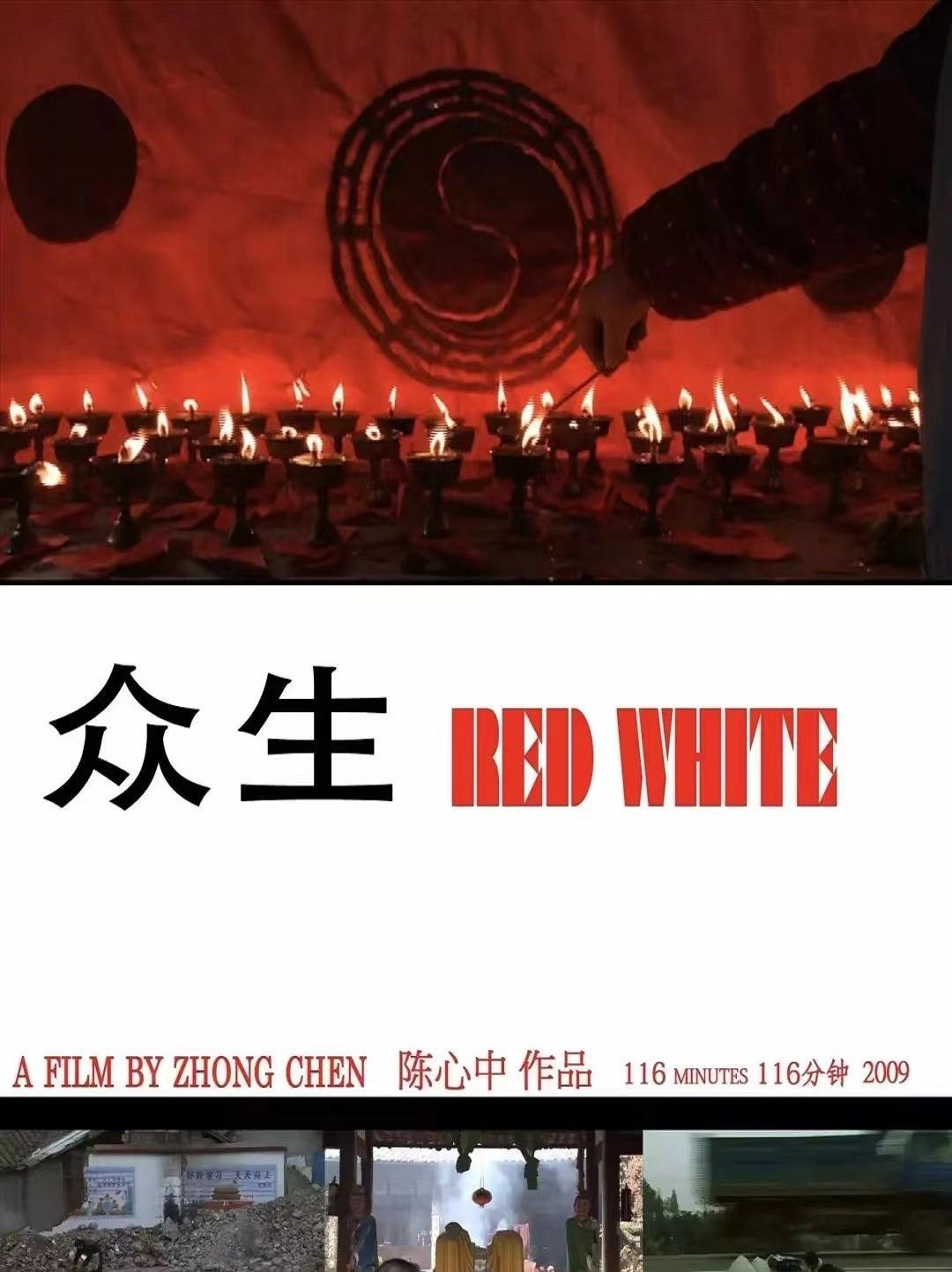
A small rural township called Red White was seriously devastated by the May 12th Earthquake in China 2008. A 62-year-old Taoist survived even though his temple was largely torn by the disaster. This documentary tells the story of how the Taoist practices the widely believed Chinese traditional religion and the local people’s daily life during the township’s post-quake reconstruction.
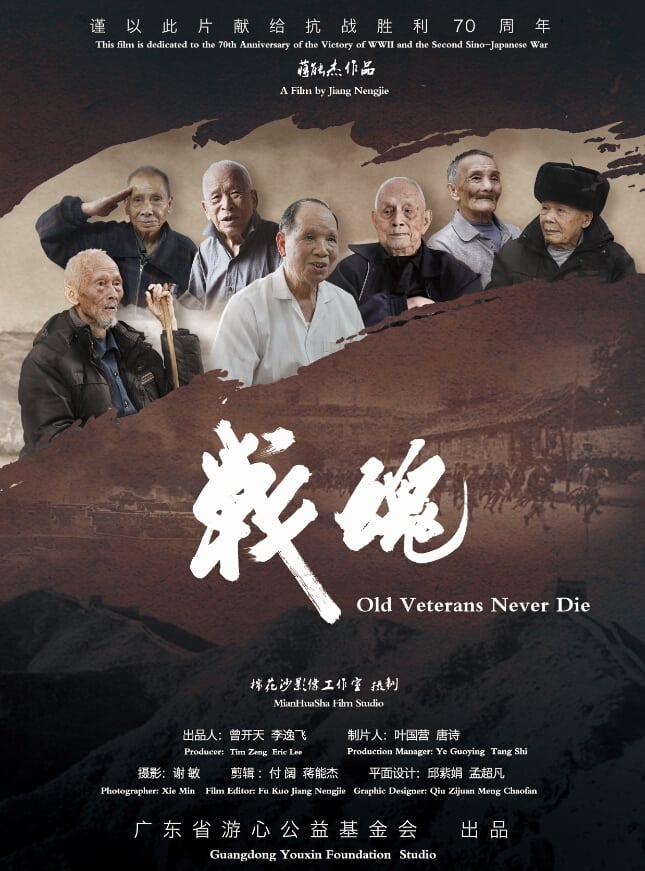
Different veterans, different memories of the Anti-Japanese War, and different lives. The oral narratives of 7 veterans show you the pictures of the Anti-Japanese War in that year, and take you to understand the current situation of the veterans of the Anti-Japanese War in Guangdong.
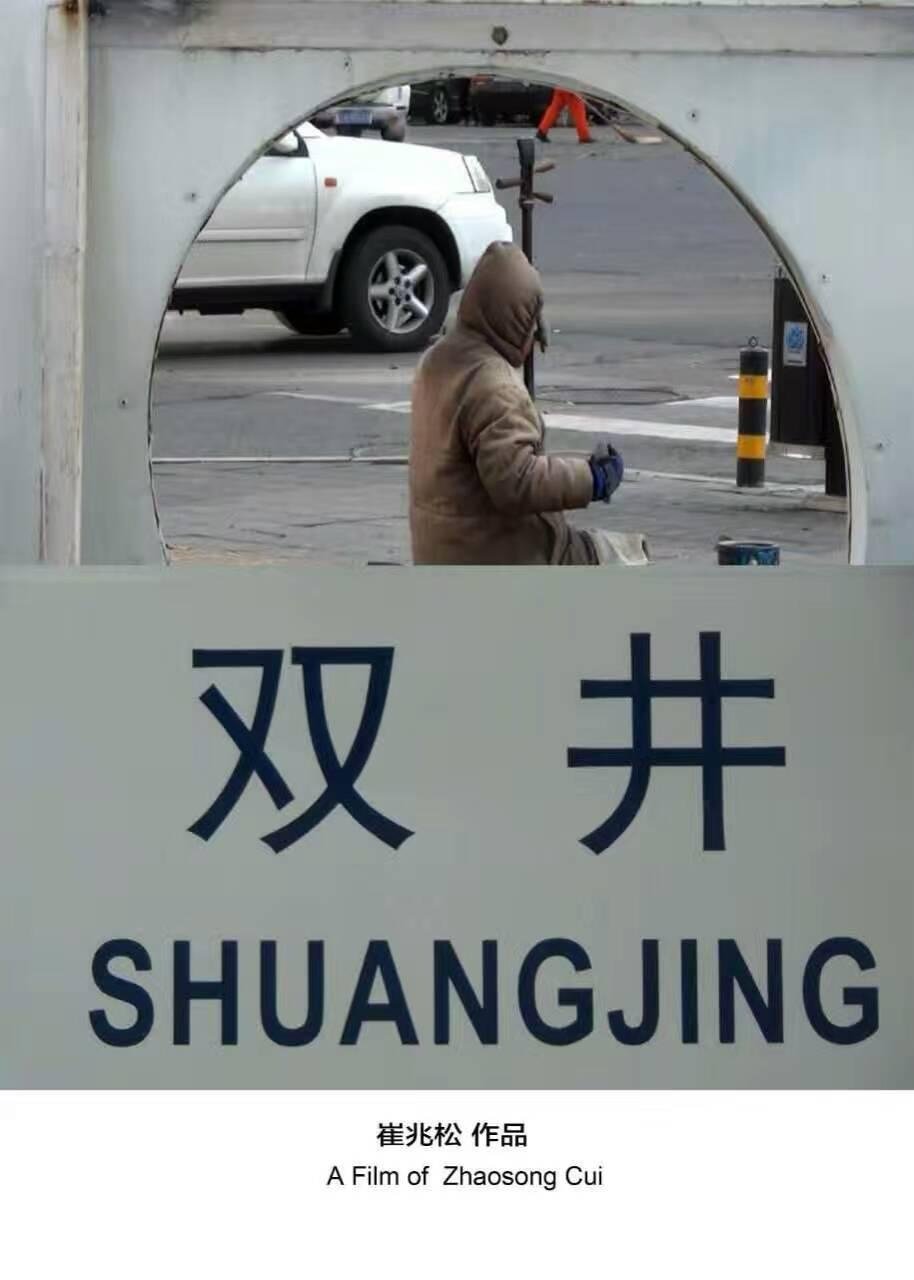
The story happened near the Shuangjing subway station in Beijing. The female stall owner was aggrieved by the selective enforcement of urban management and expressed that she would fight to the end for fairness. When the urban management team forced her to close, she burst into tears and complained of social injustice. Even in the urban management team, she had to ask for fairness. But in the face of institutional chaos, she finally chose to compromise and continue the cat and mouse game. The old man is a Christian, is he helpless in obedience to fate? How many people's melody played by the Huqin sounded in the smog of Beijing?
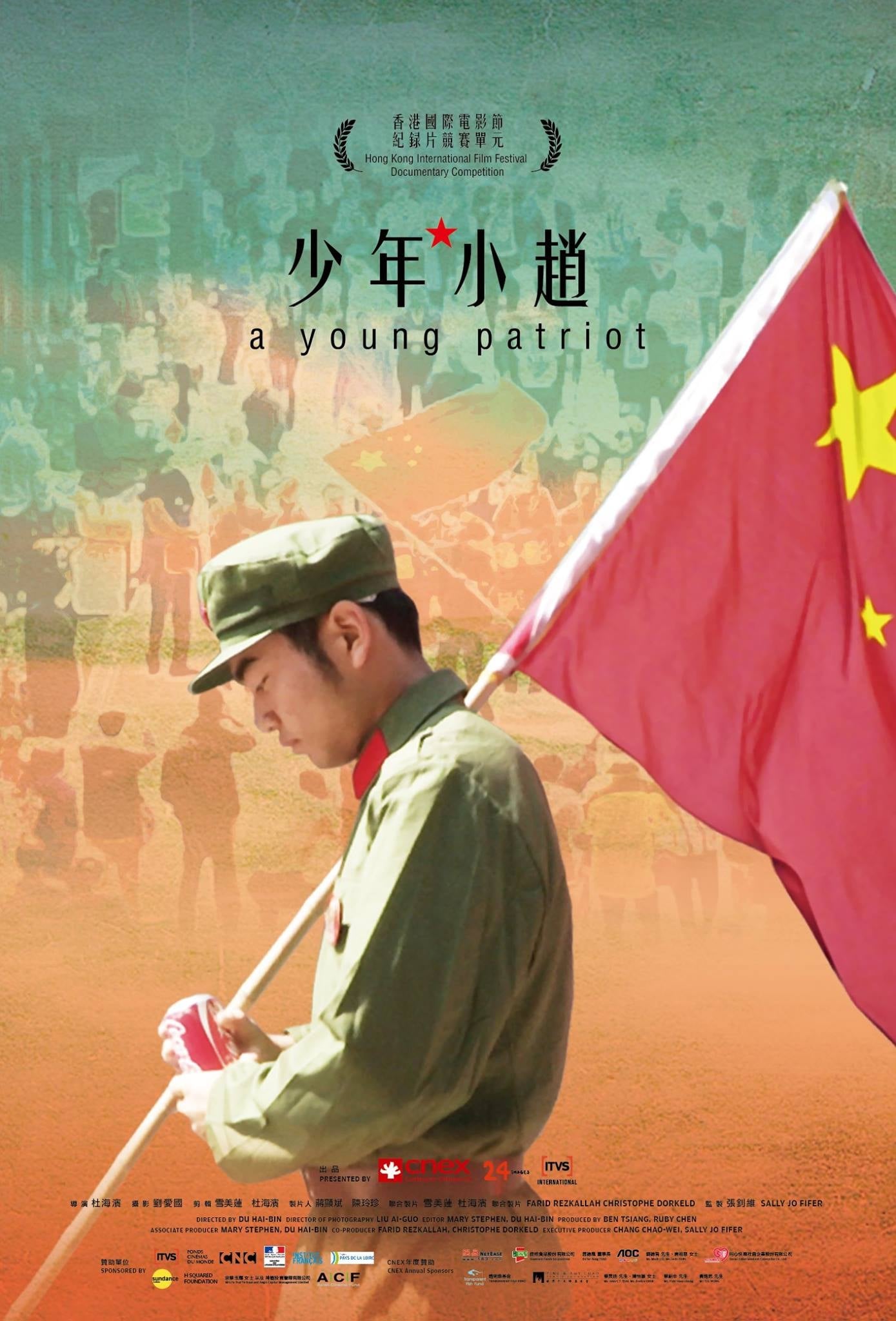
A documentary chronicling the coming of age of a young chinese man.
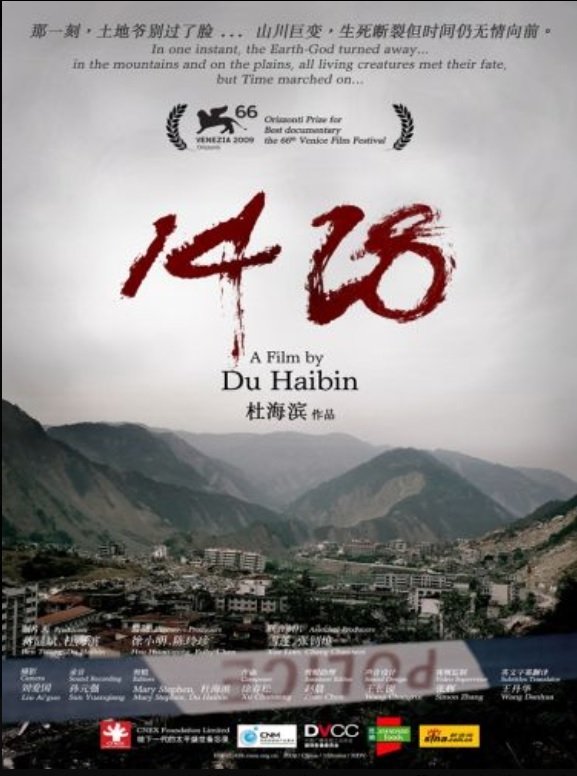
The "Great Sichuan Earthquake" took place at 14:28 on May 12, 2008. In the days after, ordinary people salvage destroyed pig farms in the mountains, collect cheap scrapped metals, or pillaging other victims' homes. Behind the media circus of official visits is an inconsolable grief of families searching for loved ones. As the Lunar New Year approaches, vagabonds and family tell of the ill-handling of rebuilding schemes and misuse relief funds. As they prepare for another visit from a high official, the refugees are swept out of the town and into tent cities. The promise to put a roof over their heads before winter seems impossible to keep.
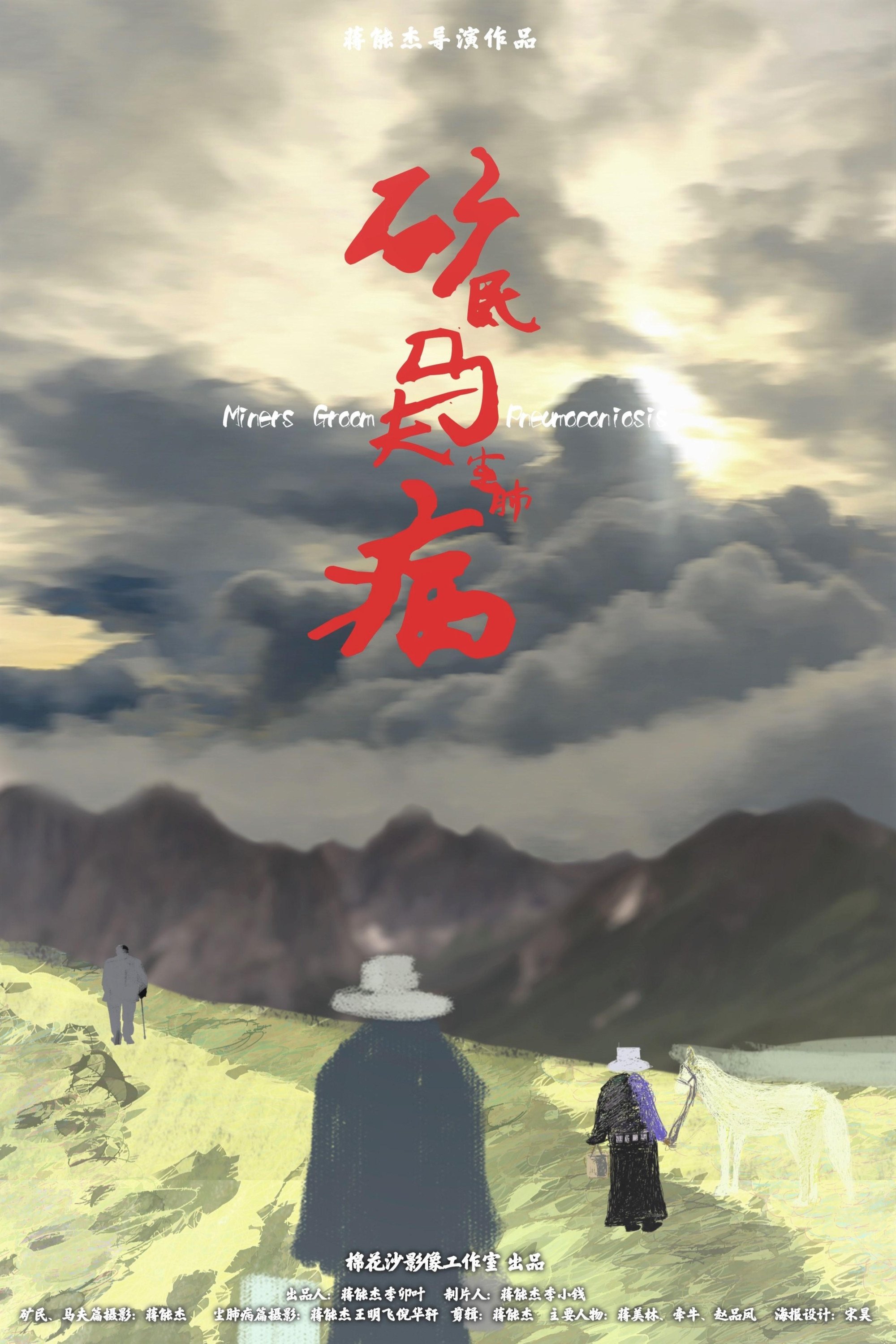
The location of Hunan's southwestern Hunan, the local economy is not active, the people either go out to work or go up the mountain to mine. Due to the constant mining disasters, despite the government's efforts to rectify and regulate, many people still illegally mine. Miners often do not pay attention to the protection of mines. Many years later, many miners have pneumoconiosis. The film started shooting in 2010 until 2018, with a filming period of nearly ten years, until the death of Zhao Pingfeng, the protagonist of pneumoconiosis, leaving young children and mentally handicapped wife.
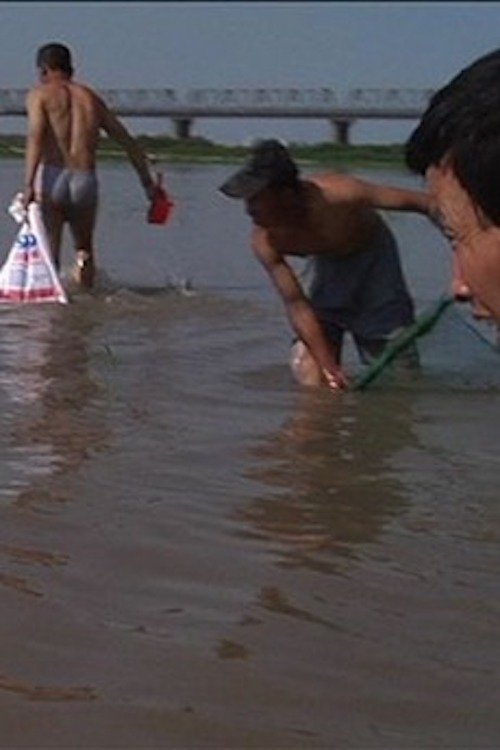
In northeastern China the Songhua River flows west from the border of Russia to the city of Harbin, where four million people depend on it as a source of water. Songhua is a portrait of the varying people that gather where the river meets the city, and an ethnographic study of the intimate ways in which they play and work.
A short documentary that captures the longest total solar eclipse of the 21st century, The Yellow Bank takes you on a contemplative boat ride across the Huangpu River in Shanghai, China. Filmmaker J.P. Sniadecki, who lived and worked in Shanghai nine years earlier, uses the eclipse as a catalyst to explore the way weather, light, and sound affect the urban architectural environment during this extremely rare phenomenon.
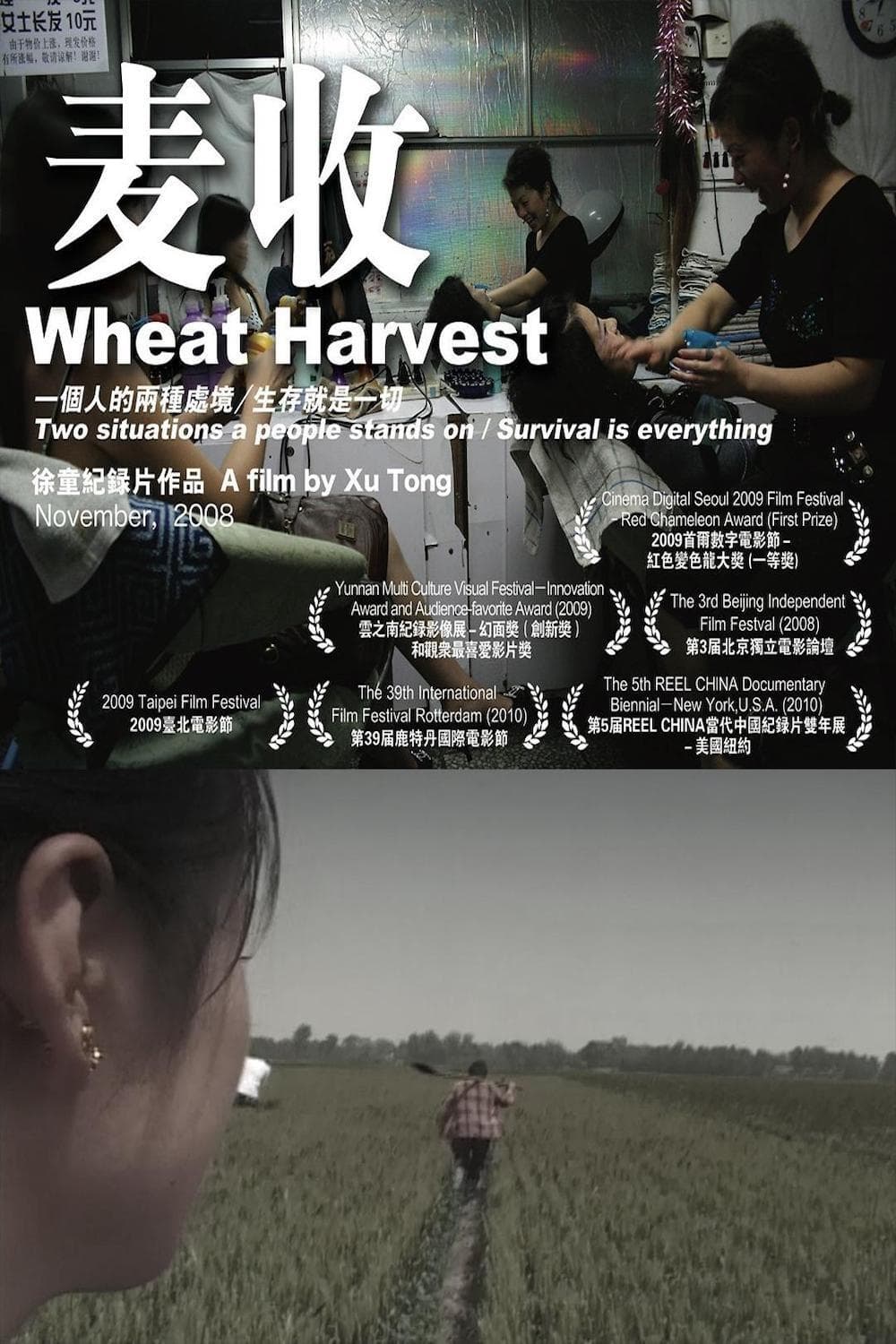
A documentary film showing the life of Niu Hongmiao, a 20-year-old country girl who is now a prostitute in Beijing. Around the time of wheat harvesting, she goes back home to Dingxing County, Hebei Province to visit her parents.
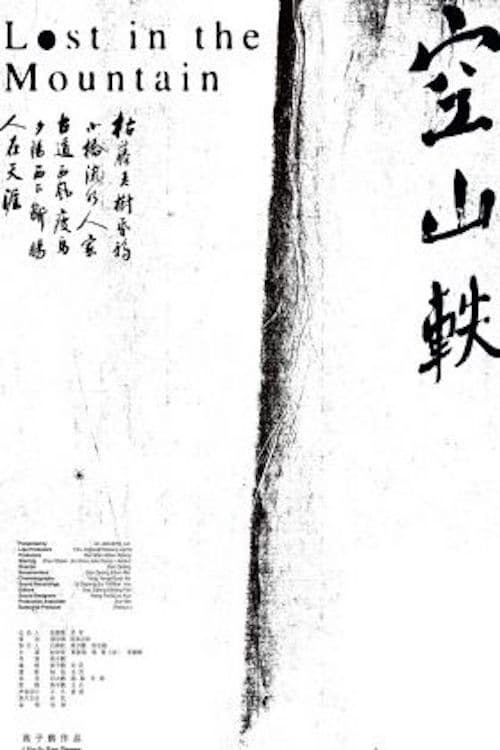
The film is director Gao Zipeng’s first fiction film which takes three years to complete. It premieres on March 27, 2001 in UCCA and stars the poet A Jian, Xiao Zhao and the writer Gou Zi. The film is based on a true crime of disappearance. It creates an atmosphere of what Ma Zhiyuan, a celebrated poet and playwright of Yuan Dynasty, portrays in his famous poem “Autumn Thoughts”: Over old trees wreathed with rotten vines fly evening crows/ Under a small bridge near a cottage a stream flows/ On ancient road in the west wind a lean horse goes/ Westward declines the sun/ Far, far from home is the heartbroken one.
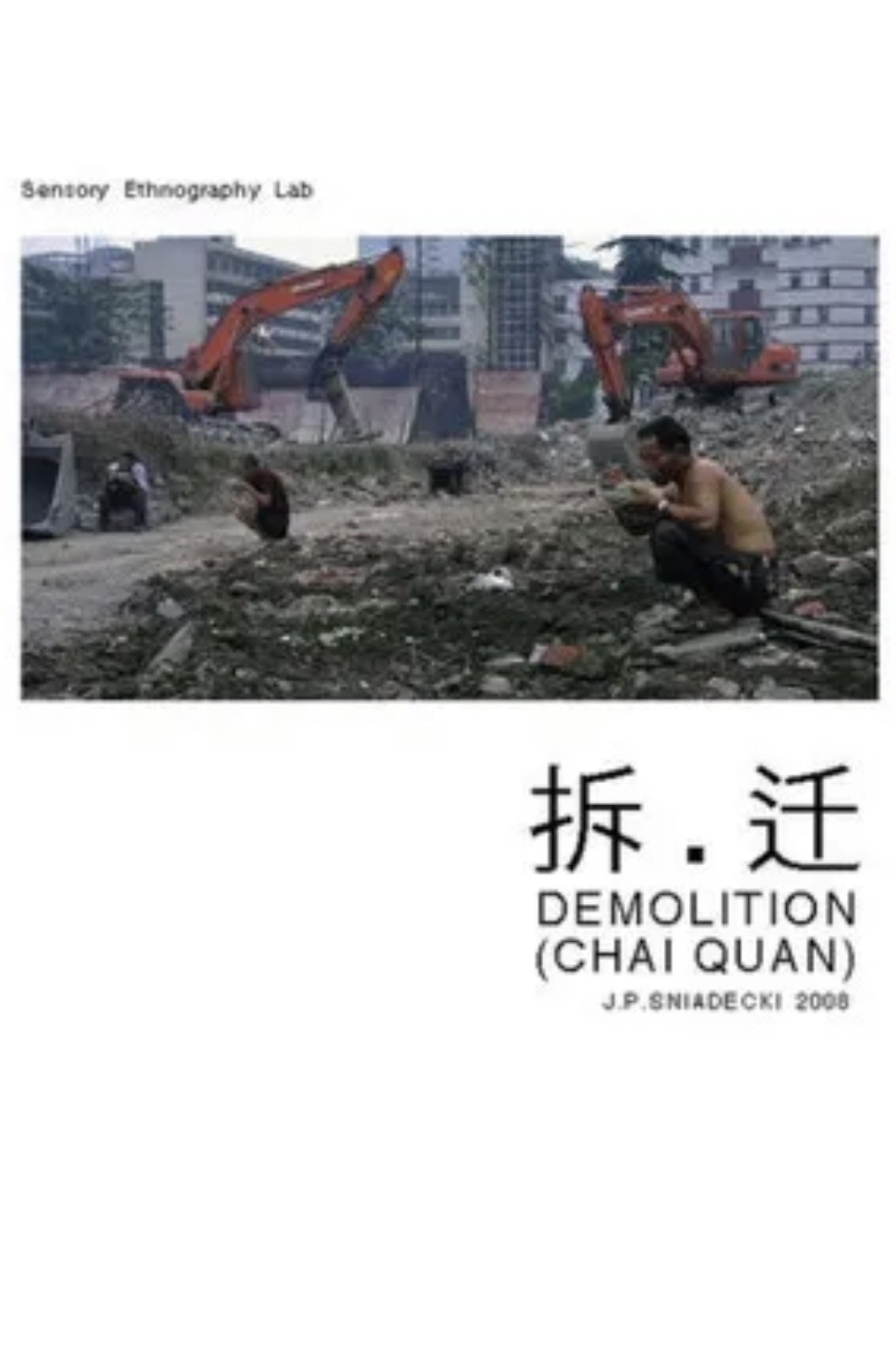
"If the old doesn't go, the new never comes" recites a teenager hanging out near a demolition site in the center of Chengdu, the Sichuan capital in western China. In Demolition, filmmaker J.P. Sniadecki deconstructs the transforming cityscape by befriending the migrant laborers on the site and documenting the honest, often unobserved, human interactions, yielding a wonderfully patient and revealing portrait of work and life in the shadow of progress and economic development.
A documentary about how a dominant cultural and demographic institution both sustains their traditional activities and adapts to the digital revolution.
A detailing of the rise to prominence and global sporting superstardom of six supremely talented young Manchester United football players (David Beckham, Nicky Butt, Ryan Giggs, Paul Scholes, Phil and Gary Neville). The film covers the period 1992-1999, culminating in Manchester United's European Cup triumph.
A visual montage portrait of our contemporary world dominated by globalized technology and violence.
A documentary about the life and films of director John Ford.
A documentary on the life of John Lennon, with a focus on the time in his life when he transformed from a musician into an antiwar activist.
A documentary about the sport of boxing, as seen through the eyes of champions Mike Tyson, Evander Holyfield and Bernard Hopkins.
This revealing documentary honors the legendary Sidney Poitier—iconic actor, filmmaker, and civil rights activist. Featuring interviews with Denzel Washington, Spike Lee, Halle Berry, and more.
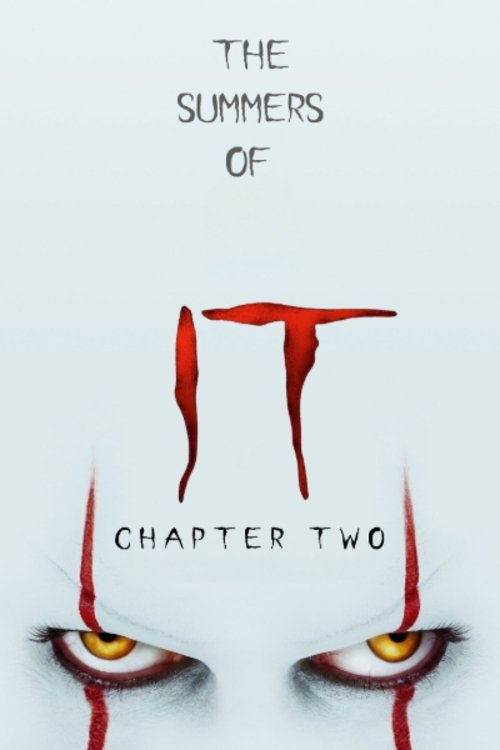
This documentary focuses on the actors and their journey over two summers to create the remake to the original IT, by Stephen King. The documentary originally released as bonus material, bundled with IT: Chapter Two.
Alexander McQueen's rags-to-riches story is a modern-day fairy tale, laced with the gothic. Mirroring the savage beauty, boldness and vivacity of his design, this documentary is an intimate revelation of McQueen's own world, both tortured and inspired, which celebrates a radical and mesmerizing genius of profound influence.
An inside look at one of the most anticipated movie sequels ever with James Cameron and cast.
Follow the evolution of the 'Halloween' movies over the past twenty-five years. It examines why the films are so popular and revisits many of the original locations used in the films - seeing the effects on the local community. For the first time, cast, crew, critics and fans join together in the ultimate 'Halloween' retrospective.
Through deeply personal interviews with her siblings and an examination of the photographs, letters, and belongings left behind, Mariska assembles a new portrait of her mother Jayne Mansfield, an extraordinary and complex woman.
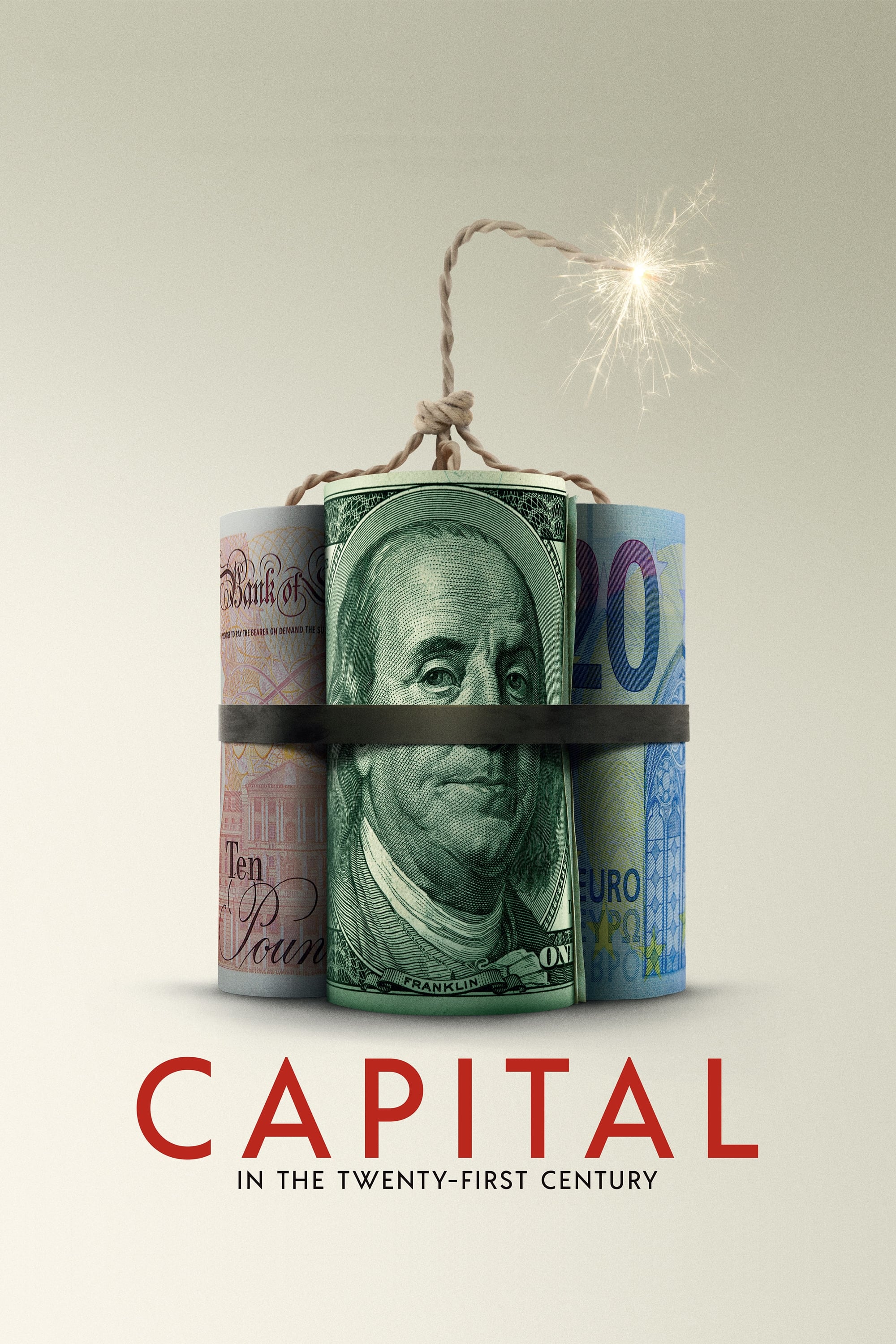
Film adaptation of French economist Thomas Piketty's ground-breaking global bestseller of the same name: an eye-opening journey through wealth and power.
Serial killer Dennis Nilsen narrates his life and horrific crimes via a series of chilling audiotapes recorded from his jail cell.
A documentary about the making of David Fincher's 2008 film THE CURIOUS CASE OF BENJAMIN BUTTON. Virtually every element in the evolution of the Fincher's film is documented here, from the project's attachment to numerous other directors during the 1990s, to its shoot in 2006 and 2007 in New Orleans, to its complex, CGI-intensive postproduction process.
JB Smoove and Martin Starr host a celebration of 20 years of "Spider-Man" movies, from the Sam Raimi trilogy to Marc Webb's movies and the trio from Jon Watts.
Martin Scorsese’s portrait of writer and social commentator Fran Lebowitz, celebrated for her sharp wit and observations on modern life. Filmed at New York’s Waverly Inn and intercut with archival footage and interviews, the documentary captures Lebowitz’s distinctive worldview through her spontaneous monologues and public appearances.
A documentary focused on plastic pollution in the world's oceans.
The compelling feature-length documentary film, by director Barry Ptolemy, chronicles the life and controversial ideas of luminary Ray Kurzweil. For more than three decades, inventor, futures, and New York Times best-selling author Ray Kurzweil has been one of the most respected and provocative advocates of the role of technology in our future.
A compilation of over 30 years of private home movie footage shot by Lithuanian-American avant-garde director Jonas Mekas, assembled by Mekas "purely by chance", without concern for chronological order.